The Journey of Game Art Creation
What Is Game Art Creation
Game Art Creation

Game Art Creation is the process of designing, illustrating, and producing visual elements for video games, including characters, environments, props, and user interfaces. It combines artistic skills with technical knowledge to bring imaginative worlds to life, enhancing gameplay experiences and storytelling through compelling and immersive visuals.
Game Art Creation plays a crucial role in the gaming industry, shaping the visual identity and emotional tone of a game. For professionals, mastering this craft opens doors to creative expression and collaboration with multidisciplinary teams. It allows artists to influence how players perceive and interact with game worlds. The benefits include the opportunity to work on diverse projects, the satisfaction of seeing one’s art enjoyed by millions, and the potential for career growth in a rapidly expanding industry. Game Art Creation also fosters continuous learning, as artists must stay updated with evolving tools and trends, ensuring their skills remain relevant and in demand.
A professional game artist working at a mid-sized studio might be tasked with creating the visual assets for a new fantasy adventure game. They begin by sketching concept art for characters and environments, collaborating closely with game designers to ensure the visuals align with the game’s narrative and mechanics. Using digital sculpting and painting tools, they develop detailed 3D models and textures, refining their work based on feedback from the art director and technical constraints from programmers. Their creations are then integrated into the game engine, where they help shape the atmosphere and player experience. Through this process, the artist’s work becomes a vital part of the game’s identity, contributing to its appeal and success in the market.
Education
3D/2D Graphic Software

3D/2D Graphic Software refers to digital tools used to create, manipulate, and render visual assets in two or three dimensions. These programs, such as Photoshop for 2D and Blender or Maya for 3D, are essential in both academic study and professional practice for designing characters, environments, and objects in game art creation.
Understanding 3D/2D Graphic Software is vital for anyone pursuing a career in game art creation because these tools form the backbone of visual asset development. Mastery of such software enables artists to translate creative ideas into tangible game elements, ensuring their work meets industry standards for quality and efficiency. Familiarity with both 2D and 3D workflows allows professionals to collaborate seamlessly with other team members, adapt to various project requirements, and troubleshoot technical challenges. Over time, proficiency in these tools not only enhances creative versatility but also increases employability and opens doors to advanced roles in game development, animation, and interactive media. Continuous learning in this area ensures long-term relevance in a rapidly evolving industry.
A game artist working on a fantasy adventure title might begin their day by sketching character concepts in a 2D graphic program, refining shapes, colors, and details to match the creative vision. Once approved, they transition to 3D software to sculpt and model the character, paying close attention to topology and texture mapping. Throughout the process, they use their theoretical understanding of both 2D and 3D tools to optimize assets for real-time rendering, ensuring the final models are visually appealing and technically efficient. This seamless integration of 2D and 3D skills allows the artist to contribute high-quality assets that enhance the overall gaming experience, demonstrating the practical importance of mastering graphic software in daily game art creation.
Fine Arts

Fine Arts encompasses disciplines such as painting, sculpture, drawing, and printmaking, focusing on creative expression and aesthetic value rather than functional design. In the context of Game Art Creation, Fine Arts provides the essential visual language and conceptual foundation necessary for creating compelling, immersive, and emotionally resonant digital worlds.
Understanding Fine Arts is crucial for anyone entering or advancing in Game Art Creation because it instills a deep appreciation for visual storytelling, composition, color theory, and anatomy. These core concepts are the building blocks for creating believable characters, environments, and assets that captivate players. Mastery of Fine Arts principles allows game artists to communicate ideas more effectively, adapt to various artistic styles, and solve visual problems creatively. Over the long term, a strong Fine Arts background enhances versatility, fosters innovation, and provides a competitive edge in a rapidly evolving industry. It also enables professionals to collaborate more efficiently with other creative team members, ensuring that the artistic vision of a game is realized to its fullest potential.
Imagine a game artist tasked with designing a new character for a fantasy adventure game. Drawing on their Fine Arts training, they begin by sketching anatomical studies to ensure realistic proportions and dynamic poses. Their understanding of color theory guides their choices in creating a visually striking costume that reflects the character’s personality and role in the story. When refining textures and lighting in 3D software, their knowledge of traditional painting techniques helps them achieve depth and realism. Throughout the process, the artist’s Fine Arts background enables them to critique their own work, iterate effectively, and communicate their vision clearly to the rest of the development team, resulting in a character that feels authentic and memorable within the game world.
Designs, Lightings & Color

Designs, Lightings & Color refers to the integrated study of visual composition, illumination techniques, and color theory as applied to digital environments. In Game Art Creation, this discipline underpins the creation of immersive, believable worlds by guiding how assets are shaped, lit, and colored to evoke mood, direct attention, and support gameplay.
Understanding Designs, Lightings & Color is essential for anyone aspiring to excel in Game Art Creation. Mastery of these concepts allows artists to craft visually compelling scenes that not only look appealing but also communicate narrative and gameplay cues effectively. A strong foundation in design principles ensures that compositions are balanced and engaging, while knowledge of lighting techniques enables the simulation of realistic or stylized atmospheres. Proficiency in color theory empowers artists to set emotional tones and guide player focus. Over the course of a career, these skills remain relevant as technology evolves, ensuring adaptability and creative problem-solving in diverse projects, from indie games to AAA productions.
Consider a game artist tasked with designing a haunted mansion level. They begin by sketching the layout, ensuring the design leads players naturally through the environment. Applying their understanding of lighting, they use dim, directional light sources to cast dramatic shadows, heightening tension and obscuring threats. Their expertise in color theory guides them to select a palette of muted blues and sickly greens, reinforcing the eerie atmosphere. Throughout development, the artist continually adjusts these elements to maintain visual clarity and emotional impact, collaborating with other team members to ensure the art supports both gameplay and storytelling. This daily application of Designs, Lightings & Color transforms theoretical knowledge into immersive player experiences.
Video Games

Video games are interactive digital experiences that combine visual, audio, and narrative elements to engage players in virtual worlds governed by rules and objectives. In the context of Game Art Creation, understanding video games is essential, as it informs the design, aesthetics, and user experience that artists must craft for immersive gameplay.
A deep understanding of video games is vital for anyone pursuing a career in Game Art Creation because it provides the context in which artistic assets are used and appreciated. Knowledge of game genres, player psychology, and interactive storytelling allows artists to create visuals that not only look appealing but also enhance gameplay and narrative immersion. This foundational knowledge enables professionals to anticipate technical constraints, collaborate effectively with designers and programmers, and adapt their work to evolving industry standards. Over the long term, mastery of video game principles ensures that artists remain relevant, innovative, and capable of contributing meaningfully to the creative vision of any game development project.
Consider a game artist tasked with designing environments for an open-world adventure game. Their theoretical understanding of video games guides them in creating assets that support exploration, player navigation, and emotional tone. For instance, they know how to use color and lighting to subtly direct players toward objectives or evoke specific moods. They also understand the importance of optimizing assets for performance without sacrificing visual quality, ensuring smooth gameplay across platforms. By applying their knowledge of how players interact with virtual spaces, the artist collaborates with level designers to build environments that are both visually stunning and functionally intuitive, ultimately enhancing the overall player experience.
Skills
Artistic

Artistic refers to the ability to creatively express ideas, emotions, and concepts through visual mediums, combining imagination, technical skill, and aesthetic judgment. In Game Art Creation, being artistic enables professionals to design compelling characters, environments, and assets that captivate players and enhance the overall gaming experience, making it a foundational skill.
Possessing artistic skill directly elevates the quality and originality of game visuals, allowing artists to craft unique worlds and memorable characters that stand out in a competitive market. Employers and clients highly value this ability because it ensures that the final product not only meets technical requirements but also resonates emotionally with players. Artistic talent brings a distinctive style and vision to projects, often setting a game apart from others. To cultivate this skill, aspiring professionals should consistently practice drawing, painting, and digital art, study classical and contemporary art, and seek feedback from peers and mentors. Over time, exposure to diverse artistic influences and regular experimentation help refine one’s creative instincts and technical proficiency, making the artist more versatile and effective in their role.
Imagine a game development team facing a challenge where the visual design of a main character fails to connect with playtesters, who describe the character as bland and forgettable. The lead game artist draws on their artistic skill to reimagine the character, infusing it with unique visual traits, expressive features, and a color palette that aligns with the game’s tone. By leveraging their understanding of composition, style, and emotional impact, the artist transforms the character into a memorable figure that resonates with the target audience. This artistic intervention not only solves the immediate issue but also elevates the game’s overall appeal, demonstrating how essential the artistic skill is in achieving both creative and commercial success in Game Art Creation.
Observations & Interpretations

Observations & Interpretations refers to the ability to keenly notice visual details, patterns, and nuances in reference materials or environments, and then accurately analyze and translate those findings into creative decisions. In Game Art Creation, this skill enables artists to craft believable, engaging visuals that resonate with players and support the game’s narrative and mechanics.
Mastering Observations & Interpretations directly enhances an artist’s ability to produce authentic, high-quality assets that align with a game’s vision. Employers and clients value this skill because it ensures that game art is not only technically proficient but also contextually appropriate and emotionally impactful. Artists who excel in observation can identify subtle inconsistencies or opportunities for improvement, leading to more polished and immersive experiences. Cultivating this skill involves regular practice in studying real-world references, analyzing other artists’ work, and seeking feedback to refine one’s interpretive abilities. Over time, this habit of critical observation becomes second nature, empowering artists to make informed creative choices and adapt to diverse artistic challenges.
Imagine a game artist tasked with designing an ancient temple environment for a fantasy adventure game. During development, the initial concept art feels generic and lacks cultural authenticity. By applying Observations & Interpretations, the artist studies historical architecture, noting specific motifs, weathering patterns, and construction techniques unique to the chosen culture. They interpret these findings to inform their designs, introducing distinctive carvings, realistic material wear, and appropriate color palettes. This attention to detail not only resolves the issue of generic visuals but also elevates the environment, making it more immersive and believable. The result is a game world that captivates players and meets the creative vision of the development team.
Team Work

Team Work is the collaborative effort of a group to achieve a common goal by sharing ideas, responsibilities, and skills, while supporting and respecting each other’s contributions. In Game Art Creation, Team Work enables artists to integrate their creative visions, ensuring cohesive visual styles and efficient workflows across complex projects.
Team Work directly enhances performance in Game Art Creation by fostering open communication, mutual support, and the seamless integration of diverse artistic talents. Employers and clients highly value this skill because it leads to more innovative solutions, faster problem-solving, and a unified final product that meets project goals. Cultivating Team Work involves actively listening to colleagues, being receptive to feedback, and participating in collaborative tasks. Over time, professionals can strengthen this skill by engaging in group projects, reflecting on team dynamics, and seeking mentorship from experienced team leaders. By consistently practicing these behaviors, artists not only improve their own abilities but also contribute to a positive and productive work environment.
Imagine a game art team facing a tight deadline to deliver a new character design. One artist encounters a technical issue with the modeling software, threatening to delay the entire project. Instead of struggling alone, the artist communicates the problem to the team. Another member, experienced with the software, quickly steps in to help troubleshoot and resolve the issue. Meanwhile, the rest of the team adjusts their workflow to accommodate the change, ensuring that other tasks continue progressing. Through effective Team Work, the group overcomes the obstacle, meets the deadline, and delivers a high-quality character. This scenario highlights how collaboration, shared responsibility, and open communication are vital for success in Game Art Creation.
Adapt

Adapt is the ability to quickly adjust to new tools, workflows, feedback, and creative directions in a dynamic environment. In Game Art Creation, this skill enables professionals to respond effectively to evolving project requirements, technological advancements, and artistic trends, ensuring their work remains relevant, high-quality, and aligned with team goals.
Adapt directly enhances performance by allowing game artists to seamlessly integrate new software, techniques, and feedback into their workflow. Employers and clients highly value this skill because the game industry is fast-paced, with frequent changes in project scope, technology, and artistic vision. Artists who adapt well can handle shifting deadlines, incorporate player or stakeholder feedback, and stay ahead of industry trends. Cultivating this skill involves embracing continuous learning, seeking out new challenges, and maintaining an open mindset toward change. Over time, regularly experimenting with unfamiliar tools, collaborating with diverse teams, and reflecting on feedback help artists become more flexible and resilient, making them indispensable contributors to any creative project.
Imagine a game artist working on a fantasy RPG who is suddenly asked to switch from traditional 2D concept art to creating 3D models due to a change in the project’s direction. Instead of resisting, the artist quickly learns the basics of a new 3D modeling software, studies relevant tutorials, and seeks advice from experienced colleagues. By adapting to this unexpected shift, the artist not only meets the new project requirements but also delivers high-quality assets on time. This flexibility impresses the team and ensures the project stays on track, demonstrating how the ability to adapt can turn a potential setback into a career-defining success.
Software

Software refers to digital programs and applications designed to perform specific tasks, enabling users to create, manipulate, and manage digital content efficiently. In Game Art Creation, software serves as the primary medium through which artists design, model, texture, animate, and render visual assets, making it indispensable for producing high-quality game visuals.
Mastering software is fundamental for any game artist, as it directly impacts the quality, efficiency, and creativity of their work. Proficiency in industry-standard tools such as 3D modeling suites, texturing programs, and animation software allows artists to bring complex concepts to life with precision and speed. Employers and clients highly value this skill because it ensures that artists can meet technical requirements, collaborate effectively with multidisciplinary teams, and adapt to evolving project needs. To cultivate this skill, professionals should consistently practice using new features, stay updated with software advancements, and participate in online communities or tutorials. Over time, this dedication leads to increased versatility, problem-solving ability, and a competitive edge in the fast-paced game industry.
Imagine a game artist tasked with creating a detailed character model under a tight deadline. Midway through the project, the art director requests significant changes to the character’s appearance and animation style. The artist leverages advanced features in their 3D modeling and animation software to quickly adjust the model’s geometry, retopologize the mesh, and update textures without starting from scratch. By utilizing non-destructive workflows and automation tools within the software, the artist efficiently implements the changes, maintains high visual quality, and delivers the updated assets on time. This scenario highlights how deep software expertise enables game artists to adapt to unexpected challenges and contribute to the project’s overall success.
Positives
Updated and Progressing

"Updated and Progressing" means consistently learning new techniques, adapting to evolving technologies, and staying current with industry trends. In Game Art Creation, this mindset ensures artists remain relevant, innovative, and competitive. Embracing continuous improvement not only enhances creative skills but also opens doors to exciting opportunities and professional growth.
The ever-evolving nature of Game Art Creation means that professionals are always challenged to learn and adapt. This constant progression keeps the work environment dynamic and engaging, preventing stagnation and monotony. Artists who stay updated with the latest tools, software, and artistic trends find themselves more satisfied, as they witness tangible growth in their abilities and creative output. This ongoing development fosters a sense of achievement and pride, as each new project becomes a testament to their expanding expertise. The industry’s rapid pace also means that those who embrace change are more likely to advance in their careers, take on leadership roles, and contribute to groundbreaking projects that shape the future of gaming.
Imagine a game artist who began their career working with traditional 2D sprite animation. As the industry shifted toward 3D modeling and real-time rendering, they embraced the challenge, learning new software and techniques. Over time, their adaptability allowed them to contribute to visually stunning, next-generation games. Each project brought fresh challenges, from mastering new texturing methods to experimenting with cutting-edge lighting effects. The artist’s willingness to stay updated and keep progressing not only made their work more exciting but also positioned them as a valuable team member. Their journey exemplifies how embracing change leads to personal fulfillment, creative innovation, and a thriving career in Game Art Creation.
My Virtual World

"My Virtual World" refers to the unique, immersive digital environments that game artists create, shape, and inhabit through their work. It is the personal and collective space where imagination becomes reality, allowing artists to build, explore, and refine worlds that exist beyond physical limitations, fostering creativity and innovation every day.
The concept of "My Virtual World" is a powerful motivator for professionals in game art creation, as it transforms their daily tasks into a journey of discovery and self-expression. This aspect matters because it allows artists to leave a personal mark on the worlds they help build, making their work deeply meaningful and satisfying. The ability to see ideas come to life and interact with them in real time fuels a sense of accomplishment and pride. This ongoing creative engagement not only boosts job satisfaction but also encourages continuous learning and growth, as artists are constantly challenged to push boundaries and experiment with new techniques. Every day, professionals experience the excitement of contributing to evolving virtual landscapes that captivate and inspire players worldwide.
Imagine a game artist working on a fantasy adventure game, tasked with designing a mystical forest. As they sculpt ancient trees, paint glowing flora, and place hidden pathways, they are not just following instructions—they are breathing life into a world that reflects their vision and creativity. Each detail, from the way sunlight filters through the leaves to the subtle movement of magical creatures, is a direct result of their artistic choices. When the game is released and players explore this enchanting forest, the artist experiences a profound sense of fulfillment, knowing their virtual world has become a place of wonder and joy for others. This daily opportunity to shape and share immersive environments is what makes a career in game art creation truly rewarding.
Coolest Job

"Coolest Job" refers to a career that is widely admired, creatively stimulating, and envied by others for its blend of artistry and technology. In Game Art Creation, this means working at the intersection of imagination and innovation, crafting visual worlds that captivate players and push the boundaries of interactive entertainment. This reputation elevates the profession, making it highly desirable and personally fulfilling.
The allure of having the "Coolest Job" in Game Art Creation goes beyond surface-level appeal. It instills a deep sense of pride and motivation, knowing that your work is both admired and influential within the gaming community and beyond. This positive perception fuels daily enthusiasm, encouraging professionals to continually hone their skills and embrace creative challenges. The recognition and respect associated with such a role often lead to greater job satisfaction, as artists see their contributions celebrated by peers and players alike. Over time, this environment fosters personal growth, innovation, and a strong sense of belonging, making each day on the job both exciting and meaningful.
Imagine a game artist walking into a bustling studio, greeted by colleagues who share their passion for visual storytelling. As they unveil a newly designed character or environment, the team’s excitement is palpable, and feedback pours in from both coworkers and an engaged online community. Later, at a gaming convention, fans approach to express how the artist’s creations brought their favorite game to life, sparking inspiration and joy. This daily immersion in creativity, collaboration, and recognition exemplifies the "Coolest Job" aspect, making every project not just a task, but a thrilling adventure that leaves a lasting impact on both the creator and the audience.
Happy Ending

A "Happy Ending" in game art creation is the profound sense of fulfillment and joy artists feel when their creative vision comes to life, players connect emotionally with their work, and the final product is celebrated by the gaming community. This culmination of effort, passion, and recognition defines a truly rewarding career. The concept of a happy ending is crucial because it transforms the demanding journey of game development into a meaningful experience, where challenges are met with the promise of satisfaction and pride. For game artists, knowing that their contributions can evoke wonder, excitement, and happiness in players worldwide is a powerful motivator that fuels their passion and commitment to the craft.
The happy ending aspect of game art creation matters deeply because it provides a tangible sense of accomplishment that goes beyond technical skill or artistic talent. When artists witness their work seamlessly integrated into a finished game, and see players react with awe or joy, it validates every late night and creative risk taken during development. This emotional payoff not only boosts job satisfaction but also encourages personal and professional growth, as artists are inspired to push their boundaries and innovate further. Experiencing a happy ending regularly helps professionals maintain enthusiasm for their work, fosters a positive team environment, and reinforces the belief that their creative efforts have a lasting, meaningful impact on the world.
Imagine a game artist who has spent months designing a fantastical world, meticulously crafting every detail from lush landscapes to expressive characters. As the game launches, they watch live streams and read heartfelt messages from players who are captivated by the visuals and immersed in the story. The artist sees fan art inspired by their creations and receives messages of gratitude from players who found joy and escape in the game’s universe. In that moment, the artist experiences a true happy ending—the realization that their hard work has touched lives, sparked imagination, and become a cherished part of someone’s memories. This sense of fulfillment is a daily reminder of why they chose this creative path.
Challenges
Skills

In Game Art Creation, "Skills" refer to the specialized technical, artistic, and software proficiencies required to produce high-quality visual assets for games. Mastery is demanding because it involves constant adaptation to evolving tools, diverse artistic styles, and complex workflows, all while meeting industry standards and tight production deadlines.
The challenge of developing and maintaining relevant skills in Game Art Creation can significantly impact daily productivity and creative output. Artists must frequently learn new software, adapt to shifting visual trends, and troubleshoot technical issues, which can be overwhelming and time-consuming. This ongoing pressure demands resilience, as professionals must balance learning with delivering on project goals. Successful artists manage this constraint by dedicating time to continuous learning, seeking feedback from peers, and embracing a growth mindset. They often participate in online communities, attend workshops, and collaborate closely with other team members to stay current and refine their abilities, turning the challenge of skill development into an opportunity for growth and innovation.
Consider a 3D environment artist working on a new game project that requires the use of a recently released rendering engine. Initially unfamiliar with the engine’s advanced features, the artist faces a steep learning curve and tight deadlines. Instead of feeling discouraged, the artist sets aside time each day to explore tutorials and experiment with the new tools. By actively seeking advice from colleagues and participating in online forums, the artist gradually masters the engine’s capabilities. This commitment not only enables the artist to meet project milestones but also enhances their portfolio and reputation within the studio. Through perseverance and proactive learning, the artist transforms a daunting skills gap into a valuable professional asset.
Technology

Technology in Game Art Creation refers to the ever-evolving software, hardware, and digital tools required to produce high-quality visual assets. This landscape is demanding because it requires artists to constantly adapt, learn new workflows, and master complex systems, all while maintaining creative output and meeting industry standards.
The rapid pace of technological advancement can disrupt daily routines for game artists, as new tools or updates may render previous methods obsolete. This constant change demands resilience, adaptability, and a willingness to embrace lifelong learning. Professionals often face pressure to deliver visually stunning work while simultaneously mastering unfamiliar software or hardware. To manage this, successful artists dedicate time to continuous education, participate in online communities, and seek mentorship from peers. They approach technology as an opportunity rather than a hurdle, integrating new techniques into their workflow incrementally. By staying curious and proactive, they transform technological challenges into avenues for growth, ensuring their skills remain relevant and their creative vision uncompromised.
Consider a game artist who specializes in 3D modeling and is suddenly required to use a new real-time rendering engine for an upcoming project. Initially, the unfamiliar interface and advanced features slow down their productivity and cause frustration. Instead of resisting the change, the artist commits to learning the new technology by attending webinars, experimenting with small personal projects, and collaborating with colleagues who have prior experience. Over time, they not only master the new engine but also discover innovative ways to enhance visual fidelity and optimize workflows. This proactive approach not only helps them overcome the technological barrier but also positions them as a valuable resource within their team, demonstrating how embracing technology can lead to professional growth and creative breakthroughs.
Motivation

Motivation in Game Art Creation is the internal drive that compels artists to consistently produce creative, high-quality work despite repetitive tasks, tight deadlines, and evolving project demands. It is demanding because the field requires sustained inspiration, adaptability, and emotional investment, often under pressure and with limited external validation or immediate rewards.
A lack of motivation can lead to creative stagnation, missed deadlines, and diminished quality in game art assets, making daily work feel monotonous or overwhelming. This challenge demands resilience because artists must continually push through creative blocks and maintain enthusiasm, even when projects become tedious or feedback is scarce. Successful professionals manage this constraint by setting personal goals, seeking inspiration from peers or other media, and breaking large tasks into manageable segments. They also cultivate a supportive environment, celebrate small achievements, and remind themselves of the impact their work has on the overall gaming experience. By proactively addressing motivational dips, they sustain productivity and preserve their creative spark throughout the lifecycle of a project.
Consider a game artist working on a long-term project involving the creation of hundreds of environment assets. Midway through, the repetitive nature of the work begins to erode their enthusiasm, making each day feel like a grind. Recognizing this, the artist decides to vary their routine by dedicating time to experiment with new techniques and styles during breaks. They also share progress with colleagues, receiving encouragement and constructive feedback that reignites their passion. By finding small ways to inject creativity and seeking support from their team, the artist overcomes the motivational slump, ultimately delivering high-quality assets and rediscovering satisfaction in their craft.
Software Limitations

Software limitations in Game Art Creation refer to the technical constraints and missing features within digital tools that restrict artistic expression, workflow efficiency, or compatibility. These limitations are demanding because they can hinder creativity, slow production, and require artists to constantly adapt or find workarounds to achieve their vision.
Software limitations can significantly impact a game artist’s daily workflow by forcing them to adjust their creative process, compromise on visual fidelity, or spend extra time troubleshooting and finding alternative solutions. This challenge demands resilience because it tests an artist’s adaptability and problem-solving skills, often under tight deadlines. Successful professionals manage these constraints by staying informed about software updates, learning multiple tools to diversify their skillset, and developing creative workarounds. They also collaborate closely with technical teams to optimize pipelines and may even contribute feedback to software developers, advocating for features that better support their needs. By maintaining a flexible mindset and a willingness to experiment, these artists turn limitations into opportunities for innovation and growth.
Consider a game artist working on a stylized character for a mobile game, only to discover that their preferred 3D sculpting software cannot export models in the required format for the game engine. Instead of abandoning their workflow, the artist researches compatible plugins and learns to use a secondary tool for file conversion. They also collaborate with a technical artist to ensure the model’s integrity is preserved during the transition. By embracing new software and adapting their pipeline, the artist not only overcomes the immediate obstacle but also expands their technical proficiency. This experience ultimately makes them more versatile and better equipped to handle similar challenges in future projects.
A Day Of
Game Art Creation
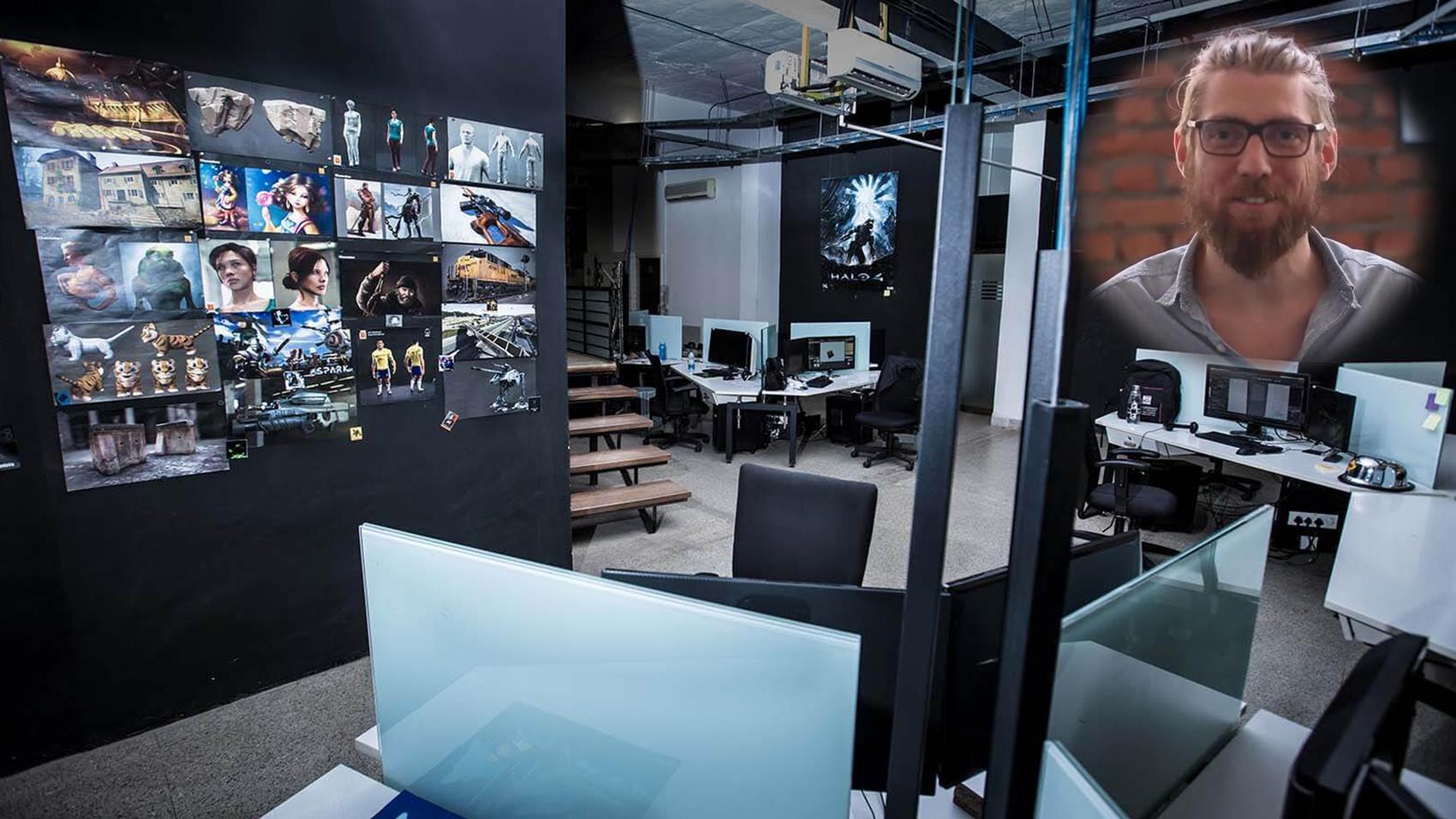
The world of game art creation pulses with a unique blend of creativity, technical mastery, and collaborative energy. Each day unfolds in a dynamic studio environment where digital canvases glow, styluses dance across tablets, and the boundaries between imagination and reality blur. The pace is brisk yet immersive, driven by tight production schedules and the ever-present thrill of bringing fantastical worlds to life. For a game art creation professional, no two days are ever quite the same, but each is marked by a rhythm that balances solitary focus with vibrant teamwork, all in pursuit of visual storytelling that captivates players around the globe.
As the morning sun filters through the studio windows, the day begins with a quiet ritual of preparation. The first order of business is reviewing feedback from art leads or overnight comments from remote team members, often scattered across different time zones. This is the time to open up project management tools, check asset lists, and revisit the previous day’s work with fresh eyes. A quick scan of reference boards and mood images helps set the creative tone, while a steaming mug of coffee fuels the initial sketches or block-outs that will shape the day’s artistic direction.
By mid-morning, the studio hums with focused energy as artists dive into the core of their craft. This is when the most intensive work happens—sculpting 3D models, painting textures, or refining concept art for new characters and environments. Communication with animators, designers, and programmers becomes crucial, as assets must not only look stunning but also function seamlessly within the game engine. The hours fly by in a flow state, punctuated by quick syncs or impromptu critiques, as each brushstroke or polygon brings the game world closer to completion.
The afternoon ushers in a wave of collaboration, as team meetings and review sessions take center stage. Artists present their latest work to art directors and peers, gathering feedback and discussing adjustments to ensure visual consistency and alignment with the game’s vision. This is also the time for troubleshooting technical challenges, optimizing assets for performance, and integrating completed pieces into the build. The atmosphere is lively, with creative ideas bouncing around and solutions emerging through collective problem-solving.
As the day winds down, the focus shifts to wrapping up ongoing tasks and setting the stage for tomorrow’s challenges. Artists document their progress, update asset trackers, and respond to any outstanding messages from collaborators. There’s often a moment for personal growth—reviewing industry trends, experimenting with new techniques, or organizing reference materials for future inspiration. With a final glance at the next day’s priorities, the studio gradually quiets, leaving behind the echoes of creativity and the anticipation of another day spent shaping virtual worlds. |


 Home
Home Abroad
 Plan
Plan Philosophy
 Seminar
 Pages
Pages Advisors
 Testimonials









 Workshop
 Discuss
 Meet
Meet
 Advisor
 Story
Story
 Fine Print
 Links
Links
 Blog
Blog
 Follow
