The Journey of Studio Art Direction
What Is Studio Art Direction
Studio Art Direction
Studio art direction is the creative leadership and management of visual projects within a studio environment. It involves guiding artistic vision, overseeing design teams, and ensuring cohesive aesthetics across all outputs. Studio art directors balance creativity with project goals, collaborating with artists, designers, and clients to deliver compelling visual experiences.
Studio art direction plays a crucial role in shaping the visual identity and success of creative projects. It ensures that every element, from concept to execution, aligns with the intended message and brand values. For professionals, this discipline fosters collaboration, encourages innovation, and enhances project efficiency. One major benefit is the ability to unify diverse creative talents toward a shared vision, resulting in more impactful and memorable work. Another advantage is the development of strong leadership and communication skills, as art directors must articulate ideas and provide constructive feedback. Finally, studio art direction often leads to higher quality outcomes, as the oversight and guidance provided help avoid inconsistencies and maintain high standards throughout the creative process.
In a game development studio, a studio art director oversees the visual style of a new video game. They work closely with concept artists, 3D modelers, and animators to establish a consistent look and feel that matches the game’s narrative and target audience. The art director reviews sketches, color palettes, and character designs, providing feedback to ensure everything aligns with the original vision. They also coordinate with the technical team to address any limitations or challenges, making adjustments as needed. Throughout the project, the art director acts as a bridge between creative and production teams, ensuring deadlines are met without compromising artistic quality. This collaborative leadership results in a visually cohesive and engaging final product.
Education
Art Fundamentals

Art Fundamentals refers to the essential principles and elements that underpin all visual art, including composition, color theory, perspective, form, value, line, and texture. Mastery of these basics is crucial in both academic study and professional practice, serving as the backbone for effective visual communication in Studio Art Direction.
A deep understanding of Art Fundamentals is indispensable for anyone pursuing or advancing in Studio Art Direction. These foundational concepts enable professionals to make informed decisions about visual storytelling, ensuring that every creative choice supports the intended message and emotional impact. By internalizing these principles, art directors can confidently critique artwork, guide creative teams, and maintain visual consistency across projects. Over time, this expertise not only enhances the quality of their work but also fosters adaptability, allowing them to innovate within established frameworks. Ultimately, a strong grasp of Art Fundamentals empowers art directors to lead with authority, mentor others effectively, and sustain a successful, evolving career in the dynamic field of visual arts.
Consider a studio art director overseeing the visual development of a new animated film. During daily reviews, the director evaluates concept art and storyboards, drawing on their knowledge of composition and color theory to ensure each scene conveys the desired mood and narrative clarity. When a background appears too flat or confusing, the director identifies issues with perspective or value contrast and provides actionable feedback to the artists. By referencing Art Fundamentals, the director not only resolves immediate visual problems but also educates the team, fostering a shared visual language. This practical application ensures the final product is cohesive, engaging, and visually compelling, reflecting the director’s expertise in foundational art principles.
Management

Management is the process of planning, organizing, leading, and controlling resources—such as people, time, and budgets—to achieve specific goals efficiently and effectively. In Studio Art Direction, management bridges creative vision with practical execution, ensuring that artistic projects are delivered on time, within scope, and to the highest standards.
Understanding management is essential for anyone aspiring to or currently working in Studio Art Direction because it transforms creative ideas into actionable plans. Mastery of management principles enables art directors to coordinate teams, allocate resources wisely, and navigate the complexities of production schedules and client expectations. This foundational knowledge empowers professionals to lead with confidence, communicate effectively across departments, and resolve conflicts that may arise during the creative process. Over the long term, strong management skills foster career growth by demonstrating reliability, leadership, and the ability to deliver consistent results. As the art industry evolves, those with a solid grasp of management are better equipped to adapt, innovate, and guide their teams through changing demands and opportunities.
Consider a studio art director overseeing a large-scale advertising campaign. By applying management principles, they begin by breaking down the project into phases, assigning tasks to designers, illustrators, and photographers based on each team member’s strengths. They set clear deadlines and monitor progress through regular check-ins, adjusting workloads as needed to prevent bottlenecks. When unexpected challenges arise, such as a key team member falling ill or a client requesting last-minute changes, the art director uses their management skills to reallocate resources, communicate transparently with stakeholders, and maintain team morale. This ability to balance creative vision with organizational efficiency ensures the project is completed successfully, on time, and to the client’s satisfaction.
Design Management

Design Management is the strategic process of overseeing design projects, resources, and teams to achieve organizational goals, ensuring creativity aligns with business objectives. In Studio Art Direction, it bridges creative vision and practical execution, forming a crucial part of both academic study and professional expertise for effective leadership and project success.
Understanding design management is essential for anyone aspiring to excel in Studio Art Direction because it integrates creative processes with organizational strategy. Mastery of this discipline enables professionals to coordinate multidisciplinary teams, allocate resources efficiently, and maintain project timelines without compromising artistic integrity. It also fosters communication between creative and non-creative stakeholders, ensuring that the artistic vision aligns with broader business objectives. Over time, proficiency in design management enhances leadership capabilities, supports career advancement, and increases the likelihood of delivering successful, innovative projects. By grounding creative decisions in structured management principles, studio art directors can navigate complex challenges, adapt to industry changes, and sustain long-term professional growth.
Imagine a studio art director leading a campaign for a global brand. Their understanding of design management allows them to develop a clear project roadmap, balancing creative exploration with client expectations and budget constraints. They coordinate designers, illustrators, and external vendors, ensuring everyone understands their roles and deadlines. When unexpected challenges arise, such as a shift in client requirements or a resource bottleneck, the art director draws on their design management knowledge to reallocate tasks, adjust timelines, and communicate changes effectively. This approach not only keeps the project on track but also maintains team morale and creative quality, demonstrating how theoretical principles of design management directly inform daily decision-making and problem-solving in a studio environment.
3D Softwares

3D Softwares are digital tools that enable the creation, manipulation, and visualization of three-dimensional objects and environments. These programs are essential in fields such as animation, game design, film, and visual effects. For Studio Art Direction, proficiency in 3D Softwares is a critical component of both academic study and professional practice.
Understanding 3D Softwares is vital for anyone pursuing a career in Studio Art Direction because these tools bridge the gap between creative vision and technical execution. Mastery of 3D modeling, texturing, lighting, and rendering allows art directors to communicate ideas clearly to their teams and stakeholders. This knowledge ensures that concepts can be accurately visualized and iterated upon before production, reducing costly errors and streamlining workflows. Over the long term, expertise in 3D Softwares enhances an art director’s ability to adapt to evolving industry standards, collaborate effectively with multidisciplinary teams, and lead projects that require both artistic sensibility and technical proficiency.
Imagine a Studio Art Director overseeing the visual development of a new animated film. Each day, they use 3D Softwares to review and refine character models, adjust environmental lighting, and experiment with camera angles to achieve the desired mood. Their theoretical understanding of 3D principles allows them to provide precise feedback to modelers and animators, ensuring that the artistic vision is maintained throughout production. By manipulating digital assets in real time, the art director can quickly prototype ideas, troubleshoot visual inconsistencies, and present compelling previews to producers and clients. This hands-on application of 3D Softwares is integral to maintaining creative control and delivering high-quality visual storytelling.
Psychology
Psychology is the scientific study of the mind and behavior, exploring how individuals think, feel, and act in various contexts. In Studio Art Direction, psychology provides essential insights into perception, motivation, and communication, forming a crucial part of the academic and professional toolkit needed to create impactful, audience-centered visual experiences.
Understanding psychology is vital for studio art directors because it enables them to anticipate and influence audience reactions to visual elements. By grasping concepts such as color theory, visual perception, and emotional triggers, art directors can craft designs that resonate deeply with viewers. This foundational knowledge helps professionals make informed decisions about composition, narrative, and branding, ensuring that their creative choices align with both client objectives and audience expectations. Over time, a strong grounding in psychology enhances collaboration with multidisciplinary teams, improves leadership skills, and fosters innovation. Ultimately, it empowers art directors to create work that is not only aesthetically pleasing but also psychologically engaging and effective in achieving communication goals.
Consider a studio art director tasked with developing a visual campaign for a new product launch. Drawing on their understanding of psychology, they analyze the target audience’s preferences, cultural backgrounds, and emotional triggers. This knowledge guides their selection of colors, imagery, and layout to evoke excitement and trust. During team meetings, the art director explains how certain design elements will influence consumer perception and behavior, ensuring that the creative team remains focused on the psychological impact of their work. By applying psychological principles, the art director successfully creates a campaign that not only captures attention but also motivates the desired response, demonstrating the practical value of psychological expertise in daily studio operations.
Media Awareness

Media Awareness is the ability to critically analyze, interpret, and understand the messages, techniques, and influences of various media forms. In Studio Art Direction, it encompasses recognizing how visual and narrative elements shape audience perception, making it an essential academic and professional competency for creating impactful and responsible artistic content.
Developing media awareness is crucial for anyone pursuing or advancing a career in Studio Art Direction because it enables professionals to navigate the complex landscape of visual communication. By understanding the underlying messages and cultural implications embedded in media, art directors can make informed creative decisions that resonate with diverse audiences. This foundational knowledge ensures that their work is not only visually compelling but also socially and ethically responsible. Over time, media awareness helps art directors anticipate trends, avoid stereotypes, and foster inclusive storytelling, which are all vital for maintaining relevance and credibility in a rapidly evolving industry. Ultimately, it empowers professionals to lead creative teams with insight and integrity, ensuring their projects contribute positively to the broader media environment.
Imagine a Studio Art Director overseeing the visual development of a major advertising campaign. Drawing on their media awareness, they evaluate proposed imagery and messaging for potential cultural sensitivities and unintended stereotypes. By applying their theoretical understanding, they guide the creative team to select visuals and narratives that are both innovative and respectful of diverse audiences. This process might involve researching current social conversations, analyzing how similar campaigns have been received, and anticipating how different demographics might interpret the work. Through this daily application of media awareness, the art director not only protects the brand’s reputation but also ensures the final product communicates its intended message effectively and ethically.
HR Management
HR Management, or Human Resources Management, is the strategic approach to recruiting, developing, and retaining talent within an organization. It encompasses workforce planning, performance management, conflict resolution, and compliance with labor laws. For Studio Art Direction, HR Management is essential academic and professional knowledge for leading creative teams effectively.
Understanding HR Management is vital for anyone in Studio Art Direction because it equips professionals with the skills to build, nurture, and lead diverse creative teams. Studio Art Directors must navigate interpersonal dynamics, resolve conflicts, and foster a collaborative environment to achieve artistic goals. Mastery of HR principles ensures that directors can recruit the right talent, manage performance, and support professional growth within their teams. This foundational knowledge not only enhances team productivity and morale but also helps in aligning creative output with organizational objectives. Over the long term, proficiency in HR Management contributes to career advancement, as it demonstrates leadership capabilities and the ability to manage both people and projects effectively.
Imagine a Studio Art Director overseeing a team of illustrators and designers working on a major campaign. During the project, a conflict arises between two team members over creative differences. Drawing on their HR Management knowledge, the director facilitates a structured mediation session, ensuring both parties feel heard and respected. By applying conflict resolution techniques and emphasizing open communication, the director helps the team reach a compromise that leverages each member’s strengths. Additionally, the director uses performance management strategies to provide constructive feedback and set clear expectations, resulting in improved collaboration and a successful project outcome. This scenario highlights how HR Management skills are essential for maintaining a positive, productive studio environment.
Skills
Creativity
Creativity is the ability to generate original ideas, envision new possibilities, and approach challenges with innovative thinking. In Studio Art Direction, creativity empowers professionals to conceptualize compelling visual narratives, solve design problems inventively, and set distinctive artistic directions that resonate with audiences and elevate the overall quality of creative projects.
Creativity is a cornerstone of effective Studio Art Direction because it enables professionals to craft unique visual identities and adapt to evolving project demands. Clients and employers highly value creativity, as it leads to memorable campaigns, innovative branding, and solutions that stand out in competitive markets. A creative art director can transform abstract concepts into visually engaging realities, ensuring projects are both aesthetically pleasing and strategically effective. Cultivating creativity involves continuous exploration of new artistic trends, collaboration with diverse teams, and embracing feedback to refine ideas. Over time, practicing divergent thinking, seeking inspiration from various sources, and experimenting with different media help professionals expand their creative capacity and consistently deliver fresh, impactful work.
Imagine a Studio Art Director leading a team on a high-profile advertising campaign when the client suddenly requests a complete shift in visual style to appeal to a younger demographic. Relying on creativity, the art director quickly brainstorms innovative concepts, drawing inspiration from current youth culture and digital trends. By encouraging the team to experiment with bold colors, unconventional layouts, and interactive elements, the director crafts a new visual approach that not only meets the client’s urgent needs but also sets the campaign apart from competitors. This creative agility not only resolves the immediate challenge but also strengthens the studio’s reputation for delivering dynamic, trendsetting work under pressure.
Training

Training is the continuous process of acquiring, refining, and updating knowledge and skills through formal education, workshops, mentorship, and hands-on experience. In Studio Art Direction, training equips professionals with the technical expertise, creative strategies, and leadership abilities necessary to guide teams, manage projects, and deliver compelling visual outcomes. It forms the backbone of adaptability and innovation in a rapidly evolving creative industry.
Training directly enhances a Studio Art Director’s performance by ensuring they remain proficient with the latest design tools, artistic trends, and collaborative techniques. Clients and employers highly value this skill because it guarantees that the director can lead teams efficiently, troubleshoot creative challenges, and maintain high standards of quality. A well-trained art director can inspire confidence, foster a culture of learning, and adapt to new technologies or client demands with ease. Cultivating this skill involves a commitment to lifelong learning, seeking feedback, attending industry events, and engaging in regular practice. Over time, this dedication not only sharpens technical abilities but also strengthens leadership and communication, making the professional indispensable to any creative team.
Imagine a Studio Art Director overseeing a high-profile advertising campaign when a new digital illustration tool is introduced midway through the project. The team struggles to adapt, risking missed deadlines and inconsistent artwork. Drawing on their training, the director quickly learns the tool, organizes a focused workshop for the team, and provides hands-on guidance. This proactive approach not only resolves the immediate technical hurdle but also boosts team morale and productivity. As a result, the campaign is delivered on time with a cohesive visual style, impressing the client and reinforcing the studio’s reputation for adaptability and excellence. This scenario highlights how essential training is for navigating challenges and achieving success in Studio Art Direction.
Mentoring
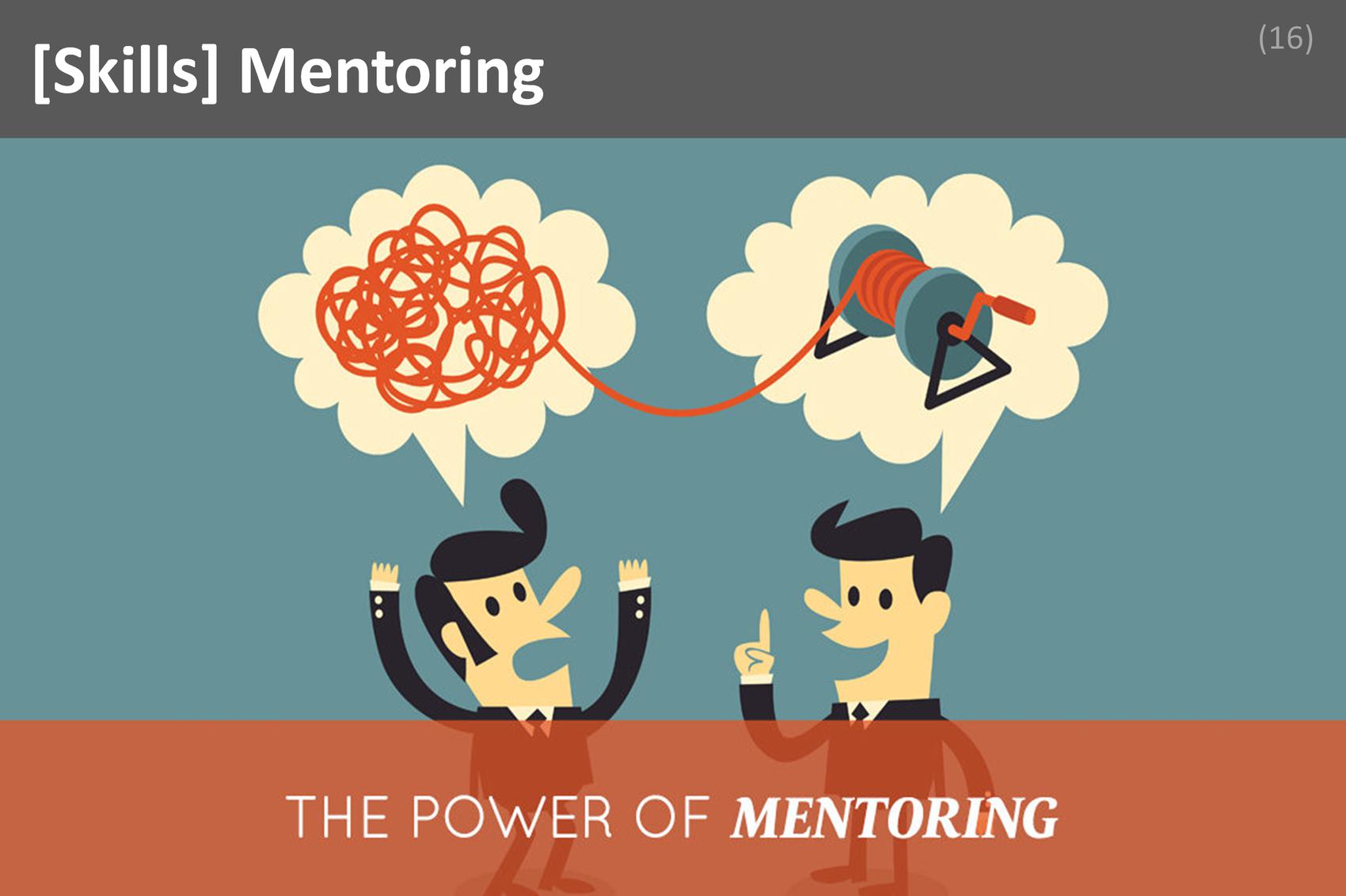
Mentoring is the process of guiding, supporting, and nurturing the growth of less experienced colleagues by sharing knowledge, offering feedback, and fostering professional development. In Studio Art Direction, mentoring is crucial because it builds strong creative teams, ensures continuity of vision, and helps cultivate the next generation of talented artists and leaders.
Mentoring directly enhances performance in Studio Art Direction by creating a collaborative environment where ideas are freely exchanged and skills are continuously refined. Clients and employers highly value this skill because it leads to more cohesive teams, higher quality creative output, and smoother project workflows. When art directors invest in mentoring, they help junior artists overcome challenges, adapt to new technologies, and align with the studio’s artistic vision. Over time, one can cultivate mentoring abilities by actively listening, providing constructive feedback, and seeking opportunities to coach others during projects. Consistent engagement in these practices not only strengthens the mentor’s leadership skills but also contributes to a more innovative and resilient creative team.
Imagine a scenario where a studio is tasked with delivering a visually complex game environment under a tight deadline. A junior artist struggles with integrating their assets into the overall scene, risking delays and inconsistencies. The Art Director steps in, not by taking over the task, but by mentoring the junior artist through the process. They review the work together, discuss techniques for achieving the desired style, and encourage experimentation within the project’s guidelines. Through this mentoring approach, the junior artist gains confidence and new skills, the project stays on track, and the team’s morale improves. This example illustrates how effective mentoring can resolve critical issues while fostering growth and maintaining high creative standards.
Planning and Prioritization
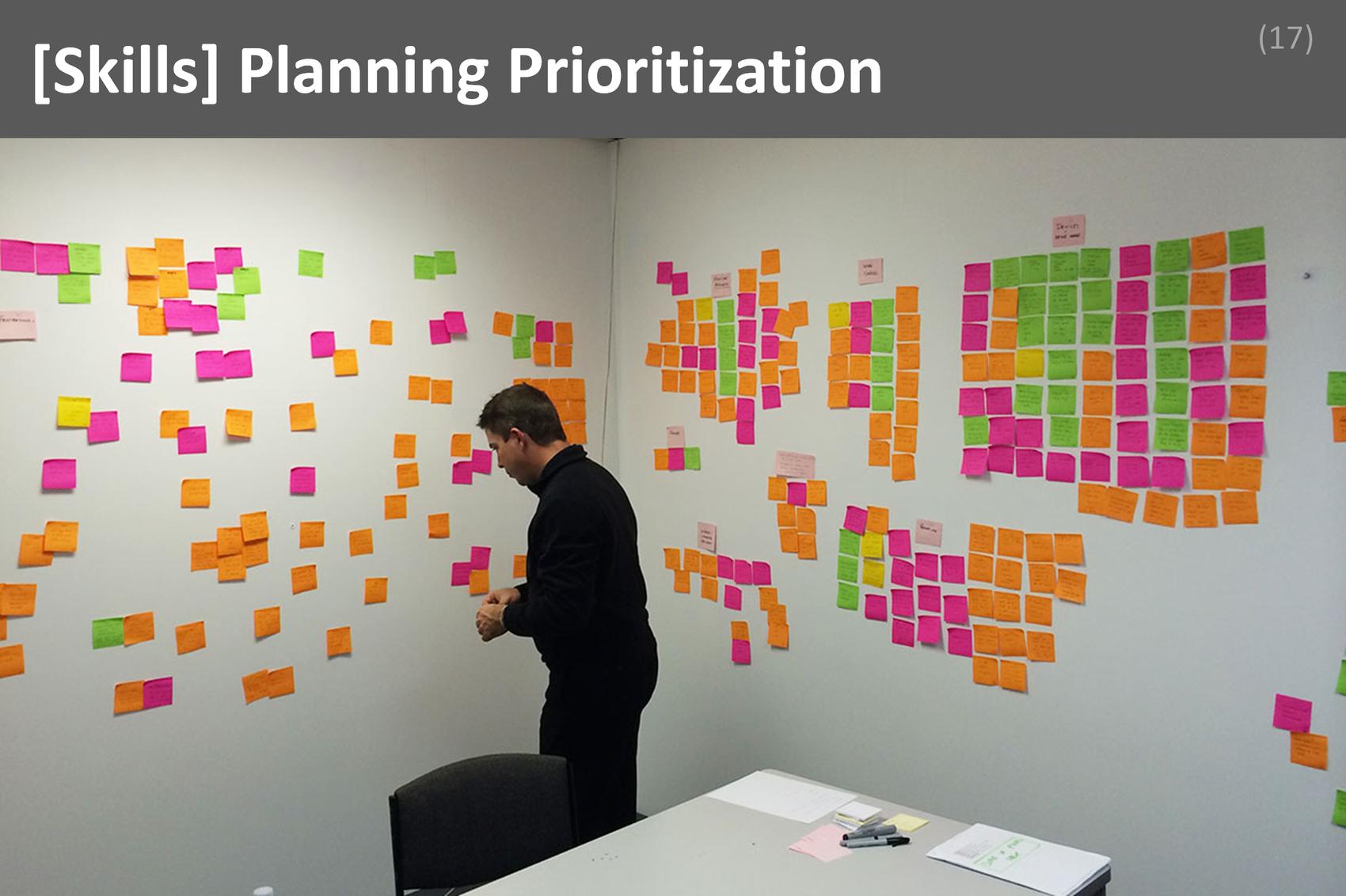
Planning and Prioritization is the ability to strategically organize tasks, allocate resources, and sequence actions based on urgency and importance to achieve desired outcomes efficiently. In Studio Art Direction, this skill ensures that creative visions are realized within deadlines and budgets, balancing artistic goals with practical constraints for project success.
Mastering Planning and Prioritization directly enhances a Studio Art Director’s effectiveness by enabling them to manage complex projects, coordinate multidisciplinary teams, and deliver high-quality results on time. Clients and employers highly value this skill because it minimizes costly delays, prevents resource waste, and ensures that creative objectives align with business goals. To cultivate this ability, professionals should regularly assess project scopes, set clear milestones, and remain adaptable to shifting priorities. Over time, experience with diverse projects and feedback from collaborators helps refine judgment, allowing art directors to anticipate challenges, delegate tasks wisely, and maintain momentum even under pressure.
Imagine a Studio Art Director overseeing a major advertising campaign with a tight launch deadline. Midway through production, a key client requests significant changes to the visual concept. By relying on Planning and Prioritization, the art director quickly reassesses the project timeline, reallocates resources, and identifies which tasks must be expedited or postponed. They communicate revised priorities to the team, ensuring that essential updates are completed without compromising overall quality or missing the deadline. This strategic approach not only resolves the immediate crisis but also reinforces the director’s reputation for reliability and leadership, ultimately contributing to the campaign’s success and client satisfaction.
Quality Control
Quality Control is the systematic process of reviewing, evaluating, and refining creative work to ensure it meets established standards and expectations. In Studio Art Direction, this skill ensures that every visual element aligns with the project’s vision, maintains consistency, and upholds the brand’s integrity, making it indispensable for professional success.
Mastering Quality Control allows Studio Art Directors to consistently deliver polished, cohesive, and impactful visual experiences. This skill directly enhances performance by minimizing errors, reducing costly revisions, and ensuring that every piece of work meets or exceeds expectations. Clients and employers highly value professionals who demonstrate strong Quality Control because it reflects reliability, attention to detail, and a commitment to excellence. To cultivate this skill, one must develop a keen eye for detail, stay updated on industry standards, and regularly seek feedback from peers and mentors. Over time, integrating structured review processes and fostering a culture of constructive critique within the team further strengthens one’s ability to maintain high-quality outputs.
Imagine a Studio Art Director overseeing the launch of a major advertising campaign. During the final review, they notice subtle inconsistencies in color grading and typography across various deliverables. By applying rigorous Quality Control, the director identifies these discrepancies before the materials go public. They coordinate with the design team to correct the issues, ensuring that every asset aligns perfectly with the brand guidelines. As a result, the campaign launches seamlessly, presenting a unified and professional image to the audience. This attention to detail not only prevents potential embarrassment and rework but also reinforces the client’s trust in the studio’s capabilities, ultimately contributing to the project’s success and the studio’s reputation.
Leadership and Motivation
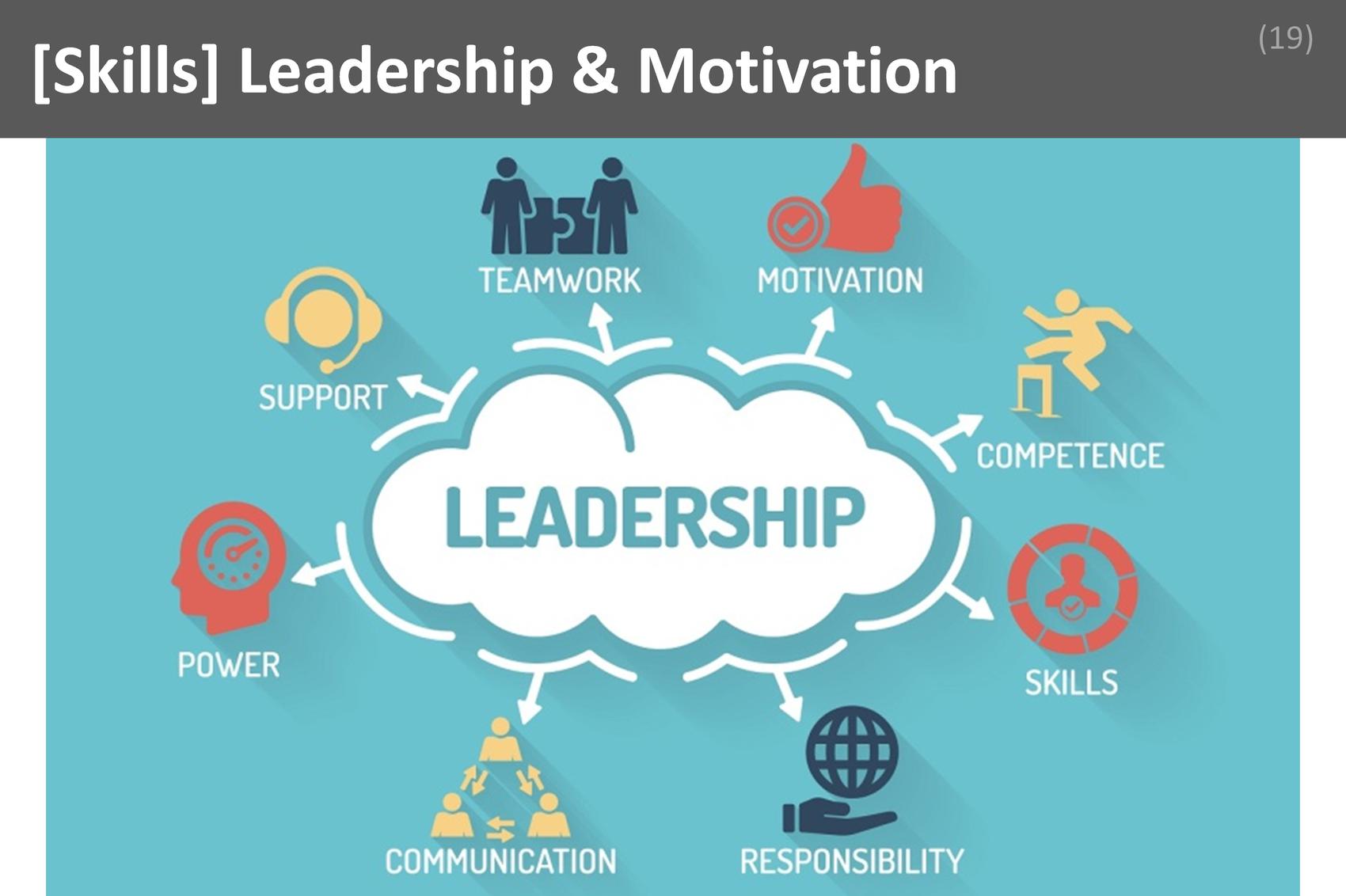
Leadership and Motivation is the ability to inspire, guide, and energize a team toward achieving shared creative goals, while fostering a positive and productive environment. In Studio Art Direction, this skill ensures that artistic vision is realized through effective collaboration, clear direction, and the sustained enthusiasm of all team members.
Leadership and Motivation directly enhance performance by uniting diverse talents under a cohesive vision, ensuring projects stay on track and creative standards remain high. Clients and employers value this skill because it leads to efficient workflows, innovative solutions, and a motivated team that consistently meets deadlines and quality expectations. Cultivating this skill involves practicing clear communication, active listening, and empathy, as well as seeking feedback and learning from both successes and setbacks. Over time, experience in managing teams, resolving conflicts, and celebrating achievements helps refine one’s ability to lead and motivate effectively, making it an indispensable asset in the competitive field of Studio Art Direction.
Imagine a Studio Art Director overseeing a large-scale game development project facing tight deadlines and creative disagreements among artists. By leveraging Leadership and Motivation, the director organizes a team meeting to openly discuss concerns, reaffirms the project’s vision, and encourages input from all members. Through empathetic listening and clear articulation of goals, the director reignites the team’s passion and aligns their efforts. As a result, the team overcomes creative blocks, collaborates more effectively, and delivers high-quality work on schedule. This scenario highlights how strong leadership and motivational skills can transform challenges into opportunities for growth and success within a creative studio environment.
Adaptability
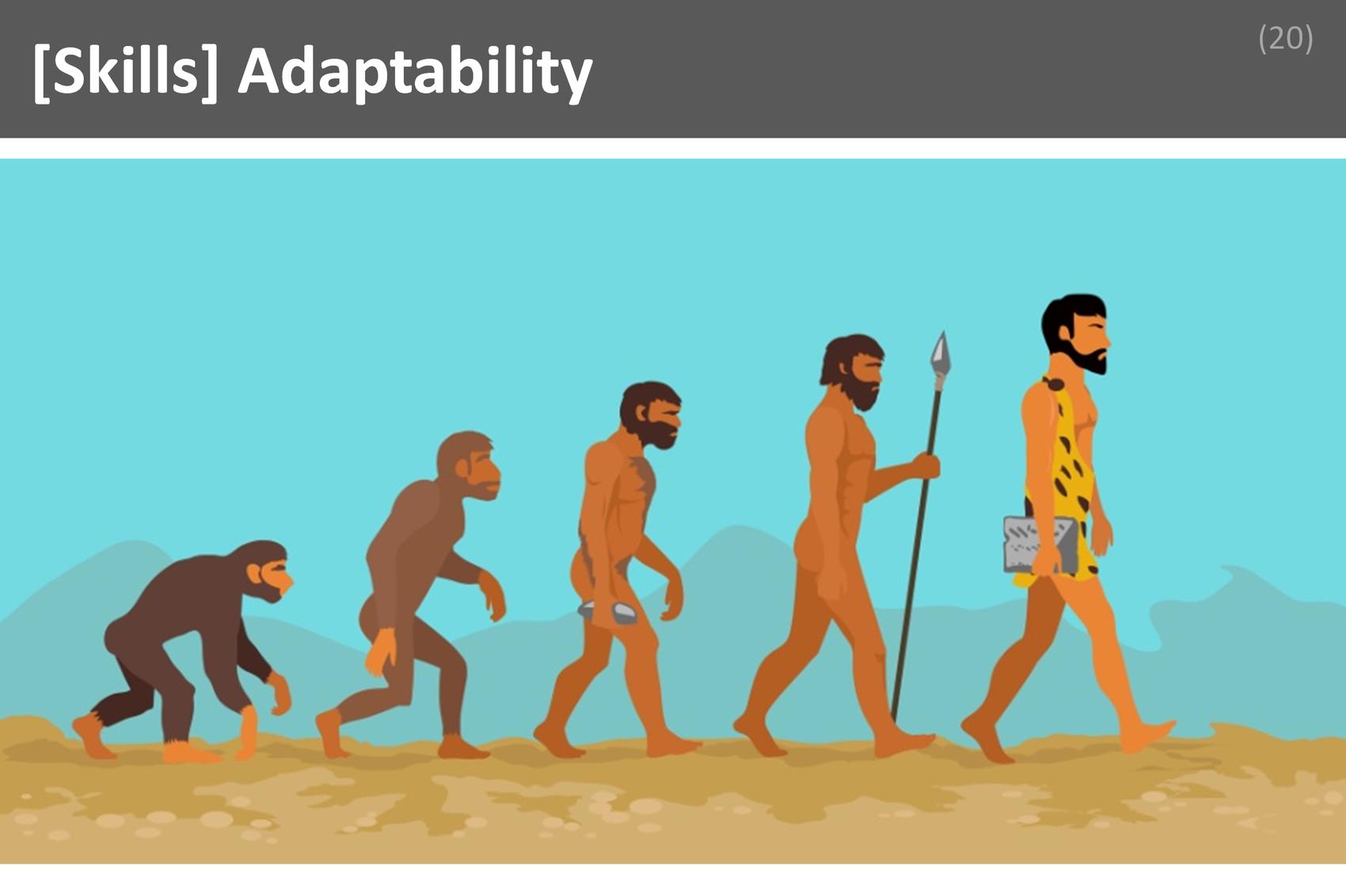
Adaptability is the ability to adjust quickly and effectively to new conditions, challenges, or unexpected changes while maintaining productivity and creativity. In Studio Art Direction, adaptability enables professionals to respond to evolving project requirements, shifting client expectations, and emerging industry trends, ensuring that creative visions are realized despite uncertainty or obstacles.
Adaptability directly enhances performance in Studio Art Direction by allowing professionals to pivot seamlessly between different artistic styles, workflows, and team dynamics. Clients and employers highly value this skill because it ensures projects stay on track even when faced with sudden changes, such as revised briefs, new technologies, or tight deadlines. Cultivating adaptability involves embracing continuous learning, seeking feedback, and staying open to experimentation. Over time, art directors who practice adaptability become more resilient, resourceful, and capable of leading teams through complex creative challenges, ultimately delivering higher-quality results and fostering a positive, solution-oriented studio environment.
Imagine a Studio Art Director overseeing a major advertising campaign when the client suddenly requests a complete shift in visual direction just days before the deadline. Instead of resisting or panicking, the art director quickly assesses the new requirements, reallocates resources, and inspires the team to brainstorm fresh concepts. By leveraging adaptability, the director maintains morale, streamlines communication, and ensures that the revised campaign not only meets the client’s expectations but also retains the studio’s creative integrity. This ability to pivot under pressure demonstrates how adaptability can turn potential setbacks into opportunities for innovation and success in the fast-paced world of Studio Art Direction.
Communication

Communication is the clear and effective exchange of ideas, information, and feedback through verbal, written, and visual means. In Studio Art Direction, communication enables professionals to articulate creative visions, coordinate with multidisciplinary teams, and ensure that everyone involved understands project goals, timelines, and expectations, leading to cohesive and successful outcomes.
Strong communication skills are fundamental to excelling in Studio Art Direction because they foster collaboration, minimize misunderstandings, and streamline the creative process. Clients and employers highly value professionals who can clearly present concepts, provide constructive feedback, and listen actively to input from others. This skill ensures that artistic visions align with client objectives and team capabilities, resulting in projects that meet or exceed expectations. To cultivate communication skills, aspiring art directors should practice active listening, seek feedback on their own communication style, and engage in regular dialogue with peers and mentors. Over time, consistent effort in these areas leads to greater confidence and effectiveness in both leading teams and managing client relationships.
Imagine a scenario where a studio art director is overseeing a large advertising campaign. Midway through the project, the client requests significant changes to the visual direction. The art director must quickly gather the team, clearly explain the new requirements, and facilitate a discussion to address concerns and brainstorm solutions. By communicating the client’s needs transparently and encouraging open dialogue, the art director ensures that everyone understands the revised goals and feels empowered to contribute ideas. This approach not only resolves potential confusion but also maintains team morale and keeps the project on track. Ultimately, effective communication enables the team to deliver a final product that satisfies the client and showcases the studio’s creative strengths.
Positives
Creative Satisfaction
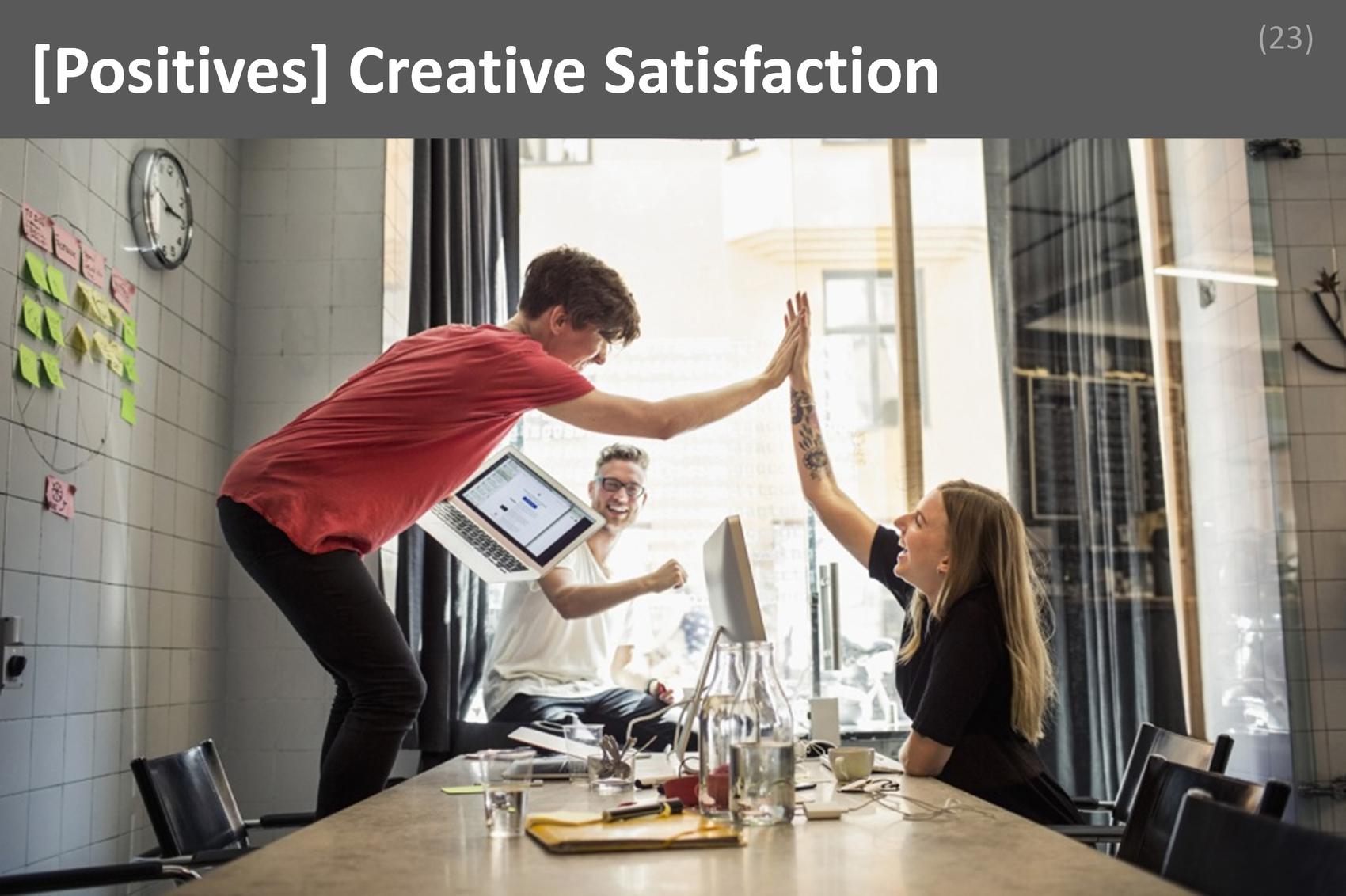
Creative satisfaction is the profound sense of fulfillment and joy that arises from transforming imaginative ideas into tangible visual experiences, witnessing concepts evolve from inception to completion. In studio art direction, this feeling is a driving force, fueling passion and motivation while enabling professionals to leave a personal mark on every project they oversee.
The significance of creative satisfaction in studio art direction cannot be overstated. It is the heartbeat of the profession, infusing daily tasks with meaning and purpose. When art directors see their vision come to life, it validates their skills and nurtures self-confidence, which in turn boosts overall job satisfaction. This sense of accomplishment not only enhances personal well-being but also fosters continuous growth, as professionals are inspired to push boundaries and innovate. The daily experience of creative satisfaction transforms routine work into a source of pride, making challenges feel like opportunities and encouraging a lifelong commitment to artistic excellence.
Imagine a studio art director leading a team through the development of a new animated film. From the earliest sketches to the final rendered scenes, the director guides the creative process, making countless decisions that shape the visual narrative. As the project nears completion, the director steps back to view the finished film, recognizing how their vision and leadership have brought together diverse talents and ideas into a cohesive, stunning work of art. The overwhelming sense of pride and fulfillment in that moment is a testament to creative satisfaction—a reward that makes every late night, revision, and challenge worthwhile, and reaffirms their passion for the craft.
Dynamic Work Environment
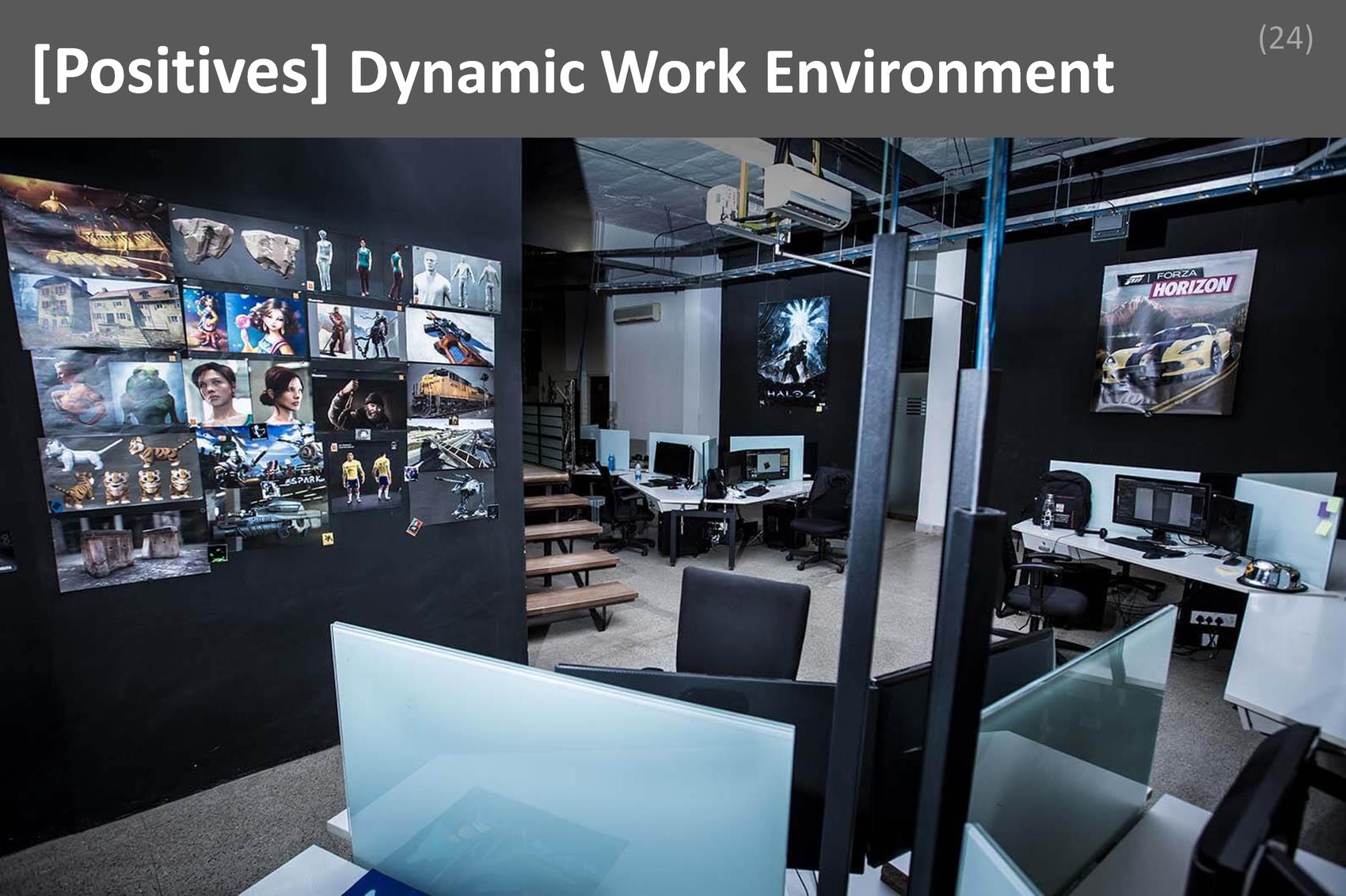
A dynamic work environment is a setting characterized by constant change, creative challenges, and the need for adaptability, where no two days are ever the same. In studio art direction, this environment fosters innovation, encourages collaboration, and keeps professionals engaged by presenting new artistic problems to solve and fresh perspectives to explore.
The dynamic nature of studio art direction is a major driver of job satisfaction and professional growth. It ensures that creative minds are continually stimulated, preventing monotony and burnout. Each project brings unique challenges, requiring art directors to think on their feet, collaborate with diverse teams, and adapt their vision to evolving client needs or artistic trends. This constant evolution not only sharpens creative and leadership skills but also cultivates resilience and flexibility. Professionals thrive in this atmosphere, as it allows them to see tangible progress, celebrate varied successes, and remain passionate about their craft. The ever-changing landscape of studio art direction transforms daily work into an ongoing journey of discovery and achievement.
Imagine a studio art director starting their week by brainstorming visual concepts for a cutting-edge video game, collaborating with illustrators and 3D modelers to bring a fantasy world to life. Midweek, they pivot to overseeing a photoshoot for an advertising campaign, guiding photographers and stylists to capture a brand’s essence. By Friday, they are reviewing storyboards for an animated short, providing feedback to animators and scriptwriters. Each day presents new creative challenges and opportunities to lead different teams, ensuring that their work remains fresh and invigorating. This dynamic environment not only keeps their passion alive but also allows them to grow as both an artist and a leader, making every day uniquely rewarding.
Working with People
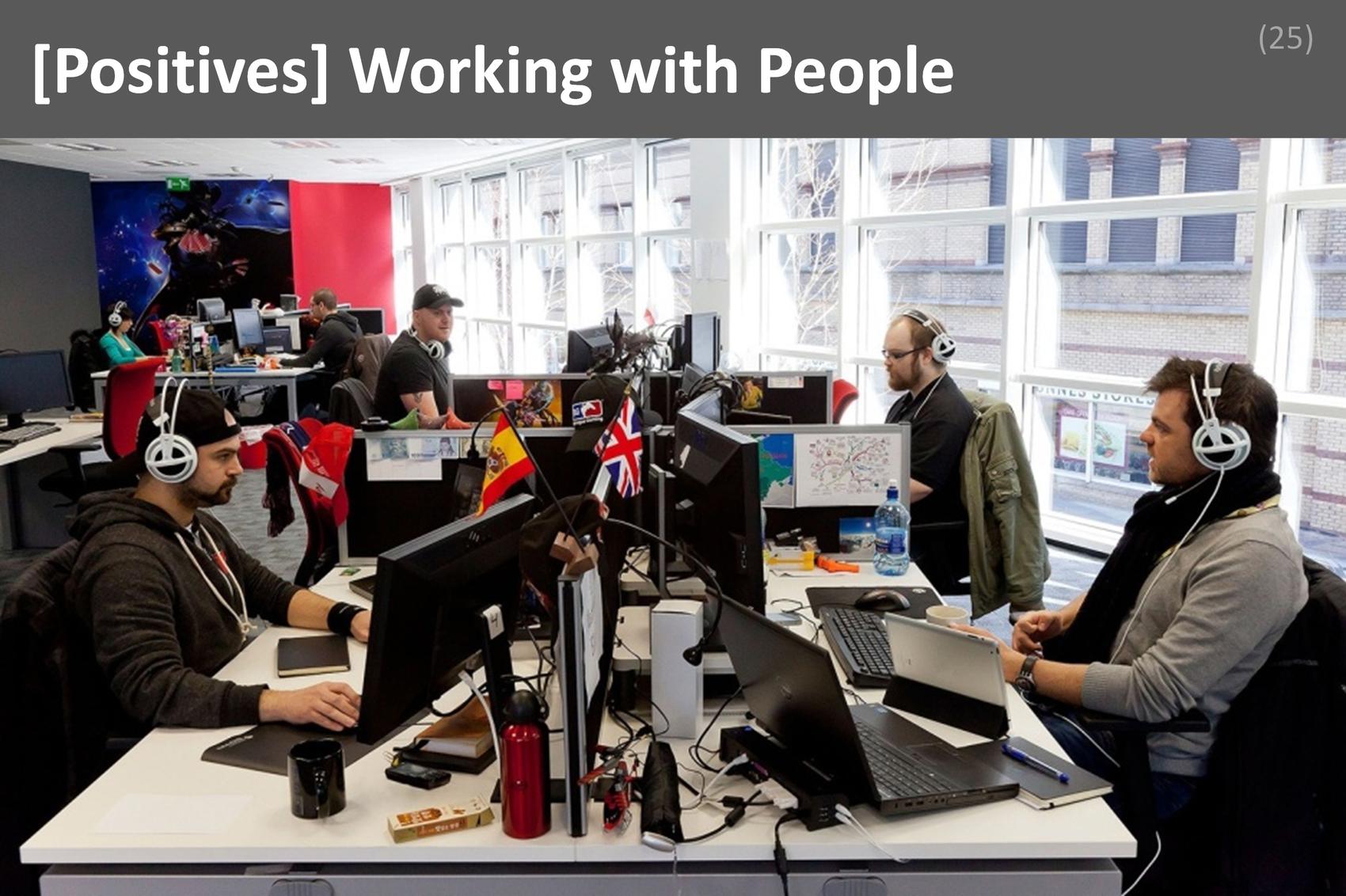
Working with people means collaborating, communicating, and building relationships with diverse individuals to achieve shared creative goals. In studio art direction, this involves guiding artists, designers, and other team members, fostering a supportive environment, and harnessing collective talent. This dynamic interaction enriches projects and strengthens the creative process.
The collaborative nature of studio art direction transforms daily work into a vibrant exchange of ideas and inspiration. By working closely with others, art directors not only enhance their own creativity but also help team members grow and excel. This synergy leads to innovative solutions and a sense of shared accomplishment, making each project more meaningful. The constant interaction with talented professionals from various backgrounds keeps the work environment stimulating and supportive. As a result, art directors often find greater job satisfaction, personal growth, and a deeper connection to their work. The relationships built through collaboration can also open doors to new opportunities and long-lasting professional partnerships.
Imagine an art director leading a team through the development of a new video game. Each day, they meet with concept artists, animators, and writers, exchanging feedback and brainstorming ideas. When a challenge arises, such as a visual style not resonating with the narrative, the art director facilitates open discussion, encouraging everyone to contribute their perspectives. Through this collaborative process, the team discovers a creative solution that excites everyone and elevates the project. The art director feels immense fulfillment, not just from the project’s success, but from witnessing the team’s growth and the strong bonds formed through shared effort. This daily experience of working with people becomes the most rewarding aspect of their career.
Passion to Profession
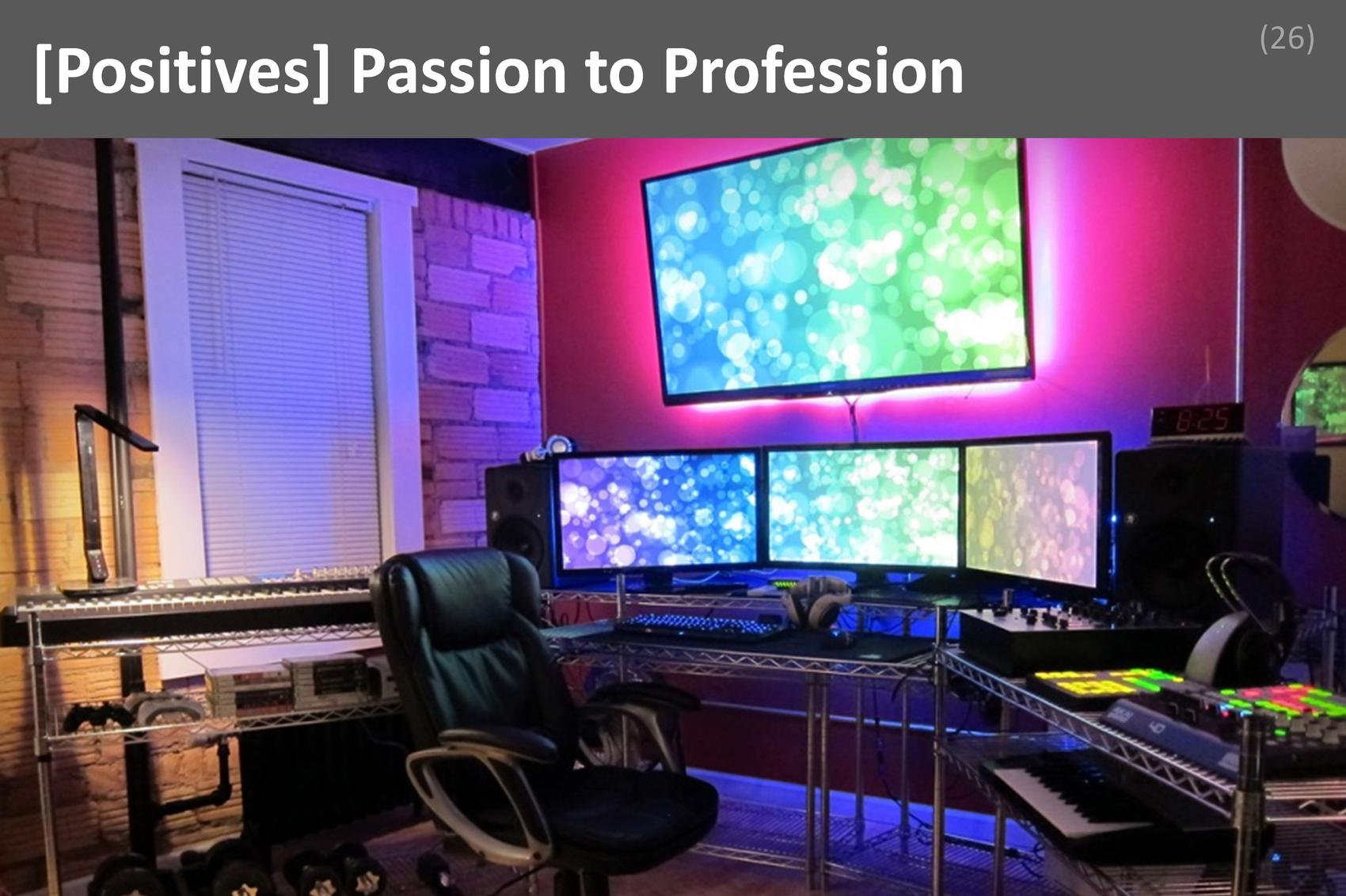
"Passion to Profession" is the transformative journey where a personal love for creativity, visual storytelling, and artistic expression evolves into a meaningful and sustainable career. In Studio Art Direction, this concept means channeling one’s innate enthusiasm for art into leading creative teams, shaping visual narratives, and influencing the artistic direction of projects. This transition infuses daily work with purpose, energy, and a deep sense of fulfillment, making each challenge an opportunity for personal and professional growth.
Turning passion into a profession in Studio Art Direction is a powerful catalyst for job satisfaction and career longevity. When individuals are genuinely passionate about their work, they approach each project with enthusiasm and a commitment to excellence. This intrinsic motivation not only fuels creativity but also fosters resilience during demanding phases of production. Professionals who have made this transition often find themselves more engaged, eager to learn, and willing to push creative boundaries. The alignment between personal interests and professional responsibilities leads to a sense of authenticity and pride in their contributions. As a result, studio art directors experience higher levels of fulfillment, stronger professional relationships, and a continuous drive to innovate and grow within their field.
Imagine a studio art director who has always been fascinated by animation and visual storytelling since childhood. Now, leading a team on a major animated feature, they draw upon years of personal passion to inspire their colleagues and guide the project’s artistic vision. Each day, their love for the craft is evident in the way they mentor junior artists, solve creative challenges, and celebrate the team’s achievements. The satisfaction of seeing their creative ideas come to life on screen, and knowing they have shaped a project that resonates with audiences, brings a profound sense of accomplishment. This daily experience of turning passion into profession not only elevates their own career but also uplifts the entire creative team.
Fun Work Environment
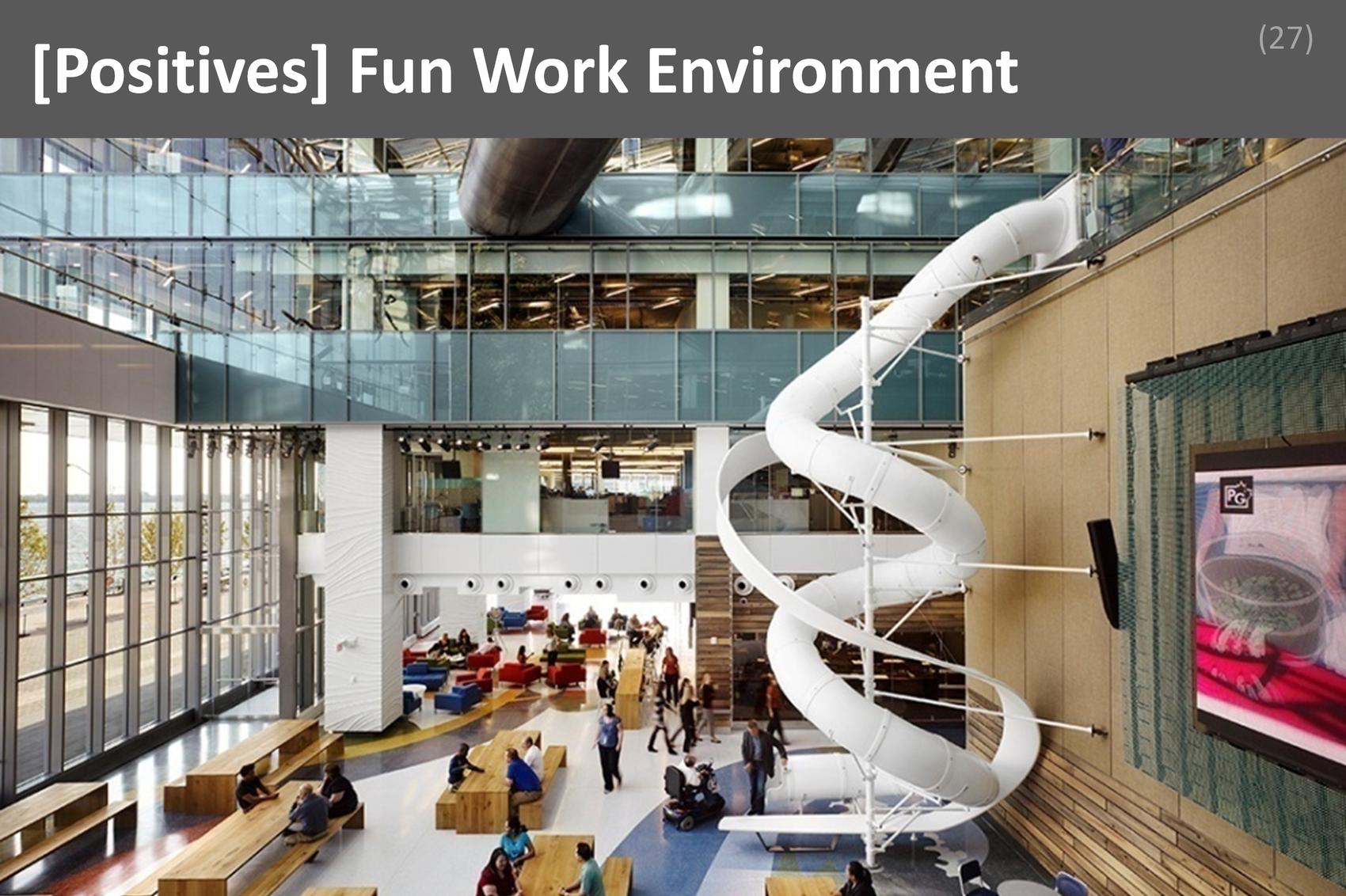
A "Fun Work Environment" is a creative, energetic, and supportive atmosphere where collaboration, playfulness, and innovation are encouraged, making daily tasks enjoyable and engaging. In Studio Art Direction, this environment fosters open communication, experimentation, and a sense of camaraderie, which enhances both individual creativity and collective project outcomes.
A fun work environment is a cornerstone of satisfaction and growth in Studio Art Direction because it transforms routine tasks into opportunities for creative exploration. When professionals are surrounded by positivity and encouragement, they feel more motivated to take risks and push artistic boundaries. This uplifting atmosphere not only reduces stress but also nurtures a sense of belonging and purpose. As a result, art directors are more likely to produce inspired work, collaborate effectively with their teams, and continuously develop their skills. The daily experience of laughter, shared achievements, and mutual support makes the workplace a source of joy, fueling both personal fulfillment and professional advancement.
Imagine a studio art director leading a team through the development of a new animated series. The workspace is filled with vibrant sketches, playful banter, and spontaneous brainstorming sessions. Team members feel comfortable sharing wild ideas, knowing they will be met with enthusiasm rather than criticism. When challenges arise, the group tackles them with humor and creative problem-solving, turning obstacles into opportunities for innovation. The director witnesses team members growing more confident and passionate, and the final project reflects the collective energy and joy of the process. This daily immersion in a fun work environment not only makes the job deeply satisfying but also elevates the quality and originality of the creative output.
Challenges
Working with Ego
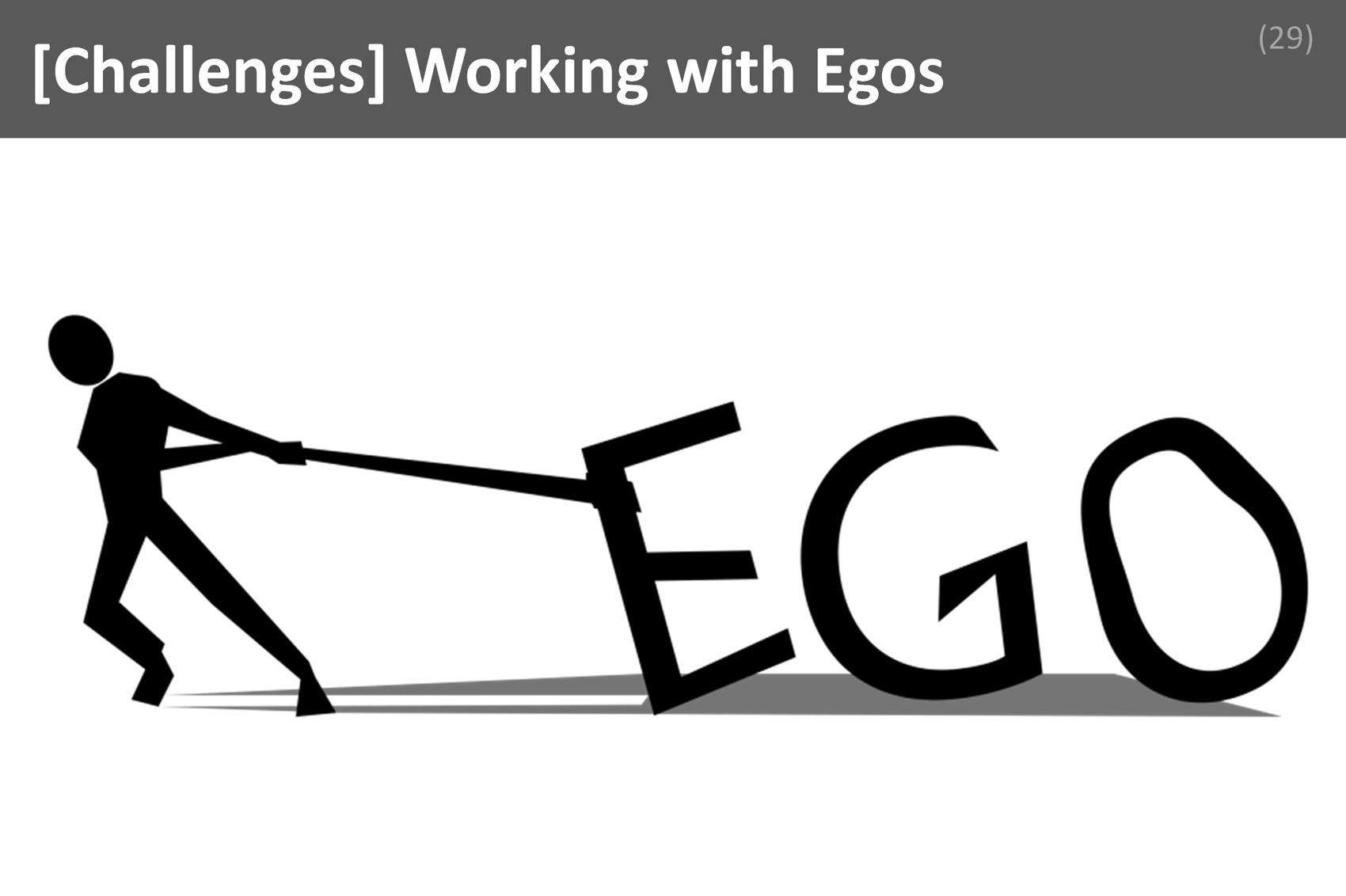
Working with ego in Studio Art Direction refers to navigating the strong personal opinions, creative pride, and emotional investment that artists and directors bring to collaborative projects. This challenge is demanding because it can lead to conflicts, hinder open communication, and make it difficult to balance individual vision with collective goals.
The presence of ego in studio environments can create tension, slow down decision-making, and sometimes stall creative progress. Professionals may find themselves mediating disputes or struggling to maintain team morale when personal pride overshadows project objectives. This situation demands resilience, as art directors must remain diplomatic and focused on the bigger picture, even when faced with criticism or resistance. Successful professionals manage this constraint by fostering a culture of respect, encouraging open dialogue, and setting clear expectations. They practice active listening, validate contributions, and redirect conversations toward shared goals, ensuring that creative differences become opportunities for growth rather than sources of division.
Consider a scenario where a lead artist feels their concept is being overlooked in favor of another team member’s idea. The art director recognizes the artist’s frustration and arranges a private discussion to acknowledge their feelings and explain the rationale behind the decision. By validating the artist’s perspective and inviting them to contribute to the refinement of the chosen concept, the director transforms a potentially divisive moment into a collaborative opportunity. This approach not only diffuses tension but also reinforces trust and respect within the team, demonstrating how thoughtful management of ego can lead to stronger creative outcomes.
Subjective Evaluation

Subjective Evaluation in Studio Art Direction refers to the process where creative work is assessed based on personal tastes, opinions, and cultural backgrounds rather than objective standards. This makes it demanding because artistic decisions are often open to interpretation, leading to inconsistent feedback, conflicting expectations, and the need to balance diverse viewpoints within a collaborative environment.
The challenge of subjective evaluation permeates daily work in studio art direction, as every visual decision is scrutinized through the lens of individual preferences. This can result in frequent revisions, unclear benchmarks for success, and the potential for creative disagreements among team members and stakeholders. Such an environment demands resilience, adaptability, and strong communication skills from professionals, who must learn to separate personal attachment from their work and accept constructive criticism. Successful art directors navigate this constraint by fostering open dialogue, seeking consensus where possible, and grounding their creative choices in clear project goals and audience needs. By building trust and articulating the rationale behind their decisions, they create a collaborative atmosphere that values diverse perspectives while maintaining a coherent artistic vision.
Consider a studio art director leading a team on a high-profile advertising campaign. The client’s feedback is highly subjective, with different stakeholders expressing conflicting opinions about color schemes and visual tone. Instead of reacting defensively, the art director facilitates a meeting to clarify the project’s core objectives and target audience. By presenting visual references and explaining the reasoning behind specific design choices, the director helps the team and client see how these decisions align with the campaign’s goals. Through active listening and transparent communication, the art director incorporates valuable feedback while diplomatically steering the project toward a unified vision. This approach not only resolves subjective disagreements but also strengthens professional relationships and project outcomes.
Keep People Aligned
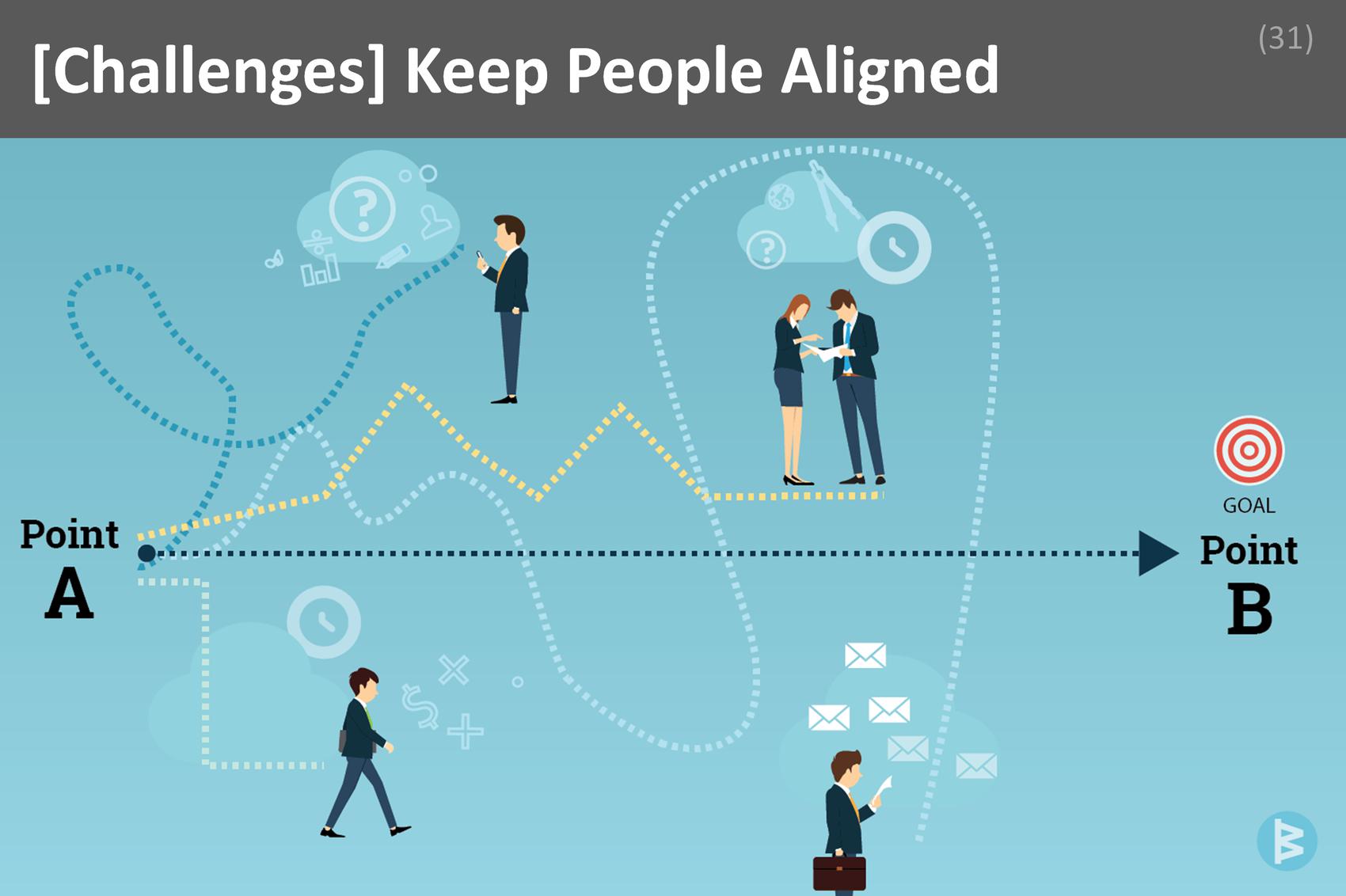
"Keep People Aligned" in Studio Art Direction refers to the ongoing effort to ensure that all team members, from artists to producers, consistently understand and work toward a unified creative vision. This is demanding because individuals bring diverse perspectives, priorities, and interpretations, making it difficult to maintain cohesion and momentum throughout a project.
The challenge of keeping people aligned can lead to miscommunication, duplicated efforts, and creative drift, all of which disrupt workflow and compromise the final product’s quality. Daily, art directors must clarify expectations, mediate between differing viewpoints, and reinforce the project’s vision, often under tight deadlines. This requires resilience, as setbacks and misunderstandings are inevitable. Successful professionals manage this constraint by fostering open communication, regularly sharing updates, and creating an environment where feedback is encouraged and valued. They also adapt their leadership style to the needs of the team, ensuring that everyone feels heard and invested in the shared goal, which helps maintain alignment even as the project evolves.
Consider a studio art director leading a team on a new video game. Early in development, the team’s concept artists begin interpreting the game’s visual style in divergent ways, risking a fragmented aesthetic. Recognizing this, the art director organizes a series of collaborative workshops where the team reviews reference materials and discusses the intended mood and palette. By facilitating open dialogue and providing clear visual guidelines, the director helps the team recalibrate their efforts. Regular check-ins and constructive critiques ensure everyone remains on the same page, allowing the project to progress smoothly. Through proactive communication and inclusive leadership, the art director successfully keeps the team aligned, resulting in a cohesive and compelling visual identity for the game.
Resource Management

Resource management in Studio Art Direction refers to the strategic allocation and oversight of time, talent, materials, and budget to achieve creative goals. This process is demanding because it requires balancing artistic vision with practical limitations, ensuring that projects are completed efficiently without compromising quality or exhausting available resources.
The challenge of resource management permeates every aspect of a studio art director’s daily work. Tight deadlines, limited budgets, and fluctuating team availability can create significant stress and force difficult decisions about prioritization. This environment demands resilience, adaptability, and clear communication. Successful professionals address these constraints by fostering collaboration, setting realistic expectations, and continuously reassessing priorities. They leverage their experience to anticipate bottlenecks and proactively seek creative solutions, such as repurposing assets or streamlining workflows. By maintaining transparency with stakeholders and empowering their teams, they transform resource limitations into opportunities for innovation, ensuring that the creative vision is realized within the given constraints.
Consider a studio art director overseeing a video game project with a modest budget and a small team. Midway through development, the client requests additional visual features, threatening to overwhelm existing resources. The art director responds by conducting a thorough assessment of the team’s strengths and the project’s core needs. They reallocate tasks to maximize efficiency, prioritize essential features, and negotiate with the client to phase in new requests over time. By fostering open communication and encouraging team members to contribute ideas for asset reuse, the director maintains morale and delivers a polished product on schedule. This scenario illustrates how effective resource management enables creative success despite real-world constraints.
Deligation
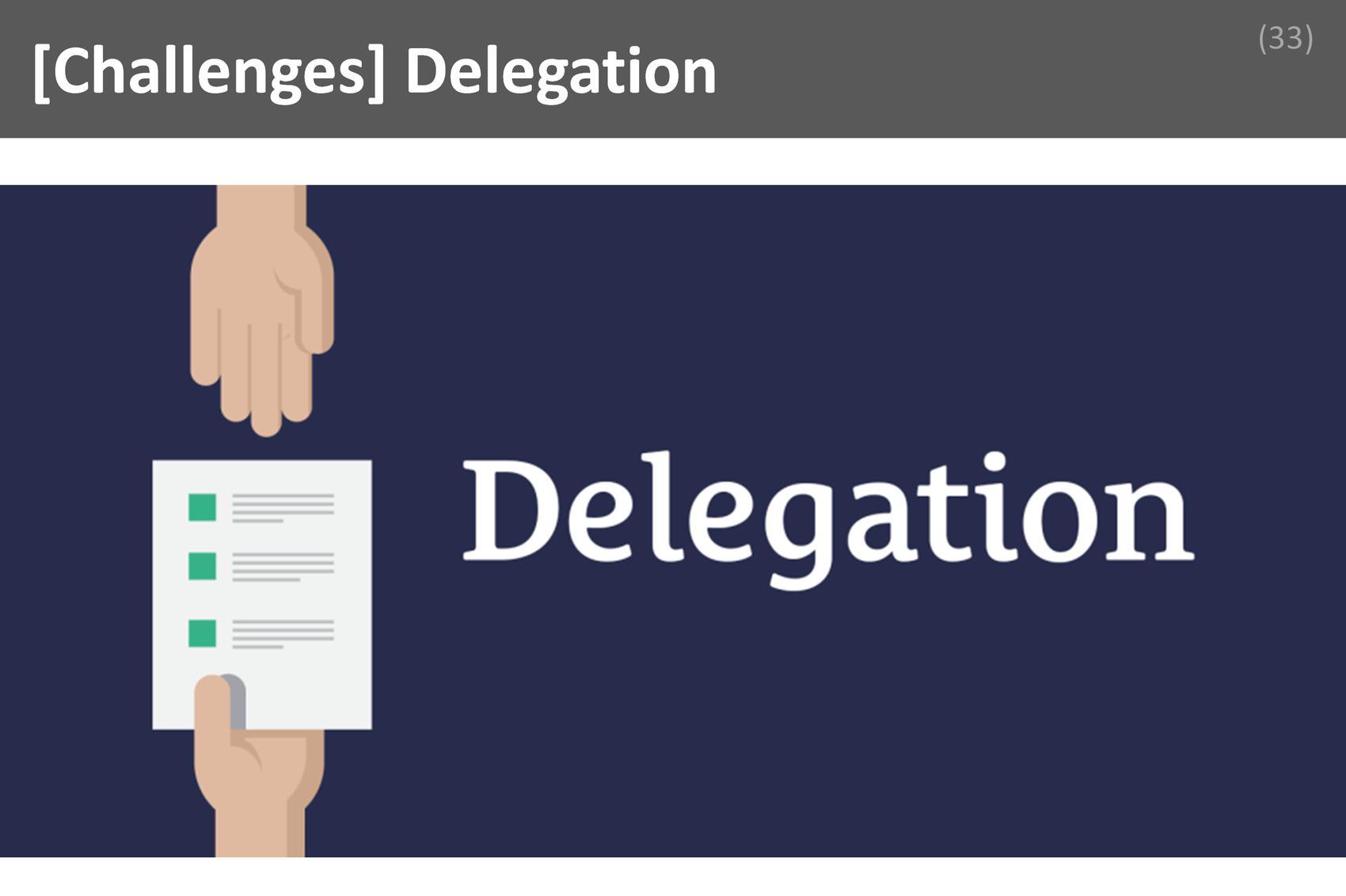
Deligation in Studio Art Direction refers to the process of assigning creative responsibilities and decision-making authority to team members while maintaining overall vision cohesion. This is demanding because it requires balancing trust in others’ abilities with the need to ensure that the final output aligns with the director’s artistic standards and project goals.
The challenge of deligation can significantly impact daily work by introducing uncertainty, communication gaps, and potential inconsistencies in the visual direction. Art directors must be resilient, as they often face the pressure of letting go of direct control while still being accountable for the end result. Successful professionals manage this by fostering open communication, setting clear expectations, and providing constructive feedback. They build trust within their teams, allowing for creative autonomy while maintaining oversight through regular check-ins and collaborative reviews. By embracing flexibility and adaptability, they turn deligation into an opportunity for team growth and innovation, rather than a source of stress or compromise.
Consider a studio art director overseeing a large-scale video game project with multiple artists responsible for different environments. Initially, the director struggled with deligation, fearing that individual styles would clash and disrupt the game’s visual unity. By establishing a comprehensive style guide and holding weekly review sessions, the director gradually empowered team members to make creative decisions within defined boundaries. Over time, the team’s confidence grew, and the director observed a surge in both productivity and creative solutions. The final product not only maintained a cohesive aesthetic but also showcased the unique strengths of each artist, demonstrating how effective deligation can elevate both the project and the team.
Skill Intensive
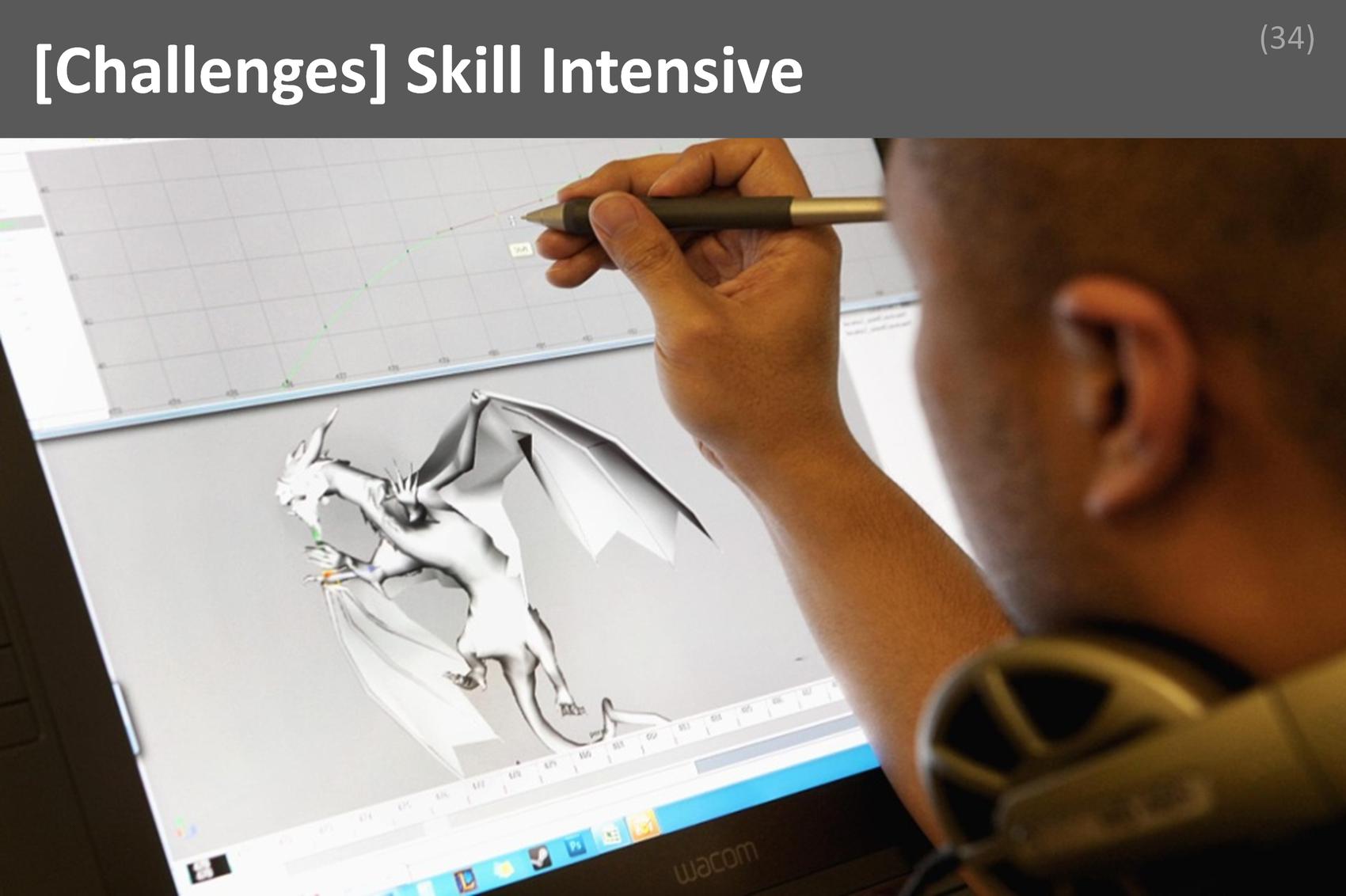
In Studio Art Direction, "Skill Intensive" refers to the necessity for a broad and deep mastery of artistic, technical, and leadership abilities. Art directors must seamlessly integrate visual storytelling, software proficiency, team management, and creative problem-solving, making the role exceptionally demanding and requiring constant learning and adaptation to evolving industry standards.
The skill-intensive nature of Studio Art Direction can lead to overwhelming workloads and high expectations, as professionals are required to juggle multiple disciplines simultaneously. This challenge often results in long hours, creative fatigue, and the pressure to stay ahead of technological advancements. Resilience becomes essential, as setbacks and rapid changes are common. Successful art directors manage this constraint by prioritizing continuous learning, seeking mentorship, and delegating tasks to leverage team strengths. They also cultivate adaptability, allowing them to pivot quickly in response to project needs or industry shifts. By embracing collaboration and maintaining a growth mindset, they transform the skill-intensive demands into opportunities for professional development and creative innovation.
Consider an art director leading a multidisciplinary team on a high-profile video game project. The project requires expertise in 3D modeling, animation, lighting, and narrative design, all while meeting tight deadlines. Recognizing the skill-intensive demands, the art director invests time in upskilling through online courses and industry workshops, while also fostering a collaborative environment where team members share knowledge and support each other’s growth. By delegating specialized tasks to team experts and focusing on clear communication, the art director ensures that the project maintains both creative vision and technical excellence. This approach not only alleviates personal workload but also empowers the team, resulting in a successful and innovative final product.
A Day Of
Studio Art Direction
The hum of creativity pulses through the studio long before the first coffee is poured. In the world of Studio Art Direction, each day unfolds as a dynamic blend of inspiration, problem-solving, and collaboration, where no two hours ever feel quite the same. The environment is a vibrant crossroads of visual storytelling and strategic leadership, where the pace is brisk and the stakes are high. Art directors move seamlessly between sketchbooks and screens, guiding teams through shifting priorities and creative challenges, all while keeping a sharp eye on both the big picture and the smallest detail. It’s a role that demands vision, adaptability, and a steady hand amid the beautiful chaos of the creative process.
As the studio lights flicker on and the first rays of sunlight filter through the windows, the art director arrives early to carve out a moment of quiet focus. This is the time to review mood boards, revisit project briefs, and assess the progress of ongoing campaigns or visual assets. With a fresh cup of coffee in hand, the art director refines the day’s priorities, aligning creative objectives with client expectations and internal deadlines. This early morning ritual is essential for setting the tone, ensuring that the team’s creative energy is channeled in the right direction from the outset.
Mid-morning marks the heart of the studio’s creative engine. The art director leads spirited review sessions, offering feedback on concept sketches, digital mockups, or storyboards. These meetings are a flurry of ideas and constructive critique, where designers, illustrators, and copywriters gather to align their visions and push the work to new heights. The art director’s role is both conductor and coach, balancing encouragement with clear direction, and making swift decisions to keep projects moving forward. This is the most interactive and intense part of the day, where creative sparks fly and the studio’s collective vision begins to take shape.
As the afternoon settles in, the focus shifts to execution and collaboration. The art director checks in with production teams to ensure that assets are being developed according to spec, troubleshooting any technical or creative roadblocks that arise. Meetings with account managers or external partners may fill the schedule, requiring the art director to translate creative concepts into actionable plans and ensure that everyone is aligned on deliverables. This phase is about bridging the gap between vision and reality, making sure that the creative intent survives the journey from concept to completion.
As the day winds down, the studio quiets and the art director turns to reflection and planning. This is the time to document feedback, update project management tools, and respond to emails that have accumulated throughout the day. Reviewing the day’s accomplishments and identifying areas for improvement, the art director sets the stage for tomorrow’s challenges. Researching new trends, gathering inspiration, and outlining next steps ensures that the creative momentum continues, even after the studio lights dim and the team heads home. |


 Home
Home Abroad
 Plan
Plan Philosophy
 Seminar
 Pages
Pages Advisors
 Testimonials







 Workshop
 Discuss
 Meet
Meet
 Advisor
 Story
Story
 Fine Print
 Links
Links
 Blog
Blog
 Follow
