The Journey of Game Art Development
What Is Game Art Development
Game Art Development

Game Art Development is the process of creating visual elements for video games, including characters, environments, textures, and special effects. It combines artistic skills with technical knowledge to bring digital worlds to life, ensuring that games are visually engaging, immersive, and aligned with the creative vision of the development team.
Game Art Development plays a crucial role in the success of video games by shaping the visual identity and emotional tone of a project. For professionals, it offers the opportunity to blend creativity with technology, allowing artists to see their work come alive in interactive environments. The field fosters collaboration, as artists work closely with designers and programmers to achieve cohesive results. One major benefit is the ability to influence how players experience and connect with a game’s world. Another advantage is the continuous growth of the gaming industry, which provides steady demand and diverse opportunities for skilled artists. Additionally, professionals gain the satisfaction of contributing to projects that entertain, inspire, and reach global audiences.
A professional game artist working on a fantasy role-playing game might be tasked with designing a series of unique, visually striking characters. Using digital sculpting and painting tools, the artist creates detailed models and textures that reflect the game’s lore and atmosphere. Throughout development, the artist collaborates with animators to ensure that each character moves naturally and fits seamlessly into the game world. The artist also works with level designers to craft environments that enhance storytelling and gameplay. By iterating on feedback from the team and playtesters, the artist refines assets to achieve the desired visual impact. This process demonstrates how game art development is integral to building immersive, memorable gaming experiences.
Education
Arts Fundamentals

Arts Fundamentals refers to the essential principles and elements of visual art, including line, shape, color, value, texture, form, space, balance, contrast, and composition. In Game Art Development, these basics serve as the academic and professional groundwork, enabling artists to create visually compelling and coherent digital environments and characters.
A strong grasp of Arts Fundamentals is crucial for anyone aspiring to excel in Game Art Development. Mastery of these principles allows artists to communicate ideas visually, create immersive worlds, and maintain consistency across diverse assets. Understanding composition, color theory, and form ensures that every visual element supports gameplay and storytelling. Over time, this foundational knowledge empowers professionals to adapt to new tools and styles, collaborate effectively with multidisciplinary teams, and solve creative challenges with confidence. As the industry evolves, those with a solid grounding in Arts Fundamentals remain versatile and competitive, able to innovate while maintaining high standards of visual quality.
Consider a game artist tasked with designing a new character for a fantasy adventure game. Drawing on their knowledge of Arts Fundamentals, they begin by sketching silhouettes to establish a strong, readable shape. They apply color theory to select a palette that conveys the character’s personality and role within the story. By manipulating value and contrast, they ensure the character stands out against various backgrounds, enhancing gameplay clarity. Throughout the process, their understanding of composition and form guides decisions about posture, costume, and accessories, resulting in a cohesive and visually appealing character. This daily application of foundational art principles ensures the final asset not only looks impressive but also functions effectively within the game’s world.
Multimedia Software

Multimedia software refers to computer programs designed to create, edit, and manage various forms of digital content, including graphics, audio, video, and interactive elements. In Game Art Development, such software is essential for producing visual assets, animations, sound effects, and user interfaces, forming a core component of both academic study and professional practice.
Understanding multimedia software is crucial for anyone pursuing a career in Game Art Development because it provides the technical foundation needed to bring creative visions to life. Mastery of these tools enables professionals to efficiently produce high-quality assets, collaborate with interdisciplinary teams, and adapt to evolving industry standards. As game development becomes increasingly complex, proficiency in multimedia software ensures that artists can meet the demands of modern production pipelines, troubleshoot technical challenges, and maintain a competitive edge in the job market. Over time, this expertise not only enhances creative output but also opens doors to advanced roles, such as technical artist or art director, where a deep understanding of multimedia processes is indispensable.
Consider a game artist tasked with designing a new character for an upcoming video game. Drawing on their knowledge of multimedia software, they use a digital sculpting program to model the character in 3D, then switch to a texturing tool to paint realistic skin and clothing details. Next, they import the model into an animation suite to create lifelike movements, ensuring the character responds naturally within the game environment. Throughout this process, the artist collaborates with programmers and sound designers, sharing files and integrating feedback seamlessly. Their theoretical understanding of multimedia software allows them to troubleshoot compatibility issues, optimize asset performance, and deliver polished results that enhance the overall gaming experience.
Understanding Arts Style

Understanding Arts Style refers to the ability to recognize, analyze, and apply various artistic movements, visual languages, and stylistic conventions within creative works. In Game Art Development, this knowledge bridges the gap between traditional art theory and digital creation, enabling artists to craft visually coherent and compelling game worlds that resonate with diverse audiences.
Learning about Understanding Arts Style is essential for anyone pursuing a career in Game Art Development because it provides the critical framework for making informed artistic decisions. By grasping the nuances of different art styles, professionals can adapt their work to suit the narrative, mood, and target audience of a game. This foundational knowledge empowers artists to collaborate effectively with other team members, communicate visual ideas clearly, and maintain consistency throughout a project. Over the long term, mastery of arts styles enhances creative versatility, allowing professionals to contribute to a wider range of projects and genres, and positions them as valuable assets in an industry that thrives on innovation and visual storytelling.
Imagine a game artist tasked with designing environments for a fantasy role-playing game. Drawing on their understanding of Arts Style, they analyze the project’s narrative and audience expectations, then select a visual approach inspired by Romanticism to evoke a sense of wonder and grandeur. Throughout the development process, they reference key stylistic elements such as dramatic lighting, rich color palettes, and expressive forms, ensuring that every asset aligns with the chosen aesthetic. This theoretical grounding not only guides their creative choices but also facilitates clear communication with concept artists, animators, and art directors, resulting in a cohesive and immersive game world that captivates players and stands out in a competitive market.
Analysing Video Games

Analysing Video Games involves critically examining gameplay, visual design, narrative, mechanics, and user experience to understand how these elements interact and contribute to a game’s impact. This analytical process is essential in both academic study and professional practice, forming a cornerstone of knowledge for anyone pursuing Game Art Development.
Understanding how to analyse video games is crucial for anyone in Game Art Development because it provides the tools to deconstruct and appreciate the intricate relationship between art, mechanics, and player engagement. By learning to identify what makes a game visually compelling or emotionally resonant, professionals can make informed decisions in their own creative processes. This foundational knowledge not only sharpens artistic skills but also fosters critical thinking, enabling developers to innovate and avoid common design pitfalls. Over time, the ability to analyse games deeply enhances collaboration with multidisciplinary teams, supports effective communication of artistic intent, and ensures that art assets contribute meaningfully to the overall player experience. Mastery of this subject ultimately leads to more impactful, memorable, and successful game projects.
Imagine a Game Art Developer tasked with designing environments for a new adventure game. Drawing upon their expertise in analysing video games, they begin by studying similar titles, observing how lighting, color palettes, and environmental storytelling shape the player’s emotional journey. They note how subtle visual cues guide exploration and how texture choices affect immersion. This analytical approach allows them to propose design solutions that not only look appealing but also support gameplay objectives and narrative themes. By referencing their theoretical understanding, they can justify artistic choices during team discussions, ensuring that every visual element serves a clear purpose. This process results in cohesive, engaging environments that elevate the overall quality of the game.
Design Management

Design Management is the strategic process of planning, coordinating, and overseeing design activities to achieve organizational goals, ensuring creative output aligns with business objectives. In Game Art Development, it bridges artistic vision and project requirements, making it an essential academic and professional discipline for delivering cohesive, high-quality game experiences.
Understanding Design Management is vital for anyone pursuing a career in Game Art Development because it equips professionals with the ability to balance creativity and practicality. By mastering this subject, artists and developers learn to coordinate teams, manage resources, and align their artistic output with the broader vision of a game project. This foundational knowledge fosters effective communication between departments, streamlines workflows, and helps anticipate and resolve challenges before they escalate. Over the long term, proficiency in Design Management enhances leadership potential, supports career advancement, and ensures that creative contributions consistently meet both artistic standards and business objectives, making professionals more valuable and adaptable within the dynamic game industry.
Consider a lead game artist working on a large-scale multiplayer game. Each day, they must ensure that the visual style remains consistent across different environments and character designs, even as multiple artists contribute assets. Drawing on their understanding of Design Management, the lead artist develops clear guidelines, schedules regular team check-ins, and communicates with producers to balance creative ambitions with technical and budgetary constraints. When unexpected challenges arise, such as a shift in project scope or a need for rapid iteration, their design management skills enable them to quickly realign the team’s efforts, maintain morale, and deliver assets that fit both the artistic vision and production timeline. This practical application ensures the project’s visual integrity and overall success.
Skills
Strong Visualization

Strong Visualization is the ability to mentally picture, manipulate, and refine complex images, environments, and concepts before they are physically created. In Game Art Development, this skill enables professionals to conceptualize detailed worlds, characters, and assets, ensuring their ideas are both innovative and feasible within technical and artistic constraints.
Strong Visualization directly enhances a game artist’s ability to translate abstract ideas into compelling visual assets. This skill allows professionals to anticipate how elements will interact within a game environment, streamlining the creative process and reducing costly revisions. Employers and clients highly value this capability because it leads to more efficient workflows, clearer communication, and higher-quality results. Cultivating strong visualization involves consistent practice, such as sketching from imagination, studying real-world references, and analyzing successful game art. Over time, exposure to diverse artistic styles and regular feedback from peers further sharpens one’s ability to mentally construct and iterate on complex scenes, making visualization an indispensable asset in a competitive industry.
Imagine a game art developer tasked with designing a new fantasy city for an open-world game. The project faces tight deadlines, and the creative director requests a unique look that blends medieval and futuristic elements. Relying on strong visualization, the artist mentally assembles architectural features, lighting, and color schemes before committing anything to paper or screen. This internal process allows the artist to quickly identify what works and what clashes, enabling rapid iteration and clear communication with the team. As a result, the initial concept art closely matches the director’s vision, saving valuable time and resources while setting a strong foundation for the rest of the development pipeline.
Observation

Observation is the intentional act of closely perceiving and analyzing details, patterns, and nuances in the environment, objects, or behaviors. In Game Art Development, observation enables professionals to accurately interpret references, understand visual storytelling, and replicate or stylize elements authentically. This skill is fundamental for creating immersive and believable game worlds.
Observation directly enhances a game artist’s ability to notice subtle details in textures, lighting, anatomy, and environments, leading to more realistic and compelling art assets. Employers and clients highly value this skill because it ensures that the final product meets high standards of quality and believability, which are crucial for player immersion. Cultivating observation involves regular practice, such as sketching from life, studying real-world references, and analyzing successful games. Over time, this habit sharpens an artist’s eye for detail, allowing them to spot inconsistencies or opportunities for improvement that others might miss. By consistently applying observation, professionals can elevate their work, contribute more effectively to their teams, and adapt quickly to new artistic challenges.
Imagine a game artist tasked with creating a forest environment for a fantasy game. During development, the initial scene feels artificial and unconvincing. By relying on keen observation, the artist revisits real forests, noting the irregularities in tree bark, the way light filters through leaves, and the subtle color variations in undergrowth. Applying these observed details to the digital environment, the artist adjusts textures, lighting, and foliage placement. The result is a vibrant, lifelike forest that enhances player immersion and receives praise from both the development team and players. This scenario highlights how observation enables game artists to identify what is missing and transform ordinary assets into extraordinary, believable worlds.
Planning & Decision Making

Planning & Decision Making is the ability to strategically organize tasks, allocate resources, anticipate challenges, and make informed choices to achieve specific goals. In Game Art Development, this skill ensures that creative visions are realized efficiently, deadlines are met, and the final product aligns with both artistic standards and project requirements.
Mastering Planning & Decision Making directly enhances a game artist’s ability to manage complex workflows, prioritize tasks, and adapt to shifting project demands. Employers and clients highly value this skill because it leads to reliable delivery, reduced production risks, and consistent quality. A professional who plans effectively can foresee potential bottlenecks, allocate time wisely, and make quick, confident decisions when unexpected issues arise. Cultivating this skill involves regular reflection on past projects, seeking feedback, and practicing structured approaches to problem-solving. Over time, experience and a proactive mindset help game artists refine their planning abilities, making them indispensable contributors to any development team.
Imagine a game art developer tasked with creating a suite of character models for a major release, only to discover midway that the game’s visual style is shifting due to new creative direction. Relying on strong Planning & Decision Making, the artist quickly reassesses priorities, consults with stakeholders, and devises a revised production schedule. By reallocating resources and adjusting workflows, the artist ensures that the new style is implemented without missing critical deadlines. This ability to adapt and make informed choices under pressure not only salvages the project but also demonstrates the artist’s professionalism and value to the team.
Leadership

Leadership is the ability to inspire, guide, and empower individuals or teams toward achieving shared goals, while fostering collaboration, accountability, and growth. In Game Art Development, leadership enables professionals to navigate creative challenges, coordinate multidisciplinary teams, and ensure that artistic vision aligns with project objectives, resulting in cohesive and compelling game experiences.
Leadership directly enhances performance in Game Art Development by promoting clear communication, effective problem-solving, and a positive team culture. Clients and employers highly value this skill because it ensures projects are delivered on time, within scope, and with high artistic quality. A leader in this field motivates team members, resolves conflicts, and adapts to shifting project demands, which are crucial for success in the fast-paced gaming industry. Cultivating leadership involves seeking feedback, learning from experienced mentors, and actively participating in team projects. Over time, professionals can develop their leadership abilities by taking initiative, embracing responsibility, and continuously refining their interpersonal and organizational skills.
Imagine a scenario where a game art team faces a looming deadline and unexpected technical setbacks threaten the delivery of key visual assets. A professional with strong leadership steps in to assess the situation, communicates transparently with both the team and stakeholders, and quickly reorganizes tasks based on individual strengths. By fostering open dialogue and encouraging creative problem-solving, the leader helps the team overcome obstacles and maintain morale. As a result, the team not only meets the deadline but also delivers high-quality assets that exceed client expectations. This example illustrates how leadership is pivotal in navigating crises and driving a Game Art Development team toward collective success.
Motivation & Positive Attitude

Motivation & Positive Attitude refers to the inner drive to pursue goals with enthusiasm and the ability to maintain optimism, even in challenging situations. In Game Art Development, this mindset empowers professionals to tackle creative obstacles, adapt to feedback, and consistently deliver high-quality work, fueling both personal growth and team success.
Motivation and a positive attitude are crucial in Game Art Development because they directly influence creativity, productivity, and resilience. When artists remain motivated, they are more likely to experiment with new techniques, push creative boundaries, and persist through technical setbacks. Employers and clients highly value these traits, as they foster a collaborative and solution-oriented work environment. A positive outlook also helps teams navigate tight deadlines and shifting project requirements with less stress. Cultivating this skill involves setting clear goals, celebrating small achievements, seeking inspiration from peers, and maintaining a healthy work-life balance. Over time, consistently practicing gratitude and self-reflection can reinforce a positive mindset, making it easier to stay motivated during demanding projects.
Imagine a game art developer facing a major setback when a critical asset fails to render correctly just days before a project deadline. Instead of becoming discouraged, the developer draws on their motivation and positive attitude to approach the problem methodically. They communicate openly with their team, brainstorm alternative solutions, and work extra hours to troubleshoot the issue. Their optimism keeps morale high, encouraging others to contribute ideas and support. Ultimately, the team not only resolves the technical problem but also discovers a more efficient workflow for future projects. This scenario highlights how motivation and a positive attitude can turn a potential crisis into an opportunity for growth and innovation.
Positives
Diverse Opportunities

Diverse Opportunities refers to the wide range of roles, projects, and creative challenges available within the field of Game Art Development. This includes working on various game genres, collaborating with multidisciplinary teams, and exploring different artistic styles and technologies. Such variety ensures continual learning, growth, and the chance to shape unique player experiences.
The presence of diverse opportunities in Game Art Development is a powerful motivator for professionals, as it prevents monotony and encourages continuous skill enhancement. Artists can move between concept art, 3D modeling, animation, and even user interface design, keeping their daily work fresh and engaging. This variety not only fosters creativity but also allows individuals to discover and refine their unique strengths. As professionals tackle new challenges and collaborate with experts from different backgrounds, they build a rich portfolio and develop a versatile skill set. The constant evolution of the industry means that there is always something new to learn, which fuels long-term job satisfaction and opens doors to career advancement.
Imagine a game artist who starts their career designing character concepts for a fantasy adventure game. Over time, they are invited to contribute to environmental art for a sci-fi project, then later collaborate with a virtual reality team to create immersive worlds. Each project introduces them to new tools, artistic styles, and creative challenges, allowing them to grow both technically and artistically. This exposure to a variety of roles and genres not only keeps their work exciting but also helps them build a diverse portfolio, making them highly adaptable and sought-after in the industry. The sense of fulfillment comes from knowing that every day brings a fresh opportunity to innovate and make a meaningful impact on the gaming experience.
Monetary Potential

Monetary Potential refers to the capacity for significant financial gain and upward earning mobility within a chosen career path. In Game Art Development, this means the opportunity to earn competitive salaries, bonuses, and royalties, as well as the possibility of increased income through career advancement, specialization, or freelance work. This financial aspect contributes positively to the profession by providing security, motivation, and tangible rewards for creative effort and technical expertise. When artists see their skills translated into real economic value, it validates their work and encourages further professional growth, making the field not only creatively fulfilling but also financially sustainable.
The monetary potential in Game Art Development is a powerful motivator that enhances both job satisfaction and long-term career growth. Knowing that their creative talents can lead to substantial financial rewards, professionals are inspired to continually refine their skills and take on new challenges. This financial incentive fosters a sense of accomplishment and security, allowing artists to focus on innovation and quality without the constant worry of financial instability. As the gaming industry continues to expand globally, the demand for skilled game artists rises, leading to increased salaries, lucrative project opportunities, and the possibility of profit-sharing or royalties. This ongoing financial growth directly impacts daily work, as professionals feel valued and empowered to pursue ambitious projects.
Imagine a game artist who starts their career at a mid-sized studio, initially earning a competitive salary. As their portfolio grows and their skills become more specialized, they are offered a lead artist position with a significant pay increase and performance bonuses tied to the success of the studio’s games. When one of their projects becomes a hit, they receive a share of the profits, further boosting their income. This tangible financial recognition not only rewards their dedication but also allows them to invest in personal development, attend industry conferences, and even consider freelance opportunities for additional income. The monetary potential they experience transforms their passion into a sustainable and rewarding livelihood, reinforcing their commitment to the field.
Immense Satisfaction

Immense Satisfaction is the profound sense of fulfillment and pride that arises from seeing creative visions come to life, knowing your work brings joy and wonder to others, and feeling valued for your unique artistic contributions. In Game Art Development, this satisfaction fuels motivation, creativity, and a deep connection to the projects you help shape.
The immense satisfaction found in Game Art Development is a driving force behind long-term career happiness and professional growth. When artists witness their creations integrated into interactive worlds, they experience a unique blend of personal achievement and communal impact. This sense of fulfillment encourages continuous learning and innovation, as professionals strive to push creative boundaries and master new techniques. Daily, game artists see their efforts reflected in the reactions of players and the success of the games they help build, reinforcing their passion and commitment. This ongoing cycle of creation and recognition not only boosts morale but also fosters a collaborative and inspiring work environment where each contribution feels meaningful.
Imagine a game artist who has spent months designing the lush environments and intricate characters for a highly anticipated game. On launch day, they watch live streams and read player feedback, witnessing firsthand the excitement and emotional responses their art evokes. Players marvel at the immersive worlds, share fan art, and express gratitude for the visual storytelling. The artist feels a deep sense of pride, knowing their creativity has touched thousands of lives and contributed to unforgettable experiences. This moment of recognition and connection with the audience encapsulates the immense satisfaction that makes a career in Game Art Development so profoundly rewarding.
Continuous Learning

Continuous Learning is the ongoing process of acquiring new knowledge, skills, and insights throughout one’s career, adapting to evolving technologies and creative trends. In Game Art Development, this mindset fosters innovation, keeps professionals engaged, and ensures their work remains relevant and cutting-edge in a rapidly changing industry. Embracing Continuous Learning allows artists to stay ahead of the curve, mastering new tools and techniques that enhance both their personal growth and the quality of their projects.
Continuous Learning is a cornerstone of satisfaction and advancement in Game Art Development because the field is in constant flux, driven by technological breakthroughs and artistic evolution. Professionals who embrace this dynamic environment find themselves consistently challenged and inspired, which keeps their work fresh and exciting. This ongoing growth not only sharpens their technical abilities but also broadens their creative horizons, opening doors to new roles and responsibilities. The sense of progress and achievement that comes from mastering new skills fuels motivation and pride, making each project an opportunity for personal and professional enrichment. As a result, game artists often experience a deep sense of fulfillment, knowing their expertise is always expanding and their contributions are increasingly impactful.
Imagine a game artist who began their career specializing in 2D character design. As the studio transitions to developing immersive 3D worlds, this artist seizes the opportunity to learn advanced 3D modeling and texturing techniques. Through online courses, mentorship, and hands-on experimentation, they gradually master new software and workflows. This journey not only revitalizes their passion for the craft but also positions them as a valuable asset to the team. Their newfound skills enable them to contribute to ambitious projects and collaborate across disciplines, leading to greater recognition and career advancement. The artist’s commitment to Continuous Learning transforms challenges into opportunities, making each day on the job both stimulating and rewarding.
Become a Storyteller

To "Become a Storyteller" in game art development means using visual creativity and design skills to craft immersive worlds, characters, and experiences that convey emotion, narrative, and meaning. Storytelling in this context transforms static art into dynamic journeys, allowing artists to shape how players perceive and interact with the game’s universe.
The ability to become a storyteller is a profound advantage in game art development because it elevates the role from mere technical execution to creative authorship. Professionals in this field are not just creating assets; they are weaving together visual elements that drive the narrative and evoke emotional responses from players. This creative influence leads to a deep sense of ownership and pride in the final product, making daily work more meaningful and engaging. The opportunity to see one’s artistic vision come alive in a collaborative environment fosters personal growth, continuous learning, and a strong sense of purpose. As a result, job satisfaction is significantly enhanced, and professionals are motivated to push creative boundaries and innovate within their craft.
Imagine a game artist tasked with designing the central village in a fantasy adventure game. Rather than simply modeling buildings and landscapes, the artist infuses every detail with narrative significance: weathered stones hint at ancient battles, vibrant murals tell stories of local heroes, and the layout subtly guides players toward key discoveries. As players explore, they become immersed in the world’s history and culture, all conveyed through the artist’s visual storytelling. The artist experiences immense fulfillment knowing their creative choices are not only seen but felt by players, shaping their journey and emotional connection to the game. This daily opportunity to inspire and engage others through art is what makes becoming a storyteller in game art development so uniquely rewarding.
Challenges
Knowledge Update

Knowledge Update in Game Art Development refers to the ongoing need for professionals to learn and adapt to new tools, techniques, and industry standards. This challenge is demanding because technology and artistic trends evolve rapidly, requiring artists to continually expand their skill sets to remain competitive and produce cutting-edge work.
The necessity for constant knowledge updates can disrupt daily workflows, as professionals must balance project deadlines with learning new software or mastering emerging art styles. This pressure can lead to stress and creative fatigue, demanding resilience and adaptability. Successful game art developers address this by integrating learning into their routines, seeking out mentorship, and participating in online communities. They view change as an opportunity rather than a threat, leveraging curiosity and self-discipline to stay ahead. By dedicating time to experimentation and personal projects, they transform the challenge of knowledge update into a source of inspiration and professional growth, ensuring their skills remain relevant in a fast-paced industry.
Consider a character artist working at a game studio who discovers that a new sculpting tool has become the industry standard for creating high-fidelity assets. Instead of resisting the shift, the artist dedicates evenings to online tutorials and applies new techniques to ongoing projects. By sharing progress with colleagues and seeking feedback, the artist not only masters the tool but also introduces more efficient workflows to the team. This proactive approach not only enhances the quality of the studio’s output but also positions the artist as a valuable resource, demonstrating how embracing knowledge update can lead to both personal advancement and collective success.
Mentoring & Motivation of Team

Mentoring and motivation of team in Game Art Development involves guiding artists to grow their skills while inspiring consistent creativity and productivity. This challenge is demanding because it requires balancing individual aspirations with project goals, fostering collaboration, and maintaining morale amid tight deadlines, evolving technologies, and the high expectations of the gaming industry.
The challenge of mentoring and motivating a team in Game Art Development can significantly affect daily workflows. When team members lack guidance or enthusiasm, productivity drops, creativity stalls, and project timelines suffer. This environment can lead to burnout or high turnover, making it essential for leaders to demonstrate resilience and adaptability. Successful professionals address this by fostering open communication, recognizing individual strengths, and providing constructive feedback. They create a supportive atmosphere where learning is encouraged, and achievements are celebrated, helping team members feel valued and engaged. By modeling passion and commitment, leaders inspire their teams to overcome obstacles and maintain momentum, even during demanding production cycles.
Consider a lead artist overseeing a diverse team during the development of a visually ambitious game. Midway through the project, the team faces creative fatigue and doubts about meeting the artistic vision. The lead artist organizes regular art reviews, offering personalized feedback and highlighting each member’s contributions. They encourage knowledge sharing by pairing experienced artists with newer team members, fostering mentorship and skill development. By openly discussing challenges and celebrating small wins, the lead artist rebuilds morale and reignites the team’s passion for the project. As a result, the team not only meets deadlines but also delivers innovative, high-quality art that exceeds initial expectations.
Visual Quality Control

Visual Quality Control in Game Art Development refers to the rigorous process of ensuring that all visual assets meet predefined standards of consistency, polish, and technical performance. This challenge is demanding because it requires balancing creative vision with strict technical constraints, often under tight deadlines and across diverse teams and platforms.
The challenge of visual quality control permeates every stage of a game artist’s daily workflow, from initial concept sketches to final asset integration. Artists must constantly scrutinize their work for inconsistencies, technical errors, and deviations from the project’s visual language. This ongoing vigilance can be mentally taxing, requiring resilience to handle repeated feedback, revisions, and the pressure to maintain high standards. Successful professionals manage this constraint by developing strong attention to detail, embracing collaborative critique, and leveraging tools that automate parts of the quality control process. They also cultivate adaptability, learning to accept constructive criticism and iterating quickly, which helps them maintain both the integrity of their artistic vision and the technical requirements of the project.
Consider a game artist working on a large-scale fantasy RPG, responsible for creating environmental textures. During a milestone review, the lead notices that some textures appear inconsistent in lighting and resolution compared to others, threatening the visual cohesion of the game world. Instead of feeling discouraged, the artist systematically reviews the asset pipeline, identifies discrepancies in texture compression settings, and collaborates with the technical art team to implement a standardized workflow. By proactively addressing feedback and refining their process, the artist not only resolves the immediate quality control issue but also helps establish best practices for the entire team, ensuring future assets meet the project’s visual standards more efficiently.
Content Development

Content Development in Game Art Development refers to the ongoing process of creating, refining, and integrating visual assets such as characters, environments, and props that align with a game's vision and technical requirements. This task is demanding due to tight deadlines, evolving design needs, and the necessity for consistent quality across diverse asset types.
The challenge of content development permeates daily work by imposing constant pressure to deliver high-quality assets within limited timeframes. Artists often face shifting priorities, last-minute design changes, and the need to adapt to new tools or workflows. This environment demands resilience, as setbacks and revisions are frequent. Successful professionals manage these constraints by maintaining strong communication with team members, prioritizing tasks effectively, and embracing iterative feedback. They cultivate adaptability, allowing them to pivot quickly when project requirements change. By fostering a collaborative mindset and leveraging efficient asset management systems, they ensure that creative output remains consistent and aligned with the game’s evolving vision, even under demanding circumstances.
Consider a game artist tasked with developing environmental assets for a fantasy adventure game. Midway through production, the art direction shifts to a darker, more realistic tone, requiring significant rework of existing assets. Instead of becoming overwhelmed, the artist collaborates closely with the art director to clarify the new vision and prioritizes which assets need immediate attention. By reusing and modifying existing textures and models where possible, the artist accelerates the adaptation process. Regular check-ins with the team help identify potential issues early, allowing for quick adjustments. Through adaptability, clear communication, and strategic reuse of resources, the artist successfully navigates the content development challenge, ensuring the project stays on schedule and meets the new artistic standards.
A Day Of
Game Art Development
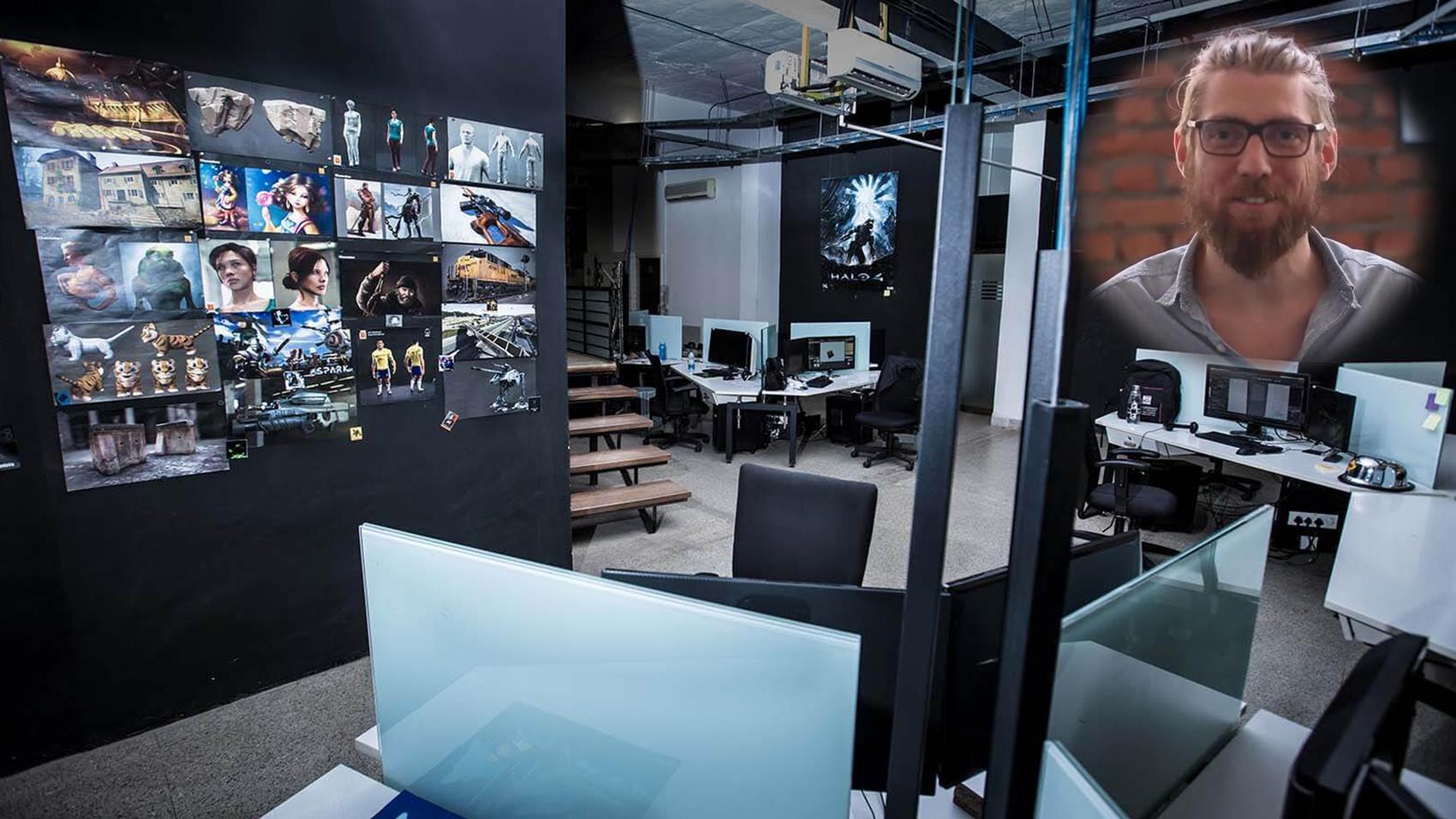
The hum of a high-powered PC and the glow of dual monitors set the stage for a day that’s anything but routine in the world of Game Art Development. Here, creativity collides with technology, and every hour pulses with the energy of tight deadlines, spontaneous collaboration, and the relentless pursuit of visual perfection. Whether sculpting a new character or refining the textures of a sprawling digital landscape, a game art professional’s day is a dynamic blend of solitary focus and team-driven innovation, unfolding in a studio environment where imagination is both the job description and the daily challenge.
The day begins with a quiet review of ongoing projects, as the artist settles in with a fresh cup of coffee and opens up the latest build of the game. This early morning phase is all about syncing up with the latest visual assets, checking overnight feedback from art leads or creative directors, and making quick notes on what needs immediate attention. It’s a time for calibrating color palettes, reviewing reference boards, and ensuring that the artistic vision remains consistent across every asset, from character models to environmental props.
By mid-morning, the studio buzzes with focused energy as the artist dives into the core work of the day: creating and refining game assets. This is the most intense and immersive part of the schedule, where hours slip by in a flow state of digital sculpting, texture painting, or rigging characters for animation. Communication with programmers and designers is frequent, as technical constraints and gameplay needs shape the art in real time. Here, the artist’s toolkit—ranging from 3D modeling software to custom shaders—becomes an extension of their creative vision.
Afternoons are marked by collaboration, as the team gathers for art reviews or sprint meetings to showcase progress and tackle challenges together. Constructive feedback flows freely, with artists, animators, and developers exchanging ideas to solve visual or technical hurdles. This phase is also when the artist implements revisions, polishes assets based on team input, and ensures that everything aligns with the game’s evolving narrative and mechanics. The sense of shared purpose is palpable, driving the team toward a unified visual identity.
As the day winds down, the focus shifts to wrapping up tasks and planning ahead. The artist documents changes, updates asset management systems, and sends out end-of-day reports or renders for review. There’s time for a bit of research—exploring new techniques, studying reference material, or catching up on industry trends—to fuel tomorrow’s creativity. Before logging off, the artist reviews the next day’s priorities, ensuring a seamless handoff between today’s achievements and tomorrow’s ambitions in the ever-evolving world of game art. |


 Home
Home Abroad
 Plan
Plan Philosophy
 Seminar
 Pages
Pages Advisors
 Testimonials









 Workshop
 Discuss
 Meet
Meet
 Advisor
 Story
Story
 Fine Print
 Links
Links
 Blog
Blog
 Follow
