The Journey of Petroleum Dealership
What Is Petroleum Dealership
Petroleum Dealership

Petroleum Dealership refers to the business of operating and managing retail outlets that sell petroleum products such as petrol, diesel, and lubricants. Dealers act as intermediaries between petroleum companies and consumers, ensuring the supply, storage, and distribution of fuel to meet local demand efficiently and safely.
Petroleum Dealership plays a crucial role in the energy supply chain, directly impacting transportation, industry, and daily life. Professionals in this field ensure that fuel is available and accessible, supporting economic activity and mobility. One major benefit is the opportunity for entrepreneurship, allowing individuals to run their own businesses with the backing of established oil companies. Another benefit is the potential for stable income, as fuel remains a constant necessity. Additionally, dealership owners contribute to local employment and community development by hiring staff and supporting ancillary services, making their role vital in both urban and rural settings.
Consider a professional who acquires a petroleum dealership in a growing suburban area. This individual manages daily operations, oversees fuel inventory, and ensures compliance with safety and environmental regulations. By maintaining strong relationships with suppliers and customers, the dealer guarantees a steady supply of fuel to local residents, businesses, and transport operators. The dealership becomes a hub for community activity, offering not only fuel but also convenience store items and automotive services. Through effective management and customer service, the dealer builds a loyal clientele, contributes to local employment, and plays a key role in supporting the region’s economic growth and connectivity.
Education
Sales Promotion

Sales promotion refers to a set of marketing activities and incentives designed to boost the immediate sales of products or services, often through limited-time offers, discounts, contests, or special events. In petroleum dealership, understanding sales promotion is essential for attracting customers and increasing fuel and non-fuel product sales.
Grasping the principles of sales promotion is crucial for anyone preparing for or working in petroleum dealership because it directly influences customer acquisition and retention. A solid understanding of sales promotion equips professionals with the ability to design and implement effective campaigns that drive footfall, encourage repeat business, and differentiate their dealership from competitors. This knowledge forms a foundational part of the marketing and business management skills required in the industry, ensuring that dealership operations remain profitable and sustainable. Over the long term, mastering sales promotion enables professionals to adapt to changing market conditions, respond to customer preferences, and contribute to the overall growth and reputation of their dealership.
Consider a petroleum dealership manager who notices a decline in fuel sales during weekdays. Drawing on their knowledge of sales promotion, they introduce a midweek offer where customers receive a complimentary car wash with every fuel purchase above a certain amount. This initiative not only attracts more customers during slow periods but also encourages higher spending per visit. The manager monitors the results, adjusts the offer as needed, and communicates the promotion effectively through signage and local advertising. By applying their theoretical understanding of sales promotion, the manager successfully increases sales, enhances customer satisfaction, and strengthens the dealership’s competitive position in the local market.
Human Resource Management

Human Resource Management is the strategic approach to recruiting, developing, managing, and motivating employees to achieve organizational goals. In the context of Petroleum Dealership, it encompasses the essential skills and knowledge needed to effectively handle workforce-related challenges, making it a crucial component of both academic study and professional practice in the industry.
Understanding Human Resource Management is vital for anyone involved in Petroleum Dealership because employees are the backbone of daily operations, customer service, and compliance. Mastery of this subject equips professionals with the ability to recruit the right talent, foster a positive work environment, and ensure legal and ethical standards are met. It also helps in resolving conflicts, improving team productivity, and reducing turnover, which are all critical for maintaining smooth operations and profitability. Over the long term, strong HRM skills enable dealership managers to build a loyal, skilled workforce, adapt to changing labor regulations, and create a culture of continuous improvement, all of which are essential for sustained business success.
Consider a Petroleum Dealership manager who notices a decline in employee morale and an increase in customer complaints. Drawing on their knowledge of Human Resource Management, the manager conducts staff meetings to identify concerns, implements a structured training program, and introduces an employee recognition system. By addressing issues such as unclear job roles and lack of motivation, the manager not only improves staff satisfaction but also enhances service quality and operational efficiency. This practical application of HRM principles demonstrates how theoretical understanding translates into effective leadership and tangible business results in the daily operations of a petroleum dealership.
Finance

Finance is the study and management of money, investments, and other financial instruments. It encompasses budgeting, forecasting, saving, lending, and investing. In the context of Petroleum Dealership, finance forms a crucial part of both academic learning and professional practice, enabling dealers to make informed decisions and sustain profitable operations.
Understanding finance is essential for anyone involved in Petroleum Dealership because it underpins every aspect of the business, from purchasing fuel inventory to managing daily cash flows. Mastery of financial principles allows professionals to analyze costs, forecast revenues, and ensure the dealership remains solvent and competitive. This knowledge is foundational, as it empowers dealers to negotiate better with suppliers, optimize pricing strategies, and plan for expansion or unforeseen expenses. Over the long term, a strong grasp of finance helps professionals build credibility, make strategic investments, and adapt to market fluctuations, ultimately ensuring the dealership’s growth and sustainability in a highly competitive industry.
Consider a petroleum dealer who must decide how much fuel to order for the upcoming month. By applying their understanding of finance, the dealer reviews historical sales data, forecasts demand, and calculates the working capital required to cover inventory costs without straining cash reserves. They also analyze supplier credit terms and potential interest on borrowed funds. This financial planning ensures the dealership maintains adequate stock to meet customer needs while avoiding overstocking, which could tie up funds unnecessarily. Through these daily decisions, the dealer leverages financial knowledge to balance risk, maintain liquidity, and maximize profitability, demonstrating how finance is integral to effective and sustainable petroleum dealership management.
Safety Procedures

Safety Procedures are a set of established protocols and guidelines designed to prevent accidents, injuries, and environmental hazards in the workplace. In Petroleum Dealership, understanding these procedures is essential, as they form a critical part of both academic training and professional practice, ensuring safe handling, storage, and distribution of petroleum products.
Learning about safety procedures is vital for anyone entering or working in the petroleum dealership sector because the industry inherently involves handling flammable and hazardous materials. Mastery of safety protocols not only protects employees and customers but also safeguards the environment and company assets. This knowledge forms the foundation for all operational activities, from fuel dispensing to storage management, and is often a legal requirement. Over the long term, professionals who are well-versed in safety procedures are more likely to advance in their careers, as they demonstrate responsibility, reliability, and a commitment to best practices. Furthermore, a strong safety culture reduces the risk of costly incidents, regulatory penalties, and reputational damage, making it a cornerstone of sustainable business operations.
Consider a scenario where a petroleum dealership employee notices a small fuel spill near the dispensing area during a busy shift. Drawing on their understanding of safety procedures, the employee immediately cordons off the area to prevent customer access, dons appropriate protective equipment, and uses absorbent materials to contain and clean the spill. They then follow the proper reporting protocols and ensure that all contaminated materials are disposed of according to environmental regulations. By applying their theoretical knowledge in this real-world situation, the employee not only prevents a potential fire hazard but also upholds the dealership’s commitment to safety and environmental stewardship, demonstrating the practical value of mastering safety procedures in daily operations.
Skills
Crisis Management

Crisis Management is the process of preparing for, responding to, and recovering from unexpected events that threaten an organization’s operations, reputation, or safety. In Petroleum Dealership, it ensures business continuity, protects assets, and maintains trust during emergencies such as supply disruptions, accidents, or regulatory challenges.
Mastering crisis management significantly enhances a petroleum dealership professional’s effectiveness by enabling swift, strategic responses to unforeseen disruptions. Clients and employers highly value this skill because it minimizes operational downtime, safeguards personnel and assets, and upholds the company’s reputation in the face of adversity. Developing crisis management abilities involves ongoing training, scenario planning, and learning from real-life incidents. Over time, professionals can cultivate this skill by staying informed about industry risks, participating in emergency drills, and building strong communication networks. Consistent practice and reflection help individuals remain calm under pressure, make informed decisions quickly, and lead teams confidently through challenging situations, making them indispensable assets to any petroleum dealership operation.
Imagine a petroleum dealership facing a sudden fuel contamination issue that threatens to halt supply to key clients. The dealership manager immediately activates the crisis management plan, coordinating with suppliers to trace the contamination source, informing affected customers transparently, and working with regulatory authorities to ensure compliance. By swiftly isolating the affected batch and arranging alternative supplies, the manager prevents a prolonged outage and reassures clients of the dealership’s reliability. This decisive action not only limits financial losses but also strengthens client trust and demonstrates the dealership’s commitment to safety and service continuity. Such effective crisis management turns a potentially damaging event into an opportunity to showcase professionalism and resilience.
People Management

People Management is the ability to effectively lead, motivate, and coordinate individuals or teams to achieve organizational goals while fostering a positive work environment. In the context of Petroleum Dealership, it is crucial for ensuring smooth operations, maintaining staff morale, and delivering excellent customer service, all of which drive business success.
Mastering people management directly enhances performance in petroleum dealership by promoting teamwork, reducing conflicts, and increasing employee engagement. Clients and employers highly value this skill because it leads to higher productivity, lower staff turnover, and improved customer satisfaction. Cultivating people management involves continuous learning, seeking feedback, and practicing empathy and clear communication. Over time, professionals can refine their approach by observing successful leaders, participating in management training, and adapting to the unique needs of their teams. This ongoing development not only benefits the dealership’s bottom line but also helps individuals grow into more effective and respected leaders.
Imagine a situation where a petroleum dealership faces a sudden staff shortage during a peak sales period. The manager, relying on strong people management skills, quickly reassesses team strengths, delegates responsibilities efficiently, and motivates remaining staff to handle increased workloads. By maintaining open communication and recognizing individual efforts, the manager keeps morale high and ensures that customer service standards do not slip. This proactive approach not only resolves the immediate crisis but also builds trust and loyalty among employees, demonstrating how effective people management can turn potential setbacks into opportunities for team growth and dealership success.
Delegation

Delegation is the intentional process of assigning responsibility and authority for specific tasks or decisions to others, while maintaining overall accountability. In a Petroleum Dealership, delegation enables professionals to manage complex operations efficiently, ensuring that daily activities, compliance, and customer service are handled effectively by the right team members, fostering productivity and growth.
Mastering delegation directly enhances operational efficiency in petroleum dealerships, where time-sensitive decisions and multitasking are routine. Clients and employers value this skill because it ensures that critical functions, such as inventory management, safety compliance, and customer relations, are executed by competent staff, reducing bottlenecks and errors. Effective delegation allows leaders to focus on strategic planning and business development, rather than being bogged down by routine tasks. To cultivate this skill, professionals should start by understanding their team’s strengths, clearly communicating expectations, and providing the necessary resources and support. Over time, consistent feedback and trust-building help refine delegation abilities, resulting in a more empowered and capable workforce.
Consider a scenario where a petroleum dealership faces an unexpected fuel shortage due to delayed deliveries. The dealership manager must coordinate with suppliers, inform customers, and ensure regulatory compliance. By delegating the task of customer communication to the sales team, assigning inventory checks to the operations staff, and focusing personally on supplier negotiations, the manager ensures that all critical areas are addressed simultaneously. This strategic use of delegation not only resolves the crisis efficiently but also builds team confidence and maintains customer trust, demonstrating how essential delegation is to overcoming challenges and achieving success in the petroleum dealership sector.
Leadership

Leadership is the ability to inspire, guide, and influence individuals or teams toward achieving common goals, while fostering trust, accountability, and motivation. In the context of Petroleum Dealership, leadership empowers professionals to navigate complex operations, manage diverse teams, and drive business growth in a highly competitive and regulated industry.
Effective leadership in Petroleum Dealership directly enhances operational efficiency, team morale, and customer satisfaction. Clients and employers highly value leaders who can make informed decisions under pressure, resolve conflicts, and adapt to market changes. Strong leadership ensures that teams remain focused and motivated, even during challenging times. Cultivating this skill involves continuous self-improvement, seeking feedback, learning from mentors, and embracing new responsibilities. Over time, professionals can refine their leadership abilities by actively participating in team projects, attending industry seminars, and staying updated with best practices. This ongoing development not only benefits the dealership’s performance but also positions the individual as a trusted and influential figure within the organization.
Imagine a Petroleum Dealership facing a sudden fuel supply disruption due to unforeseen logistical issues. The dealership manager, demonstrating strong leadership, quickly assembles the team to assess the situation, communicates transparently with staff and customers, and coordinates with suppliers to find alternative solutions. By remaining calm and decisive, the manager maintains team morale and customer trust, ensuring that operations continue with minimal disruption. This proactive approach not only resolves the immediate crisis but also strengthens the dealership’s reputation for reliability and resilience. The ability to lead effectively in such high-pressure situations highlights the critical importance of leadership in achieving long-term success in the petroleum industry.
Accuracy
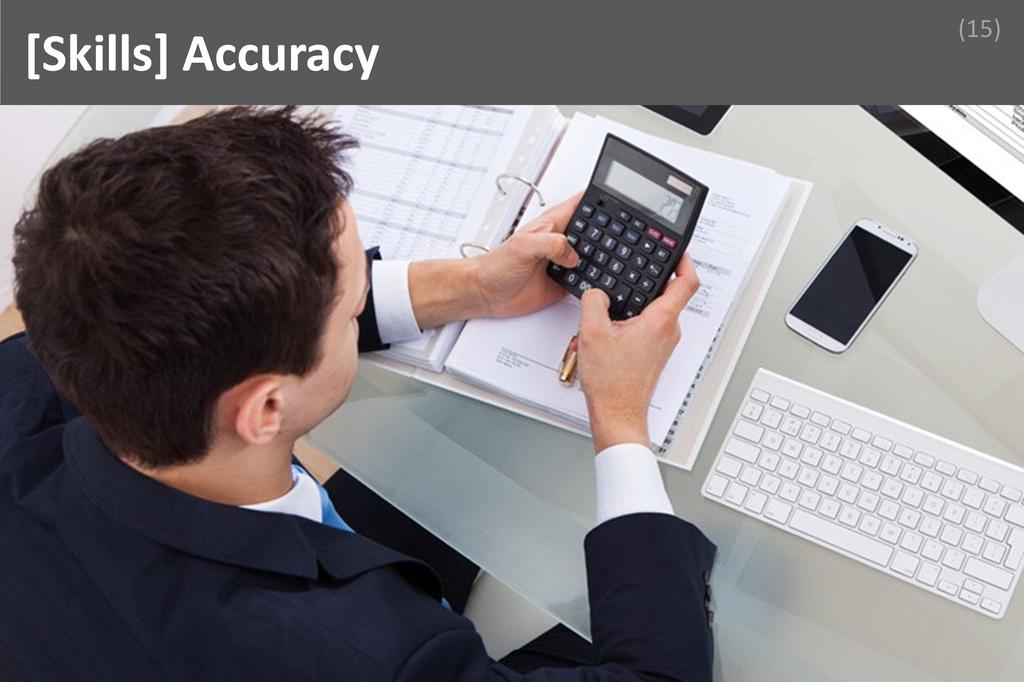
Accuracy is the ability to perform tasks with exactness, ensuring that all details, figures, and processes are correct and free from errors. In Petroleum Dealership, accuracy is crucial for maintaining precise inventory records, handling financial transactions, and ensuring compliance with safety and regulatory standards, forming the backbone of trustworthy operations.
Accuracy directly enhances performance in Petroleum Dealership by minimizing costly mistakes, such as fuel miscalculations, incorrect billing, or regulatory violations. Clients and employers highly value this skill because it builds trust, ensures safety, and protects the business from financial and legal risks. To cultivate accuracy, professionals should develop strong attention to detail, regularly review their work, and embrace continuous learning about industry standards and best practices. Over time, consistent application and a commitment to double-checking processes help reinforce this skill, making it an integral part of daily operations and decision-making. As accuracy becomes habitual, it leads to improved efficiency, customer satisfaction, and a reputation for reliability.
Imagine a Petroleum Dealership manager overseeing a fuel delivery. The supplier’s invoice lists a specific quantity, but the manager notices a discrepancy between the recorded tank levels and the delivery documentation. By meticulously cross-verifying the figures, the manager discovers an error in the delivery slip, preventing a significant financial loss and potential inventory shortfall. This attention to accuracy not only safeguards the dealership’s assets but also strengthens relationships with suppliers and customers by demonstrating reliability and professionalism. In this scenario, the manager’s commitment to accuracy resolves a critical issue, upholds operational integrity, and reinforces the dealership’s reputation for trustworthy service.
Positives
Work Life Balance

Work Life Balance is the harmonious integration of professional responsibilities and personal life, allowing individuals to fulfill career goals while nurturing relationships, health, and personal interests. In petroleum dealership, this equilibrium empowers professionals to manage their business efficiently without sacrificing family time or personal well-being, fostering both productivity and satisfaction.
The significance of work life balance in petroleum dealership cannot be overstated. This profession often allows for flexible scheduling and delegation of daily operations, enabling owners and managers to attend to personal commitments without constant stress. Such flexibility leads to reduced burnout, higher morale, and a greater sense of control over one’s time. As a result, professionals in this field often report increased job satisfaction, as they can pursue personal growth and maintain meaningful relationships alongside their business pursuits. The ability to step back from daily operations, thanks to reliable staff and streamlined processes, means that petroleum dealership professionals can enjoy both career advancement and a fulfilling personal life.
Consider the experience of Priya, who manages a successful petroleum dealership in her hometown. By establishing clear operational routines and empowering her trusted team, Priya is able to leave the station in capable hands during evenings and weekends. This allows her to spend quality time with her family, attend her children’s school events, and pursue hobbies that rejuvenate her spirit. The flexibility inherent in her role means she can address business needs without missing out on important personal milestones. Priya’s ability to balance her professional and personal life not only enhances her happiness but also motivates her team, creating a positive and productive work environment that benefits everyone involved.
Independence

Independence is the ability to make decisions, manage operations, and shape outcomes without constant oversight or external control. It empowers individuals to set their own goals, solve challenges creatively, and take responsibility for their success. In petroleum dealership, independence allows professionals to build a business that reflects their vision and values.
The independence enjoyed in petroleum dealership is a powerful driver of both personal and professional fulfillment. It enables dealers to implement their own strategies, respond swiftly to market changes, and cultivate customer relationships in unique ways. This autonomy fosters a sense of ownership and pride, as every achievement is a direct result of one’s own efforts and decisions. The freedom to innovate and adapt not only enhances job satisfaction but also opens doors to growth and expansion. Dealers experience daily motivation knowing that their hard work directly influences their business’s success, making each day both challenging and rewarding.
Consider a petroleum dealer who notices a shift in customer preferences toward cleaner fuels. Rather than waiting for directives from a higher authority, the dealer independently decides to introduce new fuel options and launch a local awareness campaign. This proactive approach attracts environmentally conscious customers and boosts sales. The dealer’s ability to act independently not only strengthens the business but also brings immense satisfaction, knowing that their initiative and decision-making have made a tangible difference. This scenario highlights how independence in petroleum dealership transforms challenges into opportunities and allows professionals to shape their own path to success.
Financial Stability

Financial stability is the consistent ability to meet financial obligations, maintain a steady income, and build long-term wealth without undue stress or uncertainty. In petroleum dealership, financial stability means predictable cash flow, resilience against market fluctuations, and the capacity to plan for the future, which greatly enhances professional confidence and personal well-being.
Financial stability is a cornerstone of satisfaction and growth in the petroleum dealership sector. Knowing that income is steady and reliable allows professionals to focus on expanding their business, investing in better infrastructure, and providing excellent service to customers. This security reduces anxiety about economic downturns or unexpected expenses, fostering a positive work environment and encouraging long-term commitment to the profession. As a result, dealership owners and managers can set ambitious goals, pursue innovation, and support their families and communities with confidence. The daily experience of financial stability translates into greater motivation, higher morale, and a sense of accomplishment, making the career not just sustainable but truly rewarding.
Consider the story of Priya, who manages a petroleum dealership in a bustling city. Thanks to the steady demand for fuel and the dealership’s established customer base, Priya enjoys a predictable monthly income that covers operational costs, salaries, and personal expenses. This financial stability allows her to invest in staff training and upgrade her station’s facilities without worrying about cash flow interruptions. When unexpected challenges arise, such as equipment repairs or market fluctuations, Priya can address them confidently, knowing her finances are secure. This sense of security not only brings peace of mind but also empowers her to plan for the future, support her family, and contribute positively to her community, making her career deeply fulfilling.
Meeting New People

Meeting new people refers to the ongoing process of interacting with individuals from diverse backgrounds, cultures, and professions, often for the first time. In petroleum dealership, this means engaging with customers, suppliers, community members, and business partners, fostering connections that enrich daily work and open doors to fresh perspectives and opportunities.
The opportunity to meet new people is a cornerstone of job satisfaction in petroleum dealership. Each day brings interactions with a wide range of customers, from local residents to traveling professionals, as well as suppliers and service technicians. These encounters not only break the monotony of routine tasks but also create a dynamic and stimulating work environment. Building relationships with regular customers fosters a sense of community and trust, while networking with industry peers can lead to valuable business insights and growth opportunities. The constant exposure to new ideas and experiences helps professionals develop strong communication skills, adaptability, and cultural awareness, all of which are essential for personal and professional growth in this field.
Imagine a petroleum dealership owner greeting a first-time customer who has just moved to the area. Through a friendly conversation, the owner learns about the customer’s needs and preferences, offering tailored services and helpful local information. Over time, this customer becomes a regular, bringing friends and family, and even recommending the dealership to others. The owner’s willingness to engage and connect not only builds customer loyalty but also creates a welcoming atmosphere that attracts more business. These daily interactions transform routine transactions into meaningful relationships, making the work deeply rewarding and reinforcing the vital role the dealership plays within the community.
Challenges
Competition

Competition in Petroleum Dealership refers to the constant rivalry among dealers to attract and retain customers, secure favorable supply terms, and maintain profitability. This challenge is demanding because it requires continuous adaptation to market trends, evolving customer preferences, and aggressive tactics from other dealers, all while managing operational costs and compliance.
The pressure of competition in petroleum dealership affects daily operations by intensifying the need for efficiency, customer service, and innovation. Dealers must consistently monitor pricing, service quality, and promotional activities to stay ahead. This environment demands resilience, as setbacks are common and market dynamics can shift rapidly. Successful professionals manage this constraint by building strong customer relationships, differentiating their services, and leveraging technology for operational improvements. They also invest in staff training and community engagement to foster loyalty. By staying informed about industry developments and adapting quickly, they turn competition into an opportunity for growth rather than a threat to their business.
Consider a petroleum dealer operating in a city with several competing outlets nearby. When a new competitor opened with lower prices and modern amenities, the dealer faced a sharp decline in sales. Instead of engaging in a price war, the dealer focused on enhancing customer experience by introducing loyalty programs, offering quick vehicle check-ups, and maintaining spotless facilities. The dealer also partnered with local businesses for cross-promotions and invested in digital marketing to reach a broader audience. Over time, these efforts not only stabilized sales but also built a loyal customer base that valued service and convenience over price alone, demonstrating a proactive approach to overcoming competition.
Pilferage Management

Pilferage Management in Petroleum Dealership refers to the systematic prevention, detection, and control of unauthorized fuel loss or theft during storage, handling, and distribution. This challenge is demanding because it involves safeguarding high-value, easily misappropriated products, often in environments with multiple access points and complex supply chains, requiring constant vigilance and robust processes.
The difficulty of pilferage management permeates daily operations, as even minor lapses can result in significant financial losses and erode trust with suppliers and customers. Professionals must remain resilient, balancing the pressure of tight margins with the need for meticulous oversight. This challenge demands a proactive mindset, as well as the ability to foster a culture of accountability among staff. Successful professionals address pilferage by implementing rigorous inventory controls, leveraging technology such as automated tank gauging, and conducting regular audits. They also invest in staff training to reinforce ethical behavior and establish clear reporting mechanisms. By staying alert to irregularities and adapting to evolving risks, these professionals maintain operational integrity and protect the dealership’s reputation.
Consider a petroleum dealership manager who noticed recurring discrepancies between recorded and actual fuel stock levels. Recognizing the signs of pilferage, the manager initiated a comprehensive review of storage and dispensing procedures. By installing surveillance cameras and introducing biometric access controls to sensitive areas, the manager reduced unauthorized access. Additionally, the manager organized training sessions to educate staff about the consequences of pilferage and the importance of accurate record-keeping. Through regular reconciliation of inventory and transparent communication, the dealership fostered a culture of trust and accountability. Over time, these measures led to a significant drop in fuel losses, demonstrating how proactive pilferage management can safeguard assets and ensure business sustainability.
High Risk

High risk in Petroleum Dealership refers to the constant exposure to financial volatility, operational hazards, regulatory uncertainties, and safety threats. This environment is demanding because it requires vigilance, rapid decision-making, and the ability to manage unpredictable events that can impact both business continuity and personal safety.
The high-risk nature of petroleum dealership affects daily operations by introducing uncertainty in supply chains, fluctuating fuel prices, and potential safety incidents. Professionals must remain resilient, as even minor errors can lead to significant financial losses or safety breaches. This environment demands a proactive mindset, where anticipating issues and implementing strict safety protocols become second nature. Successful professionals invest in continuous training, maintain strong relationships with suppliers and regulators, and adopt robust risk management practices. By staying informed about market trends and regulatory changes, they can adapt quickly and minimize exposure to unforeseen challenges. Their ability to remain calm under pressure and make informed decisions is crucial in navigating the complexities of this high-stakes industry.
Consider a petroleum dealer who faces a sudden regulatory change that restricts fuel imports, causing supply shortages and price spikes. Instead of panicking, the dealer leverages established relationships with alternative suppliers and communicates transparently with customers about the situation. By implementing strict inventory controls and prioritizing essential clients, the dealer maintains business continuity and customer trust. Simultaneously, the dealer reviews and updates safety protocols to address increased operational pressures, ensuring that staff remain vigilant and compliant. Through adaptability, clear communication, and a commitment to safety, the professional not only overcomes the immediate challenge but also strengthens the dealership’s reputation for reliability in a high-risk environment.
A Day Of
Petroleum Dealership
The hum of engines and the scent of fuel greet the dawn at a petroleum dealership, where every day begins before the first customer arrives and stretches long after the last tank is filled. This is a world where precision meets pace, and where the stakes are measured not just in liters and rupees, but in safety, efficiency, and trust. For the professionals who keep these operations running, no two days are exactly alike, yet each follows a rhythm shaped by early preparation, high-stakes transactions, collaborative problem-solving, and meticulous planning. The dealership is more than a fueling station—it’s a dynamic hub where logistics, customer service, and business acumen intersect, demanding both quick thinking and careful attention to detail.
As the first light breaks, the dealership professional arrives to unlock the gates and begin a thorough inspection of the premises. This early hour is dedicated to checking fuel levels, ensuring all pumps and safety systems are operational, and reviewing overnight security footage for any anomalies. The morning also involves reconciling inventory records, preparing cash floats, and briefing the staff on the day’s priorities. This quiet, methodical start sets the tone for a day that will soon accelerate, ensuring that every system is primed and every team member is ready to deliver seamless service.
By mid-morning, the dealership transforms into a hive of activity as commuters, commercial drivers, and regular customers converge. The professional’s focus shifts to managing a steady stream of transactions, addressing customer queries, and resolving any technical issues with pumps or payment systems. This is the most intense period of the day, requiring sharp attention to detail and the ability to multitask under pressure. Whether coordinating fuel deliveries, handling bulk orders, or troubleshooting equipment malfunctions, the professional must balance speed with accuracy, all while maintaining a friendly and approachable demeanor.
The afternoon brings a shift from the frontlines to behind-the-scenes collaboration. The dealership professional meets with staff to review sales targets, discuss safety protocols, and address any operational challenges that have arisen. This is also the time to engage with vendors and suppliers, negotiate delivery schedules, and monitor compliance with regulatory requirements. Practical tasks such as supervising maintenance work, updating signage, or overseeing cleanliness are tackled, ensuring the dealership remains both efficient and welcoming. These collaborative efforts are crucial for sustaining smooth operations and building a cohesive team environment.
As the day winds down, the professional turns to administrative responsibilities and forward planning. This includes reconciling sales records, preparing daily reports, and reviewing inventory to anticipate the next day’s needs. Any customer feedback or incident reports are documented, and follow-up actions are scheduled. The evening is also a time for reflecting on the day’s successes and challenges, setting goals for tomorrow, and ensuring that all security measures are in place before locking up. With the dealership secured and the paperwork complete, the professional leaves knowing that today’s diligence has paved the way for another successful day ahead. |


 Home
Home Abroad
 Plan
Plan Philosophy
 Seminar
 Pages
Pages Advisors
 Testimonials












 Workshop
 Discuss
 Meet
Meet
 Advisor
 Story
Story
 Fine Print
 Links
Links
 Blog
Blog
 Follow
