The Journey of Publishing
What Is Publishing
Publishing
Publishing is the process of preparing, producing, and distributing content such as books, magazines, newspapers, or digital media for public consumption. It involves editing, designing, marketing, and disseminating information to reach a target audience, ensuring that creative and informative works are accessible to readers worldwide.
Publishing plays a crucial role in shaping culture, knowledge, and public discourse. For professionals in this field, it offers the opportunity to influence what information and stories reach the public, fostering education and entertainment. One major benefit is the ability to collaborate with diverse creative talents, from authors to illustrators. Another is the chance to develop expertise in content curation and market trends. Additionally, publishing professionals contribute to the preservation and dissemination of ideas, ensuring that valuable works are archived and accessible for future generations. The industry’s dynamic nature also encourages continuous learning and adaptation, making it an intellectually stimulating career path.
A professional in publishing, such as an editor at a major publishing house, might oversee the journey of a new novel from manuscript to bookstore shelves. This involves evaluating submissions, working closely with the author to refine the manuscript, coordinating with designers for cover art, and collaborating with marketing teams to promote the book. The editor ensures the final product meets quality standards and resonates with the intended audience. Throughout the process, the publishing professional balances creative vision with commercial viability, ultimately helping to bring a new literary work to readers and contributing to the cultural landscape. This example highlights the multifaceted and collaborative nature of a career in publishing.
Education
History of Publishing

History of Publishing is the study of how written works have been produced, distributed, and consumed from ancient times to the present. It explores technological, cultural, and economic shifts that have shaped the industry. This subject is essential for understanding the evolution and current practices within the publishing profession.
A deep understanding of the history of publishing is vital for anyone entering or advancing in the field. This knowledge provides context for current industry standards, technologies, and business models, allowing professionals to make informed decisions and anticipate future trends. By recognizing how past innovations, such as the printing press or digital platforms, transformed the dissemination of information, publishing professionals can better appreciate the forces that continue to shape their industry. This historical perspective also fosters critical thinking, enabling individuals to evaluate new developments with a discerning eye. Ultimately, mastering this subject equips professionals with a comprehensive foundation, ensuring they can adapt to changes, contribute meaningfully to discussions, and uphold the integrity and evolution of publishing practices.
Consider an editor at a major publishing house tasked with evaluating the potential of a new digital distribution platform. Drawing on their knowledge of the history of publishing, the editor recalls how previous technological shifts, such as the transition from print to e-books, impacted readership, revenue models, and intellectual property concerns. This historical insight allows the editor to assess the risks and opportunities associated with adopting the new platform, communicate effectively with stakeholders about possible outcomes, and develop strategies that align with both tradition and innovation. By applying lessons from past industry transformations, the editor ensures that decisions are grounded in a thorough understanding of how publishing has evolved, ultimately supporting the company’s long-term success.
Latest Marketing Techniques

Latest Marketing Techniques refers to the most current strategies, tools, and digital platforms used to promote products, services, or content effectively. In Publishing, this encompasses social media campaigns, influencer partnerships, data-driven advertising, and content optimization. Mastery of these techniques is essential for staying competitive and relevant in today’s rapidly evolving publishing landscape.
Understanding the latest marketing techniques is crucial for anyone preparing for or working in Publishing because the industry is increasingly driven by digital innovation and audience engagement. Mastery of these concepts enables professionals to reach wider audiences, adapt to changing consumer behaviors, and leverage new technologies for effective promotion. This knowledge forms the backbone of successful publishing strategies, ensuring that books, magazines, and digital content are not only produced but also discovered and appreciated by target readers. Over the long term, professionals who stay updated with marketing trends are better positioned for career advancement, as they can contribute to organizational growth, respond proactively to market shifts, and demonstrate leadership in a competitive field.
Imagine a marketing manager at a publishing house preparing to launch a debut novel. Drawing on their understanding of the latest marketing techniques, they design a campaign that integrates targeted social media ads, collaborates with popular book influencers, and utilizes data analytics to refine messaging. They also optimize the publisher’s website for search engines and create engaging multimedia content to share across platforms. By applying these strategies, the manager not only generates buzz around the book but also gathers valuable insights into audience preferences. This approach results in higher sales, increased author visibility, and a stronger brand presence for the publisher, demonstrating how theoretical knowledge translates into impactful, real-world outcomes.
New Avenue of Dissenination
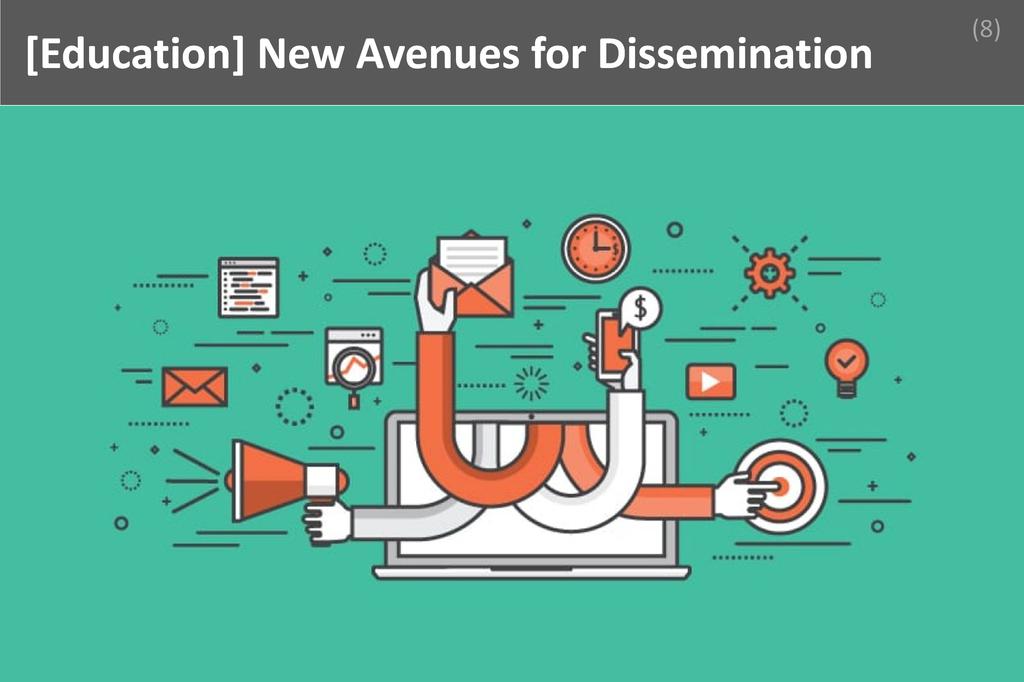
New Avenue of Dissenination refers to the innovative methods and channels through which content, research, and creative works are distributed to audiences beyond traditional print and digital platforms. This concept is essential in publishing, as it encompasses emerging technologies, social media, and alternative networks, shaping how information reaches and engages diverse readerships.
Understanding New Avenue of Dissenination is vital for publishing professionals because it ensures they remain adaptable in a rapidly evolving industry. Mastery of this subject allows individuals to anticipate and leverage new trends, such as interactive media, open-access platforms, and decentralized distribution models. By integrating these avenues into their workflow, professionals can expand their audience reach, foster greater engagement, and maintain relevance in a competitive market. Furthermore, this knowledge forms a foundational pillar for strategic decision-making, enabling professionals to craft innovative dissemination plans that align with both organizational goals and audience needs. Over the long term, expertise in this area enhances career resilience and opens opportunities for leadership roles in digital transformation and content strategy.
Consider a publishing manager at an academic press who is tasked with increasing the visibility of newly released research monographs. Drawing on their understanding of New Avenue of Dissenination, they implement a multi-channel strategy that includes podcast interviews with authors, interactive webinars, and partnerships with open-access repositories. By doing so, they not only reach traditional academic audiences but also engage practitioners, students, and the general public through platforms previously untapped by the press. This approach demonstrates how theoretical knowledge of new dissemination methods can be translated into practical actions that broaden impact, foster community engagement, and ultimately drive the success of both the publication and the organization.
Theoretical Knowledge

Theoretical knowledge refers to the understanding of principles, concepts, and frameworks that underpin a particular field, acquired through study and reflection rather than direct experience. In publishing, it encompasses the academic foundations and intellectual traditions that inform editorial decisions, content creation, and the broader cultural and commercial contexts of the industry.
Developing a strong grasp of theoretical knowledge is essential for anyone entering or advancing within the publishing sector. This foundational understanding allows professionals to critically assess trends, evaluate manuscripts, and make informed decisions that align with both market demands and ethical standards. Theoretical knowledge equips individuals to interpret the historical evolution of publishing, recognize the significance of intellectual property, and appreciate the societal impact of published works. Over time, this depth of understanding fosters adaptability, enabling professionals to respond thoughtfully to technological changes, shifting reader preferences, and emerging genres. Ultimately, a solid theoretical base not only enhances day-to-day performance but also supports long-term career growth by cultivating analytical thinking, strategic planning, and effective communication within the dynamic world of publishing.
Consider an editor at a publishing house who is evaluating a new manuscript for potential publication. Drawing on their theoretical knowledge, the editor assesses the work’s literary merit, its alignment with genre conventions, and its potential cultural impact. This understanding helps the editor anticipate how the book might be received by critics and readers, as well as how it fits within the publisher’s existing catalog. The editor’s grasp of copyright law and ethical considerations also informs their approach to contract negotiations and content sensitivity. By applying theoretical frameworks to these practical decisions, the editor ensures that the publishing process is both professionally rigorous and responsive to broader industry standards.
Publishing Software

Publishing software refers to specialized computer programs designed to create, format, edit, and produce print or digital publications such as books, magazines, newspapers, and online content. It is an essential component of the publishing industry, forming a core part of the technical and creative skill set required for academic and professional success in Publishing.
Understanding publishing software is crucial for anyone entering or advancing within the publishing field. Mastery of these tools enables professionals to efficiently manage the layout, design, and production of high-quality content across multiple platforms. This knowledge forms the backbone of modern publishing workflows, ensuring that projects meet industry standards for aesthetics, accessibility, and technical accuracy. Familiarity with publishing software also enhances collaboration between editors, designers, and authors, streamlining communication and reducing costly errors. Over the long term, proficiency in these systems increases adaptability to evolving technologies and market demands, making professionals more competitive and versatile in a rapidly changing industry. Ultimately, a strong command of publishing software is indispensable for building a sustainable and successful career in Publishing.
Consider a managing editor at a publishing house who is responsible for overseeing the production of a new magazine issue. Drawing on their expertise in publishing software, the editor coordinates with writers, graphic designers, and proofreaders to assemble articles, images, and advertisements into a cohesive layout. Using advanced features of the software, the editor ensures that typography, color schemes, and image resolutions adhere to the publication’s branding guidelines and print specifications. When last-minute changes arise, such as a late-breaking news story or a revised advertisement, the editor can quickly update the layout without disrupting the overall design. This seamless integration of technical skill and editorial judgment exemplifies how a deep understanding of publishing software directly impacts the efficiency and quality of daily publishing operations.
Current Affairs

Current Affairs refers to the ongoing events, developments, and issues shaping society, politics, economics, culture, and technology at local, national, and global levels. In Publishing, understanding Current Affairs is essential, as it informs content creation, editorial decisions, and audience engagement, forming a critical component of professional and academic expertise.
A thorough grasp of Current Affairs is indispensable for anyone preparing for or working in Publishing. The industry thrives on relevance, accuracy, and timeliness, all of which are anchored in an up-to-date awareness of the world. Professionals who understand Current Affairs can identify emerging trends, anticipate shifts in public interest, and ensure that their content resonates with contemporary audiences. This knowledge also supports ethical decision-making, as it helps editors and writers navigate sensitive topics with cultural and social awareness. Over the long term, staying informed about Current Affairs enhances credibility, fosters adaptability, and positions publishing professionals as thought leaders who can contribute meaningfully to public discourse.
Consider an editor at a major publishing house tasked with curating a collection of essays on global migration. Their understanding of Current Affairs enables them to select contributors who offer diverse, informed perspectives on recent migration crises, policy changes, and humanitarian responses. This awareness guides the editor in framing the collection’s themes, ensuring that the content addresses current debates and reflects the latest data and narratives. During the editorial process, the editor’s knowledge of ongoing developments allows them to fact-check submissions, avoid outdated references, and anticipate reader sensitivities. Ultimately, their expertise in Current Affairs ensures that the published work is both timely and impactful, resonating with readers and contributing to informed public conversation.
Skills
Commercial Sense

Commercial Sense is the ability to understand, anticipate, and respond to market trends, financial realities, and business opportunities in a way that maximizes value and profitability. In publishing, it means making informed decisions that balance creative vision with commercial viability, ensuring projects are both culturally relevant and financially sustainable.
Commercial Sense directly enhances a publishing professional’s performance by guiding them to select projects with strong market potential, negotiate favorable contracts, and allocate resources efficiently. Clients and employers highly value this skill because it leads to better sales outcomes, stronger author relationships, and a more competitive position in the marketplace. Cultivating Commercial Sense involves staying informed about industry trends, analyzing sales data, and learning from both successful and unsuccessful projects. Over time, professionals can refine their instincts by seeking mentorship, attending industry events, and consistently evaluating the commercial impact of their decisions. This ongoing development ensures that their choices align with both creative goals and business objectives, making them indispensable to their organizations.
Imagine an editor evaluating two manuscripts: one is a beautifully written literary novel, while the other is a timely thriller with broad appeal. Relying on Commercial Sense, the editor researches recent sales data, consults with marketing colleagues, and assesses current reader interests. Recognizing that the thriller aligns with a growing trend and has strong potential for media tie-ins, the editor champions its acquisition. This decision not only secures a profitable title for the publisher but also strengthens relationships with booksellers and agents. By applying Commercial Sense, the editor ensures the company invests in projects that will resonate with readers and generate revenue, demonstrating the critical role this skill plays in achieving both creative and commercial success.
Nuances of Language

Nuances of language refers to the subtle distinctions in meaning, tone, context, and cultural connotation that words and phrases carry. Mastering these subtleties enables publishing professionals to communicate ideas precisely, adapt content for diverse audiences, and ensure that the intended message is both clear and impactful in every context.
A deep understanding of language nuances directly elevates the quality of editorial work, translation, and content curation. Professionals who grasp these subtleties can refine manuscripts, spot ambiguities, and enhance readability, making texts more engaging and accessible. Clients and employers highly value this skill because it minimizes miscommunication, upholds brand voice, and ensures content resonates with target audiences. Cultivating this expertise requires ongoing reading, exposure to varied writing styles, and active engagement with different cultures and dialects. Regularly analyzing texts, seeking feedback, and staying updated on evolving language trends further sharpens this ability, making it an indispensable asset for anyone aiming to excel in publishing.
Imagine a publishing editor working on a novel intended for both American and British markets. The manuscript contains idioms and cultural references unique to American English, which could confuse British readers. By recognizing these nuances, the editor suggests alternative phrases and adjusts the tone without altering the author’s intent. This careful adaptation ensures the story remains authentic while becoming accessible and relatable to a broader audience. The editor’s sensitivity to linguistic subtleties not only prevents potential misunderstandings but also enhances the book’s marketability and critical reception, demonstrating how mastery of language nuances can directly influence a publication’s success.
Team Work

Team work is the collaborative effort of individuals, each contributing their unique strengths, ideas, and expertise, to achieve shared goals efficiently and effectively. In publishing, team work is indispensable because projects often require seamless coordination among editors, writers, designers, marketers, and production staff to deliver high-quality content on schedule.
Team work directly enhances performance in publishing by ensuring that complex projects move forward smoothly, with each team member understanding their role and responsibilities. Clients and employers highly value this skill because it leads to fewer errors, faster turnaround times, and more innovative solutions. A collaborative environment fosters open communication, allowing teams to anticipate challenges and adapt quickly. To cultivate team work, professionals should actively seek feedback, participate in group discussions, and remain open to diverse perspectives. Over time, consistently engaging in joint problem-solving and supporting colleagues helps build trust and a shared sense of purpose, making team work an integral part of professional growth in publishing.
Imagine a publishing house facing a tight deadline for a highly anticipated book launch. The manuscript arrives late, and the editing, design, and marketing teams must work together under pressure. The editor quickly communicates essential changes to the designer, who adapts the layout while the marketing team prepares promotional materials based on real-time updates. Throughout the process, team members share progress, flag potential issues, and offer solutions, ensuring that no detail is overlooked. By relying on strong team work, the group manages to deliver the finished product on time, maintaining quality and meeting the client’s expectations. This scenario highlights how effective collaboration is crucial for overcoming challenges and achieving collective success in publishing.
Adaptability

Adaptability is the ability to adjust quickly and effectively to new conditions, challenges, or environments. In publishing, it means embracing change, learning new technologies, and responding to shifting market demands. This skill enables professionals to navigate evolving trends, ensuring continued relevance and success in a dynamic industry landscape.
Adaptability directly enhances performance in publishing by enabling professionals to respond swiftly to industry changes, such as the emergence of digital platforms or new content formats. Employers and clients value this skill because it ensures projects remain on track despite unforeseen obstacles, and it fosters innovation in content creation and distribution. Cultivating adaptability involves staying informed about industry trends, seeking feedback, and being open to experimenting with new tools or workflows. Over time, professionals who regularly challenge themselves to step outside their comfort zones develop greater resilience and flexibility, making them indispensable assets to any publishing team.
Consider a publishing editor who is overseeing a book launch when a sudden shift in consumer interest favors digital formats over print. Instead of sticking to the original plan, the editor quickly researches e-book platforms, coordinates with the design team to create digital-friendly layouts, and adjusts the marketing strategy to target online readers. By embracing the change and swiftly implementing new solutions, the editor not only salvages the project but also positions the publishing house to capitalize on emerging trends. This scenario highlights how adaptability enables professionals to turn unexpected challenges into opportunities for growth and success.
Design Skills

Design skills encompass the ability to visually organize, structure, and present content in a way that enhances readability, engagement, and communication. In publishing, these skills involve understanding typography, layout, color theory, and visual hierarchy to create compelling materials. They are crucial for transforming ideas into visually appealing and effective publications.
Strong design skills directly elevate the quality and impact of published materials, making them more attractive and accessible to readers. Clients and employers highly value professionals who can seamlessly blend content with visual elements, as this improves brand identity, reader retention, and overall marketability. Developing design skills requires continuous learning, practice, and staying updated with industry trends and software tools. Aspiring professionals can cultivate this skill by studying design principles, experimenting with layout software, and seeking feedback from peers. Over time, a keen eye for detail and a deep understanding of audience preferences will help publishing professionals consistently deliver visually impressive and effective content.
Imagine a publishing professional tasked with launching a new magazine. The initial draft features strong articles but suffers from a cluttered layout and inconsistent typography, making it difficult for readers to navigate. By applying design skills, the professional restructures the pages, selects harmonious fonts, and introduces a cohesive color palette. These changes transform the magazine into a visually engaging product that guides the reader’s eye and highlights key stories. As a result, the publication receives positive feedback from both readers and advertisers, leading to increased sales and brand recognition. This scenario demonstrates how design skills can be the decisive factor in turning a struggling project into a successful and memorable publication.
Constant Upgradation

Constant Upgradation refers to the ongoing process of acquiring new knowledge, mastering emerging technologies, and adapting to industry trends to remain relevant and effective in one’s profession. In publishing, this skill ensures professionals can navigate evolving platforms, changing reader preferences, and innovative content formats, making it indispensable for sustained success.
Embracing constant upgradation directly enhances a publishing professional’s performance by enabling them to adopt the latest editorial tools, understand digital distribution channels, and respond proactively to shifts in audience behavior. Employers and clients highly value this adaptability because it ensures projects are executed using current best practices, which can lead to higher quality outputs and greater market reach. Cultivating this skill involves a commitment to lifelong learning, such as attending workshops, participating in webinars, and staying informed through industry publications. Over time, this habit of continuous improvement not only sharpens technical abilities but also fosters a mindset that welcomes change, positioning professionals as valuable assets in a rapidly transforming field.
Imagine a publishing editor faced with declining engagement on their company’s digital magazine. By leveraging constant upgradation, the editor researches new content management systems, learns about interactive storytelling techniques, and explores data analytics to better understand reader preferences. Implementing these insights, the editor revamps the magazine’s format, introduces multimedia elements, and personalizes content recommendations. As a result, reader engagement and subscription rates significantly increase. This scenario illustrates how a commitment to ongoing learning and adaptation enables publishing professionals to address challenges effectively, drive innovation, and achieve measurable success in a competitive landscape.
Positives
Evolving Field

An "Evolving Field" refers to an industry or profession that is continuously changing, adapting, and growing in response to new technologies, trends, and societal needs. In publishing, this means embracing digital innovations, shifting reader preferences, and emerging storytelling formats, which together create a dynamic and forward-thinking professional environment.
The evolving nature of publishing ensures that no two days are ever the same, offering professionals a constant stream of fresh challenges and opportunities to learn. This dynamic environment fosters creativity, adaptability, and lifelong learning, making the work both stimulating and rewarding. Professionals are encouraged to experiment with new tools, platforms, and content formats, which keeps their skills relevant and sharp. The excitement of being at the forefront of industry changes boosts job satisfaction and opens doors for career advancement. As publishing continues to transform, individuals in the field find themselves growing alongside it, gaining confidence and expertise that are highly valued both within and beyond the industry.
Imagine an editor at a traditional publishing house who, over the years, has witnessed the rise of e-books, audiobooks, and interactive storytelling apps. Rather than feeling threatened by these changes, she embraces them, learning new digital editing tools and collaborating with tech teams to create multimedia content. Her willingness to adapt allows her to work on innovative projects that reach wider audiences and experiment with storytelling in ways that were previously impossible. Each new development brings a sense of excitement and accomplishment, as she sees her role expand and her impact grow. This ongoing evolution not only keeps her work engaging but also ensures she remains a vital and valued contributor to the future of publishing.
Growing Rapidly

Growing rapidly means experiencing swift personal and professional development, acquiring new skills, and advancing in responsibility and expertise at a pace faster than in many other fields. In publishing, this dynamic growth is fueled by constant industry evolution, technological advancements, and the ever-changing landscape of content creation and distribution.
The rapid growth inherent in publishing translates into a vibrant and stimulating work environment where professionals are continually challenged and inspired. This pace of development keeps individuals engaged, as they regularly encounter new projects, technologies, and creative opportunities. The sense of progress and achievement that comes from mastering new skills or taking on more significant roles enhances job satisfaction and motivation. Publishing professionals often find themselves quickly moving from entry-level positions to roles with greater influence, which fosters a strong sense of accomplishment and purpose. The daily exposure to diverse content, innovative tools, and collaborative projects ensures that no two days are the same, making the journey both exciting and deeply rewarding.
Consider a young editor who joins a publishing house as an assistant. Within a year, she is entrusted with managing her own list of titles, collaborating directly with authors, and leading marketing strategies for new releases. This rapid progression is driven by her adaptability and eagerness to learn, as well as the industry's need for fresh perspectives and digital fluency. Each new responsibility brings fresh challenges and opportunities to showcase her creativity and leadership. As she sees her projects succeed and her influence grow, she experiences firsthand the fulfillment that comes from growing rapidly in publishing—a career where ambition and hard work are quickly recognized and rewarded.
Portable Knowledge

Portable Knowledge refers to the versatile, transferable expertise and insights gained through professional experiences that can be applied across various roles, industries, and contexts. In publishing, this means acquiring skills in editing, communication, project management, and critical thinking that remain valuable regardless of changing trends or job titles, enriching both career and personal growth.
The significance of Portable Knowledge in publishing lies in its enduring value and adaptability. Professionals in this field constantly refine their abilities to analyze content, collaborate with diverse teams, and manage complex projects. These skills are not confined to a single job or company; they empower individuals to navigate career changes, embrace new opportunities, and contribute meaningfully in different environments. The daily practice of synthesizing information, adapting to new technologies, and understanding varied audiences ensures that publishing professionals remain agile and resilient. This ongoing development fosters a sense of accomplishment and confidence, making the work both satisfying and future-proof, while opening doors to advancement and innovation within and beyond the industry.
Imagine an editor who has spent years working on both print and digital publications. When her company undergoes a major restructuring, she seamlessly transitions to a new role in content strategy at a tech startup. Her Portable Knowledge—ranging from editorial judgment to project coordination and audience engagement—enables her to quickly adapt and excel. She draws on her experience managing deadlines, collaborating with writers, and understanding content trends to shape the startup’s voice and messaging. The fulfillment comes from realizing that her expertise is not only valued but also essential in a completely new setting, proving that the knowledge she gained in publishing truly travels with her, opening up fresh possibilities and continued professional growth.
Respected Profession

A "Respected Profession" is a career path that garners admiration, trust, and esteem from society due to its ethical standards, intellectual contributions, and positive influence. In publishing, this respect stems from shaping culture, fostering knowledge, and upholding the integrity of information, which elevates both the profession and its practitioners.
The respected status of publishing professionals significantly enhances job satisfaction and personal fulfillment. Knowing that society values their work motivates individuals to maintain high standards and strive for excellence. This recognition opens doors to career advancement, networking opportunities, and collaborative projects with other esteemed professionals. On a daily basis, publishing professionals experience this benefit through positive feedback from readers, authors, and peers. Their expertise is sought after in discussions about literature, education, and media, reinforcing their sense of purpose. The trust placed in them to curate, edit, and disseminate information responsibly not only boosts confidence but also inspires a deeper commitment to their craft and the broader mission of publishing.
Imagine an editor at a renowned publishing house who is invited to speak at a national literary conference. During the event, authors, educators, and aspiring writers approach the editor to express gratitude for championing diverse voices and maintaining high editorial standards. The editor’s insights are quoted in media coverage, and their recommendations influence reading lists in schools and libraries. This public recognition and appreciation highlight the respect the profession commands. The editor returns to work invigorated, knowing their expertise and ethical judgment are valued by both the industry and the wider community. This daily affirmation of respect not only enriches their professional life but also fuels their passion for shaping the literary landscape.
Challenges
No Formal Courses

"No Formal Courses" in Publishing refers to the scarcity of structured, standardized educational programs specifically designed for the industry’s evolving roles. This lack makes it difficult for professionals to gain comprehensive, up-to-date knowledge, forcing them to rely on fragmented resources and self-directed learning, which can be both overwhelming and inefficient.
The absence of formal courses in Publishing means professionals often face uncertainty about best practices, industry standards, and emerging technologies. This can lead to inconsistent workflows, slower adaptation to change, and a steeper learning curve for new entrants. The challenge demands resilience because individuals must proactively seek out information, network with peers, and learn on the job. Successful professionals overcome this by cultivating strong mentorship relationships, participating in industry events, and leveraging online communities. They develop a habit of continuous self-education, staying curious and adaptable. By embracing informal learning and sharing knowledge within their networks, they not only keep pace with industry developments but also contribute to a culture of collective growth and support.
Consider an editorial assistant who joins a publishing house with no formal training available for digital content management. Instead of feeling lost, she reaches out to experienced colleagues, attends webinars, and participates in online forums dedicated to publishing technology. Through persistent self-study and active engagement with the professional community, she gradually masters essential tools and workflows. Over time, she becomes a resource for others facing similar challenges, even organizing informal lunch-and-learn sessions within her team. Her initiative not only accelerates her own development but also fosters a collaborative learning environment, demonstrating how determination and resourcefulness can turn the lack of formal courses into an opportunity for professional and organizational growth.
Human Resources

Human Resources in publishing refers to the recruitment, development, retention, and management of skilled professionals such as editors, designers, marketers, and production staff. The challenge is demanding because publishing requires specialized talent, collaboration across diverse teams, and adaptation to rapidly evolving industry trends, making effective HR management essential yet complex.
The challenge of Human Resources in publishing impacts daily work by creating pressure to maintain high-quality output while managing limited staff, tight deadlines, and shifting project priorities. Professionals must often juggle multiple roles, adapt to new technologies, and foster collaboration among creative and administrative teams. This environment demands resilience, as staff turnover or skill gaps can disrupt workflows and delay projects. Successful professionals navigate these constraints by cultivating strong communication, investing in ongoing training, and building supportive networks within their organizations. They also prioritize flexibility, enabling teams to adapt quickly to changes in workload or personnel, and foster a culture of mutual respect and recognition, which helps retain top talent and maintain morale even during challenging periods.
Consider a senior editor at a mid-sized publishing house who faces frequent staff turnover and a shortage of experienced copy editors. Rather than allowing these HR challenges to derail production schedules, the editor implements a mentorship program, pairing junior staff with seasoned editors for on-the-job training. She also advocates for flexible work arrangements, allowing the team to better balance workloads and reduce burnout. By fostering open communication and recognizing individual contributions, she builds a sense of loyalty and teamwork. As a result, the publishing house not only meets its deadlines but also develops a more skilled and cohesive team, demonstrating how proactive HR management can turn a persistent challenge into an opportunity for growth and innovation.
Time Taking Process

In publishing, the "Time Taking Process" refers to the lengthy, multi-stage workflows required to bring content from conception to publication. This includes editing, design, approvals, and distribution, each with its own timeline. The process is demanding due to its complexity, interdependencies, and the need for meticulous attention to detail.
The time taking process in publishing can slow productivity, create bottlenecks, and increase stress as deadlines approach. Professionals often find themselves juggling multiple projects, each at different stages, which can lead to frustration and fatigue. This challenge demands resilience, adaptability, and strong organizational skills. Successful professionals mitigate these issues by setting realistic timelines, prioritizing tasks, and maintaining open communication with team members. They also leverage project management tools to track progress and anticipate delays, ensuring that each stage receives the attention it requires without derailing the overall schedule. By embracing flexibility and focusing on incremental progress, they turn a potentially overwhelming process into a manageable, structured workflow.
Consider an editor at a mid-sized publishing house tasked with overseeing the release of several titles simultaneously. Faced with overlapping deadlines and unexpected revisions, the editor implements a detailed project calendar and holds regular check-ins with authors and designers. By breaking down each project into smaller, actionable steps and proactively addressing potential delays, the editor maintains momentum across all titles. When a manuscript requires extensive rewrites, the editor negotiates new deadlines and reallocates resources, ensuring that quality is not sacrificed for speed. Through careful planning, clear communication, and adaptability, the editor successfully navigates the time taking process, delivering high-quality publications on schedule.
Lack of Language Skill
Lack of language skill in publishing refers to insufficient proficiency in the language of publication, affecting grammar, vocabulary, and nuanced expression. This limitation is demanding because publishing professionals must ensure clarity, accuracy, and stylistic consistency, all of which require a strong command of language to meet industry standards and audience expectations.
A lack of language skill can hinder effective communication, slow down editing and proofreading processes, and increase the risk of errors in published materials. This challenge demands resilience because professionals must constantly confront their limitations while maintaining high-quality output. Successful individuals address this constraint by actively seeking feedback, engaging in continuous learning, and leveraging language resources such as style guides and editing tools. They often collaborate closely with colleagues who possess stronger language skills, turning the challenge into an opportunity for growth. Over time, persistent effort and openness to constructive criticism enable professionals to gradually improve their language proficiency, ensuring their work meets the rigorous demands of the publishing industry.
Consider an editor whose first language is not English, working at an international publishing house. Initially, they struggle with idiomatic expressions and subtle grammatical nuances, leading to frequent revisions. Recognizing this, the editor enrolls in advanced language courses and regularly consults with native-speaking colleagues for feedback. They also make a habit of reading widely within their field to internalize industry-specific language and style. Over time, their dedication pays off, as their editing becomes more precise and confident. By embracing continuous learning and seeking support, the editor not only overcomes the language barrier but also becomes a valued team member known for their diligence and adaptability.
Fragmented Market

A fragmented market in publishing refers to an industry landscape where audiences, platforms, and content preferences are highly diverse and dispersed. This complexity makes it challenging for professionals to reach, engage, and monetize readers effectively, as no single channel or approach guarantees broad visibility or consistent success across the market.
The fragmented nature of the publishing market complicates daily operations by requiring professionals to juggle multiple distribution channels, adapt content for varied audiences, and constantly monitor shifting trends. This environment demands resilience because strategies that work for one segment may fail in another, leading to unpredictable outcomes and frequent pivots. Successful professionals overcome these challenges by cultivating adaptability, building strong networks across different platforms, and investing in data-driven insights to tailor their approaches. They remain open to experimentation, learning from both successes and failures, and are proactive in seeking partnerships that extend their reach. By embracing flexibility and continuous learning, they manage to carve out sustainable niches despite the market’s inherent unpredictability.
Consider an independent publisher specializing in niche nonfiction topics. Faced with a fragmented market, the publisher recognizes that traditional bookstore distribution alone will not suffice. Instead, they diversify by developing a robust online presence, collaborating with influencers in relevant fields, and offering digital editions through multiple e-book platforms. They also engage directly with readers via newsletters and virtual events, gathering feedback to refine future offerings. By leveraging analytics to understand which channels yield the best engagement and sales, the publisher allocates resources more effectively and builds a loyal, targeted audience. This multifaceted approach enables them to thrive, even as the broader market remains dispersed and competitive.
A Day Of
Publishing
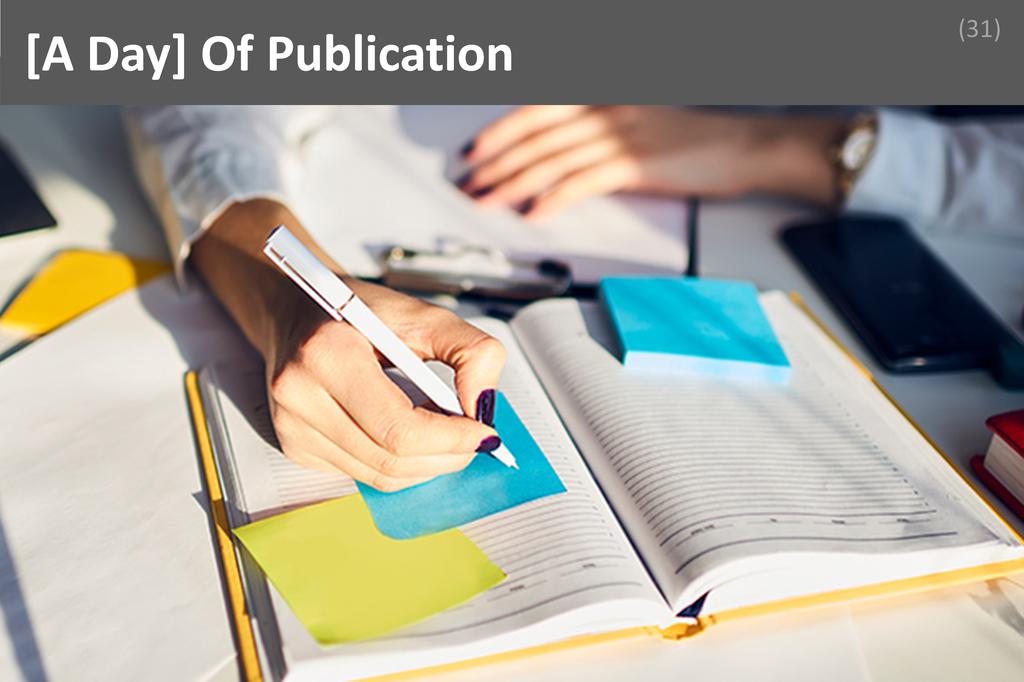
In the world of publishing, no two days are ever quite the same, yet each one pulses with a familiar, electric rhythm. The office hums with the quiet urgency of deadlines, the buzz of creative energy, and the constant shuffle of manuscripts, emails, and ideas. Whether working from a bustling open-plan office or a quiet home workspace, publishing professionals are always balancing the art of storytelling with the science of schedules and strategy. Each day is a careful choreography of collaboration, critical thinking, and communication, where every moment counts and every detail matters.
As the day begins, the publishing professional settles in with a fresh cup of coffee and a stack of manuscripts or digital submissions waiting for attention. The early hours are reserved for reviewing overnight emails, scanning industry news, and organizing the day’s priorities. This is the quietest time of the day, perfect for focused reading, making notes on promising proposals, and preparing feedback for authors or colleagues. The morning calm allows for thoughtful consideration before the day’s pace accelerates.
By mid-morning, the office comes alive with the energy of collaboration. Editorial meetings take center stage, where teams gather to discuss current projects, brainstorm new titles, and troubleshoot challenges. This is the heart of the publishing day, filled with lively debates about cover designs, marketing angles, and production timelines. Decisions are made, tasks are delegated, and the direction for upcoming releases is set. The atmosphere is dynamic and fast-paced, demanding both creativity and precision.
The afternoon is dedicated to executing the plans set earlier in the day. This often means connecting with authors to discuss edits, negotiating with agents, or coordinating with designers and printers to keep projects on track. The focus shifts to practical problem-solving, ensuring that manuscripts move smoothly through the production pipeline. Meetings with marketing and publicity teams might also take place, aligning promotional strategies and finalizing launch details. The tempo remains brisk, with constant communication and quick decision-making.
As the day winds down, attention turns to tying up loose ends and preparing for tomorrow. This is the time for responding to outstanding emails, updating project trackers, and conducting research on market trends or potential acquisitions. Reflecting on the day’s progress, the publishing professional sets priorities for the next morning, ensuring nothing slips through the cracks. The office gradually quiets, but the sense of accomplishment lingers, fueled by the knowledge that every detail brings a story one step closer to its readers. |


 Home
Home Abroad
 Plan
Plan Philosophy
 Seminar
 Pages
Pages Advisors
 Testimonials















 Workshop
 Discuss
 Meet
Meet
 Advisor
 Story
Story
 Fine Print
 Links
Links
 Blog
Blog
 Follow
