The Journey of Bakery & Patisserie
What Is Bakery & Patisserie
Bakery & Patisserie

Bakery & Patisserie is the specialized field of culinary arts focused on the creation, preparation, and presentation of baked goods and pastries. This discipline encompasses a wide range of products, including breads, cakes, cookies, tarts, and desserts, blending technical skill with creativity and precision.
Bakery & Patisserie plays a significant role in the culinary world by offering both nourishment and delight through expertly crafted baked goods. For professionals, mastering this field opens doors to diverse career opportunities in hotels, restaurants, patisseries, and even entrepreneurship. The discipline fosters creativity, allowing bakers and pastry chefs to experiment with flavors, textures, and designs. It also demands precision and discipline, which helps professionals develop strong technical skills and attention to detail. Additionally, the ability to create visually appealing and delicious products brings immense satisfaction, both personally and to customers, enhancing the overall dining experience and contributing to the success of food businesses.
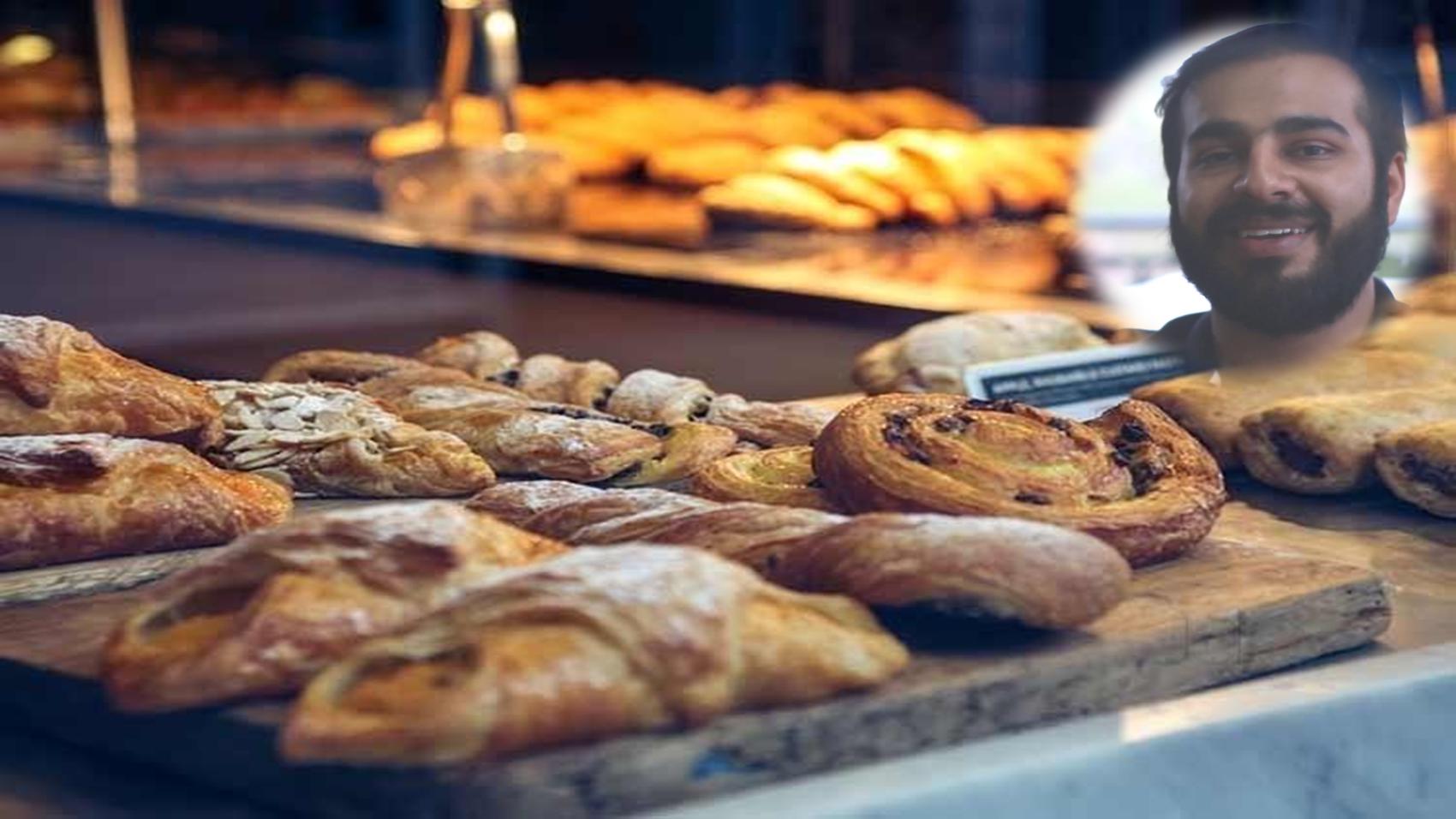
A professional pastry chef working in a boutique patisserie begins their day by preparing doughs and batters for a variety of products, such as croissants, éclairs, and artisan breads. Throughout the day, they carefully monitor baking times and temperatures, ensuring each item achieves the perfect texture and flavor. They also focus on presentation, using techniques like piping, glazing, and garnishing to create visually stunning desserts. By interacting with customers, the chef receives feedback and customizes offerings to suit local tastes and seasonal ingredients. This hands-on approach not only showcases their technical expertise but also highlights the artistry and passion that define a successful career in Bakery & Patisserie.
Education
Food Production

Food Production refers to the systematic process of transforming raw ingredients into finished food products through various techniques and methods. In the context of Bakery & Patisserie, it encompasses the understanding of ingredient selection, preparation, processing, and presentation, forming a crucial part of both academic study and professional expertise in the field.
A thorough grasp of Food Production is essential for anyone aspiring to excel in Bakery & Patisserie. This subject provides the foundational knowledge of ingredient functionality, food safety, hygiene, and the science behind baking and pastry techniques. Understanding these concepts enables professionals to consistently produce high-quality baked goods, troubleshoot issues, and innovate with new recipes. Mastery of Food Production also ensures compliance with industry standards and regulations, which is vital for maintaining customer trust and business reputation. Over the long term, this expertise supports career growth, as it empowers individuals to take on leadership roles, manage kitchen operations efficiently, and adapt to evolving trends and technologies within the bakery and patisserie sector.
Consider a pastry chef tasked with creating a batch of croissants for a busy morning service. Their knowledge of Food Production guides them in selecting the right flour, understanding the importance of precise temperature control during fermentation, and mastering the lamination process to achieve the perfect flaky texture. When faced with unexpected challenges, such as a change in humidity affecting dough consistency, the chef’s theoretical background allows them to adjust hydration levels and proofing times accordingly. This application of Food Production principles ensures that each croissant meets the desired quality standards, delights customers, and upholds the bakery’s reputation for excellence.
Hygiene and HACCP

Hygiene refers to the practices and conditions necessary to maintain cleanliness and prevent contamination, while HACCP (Hazard Analysis and Critical Control Points) is a systematic approach to identifying, evaluating, and controlling food safety hazards. Together, they are essential academic and professional pillars in Bakery & Patisserie, ensuring safe, high-quality products.
Understanding Hygiene and HACCP is crucial for anyone entering or advancing in the Bakery & Patisserie field. These concepts form the backbone of food safety, helping professionals recognize and mitigate risks that can compromise product quality or consumer health. Mastery of hygiene ensures that every ingredient, tool, and surface meets strict cleanliness standards, while HACCP provides a structured method for identifying and controlling potential hazards at every stage of production. This knowledge not only protects customers but also upholds the reputation of the bakery, reduces waste, and ensures compliance with legal regulations. Over time, expertise in these areas enhances employability, supports career progression, and fosters a culture of safety and excellence within the workplace.
Imagine a pastry chef preparing a batch of cream-filled éclairs. Before starting, the chef thoroughly washes their hands and sanitizes all work surfaces and utensils, applying their knowledge of hygiene to prevent cross-contamination. As the process unfolds, the chef monitors the temperature of the cream filling, recognizing it as a critical control point where harmful bacteria could multiply if not handled correctly. By recording temperatures and ensuring the filling is quickly cooled and stored properly, the chef applies HACCP principles to minimize food safety risks. This daily commitment to hygiene and HACCP not only ensures the éclairs are delicious and safe to eat but also demonstrates the chef’s professionalism and dedication to industry standards.
Professional Baking

Professional Baking is the systematic study and application of techniques, science, and artistry involved in producing baked goods at a commercial level. It encompasses ingredient functions, precise measurements, equipment use, and quality control. This discipline is fundamental in both academic programs and professional settings within Bakery & Patisserie, ensuring consistent, high-quality results.
Understanding Professional Baking is essential for anyone aspiring to excel in the Bakery & Patisserie field. Mastery of this subject provides a solid foundation in the science behind baking processes, ingredient interactions, and the technical skills required for consistent product quality. It enables professionals to troubleshoot issues, adapt recipes, and maintain high standards in a fast-paced environment. This knowledge also fosters creativity, allowing bakers to innovate while maintaining the structural integrity and taste of their products. In the long term, a strong grasp of Professional Baking enhances employability, opens doors to advanced roles, and supports entrepreneurial ventures by ensuring that products meet both customer expectations and industry regulations.
Consider a pastry chef tasked with producing a large batch of croissants for a high-end bakery. Their understanding of Professional Baking allows them to precisely control dough fermentation, lamination, and baking temperatures, ensuring each croissant has the desired flakiness and flavor. When faced with unexpected changes, such as a new brand of flour or a malfunctioning oven, the chef draws on their theoretical knowledge to adjust hydration levels or baking times, maintaining product consistency. This expertise not only guarantees customer satisfaction but also minimizes waste and optimizes workflow, demonstrating how foundational baking principles are applied daily to achieve professional excellence in Bakery & Patisserie operations.
Chef Movies

Chef Movies refers to films and documentaries that center around chefs, culinary arts, and the dynamic environment of professional kitchens. These visual narratives offer insights into the techniques, creativity, and challenges faced by culinary professionals. In Bakery & Patisserie, Chef Movies serve as both inspiration and informal education, complementing formal training.
Understanding Chef Movies is vital for anyone preparing for or working in Bakery & Patisserie because these films vividly illustrate the realities of the culinary world. They provide a window into the discipline, artistry, and innovation required to excel in a bakery or patisserie setting. By observing the workflows, problem-solving approaches, and teamwork depicted in these movies, professionals can internalize industry standards and best practices. Over time, this exposure helps cultivate a deeper appreciation for the craft, encourages creative thinking, and fosters resilience in the face of challenges. Ultimately, familiarity with Chef Movies enriches a professional’s perspective, making them more adaptable, motivated, and prepared for the evolving demands of the bakery and patisserie industry.
Imagine a pastry chef who has watched several acclaimed Chef Movies and draws upon those cinematic experiences during a busy holiday season. When faced with a sudden equipment failure or a last-minute custom cake order, the chef recalls scenes where on-screen professionals navigated similar crises with composure and resourcefulness. Inspired by these examples, the chef remains calm, quickly reorganizes the team, and improvises solutions without compromising quality. This ability to adapt and maintain high standards, even under pressure, is reinforced by the lessons absorbed from Chef Movies. Such cinematic learning not only boosts confidence but also enhances the chef’s leadership and problem-solving skills in real-world bakery operations.
Skills
Presentation

Presentation in Bakery & Patisserie refers to the artful arrangement, decoration, and visual appeal of baked goods, ensuring they are enticing and aesthetically pleasing. It encompasses color, texture, symmetry, and creativity, transforming simple products into memorable experiences. Presentation is crucial because it shapes first impressions and elevates the perceived quality of every creation.
Mastering presentation directly enhances a bakery or patisserie professional’s performance by making products more attractive and desirable, which can significantly boost sales and customer satisfaction. Clients and employers highly value this skill because visually stunning pastries and breads are more likely to be chosen, photographed, and shared, increasing brand reputation and customer loyalty. Cultivating presentation skills involves continuous practice, studying trends, and learning from industry leaders. By experimenting with plating techniques, color combinations, and garnishes, professionals can refine their eye for detail and develop a signature style. Over time, consistent attention to presentation not only sets one apart from competitors but also builds confidence and pride in one’s craft.
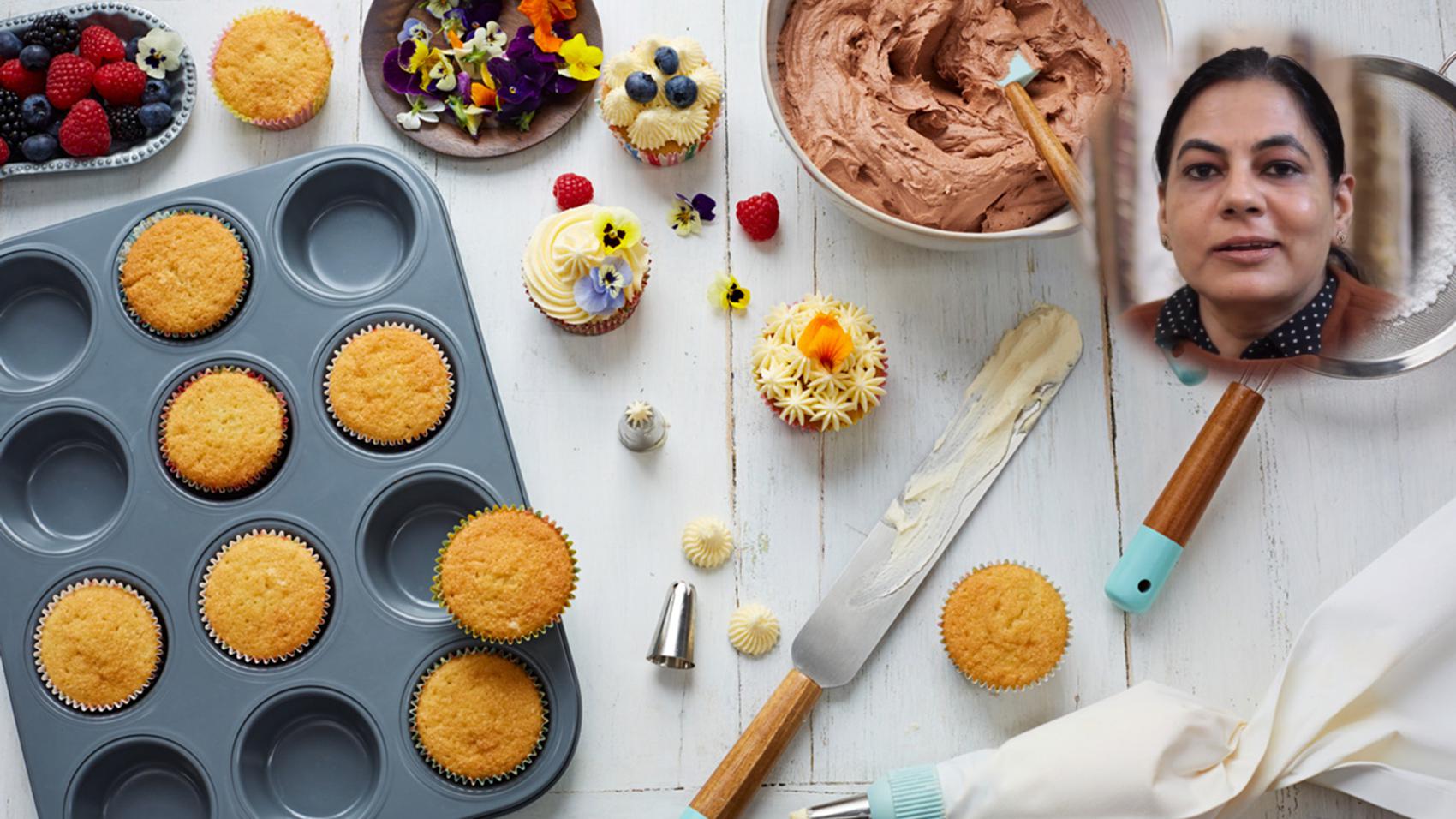
Imagine a bakery preparing for a high-profile wedding where the centerpiece is a multi-tiered cake. On the event day, a minor mishap causes a visible crack on the cake’s surface. The head pastry chef quickly relies on their presentation skills, using fresh flowers, intricate piping, and strategic placement of decorative elements to conceal the flaw and enhance the cake’s overall beauty. The guests are captivated by the elegant design, and the couple is delighted with the result. In this scenario, the chef’s expertise in presentation not only salvages a potentially disastrous situation but also transforms it into a moment of success, reinforcing the bakery’s reputation for excellence and creativity.
Innovation

Innovation is the ability to generate and implement new ideas, methods, or products that bring improvement or solve problems. In the context of Bakery & Patisserie, innovation means reimagining classic recipes, introducing unique flavors, or streamlining production processes to enhance quality and efficiency. It is a vital skill for professionals seeking to stand out in a competitive industry, as it enables them to adapt to changing consumer preferences, dietary trends, and technological advancements. By fostering a culture of creativity and experimentation, bakery and patisserie professionals can continually evolve their offerings, ensuring they remain relevant and appealing to their clientele.
Innovation directly elevates performance in Bakery & Patisserie by enabling professionals to create signature products that capture attention and satisfy evolving tastes. Clients and employers highly value this skill because it drives business growth, differentiates brands, and keeps menus fresh and exciting. A baker or pastry chef who consistently introduces inventive pastries or adapts recipes for dietary needs demonstrates adaptability and foresight, qualities that attract loyal customers and positive reviews. Cultivating innovation involves staying informed about industry trends, experimenting with ingredients and techniques, and embracing feedback. Over time, a commitment to learning and creative problem-solving helps professionals refine their craft and maintain a competitive edge.
Imagine a bakery facing declining sales due to increased competition and shifting customer preferences toward healthier options. The head pastry chef recognizes the need for change and leverages innovation by developing a new line of gluten-free and vegan pastries that maintain the bakery’s signature taste and texture. Through research, experimentation, and collaboration with suppliers, the chef successfully creates recipes that appeal to health-conscious customers without compromising on quality. The launch of these innovative products revitalizes the bakery’s reputation, attracts new clientele, and boosts sales. This scenario highlights how innovation enables professionals to respond proactively to challenges, ensuring long-term success and sustainability in the bakery and patisserie industry.
Open to Experimentation

Open to Experimentation means embracing new ideas, techniques, and ingredients, while being willing to try unconventional approaches and learn from both successes and failures. In Bakery & Patisserie, this mindset is vital for innovation, adapting to trends, and consistently delivering unique products that delight customers and set a business apart from competitors.
Being open to experimentation directly enhances a bakery or patisserie professional’s performance by fostering creativity and adaptability. Clients and employers highly value this skill because it leads to the development of signature items, seasonal offerings, and solutions to unexpected challenges, such as ingredient shortages or changing customer preferences. Cultivating this skill involves staying curious, seeking inspiration from diverse sources, and regularly testing new recipes or techniques. Over time, professionals who practice experimentation become more confident in their abilities to innovate, troubleshoot, and refine their craft, ultimately contributing to the growth and reputation of their bakery or patisserie.
Imagine a pastry chef facing a sudden shortage of a key imported ingredient for a popular dessert just before a major event. Instead of panicking, the chef draws on their openness to experimentation, researching local alternatives and adjusting the recipe. Through trial and error, they discover a unique flavor combination that not only matches but enhances the original dessert. The new creation receives enthusiastic feedback from clients, leading to its permanent addition to the menu. This scenario demonstrates how being open to experimentation enables professionals to turn challenges into opportunities, ensuring continued success and customer satisfaction in the dynamic world of Bakery & Patisserie.
Patience & Discipline

Patience and discipline refer to the ability to remain calm, focused, and consistent in actions, especially when faced with repetitive tasks, long processes, or setbacks. In the world of bakery and patisserie, these qualities are vital for mastering techniques, ensuring product quality, and maintaining high standards under pressure.
Patience and discipline directly enhance performance in bakery and patisserie by enabling professionals to follow intricate recipes, respect fermentation times, and perfect delicate decorations without rushing. Clients and employers highly value these traits because they lead to consistent, high-quality results and minimize costly mistakes. Cultivating patience and discipline involves setting realistic goals, practicing mindfulness during repetitive tasks, and learning from both successes and failures. Over time, professionals who embrace these qualities develop a reputation for reliability and excellence, which opens doors to greater responsibilities and creative opportunities. By consistently applying patience and discipline, bakers and pastry chefs can refine their craft and build lasting trust with customers and colleagues alike.
Imagine a pastry chef preparing croissants for a prestigious event. The dough requires several rounds of folding and resting, a process that cannot be rushed without compromising the final texture. Midway, the chef notices the dough is not rising as expected due to a slight temperature fluctuation. Instead of panicking or cutting corners, the chef patiently adjusts the environment and waits, maintaining discipline throughout the process. This careful attention ensures the croissants achieve their signature flakiness and flavor. The chef’s patience and discipline not only save the batch but also uphold the bakery’s reputation for excellence, demonstrating how these core skills are essential for overcoming challenges and achieving success in the field.
Positives
Networking

Networking is the process of building and nurturing relationships with others in your field, including colleagues, mentors, suppliers, and customers, to exchange knowledge, opportunities, and support. In Bakery & Patisserie, networking fosters collaboration, inspires creativity, and opens doors to new experiences, making the profession dynamic, supportive, and full of growth potential.
The importance of networking in Bakery & Patisserie cannot be overstated. By connecting with others, professionals gain access to a wealth of shared expertise, innovative techniques, and industry trends. This continuous exchange of ideas not only enhances personal skills but also cultivates a sense of belonging within the culinary community. Networking often leads to exciting collaborations, job opportunities, and invitations to exclusive events or competitions. These connections can be a source of encouragement during challenging times and a catalyst for career advancement. On a daily basis, bakers and pastry chefs experience the joy of learning from peers, sharing their own insights, and building lasting friendships that enrich both their professional and personal lives.
Imagine a pastry chef attending a local baking workshop, where they meet fellow artisans, suppliers, and even potential clients. Through engaging conversations, they discover a new chocolate supplier who offers unique flavors, sparking inspiration for a signature dessert. Later, a seasoned baker shares tips on perfecting croissant lamination, which the chef applies in their own kitchen, elevating their product quality. As relationships deepen, the chef is invited to collaborate on a pop-up event, gaining exposure and new customers. This scenario highlights how networking not only brings fresh ideas and resources but also creates a supportive environment where professionals thrive, innovate, and celebrate each other's successes in the world of Bakery & Patisserie.
Good Income

Good income refers to a level of earnings that not only covers basic living expenses but also provides financial stability, opportunities for savings, and the ability to enjoy a comfortable lifestyle. In the bakery and patisserie profession, good income enables professionals to pursue their passion while ensuring their financial well-being and security.
The prospect of earning a good income is a significant motivator for individuals considering a career in bakery and patisserie. This financial reward validates the hard work, creativity, and dedication that professionals invest in their craft. Knowing that their skills are valued and compensated fairly leads to higher job satisfaction and a sense of accomplishment. Good income also opens doors to personal and professional growth, such as investing in advanced training, expanding a business, or exploring new culinary trends. On a daily basis, professionals experience the confidence that comes from financial independence, allowing them to focus on innovation and customer satisfaction without the stress of financial uncertainty.
Imagine a skilled pastry chef who, after years of honing their craft, opens a boutique patisserie in a bustling city. Through dedication and creativity, their unique desserts quickly gain popularity, attracting a loyal customer base. The resulting good income not only covers operational costs but also allows the chef to hire additional staff, invest in high-quality ingredients, and experiment with new recipes. This financial success brings a deep sense of fulfillment, as the chef can provide for their family, support their team, and reinvest in the business. The tangible rewards of good income reinforce their passion for the profession and inspire them to reach even greater heights.
Constant Growth

Constant Growth is the ongoing process of learning, improving, and evolving skills, knowledge, and creativity throughout one’s career. In Bakery & Patisserie, this means continually mastering new techniques, experimenting with flavors, and adapting to trends. This dynamic environment fosters personal and professional development, making the profession both exciting and fulfilling.
The bakery and patisserie field thrives on innovation and adaptation, which means professionals are always encouraged to expand their abilities. This constant growth leads to a deep sense of accomplishment as individuals see tangible improvements in their craft. The opportunity to learn new recipes, refine techniques, and embrace culinary trends keeps the work fresh and engaging. As bakers and pastry chefs overcome challenges and achieve new milestones, their confidence and job satisfaction naturally increase. This ongoing development not only enhances their expertise but also opens doors to career advancement, entrepreneurship, and creative expression. The daily experience of growth ensures that monotony is rare, and every day brings a new opportunity to excel and inspire others.
Imagine a pastry chef who starts their career mastering classic French pastries. Over time, they attend workshops, learn about gluten-free baking, and experiment with fusion desserts that blend flavors from different cultures. Each new skill acquired allows them to create unique offerings that delight customers and set their bakery apart. The chef feels a deep sense of pride as regular patrons return, eager to try the latest creations. This journey of constant growth not only enhances their technical abilities but also fuels their passion for the craft. The chef’s evolving expertise leads to recognition in the community and the satisfaction of knowing their work is always progressing, never stagnant.
Self Satisfaction

Self satisfaction is the deep sense of fulfillment and pride that comes from achieving personal goals, mastering skills, and creating something meaningful through one’s own efforts. In the world of bakery and patisserie, self satisfaction arises from transforming simple ingredients into delightful creations, knowing each product reflects dedication, artistry, and care.
The positive impact of self satisfaction in bakery and patisserie is profound. When professionals feel genuinely proud of their work, it fuels their passion and creativity, making each day more enjoyable and meaningful. This intrinsic motivation leads to higher job satisfaction, as bakers and pastry chefs witness the tangible results of their labor and artistry. The sense of accomplishment gained from perfecting a recipe or receiving praise from customers encourages continuous learning and growth. Over time, this ongoing cycle of achievement and pride not only enhances personal well-being but also drives professionals to innovate and excel in their craft, making the profession both personally and professionally rewarding.
Imagine a pastry chef who spends hours perfecting a new chocolate tart recipe, carefully balancing flavors and textures. After several attempts, the chef finally creates a tart that is visually stunning and tastes exquisite. When customers express delight and return for more, the chef feels a profound sense of self satisfaction. This feeling is not just about external praise, but about knowing that their dedication, creativity, and skill have produced something truly special. Each successful creation reinforces their love for the craft, inspiring them to continue experimenting and growing. This daily experience of self satisfaction becomes a powerful motivator, making every challenge and long hour in the kitchen worthwhile.
Age is no Barrier

"Age is no Barrier" means that individuals of any age can enter, thrive, and succeed in the bakery and patisserie field without limitations based on how young or old they are. This principle fosters inclusivity, allowing people to pursue their passion for baking at any stage of life, enriching the profession with diverse experiences and perspectives.
The bakery and patisserie industry stands out because it welcomes people regardless of age, making it an ideal career for those seeking a fresh start or a new challenge later in life. This openness not only encourages lifelong learning and creativity but also brings together professionals with varied backgrounds, enhancing teamwork and innovation. Experienced individuals can share wisdom and techniques, while younger colleagues introduce new trends and energy. This dynamic environment leads to greater job satisfaction, as everyone feels valued for their unique contributions. The absence of age restrictions means that career growth is determined by skill, passion, and dedication rather than age, empowering professionals to continually develop and achieve their goals.
Consider the story of Maria, who decided to pursue her dream of becoming a pastry chef at the age of 50 after retiring from a corporate job. She enrolled in a local baking course and soon found herself working alongside both young apprentices and seasoned bakers in a bustling patisserie. Maria’s life experience and attention to detail quickly became assets, and her colleagues appreciated her calm approach during busy hours. She was encouraged to experiment with recipes and even introduced a line of pastries inspired by her heritage, which became customer favorites. Maria’s journey exemplifies how age truly is no barrier in bakery and patisserie, allowing her to find fulfillment, respect, and creative expression in a new career chapter.
Challenges
Work Life Balance

Work Life Balance in Bakery & Patisserie means maintaining personal well-being and relationships while meeting the industry’s early hours, physical demands, and creative expectations. The challenge is heightened by unpredictable workloads, seasonal peaks, and the need for constant attention to quality, making it difficult to separate work from personal life.
The struggle for work life balance in Bakery & Patisserie often leads to fatigue, stress, and reduced time for family or personal interests. Early morning shifts and long hours can disrupt sleep patterns and social activities, demanding significant resilience from professionals. To manage these pressures, successful bakers and pastry chefs set clear boundaries between work and home, prioritize tasks efficiently, and delegate responsibilities when possible. They also invest in self-care routines and communicate openly with their teams and families about their schedules. By fostering supportive work environments and practicing time management, these professionals find ways to sustain their passion for the craft without sacrificing their personal well-being.
Consider a pastry chef who oversees a busy bakery known for its artisan breads and intricate desserts. Facing daily pre-dawn starts and weekend rushes, she initially struggled to find time for her family and personal interests. By reorganizing her production schedule, training her team to handle more responsibilities, and designating specific days off, she gradually reclaimed time for herself. She also established a morning routine that included exercise and mindfulness, helping her manage stress and maintain energy throughout the day. Through these adjustments, she not only improved her own work life balance but also inspired her staff to adopt similar practices, creating a healthier and more sustainable workplace culture.
Competition

Competition in Bakery & Patisserie refers to the constant presence of rival businesses and professionals striving to attract the same customers with similar products. This challenge is demanding because it requires continuous innovation, exceptional quality, and strategic marketing to stand out in a crowded market where consumer preferences are ever-changing.
The pressure of competition shapes nearly every aspect of daily work in a bakery or patisserie. Professionals must consistently deliver high-quality products while keeping up with trends and customer expectations. This environment demands resilience, as setbacks and fluctuating sales are common. To thrive, successful bakers and pastry chefs focus on developing unique offerings, building strong customer relationships, and maintaining impeccable standards. They also invest in ongoing learning and adapt their business strategies to respond to market shifts. By embracing creativity and staying attuned to customer feedback, they turn competition into motivation for continuous improvement, ensuring their business remains relevant and appealing.
Consider a pastry chef who notices a new bakery opening nearby, offering similar cakes and pastries at lower prices. Rather than lowering prices to compete directly, the chef decides to introduce a line of artisanal, locally-inspired desserts that reflect the community’s tastes. She also hosts weekend baking workshops, fostering a loyal customer base and generating word-of-mouth buzz. By focusing on product differentiation and customer engagement, she not only retains her clientele but also attracts new customers seeking unique experiences. This approach allows her to navigate the competitive landscape successfully, demonstrating that innovation and personal connection can be powerful tools in overcoming industry rivalry.
A Day Of
Bakery & Patisserie
Before the sun has even considered rising, the world of a bakery and patisserie professional is already alive with energy, warmth, and the intoxicating aroma of fresh dough. This is a realm where precision meets artistry, and every day is a race against the clock to transform simple ingredients into edible masterpieces. The pace is relentless yet deeply rewarding, with each moment shaped by the hum of mixers, the crackle of ovens, and the quiet camaraderie of a team united by passion and craft. Here, the workday is a carefully orchestrated ballet of preparation, creativity, and service, unfolding long before most people have had their first sip of coffee.
As the city slumbers, bakery and patisserie professionals arrive in the predawn hours to begin their meticulous preparations. The kitchen is cool and quiet, save for the rhythmic sound of flour being sifted and eggs being cracked. This is the time for reviewing orders, checking inventory, and setting up workstations with military precision. Doughs are mixed and left to rise, pastries are shaped and set to proof, and the first trays of croissants and breads are slid into the ovens. Every action is deliberate, laying the foundation for a day that demands both speed and perfection.
With the first light of day, the bakery springs to life as customers begin to trickle in, eager for their morning treats. This is the most intense period, where the team works in seamless coordination to fill display cases with golden pastries, crusty loaves, and delicate confections. Orders from local cafes and restaurants are packed and dispatched, while special requests and custom cakes are given their finishing touches. The kitchen buzzes with activity as each baker and pastry chef focuses on their specialty, ensuring that every item leaving the counter is a testament to their skill and dedication.
As the morning rush subsides, the focus shifts to replenishing stock and preparing for the next wave of customers. The team gathers briefly to review the day’s progress, discuss any challenges, and plan for upcoming events or large orders. New batches of dough are prepared, fillings are mixed, and intricate desserts begin to take shape. This is also a time for collaboration, as experienced professionals mentor apprentices, share techniques, and brainstorm creative ideas for seasonal offerings. The atmosphere is industrious yet supportive, with everyone working together to maintain the highest standards of quality.
As the day winds down, attention turns to cleaning, organizing, and administrative work. Surfaces are scrubbed, equipment is sanitized, and unsold goods are inventoried or donated. The team reviews sales data, updates supply lists, and places orders for ingredients needed the next day. There is also time for reflection and planning, as bakers experiment with new recipes, research trends, and sketch out ideas for future menus. By the time the last light fades from the kitchen, every detail has been attended to, ensuring that tomorrow’s work will begin with the same sense of purpose and possibility. |


 Home
Home Abroad
 Plan
Plan Philosophy
 Seminar
 Pages
Pages Advisors
 Testimonials












 Workshop
 Discuss
 Meet
Meet
 Advisor
 Story
Story
 Fine Print
 Links
Links
 Blog
Blog
 Follow
