The Journey of Baking
What Is Baking
Baking
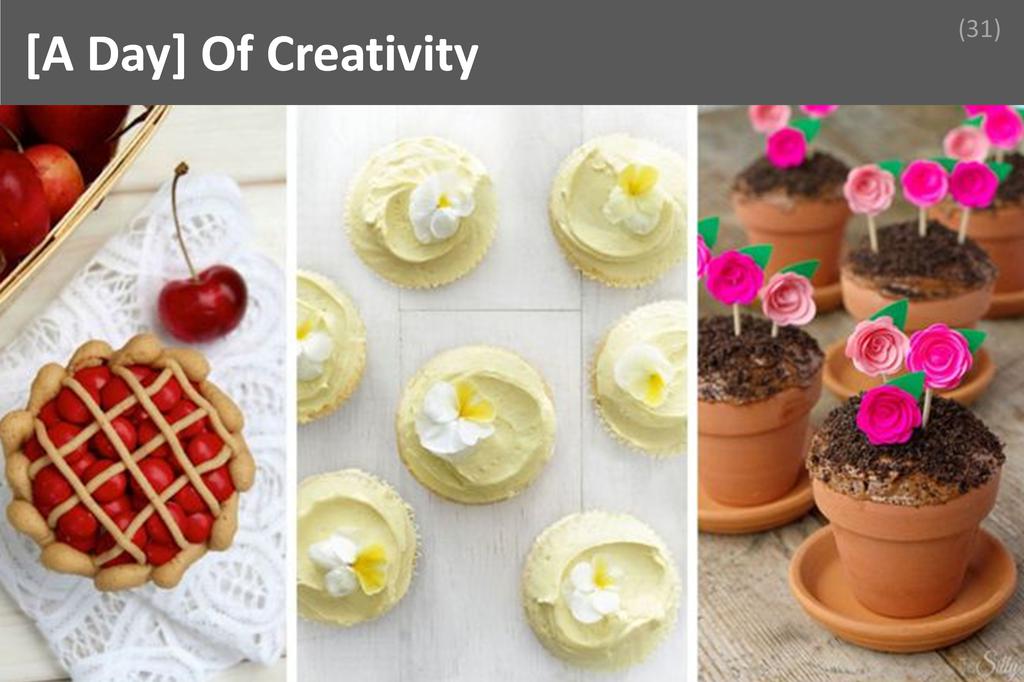
Baking is the process of cooking food by surrounding it with dry heat, typically in an oven. It is most commonly used to prepare bread, pastries, cakes, and other baked goods. This culinary technique requires precision, skill, and an understanding of ingredients and temperature control to achieve desired textures and flavors.
Baking plays a significant role in the culinary world, offering both creative and practical opportunities for professionals. It is essential in producing a wide variety of foods that are staples in many cultures, from daily bread to celebratory cakes. For those pursuing a career in baking, the field offers the chance to develop technical expertise, express artistic creativity, and contribute to the joy and nourishment of others. Baking also provides job stability, as baked goods remain in constant demand, and offers pathways for entrepreneurship, such as opening a bakery or catering business. The ability to master baking techniques can lead to personal satisfaction and professional recognition within the culinary industry.
A professional baker working in a busy bakery starts their day early, preparing doughs and batters for a variety of products. They carefully measure ingredients, mix and knead dough, and monitor proofing times to ensure optimal rise and texture. Throughout the day, they bake loaves of bread, pastries, and cakes, adjusting oven temperatures and baking times for each item. The baker decorates cakes with intricate designs for special occasions and experiments with new recipes to attract customers. Their expertise ensures consistency in quality and taste, helping the bakery build a loyal clientele. This hands-on approach highlights how baking skills are applied daily to create delicious, visually appealing products that satisfy customers and drive business success.
Education
Recipes & Proportions
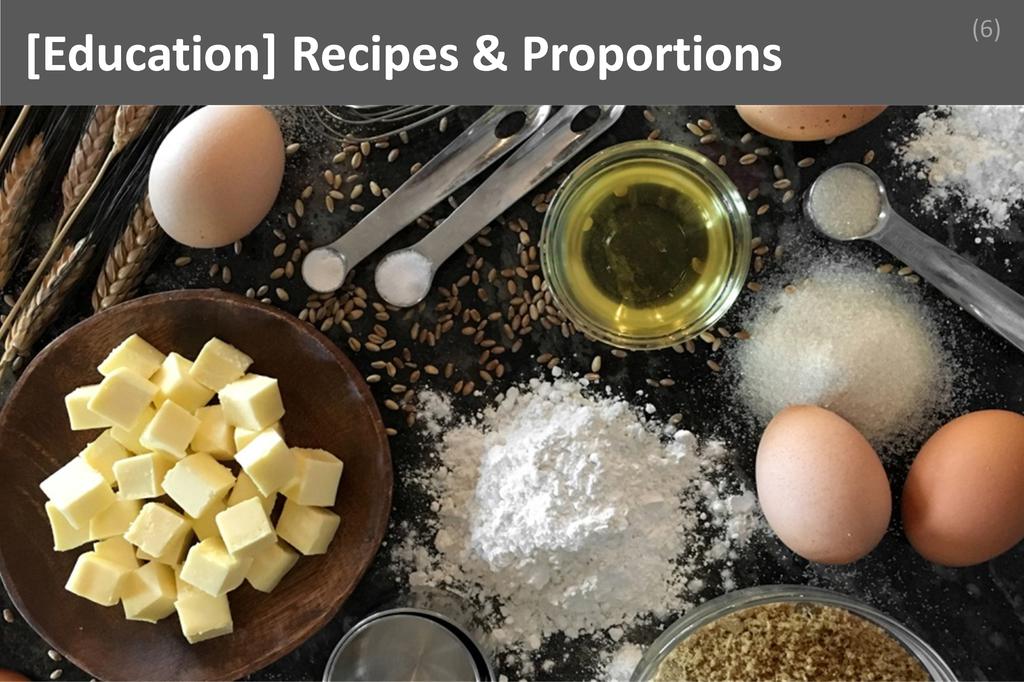
Recipes & Proportions refers to the precise measurement and combination of ingredients required to produce baked goods with consistent quality and desired characteristics. In both academic study and professional baking, understanding these concepts ensures that products meet specific standards, supports creativity, and allows for successful scaling or modification of recipes.
A thorough grasp of recipes and proportions is essential for anyone pursuing a career in baking. This knowledge forms the backbone of all baking operations, as even minor deviations in ingredient ratios can drastically affect texture, flavor, and appearance. Mastery of this subject enables bakers to replicate products reliably, troubleshoot issues, and innovate confidently. It also supports efficiency in large-scale production environments, where consistency and quality control are paramount. Over time, professionals who excel in this area gain a reputation for dependability and expertise, opening doors to advanced roles, leadership positions, and opportunities to develop signature products or manage their own bakeries.
Consider a professional baker tasked with preparing a large batch of artisan bread for a café. Drawing on their understanding of recipes and proportions, the baker accurately scales up the original formula, ensuring the correct balance of flour, water, yeast, and salt. During mixing, the baker monitors dough consistency, making minor adjustments as needed based on humidity and flour absorption. This attention to proportion ensures the bread rises properly, develops the desired crumb structure, and maintains a consistent flavor profile. By applying theoretical knowledge in a practical setting, the baker delivers a high-quality product that meets customer expectations and upholds the bakery’s reputation for excellence.
Purchase Management
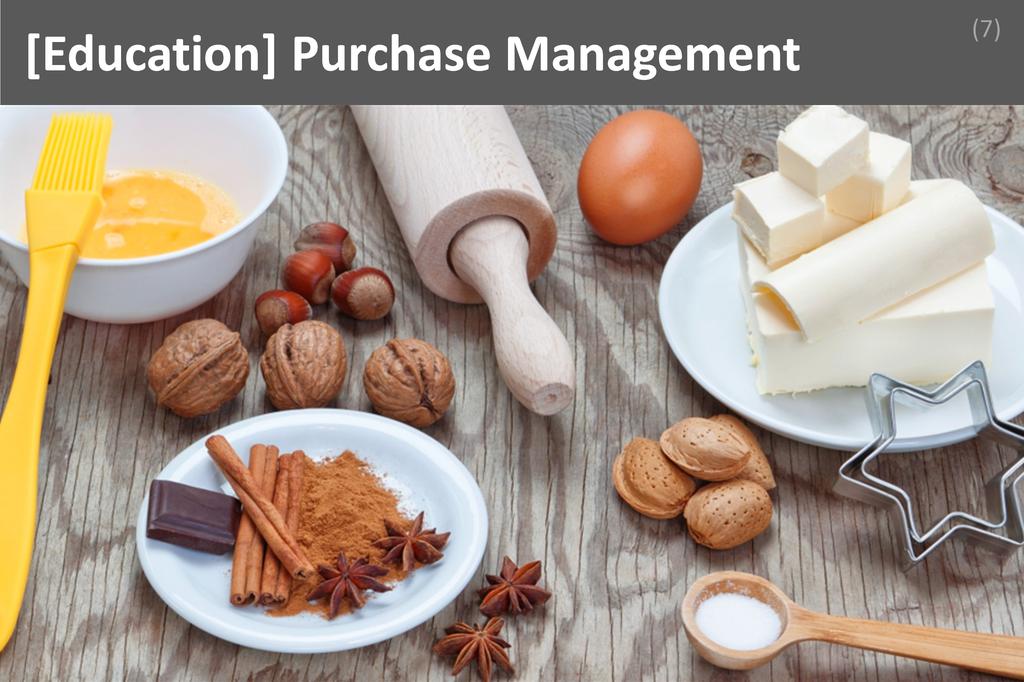
Purchase Management is the systematic process of sourcing, acquiring, and managing the supply of ingredients, materials, and equipment necessary for production. In Baking, it ensures that all essential items are available in the right quantity, quality, and at optimal cost, forming a crucial part of both academic study and professional practice.
Understanding Purchase Management is vital for anyone preparing for or working in the baking industry because it directly impacts product quality, cost control, and operational efficiency. Mastery of this subject equips professionals with the ability to evaluate suppliers, negotiate favorable terms, and maintain consistent inventory levels, all of which are essential for uninterrupted production. It also fosters analytical and decision-making skills, enabling bakers to anticipate market trends, manage budgets, and reduce waste. Over the long term, proficiency in Purchase Management can lead to career advancement, as it demonstrates a comprehensive understanding of the business side of baking, making professionals more valuable to employers and better prepared to manage or own a bakery.
Consider a head baker responsible for a busy bakery that produces a wide range of breads and pastries daily. By applying their knowledge of Purchase Management, the baker carefully forecasts ingredient needs based on sales data and seasonal trends. They establish relationships with reliable suppliers, negotiate bulk pricing for flour and sugar, and set up a schedule for regular deliveries to avoid shortages or overstocking. When a sudden spike in demand occurs, the baker’s effective purchase planning ensures there are enough ingredients on hand to meet customer needs without compromising quality or incurring unnecessary costs. This practical application of Purchase Management not only keeps operations running smoothly but also contributes to the bakery’s profitability and reputation.
Health Regulations

Health Regulations are official rules and guidelines established by government and health authorities to ensure the safe handling, preparation, and storage of food. In Baking, these regulations are essential academic and professional knowledge, guiding bakers to maintain hygiene, prevent contamination, and protect consumer health throughout all stages of production.
Understanding Health Regulations is vital for anyone entering or working in the baking industry because it safeguards both the baker and the consumer. Mastery of these rules ensures that baked goods are produced in a clean, safe environment, minimizing the risk of foodborne illnesses and legal liabilities. This knowledge forms the backbone of professional baking, as it is integrated into every aspect of the workflow, from sourcing ingredients to packaging finished products. Over the long term, adherence to health regulations builds a baker’s reputation for reliability and quality, increases employability, and opens opportunities for advancement. Employers and customers alike value professionals who demonstrate a thorough understanding of food safety, making it a cornerstone of a successful baking career.
Imagine a baker arriving early to prepare dough for the day’s bread. Before starting, they thoroughly wash their hands, sanitize all work surfaces, and check that all ingredients are stored at the correct temperatures. Throughout the baking process, they use separate utensils for raw and cooked items to prevent cross-contamination. When a batch of pastries is ready, the baker ensures they are cooled and packaged according to health guidelines, labeling them with accurate expiration dates. During a routine inspection, the baker confidently demonstrates their compliance with health regulations, passing with no violations. This daily application of theoretical knowledge not only keeps customers safe but also upholds the bakery’s reputation and legal standing.
Social Media

Social media refers to online platforms and applications that enable users to create, share, and interact with content and communities. In the context of Baking, social media serves as a dynamic tool for communication, marketing, networking, and learning, making it an essential component of both academic study and professional practice.
Understanding social media is crucial for anyone preparing for or working in the baking industry because it bridges the gap between traditional skills and modern business practices. Mastery of social media allows bakers to showcase their creations, connect with customers, and stay updated on industry trends. It also provides a platform for networking with peers, learning new techniques, and receiving feedback. As the baking industry becomes increasingly competitive, those who can effectively leverage social media gain a significant advantage in building their brand, attracting new clients, and fostering customer loyalty. Over the long term, proficiency in social media can open doors to collaborations, partnerships, and even opportunities for teaching or publishing, making it a foundational skill for sustained professional growth.
Imagine a professional baker who manages a small bakery and uses social media to enhance daily operations. Each morning, they photograph fresh pastries and upload the images to their bakery’s Instagram and Facebook pages, accompanied by engaging descriptions and hashtags. Throughout the day, they interact with followers by responding to comments and messages, addressing customer inquiries, and sharing behind-the-scenes stories about their baking process. By analyzing engagement metrics, the baker identifies which products are most popular and adjusts their offerings accordingly. This active and strategic use of social media not only increases foot traffic and sales but also helps the baker build a loyal community of customers who eagerly anticipate new products and seasonal specials.
Marketing

Marketing is the process of identifying, anticipating, and satisfying customer needs through the creation, communication, and delivery of valuable products or services. In the context of Baking, marketing bridges the gap between the baker’s creations and the consumer, making it an essential academic and professional discipline for success in the industry.
Understanding marketing is crucial for anyone preparing for or working in Baking because it empowers professionals to connect their products with the right audience. Mastery of marketing principles helps bakers analyze market trends, understand customer preferences, and position their offerings effectively. This knowledge forms a foundational base, enabling bakers to make informed decisions about product development, pricing, promotion, and distribution. Over the long term, marketing expertise supports business growth, fosters customer loyalty, and enhances competitiveness in a crowded marketplace. By integrating marketing strategies into their daily operations, baking professionals can ensure their creations reach a wider audience, adapt to changing consumer demands, and build a sustainable career or business.
Imagine a bakery owner who has developed a new line of gluten-free pastries. By applying their understanding of marketing, they first research local demand and identify health-conscious consumers as a target market. They then craft compelling messages highlighting the health benefits and unique flavors of their products, sharing these through social media and in-store promotions. The owner also collaborates with local gyms and health food stores to expand their reach. By monitoring customer feedback and sales data, they adjust their offerings and marketing tactics to better meet customer needs. This practical application of marketing theory not only increases sales but also strengthens the bakery’s reputation as an innovative and customer-focused business.
Skills
Self Learning
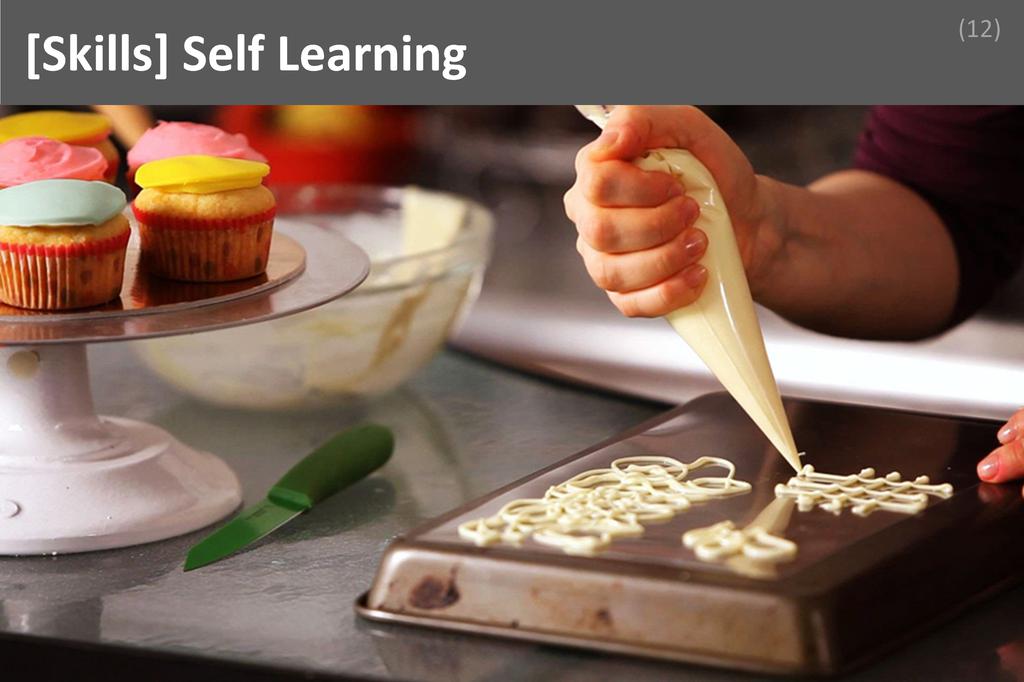
Self Learning is the proactive process of acquiring new knowledge, techniques, or skills independently, without direct supervision or formal instruction. In baking, it empowers professionals to adapt to evolving trends, master innovative recipes, and troubleshoot challenges, making it a vital component of a baker’s ongoing professional development and success.
Self Learning directly enhances a baker’s performance by fostering adaptability and continuous improvement. Bakers who embrace this skill can quickly master new recipes, techniques, and equipment, ensuring their offerings remain fresh and competitive. Clients and employers highly value individuals who demonstrate initiative and resourcefulness, as these traits lead to greater efficiency and creativity in the kitchen. Cultivating Self Learning involves setting personal goals, seeking out reputable resources such as books, online courses, and industry forums, and regularly reflecting on feedback and outcomes. Over time, this habit of independent learning builds confidence and expertise, enabling bakers to stay ahead in a dynamic culinary landscape.
Imagine a baker tasked with creating a gluten-free wedding cake for a client with specific dietary needs. The baker has never made such a cake before, and there is no one available to provide direct guidance. Relying on Self Learning, the baker researches gluten-free baking techniques, experiments with alternative flours, and tests various recipes. Through trial and error, the baker refines the cake’s texture and flavor until it meets the client’s expectations. This self-driven approach not only solves the immediate challenge but also expands the baker’s repertoire, positioning them as a versatile and reliable professional in the eyes of both clients and employers.
Practice

Practice is the consistent and deliberate repetition of tasks or techniques with the goal of improving skill, efficiency, and confidence. In baking, practice is the foundation upon which expertise is built, allowing professionals to master recipes, refine techniques, and troubleshoot problems, ensuring consistently high-quality results in every bake.
The skill of practice directly enhances a baker’s performance by transforming theoretical knowledge into reliable, hands-on expertise. Through repeated attempts, bakers learn to perfect dough textures, timing, and presentation, which leads to fewer mistakes and higher efficiency. Clients and employers highly value this skill because it guarantees consistency, reliability, and the ability to deliver exceptional products under pressure. Cultivating practice involves setting aside regular time for hands-on work, seeking feedback, and reflecting on outcomes to make incremental improvements. Over time, this dedication not only sharpens technical abilities but also builds confidence and adaptability, key traits for thriving in the fast-paced world of professional baking.
Imagine a baker preparing for a high-stakes wedding cake order with intricate sugar flowers and multiple tiers. Despite having studied the techniques, the baker realizes that only through repeated practice can they achieve the delicate, lifelike petals and stable structure required. By dedicating evenings to practicing sugar flower creation and assembling mock cakes, the baker gradually overcomes initial mistakes, refines their process, and gains the confidence needed for the big event. When the wedding day arrives, their practiced hands execute each step smoothly, resulting in a flawless cake that delights the clients and earns praise from peers. This scenario highlights how practice transforms potential into professional excellence in baking.
Creativity

Creativity is the ability to generate original ideas, approach challenges with fresh perspectives, and combine existing concepts in new ways to produce unique outcomes. In baking, creativity empowers professionals to innovate with flavors, designs, and techniques, ensuring their offerings stand out and adapt to evolving trends and customer preferences.
Creativity in baking directly enhances performance by enabling bakers to craft distinctive products that capture attention and delight customers. Clients and employers highly value this skill because it leads to memorable experiences, repeat business, and a strong reputation for innovation. Creative bakers can adapt recipes for dietary needs, invent visually stunning cakes, or introduce novel flavor combinations that set their bakery apart. Cultivating creativity involves staying curious, experimenting with ingredients, learning from global baking traditions, and seeking inspiration from art, nature, and customer feedback. Over time, consistent practice, openness to new ideas, and a willingness to take calculated risks help bakers refine their creative instincts and consistently deliver exceptional results.
Imagine a baker preparing for a high-profile wedding when a key ingredient for the signature cake becomes unavailable at the last minute. Relying on creativity, the baker quickly assesses alternative ingredients and devises a new flavor profile that complements the event’s theme. By skillfully adjusting the recipe and incorporating unexpected elements, the baker not only saves the day but also impresses the clients with a unique creation that exceeds their expectations. This scenario highlights how creativity allows baking professionals to turn potential setbacks into opportunities for innovation, ensuring customer satisfaction and reinforcing their reputation for excellence under pressure.
Patience & Persistence
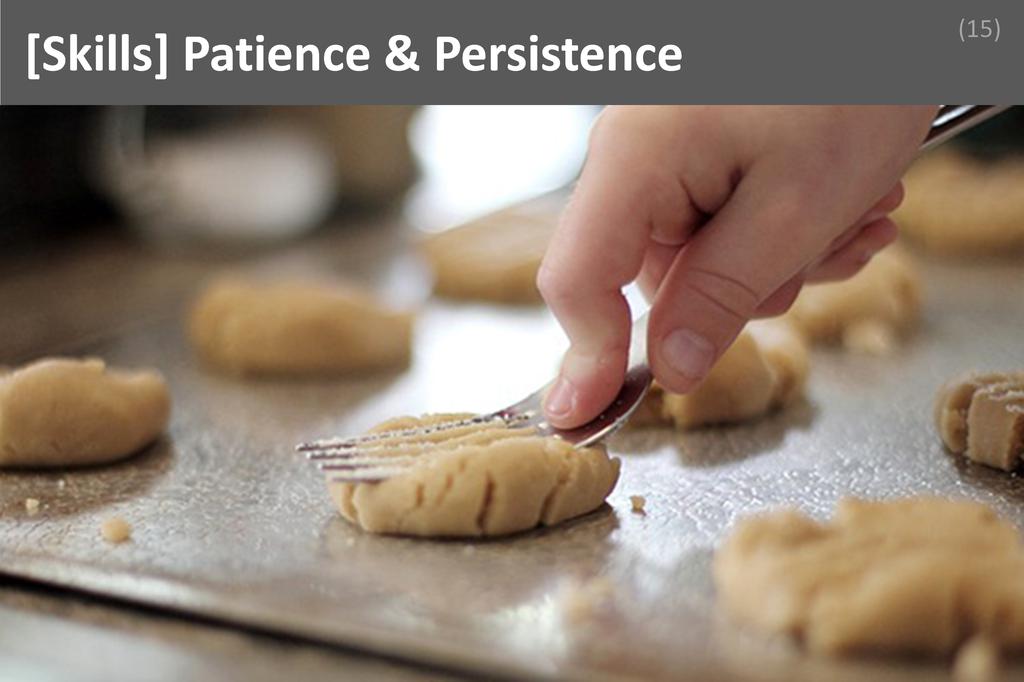
Patience & Persistence is the ability to remain calm and focused through slow or repetitive processes, while consistently striving to improve and overcome setbacks. In baking, this quality ensures that professionals can handle long preparation times, repeated trials, and the need for precision, ultimately leading to consistent, high-quality results.
Patience & Persistence directly enhances a baker’s performance by allowing them to master complex techniques, troubleshoot recipes, and perfect their craft through repeated practice. Employers and clients highly value this skill because it leads to reliability, consistent product quality, and the ability to meet demanding standards even under pressure. Cultivating patience and persistence involves embracing the learning process, accepting mistakes as opportunities for growth, and setting realistic goals for improvement. Over time, bakers who nurture these qualities become more resilient, adaptable, and capable of handling the inevitable challenges that arise in a professional kitchen, making them indispensable members of any baking team.
Imagine a baker tasked with creating a flawless batch of croissants for an important client. Despite following the recipe meticulously, the first few attempts result in pastries that lack the desired flakiness. Instead of giving up, the baker patiently reviews each step, adjusts the dough resting times, and experiments with different butter incorporation techniques. Through persistent effort and careful observation, the baker gradually refines the process, finally achieving the perfect texture and taste. This scenario highlights how patience and persistence enable baking professionals to overcome setbacks, learn from mistakes, and ultimately deliver exceptional results that satisfy both clients and personal standards of excellence.
Organisation Skills

Organisation skills refer to the ability to systematically arrange tasks, resources, and time to achieve goals efficiently and effectively. In baking, this skill ensures that ingredients, tools, and processes are managed in a logical order, reducing errors and waste while maintaining consistency and quality in every product made.
Organisation skills are fundamental to a baker’s daily routine, directly impacting productivity and the quality of baked goods. When a baker is organised, they can plan their workflow, prepare ingredients in advance, and manage multiple recipes simultaneously without confusion. Employers and clients highly value this skill because it leads to reliable results, timely deliveries, and a clean, safe kitchen environment. Cultivating organisation skills involves practicing mise en place, maintaining detailed schedules, and regularly reviewing processes for improvement. Over time, bakers who prioritise organisation become more efficient, adaptable, and capable of handling high-pressure situations, which are common in busy bakeries or during large catering events.
Imagine a baker preparing for a large wedding order that includes several types of cakes and pastries, all with different baking times and decoration requirements. By relying on strong organisation skills, the baker creates a detailed timeline, arranges ingredients and tools for each recipe, and sequences tasks to maximise oven usage. When an unexpected shortage of a key ingredient arises, the baker quickly adjusts the plan, sources a substitute, and communicates with the team to stay on track. Thanks to their organisational approach, the order is completed on time, every item meets quality standards, and the client is delighted with the results. This scenario highlights how organisation skills can turn potential chaos into seamless success.
Positives
High Demand
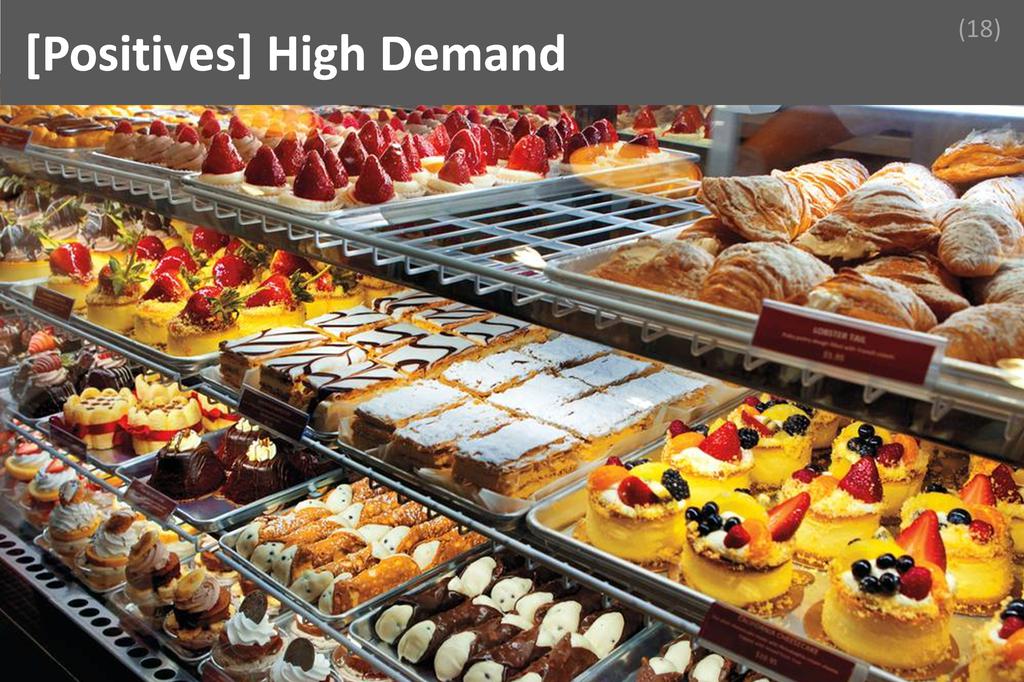
High demand refers to the consistent and widespread need for skilled bakers and their products across various settings, including bakeries, restaurants, hotels, and retail stores. This ongoing requirement ensures that baking professionals are always sought after, providing job security, steady opportunities, and a sense of value within the culinary industry.
The high demand for baking professionals translates into a dynamic and rewarding career path. Knowing that their skills are essential, bakers enjoy greater job security and a wide range of employment options. This demand often leads to competitive wages, opportunities for advancement, and the ability to choose from diverse work environments. The constant need for fresh, high-quality baked goods means bakers can take pride in their work, knowing their creations are eagerly anticipated and appreciated by customers. This appreciation fosters a sense of accomplishment and motivation, encouraging bakers to continually hone their craft. The daily experience of being valued and needed not only boosts job satisfaction but also inspires creativity and professional growth.
Imagine a baker who starts their day before sunrise, preparing artisan breads and pastries for a bustling neighborhood bakery. As the doors open, a steady stream of customers arrives, many of whom are regulars who rely on the bakery for their morning routines. The baker notices how quickly the shelves empty, with customers expressing gratitude and excitement for their favorite treats. Local cafes and restaurants also place daily orders, ensuring the baker’s schedule remains full and varied. This constant flow of demand not only keeps the baker’s skills sharp but also provides a deep sense of fulfillment, knowing their work is integral to the community and consistently in high demand.
Unlimited Possibilities

"Unlimited Possibilities" refers to the endless creative, professional, and personal avenues available to those who pursue a career in baking. It means that bakers are not confined to a single path or routine; instead, they can continually innovate, explore new techniques, and adapt to evolving trends, making each day unique and inspiring.
The concept of unlimited possibilities is a powerful motivator for anyone in the baking profession. It transforms the workplace into a space of constant discovery, where new recipes, flavors, and artistic presentations can be explored without boundaries. This freedom fuels job satisfaction, as bakers are encouraged to express their creativity and individuality. The dynamic nature of the field also supports ongoing professional growth, allowing bakers to specialize, branch into entrepreneurship, or even teach others. Every day presents a fresh opportunity to learn, experiment, and delight customers, making the career both personally and professionally fulfilling.
Imagine a baker who starts their day experimenting with a new sourdough recipe inspired by international flavors. Later, they design a custom cake for a client’s wedding, incorporating unique decorations and flavors never tried before. In the afternoon, they teach a baking class, sharing their latest discoveries with eager students. Each activity showcases the limitless directions their career can take, from innovation in the kitchen to sharing knowledge and connecting with the community. This variety and freedom to pursue new ideas not only keeps their work exciting but also allows them to grow and inspire others, truly embodying the spirit of unlimited possibilities in baking.
Autonomy

Autonomy is the freedom and independence to make decisions, manage tasks, and control one’s work without constant oversight. In the context of baking, autonomy empowers professionals to choose recipes, experiment with techniques, and set their own creative direction. This self-governance fosters innovation, confidence, and a deep sense of personal accomplishment in their craft.
The autonomy found in a baking career is a powerful driver of job satisfaction and personal growth. Bakers who have the freedom to design their own products, manage their schedules, and solve challenges independently often feel more invested in their work. This sense of ownership leads to greater pride in their creations and encourages continuous learning. Autonomy also allows bakers to adapt quickly to new trends or customer preferences, making their work dynamic and relevant. Each day, professionals in baking experience the satisfaction of seeing their unique ideas come to life, knowing that their skills and decisions directly shape the outcome. This daily empowerment not only enhances motivation but also builds resilience and adaptability in a fast-paced industry.
Imagine a baker who runs their own small patisserie. Each morning, they decide which pastries to feature based on seasonal ingredients and their own creative inspirations. They experiment with new flavor combinations, adjust baking times, and refine techniques without waiting for approval from a supervisor. When customers praise a new creation or a unique twist on a classic treat, the baker feels a profound sense of fulfillment, knowing that their independent choices led to that success. This daily experience of autonomy transforms routine tasks into opportunities for self-expression and growth, making the career not just a job, but a deeply rewarding journey of personal and professional development.
Instant Results

"Instant Results" in baking refers to the immediate feedback and tangible outcomes that bakers experience as they transform raw ingredients into finished products within a short period. This rapid transformation allows professionals to witness the fruits of their labor almost instantly, fostering a sense of accomplishment and motivation unique to the baking profession.
The ability to see instant results is a powerful motivator for those in the baking industry. Each day, bakers mix, knead, and bake, and within hours, they can see, touch, and taste the final product. This immediate feedback not only validates their skills but also encourages continuous improvement and creativity. The satisfaction of producing something beautiful and delicious in a single shift boosts morale and job satisfaction. It also allows bakers to quickly adapt and refine their techniques, accelerating professional growth. The daily experience of turning simple ingredients into delightful creations reinforces a sense of purpose and pride, making baking a deeply rewarding career.
Imagine a baker arriving early in the morning, preparing dough, and shaping pastries before the sun rises. Within a few hours, the bakery fills with the aroma of fresh bread and golden croissants emerge from the oven. Customers begin to arrive, eager to enjoy the freshly baked goods. The baker witnesses firsthand the immediate impact of their work as customers smile and express appreciation. This direct and rapid feedback, from the transformation of ingredients to the enjoyment of customers, provides a profound sense of fulfillment. The baker leaves each day knowing their efforts have brought joy and nourishment to others, all thanks to the instant results their craft delivers.
Transferable Skill
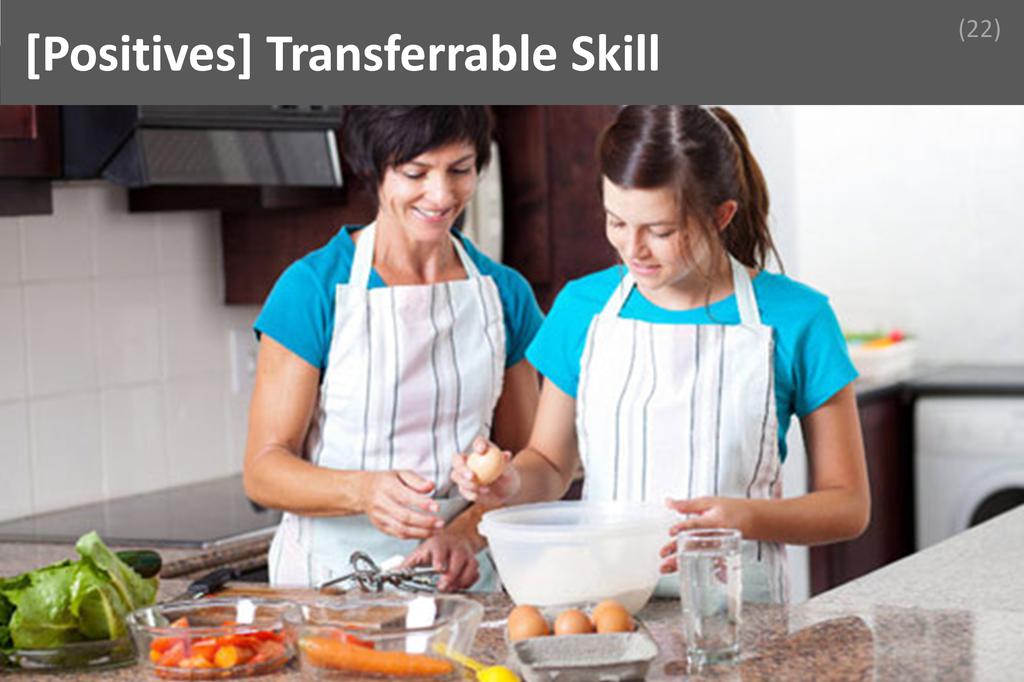
A transferable skill is an ability or expertise developed in one context that can be applied effectively in various other roles, industries, or situations. In baking, these skills—such as time management, attention to detail, teamwork, and creativity—are cultivated daily, making professionals adaptable and valuable in many different career paths.
The presence of transferable skills in baking is a powerful advantage because it opens doors beyond the kitchen. Bakers constantly refine their organizational abilities, problem-solving techniques, and communication skills, which are highly sought after in countless professions. This versatility not only enhances job satisfaction by providing a sense of preparedness for new challenges but also fuels career growth, as bakers can confidently pursue opportunities in management, education, entrepreneurship, or hospitality. Every day, professionals in baking witness the impact of these skills as they collaborate with colleagues, adapt to changing demands, and innovate with new recipes, all while knowing their expertise is relevant far beyond their current role.
Imagine a baker who has spent years perfecting the art of managing a busy pastry kitchen. When offered a chance to lead a team in a new bakery opening, this professional draws on their transferable skills—coordinating schedules, training staff, and maintaining quality under pressure. The experience gained in the kitchen seamlessly translates to effective leadership and project management. As the new bakery thrives, the baker feels a deep sense of fulfillment, knowing that the skills honed through baking are not only essential for crafting delicious treats but also for building successful teams and businesses. This realization empowers them to embrace new challenges and inspires confidence in their ability to succeed in any environment.
Challenges
Shelf Life

Shelf life in baking refers to the period during which baked goods remain fresh, safe, and of optimal quality for consumption. This is demanding because baked products are highly perishable, susceptible to staling, spoilage, and contamination, requiring bakers to balance production, storage, and sales to minimize waste and maintain standards.
The challenge of shelf life impacts every aspect of a baker’s daily routine, from production planning to inventory management and customer satisfaction. Short shelf life means products must be sold quickly, increasing pressure to predict demand accurately and avoid overproduction. This constraint demands resilience, as bakers must constantly adapt to fluctuating sales, ingredient quality, and environmental conditions. Successful professionals navigate this by implementing precise scheduling, using high-quality ingredients, and optimizing storage conditions to extend freshness. They also innovate with recipes and packaging to naturally prolong shelf life, while maintaining transparency with customers about product timelines. By embracing flexibility and continuous learning, bakers turn this challenge into an opportunity for efficiency and creativity.
Consider a bakery specializing in artisan sourdough bread, which typically has a short shelf life due to its natural ingredients and lack of preservatives. The head baker closely monitors daily sales trends and adjusts batch sizes accordingly, baking smaller quantities more frequently to ensure maximum freshness. To further manage shelf life, the bakery invests in humidity-controlled storage and educates customers on proper home storage techniques. Unsold bread is creatively repurposed into croutons and bread pudding, reducing waste and adding new revenue streams. Through careful planning, open communication, and innovative thinking, the bakery consistently delivers high-quality products while effectively overcoming the shelf life challenge.
Continuous Development

Continuous Development in Baking refers to the ongoing need for professionals to learn new techniques, adapt to evolving trends, and master innovative ingredients or equipment. This process is demanding because it requires constant skill enhancement, openness to change, and the ability to integrate new knowledge while maintaining high standards in a fast-paced environment.
The challenge of continuous development in baking can create significant pressure in daily work, as professionals must balance production demands with the pursuit of new skills and knowledge. This ongoing requirement can lead to fatigue and self-doubt, especially when trends shift rapidly or new technologies emerge. Resilience becomes essential, as bakers must embrace lifelong learning and adapt quickly to stay competitive. Successful professionals manage this by setting aside regular time for experimentation, seeking feedback from peers, and viewing mistakes as valuable learning opportunities. They cultivate a growth mindset, allowing them to remain motivated and receptive to change, which helps them thrive despite the relentless pace of industry evolution.
Consider a pastry chef working in a boutique bakery who faces the challenge of incorporating gluten-free and vegan options to meet customer demand. Rather than feeling overwhelmed by the unfamiliar territory, the chef dedicates time after hours to research alternative ingredients and test recipes. She attends workshops, consults with nutritionists, and invites colleagues to taste and critique her creations. Through persistence and openness to feedback, she gradually masters the new techniques, successfully expanding the bakery’s menu. This not only satisfies customers but also enhances her professional reputation, demonstrating how embracing continuous development can lead to personal growth and business success in the baking industry.
Raw Material
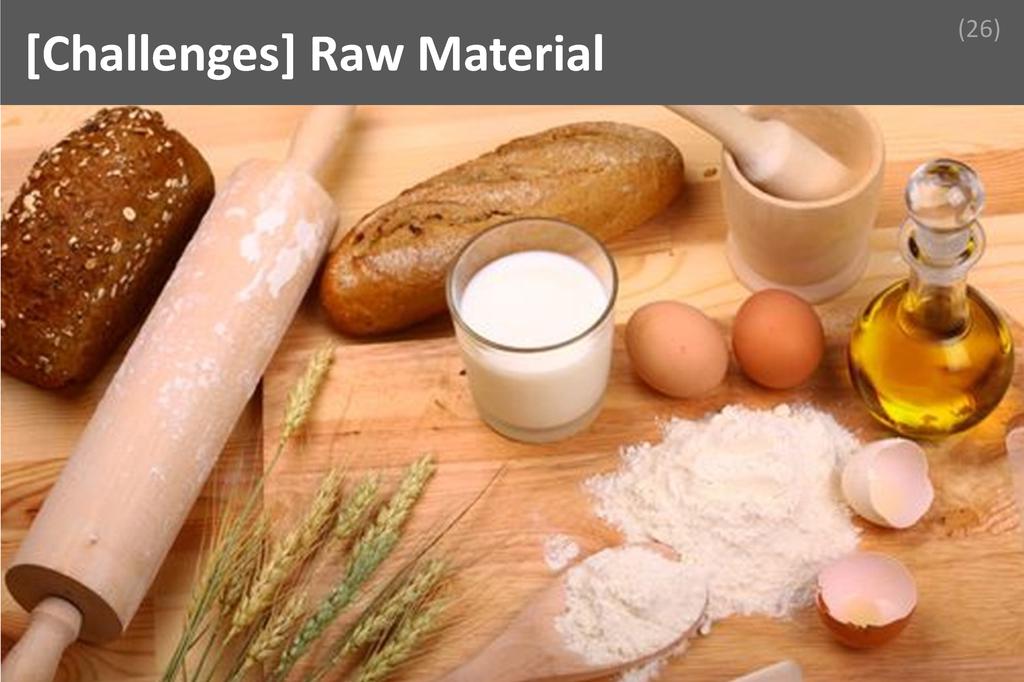
In baking, "Raw Material" refers to the essential ingredients such as flour, sugar, yeast, eggs, and dairy products required to produce baked goods. The challenge arises from fluctuations in quality, availability, and cost, making it demanding to maintain consistency, manage expenses, and ensure product excellence under unpredictable circumstances.
The unpredictability of raw material quality and supply can disrupt production schedules, affect the taste and texture of baked goods, and increase operational costs. Professionals must demonstrate resilience by adapting recipes, sourcing alternatives, and maintaining strong supplier relationships. This challenge requires constant vigilance, creative problem-solving, and a deep understanding of ingredient behavior. Successful bakers often develop contingency plans, monitor market trends, and invest in staff training to ensure flexibility. By staying informed and proactive, they can minimize disruptions and continue delivering high-quality products, even when faced with shortages or price hikes. Navigating these constraints effectively is a testament to their expertise and commitment to their craft.
Consider a bakery that relies on a specific type of high-protein flour for its signature bread. When a sudden supply chain issue causes a shortage, the head baker must act quickly to find a suitable alternative. Drawing on experience and knowledge, the baker tests several flour blends, adjusting hydration and fermentation times to achieve the desired texture and flavor. By communicating transparently with customers about the temporary change and maintaining quality standards, the bakery not only overcomes the raw material challenge but also strengthens customer trust. This scenario highlights how adaptability, technical skill, and open communication enable baking professionals to manage raw material obstacles successfully.
High Competition

High competition in baking refers to the intense rivalry among professionals and businesses striving to attract customers, secure market share, and maintain profitability. This challenge is demanding because it requires constant innovation, exceptional quality, and adaptability, as bakers must distinguish themselves in a crowded marketplace filled with skilled peers and evolving consumer preferences.
The pressure of high competition in baking can make daily work both exhilarating and exhausting. Bakers must continually refine their recipes, upgrade their skills, and stay attuned to trends, all while maintaining consistency and efficiency. This environment demands resilience, as setbacks and criticism are common. Successful professionals manage this constraint by embracing lifelong learning, networking with peers, and leveraging customer feedback to improve their offerings. They often find creative ways to differentiate their products, whether through unique flavors, artistic presentation, or exceptional service. By focusing on quality and building a loyal customer base, they can withstand competitive pressures and carve out a sustainable niche in the industry.
Consider a baker who opens a small patisserie in a city already filled with established bakeries. Instead of competing solely on price or traditional offerings, she specializes in gluten-free and vegan pastries, responding to a growing demand for dietary inclusivity. She invests time in perfecting recipes that do not compromise on taste or texture, and actively engages with her community through social media and local events. By listening to customer feedback and consistently delivering high-quality products, she gradually builds a loyal clientele. Her willingness to adapt and innovate allows her to thrive, even in a saturated market, demonstrating how resilience and strategic differentiation can overcome the challenge of high competition in baking.
Long Gestation Period
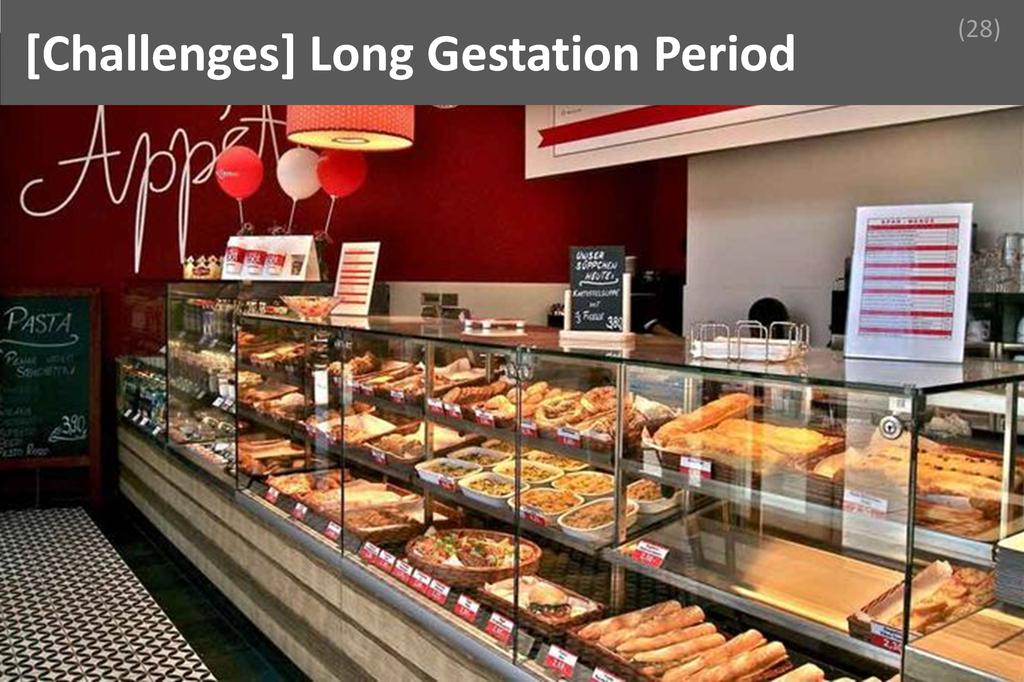
In the context of Baking, "Long Gestation Period" refers to the extended time required for processes such as dough fermentation, proofing, and baking to reach optimal results. This period is demanding because it tests patience, requires precise timing, and delays immediate feedback, making it challenging to maintain momentum and motivation during production.
The long gestation period in baking can disrupt workflow and create uncertainty, as bakers must wait hours or even days before evaluating the outcome of their efforts. This delay can lead to frustration, especially when results are inconsistent or unexpected. The challenge demands resilience, as professionals must remain attentive and adaptable throughout the waiting process. Successful bakers manage this constraint by developing strong time management skills, planning multiple tasks concurrently, and cultivating a mindset that values patience and process over instant results. They also use the waiting periods to refine other aspects of their craft, such as recipe development or equipment maintenance, ensuring productivity is maintained even when direct baking activities are paused.
Consider a professional artisan baker specializing in sourdough bread, which requires a lengthy fermentation period to develop flavor and texture. Instead of viewing the waiting time as a setback, the baker organizes their schedule to prepare other products, clean the workspace, and experiment with new recipes while the dough ferments. By embracing the long gestation period as an integral part of the craft, the baker not only maintains productivity but also achieves consistently high-quality results. This approach transforms a potential obstacle into an opportunity for growth and efficiency, demonstrating how patience and strategic planning are essential for success in the baking profession.
Logistics
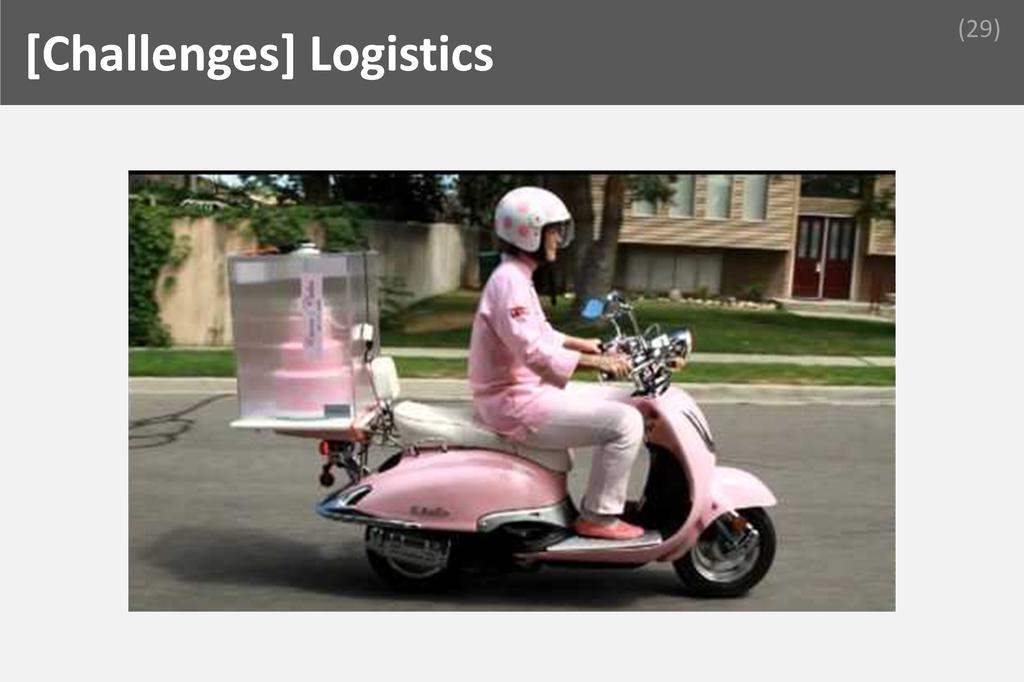
Logistics in baking refers to the careful coordination of ingredient sourcing, inventory management, production scheduling, and timely delivery of baked goods. This process is demanding because it requires precise timing, attention to perishable supplies, and the ability to adapt quickly to unexpected changes, all while maintaining consistent product quality.
The challenge of logistics in baking can disrupt daily operations, leading to delays, wasted ingredients, or missed sales opportunities. Bakers must often juggle fluctuating supply chains, unpredictable demand, and tight deadlines, which can be stressful and require significant resilience. Successful professionals address these constraints by developing strong organizational systems, fostering reliable supplier relationships, and maintaining flexible production plans. They anticipate potential disruptions and build contingency measures into their workflow, ensuring that even when obstacles arise, they can continue to meet customer expectations and uphold quality standards. By staying adaptable and proactive, bakers can turn logistical challenges into opportunities for improvement and growth.
Consider a bakery preparing for a major holiday rush, only to discover that a key flour shipment has been delayed. The head baker quickly assesses available inventory, contacts alternative suppliers, and adjusts the production schedule to prioritize items that require less flour. Meanwhile, the team communicates transparently with customers about potential changes to the menu. Through quick thinking and effective coordination, the bakery manages to fulfill most orders on time, minimizing disappointment and maintaining customer trust. This scenario illustrates how a professional baker’s ability to manage logistics—by staying calm, resourceful, and communicative—can transform a potentially disastrous situation into a demonstration of reliability and commitment.
A Day Of
Baking
Before the sun peeks over the horizon, the world of a baking professional is already alive with the hum of mixers, the warmth of ovens, and the intoxicating aroma of fresh dough. The pace is relentless yet rhythmic, a blend of precision and creativity that transforms raw ingredients into edible art. Each day unfolds in a carefully orchestrated sequence, where timing is everything and every minute counts. In this bustling environment, bakers move with purpose, their hands skilled and their minds focused, as they navigate the delicate balance between tradition and innovation. The bakery is more than a workplace—it is a stage where dedication, teamwork, and passion rise together with the bread.
Long before most of the city stirs, bakers arrive to begin the crucial early morning setup. The kitchen is quiet but charged with anticipation as ingredients are measured, ovens are preheated, and doughs are mixed and left to proof. This phase is all about precision and timing, ensuring that every batch is started at just the right moment. Recipes are reviewed, schedules double-checked, and the first trays of pastries and breads are carefully shaped, setting the tone for the day’s production. The air is cool, but the energy is focused, as every action taken now will determine the quality and freshness of the bakery’s offerings.
As dawn breaks, the bakery springs to life with the arrival of customers and the crescendo of production. This is the most intense part of the day, where speed and accuracy are paramount. Bakers work seamlessly together, sliding loaves into ovens, glazing pastries, and filling display cases with an array of tempting treats. The kitchen is a flurry of activity, punctuated by the sound of timers and the scent of caramelizing sugar. Orders for cafes, restaurants, and walk-in customers are filled with practiced efficiency, and every member of the team is in constant motion, ensuring that each product meets the highest standards of taste and appearance.
By midday, the pace shifts from the morning’s frenzy to a more collaborative rhythm. Bakers regroup to assess inventory, prepare specialty items, and tackle custom orders. This is the time for teamwork, as staff coordinate to replenish shelves, experiment with new recipes, and address any challenges that have arisen. The afternoon often brings meetings with suppliers, discussions about upcoming events, and the hands-on execution of intricate cakes or pastries. The focus is on maintaining quality and consistency, while also fostering creativity and problem-solving within the team.
As the day winds down, bakers turn their attention to wrapping up operations and preparing for tomorrow’s demands. The kitchen is meticulously cleaned, equipment is sanitized, and leftover products are inventoried or donated. Administrative tasks come to the forefront, including reviewing sales data, placing ingredient orders, and updating production schedules. This is also a moment for reflection and planning, as bakers evaluate what worked well and what could be improved. With the last light fading outside, the team leaves the bakery ready for another early start, knowing that tomorrow will bring new challenges and opportunities to create something delicious. |


 Home
Home Abroad
 Plan
Plan Philosophy
 Seminar
 Pages
Pages Advisors
 Testimonials











 Workshop
 Discuss
 Meet
Meet
 Advisor
 Story
Story
 Fine Print
 Links
Links
 Blog
Blog
 Follow
