The Journey of Bakery and Patisserie
What Is Bakery and Patisserie
Bakery and Patisserie

Bakery and Patisserie is the art and science of preparing, baking, and decorating a wide range of breads, pastries, cakes, and desserts. It combines culinary creativity with technical skills to produce both traditional and innovative baked goods for commercial, retail, and hospitality settings.
Bakery and Patisserie plays a significant role in the culinary world, offering professionals the opportunity to express creativity while meeting the growing demand for high-quality baked products. This field impacts professionals by fostering innovation, encouraging precision, and providing a platform for artistic expression. One major benefit is the ability to work in diverse environments, from boutique patisseries to large-scale bakeries. Another benefit is the satisfaction of bringing joy to customers through visually appealing and delicious creations. Additionally, professionals in this field often enjoy strong job stability, as baked goods remain a staple in cultures worldwide, ensuring consistent demand for skilled bakers and pastry chefs.
A professional pastry chef working in a luxury hotel exemplifies the practical application of Bakery and Patisserie skills. Each day, the chef plans and prepares an assortment of pastries, breads, and desserts for breakfast buffets, afternoon teas, and special events. The chef must balance creativity with consistency, ensuring that every croissant, éclair, and cake meets high standards of taste and presentation. By experimenting with new flavors and techniques, the chef keeps the menu fresh and exciting, while also adapting classic recipes to suit guests’ preferences. This dynamic environment highlights how expertise in Bakery and Patisserie is essential for delivering memorable culinary experiences and maintaining the establishment’s reputation for excellence.
Education
Food Production

Food Production refers to the systematic process of transforming raw ingredients into finished food products through various techniques and methods. In the context of Bakery and Patisserie, it encompasses the knowledge and skills required to prepare, process, and present baked goods, forming a crucial part of both academic study and professional practice.
Understanding Food Production is essential for anyone pursuing a career in Bakery and Patisserie because it provides the scientific and practical foundation for all baking activities. Mastery of this subject enables professionals to comprehend ingredient functions, control production variables, and maintain consistent quality. It also fosters creativity, allowing bakers and pastry chefs to innovate while adhering to safety and hygiene standards. Over time, a strong grasp of food production principles leads to increased efficiency, reduced waste, and the ability to troubleshoot issues that arise during baking. This expertise not only enhances day-to-day performance but also supports career advancement, as employers highly value individuals who can ensure product excellence and operational reliability.
Consider a pastry chef tasked with producing a large batch of croissants for a busy morning service. Their understanding of food production allows them to precisely measure ingredients, control dough fermentation, and manage baking temperatures to achieve the desired flakiness and flavor. When faced with unexpected changes, such as a variation in flour quality or oven performance, the chef draws on their theoretical knowledge to adjust hydration levels or baking times, ensuring consistent results. This application of food production principles not only guarantees customer satisfaction but also minimizes waste and maximizes efficiency, demonstrating the direct impact of academic learning on professional success in the bakery and patisserie environment.
Science and Art

Science and Art refers to the combined understanding of scientific principles and creative expression. In Bakery and Patisserie, it encompasses knowledge of chemistry, biology, and physics alongside aesthetic design and sensory appeal. This blend is essential for mastering recipes, techniques, and presentation, forming a crucial part of professional expertise.
Understanding Science and Art is vital for anyone pursuing a career in Bakery and Patisserie because it bridges the gap between technical precision and creative innovation. Scientific knowledge allows professionals to comprehend ingredient interactions, baking temperatures, and fermentation processes, ensuring consistent quality and safety. Artistic skills, on the other hand, enable bakers and pastry chefs to craft visually stunning and appealing products that delight customers. Mastery of both aspects not only enhances problem-solving abilities but also fosters adaptability in a rapidly evolving industry. Over time, this dual expertise supports career advancement, as employers and clients increasingly value professionals who can deliver both reliable results and imaginative creations.
Imagine a pastry chef tasked with developing a new line of gluten-free cakes. Their scientific understanding helps them select alternative flours and adjust hydration levels to achieve the desired texture, while their artistic sensibility guides the decoration and flavor pairing. During baking, they monitor oven temperatures and chemical reactions to ensure the cakes rise properly and maintain moisture. Once baked, they apply artistic techniques to decorate each cake, making them visually enticing for display. This daily application of Science and Art not only guarantees product quality and consistency but also sets their creations apart in a competitive market, demonstrating the indispensable role of both disciplines in professional practice.
Hygine

Hygine refers to the set of practices and conditions necessary to maintain health and prevent the spread of diseases, especially through cleanliness. In the context of Bakery and Patisserie, hygine encompasses personal cleanliness, proper food handling, equipment sanitation, and workspace maintenance, forming a critical part of both academic study and professional standards.
Understanding hygine is essential for anyone pursuing a career in Bakery and Patisserie because it directly impacts food safety, product quality, and customer trust. Mastery of hygienic practices ensures that baked goods are safe for consumption and free from contaminants, which is a legal and ethical responsibility for all food professionals. Hygine knowledge forms the backbone of professional training, as it is integrated into every aspect of production, from ingredient storage to final presentation. Over the long term, consistent application of hygienic principles helps prevent foodborne illnesses, protects the reputation of the business, and supports compliance with health regulations. This foundational expertise also enhances employability and advancement opportunities within the industry.
Consider a pastry chef starting their shift in a busy bakery. Before handling any ingredients, they thoroughly wash their hands, sanitize their workstation, and ensure all utensils are clean. Throughout the day, they monitor the temperature of refrigerated ingredients, promptly clean spills, and separate raw and cooked items to avoid cross-contamination. When preparing dough, the chef covers their hair and wears gloves, changing them regularly to maintain cleanliness. At the end of the day, all surfaces and equipment are sanitized according to established protocols. By consistently applying their theoretical understanding of hygine, the chef not only produces safe, high-quality pastries but also upholds the bakery’s reputation and complies with food safety regulations.
Presentation and Style

Presentation and Style refers to the visual and aesthetic arrangement of baked goods and pastries, encompassing color, shape, texture, and overall appeal. In Bakery and Patisserie, it is a crucial academic and professional discipline, ensuring products not only taste exceptional but also captivate customers visually, enhancing perceived value and desirability.
Understanding Presentation and Style is essential for anyone pursuing a career in Bakery and Patisserie because it directly influences customer perception and satisfaction. Mastery of this subject allows professionals to transform simple baked goods into works of art, setting their creations apart in a competitive market. It forms the backbone of professional identity, as well-executed presentation can elevate a bakery’s reputation and foster customer loyalty. Over time, expertise in presentation leads to greater opportunities, such as working in high-end establishments, participating in competitions, or even establishing a personal brand. The ability to consistently deliver visually stunning products is a hallmark of a skilled baker or pastry chef and is indispensable for long-term career growth.
Imagine a pastry chef preparing desserts for a high-profile event. Drawing on their knowledge of Presentation and Style, the chef carefully selects complementary colors, arranges pastries with precision, and uses garnishes to enhance visual appeal. Each dessert is plated to highlight its unique features, ensuring uniformity and elegance across the display. The chef’s attention to detail not only impresses guests but also reflects the establishment’s commitment to excellence. This daily application of presentation principles transforms ordinary pastries into memorable experiences, demonstrating how theoretical understanding translates into practical, professional success in the bakery and patisserie industry.
Latest Trends

Latest Trends refers to the most current developments, innovations, and consumer preferences shaping the bakery and patisserie industry. This encompasses new ingredients, techniques, equipment, and presentation styles. Understanding these trends is essential for both academic study and professional practice, ensuring that products and services remain relevant, appealing, and competitive.
Learning about the latest trends is vital for anyone pursuing a career in bakery and patisserie because the industry is constantly evolving. Staying informed about new techniques, health-conscious ingredients, and creative presentation styles helps professionals meet customer expectations and stand out in a crowded market. This knowledge forms a foundational base, allowing bakers and pastry chefs to innovate, adapt to changing consumer demands, and maintain high standards of quality and creativity. Over the long term, mastering current trends enhances employability, supports career advancement, and fosters a reputation for excellence and adaptability, which are crucial for sustained success in this dynamic field.
Imagine a pastry chef working in a boutique bakery who notices a growing demand for gluten-free and plant-based desserts. Drawing on their understanding of the latest trends, the chef experiments with alternative flours and natural sweeteners to create visually stunning, health-conscious pastries. By integrating these innovations into the bakery’s menu, the chef not only attracts new customers but also earns positive reviews and media attention. This proactive approach, grounded in trend awareness, ensures the bakery remains competitive and relevant, while also allowing the chef to express creativity and respond effectively to evolving market preferences.
Skills
Dicipline

Dicipline is the consistent practice of self-control, adherence to standards, and commitment to routines, even when motivation wanes or challenges arise. In the context of Bakery and Patisserie, dicipline ensures precision in recipes, punctuality in production, and unwavering attention to hygiene and safety, forming the backbone of professional excellence.
Dicipline directly enhances performance in Bakery and Patisserie by ensuring that every process, from ingredient measurement to final presentation, is executed with accuracy and consistency. Clients and employers highly value this trait because it guarantees reliability, product quality, and adherence to deadlines, which are crucial in a fast-paced, customer-focused environment. Cultivating dicipline involves setting clear routines, practicing time management, and maintaining a strong sense of responsibility, even during high-pressure periods. Over time, repeated commitment to these habits builds a reputation for dependability and professionalism, setting individuals apart in a competitive industry.
Imagine a pastry chef preparing for a large wedding order with multiple intricate cakes and pastries, all due within a tight timeframe. Unexpectedly, a key ingredient delivery is delayed, threatening the schedule. Instead of panicking or cutting corners, the chef relies on dicipline, methodically reorganizing tasks, sourcing alternatives, and maintaining strict adherence to quality standards. By staying calm and focused, the chef ensures every item meets expectations and is delivered on time. This disciplined approach not only resolves the immediate crisis but also reinforces trust with clients and colleagues, ultimately contributing to long-term success in the bakery and patisserie profession.
Creativity and Innovation

Creativity and innovation refer to the ability to generate original ideas, experiment with new techniques, and adapt to changing trends by thinking beyond traditional boundaries. In bakery and patisserie, this skill enables professionals to craft unique products, respond to customer preferences, and stay ahead in a highly competitive and evolving industry.
Creativity and innovation directly enhance a bakery and patisserie professional’s performance by allowing them to design distinctive pastries, introduce novel flavor combinations, and adapt classic recipes to modern tastes. Clients and employers highly value this skill because it leads to memorable products that stand out in the market, attract repeat business, and foster a loyal customer base. Cultivating creativity and innovation involves staying curious, seeking inspiration from diverse sources, and embracing experimentation in the kitchen. Over time, professionals can refine their creative instincts by attending workshops, collaborating with peers, and consistently challenging themselves to push the boundaries of traditional baking.
Imagine a bakery facing declining sales due to increased competition and changing customer preferences. A pastry chef leverages creativity and innovation by developing a new line of gluten-free and vegan desserts, using unexpected ingredients like aquafaba and alternative flours. Through experimentation and feedback, the chef perfects recipes that not only meet dietary needs but also delight customers with unique flavors and textures. This inventive approach revitalizes the bakery’s reputation, attracts new clientele, and demonstrates how creative thinking can solve critical business challenges while elevating the overall standard of products offered.
Time Management

Time management is the ability to plan, organize, and control how much time is spent on specific activities to maximize efficiency and productivity. In the context of Bakery and Patisserie, it ensures that tasks such as mixing, proofing, baking, and decorating are completed within strict timelines, maintaining product quality and meeting customer demands.
Effective time management in Bakery and Patisserie leads to smoother operations, reduced waste, and consistently high-quality products. Employers and clients value professionals who can juggle multiple orders, adhere to tight schedules, and deliver fresh goods promptly. This skill is developed through experience, careful planning, and the use of schedules or timers to coordinate various processes. Over time, bakers learn to anticipate how long each task will take, prioritize urgent orders, and adjust workflows to accommodate unexpected challenges. By refining these abilities, professionals not only enhance their own productivity but also contribute to the overall success and reputation of the bakery or patisserie.
Imagine a pastry chef preparing for a busy morning rush with several custom cake orders and a full display of pastries to stock. Suddenly, a key ingredient delivery is delayed, threatening the completion of a large wedding cake. By relying on strong time management skills, the chef quickly reorganizes the production schedule, reallocates staff to prioritize essential tasks, and adjusts baking times for other items. This strategic approach ensures that the wedding cake is finished on time without compromising the quality of other products. The chef’s ability to manage time effectively not only resolves the immediate crisis but also maintains customer satisfaction and upholds the bakery’s reputation for reliability.
Team Work
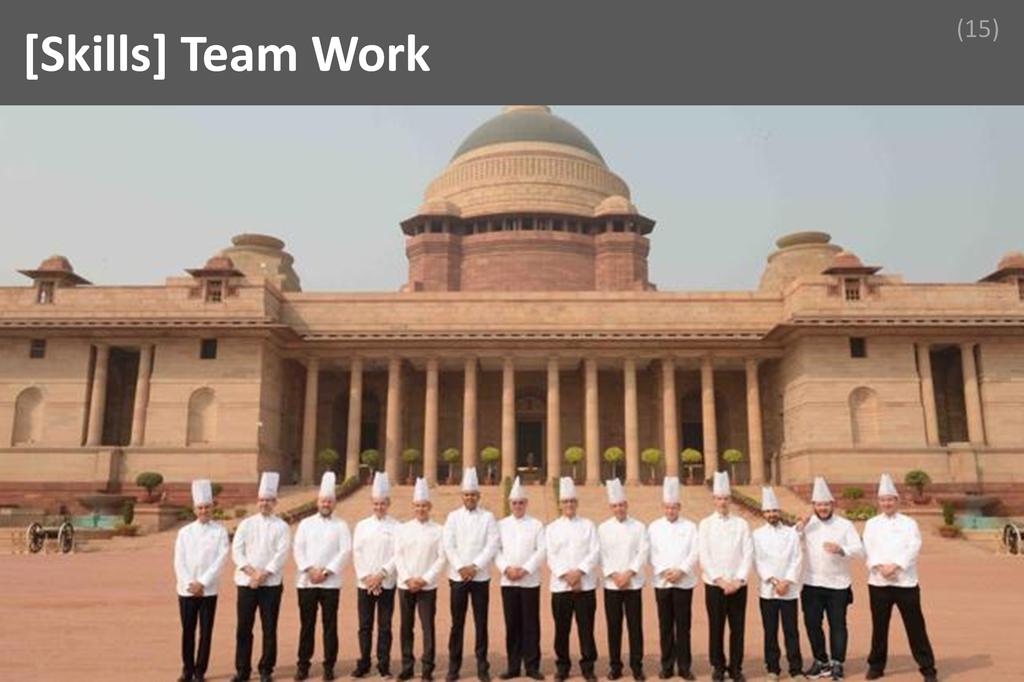
Team Work is the collaborative effort of individuals working together to achieve a common goal, utilizing each member’s strengths, communication, and support to maximize efficiency and quality. In Bakery and Patisserie, team work ensures smooth operations, timely production, and consistently high standards, making it indispensable for professional success in this field.
Team work directly enhances performance in a bakery or patisserie by streamlining processes, reducing errors, and fostering a positive work environment. Clients and employers highly value this skill because it leads to reliable service, consistent product quality, and the ability to handle high-pressure situations, such as large orders or unexpected challenges. Cultivating team work involves practicing clear communication, being receptive to feedback, and actively supporting colleagues. Over time, professionals can develop this skill by participating in group projects, observing experienced team members, and reflecting on collaborative experiences to identify areas for improvement. As team work becomes second nature, individuals contribute more effectively to their workplace, building trust and respect among peers and supervisors.
Imagine a bakery facing a sudden surge in orders for a popular pastry due to a local event. The head pastry chef quickly organizes the team, assigning specific roles such as dough preparation, filling, baking, and packaging. Each member relies on the others to complete their tasks efficiently and communicates any issues or delays immediately. When a batch of dough does not rise as expected, the team collaborates to troubleshoot the problem, reallocating tasks and adjusting the schedule to ensure all orders are fulfilled on time. Through effective team work, the bakery not only meets the demand but also maintains product quality, impressing clients and strengthening the team’s reputation for reliability and excellence.
Passion and Dedication

Passion and dedication refer to a deep, genuine enthusiasm for one’s craft combined with a steadfast commitment to continuous improvement and excellence. In the context of bakery and patisserie, this quality fuels creativity, resilience, and a willingness to invest the time and effort needed to master complex techniques and deliver exceptional results.
Passion and dedication are the driving forces behind a baker or pastry chef’s ability to consistently produce high-quality products, even under pressure. This skill leads to meticulous attention to detail, a readiness to experiment with new recipes, and the perseverance required to perfect challenging creations. Clients and employers highly value professionals who demonstrate this commitment, as it translates into reliability, innovation, and a positive work environment. Cultivating passion and dedication involves immersing oneself in the craft, seeking inspiration from mentors and peers, and embracing both successes and failures as opportunities for growth. Over time, this mindset not only enhances technical abilities but also fosters a reputation for excellence and dependability.
Imagine a pastry chef preparing for a prestigious competition when a key ingredient delivery is delayed at the last minute. Instead of giving up or compromising on quality, the chef’s passion for the craft and dedication to excellence drive them to quickly research alternative ingredients and adapt their recipe. Working late into the night, they test and refine the new version until it meets their high standards. On the day of the competition, the chef presents a flawless dessert that impresses the judges, ultimately securing a top prize. This scenario highlights how passion and dedication empower professionals to overcome setbacks, innovate under pressure, and achieve remarkable success in bakery and patisserie.
Positives
Immense Satisfaction

Immense satisfaction is the profound sense of fulfillment and joy that arises from creating something meaningful, witnessing tangible results, and positively impacting others. In bakery and patisserie, this feeling stems from transforming simple ingredients into delightful creations that bring happiness to people’s lives, making every effort and challenge worthwhile.
The immense satisfaction found in bakery and patisserie is a driving force behind the enduring passion professionals feel for their craft. This sense of fulfillment elevates daily work beyond routine tasks, turning each day into an opportunity for creativity and personal growth. When bakers and pastry chefs see their creations enjoyed and appreciated, it validates their skills and dedication, reinforcing their sense of purpose. This emotional reward not only boosts job satisfaction but also inspires continuous learning and innovation. As a result, professionals in this field are more likely to remain motivated, resilient, and committed to excellence, which ultimately leads to long-term career growth and a deeply rewarding professional journey.
Imagine a pastry chef who spends hours perfecting a new cake recipe, experimenting with flavors, textures, and presentation. On the day of a special event, the chef unveils the finished creation, and guests are visibly delighted, savoring every bite and expressing heartfelt appreciation. In that moment, the chef experiences immense satisfaction, knowing their hard work has brought joy and created lasting memories for others. This powerful feeling not only validates their creative efforts but also fuels their passion to continue innovating and sharing their talent. Such moments of fulfillment are frequent in bakery and patisserie, making the profession uniquely rewarding on both personal and professional levels.
Respect and Recognition

Respect and recognition refer to the appreciation, admiration, and acknowledgment received from peers, customers, and the wider community for one’s skills, creativity, and dedication. In bakery and patisserie, this means being valued for the artistry, precision, and passion invested in every creation, fostering a sense of pride and accomplishment.
The bakery and patisserie profession thrives on the visible and immediate appreciation from those who enjoy its products. When bakers and pastry chefs receive compliments, positive reviews, or repeat customers, it validates their hard work and creativity. This recognition not only boosts self-esteem but also motivates professionals to innovate and refine their craft. The respect earned from colleagues and the community can open doors to career advancement, collaborations, and leadership opportunities. Experiencing daily gratitude and admiration transforms routine tasks into meaningful contributions, making each day at work more satisfying and inspiring. Ultimately, respect and recognition fuel personal growth, deepen professional commitment, and create a lasting sense of fulfillment.
Imagine a pastry chef who spends weeks perfecting a new dessert for a local café. On launch day, customers are delighted, sharing their excitement on social media and returning for more. The chef’s colleagues praise the innovation and skill behind the creation, while the café owner highlights the dessert as a signature item. This outpouring of appreciation and acknowledgment not only boosts the chef’s confidence but also inspires them to continue experimenting and growing in their craft. The respect and recognition received in this moment become a powerful reminder of the impact their work has on others, making every effort worthwhile and deeply rewarding.
Scope for Growth

Scope for Growth refers to the potential for continuous learning, advancement, and personal development within a profession. In Bakery and Patisserie, it means the opportunity to refine skills, embrace new trends, and climb the career ladder. This dynamic environment encourages creativity, innovation, and the pursuit of excellence, making the field especially rewarding.
The presence of Scope for Growth in Bakery and Patisserie transforms daily work into a journey of discovery and achievement. Professionals are constantly exposed to new techniques, ingredients, and styles, which keeps their passion alive and their skills sharp. This ongoing development not only enhances job satisfaction but also opens doors to diverse career paths, from artisan bakeries to luxury hotels and even entrepreneurship. The ability to progress, whether through mastering advanced pastry arts or taking on leadership roles, ensures that individuals remain motivated and engaged. As they witness their own growth, both creatively and professionally, they experience a deep sense of fulfillment and pride in their craft.
Consider a pastry chef who begins their career in a small neighborhood bakery, starting with basic recipes and simple decorations. Over time, driven by curiosity and ambition, they experiment with international desserts, attend workshops, and learn from seasoned mentors. As their skills expand, they are entrusted with designing seasonal menus and leading a team. Eventually, their reputation grows, and they are invited to participate in culinary competitions and collaborate with renowned chefs. This journey, marked by continuous learning and new challenges, exemplifies how Scope for Growth in Bakery and Patisserie not only shapes a successful career but also brings immense personal satisfaction and professional recognition.
No Monotony

No monotony means that each day brings new challenges, creative opportunities, and diverse tasks, preventing repetitive routines from setting in. In bakery and patisserie, this constant variety fuels innovation and personal growth, making the profession dynamic and engaging. The ever-changing nature of the work keeps passion and enthusiasm alive.
The absence of monotony in bakery and patisserie is a powerful motivator for professionals who thrive on creativity and innovation. Every day presents fresh recipes to master, seasonal ingredients to explore, and unique customer requests to fulfill. This dynamic environment fosters continuous learning and skill development, ensuring that bakers and pastry chefs are always evolving. The excitement of experimenting with new techniques and flavors keeps the workday stimulating, while the satisfaction of crafting something unique each time enhances job fulfillment. As a result, professionals in this field are less likely to experience burnout or boredom, and more likely to find long-term satisfaction and pride in their craft.
Imagine a pastry chef working in a bustling bakery where no two days are alike. One morning, she might be perfecting a batch of classic croissants, while the next, she’s designing an elaborate wedding cake or inventing a new dessert inspired by local fruits. Special orders for themed parties or holiday celebrations add another layer of creativity, pushing her to experiment with colors, textures, and flavors. Each challenge brings a sense of accomplishment and excitement, as she sees her ideas come to life and delights customers with her creations. This constant change ensures her work remains fresh and inspiring, making every day in the bakery a new adventure.
Challenges
Work Life Balance

Work Life Balance in Bakery and Patisserie refers to the ongoing effort to maintain a healthy separation and harmony between demanding work schedules, often involving early mornings and long hours, and personal life commitments. The industry’s time-sensitive nature and physical demands make achieving this balance particularly challenging for professionals.
The struggle to maintain work life balance in Bakery and Patisserie can lead to fatigue, stress, and reduced personal time, affecting both job performance and overall well-being. The unpredictable rushes, seasonal peaks, and the need for precision require professionals to be both physically and mentally resilient. Successful bakers and pastry chefs often develop strong time management skills, set clear boundaries, and prioritize self-care to cope with these demands. They may also rely on supportive teams and delegate tasks effectively, ensuring that responsibilities are shared and workloads are manageable. By consciously scheduling downtime and maintaining open communication with employers and family, they create a more sustainable routine that supports both their career ambitions and personal lives.
Consider a pastry chef who manages a busy bakery in a metropolitan area. Facing early morning shifts and frequent weekend work, she initially struggled with exhaustion and missed family events. By reorganizing her team’s schedule, she ensured fair rotation of early shifts and days off, allowing everyone, including herself, to have regular personal time. She also set aside specific evenings each week for family, making them non-negotiable commitments. Through open dialogue with her staff and family, she fostered understanding and support on both fronts. This approach not only improved her own well-being but also boosted team morale, demonstrating that with thoughtful planning and communication, work life balance in Bakery and Patisserie is achievable.
High Resposibility

High responsibility in Bakery and Patisserie refers to the constant need for precision, consistency, and safety in every product made, as well as the obligation to meet customer expectations and adhere to strict hygiene standards. This is demanding because even minor errors can lead to significant financial loss or compromise food safety.
The weight of high responsibility in Bakery and Patisserie can create daily pressure, as professionals must balance creative artistry with exacting standards and tight deadlines. This challenge requires resilience, as mistakes can impact not only product quality but also customer trust and business reputation. Successful professionals manage this by developing strong organizational skills, maintaining meticulous attention to detail, and fostering a culture of teamwork and open communication. They also invest in continuous learning to stay updated on best practices and food safety regulations. By embracing a proactive mindset and supporting one another, bakery and patisserie teams can transform the burden of responsibility into a source of pride and motivation.
Consider a head pastry chef preparing for a large wedding event, where each dessert must be flawless and delivered on time. The chef coordinates with suppliers to ensure ingredient quality, oversees the team to maintain consistency, and double-checks every stage of production for accuracy and safety. When a last-minute change in guest numbers occurs, the chef calmly reallocates tasks and adjusts recipes, ensuring the final presentation meets the client’s expectations. Through careful planning, clear communication, and decisive leadership, the chef not only upholds high standards but also inspires confidence in the team, turning a potentially stressful situation into a demonstration of professionalism and reliability.
Health

Health in the context of Bakery and Patisserie refers to the physical and mental well-being of professionals who endure long hours, repetitive motions, exposure to heat, and the temptation of high-sugar foods. Maintaining health is demanding due to the physically intensive nature of the work and the constant proximity to indulgent products.
The challenge of maintaining good health in bakery and patisserie environments impacts daily work through fatigue, musculoskeletal strain, and the risk of unhealthy eating habits. The repetitive tasks, early mornings, and prolonged standing can lead to chronic pain and burnout if not managed properly. This reality demands resilience, as professionals must balance their passion for the craft with self-care and discipline. Successful bakers and pastry chefs often prioritize ergonomic workspaces, schedule regular breaks, and adopt mindful eating habits to avoid overindulgence. They also invest in physical fitness outside of work to build stamina and prevent injury. By recognizing the importance of health, these professionals create sustainable routines that allow them to thrive in a demanding industry.
Consider a pastry chef working in a bustling hotel kitchen, who began experiencing back pain and fatigue from long hours on her feet. Recognizing the toll on her health, she consulted a physiotherapist and adjusted her workstation to improve posture. She incorporated stretching exercises into her daily routine and set boundaries to ensure adequate rest between shifts. To resist the constant temptation of sweets, she prepared healthy snacks in advance and practiced mindful tasting rather than frequent sampling. Over time, these changes not only alleviated her discomfort but also improved her focus and creativity at work. By proactively addressing health challenges, she sustained her passion and performance in the bakery and patisserie field.
Staff Management

Staff Management in Bakery and Patisserie involves recruiting, training, scheduling, and motivating a diverse team to ensure consistent product quality and efficient service. This task is demanding due to high staff turnover, varying skill levels, and the need for precise coordination during peak hours, all while maintaining a positive work environment.
The challenge of staff management in a bakery or patisserie can disrupt daily operations, leading to inconsistent product quality, delayed service, and increased stress among team members. Professionals must demonstrate resilience as they handle unexpected absences, interpersonal conflicts, and the pressure of maintaining high standards. Successful bakery managers invest time in clear communication, ongoing training, and fostering a culture of mutual respect. They anticipate staffing needs, adapt quickly to changes, and lead by example, which helps to build trust and loyalty within the team. By creating an environment where staff feel valued and supported, these professionals minimize turnover and ensure smoother operations, even during busy periods or when facing unforeseen challenges.
Consider a head pastry chef in a busy patisserie who faces frequent staff shortages during the holiday season. Instead of allowing stress to impact morale or product quality, the chef implements a cross-training program, enabling team members to handle multiple roles. By openly communicating expectations and recognizing individual contributions, the chef fosters a sense of teamwork and shared responsibility. When a key staff member unexpectedly calls in sick, the team adapts seamlessly, covering tasks without compromising service. This proactive approach not only maintains operational efficiency but also strengthens team cohesion, demonstrating how effective staff management can turn a potential crisis into an opportunity for growth and collaboration.
A Day Of
Bakery and Patisserie
Before the sun peeks over the horizon, the world inside a bakery and patisserie is already wide awake, humming with anticipation and the comforting aroma of rising dough. Here, the pace is brisk and the environment is a blend of artistry and precision, where every minute counts and every movement is purposeful. The day is a symphony of flour-dusted hands, gleaming mixers, and the gentle crackle of pastries in the oven, all orchestrated to deliver moments of delight to customers who crave the magic of freshly baked bread and delicate confections. For the professionals behind the counter, each day is a blend of routine and creativity, demanding both technical skill and a passion for perfection.
Long before the city stirs, bakery and patisserie professionals arrive in the quiet darkness, greeted by the cool air and the promise of a new day. The early hours are dedicated to mise en place, a meticulous process of gathering ingredients, reviewing orders, and prepping doughs and batters that require slow fermentation or careful proofing. Ovens are preheated, workstations are organized, and the first loaves and pastries are shaped with practiced hands, setting the stage for a seamless flow once the doors open. This time is marked by focus and anticipation, as the foundation for the day’s offerings is carefully laid.
As the morning unfolds and the first customers arrive, the bakery transforms into a hive of activity. The team works in harmony, pulling golden croissants and crusty baguettes from the ovens, glazing fruit tarts, and assembling intricate pastries that showcase both skill and creativity. The pace quickens as regulars line up for their favorite treats and coffee, and special orders are finalized for pickup. Every detail matters, from the sheen on a chocolate éclair to the crumb of a sourdough loaf, and the energy in the kitchen is electric as professionals balance speed with unwavering attention to quality.
With the morning rush behind them, the focus shifts to replenishing displays, fulfilling catering orders, and experimenting with new recipes. The afternoon is a time for collaboration, as bakers and pastry chefs discuss feedback, share techniques, and coordinate tasks to ensure consistency and innovation. There may be meetings with suppliers, discussions about seasonal ingredients, or hands-on training for apprentices eager to master the craft. The atmosphere is industrious yet collegial, as the team works together to maintain high standards and prepare for the next wave of customers.
As the day winds down, attention turns to closing procedures and planning ahead. Workstations are thoroughly cleaned, equipment is sanitized, and inventory is checked to ensure nothing is overlooked. Administrative tasks, such as reviewing sales, updating order logs, and researching trends or new techniques, are tackled with the same care as the morning’s baking. The team reflects on the day’s successes and challenges, making notes for improvement and brainstorming ideas for tomorrow’s menu. With the bakery spotless and the next day’s prep underway, professionals leave knowing their dedication will greet the dawn once again. |


 Home
Home Abroad
 Plan
Plan Philosophy
 Seminar
 Pages
Pages Advisors
 Testimonials











 Workshop
 Discuss
 Meet
Meet
 Advisor
 Story
Story
 Fine Print
 Links
Links
 Blog
Blog
 Follow
