The Journey of Baking
What Is Baking
Baking

Baking is the process of cooking food by surrounding it with dry heat, typically in an oven. This culinary technique transforms raw ingredients such as flour, sugar, and eggs into finished products like bread, cakes, pastries, and cookies, requiring precision, creativity, and a thorough understanding of ingredients and methods.
Baking plays a significant role in the culinary world, providing both sustenance and enjoyment to people globally. For professionals, mastering baking opens doors to diverse career opportunities in bakeries, restaurants, hotels, and even entrepreneurship. The craft fosters creativity, allowing bakers to experiment with flavors, textures, and designs. It also demands precision, helping professionals develop strong attention to detail and problem-solving skills. Additionally, baking offers personal satisfaction, as creating delicious and visually appealing products brings joy to both the baker and their customers. The impact of baking extends beyond the kitchen, influencing culture, tradition, and community through shared experiences and celebrations.
A professional baker working in an artisan bakery begins their day by preparing dough for various breads, carefully measuring ingredients to ensure consistency. Throughout the day, they monitor fermentation times, adjust oven temperatures, and shape loaves by hand, demonstrating both technical skill and artistry. The baker also experiments with new recipes, incorporating seasonal ingredients to create unique pastries that appeal to customers. By maintaining high standards of hygiene and presentation, the baker ensures every product meets quality expectations. Their expertise not only results in delicious baked goods but also helps build a loyal customer base, contributing to the bakery’s reputation and success in a competitive market.
Education
Food Production
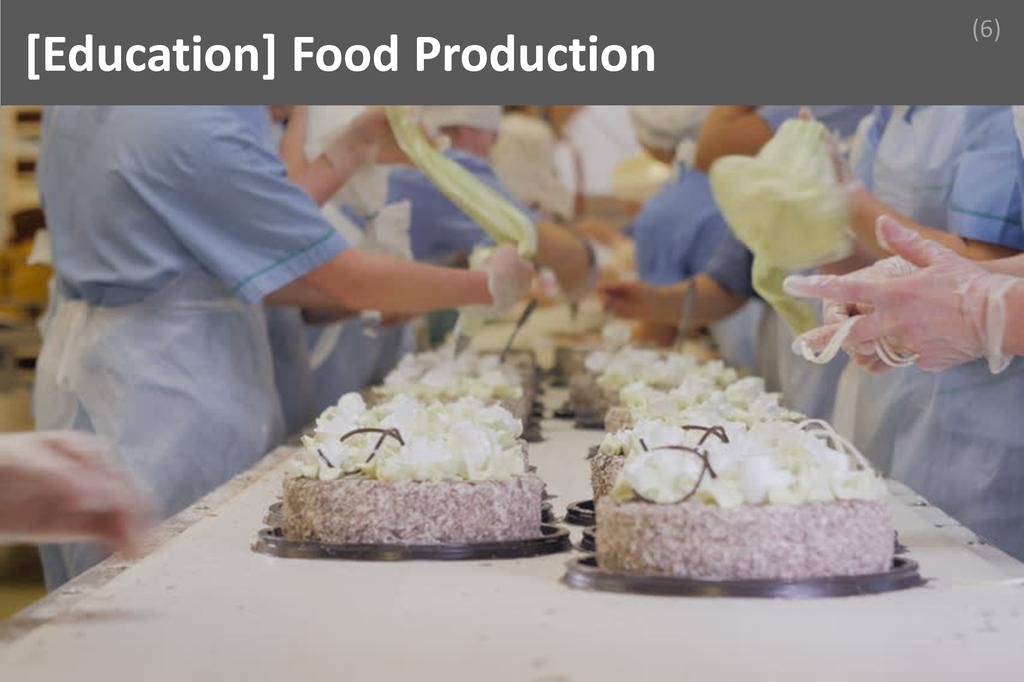
Food Production refers to the comprehensive process of transforming raw ingredients into finished food products through various methods, including preparation, processing, cooking, and preservation. In Baking, it encompasses understanding ingredient sourcing, handling, and the scientific principles behind creating baked goods, making it a crucial academic and professional foundation for bakers.
A solid grasp of Food Production is essential for anyone entering or advancing in the field of Baking. This subject provides the scientific and practical framework necessary to consistently produce high-quality baked goods. By understanding the chemical reactions, ingredient interactions, and safe handling practices, bakers can troubleshoot issues, innovate recipes, and maintain product consistency. Mastery of Food Production also ensures compliance with food safety standards, which is critical for both small bakeries and large-scale operations. Over time, this knowledge empowers professionals to adapt to new trends, manage resources efficiently, and pursue leadership roles within the industry. Ultimately, it forms the backbone of a successful and sustainable baking career.
Consider a baker preparing artisan sourdough bread in a busy bakery. Their understanding of Food Production guides them in selecting the right flour, monitoring fermentation times, and controlling oven temperatures to achieve the desired crust and crumb. When faced with a sudden change in humidity or ingredient quality, their theoretical knowledge allows them to adjust hydration levels or fermentation duration, ensuring consistent results. This expertise also helps them implement hygienic practices, reducing the risk of contamination and waste. By applying Food Production principles daily, the baker not only maintains product excellence but also contributes to the efficiency and reputation of the bakery, demonstrating the real-world value of this foundational knowledge.
Science and Arts
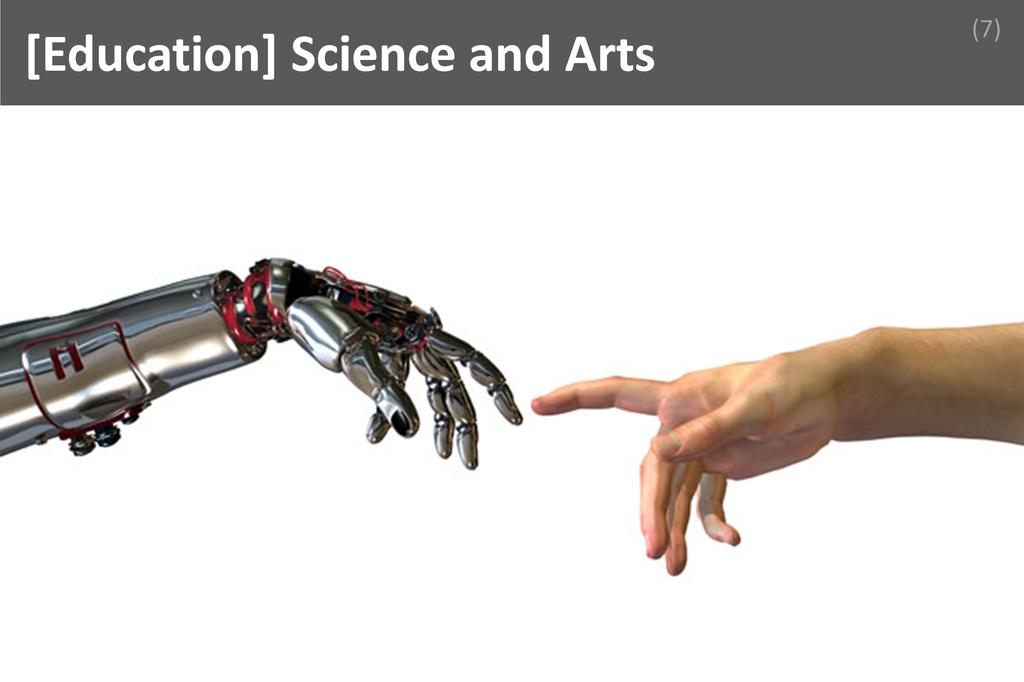
Science and Arts is the interdisciplinary study of natural phenomena, human creativity, and cultural expression. It combines scientific principles, such as chemistry and biology, with artistic skills like design and aesthetics. In Baking, this knowledge underpins both the technical processes and the creative presentation essential for professional success.
Understanding Science and Arts is crucial for anyone pursuing a career in Baking because it bridges the gap between technical precision and creative innovation. Scientific knowledge enables bakers to comprehend ingredient interactions, fermentation, and temperature control, ensuring consistent quality and safety. Artistic sensibility, on the other hand, empowers bakers to craft visually appealing products and develop unique recipes that stand out in a competitive market. Mastery of both disciplines fosters adaptability, problem-solving, and continuous improvement, which are vital for long-term career growth. By integrating scientific rigor with artistic flair, baking professionals can elevate their craft, respond to evolving consumer preferences, and contribute meaningfully to the culinary arts.
A professional baker preparing a new line of artisan breads draws on their understanding of Science and Arts throughout the process. They apply scientific principles by carefully measuring ingredients, monitoring yeast fermentation, and adjusting baking times to achieve the perfect texture and flavor. Simultaneously, they use artistic skills to shape the dough into attractive forms and experiment with decorative scoring techniques that enhance visual appeal. When developing a signature loaf, the baker considers both the chemical reactions that create a crisp crust and the color contrasts that make the bread enticing to customers. This seamless integration of science and art ensures the final product is not only delicious but also visually captivating, setting it apart in the marketplace.
Latest Trends

Latest Trends refers to the most current developments, innovations, and shifts in techniques, ingredients, equipment, and consumer preferences within the baking industry. Understanding these trends is essential for both academic study and professional practice, as it ensures bakers remain competitive, relevant, and able to meet evolving market demands and expectations.
Learning about the latest trends in baking is vital because the industry is constantly evolving, influenced by advancements in technology, changing dietary needs, and shifting consumer tastes. By staying informed, professionals can anticipate market shifts, adapt their offerings, and maintain a competitive edge. This knowledge forms a foundational base that supports creativity, innovation, and adaptability, all of which are crucial for long-term success in baking. Embracing new trends also enables bakers to expand their skill sets, attract a broader customer base, and respond effectively to industry challenges. Over time, this commitment to continuous learning and adaptation can lead to greater career advancement, business growth, and professional recognition.
Imagine a professional baker who notices a growing demand for gluten-free and plant-based products. Drawing on their understanding of the latest trends, they experiment with alternative flours and natural sweeteners to create new recipes that cater to health-conscious consumers. By integrating these innovations into their daily operations, the baker not only meets customer expectations but also differentiates their bakery from competitors. This proactive approach allows them to introduce seasonal offerings, collaborate with local suppliers for unique ingredients, and market their products as both trendy and health-friendly. Ultimately, their ability to apply knowledge of current trends results in increased customer loyalty and business growth.
Hygiene
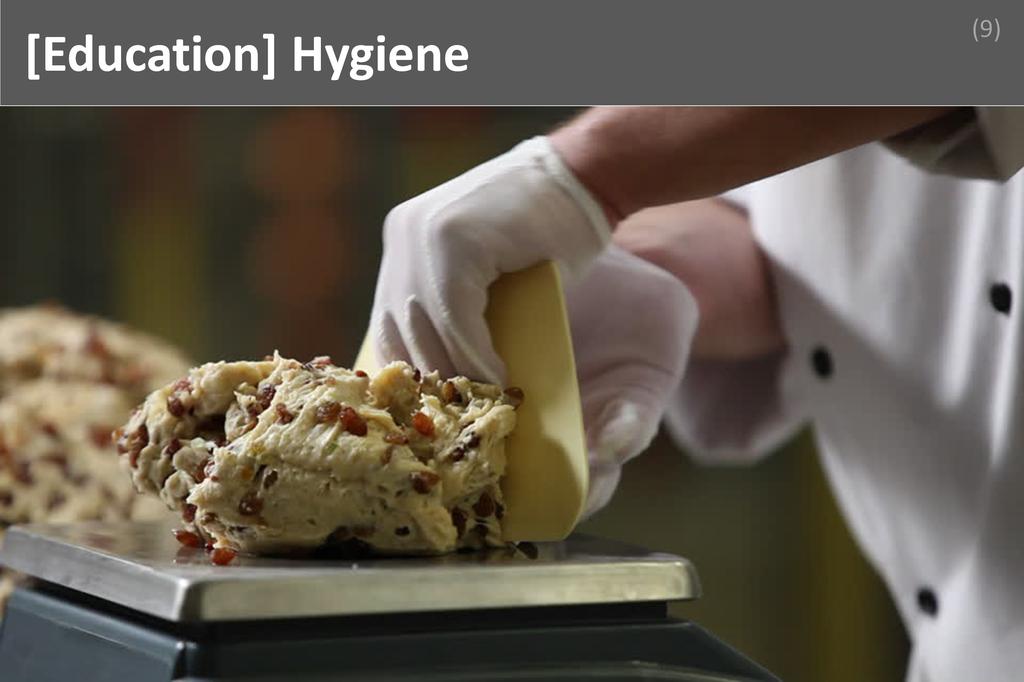
Hygiene refers to the practices and conditions that help maintain health and prevent the spread of diseases, especially through cleanliness. In the context of Baking, hygiene encompasses personal cleanliness, safe food handling, and sanitary work environments. It is a fundamental aspect of both academic study and professional practice in the baking industry.
Understanding hygiene is essential for anyone entering or working in the baking profession. Mastery of hygiene ensures that baked goods are safe for consumption, protecting both customers and the reputation of the bakery. It forms the foundation of food safety, which is a critical component of professional training and certification. By learning proper hygiene practices, bakers minimize the risk of foodborne illnesses, cross-contamination, and spoilage. This knowledge is not only vital for passing health inspections but also for building trust with clients and employers. Over time, a strong commitment to hygiene contributes to career advancement, as it demonstrates professionalism, responsibility, and a dedication to quality standards that are highly valued in the food industry.
Consider a baker starting their shift in a busy commercial bakery. Before handling any ingredients, they thoroughly wash their hands, sanitize their workstation, and ensure all utensils are clean. Throughout the day, they wear appropriate protective clothing, such as hairnets and gloves, and promptly clean up any spills to prevent contamination. When switching from handling raw eggs to preparing dough, they change gloves and sanitize surfaces to avoid cross-contamination. By consistently applying their knowledge of hygiene, the baker not only complies with food safety regulations but also ensures that every product leaving the bakery is safe and of high quality, safeguarding both customers and the business’s reputation.
Presentation

Presentation in baking refers to the visual arrangement and aesthetic appeal of baked goods, encompassing aspects such as color, shape, texture, and overall design. It is a crucial component of both academic study and professional practice, as it directly influences customer perception, marketability, and the overall success of bakery products.
Understanding presentation is essential for anyone pursuing a career in baking because it bridges the gap between technical skill and customer satisfaction. While taste and texture are fundamental, the way a product looks often determines its initial appeal and desirability. Mastery of presentation techniques enables bakers to showcase their creativity, differentiate their offerings, and meet the high standards expected in the industry. This knowledge forms a foundational part of professional training, as it encompasses plating, garnishing, and packaging, all of which contribute to a product’s perceived value. Over time, strong presentation skills can enhance a baker’s reputation, open doors to advanced career opportunities, and foster customer loyalty, making it a vital area of expertise for long-term professional growth.
Imagine a pastry chef preparing a display of éclairs for a high-end bakery. Beyond ensuring each éclair is baked to perfection, the chef carefully pipes the filling, glazes the tops with a glossy chocolate coating, and adds a delicate drizzle of white chocolate for contrast. The éclairs are then arranged on a tray lined with decorative paper, spaced evenly to create a sense of abundance and order. By applying their knowledge of presentation, the chef transforms simple pastries into visually stunning treats that entice customers, enhance the bakery’s brand image, and ultimately drive sales. This daily attention to presentation underscores its importance in achieving both aesthetic excellence and commercial success.
Skills
Creativity and Innovation

Creativity and Innovation is the ability to generate original ideas, experiment with new techniques, and adapt to changing trends or challenges. In baking, this skill enables professionals to craft unique recipes, solve unexpected problems, and continuously improve their craft, making them indispensable in a competitive and evolving industry.
Creativity and Innovation directly enhances a baker’s performance by allowing them to stand out in a crowded market, respond to customer preferences, and adapt to new dietary trends or ingredient shortages. Clients and employers highly value bakers who can introduce novel products, refresh menus, and create memorable experiences that drive repeat business. Cultivating this skill involves staying curious, experimenting with flavors and techniques, seeking inspiration from diverse sources, and embracing feedback. Over time, bakers who regularly challenge themselves to think differently and refine their creative process become more adaptable, resourceful, and capable of delivering exceptional results that set them apart from their peers.
Imagine a bakery facing a sudden shortage of a key ingredient due to supply chain disruptions. A baker with strong creativity and innovation skills quickly assesses available alternatives and experiments with new combinations, ultimately developing a substitute recipe that maintains the bakery’s signature taste and texture. Not only does this solution prevent disappointing customers, but it also introduces a new product that becomes a customer favorite. By thinking outside the box and adapting under pressure, the baker turns a potential setback into an opportunity for growth and success, demonstrating the real-world value of creativity and innovation in the baking profession.
Time Management

Time management is the ability to plan, organize, and control how much time is spent on specific activities to maximize efficiency and productivity. In baking, this skill ensures that every step, from preparation to presentation, is completed within strict timeframes, maintaining quality and meeting demanding schedules in a fast-paced environment.
Mastering time management in baking directly enhances performance by allowing professionals to juggle multiple tasks, such as mixing, proofing, baking, and decorating, without compromising quality. Clients and employers highly value this skill because it leads to consistent product delivery, minimizes waste, and ensures deadlines are met, which is crucial in commercial kitchens and bakeries. Cultivating time management involves setting realistic schedules, prioritizing tasks, and learning to anticipate potential delays. Over time, bakers develop a keen sense of timing through experience, reflection, and continuous adjustment of their workflows. This ongoing process not only boosts personal productivity but also contributes to the overall efficiency and reputation of the bakery.
Imagine a baker preparing for a large wedding order that includes multiple cakes and pastries, all with different baking and decorating requirements. The baker must carefully coordinate each stage, from mixing batters to chilling fillings and assembling decorations, ensuring that nothing is left waiting too long or rushed. When an unexpected equipment malfunction threatens to delay the process, the baker’s strong time management skills allow for quick rescheduling of tasks, reallocating resources, and communicating with team members to stay on track. By efficiently adapting to the situation, the baker meets the deadline without sacrificing quality, impressing both the client and employer with professionalism and reliability.
Communication

Communication is the clear and effective exchange of information, ideas, and feedback through speaking, writing, and nonverbal cues. In baking, it enables professionals to share recipes, clarify instructions, coordinate with team members, and ensure customer needs are met, making it a vital skill for workplace efficiency and success.
Strong communication skills directly enhance a baker’s performance by ensuring that instructions are understood, tasks are coordinated, and expectations are clear. Clients and employers highly value bakers who can articulate their ideas, listen actively, and provide constructive feedback, as this leads to fewer mistakes and a more harmonious work environment. Effective communication also helps in managing orders, discussing dietary requirements, and resolving conflicts swiftly. To cultivate this skill, bakers should practice active listening, seek feedback on their interactions, and make an effort to express themselves clearly in both verbal and written forms. Over time, these habits foster trust and reliability, making the baker an indispensable member of any team.
Imagine a bakery preparing for a large wedding order with intricate cake designs and specific dietary restrictions. The head baker notices a discrepancy between the client’s written instructions and what the decorating team is preparing. By promptly communicating with both the client and the team, the baker clarifies the requirements and prevents a costly mistake. Through clear, respectful dialogue, the team adjusts their approach, ensuring the final product matches the client’s vision. This scenario highlights how effective communication not only resolves potential issues but also strengthens client relationships and upholds the bakery’s reputation for quality and reliability.
Positives
Growth
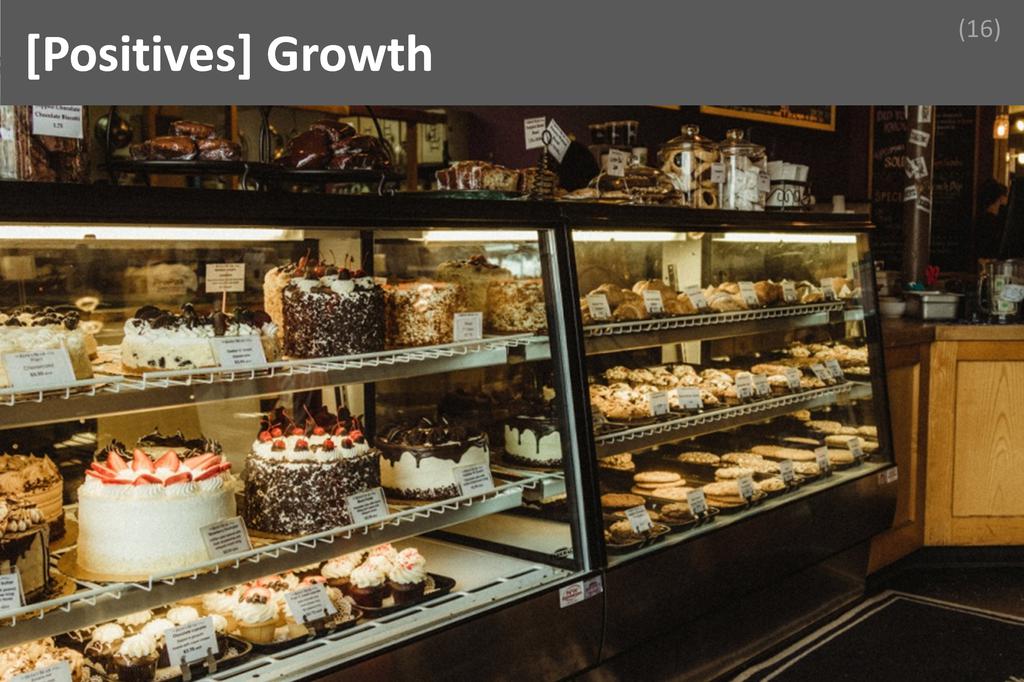
Growth is the ongoing process of developing new skills, expanding knowledge, and evolving both personally and professionally through continuous learning and experience. In baking, growth means mastering new techniques, experimenting with flavors, and adapting to trends, which fosters creativity and keeps the profession dynamic and engaging.
The opportunity for growth is a powerful motivator in a baking career because it transforms daily work into a journey of discovery and improvement. Bakers are constantly challenged to refine their craft, whether by perfecting classic recipes or inventing innovative creations. This continuous development leads to a deep sense of accomplishment and pride, as each new skill or achievement marks tangible progress. The dynamic nature of the baking industry ensures that there is always something new to learn, which keeps the work environment stimulating and prevents stagnation. As bakers grow, they gain confidence, broaden their career prospects, and often inspire others, making their professional journey both meaningful and rewarding.
Imagine a baker who starts their career with basic bread-making skills. Over time, they seek out new learning opportunities, such as advanced pastry courses or workshops on international desserts. As they experiment and practice, they begin to master intricate techniques like laminating dough for croissants or tempering chocolate for elegant confections. Each successful attempt not only adds to their repertoire but also boosts their confidence and passion for the craft. Eventually, their growth is recognized by peers and customers, leading to new responsibilities, creative freedom, and perhaps even the chance to mentor others. This journey of continuous improvement makes every day in the bakery a source of pride and fulfillment, illustrating the profound impact of growth in the baking profession.
Satisfaction

Satisfaction is the deep sense of fulfillment and contentment that arises when personal efforts lead to meaningful results and positive outcomes. In baking, this feeling emerges from transforming simple ingredients into delightful creations, witnessing the joy of others, and knowing that one’s skills and dedication have made a tangible difference in people’s lives.
The satisfaction found in baking is a powerful motivator that enhances both personal and professional growth. When bakers see their creations enjoyed by customers, friends, or family, it reinforces their sense of purpose and pride in their craft. This emotional reward encourages them to continually improve their skills, experiment with new recipes, and strive for excellence. The daily experience of satisfaction helps bakers remain passionate and resilient, even during challenging times. It fosters a positive work environment, increases motivation, and can lead to long-term career fulfillment. Ultimately, satisfaction is the driving force that transforms baking from a routine job into a meaningful and joyful vocation.
Imagine a baker who arrives at the bakery before dawn, carefully measuring ingredients and kneading dough with practiced hands. As the aroma of fresh bread fills the air, customers begin to line up, eager for their favorite pastries. When the baker sees the smiles and hears words of appreciation from regulars and newcomers alike, a profound sense of satisfaction washes over them. This daily affirmation that their hard work brings happiness to others makes the early mornings and long hours worthwhile. The baker leaves each day knowing they have contributed something special to their community, fueling their passion and commitment to their craft.
Work Life Balance

Work Life Balance is the harmonious integration of professional responsibilities and personal life, allowing individuals to meet career goals while nurturing relationships, health, and personal interests. In baking, this balance enables professionals to pursue their passion for creating delicious goods without sacrificing time for family, self-care, or personal growth.
Work Life Balance is a cornerstone of satisfaction and longevity in a baking career. Bakers often have the flexibility to choose shifts or work environments that suit their lifestyles, whether in artisan bakeries, hotels, or as entrepreneurs. This flexibility empowers them to attend family events, pursue hobbies, or simply enjoy restful downtime. Such balance reduces burnout and stress, fostering creativity and enthusiasm in their craft. When bakers feel supported in both their professional and personal lives, they are more likely to innovate, grow their skills, and remain passionate about their work. The daily experience of being able to plan life outside the kitchen leads to greater happiness, loyalty to the profession, and a sustainable, fulfilling career.
Imagine a baker named Maria who works at a local bakery that values work life balance. Her shifts are scheduled early in the morning, allowing her to finish work by early afternoon. This schedule gives her ample time to pick up her children from school, help them with homework, and prepare family meals. On weekends, she has the flexibility to swap shifts with colleagues, ensuring she never misses important family gatherings or personal milestones. Maria feels energized and motivated at work, knowing her employer respects her need for personal time. This supportive environment not only enhances her job satisfaction but also inspires her to experiment with new recipes, contributing to the bakery’s success and her own professional growth.
Challenges
High Responsibility
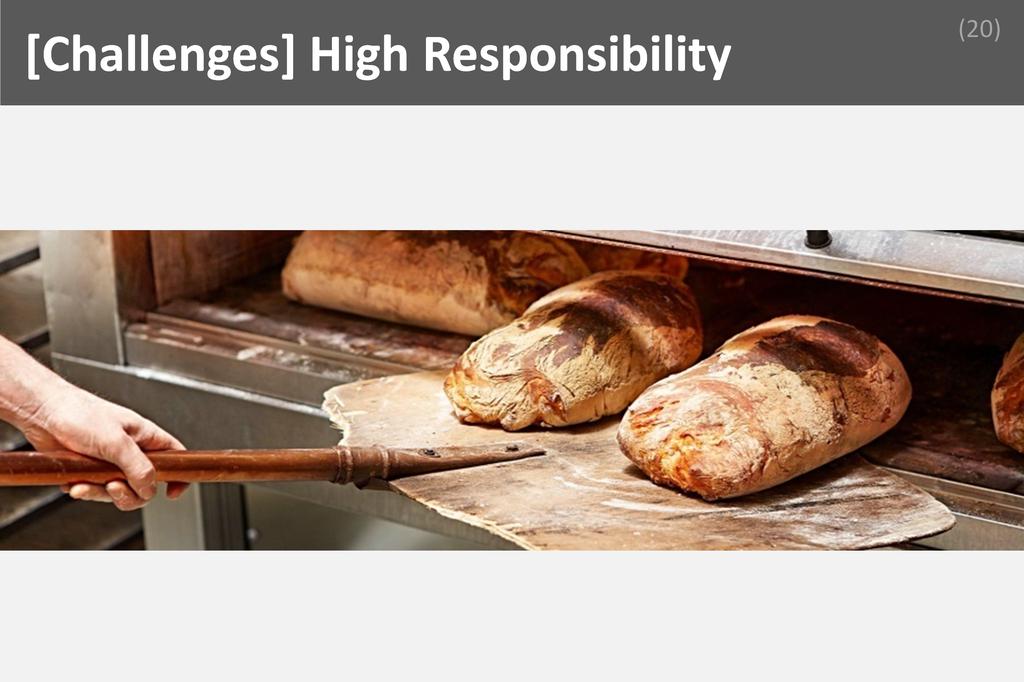
High responsibility in baking refers to the constant need for precision, safety, and consistency, as bakers are accountable for producing food that meets strict quality standards. This responsibility is demanding because errors can impact customer health, business reputation, and financial outcomes, requiring unwavering attention and professionalism at all times.
The weight of high responsibility in baking permeates every aspect of daily work, from measuring ingredients to monitoring ovens and ensuring hygienic practices. This constant vigilance can be mentally and physically taxing, demanding resilience to cope with pressure and the potential for mistakes. Successful bakers manage this challenge by developing strong routines, embracing continuous learning, and fostering teamwork. They rely on clear communication and meticulous organization to minimize errors and maintain high standards. By cultivating a mindset that views responsibility as a source of pride rather than a burden, professionals can transform stress into motivation, allowing them to consistently deliver quality products and uphold their reputation in a demanding environment.
Consider a head baker in a busy artisan bakery who is responsible for overseeing the production of hundreds of loaves daily. One morning, a key ingredient delivery is delayed, threatening the day’s output and customer satisfaction. The baker quickly assesses available resources, adjusts recipes, and reallocates staff to maintain workflow. By communicating transparently with the team and customers, the baker manages expectations and ensures that quality is not compromised despite the setback. This proactive approach, rooted in experience and composure, allows the bakery to meet its commitments and maintain trust, demonstrating how high responsibility can be managed effectively even under pressure.
Health
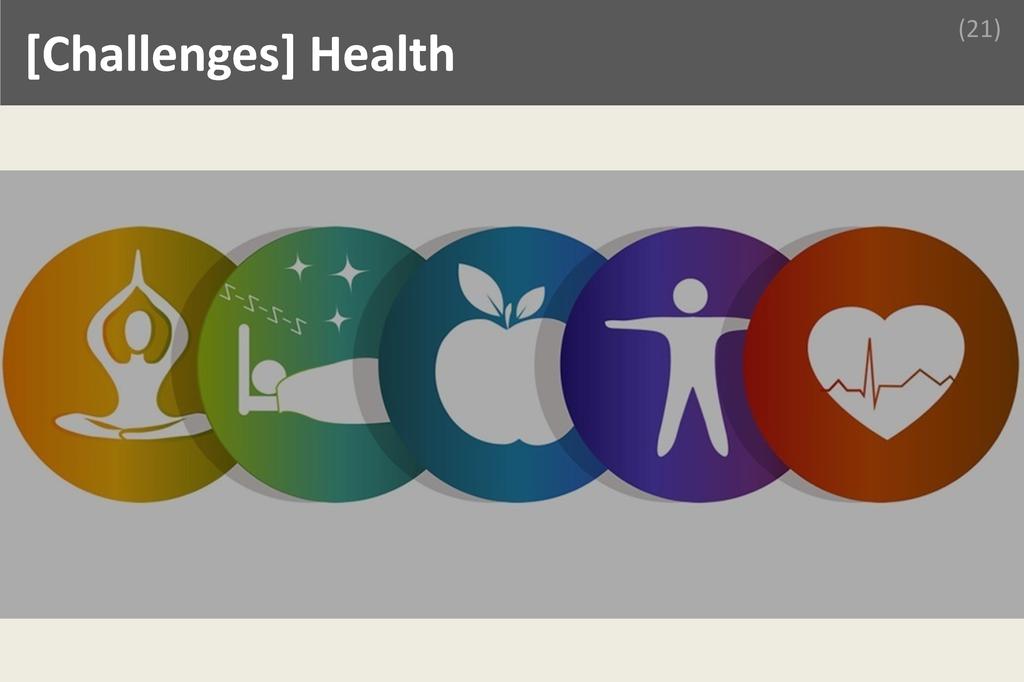
Health in the context of Baking refers to the physical and mental well-being of professionals who endure long hours, repetitive motions, exposure to heat, and demanding schedules. Maintaining good health is challenging due to early shifts, physical strain, and the constant pressure to deliver consistent quality, making it a demanding aspect of the profession.
The health challenges faced by baking professionals can significantly affect their daily routines, leading to fatigue, repetitive strain injuries, and even burnout. The physical demands of standing for extended periods, lifting heavy ingredients, and working in hot environments require both physical stamina and mental resilience. These pressures can impact productivity and job satisfaction if not managed properly. Successful bakers recognize the importance of self-care, incorporating regular breaks, proper ergonomics, and balanced nutrition into their routines. They also prioritize sleep and seek support from colleagues or mentors to maintain their well-being. By proactively addressing health concerns, professionals can sustain their performance and longevity in the industry, turning a potential obstacle into an opportunity for personal growth and professional excellence.
Consider a seasoned baker who begins experiencing wrist pain from repetitive kneading and shaping dough. Recognizing the early signs of strain, they consult a healthcare professional and implement recommended stretches and exercises into their daily routine. They also adjust their workstation to improve ergonomics and delegate certain tasks to team members when possible. By making these changes, the baker not only alleviates their discomfort but also sets a positive example for colleagues, fostering a workplace culture that values health and prevention. This proactive approach enables the baker to continue excelling in their craft while minimizing the risk of long-term injury, demonstrating that health challenges can be managed with awareness and adaptability.
A Day Of
Baking
Before the sun peeks over the horizon, the world of a baking professional is already alive with the hum of mixers, the scent of rising dough, and the quiet anticipation of a new day’s creations. The bakery is a place where precision meets artistry, and every minute counts. The pace is brisk but purposeful, with each task flowing seamlessly into the next. From the first crack of eggs to the final dusting of flour, the environment is a blend of warmth, focus, and camaraderie, all driven by the shared goal of delivering fresh, delicious baked goods to eager customers. In this world, the clock is both a guide and a challenge, setting the rhythm for a day that is as demanding as it is rewarding.
Long before most people have stirred from their beds, the bakery lights flicker on and the day begins in earnest. The early morning hours are dedicated to preparation: reviewing orders, checking inventory, and setting up workstations with meticulous care. Doughs are mixed and left to proof, ovens are preheated, and ingredients are weighed with precision. This quiet, focused time is essential, laying the groundwork for the busy hours ahead and ensuring that every recipe starts with the highest standards of consistency and quality.
As the city awakens, the bakery shifts into high gear. The mid-morning hours are the heart of the operation, with trays of croissants, loaves, and pastries rotating in and out of the ovens. The air is filled with the aroma of fresh bread and caramelizing sugar, while bakers work swiftly to shape, glaze, and decorate each item. Timing is everything, as each product must be perfectly baked and ready for the morning rush. The energy is palpable, with a sense of teamwork and urgency driving every movement, ensuring that shelves are stocked and displays are inviting just as customers begin to arrive.
By early afternoon, the focus shifts from the morning’s hustle to collaborative tasks and execution of special projects. Bakers regroup to discuss custom orders, coordinate with front-of-house staff, and tackle larger batches for wholesale or catering clients. This is also the time for experimenting with new recipes, troubleshooting any issues from the morning, and sharing feedback as a team. The atmosphere is lively but more measured, allowing for both creativity and problem-solving as the day’s momentum continues.
As the day winds down, attention turns to wrapping up and preparing for the next cycle. The bakery is cleaned from top to bottom, equipment is sanitized, and any unsold goods are inventoried or donated. Administrative tasks come to the forefront, including reviewing sales, placing ingredient orders, and planning production schedules for the following day. This final phase is a blend of reflection and anticipation, ensuring that every detail is addressed so that tomorrow’s work can begin smoothly and successfully. The sense of accomplishment is tangible, marking the end of another fulfilling day in the life of a baking professional. |


 Home
Home Abroad
 Plan
Plan Philosophy
 Seminar
 Pages
Pages Advisors
 Testimonials











 Workshop
 Discuss
 Meet
Meet
 Advisor
 Story
Story
 Fine Print
 Links
Links
 Blog
Blog
 Follow
