The Journey of Civil Engineering
What Is Civil Engineering
Civil Engineering

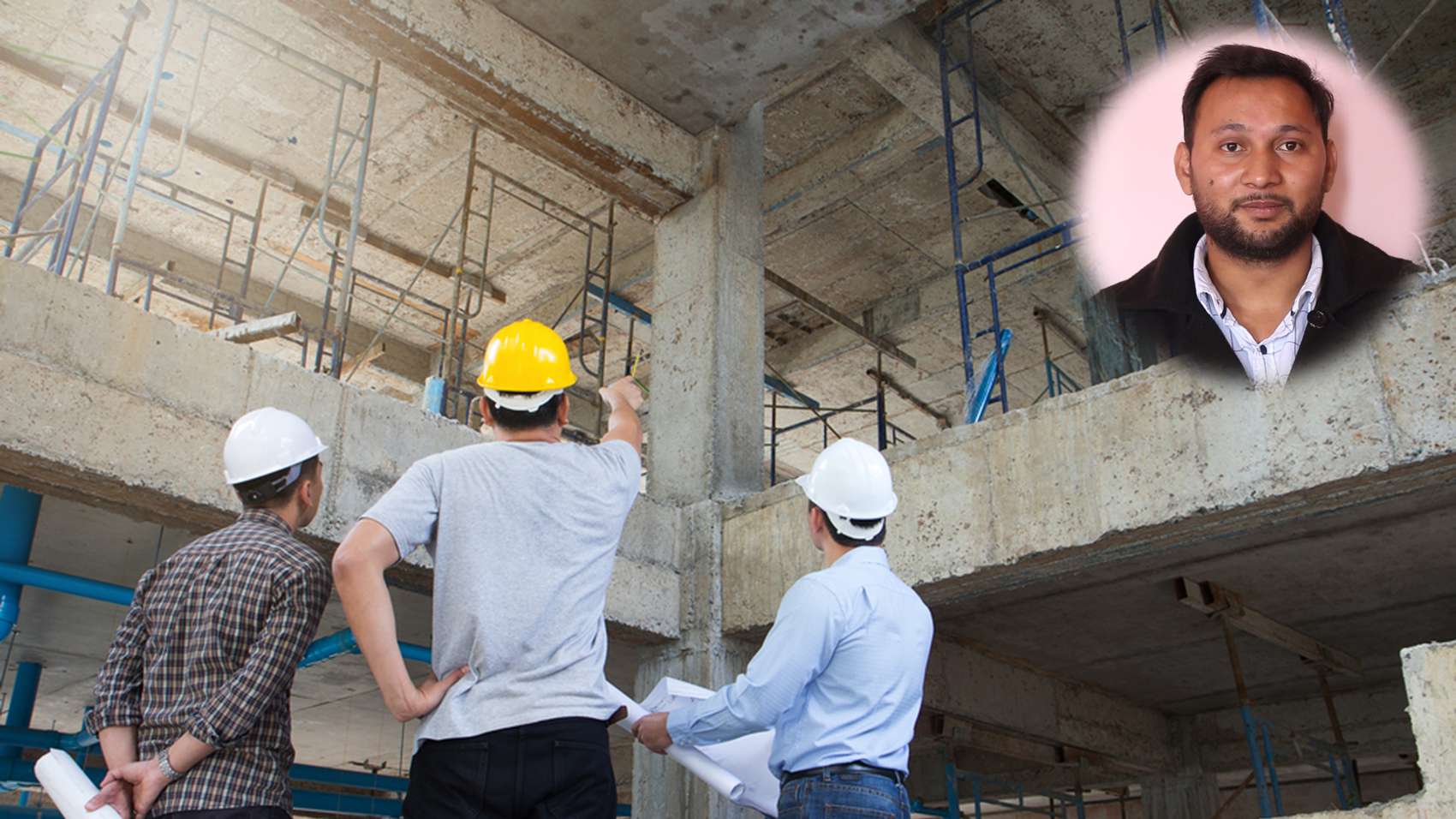
Civil engineering is a professional discipline that focuses on the design, construction, and maintenance of the built environment, including infrastructure such as roads, bridges, buildings, and water systems. It combines scientific principles with practical knowledge to solve real-world problems and improve the quality of life for communities.
Civil engineering plays a crucial role in shaping modern society by creating and maintaining the infrastructure that supports daily life. Professionals in this field are responsible for ensuring the safety, functionality, and sustainability of essential systems such as transportation networks, water supply, and public buildings. The impact of their work is seen in safer roads, reliable bridges, and resilient structures that withstand natural disasters. Civil engineers benefit from the opportunity to solve complex challenges, contribute to public welfare, and enjoy a dynamic career that blends creativity with technical expertise. Their efforts not only enhance community well-being but also drive economic growth and environmental stewardship.
A civil engineer working on a new highway project demonstrates the practical application of civil engineering principles. The engineer begins by conducting site surveys and analyzing soil conditions to determine the best route and foundation design. They collaborate with architects, environmental scientists, and government officials to ensure the project meets safety standards and environmental regulations. Throughout construction, the engineer oversees the work, addresses unexpected challenges, and ensures that materials and techniques adhere to the project specifications. Once completed, the highway improves transportation efficiency, reduces traffic congestion, and supports local economic development, showcasing the tangible benefits of civil engineering expertise in everyday life.
Education
Engineering Drawing

Engineering Drawing is a precise graphical language used to communicate ideas, dimensions, and specifications for engineering projects. It involves creating detailed plans, sections, and elevations that visually represent structures or components. In Civil Engineering, mastering this discipline is essential, as it bridges theoretical concepts with practical construction and design processes.
Understanding Engineering Drawing is fundamental for anyone pursuing or advancing in Civil Engineering. This subject provides the essential skills to interpret and create technical diagrams, which are the backbone of every construction project. Accurate drawings ensure that all stakeholders, from architects to contractors, share a unified vision, minimizing errors and costly misunderstandings. Proficiency in this area also enhances problem-solving abilities, as it allows professionals to visualize complex structures and foresee potential challenges before construction begins. Over the course of a career, strong drawing skills support effective communication, facilitate regulatory approvals, and contribute to the successful execution of projects, making them indispensable for long-term professional growth and credibility in the field.
Consider a civil engineer tasked with overseeing the construction of a multi-story building. Each day, they rely on their knowledge of Engineering Drawing to interpret blueprints, verify dimensions, and ensure that the work aligns with the design specifications. When unexpected site conditions arise, such as a discrepancy in the foundation layout, the engineer uses their drawing expertise to quickly update plans and communicate changes to the construction team. This ability to translate theoretical understanding into practical solutions not only keeps the project on schedule but also upholds safety and quality standards. In this way, Engineering Drawing becomes an everyday tool for effective decision-making and project management.
Estimation

Estimation in civil engineering is the process of predicting the quantities, costs, and resources required for a construction project before actual work begins. It is a critical academic and professional skill, forming the basis for project planning, budgeting, and resource allocation, and is essential for successful project execution and management.
Understanding estimation is vital for civil engineers because it directly influences the feasibility and success of construction projects. Accurate estimation ensures that projects are completed within budget, on schedule, and with optimal resource utilization. This knowledge forms a foundational pillar for professionals, as it integrates technical, financial, and managerial aspects of engineering. Mastery of estimation allows engineers to anticipate challenges, minimize waste, and make informed decisions throughout the project lifecycle. In the long term, strong estimation skills enhance credibility, open doors to leadership roles, and are indispensable for those aspiring to manage large-scale infrastructure projects or run their own consultancy. Ultimately, proficiency in estimation is a mark of a competent and reliable civil engineer.
Consider a civil engineer tasked with overseeing the construction of a new highway bridge. Before any physical work begins, the engineer must estimate the quantities of materials such as concrete, steel, and asphalt, as well as the labor and equipment needed. Using their theoretical understanding of estimation, the engineer analyzes project drawings, specifications, and site conditions to develop a detailed cost and resource forecast. This estimate is then used to prepare bids, negotiate contracts, and secure funding. Throughout the project, the engineer continually refers back to the original estimates to monitor progress, control costs, and adjust plans as necessary. This practical application of estimation ensures the project remains viable and successful from inception to completion.
Structural Analysis

Structural Analysis is the study of how structures respond to loads, forces, and environmental conditions, ensuring stability, strength, and safety. It involves calculating internal forces, deformations, and reactions in buildings, bridges, and other structures. This discipline is fundamental in both academic curricula and professional practice within Civil Engineering.
Understanding Structural Analysis is essential for anyone pursuing a career in Civil Engineering because it provides the scientific basis for designing safe and efficient structures. Mastery of this subject allows professionals to predict how buildings and infrastructure will behave under various loads, including those caused by occupancy, wind, earthquakes, and other environmental factors. This knowledge is not only crucial for passing licensing exams and meeting regulatory standards but also for making informed decisions throughout a project’s lifecycle. Over time, a strong grasp of Structural Analysis enhances problem-solving skills, supports innovation in design, and ensures public safety, making it a cornerstone of long-term professional success in the field.
Consider a civil engineer tasked with designing a new pedestrian bridge in a busy urban area. Each day, the engineer uses principles of Structural Analysis to determine the optimal arrangement of beams, supports, and materials that will safely carry the expected pedestrian and bicycle traffic. By applying theoretical knowledge, the engineer calculates the maximum loads the bridge will experience, assesses the effects of wind and temperature changes, and ensures that the structure will remain stable and serviceable throughout its lifespan. This rigorous analysis not only prevents structural failures but also optimizes material usage and construction costs, demonstrating the indispensable role of Structural Analysis in daily engineering practice.
Structural Design

Structural Design is the process of creating safe, functional, and economical frameworks for buildings, bridges, and other structures by analyzing loads, selecting materials, and determining dimensions. It is a core discipline within Civil Engineering, forming a crucial part of both academic curricula and professional practice, ensuring public safety and infrastructure reliability.
Understanding structural design is essential for anyone pursuing a career in civil engineering because it underpins the ability to create structures that are not only safe and durable but also efficient and cost-effective. Mastery of this subject equips professionals with the analytical skills to assess loads, choose appropriate materials, and comply with building codes and standards. This foundational knowledge is indispensable for designing structures that can withstand environmental forces and usage demands over time. In the long term, expertise in structural design enhances career prospects by enabling engineers to take on complex projects, assume leadership roles, and contribute to innovative solutions in the built environment, thereby ensuring both personal growth and public safety.
Consider a civil engineer tasked with designing a new highway overpass in a busy urban area. Each day, they apply their understanding of structural design by analyzing the expected traffic loads, environmental conditions, and material properties to develop a safe and efficient bridge structure. Their theoretical knowledge guides them in selecting the appropriate type of beams, columns, and connections, ensuring the overpass can support heavy vehicles and resist wind or seismic forces. Throughout the project, they collaborate with architects and construction teams, using their structural expertise to address challenges such as limited space or unexpected soil conditions. This practical application of structural design principles ensures the final structure is both reliable and sustainable for years to come.
Building Construction

Building Construction is the discipline focused on the planning, design, and assembly of structures such as residential, commercial, and industrial buildings. It encompasses materials, methods, safety, and regulations. In Civil Engineering, it serves as a crucial academic and professional foundation, bridging theoretical engineering principles with practical, real-world applications.
Understanding building construction is essential for civil engineers because it provides the groundwork for designing safe, efficient, and sustainable structures. Mastery of this subject ensures that professionals can interpret architectural plans, select appropriate materials, and oversee construction processes effectively. It also enables them to anticipate and resolve on-site challenges, ensuring compliance with building codes and safety standards. Over the course of a career, this knowledge supports advancement into roles involving project management, quality assurance, and regulatory oversight. Ultimately, a strong grasp of building construction principles empowers civil engineers to deliver projects that meet client needs, adhere to budgets, and stand the test of time.
Consider a civil engineer tasked with supervising the construction of a multi-story office building. Their understanding of building construction allows them to coordinate with architects, contractors, and suppliers to ensure that the foundation, framing, and finishing work proceed according to design specifications. When unexpected soil conditions are discovered during excavation, the engineer draws on their theoretical knowledge to recommend suitable foundation modifications, balancing safety, cost, and schedule. Throughout the project, they monitor material quality, verify structural integrity, and enforce safety protocols, ensuring the building meets all regulatory requirements. This practical application of building construction knowledge is vital for delivering successful, high-quality projects in the field.
CPWD Specifications & Manuals

CPWD Specifications & Manuals are authoritative documents published by the Central Public Works Department of India, outlining standardized procedures, materials, and quality benchmarks for construction and maintenance works. They serve as essential references for civil engineering students and professionals, ensuring uniformity, safety, and compliance in public infrastructure projects across the country.
Understanding CPWD Specifications & Manuals is crucial for anyone pursuing a career in civil engineering, as these documents encapsulate the best practices and regulatory requirements that govern construction activities in India. Mastery of these standards ensures that professionals can design, execute, and supervise projects with confidence, knowing their work aligns with nationally accepted norms. This knowledge not only helps in passing competitive exams and interviews but also builds a strong foundation for ethical and efficient project management. Over time, familiarity with CPWD guidelines enhances credibility, facilitates smoother coordination with government agencies, and opens doors to prestigious roles in public sector undertakings, consultancy, and contracting firms.
Consider a civil engineer tasked with supervising the construction of a government office building. Each day, the engineer refers to the CPWD Specifications & Manuals to verify that the materials delivered on-site meet the prescribed quality standards and that construction methods adhere to approved procedures. When discrepancies arise, such as a contractor proposing an alternative material, the engineer consults the manuals to assess compliance and make informed decisions. This rigorous application of CPWD guidelines ensures the project remains within budget, meets safety requirements, and passes official inspections. By relying on these specifications, the engineer upholds the integrity of the project and mitigates risks associated with non-compliance or substandard work.
Skills
Software Skills

Software Skills refer to the ability to efficiently use specialized computer programs and digital tools to perform tasks, analyze data, and solve problems. In civil engineering, these skills enable professionals to design structures, simulate scenarios, manage projects, and communicate complex information, making them indispensable in modern engineering practice.
Mastering software skills significantly enhances a civil engineer’s productivity and accuracy. Proficiency in programs such as AutoCAD, Civil 3D, and project management platforms allows professionals to create precise designs, run simulations, and streamline documentation. Employers and clients value these abilities because they lead to faster project delivery, reduced errors, and innovative solutions. To cultivate software skills, engineers should engage in continuous learning through formal courses, online tutorials, and hands-on practice with the latest industry tools. Staying updated with evolving technologies ensures that civil engineers remain competitive and can adapt to new project requirements, ultimately contributing to their long-term career growth and success.
Imagine a civil engineer tasked with designing a complex highway interchange in a densely populated urban area. By leveraging advanced software skills, the engineer uses 3D modeling and simulation tools to visualize the interchange, assess traffic flow, and identify potential bottlenecks before construction begins. When unexpected soil conditions are discovered, the engineer quickly updates the digital model, recalculates structural loads, and communicates the revised plans to stakeholders. This efficient problem-solving, enabled by strong software proficiency, not only prevents costly delays but also ensures the safety and functionality of the final design, demonstrating the critical role of software skills in achieving successful project outcomes.
Computer Skills

Computer skills refer to the ability to efficiently use digital tools, software, and technology to process information, analyze data, and communicate effectively. In civil engineering, these skills are indispensable for designing structures, managing projects, and collaborating with multidisciplinary teams, making them a core component of professional competence.
Mastering computer skills allows civil engineers to work more efficiently and accurately, whether they are drafting blueprints, running simulations, or managing project timelines. Employers and clients highly value these abilities because they lead to better project outcomes, reduced errors, and streamlined communication. Proficiency in industry-standard software such as AutoCAD, Civil 3D, and project management platforms demonstrates a commitment to quality and innovation. To cultivate these skills, professionals should engage in continuous learning through online courses, workshops, and hands-on practice. Staying updated with the latest technological advancements ensures that civil engineers remain competitive and can adapt to evolving industry demands, ultimately enhancing their career prospects and professional reputation.
Imagine a civil engineer tasked with designing a new bridge in a densely populated urban area. Using advanced computer skills, the engineer creates detailed 3D models and runs structural simulations to assess the bridge’s performance under various loads and environmental conditions. When unexpected soil data is discovered during site analysis, the engineer quickly updates the digital models and recalculates the structural requirements, ensuring the design remains safe and cost-effective. This ability to rapidly adapt and communicate changes to stakeholders through clear digital visualizations not only resolves a critical issue but also builds client confidence and keeps the project on schedule. In this scenario, computer skills are pivotal to both problem-solving and project success.
Construction Project Management

Construction Project Management is the systematic planning, coordination, and control of a project from inception to completion, ensuring that client requirements are met on time, within budget, and to specified quality standards. In civil engineering, it integrates technical expertise with leadership, communication, and organizational skills, making it indispensable for successful project delivery.
Mastering construction project management significantly enhances a civil engineer’s effectiveness by enabling them to oversee complex projects, manage multidisciplinary teams, and anticipate or resolve challenges efficiently. Clients and employers highly value this skill because it ensures projects are delivered safely, cost-effectively, and with minimal delays, directly impacting profitability and reputation. To cultivate this skill, professionals should seek hands-on experience, pursue relevant certifications, and stay updated on industry best practices. Continuous learning through workshops, mentorship, and real-world application helps refine decision-making, risk management, and communication abilities, all of which are crucial for managing modern construction projects successfully.
Imagine a civil engineer overseeing the construction of a new highway bridge who encounters unexpected soil instability during excavation. By applying construction project management principles, the engineer quickly assembles the project team, consults with geotechnical experts, and revises the construction plan to incorporate additional foundation supports. Through effective communication and resource reallocation, the engineer minimizes delays and controls additional costs, ensuring the project remains on track. This scenario highlights how adept project management not only addresses unforeseen technical challenges but also maintains client confidence and upholds safety and quality standards, ultimately leading to a successful project outcome.
Communication Skills

Communication skills refer to the ability to convey information clearly, listen actively, interpret messages accurately, and adapt communication styles to suit different audiences and contexts. In civil engineering, these skills are vital for effective collaboration, ensuring safety, managing projects, and translating complex technical concepts into understandable terms for clients, colleagues, and stakeholders.
Strong communication skills directly enhance a civil engineer’s performance by facilitating clear instructions, reducing misunderstandings, and fostering teamwork across multidisciplinary teams. Clients and employers highly value professionals who can articulate project goals, present technical data persuasively, and negotiate solutions, as these abilities lead to smoother project execution and higher client satisfaction. Cultivating communication skills involves continuous practice, seeking feedback, participating in presentations, and engaging in active listening during meetings. Over time, engineers can refine their ability to tailor messages for diverse audiences, bridge gaps between technical and non-technical stakeholders, and build trust through transparent, respectful dialogue. This ongoing development not only improves project outcomes but also positions engineers for leadership roles and career advancement.
Imagine a civil engineer overseeing the construction of a bridge who discovers a critical design flaw that could delay the project and increase costs. Relying on strong communication skills, the engineer promptly organizes a meeting with architects, contractors, and local authorities. By clearly explaining the technical issue in accessible language, actively listening to concerns, and encouraging collaborative problem-solving, the engineer helps the team quickly agree on a feasible solution. Through transparent updates and well-documented recommendations, the engineer reassures the client and maintains trust. This effective communication not only resolves the immediate crisis but also strengthens professional relationships and demonstrates the engineer’s value as a reliable project leader.
Positives
Work-Life Balance

Work-life balance is the harmonious integration of professional responsibilities and personal life, allowing individuals to meet career goals while enjoying time for family, hobbies, and self-care. In civil engineering, this balance fosters well-being, reduces stress, and enhances productivity, making it a cornerstone of a sustainable and fulfilling professional journey.
The emphasis on work-life balance in civil engineering is a significant advantage because it nurtures both personal happiness and professional growth. Civil engineers often benefit from flexible schedules, project-based work, and supportive workplace cultures that recognize the importance of downtime. This positive aspect leads to higher job satisfaction, as professionals feel valued not just for their technical expertise but also for their holistic well-being. When engineers can recharge outside of work, they return with renewed creativity and focus, leading to better project outcomes and career advancement. The daily experience of having time for personal pursuits, family, and rest ultimately creates a more motivated and resilient workforce, making civil engineering an attractive and rewarding career choice.
Imagine a civil engineer working on a major infrastructure project who is able to leave the office at a reasonable hour, knowing that their team values efficiency over long hours. After a productive day, they spend the evening coaching their child’s soccer team and enjoying dinner with family. The next morning, they return to work refreshed, bringing new ideas and energy to the project. This balance between professional achievement and personal fulfillment not only enhances their job performance but also strengthens their relationships and overall happiness. Such experiences demonstrate how civil engineering can offer a career where personal life and professional success go hand in hand, making every day more meaningful.
Exposure to All Stages

Exposure to all stages in civil engineering means being actively involved in every phase of a project, from initial concept and design, through planning and construction, to final inspection and maintenance. This comprehensive engagement allows professionals to witness the transformation of ideas into tangible structures, fostering a deep sense of accomplishment and ownership.
This holistic involvement is a cornerstone of job satisfaction in civil engineering. By participating in every stage, professionals gain a thorough understanding of how their decisions and efforts shape the final outcome. It nurtures a sense of pride and responsibility, as engineers see their contributions materialize in real-world infrastructure. This exposure also accelerates learning and professional growth, as individuals encounter diverse challenges and solutions throughout the project lifecycle. The daily experience of collaborating with multidisciplinary teams, solving problems as they arise, and seeing progress unfold firsthand makes the work dynamic and deeply rewarding. Ultimately, this continuous engagement keeps motivation high and fosters a lifelong passion for building and improving communities.
Imagine a civil engineer working on a new city bridge. From the outset, they collaborate with architects and city planners to conceptualize the structure, ensuring it meets both technical and community needs. As the project advances, they oversee site investigations, contribute to detailed designs, and address regulatory requirements. During construction, they are present to resolve unexpected issues, adapt plans, and ensure safety standards are met. Finally, they participate in the bridge’s inspection and handover, witnessing the community’s excitement as the bridge opens. Experiencing each stage firsthand, the engineer not only hones their skills but also feels immense pride in having shaped a vital piece of infrastructure from vision to reality.
Transferable Job

A "Transferable Job" refers to a role or skill set that allows professionals to move seamlessly between different locations, industries, or sectors without losing relevance or value. In civil engineering, this means the expertise gained is applicable across regions and project types, opening doors to diverse opportunities and experiences. This adaptability is a cornerstone of the profession, enabling engineers to contribute meaningfully wherever their career takes them. The ability to transfer skills and knowledge not only enhances employability but also fosters a dynamic and resilient career path, making civil engineering an especially attractive field for those seeking long-term growth and flexibility.
The transferable nature of civil engineering jobs is a significant advantage because it empowers professionals to pursue opportunities worldwide, adapting to new environments and challenges with confidence. This flexibility leads to greater job satisfaction, as engineers are not confined to a single location or industry. Instead, they can explore various sectors such as transportation, water resources, or construction, applying their expertise in different contexts. The daily experience of this benefit is seen when engineers collaborate with diverse teams, tackle unique projects, and continuously expand their knowledge base. This adaptability not only enhances career growth but also ensures that civil engineers remain in high demand, regardless of economic or geographic shifts.
Imagine a civil engineer who begins their career working on infrastructure projects in a bustling city. After several years, they decide to relocate to a rural area, where their skills are equally valuable in designing sustainable water systems and roads. Later, they transition to an international development organization, applying their expertise to projects in developing countries. Throughout these changes, the engineer’s core competencies remain relevant and in demand, allowing them to make meaningful contributions in every setting. This real-world scenario highlights how the transferable nature of civil engineering jobs provides both professional fulfillment and the freedom to shape a career that aligns with personal aspirations and global needs.
Travelling & Exploring

Travelling & Exploring in civil engineering means visiting diverse locations, adapting to new environments, and engaging with different cultures while working on projects. This dynamic aspect allows professionals to broaden their perspectives, gain hands-on experience, and develop a deeper understanding of global infrastructure needs, making their work more meaningful and impactful.
The opportunity to travel and explore is a defining benefit of a civil engineering career. It transforms routine work into a journey of discovery, where each project brings new landscapes, communities, and challenges. This constant change keeps the profession exciting and prevents monotony, fueling personal and professional growth. Exposure to different regions and construction practices enhances adaptability and problem-solving skills, while interactions with local teams foster cultural awareness and collaboration. The sense of adventure and the chance to leave a tangible mark on various places around the world significantly boost job satisfaction, making civil engineers proud of their contributions and eager to embrace new opportunities.
Imagine a civil engineer assigned to oversee the construction of a bridge in a remote mountain village. Each day begins with a breathtaking commute through winding roads, offering views of untouched landscapes. The engineer collaborates with local workers, learning about their traditions and adapting construction methods to suit the unique terrain. After work, exploring the village markets and tasting regional cuisine becomes a cherished routine. This immersive experience not only enriches the engineer’s technical expertise but also creates lasting memories and friendships. The project’s completion brings a sense of accomplishment, knowing that their work has improved connectivity and quality of life for the local community, all while satisfying a passion for travel and discovery.
Job Security

Job security refers to the stability and assurance that an individual’s employment will continue without unexpected loss of position or income. In civil engineering, job security means professionals can rely on consistent work opportunities, steady income, and long-term career prospects, fostering confidence and peace of mind in their chosen field.
The positive aspect of job security in civil engineering is significant because it allows professionals to focus on their work without the constant worry of unemployment or instability. This stability encourages engineers to invest in their skills, pursue innovative solutions, and take pride in their contributions to society. Knowing that their expertise is always in demand, civil engineers experience higher job satisfaction and motivation, which translates into better project outcomes and personal growth. The daily reassurance of job security empowers them to plan for the future, support their families, and build lasting careers, making civil engineering not only a practical choice but also a deeply rewarding one.
Imagine a civil engineer working for a municipal government, overseeing the maintenance and development of critical infrastructure such as roads, bridges, and water systems. Even during economic downturns or shifts in the job market, their expertise remains essential to the community’s well-being and safety. This professional enjoys the confidence that their role is indispensable, allowing them to focus on long-term projects and professional development without fear of sudden job loss. The sense of security they feel translates into greater engagement with their work, a willingness to mentor junior engineers, and a commitment to delivering high-quality results, all while enjoying the peace of mind that comes from a stable and respected career.
Challenges
Stagnancy

Stagnancy in Civil Engineering refers to the prolonged period where professionals experience limited career growth, repetitive tasks, and a lack of new challenges or learning opportunities. This condition is demanding because it can erode motivation, hinder skill development, and make it difficult for engineers to adapt to evolving industry standards and technologies.
Stagnancy can subtly infiltrate daily work, leading to decreased enthusiasm, reduced innovation, and a sense of professional inertia. Engineers may find themselves repeating similar projects or adhering to outdated methods, which can diminish both job satisfaction and long-term career prospects. Overcoming this challenge requires resilience, as it often involves proactively seeking out new responsibilities, embracing continuous learning, and networking within the industry. Successful professionals manage stagnancy by staying curious, pursuing certifications, or volunteering for interdisciplinary projects, thereby injecting variety and growth into their roles. By cultivating adaptability and a willingness to step outside their comfort zones, civil engineers can transform periods of stagnancy into opportunities for reinvention and renewed engagement.
Consider a civil engineer working for a municipal government, repeatedly assigned to routine road maintenance projects. After several years, the monotony led to a sense of stagnancy and waning enthusiasm. Recognizing this, the engineer decided to enroll in a course on sustainable urban infrastructure and began attending local industry seminars. This proactive approach not only expanded their technical knowledge but also opened doors to participate in a pilot project focused on green infrastructure. By leveraging new skills and building connections with professionals from diverse backgrounds, the engineer revitalized their career, gained recognition within the organization, and ultimately transitioned into a more dynamic role overseeing innovative urban development initiatives.
HR Issues

HR issues in civil engineering refer to challenges related to workforce management, such as recruitment, retention, conflict resolution, and compliance with labor laws. These issues are demanding because they directly affect project timelines, team morale, and safety, requiring engineers to balance technical responsibilities with effective people management.
HR issues can disrupt daily operations in civil engineering by causing delays, reducing productivity, and increasing stress among team members. Navigating these challenges demands resilience because professionals must address interpersonal conflicts, adapt to staff shortages, and ensure compliance with regulations, all while meeting project deadlines. Successful civil engineers manage these constraints by fostering open communication, building trust within teams, and proactively addressing concerns before they escalate. They also invest time in understanding labor laws and best practices in people management, allowing them to create a positive work environment that supports both individual and project success. By prioritizing both technical and human aspects, they maintain project momentum and team cohesion even in the face of HR-related obstacles.
Consider a civil engineer leading a bridge construction project who faces high turnover among skilled workers due to long hours and stressful conditions. Recognizing the impact on project progress and team morale, the engineer initiates regular team meetings to listen to concerns and implements flexible scheduling where possible. By collaborating with HR to improve working conditions and offering professional development opportunities, the engineer not only retains key staff but also boosts overall productivity. This proactive approach transforms a challenging HR situation into an opportunity for team growth and project success, demonstrating the importance of empathy, adaptability, and strong leadership in overcoming HR issues in civil engineering.
Harsh Working Conditions

Harsh working conditions in civil engineering refer to environments characterized by extreme weather, physically demanding tasks, exposure to hazardous materials, and unpredictable site circumstances. These conditions are demanding because they test physical endurance, mental resilience, and adaptability, often requiring professionals to perform critical tasks under pressure and in less-than-ideal surroundings.
The reality of harsh working conditions significantly shapes the daily routines of civil engineers, often requiring early starts, long hours, and work in remote or undeveloped locations. Exposure to heat, cold, rain, or dust can lead to fatigue and health risks, while the unpredictability of construction sites demands constant vigilance and adaptability. This environment requires a high degree of resilience, both physically and mentally, as well as a proactive approach to safety and well-being. Successful professionals manage these challenges by prioritizing personal protective equipment, maintaining strong communication with their teams, and developing routines that balance productivity with self-care. They also invest in ongoing training to stay updated on safety protocols and leverage technology to monitor site conditions, ensuring that risks are minimized and work progresses efficiently.
Consider a civil engineer overseeing a bridge construction project during a particularly harsh winter. Temperatures regularly drop below freezing, and snowstorms frequently disrupt schedules. Rather than allowing these conditions to derail progress, the engineer implements a rotating shift system to limit exposure, ensures all workers have access to heated shelters, and coordinates closely with weather services to anticipate and plan for disruptions. By fostering a culture of safety, maintaining open lines of communication, and adapting work plans to the realities of the environment, the engineer not only keeps the project on track but also protects the well-being of the team. This approach demonstrates how resilience, adaptability, and proactive management can turn challenging conditions into opportunities for professional growth and project success.
Handling Staff

Handling staff in civil engineering refers to the ongoing process of managing, coordinating, and motivating a diverse team of engineers, technicians, and laborers to achieve project goals. This task is demanding due to varying skill levels, communication barriers, and the pressure to maintain productivity and safety on complex, deadline-driven construction sites.
The challenge of handling staff can significantly impact daily operations in civil engineering projects. Miscommunication, low morale, or lack of coordination among team members can lead to delays, safety incidents, and compromised quality. This environment demands resilience from professionals, who must remain adaptable and patient while addressing interpersonal conflicts and performance issues. Successful civil engineers navigate these constraints by fostering open communication, setting clear expectations, and providing regular feedback. They invest time in understanding individual strengths and weaknesses, ensuring that tasks are delegated appropriately. By building trust and promoting a culture of collaboration, these professionals are able to maintain team motivation and productivity, even under pressure, ultimately ensuring project success despite the inherent challenges of managing a diverse workforce.
Consider a civil engineering project manager overseeing the construction of a new bridge. Early in the project, the team faced frequent misunderstandings between site workers and design engineers, leading to errors and rework. Recognizing the issue, the manager initiated daily briefings where team members could voice concerns and clarify tasks. He also paired less experienced workers with seasoned mentors, encouraging knowledge sharing and skill development. Over time, communication improved, mistakes decreased, and the team’s morale grew stronger. By proactively addressing staff management challenges, the project manager not only kept the project on schedule but also fostered a supportive environment where team members felt valued and motivated to perform at their best.
Lack of Resources

Lack of resources in civil engineering refers to insufficient access to materials, equipment, skilled labor, or financial support necessary for project completion. This challenge is demanding because it can delay timelines, compromise quality, and increase stress on teams, requiring professionals to find creative solutions under significant constraints.
When civil engineers face a shortage of resources, their ability to deliver projects on time and within budget is put to the test. Daily work becomes more complex as teams must prioritize tasks, make difficult trade-offs, and often operate with outdated or limited tools. This environment demands resilience, adaptability, and strong problem-solving skills. Successful professionals manage these constraints by fostering collaboration, leveraging local materials, optimizing existing resources, and maintaining clear communication with stakeholders. They also invest in careful planning and risk assessment, ensuring that every available asset is used efficiently. By remaining flexible and proactive, they turn limitations into opportunities for innovation, ultimately maintaining project momentum despite the odds.
Consider a civil engineer tasked with constructing a rural bridge where access to high-grade materials and advanced machinery is limited due to budget and location constraints. Instead of halting progress, the engineer collaborates with local suppliers to source alternative materials that meet safety standards. The team adapts construction techniques to suit available equipment, and the engineer maintains open communication with stakeholders to manage expectations and secure incremental funding. Through resourceful planning and creative problem-solving, the project advances steadily, demonstrating how determination and adaptability can overcome the challenge of limited resources while still achieving essential infrastructure goals.
A Day Of
Civil Engineering
Civil engineering is a profession where no two days are ever quite the same. The rhythm of the workday pulses between the hum of office computers and the gritty reality of construction sites, blending technical precision with hands-on problem-solving. Whether orchestrating the flow of a city’s new highway or troubleshooting a foundation issue in the field, civil engineers move seamlessly between digital blueprints and muddy boots, balancing deadlines, safety, and innovation. The pace is brisk, the stakes are high, and every decision can shape the landscape for generations to come.
As the sun rises, a civil engineer’s day often begins with a quiet review of project plans and emails, either at the office or in a mobile site trailer. This early morning window is crucial for scanning updated blueprints, checking overnight reports from contractors, and prioritizing tasks for the day ahead. With a fresh cup of coffee in hand, the engineer might touch base with team members, confirm site safety protocols, and ensure that all necessary permits and documentation are in order before the day’s activities ramp up.
By mid-morning, the tempo accelerates as the engineer heads out to the construction site, hard hat in place and clipboard ready. This is the heart of the day, where technical knowledge meets real-world challenges. The engineer inspects ongoing work, measures progress against project milestones, and addresses any unexpected issues that have cropped up overnight. Whether it’s recalculating load capacities, troubleshooting material delays, or coordinating with surveyors and subcontractors, these hours demand sharp focus and decisive action to keep the project on track.
After a quick lunch, the afternoon is dedicated to collaboration and execution. The engineer gathers with architects, project managers, and construction crews for progress meetings, reviewing timelines, and resolving any design or logistical conflicts. This is when plans are translated into action, with the engineer overseeing critical installations or concrete pours, ensuring that every detail aligns with regulatory standards and client expectations. Communication is key, as decisions made now ripple through the rest of the project.
As the day winds down, the engineer returns to the office to document progress, update project management software, and respond to any outstanding correspondence. This is a time for reflection and preparation, analyzing the day’s outcomes and identifying potential risks or bottlenecks for tomorrow. The engineer may review technical literature, draft reports, or schedule follow-up meetings, ensuring that every aspect of the project is meticulously tracked and that the next day begins with a clear, actionable plan. |


 Home
Home Abroad
 Plan
Plan Philosophy
 Seminar
 Pages
Pages Advisors
 Testimonials



















 Workshop
 Discuss
 Meet
Meet
 Advisor
 Story
Story
 Fine Print
 Links
Links
 Blog
Blog
 Follow
