The Journey of Structural Engineering
What Is Structural Engineering
Structural Engineering

Structural engineering is a specialized branch of civil engineering focused on designing, analyzing, and ensuring the safety and stability of buildings, bridges, and other structures. It involves applying principles of physics and mathematics to create structures that can withstand various forces, such as gravity, wind, and earthquakes.
Structural engineering plays a crucial role in shaping the built environment, ensuring that structures are not only functional but also safe and durable. Professionals in this field are responsible for safeguarding public safety by preventing structural failures and minimizing risks during natural disasters. The work of structural engineers supports economic development by enabling the construction of innovative and efficient buildings and infrastructure. Additionally, their expertise allows for the optimization of materials and resources, leading to cost-effective and sustainable construction practices. The profession offers the satisfaction of contributing to projects that have a lasting impact on communities and the world at large.
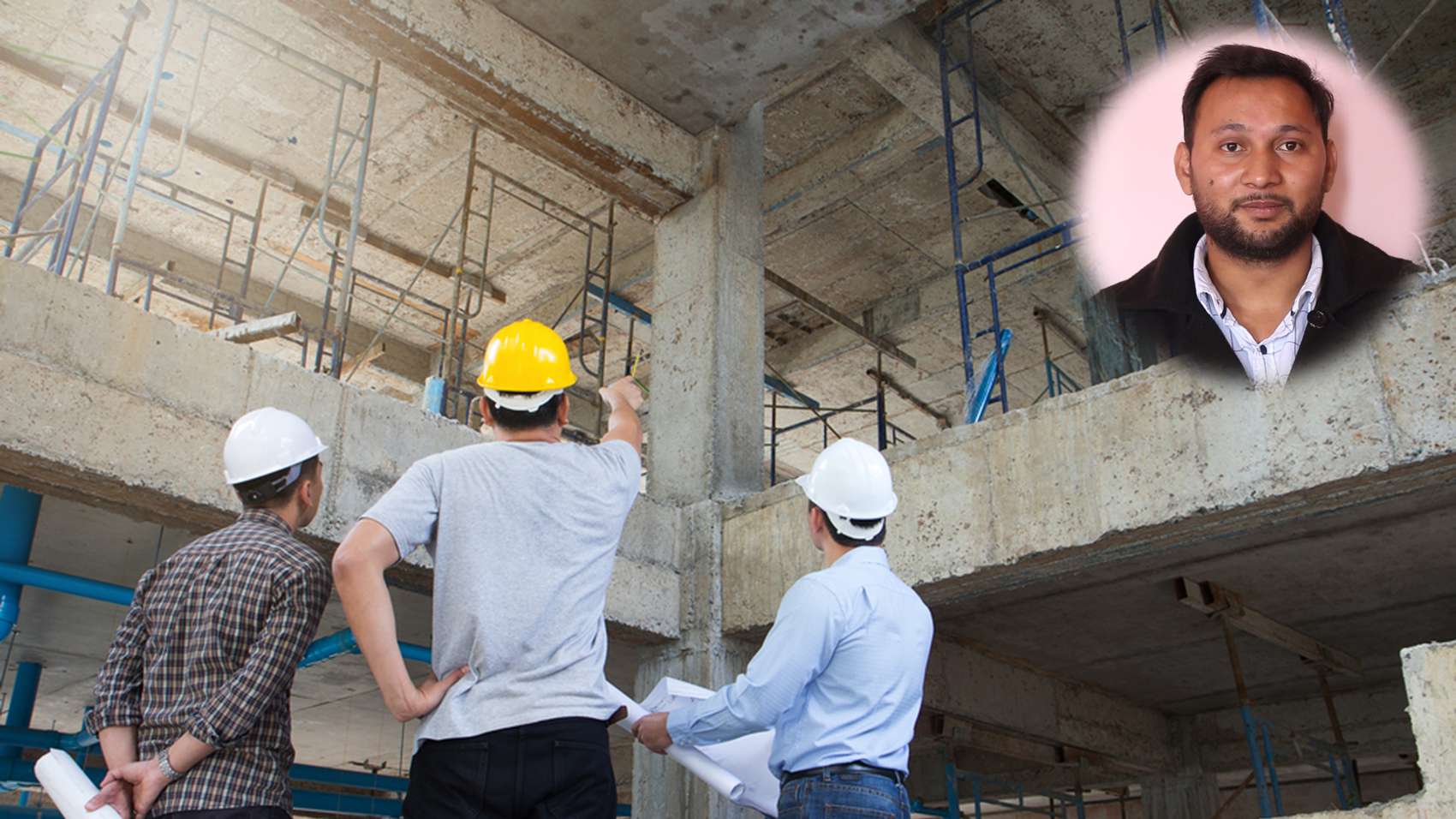
A structural engineer working on a new hospital project collaborates with architects and construction teams to design the building’s framework. They analyze the loads the structure will face, such as the weight of equipment, people, and environmental forces like wind or earthquakes. Using specialized software, they model the building’s skeleton, selecting appropriate materials and ensuring that columns, beams, and foundations are strong enough to support the hospital’s needs. Throughout construction, the structural engineer inspects the work to confirm it meets design specifications and safety standards. Their expertise ensures that the hospital remains safe, functional, and resilient for decades, even in the face of unexpected events.
Education
Basic Education

Basic Education refers to the essential academic foundation encompassing mathematics, science, language, and critical thinking skills acquired during primary and secondary schooling. For Structural Engineering, it provides the groundwork upon which advanced technical knowledge is built, ensuring professionals possess the necessary cognitive and analytical abilities to tackle complex engineering challenges effectively.
Understanding Basic Education is crucial for anyone entering or working in Structural Engineering because it underpins all advanced learning and professional practice in the field. Mastery of mathematics enables accurate calculations for load, stress, and material strength, while a solid grasp of science supports comprehension of physical laws governing structures. Language proficiency ensures clear communication of technical concepts, both in documentation and collaboration with multidisciplinary teams. Critical thinking, fostered through early education, empowers engineers to approach problems methodically and devise innovative solutions. Over the course of a career, these foundational skills facilitate continuous learning, adaptability to new technologies, and the ability to mentor others, all of which are essential for long-term professional growth and success in structural engineering.
Consider a structural engineer tasked with designing a new pedestrian bridge. Each day, they rely on their foundational knowledge of mathematics to calculate load distributions and ensure the bridge can safely support expected traffic. Their understanding of basic physics allows them to predict how materials will behave under various environmental conditions, such as wind or temperature changes. Effective communication skills, developed through early language education, enable them to write clear reports and convey complex ideas to architects, contractors, and clients. When unexpected challenges arise, such as a change in site conditions, their critical thinking abilities help them quickly analyze the situation and adapt their design accordingly. In this way, the principles learned through Basic Education are applied continuously, ensuring both safety and innovation in their work.
Software

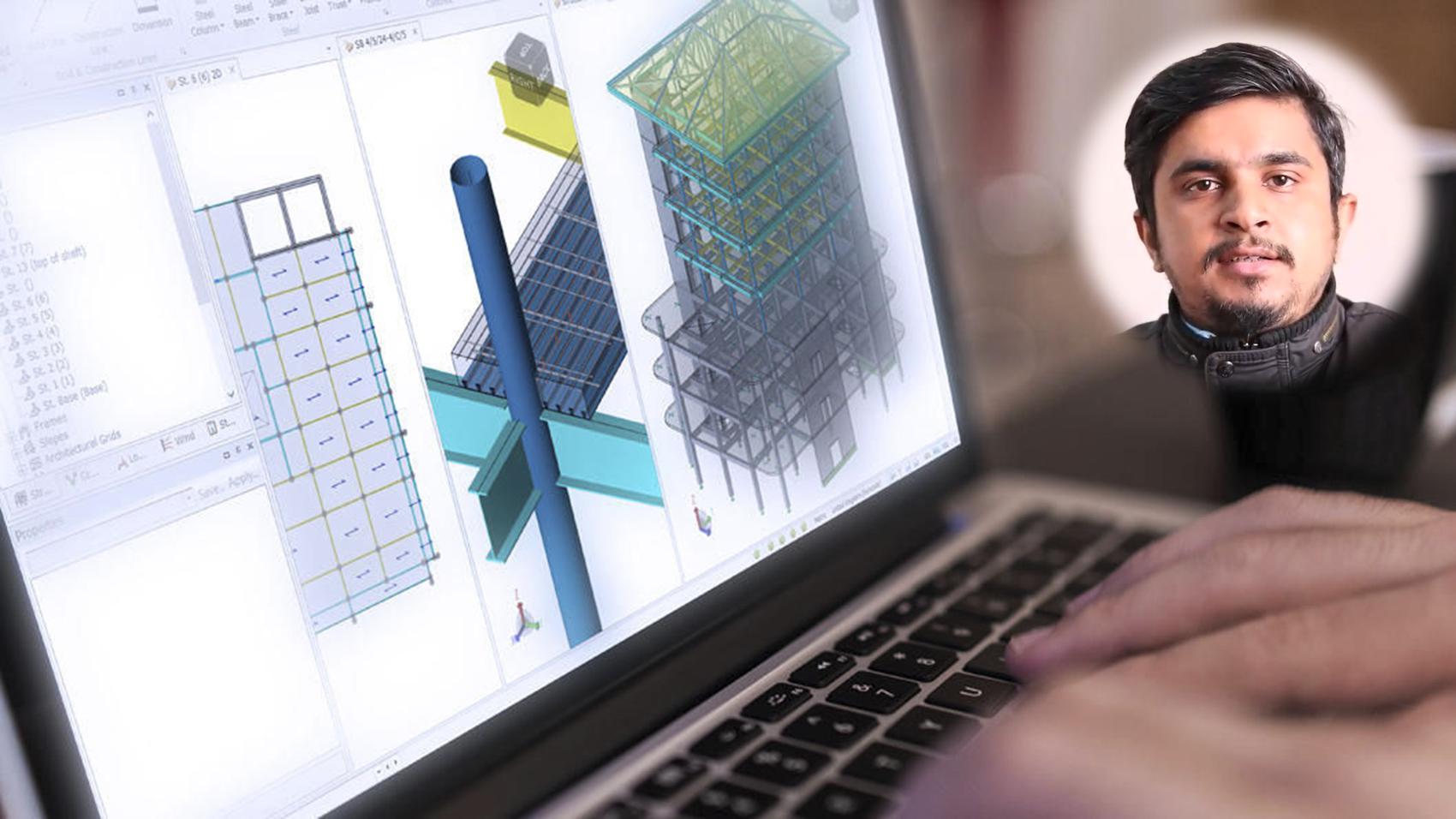
Software refers to the collection of programs, applications, and digital tools that instruct computers to perform specific tasks. In structural engineering, software enables the analysis, design, simulation, and documentation of structures. Mastery of software is essential for both academic study and professional practice, forming a core component of modern engineering knowledge.
Understanding software is vital for structural engineers because it bridges theoretical knowledge and practical application. Modern engineering projects demand precision, efficiency, and the ability to handle complex calculations and simulations that would be impractical manually. Proficiency in software tools allows engineers to model structures, analyze loads, and predict performance under various conditions. This capability not only enhances the accuracy of designs but also streamlines workflows, reduces errors, and supports collaboration across multidisciplinary teams. Over the course of a career, staying current with evolving software ensures continued relevance in the field, opens opportunities for leadership roles, and enables engineers to tackle increasingly sophisticated projects with confidence.
Consider a structural engineer tasked with designing a multi-story office building. Each day, they use specialized software to create detailed digital models of the structure, inputting material properties and load conditions. The software then performs complex analyses, such as finite element modeling, to predict how the building will respond to wind, seismic activity, and occupancy loads. The engineer interprets these results to refine the design, ensuring safety and compliance with building codes. Additionally, the software generates construction drawings and documentation, facilitating clear communication with architects, contractors, and regulatory bodies. This daily integration of software into their workflow exemplifies how theoretical understanding is transformed into practical, real-world solutions.
Practical Experience

Practical experience refers to the hands-on application of theoretical knowledge gained through education, involving real-world tasks, problem-solving, and decision-making in actual engineering projects. In structural engineering, it bridges the gap between academic learning and professional practice, ensuring that engineers can competently translate concepts into safe, effective, and efficient structures.
Understanding practical experience is essential for structural engineers because it transforms abstract theories into tangible skills. While academic studies provide the necessary scientific and mathematical foundations, only practical experience allows engineers to navigate the complexities of real construction sites, material behaviors, and project constraints. This experiential learning fosters critical thinking, adaptability, and professional judgment, all of which are indispensable for ensuring public safety and project success. Over time, practical experience cultivates confidence and expertise, enabling engineers to take on greater responsibilities, mentor others, and advance into leadership roles. Ultimately, it is this blend of knowledge and experience that distinguishes a competent structural engineer and supports a sustainable, rewarding career.
Consider a structural engineer tasked with designing a multi-story office building. While theoretical knowledge guides the selection of materials and structural systems, practical experience is crucial when unexpected site conditions arise, such as soil inconsistencies or unforeseen load requirements. Drawing on previous project involvement, the engineer can quickly assess the situation, consult with contractors, and adapt the design to maintain safety and compliance without significant delays. This ability to integrate classroom learning with on-site realities ensures that the final structure not only meets regulatory standards but also addresses practical challenges efficiently. In daily operations, such practical experience is invaluable for making informed decisions, troubleshooting issues, and delivering successful engineering solutions.
Site and Material Experience

Site and Material Experience refers to the practical understanding of construction sites and the properties, behaviors, and suitability of building materials. This knowledge bridges theoretical engineering principles with real-world application, forming an essential component of both academic study and professional practice in Structural Engineering.
Understanding Site and Material Experience is crucial for structural engineers because it ensures that designs are not only theoretically sound but also feasible and durable in real-world conditions. This subject equips professionals with the ability to assess site constraints, select appropriate materials, and anticipate potential challenges during construction. Mastery of these concepts fosters effective communication with contractors, architects, and clients, leading to safer, more efficient, and cost-effective projects. Over the course of a career, this expertise enables engineers to innovate, adapt to new technologies, and uphold industry standards, ultimately enhancing their reputation and advancing their professional growth.
Consider a structural engineer tasked with designing the foundation for a new commercial building. By applying their knowledge of Site and Material Experience, the engineer conducts a thorough site investigation, analyzing soil composition, groundwater levels, and environmental conditions. Drawing on their understanding of material properties, they select concrete mixes and reinforcement types best suited to the site’s unique challenges, ensuring structural integrity and longevity. Throughout construction, the engineer monitors material deliveries and workmanship, quickly addressing any discrepancies between design specifications and on-site realities. This hands-on application of site and material expertise ensures the project’s success and safety, demonstrating the indispensable value of this knowledge in daily engineering practice.
Knowledge of BIS Codes

Knowledge of BIS Codes refers to the understanding and application of standards published by the Bureau of Indian Standards (BIS) that govern the design, construction, and maintenance of structures in India. This expertise is essential in both academic study and professional practice within Structural Engineering, ensuring safety, quality, and regulatory compliance.
A deep understanding of BIS Codes is vital for structural engineers because these codes provide the authoritative framework for designing safe and reliable structures. Mastery of these standards ensures that engineers can interpret and implement the latest requirements for materials, loads, and construction practices. This foundational knowledge not only helps professionals avoid costly errors and legal issues but also enhances their credibility and employability in the industry. Over the long term, familiarity with BIS Codes supports continuous professional development, as these standards are periodically updated to reflect advances in technology and best practices. Ultimately, this expertise empowers engineers to contribute to the creation of resilient infrastructure that meets both national and international benchmarks.
Consider a structural engineer tasked with designing a multi-story residential building. Each phase, from conceptualization to detailed design, requires strict adherence to relevant BIS Codes, such as those governing concrete mix design, seismic safety, and wind load calculations. The engineer consults the latest codes to determine the appropriate load factors and material specifications, ensuring the building will withstand environmental stresses and comply with legal standards. During site inspections, the engineer references BIS Codes to verify that construction practices align with approved designs. This rigorous application of theoretical knowledge not only guarantees structural integrity but also streamlines project approvals and fosters trust among clients, contractors, and regulatory authorities.
Earthquake & Wind Loading

Earthquake and wind loading refers to the analysis and consideration of forces exerted on structures by seismic activity and wind. This subject is essential in structural engineering, as it ensures buildings and infrastructure are designed to withstand natural forces, safeguarding lives and property through rigorous academic and professional standards.
Understanding earthquake and wind loading is crucial for structural engineers because it directly impacts the safety, durability, and functionality of buildings and infrastructure. Mastery of this subject allows professionals to anticipate and mitigate the effects of dynamic forces, ensuring compliance with building codes and regulations. This knowledge forms a foundational pillar in both academic training and professional practice, as it underpins the ability to design structures that can resist unpredictable natural events. Over the course of a career, expertise in earthquake and wind loading enhances an engineer’s problem-solving capabilities, increases their value to employers, and opens opportunities to work on complex, high-profile projects where public safety is paramount.
Consider a structural engineer tasked with designing a high-rise office building in a region prone to both earthquakes and strong seasonal winds. During the design phase, the engineer applies their understanding of earthquake and wind loading to calculate the maximum expected forces the building might experience. They use this data to select appropriate structural systems, materials, and reinforcement strategies that will ensure the building remains stable and safe under extreme conditions. Throughout the project, the engineer collaborates with architects and construction teams, reviewing plans and inspecting work to confirm that all elements meet the required safety standards. This practical application of theoretical knowledge is critical to delivering resilient structures that protect occupants and assets.
Skills
Practice

Practice is the continuous, deliberate repetition and refinement of skills, knowledge, and techniques to achieve mastery and consistency in performance. In structural engineering, practice is the foundation that transforms theoretical understanding into reliable, real-world solutions, ensuring that professionals can confidently address complex challenges and deliver safe, effective structures.
The skill of practice directly enhances a structural engineer’s ability to analyze, design, and troubleshoot structural systems with precision and efficiency. Clients and employers highly value this attribute because it leads to fewer errors, innovative solutions, and dependable project outcomes. Through regular engagement with design software, hands-on modeling, and reviewing past projects, engineers can steadily improve their technical abilities and judgment. Over time, this commitment to practice fosters a deeper understanding of materials, codes, and construction methods, enabling professionals to anticipate issues before they arise. By seeking feedback, participating in peer reviews, and staying updated with industry advancements, structural engineers can continually refine their practice, ensuring their expertise remains relevant and highly sought after.
Consider a structural engineer tasked with designing a complex bridge in a seismic zone. During the project, unexpected ground conditions are discovered, threatening the integrity of the initial design. Drawing on years of practiced analysis and problem-solving, the engineer quickly revisits seismic modeling techniques and applies advanced calculations to adapt the design. Their practiced familiarity with relevant codes and simulation tools allows them to propose a revised solution that meets safety requirements without significant delays. The engineer’s commitment to ongoing practice not only resolves the immediate crisis but also reassures the client of their capability and professionalism, ultimately contributing to the project’s success and the engineer’s reputation.
Use of Different Spreadsheets

Use of Different Spreadsheets refers to the ability to create, modify, and interpret various spreadsheet formats and templates for calculations, data analysis, and reporting. In structural engineering, this skill enables professionals to efficiently manage complex data, automate repetitive tasks, and ensure accuracy in design, analysis, and project documentation.
Mastering the use of different spreadsheets significantly enhances a structural engineer’s efficiency and accuracy. It allows for rapid data manipulation, error checking, and scenario analysis, which are crucial for making informed decisions. Clients and employers highly value this skill because it leads to faster project delivery, improved quality control, and transparent reporting. To cultivate this skill, engineers should regularly practice building custom spreadsheets, explore advanced functions such as macros and pivot tables, and stay updated with the latest spreadsheet software. Continuous learning through online courses, peer collaboration, and real-world application ensures that engineers remain proficient and adaptable in handling diverse project requirements.
Imagine a structural engineer tasked with designing a multi-story building under a tight deadline. During the project, unexpected changes in material specifications require recalculating load distributions and cost estimates. By leveraging advanced spreadsheet templates, the engineer quickly updates input values, instantly generating revised calculations and visualizations. This rapid response not only prevents costly delays but also provides the client with clear, data-driven justifications for design adjustments. The engineer’s proficiency with different spreadsheets transforms a potential setback into an opportunity to demonstrate reliability and technical expertise, ultimately contributing to the project’s success and client satisfaction.
Communication Skills

Communication skills refer to the ability to clearly and effectively convey information, ideas, and instructions through verbal, written, and visual means, while also actively listening and interpreting feedback. In structural engineering, these skills are crucial for collaborating with multidisciplinary teams, ensuring safety, and translating complex technical concepts for diverse audiences.
Strong communication skills directly enhance a structural engineer’s performance by enabling seamless collaboration with architects, contractors, and clients. Clear communication ensures that design intentions, safety requirements, and project constraints are understood and followed, reducing costly errors and misunderstandings. Employers and clients highly value professionals who can articulate technical details in accessible language, as this fosters trust and confidence in project outcomes. To cultivate communication skills, engineers should seek opportunities to present ideas, write reports, and participate in team discussions. Regular feedback, active listening, and adapting messages for different audiences further refine these abilities over time, making the engineer a more effective and respected contributor to any project.
Imagine a structural engineer working on a large commercial building project where unexpected soil instability threatens the foundation design. The engineer must quickly communicate the issue to the project manager, explain the technical implications to non-technical stakeholders, and coordinate with geotechnical experts to devise a solution. By clearly presenting the risks, outlining alternative approaches, and facilitating open dialogue among all parties, the engineer helps the team reach a consensus on the best course of action. This effective use of communication skills not only resolves the immediate crisis but also strengthens professional relationships and ensures the project stays on track, demonstrating the critical role communication plays in achieving successful outcomes in structural engineering.
Negotiation and Convincing

Negotiation and Convincing is the ability to communicate persuasively, reach mutually beneficial agreements, and influence decisions by presenting logical arguments and understanding others’ perspectives. In structural engineering, this skill enables professionals to align diverse stakeholders, resolve conflicts, and ensure that technical solutions are accepted and implemented effectively.
Mastering negotiation and convincing enhances a structural engineer’s ability to bridge gaps between technical requirements and stakeholder expectations. Clients and employers highly value this skill because it leads to smoother project execution, cost savings, and minimized disputes. By listening actively, preparing thoroughly, and practicing empathy, engineers can gradually improve their ability to negotiate and persuade. Engaging in collaborative projects, seeking feedback, and learning from experienced mentors also contribute to the development of this core competency. Over time, a structural engineer who hones this skill becomes more effective at securing project buy-in, managing change, and navigating complex regulatory or contractual environments, ultimately leading to greater career success and professional recognition.
Imagine a structural engineer overseeing the design of a new commercial building who encounters resistance from the client regarding the use of a more expensive, but safer, structural material. The client is concerned about budget constraints, while the engineer prioritizes safety and long-term durability. By employing negotiation and convincing skills, the engineer presents data on lifecycle costs, safety benefits, and potential liability reductions, while also listening to the client’s financial concerns. Through open dialogue and compromise, the engineer successfully persuades the client to invest in the higher-quality material, ensuring the project’s safety standards are met without alienating the client. This outcome demonstrates how negotiation and convincing can resolve critical issues and drive project success.
Value Engineering

Value Engineering is a systematic, organized approach aimed at optimizing the function of a project or process while minimizing cost, without compromising quality or performance. In structural engineering, it serves as a critical tool for professionals to deliver innovative solutions that balance safety, efficiency, and budget, ultimately enhancing project outcomes.
Mastering value engineering directly elevates a structural engineer’s effectiveness by fostering creative problem-solving and resourcefulness. Clients and employers highly appreciate this skill because it leads to cost-effective, high-quality structures that meet or exceed expectations. By consistently applying value engineering principles, professionals can identify unnecessary expenditures, propose alternative materials or methods, and streamline construction processes. Cultivating this skill involves continuous learning, staying updated on new technologies and materials, and collaborating with multidisciplinary teams. Over time, experience and exposure to diverse projects further refine an engineer’s ability to assess value, ensuring that every design decision contributes positively to both the project’s performance and its bottom line.
Consider a scenario where a structural engineer is tasked with designing a large commercial building under a tight budget. During the planning phase, the engineer applies value engineering by reviewing the initial design and identifying that the specified steel beams are overdesigned for the intended loads. By recalculating load requirements and exploring alternative materials, the engineer proposes a revised design using lighter, high-strength steel and optimized beam spacing. This adjustment maintains structural integrity while significantly reducing material costs and construction time. The client benefits from substantial savings without sacrificing safety or quality, and the project is completed ahead of schedule. This example illustrates how value engineering empowers structural engineers to deliver superior results through thoughtful analysis and innovative thinking.
Positives
Creativity

Creativity is the ability to generate original ideas, envision innovative solutions, and approach challenges from fresh perspectives. In structural engineering, creativity enables professionals to design safe, efficient, and aesthetically pleasing structures by thinking beyond conventional methods. This quality fosters progress, drives problem-solving, and transforms complex concepts into tangible, impactful results.
Creativity is a cornerstone of fulfillment and advancement in structural engineering. It empowers professionals to tackle unique design challenges, adapt to evolving project requirements, and devise solutions that balance safety, sustainability, and beauty. This dynamic aspect of the profession ensures that no two projects are ever the same, keeping daily work engaging and intellectually stimulating. The opportunity to leave a personal mark on the built environment enhances job satisfaction, as engineers witness their imaginative ideas take shape in the real world. Furthermore, creativity fuels professional growth, opening doors to leadership roles and recognition within the industry. By embracing creative thinking, structural engineers not only solve technical problems but also contribute to the evolution of cities and communities.
Imagine a structural engineer tasked with designing a bridge in a historic city center, where both modern functionality and preservation of the surrounding heritage are crucial. Instead of relying on standard designs, the engineer draws inspiration from local architectural motifs, integrating them into the bridge’s structure while employing advanced materials to ensure durability and safety. Through creative problem-solving, the engineer collaborates with architects and city planners to develop a solution that respects the city’s character and meets contemporary needs. The result is a landmark that becomes a source of pride for the community and a testament to the engineer’s ingenuity. This experience not only brings professional satisfaction but also demonstrates the transformative power of creativity in structural engineering.
Respect & Recognition

Respect and recognition refer to the admiration, appreciation, and acknowledgment received from peers, clients, and society for one’s expertise, contributions, and achievements. In structural engineering, this means being valued for designing safe, innovative, and enduring structures that shape communities and improve lives, fostering a sense of pride and fulfillment.
The respect and recognition that structural engineers receive play a crucial role in making the profession deeply rewarding. When their expertise is acknowledged, engineers feel a strong sense of purpose and motivation, knowing their work directly impacts public safety and urban development. This positive feedback not only boosts job satisfaction but also encourages continuous learning and professional growth. Daily, structural engineers experience this benefit through collaborative teamwork, client appreciation, and the visible, lasting results of their projects. The trust placed in their judgment and the gratitude expressed by those who rely on their work reinforce their commitment and passion for the field, making every challenge worthwhile.
Imagine a structural engineer overseeing the completion of a new community bridge. As the project concludes, local residents, city officials, and fellow professionals gather to celebrate the achievement. The engineer is publicly thanked for their expertise and dedication, with many expressing how the bridge will improve daily life and safety. This moment of recognition, both formal and informal, leaves a lasting impression. The engineer feels immense pride, knowing their skills have made a tangible difference. Such experiences not only validate years of hard work and study but also inspire continued excellence, demonstrating how respect and recognition are woven into the very fabric of a structural engineering career.
Be your own Boss

To "Be your own Boss" means having the autonomy to make decisions, set your own schedule, choose your projects, and direct your career path without being constrained by traditional workplace hierarchies. In structural engineering, this independence empowers professionals to innovate, pursue meaningful work, and shape the built environment according to their vision and values.
The ability to be your own boss in structural engineering is a transformative advantage that elevates both personal and professional fulfillment. It allows engineers to select projects that align with their passions, whether that means designing sustainable buildings, restoring historic landmarks, or pioneering new construction techniques. This freedom fosters creativity and innovation, as professionals are not limited by rigid corporate structures or uninspiring assignments. Daily, structural engineers who are their own bosses experience a heightened sense of ownership and pride in their work, knowing that their decisions directly influence outcomes. This autonomy not only boosts job satisfaction but also encourages continuous growth, as engineers are motivated to expand their skills and knowledge to stay competitive and deliver exceptional results.
Imagine a structural engineer who has established their own consultancy, working directly with clients to bring ambitious architectural visions to life. One day, they are approached by a community group seeking to revitalize an old industrial building into a vibrant cultural center. As their own boss, the engineer has the freedom to accept the project, collaborate closely with stakeholders, and implement innovative structural solutions that preserve the building’s heritage while meeting modern safety standards. Throughout the process, the engineer enjoys the satisfaction of steering the project from concept to completion, making key decisions, and witnessing the positive impact on the community. This experience exemplifies the profound fulfillment that comes from being your own boss in structural engineering.
Personal Growth

Personal growth is the ongoing process of developing self-awareness, expanding knowledge, and enhancing skills through new experiences and challenges. It involves embracing change, learning from setbacks, and striving for continuous improvement. In structural engineering, personal growth fosters adaptability, resilience, and innovation, empowering professionals to tackle complex problems and drive meaningful progress.
Personal growth is a cornerstone of a fulfilling career in structural engineering because it transforms everyday challenges into opportunities for self-improvement. As engineers confront evolving technologies, intricate designs, and demanding projects, they continually expand their technical expertise and problem-solving abilities. This constant learning not only sharpens their professional skills but also builds confidence and adaptability, making them more effective in their roles. The sense of accomplishment that comes from overcoming obstacles and mastering new concepts leads to greater job satisfaction. Moreover, personal growth nurtures leadership qualities and a proactive mindset, enabling engineers to inspire teams, contribute innovative solutions, and advance in their careers. Ultimately, the pursuit of personal growth ensures that structural engineers remain engaged, motivated, and passionate about their work.
Consider a structural engineer tasked with designing a bridge in a region prone to earthquakes. Initially, the complexity of seismic design codes and the responsibility of ensuring public safety may seem daunting. However, through dedicated research, collaboration with experts, and hands-on problem-solving, the engineer gradually masters advanced analysis techniques and innovative construction methods. Each challenge overcome not only enhances technical competence but also builds resilience and self-confidence. As the project progresses, the engineer witnesses the tangible impact of their growth—transforming abstract knowledge into a safe, functional structure that serves the community. This journey of learning and achievement exemplifies how personal growth in structural engineering leads to both professional fulfillment and a lasting sense of purpose.
Challenges
Patience

Patience in structural engineering is the ability to endure prolonged periods of waiting, uncertainty, and incremental progress while maintaining focus and diligence. It is demanding because projects often involve lengthy design phases, regulatory approvals, and construction timelines, requiring engineers to persistently manage expectations and maintain motivation despite slow or delayed outcomes.
The challenge of patience significantly shapes the daily experience of structural engineers. Delays in project approvals, unexpected site conditions, and extended coordination with multidisciplinary teams can stall progress, leading to frustration and stress. This environment demands resilience, as professionals must balance the pressure to deliver results with the reality of slow-moving processes. Successful engineers develop coping mechanisms such as setting realistic timelines, celebrating small milestones, and maintaining open communication with stakeholders. By focusing on long-term goals and embracing the iterative nature of their work, they transform waiting periods into opportunities for reflection, quality improvement, and professional growth, ultimately ensuring sustained motivation and high standards throughout the project lifecycle.
Consider a structural engineer overseeing the design of a major bridge, where construction is delayed due to unforeseen environmental assessments. Instead of succumbing to frustration, the engineer uses this waiting period to revisit design calculations, optimize material usage, and coordinate with environmental consultants to address regulatory concerns. By maintaining a proactive attitude and leveraging the extra time for refinement, the engineer not only ensures compliance but also enhances the overall quality and sustainability of the project. This approach demonstrates how patience, when managed constructively, can lead to better outcomes and professional satisfaction, even in the face of unavoidable delays.
Deadlines

Deadlines in structural engineering refer to the fixed dates by which project deliverables, such as design calculations, drawings, or reports, must be completed and submitted. These time constraints are demanding because they require precise coordination, thorough technical accuracy, and the ability to anticipate and resolve unforeseen issues, all within limited timeframes.
The pressure of deadlines significantly shapes the daily routines of structural engineers, often requiring them to juggle multiple projects and prioritize tasks with little margin for error. This environment demands resilience, as unexpected design changes, client requests, or regulatory reviews can disrupt carefully laid plans. Successful professionals manage these constraints by developing strong organizational skills, maintaining clear communication with team members and stakeholders, and leveraging project management tools to track progress. They also build flexibility into their schedules, allowing for quick adaptation when challenges arise. By fostering a proactive mindset and focusing on incremental progress, structural engineers can consistently meet deadlines without compromising the quality or safety of their work.
Consider a structural engineer tasked with delivering the foundation design for a new commercial building within a tight three-week window. Midway through the project, the client requests significant changes to accommodate new architectural features, threatening the original timeline. The engineer responds by immediately reassessing the project schedule, reallocating tasks among team members, and holding daily briefings to monitor progress and address issues as they arise. By maintaining open communication with the client and collaborating closely with architects and contractors, the engineer ensures that all parties are aligned on priorities and expectations. Through diligent planning and adaptability, the revised design is completed on time, demonstrating effective deadline management under pressure.
Client Handling

Client handling in structural engineering refers to the ongoing process of communicating, negotiating, and aligning technical solutions with client expectations, project requirements, and budget constraints. This is demanding because clients often lack technical knowledge, have evolving needs, and require clear explanations, making it essential for engineers to bridge gaps and foster trust.
The challenge of client handling permeates daily work in structural engineering, often leading to miscommunications, project delays, or scope changes when expectations are not managed effectively. This difficulty requires resilience, as professionals must balance technical accuracy with diplomacy, patience, and adaptability. Successful engineers develop strong interpersonal skills, actively listen to client concerns, and translate complex engineering concepts into accessible language. They set clear boundaries, document agreements, and maintain transparent communication throughout the project lifecycle. By anticipating misunderstandings and proactively addressing issues, these professionals build lasting client relationships and ensure project objectives are met, even when faced with conflicting demands or shifting priorities.
Consider a structural engineer working on a commercial building project where the client requests last-minute design changes to accommodate new architectural features. Instead of reacting defensively, the engineer arranges a meeting to explain the technical implications, potential risks, and cost impacts of the requested changes. Through clear communication and visual aids, the engineer helps the client understand the trade-offs involved. By proposing alternative solutions that align with both the client’s vision and structural safety requirements, the engineer successfully navigates the situation. This approach not only preserves the project timeline but also strengthens the client’s trust, demonstrating how effective client handling can turn a challenging scenario into a collaborative success.
Site Supervision

Site supervision in structural engineering refers to the on-site oversight of construction activities to ensure compliance with design specifications, safety standards, and quality requirements. This role is demanding because it requires constant vigilance, quick decision-making, and effective communication among diverse teams, often under tight deadlines and unpredictable site conditions.
The challenge of site supervision significantly shapes the daily routine of structural engineers, as it requires them to balance technical accuracy with practical constraints on the construction site. This responsibility can be stressful, given the need to resolve unforeseen issues, manage conflicting priorities, and maintain safety standards. Resilience is essential, as setbacks and disagreements are common. Successful professionals overcome these hurdles by fostering strong relationships with contractors and workers, maintaining clear and consistent communication, and staying adaptable to evolving site conditions. They also rely on thorough preparation and a deep understanding of both design intent and construction processes, enabling them to make informed decisions quickly and confidently, even under pressure.
Consider a structural engineer overseeing the construction of a multi-story building who encounters unexpected soil instability during foundation work. Rather than allowing the project to stall, the engineer promptly coordinates with geotechnical experts, reviews alternative foundation solutions, and communicates revised plans to the construction team. By staying calm and decisive, the engineer ensures that safety is not compromised and that the project remains on schedule. This proactive approach, combined with transparent communication and technical expertise, allows the engineer to navigate the complexities of site supervision, turning a potential crisis into a demonstration of effective leadership and problem-solving in the field.
A Day Of
Structural Engineering
The hum of a city waking up is mirrored in the world of structural engineering, where each day unfolds with a blend of precision, creativity, and responsibility. Far from being confined to a desk, structural engineers move seamlessly between digital models and real-world construction sites, balancing the demands of safety, innovation, and collaboration. The pace is brisk, the stakes are high, and every decision shapes the skyline and the safety of those who inhabit it. In this dynamic environment, no two days are ever quite the same, but each is driven by a shared commitment to transforming architectural vision into enduring reality.
As the day begins, a structural engineer typically starts by reviewing project blueprints, emails, and overnight updates from contractors or architects. This quiet window is essential for organizing priorities, checking calculations, and ensuring that all design documents are up to date. With a fresh cup of coffee in hand, the engineer might run through structural analysis software, double-checking load paths or material specifications before the day’s meetings and site visits begin. This early focus sets the tone for a day that demands both meticulous attention to detail and big-picture thinking.
Mid-morning is often when the real action kicks in. The engineer heads out to a construction site, hard hat in place, to inspect ongoing work and consult with contractors. Here, theory meets practice as design plans are translated into steel, concrete, and timber. The engineer assesses progress, addresses unforeseen challenges, and ensures that construction adheres to safety codes and design intent. Whether it’s troubleshooting a misaligned beam or clarifying technical details with the site crew, this phase is marked by hands-on problem solving and quick, informed decision-making.
After lunch, the focus shifts to collaboration and execution. The engineer joins project meetings with architects, clients, and other specialists to discuss design updates, resolve coordination issues, and integrate feedback. Back at the office, there may be time spent refining digital models, running simulations, or preparing technical reports. This period is characterized by teamwork and communication, as ideas are exchanged and solutions are developed to keep the project moving forward on schedule and within budget.
As the day winds down, attention turns to documentation and planning. The engineer reviews notes from site visits, updates project logs, and responds to outstanding emails. There’s often a final check of calculations or a review of new building codes and materials research to stay ahead of industry trends. Before shutting down for the evening, the engineer outlines priorities for the next day, ensuring that every detail is accounted for and that the momentum built throughout the day carries forward into tomorrow’s challenges. |


 Home
Home Abroad
 Plan
Plan Philosophy
 Seminar
 Pages
Pages Advisors
 Testimonials
















 Workshop
 Discuss
 Meet
Meet
 Advisor
 Story
Story
 Fine Print
 Links
Links
 Blog
Blog
 Follow
