The Journey of Disc Jockey
What Is Disc Jockey
Disc Jockey

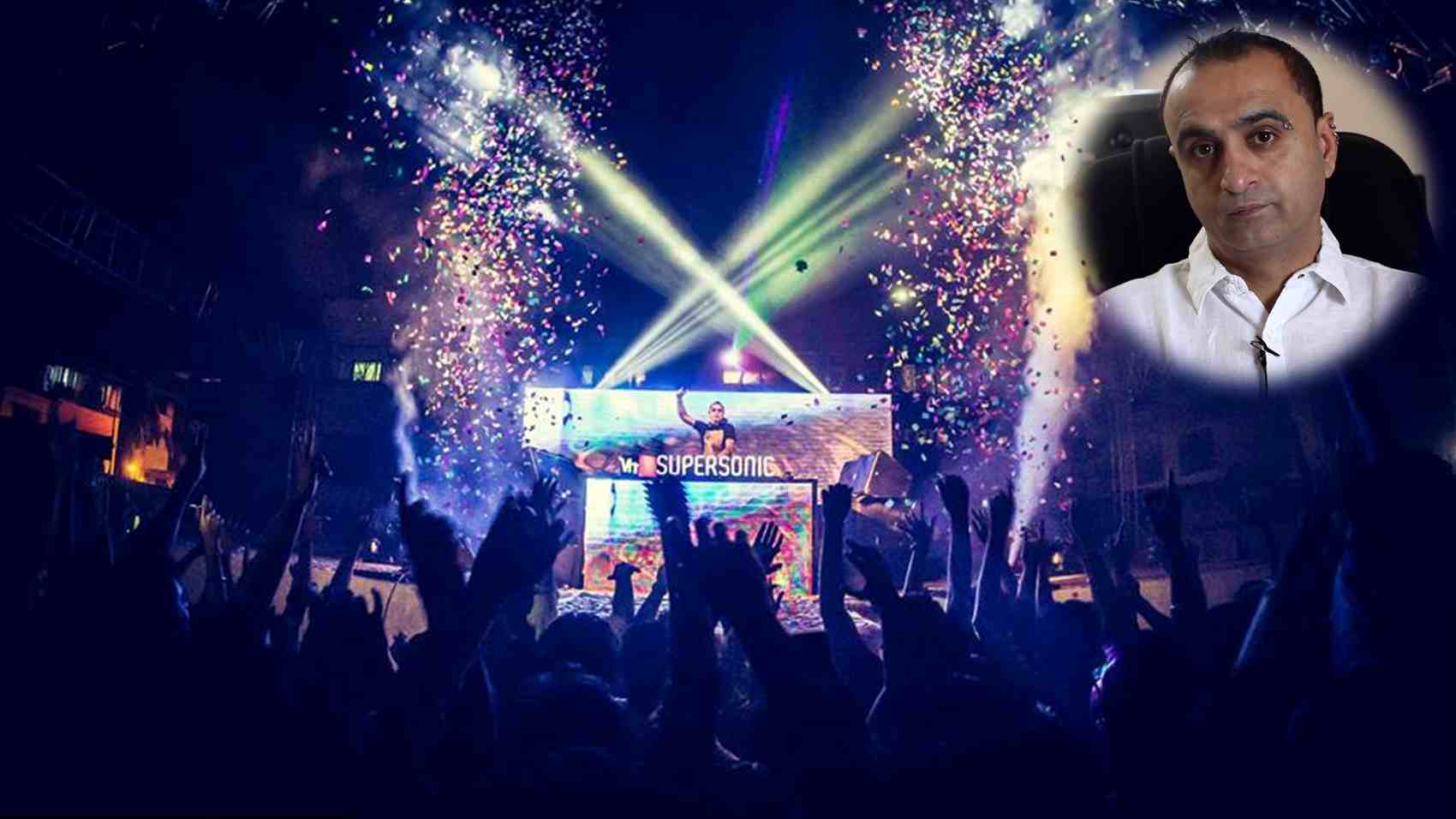
A disc jockey, commonly known as a DJ, is a professional who selects, mixes, and plays recorded music for an audience. DJs perform at various events, including clubs, parties, radio stations, and festivals, using specialized equipment to create seamless musical experiences and engage listeners through their unique style and music selection.
The role of a disc jockey is significant in shaping the atmosphere and energy of social gatherings, entertainment venues, and broadcast media. DJs have the power to influence musical trends, introduce new artists, and create memorable experiences for audiences. For professionals in this field, the career offers creative expression, opportunities for networking within the music industry, and the potential for personal branding and recognition. DJs often become tastemakers, setting the tone for events and helping to define the cultural landscape of nightlife and entertainment. The ability to read a crowd, adapt to different environments, and continuously evolve with musical trends makes this profession both dynamic and rewarding.
A professional disc jockey might be hired to perform at a popular nightclub on a Saturday night. Arriving early, the DJ sets up their equipment, reviews the expected audience, and plans a setlist that blends current hits with classic tracks. As the night progresses, the DJ reads the crowd’s energy, adjusting the tempo and style of music to keep the dance floor lively and engaged. By seamlessly mixing tracks and incorporating live effects, the DJ creates a unique musical journey that keeps guests entertained and encourages them to stay longer. This not only enhances the club’s reputation but also helps the DJ build a loyal following and secure future bookings.
Education
Software Knowledge

Software Knowledge refers to the understanding and practical ability to use, configure, and troubleshoot digital applications and platforms. For a Disc Jockey, this encompasses familiarity with DJ software, digital audio workstations, and music management tools, forming a crucial part of the technical and creative skill set required in both academic study and professional practice.
Developing strong software knowledge is essential for anyone pursuing a career as a Disc Jockey. Modern DJing relies heavily on digital platforms for mixing, track selection, effects processing, and live performance management. Mastery of DJ software enables professionals to manipulate audio with precision, automate complex transitions, and access vast music libraries efficiently. This expertise not only enhances creative possibilities but also ensures adaptability as technology evolves. Over time, a solid foundation in software knowledge allows DJs to stay competitive, collaborate with other artists using industry-standard tools, and troubleshoot technical issues quickly during live events. Ultimately, this competency supports both artistic expression and professional reliability, making it a cornerstone of long-term success in the field.
Imagine a professional Disc Jockey preparing for a live club performance. Before the event, they use their software knowledge to organize playlists, analyze track tempos, and set cue points within their DJ software. During the show, they seamlessly blend tracks, apply real-time effects, and adjust audio levels using the software’s interface, ensuring a dynamic and engaging experience for the audience. If a technical issue arises, such as a software crash or audio latency, their understanding allows them to troubleshoot swiftly, minimizing downtime. This daily application of software knowledge not only streamlines their workflow but also empowers them to deliver high-quality performances, demonstrating the practical value of this expertise in the fast-paced world of DJing.
Music

Music is the art of organizing sounds in time to produce a composition through elements such as melody, harmony, rhythm, and timbre. For a Disc Jockey, music forms the core language and medium, making its understanding essential for both creative expression and technical proficiency in the field.
Understanding music is crucial for anyone aspiring to become a successful Disc Jockey because it provides the foundation for mixing, blending, and curating tracks that resonate with audiences. Knowledge of musical structure, tempo, key, and genre enables DJs to create seamless transitions and maintain energy on the dance floor. This subject also helps professionals anticipate crowd reactions, select appropriate tracks, and innovate within their sets. Over time, a deep grasp of music theory and history allows DJs to develop a unique style, adapt to diverse venues, and collaborate effectively with other artists. Ultimately, mastering music not only enhances technical skills but also ensures long-term career growth and adaptability in the ever-evolving music industry.
Imagine a Disc Jockey performing at a large music festival. By applying their understanding of music theory, the DJ can identify the key and tempo of each track, ensuring smooth transitions that keep the energy consistent and the audience engaged. When the crowd’s mood shifts, the DJ draws on their knowledge of different genres and song structures to select tracks that elevate the atmosphere or create a dramatic build-up. This theoretical foundation allows the DJ to improvise creatively, remix live, and respond intuitively to the audience’s reactions, resulting in a memorable and dynamic performance that stands out in a competitive field.
Trends In Music

Trends In Music refers to the evolving patterns, styles, and preferences that shape the music industry over time. For Disc Jockeys, understanding these trends is crucial as it informs song selection, set curation, and audience engagement. Academically and professionally, it is a key area of study for anticipating and responding to audience expectations.
Learning about Trends In Music is essential for Disc Jockeys because it enables them to stay relevant and competitive in a rapidly changing industry. By understanding shifts in popular genres, production techniques, and cultural influences, DJs can tailor their performances to suit different audiences and venues. This foundational knowledge helps professionals anticipate what will resonate with listeners, ensuring their sets remain fresh and engaging. Over the long term, mastery of music trends allows DJs to adapt to new technologies and platforms, collaborate effectively with other artists, and build a loyal following. Ultimately, it supports career longevity by fostering adaptability and a deep connection with the evolving tastes of the music community.
Imagine a Disc Jockey preparing for a major festival performance. By applying their understanding of current music trends, the DJ researches which genres and tracks are gaining popularity among the festival’s target audience. During their set, they seamlessly blend trending electronic dance tracks with classic crowd favorites, creating an energetic atmosphere that keeps the audience engaged. Their ability to read the crowd and adjust the playlist in real time, based on both theoretical knowledge and live feedback, results in a memorable performance. This practical use of trend awareness not only enhances the audience’s experience but also strengthens the DJ’s reputation as a forward-thinking and adaptable professional.
Kinds Of Music

"Kinds Of Music" refers to the various genres, styles, and forms that music can take, such as rock, jazz, hip-hop, classical, electronic, and many others. For a Disc Jockey, understanding these categories is essential, as it shapes their ability to curate, mix, and adapt music for diverse audiences and events.
A deep understanding of the different kinds of music is crucial for anyone pursuing a career as a Disc Jockey. This knowledge enables DJs to read the crowd, select appropriate tracks, and create seamless transitions that maintain energy and engagement. Recognizing the nuances between genres allows DJs to innovate and blend sounds creatively, setting them apart in a competitive industry. Furthermore, familiarity with musical styles helps DJs cater to specific client requests, adapt to various event themes, and build versatile playlists. Over time, this expertise not only enhances a DJ’s reputation but also opens doors to broader opportunities, such as radio shows, music production, and international gigs, making it a foundational element of long-term professional success.
Imagine a Disc Jockey performing at a multicultural wedding reception. Throughout the evening, the DJ must transition between genres like pop, traditional folk, R&B, and electronic dance music to satisfy the diverse tastes of the guests. By drawing on their theoretical understanding of the kinds of music, the DJ can anticipate which tracks will resonate with different segments of the audience and skillfully blend them to maintain a lively atmosphere. This ability to shift between genres smoothly, while respecting the unique characteristics of each, ensures that the event remains memorable and enjoyable for everyone. Such expertise demonstrates how theoretical knowledge directly influences practical performance and client satisfaction in the field.
Skills
Creativity

Creativity is the ability to generate original ideas, adapt to new situations, and combine existing elements in innovative ways. For a Disc Jockey, creativity is the driving force behind unique mixes, engaging performances, and the ability to read and energize a crowd. It transforms technical skill into memorable artistry.
Creativity directly enhances a Disc Jockey’s performance by enabling them to craft distinctive sets that captivate audiences and set them apart from others in the field. Clients and employers highly value DJs who can deliver fresh experiences, adapt to different event atmospheres, and respond dynamically to audience reactions. Cultivating creativity involves continuous exploration of new music genres, experimenting with mixing techniques, and staying open to inspiration from diverse sources. Over time, a DJ who consistently seeks out new influences and challenges themselves to innovate will develop a unique style that resonates with both audiences and industry professionals, leading to greater recognition and career opportunities.
Imagine a Disc Jockey performing at a high-profile event when the planned playlist suddenly fails to connect with the audience, resulting in a disengaged crowd. Relying on creativity, the DJ quickly assesses the mood, draws from their knowledge of different genres, and improvises a new set by blending unexpected tracks and live remixing. This spontaneous shift not only revives the energy in the room but also impresses the event organizers with the DJ’s ability to adapt and innovate under pressure. The creative approach transforms a potential setback into a standout moment, demonstrating how essential creativity is for overcoming challenges and achieving success in the profession.
Patience

Patience is the ability to remain calm, composed, and persistent in the face of delays, challenges, or frustration, without losing motivation or making impulsive decisions. For a Disc Jockey, patience is crucial because the profession often involves unpredictable situations, technical difficulties, and the need to adapt to diverse audiences and environments.
Patience directly enhances a Disc Jockey’s performance by allowing them to handle unexpected setbacks, such as equipment malfunctions or challenging crowd dynamics, without becoming flustered. Clients and employers value this trait because it ensures reliability and professionalism, even under pressure. A patient DJ can maintain a positive atmosphere, troubleshoot issues methodically, and deliver consistent results, which builds trust and reputation. Cultivating patience involves practicing mindfulness, embracing continuous learning, and reflecting on experiences to develop resilience. Over time, exposure to various gigs and situations helps DJs become more adaptable, enabling them to approach each event with confidence and composure, regardless of the obstacles they may encounter.
Imagine a Disc Jockey performing at a high-profile event when, suddenly, the sound system begins to malfunction. Instead of panicking or reacting impulsively, the DJ remains patient, calmly assessing the situation and communicating with the technical team. While the issue is being resolved, the DJ engages the crowd with light banter and maintains a positive energy, ensuring the atmosphere does not suffer. By exercising patience, the DJ not only manages the crisis effectively but also demonstrates professionalism and reliability to both the audience and the event organizers. This approach not only salvages the event but also strengthens the DJ’s reputation for handling pressure with grace.
Passion

Passion is an intense enthusiasm and unwavering commitment toward a particular activity or profession, driving individuals to pursue excellence and continuous improvement. In the context of a Disc Jockey, passion fuels creativity, resilience, and the desire to connect with audiences, making it a foundational element in delivering memorable performances and building a lasting career.
Passion directly enhances a Disc Jockey’s performance by inspiring them to explore new music, experiment with innovative techniques, and maintain high energy during sets. Clients and employers value passionate DJs because their enthusiasm is contagious, elevating the atmosphere and ensuring audiences remain engaged. Over time, passion can be cultivated by immersing oneself in diverse musical genres, seeking feedback, and staying updated with industry trends. Regularly attending live events, collaborating with other artists, and reflecting on personal growth also help sustain and deepen this intrinsic motivation. Ultimately, a passionate DJ stands out not just for technical skills, but for the genuine excitement and dedication they bring to every performance.
Imagine a Disc Jockey performing at a major festival when unexpected technical issues threaten to disrupt the set. Instead of succumbing to frustration, the DJ’s passion for music and performance drives them to quickly adapt, seamlessly transitioning to backup equipment and improvising with available resources. Their enthusiasm reassures the crowd and maintains the event’s energy, turning a potential disaster into a memorable highlight. This unwavering commitment not only impresses event organizers but also strengthens the DJ’s reputation for professionalism and resilience. In this scenario, passion becomes the catalyst for overcoming adversity and delivering an unforgettable experience, demonstrating its critical role in a successful Disc Jockey career.
Observation

Observation is the conscious act of attentively noticing and interpreting details, behaviors, and patterns in one’s environment. For a Disc Jockey, observation is fundamental because it enables them to read the crowd, anticipate shifts in energy, and adapt their music selection in real time. This skill ensures that the DJ remains responsive to the audience’s mood, creating an engaging and memorable experience. By observing subtle cues such as body language, facial expressions, and crowd movement, a DJ can make informed decisions that keep the event dynamic and enjoyable. Observation, therefore, is not just about seeing but about understanding and responding to the environment with precision.
Observation directly enhances a Disc Jockey’s performance by allowing them to tailor their set to the unique energy and preferences of each audience. Clients and employers highly value DJs who can seamlessly adjust their music to maintain a lively atmosphere, as this skill often determines the success of an event. A DJ who observes well can prevent lulls, respond to unexpected changes, and ensure that guests remain engaged. Cultivating this skill involves practicing mindfulness, actively listening to feedback, and regularly reflecting on past performances to identify patterns and areas for improvement. Over time, consistent application and conscious effort help DJs sharpen their observational abilities, making them more adaptable and effective in any setting.
Imagine a DJ performing at a wedding reception where the dance floor suddenly begins to empty after a few upbeat tracks. Instead of continuing with the planned playlist, the DJ observes the guests’ reactions and notices that older attendees seem hesitant to dance. Recognizing this, the DJ quickly transitions to a classic hit that resonates with a broader age group. The dance floor fills up again, and the energy in the room is restored. In this scenario, the DJ’s keen observation of the crowd’s behavior and willingness to adapt on the fly not only salvages the moment but also earns praise from both the clients and guests, demonstrating the critical role observation plays in achieving success.
Communication

Communication is the process of exchanging information, ideas, and emotions through verbal, nonverbal, and written methods to achieve mutual understanding. For a Disc Jockey, communication is a vital skill that enables effective interaction with audiences, clients, event organizers, and fellow performers, ensuring seamless performances and memorable experiences.
Strong communication skills allow a Disc Jockey to read the crowd, respond to requests, and collaborate smoothly with event staff. This ability enhances performance by ensuring the DJ can adapt their set to the mood of the audience and address any technical or logistical concerns promptly. Clients and employers highly value DJs who can articulate their needs, negotiate contracts, and maintain professionalism in all interactions. To cultivate communication skills, aspiring DJs should practice active listening, seek feedback, and engage in regular conversations with diverse groups. Over time, these efforts build confidence and adaptability, making the DJ more approachable and effective in any setting.
Imagine a Disc Jockey performing at a wedding reception when the event schedule suddenly changes due to unforeseen circumstances. The DJ must quickly communicate with the wedding planner, the couple, and the sound technician to adjust the playlist and timing. By clearly explaining the new plan and listening to everyone's concerns, the DJ ensures a smooth transition and keeps the energy high on the dance floor. This scenario highlights how effective communication allows the DJ to manage unexpected challenges, maintain professionalism, and deliver a successful event that meets the expectations of both the clients and the guests.
Breaking the Monotony

Breaking the Monotony is the ability to introduce variety, surprise, and creative shifts in a performance to keep audiences engaged and energized. For a Disc Jockey, this means skillfully avoiding repetitive patterns, stale transitions, or predictable song choices, ensuring every set feels fresh, dynamic, and memorable for listeners.
Mastering the art of breaking the monotony directly elevates a Disc Jockey’s performance by maintaining high energy and audience interest throughout a set. Clients and employers highly value DJs who can read the crowd and adapt, as this keeps events lively and guests entertained. A DJ who consistently surprises listeners with unexpected mixes or genre shifts stands out in a competitive field. Cultivating this skill involves active listening, studying diverse musical styles, and practicing seamless transitions. Over time, DJs develop an intuitive sense for when to switch things up, drawing from a broad repertoire and experimenting with new techniques to keep their performances unpredictable and exciting.
Imagine a DJ performing at a corporate event where the crowd’s energy starts to wane after an hour of similar tempo and genre. Recognizing the shift, the DJ quickly introduces a creative mashup, blending a classic hit with a modern dance track, and follows it with an unexpected genre switch. This sudden change revitalizes the atmosphere, drawing people back to the dance floor and reigniting excitement. By breaking the monotony at a crucial moment, the DJ not only salvages the energy of the event but also earns praise from both the audience and the event organizers, demonstrating the value and impact of this essential skill.
Positives
Monetary Potential

Monetary potential refers to the capacity for significant financial earnings and income growth within a chosen profession, based on skill, reputation, and market demand. In the world of Disc Jockeying, this potential is a driving force, offering professionals the opportunity to transform their passion for music into a lucrative and sustainable career. The ability to command higher fees for performances, secure residencies, and diversify income streams through events, endorsements, and digital platforms means that DJs can achieve financial stability and independence. This positive aspect not only motivates individuals to hone their craft but also ensures that their creative efforts are met with tangible rewards, making the profession both artistically and economically fulfilling.
The monetary potential inherent in a career as a Disc Jockey is a powerful motivator that elevates job satisfaction and fuels professional growth. DJs who recognize and harness this potential often find themselves more driven to innovate, network, and expand their reach. The prospect of earning substantial income from gigs, private events, festivals, and even online streaming encourages DJs to continually refine their skills and adapt to changing trends. This financial incentive also allows them to invest in better equipment, marketing, and personal development, further enhancing their craft. On a daily basis, DJs experience the satisfaction of knowing their talent and hard work can translate directly into financial success, which in turn boosts their confidence and commitment to the profession.
Consider a DJ who started performing at local clubs and gradually built a reputation for electrifying sets and a unique musical style. As their popularity grew, so did the opportunities—higher-paying gigs at renowned venues, invitations to headline music festivals, and lucrative brand partnerships. This DJ also leveraged social media and streaming platforms to reach a global audience, generating additional revenue through online performances and merchandise sales. The financial rewards allowed them to upgrade their equipment, travel internationally, and even mentor aspiring DJs. Experiencing firsthand how their passion could yield substantial monetary benefits, this professional found renewed motivation and pride in their work, proving that the monetary potential of a DJ career can be both transformative and deeply fulfilling.
Fame & Fame & Recognition

Fame & Fame & Recognition refers to the widespread acknowledgment, admiration, and respect a disc jockey receives from audiences, peers, and the music industry. It encompasses public visibility, social media presence, and professional acclaim, all of which elevate a DJ’s profile and open doors to new opportunities, collaborations, and creative fulfillment.
The allure of Fame & Fame & Recognition is a powerful motivator for many aspiring and established disc jockeys. This aspect matters because it transforms a DJ’s work from a solitary pursuit into a celebrated art form, allowing them to connect with fans and influence musical trends. The recognition gained from successful performances or viral mixes not only boosts self-esteem but also leads to greater job satisfaction and career growth. DJs experience this benefit daily through enthusiastic crowd reactions, invitations to headline major events, and the ongoing support of a loyal fanbase. The sense of being valued and admired fuels their passion, inspiring them to innovate and push creative boundaries in their craft.
Imagine a disc jockey who has spent years perfecting their sound and building a following. One night, they perform at a renowned music festival, and their set electrifies the crowd. As the music pulses, thousands of fans cheer, dance, and share live videos across social media. The DJ’s name trends online, and industry professionals take notice, leading to new bookings and collaborations. In the days that follow, messages of appreciation pour in from fans around the world, and the DJ is featured in music blogs and interviews. This wave of Fame & Fame & Recognition not only validates their hard work but also provides a deep sense of fulfillment and motivation to continue their artistic journey.
Meeting New People

Meeting new people means regularly interacting with individuals from diverse backgrounds, cultures, and walks of life, both within the music industry and among audiences. In the world of disc jockeys, these connections foster creativity, broaden perspectives, and open doors to new opportunities, making the profession dynamic and deeply rewarding.
The opportunity to meet new people is a cornerstone of a disc jockey’s career, infusing each day with excitement and variety. These interactions not only help DJs stay inspired and up-to-date with musical trends but also create a sense of belonging within a vibrant community. Networking with fellow artists, event organizers, and fans can lead to collaborations, mentorship, and invitations to perform at new venues. This constant exchange of ideas and experiences fuels personal and professional growth, making the job more satisfying. The relationships built through these encounters often translate into loyal followings and lasting friendships, which are invaluable for both career advancement and personal fulfillment.
Imagine a disc jockey performing at a bustling music festival, where the energy of the crowd is palpable. After the set, the DJ mingles with attendees, exchanging stories and music recommendations. Among the crowd is a fellow DJ from another city, who invites them to collaborate on a future project. Later, a passionate fan shares how the DJ’s music helped them through a tough time, creating a heartfelt connection. These meaningful interactions not only boost the DJ’s confidence and motivation but also expand their network and open doors to new creative ventures. Such experiences highlight how meeting new people can transform a routine gig into an unforgettable and inspiring journey.
Self Satisfaction

Self satisfaction is the deep sense of fulfillment and contentment that comes from achieving personal goals, expressing creativity, and making a meaningful impact through one’s work. In the world of disc jockeys, this feeling emerges when artists see their passion, skill, and unique style resonate with audiences, creating memorable experiences. Self satisfaction contributes positively to this profession by fueling motivation, inspiring continuous improvement, and reinforcing the joy of sharing music with others. It transforms the act of mixing tracks into a rewarding journey, where personal growth and artistic expression are celebrated every night on stage.
The presence of self satisfaction in a disc jockey’s career is a powerful driver of job satisfaction and professional growth. When DJs feel genuinely fulfilled by their craft, they are more likely to invest time in honing their skills, exploring new genres, and developing their signature sound. This intrinsic motivation leads to higher levels of creativity and innovation, which are essential in a competitive industry. Experiencing self satisfaction daily helps DJs navigate the challenges of late nights, demanding crowds, and ever-changing trends with resilience and enthusiasm. Ultimately, this positive aspect not only enhances their personal well-being but also elevates the energy and connection they bring to every performance, making their career both sustainable and deeply rewarding.
Imagine a disc jockey preparing for a major festival set, spending hours curating the perfect playlist and practicing seamless transitions. As the night unfolds, the DJ watches the crowd come alive, dancing and cheering in response to each beat. In that moment, the DJ feels an overwhelming sense of self satisfaction, knowing their hard work and creativity have created a unique, unforgettable experience for hundreds of people. This feeling lingers long after the music stops, motivating the DJ to continue pushing boundaries and sharing their passion. The fulfillment derived from seeing their vision come to life and positively impacting others is a powerful reminder of why they chose this path, making every challenge worthwhile.
Challenges
Competition

Competition in the context of Disc Jockey refers to the constant rivalry among DJs to secure gigs, build a loyal audience, and maintain relevance in a rapidly evolving music scene. This challenge is demanding because it requires continuous innovation, self-promotion, and adaptability to stand out in an industry saturated with talent.
The intensity of competition in the DJ profession can influence daily work by creating pressure to consistently deliver unique and memorable performances. DJs must stay updated with the latest music trends, invest in new technology, and refine their skills to avoid being overshadowed by peers. This environment demands resilience, as setbacks and rejections are common. Successful professionals manage this constraint by cultivating a distinct personal brand, networking strategically, and embracing lifelong learning. They focus on building authentic connections with their audience and collaborators, which helps them secure opportunities even in a crowded market. By viewing competition as motivation rather than a threat, they transform challenges into catalysts for growth and creativity.
Consider a DJ who notices that bookings have declined due to the emergence of several new, younger competitors in the local scene. Instead of becoming discouraged, the DJ analyzes current trends and identifies a niche genre that is underrepresented in local clubs. By curating unique sets and promoting them through social media and live streams, the DJ gradually attracts a dedicated following. Collaborating with event organizers and other artists, the DJ creates themed nights that become popular among club-goers. Through adaptability, innovation, and proactive networking, the DJ not only regains lost ground but also establishes a reputation as a trendsetter, demonstrating how competition can be successfully managed and even leveraged for career advancement.
Market Value

Market Value in the context of Disc Jockey refers to the perceived worth of a DJ’s skills, reputation, and brand within the entertainment industry. This value is shaped by audience demand, venue budgets, competition, and trends, making it a demanding challenge as it directly influences bookings, fees, and career sustainability.
The challenge of market value affects a DJ’s daily work by dictating the types of gigs available, the compensation offered, and the level of creative freedom permitted. DJs often face pressure to conform to popular trends or undercut their rates to remain competitive, which can be discouraging and financially unstable. This environment demands resilience, adaptability, and continuous self-improvement. Successful DJs navigate this constraint by building a strong personal brand, cultivating loyal audiences, and diversifying their skill sets. They invest in networking, stay updated with industry trends, and leverage social media to enhance their visibility. By consistently delivering memorable performances and maintaining professionalism, they gradually increase their market value and secure better opportunities.
Consider a DJ who, after years of playing small local venues for modest fees, recognized the need to elevate their market value. Instead of lowering rates to compete, they focused on developing a unique musical style and engaging stage presence. They actively promoted their work on social media, collaborated with other artists, and produced original tracks that resonated with a wider audience. Over time, their reputation grew, leading to invitations to larger events and festivals. By prioritizing quality, networking, and personal branding, this DJ successfully overcame the challenge of market value, commanding higher fees and enjoying greater creative freedom in their career.
Updated With Trends

"Updated With Trends" in the context of Disc Jockey refers to the ongoing need to stay current with evolving music genres, popular tracks, technology, and audience preferences. This is demanding because the music landscape shifts rapidly, requiring DJs to constantly adapt their sets, equipment, and style to remain relevant and engaging.
The challenge of staying updated with trends affects a DJ’s daily work by demanding continuous research, practice, and adaptation. DJs must invest time in discovering new tracks, learning about emerging genres, and mastering the latest mixing technologies. This relentless pace can be exhausting, requiring resilience to avoid creative stagnation or professional irrelevance. Successful DJs manage this by cultivating a habit of daily listening, networking with other artists, and attending industry events. They treat trend-watching as an integral part of their craft, not a burdensome chore. By embracing change and remaining curious, they transform the pressure to keep up into an opportunity for growth and innovation, ensuring their performances consistently resonate with contemporary audiences.
Consider a DJ who regularly performs at a popular urban nightclub. As the audience’s musical tastes shift from mainstream EDM to a fusion of Afrobeat and house, the DJ notices declining crowd engagement. Instead of sticking to familiar playlists, the DJ dedicates time each week to explore new releases, attends local music events, and collaborates with younger artists. By integrating fresh tracks and experimenting with innovative mixing techniques, the DJ revitalizes their sets and regains the crowd’s enthusiasm. This proactive approach not only keeps the DJ’s performances relevant but also positions them as a tastemaker, demonstrating how staying updated with trends can be leveraged for sustained professional success.
A Day Of
Disc Jockey
The pulse of the city is still a whisper when a disc jockey’s day begins, but for these sonic architects, the world is already alive with possibility. Their work is a blend of artistry and technical mastery, unfolding in a whirlwind of beats, playlists, and crowd energy. Whether spinning tracks in a packed club, curating the perfect radio set, or preparing for a live-streamed session, a DJ’s day is a dynamic dance between preparation, performance, and connection. Every hour brings a new rhythm, and every moment is a chance to shape the soundtrack of someone’s life.
As the sun rises, the DJ’s workspace hums quietly with anticipation. Early mornings are dedicated to reviewing the latest music releases, organizing digital crates, and fine-tuning playlists for upcoming gigs. This is the time for careful listening, selecting tracks that fit the mood of the day or the theme of an event, and ensuring all equipment—laptops, controllers, headphones—are in perfect working order. The DJ might also spend these hours editing tracks, creating custom remixes, or practicing transitions to ensure seamless sets later on.
By mid-morning, the energy shifts as the DJ steps into the spotlight, whether in a radio booth, a recording studio, or a virtual streaming setup. This is the heart of the day, filled with live mixing, engaging with listeners, and responding to real-time requests or feedback. The DJ’s focus sharpens as they blend tracks, adjust tempos, and read the virtual or physical crowd, all while maintaining a signature style. These hours are intense and exhilarating, demanding both technical skill and a deep sense of musical intuition.
Afternoons are often reserved for collaboration and execution. The DJ might meet with event organizers, club managers, or fellow artists to discuss upcoming performances, negotiate contracts, or brainstorm creative concepts for themed nights. There’s also time spent coordinating logistics, from travel arrangements to equipment rentals, and ensuring that every detail aligns for a flawless show. This phase is about teamwork and communication, transforming creative ideas into concrete plans.
As the day winds down, the DJ shifts gears to wrap up administrative tasks, respond to emails, and review the day’s performances or broadcasts. This is a moment for reflection—analyzing what resonated with audiences, updating playlists based on feedback, and researching new music trends. Planning for the next day or night’s set begins here, with notes jotted down and fresh ideas taking shape. The studio quiets, but the DJ’s mind is already spinning with the possibilities of tomorrow’s mix. |


 Home
Home Abroad
 Plan
Plan Philosophy
 Seminar
 Pages
Pages Advisors
 Testimonials











 Workshop
 Discuss
 Meet
Meet
 Advisor
 Story
Story
 Fine Print
 Links
Links
 Blog
Blog
 Follow
