The Journey of Disc Jockey
What Is Disc Jockey
Disc Jockey

A disc jockey, commonly known as a DJ, is a professional who selects, mixes, and plays recorded music for an audience. DJs perform at various venues, including clubs, radio stations, festivals, and private events, using specialized equipment to create seamless musical experiences and energize crowds through their music selections.
The role of a disc jockey is vital in shaping the atmosphere and energy of social gatherings, entertainment venues, and broadcast media. DJs influence musical trends, introduce audiences to new sounds, and foster a sense of community through shared musical experiences. For professionals, this career offers creative expression, the opportunity to build a personal brand, and the potential for global recognition. DJs also benefit from flexible work environments, the chance to collaborate with other artists, and the ability to directly impact audience emotions and engagement. Their work not only entertains but also connects people, making them essential contributors to the cultural and entertainment landscape.
A professional disc jockey might be hired to perform at a popular nightclub. Before the event, the DJ researches the venue’s typical crowd and curates a playlist that blends current hits with classic tracks. During the night, the DJ reads the crowd’s mood, seamlessly mixing songs to maintain high energy and excitement on the dance floor. Using turntables, mixers, and digital software, the DJ transitions between tracks, adds effects, and occasionally takes requests, ensuring the music remains engaging and dynamic. Their ability to adapt to the audience’s preferences and create a memorable experience demonstrates the skill and artistry involved in the disc jockey profession.
Education
Basic Knowledge of Music

Basic Knowledge of Music encompasses the fundamental principles of rhythm, melody, harmony, tempo, and song structure. For a Disc Jockey, this knowledge forms the academic and professional backbone, enabling them to understand, interpret, and manipulate music effectively, which is essential for creating engaging and seamless performances in any setting.
Understanding the basics of music is crucial for anyone aspiring to excel as a Disc Jockey. This foundational knowledge allows DJs to recognize key signatures, tempo variations, and rhythmic patterns, which are essential for beatmatching and smooth transitions between tracks. It also empowers them to curate playlists that maintain energy and flow, ensuring the audience remains engaged throughout their set. Over time, a solid grasp of music fundamentals enhances creativity, enabling DJs to remix, mashup, and produce original tracks with confidence. This expertise not only sets professionals apart in a competitive industry but also opens doors to advanced opportunities in music production, event management, and collaborative projects with other artists.
Imagine a Disc Jockey performing at a lively club. As the night progresses, the DJ reads the crowd’s energy and decides to shift from a high-tempo dance track to a slower, soulful groove. Drawing on their basic knowledge of music, the DJ identifies compatible keys and tempos, ensuring the transition is smooth and harmonious. By adjusting the pitch and beatmatching the tracks, the DJ maintains the dance floor’s momentum without jarring interruptions. This seamless blending not only keeps the audience engaged but also showcases the DJ’s technical skill and musical intuition, both of which are grounded in a strong understanding of music fundamentals.
Beat Per Meter

Beat Per Meter refers to the number of beats contained within each measure or bar of a musical composition. For Disc Jockeys, understanding Beat Per Meter is essential, as it dictates the rhythmic structure of tracks and enables precise mixing, beatmatching, and seamless transitions during live performances or studio sessions.
A solid grasp of Beat Per Meter is crucial for anyone aspiring to excel as a Disc Jockey. This concept forms the backbone of musical timing and structure, allowing DJs to synchronize tracks with different rhythmic patterns. Mastery of Beat Per Meter enables professionals to create smooth transitions, maintain consistent energy on the dance floor, and avoid jarring tempo mismatches that can disrupt a set. Over time, this foundational knowledge not only enhances technical skills but also fosters creative freedom, empowering DJs to experiment with complex mixes and remixes. Understanding Beat Per Meter also facilitates effective communication with musicians and producers, making it an indispensable skill for long-term success and versatility in the music industry.
Imagine a DJ performing at a club where the energy of the crowd depends on the seamless flow of music. The DJ selects two tracks with different Beat Per Meter values—one in 4/4 and another in 3/4. By recognizing and counting the beats per measure, the DJ skillfully aligns the downbeats, adjusting tempo and phrasing to ensure a smooth transition between tracks. This theoretical understanding allows the DJ to maintain the dance floor’s momentum, avoiding awkward pauses or rhythm clashes. The ability to manipulate Beat Per Meter in real time not only showcases technical proficiency but also enhances the overall experience for the audience, solidifying the DJ’s reputation as a skilled and adaptable performer.
Genre of Music

Genre of music refers to the categorization of musical works based on shared characteristics such as style, form, cultural origin, and instrumentation. For disc jockeys, understanding genres is crucial, as it enables them to identify, select, and blend tracks effectively, ensuring their sets resonate with diverse audiences and event contexts.
A deep understanding of musical genres is essential for any disc jockey, as it forms the backbone of their ability to curate and mix music that suits specific audiences and occasions. Mastery of genres allows DJs to anticipate crowd preferences, create seamless transitions, and maintain energy on the dance floor. This knowledge also empowers DJs to innovate by blending genres creatively, setting them apart in a competitive industry. Over time, expertise in genres enhances a DJ’s reputation, broadens their professional opportunities, and fosters adaptability to evolving musical trends. Ultimately, genre literacy is not just about classification; it is about building a versatile and sustainable career in the dynamic world of music entertainment.
Imagine a disc jockey performing at a wedding reception where guests span multiple generations and musical tastes. Drawing on their understanding of genres, the DJ begins the evening with classic soul and Motown to engage older guests, then gradually transitions into contemporary pop and dance tracks as the night progresses. By recognizing the defining elements of each genre and reading the crowd’s reactions, the DJ skillfully maintains a lively atmosphere and ensures everyone feels included. This ability to navigate and blend genres in real time demonstrates how theoretical knowledge directly informs practical decisions, resulting in a memorable and successful event for all attendees.
Softwares and Machineries

Softwares and Machineries refers to the digital programs, applications, and physical equipment used in the creation, manipulation, and performance of music. For Disc Jockeys, this encompasses DJ software, controllers, mixers, turntables, and sound systems, forming a crucial part of both academic study and professional expertise in the field.
Understanding Softwares and Machineries is essential for anyone pursuing a career as a Disc Jockey because it forms the backbone of modern DJing. Mastery of DJ software allows for seamless mixing, beatmatching, and creative effects, while familiarity with hardware ensures smooth operation during live performances. This knowledge not only enhances technical proficiency but also boosts confidence in handling unexpected technical issues. Over time, a strong grasp of these tools enables DJs to innovate, adapt to new technologies, and maintain a competitive edge in the industry. By continually updating their skills, professionals can expand their creative possibilities and ensure longevity in a rapidly evolving musical landscape.
Consider a DJ preparing for a live club event. Before the show, they use DJ software to organize playlists, set cue points, and analyze track tempos. During the performance, they operate mixers and controllers to blend tracks, adjust sound levels, and apply effects in real time. If a technical glitch occurs, such as a controller disconnecting or software freezing, their understanding of both the software interface and hardware connections allows them to troubleshoot quickly, minimizing downtime. This seamless integration of theoretical knowledge and practical skill ensures the event runs smoothly and the audience remains engaged, highlighting the importance of mastering both Softwares and Machineries in daily DJ operations.
Skills
Understanding People

Understanding People is the ability to perceive, interpret, and respond to the emotions, preferences, and behaviors of others. For a Disc Jockey, this means reading the crowd, anticipating reactions, and adapting music choices accordingly. This skill enables DJs to create memorable experiences, maintain energy, and foster strong connections with their audience.
Mastering the art of understanding people significantly enhances a Disc Jockey’s performance. DJs who excel in this area can sense the mood of a room and adjust their set in real time, ensuring the energy never drops and the crowd remains engaged. Clients and employers highly value this skill because it leads to more successful events, positive feedback, and repeat business. Cultivating this ability involves active observation, empathy, and experience. DJs can develop it by paying close attention to audience reactions, seeking feedback, and learning from each event. Over time, this awareness becomes intuitive, allowing DJs to make split-second decisions that keep the dance floor alive and the event memorable.
Imagine a Disc Jockey performing at a wedding reception where the dance floor suddenly empties after a slow song. Instead of sticking to the planned playlist, the DJ quickly gauges the crowd’s mood, noticing guests are eager for more upbeat tracks. Drawing on their understanding of people, the DJ seamlessly transitions to a high-energy song that resonates with the audience’s desire to celebrate. The dance floor fills up again, and the atmosphere becomes electric. By reading the room and responding to subtle cues, the DJ not only salvages the moment but also earns praise from both the guests and the event organizers, demonstrating the critical impact of understanding people in real-world situations.
Creativity

Creativity is the ability to generate original ideas, approaches, or solutions by thinking beyond conventional boundaries and combining existing elements in new ways. For a Disc Jockey, creativity is fundamental because it enables them to craft unique musical experiences, adapt to diverse audiences, and stand out in a highly competitive industry.
Creativity directly enhances a Disc Jockey’s performance by allowing them to mix tracks in unexpected ways, read the crowd’s mood, and seamlessly blend genres to maintain energy on the dance floor. Clients and employers highly value this skill because it leads to memorable events and sets that distinguish one DJ from another. To cultivate creativity, aspiring DJs should regularly experiment with new music, study different mixing techniques, and seek inspiration from various art forms. Over time, consistent practice, openness to feedback, and a willingness to take risks help develop a unique style that resonates with audiences and keeps performances fresh and engaging.
Imagine a Disc Jockey performing at a major event when the crowd’s energy suddenly drops due to an unexpected technical glitch that interrupts the planned playlist. Relying on creativity, the DJ quickly improvises by looping a familiar beat, layering live samples, and engaging the audience with spontaneous microphone interactions. This inventive approach not only salvages the atmosphere but also transforms a potential setback into a highlight of the night. The DJ’s ability to think on their feet and adapt musically ensures the event’s success, impressing both the audience and event organizers with their resourcefulness and flair.
Multitasking

Multitasking is the ability to efficiently manage and execute multiple tasks or responsibilities at the same time, maintaining focus and quality across each activity. For a Disc Jockey, multitasking is crucial because it enables seamless transitions, crowd engagement, technical management, and creative mixing, all while adapting to the dynamic energy of live events.
Mastering multitasking directly enhances a Disc Jockey’s performance by allowing them to juggle song selection, beatmatching, sound adjustments, and audience interaction simultaneously. Clients and employers highly value this skill because it ensures smooth, uninterrupted sets and a responsive atmosphere, which are essential for memorable events. Cultivating multitasking involves deliberate practice, such as rehearsing complex routines, using advanced DJ equipment, and gradually increasing the number of simultaneous tasks. Over time, experience builds confidence and the ability to anticipate and handle unexpected challenges, making multitasking an indispensable asset for any DJ aiming for professional growth and client satisfaction.
Imagine a Disc Jockey performing at a packed nightclub when the energy on the dance floor suddenly dips. While monitoring the current track’s fade-out, the DJ quickly scans the crowd, selects a high-energy song, and cues it up. Simultaneously, they adjust the sound levels to match the new track and engage the audience with the microphone, encouraging participation. All of this occurs while troubleshooting a minor technical glitch with the headphones. Through effective multitasking, the DJ not only revives the atmosphere but also maintains the flow of the set, ensuring the event’s success and leaving a lasting impression on both the audience and the event organizers.
Presentation

Presentation is the ability to effectively communicate, engage, and connect with an audience through verbal, visual, and non-verbal means, ensuring that the intended message or experience is delivered memorably and professionally. For a Disc Jockey, presentation is crucial as it shapes the atmosphere, energizes crowds, and distinguishes their unique style.
Mastering presentation as a Disc Jockey elevates every performance, transforming a simple music set into an immersive experience. Clients and employers highly value DJs who can command attention, maintain energy, and adapt their presence to suit different venues or audiences. A strong presentation skillset enables DJs to read the room, interact confidently with guests, and seamlessly blend music with engaging commentary or visuals. Over time, this skill can be cultivated by practicing public speaking, studying crowd psychology, and seeking feedback from peers and audiences. Consistent self-reflection and a willingness to experiment with new techniques also contribute to refining one’s presentation, ensuring ongoing growth and professional appeal in a competitive industry.
Imagine a Disc Jockey performing at a high-profile corporate event where the crowd is initially reserved and disengaged. Relying on strong presentation skills, the DJ uses dynamic body language, well-timed announcements, and carefully curated visuals to capture attention and encourage participation. By reading subtle audience cues and adjusting their approach in real time, the DJ gradually builds rapport, energizes the atmosphere, and transforms the event into a memorable experience. This ability to present effectively not only salvages the evening but also impresses the client, leading to positive feedback and future bookings. In this scenario, presentation proves to be the decisive factor in achieving professional success.
Confidence
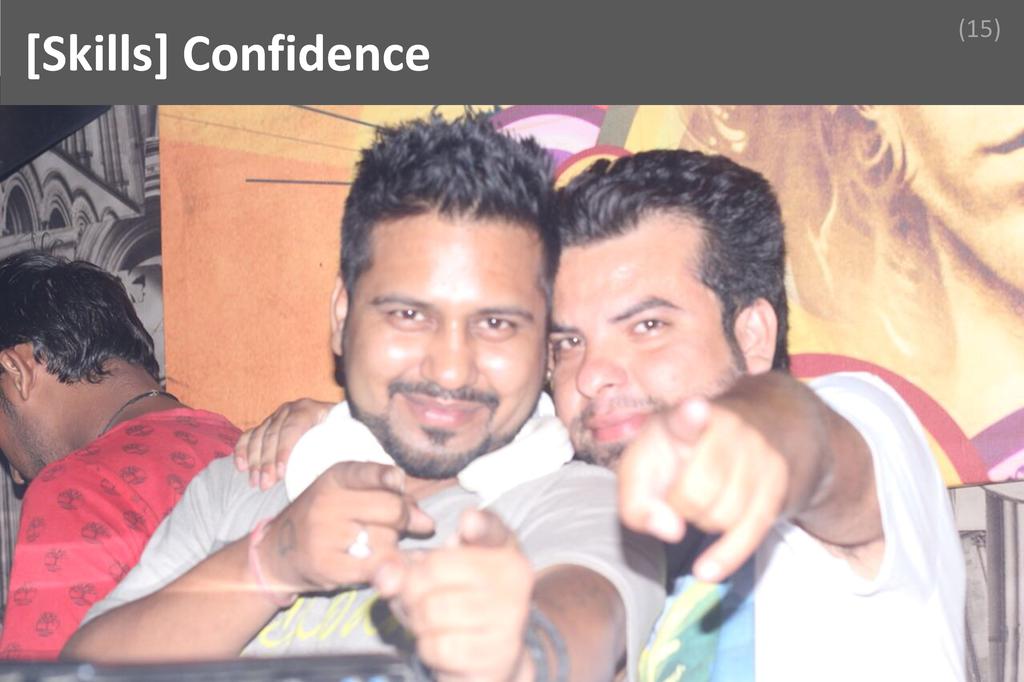
Confidence is the assured belief in one’s abilities, decisions, and value, enabling individuals to act decisively and handle challenges without hesitation. For a Disc Jockey, confidence is crucial because it empowers them to engage audiences, make bold musical choices, and maintain composure under pressure, ensuring memorable performances and professional growth.
Confidence directly enhances a Disc Jockey’s performance by allowing them to command the stage, interact authentically with the crowd, and adapt seamlessly to unexpected changes, such as technical glitches or shifting audience moods. Clients and employers highly value confident DJs because they project reliability, foster energetic atmospheres, and inspire trust in their ability to manage events smoothly. Cultivating confidence involves consistent practice, seeking constructive feedback, and gradually taking on more challenging gigs. Over time, each successful experience reinforces self-assurance, helping DJs to refine their style and presence. By embracing learning opportunities and celebrating small wins, Disc Jockeys can steadily build the confidence needed to excel in competitive and dynamic environments.
Imagine a Disc Jockey performing at a high-profile event when, midway through their set, the sound system unexpectedly malfunctions. Instead of panicking or freezing, the DJ confidently addresses the crowd, maintaining their energy and engagement while technicians resolve the issue. Drawing on their self-assurance, the DJ improvises by interacting with the audience, sharing stories, or even beatboxing to keep the atmosphere lively. Their poise reassures both the event organizers and attendees, turning a potential disaster into a memorable moment. This display of confidence not only salvages the event but also enhances the DJ’s reputation as a reliable and charismatic professional, leading to future opportunities and greater career success.
Positives
Fame & Recognition

Fame and recognition refer to the widespread acknowledgment and admiration a person receives from the public and peers for their talent, achievements, and unique contributions. In the world of disc jockeys, this means being celebrated for musical creativity, crowd engagement, and the ability to shape unforgettable experiences, fueling personal and professional growth.
Fame and recognition are powerful motivators in a disc jockey’s career, providing a sense of accomplishment and validation for their hard work and artistic vision. When DJs are recognized, they gain more opportunities to perform at prestigious venues, collaborate with other artists, and expand their audience. This visibility not only enhances their professional reputation but also boosts their confidence and passion for their craft. The daily experience of being acknowledged by fans, event organizers, and fellow musicians creates a positive feedback loop, inspiring DJs to innovate and push creative boundaries. Ultimately, fame and recognition transform the profession into a deeply rewarding journey, where personal fulfillment and career advancement go hand in hand.
Imagine a disc jockey who has spent years perfecting their skills and building a unique sound. One night, they headline a major music festival, and the crowd erupts in excitement as they take the stage. Social media buzzes with praise, and industry leaders take notice of their performance. In the days that follow, the DJ receives invitations to collaborate with renowned artists and play at international events. Fans approach them with gratitude, sharing how their music has created unforgettable memories. This wave of recognition not only validates the DJ’s dedication but also opens doors to new opportunities, making every moment behind the turntables feel meaningful and inspiring.
Good Income

Good income refers to a level of earnings that not only covers basic living expenses but also allows for financial stability, personal growth, and the pursuit of passions. In the context of a Disc Jockey, good income means being compensated fairly for talent, creativity, and the energy invested in entertaining audiences. This financial reward contributes positively to the profession by enabling DJs to invest in better equipment, expand their skills, and enjoy a higher quality of life. It also provides the freedom to choose gigs that align with personal interests, rather than being driven solely by necessity, fostering both professional and personal fulfillment.
The prospect of a good income is a powerful motivator for those considering a career as a Disc Jockey. It transforms the profession from a mere passion or hobby into a sustainable livelihood. When DJs are rewarded well for their performances, it boosts their confidence and validates their creative efforts. This financial security allows them to focus on honing their craft, experimenting with new sounds, and delivering unforgettable experiences to their audiences. The daily experience of earning a good income brings peace of mind, reduces financial stress, and opens doors to new opportunities, such as collaborations, travel, and personal development. Ultimately, it enhances job satisfaction and encourages long-term commitment to the profession.
Imagine a professional DJ who has built a strong reputation in their local music scene. Thanks to their skill and popularity, they are regularly booked for high-profile events, festivals, and private parties, each offering generous compensation. With this steady and good income, the DJ is able to upgrade their equipment, invest in marketing, and even take time off to recharge without worrying about financial strain. This financial stability allows them to pursue creative projects, collaborate with other artists, and explore new musical genres. The sense of accomplishment and freedom that comes from earning a good income not only enriches their professional journey but also inspires them to continue growing and innovating in their field.
Networking

Networking is the process of building and nurturing professional relationships that foster mutual support, collaboration, and opportunities. In the world of disc jockeys, networking means connecting with fellow DJs, event organizers, venue owners, and fans. This web of relationships opens doors to gigs, creative partnerships, and valuable industry insights, making it a cornerstone of career growth.
The significance of networking in a disc jockey’s career cannot be overstated. By forging strong connections, DJs gain access to exclusive events, mentorship, and collaborative projects that might otherwise remain out of reach. This sense of community not only enhances job satisfaction but also fuels creative inspiration and personal growth. Networking allows DJs to stay updated on industry trends, discover new music, and share experiences with like-minded professionals. On a daily basis, these relationships translate into new opportunities, constructive feedback, and a support system that helps navigate the challenges of the profession. Ultimately, networking transforms the solitary act of performing into a shared journey, enriching both career and personal fulfillment.
Imagine a disc jockey who regularly attends local music events and interacts with other artists, promoters, and fans. Through these connections, they are invited to collaborate on a high-profile music festival. The relationships built through networking not only secure them a coveted performance slot but also introduce them to influential figures in the industry. As a result, the DJ gains exposure to new audiences, receives invitations to additional gigs, and forms lasting friendships with fellow artists. This experience highlights how networking can turn passion into opportunity, making each performance more meaningful and every career milestone a shared celebration. The DJ’s journey becomes a testament to the power of community and connection in achieving professional dreams.
Entertaining Job

An "Entertaining Job" is a profession that consistently brings joy, excitement, and engagement both to the worker and their audience, making each workday dynamic and enjoyable. In the world of Disc Jockeys, this means crafting memorable experiences, energizing crowds, and transforming ordinary events into unforgettable celebrations. The entertaining nature of this role fosters creativity and personal expression, allowing DJs to connect with people through music and performance. This positive aspect not only makes the job enjoyable but also sustains motivation and passion, ensuring that every set played is as thrilling for the DJ as it is for the audience.
The entertaining aspect of being a Disc Jockey is a significant driver of job satisfaction and professional growth. When work is inherently enjoyable, it becomes easier to stay motivated and inspired, even during long hours or challenging gigs. DJs thrive on the immediate feedback from their audience, feeling the energy shift as they mix tracks and read the crowd. This constant interaction and the ability to influence the mood of an event provide a unique sense of accomplishment and pride. The daily experience of entertaining others not only sharpens performance skills but also builds confidence and resilience, making each event an opportunity for personal and professional development.
Imagine a Disc Jockey performing at a packed music festival. As the sun sets and the crowd swells, the DJ senses the anticipation in the air. With each carefully chosen track, the energy in the crowd rises, people dance, sing along, and share moments of pure joy. The DJ, immersed in the music and the crowd’s response, feels a deep sense of fulfillment and excitement. This experience is not just about playing songs; it’s about creating a shared atmosphere of happiness and connection. The DJ leaves the stage knowing they have made a lasting impact, all because their job is centered around entertaining and uplifting others.
Challenges
Odd Working Hours

Odd Working Hours in the context of Disc Jockey refer to performing and working during late nights, weekends, and holidays, often outside the standard nine-to-five schedule. This demand arises because entertainment events and club gigs typically occur when most people are off work, requiring DJs to adapt their routines accordingly.
The challenge of odd working hours can disrupt personal routines, sleep patterns, and social relationships, making it difficult to maintain a healthy work-life balance. DJs often experience fatigue and must cope with irregular meal times, limited downtime, and the pressure to deliver high-energy performances regardless of the hour. This environment demands resilience, adaptability, and strong self-management skills. Successful professionals navigate these constraints by prioritizing rest during off-hours, maintaining a consistent sleep schedule when possible, and setting boundaries to protect personal time. They also develop routines that support their physical and mental well-being, such as regular exercise and mindful nutrition, enabling them to remain focused and energetic during performances.
Consider a professional DJ who regularly headlines late-night events at popular clubs. To manage the demands of odd working hours, she structures her day to maximize rest, sleeping during the morning and early afternoon. She communicates her schedule clearly to friends and family, ensuring they understand her availability. By preparing healthy meals in advance and incorporating short exercise routines before gigs, she maintains her energy and focus. Despite missing traditional social gatherings, she finds fulfillment in connecting with her audience and peers within the industry. Through disciplined time management and self-care, she successfully balances her career’s unique demands with her personal well-being, demonstrating how resilience and adaptability can turn a challenge into a sustainable lifestyle.
Keeping Audience Attention

Keeping Audience Attention in the context of Disc Jockey means maintaining the crowd’s energy, engagement, and enthusiasm throughout a set. This is demanding because audiences are diverse, their moods shift rapidly, and external distractions abound. DJs must constantly read the room and adapt, ensuring the vibe never stagnates or declines.
The challenge of keeping audience attention shapes every aspect of a DJ’s daily work, from track selection to crowd interaction. Losing the crowd’s focus can quickly deflate the atmosphere, making it difficult to regain momentum. This ongoing pressure requires resilience, adaptability, and acute observation skills. Successful DJs mitigate this by preparing versatile playlists, mastering transitions, and staying attuned to subtle shifts in audience energy. They often read facial expressions, body language, and dance floor density to make real-time adjustments. By blending technical skill with emotional intelligence, they create a dynamic experience that keeps the audience invested, even when unexpected lulls or distractions arise.
Imagine a DJ performing at a large festival where the crowd’s attention starts to wane as the evening progresses. Noticing a dip in energy, the DJ quickly shifts from a slower tempo to an upbeat, crowd-pleasing track, seamlessly mixing in a familiar anthem that resonates with the audience. Simultaneously, the DJ interacts with the crowd through the microphone, encouraging participation and building excitement. The combination of musical intuition and direct engagement reignites the crowd’s enthusiasm, transforming a potential lull into a peak moment. This scenario demonstrates how a skilled DJ can read the room, adapt on the fly, and use both music and personality to recapture and sustain audience attention.
Competition

Competition in the context of Disc Jockey refers to the constant rivalry among DJs to secure gigs, build a loyal audience, and maintain relevance in a rapidly evolving music scene. This challenge is demanding because it requires continuous innovation, adaptability, and self-promotion to stand out in a saturated and dynamic industry.
The pressure of competition can significantly influence a DJ’s daily routine, often leading to long hours spent curating unique sets, networking, and promoting themselves on social media. This environment can be mentally taxing, demanding resilience to handle rejection and setbacks. Successful DJs manage this constraint by focusing on personal growth, honing their craft, and developing a distinct musical identity. They invest time in learning new technologies, collaborating with other artists, and engaging with their audience to foster loyalty. By embracing adaptability and persistence, they turn competition into motivation, using it as a catalyst for continuous improvement rather than a source of discouragement.
Consider a DJ who notices that bookings are dwindling as new talent emerges in their city. Instead of succumbing to frustration, they analyze current trends and identify gaps in the local music scene. By introducing a fresh genre during their sets and collaborating with up-and-coming vocalists, they create a unique experience that resonates with audiences. Their willingness to adapt and innovate not only revitalizes their career but also earns them recognition among peers and promoters. Through strategic self-promotion and consistent engagement with fans, they successfully navigate the competitive landscape, demonstrating that resilience and creativity are key to overcoming the challenges inherent in the profession.
A Day Of
Disc Jockey
Long before the crowd pulses to the beat and the lights begin to strobe, the life of a disc jockey is already in full swing. The day is a blend of creative energy, technical precision, and social connection, unfolding in a rhythm all its own. Whether spinning tracks in a packed club, curating playlists for a radio show, or preparing for a private event, a DJ’s workday is a dynamic journey that extends far beyond the booth. Every hour is shaped by music, meticulous planning, and the anticipation of creating unforgettable moments for an audience that’s always waiting for the next great mix.
As the city wakes, the DJ’s day begins with a quiet focus, often at home or in a studio. This is the time for reviewing new tracks, organizing playlists, and researching the latest music trends. The morning hours are ideal for sifting through submissions from producers, updating digital libraries, and mapping out the setlists that will define the mood of upcoming gigs. With headphones on and coffee in hand, the DJ crafts the musical journey ahead, ensuring every transition and beat drop is perfectly timed.
By mid-morning, the DJ shifts gears to the technical heart of the job. Arriving at the venue or studio, it’s time to set up equipment, test sound systems, and calibrate mixers and controllers. This phase is intense and hands-on, requiring attention to detail as every cable, speaker, and software setting is checked and double-checked. The DJ collaborates with sound engineers and venue staff, troubleshooting any issues and making sure the audio environment is flawless. The energy builds as the stage is set for the day’s main event.
Afternoon brings the collaborative pulse of the profession. Whether hosting a live radio show, performing at an event, or recording a mix, the DJ is now fully immersed in the music. This is when creativity and crowd-reading skills come alive, as the DJ blends tracks, interacts with listeners, and adapts to the energy in the room. Networking with other artists, taking requests, and responding to real-time feedback all play a part in delivering a memorable experience. The hours fly by in a blur of beats, transitions, and audience engagement.
As the day winds down, the DJ’s focus shifts to reflection and preparation for what’s next. Equipment is packed up and transported, playlists are reviewed, and notes are made about what worked and what could be improved. Administrative tasks like responding to emails, booking future gigs, and updating social media profiles fill the quieter moments. The evening is also a time for researching new music, connecting with collaborators, and sketching out ideas for the next performance. With the day’s work complete, the DJ looks ahead, always planning for the next opportunity to move a crowd. |


 Home
Home Abroad
 Plan
Plan Philosophy
 Seminar
 Pages
Pages Advisors
 Testimonials












 Workshop
 Discuss
 Meet
Meet
 Advisor
 Story
Story
 Fine Print
 Links
Links
 Blog
Blog
 Follow
