The Journey of Music Curation
What Is Music Curation
Music Creation
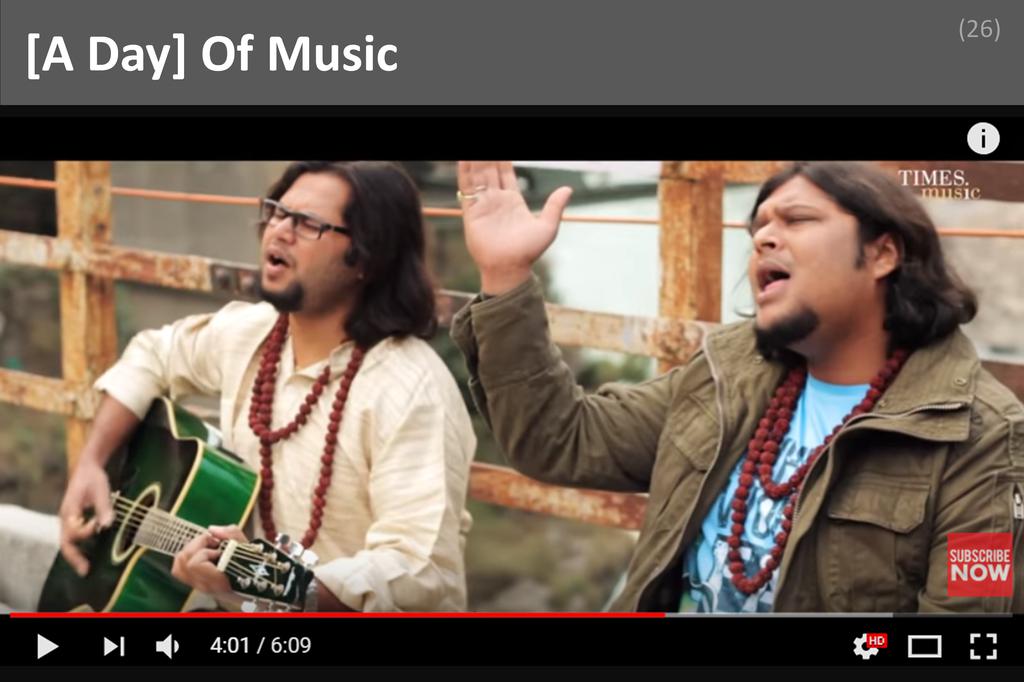
Music creation is the process of composing, producing, and recording original musical works. It involves generating melodies, harmonies, rhythms, and lyrics, often using instruments, digital tools, or software. This creative endeavor results in new audio content that can be shared, performed, or curated for various audiences and platforms.
Music creation plays a vital role in the world of music curation by providing a constant stream of fresh content for curators to discover, evaluate, and share. For professionals in music curation, understanding the nuances of music creation allows them to better appreciate artistic intent, genre innovation, and production quality. This insight leads to more informed selections and recommendations. The benefits include access to exclusive or emerging tracks, the ability to support and promote new artists, and the opportunity to shape musical trends by curating innovative sounds. Ultimately, music creation fuels the ecosystem that curators rely on, ensuring that playlists, radio shows, and music libraries remain dynamic and engaging for listeners.
A music curator working for a popular streaming service might regularly collaborate with independent artists and producers to feature newly created tracks in genre-specific playlists. By understanding the process of music creation, the curator can identify unique production techniques or lyrical themes that set a song apart. For instance, when an up-and-coming artist releases a self-produced single with experimental electronic elements, the curator recognizes its potential appeal to a niche audience and includes it in a trending playlist. This not only introduces listeners to innovative music but also helps the artist gain exposure, demonstrating how music creation and curation work hand in hand to shape the listening experience.
Education
Music
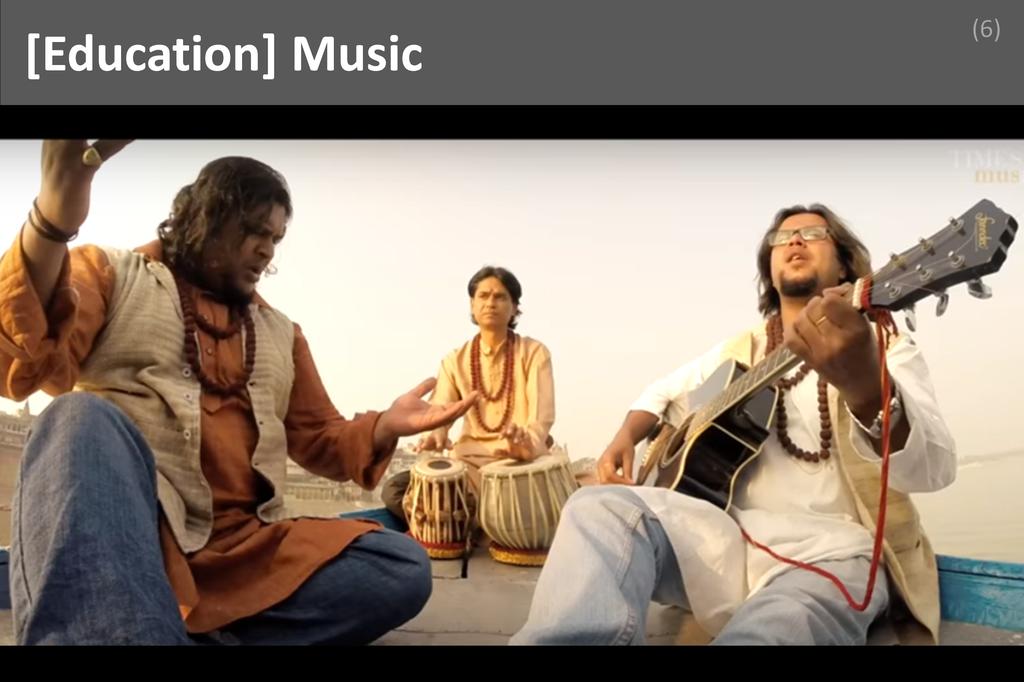
Music is the art of organizing sounds and silences in time, using elements such as melody, harmony, rhythm, and timbre to evoke emotions, convey ideas, and create aesthetic experiences. In music curation, a deep understanding of music is essential for selecting, analyzing, and presenting works that resonate with diverse audiences.
A thorough grasp of music is crucial for anyone pursuing a career in music curation because it underpins every aspect of the role. Understanding musical genres, structures, and historical contexts allows curators to make informed decisions about what to include in playlists, exhibitions, or archives. This knowledge enables professionals to recognize trends, appreciate artistic innovation, and anticipate audience preferences. Over time, a strong foundation in music theory and history enhances credibility, fosters meaningful collaborations with artists and industry stakeholders, and supports the creation of engaging, relevant musical experiences. Ultimately, mastering the subject of music ensures that curators can thoughtfully shape the cultural landscape and contribute to the ongoing evolution of musical appreciation.
Imagine a music curator tasked with designing a playlist for a streaming platform’s “Indie Classics” collection. Drawing on their theoretical understanding of music, the curator analyzes each track’s compositional elements, such as chord progressions, lyrical themes, and production styles, to ensure authenticity and cohesion. They consider the historical evolution of indie music, identifying seminal tracks that influenced the genre’s development. By applying their expertise, the curator not only selects songs that fit the playlist’s theme but also introduces listeners to lesser-known artists whose work exemplifies the genre’s spirit. This thoughtful approach results in a playlist that educates, entertains, and inspires, demonstrating the value of a strong musical foundation in daily curation tasks.
Instruments

Instruments refer to the diverse range of devices and tools used to produce musical sounds, encompassing traditional, electronic, and experimental forms. Understanding instruments involves knowledge of their construction, sound production, historical context, and cultural significance, making it a crucial component of academic and professional expertise in Music Curation.
A deep understanding of instruments is essential for anyone pursuing a career in Music Curation because it enables professionals to accurately identify, categorize, and contextualize music across genres and eras. This knowledge forms the backbone of effective playlist creation, music recommendation, and archival work, ensuring that curated selections are both authentic and diverse. Recognizing the nuances of different instruments allows curators to appreciate the unique textures and emotional qualities they bring to compositions, which is vital for crafting engaging listening experiences. Over time, this expertise enhances a curator’s ability to collaborate with artists, communicate with audiences, and adapt to evolving musical trends, ultimately establishing credibility and fostering long-term success in the field.
Consider a music curator tasked with assembling a playlist for a streaming platform’s “Global Acoustic Sounds” feature. Drawing on their theoretical understanding of instruments, the curator identifies tracks that showcase a variety of acoustic instruments from different cultures, such as the sitar, balalaika, and charango. By recognizing the distinct timbres and playing techniques of each instrument, the curator ensures that the playlist offers listeners a rich and authentic exploration of global acoustic traditions. This expertise also allows the curator to write informed descriptions and recommendations, enhancing user engagement and satisfaction. In daily operations, such knowledge is indispensable for making thoughtful selections that resonate with diverse audiences and uphold the integrity of the curated content.
Formal Education

Formal education refers to structured learning that takes place within established institutions such as schools, colleges, or universities. It follows a set curriculum, is delivered by qualified instructors, and leads to recognized certifications or degrees. In music curation, formal education provides essential theoretical and practical foundations for professional growth and credibility.
Understanding formal education is crucial for anyone preparing for or working in music curation because it establishes a comprehensive knowledge base in music theory, history, and cultural context. This structured learning enables curators to analyze and interpret music with depth and accuracy, ensuring their selections are both informed and relevant. Formal education also exposes individuals to a wide range of genres, artists, and historical movements, fostering a broader perspective that is invaluable when curating diverse playlists or exhibitions. Over time, the discipline and analytical skills gained through formal education enhance a curator’s ability to adapt to industry changes, collaborate with other professionals, and maintain credibility in a competitive field. Ultimately, it lays the groundwork for lifelong learning and professional advancement.
Imagine a music curator tasked with designing a playlist for a museum exhibition on twentieth-century jazz. Drawing on their formal education, the curator applies their understanding of jazz history, key artists, and stylistic developments to select tracks that authentically represent the era. Their academic background enables them to contextualize each piece, explaining its significance to visitors and enriching the overall experience. When collaborating with historians or musicians, the curator’s formal training allows for informed discussions and accurate representation of the genre. This theoretical foundation ensures that the curated music not only entertains but also educates and engages the audience, demonstrating the practical value of formal education in daily professional activities.
Skills
Music Composition
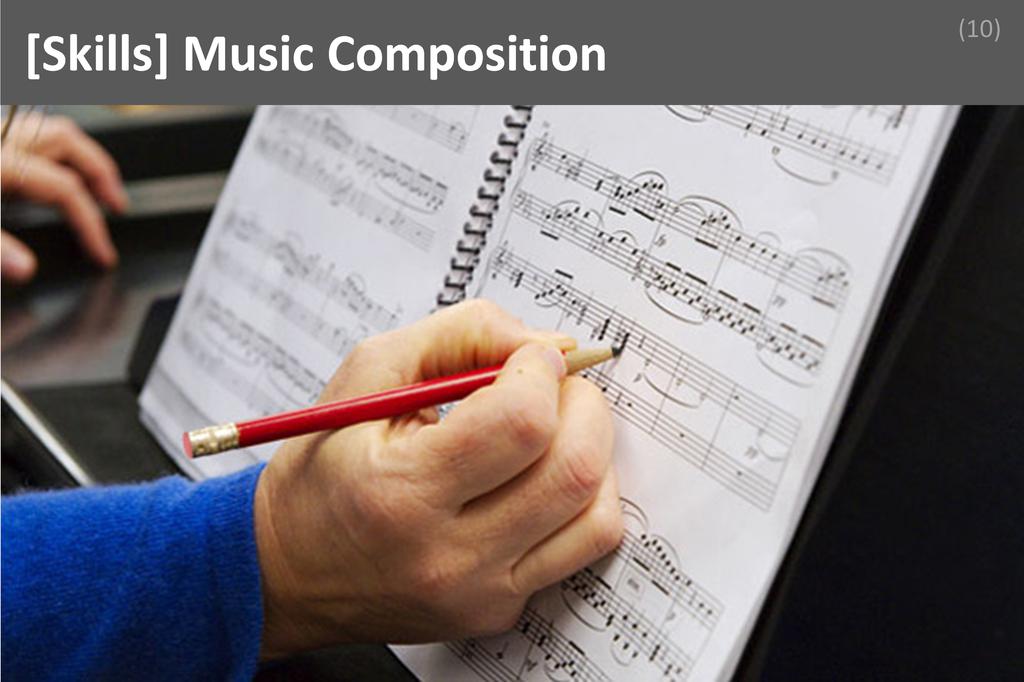
Music composition is the creative process of inventing, arranging, and structuring original musical works by combining melody, harmony, rhythm, and timbre. For a Music Curation professional, this skill is indispensable because it enables a deep understanding of musical elements, allowing for more informed, nuanced, and impactful selections and recommendations within diverse listening environments.
Mastery of music composition directly enhances a music curator’s ability to analyze, interpret, and select tracks that resonate with specific audiences or project goals. Clients and employers highly value this expertise because it ensures curated playlists or soundtracks are not only cohesive but also emotionally engaging and contextually appropriate. Over time, one can cultivate this skill through formal education, consistent practice in writing and arranging music, and by studying a wide range of genres and compositional techniques. This ongoing development sharpens the curator’s ear for detail, enabling them to identify subtle musical qualities that elevate the listening experience and set their work apart in a competitive industry.
Imagine a music curator tasked with assembling a playlist for a high-profile brand’s product launch event. Midway through, the client requests a seamless transition between two tracks with contrasting moods. Drawing on their music composition expertise, the curator quickly creates a custom interlude that bridges the emotional gap, ensuring the flow remains uninterrupted and the event’s atmosphere is preserved. This ability to compose and adapt music on the spot not only solves a critical issue but also impresses the client, demonstrating the curator’s versatility and deep musical insight. In this scenario, music composition proves essential to delivering a polished, memorable experience that meets both creative and logistical demands.
Originality

Originality is the ability to generate unique ideas, approaches, or creations that stand apart from conventional or existing patterns. In music curation, originality enables professionals to craft playlists, experiences, and recommendations that are fresh, engaging, and tailored to specific audiences, setting their work apart in a crowded and competitive industry.
Originality directly enhances a music curator’s performance by enabling them to discover and present music in ways that surprise and delight listeners. Clients and employers highly value this skill because it leads to distinctive playlists and experiences that can define a brand or platform’s identity. Originality helps curators avoid predictable or repetitive selections, ensuring that audiences remain engaged and loyal. To cultivate originality, curators can immerse themselves in diverse genres, stay curious about emerging trends, and regularly challenge their own assumptions about what works. Over time, this openness to experimentation and willingness to take creative risks helps curators refine their unique voice and approach, making their contributions both memorable and impactful.
Imagine a music curator tasked with designing the soundtrack for a high-profile fashion show. The client wants the music to reflect the brand’s avant-garde image, but the initial playlists feel uninspired and generic. Drawing on their originality, the curator explores unconventional genres, blending electronic soundscapes with obscure world music and unexpected remixes. This bold, creative approach not only aligns perfectly with the brand’s vision but also captivates the audience, generating buzz and positive media coverage. By relying on originality, the curator transforms a routine assignment into a standout experience, demonstrating the value of fresh thinking in overcoming creative challenges and achieving professional success.
Feeling the Music

"Feeling the Music" is the intuitive ability to emotionally connect with a song’s mood, energy, and narrative, allowing a curator to understand its impact beyond technical elements. This skill enables music curation professionals to select tracks that resonate deeply with listeners, creating meaningful and memorable listening experiences. In the toolkit of a music curator, feeling the music bridges the gap between analytical selection and emotional storytelling, ensuring that playlists and soundtracks evoke the intended atmosphere and emotional response. Without this core skill, curation risks becoming mechanical, missing the subtle nuances that make music truly powerful and engaging for diverse audiences.
Feeling the music directly enhances a music curator’s performance by enabling them to craft playlists and soundtracks that authentically capture the desired mood or theme. Clients and employers highly value this skill because it leads to more engaging, emotionally resonant music selections that foster listener loyalty and brand identity. A curator who feels the music can anticipate how tracks will be received in various contexts, whether for a brand campaign, a film, or a streaming playlist. Cultivating this skill involves active listening, exploring diverse genres, and reflecting on personal emotional responses to music. Over time, curators develop a refined intuition, allowing them to consistently make selections that connect with audiences on a deeper level.
Imagine a music curator tasked with creating a playlist for a high-profile advertising campaign aimed at evoking nostalgia and warmth. Despite access to data on trending songs and demographic preferences, the initial playlist fails to resonate during client review. The curator revisits the project, this time relying on their ability to feel the music, carefully listening to each track’s emotional undertones and lyrical themes. By selecting songs that genuinely evoke the intended feelings, the revised playlist strikes a powerful chord with both the client and the target audience. This scenario demonstrates how feeling the music enables curators to move beyond surface-level choices and deliver solutions that achieve emotional impact and campaign success.
Practice

Practice is the consistent and intentional repetition of tasks, skills, or processes with the aim of improving proficiency and achieving mastery. In the context of music curation, practice involves regularly exploring new genres, refining playlist construction, and analyzing listener feedback to sharpen one’s ability to select and sequence music that resonates with diverse audiences.
The skill of practice directly enhances a music curator’s performance by fostering a deep familiarity with evolving musical trends, audience preferences, and the technical aspects of playlist creation. Clients and employers highly value curators who demonstrate a commitment to ongoing improvement, as it ensures their selections remain fresh, relevant, and engaging. By dedicating time each day to listening, researching, and experimenting with different musical arrangements, curators can steadily refine their instincts and expand their musical vocabulary. Over time, this disciplined approach leads to a more intuitive sense of what works for specific moods, brands, or events, making the curator indispensable in delivering memorable listening experiences.
Imagine a music curator tasked with creating a playlist for a high-profile brand launch event. The initial playlist fails to energize the crowd, and feedback suggests the selections feel outdated. Drawing on their habit of regular practice, the curator quickly revisits their extensive library, recalls recent discoveries, and applies their honed sequencing skills to rework the playlist on the spot. Their practiced ear allows them to blend trending tracks with timeless favorites, transforming the atmosphere and impressing both the client and attendees. This scenario highlights how ongoing practice equips a music curator to adapt swiftly, solve problems creatively, and consistently deliver exceptional results under pressure.
Team Formation

Team Formation is the process of identifying, assembling, and nurturing a group of individuals with complementary skills and shared goals to achieve specific objectives. In music curation, this skill enables professionals to bring together diverse talents—such as musicologists, data analysts, and cultural experts—to create compelling and relevant playlists or experiences.
Mastering Team Formation directly enhances a music curator’s ability to deliver innovative and high-quality results. By building well-rounded teams, curators can draw on a broader range of perspectives, ensuring playlists resonate with varied audiences and meet complex project requirements. Employers and clients value this skill because it leads to more efficient workflows, creative solutions, and successful project outcomes. To cultivate Team Formation, professionals should focus on networking, understanding individual strengths, and fostering open communication. Over time, experience in diverse collaborative settings helps curators refine their ability to select the right people for each project and create an environment where everyone’s contributions are valued.
Imagine a music curator tasked with designing the soundtrack for a major international festival. The curator recognizes that success depends on blending genres, cultures, and audience expectations. By forming a team that includes local music experts, sound engineers, and marketing strategists, the curator ensures that every aspect of the soundtrack is thoughtfully crafted. When a last-minute artist cancellation threatens the lineup, the team’s collective expertise and strong communication allow them to quickly identify a suitable replacement and adjust the playlist seamlessly. This collaborative approach not only solves the immediate crisis but also elevates the overall quality of the curation, demonstrating the indispensable value of Team Formation in achieving both creative and logistical success.
Patience
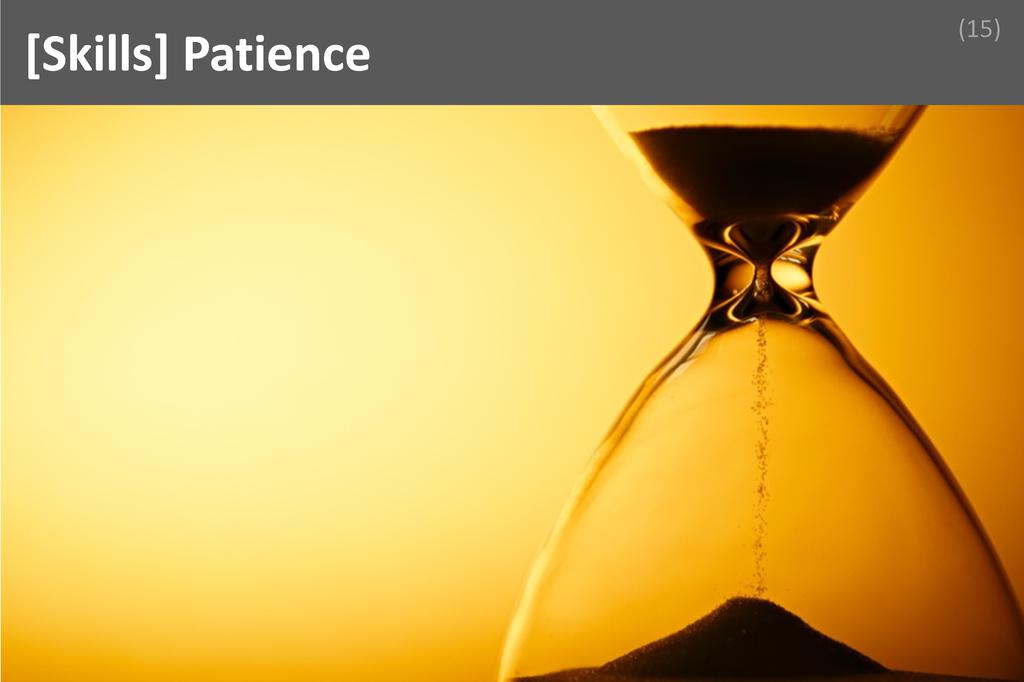
Patience is the ability to remain calm, composed, and persistent in the face of delays, challenges, or repetitive tasks, without becoming frustrated or discouraged. In music curation, patience enables professionals to thoughtfully sift through vast libraries, listen attentively, and make careful decisions that shape the perfect playlist or collection.
Patience directly enhances a music curator’s performance by allowing for thorough exploration and evaluation of tracks, genres, and emerging artists. This careful approach ensures that playlists are not only diverse and engaging but also tailored to the intended audience or brand identity. Clients and employers value patience because it leads to higher quality outcomes, fewer rushed mistakes, and a more thoughtful curation process. Cultivating patience involves embracing the iterative nature of music discovery, practicing active listening, and accepting that finding the right sound or sequence often takes time. Over time, repeated exposure to the complexities of music selection helps curators develop a natural resilience and a deeper appreciation for the process.
Imagine a music curator tasked with creating a playlist for a high-profile event, where the client requests a unique blend of genres and moods. The curator spends hours listening to hundreds of tracks, many of which do not fit the vision. Instead of becoming frustrated, the curator patiently continues the search, revisiting overlooked songs and experimenting with different combinations. Through this persistent effort, the curator uncovers hidden gems and crafts a playlist that exceeds the client’s expectations. The patience displayed not only ensures a superior final product but also builds trust with the client, who recognizes the dedication and care invested in the project.
Positives
Sense of Achievement

A sense of achievement is the deep personal satisfaction and pride that comes from reaching meaningful goals, overcoming challenges, and making a tangible impact through one’s work. In music curation, this feeling is a driving force, motivating professionals to create memorable experiences and to continually strive for excellence in their craft.
The sense of achievement in music curation is a powerful motivator that transforms daily tasks into meaningful milestones. When curators see their playlists or selections resonate with listeners, it validates their expertise and creative instincts. This recognition not only boosts job satisfaction but also encourages ongoing professional growth, as curators are inspired to explore new genres, discover emerging artists, and refine their curatorial voice. The constant feedback loop of audience engagement and appreciation reinforces a curator’s confidence, making each project feel significant. As a result, professionals in this field experience a unique blend of creative fulfillment and personal pride, which sustains their passion and commitment to shaping the musical landscape.
Imagine a music curator who spends weeks researching, selecting, and sequencing tracks for a themed playlist intended to uplift listeners during challenging times. After the playlist goes live, messages pour in from people who found comfort, motivation, or joy through the carefully chosen songs. The curator sees the playlist trending, receives positive feedback from both listeners and industry peers, and notices an uptick in engagement across platforms. In that moment, the curator feels a profound sense of achievement, knowing their work has made a real difference in people’s lives. This rewarding experience not only validates their efforts but also inspires them to continue curating with passion and purpose.
Mental Peace
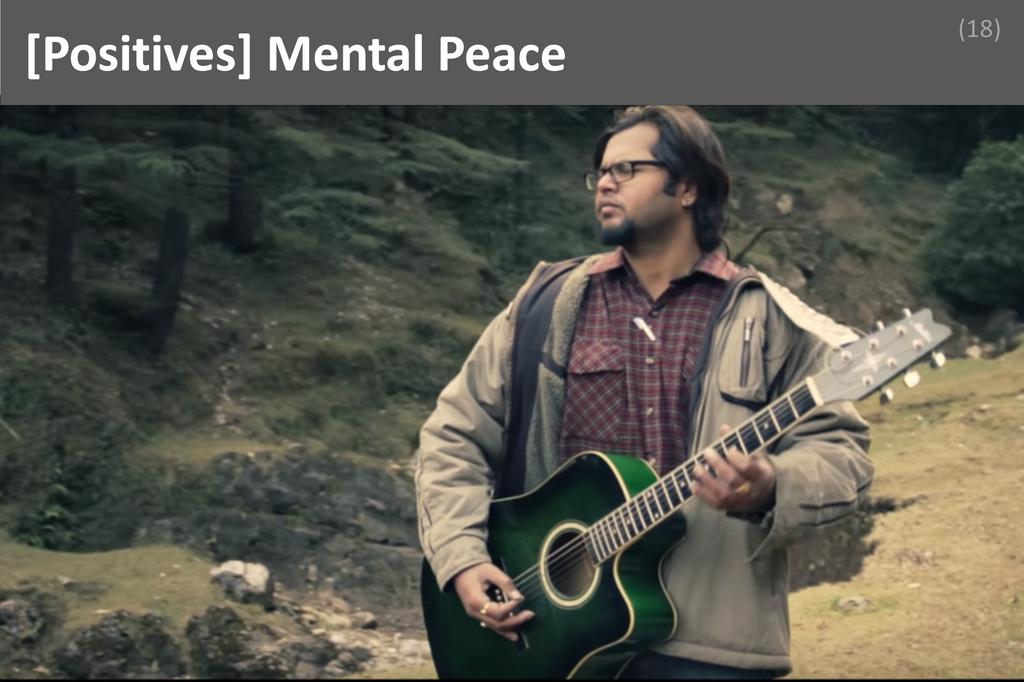
Mental Peace is a state of inner calm, emotional balance, and clarity of mind that allows individuals to navigate life’s challenges with resilience and contentment. In the context of music curation, mental peace enables professionals to immerse themselves in creativity, make thoughtful decisions, and maintain a harmonious relationship with their work and audience.
The presence of mental peace in a music curator’s career is a transformative advantage. It nurtures a sense of fulfillment, allowing curators to approach their tasks with patience, open-mindedness, and genuine passion. This tranquility fosters creativity, enabling curators to explore diverse genres and craft playlists that resonate deeply with listeners. As a result, job satisfaction increases, and stress levels decrease, making daily work more enjoyable and sustainable. Mental peace also encourages personal growth, as curators are better equipped to handle constructive feedback and adapt to industry changes. Ultimately, this positive aspect not only enhances professional performance but also enriches the curator’s overall well-being, creating a rewarding and enduring career path.
Imagine a music curator starting their day by listening to new tracks in a sunlit studio, free from the pressure of rigid deadlines or external noise. As they thoughtfully select songs for a themed playlist, they experience a sense of flow and satisfaction, knowing their choices will uplift and inspire listeners. This peaceful environment allows them to connect deeply with the music and their own emotions, resulting in authentic and meaningful curation. When positive feedback arrives from listeners who felt understood and moved by the playlist, the curator’s sense of mental peace is reinforced. This daily experience of calm and fulfillment becomes a cornerstone of their professional life, making music curation not just a job, but a source of lasting joy.
Interaction with Like-Minded People

Interaction with like-minded people refers to the ongoing exchange of ideas, inspiration, and enthusiasm among individuals who share a deep passion for music and its curation. This connection fosters a sense of belonging, encourages creative collaboration, and enhances professional growth by allowing curators to learn from each other’s experiences and perspectives.
The opportunity to interact with like-minded people is a cornerstone of fulfillment in music curation. When professionals are surrounded by others who share their passion and curiosity, they experience a unique sense of camaraderie and mutual understanding. This environment nurtures creativity, as curators can brainstorm, debate, and refine their ideas together, leading to more innovative playlists and projects. The daily exchange of recommendations, insights, and feedback not only sharpens their musical knowledge but also keeps them motivated and inspired. Such interactions often lead to lasting friendships and professional networks, making the workplace more enjoyable and supportive. Ultimately, this shared enthusiasm and collaboration drive both personal satisfaction and career advancement in the field.
Imagine a music curator working at a streaming platform who regularly collaborates with colleagues equally passionate about discovering new sounds. During a weekly team meeting, they excitedly share recent finds, discuss emerging trends, and debate which tracks best fit a new playlist concept. This lively exchange sparks fresh ideas and challenges each curator to think differently about their selections. The curator leaves the meeting energized, having learned about new genres and artists from peers who truly understand their excitement for music. This sense of community and shared purpose not only makes their work more enjoyable but also elevates the quality of their curation, demonstrating the profound impact of interacting with like-minded people in their daily professional life.
Appreciation

Appreciation is the recognition and valuing of one’s efforts, talents, and contributions by others, fostering a sense of respect and gratitude. In music curation, appreciation manifests through feedback from listeners, artists, and colleagues who acknowledge the curator’s skill in creating meaningful musical experiences. This positive reinforcement elevates morale and inspires continued excellence.
Appreciation is a powerful motivator in the field of music curation, as it validates the curator’s creative decisions and deep knowledge of music. When curators feel valued, their passion for discovering and sharing music grows, leading to greater job satisfaction and personal fulfillment. This recognition often translates into increased confidence, encouraging curators to take creative risks and explore new genres or themes. Daily, professionals in this field receive messages of gratitude from listeners who discover new favorites or find comfort in a playlist, as well as acknowledgment from artists whose work is featured. Such appreciation not only strengthens professional relationships but also fosters a collaborative and supportive environment, fueling both personal and career growth.
Imagine a music curator who spends hours crafting a playlist for a major streaming platform, carefully selecting tracks to evoke a specific mood. After the playlist goes live, the curator receives heartfelt messages from listeners who share how the music helped them through a difficult time or introduced them to new artists. An emerging musician also reaches out, expressing gratitude for being included and explaining how the exposure led to new opportunities. The curator’s manager highlights the playlist’s success in a team meeting, acknowledging the curator’s unique vision and dedication. In this scenario, appreciation is felt from multiple sources, reinforcing the curator’s sense of purpose and making the hard work deeply rewarding.
Challenges
Financial Struggles

Financial struggles in music curation refer to the persistent challenge of earning a stable and sufficient income from curating playlists, managing music libraries, or recommending tracks. This difficulty arises due to limited full-time opportunities, inconsistent freelance work, and the undervaluation of curation skills, making financial stability especially demanding for professionals.
Financial instability can significantly affect a music curator’s daily work, often forcing them to juggle multiple jobs or side gigs to make ends meet. This pressure can lead to stress, reduced creative energy, and difficulty focusing on high-quality curation. The uncertainty of income demands resilience, as professionals must continuously adapt to changing industry trends and seek new revenue streams. Successful curators often manage this constraint by diversifying their income, such as offering consulting services, teaching, or collaborating with brands. They also build strong networks and maintain an active online presence to attract more opportunities. By staying adaptable and proactive, they can better weather financial ups and downs while continuing to pursue their passion for music.
Consider a music curator who initially struggled to earn a living solely from playlist curation on streaming platforms. Recognizing the financial challenge, she expanded her services to include music supervision for independent films and offered online workshops on playlist-building techniques. She also leveraged social media to showcase her expertise, attracting sponsorships and freelance projects from music tech startups. Through these efforts, she not only diversified her income but also built a reputation that led to more consistent and higher-paying opportunities. By embracing flexibility and seeking out complementary roles, she successfully managed the obstacle of financial struggles and established a sustainable career in music curation.
Unguaranteed Returns

In music curation, "Unguaranteed Returns" refers to the unpredictable and often inconsistent outcomes of curatorial efforts, where time, creativity, and expertise invested in playlists or recommendations may not yield proportional recognition, financial reward, or audience engagement. This uncertainty makes the profession especially demanding and emotionally taxing for curators.
The challenge of unguaranteed returns permeates the daily routines of music curators, who may spend countless hours researching, listening, and crafting playlists without assurance that their work will resonate or be rewarded. This unpredictability can lead to frustration and self-doubt, making resilience an essential trait. Successful professionals manage this constraint by focusing on intrinsic motivation, such as a passion for music discovery and the satisfaction of influencing listeners’ experiences. They also diversify their projects, build strong networks within the industry, and continuously adapt to shifting trends and audience preferences. By embracing the process and celebrating small wins, curators maintain momentum and find fulfillment even when external validation is sporadic.
Consider a music curator working for an independent streaming platform who spends weeks developing a genre-blending playlist, carefully selecting tracks to introduce listeners to emerging artists. Despite the curator’s expertise and effort, the playlist initially receives minimal attention and few followers. Instead of becoming discouraged, the curator analyzes listener data, solicits feedback, and tweaks the playlist’s sequencing and promotion strategy. Over time, the playlist gains traction through word-of-mouth and social media shares, eventually catching the attention of a popular music blog. The curator’s willingness to adapt and persevere in the face of unguaranteed returns ultimately leads to increased recognition and new professional opportunities, demonstrating the value of resilience and strategic adjustment.
Degrading Standards

Degrading Standards in Music Curation refers to the gradual decline in quality expectations for curated playlists, selections, or recommendations, often driven by commercial pressures, algorithmic shortcuts, or audience trends. This challenge is demanding because it undermines artistic integrity, reduces diversity, and can erode the curator’s professional credibility and personal satisfaction.
The presence of degrading standards can make daily work in music curation feel transactional rather than creative, as curators may be pressured to prioritize popularity metrics or viral trends over artistic merit and discovery. This environment can be demoralizing, requiring resilience to maintain a sense of purpose and pride in one’s work. Successful professionals navigate this constraint by advocating for balanced curation, seeking opportunities to educate stakeholders about the value of quality and diversity, and finding creative ways to introduce lesser-known or higher-quality music alongside mainstream selections. By building trust with their audience and collaborators, they gradually shift expectations and demonstrate that high standards can coexist with commercial success.
Consider a music curator at a major streaming platform who notices a growing emphasis on algorithm-driven playlists that favor repetitive, formulaic tracks. Rather than simply acquiescing, the curator collaborates with data analysts to identify underrepresented genres and artists that still perform well with niche audiences. By curating special features and editorial playlists that blend popular hits with thoughtfully chosen emerging acts, the curator demonstrates the commercial and cultural value of maintaining high standards. Over time, this approach not only enriches the listening experience for users but also earns recognition from both management and the music community, proving that resisting degrading standards can lead to both professional fulfillment and organizational success.
A Day Of
Music Creation
The world of music curation hums with a rhythm all its own—one that pulses with discovery, creativity, and the constant challenge of shaping the soundtrack to people’s lives. Far from the static confines of a desk job, a music curator’s day is a dynamic blend of solitary listening, collaborative brainstorming, and data-driven decision-making, all set against the ever-evolving backdrop of the global music scene. Each day brings a fresh wave of new releases, shifting trends, and the exhilarating responsibility of connecting listeners with the perfect song at just the right moment.
As the day begins, the music curator settles into a quiet space, headphones on, ready to sift through a flood of overnight submissions and new releases. This early morning ritual is all about immersing oneself in the latest tracks, reviewing artist pitches, and scanning industry updates to spot emerging trends. It’s a time for focused listening, careful note-taking, and updating playlists with fresh finds, laying the groundwork for the creative decisions that will shape the rest of the day.
Mid-morning marks the heart of the curator’s work, where the art and science of playlist building come alive. Here, the curator dives deep into analytics, studying listener data and engagement metrics to fine-tune existing playlists or design new ones tailored to specific moods, genres, or cultural moments. This is also when the curator interacts with artists, labels, and fellow curators, exchanging feedback and insights to ensure each playlist resonates with its intended audience. The pace is fast, the stakes are high, and every decision can influence what millions of listeners will hear next.
Afternoons are often reserved for collaboration and execution. The curator joins virtual meetings with editorial teams, marketing strategists, and data analysts to discuss upcoming campaigns, cross-promotional opportunities, and the performance of curated content. These sessions are lively and idea-driven, requiring the curator to advocate for their selections, share discoveries, and align on the next steps for playlist launches or featured artist spotlights. Afterward, the curator may work on writing playlist descriptions, scheduling updates, or coordinating with designers to ensure the visual and narrative elements of each playlist are on point.
As the day winds down, the curator shifts gears to wrap-up and forward planning. This is a quieter, more introspective time, spent reviewing the day’s accomplishments, responding to outstanding emails, and researching upcoming releases or industry news. The curator may also analyze the performance of recent playlists, jot down ideas for future themes, and set priorities for the next day. With headphones still on, the curator closes out the day as it began—listening, learning, and preparing to shape tomorrow’s musical landscape. |


 Home
Home Abroad
 Plan
Plan Philosophy
 Seminar
 Pages
Pages Advisors
 Testimonials


















 Workshop
 Discuss
 Meet
Meet
 Advisor
 Story
Story
 Fine Print
 Links
Links
 Blog
Blog
 Follow
