The Journey of Beat Boxing
What Is Beat Boxing
Beat Boxing

Beat boxing is a form of vocal percussion where artists use their mouth, lips, tongue, and voice to create drum beats, rhythm, and musical sounds. It is often associated with hip-hop culture but has evolved into a versatile art form performed solo or as part of musical ensembles worldwide.
Beat boxing holds a significant place in the music industry, offering a unique avenue for creative expression and performance. For professionals, it provides the ability to stand out by producing complex rhythms and sounds without the need for instruments. This skill enhances stage presence, fosters improvisational abilities, and encourages collaboration with other artists. Beat boxing also promotes vocal control and stamina, which are valuable for any vocal performer. Furthermore, it opens doors to diverse opportunities, from live performances and studio recordings to workshops and educational programs. The art form’s accessibility means that anyone with dedication can practice and excel, making it an inclusive and empowering career path.
A professional beat boxer might collaborate with a hip-hop group during a live concert, providing the rhythmic backbone for the performance using only their voice. By seamlessly integrating with rappers and singers, the beat boxer adds dynamic layers to the music, energizing the crowd and enhancing the overall sound. In another scenario, a beat boxer could work in a recording studio, creating custom beats for commercials or film soundtracks, showcasing versatility and creativity. These professionals often participate in competitions or workshops, demonstrating their skills and inspiring others to explore the art of beat boxing. Through these activities, beat boxers continually push the boundaries of what the human voice can achieve in music.
Education
Music

Music is the art of organizing sounds in time through elements such as melody, harmony, rhythm, and timbre. It serves as a universal language, expressing emotions and ideas. For beat boxers, music is both the canvas and the toolkit, shaping their creative output and technical mastery in performance.
Understanding music is essential for anyone pursuing beat boxing, as it provides the theoretical framework necessary to create compelling rhythms and patterns. Knowledge of musical structure, tempo, and dynamics enables beat boxers to synchronize with other musicians, adapt to various genres, and innovate within their craft. Mastery of music theory allows professionals to communicate effectively with collaborators, arrange complex routines, and improvise confidently during live performances. Over time, a strong grasp of music not only enhances technical skills but also opens doors to broader opportunities in music production, teaching, and collaboration. Ultimately, a deep understanding of music forms the bedrock upon which a successful and sustainable beat boxing career is built.
Imagine a professional beat boxer preparing for a live show with a jazz band. Drawing on their knowledge of music, the beat boxer listens to the band’s chord progressions and tempo changes during rehearsal. By understanding the song’s structure and rhythmic nuances, they seamlessly integrate their vocal percussion, accentuating the groove and complementing the musicians. During an improvised solo section, the beat boxer uses their awareness of musical phrasing to build tension and release, matching the band’s energy and enhancing the overall performance. This ability to interpret and respond to musical cues in real time demonstrates how theoretical knowledge of music directly informs and elevates the practical artistry of beat boxing.
Musical Instruments

Musical instruments are devices or tools designed to produce musical sounds, encompassing a wide range of categories such as percussion, strings, woodwinds, brass, and electronic instruments. In Beat Boxing, understanding musical instruments is essential for accurately mimicking their sounds and rhythms, forming a crucial part of both academic study and professional expertise.
A deep understanding of musical instruments is vital for anyone pursuing a career in Beat Boxing because it provides the foundation for accurately reproducing a variety of instrumental sounds using only the human voice. This knowledge allows beatboxers to recognize the unique tonal qualities, rhythmic patterns, and techniques associated with different instruments, enabling them to create more authentic and complex performances. Mastery of these concepts not only enhances creative expression but also increases versatility, making a beatboxer more adaptable in collaborative settings with musicians and producers. Over time, this expertise leads to greater professional opportunities, as the ability to convincingly emulate a wide range of instruments is highly valued in live performances, studio recordings, and competitive events.
Imagine a professional beatboxer preparing for a live performance with a jazz band. Their theoretical understanding of musical instruments allows them to accurately replicate the crisp snare of a drum set, the mellow tone of a saxophone, and the walking bass line of an upright bass. During rehearsals, the beatboxer listens closely to the instrumentalists, identifying subtle nuances in their playing styles and adapting their vocal techniques to match. This ability to convincingly mimic multiple instruments not only enhances the overall sound of the ensemble but also demonstrates the beatboxer’s versatility and professionalism. By applying their knowledge of musical instruments, the beatboxer seamlessly integrates with the band, elevating the performance and captivating the audience.
EDM

EDM stands for Electronic Dance Music, a genre characterized by synthesized sounds, rhythmic beats, and digital production techniques. In the context of Beat Boxing, EDM represents a crucial area of study, as it shapes the rhythmic patterns, sound textures, and performance styles that modern beatboxers often emulate or incorporate into their routines.
Understanding EDM is vital for anyone preparing for or working in Beat Boxing because it provides a comprehensive framework for rhythm, tempo, and sound layering. Mastery of EDM concepts enables beatboxers to replicate complex electronic sounds using only their voice, enhancing their versatility and appeal. This knowledge forms the foundation for creating innovative routines that resonate with contemporary audiences, as EDM’s influence permeates popular music and live performances. Over the long term, familiarity with EDM allows beatboxers to collaborate more effectively with DJs, producers, and other musicians, opening doors to diverse career opportunities and ensuring their skills remain relevant in an ever-evolving musical landscape.
Imagine a professional beatboxer preparing for a live performance at a music festival where the lineup features several EDM artists. Drawing on their understanding of EDM, the beatboxer crafts a set that mimics the signature sounds of electronic music, such as deep bass drops, snare rolls, and synthesized melodies. During the show, they seamlessly transition between different EDM subgenres, captivating the audience with their ability to recreate familiar electronic beats using only vocal techniques. This application of EDM knowledge not only showcases technical skill but also allows the beatboxer to connect with the crowd, demonstrating the practical value of integrating EDM theory into daily performance and creative practice.
Audio Editing Software

Audio editing software is a digital tool that allows users to record, manipulate, enhance, and arrange sound files. In the context of Beat Boxing, it serves as an essential platform for capturing vocal percussion, refining performances, and producing polished tracks. Mastery of this software is crucial for both academic study and professional practice.
Understanding audio editing software is vital for anyone pursuing a career in Beat Boxing because it bridges the gap between raw vocal talent and professional-quality production. Proficiency in this area enables artists to edit, layer, and mix their beatboxing recordings, ensuring clarity and impact in every sound. This knowledge forms the backbone of modern music production, allowing beatboxers to collaborate with other musicians, create demo reels, and distribute their work across digital platforms. Over time, expertise in audio editing software opens doors to broader opportunities, such as sound design, live performance engineering, and music production, making it a foundational skill for long-term success in the industry.
Imagine a professional beatboxer preparing for a major online performance. They record multiple takes of their routine using audio editing software, then meticulously edit out background noise and unwanted sounds. By applying effects like reverb and equalization, they enhance the clarity and depth of their beats. The software allows them to layer different vocal tracks, creating a rich, multi-dimensional soundscape that would be impossible to achieve live. This process not only polishes their performance but also ensures that the final product meets industry standards, making it suitable for streaming, social media promotion, or submission to music competitions. Through these daily operations, theoretical knowledge of audio editing software becomes an indispensable tool for creative expression and professional advancement.
Camera
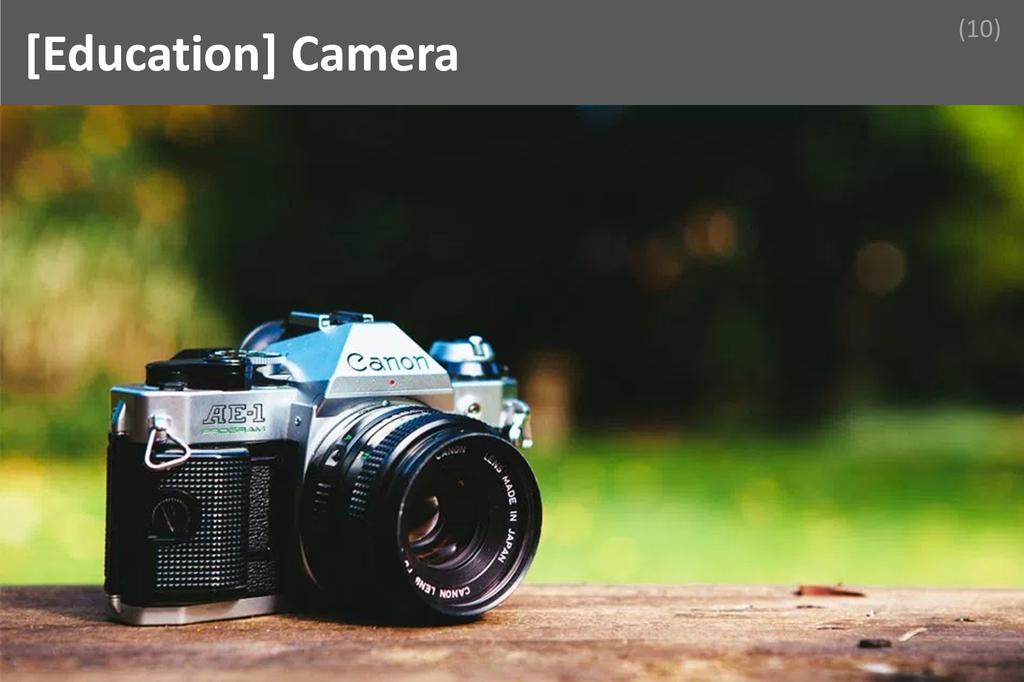
Camera refers to the device or technology used to capture visual images and video, playing a crucial role in documenting, broadcasting, and sharing performances. In Beat Boxing, understanding camera operation and placement is essential for effectively presenting and promoting one’s art, both in live events and digital platforms, enhancing audience engagement.
For beat boxers, mastering the camera is vital because it directly influences how performances are perceived by audiences both in person and online. A deep understanding of camera angles, lighting, and framing allows artists to highlight their facial expressions and intricate mouth movements, which are central to the art form. This knowledge forms a foundational skill set for professionals aiming to build a strong digital presence, participate in virtual competitions, or collaborate with other artists remotely. Over time, proficiency with camera technology not only boosts the quality of recorded content but also opens doors to broader career opportunities, such as teaching, content creation, and brand partnerships, all of which rely on compelling visual storytelling.
Imagine a professional beat boxer preparing for a live-streamed performance. By applying their understanding of camera placement and settings, they ensure that the camera captures their face and mouth clearly, allowing viewers to appreciate the complexity of their techniques. They adjust the lighting to eliminate shadows that could obscure important details and select the best angle to showcase their unique style. During the performance, they remain aware of the camera’s position, using expressive gestures and eye contact to engage the virtual audience. This thoughtful integration of camera knowledge not only enhances the viewing experience but also helps the artist build a more memorable and impactful online presence, attracting new fans and professional opportunities.
Skills
Consistency & Patience

Consistency and patience refer to the unwavering commitment to regular practice and the ability to endure gradual progress without frustration. In beat boxing, this means dedicating time daily to refine techniques, accepting slow improvement, and persisting through challenges. These qualities are vital for mastering complex rhythms and developing a unique style.
Consistency and patience directly enhance a beat boxer’s performance by fostering steady improvement in timing, breath control, and sound clarity. Clients and employers value artists who demonstrate reliability and the ability to deliver high-quality performances under pressure. Cultivating this skill involves setting realistic goals, embracing feedback, and maintaining a disciplined practice routine. Over time, consistent effort leads to noticeable growth, while patience helps artists overcome plateaus and setbacks. By internalizing these traits, beat boxers build a reputation for professionalism and resilience, making them more attractive for collaborations, live shows, and studio work. Ultimately, the ability to stay focused and persistent distinguishes successful beat boxers from those who give up too soon.
Imagine a beat boxer preparing for a major competition where the routine demands intricate patterns and flawless execution. Despite weeks of practice, certain transitions remain imperfect. Instead of becoming discouraged, the artist relies on consistency and patience, dedicating extra time each day to isolate and refine the problematic sections. Gradually, the transitions improve, and the routine becomes seamless. On the day of the competition, the beat boxer delivers a captivating performance, impressing judges and the audience alike. This success is not the result of a single breakthrough, but the accumulation of persistent effort and the patience to trust the process, demonstrating how essential these qualities are in overcoming obstacles and achieving excellence in beat boxing.
Listening Skills

Listening skills refer to the ability to accurately receive, interpret, and respond to sounds, rhythms, and nuances in communication or music. For a Beat Boxing professional, these skills are crucial for understanding musical structures, collaborating with other artists, and adapting to different styles, ensuring seamless and creative performances.
Listening skills directly enhance a beatboxer’s ability to mimic complex rhythms, synchronize with other musicians, and improvise effectively during live performances. Clients and employers highly value this skill because it ensures that the beatboxer can adapt to various musical genres, follow cues, and contribute meaningfully to collaborative projects. Over time, one can cultivate listening skills by actively engaging with diverse music, practicing attentive listening during rehearsals, and seeking feedback from peers. Regularly recording and analyzing one’s own performances also sharpens the ear for subtle details, helping to refine technique and timing. As these skills develop, a beatboxer becomes more versatile and reliable, which increases their appeal in both solo and group settings.
Imagine a beatboxer performing live with a jazz band, where improvisation and quick adaptation are essential. During the performance, the drummer unexpectedly shifts to a different time signature. The beatboxer, relying on strong listening skills, immediately recognizes the change and adjusts their rhythm to match the new pattern. This seamless transition not only prevents the performance from falling apart but also impresses both the audience and fellow musicians. By attentively listening and responding in real-time, the beatboxer demonstrates professionalism and musicality, turning a potential mishap into a highlight of the show. This scenario underscores how listening skills are vital for navigating unpredictable situations and achieving success in beatboxing.
Grasping Power

Grasping Power refers to the ability to quickly understand, internalize, and replicate complex beat patterns, rhythms, and vocal techniques. In Beat Boxing, this skill enables artists to absorb new sounds, adapt to evolving styles, and innovate on the fly, making it a cornerstone of professional growth and versatility.
Grasping Power directly enhances a beatboxer’s performance by allowing them to swiftly learn and master intricate routines, adapt to different musical genres, and collaborate seamlessly with other artists. Clients and employers value this skill because it ensures reliability, creativity, and the ability to meet diverse performance demands. Cultivating Grasping Power involves consistent practice, active listening, and exposure to a wide range of beatboxing styles. Over time, beatboxers who focus on this skill become more agile performers, capable of delivering fresh and engaging content in any setting. This adaptability not only sets them apart in auditions and competitions but also makes them indispensable in collaborative projects and live performances.
Imagine a professional beatboxer preparing for a high-stakes live show where the musical director introduces a last-minute change to the setlist, requiring the integration of a complex, unfamiliar rhythm. Relying on their Grasping Power, the beatboxer listens attentively, quickly deciphers the new pattern, and practices it until it becomes second nature. During the performance, they flawlessly execute the new rhythm, impressing both the audience and the director. This ability to rapidly absorb and deliver under pressure not only saves the show but also reinforces the beatboxer’s reputation as a reliable and highly skilled artist, opening doors to future opportunities.
Creativity

Creativity is the ability to generate original ideas, approaches, or solutions by combining imagination, resourcefulness, and innovation. In Beat Boxing, creativity enables artists to craft unique rhythms, sounds, and performances that distinguish them from others. It is a vital component in developing a signature style and captivating audiences.
Creativity directly enhances a Beat Boxing professional’s performance by allowing them to invent new sound patterns, adapt to different musical genres, and improvise during live shows. Clients and employers highly value this skill because it leads to fresh, engaging performances that stand out in a competitive industry. A creative Beat Boxer can collaborate more effectively with musicians, producers, and event organizers, offering novel contributions to projects. To cultivate creativity, one should consistently experiment with new techniques, seek inspiration from diverse musical influences, and practice improvisation. Over time, this commitment to exploration and innovation helps Beat Boxers refine their artistry, stay relevant, and consistently deliver memorable performances that resonate with audiences and collaborators alike.
Imagine a Beat Boxing professional performing at a live event when the sound system unexpectedly fails, leaving only their microphone operational. Relying on creativity, the artist quickly adapts by incorporating unexpected objects from the environment—such as tapping on a water bottle or using vocal effects—to create new beats and textures. This spontaneous innovation not only salvages the performance but also captivates the audience with an impromptu display of skill and originality. The ability to think creatively under pressure transforms a potential setback into a highlight, demonstrating to clients and event organizers the Beat Boxer’s versatility and professionalism. Such moments often become memorable, setting the artist apart and opening doors to future opportunities.
Presentation Skills

Presentation skills refer to the ability to effectively communicate ideas, emotions, and performances to an audience using verbal and non-verbal techniques such as voice modulation, body language, and visual aids. In Beat Boxing, these skills are crucial for captivating audiences, conveying artistic intent, and establishing a memorable stage presence.
Mastering presentation skills significantly enhances a beatboxer’s performance by transforming technical proficiency into an engaging and impactful show. Audiences and employers are drawn to performers who can command attention, tell a story, and create a connection beyond just sound production. Presentation skills help beatboxers structure their routines, interact confidently with the crowd, and adapt to different performance environments. Over time, these abilities can be cultivated through practice in front of live audiences, seeking feedback, studying accomplished performers, and participating in workshops or competitions. As beatboxers refine their stagecraft, they become more versatile and marketable, increasing their chances of securing gigs, collaborations, and long-term career growth.
Imagine a beatboxer performing at a high-profile music festival where technical glitches suddenly disrupt the sound system. Instead of panicking, the performer uses strong presentation skills to engage the audience with humor, improvisation, and expressive body language, maintaining excitement and anticipation. By confidently addressing the crowd and seamlessly transitioning into an a cappella segment, the beatboxer not only salvages the performance but also wins admiration for professionalism and charisma. This ability to adapt and connect ensures the show’s success, demonstrates reliability to event organizers, and leaves a lasting impression on both fans and potential collaborators.
Presence of Mind

Presence of mind is the ability to remain calm, focused, and responsive in dynamic situations, allowing quick thinking and effective decision-making. In beat boxing, this skill enables artists to adapt to unexpected changes, maintain rhythm, and engage audiences, making it a crucial asset for professional success and creative expression.
Presence of mind directly enhances a beat boxer’s performance by enabling them to react swiftly to technical glitches, audience feedback, or sudden changes in the performance environment. Clients and employers highly value this skill because it ensures reliability and professionalism, even under pressure. A beat boxer with strong presence of mind can seamlessly improvise, recover from mistakes, and keep the energy high, which is vital during live shows or competitions. Cultivating this skill involves regular practice under varied conditions, mindfulness exercises, and learning to stay composed during high-stress moments. Over time, these habits build confidence and the ability to think on one’s feet, making the performer more adaptable and resilient in any situation.
Imagine a beat boxing artist performing live when their microphone suddenly malfunctions, causing a momentary loss of sound. Instead of panicking, the artist uses their presence of mind to quickly switch to projecting their voice without amplification, engaging the audience with hand gestures and encouraging crowd participation. This quick adaptation not only salvages the performance but also creates a memorable, interactive experience for the audience. The ability to stay calm and resourceful under pressure demonstrates professionalism and leaves a lasting impression, highlighting how presence of mind can turn a potential setback into an opportunity for success.
Crowd Handling

Crowd Handling is the ability to read, engage, and influence an audience’s mood, energy, and reactions during a live performance. In Beat Boxing, this skill enables artists to adapt their routines, maintain audience interest, and create memorable experiences, making it a vital part of a performer’s professional toolkit.
Mastering Crowd Handling directly elevates a Beat Boxer’s stage presence and performance quality. When an artist can sense the audience’s energy and respond appropriately, they can adjust their tempo, style, or interaction to keep the crowd engaged and enthusiastic. Clients and employers highly value this skill because it ensures that events are lively, memorable, and well-received, which reflects positively on both the performer and the organizer. Developing Crowd Handling requires consistent practice in live settings, keen observation of audience cues, and a willingness to experiment with different engagement techniques. Over time, experience and reflection help performers refine their approach, making them more adaptable and confident in front of any crowd.
Imagine a Beat Boxer performing at a large music festival. Midway through the set, the crowd’s energy begins to wane as attention drifts. Recognizing this, the performer uses Crowd Handling skills to interact directly with the audience, perhaps by initiating a call-and-response routine or inviting participation. This shift re-engages the crowd, revitalizes the atmosphere, and transforms a potentially lackluster moment into a highlight of the event. By reading the audience and adapting in real time, the Beat Boxer not only salvages the performance but also leaves a lasting impression, demonstrating the critical importance of Crowd Handling in achieving success on stage.
Positives
Connection with Music

Connection with Music is the deep, intuitive bond a beat boxer forms with rhythm, melody, and sound, allowing them to express emotions and ideas through vocal percussion. This connection fuels creativity, enhances performance, and fosters a sense of unity with both the music itself and the audience, enriching the artistic journey.
The connection with music is a cornerstone of fulfillment in a beat boxing career because it transforms each performance into a personal and meaningful experience. This bond allows beat boxers to channel their emotions and stories directly through their art, making every beat and rhythm a unique expression of self. As professionals immerse themselves in the flow of music, they often find a sense of purpose and joy that transcends technical skill. This ongoing engagement with music not only boosts job satisfaction but also inspires continuous growth and innovation. By feeling truly connected to their craft, beat boxers are motivated to push boundaries, collaborate with other artists, and captivate audiences, making their daily work both rewarding and impactful.
Imagine a beat boxer preparing for a live performance at a local music festival. As the crowd gathers, the artist closes their eyes, listens to the ambient sounds, and lets the rhythm of the moment guide their first beats. Instantly, they feel a surge of connection with the music, the audience, and the environment. Every sound they create resonates with the energy in the room, and the beat boxer becomes both the creator and the conduit of musical expression. This powerful experience not only elevates their performance but also leaves them with a profound sense of fulfillment, knowing they have touched others through their unique connection with music.
Various Opportunities

"Various Opportunities" refers to the wide range of paths, roles, and experiences available within the beat boxing profession. This includes performing, teaching, collaborating with artists, competing, creating content, and engaging in community events. Such diversity allows individuals to explore different facets of their talent, ensuring continual growth and excitement in their careers.
The abundance of opportunities in beat boxing is a significant advantage because it allows professionals to shape their careers according to their passions and strengths. Whether someone thrives on stage, enjoys mentoring others, or loves experimenting with new sounds, there is always a new avenue to explore. This variety keeps the work dynamic and prevents monotony, leading to higher job satisfaction and personal fulfillment. Professionals often find themselves collaborating with musicians, participating in international competitions, or even contributing to film and media projects. The constant evolution of the field means that beat boxers can continually learn, adapt, and grow, making every day unique and rewarding.
Imagine a beat boxer who starts by performing at local open mic nights. As their skills develop, they are invited to teach workshops at schools, collaborate with hip-hop artists, and judge national competitions. One week, they might be recording sound effects for a video game; the next, they are traveling abroad for a music festival. Each new opportunity brings fresh challenges and experiences, allowing them to expand their network, refine their craft, and inspire others. This ever-changing landscape not only keeps their career exciting but also provides a sense of purpose and achievement, demonstrating the true value of having various opportunities in beat boxing.
Fame & Recognition

Fame & Recognition refers to the widespread acknowledgment, admiration, and respect that individuals receive from the public, peers, and the media for their unique talents and achievements. In beat boxing, this recognition elevates artists, validating their skills and dedication, and inspiring them to push creative boundaries while connecting with audiences worldwide.
Fame and recognition are powerful motivators in the world of beat boxing, transforming a passion into a celebrated profession. When beat boxers are recognized for their talent, they experience a profound sense of accomplishment and pride. This acknowledgment not only boosts their confidence but also opens doors to new opportunities, such as collaborations, performances, and teaching roles. The daily experience of being admired by fans and respected by fellow artists fuels their creative drive and encourages continuous improvement. As their reputation grows, beat boxers often find themselves at the forefront of cultural movements, influencing trends and inspiring the next generation. Ultimately, fame and recognition make the journey more rewarding, turning hard work into a legacy that resonates beyond the stage.
Imagine a beat boxer who has spent years perfecting their craft, performing at local events and sharing videos online. One day, a viral performance catches the attention of a major music festival, leading to an invitation to perform on a global stage. As the beat boxer steps into the spotlight, the crowd erupts in applause, and social media buzzes with admiration. Interviews, collaborations, and new opportunities quickly follow. The artist feels an overwhelming sense of fulfillment, knowing their dedication has not only earned them fame and recognition but also inspired countless aspiring beat boxers. This moment becomes a defining milestone, proving that their art has the power to captivate and unite people worldwide.
Uniqueness

Uniqueness is the quality of being distinctly different from others, marked by originality, individuality, and the ability to stand out in a crowd. In beat boxing, uniqueness means developing a personal style, sound, and rhythm that cannot be replicated, allowing artists to express themselves authentically and leave a memorable impression.
Embracing uniqueness in beat boxing is a powerful driver of personal and professional fulfillment. It allows artists to carve out their own niche, making their performances instantly recognizable and memorable. This individuality fosters a deep sense of pride and ownership over one’s craft, which translates into higher job satisfaction. As beat boxers experiment with new sounds and techniques, they experience continuous growth and creative evolution. Audiences and industry professionals are drawn to originality, opening doors to collaborations, competitions, and career opportunities. Every day, beat boxers experience the thrill of pushing boundaries, knowing that their unique voice is their greatest asset in a competitive and ever-evolving musical landscape.
Imagine a beat boxer performing at a local music festival. While several artists take the stage, one performer captivates the crowd with an innovative blend of sounds, rhythms, and vocal effects that no one has heard before. The audience responds with enthusiastic applause, and fellow musicians approach to express admiration for the originality displayed. This moment is deeply fulfilling for the beat boxer, who realizes that their unique approach not only sets them apart but also inspires others. The recognition and opportunities that follow—such as invitations to collaborate or perform at larger events—are direct results of embracing and showcasing their individuality. This real-world scenario highlights how uniqueness transforms a passion into a rewarding and impactful career.
Challenges
Requests from Audience

"Requests from Audience" in Beat Boxing refers to spontaneous demands or suggestions from listeners during live performances, such as asking for specific sounds, rhythms, or imitations. This is demanding because it requires instant creativity, adaptability, and technical skill, often pushing beatboxers beyond their prepared routines and comfort zones in unpredictable ways.
The challenge of audience requests can significantly impact a beatboxer’s daily work by introducing unpredictability and pressure during performances. Professionals must be prepared to adapt their set on the fly, which can be mentally taxing and requires a deep repertoire of sounds and techniques. This ongoing demand for versatility and quick thinking builds resilience, as beatboxers must handle both the excitement and anxiety of meeting diverse expectations. Successful artists manage this by practicing improvisation, expanding their sound library, and developing strong stage presence. They also learn to set boundaries gracefully, redirecting requests when necessary, and engaging the audience with confidence, ensuring the performance remains enjoyable for everyone involved.
Imagine a beatboxer performing at a crowded music festival when an enthusiastic audience member shouts out a request for a complex drum and bass routine mixed with animal sounds. The beatboxer, though initially surprised, quickly recalls similar patterns practiced during rehearsal. Drawing on their improvisational skills, they blend the requested elements into their performance, seamlessly incorporating the animal sounds into the drum and bass rhythm. The crowd responds with excitement, and the beatboxer uses the positive energy to further elevate the show. By staying calm, drawing on their preparation, and engaging with the audience, the beatboxer not only fulfills the request but also strengthens their reputation as a versatile and responsive performer.
Criticism

Criticism in Beat Boxing refers to the evaluation, feedback, or negative judgment from audiences, peers, or judges regarding a performer’s style, technique, or creativity. This challenge is demanding because Beat Boxing is highly subjective, and performers often invest personal expression into their art, making negative feedback feel intensely personal and discouraging.
The presence of criticism in Beat Boxing can significantly affect a performer’s confidence and motivation. Daily work may be disrupted by self-doubt or anxiety, especially after receiving harsh or unconstructive feedback. This environment demands resilience, as artists must continually put themselves forward despite the risk of negative responses. Successful professionals manage this constraint by developing a strong sense of self-awareness and separating their personal worth from external opinions. They actively seek constructive feedback, use criticism as a tool for growth, and surround themselves with supportive peers. By focusing on their artistic journey rather than immediate approval, they transform criticism into an opportunity for improvement and innovation.
Consider a Beat Boxer who, after performing at a major competition, receives public criticism for lacking originality. Initially, the feedback is disheartening, leading to self-doubt and hesitation to perform. However, instead of withdrawing, the artist analyzes the critiques to identify specific areas for growth. They experiment with new sounds and rhythms, consult with mentors, and practice diligently to refine their style. Over time, the Beat Boxer incorporates these lessons into their performances, eventually earning respect for their unique approach. By embracing criticism as a catalyst for development rather than a setback, the professional not only overcomes the obstacle but also elevates their artistry and reputation within the community.
Instability

Instability in Beat Boxing refers to the unpredictable nature of career opportunities, income, and recognition. Gigs can be sporadic, trends shift rapidly, and financial security is rarely guaranteed. This demanding environment requires artists to constantly adapt, innovate, and hustle, making long-term planning and consistent success particularly challenging for professionals.
The instability inherent in Beat Boxing can lead to fluctuating workloads, inconsistent earnings, and emotional stress. Professionals often face uncertainty about their next performance or collaboration, which can make it difficult to maintain motivation and focus. This environment demands a high level of resilience, as setbacks and disappointments are common. Successful beatboxers manage this constraint by diversifying their skills, building strong personal brands, and engaging with their communities both online and offline. They often supplement live performances with teaching, content creation, or collaborations, ensuring multiple streams of income and exposure. By staying adaptable and proactive, they transform instability into opportunities for growth and creative exploration.
Consider a beatboxer who, after losing several live gigs due to unforeseen circumstances, pivots to online platforms to maintain visibility and income. By launching a YouTube channel and offering virtual workshops, they reach a global audience and attract sponsorships. This shift not only stabilizes their earnings but also expands their professional network. Through consistent online engagement and creative content, they build a loyal following, which leads to new opportunities such as brand partnerships and international collaborations. By embracing change and leveraging digital tools, this beatboxer turns instability into a catalyst for career advancement and personal growth.
A Day Of
Beat Boxing
The pulse of the city is still waking up, but for a beat boxing professional, the rhythm never truly stops. Each day is a dynamic blend of creativity, discipline, and hustle, where the studio becomes both a sanctuary and a stage. The air is thick with anticipation as new sounds are shaped and routines are perfected, all while collaborating with artists, producers, and students who share a passion for vocal percussion. In this world, every hour brings a new challenge, whether it’s crafting the perfect snare, teaching a masterclass, or preparing for a high-energy performance. The pace is relentless, the environment electric, and the nature of the work demands both artistry and precision from sunrise to sunset.
As dawn breaks, the beat boxing professional begins the day with vocal warm-ups and breathing exercises, essential for maintaining vocal health and stamina. This quiet time is also spent reviewing recordings from previous sessions, analyzing technique, and jotting down fresh ideas for new routines. The early morning hours offer a rare moment of solitude, allowing for focused experimentation with new sounds and patterns before the demands of the day take over.
By mid-morning, the studio comes alive with energy. This is when the core work happens: recording new tracks, collaborating with producers, or rehearsing for upcoming gigs. The beat boxer might be layering complex rhythms for a hip-hop artist’s latest single or perfecting a solo routine for a live show. The intensity peaks as every sound is scrutinized, every beat refined, and every transition smoothed out, all while keeping the creative flow at its highest.
Afternoons are dedicated to sharing knowledge and building connections. The beat boxing professional might lead a workshop for aspiring vocalists, offering hands-on guidance and feedback, or sit down with fellow musicians to brainstorm new projects. This phase is all about interaction, whether it’s mentoring students, networking with industry peers, or collaborating on innovative cross-genre performances. The energy shifts from solo focus to collective creativity, fueling new ideas and partnerships.
As the day winds down, it’s time to reflect on what’s been accomplished and set the stage for tomorrow. The beat boxer reviews recordings from the day’s sessions, takes notes on areas for improvement, and responds to emails from clients or collaborators. Administrative tasks like scheduling, social media updates, and planning future workshops are handled with the same attention to detail as the music itself. With the last echoes fading in the studio, the professional sketches out goals for the next day, ensuring that the rhythm never misses a beat. |


 Home
Home Abroad
 Plan
Plan Philosophy
 Seminar
 Pages
Pages Advisors
 Testimonials















 Workshop
 Discuss
 Meet
Meet
 Advisor
 Story
Story
 Fine Print
 Links
Links
 Blog
Blog
 Follow
