The Journey of Drumming
What Is Drumming
Drumming

Drumming is the art and practice of creating rhythm and music using percussion instruments, primarily drums. It involves coordinating hands, feet, and sometimes other body parts to produce beats, patterns, and dynamic sounds, serving as the rhythmic backbone in various musical genres and performance settings.
Drumming plays a crucial role in the music industry, providing the essential rhythm and energy that drive songs and performances. For professionals, mastering drumming enhances musical versatility, fosters collaboration with other musicians, and opens doors to diverse opportunities in live shows, studio recordings, and teaching. The physical nature of drumming improves coordination and stamina, while the creative aspect nurtures self-expression and innovation. Additionally, drumming can be a powerful stress reliever, offering mental and emotional benefits that contribute to overall well-being. These advantages make drumming a rewarding and impactful career choice for those passionate about music and rhythm.
A professional drummer might be hired to perform with a touring rock band, where they are responsible for maintaining the tempo and energy throughout live concerts. In this role, the drummer collaborates closely with other band members, adapting their playing style to fit different songs and audience reactions. During rehearsals, the drummer works on perfecting complex rhythms and transitions, ensuring seamless performances. In the studio, the drummer records tracks that form the foundation of new songs, often contributing creative ideas to enhance the music. This combination of live performance, collaboration, and studio work exemplifies how drumming is used professionally to create memorable musical experiences.
Education
Drums

Drums are percussion instruments that produce sound when struck, typically consisting of a shell, drumhead, and hardware. In both academic study and professional practice, understanding drums encompasses their construction, sound production, and role within musical ensembles, forming a crucial foundation for anyone pursuing a career in drumming.
A thorough understanding of drums is essential for anyone aspiring to excel in drumming, as it provides the technical and theoretical groundwork necessary for mastery. Knowledge of drum types, tuning, maintenance, and sound characteristics enables drummers to select appropriate instruments for various musical contexts. This foundational expertise supports effective collaboration with other musicians, enhances creative expression, and ensures adaptability across genres. Over time, a deep comprehension of drums empowers professionals to troubleshoot equipment issues, innovate with new techniques, and contribute meaningfully to both live performances and studio recordings. Ultimately, this subject forms the backbone of a successful drumming career, supporting lifelong growth and versatility in an ever-evolving musical landscape.
Consider a professional drummer preparing for a live concert with a touring band. Their theoretical understanding of drums allows them to quickly assess the acoustics of the venue and adjust their drum kit accordingly, ensuring optimal sound quality. They can fine-tune the drumheads, select the right sticks, and modify their playing technique to suit the musical style and performance environment. When unexpected technical issues arise, such as a loose snare or a damaged drumhead, their knowledge enables swift troubleshooting and minimal disruption. This expertise not only enhances the overall performance but also demonstrates reliability and professionalism, making them a valuable asset to any musical ensemble.
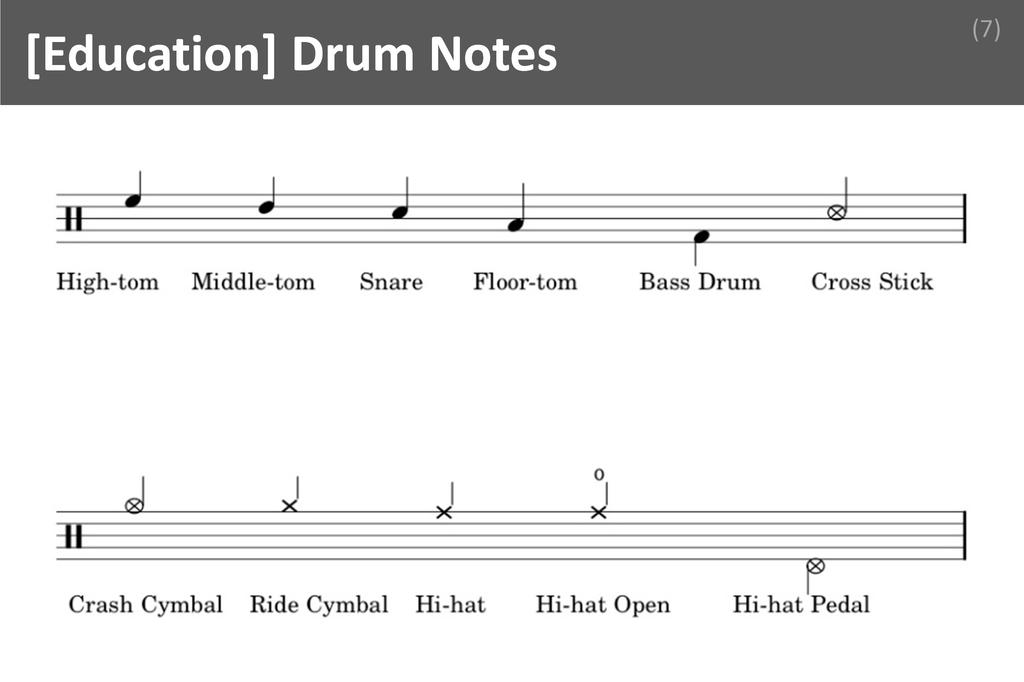
Drum Notes

Drum Notes are the written symbols and notations that represent specific drum sounds, rhythms, and techniques on sheet music. They serve as the language drummers use to read, interpret, and perform music accurately. Mastery of Drum Notes is essential in both academic study and professional drumming practice.
Understanding Drum Notes is crucial for anyone aspiring to excel in drumming, as it forms the backbone of musical literacy for percussionists. This knowledge enables drummers to interpret complex rhythms, communicate effectively with other musicians, and perform a wide variety of musical styles. In professional settings, the ability to read and write Drum Notes opens opportunities for studio work, live performances, and teaching. It also fosters adaptability, allowing drummers to quickly learn new pieces and collaborate with composers or bandmates. Over time, this foundational skill enhances a drummer’s versatility, employability, and creative potential, ensuring long-term success and growth in the music industry.
Imagine a professional drummer hired to perform with a touring jazz ensemble. Each rehearsal involves receiving new sheet music containing intricate rhythms and dynamic changes. By relying on their deep understanding of Drum Notes, the drummer can quickly interpret the written parts, accurately reproduce complex patterns, and adapt to last-minute changes from the bandleader. This proficiency not only ensures a polished performance but also builds trust among fellow musicians and directors. The drummer’s ability to seamlessly translate written notation into expressive playing demonstrates the practical value of mastering Drum Notes, making them an indispensable member of any professional music group.
YouTube

YouTube is a global online video-sharing platform where users can upload, view, and interact with video content. For drummers, YouTube serves as a vast educational resource, performance stage, and networking tool, making it an essential component of both academic study and professional development in the modern drumming landscape.
Understanding YouTube is crucial for anyone pursuing a career in drumming because it bridges the gap between traditional learning and modern digital engagement. Mastery of YouTube enables drummers to access tutorials, analyze performances, and stay updated with the latest techniques and trends. It also provides a platform to showcase personal skills, build a following, and connect with a global audience. For professionals, YouTube is not just a learning tool but a means of self-promotion, collaboration, and income generation through monetization and sponsorships. Over time, proficiency in leveraging YouTube can significantly enhance a drummer’s visibility, credibility, and career opportunities, making it a foundational skill in today’s music industry.
Consider a professional drummer who regularly uploads performance videos and instructional content to their YouTube channel. By understanding how YouTube’s algorithms work, they optimize video titles, descriptions, and tags to reach a wider audience. They analyze viewer feedback and engagement metrics to refine their content, ensuring it meets the needs and interests of their subscribers. Through consistent uploads and interaction with viewers in the comments section, the drummer builds a loyal online community. This not only increases their visibility but also attracts opportunities such as online collaborations, sponsorship deals, and invitations to perform at events. Their theoretical knowledge of YouTube directly translates into tangible career growth and industry recognition.
Skills
Passion

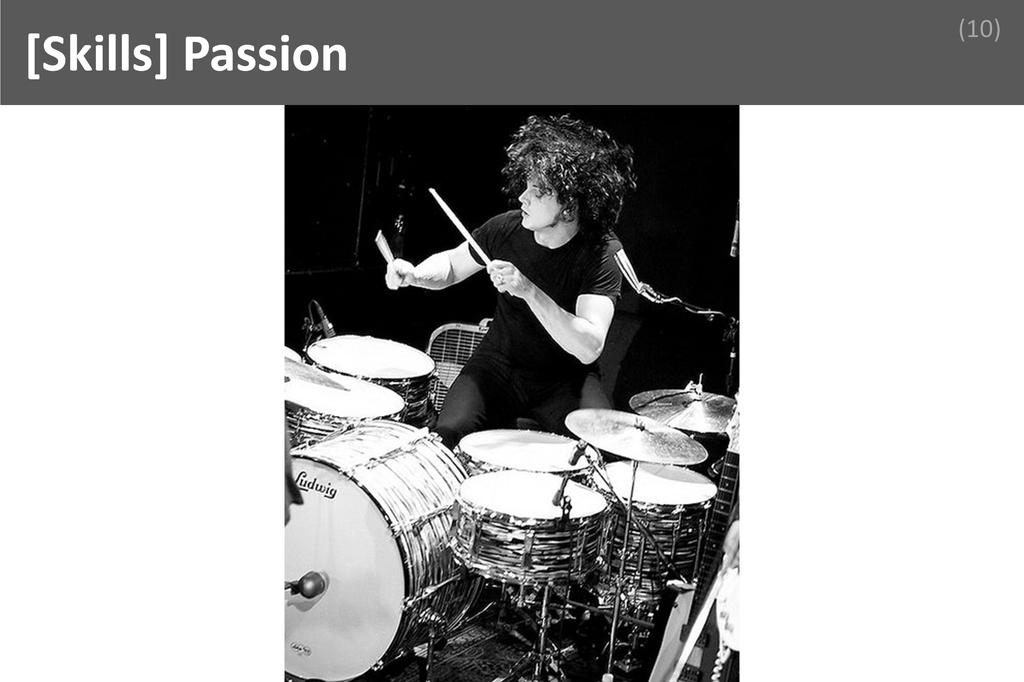
Passion is an intense enthusiasm and unwavering commitment toward a pursuit, driving individuals to invest time, energy, and emotion into their craft. For a drumming professional, passion fuels the desire to practice, innovate, and perform at the highest level, making it a cornerstone of long-term growth and fulfillment.
Passion directly elevates a drummer’s performance by inspiring relentless practice, creative exploration, and resilience in the face of challenges. Clients and employers recognize and value passionate drummers because their energy is infectious, often leading to more engaging performances and a positive atmosphere during collaborations. Passionate drummers are more likely to push boundaries, adapt to new styles, and consistently deliver their best work. Cultivating passion involves immersing oneself in diverse musical experiences, seeking inspiration from mentors, and setting personal goals that align with one’s love for drumming. Over time, this dedication transforms routine practice into a meaningful journey, ensuring sustained motivation and continuous improvement.
Imagine a professional drummer preparing for a high-stakes live performance with a renowned artist. During rehearsals, unexpected technical difficulties arise, causing frustration among the team. Instead of succumbing to stress, the drummer’s passion for music drives them to stay late, experiment with solutions, and encourage others to keep pushing forward. Their enthusiasm not only helps resolve the technical issues but also lifts the group’s morale, resulting in a cohesive and memorable performance. In this scenario, passion acts as the catalyst for perseverance and creative problem-solving, ultimately turning a potential setback into a defining moment of success.
Practice

Practice is the deliberate, consistent repetition of drumming techniques, rhythms, and patterns with the goal of mastering skills and improving performance. For a drumming professional, practice is the foundation upon which technical proficiency, creativity, and reliability are built, making it an indispensable part of their daily routine and long-term growth.
Regular practice is the driving force behind a drummer’s technical development and musical versatility. Through focused repetition, drummers refine their timing, coordination, and dynamic control, which directly translates to more polished and expressive performances. Clients and employers value drummers who demonstrate a strong commitment to practice because it ensures reliability, adaptability, and the ability to meet the demands of diverse musical settings. Cultivating this skill requires setting aside dedicated time each day, setting clear goals, and seeking feedback from mentors or peers. Over time, this disciplined approach not only builds muscle memory but also fosters confidence and the ability to tackle increasingly complex musical challenges, making the drummer a valuable asset in any professional context.
Imagine a professional drummer preparing for a high-profile recording session with a renowned artist. The music requires intricate polyrhythms and precise tempo changes that are unfamiliar to the drummer. By dedicating hours to targeted practice, breaking down each section, and gradually increasing speed, the drummer internalizes the complex patterns. On the day of the session, this preparation pays off as the drummer executes the parts flawlessly, impressing both the artist and the producer. The successful outcome not only secures future opportunities but also reinforces the critical role that consistent, focused practice plays in overcoming challenges and achieving excellence in a demanding professional environment.
Creativity

Creativity is the ability to generate original ideas, approaches, or solutions by combining imagination, intuition, and experience. In drumming, creativity enables musicians to craft unique rhythms, adapt to different musical styles, and express their individuality. It transforms technical proficiency into artistry, making performances memorable and engaging for audiences.
Creativity directly enhances a drummer’s performance by allowing them to improvise, compose innovative patterns, and adapt to unexpected changes during live shows or recording sessions. Clients and employers highly value creative drummers because they bring fresh perspectives, elevate the overall sound, and can contribute to songwriting or arrangement processes. Cultivating creativity involves regular practice, exploring diverse musical genres, collaborating with other musicians, and challenging oneself with new techniques or instruments. Over time, these habits foster a mindset that embraces experimentation and continuous learning, ensuring that a drummer remains versatile and in demand across various musical settings.
Imagine a professional drummer performing at a live concert when a technical malfunction causes the backing track to fail. Instead of panicking, the drummer quickly improvises an engaging solo, using unconventional objects on stage to create new sounds and rhythms. This spontaneous display of creativity not only entertains the audience but also keeps the performance flowing seamlessly. The band adapts to the drummer’s cues, turning a potential disaster into a memorable highlight of the show. This scenario illustrates how creativity empowers drummers to solve critical issues on the spot, demonstrating their value as adaptable and resourceful musicians.
Confidence

Confidence is the assured belief in one’s abilities, judgment, and potential to perform tasks effectively, even under pressure or uncertainty. For a drumming professional, confidence is the backbone that supports creative expression, technical precision, and the ability to adapt in dynamic musical environments. It empowers drummers to take initiative, embrace challenges, and deliver compelling performances. Confidence also helps drummers communicate effectively with bandmates, producers, and audiences, ensuring their contributions are heard and respected. Without confidence, even the most skilled drummer may hesitate, second-guess themselves, or struggle to showcase their true talent, ultimately limiting their career growth and opportunities.
Confidence directly enhances a drummer’s performance by enabling them to play assertively, maintain steady rhythms, and recover quickly from mistakes. Clients and employers value confident drummers because they bring reliability, energy, and leadership to rehearsals and live shows. A confident drummer can inspire fellow musicians, handle high-pressure situations, and adapt to unexpected changes during performances. Cultivating confidence is an ongoing process that involves consistent practice, seeking constructive feedback, and performing regularly in front of audiences. Over time, each successful experience builds a stronger sense of self-assurance, allowing drummers to push creative boundaries and take on more challenging roles in their musical careers.
Imagine a professional drummer performing at a major music festival when a technical malfunction causes their in-ear monitor to fail mid-song. Instead of panicking or losing the beat, the drummer relies on their confidence, honed through years of experience and preparation. Trusting their internal sense of timing and their ability to communicate visually with the band, they maintain the groove and guide the ensemble through the rest of the performance. The audience remains unaware of the issue, and the band delivers a seamless set. In this scenario, the drummer’s confidence not only prevents a potential disaster but also reinforces their reputation as a dependable and skilled professional.
Positives
Exciting

"Exciting" refers to the sense of thrill, energy, and anticipation that comes from engaging in dynamic, unpredictable, and stimulating activities. In the context of drumming, excitement is the rush of adrenaline and joy that arises from performing, creating rhythms, and connecting with music and audiences. This quality infuses every moment with passion, making the profession vibrant and deeply satisfying. Excitement in drumming is not just about fast tempos or loud beats; it is the ever-present possibility of discovery, the challenge of mastering new techniques, and the exhilaration of live performance. This positive energy fuels motivation, creativity, and a lifelong love for the craft, making drumming a uniquely rewarding career.
The exciting nature of drumming is a powerful driver of job satisfaction and personal growth. Drummers thrive on the constant variety and unpredictability that each performance or practice session brings. This excitement keeps the work fresh and engaging, preventing monotony and burnout. The anticipation of playing in front of an audience, collaborating with other musicians, or experimenting with new rhythms provides a continuous source of inspiration. As drummers experience the pulse of the music and the reaction of the crowd, they feel a profound sense of connection and accomplishment. This daily infusion of excitement not only enhances their technical skills but also nurtures their creativity and emotional well-being, making the profession both fulfilling and sustainable.
Imagine a professional drummer preparing backstage before a sold-out concert. The air is electric with anticipation, and the drummer feels a surge of excitement as the crowd’s energy builds. As the band takes the stage and the first song begins, the drummer’s heart races in sync with the beat. Every strike of the drum is met with cheers and applause, fueling a sense of exhilaration and purpose. In this moment, the excitement of performing live transforms nerves into confidence, and the drummer experiences the pure joy of sharing their passion with others. This thrilling experience reaffirms their love for drumming and inspires them to continue pursuing excellence in their craft.
Travel

Travel, in the context of drumming, refers to the opportunity to journey to different cities, countries, and cultures as part of performing, recording, or collaborating with other musicians. This movement across diverse locations enriches personal and professional growth, exposing drummers to new audiences, musical styles, and life experiences that shape their artistry.
The chance to travel is a transformative benefit for drummers, infusing their careers with excitement, variety, and inspiration. Being on the road allows drummers to break free from routine, constantly encountering fresh environments and challenges that stimulate creativity. Travel fosters connections with fellow musicians and fans worldwide, expanding both professional networks and cultural understanding. This exposure to different musical traditions and performance settings enhances a drummer’s versatility and adaptability, making each day unique and rewarding. The anticipation of new destinations and experiences keeps motivation high, while the memories and stories collected along the way add depth to both personal and artistic life. Ultimately, travel elevates job satisfaction and opens doors to unexpected opportunities for growth.
Imagine a professional drummer touring with a band across Europe. Each city brings a new stage, a different crowd, and a distinct local flavor. In Paris, the drummer might collaborate with a jazz ensemble, absorbing subtle nuances of French rhythm. In Berlin, they could attend a workshop, learning innovative techniques from local percussionists. Between performances, exploring historic landmarks and sampling regional cuisine adds to the richness of the journey. These experiences not only broaden musical horizons but also create lasting memories and friendships. The sense of adventure and discovery that comes with travel makes every performance more meaningful, reinforcing the profound joy and fulfillment that a career in drumming can offer.
Rewarding

Rewarding describes the deep sense of satisfaction, accomplishment, and personal fulfillment that arises from meaningful achievements and positive experiences. In the context of drumming, being rewarding means that the effort, passion, and dedication invested in mastering rhythms and performing are met with emotional gratification, recognition, and a profound sense of purpose. This positive aspect fuels motivation and resilience, making the journey of a drummer both enjoyable and worthwhile.
The rewarding nature of drumming is a powerful force that elevates the profession beyond technical skill. When drummers see the impact of their music on audiences, feel the energy of a live performance, or witness their own growth, it creates a cycle of motivation and joy. This sense of reward enhances job satisfaction, making daily practice and performance feel meaningful rather than routine. It also encourages continuous learning and creativity, as drummers strive to reach new heights and connect more deeply with their craft. The emotional and psychological benefits of feeling rewarded contribute to a positive work environment, reduce burnout, and foster long-term commitment to the art form.
Imagine a drummer who has spent months preparing for a major concert, dedicating countless hours to perfecting every beat and rhythm. On the night of the performance, the energy in the room is electric as the band takes the stage. As the drummer launches into a complex solo, the audience erupts in applause, and the bandmates exchange proud glances. In that moment, the drummer feels an overwhelming sense of accomplishment and joy, knowing that their hard work has not only elevated the music but also touched the hearts of everyone present. This experience embodies the rewarding nature of drumming, making every challenge and sacrifice worthwhile.
Meeting People

Meeting people refers to the ongoing process of connecting, collaborating, and building relationships with fellow musicians, industry professionals, and audiences through shared musical experiences. In drumming, this dynamic interaction fosters creativity, personal growth, and a sense of belonging, making the profession more enjoyable and deeply rewarding on multiple levels.
The opportunity to meet people is a cornerstone of a fulfilling drumming career. Every rehearsal, performance, or recording session brings drummers into contact with diverse individuals who share a passion for music. These connections often lead to new friendships, creative partnerships, and professional opportunities that might not arise otherwise. Engaging with others in the music community helps drummers expand their perspectives, learn new techniques, and stay inspired. The camaraderie and mutual support found in these relationships can make the challenges of the profession easier to navigate. Daily, drummers experience the joy of collaboration, the thrill of audience interaction, and the satisfaction of being part of something larger than themselves, all of which contribute to long-term job satisfaction and personal growth.
Imagine a drummer joining a local band for a series of gigs. Through rehearsals and performances, they not only hone their craft but also form close bonds with bandmates, sound engineers, and venue staff. After a show, a conversation with a fellow musician leads to an invitation to participate in a recording project, opening doors to new creative ventures. The drummer also connects with fans who share their enthusiasm for rhythm and music, creating a supportive network that extends beyond the stage. These meaningful interactions enrich the drummer’s professional journey, making each day more vibrant and rewarding, and reinforcing the idea that meeting people is one of the most valuable aspects of a career in drumming.
Challenges
Managing School & Music

Managing School & Music in drumming refers to the ongoing struggle of balancing academic responsibilities with the rigorous demands of musical practice, rehearsals, and performances. This challenge is demanding because both pursuits require significant time, focus, and energy, often leading to conflicts in scheduling and increased stress for aspiring drummers.
The difficulty of managing school and music can lead to fatigue, decreased academic performance, and limited progress in drumming due to divided attention. This dual commitment demands resilience, as drummers must constantly prioritize, adapt, and sometimes sacrifice social or leisure activities. Successful professionals often develop strong organizational skills, setting clear boundaries and realistic goals for both academics and music. They learn to communicate effectively with teachers and bandmates, seeking flexibility when necessary. By maintaining a disciplined routine and leveraging support from family and mentors, they create an environment where both school and drumming can thrive. This balanced approach not only helps them meet immediate obligations but also builds valuable life skills for future challenges.
Consider a high school student who is both a dedicated drummer in a local jazz band and an honors student. During exam season, rehearsals and performances intensify, coinciding with critical academic deadlines. To manage this, the student creates a detailed weekly schedule, allocating specific hours for practice and study. They communicate proactively with their band director about upcoming tests and negotiate rehearsal times when possible. By staying organized and seeking support from teachers and family, the student maintains high performance in both areas. This experience not only helps them succeed academically and musically but also teaches them time management and perseverance, skills that will benefit their drumming career long-term.
Tiring

Tiring in drumming refers to the physical and mental exhaustion that arises from the repetitive, high-energy movements required during performances or practice sessions. This fatigue is demanding because drummers must maintain precise timing, coordination, and intensity, often for extended periods, which can quickly deplete stamina and focus.
The challenge of tiring significantly impacts a drummer’s daily work, as fatigue can lead to diminished performance quality, increased risk of injury, and reduced creative output. Drumming demands resilience because the physical strain is relentless, especially during long rehearsals, recording sessions, or live shows. Successful professionals manage this constraint by prioritizing physical conditioning, developing efficient techniques, and pacing themselves during demanding sets. They also emphasize the importance of rest and recovery, ensuring their bodies and minds are prepared for each session. By listening to their bodies and incorporating warm-ups, stretching, and proper nutrition, drummers can sustain their energy and maintain high performance levels, even under the most taxing conditions.
Consider a touring drummer who faces back-to-back performances across multiple cities. Despite the grueling schedule, this professional manages tiring by adhering to a disciplined routine that includes regular exercise, mindful stretching before and after shows, and strategic rest periods. During performances, the drummer consciously moderates their energy output, focusing on technique rather than brute force to conserve stamina. By staying hydrated and maintaining a balanced diet, they further support their endurance. This holistic approach allows the drummer to deliver consistent, high-quality performances night after night, demonstrating how effective management of tiring can sustain both physical health and artistic excellence in a demanding professional environment.
Affects Studies

In the context of drumming, "Affects Studies" refers to the exploration and mastery of emotional expression through rhythm, dynamics, and timing. This discipline demands that drummers not only maintain technical precision but also convey nuanced feelings, making performances resonate with listeners on a deeper, more human level.
The challenge of Affects Studies in drumming can significantly influence a professional’s daily work. Drummers must constantly balance technical accuracy with authentic emotional delivery, which can be mentally and emotionally taxing. This dual demand often leads to frustration, self-doubt, and creative blocks, especially when the desired emotional impact is not achieved. Resilience becomes essential, as professionals must persist through periods of stagnation and vulnerability. Successful drummers manage this constraint by dedicating time to self-reflection, seeking feedback from peers or mentors, and engaging in regular practice that emphasizes both technique and expressive intent. Over time, they learn to trust their instincts, allowing their unique emotional voice to emerge naturally within their performances.
Consider a professional drummer preparing for a live jazz performance where the setlist includes emotionally charged ballads. Initially, the drummer struggles to move beyond mechanical execution, feeling disconnected from the music’s emotional core. Recognizing this, the drummer dedicates extra rehearsal time to listening deeply to the melodies and experimenting with subtle changes in tempo and dynamics. By recording practice sessions and reflecting on the emotional impact, the drummer gradually identifies which techniques evoke the intended feelings. On the night of the performance, the drummer successfully channels these insights, delivering a set that not only impresses with technical skill but also deeply moves the audience, demonstrating mastery over the challenges of Affects Studies.
A Day Of
Drumming
The day begins not with the sound of an alarm, but with the echo of anticipation—a steady rhythm that pulses through the life of a drumming professional. Whether in the studio, on stage, or teaching in a sunlit practice room, each day is a blend of physical energy, creative focus, and relentless discipline. The environment is alive with the scent of wood and cymbals, the hum of amplifiers, and the quiet moments of reflection before the first stick strikes the drumhead. For a drumming practitioner, the workday is a dynamic journey, shaped by the beat of practice, performance, collaboration, and preparation for what comes next.
As the sun rises, the day starts with a ritual of stretching, hand exercises, and tuning drums to perfection. This quiet time is devoted to reviewing sheet music, setting up the kit, and mentally mapping out the day’s sessions or lessons. The early hours are a chance to focus on technique, run through rudiments, and ensure every piece of equipment is in top condition, setting the tone for a productive and energetic day ahead.
By mid-morning, the studio or rehearsal space comes alive with the thunder of drums and the sharp crack of snare hits. This is the heart of the day, where the drumming professional dives into focused practice, records new tracks, or rehearses with a band. Concentration is at its peak, as complex rhythms are mastered, new material is explored, and every beat is scrutinized for precision and feel. The energy is electric, fueled by creativity and the drive to push technical boundaries.
The afternoon shifts into a collaborative mode, often involving band rehearsals, teaching students, or participating in live gigs and recording sessions. Communication and adaptability are key as the drummer works closely with other musicians, fine-tuning arrangements, syncing with bass lines, and responding to the dynamic flow of group performance. This phase is about translating individual practice into seamless teamwork, ensuring every note supports the collective sound.
As the day winds down, the focus turns to reviewing recordings, jotting down notes on what worked and what needs improvement, and handling administrative tasks like scheduling, responding to emails, and updating lesson plans. There’s a moment to reflect on the day’s achievements and set goals for tomorrow, whether it’s refining a tricky fill or preparing for an upcoming show. The sticks are set aside, but the rhythm continues, carrying the momentum forward into the next day’s challenges and opportunities. |