The Journey of Playing Guitar
What Is Playing Guitar
Playing Guitar

Playing guitar is the art and skill of producing music by strumming, plucking, or fingerpicking the strings of a guitar. It involves mastering chords, melodies, and rhythms, and can be performed solo or as part of a group, across a wide range of musical genres and settings.
Playing guitar holds significant importance for both personal and professional growth. For those pursuing it as a career, it offers a creative outlet and a means of self-expression, while also providing opportunities for collaboration and performance. Mastering the guitar can enhance cognitive abilities, improve hand-eye coordination, and foster discipline through regular practice. Additionally, professional guitarists often experience increased confidence from performing in front of audiences and gain valuable networking opportunities within the music industry. The ability to play guitar can also open doors to teaching, recording, and composing, making it a versatile and rewarding career path.
A professional guitarist might spend their day preparing for a live concert. This involves rehearsing complex pieces, collaborating with other musicians, and fine-tuning their instrument for optimal sound. During the performance, the guitarist interprets the music with their unique style, engaging the audience and contributing to the overall energy of the show. After the concert, they may interact with fans, discuss future projects with band members, or record new material in a studio. Through these activities, the guitarist not only hones their craft but also builds a reputation and network that are essential for a sustainable career in music.
Education
Ear Training

Ear training is the process of developing the ability to identify pitches, intervals, chords, rhythms, and other elements of music by ear. For guitarists, it is a crucial academic and professional skill, enabling musicians to interpret, perform, and create music more intuitively and effectively in various settings.
Understanding ear training is vital for anyone serious about playing guitar, as it forms the backbone of musical communication and creativity. By honing the ability to recognize melodies, harmonies, and rhythms without relying solely on written notation, guitarists can improvise, compose, and collaborate more fluently. This skill is foundational for professionals, as it allows them to quickly learn new songs, adapt to different musical genres, and interact seamlessly with other musicians. Over the course of a career, strong ear training enhances versatility, fosters musical independence, and opens doors to opportunities such as session work, live performance, and teaching. Ultimately, it transforms technical proficiency into expressive artistry, making it an indispensable asset for any guitarist.
Imagine a professional guitarist rehearsing with a band for an upcoming live performance. During practice, the lead singer suggests a spontaneous key change to better suit their vocal range. Thanks to their ear training, the guitarist can instantly recognize the new key and adjust their chord voicings and melodic lines without hesitation. This ability to adapt on the fly not only keeps the rehearsal productive but also impresses fellow musicians and ensures a polished final performance. In studio sessions, the same guitarist might be asked to replicate a riff or solo after hearing it just once. Their trained ear allows them to accurately pick out the notes and rhythms, streamlining the recording process and showcasing their professionalism.
Music Genres

Music genres are distinct categories that classify music based on shared characteristics such as style, form, instrumentation, and cultural origin. For guitarists, understanding music genres is essential, as it shapes their technical approach, repertoire, and adaptability. This knowledge is fundamental in both academic study and professional performance contexts.
A deep understanding of music genres is crucial for anyone preparing for or working in playing guitar. This knowledge enables guitarists to interpret and perform a wide variety of musical styles with authenticity and technical accuracy. It forms the backbone of a guitarist’s versatility, allowing them to transition seamlessly between genres such as rock, jazz, blues, classical, and more. Mastery of genres also enhances collaboration with other musicians, as it fosters a shared musical language and understanding. Over the long term, this expertise opens up broader career opportunities, from session work and live performance to teaching and composition, ensuring that guitarists remain relevant and in demand in a constantly evolving musical landscape.
Consider a professional guitarist hired to perform at a wedding where the setlist includes pop ballads, jazz standards, and classic rock hits. Drawing on their theoretical understanding of music genres, the guitarist adjusts their playing style, tone, and improvisational approach to suit each song’s genre. For a jazz standard, they might employ complex chord voicings and swing rhythms, while a rock song would require power chords and a more aggressive picking technique. This adaptability not only ensures a polished and engaging performance but also demonstrates the guitarist’s professionalism and depth of knowledge, making them a valuable asset in any musical setting.
Reading About Different Guitarists

Reading About Different Guitarists involves studying the lives, techniques, musical styles, and career paths of various guitarists from diverse genres and backgrounds. This practice is essential in both academic and professional contexts, as it broadens a guitarist’s perspective, informs their playing style, and deepens their understanding of the instrument’s evolving role in music.
Learning about different guitarists is vital because it exposes aspiring and professional guitarists to a wide array of techniques, genres, and creative approaches. By analyzing the journeys and methods of accomplished players, individuals gain insights into overcoming challenges, developing unique styles, and adapting to changing musical landscapes. This foundational knowledge not only inspires personal growth but also enhances versatility and adaptability, qualities highly valued in the music industry. Over time, this practice fosters a deeper appreciation for the instrument, encourages lifelong learning, and equips professionals with the tools to innovate and collaborate effectively within diverse musical settings.
Imagine a professional guitarist preparing for a recording session with a band that blends blues, jazz, and rock influences. Drawing on their knowledge from reading about guitarists like B.B. King, Wes Montgomery, and Jimi Hendrix, the guitarist can seamlessly incorporate expressive bends, complex chord voicings, and innovative effects into their playing. This theoretical understanding allows them to adapt their technique to suit the session’s stylistic demands, communicate more effectively with fellow musicians, and contribute creative ideas that enrich the overall sound. By referencing the approaches of various guitarists, the professional not only meets the expectations of the project but also elevates the musical experience for everyone involved.
Good Training

Good Training refers to a structured, consistent, and purposeful approach to skill development that emphasizes correct technique, progressive challenges, and reflective practice. In the context of playing guitar, it forms the backbone of both academic study and professional growth, ensuring musicians build solid foundations and continually refine their abilities.
Understanding and applying the principles of Good Training is essential for anyone aspiring to excel in playing guitar. It enables musicians to develop technical proficiency, musicality, and adaptability, which are crucial for both solo and ensemble performance. Good Training instills discipline, fosters creativity, and helps prevent bad habits or injuries that can hinder progress. For professionals, it ensures continued growth and relevance in a competitive field, supporting lifelong learning and adaptability to new styles or techniques. By mastering Good Training, guitarists can confidently tackle complex pieces, collaborate effectively with others, and maintain high standards of performance throughout their careers, making it a cornerstone of both personal and professional success.
Consider a professional guitarist preparing for a live concert. Drawing on their understanding of Good Training, they design a daily practice routine that targets challenging sections of their repertoire, incorporates slow, deliberate repetition to perfect finger placement, and includes regular self-assessment through recording and playback. This methodical approach allows them to identify weaknesses, track progress, and make necessary adjustments, ensuring they are performance-ready. By adhering to these principles, the guitarist not only masters the technical demands of the music but also builds confidence and reduces performance anxiety. This real-world application of Good Training demonstrates its critical role in achieving consistent, high-quality results in a demanding professional environment.
Harmony
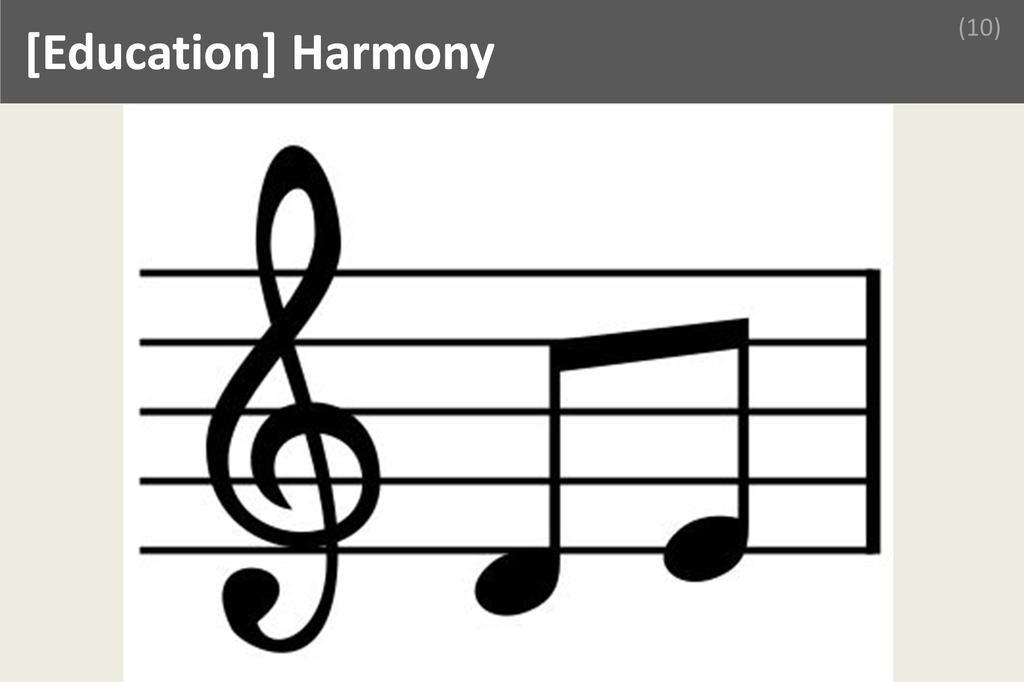
Harmony is the combination of different musical notes played or sung simultaneously to produce chords and chord progressions that support a melody. In the context of playing guitar, harmony forms the backbone of accompaniment, arrangement, and composition, making it an essential component of both academic study and professional musicianship.
Understanding harmony is vital for anyone preparing for or working in playing guitar because it enables musicians to create rich, expressive music that resonates with listeners. Mastery of harmony allows guitarists to construct and interpret chord progressions, arrange songs, and collaborate effectively with other musicians. This knowledge forms the foundation for improvisation, songwriting, and performance, ensuring that guitarists can adapt to various musical genres and settings. Over the long term, a strong grasp of harmony enhances a guitarist’s versatility, employability, and creative potential, allowing them to contribute meaningfully to ensembles, studio sessions, and solo projects. Ultimately, harmony is not just a theoretical concept but a practical tool that shapes a guitarist’s professional identity and artistic voice.
Consider a professional guitarist working as part of a live band. During rehearsal, the band decides to rearrange a popular song to give it a fresh sound. The guitarist draws on their understanding of harmony to suggest alternative chord voicings and substitute chords that add depth and interest to the arrangement. By analyzing the song’s harmonic structure, the guitarist ensures that the new chords complement the melody and maintain musical coherence. This application of harmonic theory not only enhances the overall performance but also demonstrates the guitarist’s value as a creative collaborator. In daily operations, such expertise allows the guitarist to adapt quickly to changes, communicate effectively with other musicians, and contribute original ideas that elevate the group’s musical output.
Melody

Melody is a sequence of musical notes arranged in a linear, memorable pattern that forms the main theme of a song or piece. In the context of playing guitar, melody serves as the central thread that guides both performers and listeners, making it an essential element of musical expression and communication.
Understanding melody is crucial for anyone preparing for or working in playing guitar because it forms the backbone of most musical compositions. Mastery of melody allows guitarists to interpret, create, and embellish music with confidence and creativity. It provides a framework for improvisation, songwriting, and collaboration with other musicians. For professionals, a strong grasp of melody enhances their ability to perform solos, accompany singers, and adapt to various musical genres. Over time, this foundational knowledge not only improves technical proficiency but also opens doors to advanced musical opportunities, such as composing original works or arranging pieces for different ensembles. Ultimately, a deep understanding of melody ensures sustained growth and versatility throughout a guitarist’s career.
Consider a professional guitarist working as part of a touring band. During rehearsals, the guitarist is tasked with adapting a popular song for a live acoustic set. By drawing on their theoretical understanding of melody, they identify the song’s main melodic line and translate it into a guitar-friendly arrangement. This involves selecting appropriate fingerings, adding expressive techniques like slides or bends, and ensuring the melody stands out clearly above the accompaniment. Their ability to interpret and highlight the melody not only preserves the song’s recognizable character but also captivates the audience during performances. This daily application of melodic knowledge demonstrates its practical value in delivering engaging and memorable musical experiences.
Rhythm

Rhythm is the pattern of sounds and silences in music, defined by the timing and duration of notes and rests. In the context of playing guitar, rhythm provides the essential framework that organizes musical ideas, ensuring coherence and flow. Mastery of rhythm is fundamental for both academic study and professional performance.
Understanding rhythm is crucial for anyone preparing for or working in guitar performance, as it underpins every aspect of musical expression. Rhythm forms the backbone of music, guiding the timing, feel, and structure of every piece played. For professionals, a solid grasp of rhythm enables seamless collaboration with other musicians, accurate interpretation of written music, and the ability to adapt to various genres and styles. Over time, proficiency in rhythm enhances a guitarist’s versatility, making them more employable and respected in the industry. It also fosters creativity, as a deep understanding of rhythmic patterns allows for innovative improvisation and composition, ensuring long-term career growth and satisfaction.
Consider a professional guitarist rehearsing with a band for a live performance. During practice, the guitarist must synchronize their strumming and picking patterns with the drummer’s beats and the bassist’s groove. Their theoretical understanding of rhythm allows them to maintain consistent timing, execute complex syncopations, and adapt to tempo changes on the fly. When the band decides to transition into a new section with a different time signature, the guitarist quickly adjusts their playing to fit the new rhythmic structure, ensuring the performance remains tight and cohesive. This daily application of rhythmic knowledge not only enhances the overall sound but also builds trust and synergy among band members.
Skills
Networking

Networking is the process of building and maintaining relationships with individuals, groups, and organizations to exchange information, support, and opportunities. For a professional guitarist, networking is a vital skill that opens doors to collaborations, gigs, mentorship, and industry insights, making it indispensable for career growth and sustainability.
Networking directly enhances a guitarist’s performance by providing access to diverse musical influences, feedback, and opportunities to collaborate with other musicians. Clients and employers value guitarists who are well-connected because they bring fresh ideas, can quickly assemble talented teams, and often have insider knowledge about upcoming projects or events. Cultivating networking skills involves attending music events, engaging with peers online and offline, and consistently following up with contacts. Over time, these efforts build trust and reputation, allowing guitarists to be top-of-mind when opportunities arise. Developing genuine relationships, rather than transactional ones, ensures long-term benefits and a supportive professional community.
Imagine a professional guitarist who is suddenly asked to fill in for a high-profile concert after the original performer falls ill. Because the guitarist has maintained strong relationships within the local music scene, they are recommended by a fellow musician. The guitarist quickly assembles a backup band by reaching out to contacts made at previous jam sessions and workshops. Their network not only provides the necessary talent but also helps them adapt to the venue’s unique requirements by sharing past experiences. As a result, the performance is a success, leading to further invitations and solidifying the guitarist’s reputation. This scenario highlights how effective networking can turn unexpected challenges into career-defining moments.
Good Ear

A "Good Ear" refers to the ability to accurately identify pitches, intervals, chords, rhythms, and nuances in music by listening. For a professional guitarist, this skill is indispensable, enabling them to interpret, replicate, and adapt music with precision and creativity, making it a cornerstone of musical expertise.
Having a good ear dramatically enhances a guitarist’s performance by allowing them to quickly learn new songs, improvise seamlessly, and collaborate effectively with other musicians. Clients and employers highly value this skill because it ensures adaptability during live performances, studio sessions, and rehearsals. A guitarist with a good ear can easily pick up subtle changes in arrangements, transpose music on the fly, and respond to unexpected shifts in a musical setting. Developing this skill involves consistent practice, such as transcribing music by ear, engaging in ear training exercises, and playing along with recordings. Over time, these activities sharpen auditory perception, enabling guitarists to internalize complex musical structures and deliver performances that are both accurate and expressive.
Imagine a professional guitarist performing at a live event when the lead singer unexpectedly changes the key of a song mid-performance. Relying on their good ear, the guitarist instantly recognizes the new key and adjusts their playing without hesitation, ensuring the performance continues smoothly. This quick adaptation impresses both the audience and fellow musicians, preventing any disruption and maintaining the energy of the show. The ability to respond in real time to such changes not only showcases technical proficiency but also demonstrates reliability and professionalism. In this scenario, a good ear proves to be the critical skill that transforms a potential mishap into a seamless and memorable musical moment.
Tolerance to Music

Tolerance to Music is the ability to remain receptive, patient, and focused when exposed to repetitive, diverse, or unfamiliar musical pieces for extended periods. For a professional guitarist, this skill is crucial because it enables them to practice, perform, and collaborate effectively, regardless of personal musical preferences or fatigue.
Tolerance to Music directly enhances a guitarist’s performance by allowing them to maintain concentration and enthusiasm during long practice sessions, rehearsals, or gigs that may involve repetitive or challenging material. Clients and employers highly value this skill because it ensures reliability and professionalism, even when the music is not to the guitarist’s personal taste or when repetition is necessary for perfection. Cultivating this skill involves gradually increasing exposure to various genres and practice routines, learning to appreciate different musical styles, and developing mental resilience. Over time, this adaptability not only improves technical proficiency but also fosters a positive reputation, making the guitarist a more versatile and dependable collaborator in any musical setting.
Imagine a professional guitarist hired to play in a touring cover band. The setlist includes popular songs that must be performed night after night, sometimes for months. Midway through the tour, fatigue sets in and the repetitive nature of the music begins to wear on the band. However, the guitarist’s strong Tolerance to Music allows them to stay engaged, deliver consistent performances, and maintain a positive attitude. When a fellow band member struggles with motivation, the guitarist’s resilience helps uplift the group, ensuring the quality of each show remains high. This ability to endure and thrive in repetitive musical environments not only impresses the bandleader but also leads to more opportunities and long-term career success.
Techniques

Techniques in guitar playing refer to the specific methods, physical skills, and hand movements used to produce desired sounds, control dynamics, and articulate musical ideas. Mastery of techniques enables a guitarist to express emotion, execute complex passages, and adapt to various musical styles, forming the foundation of professional performance.
A guitarist’s technical proficiency directly impacts their ability to perform with precision, versatility, and confidence. Techniques such as fingerpicking, alternate picking, bending, and vibrato allow musicians to interpret diverse genres and meet the demands of different musical settings. Clients and employers highly value guitarists who demonstrate refined techniques, as this ensures reliability during live performances and studio recordings. Developing these skills requires consistent practice, focused exercises, and learning from experienced mentors. Over time, a guitarist refines their muscle memory, speed, and accuracy, enabling them to tackle challenging pieces and adapt quickly to new material. Continuous improvement in techniques not only enhances personal artistry but also increases professional opportunities in a competitive industry.
Imagine a professional guitarist hired to perform with a touring pop artist. During rehearsal, the musical director requests a last-minute change, requiring the guitarist to play a complex solo originally written for another instrument. Relying on their mastery of techniques such as sweep picking and rapid scale runs, the guitarist quickly adapts the solo for guitar, delivering a flawless performance that impresses both the artist and the production team. Their technical skill not only solves an immediate problem but also demonstrates reliability and versatility, securing their reputation and future opportunities within the industry. This scenario highlights how essential techniques are in meeting professional challenges and achieving success.
Positives
Recognition

Recognition is the acknowledgment and appreciation received from others for one’s skills, achievements, and contributions. In the context of playing guitar, it means being valued by audiences, peers, and the music community for one’s artistry and dedication. This positive feedback fosters motivation, confidence, and a sense of belonging within the profession.
Recognition is a powerful motivator for guitarists, fueling their passion and commitment to their craft. When musicians receive applause, compliments, or professional accolades, it validates their hard work and creativity. This sense of appreciation not only boosts self-esteem but also encourages continuous improvement and growth. Guitarists who feel recognized are more likely to take creative risks, collaborate with others, and pursue new opportunities. Daily, this benefit manifests in the form of audience reactions, supportive messages from fans, or respect from fellow musicians, all of which contribute to a fulfilling and sustainable career. Ultimately, recognition transforms the act of playing guitar from a solitary pursuit into a celebrated and shared experience.
Imagine a guitarist performing at a local music festival, pouring their heart into every note. As the final chord rings out, the crowd erupts in applause, and several audience members approach afterward to express how deeply the performance moved them. Later, the guitarist receives an invitation to collaborate with a well-known band, a direct result of their recognized talent. This moment of acknowledgment not only brings immense personal satisfaction but also opens doors to new professional opportunities. The guitarist leaves the event feeling inspired, valued, and eager to continue honing their craft, knowing that their efforts have made a meaningful impact on others.
Utilization of Time

Utilization of Time refers to the effective and meaningful use of one’s hours and efforts, ensuring that every moment is directed toward personal growth, skill development, and purposeful achievement. In the context of playing guitar, this concept transforms daily practice and performance into a journey of continuous improvement and fulfillment. By dedicating time to mastering techniques, learning new songs, and collaborating with others, guitarists experience a sense of progress that enriches both their professional and personal lives. This positive use of time not only sharpens their craft but also instills discipline, creativity, and a deep sense of accomplishment, making the pursuit of a guitar career both rewarding and transformative.
The ability to utilize time effectively is a cornerstone of success and satisfaction for guitarists. When musicians invest their hours in focused practice, songwriting, or live performances, they witness tangible growth in their skills and artistic expression. This ongoing progress fuels motivation and keeps their passion alive, turning routine practice sessions into moments of discovery and joy. The discipline required to manage time wisely also spills over into other areas of life, fostering resilience and adaptability. As guitarists see their efforts translate into improved performances and audience appreciation, their confidence grows, leading to greater opportunities and career advancement. Ultimately, the positive utilization of time ensures that every day brings new achievements and a deeper connection to their craft.
Imagine a professional guitarist preparing for an upcoming concert. Each day, they allocate specific hours to rehearse challenging pieces, refine their technique, and experiment with new sounds. Rather than feeling overwhelmed by the demands of the performance, they find satisfaction in the structured use of their time. As the concert approaches, the guitarist notices significant improvement in their playing and a heightened sense of readiness. The audience’s enthusiastic response on the night of the show becomes a testament to the value of their dedicated efforts. This experience reinforces the importance of utilizing time wisely, as it not only leads to professional success but also brings a profound sense of fulfillment and pride in their journey.
Positive Outlook Towards Life

A positive outlook towards life is the ability to approach daily experiences with optimism, resilience, and hope, even in the face of challenges. It involves seeing opportunities in setbacks, embracing growth, and maintaining enthusiasm for the future. In the world of playing guitar, this mindset fuels creativity, perseverance, and personal fulfillment.
Having a positive outlook towards life is a transformative asset for anyone pursuing a career in playing guitar. This perspective allows musicians to navigate the inevitable ups and downs of practice, performance, and creative exploration with greater ease and joy. It fosters a sense of purpose and motivation, making the journey of mastering the instrument more enjoyable and less daunting. Guitarists with a positive mindset are more likely to embrace new techniques, collaborate with others, and recover quickly from setbacks such as performance anxiety or creative blocks. This optimism not only enhances job satisfaction but also encourages continuous growth, helping professionals to stay inspired and passionate about their craft every day.
Imagine a professional guitarist preparing for an important live performance. Despite facing technical difficulties during rehearsal and feeling the pressure of high expectations, their positive outlook towards life keeps them focused and motivated. Instead of succumbing to frustration, they view each challenge as an opportunity to learn and improve. This mindset allows them to remain calm, adapt quickly, and even enjoy the process of overcoming obstacles. After the performance, regardless of minor mistakes, they reflect on the experience with gratitude and excitement for future opportunities. This fulfilling impact of a positive outlook not only boosts their confidence but also deepens their love for playing guitar, making every moment on stage and in practice truly rewarding.
Challenges
Fear of Practicing

Fear of Practicing in playing guitar refers to the anxiety or apprehension musicians feel when approaching practice sessions, often stemming from fear of failure, making mistakes, or not progressing quickly enough. This fear is demanding because it can paralyze motivation, hinder skill development, and create a cycle of avoidance and self-doubt.
The fear of practicing can significantly disrupt a guitarist’s daily routine, leading to procrastination, inconsistent progress, and diminished confidence. This challenge demands resilience because confronting personal limitations and imperfections is emotionally taxing. Successful professionals recognize that growth comes from embracing discomfort and mistakes as part of the learning process. They manage this constraint by setting realistic expectations, focusing on incremental improvement, and reframing practice as a safe space for experimentation rather than a test of ability. By cultivating patience and self-compassion, they gradually reduce anxiety and foster a more positive relationship with practice, ultimately transforming fear into motivation for continuous growth.
Consider a professional guitarist preparing for a high-stakes performance who finds themselves dreading daily practice due to fear of not meeting their own standards. Instead of succumbing to avoidance, they acknowledge their anxiety and break down complex pieces into manageable sections, allowing for small, achievable victories. They also incorporate mindfulness techniques, such as deep breathing before practice sessions, to calm nerves and maintain focus. Over time, this approach helps them view mistakes as valuable feedback rather than evidence of inadequacy. As a result, their confidence grows, practice becomes more enjoyable, and their performance improves, demonstrating how facing the fear of practicing head-on can lead to both personal and professional success.
Writers Block

Writers block in playing guitar is a creative impasse where musicians struggle to compose new music, develop fresh riffs, or express ideas through their instrument. This challenge is demanding because it stifles artistic flow, undermines confidence, and can halt progress, making it difficult to maintain motivation and productivity.
Writers block can significantly disrupt a guitarist’s daily routine, leading to frustration, self-doubt, and a sense of stagnation. The inability to generate new material or refine existing pieces can impact both personal satisfaction and professional output. Overcoming this challenge requires resilience, as musicians must persist through periods of low inspiration and creative drought. Successful professionals often manage this constraint by embracing structured practice, seeking new influences, or temporarily shifting focus to other musical activities. They understand that creative blocks are a natural part of the artistic process and use them as opportunities for growth, reflection, and experimentation, ultimately emerging with renewed creativity and stronger skills.
Consider a professional guitarist working on a new album who suddenly finds themselves unable to write compelling melodies or lyrics. Instead of forcing creativity, they decide to revisit old recordings, experiment with unfamiliar genres, and collaborate with other musicians. Through these actions, the guitarist gradually rekindles their inspiration, discovering new techniques and perspectives that reignite their passion for songwriting. By accepting the block as a temporary phase and actively seeking fresh experiences, the musician not only overcomes the obstacle but also enriches their artistry, demonstrating that persistence and adaptability are essential tools for navigating creative challenges in a professional setting.
Stagnant Growth

Stagnant Growth in playing guitar refers to a period when a guitarist’s skills, creativity, or progress seem to plateau despite consistent practice and effort. This challenge is demanding because it can erode motivation, foster frustration, and make it difficult to see tangible improvement, leading to self-doubt and diminished passion.
The experience of stagnant growth can weigh heavily on a guitarist’s daily routine, making practice sessions feel repetitive and uninspiring. This stagnation often leads to questioning one’s abilities and can even cause some to consider abandoning their musical pursuits altogether. Overcoming this challenge requires resilience, as it demands a willingness to persist through periods of little visible progress. Successful professionals manage this constraint by embracing patience, seeking new learning resources, and sometimes revisiting foundational techniques to reignite their growth. They often diversify their practice routines, collaborate with other musicians, or set fresh goals to maintain engagement. By reframing stagnation as a natural part of the learning journey, they sustain their motivation and continue to develop their craft.
Consider a professional guitarist who, after years of steady improvement, finds their technical skills and creative output have plateaued. Despite regular practice, new songs and solos feel repetitive, and inspiration wanes. Recognizing this stagnation, the guitarist decides to explore unfamiliar genres, such as jazz or classical, which challenge their established habits and techniques. They also begin collaborating with other musicians, exposing themselves to different playing styles and perspectives. Through these changes, the guitarist gradually breaks free from their rut, discovering renewed enthusiasm and fresh ideas. This approach not only revitalizes their playing but also deepens their overall musicianship, demonstrating how adaptability and openness can transform periods of stagnant growth into opportunities for meaningful progress.
Unacceptability

Unacceptability in the context of Playing Guitar refers to the experience of having one’s skills, style, or creative choices dismissed or undervalued by peers, audiences, or industry gatekeepers. This challenge is demanding because it directly impacts self-esteem, motivation, and the ability to progress professionally in a highly competitive field.
The difficulty of unacceptability can manifest in daily work through rejection from auditions, negative feedback, or lack of recognition, which may lead to self-doubt and creative stagnation. This persistent challenge demands resilience, as professionals must continually validate their worth and maintain motivation despite external discouragement. Successful guitarists manage this constraint by focusing on personal growth, seeking constructive feedback, and building supportive networks. They learn to separate subjective opinions from genuine areas for improvement, allowing them to adapt without compromising their artistic identity. By cultivating a mindset that values persistence and self-belief, they transform unacceptability into an opportunity for growth rather than a barrier to success.
Consider a guitarist who, after being repeatedly rejected from local bands for having an unconventional playing style, chooses to embrace their uniqueness rather than conform. Instead of abandoning their approach, they start sharing performances online, gradually attracting an audience that appreciates their originality. Through consistent self-promotion and engagement with like-minded musicians, they eventually collaborate on projects that highlight their strengths. Over time, the guitarist’s perseverance leads to recognition within niche communities, proving that overcoming unacceptability often requires redefining success and finding the right audience rather than seeking universal approval. This journey demonstrates how resilience and authenticity can turn rejection into a catalyst for professional fulfillment.
A Day Of
Playing Guitar
The day begins not with the strum of a chord, but with the quiet anticipation that hums through every professional guitarist’s morning. Life as a guitar player is a blend of artistry and discipline, where creativity meets routine and every hour pulses with the promise of music. Whether preparing for a studio session, a live gig, or a day of teaching, the environment is a dynamic mix of solitude and collaboration, echoing with the sounds of strings, the click of metronomes, and the subtle tension of fingers poised for performance. Each day is a journey through practice, performance, and connection, shaped by the rhythm of rehearsals, the energy of audiences, and the constant pursuit of musical mastery.
As the sun rises, a professional guitarist often starts the day in a calm, focused space, tuning both instrument and mind. This early morning period is dedicated to warming up fingers with scales, reviewing setlists, and mentally rehearsing complex passages. The quiet hours are ideal for technical exercises, refining tone, and experimenting with new riffs or chord progressions. It’s a time for introspection and preparation, laying the groundwork for the creative and collaborative demands ahead.
By mid-morning, the pace quickens as the guitarist steps into the heart of their workday. This is when the most intensive activities take place, whether it’s recording tracks in a studio, teaching students in person or online, or rehearsing with a band. The environment is charged with focus and energy, as every note and nuance matters. Communication with producers, students, or fellow musicians is key, and the guitarist must balance technical precision with expressive performance, adapting quickly to feedback and new ideas.
The afternoon brings a shift toward collaboration and execution. This is often the time for group rehearsals, songwriting sessions, or meetings with other artists and industry professionals. The guitarist might work on arranging new material, fine-tuning harmonies, or preparing for an upcoming show. The atmosphere is lively and interactive, filled with creative exchange and problem-solving. It’s a period where individual preparation meets collective effort, and the music truly comes alive through teamwork.
As the day winds down, the guitarist transitions into a quieter, more reflective mode. This is the time to review recordings, respond to emails, update social media, and handle administrative tasks like scheduling gigs or invoicing clients. There’s also space for self-assessment—listening back to the day’s work, noting areas for improvement, and setting goals for tomorrow. The evening closes with a sense of accomplishment and anticipation, as the cycle of practice, performance, and growth continues into the next day. |


 Home
Home Abroad
 Plan
Plan Philosophy
 Seminar
 Pages
Pages Advisors
 Testimonials


















 Workshop
 Discuss
 Meet
Meet
 Advisor
 Story
Story
 Fine Print
 Links
Links
 Blog
Blog
 Follow
