Career Counselling 2.0 HomeHomeCareer Counselling 2.0 AbroadAbroadCareer Counselling 2.0 PlanPlanCareer Counselling 2.0 | TalksTalksCareer Counselling 2.0 PhilosophyPhilosophyCareer Counselling 2.0 SeminarSeminarCareer Counselling 2.0 PagesPagesCareer Counselling 2.0 AdvisorsAdvisorsCareer Counselling 2.0 TestimonialsTestimonials

Playing Tabla

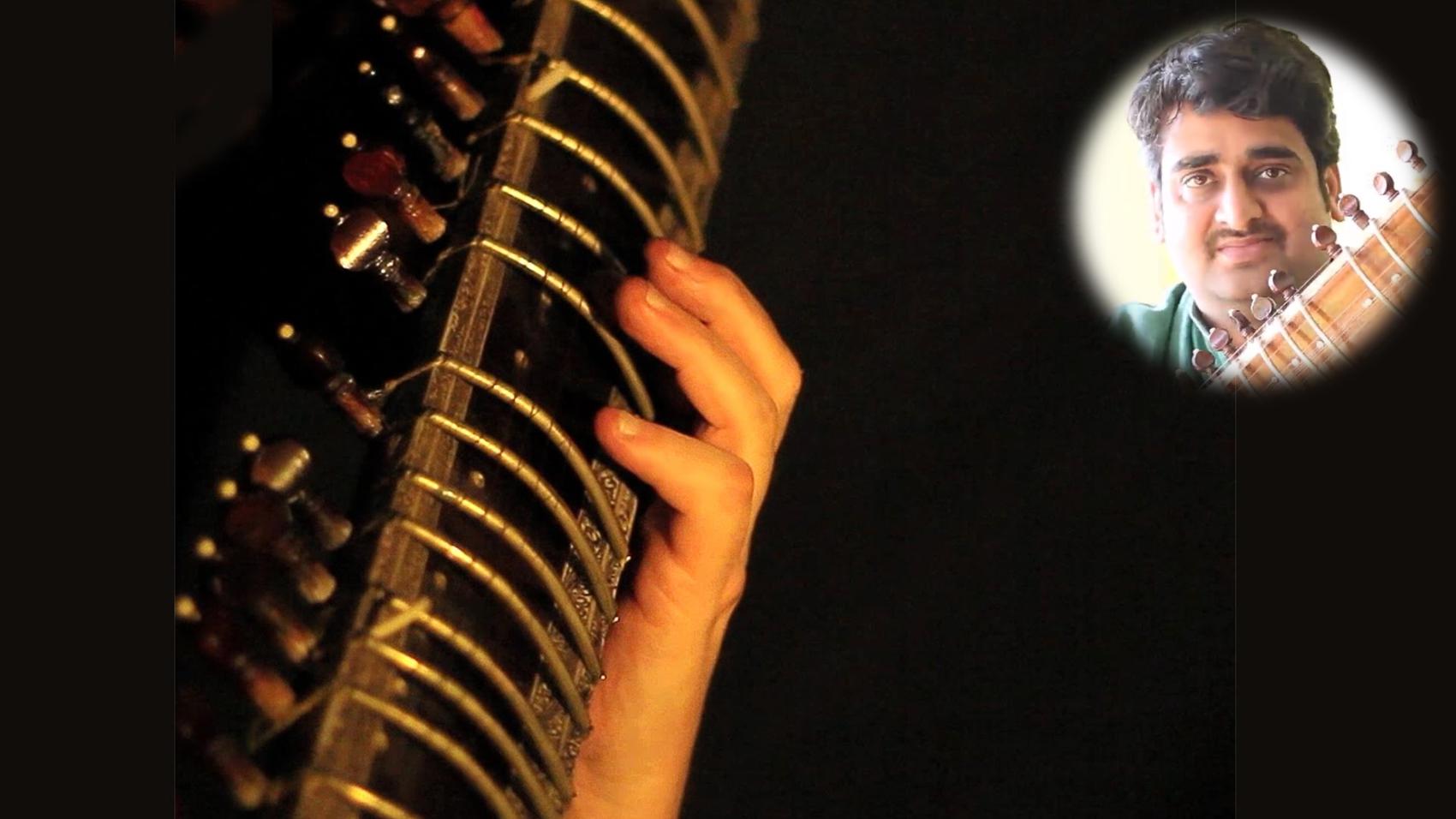
Tabla Artist Anirudh Mishra talks about Playing Tabla course, what is Playing Tabla and other details about a Career in Playing Tabla.


Playing Tabla

Anirudh Mishra | Tabla Artist | Several Musical Assignments


What is Playing Tabla?


A Career in Playing Tabla is very intriguing. One should first understand What a Career in Playing Tabla entails before investing time and effort to figure out How to start a Career in Playing Tabla. While anyone can have an opinion on what Playing Tabla entails; only a real professional can really explain it.

With 6 years & 2 months of professional experience, Tabla Artist Anirudh Mishra understands Playing Tabla. According to Tabla Artist Anirudh Mishra, Playing Tabla is:

Tabla is an Indian classical instrument. Tabla is relatively similar to drum and it’s a most common accompanying instrument which you can play as solo, accompanying with dance, instruments and vocal.


How Tabla Artist Anirudh Mishra got into Playing Tabla?


Being from a music family, I started playing Tabla at the age of 8 and Professionally, I am playing Tabla since 2012.


Tabla Artist Anirudh Mishra's Talk on Playing Tabla


Session Image
The Journey of Playing Tabla


What Is Playing Tabla


Playing Tabla

### Playing Tabla Image
What is
Playing Tabla is the art and skill of performing on the tabla, a pair of hand-played drums originating from the Indian subcontinent. This musical discipline involves mastering complex rhythms, intricate finger techniques, and expressive improvisation, often accompanying classical, folk, and contemporary music performances across diverse cultural and artistic settings.

Concept
The career of playing tabla holds significant cultural and artistic value, serving as a bridge between tradition and modernity. Professionals in this field contribute to preserving and evolving musical heritage, often collaborating with artists from various genres. Mastery of tabla enhances cognitive abilities, sharpens rhythmic precision, and fosters deep emotional expression. For tabla players, the discipline offers opportunities to perform on global stages, participate in cross-cultural collaborations, and teach aspiring musicians. The immersive practice of tabla not only builds technical expertise but also nurtures patience and creativity, making it a rewarding pursuit both personally and professionally. Through their performances, tabla players inspire audiences and help sustain the rich legacy of Indian percussion.

Real World Example
A professional tabla player might be invited to perform at an international music festival, collaborating with classical dancers and fusion bands. During rehearsals, the tabla artist adapts traditional rhythmic cycles to complement contemporary melodies, demonstrating versatility and deep musical understanding. On stage, the tabla player’s improvisational skills shine, responding intuitively to the cues of fellow musicians and dancers. The performance captivates the audience, showcasing the tabla’s dynamic range and expressive power. Beyond the concert, the artist may conduct workshops, sharing techniques and cultural insights with students from diverse backgrounds. This real-world scenario illustrates how playing tabla can be both a performance art and a means of cultural exchange, enriching the global music landscape.

Education


Tabla Basics

### Tabla Basics Image
What is
Tabla Basics refers to the essential techniques, rhythms, hand positions, and fundamental compositions that form the groundwork for playing the tabla, a classical Indian percussion instrument. Mastery of these basics is crucial for both academic study and professional performance, as it underpins advanced learning and artistic expression in tabla playing.

Concept
Understanding Tabla Basics is vital for anyone aspiring to excel in playing the tabla, whether as a student or a professional performer. These foundational skills ensure that a player can produce clear, accurate sounds and maintain correct rhythm, which are indispensable for solo performances, accompaniment, and improvisation. Mastery of the basics also enables musicians to interpret complex compositions, collaborate effectively with other artists, and adapt to various musical genres. Over time, a strong grasp of Tabla Basics fosters confidence, creativity, and technical proficiency, all of which are essential for building a sustainable and respected career in music. Without this solid foundation, advancing to higher levels of artistry and professionalism becomes significantly more challenging.

Real World Example
Consider a professional tabla player rehearsing for a classical concert. During practice, the musician relies on their deep understanding of Tabla Basics to execute intricate rhythmic patterns and maintain precise hand movements. When accompanying a vocalist, the tabla player must quickly adapt to changes in tempo and mood, drawing upon their foundational knowledge to provide seamless support. If a sudden improvisational section arises, the player’s command of basic techniques allows them to innovate confidently while staying true to the composition’s structure. This daily application of Tabla Basics not only ensures high-quality performances but also enhances the musician’s ability to collaborate, improvise, and respond dynamically to the demands of live music settings.

History of Tabla

### History of Tabla Image
What is
History of Tabla refers to the chronological study of the origins, evolution, and cultural significance of the tabla, a classical Indian percussion instrument. This subject explores the instrument’s development, influential maestros, and its integration into various musical traditions, forming a crucial part of academic and professional knowledge for aspiring and established tabla players.

Concept
Understanding the history of tabla is essential for anyone serious about mastering the instrument. This knowledge provides context for the rhythms, compositions, and playing techniques that have evolved over centuries. By studying its historical journey, professionals gain insight into the stylistic differences between gharanas, the impact of legendary tabla players, and the instrument’s role in both classical and contemporary music. Such a foundation not only enriches a player’s technical skills but also deepens their interpretative abilities, allowing them to perform with greater authenticity and respect for tradition. In the long term, this historical awareness fosters a sense of identity and continuity, enabling tabla players to contribute meaningfully to the ongoing evolution of their art.

Real World Example
Imagine a professional tabla player preparing for a collaborative concert with musicians from different cultural backgrounds. Drawing upon their knowledge of the history of tabla, the player can explain the origins and significance of specific rhythmic patterns, helping others appreciate the instrument’s unique voice. During rehearsals, this historical understanding allows the tabla player to select compositions and improvisational approaches that honor traditional forms while adapting to contemporary settings. By referencing the contributions of past maestros and the evolution of various gharanas, the player not only educates fellow musicians but also enriches the performance, creating a bridge between tradition and innovation. This application of historical knowledge enhances both the artistic quality and cultural depth of the collaboration.

Indian Drum

### Indian Drum Image
What is
The term "Indian Drum" refers to the diverse family of percussion instruments originating from the Indian subcontinent, including the tabla, mridangam, dholak, and others. Understanding Indian Drum encompasses knowledge of rhythmic cycles, playing techniques, and cultural context, forming an essential part of the academic and professional foundation for mastering the tabla.

Concept
A deep understanding of Indian Drum is crucial for anyone aspiring to excel in playing tabla, as it provides the rhythmic vocabulary and technical skills necessary for professional growth. Mastery of the fundamental concepts, such as tala (rhythmic cycles), bol (syllables), and improvisational methods, enables tabla players to perform confidently in solo and ensemble settings. This knowledge also allows professionals to collaborate effectively with other musicians, adapt to various musical genres, and contribute creatively to both traditional and contemporary compositions. Over time, a solid grasp of Indian Drum theory and practice enhances a tabla player's versatility, reputation, and career prospects, making it a vital area of study for sustained professional success.

Real World Example
Consider a professional tabla player accompanying a classical vocalist during a live concert. Their theoretical understanding of Indian Drum allows them to identify the specific tala being used and adapt their playing to complement the vocalist’s improvisations. By drawing on their knowledge of rhythmic patterns and variations, the tabla player can introduce subtle improvisations, maintain precise timing, and respond dynamically to changes in tempo or mood. This expertise not only enriches the overall performance but also demonstrates the tabla player’s command of Indian Drum concepts, earning the respect of fellow musicians and the audience. Such real-world application highlights the indispensable role of Indian Drum knowledge in daily professional practice.

Observation

### Observation Image
What is
Observation is the focused act of attentively perceiving and analyzing details, behaviors, and patterns in people, objects, or events. In the context of Playing Tabla, observation involves closely watching hand movements, listening to rhythmic nuances, and understanding the interplay between different musical elements, forming a crucial part of both academic study and professional practice.

Concept
Developing strong observational skills is essential for anyone aspiring to excel in Playing Tabla. Through observation, learners absorb intricate techniques, subtle variations in rhythm, and the expressive gestures of experienced performers. This ability to notice and internalize details forms the bedrock of a tabla player’s technical and artistic growth. In professional settings, observation enables musicians to adapt to different styles, collaborate effectively with other artists, and continuously refine their own performances. Over time, these skills foster a deeper musical intuition, enhance improvisational abilities, and support lifelong learning. Ultimately, mastering observation not only improves individual performance but also opens doors to teaching, composing, and contributing meaningfully to the broader musical community.

Real World Example
Imagine a tabla player attending a live concert featuring a renowned maestro. Throughout the performance, the player attentively observes the maestro’s hand positioning, the subtle changes in tempo, and the way complex rhythmic patterns are executed. By mentally noting these details, the observer gains insights that cannot be learned from textbooks alone. Later, during personal practice, the player applies these observations, experimenting with new techniques and refining their own style. In ensemble settings, the ability to keenly observe fellow musicians’ cues and dynamics ensures seamless coordination and enhances the overall musical experience. This continuous cycle of observation and application is vital for growth and excellence in the art of Playing Tabla.

Skills


Finding a Mentor

### Finding a Mentor Image
What is
Finding a mentor means actively seeking guidance, support, and knowledge from an experienced individual in your field. In the context of playing tabla, this involves building a relationship with a seasoned tabla player who can offer personalized advice, share techniques, and provide constructive feedback to accelerate your growth.

Concept
The ability to find and work with a mentor is a transformative skill for any tabla player. It directly enhances performance by exposing the learner to advanced techniques, nuanced rhythms, and the subtle artistry that only experience can teach. Clients and employers value musicians who demonstrate continuous improvement and adaptability, traits often nurtured through mentorship. A mentor not only helps refine technical skills but also imparts wisdom about performance etiquette, collaboration, and career management. Cultivating this skill involves networking within the music community, showing genuine respect for experienced artists, and demonstrating a willingness to learn. Over time, consistent engagement and open communication with a mentor foster trust, allowing for deeper learning and professional growth.

Real World Example
Imagine a tabla player preparing for a high-profile fusion concert, but struggling to master a complex rhythmic cycle required for the performance. Despite hours of practice, the musician cannot achieve the desired fluidity and confidence. By reaching out to a respected tabla maestro for mentorship, the player gains access to tailored exercises, historical context, and performance tips that are not available in books or online tutorials. The mentor’s feedback helps the musician overcome technical hurdles and develop a deeper understanding of the rhythm’s cultural significance. As a result, the tabla player not only delivers a captivating performance but also earns recognition from peers and organizers, demonstrating the profound impact of finding and learning from a mentor.

Listening

### Listening Image
What is
Listening is the focused and active process of receiving, interpreting, and understanding sounds, rhythms, and nuances from one’s environment or collaborators. For a professional Tabla player, listening is crucial for synchronizing with other musicians, adapting to dynamic changes, and ensuring the integrity of the performance, making it an indispensable skill.

Concept
Listening directly enhances a Tabla player’s performance by enabling precise timing, sensitive accompaniment, and the ability to respond intuitively to musical cues. Clients and employers highly value this skill because it ensures seamless collaboration, minimizes errors, and elevates the overall quality of the musical experience. A Tabla player who listens attentively can anticipate shifts in tempo, mood, or improvisation, making them a reliable and adaptable team member. Cultivating this skill involves regular practice with diverse musicians, critical analysis of recordings, and mindful engagement during rehearsals and live performances. Over time, this conscious effort sharpens auditory perception, deepens musical understanding, and fosters a reputation for professionalism and artistry.

Real World Example
Imagine a Tabla player performing live with a classical vocalist who unexpectedly changes the tempo during an intricate section. By actively listening, the Tabla player immediately perceives the shift and adjusts their rhythm to maintain harmony with the vocalist. This quick adaptation prevents disruption and allows the performance to flow seamlessly, impressing both the audience and fellow musicians. Without strong listening skills, the Tabla player might miss these subtle cues, leading to dissonance and a less cohesive performance. In this scenario, listening not only resolves a potential issue but also showcases the Tabla player’s expertise and ability to support the ensemble effectively.

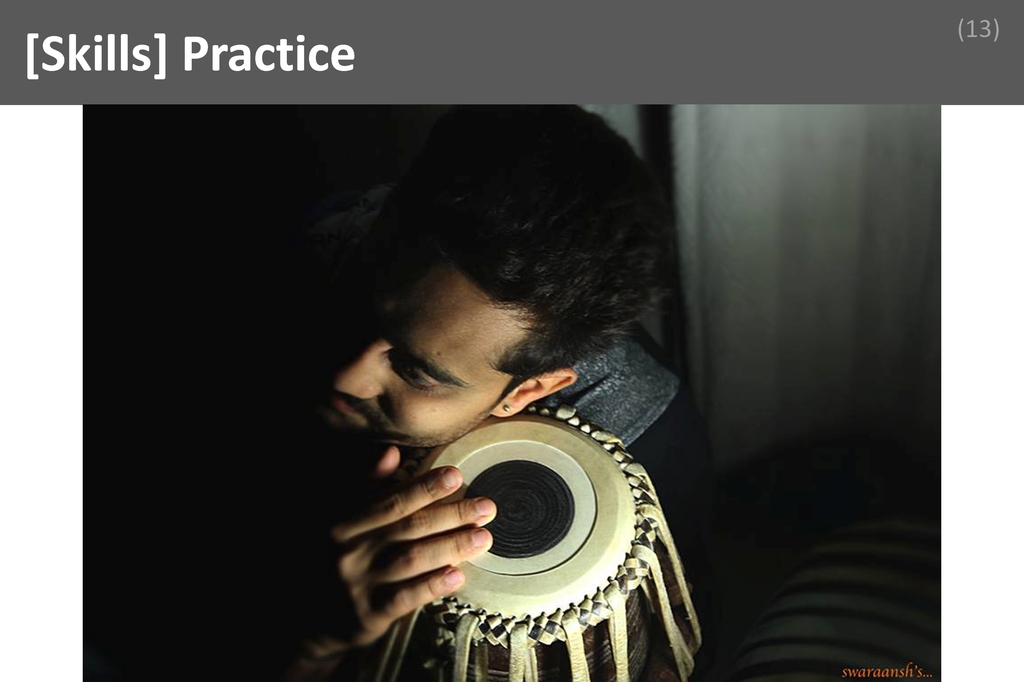
Practice

### Practice Image
What is
Practice is the deliberate, consistent repetition of techniques, compositions, and rhythms with the goal of mastering skills and achieving artistic excellence. For a professional Tabla player, practice is the foundation that transforms raw talent into refined artistry, enabling precise execution, improvisation, and the ability to perform confidently in any setting.

Concept
The skill of practice directly enhances a Tabla player’s technical proficiency, rhythmic accuracy, and creative expression. Regular, focused practice allows musicians to internalize complex patterns, develop muscle memory, and respond intuitively during performances. Clients and employers value this dedication because it ensures reliability, versatility, and high-quality output in both solo and collaborative settings. Cultivating this skill requires discipline, patience, and a structured approach, such as setting clear goals, maintaining a consistent schedule, and seeking feedback from mentors or peers. Over time, these habits foster continuous improvement, enabling Tabla players to expand their repertoire, adapt to new musical challenges, and maintain peak performance throughout their careers.

Real World Example
Imagine a professional Tabla player preparing for a high-profile concert with a renowned classical vocalist. During rehearsals, the vocalist introduces an intricate rhythmic cycle unfamiliar to the Tabla player. Drawing on years of disciplined practice, the player dedicates extra hours to mastering the new pattern, breaking it down into manageable segments and repeating them until they become second nature. On the day of the performance, this rigorous preparation pays off. The Tabla player executes the complex rhythm flawlessly, supporting the vocalist with confidence and elevating the entire performance. This scenario highlights how sustained practice not only solves immediate challenges but also builds the resilience and adaptability essential for long-term success in a professional Tabla career.

Positives


Fame

### Fame Image
What is
Fame is the widespread recognition and admiration received from the public and peers for exceptional skill, talent, or achievement. It brings visibility, respect, and influence, often leading to new opportunities and connections. In the world of playing tabla, fame elevates an artist’s status and opens doors to greater creative fulfillment.

Concept
Fame is a powerful motivator and reward for tabla players, as it validates years of dedication and practice. When a tabla artist gains recognition, it leads to invitations to perform at prestigious events, collaborations with renowned musicians, and opportunities to teach or mentor aspiring artists. This acknowledgment not only boosts self-esteem but also enhances professional growth, as fame attracts more students, sponsors, and media attention. The daily experience of being celebrated for one’s artistry fosters a sense of pride and belonging within the musical community. Ultimately, fame transforms the journey of playing tabla from a personal pursuit into a shared cultural legacy, inspiring others and ensuring the artist’s contributions are remembered and cherished.

Real World Example
Imagine a tabla player who, after years of rigorous training and countless performances, is invited to play at an international music festival. Their mesmerizing performance captivates the audience and garners enthusiastic applause, leading to interviews, feature articles, and invitations to collaborate with global artists. As their fame grows, they receive messages from young musicians seeking guidance and fans expressing how their music has touched lives. This recognition not only brings financial rewards and career advancement but also a profound sense of fulfillment. The artist feels their hard work has made a meaningful impact, motivating them to continue innovating and sharing their passion for tabla with the world.

Play of 4 type

### Play of 4 type Image
What is
"Play of 4 type" in tabla refers to the mastery and creative application of four distinct rhythmic patterns or styles—each with unique tempo, mood, and technical demands. This concept allows tabla players to showcase versatility, adapt to various musical genres, and express complex emotions, enriching both performance and personal artistry.

Concept
The "Play of 4 type" is a cornerstone of tabla artistry, offering immense satisfaction and growth for professionals. By mastering these four rhythmic approaches, tabla players develop a deep understanding of rhythm, timing, and improvisation. This versatility opens doors to collaborations across classical, fusion, and contemporary music, making each performance unique and engaging. The constant challenge of switching between styles keeps the profession intellectually stimulating and creatively fulfilling. Professionals experience a sense of accomplishment as they witness their skills evolve, and audiences respond enthusiastically to the dynamic range of their performances. This daily engagement with diverse rhythmic forms not only enhances technical proficiency but also nurtures a lifelong passion for learning and innovation.

Real World Example
Imagine a tabla player performing at a prestigious music festival. During a single concert, the artist seamlessly transitions between the four types of rhythmic patterns, responding to the mood of each accompanying musician. In a classical segment, the player employs intricate, traditional patterns, captivating the audience with precision. As the concert shifts to a fusion piece, the tablaist adapts to a modern groove, blending effortlessly with electronic instruments. Each transition showcases the artist’s command over the "Play of 4 type," earning admiration from peers and listeners alike. This experience leaves the performer with a profound sense of fulfillment, knowing their versatility and creativity have elevated the entire musical experience.

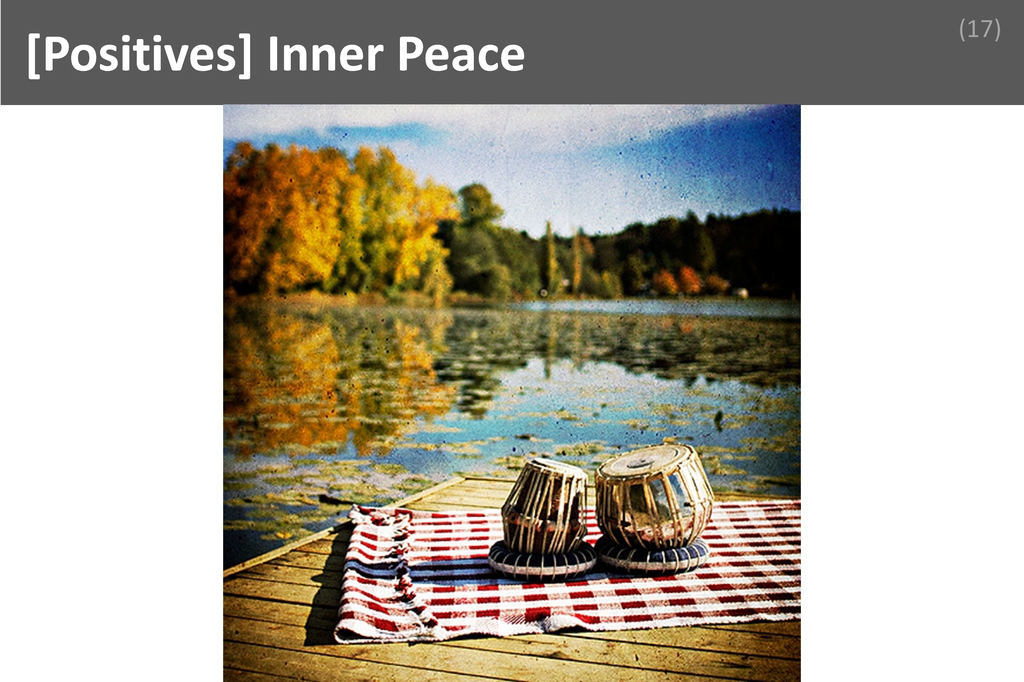
Inner Piece

### Inner Piece Image
What is
Inner Piece is a profound sense of tranquility, balance, and self-acceptance that arises from deep engagement with one’s passion. It is the calm clarity that comes from being fully present in the moment, allowing creativity and emotion to flow freely, and finding harmony between mind, body, and spirit. In the world of playing tabla, Inner Piece is not just a fleeting feeling but a sustaining force that shapes the entire journey. It allows tabla players to connect deeply with the rhythms they create, fostering a sense of fulfillment that transcends technical mastery. This inner harmony becomes a wellspring of inspiration, resilience, and joy, making the pursuit of tabla both meaningful and rewarding.

Concept
The presence of Inner Piece in a tabla player’s life transforms the act of playing from a mere profession into a soulful experience. This sense of tranquility enhances job satisfaction by allowing musicians to immerse themselves fully in their art, free from external pressures and distractions. As tabla players cultivate Inner Piece, they develop greater focus, patience, and emotional resilience, which are essential for growth and mastery. Each performance becomes an opportunity to express their authentic selves, leading to a deeper connection with audiences and fellow musicians. The daily experience of Inner Piece also helps tabla players navigate challenges with grace, turning setbacks into learning moments and fueling their passion for lifelong improvement.

Real World Example
Imagine a seasoned tabla player preparing for a major concert. As the performance approaches, nerves and expectations could easily take over. However, through years of dedicated practice and mindful engagement with the instrument, the player has cultivated a profound Inner Piece. Sitting cross-legged on stage, surrounded by the gentle hum of anticipation, the musician closes their eyes and lets the rhythmic patterns flow naturally. In that moment, all worries fade away, replaced by a serene focus and joy in the act of creation. The audience senses this calm energy, becoming entranced by the music. After the performance, the tabla player feels not just accomplished, but deeply fulfilled, knowing that their Inner Piece has touched others and enriched their own journey.

A Day Of


Playing Tabla

What is
The rhythmic pulse of a tabla player’s day begins long before the first note is struck. In a world where every beat matters, the workday unfolds with a blend of discipline, artistry, and collaboration. Whether preparing for a solo recital, accompanying a vocalist, or teaching eager students, the environment is alive with the subtle tension between tradition and innovation. The air is often tinged with the scent of polished wood and leather, and the steady hum of practice weaves through the quiet of early morning, building toward the crescendo of performance and the thoughtful reflection that follows. For a tabla professional, each day is a journey through sound, skill, and soulful connection.

Concept
As the first light filters through the window, the day starts with a quiet ritual. The tabla player carefully tunes the drums, checking the tension of the straps and the clarity of each note. This is a sacred time for personal practice, often spent revisiting foundational rhythms or exploring new compositions. The morning air is still, allowing for focused attention on technique and tone, and the player may record short improvisations or review recordings from previous sessions to identify areas for improvement. This early solitude sets the tone for the day, grounding the musician in discipline and mindfulness.

Real World Example
By mid-morning, the tabla player transitions into the most demanding part of the day. This is when the core practice session takes place, often involving complex rhythmic cycles and intricate improvisations. If the musician teaches, students arrive either in person or virtually, eager to absorb the nuances of hand placement, timing, and expression. The energy in the room intensifies as lessons unfold, with the teacher demonstrating patterns, correcting technique, and encouraging creative exploration. For those preparing for a concert or recording, this is the time to rehearse with accompanists or work through challenging passages, pushing both skill and stamina to their limits.

The afternoon brings a shift from solitary focus to collaborative execution. The tabla player may join rehearsals with other musicians, such as sitarists, vocalists, or dancers, synchronizing rhythms and refining the interplay between instruments. This is also the time for live performances, whether in a studio, concert hall, or digital broadcast. The environment is charged with anticipation as sound checks are conducted and last-minute adjustments are made. Each performance is a test of preparation and adaptability, demanding both technical precision and emotional connection with the audience and fellow artists.

As the day winds down, the tabla player turns to reflection and planning. This is a quieter period devoted to listening back to recordings, making notes on what worked and what could be improved, and responding to emails or scheduling future lessons and performances. Administrative tasks such as updating social media, managing bookings, and maintaining instruments are handled with the same care as the music itself. The evening closes with a sense of accomplishment and anticipation, as the player sketches out goals for the next day, ensuring that the cycle of practice, performance, and growth continues without missing a beat.


Install the LifePage App to:


  1. (for Free) Watch Tabla Artist Anirudh Mishra’s full Playing Tabla Career Talk

  2. ₹ Do a Self Assessment on Playing Tabla to calculate your Dream Index, which is defined as:

    According to Anirudh Mishra your chances of success in Playing Tabla is __%

  3. Access your personalized Dream Index Report which will have all your Dream Indices sorted in descending order.

Career Counselling 2.0


<?php echo $altimage; ?>


<?php echo $altimage; ?>


How to get into

Playing Tabla?


If you are want to get into Playing Tabla, start by investing in a Career Plan.

The 14 hour process, guided by a LifePage Career Advisor, will help you introspect and check whether your interest in Playing Tabla is merely an infatuation or is it truly something you wish to do for the rest of your life.

Next, your Career Advisor will help you document how you can get into Playing Tabla, what education and skills you need to succeed in Playing Tabla, and what positives and challenges you will face in Playing Tabla.

Finally, you will get a Career Plan stating which Courses, Certifications, Trainings and other Items you need to do in the next 7 years to become world’s best in Playing Tabla.


LifePage Career Plan

14 hour personalized guidance program


Your LifePage Career Advisor facilitates your guided introspection so that you systematically explore various Career options to arrive at a well thought out Career choice.

Next: your Advisor helps you figure out how you will get into your chosen Career and how will you develop the skills needed for success in your Chosen Career.

LifePage Plan will not stop at saying "to become an Architect study Architecture". It will guide you on which Certifications, Trainings and Other items you need to do along with your Architecture education to become the world's best Architect.


Links for this Talk


Tabla Artist Anirudh Mishra's LifePage:


Career Counselling 2.0
[LifePage]
https://www.lifepage.in/page/anirudhmishra


LifePage Career Talk on Playing Tabla


Career Counselling 2.0
[Career]
https://www.lifepage.in/careers/playing-tabla-1


Career Counselling 2.0
[Full Talk]
https://lifepage.app.link/20161220-0002


Career Counselling 2.0
[Trailer]
https://www.youtube.com/watch?v=u3EejEqhDqI


(Playing Tabla, Anirudh Mishra, Several Musical Assignments, Tabla Artist, Tabla, Playing Drum, Music, banjo)


Similar Talks


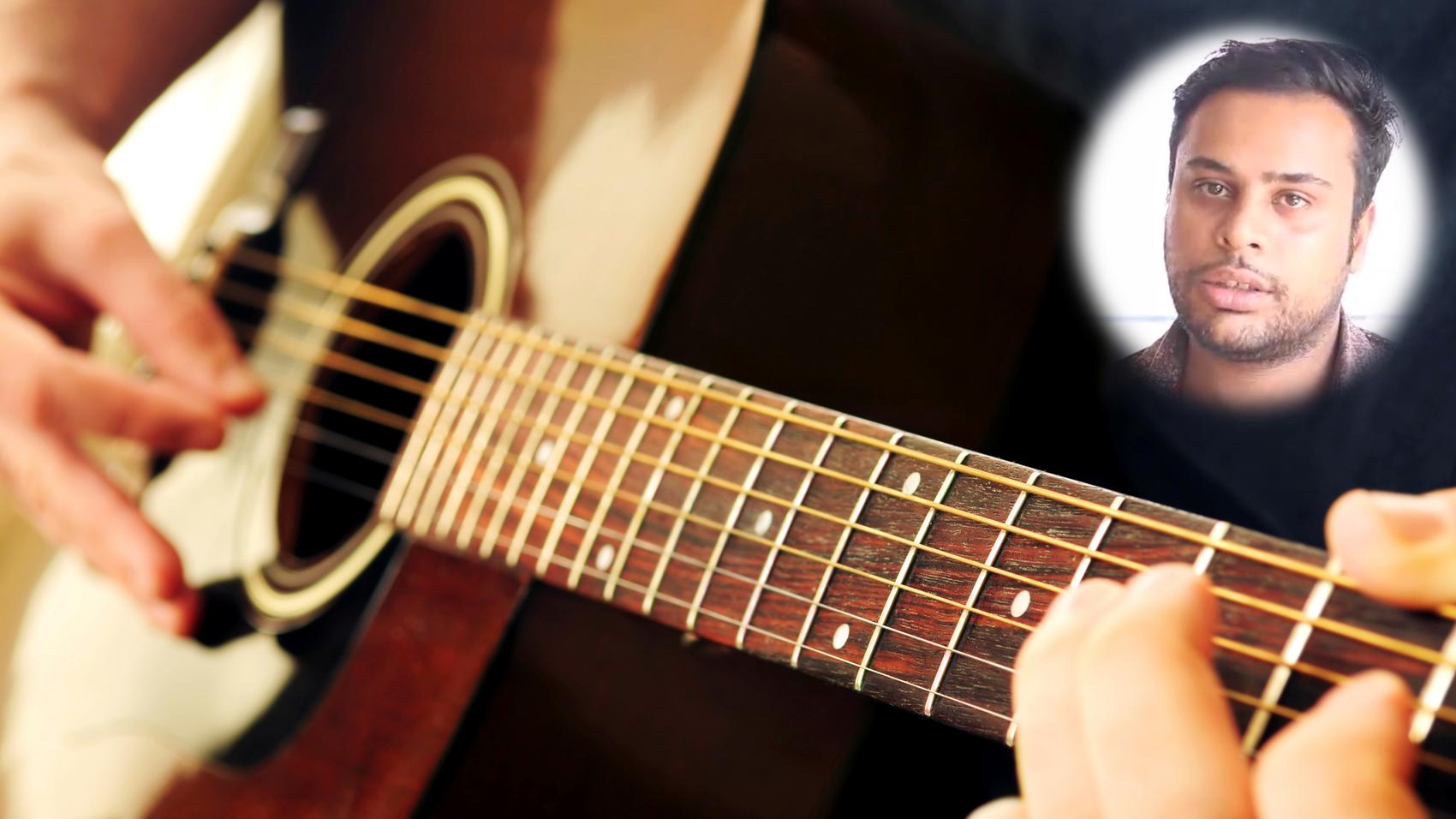
Career in Playing Guitar
Playing Guitar
Aditi Dhand
Guitarist | Various Creative Assignments
[ 13 years & 11 months Experience ]

The guitar is a musical instrument classified as a fretted string instrument with anywhere from four to 18 strings, usually having six. The sound is projected either acoustically, using a hollow wooden or plastic and wood box (for an acoustic guitar), or through electrical amplifier and a speaker (for an electric guitar). It is typically played by strumming or plucking the strings with the fingers, thumb or fingernails of the right hand or with a pick while fretting (or pressing against the frets) the strings with the fingers of the left hand.

"I started playing Guitar when I was in class 10th and I am mostly self taught. I have played at various shows and festivals in Dehradun as well as outside, to name a few like Big Binge Festival, Dehradun and the Rajpur Nature Festival. I am also a singer and song writer."


Career Counselling 2.0 Career Counselling 2.0 Career Counselling 2.0 Career Counselling 2.0 Career Counselling 2.0


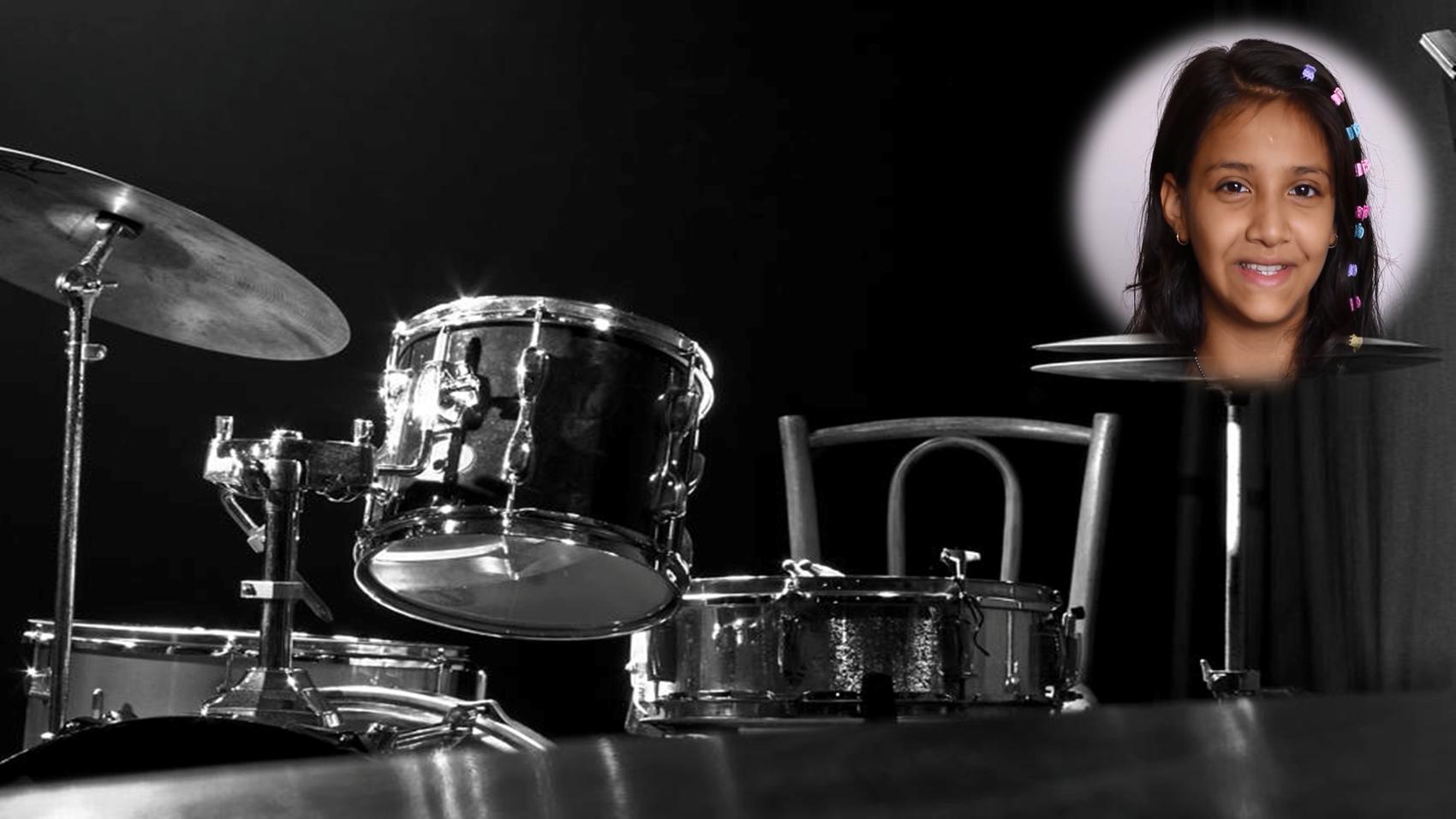
Career in Drumming
Drumming
Srividya Kotnala
Drummer | Womania Band, Dehradun
[ 0 years & 7 months Experience ]

Drums are the musical instruments which give beats to a song. The playing of these drums is known as drumming.

"I am 12 years old and a student of Class 8 at Pine Hall School, Dehradun. I am also a student at the Saptak Institute of Performing Arts, Dehradun where I learn dancing, vocal singing and drumming. I have been the drummer for Womania Band since six months."


Career Counselling 2.0 Career Counselling 2.0 Career Counselling 2.0 Career Counselling 2.0 Career Counselling 2.0


Career in Acpad Playing
Acpad Playing
Amaan Shah
Acpad Player | Various Creative Assignments
[ 3 years & 9 months Experience ]

An Acpad player is a person who can program different beats on acpad and play those while performing on guitar.

"After doing my schooling from Scholars Home, I did my graduation from Graphic Era Hill University, Dehradun. After that did a course in EDM Production from Beat Factory, Andheri and have been a Musician ever since. I am the only Asian Acpad Player on Youtube with 71000+ subscribers."


Career Counselling 2.0 Career Counselling 2.0 Career Counselling 2.0 Career Counselling 2.0 Career Counselling 2.0


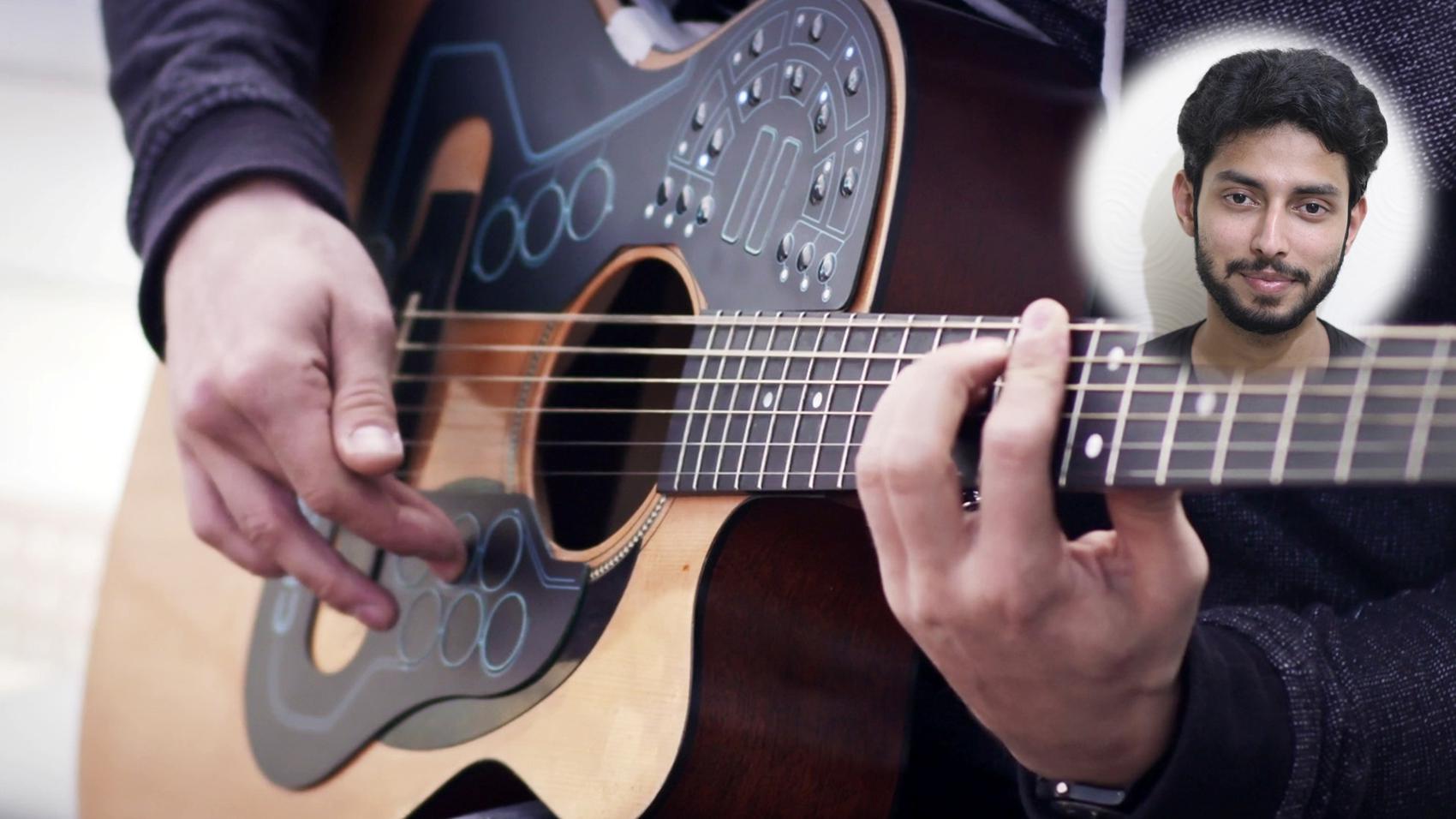
Career in Playing Guitar
Playing Guitar
Rijo Cherian
Guitarist | Kartavya Band, Indus Fleet & Corsair
[ 13 years Experience ]

A guitarist or a guitar player is a person who plays the guitar. Guitarists may play a variety of guitar family instruments such as classical guitars, acoustic guitars, electric guitars and bass guitars.

"After doing my B Com & M Com from DAV College, I did Hotel Management from AIHM, PTU. I have been awarded the Best Guitarist Award in 2014. I also participated in a few reality shows on MTV and an International Gig in Bangkok. I am a Music Teacher at Hope Town and a guitarist with bands like Corsair, Indus Fleet and Kartavya."


Career Counselling 2.0 Career Counselling 2.0 Career Counselling 2.0 Career Counselling 2.0 Career Counselling 2.0


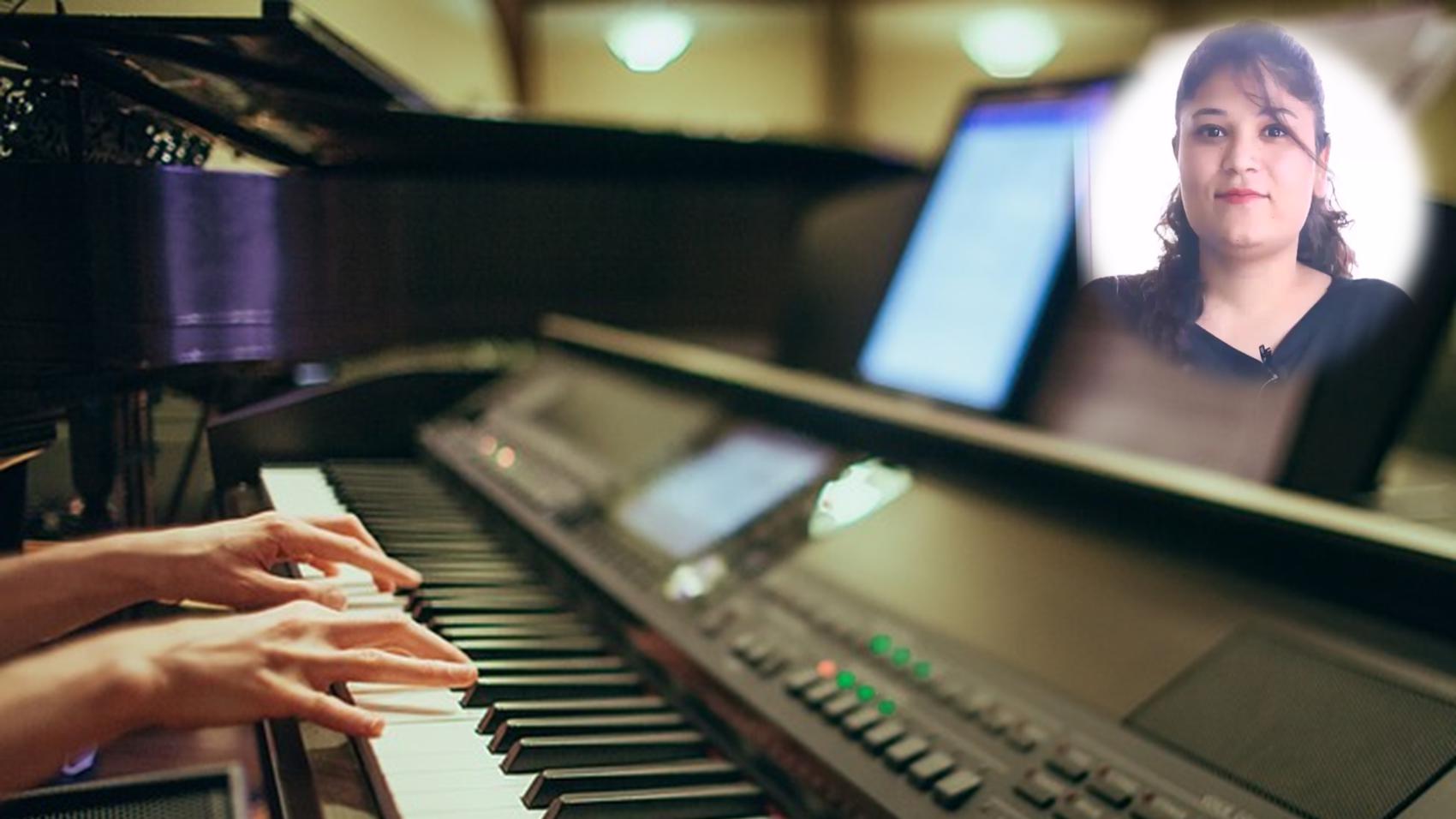
Career in Playing Keyboard
Playing Keyboard
Deepika Panthri
Keyboard Player | Womania Band
[ 3 years & 6 months Experience ]

A keyboard instrument is any musical instrument played using a musical keyboard. The most common of these is the piano. Keyboard are widely used in almost all genres of music.

"I have worked with Axis bank but later on, I left my job to pursue my passion and started learning Keyboard and I have been associated with Womania Band as a Keyboard Player since 2015."


Career Counselling 2.0 Career Counselling 2.0 Career Counselling 2.0 Career Counselling 2.0 Career Counselling 2.0


Career in Playing Guitar
Playing Guitar
Ali Armaan Zainvi
Guitarist | Various Creative Assignments
[ 8 years Experience ]

A guitarist is a person who plays the guitar. Guitarists may play a variety of guitar family instruments such as classical guitars, acoustic guitars, electric guitars, and bass guitars.

"After completing my schooling from St Josephs Academy I went to LA to learn Contemporary Music. I am also learning Indian Classical Music. I have worked on various assignments including composing music for Discovery Channel."


Career Counselling 2.0 Career Counselling 2.0 Career Counselling 2.0 Career Counselling 2.0 Career Counselling 2.0


Career in Playing Tabla
Playing Tabla
Rajesh Mishra
Music Artist | Various Creative Music Assignments
[ 37 years Experience ]

Tabla is a South Asian membranophone percussion instrument, consisting of a pair of drums, used in traditional, classical, popular and folk music. It has been an important instrument in Hindustani classical music.

"I belong to Banaras Gharana, got my training from Pt Manu Lal Mishra Ji from Banaras Gharana. I have been playing tabla since 1980."


Career Counselling 2.0 Career Counselling 2.0 Career Counselling 2.0 Career Counselling 2.0 Career Counselling 2.0


Career in Playing Guitar
Playing Guitar
Bhavya Raj
Guitarist | Various Assignments
[ 11 years & 10 months Experience ]

A guitarist is a person who plays the guitar on variety of guitar family instruments such as classical guitars, acoustic guitars, electric guitars, and bass guitars

"After doing my schooling from City Montessori Lucknow, I did Bachelor of Commerce from Lucknow University and then did a course in Audio and Music Theory Production from Kuala Lumpur. I have worked in various creative assignments including a few celebrities like Shankar Ehsaan Loy, Farhan Akhtar and Grammy award winner Dave Mustaine."


Career Counselling 2.0 Career Counselling 2.0 Career Counselling 2.0 Career Counselling 2.0 Career Counselling 2.0


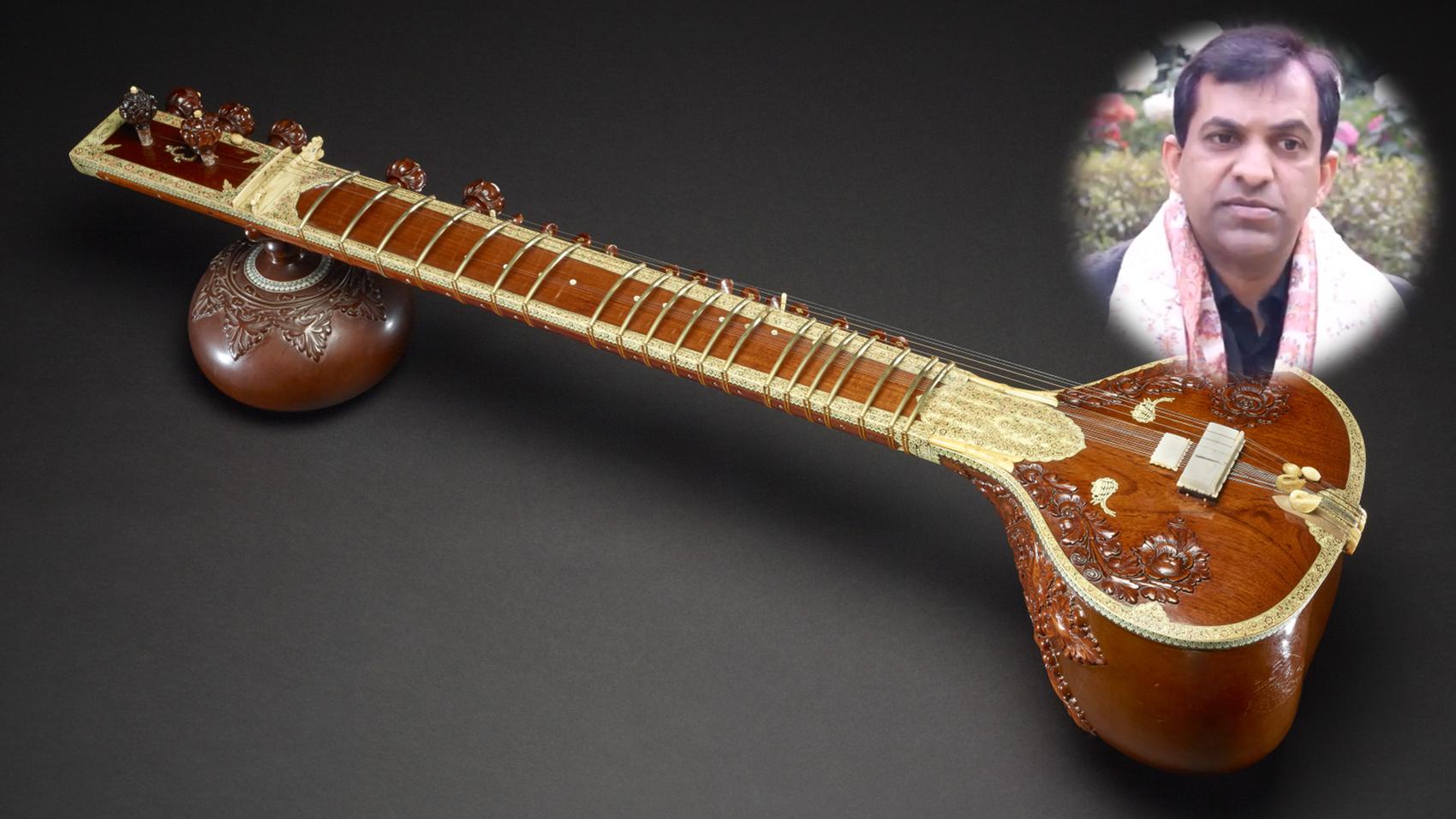
Career in Playing Sitar
Playing Sitar
Dr Sudeep Rai
Sitar Maestro | Various Creative Assignments
[ 19 years & 7 months Experience ]

Sitar is a plucked stringed instrument predominantly used in Hindustani classical music where it has been ubiquitous since the middle ages. It derives its resonance from sympathetic strings a long hollow neck and a gourd resonating chamber, used throughout the indian subcontinent the sitar became known in the western world in the late 1950s and early 1960s.

"I started playing Sitar at the age of 12 and was trained by Sitar Maestro Padmabhushan Pt. Debu Chaudhuri. I have been performing at various National and International events since last 20 years."


Career Counselling 2.0 Career Counselling 2.0 Career Counselling 2.0 Career Counselling 2.0 Career Counselling 2.0


Career in Playing Sitar
Playing Sitar
Vishal Mishra
Sitar Artist | Several Musical Assignments
[ 18 years & 3 months Experience ]

Playing Sitar is classical Indian music instrument. Its One of the most renowned Indian musical instrument.

"I started playing sitar at the age of 12. I am also a vocalist. Professionally, I started playing sitar in 2000."


Career Counselling 2.0 Career Counselling 2.0 Career Counselling 2.0 Career Counselling 2.0 Career Counselling 2.0


Career in Playing Veena
Playing Veena
Pt. Siddhartha Banerjee
Music Guru | Sharda Music Foundation
[ 23 years Experience ]

The veena, comprises a family of chordophone instruments of the Indian subcontinent. Ancient musical instruments evolved into many variations, such as lutes, zithers and arched harps. The many regional designs have different names such as the Rudra veena, the Saraswati veena, the Vichitra veena and others. Siddha Veena is a stringed musical instrument its sound resembles that of Vichitra Veena, Sitar and Sarod, though with its own special character.It is a highly modified Slide Guita and the instrument is made of teak wood which is joint less. It has 21 strings 4 melody, 3 drone, 2 chikaris and 12 tarab (sympathetic strings).

"After doing my schooling from BTIC Varanasi, I did BA in English Literature from Harishchandra PG College. My musical Journey started at the age 3, I m fourth generation musician in my family. My first teacher was my mother Vidhushi Jaya Banerjee, later I was trained by Dr. Shivnath Bhatacharya and Narendra Chakravarty. My first stage performance was at the age of 11, since then I have performed various shows worldwide. In 2018, I got Doctorate in Music (Sidha Veena)."


Career Counselling 2.0 Career Counselling 2.0 Career Counselling 2.0 Career Counselling 2.0 Career Counselling 2.0


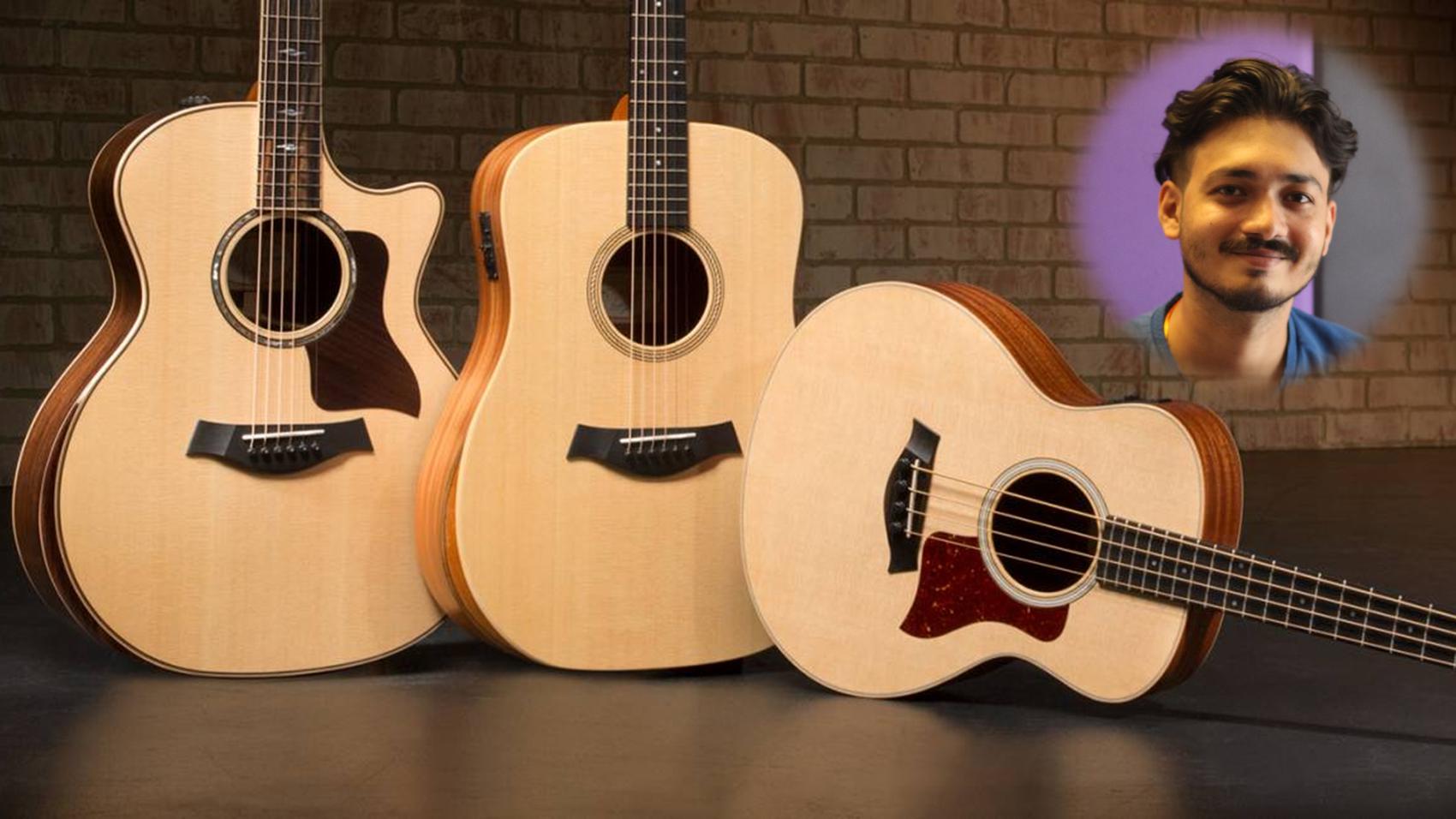
Career in Playing Bass Guitar
Playing Bass Guitar
Shakumbhari Kotnala
Bass Guitarist | Womenia Band
[ 3 years Experience ]

Generally 3 types of guitar are played in a particular band, lead guitar, rhythm guitar and base guitar. The bass guitar (also known as electric bass, or bass) is a stringed instrument played primarily with the fingers or thumb, by plucking, slapping, popping, strumming, tapping, thumping, or picking with a plectrum, often known as a pick. A bass guitarist plays guitar with the beats of the drum.

"After completing my education, I did NTT and then started my career as a teacher. But after few years I realised that I am more interested in music so I started learning Bass Guitar and joined Womenia Band in 2016."


Career Counselling 2.0 Career Counselling 2.0 Career Counselling 2.0 Career Counselling 2.0 Career Counselling 2.0


Career in Playing Sitar
Playing Sitar
Agni Verma
Sitarist | Mussoorie International School
[ 20 years Experience ]

The sitar is a plucked stringed instrument used in Hindustani classical music. The instrument is believed to have been derived from the veena. It became popular through the works of Pandit Ravi Shankar.

"I have been playing Sitar since the age of 10. Currently, I am a Sitar teacher at the Mussoorie International School since 2007. My name is instituted in the Guinness Book of World Records for playing sitar non-stop for 60 hours. I am a recipient of numerous awards and have performed live at many music festivals and events."


Career Counselling 2.0 Career Counselling 2.0 Career Counselling 2.0 Career Counselling 2.0 Career Counselling 2.0


[Install the LifePage App to access all Talks]


<?php echo $altimage; ?>


<?php echo $altimage; ?>


&mbsp;


Career Counselling 2.0 | Home   Home  
Career Counselling 2.0 | Abroad   Abroad  
Career Counselling 2.0 | Plan   Plan  
Career Counselling 2.0 | Talks   Talks  
Career Counselling 2.0 | Philosophy   Philosophy  
Career Counselling 2.0 | Seminar   Seminar  
Career Counselling 2.0 | Workshop   Workshop  
Career Counselling 2.0 | Pages   Pages  
Career Counselling 2.0 | Advisors   Advisors  
Career Counselling 2.0 | Discuss   Discuss  
Career Counselling 2.0 | Meet   Meet  
Career Counselling 2.0 | Advisor   Advisor  
Career Counselling 2.0 | Story   Story  
Career Counselling 2.0 | Fine Print   Fine Print  
Career Counselling 2.0 | Links   Links  
Career Counselling 2.0 | Blog   Blog  
Career Counselling 2.0 | Testimonials   Testimonials  
Career Counselling 2.0 | Follow   Follow  
 
[ Site Visits ]


Career Counselling 2.0