The Journey of Playing Keyboard
What Is Playing Keyboard
Playing Keyboard

Playing keyboard refers to the art and skill of performing music using a keyboard instrument, such as a piano, synthesizer, or digital workstation. It involves interpreting musical notation, improvising, and creating soundscapes across various genres, making it a versatile and essential role in both live and studio settings.
The role of a keyboard player is central to many musical ensembles, from rock bands to orchestras and studio sessions. Keyboardists often provide harmonic structure, melodic lines, and rhythmic support, shaping the overall sound and mood of a performance. Mastery of keyboard playing enhances a musician’s versatility, enabling them to adapt to different musical styles and collaborate with diverse artists. Additionally, keyboard skills open doors to composing, arranging, and producing music, making the keyboardist a valuable asset in the music industry. The ability to play keyboard also fosters creativity, improves cognitive abilities, and offers opportunities for both solo and group performances.
A professional keyboard player might work as a session musician in a recording studio, collaborating with artists across genres such as pop, jazz, or electronic music. During a recording session, the keyboardist interprets sheet music or chord charts, improvises solos, and layers different sounds using synthesizers and digital workstations. Their expertise allows them to quickly adapt to the needs of the producer or band, whether it’s adding atmospheric pads, driving rhythms, or intricate melodies. This flexibility and technical skill make the keyboardist an integral part of the creative process, contributing to the unique sound and success of each musical project.
Education
Sense of Rhythm & Beats

Sense of Rhythm & Beats refers to the ability to perceive, internalize, and reproduce patterns of timing and pulse in music. For keyboard players, this skill is essential, as it underpins accurate timing, synchronization with other musicians, and expressive performance, forming a core component of both academic study and professional practice.
Developing a strong sense of rhythm and beats is crucial for anyone aspiring to play the keyboard professionally. This foundational skill enables musicians to maintain steady tempo, execute complex rhythmic patterns, and adapt to various musical styles. Mastery of rhythm ensures that keyboardists can collaborate effectively with ensembles, accompany vocalists, and interpret written scores with precision. Over time, a refined rhythmic sense enhances musical versatility, allowing professionals to transition seamlessly between genres and settings. Furthermore, it supports improvisation and creative expression, both of which are highly valued in the music industry. Ultimately, a solid grasp of rhythm and beats is indispensable for building a successful, sustainable career as a keyboardist.
Imagine a keyboardist performing live with a band during a jazz concert. The group decides to shift from a standard swing rhythm to a Latin groove mid-performance. The keyboardist must instantly recognize the new rhythmic structure, adjust their playing to match the syncopated beats, and maintain cohesion with the drummer and bassist. Their theoretical understanding of rhythm and beats allows them to anticipate changes, stay in sync with the ensemble, and contribute to the overall musical texture. This ability not only ensures a polished performance but also demonstrates professionalism and adaptability, qualities that are essential for thriving in dynamic, real-world musical environments.
Instruments

"Instruments" refers to the study and understanding of musical devices, including their construction, mechanics, and expressive capabilities. In the context of Playing Keyboard, it encompasses knowledge of keyboard types, sound production, and maintenance. This subject forms a crucial part of both academic study and professional expertise for keyboardists.
A deep understanding of instruments is essential for anyone pursuing a career in playing keyboard. Mastery of this subject allows professionals to select the right keyboard for various musical genres, adapt to different performance settings, and troubleshoot technical issues efficiently. It also enables keyboardists to fully exploit the expressive range of their instrument, from touch sensitivity to sound modulation. Over time, this foundational knowledge supports artistic growth, facilitates collaboration with other musicians, and enhances the ability to interpret and perform complex pieces. Ultimately, expertise in instruments ensures that keyboardists remain adaptable and competitive in a rapidly evolving musical landscape.
Consider a professional keyboardist preparing for a live concert where both acoustic and digital keyboards are required. Their understanding of instruments allows them to adjust the action and voicing of an acoustic piano for optimal sound, while also programming digital keyboards to replicate specific tones needed for different songs. During rehearsals, the keyboardist quickly identifies and resolves issues such as sticky keys or connectivity problems with MIDI controllers, ensuring seamless transitions between pieces. This practical application of theoretical knowledge not only guarantees a smooth performance but also demonstrates the keyboardist’s technical competence and reliability, qualities highly valued in professional music environments.
Music

Music is the art and science of organizing sounds in time to produce a composition through elements such as melody, harmony, rhythm, and timbre. It serves as a universal language, forming the theoretical and expressive foundation for anyone learning or working in the field of Playing Keyboard, both academically and professionally.
Understanding music is essential for anyone aspiring to excel in playing the keyboard. Mastery of music theory, including scales, chords, and rhythm, enables keyboardists to interpret sheet music, improvise, and compose original pieces. This foundational knowledge allows professionals to communicate effectively with other musicians, adapt to various musical genres, and perform confidently in diverse settings. Over time, a deep comprehension of music enhances creativity, supports technical growth, and opens doors to advanced career opportunities such as arranging, teaching, and music production. Ultimately, a solid grasp of music not only enriches personal artistry but also ensures long-term success and adaptability in the ever-evolving landscape of the music industry.
A professional keyboard player preparing for a live performance must rely on their understanding of music to deliver a seamless show. When accompanying a vocalist, the keyboardist interprets chord symbols and adjusts harmonies on the spot to suit the singer’s range and style. If the band decides to change the key or tempo mid-rehearsal, the keyboardist’s knowledge of music theory allows for quick adaptation without disrupting the flow. Additionally, during improvisational sections, the player draws on their grasp of scales and chord progressions to create spontaneous melodies that enhance the overall performance. This practical application of music theory ensures the keyboardist remains versatile, responsive, and musically expressive in any professional context.
Reading

Reading, in the context of playing keyboard, refers to the ability to interpret and understand written musical notation, including notes, rhythms, dynamics, and articulations. This skill allows musicians to accurately translate sheet music into performance, forming a crucial bridge between theoretical knowledge and practical execution in both academic and professional settings.
Developing strong reading skills is essential for anyone preparing for or working in the field of keyboard performance. The ability to read music fluently enables keyboardists to access a vast repertoire, collaborate effectively with other musicians, and adapt quickly to new pieces or genres. Reading forms the backbone of musical literacy, allowing professionals to participate in ensembles, accompany vocalists, and perform in a variety of settings. Over time, proficient reading enhances a musician’s versatility, employability, and confidence, opening doors to opportunities in teaching, studio work, and live performance. Mastery of reading not only streamlines the learning process but also fosters a deeper understanding of musical structure and expression, which are invaluable throughout a keyboardist’s career.
Imagine a professional keyboardist hired to accompany a choir during a live concert. The rehearsal schedule is tight, and the music director provides new sheet music just days before the performance. The keyboardist’s ability to read music efficiently allows them to quickly interpret the score, understand complex harmonies, and execute precise rhythms without extensive practice time. During rehearsals, the keyboardist can follow the conductor’s cues and make real-time adjustments, ensuring seamless collaboration with the choir. This practical application of reading not only saves valuable rehearsal hours but also demonstrates professionalism and reliability, qualities that are highly regarded in the music industry.
Biography of Musicians
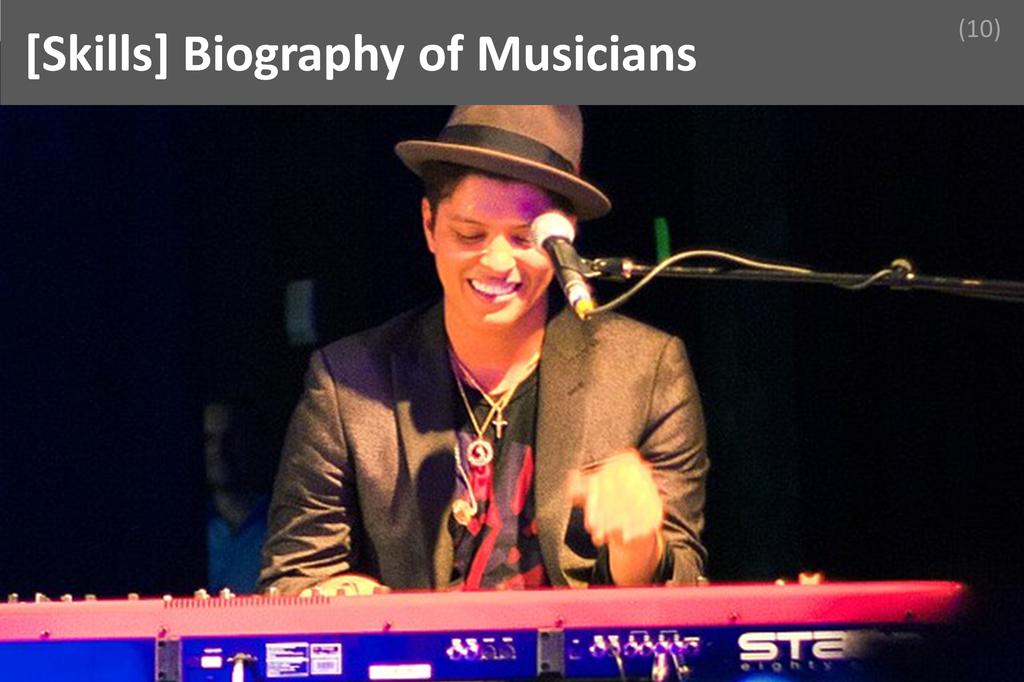
Biography of Musicians refers to the study and understanding of the lives, careers, and cultural contexts of influential musicians throughout history. For those preparing for or working in Playing Keyboard, this subject provides essential insights into the evolution of musical styles, performance practices, and the personal journeys that have shaped the music they interpret and perform.
Understanding the biography of musicians is vital for keyboard players because it connects them to the origins and intentions behind the music they perform. By learning about the lives and times of composers and performers, keyboardists gain a deeper appreciation for stylistic nuances and interpretative choices. This knowledge forms a foundational base, allowing professionals to approach pieces with historical and emotional context, which enriches their performances. Over the long term, familiarity with musicians’ biographies fosters a more informed and empathetic approach to collaboration, repertoire selection, and audience engagement. It also supports ongoing professional growth by inspiring musicians to draw from the experiences and innovations of those who have shaped the field.
Imagine a professional keyboard player preparing for a recital featuring works by Ludwig van Beethoven and Clara Schumann. By applying their understanding of these musicians’ biographies, the performer interprets Beethoven’s late sonatas with sensitivity to his struggles with deafness and personal adversity, infusing the music with emotional depth. When approaching Clara Schumann’s compositions, the keyboardist considers her dual role as a composer and performer in a male-dominated era, highlighting her unique voice and resilience. This biographical awareness not only informs technical and expressive decisions but also enables the performer to share compelling stories with the audience, creating a more engaging and meaningful concert experience.
Skills
Passion & Dedication

Passion & Dedication is the unwavering enthusiasm and persistent commitment to mastering one’s craft, even in the face of challenges or setbacks. For a keyboard player, this quality fuels continuous learning, inspires creative expression, and sustains motivation through rigorous practice, making it indispensable for long-term growth and professional excellence.
Passion & Dedication directly enhances a keyboard player’s performance by fostering resilience, encouraging consistent practice, and driving the pursuit of technical and artistic mastery. Clients and employers highly value musicians who demonstrate this quality because it ensures reliability, adaptability, and a genuine investment in delivering exceptional results. Cultivating passion and dedication involves setting meaningful goals, seeking inspiration from diverse musical influences, and embracing both successes and failures as opportunities for growth. Over time, this mindset transforms routine practice into purposeful development, enabling keyboard players to refine their skills, expand their repertoire, and remain motivated even during demanding projects or performances.
Imagine a professional keyboard player preparing for a high-profile concert when, days before the event, a key piece in the program is changed unexpectedly. Instead of feeling defeated, the musician’s passion for music and dedication to excellence drive them to invest extra hours mastering the new composition. They seek guidance from mentors, analyze recordings, and rehearse tirelessly, determined to deliver a flawless performance. On the night of the concert, their preparation pays off—the audience is captivated, and the client is deeply impressed by the musician’s adaptability and commitment. This scenario highlights how passion and dedication empower keyboard players to overcome obstacles, exceed expectations, and achieve success in their careers.
Practice

Practice is the deliberate, consistent repetition of techniques, pieces, and exercises with the goal of mastering skills and improving performance. For a professional keyboard player, practice forms the foundation of technical proficiency, musical expression, and reliability, making it an indispensable part of their daily routine and long-term career growth.
The skill of practice directly enhances a keyboard player's accuracy, speed, and confidence, allowing them to perform complex pieces with precision and emotion. Clients and employers highly value musicians who demonstrate dedication to practice, as it ensures reliability during live performances, studio sessions, and collaborative projects. Regular practice also enables keyboardists to adapt quickly to new genres, arrangements, or unexpected changes, making them versatile and dependable. Cultivating this skill requires setting aside focused time each day, maintaining discipline, and seeking feedback from mentors or peers. Over time, consistent practice not only sharpens technical abilities but also fosters creativity and resilience, qualities that are essential for long-term success in the competitive music industry.
Imagine a professional keyboard player preparing for a high-profile concert where they must perform a challenging new composition. Despite initial difficulties with intricate passages and fast tempo changes, the musician dedicates several hours each day to targeted practice. By breaking down the piece into manageable sections and gradually increasing speed, they overcome technical hurdles and internalize the music. On the night of the concert, their preparation pays off as they deliver a flawless, expressive performance that impresses both the audience and their fellow musicians. This scenario highlights how diligent practice not only solves immediate challenges but also builds the confidence and skill necessary to excel under pressure.
Confidence

Confidence is the assured belief in one’s abilities, judgment, and potential to succeed, even when facing challenges or unfamiliar situations. For a professional keyboard player, confidence is the foundation that allows them to perform under pressure, adapt to unexpected changes, and express their musicality without hesitation or self-doubt.
Confidence directly enhances a keyboard player’s performance by enabling them to play with conviction, communicate effectively with band members, and engage audiences. Clients and employers highly value confident musicians because they can trust them to deliver consistent, high-quality performances, handle last-minute changes, and contribute positively to the group dynamic. Cultivating confidence involves regular practice, seeking constructive feedback, and gradually taking on more challenging pieces or performance settings. Over time, these experiences build a strong sense of self-assurance, allowing the musician to trust their preparation and instincts, even in high-stakes environments. This ongoing development not only improves technical skill but also fosters a resilient mindset essential for a successful career.
Imagine a professional keyboard player performing live when the lead vocalist suddenly signals for an unplanned key change mid-song. In this high-pressure moment, the keyboardist’s confidence becomes crucial. Trusting their training and musical intuition, they smoothly transition to the new key, maintaining the song’s flow and supporting the vocalist seamlessly. Their assured response prevents confusion among the band and reassures the audience, turning a potential mishap into a display of professionalism and adaptability. This scenario highlights how confidence empowers keyboard players to handle unexpected challenges, maintain composure, and ultimately contribute to a successful performance, reinforcing their reputation as reliable and skilled musicians.
Stage Performance
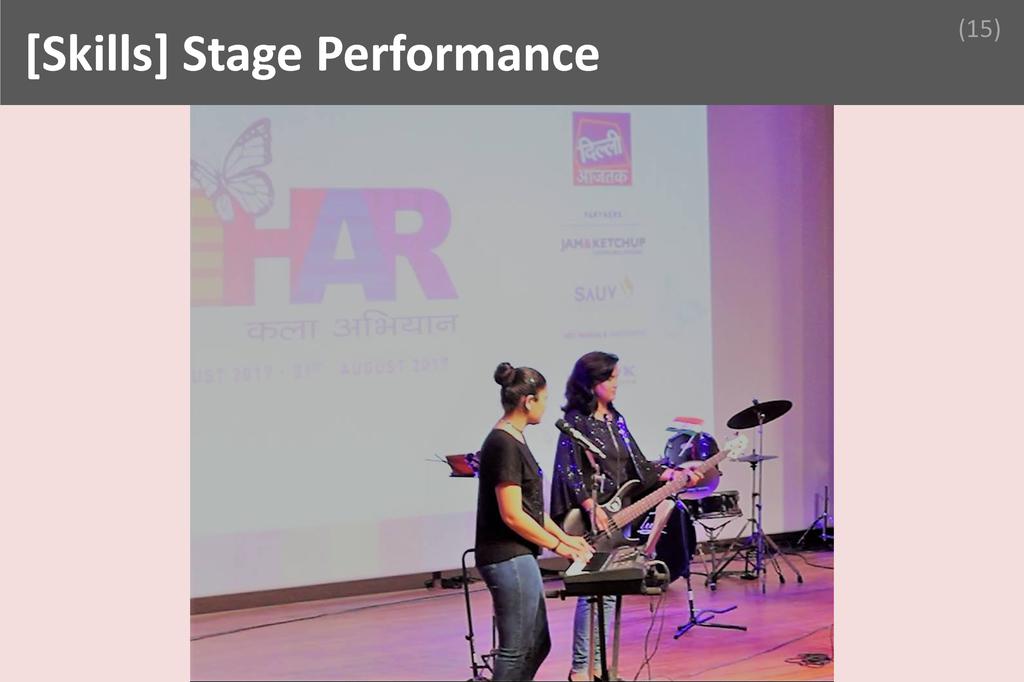
Stage performance is the ability to confidently and expressively present music before an audience, combining technical skill, emotional connection, and visual engagement. For a keyboard player, stage performance transforms a routine recital into a memorable experience, enhancing audience enjoyment and elevating the musician’s professional reputation within the music industry.
Mastering stage performance directly enhances a keyboardist’s ability to connect with audiences, maintain composure under pressure, and deliver consistent, captivating shows. Clients and employers highly value this skill because it ensures that live events are engaging and memorable, which can lead to repeat bookings and positive word-of-mouth. Developing stage performance involves regular practice in front of others, studying great performers, and seeking feedback to refine both musical delivery and stage presence. Over time, exposure to different venues and audiences helps build confidence, adaptability, and the ability to handle unexpected challenges, all of which are crucial for a successful career in playing keyboard.
Imagine a keyboardist performing at a high-profile corporate event when a technical glitch causes the sound system to malfunction mid-song. Instead of freezing or panicking, the musician draws on strong stage performance skills to maintain composure, engage the audience with humor, and improvise an acoustic segment. This quick thinking and confident presence not only keep the audience entertained but also impress the event organizers. The ability to smoothly navigate such setbacks demonstrates professionalism and adaptability, turning a potential disaster into a memorable highlight and reinforcing the keyboardist’s reputation as a reliable and charismatic performer.
Patience

Patience is the ability to remain calm, composed, and persistent when faced with challenges, setbacks, or slow progress, without becoming frustrated or giving up. For a professional keyboard player, patience is a vital skill that enables steady improvement, effective practice, and the ability to master complex pieces over time.
Patience directly enhances a keyboard player’s performance by allowing them to approach difficult passages methodically, repeat exercises without frustration, and steadily build muscle memory. Clients and employers value patience because it leads to reliable, consistent results and a positive attitude during rehearsals or live performances. A patient musician is more likely to handle unexpected changes, technical difficulties, or demanding schedules with professionalism. Cultivating patience involves setting realistic goals, embracing mistakes as learning opportunities, and maintaining a long-term perspective on growth. Over time, this mindset not only improves technical proficiency but also fosters resilience and adaptability, qualities that are highly prized in collaborative and high-pressure musical environments.
Imagine a keyboard player preparing for a high-profile concert where a particularly intricate piece must be performed flawlessly. During rehearsals, the musician struggles with a challenging section that repeatedly causes mistakes. Instead of becoming discouraged or rushing through practice, the player exercises patience by slowing down, analyzing each note, and practicing the passage repeatedly until it becomes second nature. This patient approach allows the musician to gradually overcome the difficulty, ensuring a confident and polished performance on stage. In this scenario, patience is the key factor that transforms a potential stumbling block into a moment of success, demonstrating its critical importance in achieving professional excellence.
Positives
Self Satisfaction

Self satisfaction is the deep sense of fulfillment and contentment that arises from achieving personal goals, overcoming challenges, and expressing one’s true self through meaningful activities. In the context of playing keyboard, self satisfaction fuels motivation, enhances creativity, and fosters a positive mindset, making the journey both enjoyable and personally rewarding.
The sense of self satisfaction that comes from playing keyboard is a powerful driver of long-term happiness and professional growth. When keyboardists master a challenging piece or compose original music, they experience a unique joy that goes beyond external recognition. This inner fulfillment encourages them to practice consistently, explore new genres, and push their creative boundaries. As a result, their passion for music deepens, leading to higher job satisfaction and resilience in the face of setbacks. Every day, keyboard professionals witness their own progress, which reinforces their confidence and inspires them to set even higher goals. This ongoing cycle of achievement and satisfaction not only nurtures their talent but also sustains their enthusiasm for the art.
Imagine a professional keyboard player who has spent weeks perfecting a complex classical composition. After hours of dedicated practice, they finally perform the piece flawlessly during a live concert. As the final note fades, the keyboardist feels an overwhelming sense of pride and accomplishment, knowing the effort and perseverance it took to reach this moment. The applause from the audience is gratifying, but the true reward lies in the personal satisfaction of having conquered a significant challenge. This feeling of self satisfaction becomes a cherished memory, motivating the musician to continue growing and embracing new musical adventures. It is this inner fulfillment that makes the journey of playing keyboard truly meaningful and inspiring.
Confidence Building

Confidence building is the process of developing self-assurance, trust in one’s abilities, and the courage to take on challenges. It involves overcoming self-doubt, embracing growth, and consistently pushing personal boundaries. In the context of playing keyboard, confidence building empowers musicians to perform, create, and connect with audiences more authentically and passionately.
Confidence building is a cornerstone of success and fulfillment for keyboard players. As musicians master new pieces, perform in front of audiences, and collaborate with others, their sense of self-belief grows. This increased confidence not only enhances their stage presence but also fuels creativity and resilience. The ability to trust in one’s skills leads to greater job satisfaction, as musicians feel empowered to take risks, experiment with new styles, and express themselves more freely. Daily, keyboard professionals experience the uplifting effect of confidence when they conquer challenging compositions, receive positive feedback, and witness their own progress. This ongoing growth transforms setbacks into learning opportunities and propels their careers forward, making every practice session and performance more rewarding.
Imagine a professional keyboard player preparing for a major concert. Initially, nerves and self-doubt may surface, but through dedicated practice and incremental achievements, their confidence steadily grows. On the night of the performance, this newfound self-assurance allows them to play with passion and precision, captivating the audience. The applause and positive reactions reinforce their belief in their abilities, creating a powerful cycle of motivation and pride. This experience not only validates their hard work but also inspires them to tackle even greater challenges in the future. The journey from uncertainty to confidence becomes a defining and deeply fulfilling aspect of their career, shaping both their artistry and personal growth.
Travel And Exposure

Travel and exposure refers to the opportunities musicians have to visit new places, experience diverse cultures, and interact with different audiences while performing or collaborating. For keyboard players, this means broadening their horizons, gaining inspiration, and building connections that enrich both their artistry and personal growth within the music industry.
The chance to travel and gain exposure is a transformative benefit for keyboard players, making the profession uniquely rewarding. Regularly performing in new cities or countries allows musicians to immerse themselves in various musical traditions, which can spark creativity and innovation in their own playing. Meeting fellow artists and engaging with different audiences fosters a sense of community and belonging, while also expanding professional networks. This constant change of scenery keeps the work exciting and prevents monotony, leading to higher job satisfaction. The personal growth that comes from adapting to new environments and overcoming challenges on the road also builds resilience and confidence, qualities that are invaluable for long-term career development.
Imagine a keyboardist touring with a jazz ensemble across Europe. Each city offers a new stage, from intimate Parisian clubs to grand concert halls in Vienna. After performances, the musician explores local music scenes, attends workshops, and collaborates with regional artists. These experiences not only enhance technical skills but also inspire fresh musical ideas. The keyboardist forms lasting friendships with fellow musicians and gains a deeper appreciation for global music traditions. Returning home, they bring back new influences and stories, enriching their performances and compositions. This journey of travel and exposure transforms their career into a vibrant adventure, filled with learning, connection, and personal fulfillment.
Peace of Mind

Peace of mind is a state of inner calm, emotional stability, and mental clarity, free from anxiety, stress, or worry. It allows individuals to feel secure, focused, and content, regardless of external circumstances. In the context of playing keyboard professionally, peace of mind nurtures creativity, enhances performance, and fosters genuine enjoyment of the craft. When musicians experience this tranquility, they can fully immerse themselves in their music, connect deeply with their audience, and express their emotions authentically. This sense of serenity not only improves technical skill but also enriches the overall artistic journey, making the profession of playing keyboard deeply rewarding and sustainable over time.
The peace of mind gained from playing keyboard is a powerful force that shapes both personal and professional fulfillment. When musicians feel at ease, their creativity flourishes, allowing them to experiment with new sounds and styles without fear of judgment or failure. This freedom leads to greater job satisfaction, as each performance becomes an opportunity for self-expression and growth. The absence of stress and anxiety also enhances focus, enabling keyboardists to master complex pieces and deliver emotionally resonant performances. On a daily basis, this tranquility helps professionals maintain a healthy work-life balance, build positive relationships with colleagues, and approach challenges with resilience. Ultimately, peace of mind transforms the act of playing keyboard into a joyful and sustaining career.
Imagine a professional keyboard player preparing for a major concert. Instead of feeling overwhelmed by nerves or pressure, they approach the stage with a calm confidence rooted in peace of mind. As they begin to play, their mind is clear and their heart is open, allowing them to lose themselves in the music. The audience senses this serenity, responding with warmth and appreciation. After the performance, the musician reflects on the experience, feeling a deep sense of fulfillment and gratitude. This inner peace not only enhances their performance but also strengthens their passion for music, making every practice session and concert a source of joy and personal growth.
Challenges
Sacrifice

Sacrifice, in the context of Playing Keyboard, refers to the conscious decision to forgo personal time, social activities, and sometimes even financial stability in order to dedicate countless hours to practice, performance, and skill development. This challenge is demanding because it requires consistent commitment and often means prioritizing music over other aspects of life.
The challenge of sacrifice deeply affects the daily routine of keyboard professionals, often leading to long hours of solitary practice, missed family gatherings, and limited opportunities for relaxation. This ongoing demand can cause emotional fatigue and strain relationships, making resilience essential. Successful professionals manage this constraint by setting clear goals, maintaining a strong sense of purpose, and finding joy in small achievements. They also cultivate supportive networks, whether through mentors, peers, or understanding loved ones, to help balance the pressures of their career. By embracing a mindset that values growth and self-care, they transform sacrifice from a burden into a meaningful investment in their artistic journey.
Consider a professional keyboardist preparing for an international competition. For months, they dedicate evenings and weekends to perfecting their repertoire, often declining invitations to social events and family celebrations. Despite the loneliness and fatigue, they remain focused, drawing motivation from their passion for music and the support of a close mentor. Through disciplined practice and mindful self-care, they not only master challenging pieces but also develop resilience and confidence. When the competition arrives, their sacrifices are evident in their polished performance, and the experience ultimately strengthens their commitment to their craft, proving that the sacrifices made were integral to their growth and success.
Mental Pressure

Mental pressure in the context of playing keyboard refers to the psychological strain and emotional stress experienced by performers due to high expectations, the need for precision, and the fear of making mistakes. This pressure is demanding because it can undermine confidence, disrupt concentration, and negatively impact both performance quality and personal well-being.
The daily work of a professional keyboard player is deeply affected by mental pressure, which can manifest as performance anxiety, self-doubt, and fatigue. These challenges require significant resilience, as the musician must consistently deliver under scrutiny, whether in rehearsals, live performances, or recording sessions. The constant demand for flawless execution and creativity can be overwhelming, leading to burnout if not managed properly. Successful professionals often navigate this constraint by developing strong mental habits, such as mindfulness, regular practice routines, and positive self-talk. They also seek support from mentors or peers, allowing them to share experiences and coping strategies. By prioritizing mental health and embracing a growth mindset, they maintain their passion and sustain high performance despite ongoing pressure.
Consider a professional keyboardist preparing for a major concert tour. In the weeks leading up to the event, the musician faces mounting expectations from the audience, the band, and themselves. Rather than succumbing to anxiety, the keyboardist adopts a disciplined practice schedule, incorporating short breaks and relaxation techniques to stay focused. They also engage in visualization exercises, imagining successful performances to build confidence. When nerves arise during rehearsals, the musician openly discusses their feelings with colleagues, finding reassurance and camaraderie. On the night of the concert, these strategies pay off: the keyboardist remains composed, channels nervous energy into expressive playing, and delivers a memorable performance. This scenario illustrates how proactive management of mental pressure enables professionals to thrive under demanding circumstances.
A Day Of
Playing Keyboard
The first notes of the day don’t come from the keyboard itself, but from the quiet anticipation that fills the air before a Playing Keyboard professional settles in. Whether in a bustling studio, a dimly lit rehearsal space, or a home filled with the soft glow of monitors and sheet music, the pace is a blend of creative energy and disciplined routine. Each day is a tapestry of preparation, performance, collaboration, and reflection, woven together by the constant presence of the keys beneath their fingers. The environment is alive with the hum of technology and the pulse of music, demanding both technical precision and spontaneous artistry. In this world, no two days are identical, but every day is shaped by a rhythm that moves seamlessly from solitary focus to vibrant teamwork and back again.
As the morning sun filters through the window, the day begins with a careful setup. The Playing Keyboard professional takes time to review the day’s schedule, organize sheet music or digital files, and ensure that all equipment is in perfect working order. This is a moment for quiet concentration, running through warm-up exercises, calibrating sound settings, and perhaps sipping a coffee while mentally rehearsing the pieces or sessions ahead. The early hours are about laying a solid foundation, both technically and creatively, to ensure that the rest of the day unfolds smoothly.
By mid-morning, the energy shifts as the core work begins. This is when the keyboardist dives into rehearsals, recording sessions, or live performances, fully immersed in the music. Fingers fly across the keys, responding to the nuances of each piece, whether it’s a complex classical composition, a jazz improvisation, or a pop arrangement. The focus is intense, with every note and chord demanding attention. This is the heart of the day, where skill and passion converge, and the hours seem to pass in a blur of melody and rhythm.
The afternoon brings a change of pace as collaboration takes center stage. The Playing Keyboard professional might join bandmates, producers, or composers for meetings, brainstorming sessions, or group rehearsals. This is a time for exchanging ideas, refining arrangements, and working through challenges together. The atmosphere is dynamic and interactive, with feedback flowing freely and creative sparks flying. Whether in person or over video calls, these sessions are essential for shaping the final sound and ensuring that everyone is in sync.
As the day winds down, attention turns to wrapping up and looking forward. The keyboardist reviews recordings, takes notes on what worked and what needs improvement, and handles administrative tasks such as responding to emails or updating schedules. There’s time for a bit of research, perhaps exploring new techniques or listening to inspiring performances. With the last notes played and the studio tidied, the focus shifts to planning for tomorrow, ensuring that each new day begins with the same sense of purpose and possibility. |


 Home
Home Abroad
 Plan
Plan Philosophy
 Seminar
 Pages
Pages Advisors
 Testimonials














 Workshop
 Discuss
 Meet
Meet
 Advisor
 Story
Story
 Fine Print
 Links
Links
 Blog
Blog
 Follow
