The Journey of General Nursing
What Is General Nursing
General Nursing
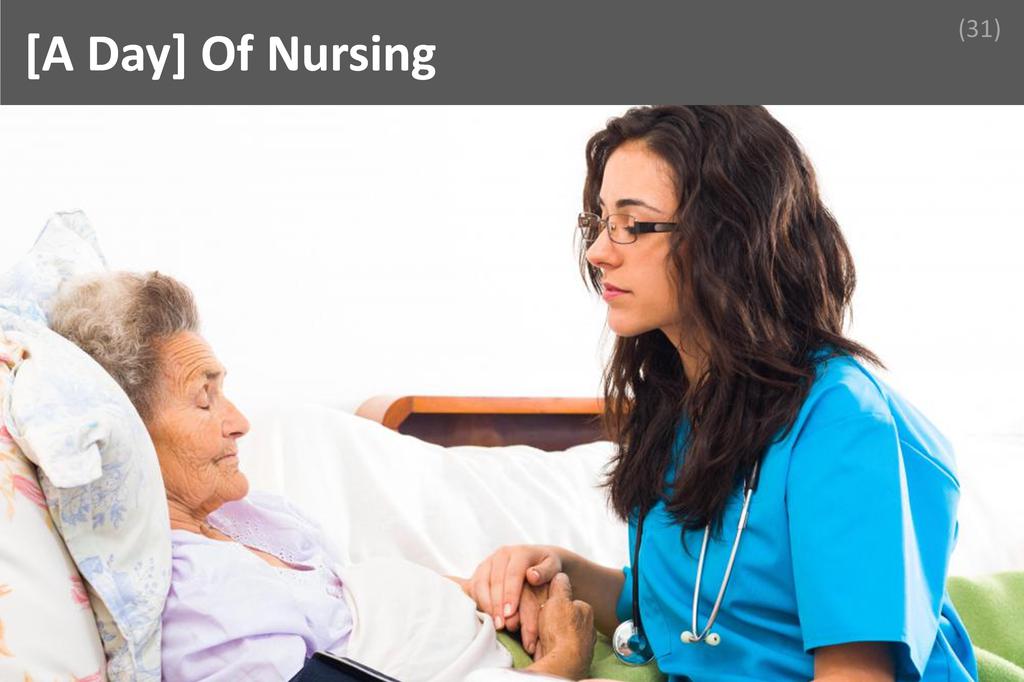
General nursing is a healthcare profession focused on providing comprehensive care to individuals, families, and communities. It encompasses assessing patient needs, administering treatments, promoting health, preventing illness, and supporting recovery. General nurses work in diverse settings, collaborating with other healthcare professionals to ensure optimal patient outcomes and well-being.
General nursing plays a vital role in the healthcare system by ensuring that patients receive high-quality, compassionate care across all stages of life. For professionals, this field offers the opportunity to make a meaningful difference in people’s lives every day. General nurses develop strong clinical and interpersonal skills, which are highly valued in the medical community. The profession provides job stability and a wide range of career advancement opportunities, allowing nurses to specialize or take on leadership roles. Additionally, general nursing fosters personal growth and resilience, as practitioners regularly face and overcome challenging situations, ultimately contributing to both professional satisfaction and improved patient health outcomes.
A general nurse working in a busy hospital ward begins her shift by reviewing patient charts and prioritizing care based on medical needs. She assesses vital signs, administers medications, and communicates with doctors about changes in patient conditions. Throughout the day, she educates patients and families about managing chronic illnesses, answers questions, and provides emotional support. When a patient’s health suddenly declines, she quickly coordinates with the healthcare team to implement emergency interventions. By the end of her shift, she has not only delivered essential medical care but also built trusting relationships with patients, demonstrating the multifaceted role of general nursing in promoting recovery and well-being.
Education
Physiology
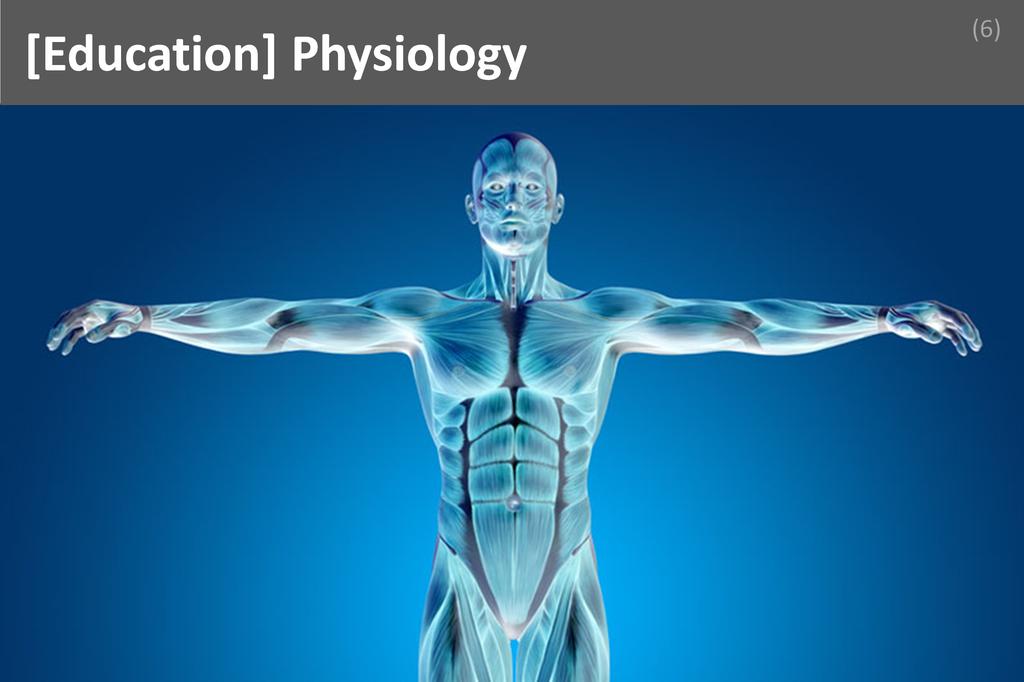
Physiology is the scientific study of how living organisms function, focusing on the physical and chemical processes that occur within cells, tissues, organs, and systems. In General Nursing, physiology forms a core component of academic training, providing essential knowledge for understanding patient health, disease mechanisms, and effective clinical interventions.
A thorough understanding of physiology is crucial for anyone entering or advancing in the field of General Nursing. This subject equips nurses with the ability to comprehend how the body’s systems interact and respond to various internal and external stimuli. Such knowledge is foundational for assessing patient conditions, recognizing abnormalities, and anticipating complications. It also underpins the rationale for many nursing interventions, from medication administration to wound care and patient education. Over the course of a nursing career, a solid grasp of physiology enhances critical thinking, supports evidence-based practice, and fosters effective communication with other healthcare professionals. Ultimately, mastering physiology empowers nurses to deliver safer, more effective, and patient-centered care throughout their professional journey.
Consider a nurse caring for a patient with congestive heart failure. The nurse’s understanding of cardiovascular physiology enables them to interpret vital signs, recognize symptoms of fluid overload, and anticipate complications such as pulmonary edema. By knowing how the heart and lungs interact, the nurse can accurately monitor oxygen saturation, administer diuretics as prescribed, and educate the patient about fluid restrictions. This physiological knowledge also guides the nurse in positioning the patient to ease breathing and in identifying early warning signs that require immediate intervention. In this way, the nurse’s theoretical foundation in physiology directly informs practical, life-saving decisions and interventions during daily patient care.
General Sciences
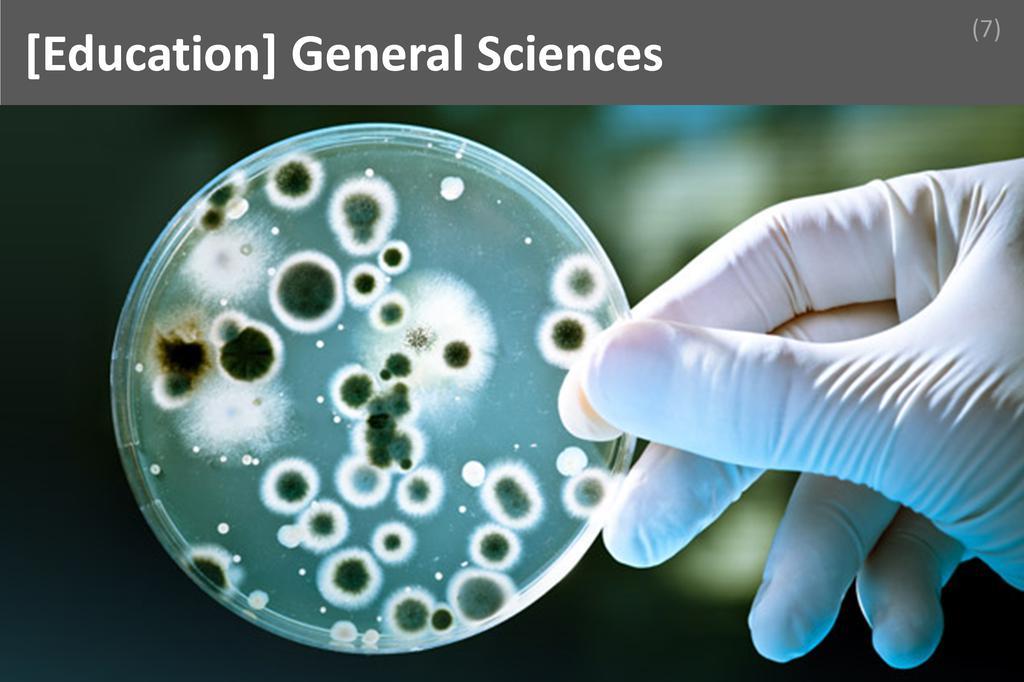
General Sciences encompasses the fundamental principles of biology, chemistry, physics, and related disciplines that explain natural phenomena and the functioning of living organisms. In the context of General Nursing, it serves as the academic backbone, providing essential knowledge that underpins clinical practice, patient care, and informed decision-making in healthcare environments.
A strong grasp of General Sciences is crucial for anyone preparing for or working in General Nursing because it forms the basis for understanding the human body, disease processes, and the mechanisms of action behind various treatments. This foundational knowledge enables nurses to interpret laboratory results, administer medications safely, and recognize early signs of complications. Over the course of a nursing career, this scientific literacy supports lifelong learning, adaptability to new medical technologies, and effective communication with multidisciplinary teams. Ultimately, proficiency in General Sciences empowers nurses to deliver evidence-based care, advocate for patients, and contribute meaningfully to improved health outcomes.
Consider a nurse caring for a patient with diabetes who is experiencing fluctuating blood sugar levels. Drawing on their understanding of biology and chemistry, the nurse can interpret glucose readings, recognize symptoms of hypo- or hyperglycemia, and understand the physiological effects of insulin and other medications. This knowledge allows the nurse to make informed decisions about when to administer medication, adjust dietary recommendations, and educate the patient about self-care. By applying principles from General Sciences, the nurse ensures safe, effective, and personalized care, demonstrating how theoretical knowledge is translated into practical, everyday actions that directly impact patient well-being.
Mathematics

Mathematics is the study of numbers, quantities, shapes, and patterns, using logical reasoning and systematic calculations. In the context of General Nursing, mathematics underpins essential skills such as dosage calculation, fluid measurement, and interpreting medical data, making it a critical component of both academic preparation and professional practice in healthcare settings.
A solid grasp of mathematics is indispensable for anyone entering or working in General Nursing. Nurses routinely rely on mathematical principles to ensure patient safety, particularly when calculating medication dosages, adjusting intravenous drip rates, and interpreting vital statistics. Mastery of mathematics minimizes the risk of errors that could have serious consequences for patient health. Furthermore, mathematical competence enhances a nurse’s ability to analyze clinical data, recognize trends, and make informed decisions in fast-paced environments. Over the course of a nursing career, these skills not only support daily clinical tasks but also open doors to advanced roles, such as nurse educator or administrator, where analytical and quantitative abilities are highly valued. Thus, mathematics forms a foundational pillar for both immediate job performance and long-term professional growth.
Consider a nurse responsible for administering medication to a pediatric patient. The doctor prescribes a specific drug dosage based on the child’s weight, requiring the nurse to calculate the correct amount in milligrams per kilogram. Using their mathematical knowledge, the nurse accurately determines the precise dosage, converts it to the appropriate volume for administration, and double-checks the calculations to prevent any risk of overdose or underdose. This process also involves adjusting the rate of an intravenous infusion to deliver the medication safely over a specified period. By applying mathematical principles, the nurse ensures the patient receives effective treatment, demonstrating how theoretical understanding translates directly into safe, high-quality patient care in everyday nursing practice.
Medicine
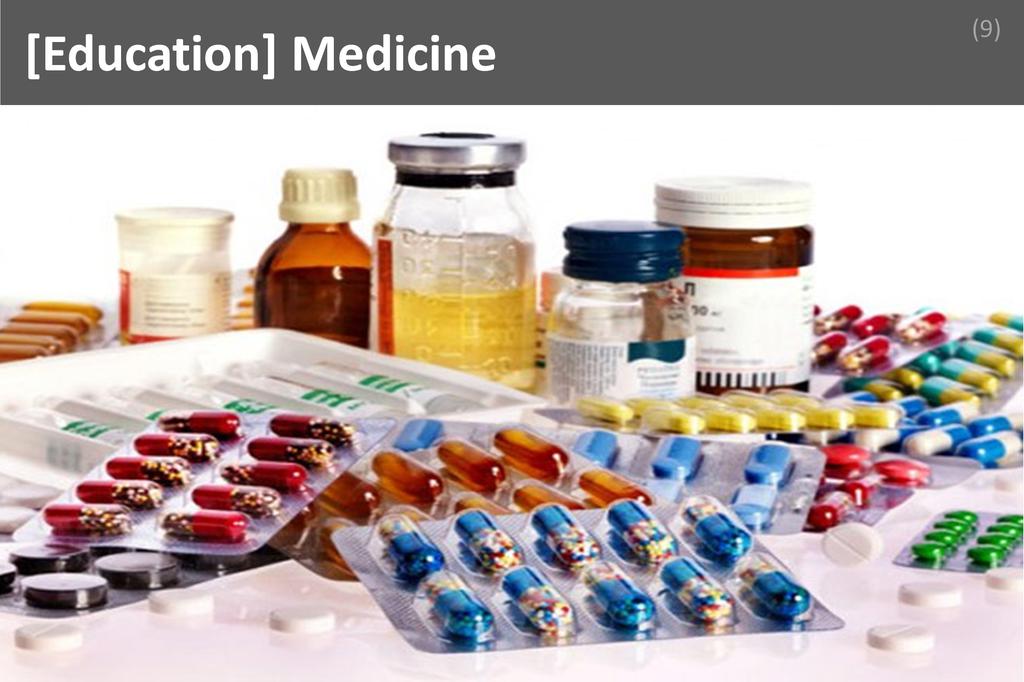
Medicine is the science and practice of diagnosing, treating, and preventing disease, illness, and injury in humans. It encompasses a broad range of knowledge about the human body, disease mechanisms, pharmacology, and therapeutic interventions. For general nursing, medicine forms a crucial academic and professional foundation, guiding safe and effective patient care.
A thorough understanding of medicine is essential for anyone preparing for or working in general nursing. This knowledge enables nurses to accurately assess patient conditions, recognize symptoms, and understand the rationale behind various treatments and interventions. By mastering core medical concepts, nurses can communicate effectively with physicians and other healthcare professionals, ensuring coordinated and comprehensive care. Additionally, a strong grasp of medicine empowers nurses to educate patients and their families, promoting better health outcomes and adherence to treatment plans. Over the course of a nursing career, this foundational knowledge supports ongoing professional development, adaptability to new medical advancements, and the ability to provide high-quality, evidence-based care in a variety of clinical settings.
Consider a general nurse working in a busy hospital ward who is responsible for monitoring a patient recovering from surgery. The nurse notices subtle changes in the patient’s vital signs and recognizes early signs of infection, such as an elevated temperature and increased heart rate. Drawing on their medical knowledge, the nurse understands the potential complications and promptly communicates these findings to the medical team. The nurse also initiates appropriate interventions, such as administering prescribed antibiotics and monitoring the patient’s response. This application of theoretical understanding of medicine not only helps prevent further complications but also demonstrates the critical role nurses play in early detection and management of medical issues, ultimately improving patient outcomes.
Diseases
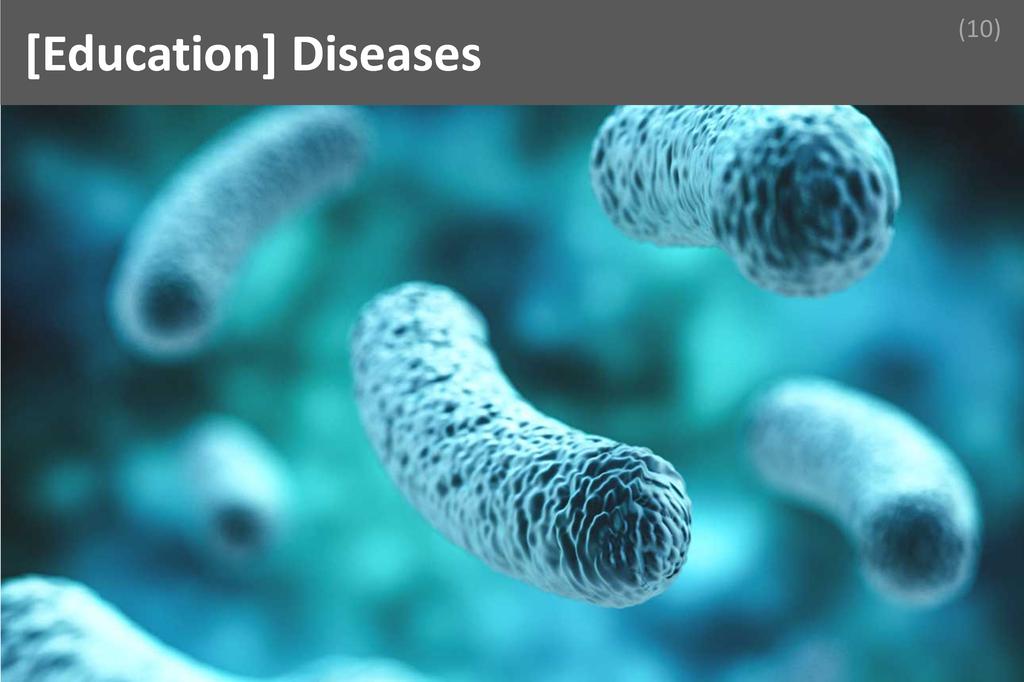
Diseases refer to abnormal conditions that negatively affect the structure or function of part or all of an organism, often producing specific symptoms and signs. In General Nursing, understanding diseases is crucial, as it forms the basis for assessing, diagnosing, and managing patient health, ensuring effective and safe care delivery.
A comprehensive understanding of diseases is essential for anyone in General Nursing because it underpins every aspect of patient care. Nurses must recognize the signs and symptoms of various diseases, comprehend their causes and progression, and understand the principles of treatment and prevention. This knowledge enables nurses to make informed decisions, communicate effectively with multidisciplinary teams, and educate patients and families. Mastery of disease concepts also supports critical thinking and problem-solving, which are vital for adapting to rapidly changing clinical situations. Over the long term, a strong foundation in disease knowledge enhances career advancement opportunities, as it is fundamental to specialized practice areas and leadership roles within healthcare settings.
Consider a nurse working in a busy hospital ward who encounters a patient presenting with shortness of breath, fever, and a productive cough. Drawing on their theoretical knowledge of diseases, the nurse recognizes these as potential signs of pneumonia. This understanding guides the nurse to promptly assess the patient’s vital signs, initiate appropriate infection control measures, and communicate critical findings to the medical team. The nurse’s ability to connect symptoms to underlying disease processes ensures timely intervention, reduces complications, and improves patient outcomes. This scenario illustrates how a solid grasp of disease mechanisms directly translates into effective, evidence-based nursing practice in real-world settings.
Pathology
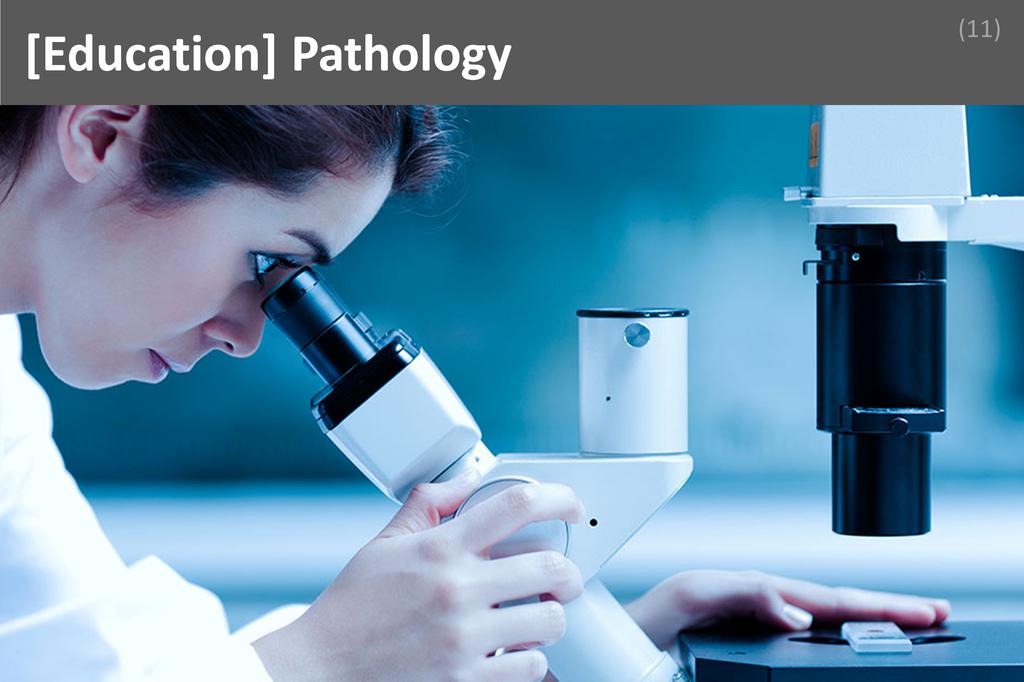
Pathology is the scientific study of diseases, focusing on their causes, development, structural changes, and effects on the body. For general nursing, pathology forms a crucial part of the academic curriculum, providing essential knowledge that underpins clinical decision-making, patient care, and effective communication with multidisciplinary healthcare teams.
A thorough understanding of pathology is vital for anyone preparing for or working in general nursing because it bridges the gap between basic sciences and clinical practice. By mastering pathology, nurses gain insight into how diseases originate, progress, and manifest in patients. This knowledge enables nurses to recognize early warning signs, interpret laboratory results, and anticipate potential complications. It also enhances their ability to educate patients about their conditions and the rationale behind specific treatments. Over the course of a nursing career, a strong foundation in pathology supports ongoing professional development, fosters critical thinking, and improves patient outcomes by ensuring that care is both evidence-based and responsive to the underlying disease processes.
Consider a nurse caring for a patient admitted with pneumonia. Drawing on their understanding of pathology, the nurse recognizes that pneumonia involves inflammation and infection of the lung tissue, leading to symptoms such as fever, cough, and difficulty breathing. This theoretical knowledge allows the nurse to monitor for signs of respiratory distress, interpret changes in vital signs, and understand the significance of laboratory findings like elevated white blood cell counts. It also guides the nurse in implementing appropriate interventions, such as administering oxygen, encouraging fluid intake, and educating the patient about the importance of completing antibiotic therapy. By applying their knowledge of pathology, the nurse ensures comprehensive and effective care tailored to the patient’s specific disease process.
Skills
Communication
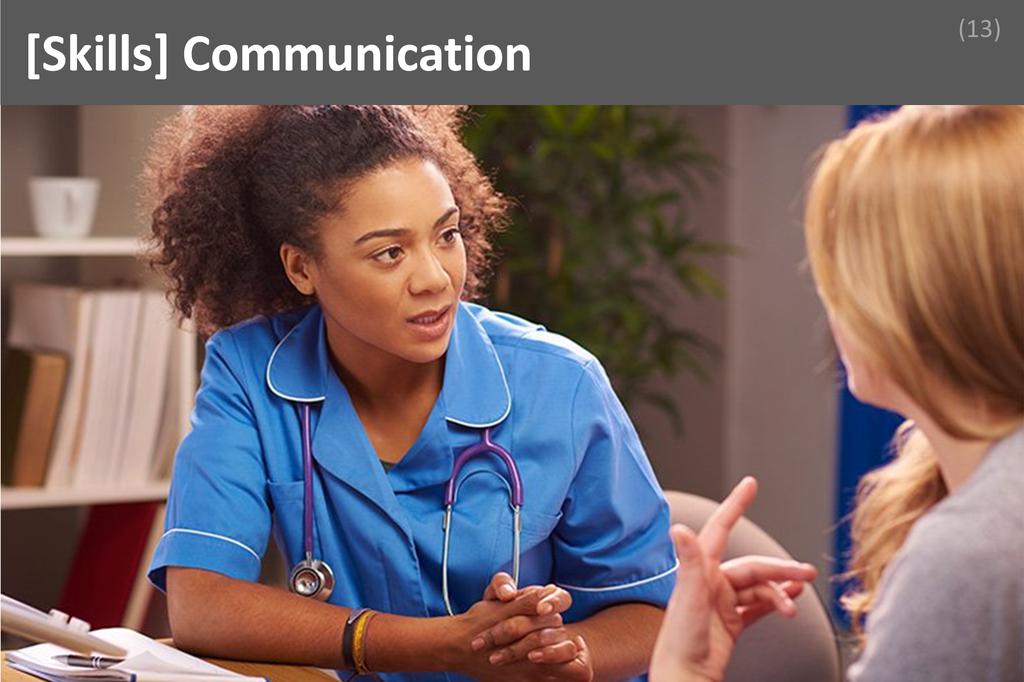
Communication is the process of exchanging information, thoughts, and feelings through verbal, non-verbal, and written means to achieve mutual understanding. In general nursing, communication is fundamental for building trust with patients, collaborating with healthcare teams, and ensuring accurate, timely care delivery. It underpins every aspect of patient interaction and clinical practice.
Effective communication enhances a nurse’s ability to assess patient needs, explain procedures, and provide emotional support, directly impacting patient outcomes and satisfaction. Employers and clients highly value nurses who communicate clearly, as it reduces errors, fosters teamwork, and improves the overall healthcare experience. Cultivating this skill involves active listening, empathy, and continuous self-reflection. Nurses can develop communication abilities through ongoing education, seeking feedback, and practicing clear, compassionate dialogue in daily interactions. Over time, these efforts lead to greater confidence, stronger professional relationships, and a reputation for reliability and competence within the healthcare environment.
Imagine a nurse caring for a patient who is anxious about an upcoming surgery. The nurse notices the patient’s distress and initiates a calm, open conversation, encouraging the patient to express concerns. By listening attentively and providing clear, honest information about the procedure, the nurse alleviates the patient’s fears and builds trust. The nurse also communicates the patient’s concerns to the surgical team, ensuring everyone is aware and prepared to offer additional support. This effective use of communication not only reassures the patient but also promotes a safer, more coordinated care experience, demonstrating how essential this skill is in achieving positive outcomes in general nursing.
Interpersonal
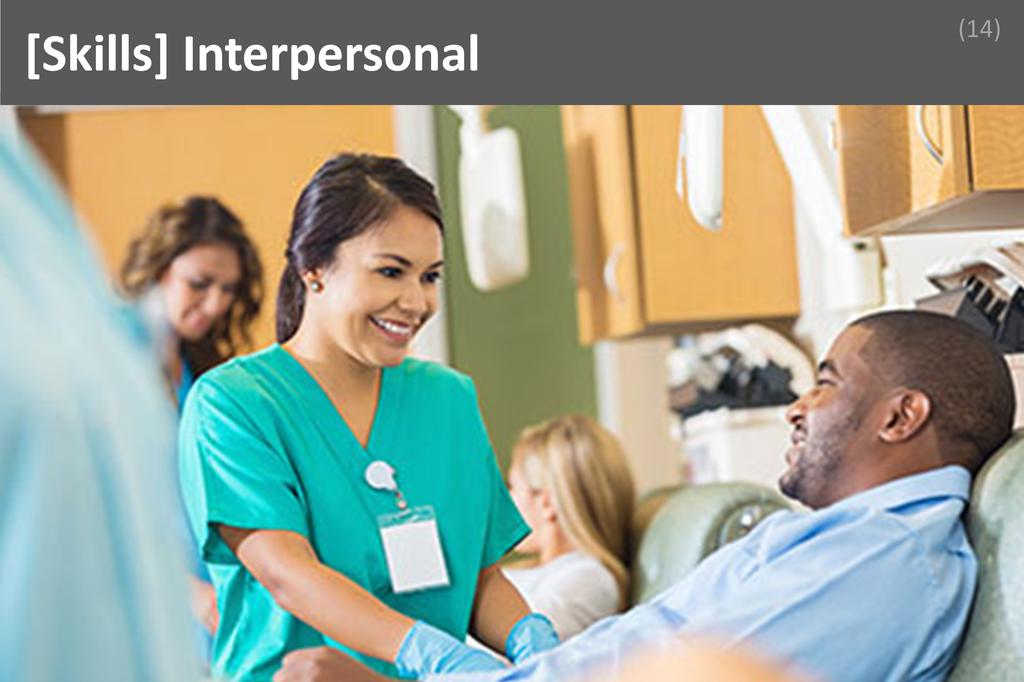
Interpersonal refers to the ability to effectively communicate, empathize, and build positive relationships with others through verbal and nonverbal interactions. In general nursing, this skill enables professionals to connect with patients, families, and colleagues, fostering trust, understanding, and collaboration essential for delivering high-quality patient care and achieving positive outcomes.
Interpersonal skills directly enhance a nurse’s ability to assess patient needs, provide emotional support, and coordinate with multidisciplinary teams. Clients and employers value nurses who demonstrate empathy, active listening, and clear communication, as these qualities lead to improved patient satisfaction and smoother healthcare delivery. Cultivating interpersonal skills involves ongoing self-awareness, seeking feedback, and engaging in reflective practice. Nurses can further develop these abilities by participating in communication workshops, observing experienced mentors, and practicing patience and cultural sensitivity in daily interactions. Over time, strong interpersonal skills help nurses navigate complex situations, resolve conflicts, and contribute to a positive work environment, making them indispensable in any healthcare setting.
Consider a scenario where a nurse is caring for a patient who is anxious about an upcoming surgery. The patient expresses fear and confusion about the procedure. Relying on interpersonal skills, the nurse listens attentively, acknowledges the patient’s concerns, and provides clear, compassionate explanations about what to expect. By establishing trust and demonstrating empathy, the nurse helps alleviate the patient’s anxiety, encourages open communication, and ensures the patient feels supported. This approach not only improves the patient’s emotional well-being but also fosters cooperation and adherence to preoperative instructions, ultimately contributing to a smoother surgical experience and better health outcomes.
Teamwork
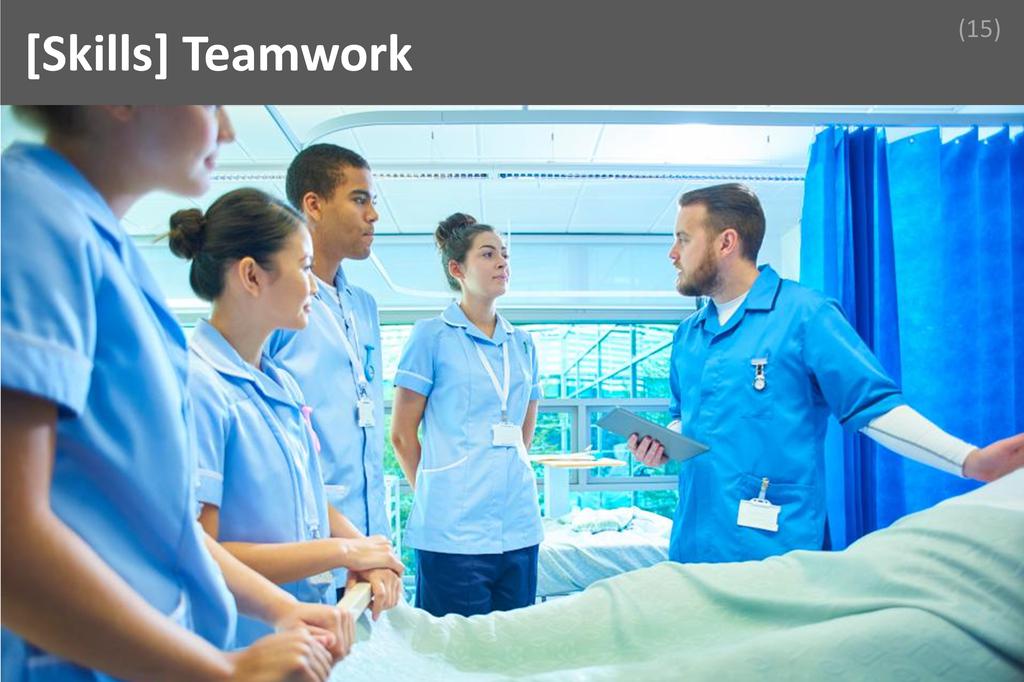
Teamwork is the collaborative effort of a group to achieve a common goal or complete a task in the most effective and efficient way. In general nursing, teamwork involves nurses, doctors, and other healthcare professionals working together seamlessly to provide the best patient care possible. It is a cornerstone of safe, high-quality healthcare delivery.
Teamwork directly enhances performance in general nursing by ensuring that patient care is coordinated, efficient, and responsive to changing needs. When nurses work well together, they can share information quickly, delegate tasks appropriately, and provide mutual support during high-pressure situations. Employers and clients value teamwork because it leads to fewer errors, improved patient outcomes, and a more positive work environment. To cultivate teamwork, nurses should actively participate in interdisciplinary meetings, seek feedback, and practice open communication. Over time, building trust and understanding among colleagues helps foster a culture where collaboration is second nature, ultimately benefiting both patients and the healthcare team.
Imagine a scenario in a busy hospital ward where a patient suddenly deteriorates. The nurse on duty immediately calls for assistance, and within moments, a team of nurses, a physician, and a respiratory therapist assemble. Each professional brings their expertise, quickly dividing responsibilities such as administering medication, monitoring vital signs, and communicating with the patient’s family. Through clear communication and mutual support, the team stabilizes the patient and prevents a critical situation from escalating. This example highlights how effective teamwork in general nursing not only saves lives but also ensures that care is delivered efficiently and compassionately, reinforcing the essential role of collaboration in healthcare settings.
Empathy
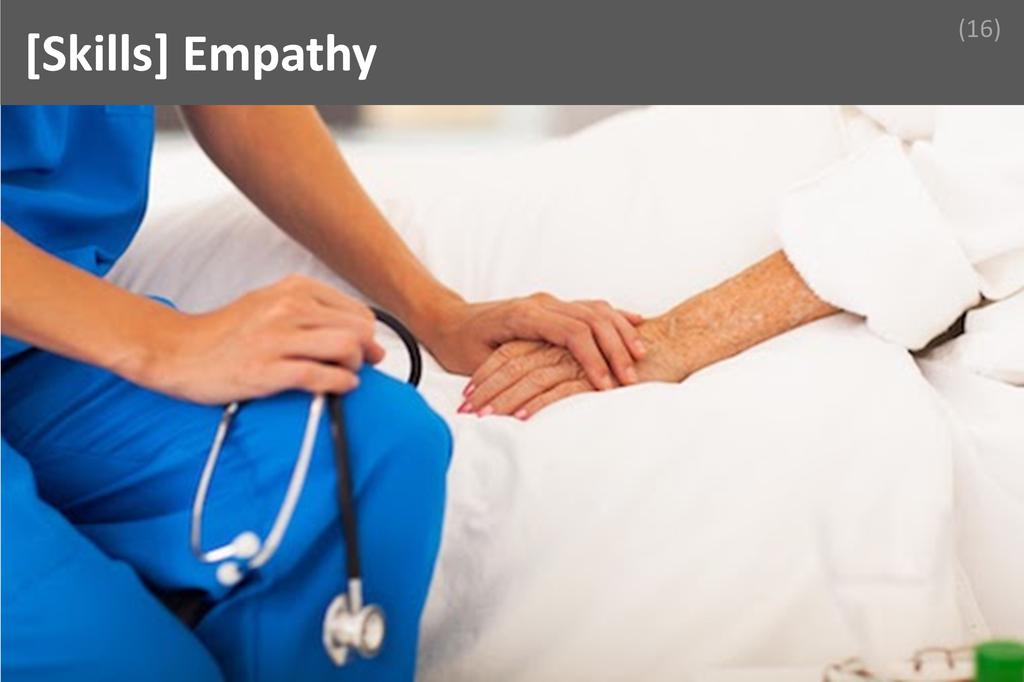
Empathy is the ability to understand and share another person’s feelings, perspectives, and experiences without judgment. In general nursing, empathy enables professionals to connect deeply with patients, fostering trust and comfort. This emotional attunement is crucial for delivering compassionate care, supporting patient recovery, and building strong therapeutic relationships.
Empathy directly enhances a nurse’s performance by improving communication, reducing misunderstandings, and promoting patient satisfaction. Clients and employers highly value empathetic nurses because they create a supportive environment, leading to better patient outcomes and increased trust in healthcare services. To cultivate empathy, nurses can practice active listening, reflect on patient experiences, and seek feedback from colleagues and patients. Over time, exposure to diverse patient backgrounds and ongoing self-awareness help deepen empathetic abilities. By consistently applying empathy, nurses not only address patients’ physical needs but also attend to their emotional well-being, which is essential for holistic care and professional growth.
Consider a situation where a nurse is caring for a patient recently diagnosed with a chronic illness. The patient is anxious, withdrawn, and reluctant to follow the treatment plan. By employing empathy, the nurse takes time to listen to the patient’s fears and acknowledges their emotional distress. Through gentle conversation and reassurance, the nurse helps the patient feel understood and supported. This empathetic approach encourages the patient to express concerns openly, leading to a collaborative discussion about treatment options. As a result, the patient becomes more engaged in their care, adheres to the prescribed plan, and experiences improved health outcomes. This scenario highlights how empathy enables nurses to address both emotional and medical needs, ultimately achieving better results for everyone involved.
Patience & Calmness
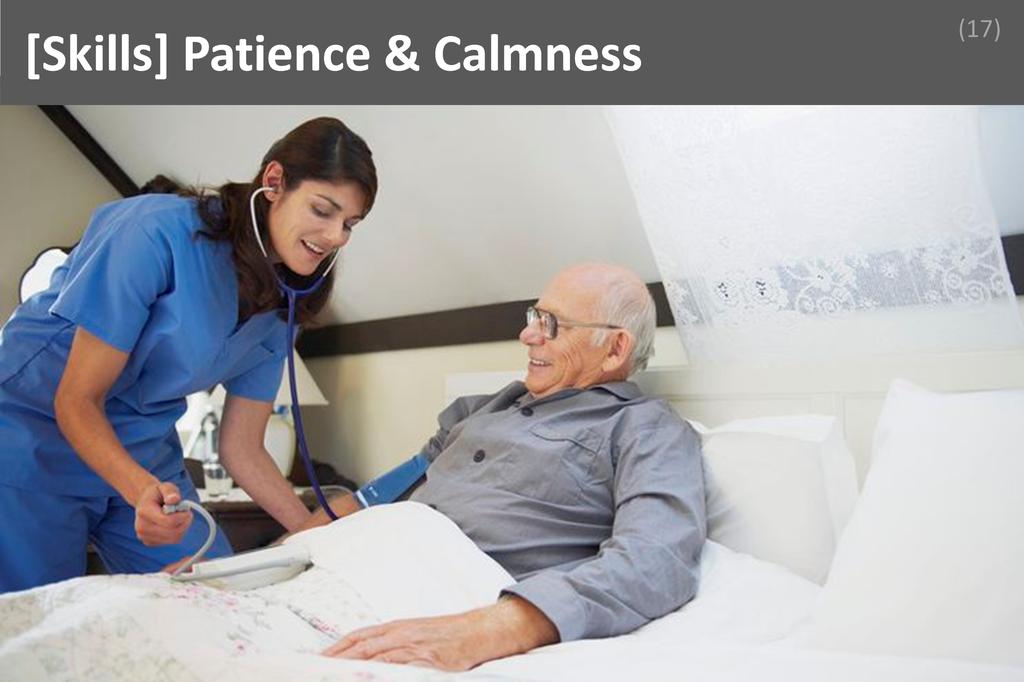
Patience & Calmness refers to the ability to remain composed, tolerant, and steady in the face of stress, delays, or challenging situations. In General Nursing, this quality enables professionals to provide consistent, compassionate care, manage unpredictable environments, and support patients and colleagues with empathy and understanding, regardless of circumstances.
Patience & Calmness directly enhances a nurse’s performance by allowing them to think clearly, communicate effectively, and make sound decisions even under pressure. Clients and employers highly value this skill because it fosters trust, reduces errors, and creates a reassuring environment for patients and their families. Nurses can cultivate patience and calmness through mindfulness practices, reflective journaling, and seeking mentorship from experienced colleagues. Over time, exposure to diverse clinical situations and a commitment to self-care further strengthen this essential skill, enabling nurses to maintain professionalism and emotional balance during even the most demanding shifts.
Imagine a nurse working in a busy emergency department when multiple critical patients arrive simultaneously. Amid the chaos, a distressed family member becomes upset about delays in treatment. The nurse, relying on patience and calmness, listens attentively, explains the situation clearly, and reassures the family while continuing to prioritize patient care. By remaining composed, the nurse not only diffuses tension but also ensures that communication remains effective and that care is delivered safely. This approach helps maintain order, supports the emotional needs of patients and families, and upholds the standards of the healthcare team, demonstrating how patience and calmness are indispensable in high-pressure nursing environments.
Adaptability
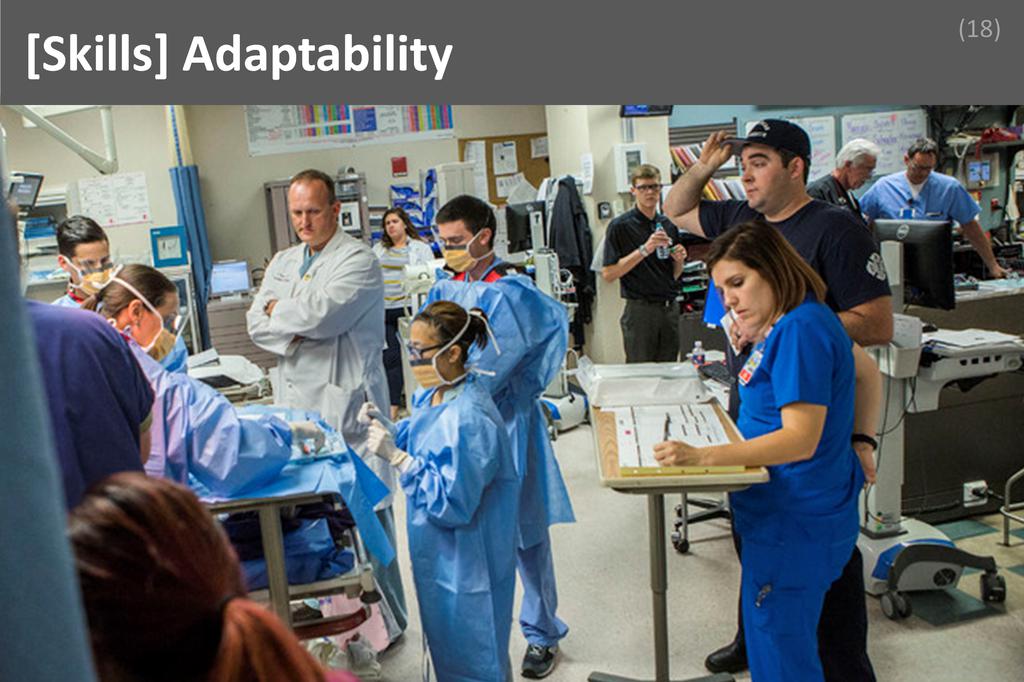
Adaptability is the ability to adjust effectively to new conditions, challenges, or environments by embracing change and learning quickly. In General Nursing, adaptability is crucial because healthcare settings are dynamic, with evolving patient needs, medical technologies, and protocols. Nurses must respond swiftly and appropriately to ensure optimal patient care and safety.
Adaptability directly enhances a nurse’s performance by enabling them to handle unexpected situations, such as sudden changes in patient status or shifts in workload. Employers and clients highly value this skill because it ensures continuity of care and fosters resilience within healthcare teams. Nurses who are adaptable can seamlessly integrate new procedures, technologies, or policies, minimizing disruptions and maintaining high standards of care. Cultivating adaptability involves embracing lifelong learning, seeking feedback, and remaining open to new experiences. Over time, exposure to diverse clinical scenarios and reflective practice help nurses become more flexible and resourceful, allowing them to thrive in fast-paced and unpredictable environments.
Imagine a nurse working in a busy hospital ward when a sudden influx of patients arrives due to a local emergency. The nurse must quickly reprioritize tasks, coordinate with colleagues, and adapt to new protocols implemented for mass casualty situations. By staying calm and flexible, the nurse efficiently reallocates resources, communicates effectively with the healthcare team, and ensures that all patients receive timely and appropriate care. This ability to adapt not only helps manage the immediate crisis but also demonstrates leadership and commitment to patient well-being, ultimately contributing to the overall success of the healthcare team during a critical event.
Organisation

Organisation is the ability to systematically arrange tasks, resources, and information to achieve efficiency and clarity in daily responsibilities. In general nursing, organisation ensures that patient care is delivered safely and effectively, enabling nurses to manage multiple priorities, respond to emergencies, and maintain accurate records within a fast-paced environment.
Organisation directly enhances a nurse’s performance by reducing errors, improving time management, and ensuring that patient care is both thorough and timely. Employers and clients highly value organised nurses because they can be trusted to handle complex caseloads, coordinate with multidisciplinary teams, and maintain compliance with healthcare regulations. To cultivate this skill, nurses can develop routines, use planning tools, and regularly review their workflows to identify areas for improvement. Over time, consistent practice and reflection help nurses anticipate challenges, allocate resources efficiently, and adapt to changing demands, making them indispensable members of any healthcare team.
Consider a nurse working in a busy hospital ward during a shift change. Multiple patients require medication, some need wound care, and new admissions are arriving. By relying on strong organisational skills, the nurse prioritises tasks based on urgency, prepares necessary supplies in advance, and updates patient charts promptly. This structured approach prevents medication errors, ensures timely interventions, and allows for smooth communication with incoming staff. As a result, patient care remains uninterrupted and the nurse is able to respond effectively to unexpected emergencies, demonstrating how organisation is critical to both patient safety and overall team efficiency.
Positives
Serving Society
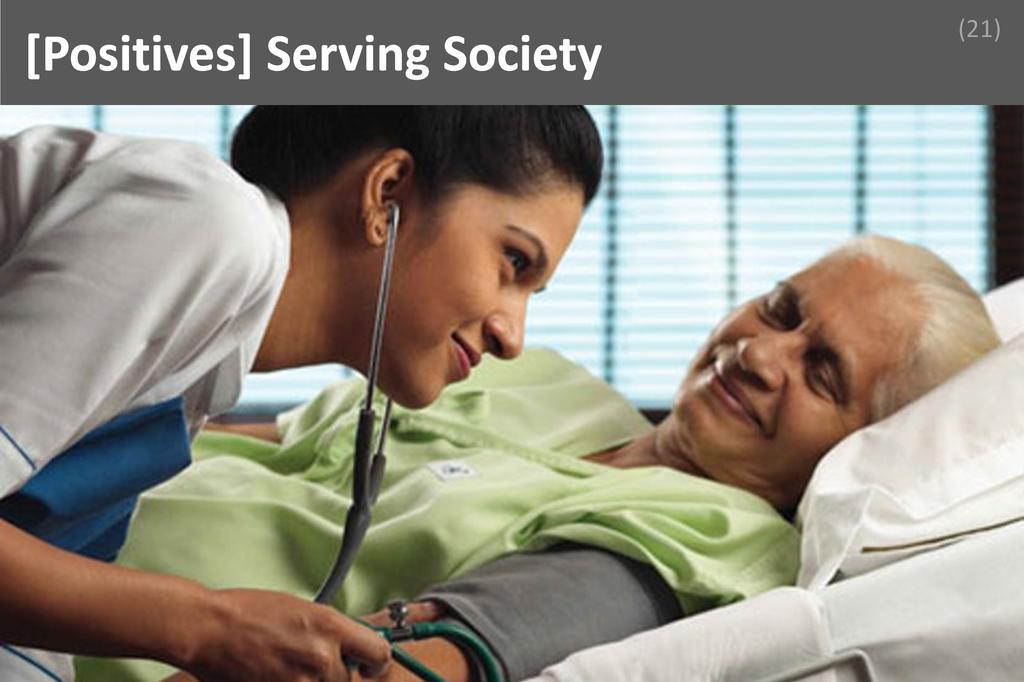
Serving society means dedicating one’s skills, compassion, and energy to improving the well-being of individuals and communities. In general nursing, this involves providing care, comfort, and health education to people from all walks of life, often during their most vulnerable moments. This commitment elevates the profession beyond routine tasks, transforming daily work into a meaningful mission. By serving society, nurses become vital contributors to public health, disease prevention, and the overall resilience of communities. This sense of purpose not only enriches the lives of patients but also fosters a deep sense of pride and fulfillment in those who choose this noble path.
The opportunity to serve society is a cornerstone of what makes general nursing so deeply rewarding. Knowing that each shift brings a chance to make a tangible difference in someone’s life provides a powerful sense of purpose and motivation. This intrinsic reward often translates into higher job satisfaction, as nurses witness firsthand the positive outcomes of their care and advocacy. The daily interactions with patients, families, and communities allow nurses to see the immediate and long-term impact of their work, reinforcing their sense of value and belonging within the healthcare system. Over time, this ongoing connection to service fosters personal growth, resilience, and a profound appreciation for the human experience, making general nursing not just a job, but a lifelong calling.
Imagine a general nurse working in a busy community clinic, where patients come seeking help for a variety of health concerns. One day, a young mother arrives, anxious about her child’s persistent fever. The nurse not only provides medical care but also offers reassurance, education, and emotional support. By taking the time to listen and explain, the nurse empowers the mother to care for her child confidently at home. Later, the mother returns to express her gratitude, sharing that her child has recovered and that she feels more capable as a parent. In this moment, the nurse experiences the profound fulfillment that comes from serving society—knowing that their compassion and expertise have made a lasting difference in a family’s life.
Making People Happy
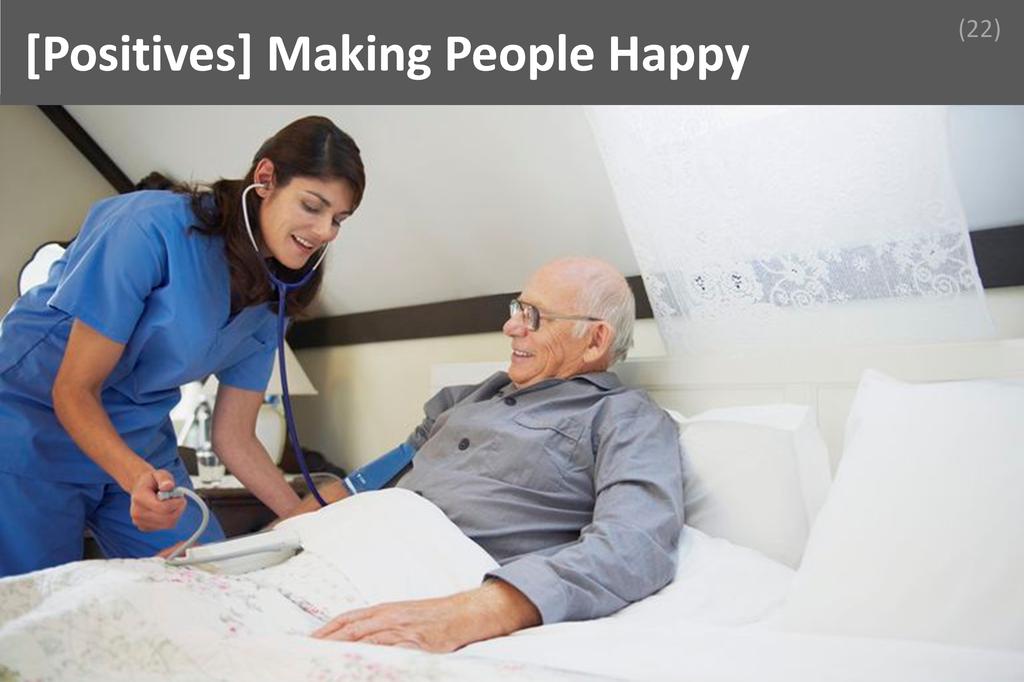
Making People Happy means providing comfort, reassurance, and support that uplifts patients’ spirits and improves their well-being during vulnerable times. In general nursing, this involves listening, showing empathy, and delivering care that eases pain or anxiety. This positive connection fosters trust, healing, and a sense of hope for patients and their families.
The ability to make people happy is a cornerstone of job satisfaction in general nursing. Witnessing the relief and gratitude in patients’ faces after a kind word or a gentle gesture reinforces a nurse’s sense of purpose. This daily experience of brightening someone’s day creates a powerful emotional reward, fueling motivation and resilience even during challenging shifts. Nurses who focus on patient happiness often build stronger relationships, leading to better communication and improved outcomes. Over time, this positive feedback loop not only enhances professional growth but also nurtures a deep sense of fulfillment, making the demanding nature of nursing feel more meaningful and worthwhile.
Imagine a nurse caring for an elderly patient who feels anxious before a procedure. By taking a few extra minutes to explain the process, offer reassurance, and share a warm smile, the nurse transforms the patient’s fear into calmness. The patient’s gratitude is evident in their relaxed demeanor and heartfelt thanks. This simple act of making someone happy not only eases the patient’s experience but also leaves the nurse with a profound sense of accomplishment. Moments like these remind nurses of the powerful impact they have on people’s lives, reinforcing their commitment to compassionate care and making every effort feel truly worthwhile.
Flexible Work

Flexible work refers to the ability to adjust work hours, shifts, and locations to better suit personal needs and life circumstances, while still fulfilling professional responsibilities. In general nursing, this flexibility allows nurses to balance their careers with family, education, or personal interests, enhancing overall well-being and job satisfaction.
Flexible work is a cornerstone of general nursing, offering professionals the chance to design a schedule that fits their unique lifestyles. This adaptability is especially valuable in a field that operates around the clock, allowing nurses to choose shifts that align with their personal commitments. The ability to work part-time, full-time, or on rotating shifts means nurses can pursue further education, care for loved ones, or simply enjoy more personal time. This flexibility not only reduces burnout but also increases job satisfaction, as nurses feel empowered to manage their work-life balance. The result is a more motivated and engaged workforce, where individuals can grow professionally without sacrificing their personal lives.
Consider a nurse who is also a parent, striving to be present for their children’s important milestones while maintaining a fulfilling career. Thanks to flexible work options, this nurse can select evening or weekend shifts, ensuring they are available during school hours and family events. On days when family needs are greater, the nurse can opt for shorter shifts or swap schedules with colleagues. This adaptability allows the nurse to remain dedicated to both their patients and their family, experiencing the satisfaction of professional achievement without missing out on personal moments. Flexible work thus transforms the nursing profession into a truly rewarding and sustainable career choice.
Variety
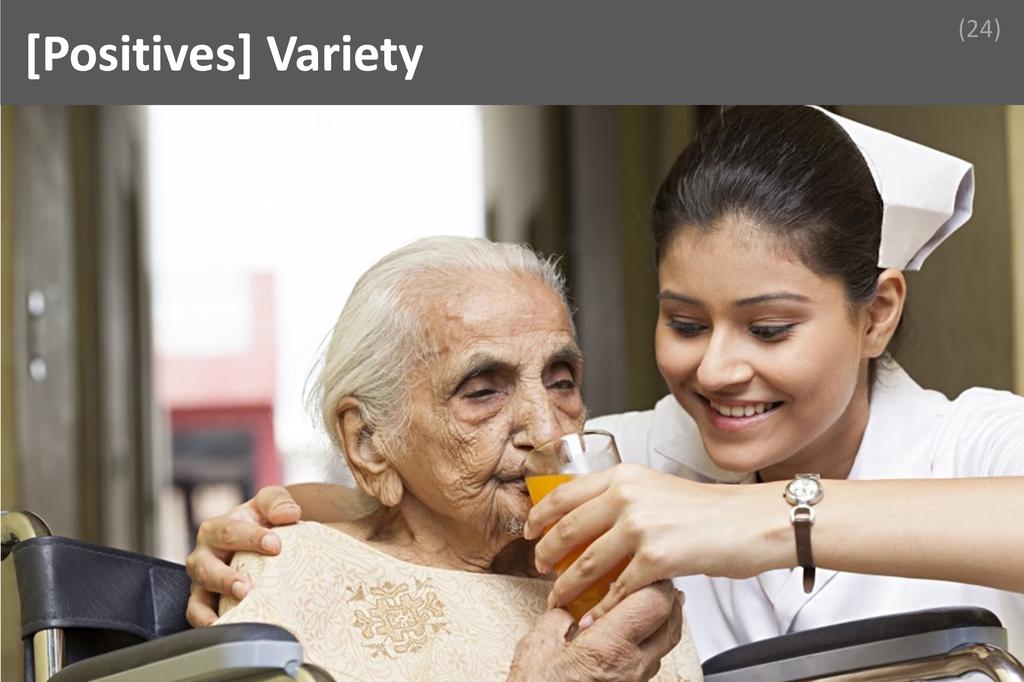
Variety in general nursing refers to the wide range of tasks, patient needs, healthcare settings, and medical challenges encountered daily. This diversity ensures that no two days are ever the same, fostering continuous learning and adaptability. Variety keeps the profession dynamic, stimulating, and deeply engaging for those who choose this path.
The presence of variety in general nursing is a powerful motivator and a source of ongoing professional satisfaction. Nurses benefit from exposure to different medical conditions, patient backgrounds, and interdisciplinary teams, which enhances their skills and broadens their perspectives. This constant change prevents monotony and burnout, making every shift an opportunity for growth and discovery. The unpredictable nature of the work keeps nurses alert and invested, while the ability to adapt to new situations builds confidence and resilience. As a result, nurses often feel a strong sense of accomplishment and pride, knowing they are equipped to handle whatever challenges arise, and that their work truly makes a difference in countless lives.
Consider a general nurse working in a busy hospital ward. In the morning, she might care for an elderly patient recovering from surgery, providing wound care and emotional support. By midday, she could be assisting a young parent with a newborn, offering education and reassurance. Later, she might respond to an emergency, collaborating with doctors and specialists to stabilize a critical patient. Each interaction requires different skills, knowledge, and approaches, ensuring her day is filled with new experiences and learning opportunities. This constant shift in responsibilities not only keeps her engaged but also reinforces her passion for nursing, as she witnesses firsthand the positive impact of her diverse expertise on patients’ lives.
Challenges
Irregular Shifts
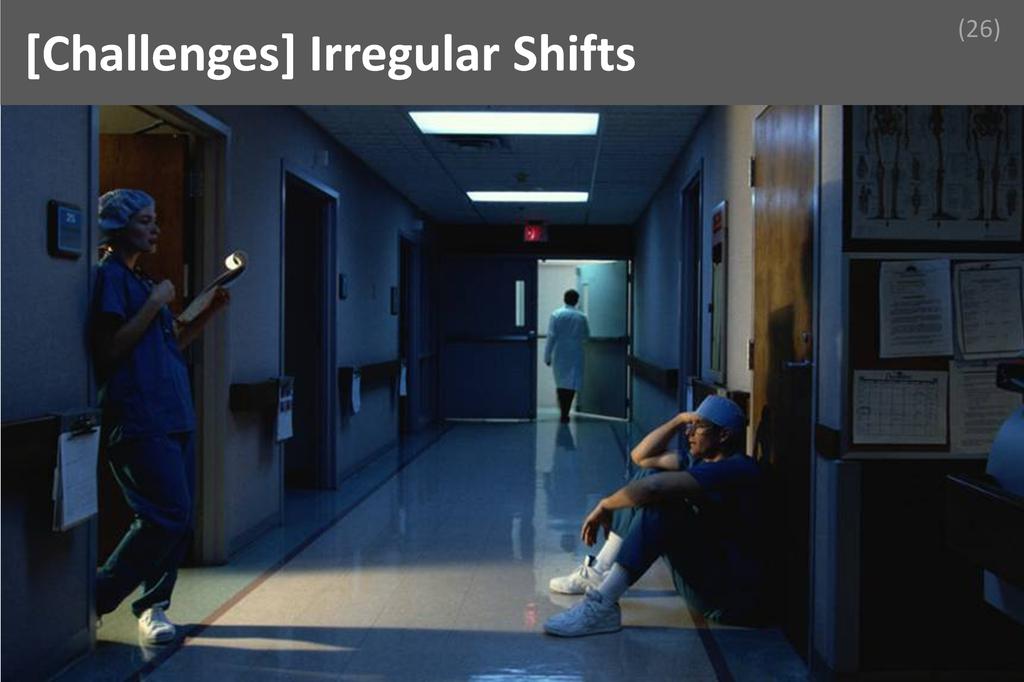
Irregular shifts in General Nursing refer to work schedules that frequently change, including nights, weekends, and holidays, often with little predictability. This demanding aspect of nursing disrupts normal sleep patterns, complicates personal routines, and requires constant adaptation, making it a significant challenge for maintaining work-life balance and overall well-being.
The unpredictability of irregular shifts can lead to chronic fatigue, increased stress, and difficulty maintaining personal relationships. Nurses must often adjust their sleep schedules and social lives around their work, which can be physically and emotionally taxing. This challenge demands resilience, adaptability, and strong time-management skills. Successful professionals mitigate these effects by prioritizing self-care, establishing consistent routines where possible, and seeking support from colleagues and family. They also make use of downtime to rest and recharge, and communicate proactively with supervisors to request more manageable schedules when needed. By developing coping strategies and maintaining a positive outlook, nurses can navigate the demands of irregular shifts while continuing to provide high-quality patient care.
Consider a general nurse working in a busy hospital who faces frequent night shifts and rotating schedules. To manage the disruption, she creates a restful environment at home, using blackout curtains and minimizing noise to ensure quality sleep during the day. She communicates her schedule to family and friends, allowing them to support her and adjust plans accordingly. By meal-prepping and organizing her week in advance, she reduces daily stress and maintains a healthy diet despite odd hours. She also participates in peer support groups, sharing experiences and advice with colleagues who understand the unique challenges of irregular shifts. Through these proactive steps, she maintains her well-being and job satisfaction, demonstrating resilience in the face of demanding work patterns.
Stressful Environment
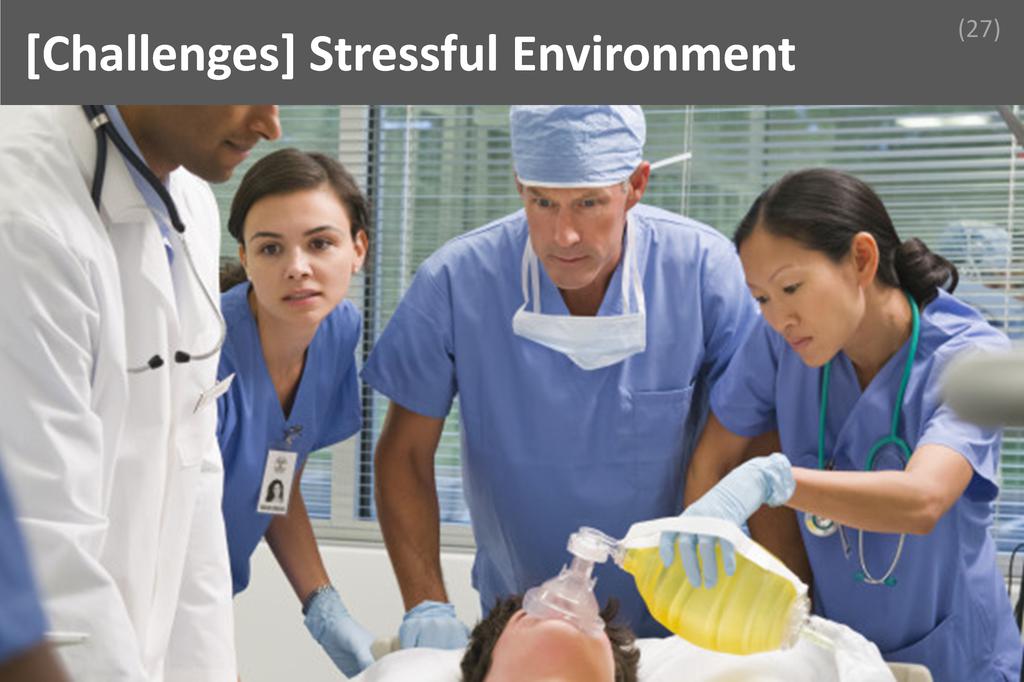
A stressful environment in General Nursing refers to the high-pressure, fast-paced, and emotionally charged settings where nurses must provide critical care, manage emergencies, and address diverse patient needs simultaneously. This environment is demanding due to unpredictable situations, long shifts, and the constant responsibility for patient well-being and safety.
The stressful environment in General Nursing can lead to physical exhaustion, emotional fatigue, and decreased job satisfaction, affecting both personal well-being and patient care quality. Nurses must remain resilient, adapting quickly to changing circumstances while maintaining composure and empathy. Successful professionals often rely on strong teamwork, effective communication, and time management to navigate these challenges. They seek support from colleagues, prioritize self-care, and engage in ongoing professional development to build coping skills. By fostering a positive workplace culture and utilizing stress-reduction techniques, nurses can mitigate the negative impacts of stress, ensuring they continue to deliver high-quality care even under pressure.
Consider a nurse working in a busy emergency department during a night shift when multiple trauma cases arrive simultaneously. Despite feeling overwhelmed, the nurse remains calm, prioritizes patients based on severity, and communicates clearly with the healthcare team. By delegating tasks appropriately and supporting less experienced staff, the nurse ensures that critical interventions are delivered promptly. After the crisis, the nurse takes a brief moment to debrief with colleagues, reflecting on the experience and sharing coping strategies. This approach not only helps manage immediate stress but also fosters resilience and teamwork, enabling the nurse to continue providing compassionate care in future high-pressure situations.
Meeting Expectations

Meeting expectations in General Nursing refers to consistently delivering high-quality patient care while adhering to protocols, ethical standards, and organizational goals. This challenge is demanding because nurses must balance patient needs, administrative requirements, and interdisciplinary collaboration, all within time constraints and often unpredictable, high-pressure environments that require constant adaptability.
The pressure to meet expectations in general nursing can lead to stress, fatigue, and even burnout, as nurses strive to fulfill the needs of patients, families, and healthcare teams simultaneously. This challenge requires resilience because the stakes are high—patient outcomes and safety depend on nurses’ ability to perform reliably. Successful professionals manage this constraint by prioritizing tasks, seeking support from colleagues, and engaging in continuous learning to stay updated with best practices. They also practice self-care and maintain open communication with supervisors to clarify expectations and address concerns proactively. By fostering a supportive work environment and embracing adaptability, nurses can navigate the complex demands of their roles while maintaining both their well-being and the quality of patient care.
Consider a general nurse working on a busy medical-surgical floor during flu season. With patient admissions surging and staffing stretched thin, the nurse faces heightened expectations from patients, doctors, and management. By staying organized, the nurse prioritizes critical tasks such as medication administration and patient assessments, while delegating non-urgent duties to support staff. When a patient’s condition unexpectedly deteriorates, the nurse communicates promptly with the healthcare team, ensuring swift intervention. Despite the pressure, the nurse remains calm, adapts to shifting priorities, and seeks brief moments for self-care during breaks. Through effective teamwork, clear communication, and resilience, the nurse successfully meets expectations, delivering safe, compassionate care even under challenging circumstances.
Increase in Administrative Work
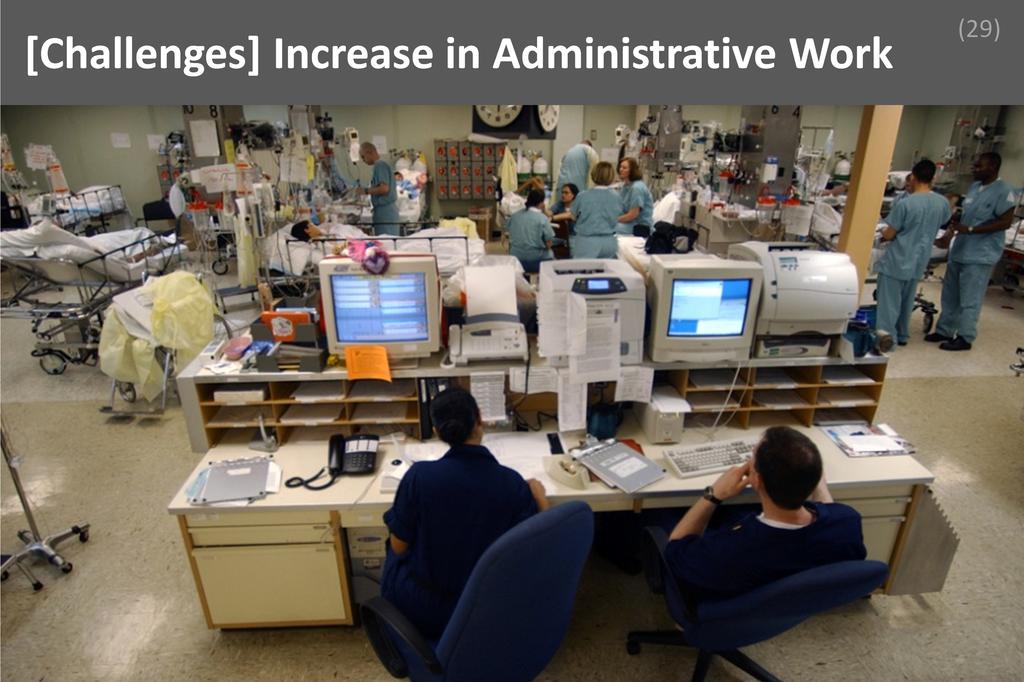
An increase in administrative work in General Nursing refers to the growing volume of documentation, data entry, compliance forms, and reporting tasks required alongside direct patient care. This demand is challenging because it consumes valuable time, adds mental strain, and can detract from the nurse’s primary focus on patient well-being.
The surge in administrative responsibilities significantly impacts a nurse’s daily workflow by reducing the time available for patient interaction and hands-on care. This shift can lead to increased stress, fatigue, and a sense of professional dissatisfaction, as nurses may feel distanced from their core purpose. Navigating this challenge requires resilience, adaptability, and strong organizational skills. Successful professionals often develop efficient routines, leverage digital tools, and prioritize tasks to maintain a balance between paperwork and patient care. They also advocate for streamlined processes and seek support from colleagues or supervisors when administrative demands threaten to overwhelm their capacity, ensuring that patient care standards remain uncompromised.
Consider a general nurse working in a busy hospital ward who faces mounting administrative duties, such as updating electronic health records and completing regulatory paperwork. Recognizing the risk of burnout, she implements a structured approach by allocating specific times during her shift for documentation, using templates to expedite repetitive tasks, and utilizing available technology to automate certain processes. She communicates proactively with her team to delegate non-essential paperwork when possible and regularly participates in training sessions to stay updated on best practices. Through these strategies, she manages to fulfill administrative requirements efficiently while preserving meaningful time for patient care, demonstrating that with the right approach, the challenge of increased administrative work can be effectively managed.
A Day Of
General Nursing
The hum of hospital corridors greets a general nurse long before the sun crests the horizon, signaling the start of another day where every second counts and every decision matters. In this world, the pace is relentless, the environment a blend of controlled chaos and compassionate care. Each shift unfolds as a tapestry of urgent calls, quiet moments of reassurance, and the constant balancing act between clinical precision and human connection. For a general nursing professional, no two days are ever the same, yet every day is defined by the unwavering commitment to patient well-being and the seamless orchestration of countless moving parts.
As the first light filters through the windows, the general nurse begins with a thorough review of patient charts, overnight updates, and medication schedules. The early morning is a critical time for handover, where outgoing and incoming nurses exchange vital information about each patient’s status, recent changes, and immediate needs. This period is marked by focused attention, as the nurse organizes the day’s priorities, checks equipment, and ensures that all supplies are ready for the hours ahead. The calm before the day’s storm allows for a moment of mental preparation, setting the tone for the shift.
By mid-morning, the ward is alive with activity. The general nurse is fully immersed in the core responsibilities of patient care, from administering medications and monitoring vital signs to assisting with procedures and responding to emergencies. This is the most intense and interactive phase of the day, requiring quick thinking, adaptability, and clear communication with both patients and the multidisciplinary team. Every interaction is an opportunity to provide comfort, answer questions, and advocate for patient needs, all while maintaining meticulous records and adhering to strict protocols.
The afternoon brings a shift in focus toward collaborative efforts and the execution of ongoing treatment plans. Nurses participate in multidisciplinary meetings, update physicians on patient progress, and coordinate with therapists, social workers, and family members. Practical tasks continue, such as wound care, patient education, and discharge planning, all while managing new admissions and unexpected developments. The ability to juggle multiple responsibilities while maintaining a calm, professional demeanor is essential during this busy stretch.
As the day winds down, the general nurse turns attention to comprehensive documentation, ensuring that every detail of care is accurately recorded. This time is also used for debriefing with colleagues, reflecting on the day’s challenges and successes, and preparing for the next shift. Administrative duties, such as updating care plans and restocking supplies, are completed with the same diligence as clinical tasks. The nurse leaves the ward knowing that every action taken contributes to the continuity and quality of patient care, ready to do it all again tomorrow. |


 Home
Home Abroad
 Plan
Plan Philosophy
 Seminar
 Pages
Pages Advisors
 Testimonials


















 Workshop
 Discuss
 Meet
Meet
 Advisor
 Story
Story
 Fine Print
 Links
Links
 Blog
Blog
 Follow
