The Journey of Pathology & Preventive Medicine
What Is Pathology & Preventive Medicine
Pathology & Preventive Medicine

Pathology & Preventive Medicine is a medical specialty focused on understanding disease mechanisms, diagnosing illnesses through laboratory analysis, and implementing strategies to prevent disease in individuals and populations. It bridges clinical medicine and public health, aiming to reduce disease burden and promote overall health through scientific investigation and preventive interventions.
Pathology & Preventive Medicine plays a crucial role in healthcare by identifying the causes of diseases, guiding effective treatments, and developing strategies to prevent illness before it occurs. Professionals in this field impact patient care by providing accurate diagnoses and shaping public health policies that reduce disease incidence. The benefits include improved patient outcomes through early detection, reduced healthcare costs by preventing disease progression, and enhanced community health by implementing vaccination programs and health education initiatives. These efforts collectively contribute to a healthier society, where both individuals and populations benefit from reduced morbidity and mortality rates.
A professional in Pathology & Preventive Medicine might work in a hospital laboratory, analyzing tissue samples to diagnose cancer at an early stage. Simultaneously, they could collaborate with public health officials to investigate an outbreak of infectious disease, identifying its source and recommending measures to contain its spread. By integrating laboratory findings with epidemiological data, they help design targeted vaccination campaigns and health education programs. This dual approach not only ensures timely and accurate diagnoses for individual patients but also protects the broader community by preventing future outbreaks and promoting healthier behaviors. Through these combined efforts, professionals in this field make a significant impact on both individual and public health.
Education
Biology

Biology is the scientific study of living organisms, encompassing their structure, function, growth, evolution, distribution, and taxonomy. As a foundational life science, biology provides essential insights into the mechanisms of life. For those in Pathology & Preventive Medicine, biology underpins the understanding of disease processes and health interventions.
A deep understanding of biology is indispensable for anyone pursuing a career in Pathology & Preventive Medicine. This subject forms the bedrock upon which all further medical knowledge is built, offering critical insights into cellular processes, genetic inheritance, immunological responses, and the interactions between organisms and their environments. Mastery of biological principles enables professionals to comprehend how diseases originate, progress, and spread, as well as how the human body responds to various pathogens and preventive measures. Over the long term, a strong grasp of biology enhances diagnostic accuracy, informs effective treatment strategies, and supports the development of innovative public health interventions, ultimately contributing to improved patient outcomes and community health.
Consider a pathologist investigating an outbreak of a novel infectious disease within a community. Their theoretical knowledge of biology allows them to identify the causative microorganism by understanding its cellular structure and genetic makeup. This expertise guides the selection of appropriate laboratory tests and the interpretation of results, such as recognizing specific markers of infection or immune response. Furthermore, their understanding of biological transmission mechanisms informs recommendations for containment and prevention, such as vaccination strategies or hygiene protocols. In daily practice, this integration of biological theory with practical application is crucial for accurate diagnosis, effective disease management, and the implementation of preventive measures that safeguard public health.
Chemistry & Physics

Chemistry is the scientific study of matter, its properties, composition, and the changes it undergoes, while physics explores the fundamental principles governing energy, forces, and the behavior of the physical universe. Together, these disciplines form the scientific backbone essential for understanding biological processes in Pathology & Preventive Medicine.
A solid grasp of chemistry and physics is indispensable for anyone pursuing a career in Pathology & Preventive Medicine. These sciences provide the framework for understanding how diseases develop at the molecular and cellular levels, how diagnostic tools function, and how treatments interact with the body. Mastery of chemical reactions, molecular interactions, and physical principles such as thermodynamics and fluid dynamics enables professionals to interpret laboratory results accurately, understand the mechanisms of disease transmission, and develop effective prevention strategies. Over time, this foundational knowledge not only enhances clinical decision-making but also supports ongoing professional growth, allowing practitioners to adapt to new technologies and emerging scientific discoveries in the field.
Consider a pathologist investigating an outbreak of a waterborne disease. Their understanding of chemistry helps them analyze water samples for contaminants and toxins, while their knowledge of physics allows them to comprehend how these substances disperse and interact within the environment. By applying principles such as solubility, diffusion, and chemical equilibrium, the pathologist can identify the source of contamination and recommend effective interventions. This integration of chemistry and physics is also crucial when using advanced diagnostic equipment, such as spectrophotometers or centrifuges, where precise measurements and an understanding of physical forces are necessary for accurate results. In daily practice, these skills ensure that preventive measures are scientifically sound and tailored to the specific challenges faced by communities.
Pathology

Pathology is the scientific study of diseases, focusing on their causes, development, structural changes, and effects on the body. It bridges basic science and clinical practice, providing essential insights into disease mechanisms. In Pathology & Preventive Medicine, it underpins diagnostic accuracy, effective treatment, and the development of preventive strategies.
A deep understanding of pathology is crucial for anyone pursuing a career in Pathology & Preventive Medicine because it forms the backbone of disease recognition and management. Mastery of pathological principles enables professionals to interpret laboratory results, identify disease patterns, and understand the progression of illnesses at both cellular and systemic levels. This knowledge is indispensable for developing effective public health interventions, guiding clinical decisions, and implementing preventive measures. Over the long term, expertise in pathology enhances a professional’s ability to contribute to research, improve patient outcomes, and adapt to evolving medical challenges. It also fosters critical thinking and analytical skills, which are essential for lifelong learning and leadership within the medical and public health communities.
Consider a professional working in a hospital’s preventive medicine department who is tasked with investigating an outbreak of a respiratory illness. Their grounding in pathology allows them to analyze tissue samples and laboratory data to identify the causative microorganism and understand the disease’s progression within affected individuals. By recognizing characteristic pathological changes, they can distinguish this outbreak from other similar illnesses, enabling targeted interventions. This expertise not only aids in immediate patient care but also informs broader strategies to contain the outbreak, such as recommending vaccination campaigns or environmental controls. Thus, the theoretical knowledge of pathology directly translates into practical actions that protect both individual patients and the wider community.
Bio Chemistry

Bio Chemistry is the scientific study of the chemical processes and substances that occur within living organisms. It bridges biology and chemistry, focusing on molecular mechanisms underlying cellular functions. In Pathology and Preventive Medicine, bio chemistry is essential for understanding disease mechanisms, diagnostics, and the biochemical basis of preventive strategies in clinical and laboratory settings.
A solid grasp of bio chemistry is crucial for anyone pursuing a career in Pathology and Preventive Medicine because it provides the molecular framework for understanding health and disease. Professionals rely on bio chemistry to interpret laboratory results, identify metabolic abnormalities, and comprehend the biochemical pathways involved in disease progression. This knowledge is foundational for diagnosing conditions, developing treatment plans, and implementing preventive measures. Over time, expertise in bio chemistry enhances critical thinking, supports evidence-based decision-making, and enables professionals to adapt to advances in diagnostic technologies and therapeutic interventions. Ultimately, mastering bio chemistry empowers practitioners to deliver more accurate, effective, and innovative patient care throughout their careers.
Consider a pathologist investigating a patient with unexplained jaundice. By applying their knowledge of bio chemistry, the pathologist analyzes liver function tests and interprets the levels of bilirubin, liver enzymes, and other metabolites. Understanding the biochemical pathways of hemoglobin breakdown and bilirubin metabolism allows the professional to distinguish between pre-hepatic, hepatic, and post-hepatic causes of jaundice. This theoretical foundation guides further diagnostic steps, such as recommending imaging or additional laboratory tests, and informs the selection of appropriate preventive or therapeutic interventions. In this way, bio chemistry directly supports daily clinical decision-making and patient management in Pathology and Preventive Medicine.
Micro Biology

Micro Biology is the scientific study of microscopic organisms, including bacteria, viruses, fungi, and protozoa, as well as their interactions with humans, animals, plants, and the environment. In Pathology & Preventive Medicine, Micro Biology provides essential insights into disease causation, transmission, and control, forming a critical component of both academic training and clinical practice.
A thorough understanding of Micro Biology is indispensable for anyone pursuing a career in Pathology & Preventive Medicine. This discipline equips professionals with the knowledge to identify pathogens, understand mechanisms of infection, and interpret laboratory results accurately. Mastery of Micro Biology underpins the ability to diagnose infectious diseases, recommend appropriate treatments, and develop effective prevention strategies. Over the course of a career, this foundational knowledge supports ongoing learning as new pathogens emerge and diagnostic technologies evolve. It also enhances collaboration with laboratory scientists, epidemiologists, and public health officials, ensuring that patient care and community health interventions are grounded in sound scientific principles.
Consider a scenario where a pathologist receives a tissue sample from a patient with unexplained fever and organ dysfunction. Drawing on their Micro Biology expertise, the pathologist recognizes specific histological changes suggestive of a bacterial infection. They collaborate with the microbiology laboratory to select appropriate cultures and molecular tests, leading to the identification of a rare pathogen. This precise diagnosis enables the clinical team to tailor antibiotic therapy, improving patient outcomes. Simultaneously, the pathologist works with preventive medicine specialists to investigate the infection’s source, implement control measures, and educate healthcare staff, thereby preventing further cases. This example illustrates how Micro Biology knowledge is seamlessly integrated into daily decision-making and public health action.
Anatomy & Physiology

Anatomy & Physiology is the scientific study of the structure and function of the human body. Anatomy focuses on the physical organization of body parts, while physiology explores how these parts work individually and together. This discipline is fundamental for understanding disease processes and health maintenance in Pathology & Preventive Medicine.
A thorough grasp of Anatomy & Physiology is essential for anyone pursuing a career in Pathology & Preventive Medicine because it provides the framework for understanding how diseases affect the body. Professionals rely on this knowledge to recognize normal versus abnormal structures and functions, which is critical when diagnosing illnesses or developing prevention strategies. Mastery of these concepts enables practitioners to interpret laboratory results, understand the progression of diseases, and communicate effectively with colleagues across medical disciplines. Over time, this foundational expertise supports lifelong learning, adaptability to new medical advances, and the ability to make informed decisions that improve patient outcomes and public health.
Consider a pathologist examining tissue samples to diagnose cancer. Their understanding of normal cellular anatomy and physiological processes allows them to identify subtle changes that indicate disease. When reviewing a biopsy, they must distinguish between healthy and abnormal cells, recognizing patterns that suggest malignancy or benign conditions. Similarly, a preventive medicine specialist designing a vaccination program relies on knowledge of the immune system’s anatomy and physiology to predict how populations will respond to immunizations. In both cases, the professional’s theoretical grounding in Anatomy & Physiology directly informs their ability to analyze, interpret, and act on complex medical information in their daily work.
Skills
No Hemophobia

No Hemophobia refers to the absence of fear or aversion to blood, enabling individuals to remain calm, focused, and effective when exposed to blood in clinical or laboratory settings. In Pathology & Preventive Medicine, this skill is crucial, as professionals frequently encounter blood samples, bodily fluids, and related procedures as part of their daily responsibilities.
Possessing no hemophobia directly enhances a professional’s ability to perform essential tasks such as drawing blood, analyzing samples, and assisting in medical procedures without hesitation or distress. Clients and employers highly value this skill because it ensures reliability, efficiency, and professionalism, especially in high-pressure environments where quick, accurate decisions are vital. Cultivating this skill involves gradual exposure to blood-related tasks, seeking mentorship from experienced colleagues, and developing coping strategies to manage initial discomfort. Over time, consistent practice and positive reinforcement help desensitize individuals, allowing them to approach their work with confidence and composure, ultimately contributing to better patient care and laboratory outcomes.
Imagine a scenario where a sudden outbreak of a blood-borne disease requires rapid screening and diagnosis. A professional in Pathology & Preventive Medicine must process numerous blood samples under tight deadlines, often encountering large volumes of blood and potentially distressing cases. Without hemophobia, the professional remains composed, efficiently handling the samples, accurately performing analyses, and communicating results to the healthcare team without delay. Their ability to manage the situation calmly not only ensures the integrity of the diagnostic process but also reassures colleagues and patients, contributing to a swift and effective public health response. This resilience and professionalism highlight the critical importance of having no hemophobia in such demanding circumstances.
Dedication

Dedication is the unwavering commitment to consistently pursue excellence, maintain high standards, and persevere through challenges to achieve long-term goals. In Pathology & Preventive Medicine, dedication ensures that professionals remain focused on accurate diagnoses, continuous learning, and the implementation of effective preventive strategies, ultimately safeguarding patient health and advancing medical knowledge.
Dedication directly enhances performance in Pathology & Preventive Medicine by fostering meticulous attention to detail, resilience in the face of complex cases, and a proactive approach to ongoing education. Employers and clients value this quality because it translates into reliable, high-quality work and a steadfast commitment to patient outcomes. Cultivating dedication involves setting clear professional goals, seeking mentorship, and embracing a growth mindset. Over time, consistently reflecting on one’s purpose and celebrating incremental achievements can reinforce this essential skill, ensuring that professionals remain motivated and engaged in their vital roles.
Imagine a pathologist confronted with a rare and ambiguous tissue sample that could determine a patient’s treatment plan. Despite initial inconclusive results, the professional’s dedication drives them to conduct further research, consult with colleagues, and utilize advanced diagnostic techniques. Their perseverance leads to an accurate diagnosis, enabling the medical team to implement a targeted preventive strategy that significantly improves the patient’s prognosis. This scenario highlights how dedication not only resolves critical issues but also exemplifies the profound impact a committed professional can have on individual lives and the broader field of medicine.
High Responsibility

High Responsibility is the unwavering commitment to ethical standards, accountability, and thoroughness in all professional actions and decisions. It involves recognizing the impact of one’s work on patient outcomes and public health, ensuring accuracy, and maintaining trust. In Pathology & Preventive Medicine, this skill safeguards lives and upholds scientific integrity.
High Responsibility directly enhances performance in Pathology & Preventive Medicine by ensuring that every diagnostic result, preventive recommendation, and research finding is accurate and reliable. Clients and employers value this skill because it minimizes errors, builds trust, and protects both patient safety and institutional reputation. Cultivating high responsibility involves ongoing self-reflection, seeking feedback, and committing to continuous education. Professionals can further develop this skill by adhering to best practices, participating in peer reviews, and staying updated with evolving standards. Over time, consistently demonstrating reliability and ethical conduct fosters a culture of accountability, which is essential for effective teamwork and long-term career growth in this field.
Imagine a pathologist reviewing biopsy slides for a patient with ambiguous symptoms. The initial findings are inconclusive, but instead of rushing to a diagnosis, the pathologist exercises high responsibility by consulting with colleagues, ordering additional tests, and meticulously re-examining the samples. This careful approach leads to the accurate identification of a rare disease, allowing the clinical team to implement a targeted preventive strategy. The patient receives timely and appropriate care, avoiding unnecessary treatments and potential complications. In this scenario, the pathologist’s commitment to high responsibility not only ensures the best possible outcome for the patient but also reinforces the trust placed in the medical team by both the patient and the broader healthcare system.
Communication Skills

Communication skills refer to the ability to clearly convey information, ideas, and emotions through verbal, non-verbal, and written means, while also actively listening and responding appropriately. In Pathology & Preventive Medicine, these skills enable professionals to interpret complex data, collaborate with colleagues, and educate patients or the public effectively.
Strong communication skills are fundamental to success in Pathology & Preventive Medicine because they bridge the gap between scientific findings and practical healthcare outcomes. Professionals who communicate well can accurately explain diagnostic results to clinicians, ensuring appropriate patient management. Employers and clients value these abilities because they foster teamwork, reduce misunderstandings, and enhance the quality of care. To cultivate communication skills, individuals should seek feedback, engage in interdisciplinary discussions, and practice translating technical information into accessible language. Over time, consistent effort in these areas leads to greater confidence and proficiency, making the professional a more effective contributor to both clinical and public health initiatives.
Imagine a pathologist who identifies an unusual cluster of infectious disease cases. To prevent an outbreak, the pathologist must quickly and clearly communicate findings to public health officials, hospital staff, and possibly the media. By presenting the data in an understandable way, addressing concerns, and recommending actionable steps, the pathologist ensures a coordinated response. Effective communication in this scenario not only helps contain the potential outbreak but also builds trust among stakeholders. The ability to convey urgency without causing panic, and to answer questions with clarity, demonstrates how communication skills are essential for achieving successful outcomes in Pathology & Preventive Medicine.
Time Management

Time management is the strategic process of organizing, planning, and prioritizing tasks to maximize efficiency and productivity within a set period. In Pathology & Preventive Medicine, this skill is crucial for balancing diagnostic responsibilities, research, patient care, and administrative duties, ensuring timely and accurate outcomes that directly impact public health.
Mastering time management enhances a professional’s ability to handle complex caseloads, meet tight deadlines, and maintain high standards of accuracy. Employers and clients value this skill because it leads to reliable results, reduces errors, and supports effective collaboration within multidisciplinary teams. Cultivating time management involves setting clear goals, regularly reviewing priorities, and adopting tools or techniques that streamline workflow. Over time, consistent practice and self-reflection help professionals identify inefficiencies and adapt their strategies, ultimately leading to improved performance and greater job satisfaction. In the fast-paced environment of Pathology & Preventive Medicine, those who excel at managing their time are better equipped to respond to urgent situations and contribute meaningfully to patient outcomes and preventive initiatives.
Consider a pathologist overseeing both laboratory diagnostics and a hospital’s infection control program. An unexpected outbreak requires immediate investigation, but routine test results must still be delivered promptly. By effectively managing their time, the pathologist allocates specific hours for outbreak analysis while delegating routine tasks and utilizing digital tracking systems to monitor progress. This approach ensures that urgent cases receive focused attention without compromising the quality or timeliness of regular duties. As a result, the outbreak is contained swiftly, and patient care continues uninterrupted. This scenario highlights how strong time management skills enable professionals in Pathology & Preventive Medicine to juggle competing priorities, respond to crises, and maintain excellence in all aspects of their role.
Empathy

Empathy is the ability to understand and share the feelings, perspectives, and experiences of others, allowing for genuine connection and compassionate responses. In Pathology & Preventive Medicine, empathy enables professionals to appreciate the emotional and psychological impact of disease, fostering trust and effective communication with patients, families, and colleagues.
Empathy directly enhances performance in Pathology & Preventive Medicine by improving patient interactions, facilitating clearer communication, and supporting collaborative teamwork. Clients and employers value empathetic professionals because they are better equipped to address patient concerns, anticipate needs, and navigate sensitive situations with care. Empathy also helps in interpreting patient histories and understanding the broader context of health issues, leading to more accurate diagnoses and effective preventive strategies. Cultivating empathy involves active listening, self-reflection, and seeking diverse perspectives through ongoing education and patient engagement. Over time, consistent practice and feedback from peers and mentors can further refine this essential skill, making it a cornerstone of professional growth and patient-centered care.
Imagine a pathologist reviewing biopsy results that indicate a serious diagnosis. Instead of simply relaying clinical findings, the pathologist considers the patient’s anxiety and the family’s concerns. By communicating results with sensitivity and offering clear explanations, the pathologist helps the patient and family understand the implications and next steps. This empathetic approach not only alleviates fear but also encourages trust in the medical team, leading to better cooperation in treatment and preventive measures. In this scenario, empathy transforms a potentially distressing experience into an opportunity for support and reassurance, demonstrating its critical role in achieving successful outcomes in Pathology & Preventive Medicine.
Positives
Growth Opportunities

Growth opportunities refer to the potential for continuous learning, skill development, career advancement, and expanding responsibilities within a profession. In Pathology & Preventive Medicine, these opportunities empower professionals to stay at the forefront of medical science, adapt to evolving healthcare needs, and make a lasting impact on public health outcomes.
The presence of growth opportunities in Pathology & Preventive Medicine is a powerful motivator for professionals in the field. As medical science rapidly advances, practitioners are encouraged to pursue further education, engage in research, and adopt innovative diagnostic and preventive techniques. This dynamic environment fosters intellectual curiosity and professional development, leading to higher job satisfaction and a sense of purpose. Every day, professionals encounter new challenges and discoveries, allowing them to refine their expertise and contribute meaningfully to patient care and disease prevention. The ability to grow within the field not only enhances individual careers but also elevates the overall quality of healthcare delivery, making the profession both personally and collectively rewarding.
Consider a pathologist who begins their career focusing on traditional laboratory diagnostics. Over time, they seize opportunities to participate in groundbreaking research on emerging infectious diseases and collaborate with public health officials to develop new screening protocols. Through ongoing education and hands-on experience, this professional becomes a leader in implementing advanced molecular diagnostic techniques, directly influencing patient outcomes and community health. The continual pursuit of knowledge and responsibility not only enriches their career but also instills a deep sense of fulfillment, knowing their growth directly translates into better healthcare for countless individuals. This scenario exemplifies how growth opportunities in Pathology & Preventive Medicine can transform both careers and lives.
Fastest Growing Field

"Fastest Growing Field" refers to a sector experiencing rapid expansion in opportunities, innovation, and demand for skilled professionals. In Pathology & Preventive Medicine, this means a continuous influx of new research, technologies, and methods, leading to increased job openings, career advancement, and the chance to make a significant impact on public health.
The rapid growth of Pathology & Preventive Medicine translates into a dynamic and stimulating work environment where professionals are constantly exposed to new challenges and learning opportunities. This momentum fosters a sense of purpose and excitement, as practitioners know their skills are in high demand and their contributions are vital to advancing healthcare. The expanding field also means greater job security and the ability to specialize or diversify within the profession. Every day, professionals witness firsthand how their expertise is crucial in shaping the future of medicine, improving patient outcomes, and preventing disease on a larger scale, which significantly enhances job satisfaction and personal fulfillment.
Imagine a pathologist working in a hospital where the demand for advanced diagnostic techniques is rapidly increasing. With the field’s fast growth, she regularly collaborates with interdisciplinary teams to implement cutting-edge technologies, such as digital pathology and AI-driven diagnostics. This environment not only keeps her skills sharp but also allows her to contribute to groundbreaking research and improved patient care protocols. She sees the tangible results of her work as early disease detection rates rise and preventive strategies become more effective. The excitement of being at the forefront of medical innovation, coupled with the knowledge that her expertise is shaping the future of healthcare, makes her career deeply rewarding and inspiring every single day.
Research Opportunities

Research opportunities refer to the ability for professionals to investigate, explore, and contribute new knowledge to their field through scientific studies, clinical trials, and innovative projects. In pathology and preventive medicine, these opportunities enable practitioners to advance understanding, improve patient outcomes, and shape the future of healthcare through evidence-based discoveries.
The presence of research opportunities in pathology and preventive medicine is a powerful driver of professional fulfillment and growth. Engaging in research allows practitioners to remain at the forefront of medical advancements, constantly learning and evolving with the field. This dynamic environment fosters intellectual curiosity and creativity, making daily work more stimulating and meaningful. Professionals who participate in research often experience a deeper sense of purpose, knowing their efforts can lead to breakthroughs that benefit countless patients. Additionally, research achievements can open doors to career advancement, recognition, and collaboration with leading experts, further enhancing job satisfaction and personal development. The continuous cycle of inquiry and discovery ensures that each day brings new challenges and the potential for impactful contributions.
Imagine a pathologist working in a hospital who notices an unusual pattern in patient test results. Driven by curiosity and a desire to improve care, she initiates a research project to investigate the underlying causes. Through collaboration with colleagues in preventive medicine, she uncovers a previously unrecognized environmental factor contributing to disease prevalence in the community. Her findings not only lead to targeted public health interventions but also inspire further studies and policy changes. This experience exemplifies how research opportunities empower professionals to make meaningful differences, transforming observations into actionable knowledge that benefits both individual patients and society as a whole. The sense of accomplishment and impact derived from such work is deeply rewarding.
Deep Knowledge

Deep Knowledge is the comprehensive, nuanced understanding of disease mechanisms, diagnostic techniques, and preventive strategies gained through rigorous study and experience. It involves not only mastering scientific facts but also integrating evolving research, clinical insights, and patient contexts to make informed decisions. This expertise empowers professionals to profoundly impact health outcomes.
Deep Knowledge is a cornerstone of fulfillment and advancement in pathology and preventive medicine. It enables practitioners to unravel complex medical puzzles, make accurate diagnoses, and design effective prevention strategies. This expertise fosters confidence and autonomy, allowing professionals to contribute meaningfully to patient care and public health. The continual pursuit of knowledge keeps the work intellectually stimulating and ensures practitioners remain at the forefront of medical innovation. Daily, this depth of understanding translates into better patient outcomes, opportunities for research, and the satisfaction of knowing that their expertise directly shapes healthier communities. The respect and trust earned from colleagues and patients further enhance job satisfaction and open doors for career growth and leadership.
Imagine a pathologist who, through years of dedicated study and hands-on experience, recognizes a rare pattern in a tissue sample that others might overlook. Drawing on deep knowledge, they identify an early-stage, uncommon cancer and collaborate with preventive medicine specialists to trace its origins. Their expertise not only leads to a timely, life-saving intervention for the patient but also uncovers a previously unrecognized environmental risk factor affecting the community. This discovery prompts targeted prevention efforts, reducing future cases. The professional’s deep knowledge transforms individual care and public health, providing immense personal and professional fulfillment as they witness the tangible, positive impact of their expertise on both patients and society.
Challenges
Shortage of Time

Shortage of time in Pathology & Preventive Medicine refers to the persistent struggle to balance high patient volumes, complex diagnostic tasks, research obligations, and administrative duties within limited working hours. This challenge is demanding because it directly impacts accuracy, thoroughness, and the ability to stay current with evolving medical knowledge.
The shortage of time significantly affects daily work by increasing stress, risking diagnostic errors, and limiting opportunities for professional development. Professionals often face back-to-back cases, urgent consultations, and the need to interpret complex data swiftly, all while maintaining precision. This environment demands resilience, adaptability, and a proactive mindset. Successful professionals manage these constraints by prioritizing tasks based on urgency and importance, streamlining workflows through digital tools, and fostering collaboration with colleagues to share workloads. They also set boundaries to protect time for critical thinking and self-care, recognizing that sustainable performance relies on both efficiency and well-being. By embracing continuous improvement and leveraging available resources, they transform time scarcity into an opportunity for innovation and growth.
Consider a pathologist working in a busy hospital who is responsible for reviewing hundreds of slides daily, attending multidisciplinary meetings, and contributing to public health initiatives. Faced with overwhelming demands, she implements a structured daily routine, allocating specific time blocks for slide review, meetings, and administrative work. She utilizes digital pathology platforms to expedite case sharing and second opinions, reducing turnaround times without compromising quality. By delegating non-essential tasks to trained support staff and maintaining open communication with her team, she ensures that urgent cases receive immediate attention while routine work progresses steadily. Through disciplined time management and strategic use of technology, she not only meets her responsibilities but also finds time for research and professional development.
Dependency on Pathology Equipments
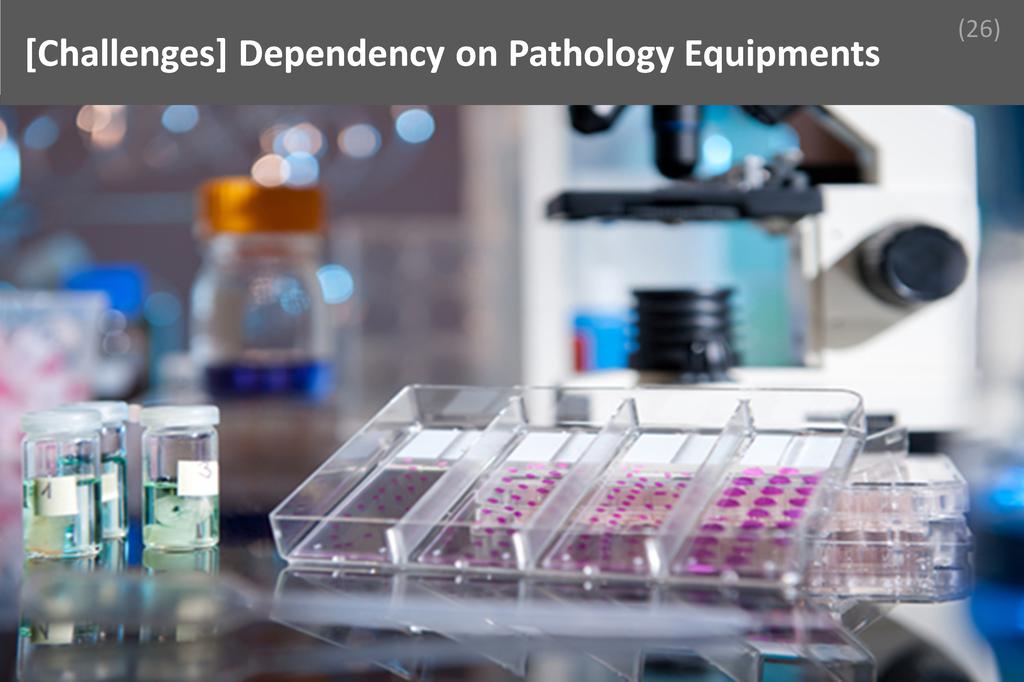
Dependency on pathology equipments refers to the reliance on specialized machines and diagnostic tools for accurate disease detection, monitoring, and prevention. In Pathology & Preventive Medicine, this dependency is demanding because equipment malfunction, limited access, or outdated technology can hinder timely diagnosis, compromise patient care, and disrupt essential public health interventions.
The reliance on pathology equipments significantly shapes the daily workflow of professionals in this field. Equipment downtime or malfunction can delay test results, increase workload, and create bottlenecks in patient management. This challenge demands resilience, adaptability, and proactive problem-solving, as professionals must often find alternative diagnostic approaches or prioritize cases based on urgency. Successful practitioners manage this constraint by maintaining strong communication with technical support teams, staying updated on manual diagnostic techniques, and fostering collaborative relationships with other departments. They also advocate for regular equipment maintenance and strategic resource allocation, ensuring that essential tools are available and functional. By cultivating flexibility and resourcefulness, these professionals continue to deliver high-quality care despite technological limitations.
Consider a scenario in a district hospital where the only automated hematology analyzer breaks down unexpectedly. A pathologist, faced with a backlog of urgent blood tests, quickly adapts by reverting to manual microscopy and cell counting techniques. While more time-consuming, this approach ensures that critical diagnoses are not delayed. The pathologist coordinates with laboratory staff to prioritize samples from high-risk patients and communicates transparently with clinicians about expected turnaround times. Simultaneously, the professional liaises with the hospital administration to expedite repairs and explores temporary collaborations with nearby facilities for complex tests. Through adaptability, teamwork, and clear communication, the pathologist successfully manages the dependency on equipment, maintaining continuity of care and patient safety.
Quality Control

Quality Control in Pathology & Preventive Medicine refers to the systematic processes and standards used to ensure accuracy, reliability, and consistency in laboratory testing, diagnostics, and preventive interventions. It is demanding because even minor errors can lead to misdiagnosis, compromised patient safety, and public health risks, requiring constant vigilance and precision.
The challenge of maintaining rigorous quality control permeates every aspect of daily work in pathology and preventive medicine. Professionals must continuously monitor procedures, calibrate equipment, and validate results, all while managing high workloads and tight deadlines. This relentless attention to detail can be mentally taxing and demands a high level of resilience, as mistakes can have serious consequences for patient care and public health. Successful professionals overcome these constraints by fostering a culture of continuous improvement, embracing regular training, and utilizing robust quality management systems. They also rely on peer collaboration and transparent communication to promptly identify and address potential errors, ensuring that standards are consistently met and patient safety remains the top priority.
Consider a pathology laboratory where a sudden spike in inconclusive test results threatens to undermine diagnostic accuracy. A senior pathologist recognizes the issue and initiates a thorough review of the laboratory’s quality control protocols. By retraining staff on specimen handling, recalibrating diagnostic instruments, and implementing daily cross-checks, the team quickly identifies a faulty reagent as the root cause. The pathologist’s proactive approach, combined with open communication and adherence to quality standards, restores confidence in the laboratory’s results. This scenario illustrates how a commitment to quality control, coupled with decisive action and teamwork, enables professionals to overcome challenges and maintain the integrity of their work in the face of unexpected obstacles.
Conflicts with Doctors

Conflicts with doctors in Pathology & Preventive Medicine refer to disagreements or misunderstandings between laboratory professionals and clinicians regarding test interpretations, diagnoses, or preventive recommendations. These conflicts are demanding because they can hinder patient care, strain professional relationships, and require strong communication skills to resolve differing perspectives rooted in complex medical evidence.
This challenge can disrupt workflow, delay decision-making, and create a stressful environment for professionals in Pathology & Preventive Medicine. Navigating such conflicts demands resilience, as repeated disagreements may erode confidence and collaboration. Successful professionals manage these situations by fostering open communication, actively listening to clinicians’ concerns, and providing clear, evidence-based explanations for their recommendations. They build trust by demonstrating empathy and a willingness to collaborate, rather than adopting a confrontational stance. Over time, these strategies help to bridge knowledge gaps, align goals, and promote a culture of mutual respect, ultimately ensuring that patient care remains the central focus despite differing viewpoints.
Consider a scenario where a pathologist receives repeated requests from a clinician to re-examine biopsy slides, questioning the initial diagnosis. Instead of reacting defensively, the pathologist invites the clinician to review the slides together, explaining the diagnostic criteria and evidence behind the findings. Through this collaborative review, the clinician gains a clearer understanding of the pathology process, while the pathologist appreciates the clinical context driving the concern. This open dialogue not only resolves the immediate conflict but also strengthens professional rapport, paving the way for more effective communication in future cases. By addressing the disagreement constructively, both professionals contribute to improved patient outcomes and a more harmonious working environment.
A Day Of
Pathology & Preventive Medicine
In the world of Pathology and Preventive Medicine, no two days are ever quite the same. The pace is brisk, driven by the urgency of clinical cases and the ever-present goal of safeguarding public health. The environment is a dynamic blend of quiet, focused laboratory analysis and lively interdisciplinary collaboration, where every decision can ripple outward to affect individual patients and entire communities. Here, the workday is a careful dance between microscope slides, digital data, and the human stories behind each specimen or statistic. For these professionals, the desk is just one stop on a journey that moves fluidly between science, strategy, and service.
As the sun rises, the day begins with a quiet but purposeful review of overnight lab results and pending case files. The practitioner scans through digital pathology images, checks the status of ongoing cultures, and prioritizes cases that require immediate attention. This early hour is also spent calibrating equipment, ensuring that all laboratory protocols are in place, and preparing slides or samples for the day’s diagnostic work. The calm of the morning provides a crucial window for focused analysis before the pace accelerates.
By mid-morning, the heart of the day is underway. The practitioner is fully immersed in diagnostic evaluations, examining tissue samples under the microscope, interpreting complex lab data, and consulting with clinicians about challenging cases. Simultaneously, preventive medicine responsibilities come to the fore, with the review of epidemiological data, assessment of infection control protocols, and planning of community health interventions. This is the most intense and interactive part of the day, demanding sharp attention to detail and seamless communication with colleagues across specialties.
The afternoon brings a shift toward collaboration and execution. The practitioner participates in multidisciplinary team meetings, discussing patient cases with surgeons, oncologists, and public health officials. There may be a need to step out of the lab for hospital rounds, infection control audits, or even field visits to investigate outbreaks or assess community health programs. This phase is marked by teamwork, problem-solving, and the practical application of morning findings to real-world scenarios.
As the day winds down, attention turns to documentation, research, and preparation for tomorrow’s challenges. The practitioner finalizes pathology reports, updates electronic health records, and communicates critical findings to referring physicians. There is also time set aside for reviewing the latest medical literature, analyzing trends in disease patterns, and planning upcoming preventive initiatives. The evening is a blend of reflection and forward-thinking, ensuring that every detail is accounted for and that the next day begins with clarity and purpose. |


 Home
Home Abroad
 Plan
Plan Philosophy
 Seminar
 Pages
Pages Advisors
 Testimonials
















 Workshop
 Discuss
 Meet
Meet
 Advisor
 Story
Story
 Fine Print
 Links
Links
 Blog
Blog
 Follow
