Career Counselling 2.0 HomeHomeCareer Counselling 2.0 AbroadAbroadCareer Counselling 2.0 PlanPlanCareer Counselling 2.0 | TalksTalksCareer Counselling 2.0 PhilosophyPhilosophyCareer Counselling 2.0 SeminarSeminarCareer Counselling 2.0 PagesPagesCareer Counselling 2.0 AdvisorsAdvisorsCareer Counselling 2.0 TestimonialsTestimonials

Medical Pathology

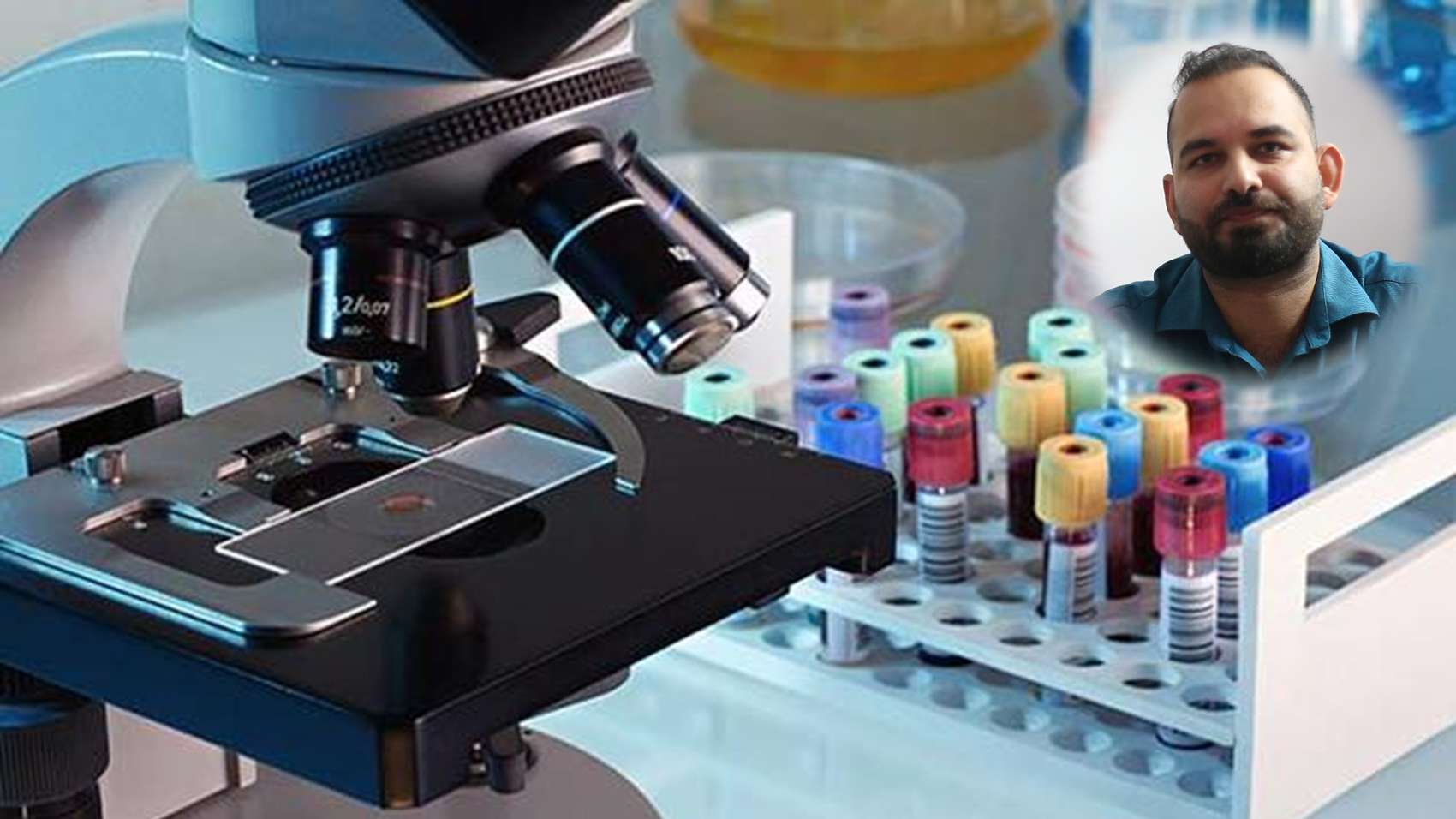
Head Vibha Mittal talks about Medical Pathology course, what is Medical Pathology and other details about a Career in Medical Pathology.


Medical Pathology

Vibha Mittal | Head | Department Of Health


What is Medical Pathology?


A Career in Medical Pathology is very interesting. Unfortunately, it is very difficult to find information about What Medical Pathology actually is. Most pages on the internet just talk about How to get into Medical Pathology. It is best to learn about Medical Pathology from a real professional, this is akin to getting it from the horse's mouth.

Head Vibha Mittal has worked in Medical Pathology for 32 years & 7 months. Head Vibha Mittal describes Medical Pathology as:

Medical Pathology is a medical specialty that is concerned with the diagnosis of disease based on the laboratory analysis of bodily fluids such as blood and urine, as well as tissues, using the tools of chemistry, clinical microbiology, hematology and molecularpathology.


How Head Vibha Mittal got into Medical Pathology?


I did my Graduation in Psychology from DAV,Dehradun. Following which I got married and shifted to America. I always wanted to become a Medical Practitioner and so I did a Bachelors Degree in Medical Technology from there in 1984. I have been working as a Medical Pathologist since 1985 at the Department Of Health, Florida.


Head Vibha Mittal's Talk on Medical Pathology


Session Image
The Journey of Medical Pathology


What Is Medical Pathology

Medical Pathology

### Medical Pathology Image
What is
Medical pathology is the branch of medicine focused on the study, diagnosis, and understanding of diseases through the examination of tissues, organs, bodily fluids, and laboratory analyses. Pathologists interpret laboratory results to guide patient care, playing a crucial role in identifying disease causes, progression, and outcomes.

Concept
Medical pathology is fundamental to modern healthcare, as it provides the scientific basis for diagnosing diseases and guiding treatment decisions. Professionals in this field are essential in ensuring accurate diagnoses, which directly influence patient outcomes and the effectiveness of therapies. One major benefit is the ability to detect diseases at an early stage, often before symptoms appear, allowing for timely intervention. Another benefit is the support pathologists provide to other medical professionals by clarifying complex cases and confirming clinical suspicions. Additionally, medical pathology contributes to medical research and the development of new treatments by uncovering disease mechanisms and patterns, ultimately advancing the entire field of medicine.

Real World Example
A pathologist working in a hospital laboratory receives a biopsy sample from a patient with a suspicious lump. Through microscopic examination and specialized staining techniques, the pathologist identifies cancerous cells and determines the specific type and grade of the tumor. This information is critical for the oncologist, who uses the pathology report to develop a personalized treatment plan for the patient. The pathologist may also collaborate with surgeons to ensure that all cancerous tissue is removed during surgery. In this way, medical pathology directly influences the patient’s diagnosis, treatment options, and overall prognosis, demonstrating its vital role in patient care and multidisciplinary medical teams.

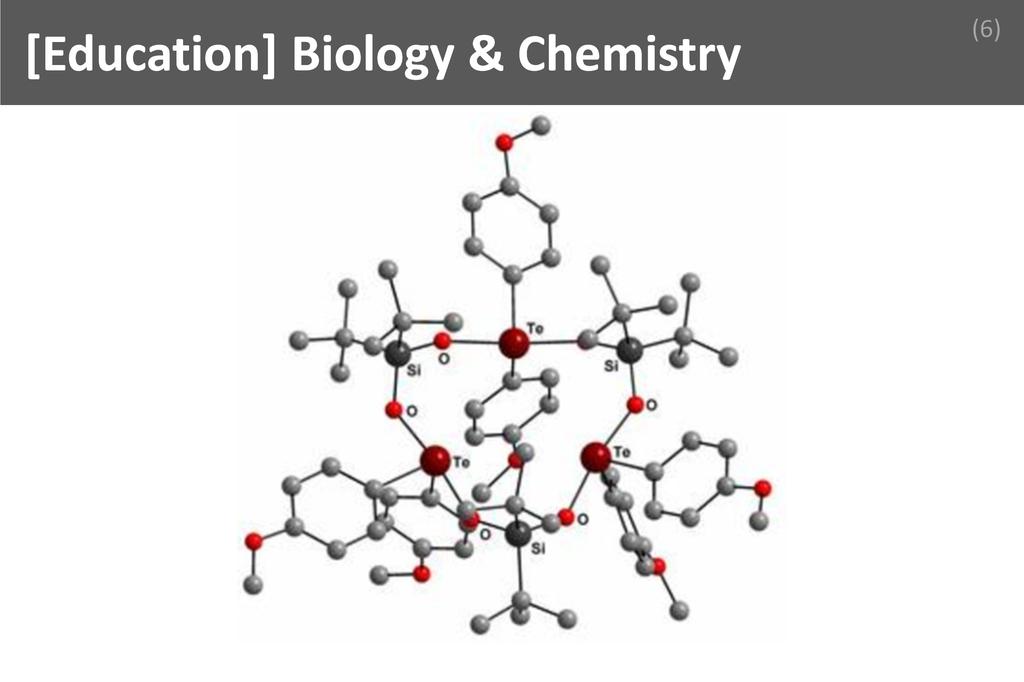
Education


Biology & Chemistry

### Biology & Chemistry Image
What is
Biology and Chemistry are scientific disciplines that study living organisms and the chemical processes underlying life. In Medical Pathology, these fields provide essential insights into cellular structure, biochemical reactions, and molecular mechanisms, forming the academic and professional backbone for diagnosing, understanding, and treating diseases at the microscopic and molecular levels.

Concept
A strong grasp of Biology and Chemistry is indispensable for anyone entering or advancing in Medical Pathology. These subjects illuminate the intricate workings of cells, tissues, and organs, as well as the chemical interactions that sustain or disrupt health. Understanding these concepts enables professionals to interpret laboratory results accurately, recognize abnormal physiological patterns, and identify disease mechanisms. Mastery of Biology and Chemistry also fosters critical thinking, allowing pathologists to evaluate new research, adopt innovative diagnostic techniques, and contribute to medical advancements. Over the course of a career, this foundational knowledge supports ongoing professional development, ensuring that practitioners remain competent and adaptable in a rapidly evolving field.

Real World Example
Consider a pathologist examining a tissue biopsy for signs of cancer. Their knowledge of Biology allows them to recognize abnormal cell morphology and understand how cancer cells differ from healthy ones. Simultaneously, their Chemistry background helps them interpret results from immunohistochemical staining, where specific antibodies bind to cellular proteins, revealing molecular markers of malignancy. By integrating these disciplines, the pathologist can accurately diagnose the cancer type, guide treatment decisions, and communicate findings to the clinical team. This daily application of Biology and Chemistry ensures precise, evidence-based patient care and highlights the indispensable role of these sciences in Medical Pathology.

Quality Control book and Tutorials

### Quality Control book and Tutorials Image
What is
Quality Control book and Tutorials refer to comprehensive educational resources that cover the principles, methodologies, and practical applications of quality control within laboratory and diagnostic settings. In Medical Pathology, these materials are essential for understanding how to maintain accuracy, reliability, and consistency in test results, forming a critical part of both academic study and professional practice.

Concept
A thorough understanding of Quality Control book and Tutorials is indispensable for anyone preparing for or working in Medical Pathology. These resources provide the theoretical framework and practical guidance necessary to ensure that laboratory procedures yield valid and reproducible results. Mastery of quality control concepts helps professionals identify and correct errors, implement standard operating procedures, and comply with regulatory standards. This foundational knowledge not only safeguards patient safety but also enhances the credibility and efficiency of the pathology laboratory. Over the course of a career, expertise in quality control supports ongoing professional development, fosters a culture of continuous improvement, and positions individuals for leadership roles within laboratory management and accreditation processes.

Real World Example
Consider a medical pathologist overseeing a hospital laboratory where daily blood tests are performed for patient diagnosis. By applying their knowledge from Quality Control book and Tutorials, the pathologist establishes rigorous protocols for equipment calibration, reagent validation, and sample handling. When a batch of test results appears inconsistent, the pathologist systematically reviews quality control logs, identifies a deviation in reagent storage temperature, and initiates corrective action. This proactive approach, grounded in quality control principles, ensures that only accurate and reliable results are reported to clinicians. Through such practices, the pathologist not only upholds laboratory standards but also directly contributes to patient safety and effective clinical decision-making.

Skills


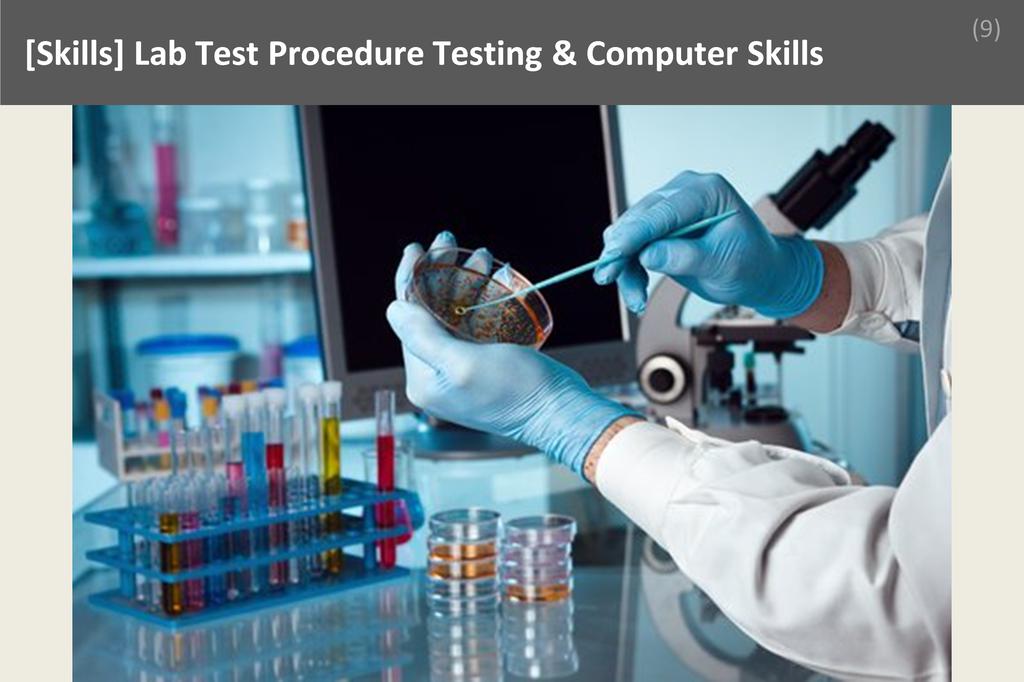
Lab Test Procedure Testing

### Lab Test Procedure Testing Image
What is
Lab Test Procedure Testing refers to the systematic process of conducting, validating, and interpreting laboratory tests to ensure accuracy, reliability, and compliance with established protocols. In Medical Pathology, this skill is crucial for diagnosing diseases, monitoring patient health, and supporting clinical decisions, making it a foundational element of the profession.

Concept
Mastery of Lab Test Procedure Testing directly enhances a medical pathologist’s ability to deliver precise and timely diagnostic information. Employers and clients highly value this skill because it minimizes errors, ensures patient safety, and upholds the integrity of laboratory results. Consistent application of proper testing procedures builds trust in the laboratory’s findings, which is essential for effective patient care. To cultivate this skill, professionals must engage in continuous education, hands-on practice, and regular review of evolving laboratory standards. Staying updated with technological advancements and participating in quality assurance programs further refines one’s expertise, ensuring that laboratory practices remain current and effective.

Real World Example
Consider a scenario where a medical pathologist is faced with a sudden outbreak of an infectious disease in a hospital. Accurate and rapid identification of the pathogen is critical to prevent further spread. The pathologist relies on their expertise in Lab Test Procedure Testing to select the appropriate diagnostic assays, meticulously follow testing protocols, and interpret results with precision. By adhering to rigorous testing procedures, the pathologist quickly identifies the causative organism, enabling the healthcare team to implement targeted treatment and containment measures. This not only resolves the immediate crisis but also demonstrates the indispensable role of Lab Test Procedure Testing in safeguarding public health and ensuring successful clinical outcomes.

Patience

### Patience Image
What is
Patience is the ability to remain calm, composed, and persistent when faced with delays, challenges, or repetitive tasks, without becoming frustrated or giving up. In Medical Pathology, patience is crucial because the discipline demands meticulous attention to detail, careful analysis, and the willingness to wait for accurate results before drawing conclusions or making recommendations.

Concept
Patience directly enhances performance in Medical Pathology by allowing professionals to thoroughly examine specimens, review complex data, and repeat tests when necessary without rushing or overlooking critical details. Employers and clients value this skill because it leads to more accurate diagnoses, reduces errors, and fosters trust in the laboratory’s results. Cultivating patience involves practicing mindfulness, setting realistic expectations, and embracing the iterative nature of scientific investigation. Over time, professionals can develop greater resilience and focus by reflecting on their experiences, seeking feedback, and prioritizing quality over speed in their daily work.

Real World Example
Imagine a pathologist faced with a challenging biopsy sample that yields inconclusive results after initial testing. Instead of hastily reporting uncertain findings, the pathologist exercises patience by methodically reviewing the slides, consulting with colleagues, and ordering additional stains or molecular tests. This careful, unhurried approach ultimately leads to a definitive diagnosis, ensuring the patient receives the most appropriate treatment. The pathologist’s patience not only prevents a potential misdiagnosis but also upholds the integrity of the laboratory and strengthens the trust of both clinicians and patients in the pathology service.

Understanding Of Quality Control

### Understanding Of Quality Control Image
What is
Understanding Of Quality Control refers to the comprehensive knowledge and application of systematic processes that ensure accuracy, reliability, and consistency in laboratory results. In Medical Pathology, this skill is vital for maintaining high standards, minimizing errors, and ensuring that diagnostic outcomes are both trustworthy and reproducible, directly impacting patient care and safety.

Concept
Mastering quality control in Medical Pathology enhances a professional’s ability to detect and prevent errors before they affect patient diagnoses. This skill is highly valued by employers and clients because it underpins the credibility of laboratory results, which are critical for clinical decision-making. Professionals who excel in quality control demonstrate meticulous attention to detail, a proactive approach to problem-solving, and a commitment to continuous improvement. Cultivating this skill involves ongoing education, staying updated with evolving standards, and actively participating in internal audits and proficiency testing. Over time, consistent practice and reflection on outcomes help reinforce the importance of quality control, embedding it as a core aspect of daily laboratory operations.

Real World Example
Imagine a scenario where a pathology laboratory begins to notice inconsistent results in blood glucose testing. A professional with a strong understanding of quality control immediately initiates a review of the testing process, identifying a calibration error in the analyzer. By systematically investigating and correcting the issue, they prevent the reporting of inaccurate results that could have led to misdiagnosis or inappropriate treatment. Their expertise not only safeguards patient health but also upholds the laboratory’s reputation for reliability. This example illustrates how a deep commitment to quality control enables pathology professionals to swiftly address critical issues, ensuring the highest standards of diagnostic accuracy are maintained.

Positives


Helping make a Difference

### Helping make a Difference Image
What is
"Helping make a Difference" means using one’s expertise and actions to create meaningful, positive change in the lives of others. In medical pathology, this involves diagnosing diseases, guiding treatment decisions, and supporting patient care teams. This contribution directly influences patient outcomes and advances the overall quality of healthcare delivery.

Concept
The opportunity to help make a difference is a powerful motivator in medical pathology. Knowing that each diagnosis or laboratory result can alter the course of a patient’s treatment brings a deep sense of purpose and fulfillment. This aspect fosters a strong connection to the broader mission of medicine, enhancing job satisfaction and professional pride. Pathologists experience continual growth as they collaborate with clinicians, stay updated with medical advances, and witness the tangible results of their work. Each day, they see the impact of their expertise, whether it is confirming a life-saving diagnosis or ruling out serious conditions, reinforcing their essential role in patient care and the healthcare system.

Real World Example
Imagine a pathologist reviewing biopsy slides for a patient with ambiguous symptoms. Through careful analysis, the pathologist identifies a rare but treatable cancer. This timely and accurate diagnosis enables the clinical team to initiate the appropriate therapy, dramatically improving the patient’s prognosis. The pathologist, though often behind the scenes, experiences the profound satisfaction of knowing their skills and diligence directly contributed to saving a life. This scenario exemplifies how helping make a difference is woven into the daily reality of medical pathology, providing a lasting sense of accomplishment and reinforcing the value of their work in every case they encounter.

Self Satisfaction

### Self Satisfaction Image
What is
Self satisfaction is the deep sense of fulfillment and contentment that arises from achieving personal and professional goals, knowing one’s efforts make a meaningful difference, and feeling proud of one’s contributions. In medical pathology, self satisfaction is a driving force that enhances motivation, resilience, and a sense of purpose in daily work.

Concept
The positive aspect of self satisfaction in medical pathology cannot be overstated. When pathologists feel genuinely satisfied with their work, it translates into higher job satisfaction, increased motivation, and a stronger commitment to excellence. This sense of fulfillment encourages continuous learning and professional growth, as individuals strive to improve their diagnostic skills and stay updated with advancements in the field. Each day, medical pathologists experience self satisfaction when they realize their expertise directly impacts patient care, guiding treatment decisions and often saving lives. This intrinsic reward fosters a positive work environment, reduces burnout, and helps professionals maintain a long and meaningful career in a demanding specialty.

Real World Example
Imagine a medical pathologist who spends hours meticulously analyzing tissue samples to diagnose a rare and complex disease. After thorough investigation, the pathologist identifies the correct diagnosis, enabling the clinical team to initiate a life-saving treatment plan for the patient. Later, the pathologist learns that the patient has made a remarkable recovery thanks to the timely and accurate diagnosis. In that moment, the pathologist experiences profound self satisfaction, knowing their dedication and expertise have made a tangible difference in someone’s life. This sense of accomplishment not only validates their hard work but also inspires them to continue striving for excellence in every case they encounter.

Monetary Growth

### Monetary Growth Image
What is
Monetary Growth refers to the steady and significant increase in financial earnings and wealth accumulation over time as a direct result of professional expertise, experience, and advancement within a chosen field. In medical pathology, this growth is achieved through specialized skills, ongoing education, and the essential nature of the work, leading to rewarding compensation. This positive trajectory not only reflects the value placed on pathologists’ contributions to healthcare but also motivates professionals to continually enhance their knowledge and skills, knowing that their dedication is recognized and rewarded financially.

Concept
Monetary Growth in medical pathology is a powerful motivator that enhances job satisfaction and long-term career fulfillment. The promise of increasing financial rewards encourages professionals to invest in their education and remain committed to excellence in their field. As pathologists gain experience and take on greater responsibilities, their compensation reflects their growing expertise and the critical role they play in patient care. This financial recognition allows them to enjoy a higher standard of living, invest in personal and professional development, and plan confidently for the future. On a daily basis, knowing that their hard work and dedication are tangibly rewarded provides a sense of security and pride, fueling further ambition and professional growth.

Real World Example
Consider Dr. Patel, a medical pathologist who began her career in a hospital laboratory. Over the years, she pursued additional certifications and specialized in molecular diagnostics. As her expertise grew, so did her responsibilities and her income. Dr. Patel’s increased earnings allowed her to purchase a home, support her family, and attend international conferences to stay at the forefront of her field. Each promotion and salary increase reinforced her sense of accomplishment and motivated her to continue advancing her skills. The tangible benefits of monetary growth not only improved her quality of life but also empowered her to make meaningful contributions to her profession and community, illustrating the profound impact of financial advancement in medical pathology.

Challenges


Pressure From Physicians

### Pressure From Physicians Image
What is
Pressure from physicians in Medical Pathology refers to the frequent and urgent demands from clinicians for rapid, definitive diagnostic results. This pressure is demanding because it often requires pathologists to balance accuracy with speed, manage conflicting priorities, and communicate complex findings clearly, all while maintaining professional integrity and patient safety.

Concept
This challenge significantly shapes the daily workflow of medical pathologists. The constant expectation for swift, precise answers can lead to heightened stress, increased risk of error, and potential burnout. Resilience becomes essential, as pathologists must remain composed under tight deadlines and high stakes. Successful professionals navigate this constraint by fostering open communication with clinicians, setting realistic expectations, and prioritizing cases based on clinical urgency. They also rely on robust laboratory processes and teamwork to ensure that quality is never compromised for speed. By cultivating mutual respect and understanding with referring physicians, pathologists can advocate for the time and resources needed to deliver accurate diagnoses, ultimately supporting better patient outcomes.

Real World Example
Consider a scenario where a pathologist receives multiple urgent requests from different physicians, each insisting their case is most critical. Instead of succumbing to the mounting pressure, the pathologist calmly assesses the clinical context of each request, communicates transparently with the physicians about expected turnaround times, and explains the rationale for prioritization. By maintaining professionalism and clarity, the pathologist reassures the physicians that every case will receive appropriate attention. This approach not only diffuses immediate tension but also builds trust and sets a precedent for future interactions. Through effective communication and sound judgment, the pathologist successfully manages the competing demands without sacrificing diagnostic accuracy or professional relationships.

Risk Factor

### Risk Factor Image
What is
In Medical Pathology, "Risk Factor" refers to the potential for exposure to infectious agents, hazardous chemicals, and diagnostic errors that can impact both patient outcomes and personal safety. This challenge is demanding because it requires constant vigilance, strict adherence to protocols, and the ability to make critical decisions under pressure.

Concept
The presence of risk factors in medical pathology significantly shapes daily routines, as professionals must continually balance accuracy with safety. The threat of accidental exposure to biohazards or the consequences of diagnostic mistakes can create a high-stress environment, demanding resilience and unwavering attention to detail. Successful pathologists manage these risks by rigorously following safety protocols, engaging in ongoing education, and fostering a culture of open communication within their teams. They also rely on peer review and double-checking systems to minimize errors, while embracing technological advancements that enhance both safety and diagnostic precision. By cultivating adaptability and a proactive mindset, these professionals are able to navigate the inherent uncertainties of their field and maintain both personal well-being and high standards of patient care.

Real World Example
Consider a pathologist working in a busy hospital laboratory during an outbreak of a highly infectious disease. Faced with the risk of exposure, the professional meticulously follows all biosafety procedures, including the use of personal protective equipment and strict sample handling protocols. When a complex case arises, the pathologist consults with colleagues and utilizes digital pathology tools to ensure diagnostic accuracy, reducing the risk of error. By maintaining open communication with the laboratory team and participating in regular safety drills, the pathologist not only protects themselves but also contributes to a safer work environment for everyone. This approach demonstrates how vigilance, collaboration, and adherence to best practices can effectively mitigate the challenges posed by risk factors in medical pathology.

Contamination

### Contamination Image
What is
Contamination in Medical Pathology refers to the unintended introduction of foreign substances, microorganisms, or cellular material into specimens, reagents, or laboratory environments. This challenge is demanding because it can compromise diagnostic accuracy, lead to false results, and potentially impact patient care, requiring constant vigilance and meticulous technique from professionals.

Concept
The threat of contamination permeates every aspect of a pathologist’s daily routine, from specimen collection to slide preparation and analysis. Even a minor lapse in protocol can result in compromised samples, necessitating repeat tests, delaying diagnoses, and increasing stress. This environment demands resilience, as professionals must maintain unwavering attention to detail and adapt to evolving best practices. Successful pathologists manage this constraint by fostering a culture of strict procedural adherence, continuous education, and open communication within their teams. They also embrace advances in laboratory technology and regularly review protocols to minimize risk. Through these efforts, they not only protect the integrity of their work but also uphold the trust placed in them by clinicians and patients.

Real World Example
Consider a scenario where a pathology laboratory receives a biopsy specimen for cancer diagnosis. A senior technologist notices a slight discoloration in the tissue sample, suggesting possible contamination. Instead of proceeding, the technologist immediately halts processing, informs the pathologist, and initiates a thorough review of the specimen’s handling history. The team retraces each step, identifies a lapse in glove-changing protocol during specimen transfer, and implements corrective measures. By prioritizing transparency and swift action, the laboratory prevents a potential misdiagnosis and reinforces a culture of accountability. This proactive approach not only safeguards patient outcomes but also strengthens the team’s collective expertise in managing contamination risks.

A Day Of


Medical Pathology

What is
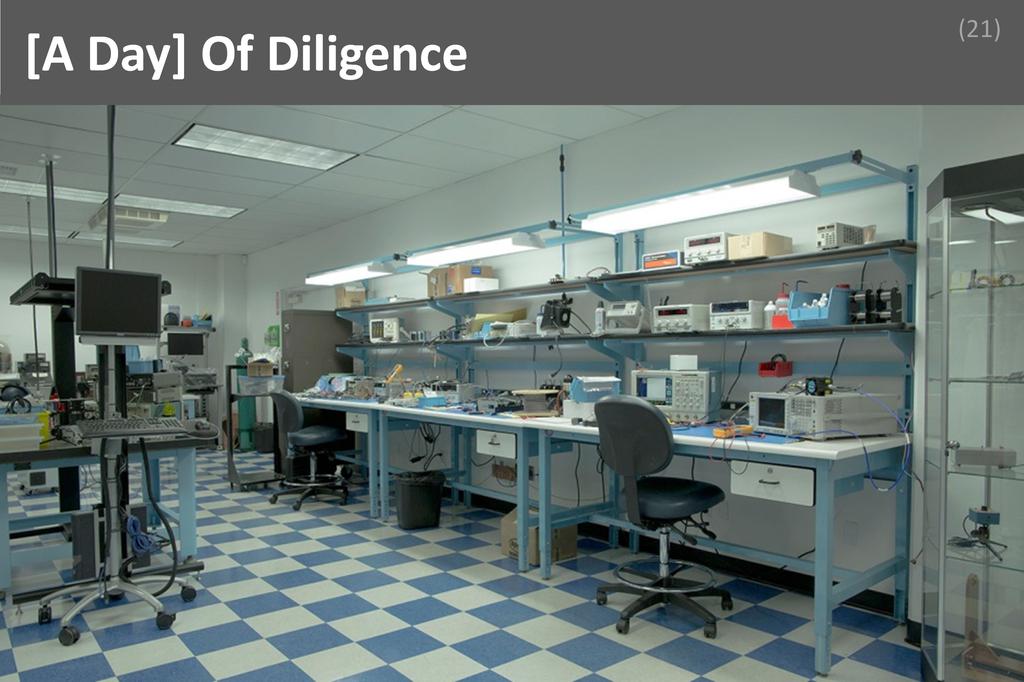
In the world of medical pathology, the day begins long before most hospital corridors fill with the hum of activity. Here, behind the scenes, every hour pulses with a quiet urgency as pathologists unravel the mysteries hidden within tissue samples and blood slides. The environment is a blend of focused solitude and collaborative intensity, where each decision can ripple through a patient’s life. The pace is relentless yet methodical, demanding both scientific precision and a deep sense of responsibility. For the medical pathology professional, every day is a journey through the unseen, where answers are found not at the bedside, but beneath the lens of a microscope.

Concept
As dawn breaks, the pathology lab is a sanctuary of calm. The first order of business is reviewing the list of incoming cases and preparing the workspace for the day ahead. Slides from overnight biopsies and surgical specimens are carefully organized, and the pathologist takes a few moments to scan through preliminary reports, prioritizing urgent cases. This early hour is dedicated to meticulous setup, calibrating equipment, and ensuring that all necessary reagents and tools are ready for the diagnostic marathon to come.

Real World Example
By mid-morning, the lab is alive with activity. This is the heart of the day, when the pathologist is deeply immersed in the core work of examining slides under the microscope. Each specimen tells a story, and it’s the pathologist’s job to interpret subtle cellular patterns, identify abnormalities, and reach definitive diagnoses. Consultations with laboratory technologists and, occasionally, direct discussions with surgeons or oncologists may occur as complex cases demand immediate attention. The intensity of this period is matched only by the satisfaction of solving diagnostic puzzles that will guide patient care.

Afternoons are often reserved for collaboration and execution. The pathologist may participate in tumor board meetings, where findings are discussed with multidisciplinary teams to shape treatment plans for patients. Detailed pathology reports are finalized and communicated to referring physicians, ensuring that clinical teams have the information they need to proceed. There is also time set aside for mentoring residents or medical students, sharing insights and fostering the next generation of pathology professionals.

As the day winds down, attention shifts to administrative responsibilities and planning for tomorrow’s workload. The pathologist reviews outstanding cases, updates digital records, and responds to follow-up queries from clinicians. There may be moments devoted to research, whether reading the latest literature or analyzing data from ongoing studies. Before leaving, the pathologist ensures that all urgent matters are addressed and that the lab is prepared for another demanding day, closing the chapter on a day spent at the intersection of science and patient care.


Install the LifePage App to:


  1. (for Free) Watch Head Vibha Mittal’s full Medical Pathology Career Talk

  2. ₹ Do a Self Assessment on Medical Pathology to calculate your Dream Index, which is defined as:

    According to Vibha Mittal your chances of success in Medical Pathology is __%

  3. Access your personalized Dream Index Report which will have all your Dream Indices sorted in descending order.

Career Counselling 2.0


<?php echo $altimage; ?>


<?php echo $altimage; ?>


How to get into

Medical Pathology?


If you are want to get into Medical Pathology, start by investing in a Career Plan.

The 14 hour process, guided by a LifePage Career Advisor, will help you introspect and check whether your interest in Medical Pathology is merely an infatuation or is it truly something you wish to do for the rest of your life.

Next, your Career Advisor will help you document how you can get into Medical Pathology, what education and skills you need to succeed in Medical Pathology, and what positives and challenges you will face in Medical Pathology.

Finally, you will get a Career Plan stating which Courses, Certifications, Trainings and other Items you need to do in the next 7 years to become world’s best in Medical Pathology.


LifePage Career Plan

14 hour personalized guidance program


Your LifePage Career Advisor facilitates your guided introspection so that you systematically explore various Career options to arrive at a well thought out Career choice.

Next: your Advisor helps you figure out how you will get into your chosen Career and how will you develop the skills needed for success in your Chosen Career.

LifePage Plan will not stop at saying "to become an Architect study Architecture". It will guide you on which Certifications, Trainings and Other items you need to do along with your Architecture education to become the world's best Architect.


Links for this Talk


LifePage Career Talk on Medical Pathology


Career Counselling 2.0
[Career]
https://www.lifepage.in/careers/medical-pathology


Career Counselling 2.0
[Full Talk]
https://lifepage.app.link/20171128-0007


Career Counselling 2.0
[Trailer]
https://www.youtube.com/watch?v=axMWlAAz02Y


(Medical Pathology, Vibha Mittal, Department of Health, Medical Pathology, Lab Testing, Blood Testing)


Similar Talks


Career in Physiotherapy
Physiotherapy
Ashish Dev Gera
Physiotherapist | Max Hospital
[ 6 years Experience ]

Physiotherapy is a dynamic profession with well established theoretical and scientific base. It is also well diverse and well spread clinical application to restore, maintain and promote optimal physical function.

"After completing my schooling from Cambrian Hall, Dehradun, I did Bachelors in Physiotherapy from Dolphin (PG) Institute of Biomedical & Natural Sciences, Dehradun, Masters in Physiotherapy from Manipal University and diploma in Sports Rehabilitation from London Academy of Health Sciences. I have worked in many places like ICU therapist at Max Healthcare, Delhi, Sports Physio for Salgaocar Football Club, Goa and Vana."


Career Counselling 2.0 Career Counselling 2.0 Career Counselling 2.0 Career Counselling 2.0 Career Counselling 2.0


Career in Hospital Administration
Hospital Administration
Dr Smriti Ketkar
Homeopathic Physician | Uttaranchal Ayurvedic Hospital
[ 3 years Experience ]

Hospital Administration is Managing of Hospital in all aspects like Medico Legal Issues and handling day to day requirements.

"I have joined Uttaranchal Ayurvedic Hospital in 2014 as a Hospital Administrator and as a Hospital Administrator I deal with Accounts, Leaves, Expenses, Requirements, Schemes etc."


Career Counselling 2.0 Career Counselling 2.0 Career Counselling 2.0 Career Counselling 2.0 Career Counselling 2.0


Career in Psychiatry
Psychiatry
Kislaya R Mishra
Senior Resident | Shri Mahant Indiresh Hospital
[ 2 years & 4 months Experience ]

Psychiatry is the medical specialty devoted to the diagnosis, prevention, study, and treatment of mental disorders. These include various abnormalities related to mood, behaviour, cognition, and perceptions.

"I did my Schooling from Riverdale,Welham and Brightlands. After that I did my MBBS from Kasturba Medical College, Manipal. I also worked for a couple of years in Lucknow and Delhi. I did my MD in psychiatry from Stanley Medical College, Chennai. I have been working as a Senior Resident with Shri Mahant Indiresh Hospital since 2016."


Career Counselling 2.0 Career Counselling 2.0 Career Counselling 2.0 Career Counselling 2.0 Career Counselling 2.0


Career in Speech Therapy
Speech Therapy
Saloni Anand
Clinical Psychologist | Doon Psychotherapeutic Centre
[ 6 years Experience ]

SpeechTherapist is a health professional trained to evaluate and treat voice, speech, language, or swallowing disorders. It is a treatment to improve the speech of children who have difficulty in learning to speak, for example because of partial deafness or brain damage, or to help restore the power of speech to adults who have lost it or partly lost it through accident or illness.

"After completing my graduation and post graduation in psychology, I did diploma course in guiding and counselling from Jamia Milia Islamia. I have been working as a Clinical Psychologist in Doon Psychotherapeutic Centre since 2011."


Career Counselling 2.0 Career Counselling 2.0 Career Counselling 2.0 Career Counselling 2.0 Career Counselling 2.0


Career in Occupational Therapy
Occupational Therapy
Shruti More
Occupational Therapist | Handimachal Therapy Centre
[ 5 years Experience ]

The use of particular activities as an aid to recuperation from physical or mental illness.

"I did my schooling from Mary Immaculate Girls High School, Mumbai. Then did my Junior College from Thakur College. I then did my OT from Seth GS Medical College. I have been working as an Occupational Therapist in Handimachal since 2012."


Career Counselling 2.0 Career Counselling 2.0 Career Counselling 2.0 Career Counselling 2.0 Career Counselling 2.0


Career in Psychiatry
Psychiatry
Dr Manish Tomar
Consultant Psychiatrist | Mandala Clinic
[ 20 years & 10 months Experience ]

Psychiatry is the medical specialty devoted to the diagnosis, prevention and treatment of mental disorders. These include various maladaptations related to mood, behaviour, cognition, and perceptions.

"After completing my MBBS from Maulana Azad Medical College, Delhi, I did a Diploma in Psychological Medicine and MD from NIMHANS, Bangalore. I also have a Certificate of Completion of Specialist Training from UK. I started practicing in 1998 and I am a Consultant Psychiatrist at Mandala Clinic."


Career Counselling 2.0 Career Counselling 2.0 Career Counselling 2.0 Career Counselling 2.0 Career Counselling 2.0


Career in General Nursing
General Nursing
Monika
General Nurse | University Hospital Basel
[ 24 years Experience ]

Nursing is a profession within the healthcare sector focused on the care of individuals, families, and communities so they may attain, maintain, or recover optimal health and quality of life.

"I did a Diploma in Nursing from AKP, Basel. I started practicing as a Nurse in 1994. I also did a course in Training Nurses from SUEP, Basel. I work at University Hospital, Basel as a General Nurse."


Career Counselling 2.0 Career Counselling 2.0 Career Counselling 2.0 Career Counselling 2.0 Career Counselling 2.0


Career in Acupuncture
Acupuncture
Jitendra Uniyal
Doctor | Vana and Rawal Nursing Home
[ 25 years & 3 months Experience ]

Acupuncture is a form of alternative medicine in which thin needles are inserted into the body. It is a key component of traditional Chinese medicine

"After completing my Schooling from Scholars Home, he did his Graduation from Garhwal University. He did his MBBS from Colombo. He then did his Masters from China. He also did a PhD from Colombo. He did his Doctorate in Acupuncture from China. He is a Doctor at Vana and Rawal Nursing Home."


Career Counselling 2.0 Career Counselling 2.0 Career Counselling 2.0 Career Counselling 2.0 Career Counselling 2.0


Career in Diet Therapy
Diet Therapy
Jaya Rastogi
Dietitian | VelMed Hospital
[ 4 years Experience ]

Diet therapy is a broad term for the practical application of nutrition as a preventative or corrective treatment of disease. This usually involves the modification of an existing dietary lifestyle to promote optimum health.

"After completing my education in Food & Nutrition, I started working in a food Industry as a Quality Assurance. In 2018, I joined VelMed Hospital as a dietitian and since then I am working there."


Career Counselling 2.0 Career Counselling 2.0 Career Counselling 2.0 Career Counselling 2.0 Career Counselling 2.0


Career in Pathology & Preventive Medicine
Pathology & Preventive Medicine
Vikas Tiwari
HoD | Doon Institute of Medical Science
[ 11 years & 5 months Experience ]

Pathology is the study of disease in general, incorporating a wide range of bioscience research fields and medical practices.

"After completing my education from Dolphin Institute, Dehradun, I started working as a Pathologist in Fortis Escort Heart Institute, Delhi and continued working with various organizations such as Cryo Bank International, Medanta Medicity, IMA Blood Bank, Uttaranchal PG College and Sahara India. In 2018, I have joined Doon Institute of Medical Sciences as a HoD of Paramedical Department."


Career Counselling 2.0 Career Counselling 2.0 Career Counselling 2.0 Career Counselling 2.0 Career Counselling 2.0


Career in Conscious Parenting Coaching
Conscious Parenting Coaching
Dr Monika Singh
Founder and Parenting Coach | Birth the New Earth
[ 4 years Experience ]

Parent Coaching is a professional relationship focused on helping parents to become the parent they want to be. So that they feel less stressed, more confident or relate to your kids more respectfully. Conscious Parenting is not a set of rules for parents to follow but a set of beliefs about what children need to develop and thrive.

"After doing my schooling from Dehradun, I did MBBS from MMSI, Moscow. Thereafter, I did my internship and residency at Safdarjung Hospital and then at Deen Dayal Hospital, Delhi. After that, I worked at AIIMS, Delhi at a resident doctor in the Gynecology Department. I also did training with Quantum Leap by Harv Eker. The evolutionary shift in pregnancy paradigm from a traditional birthing process to a genext birthing process assisting the evolution of human consciousness from 3rd dimension to 5th dimension inspired me to start a new venture by the name Birth the New Earth in 2015. I am also the Co-founder and Director at Ayushman Hospital and Trauma Care Centre, Chhutmalpur."


Career Counselling 2.0 Career Counselling 2.0 Career Counselling 2.0 Career Counselling 2.0 Career Counselling 2.0


Career in Physiotherapy
Physiotherapy
Barkha Khurana
Director (FPD) | Jayoti Vidyapeeth Women's University, Jaipur
[ 5 years Experience ]

Physical therapy (PT), also known as physiotherapy, is one of the allied health professions that, by using evidence-based kinesiology, electrotherapy, shockwave modality, exercise prescription, joint mobilization and health education, treats conditions such as chronic or acute pain, soft tissue injuries, cartilage damage, arthritis, gait disorders and physical impairments.

"I am post graduate in physiotherapy and my specialization is neurology. I have 14 year of experience in academics and physiotherapy. I have been working as a Director at Jayoti Vidyapeeth Women's University, Jaipur since 2018."


Career Counselling 2.0 Career Counselling 2.0 Career Counselling 2.0 Career Counselling 2.0 Career Counselling 2.0


Career in Psychiatry
Psychiatry
Dr Luana Amaro Muniz
Psychiatrist | Brazilian Government
[ 11 years & 11 months Experience ]

Psychiatry is the branch of medicine focused on the diagnosis, treatment and prevention of mental, emotional and behavioral disorders. A psychiatrist is a medical doctor (an M.D. or D.O.) who specializes in mental health, including substance use disorders. Psychiatrists are qualified to assess both the mental and physical aspects of psychological problems.

"After completing my medical graduation, I did psychiatry for 3 years. And started working as a psychiatrist in 2008, Currently, I do have my own private practice as well I work for Brazilian Government."


Career Counselling 2.0 Career Counselling 2.0 Career Counselling 2.0 Career Counselling 2.0 Career Counselling 2.0


Career in Pediatric Occupational Therapy
Pediatric Occupational Therapy
Francisca Velasco
Pediatric Occupational Therapist | Dunalastair School
[ 7 years Experience ]

Pediatric occupational therapy focuses on helping children develop the skills they need to grow into functional, independent adults. Physical impairment, injuries and a host of other issues can hamper a child's ability to perform common tasks or progress normally through the stages of social or cognitive development.

"After completing my schooling, I did 5 years graduation in occupational therapy. I chose pediatric occupational therapy as my specialization. After Completing my education, I started working as a Therapist since 2003."


Career Counselling 2.0 Career Counselling 2.0 Career Counselling 2.0 Career Counselling 2.0 Career Counselling 2.0


[Install the LifePage App to access all Talks]


<?php echo $altimage; ?>


<?php echo $altimage; ?>


&mbsp;


Career Counselling 2.0 | Home   Home  
Career Counselling 2.0 | Abroad   Abroad  
Career Counselling 2.0 | Plan   Plan  
Career Counselling 2.0 | Talks   Talks  
Career Counselling 2.0 | Philosophy   Philosophy  
Career Counselling 2.0 | Seminar   Seminar  
Career Counselling 2.0 | Workshop   Workshop  
Career Counselling 2.0 | Pages   Pages  
Career Counselling 2.0 | Advisors   Advisors  
Career Counselling 2.0 | Discuss   Discuss  
Career Counselling 2.0 | Meet   Meet  
Career Counselling 2.0 | Advisor   Advisor  
Career Counselling 2.0 | Story   Story  
Career Counselling 2.0 | Fine Print   Fine Print  
Career Counselling 2.0 | Links   Links  
Career Counselling 2.0 | Blog   Blog  
Career Counselling 2.0 | Testimonials   Testimonials  
Career Counselling 2.0 | Follow   Follow  
 
[ Site Visits ]


Career Counselling 2.0