Career Counselling 2.0 HomeHomeCareer Counselling 2.0 AbroadAbroadCareer Counselling 2.0 PlanPlanCareer Counselling 2.0 | TalksTalksCareer Counselling 2.0 PhilosophyPhilosophyCareer Counselling 2.0 SeminarSeminarCareer Counselling 2.0 PagesPagesCareer Counselling 2.0 AdvisorsAdvisorsCareer Counselling 2.0 TestimonialsTestimonials

Psychiatry

Consultant Psychiatrist Dr Manish Tomar talks about Psychiatry course, what is Psychiatry and other details about a Career in Psychiatry.


Psychiatry

Dr Manish Tomar | Consultant Psychiatrist | Mandala Clinic


What is Psychiatry?


Psychiatry is a great Career option. Unfortunately, it is very difficult to find information about What Psychiatry actually is. Most pages on the internet just talk about How to get into Psychiatry. The internet is a great source of information on Psychiatry, but it is second best to learning about the same from a real professional.

Consultant Psychiatrist Dr Manish Tomar has 20 years & 10 months of professional experience in Psychiatry. Consultant Psychiatrist Dr Manish Tomar defines Psychiatry as:

Psychiatry is the medical specialty devoted to the diagnosis, prevention and treatment of mental disorders. These include various maladaptations related to mood, behaviour, cognition, and perceptions.


How Consultant Psychiatrist Dr Manish Tomar got into Psychiatry?


After completing my MBBS from Maulana Azad Medical College, Delhi, I did a Diploma in Psychological Medicine and MD from NIMHANS, Bangalore. I also have a Certificate of Completion of Specialist Training from UK. I started practicing in 1998 and I am a Consultant Psychiatrist at Mandala Clinic.


Consultant Psychiatrist Dr Manish Tomar's Talk on Psychiatry


Session Image
The Journey of Psychiatry


What Is Psychiatry


Psychiatry

### Psychiatry Image
What is
Psychiatry is a medical specialty focused on the diagnosis, treatment, and prevention of mental, emotional, and behavioral disorders. Psychiatrists are trained physicians who use a combination of psychotherapy, medications, and other interventions to help individuals manage mental health conditions and improve their overall well-being.

Concept
Psychiatry plays a crucial role in modern healthcare by addressing the complex needs of individuals experiencing mental health challenges. Professionals in this field are uniquely positioned to bridge the gap between physical and mental health, offering comprehensive care that considers both biological and psychological factors. The impact of psychiatry extends beyond individual patients, as effective treatment can improve family dynamics, workplace productivity, and community well-being. Among the major benefits are the ability to alleviate suffering through evidence-based interventions, the opportunity to foster long-term therapeutic relationships, and the potential to contribute to public health by reducing the stigma associated with mental illness.

Real World Example
A psychiatrist working in a community mental health clinic might encounter a patient struggling with severe depression and anxiety that interferes with daily functioning. Through a thorough assessment, the psychiatrist diagnoses major depressive disorder and develops a personalized treatment plan that includes medication management and regular psychotherapy sessions. Over time, the psychiatrist monitors the patient’s progress, adjusts medications as needed, and collaborates with other healthcare professionals to address any co-occurring medical conditions. This comprehensive approach not only helps the patient regain stability and hope but also supports their reintegration into work, school, and social activities, demonstrating the profound impact psychiatry can have on individual lives.

Education


Biology

### Biology Image
What is
Biology is the scientific study of living organisms, encompassing their structure, function, growth, evolution, distribution, and interactions. It explores life at multiple levels, from molecules and cells to organisms and ecosystems. In Psychiatry, biology provides essential insights into the physiological and genetic factors underlying mental health and behavior.

Concept
A solid grasp of biology is indispensable for anyone preparing for or working in psychiatry. Understanding biological processes enables professionals to comprehend how the brain and nervous system function, how neurotransmitters influence mood and behavior, and how genetics contribute to mental health disorders. This foundational knowledge is crucial for diagnosing conditions, interpreting laboratory results, and selecting appropriate treatments. Over the course of a career, a strong background in biology empowers psychiatrists to stay informed about advances in neurobiology, psychopharmacology, and personalized medicine. It also enhances their ability to communicate effectively with multidisciplinary teams and to educate patients about the biological aspects of their conditions, ultimately leading to better patient outcomes and professional growth.

Real World Example
Consider a psychiatrist evaluating a patient presenting with symptoms of depression. Drawing on their understanding of biology, the psychiatrist recognizes that neurotransmitter imbalances, such as reduced serotonin or norepinephrine levels, may contribute to the patient's condition. This knowledge guides the selection of antidepressant medications that target specific neurotransmitter systems. Additionally, the psychiatrist considers the patient’s family history, understanding that genetic predispositions can influence susceptibility to mood disorders. By integrating biological insights with psychological and social factors, the psychiatrist develops a comprehensive treatment plan. This approach not only improves diagnostic accuracy but also allows for more personalized and effective interventions, demonstrating the practical importance of biology in everyday psychiatric practice.

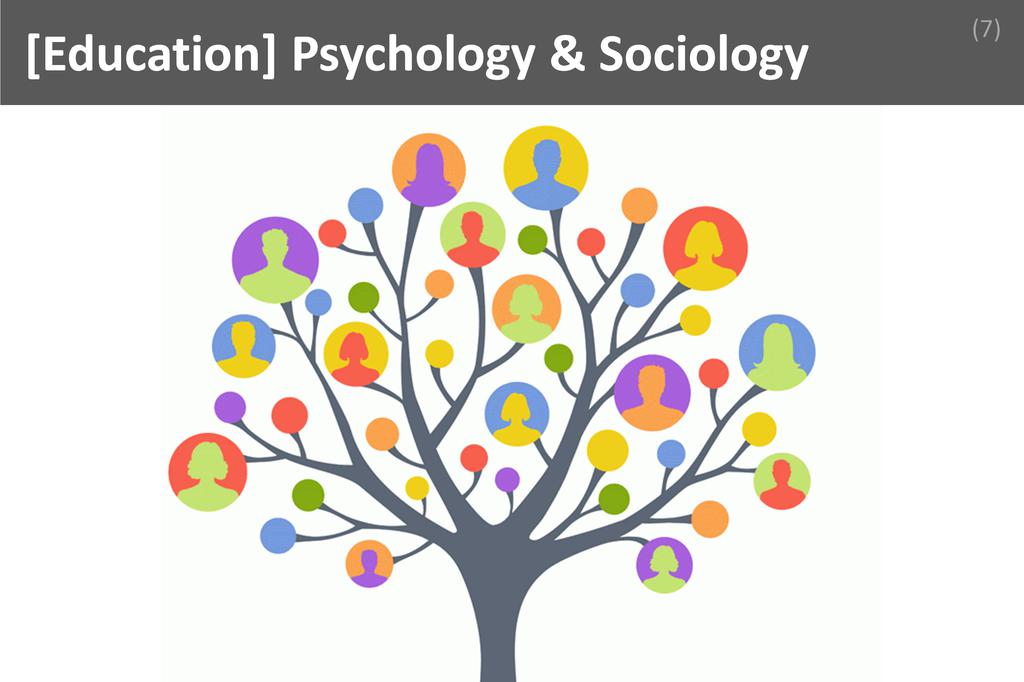
Psychology & Sociology

### Psychology & Sociology Image
What is
Psychology is the scientific study of the mind, behavior, and mental processes, while sociology examines the structure, development, and functioning of human society. Together, they provide a comprehensive understanding of individual and group behaviors, which is essential for psychiatry’s academic foundation and for delivering effective, empathetic mental health care.

Concept
A deep understanding of psychology and sociology is crucial for anyone entering or working in psychiatry. These disciplines offer insights into how biological, psychological, and social factors interact to influence mental health and illness. Mastery of these concepts allows professionals to recognize the complex interplay between an individual’s mental state and their broader social environment. This foundational knowledge not only aids in accurate diagnosis and treatment planning but also fosters cultural competence and empathy. Over the course of a career, this expertise supports effective communication with patients, collaboration with multidisciplinary teams, and the ability to adapt to evolving societal norms and challenges in mental health care.

Real World Example
Consider a psychiatrist working with a patient experiencing depression who is also facing social isolation and unemployment. By applying their understanding of psychology, the psychiatrist assesses the patient’s cognitive patterns and emotional responses. Drawing on sociological knowledge, the psychiatrist recognizes how societal stigma, economic hardship, and lack of social support contribute to the patient’s condition. This integrated perspective enables the psychiatrist to develop a holistic treatment plan that addresses both the individual’s psychological needs and the social factors impacting their mental health, such as connecting the patient with community resources or support groups. This approach leads to more comprehensive and effective care, ultimately improving patient outcomes.

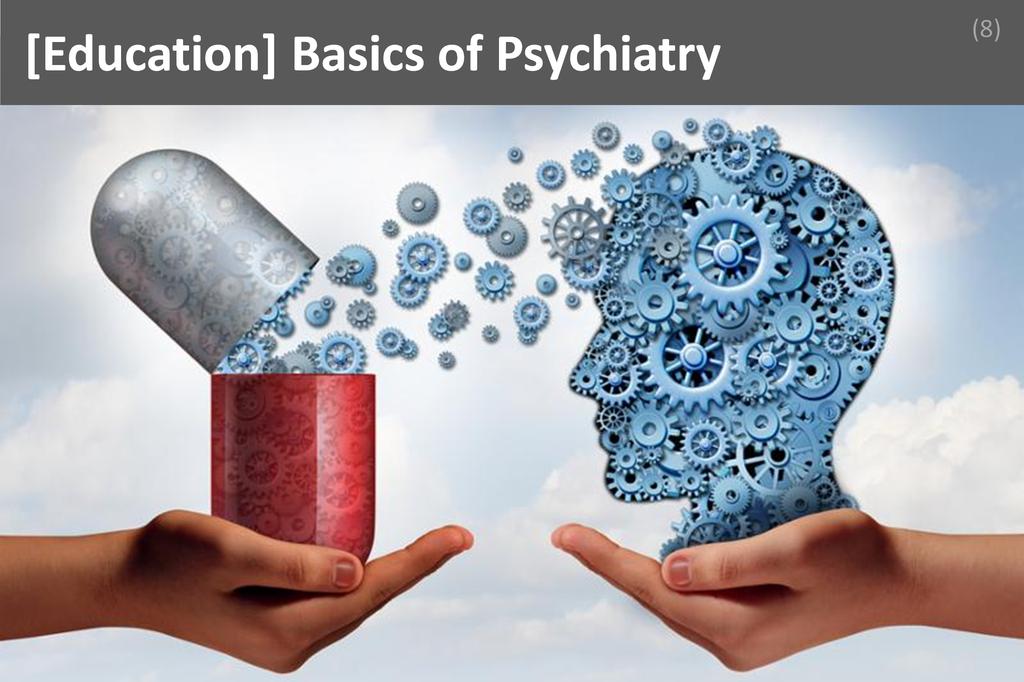
Basics of Psychiatry

### Basics of Psychiatry Image
What is
Basics of Psychiatry encompasses the fundamental principles, theories, and clinical approaches that underpin the understanding, diagnosis, and treatment of mental health disorders. It includes knowledge of psychiatric history, classification systems, symptomatology, and introductory psychopharmacology. Mastery of these basics is essential for academic success and professional competence in the field of Psychiatry.

Concept
A thorough grasp of the Basics of Psychiatry is crucial for anyone entering or advancing in the field. This foundational knowledge enables professionals to accurately identify and differentiate between various mental health conditions, ensuring appropriate assessment and intervention. Understanding core concepts such as diagnostic criteria, symptom clusters, and the biopsychosocial model allows practitioners to approach patient care holistically and ethically. Early mastery of these basics also facilitates lifelong learning, as it provides a framework for integrating new research findings and evolving treatment modalities. Ultimately, a strong foundation in the Basics of Psychiatry enhances clinical judgment, fosters effective communication with patients and colleagues, and supports ongoing professional growth throughout a psychiatrist’s career.

Real World Example
Consider a psychiatrist working in an outpatient clinic who encounters a patient presenting with persistent sadness, sleep disturbances, and loss of interest in daily activities. Drawing on their knowledge of the Basics of Psychiatry, the psychiatrist systematically assesses the patient’s symptoms, medical history, and psychosocial context. This foundational understanding guides the clinician in differentiating between depressive disorders and other possible diagnoses, such as adjustment disorder or bipolar disorder. The psychiatrist’s ability to apply diagnostic criteria, recognize symptom patterns, and consider relevant risk factors ensures an accurate diagnosis and informs the development of an effective, individualized treatment plan. This scenario illustrates how theoretical knowledge directly translates into competent, compassionate patient care in everyday practice.

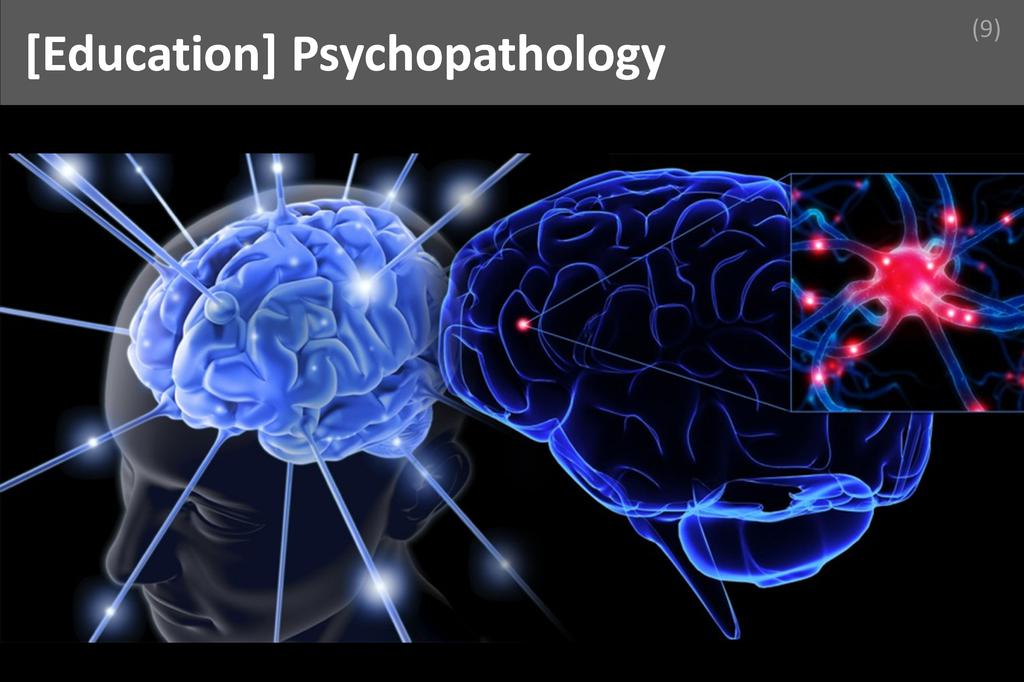
Psychopathology

### Psychopathology Image
What is
Psychopathology is the scientific study of mental disorders, encompassing their origin, development, symptoms, and classification. It examines abnormal thoughts, feelings, and behaviors, aiming to understand the underlying causes and mechanisms. In Psychiatry, psychopathology forms the cornerstone for diagnosing, treating, and researching mental health conditions, integrating theory with clinical practice.

Concept
A thorough grasp of psychopathology is essential for anyone entering or advancing in Psychiatry. This discipline provides the conceptual framework for recognizing, differentiating, and understanding mental disorders. Mastery of psychopathology enables professionals to accurately assess patient symptoms, formulate diagnoses, and devise effective treatment plans. It also fosters critical thinking, allowing psychiatrists to distinguish between normal variations in behavior and clinically significant pathology. Over the course of a career, this foundational knowledge supports ongoing learning, adaptation to new research, and the ability to contribute meaningfully to multidisciplinary teams. Ultimately, expertise in psychopathology enhances clinical judgment, improves patient outcomes, and underpins ethical, evidence-based psychiatric practice.

Real World Example
Consider a psychiatrist working in an outpatient clinic who encounters a patient presenting with persistent sadness, lack of energy, and social withdrawal. Drawing on their understanding of psychopathology, the psychiatrist systematically evaluates the patient’s symptoms, duration, and impact on daily functioning. This theoretical knowledge guides the clinician in differentiating between major depressive disorder and other possible conditions such as adjustment disorder or dysthymia. By applying psychopathological principles, the psychiatrist can accurately diagnose the patient, explain the nature of the illness, and recommend an appropriate treatment plan. This process not only ensures effective care but also builds trust and rapport with the patient, demonstrating the practical value of a solid foundation in psychopathology.

Skills


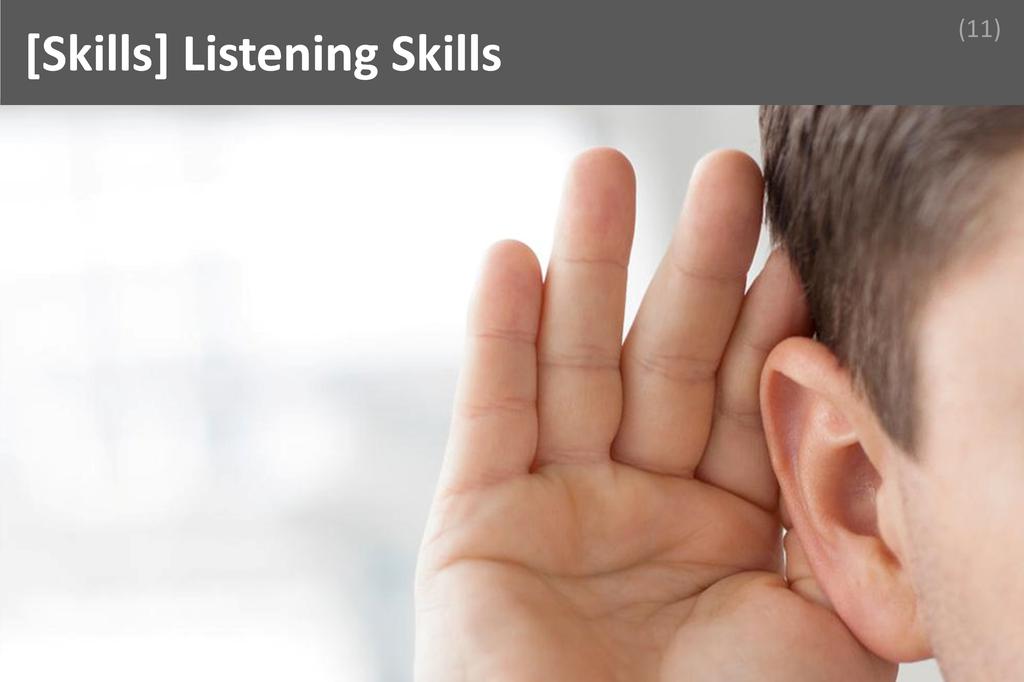
Listening Skills

### Listening Skills Image
What is
Listening skills refer to the ability to actively receive, process, and understand spoken and unspoken messages from others, demonstrating empathy, attention, and comprehension. In psychiatry, this skill is fundamental, enabling professionals to accurately assess patients’ needs, build trust, and foster therapeutic relationships essential for effective diagnosis and treatment.

Concept
Listening skills directly enhance a psychiatrist’s ability to gather comprehensive patient histories, identify subtle cues, and understand complex emotional states. Clients and employers highly value this skill because it leads to more accurate diagnoses, effective treatment plans, and improved patient satisfaction. Cultivating listening skills involves consistent self-reflection, seeking feedback, and practicing mindfulness during patient interactions. Over time, professionals can refine their listening by remaining present, minimizing distractions, and demonstrating genuine interest in patients’ narratives. This ongoing development not only improves clinical outcomes but also strengthens the therapeutic alliance, which is central to successful psychiatric care.

Real World Example
Consider a psychiatrist working with a patient who has difficulty articulating their feelings due to anxiety. By employing strong listening skills, the psychiatrist notices subtle changes in tone and body language that suggest underlying trauma. Instead of rushing to conclusions, the psychiatrist patiently encourages the patient to share at their own pace, validating their experiences. Through attentive listening, the psychiatrist uncovers critical information that leads to a more accurate diagnosis and a tailored treatment plan. This approach not only resolves the immediate issue but also builds trust, making the patient more likely to engage in ongoing therapy and achieve better long-term outcomes.

Communication Skills

### Communication Skills Image
What is
Communication skills encompass the ability to clearly convey information, actively listen, interpret verbal and nonverbal cues, and foster understanding between individuals. In psychiatry, these skills are fundamental, enabling professionals to build trust, accurately assess patient needs, and facilitate effective therapeutic relationships that are crucial for successful treatment outcomes.

Concept
Strong communication skills directly enhance a psychiatrist’s ability to gather comprehensive patient histories, interpret subtle emotional cues, and explain complex diagnoses or treatment plans in ways that patients and their families can understand. Clients and employers highly value these abilities because they lead to improved patient satisfaction, better adherence to treatment, and more accurate clinical assessments. Cultivating communication skills involves ongoing self-reflection, seeking feedback from colleagues and patients, and engaging in continuous professional development such as workshops or supervised practice. Over time, psychiatrists refine their ability to adapt their communication style to diverse individuals and situations, ensuring that every interaction is both empathetic and effective.

Real World Example
Consider a psychiatrist working with a teenager who is reluctant to discuss their feelings and experiences. By employing strong communication skills, the psychiatrist creates a safe, nonjudgmental environment, using open-ended questions and attentive listening to encourage the patient to share. Through careful observation of body language and tone, the psychiatrist identifies underlying anxiety that the patient struggles to articulate. By validating the patient’s emotions and explaining the therapeutic process in accessible language, the psychiatrist builds trust and rapport. This approach not only uncovers critical information for diagnosis but also empowers the patient to engage more fully in treatment, ultimately leading to a more positive therapeutic outcome.

Empathy & People Handling

### Empathy & People Handling Image
What is
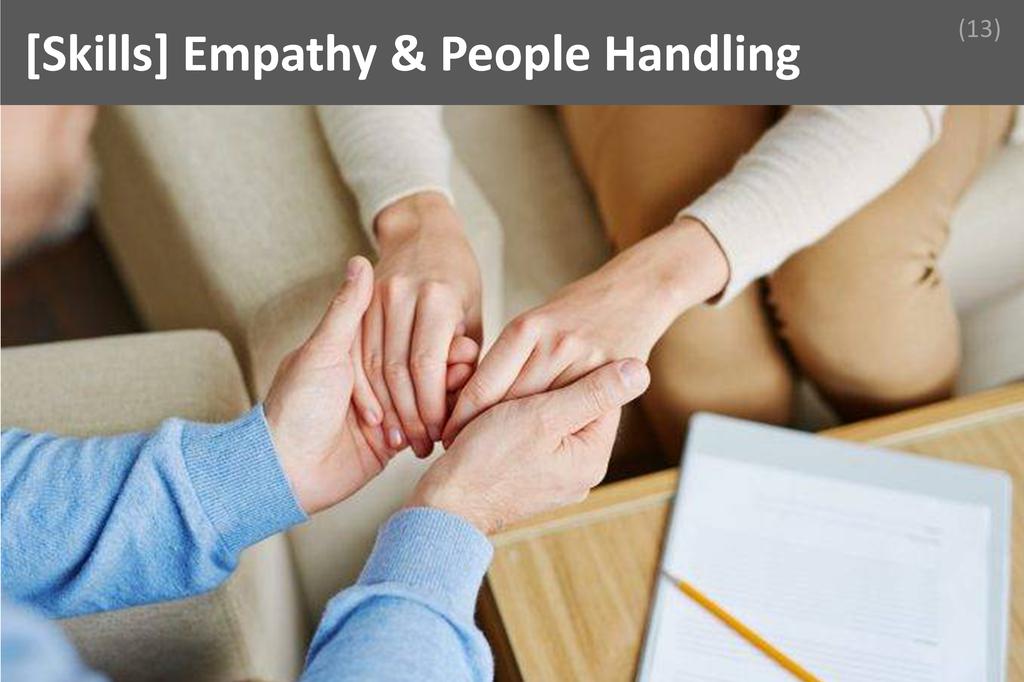
Empathy & People Handling refers to the ability to understand and share another person's feelings while effectively managing interpersonal interactions with sensitivity and respect. In psychiatry, this skill enables professionals to build trust, foster open communication, and create a safe environment where patients feel heard and supported throughout their treatment journey.

Concept
Empathy & People Handling directly enhances a psychiatrist’s effectiveness by facilitating deeper patient engagement and more accurate assessments. Clients and employers highly value this skill because it leads to better therapeutic alliances, increased patient satisfaction, and improved treatment outcomes. Cultivating empathy involves active listening, self-reflection, and ongoing education about diverse perspectives and emotional responses. Over time, consistent practice in real-world settings, supervision, and feedback from peers and mentors help refine this skill. By prioritizing genuine connection and understanding, psychiatrists can navigate complex emotional landscapes, address resistance, and support patients through vulnerable moments, ultimately contributing to a more compassionate and effective mental health care environment.

Real World Example
Consider a psychiatrist working with a patient experiencing severe anxiety and reluctance to discuss traumatic events. By employing empathy and adept people handling, the psychiatrist patiently acknowledges the patient’s fears, validates their emotions, and avoids pressuring them to share before they are ready. Through gentle encouragement and nonjudgmental listening, the psychiatrist gradually earns the patient’s trust, allowing for more open dialogue and collaborative goal-setting. This approach not only helps the patient feel respected and understood but also paves the way for meaningful therapeutic progress. In this scenario, empathy and people handling are crucial in breaking down barriers, reducing stigma, and fostering a healing alliance that supports long-term recovery.

Unbiasness

### Unbiasness Image
What is
Unbiasness is the consistent practice of setting aside personal prejudices, stereotypes, and preconceived notions to approach each individual and situation with impartiality and fairness. In psychiatry, unbiasness enables professionals to accurately assess, diagnose, and treat patients without letting subjective opinions or societal influences cloud their judgment.

Concept
Unbiasness directly enhances a psychiatrist’s ability to provide equitable and effective care. Clients and employers highly value this skill because it fosters trust, ensures ethical decision-making, and leads to more accurate diagnoses and treatment plans. When psychiatrists approach each case without bias, they create a safe environment where patients feel respected and understood, regardless of their background or circumstances. Cultivating unbiasness requires ongoing self-reflection, education, and exposure to diverse perspectives. Engaging in regular supervision, seeking feedback, and participating in cultural competence training are practical ways to strengthen this skill over time, ensuring that personal beliefs do not interfere with professional responsibilities.

Real World Example
Imagine a psychiatrist working with a patient from a cultural background unfamiliar to them, who presents symptoms that could be interpreted differently depending on cultural context. By practicing unbiasness, the psychiatrist resists the urge to make assumptions based on their own cultural framework. Instead, they actively listen, seek to understand the patient’s unique experiences, and consult relevant cultural resources or colleagues when necessary. This approach leads to a more accurate diagnosis and a treatment plan that respects the patient’s values and needs. In this scenario, unbiasness not only prevents misdiagnosis but also builds a therapeutic alliance, demonstrating the profound impact this skill has on successful psychiatric practice.

Positives


Constant Learning Process

### Constant Learning Process Image
What is
A "Constant Learning Process" is the ongoing pursuit of new knowledge, skills, and understanding throughout one’s career, driven by curiosity and necessity. In psychiatry, this means regularly updating clinical knowledge, adapting to new research, and refining therapeutic approaches, which ensures practitioners remain effective, empathetic, and innovative in their care.

Concept
The constant learning process is a cornerstone of psychiatry, making the field both intellectually stimulating and deeply rewarding. As mental health science evolves, psychiatrists are continually exposed to new theories, treatments, and technologies. This dynamic environment prevents stagnation and encourages professionals to grow, adapt, and improve their practice. The opportunity to learn from every patient interaction, case study, and research development fosters a sense of purpose and accomplishment. This ongoing growth not only enhances clinical skills but also nurtures empathy and resilience, leading to higher job satisfaction. Psychiatrists who embrace lifelong learning often find themselves more engaged, confident, and prepared to make a meaningful difference in the lives of their patients.

Real World Example
Imagine a psychiatrist who encounters a patient with a rare and complex mood disorder. Instead of relying solely on established protocols, the psychiatrist delves into recent medical journals, consults with colleagues, and attends a specialized seminar to better understand the condition. Through this process, the psychiatrist not only discovers innovative treatment options but also gains a deeper appreciation for the nuances of mental health care. This experience reinforces the value of staying curious and adaptable, as each new challenge becomes an opportunity for professional and personal growth. The satisfaction of helping a patient through knowledge gained from continuous learning exemplifies why this process is so fulfilling in psychiatry.

Respect & Recognition

### Respect & Recognition Image
What is
Respect and recognition refer to the appreciation, esteem, and acknowledgment that professionals receive from patients, colleagues, and society for their expertise, dedication, and positive impact. In psychiatry, this validation reinforces the value of their work, fostering a sense of pride and motivation that enhances both personal and professional fulfillment.

Concept
The respect and recognition psychiatrists receive are powerful motivators that elevate the profession beyond clinical duties. Being trusted with patients’ mental health journeys and acknowledged by peers for specialized knowledge creates a deep sense of purpose. This positive regard not only boosts job satisfaction but also encourages ongoing professional growth and resilience. Daily, psychiatrists witness gratitude from patients whose lives improve under their care, as well as admiration from colleagues who rely on their expertise in complex cases. This continuous affirmation strengthens their commitment, making the challenges of the field more manageable and the rewards more profound.

Real World Example
Imagine a psychiatrist who has worked closely with a patient struggling with severe depression. Over months of therapy and medication management, the patient gradually regains hope and stability. One day, the patient expresses heartfelt gratitude, crediting the psychiatrist’s unwavering support for their recovery. Later, at a hospital meeting, colleagues commend the psychiatrist’s skill in handling difficult cases and seek advice on similar challenges. These moments of respect and recognition, both from the patient and professional peers, provide a profound sense of accomplishment. They remind the psychiatrist that their expertise and compassion are not only valued but also transformative, reinforcing their dedication to the field and inspiring continued excellence.

Immense Satisfaction

### Immense Satisfaction Image
What is
Immense Satisfaction is the profound sense of fulfillment and contentment that arises from making a meaningful difference in the lives of others, witnessing positive change, and knowing one’s work has lasting impact. In psychiatry, this feeling is amplified by helping individuals overcome mental health challenges, restoring hope, and fostering personal growth.

Concept
The immense satisfaction derived from a career in psychiatry is a driving force behind sustained motivation and professional fulfillment. This positive aspect matters because it transforms daily work into a deeply rewarding experience, reinforcing a sense of purpose and commitment. Psychiatrists often witness firsthand the progress their patients make, from overcoming debilitating symptoms to reclaiming their lives and relationships. This ongoing impact not only boosts job satisfaction but also encourages continuous learning and personal growth. The emotional rewards of seeing patients thrive can counterbalance the challenges inherent in the field, making each day meaningful and reinforcing the psychiatrist’s dedication to their vocation.

Real World Example
Imagine a psychiatrist working with a young adult struggling with severe anxiety and depression. Over months of therapy and medication management, the patient gradually regains confidence, returns to school, and reconnects with friends and family. The psychiatrist observes this transformation during follow-up sessions, witnessing the patient’s renewed sense of hope and purpose. The gratitude expressed by the patient and their loved ones serves as a powerful reminder of the psychiatrist’s impact. This moment of realization, seeing tangible improvement and restored well-being, brings immense satisfaction, validating the psychiatrist’s efforts and reinforcing the profound value of their work in changing lives for the better.

Vast Career Opportunities

### Vast Career Opportunities Image
What is
Vast Career Opportunities refers to the wide range of professional paths, roles, and specializations available within the field of psychiatry. This includes clinical practice, research, teaching, administration, policy-making, and work in diverse settings such as hospitals, private clinics, academic institutions, and community organizations. Such diversity enriches the profession and enhances personal growth.

Concept
The abundance of career options in psychiatry is a significant advantage because it allows professionals to tailor their careers to their unique interests, strengths, and life circumstances. This flexibility leads to greater job satisfaction, as psychiatrists can shift between clinical work, research, education, or leadership roles throughout their careers. The ability to explore different specialties, such as child and adolescent psychiatry, addiction psychiatry, or forensic psychiatry, ensures that professionals remain intellectually stimulated and engaged. Daily, psychiatrists benefit from this variety by collaborating with multidisciplinary teams, pursuing innovative treatments, and continuously learning. This dynamic environment not only fosters personal and professional growth but also empowers psychiatrists to make a meaningful impact on mental health at multiple levels.

Real World Example
Consider Dr. Patel, a psychiatrist who began her career working in a busy urban hospital. After several years, she transitioned to a research role at a university, investigating new treatments for mood disorders. Later, she accepted a part-time teaching position, mentoring medical students and residents. Eventually, Dr. Patel became involved in policy advocacy, working with government agencies to improve mental health services in underserved communities. Throughout her journey, the vast career opportunities in psychiatry allowed her to follow her evolving passions, avoid burnout, and make a difference in various spheres. Her story illustrates how the field’s flexibility and diversity can lead to a deeply fulfilling and impactful professional life.

Challenges


Lack of Awareness

### Lack of Awareness Image
What is
Lack of Awareness in Psychiatry refers to the limited understanding or recognition of mental health issues among patients, families, and even within healthcare systems. This challenge is demanding because it leads to stigma, underdiagnosis, and inadequate support, making it harder for psychiatrists to deliver effective care and advocate for their patients.

Concept
The lack of awareness surrounding psychiatric conditions can significantly hinder a professional’s ability to provide timely and appropriate interventions. Daily work is affected as psychiatrists often encounter skepticism, resistance to treatment, and misconceptions about mental illness from both patients and their support networks. This environment requires resilience, as professionals must repeatedly educate, dispel myths, and foster trust. Successful psychiatrists manage this constraint by integrating psychoeducation into their practice, collaborating with multidisciplinary teams, and engaging in community outreach. They remain patient and persistent, using every interaction as an opportunity to increase understanding and acceptance of psychiatric care, ultimately improving outcomes for their patients and reducing the burden of stigma.

Real World Example
Consider a psychiatrist working in a community clinic where many patients and families believe mental illness is a sign of personal weakness. One patient, initially reluctant to accept a diagnosis of depression, expresses fear of being ostracized. The psychiatrist takes time to explain the biological and psychological aspects of depression, using relatable analogies and emphasizing that mental health conditions are treatable medical issues. Over several sessions, the psychiatrist involves the patient’s family in discussions, addresses their concerns, and provides educational resources. Gradually, the patient and family become more open to treatment, leading to improved adherence and recovery. This scenario highlights how persistent education and empathetic communication can overcome lack of awareness and transform attitudes toward psychiatric care.

Unethical Practices

### Unethical Practices Image
What is
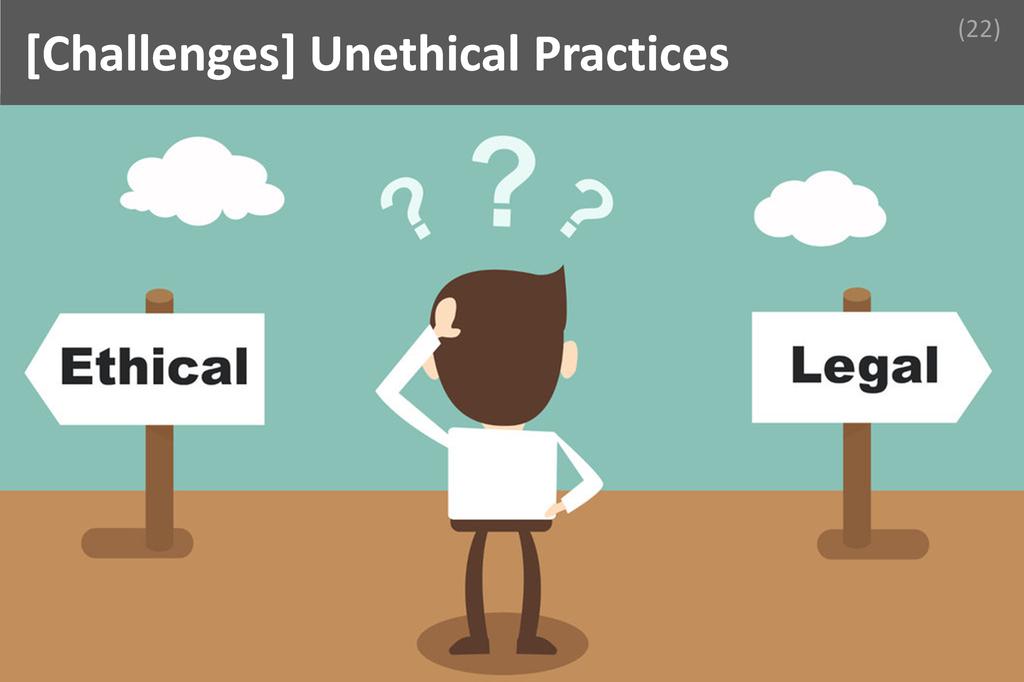
Unethical practices in psychiatry refer to actions or decisions that violate professional codes, such as breaching patient confidentiality, exploiting vulnerable individuals, or misusing psychiatric authority. These behaviors undermine trust, compromise patient care, and challenge practitioners’ integrity, making it a demanding issue that requires constant vigilance and ethical commitment.

Concept
Unethical practices can create a pervasive sense of mistrust within psychiatric settings, affecting both patient outcomes and team dynamics. Professionals may encounter pressure to conform to questionable behaviors or witness colleagues acting unethically, which can lead to moral distress and burnout. Navigating these challenges demands resilience, self-awareness, and a strong ethical foundation. Successful psychiatrists prioritize open communication, seek guidance from mentors or ethics committees, and remain committed to evidence-based, patient-centered care. By fostering a culture of transparency and accountability, they not only protect their own integrity but also contribute to a safer, more ethical environment for patients and colleagues alike.

Real World Example
Consider a psychiatrist who discovers that a colleague is prescribing unnecessary medications for financial gain. Rather than ignoring the situation or confronting the colleague directly in a potentially hostile manner, the psychiatrist documents the observations and consults the hospital’s ethics committee. Through this formal channel, the issue is investigated confidentially, protecting patient welfare and upholding professional standards. The psychiatrist also participates in staff training sessions to reinforce ethical guidelines and encourage open dialogue about ethical dilemmas. By taking these steps, the professional not only addresses the immediate concern but also helps cultivate a culture where unethical practices are less likely to be tolerated or repeated.

Lack of Resources

### Lack of Resources Image
What is
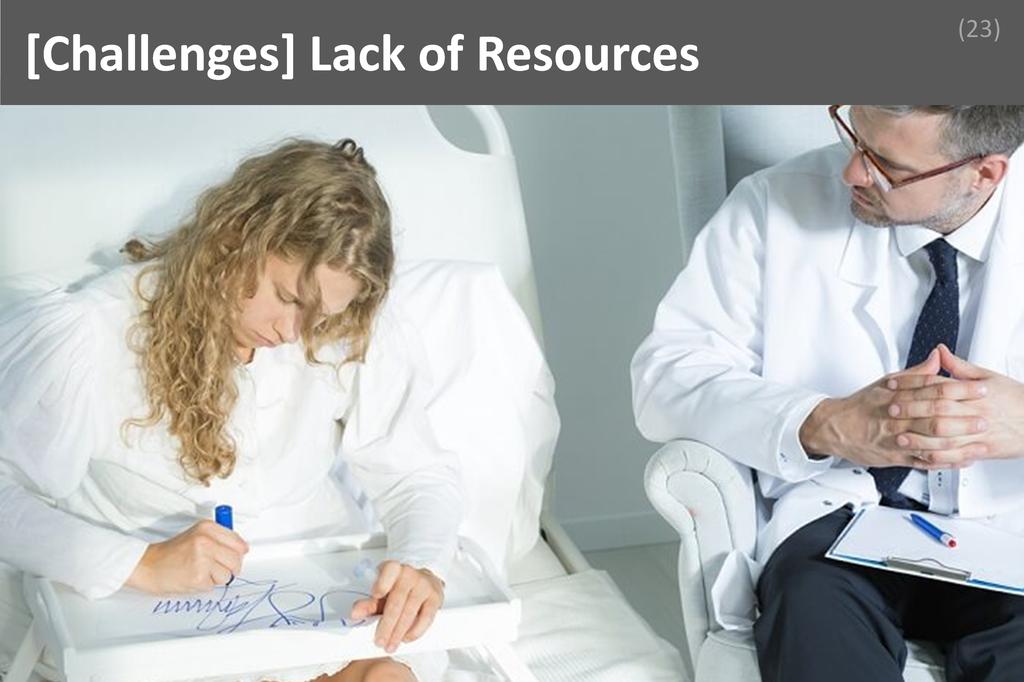
Lack of resources in Psychiatry refers to insufficient staffing, limited access to therapeutic tools, inadequate funding, and restricted time for patient care. This scarcity makes it challenging to deliver comprehensive mental health services, increasing stress for professionals and potentially compromising patient outcomes, thus demanding adaptability and creative problem-solving.

Concept
The shortage of resources in psychiatric settings often leads to overwhelming caseloads, longer wait times for patients, and fewer opportunities for multidisciplinary collaboration. Professionals must frequently make difficult decisions about prioritizing care, which can be emotionally taxing and professionally frustrating. This environment requires resilience, as practitioners must balance their commitment to patient well-being with the realities of what is feasible. Successful psychiatrists and mental health workers often develop strong advocacy skills, seeking out community partnerships, leveraging telepsychiatry, and maximizing the impact of available interventions. They focus on building supportive networks, both within their teams and with external organizations, to extend their reach and ensure patients receive the best possible care despite limitations.

Real World Example
Consider a psychiatrist working in a rural clinic with limited staff and minimal access to specialized services. Faced with a growing number of patients and few resources, this professional initiates a collaboration with local primary care providers, offering training in basic mental health assessment and intervention. By empowering non-specialist colleagues and utilizing telepsychiatry for complex cases, the psychiatrist expands the clinic’s capacity to serve the community. Through creative scheduling and prioritizing high-risk patients, they ensure that urgent needs are addressed promptly. This approach not only alleviates some of the pressure caused by resource constraints but also fosters a sense of shared responsibility and teamwork, ultimately improving patient outcomes in a challenging environment.

A Day Of


Psychiatry

What is
In the world of psychiatry, no two days are ever quite the same. The pace is a careful balance between urgency and patience, as practitioners navigate the unpredictable rhythms of human emotion and mental health. The environment is both clinical and deeply personal, where quiet offices become sanctuaries for vulnerable conversations and bustling corridors echo with the footsteps of professionals moving between consults. Each day unfolds as a tapestry of listening, diagnosing, collaborating, and planning, all driven by the shared goal of helping patients find clarity and stability amid the complexities of the mind.

Concept
As the sun rises, a psychiatry professional often begins the day in the calm of their office, reviewing patient charts and preparing for the sessions ahead. This early morning period is dedicated to reading through notes from previous appointments, updating treatment plans, and checking for any urgent messages or overnight developments. The quiet allows for focused reflection on each patient’s progress and needs, setting a thoughtful tone for the day. This is also the time to coordinate with administrative staff, confirm the day’s schedule, and mentally prepare for the emotional demands that lie ahead.

Real World Example
By mid-morning, the heart of the workday is underway as the psychiatrist meets with patients in a series of back-to-back appointments. These sessions may range from initial evaluations to ongoing therapy or medication management, each requiring intense concentration and empathy. The practitioner listens intently, asks probing questions, and observes subtle cues to assess mental health status and adjust treatment as needed. The pace is brisk but deliberate, as each encounter demands both clinical expertise and genuine human connection. This is the most interactive and emotionally charged part of the day, where critical decisions are made and trust is built.

The afternoon often shifts toward collaboration, as psychiatrists join multidisciplinary team meetings or case conferences. Here, they discuss complex cases with psychologists, social workers, nurses, and other healthcare professionals, pooling insights to develop comprehensive care plans. This phase may also involve consulting with primary care providers or specialists to coordinate treatment for patients with overlapping medical and psychiatric needs. The focus is on execution—ensuring that recommendations are clear, follow-up actions are assigned, and every member of the care team is aligned in their approach.

As the day winds down, attention turns to documentation and planning. The psychiatrist carefully records notes from each session, updates electronic health records, and responds to messages from patients or colleagues. There may be time set aside for reviewing the latest research, attending a continuing education webinar, or preparing for upcoming presentations. This is also when the practitioner reflects on the day’s challenges and successes, adjusts tomorrow’s schedule, and ensures that all loose ends are tied up before leaving the office. The evening brings a sense of closure, but also anticipation for the ongoing journey of supporting mental health, one patient at a time.


Install the LifePage App to:


  1. (for Free) Watch Consultant Psychiatrist Dr Manish Tomar’s full Psychiatry Career Talk

  2. ₹ Do a Self Assessment on Psychiatry to calculate your Dream Index, which is defined as:

    According to Dr Manish Tomar your chances of success in Psychiatry is __%

  3. Access your personalized Dream Index Report which will have all your Dream Indices sorted in descending order.

Career Counselling 2.0


<?php echo $altimage; ?>


<?php echo $altimage; ?>


How to get into

Psychiatry?


If you are want to get into Psychiatry, start by investing in a Career Plan.

The 14 hour process, guided by a LifePage Career Advisor, will help you introspect and check whether your interest in Psychiatry is merely an infatuation or is it truly something you wish to do for the rest of your life.

Next, your Career Advisor will help you document how you can get into Psychiatry, what education and skills you need to succeed in Psychiatry, and what positives and challenges you will face in Psychiatry.

Finally, you will get a Career Plan stating which Courses, Certifications, Trainings and other Items you need to do in the next 7 years to become world’s best in Psychiatry.


LifePage Career Plan

14 hour personalized guidance program


Your LifePage Career Advisor facilitates your guided introspection so that you systematically explore various Career options to arrive at a well thought out Career choice.

Next: your Advisor helps you figure out how you will get into your chosen Career and how will you develop the skills needed for success in your Chosen Career.

LifePage Plan will not stop at saying "to become an Architect study Architecture". It will guide you on which Certifications, Trainings and Other items you need to do along with your Architecture education to become the world's best Architect.


Links for this Talk


Consultant Psychiatrist Dr Manish Tomar's LifePage:


Career Counselling 2.0
[LifePage]
https://www.lifepage.in/page/manishtomar


LifePage Career Talk on Psychiatry


Career Counselling 2.0
[Career]
https://www.lifepage.in/careers/psychiatry-1


Career Counselling 2.0
[Full Talk]
https://lifepage.app.link/20180511-0003


Career Counselling 2.0
[Trailer]
https://www.youtube.com/watch?v=fOxCYtW-la0


(Psychiatry, Dr Manish Tomar, Mandala Clinic, Consultant Psychiatrist, Psychological Medicine, Doctor, Medical Specialties, Medicine, MBBS, Psychology, Physician, Doctor of Medicine, Clinical Practice)


Similar Talks


Career in Physiotherapy
Physiotherapy
Ashish Dev Gera
Physiotherapist | Max Hospital
[ 6 years Experience ]

Physiotherapy is a dynamic profession with well established theoretical and scientific base. It is also well diverse and well spread clinical application to restore, maintain and promote optimal physical function.

"After completing my schooling from Cambrian Hall, Dehradun, I did Bachelors in Physiotherapy from Dolphin (PG) Institute of Biomedical & Natural Sciences, Dehradun, Masters in Physiotherapy from Manipal University and diploma in Sports Rehabilitation from London Academy of Health Sciences. I have worked in many places like ICU therapist at Max Healthcare, Delhi, Sports Physio for Salgaocar Football Club, Goa and Vana."


Career Counselling 2.0 Career Counselling 2.0 Career Counselling 2.0 Career Counselling 2.0 Career Counselling 2.0


Career in Hospital Administration
Hospital Administration
Dr Smriti Ketkar
Homeopathic Physician | Uttaranchal Ayurvedic Hospital
[ 3 years Experience ]

Hospital Administration is Managing of Hospital in all aspects like Medico Legal Issues and handling day to day requirements.

"I have joined Uttaranchal Ayurvedic Hospital in 2014 as a Hospital Administrator and as a Hospital Administrator I deal with Accounts, Leaves, Expenses, Requirements, Schemes etc."


Career Counselling 2.0 Career Counselling 2.0 Career Counselling 2.0 Career Counselling 2.0 Career Counselling 2.0


Career in Psychiatry
Psychiatry
Kislaya R Mishra
Senior Resident | Shri Mahant Indiresh Hospital
[ 2 years & 4 months Experience ]

Psychiatry is the medical specialty devoted to the diagnosis, prevention, study, and treatment of mental disorders. These include various abnormalities related to mood, behaviour, cognition, and perceptions.

"I did my Schooling from Riverdale,Welham and Brightlands. After that I did my MBBS from Kasturba Medical College, Manipal. I also worked for a couple of years in Lucknow and Delhi. I did my MD in psychiatry from Stanley Medical College, Chennai. I have been working as a Senior Resident with Shri Mahant Indiresh Hospital since 2016."


Career Counselling 2.0 Career Counselling 2.0 Career Counselling 2.0 Career Counselling 2.0 Career Counselling 2.0


Career in Speech Therapy
Speech Therapy
Saloni Anand
Clinical Psychologist | Doon Psychotherapeutic Centre
[ 6 years Experience ]

SpeechTherapist is a health professional trained to evaluate and treat voice, speech, language, or swallowing disorders. It is a treatment to improve the speech of children who have difficulty in learning to speak, for example because of partial deafness or brain damage, or to help restore the power of speech to adults who have lost it or partly lost it through accident or illness.

"After completing my graduation and post graduation in psychology, I did diploma course in guiding and counselling from Jamia Milia Islamia. I have been working as a Clinical Psychologist in Doon Psychotherapeutic Centre since 2011."


Career Counselling 2.0 Career Counselling 2.0 Career Counselling 2.0 Career Counselling 2.0 Career Counselling 2.0


Career in Occupational Therapy
Occupational Therapy
Shruti More
Occupational Therapist | Handimachal Therapy Centre
[ 5 years Experience ]

The use of particular activities as an aid to recuperation from physical or mental illness.

"I did my schooling from Mary Immaculate Girls High School, Mumbai. Then did my Junior College from Thakur College. I then did my OT from Seth GS Medical College. I have been working as an Occupational Therapist in Handimachal since 2012."


Career Counselling 2.0 Career Counselling 2.0 Career Counselling 2.0 Career Counselling 2.0 Career Counselling 2.0


Career in General Nursing
General Nursing
Monika
General Nurse | University Hospital Basel
[ 24 years Experience ]

Nursing is a profession within the healthcare sector focused on the care of individuals, families, and communities so they may attain, maintain, or recover optimal health and quality of life.

"I did a Diploma in Nursing from AKP, Basel. I started practicing as a Nurse in 1994. I also did a course in Training Nurses from SUEP, Basel. I work at University Hospital, Basel as a General Nurse."


Career Counselling 2.0 Career Counselling 2.0 Career Counselling 2.0 Career Counselling 2.0 Career Counselling 2.0


Career in Acupuncture
Acupuncture
Jitendra Uniyal
Doctor | Vana and Rawal Nursing Home
[ 25 years & 3 months Experience ]

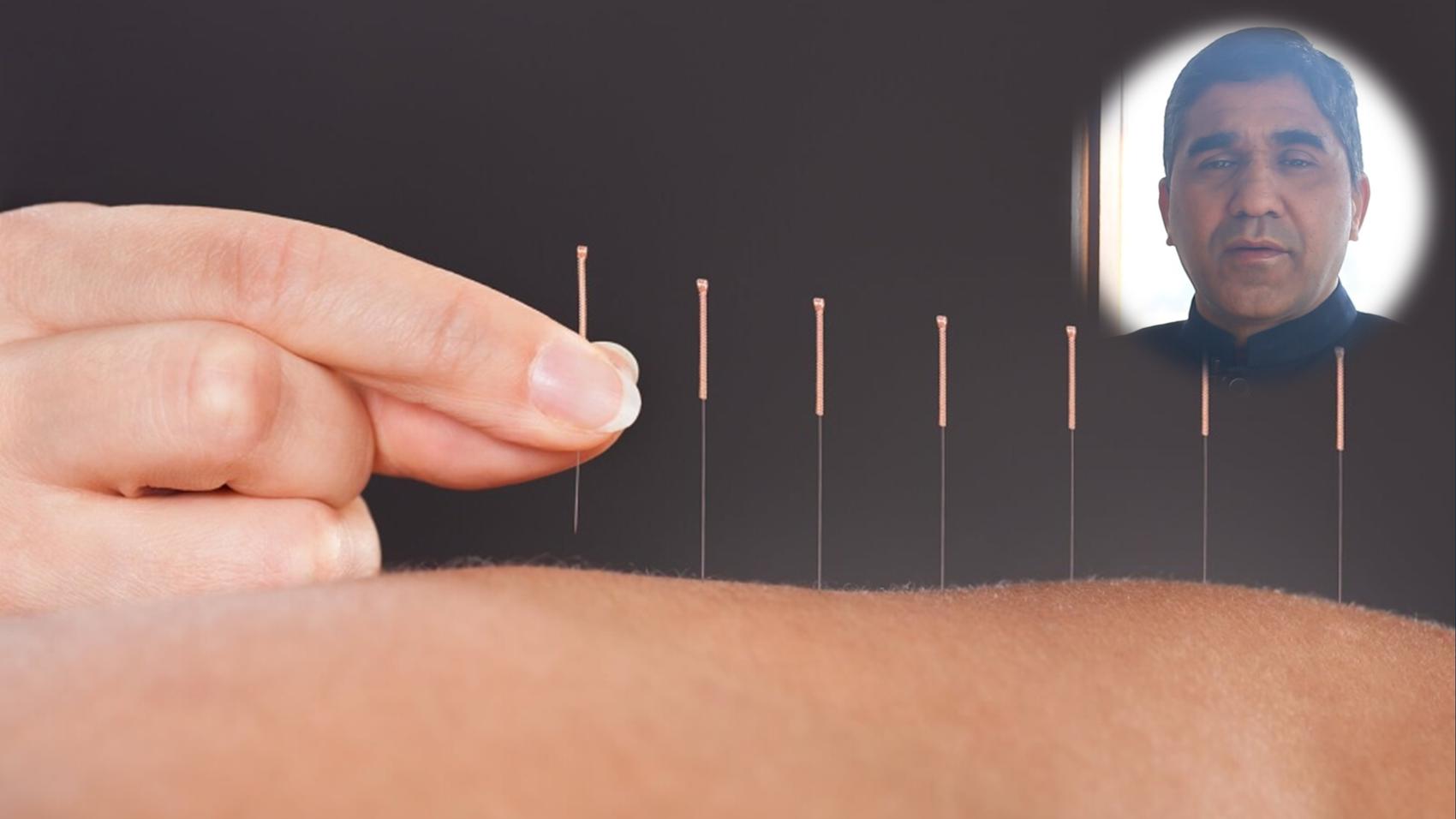
Acupuncture is a form of alternative medicine in which thin needles are inserted into the body. It is a key component of traditional Chinese medicine

"After completing my Schooling from Scholars Home, he did his Graduation from Garhwal University. He did his MBBS from Colombo. He then did his Masters from China. He also did a PhD from Colombo. He did his Doctorate in Acupuncture from China. He is a Doctor at Vana and Rawal Nursing Home."


Career Counselling 2.0 Career Counselling 2.0 Career Counselling 2.0 Career Counselling 2.0 Career Counselling 2.0


Career in Medical Pathology
Medical Pathology
Vibha Mittal
Head | Department Of Health
[ 32 years & 7 months Experience ]

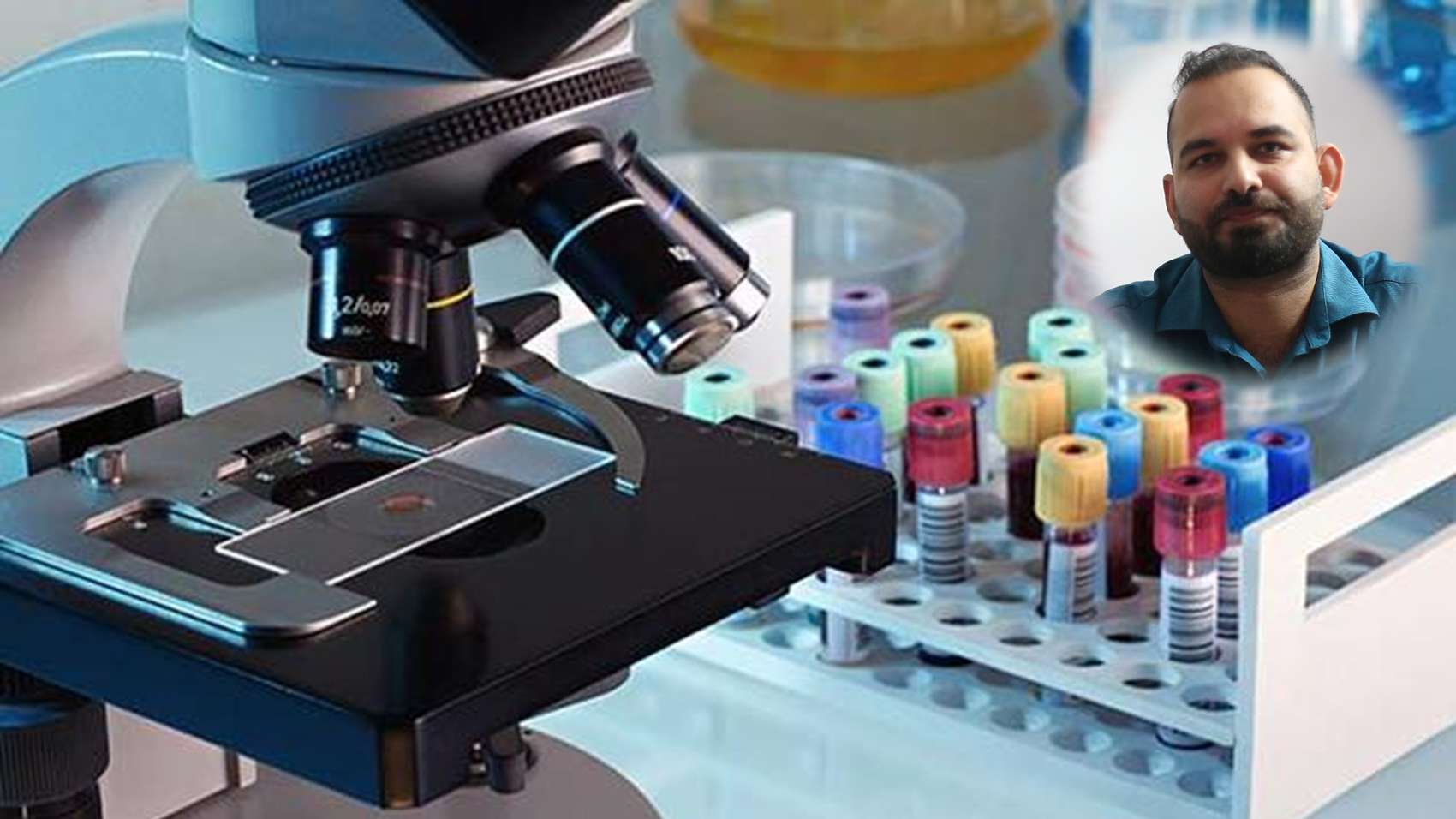
Medical Pathology is a medical specialty that is concerned with the diagnosis of disease based on the laboratory analysis of bodily fluids such as blood and urine, as well as tissues, using the tools of chemistry, clinical microbiology, hematology and molecularpathology.

"I did my Graduation in Psychology from DAV,Dehradun. Following which I got married and shifted to America. I always wanted to become a Medical Practitioner and so I did a Bachelors Degree in Medical Technology from there in 1984. I have been working as a Medical Pathologist since 1985 at the Department Of Health, Florida."


Career Counselling 2.0 Career Counselling 2.0 Career Counselling 2.0 Career Counselling 2.0 Career Counselling 2.0


Career in Diet Therapy
Diet Therapy
Jaya Rastogi
Dietitian | VelMed Hospital
[ 4 years Experience ]

Diet therapy is a broad term for the practical application of nutrition as a preventative or corrective treatment of disease. This usually involves the modification of an existing dietary lifestyle to promote optimum health.

"After completing my education in Food & Nutrition, I started working in a food Industry as a Quality Assurance. In 2018, I joined VelMed Hospital as a dietitian and since then I am working there."


Career Counselling 2.0 Career Counselling 2.0 Career Counselling 2.0 Career Counselling 2.0 Career Counselling 2.0


Career in Pathology & Preventive Medicine
Pathology & Preventive Medicine
Vikas Tiwari
HoD | Doon Institute of Medical Science
[ 11 years & 5 months Experience ]

Pathology is the study of disease in general, incorporating a wide range of bioscience research fields and medical practices.

"After completing my education from Dolphin Institute, Dehradun, I started working as a Pathologist in Fortis Escort Heart Institute, Delhi and continued working with various organizations such as Cryo Bank International, Medanta Medicity, IMA Blood Bank, Uttaranchal PG College and Sahara India. In 2018, I have joined Doon Institute of Medical Sciences as a HoD of Paramedical Department."


Career Counselling 2.0 Career Counselling 2.0 Career Counselling 2.0 Career Counselling 2.0 Career Counselling 2.0


Career in Conscious Parenting Coaching
Conscious Parenting Coaching
Dr Monika Singh
Founder and Parenting Coach | Birth the New Earth
[ 4 years Experience ]

Parent Coaching is a professional relationship focused on helping parents to become the parent they want to be. So that they feel less stressed, more confident or relate to your kids more respectfully. Conscious Parenting is not a set of rules for parents to follow but a set of beliefs about what children need to develop and thrive.

"After doing my schooling from Dehradun, I did MBBS from MMSI, Moscow. Thereafter, I did my internship and residency at Safdarjung Hospital and then at Deen Dayal Hospital, Delhi. After that, I worked at AIIMS, Delhi at a resident doctor in the Gynecology Department. I also did training with Quantum Leap by Harv Eker. The evolutionary shift in pregnancy paradigm from a traditional birthing process to a genext birthing process assisting the evolution of human consciousness from 3rd dimension to 5th dimension inspired me to start a new venture by the name Birth the New Earth in 2015. I am also the Co-founder and Director at Ayushman Hospital and Trauma Care Centre, Chhutmalpur."


Career Counselling 2.0 Career Counselling 2.0 Career Counselling 2.0 Career Counselling 2.0 Career Counselling 2.0


Career in Physiotherapy
Physiotherapy
Barkha Khurana
Director (FPD) | Jayoti Vidyapeeth Women's University, Jaipur
[ 5 years Experience ]

Physical therapy (PT), also known as physiotherapy, is one of the allied health professions that, by using evidence-based kinesiology, electrotherapy, shockwave modality, exercise prescription, joint mobilization and health education, treats conditions such as chronic or acute pain, soft tissue injuries, cartilage damage, arthritis, gait disorders and physical impairments.

"I am post graduate in physiotherapy and my specialization is neurology. I have 14 year of experience in academics and physiotherapy. I have been working as a Director at Jayoti Vidyapeeth Women's University, Jaipur since 2018."


Career Counselling 2.0 Career Counselling 2.0 Career Counselling 2.0 Career Counselling 2.0 Career Counselling 2.0


Career in Psychiatry
Psychiatry
Dr Luana Amaro Muniz
Psychiatrist | Brazilian Government
[ 11 years & 11 months Experience ]

Psychiatry is the branch of medicine focused on the diagnosis, treatment and prevention of mental, emotional and behavioral disorders. A psychiatrist is a medical doctor (an M.D. or D.O.) who specializes in mental health, including substance use disorders. Psychiatrists are qualified to assess both the mental and physical aspects of psychological problems.

"After completing my medical graduation, I did psychiatry for 3 years. And started working as a psychiatrist in 2008, Currently, I do have my own private practice as well I work for Brazilian Government."


Career Counselling 2.0 Career Counselling 2.0 Career Counselling 2.0 Career Counselling 2.0 Career Counselling 2.0


Career in Pediatric Occupational Therapy
Pediatric Occupational Therapy
Francisca Velasco
Pediatric Occupational Therapist | Dunalastair School
[ 7 years Experience ]

Pediatric occupational therapy focuses on helping children develop the skills they need to grow into functional, independent adults. Physical impairment, injuries and a host of other issues can hamper a child's ability to perform common tasks or progress normally through the stages of social or cognitive development.

"After completing my schooling, I did 5 years graduation in occupational therapy. I chose pediatric occupational therapy as my specialization. After Completing my education, I started working as a Therapist since 2003."


Career Counselling 2.0 Career Counselling 2.0 Career Counselling 2.0 Career Counselling 2.0 Career Counselling 2.0


[Install the LifePage App to access all Talks]


<?php echo $altimage; ?>


<?php echo $altimage; ?>


&mbsp;


Career Counselling 2.0 | Home   Home  
Career Counselling 2.0 | Abroad   Abroad  
Career Counselling 2.0 | Plan   Plan  
Career Counselling 2.0 | Talks   Talks  
Career Counselling 2.0 | Philosophy   Philosophy  
Career Counselling 2.0 | Seminar   Seminar  
Career Counselling 2.0 | Workshop   Workshop  
Career Counselling 2.0 | Pages   Pages  
Career Counselling 2.0 | Advisors   Advisors  
Career Counselling 2.0 | Discuss   Discuss  
Career Counselling 2.0 | Meet   Meet  
Career Counselling 2.0 | Advisor   Advisor  
Career Counselling 2.0 | Story   Story  
Career Counselling 2.0 | Fine Print   Fine Print  
Career Counselling 2.0 | Links   Links  
Career Counselling 2.0 | Blog   Blog  
Career Counselling 2.0 | Testimonials   Testimonials  
Career Counselling 2.0 | Follow   Follow  
 
[ Site Visits ]


Career Counselling 2.0