The Journey of Hospital Administration
What Is Hospital Administration
Hospital Administration

Hospital administration is the management and coordination of all aspects of a hospital’s operations, including staffing, budgeting, patient care services, compliance, and facility management. Administrators ensure efficient delivery of healthcare, maintain regulatory standards, and support both clinical and non-clinical staff to achieve organizational goals.
Hospital administration plays a critical role in the healthcare system by ensuring that hospitals run smoothly and efficiently. Professionals in this field are responsible for creating a safe and effective environment for both patients and staff. Their work directly impacts patient outcomes, staff satisfaction, and the financial health of the institution. One major benefit is the ability to influence healthcare quality and safety through policy development and process improvement. Another benefit is the opportunity to lead multidisciplinary teams, fostering collaboration and innovation. Additionally, hospital administrators often enjoy diverse career advancement opportunities due to their broad skill set and the essential nature of their work.
A hospital administrator might oversee the implementation of a new electronic health record system. This involves coordinating with IT specialists, medical staff, and department heads to ensure the system meets clinical needs and regulatory requirements. The administrator manages the project timeline, allocates resources, and addresses concerns from staff about workflow changes. By facilitating training sessions and monitoring the transition, the administrator ensures minimal disruption to patient care. Their leadership helps the hospital improve data accuracy, streamline communication, and enhance patient safety, demonstrating the vital role hospital administration plays in adapting to technological advancements and improving healthcare delivery.
Education
Medico Legal Issue
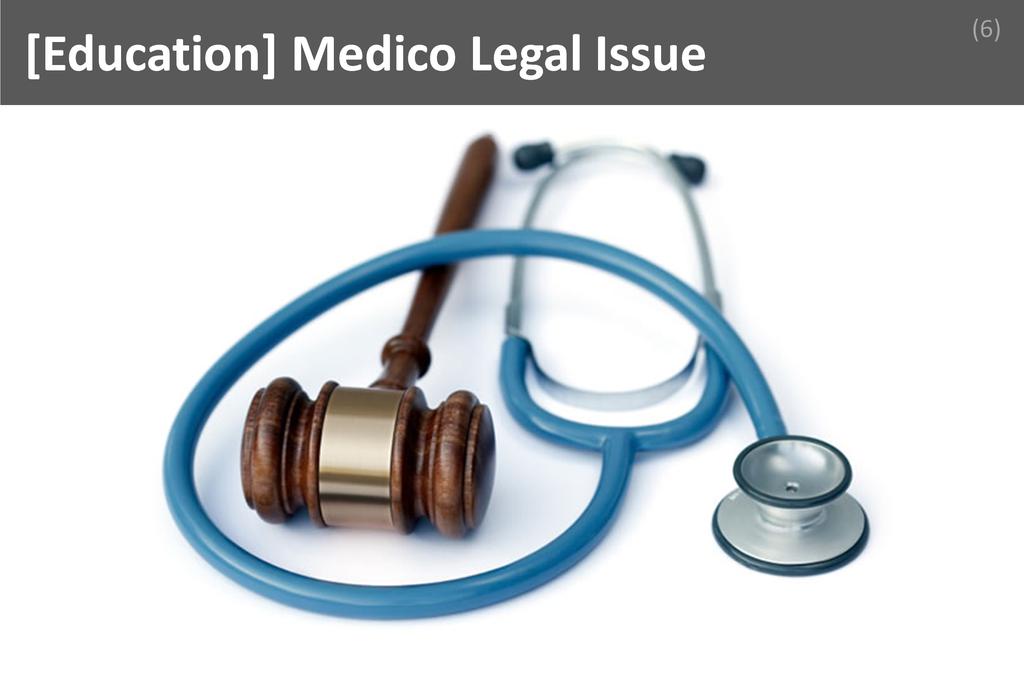
A "Medico Legal Issue" refers to situations where medical knowledge intersects with legal obligations, often involving patient care, documentation, consent, negligence, or disputes. In Hospital Administration, understanding these issues is essential, as administrators must navigate complex regulations, ensure compliance, and protect both patients’ rights and institutional interests.
Grasping medico legal issues is crucial for anyone in hospital administration because it underpins the safe, ethical, and lawful operation of healthcare facilities. Administrators are responsible for developing and enforcing policies that comply with legal standards, managing risk, and responding to incidents that may have legal implications. This knowledge helps prevent costly litigation, protects the hospital’s reputation, and ensures patient trust. Over the long term, expertise in medico legal matters enables professionals to lead confidently, adapt to evolving regulations, and foster a culture of accountability and transparency within their organizations. Mastery of this subject is not only a safeguard against legal pitfalls but also a cornerstone for effective leadership and sustainable healthcare management.
Consider a scenario where a patient alleges improper disclosure of their medical information. A hospital administrator with a solid understanding of medico legal issues would immediately initiate an internal review, ensuring all actions align with privacy laws such as HIPAA. They would coordinate with legal counsel, review documentation protocols, and interview relevant staff to determine if a breach occurred. By applying their knowledge, the administrator can guide the hospital’s response, mitigate potential legal consequences, and implement corrective measures to prevent future incidents. This proactive and informed approach not only resolves the immediate issue but also reinforces the institution’s commitment to legal compliance and patient confidentiality in daily operations.
Contemporary Awareness

Contemporary Awareness refers to the understanding of current events, trends, and issues shaping society, technology, and healthcare. In Hospital Administration, it encompasses knowledge of evolving healthcare policies, patient expectations, technological advancements, and societal shifts. This awareness is essential for informed decision-making and effective leadership in today’s dynamic healthcare environment.
Developing Contemporary Awareness is vital for hospital administrators because it enables them to anticipate and adapt to changes that impact healthcare delivery. By staying informed about new regulations, emerging technologies, and shifting patient demographics, administrators can make strategic decisions that enhance operational efficiency and patient care. This subject forms the foundation for proactive leadership, fostering a culture of continuous improvement and innovation within healthcare organizations. Over the long term, professionals who cultivate Contemporary Awareness are better equipped to navigate challenges, seize opportunities, and maintain compliance with industry standards. Their ability to respond to external pressures and internal demands ensures the hospital remains competitive, resilient, and aligned with best practices in a rapidly changing landscape.
Consider a hospital administrator who is aware of the growing emphasis on telemedicine and digital health solutions. By understanding this trend, the administrator proactively implements telehealth services, updates staff training, and ensures compliance with new privacy regulations. This theoretical knowledge allows the administrator to anticipate patient needs, allocate resources effectively, and collaborate with IT departments to integrate secure digital platforms. As a result, the hospital can offer convenient care options, improve patient satisfaction, and maintain operational continuity during events such as public health emergencies. The administrator’s application of Contemporary Awareness not only enhances service delivery but also positions the hospital as a forward-thinking institution in the community.
Health Care Management
Health Care Management is the strategic planning, organization, direction, and oversight of health care systems, institutions, and resources to ensure effective delivery of medical services. It encompasses leadership, policy, finance, and operations, forming a critical academic and professional foundation for anyone pursuing a career in Hospital Administration.
Understanding Health Care Management is essential for hospital administrators because it equips them with the skills to navigate the complexities of modern health care environments. Mastery of this subject enables professionals to make informed decisions regarding resource allocation, regulatory compliance, and quality improvement. It also fosters leadership abilities necessary for managing multidisciplinary teams and adapting to evolving health care policies. Over time, a strong grasp of health care management principles enhances career advancement opportunities, as administrators who can efficiently balance patient care with operational efficiency are highly valued. This foundational knowledge ensures that hospital administrators are prepared to address both immediate challenges and long-term strategic goals within their organizations.
Consider a hospital administrator faced with the challenge of reducing patient wait times in the emergency department. Drawing on their knowledge of Health Care Management, the administrator analyzes workflow processes, identifies bottlenecks, and collaborates with clinical staff to implement evidence-based changes. They might reorganize staff schedules, introduce new triage protocols, and invest in technology to streamline patient intake. Throughout this process, the administrator balances financial constraints, regulatory requirements, and quality care standards. By applying their theoretical understanding to real-world operations, they not only improve patient satisfaction but also enhance the hospital’s reputation and operational efficiency, demonstrating the practical value of health care management expertise in daily administrative functions.
Marketing

Marketing is the strategic process of identifying, anticipating, and satisfying customer needs through the creation, communication, and delivery of value. In hospital administration, marketing encompasses promoting healthcare services, building patient trust, and enhancing the institution’s reputation, making it a crucial component of both academic study and professional practice.
Understanding marketing is essential for hospital administrators because it enables them to effectively communicate the value of their services to patients, stakeholders, and the broader community. Mastery of marketing principles helps administrators analyze market trends, identify patient needs, and develop strategies to attract and retain patients in a competitive healthcare environment. This knowledge forms a foundational pillar for professionals, as it supports informed decision-making, resource allocation, and service development. Over the long term, proficiency in marketing not only enhances the hospital’s public image and patient satisfaction but also contributes to financial sustainability and organizational growth, positioning administrators as forward-thinking leaders in the healthcare sector.
Consider a hospital administrator tasked with increasing patient enrollment in a new outpatient wellness program. Drawing on their marketing expertise, the administrator conducts market research to understand the target demographic’s preferences and health concerns. They then collaborate with the communications team to craft compelling messages and select appropriate channels, such as social media and community events, to reach potential participants. By monitoring feedback and adjusting strategies based on patient responses, the administrator ensures the program’s visibility and appeal. This practical application of marketing theory not only drives program participation but also strengthens the hospital’s reputation for innovation and patient-centered care, demonstrating the tangible impact of marketing knowledge in daily operations.
Human Resource Management
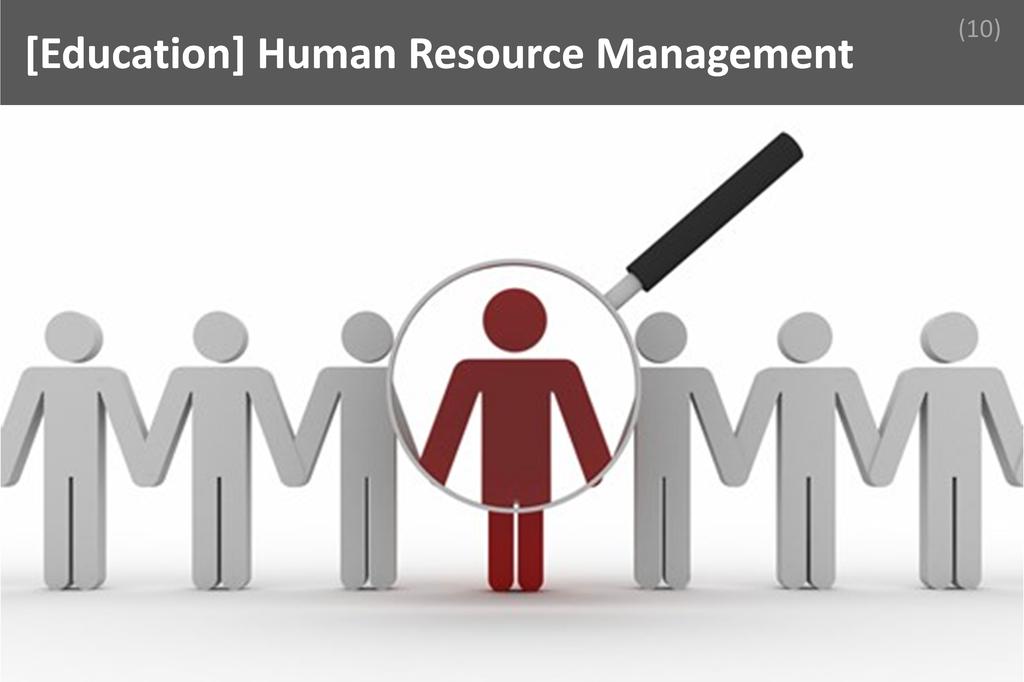
Human Resource Management is the strategic approach to recruiting, developing, managing, and supporting an organization’s workforce to achieve its goals. In Hospital Administration, it encompasses the policies and practices that ensure healthcare staff are effectively utilized, motivated, and compliant with regulations, forming a critical component of operational success.
Understanding Human Resource Management is essential for anyone preparing for or working in Hospital Administration because hospitals are complex organizations where people are the most valuable asset. Mastery of this subject enables administrators to navigate staffing challenges, foster a positive work environment, and ensure compliance with healthcare laws and ethical standards. It also provides the tools to manage conflict, support professional development, and implement fair compensation systems. Over the long term, these skills contribute to improved staff retention, higher patient satisfaction, and the overall efficiency of hospital operations. By grounding their decisions in sound HR principles, hospital administrators can lead teams more effectively and adapt to the evolving demands of the healthcare industry.
Consider a hospital administrator facing high turnover among nursing staff, which threatens patient care quality and increases recruitment costs. Drawing on their knowledge of Human Resource Management, the administrator conducts exit interviews to identify underlying issues, such as workload imbalance or lack of career advancement opportunities. They then collaborate with department heads to redesign shift schedules, introduce mentorship programs, and create clear pathways for promotion. By applying HRM theories and practices, the administrator not only addresses immediate staffing concerns but also fosters a supportive workplace culture. This proactive approach leads to improved staff morale, reduced turnover, and ultimately, better patient outcomes, demonstrating the real-world impact of HRM expertise in hospital administration.
Formal Communication
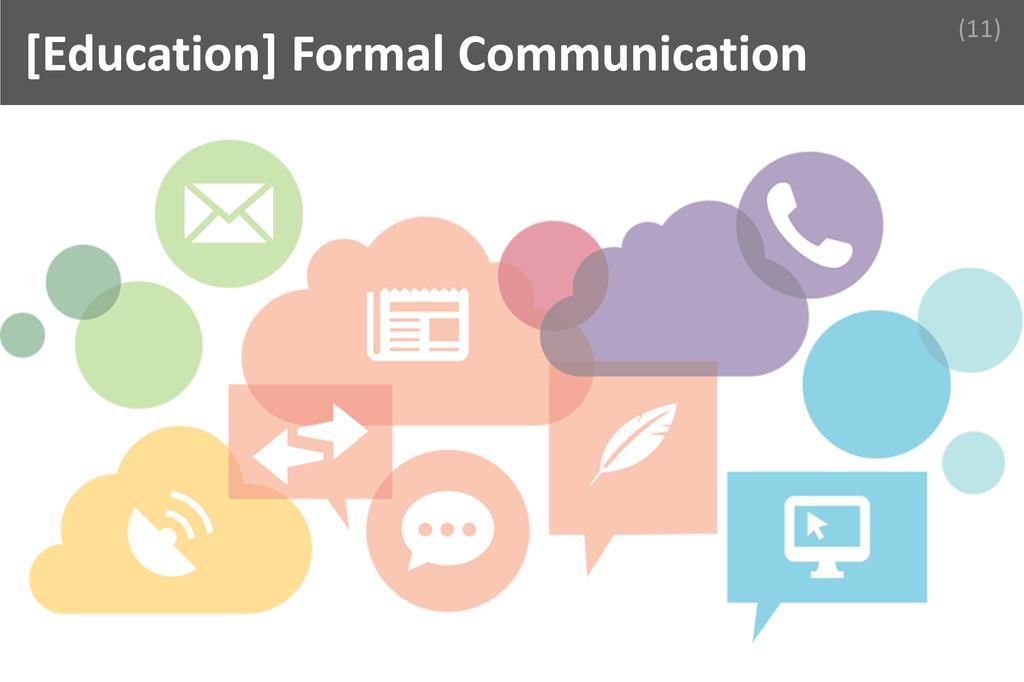
Formal communication refers to the structured exchange of information that follows established protocols, channels, and documentation within an organization. In hospital administration, it encompasses official memos, reports, policies, and directives. Mastery of formal communication is essential for maintaining clarity, accountability, and professionalism in both academic study and professional practice.
Understanding formal communication is vital for hospital administrators because it ensures that information is conveyed accurately and efficiently across all levels of the organization. This knowledge forms the foundation for effective leadership, risk management, and compliance with legal and ethical standards. Hospital administrators must routinely draft, interpret, and implement formal documents such as policies, procedures, and official correspondence. Mastery of these skills not only supports the smooth operation of healthcare facilities but also fosters trust among staff, patients, and regulatory bodies. Over the long term, proficiency in formal communication enhances career advancement opportunities, as it is a critical competency for higher-level management roles and for navigating the complex regulatory environment of healthcare administration.
Consider a hospital administrator tasked with implementing a new infection control policy. Drawing on their understanding of formal communication, the administrator drafts a comprehensive policy document that outlines procedures, responsibilities, and reporting requirements. This document is then distributed through official channels to department heads and staff. The administrator also organizes a formal meeting to explain the policy, answer questions, and ensure everyone understands their roles. By adhering to formal communication protocols, the administrator ensures that the policy is clearly understood, properly documented, and consistently applied throughout the hospital. This approach not only minimizes confusion and errors but also demonstrates accountability and compliance with regulatory standards, ultimately contributing to patient safety and organizational effectiveness.
Skills
Leadership

Leadership is the ability to inspire, guide, and influence individuals or teams toward achieving common goals through effective communication, decision-making, and vision. In hospital administration, leadership is crucial for navigating complex healthcare environments, fostering collaboration among diverse staff, and ensuring high standards of patient care and organizational performance.
Leadership directly enhances performance in hospital administration by enabling professionals to coordinate multidisciplinary teams, manage resources efficiently, and respond proactively to challenges. Employers and clients value leadership because it drives innovation, maintains morale, and ensures that healthcare delivery remains patient-centered and effective. Cultivating leadership involves ongoing self-reflection, seeking mentorship, participating in management training, and embracing opportunities to lead projects or initiatives. Over time, consistent practice and feedback help refine decision-making abilities, emotional intelligence, and strategic thinking, all of which are essential for adapting to the ever-evolving demands of healthcare administration.
Imagine a hospital administrator facing a sudden outbreak of a contagious illness within the facility. Relying on strong leadership, the administrator quickly assembles a crisis response team, communicates clear protocols, and reassures both staff and patients. By fostering collaboration among departments, the administrator ensures that resources are allocated efficiently and that safety measures are implemented without delay. Through decisive action and transparent communication, the administrator not only contains the outbreak but also maintains trust and morale throughout the hospital. This scenario highlights how effective leadership is indispensable for navigating high-pressure situations and achieving successful outcomes in hospital administration.
Co-ordination and Corporation

Co-ordination and corporation refer to the ability to harmonize activities, resources, and people, while fostering collaborative relationships to achieve shared goals. In hospital administration, this skill ensures seamless integration of departments, effective communication, and unified efforts, which are crucial for delivering high-quality patient care and maintaining operational efficiency.
Mastering co-ordination and corporation significantly enhances a hospital administrator’s effectiveness by streamlining processes, reducing errors, and promoting a culture of teamwork. Employers and clients value this skill because it leads to better patient outcomes, improved staff morale, and optimal use of resources. Cultivating this ability involves actively listening to diverse perspectives, building trust among teams, and consistently facilitating open communication. Over time, administrators can refine their approach by seeking feedback, participating in interdepartmental projects, and staying informed about best practices in healthcare management. The ongoing development of this skill not only benefits the organization but also positions the professional as a reliable and influential leader.
Imagine a hospital facing an unexpected surge in emergency cases due to a local disaster. The hospital administrator must quickly co-ordinate with emergency services, medical staff, and support departments to allocate resources, manage patient flow, and ensure timely care. By fostering corporation among teams, the administrator encourages departments to share information, adapt schedules, and support each other’s efforts. This collaborative approach enables the hospital to respond efficiently, minimize confusion, and maintain a high standard of care under pressure. The administrator’s ability to unite diverse groups and align their actions demonstrates how essential co-ordination and corporation are in overcoming critical challenges and achieving organizational success.
Time Management
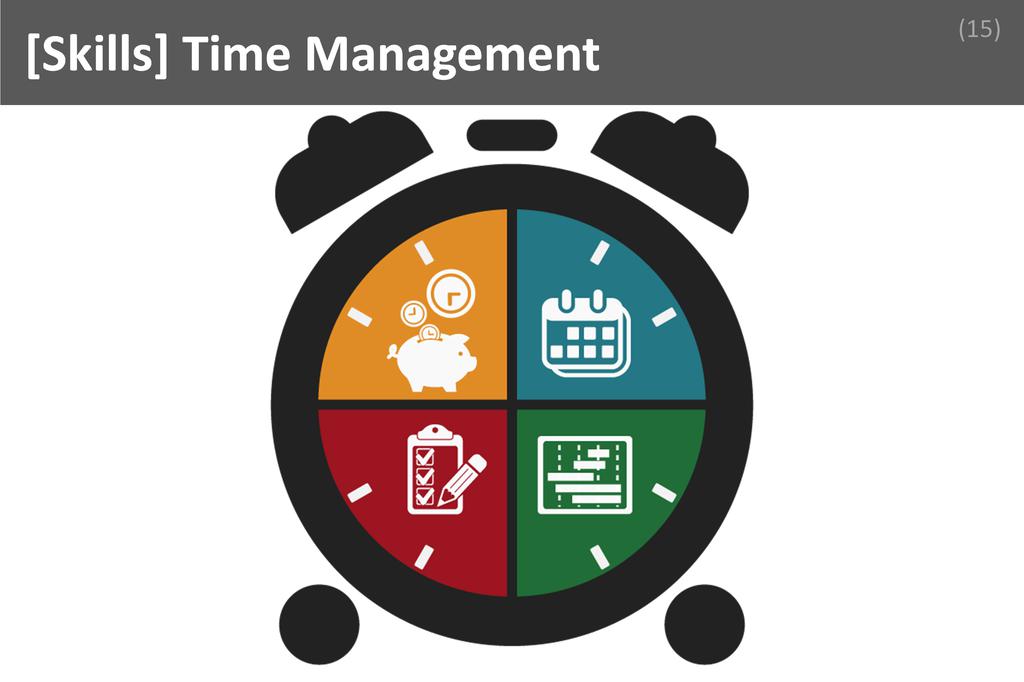
Time management is the ability to plan, organize, and control how much time is spent on specific activities to maximize efficiency and productivity. In hospital administration, this skill ensures that daily operations run smoothly, resources are allocated effectively, and urgent matters are addressed promptly, ultimately supporting quality patient care.
Effective time management directly enhances a hospital administrator’s performance by enabling them to juggle multiple responsibilities, such as coordinating staff schedules, managing budgets, and responding to emergencies. Employers and clients highly value this skill because it leads to fewer delays, improved patient satisfaction, and better use of hospital resources. Cultivating time management involves setting clear priorities, using scheduling tools, and regularly evaluating workflows to identify areas for improvement. Over time, consistent practice and reflection help professionals become more adept at anticipating challenges and allocating their time where it has the greatest impact, fostering both personal growth and organizational success.
Consider a hospital administrator faced with a sudden influx of patients due to a local emergency. With strong time management skills, the administrator quickly assesses the situation, delegates tasks to appropriate departments, and reallocates resources to critical areas without neglecting ongoing operations. By efficiently organizing meetings with key staff, updating schedules, and communicating clear priorities, the administrator ensures that patient care remains uninterrupted and that the hospital adapts swiftly to the increased demand. This ability to manage time under pressure not only resolves the immediate crisis but also demonstrates leadership and reliability, reinforcing the administrator’s value to both the hospital and the community it serves.
Positives
Continuous Learning

Continuous Learning is the ongoing process of acquiring new knowledge, skills, and competencies throughout one’s professional life. In hospital administration, this means staying updated with evolving healthcare regulations, technologies, and management practices. Embracing continuous learning ensures administrators remain effective, adaptable, and innovative, ultimately enhancing patient care and organizational success.
The dynamic nature of healthcare means that hospital administrators are constantly exposed to new challenges and opportunities. Continuous learning empowers them to adapt to regulatory changes, implement advanced technologies, and improve operational efficiency. This ongoing growth not only keeps the work intellectually stimulating but also fosters a sense of accomplishment and purpose. As administrators master new skills and knowledge, they become more confident in their decision-making and leadership abilities. This leads to greater job satisfaction, as professionals see the tangible impact of their expertise on patient outcomes and organizational performance. The culture of learning also encourages collaboration and innovation, making the workplace more engaging and supportive for everyone involved.
Imagine a hospital administrator who recently attended a seminar on digital health records and patient data security. Inspired by the latest best practices, they return to their hospital and lead a project to upgrade the facility’s electronic health record system. Through this initiative, the administrator collaborates with IT staff, clinicians, and compliance officers, learning from each team’s unique perspective. As the project progresses, the administrator gains new technical skills and a deeper understanding of data privacy regulations. The successful implementation not only improves patient care and data security but also brings a profound sense of achievement. This experience exemplifies how continuous learning transforms daily work into a journey of personal and professional fulfillment.
Challenging Profile

A "Challenging Profile" refers to a dynamic professional role that demands adaptability, critical thinking, and the ability to solve complex problems in fast-paced environments. In hospital administration, this means constantly navigating evolving healthcare regulations, managing diverse teams, and ensuring seamless patient care, all while balancing operational efficiency and resource constraints. This challenging nature fosters continuous learning and personal growth, making the profession both stimulating and deeply rewarding.
The challenging profile of hospital administration is a significant advantage because it transforms routine work into a stimulating journey of problem-solving and innovation. Professionals in this field are constantly presented with new situations that require creative solutions, whether it’s optimizing patient flow, implementing new technologies, or responding to unexpected crises. This dynamic environment prevents monotony and keeps administrators engaged, fostering a sense of accomplishment with every challenge overcome. The constant need to adapt and improve not only sharpens leadership and decision-making skills but also accelerates career growth. As administrators witness the tangible impact of their efforts on patient care and hospital performance, their job satisfaction soars, reinforcing their commitment to making a difference in healthcare.
Imagine a hospital administrator faced with a sudden influx of patients due to a local emergency. With limited resources and heightened stress, the administrator must quickly coordinate with medical staff, allocate beds, and ensure critical supplies are available. By leveraging their problem-solving skills and ability to remain calm under pressure, they successfully manage the crisis, maintaining high standards of patient care. In the aftermath, the administrator reflects on how their challenging role allowed them to make a real difference during a pivotal moment. This experience not only strengthens their confidence and resilience but also deepens their passion for the profession, illustrating how a challenging profile can be a source of immense personal and professional fulfillment.
Strong Network

A "Strong Network" refers to the web of professional relationships and connections that hospital administrators build with colleagues, healthcare providers, community leaders, and industry experts. This network fosters collaboration, resource sharing, and support, enabling administrators to solve problems efficiently, stay informed about industry trends, and advance both personal and organizational goals.
The presence of a strong network in hospital administration is a powerful driver of career satisfaction and professional growth. When administrators are well-connected, they gain access to valuable insights, mentorship, and opportunities that might otherwise remain out of reach. This interconnectedness allows them to navigate complex challenges with greater confidence, drawing on the collective wisdom and experience of their peers. Daily, professionals benefit from this network by sharing best practices, seeking advice on difficult decisions, and collaborating on initiatives that improve patient care. The sense of belonging to a supportive community not only enhances job satisfaction but also fuels continuous learning and innovation, making the work environment more dynamic and rewarding.
Consider a hospital administrator facing the urgent need to implement a new electronic health record system. Through her strong network, she quickly connects with peers at other hospitals who have recently undergone similar transitions. These contacts provide practical advice, recommend reliable vendors, and share lessons learned, helping her avoid common pitfalls. She also collaborates with local healthcare leaders to ensure a smooth rollout and secure additional training resources for her staff. This experience not only leads to a successful implementation but also reinforces her sense of professional fulfillment, knowing she is part of a community that supports and uplifts one another in pursuit of better healthcare outcomes.
Recognition

Recognition is the acknowledgment and appreciation of an individual’s contributions, achievements, and dedication within their professional environment. In hospital administration, recognition serves as a powerful motivator, affirming the value of one’s work and fostering a sense of purpose. It creates a positive atmosphere, encouraging continued excellence and commitment to patient care.
The significance of recognition in hospital administration cannot be overstated. When administrators are acknowledged for their leadership, problem-solving, and ability to navigate complex healthcare systems, it enhances their sense of accomplishment and belonging. This positive reinforcement not only boosts morale but also drives individuals to pursue further professional growth and innovation. Daily, hospital administrators experience recognition through feedback from colleagues, gratitude from patients’ families, or formal awards from their organizations. These moments of appreciation reinforce the meaningful impact of their work, making the challenges of the role more manageable and the successes even more rewarding. Ultimately, recognition cultivates a supportive environment where administrators feel valued, motivated, and inspired to deliver their best.
Consider a hospital administrator who leads a successful initiative to streamline patient admissions, resulting in reduced wait times and improved patient satisfaction scores. The hospital’s executive team publicly acknowledges the administrator’s efforts during a staff meeting, highlighting the positive outcomes achieved. Colleagues express their appreciation, and patients’ families send thank-you notes for the enhanced experience. This recognition not only validates the administrator’s hard work but also strengthens their connection to the hospital’s mission. The sense of pride and accomplishment gained from this acknowledgment fuels their passion for continuous improvement, demonstrating how recognition can transform daily responsibilities into deeply fulfilling and meaningful achievements.
Challenges
High Responsibility

High responsibility in hospital administration refers to the obligation to ensure patient safety, regulatory compliance, staff coordination, and efficient resource management. Administrators must make critical decisions that impact lives and organizational outcomes, often under pressure. This demanding role requires constant vigilance, ethical judgment, and the ability to balance competing priorities.
The weight of high responsibility in hospital administration permeates every aspect of daily work. Administrators are accountable for patient outcomes, staff well-being, and operational efficiency, making each decision significant. This constant pressure can lead to stress and burnout, demanding exceptional resilience. Successful professionals manage these challenges by cultivating strong support networks, delegating tasks appropriately, and prioritizing self-care. They also invest in ongoing professional development to stay informed about best practices and regulatory changes. By fostering open communication and collaborative problem-solving, they create environments where challenges are shared and solutions are developed collectively, reducing the sense of isolation that often accompanies high-responsibility roles.
Consider a hospital administrator faced with a sudden influx of patients during a public health crisis. The administrator must quickly coordinate additional staffing, ensure adequate supplies, and maintain compliance with evolving health regulations. By assembling a cross-functional team, the administrator delegates specific tasks, such as supply chain management and staff scheduling, to trusted colleagues. Regular briefings keep everyone informed and aligned, while transparent communication with staff alleviates anxiety and builds trust. Through decisive leadership and collaborative effort, the administrator successfully navigates the crisis, ensuring patient care standards are upheld and staff morale remains strong, exemplifying how high responsibility can be managed effectively in a demanding environment.
Handling Situation

"Handling Situation" in Hospital Administration refers to the ability to respond swiftly and effectively to unexpected events, crises, or conflicts within the hospital environment. This challenge is demanding because it requires quick decision-making, emotional control, and coordination among diverse teams, all while ensuring patient safety and maintaining operational stability.
The difficulty of handling situations in hospital administration significantly impacts daily operations, as professionals must constantly adapt to emergencies, staff shortages, patient complaints, and regulatory changes. This environment demands resilience because stress levels can escalate quickly, and decisions often have immediate consequences for patient care and staff well-being. Successful professionals manage this constraint by cultivating strong communication skills, fostering teamwork, and maintaining a calm demeanor under pressure. They also rely on established protocols and leverage their experience to prioritize tasks, delegate responsibilities, and seek support when necessary. By remaining adaptable and solution-oriented, they ensure that the hospital continues to function smoothly, even in the face of unforeseen challenges.
Consider a scenario where a hospital administrator is confronted with a sudden influx of patients due to a local accident, overwhelming the emergency department. The administrator quickly assesses the situation, reallocates staff from less critical areas, and coordinates with nearby facilities to transfer stable patients. Simultaneously, they communicate transparently with staff and families, providing updates and reassurance. By staying composed and decisive, the administrator ensures resources are optimized, patient care standards are maintained, and staff morale remains high. This real-world example illustrates how effective handling of situations requires not only procedural knowledge but also strong leadership and interpersonal skills to navigate complex, high-pressure environments.
Outcome Pressure
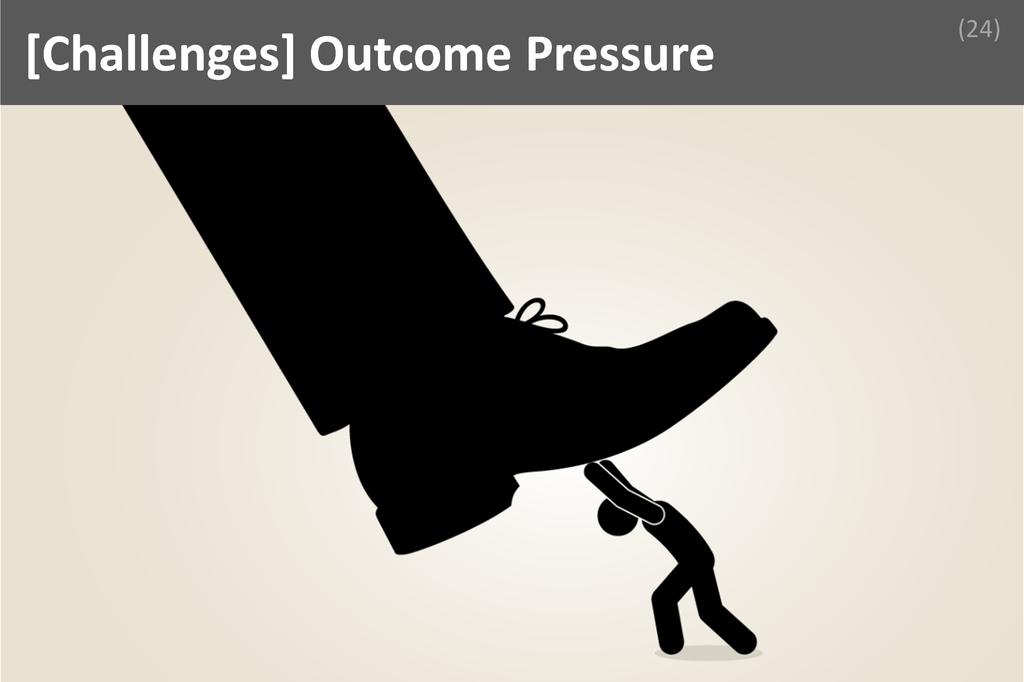
Outcome Pressure in Hospital Administration refers to the intense expectation to consistently deliver measurable improvements in patient care, operational efficiency, and financial performance. This pressure is demanding because it requires administrators to balance competing priorities, make high-stakes decisions, and remain accountable for results in a constantly evolving healthcare environment.
The challenge of outcome pressure permeates every aspect of a hospital administrator’s daily responsibilities. It can lead to heightened stress, as administrators must juggle resource constraints, regulatory demands, and the needs of diverse stakeholders, all while striving for optimal results. This environment demands resilience, adaptability, and strong leadership, as setbacks or underperformance can have significant consequences for patient care and institutional reputation. Successful professionals manage this constraint by fostering transparent communication, prioritizing data-driven decision-making, and cultivating collaborative teams. They also focus on continuous improvement, seeking feedback and learning from outcomes to refine processes. By maintaining a clear vision and supporting their teams, they transform pressure into motivation for positive change rather than allowing it to become a source of burnout.
Consider a hospital administrator tasked with improving patient discharge times without compromising care quality. Facing outcome pressure from both hospital leadership and patient satisfaction metrics, the administrator convenes a multidisciplinary team to analyze bottlenecks in the discharge process. Through open dialogue and data review, they identify delays in communication between departments as a key issue. The administrator implements a new protocol for real-time updates and regular check-ins, empowering staff to flag and resolve issues promptly. Over several months, discharge times improve significantly, patient satisfaction scores rise, and staff morale increases. By addressing the challenge collaboratively and focusing on actionable solutions, the administrator successfully manages outcome pressure and drives meaningful organizational improvement.
Knowledge Update

Knowledge Update in Hospital Administration refers to the ongoing need to stay informed about evolving healthcare regulations, technological advancements, best practices, and policy changes. This is demanding because the healthcare landscape shifts rapidly, requiring administrators to continuously adapt, integrate new information, and ensure compliance while maintaining high standards of patient care.
The challenge of keeping up with knowledge updates significantly impacts the daily responsibilities of hospital administrators. They must interpret new regulations, implement updated protocols, and ensure staff are trained accordingly, all while managing routine operations. This constant influx of information can be overwhelming, demanding resilience and adaptability. Successful professionals address this by cultivating habits of continuous learning, such as subscribing to reputable healthcare journals, attending industry conferences, and participating in professional networks. They also foster a culture of shared learning within their teams, encouraging open communication and regular training sessions. By proactively seeking information and leveraging collaborative environments, they transform the challenge of knowledge update into an opportunity for organizational growth and improved patient outcomes.
Consider a hospital administrator who learns about a significant change in infection control guidelines issued by a national health authority. Recognizing the importance of swift adaptation, the administrator quickly reviews the new protocols, consults with clinical leaders, and organizes a series of staff workshops to disseminate the updated procedures. By integrating the latest evidence-based practices into hospital routines and encouraging feedback from frontline staff, the administrator not only ensures compliance but also fosters a sense of shared responsibility for patient safety. This proactive approach demonstrates how staying current with knowledge updates can be managed effectively, ultimately enhancing the hospital’s quality of care and regulatory standing.
A Day Of
Hospital Administration
The hum of activity in a hospital never truly fades, but for those in hospital administration, each day begins with a sense of anticipation and urgency. The corridors may be quiet in the early hours, but behind the scenes, administrators are already orchestrating the complex ballet that keeps the facility running smoothly. Their work is a dynamic blend of rapid decision-making, meticulous planning, and constant communication, all set against the backdrop of an environment where every moment can impact patient care. In this world, adaptability is as essential as expertise, and no two days are ever quite the same.
As dawn breaks, hospital administrators are often among the first to arrive, using these early hours to review overnight reports, assess staffing levels, and scan for any urgent issues that may have arisen. This quiet window is crucial for catching up on emails, preparing agendas for the day’s meetings, and touching base with key department heads. By the time the rest of the hospital is in full swing, administrators have already laid the groundwork, ensuring that both clinical and operational teams have what they need to start the day on solid footing.
Mid-morning is when the hospital pulses with energy, and administrators are at the center of it all. This is the time for high-stakes decision-making, whether it’s resolving patient flow bottlenecks, addressing supply chain hiccups, or responding to regulatory updates. Administrators move between departments, facilitate interdisciplinary huddles, and field urgent calls from physicians, nurses, and support staff. The pace is relentless, demanding quick thinking and a calm demeanor as they balance immediate crises with the ongoing needs of the hospital.
The afternoon brings a shift toward collaboration and execution. Hospital administrators convene with leadership teams, participate in quality improvement committees, and meet with external partners or vendors. These sessions are focused on implementing new policies, reviewing performance metrics, and strategizing around patient care initiatives. Administrators also take this time to check in with staff, listen to concerns, and ensure that the day’s plans are being carried out effectively across all departments.
As the day winds down, administrators turn their attention to wrapping up outstanding tasks, documenting key decisions, and preparing reports for senior leadership. This is also a time for reflection—reviewing what went well, identifying areas for improvement, and setting priorities for the next day. The work may extend into the evening, as administrators respond to late-breaking issues or finalize preparations for tomorrow’s challenges. Even as the hospital quiets, the commitment to seamless care and operational excellence remains unwavering. |


 Home
Home Abroad
 Plan
Plan Philosophy
 Seminar
 Pages
Pages Advisors
 Testimonials





















 Workshop
 Discuss
 Meet
Meet
 Advisor
 Story
Story
 Fine Print
 Links
Links
 Blog
Blog
 Follow
