Career Counselling 2.0 HomeHomeCareer Counselling 2.0 AbroadAbroadCareer Counselling 2.0 PlanPlanCareer Counselling 2.0 | TalksTalksCareer Counselling 2.0 PhilosophyPhilosophyCareer Counselling 2.0 SeminarSeminarCareer Counselling 2.0 PagesPagesCareer Counselling 2.0 AdvisorsAdvisorsCareer Counselling 2.0 TestimonialsTestimonials

Plant Ecology & Conservation

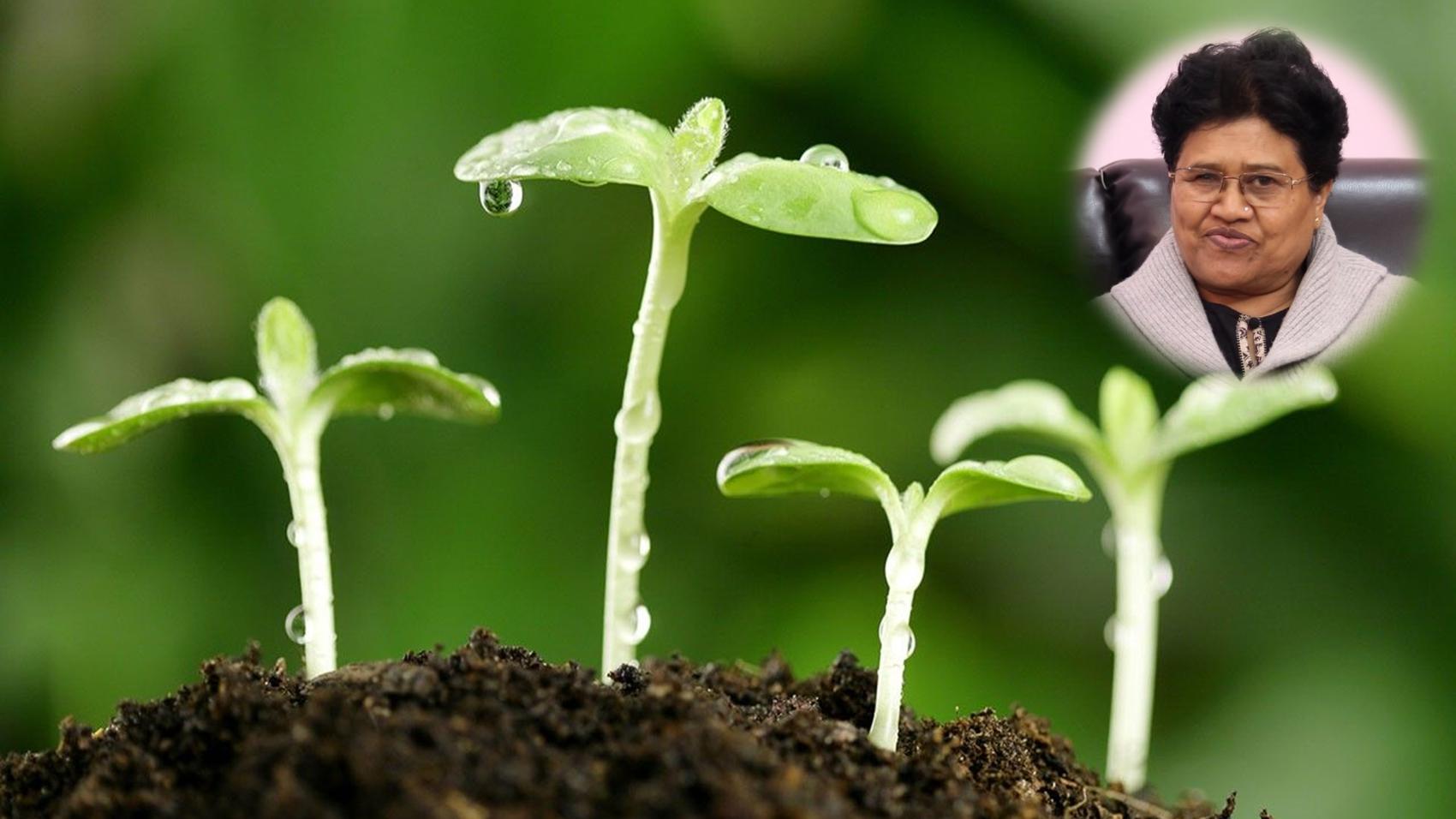
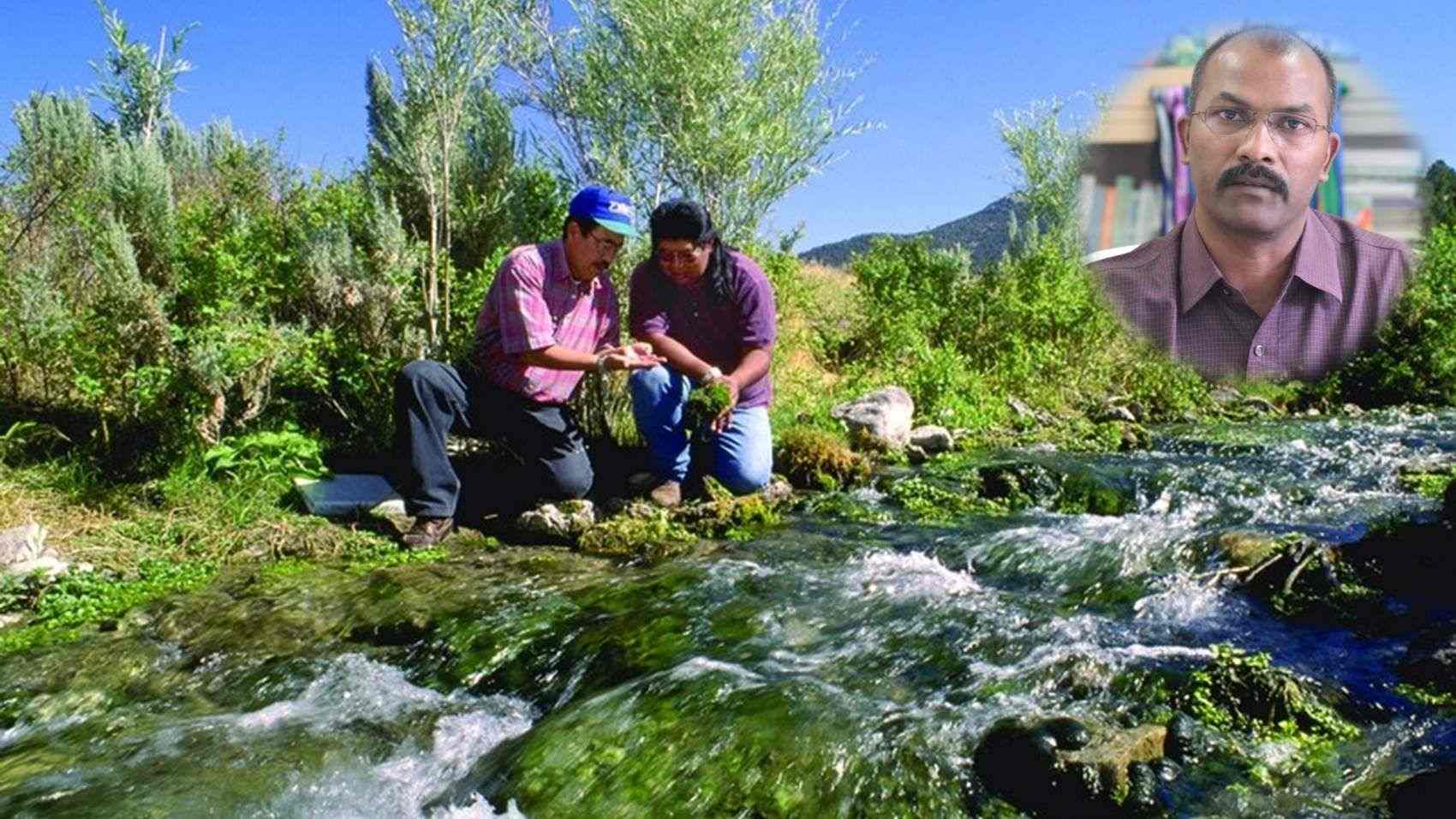
Dean Dr G S Rawat talks about Plant Ecology & Conservation course, what is Plant Ecology & Conservation and other details about a Career in Plant Ecology & Conservation.


Plant Ecology & Conservation

Dr G S Rawat | Dean | Wildlife Institute of India


What is Plant Ecology & Conservation?


There are many nuances of a Career in Plant Ecology & Conservation. Internet is brimming with pages on How to get into Plant Ecology & Conservation, while one should first understand What is a Career in Plant Ecology & Conservation. The internet is a great source of information on Plant Ecology & Conservation, but it is second best to learning about the same from a real professional.

Dean Dr G S Rawat has 34 years & 9 months of professional experience in Plant Ecology & Conservation. Dean Dr G S Rawat defines Plant Ecology & Conservation as:

Plant ecology is a subdiscipline of ecology which studies the distribution and abundance of plants, the effects of environmental factors upon the abundance of plants, and the interactions among and between plants and other organisms. Conservation is the preservation or efficient use of resources in an efficient or ethical manner.


How Dean Dr G S Rawat got into Plant Ecology & Conservation?


I did Bachelors and Masters in Botany from Kumaon University, Nainital. I also did Ph D in Taxonomy & Ethnobotany from the same college. I taught Plant Ecology and Taxonomy at Kumaon University. I also served at Botanical Survey of India for some time. I joined Wildlife Institute of India in 1986 as a Professor and have held various positions at the Institute since then. I am Dean at Wildlife Institute of India.


Dean Dr G S Rawat's Talk on Plant Ecology & Conservation


Session Image
The Journey of Plant Ecology & Conservation


What Is Plant Ecology & Conservation


Plant Ecology & Conservation

### Plant Ecology & Conservation Image
What is
Plant Ecology & Conservation is the scientific study of plant communities, their interactions with the environment, and the development of strategies to protect plant diversity. This field combines research, monitoring, and management to ensure the survival of plant species and the health of ecosystems for future generations.

Concept
Plant Ecology & Conservation plays a crucial role in maintaining the balance of natural ecosystems, which directly supports biodiversity, climate regulation, and human well-being. Professionals in this field contribute to understanding how plants respond to environmental changes, such as habitat loss or climate change, and develop solutions to mitigate negative impacts. Their work helps preserve rare and endangered plant species, supports sustainable land management, and informs policy decisions that affect natural resources. By promoting ecosystem resilience, plant ecologists and conservationists help safeguard food security, clean air, and water resources, making their contributions essential for both environmental and societal health.

Real World Example
A professional in Plant Ecology & Conservation might work on restoring a degraded wetland that has lost much of its native plant diversity due to invasive species and pollution. Through careful field surveys, they assess the current plant community and identify key species that need protection or reintroduction. They collaborate with local stakeholders to remove invasive plants, replant native species, and monitor the recovery of the ecosystem over time. Their efforts not only improve habitat quality for wildlife but also enhance water purification and flood control, demonstrating the practical value of plant ecology and conservation in addressing real-world environmental challenges.

Education


Botany & Field Botany

### Botany & Field Botany Image
What is
Botany is the scientific study of plants, encompassing their physiology, structure, genetics, ecology, distribution, and classification. Field Botany focuses on the identification and observation of plants in their natural environments. Together, they provide essential knowledge for understanding plant life, which is fundamental in Plant Ecology & Conservation.

Concept
A thorough grasp of Botany and Field Botany is indispensable for anyone pursuing a career in Plant Ecology & Conservation. These disciplines offer the foundational understanding of plant anatomy, physiology, taxonomy, and ecological interactions, which are crucial for assessing plant communities and their roles within ecosystems. Mastery of these subjects enables professionals to accurately identify species, understand their ecological requirements, and recognize patterns of biodiversity and endangerment. This knowledge is vital for designing effective conservation strategies, conducting ecological research, and informing policy decisions. Over the long term, expertise in Botany and Field Botany enhances a professional’s ability to adapt to new challenges, collaborate across disciplines, and contribute meaningfully to the preservation of plant diversity and ecosystem health.

Real World Example
Imagine a conservation biologist tasked with restoring a degraded wetland. Their expertise in Botany and Field Botany allows them to survey the area, accurately identify native and invasive plant species, and assess the health of plant communities. By understanding the specific ecological roles and requirements of each species, they can develop a restoration plan that prioritizes the reintroduction of native plants, monitors the success of these efforts, and adapts management strategies as needed. This practical application of botanical knowledge ensures that restoration efforts are scientifically sound, sustainable, and effective in promoting biodiversity and ecosystem resilience. Such daily operations highlight the indispensable role of Botany and Field Botany in real-world conservation work.

Plant Taxonomy

### Plant Taxonomy Image
What is
Plant Taxonomy is the scientific discipline focused on identifying, naming, classifying, and describing plants based on their characteristics and evolutionary relationships. It provides a systematic framework for organizing plant diversity, which is essential for communication, research, and management in fields like Plant Ecology & Conservation.

Concept
A solid grasp of Plant Taxonomy is indispensable for anyone pursuing a career in Plant Ecology & Conservation. Understanding how plants are classified and related allows professionals to accurately identify species, assess biodiversity, and monitor ecosystem health. This foundational knowledge is crucial for designing effective conservation strategies, conducting ecological surveys, and interpreting scientific literature. Mastery of taxonomy also facilitates collaboration with other scientists and stakeholders, as it ensures clear communication about plant species and their roles within ecosystems. Over the long term, expertise in taxonomy enhances a professional’s ability to adapt to new research developments, contribute to policy decisions, and address emerging conservation challenges with confidence and precision.

Real World Example
Imagine a conservation biologist conducting a field survey in a threatened wetland. Their knowledge of Plant Taxonomy enables them to distinguish between native and invasive plant species, some of which may look superficially similar. By accurately identifying these plants, the biologist can assess the health of the ecosystem, prioritize areas for restoration, and recommend targeted management actions. This taxonomic expertise ensures that conservation resources are allocated efficiently and that interventions are based on sound scientific understanding. In daily operations, such skills are vital for collecting reliable data, reporting findings to policymakers, and educating the public about the importance of preserving plant diversity.

Natural History

### Natural History Image
What is
Natural History is the scientific study of organisms, including plants, animals, and fungi, in their natural environments, focusing on observation rather than experimentation. It encompasses the identification, behavior, distribution, and interactions of species. In Plant Ecology & Conservation, Natural History provides essential context for understanding ecological relationships and environmental changes.

Concept
A deep understanding of Natural History is vital for anyone pursuing a career in Plant Ecology & Conservation because it forms the bedrock of ecological literacy. Professionals must recognize plant species, interpret their life cycles, and understand their interactions with other organisms and the environment. This knowledge allows for accurate fieldwork, effective conservation planning, and meaningful ecological research. Mastery of Natural History also enhances critical thinking and observational skills, enabling practitioners to detect subtle ecological shifts and respond proactively to environmental threats. Over the long term, this expertise supports informed decision-making, fosters collaboration with other scientists, and ensures that conservation strategies are grounded in a comprehensive understanding of the natural world.

Real World Example
Imagine a plant ecologist conducting a habitat assessment in a threatened grassland. Drawing on their Natural History background, they identify native and invasive plant species, recognize seasonal growth patterns, and observe pollinator activity. This foundational knowledge allows them to assess ecosystem health, detect early signs of habitat degradation, and recommend targeted conservation actions. For instance, by noticing a decline in a keystone plant species and correlating it with changes in pollinator behavior, the ecologist can propose habitat restoration measures that address both plant and pollinator needs. In this way, Natural History knowledge directly informs practical conservation efforts and supports the long-term resilience of plant communities.

Ethnobotany

### Ethnobotany Image
What is
Ethnobotany is the scientific study of the relationships between people and plants, focusing on how different cultures use, manage, and perceive plant species for food, medicine, rituals, and other purposes. In Plant Ecology & Conservation, ethnobotany bridges ecological science with cultural knowledge, enriching both academic research and practical conservation strategies.

Concept
Understanding ethnobotany is essential for anyone pursuing a career in Plant Ecology & Conservation because it provides insight into the intricate ways human societies interact with plant ecosystems. This knowledge enables professionals to appreciate the cultural significance of plant species, which is crucial when developing conservation plans that are both ecologically sound and socially acceptable. By integrating ethnobotanical perspectives, practitioners can identify key species for protection, recognize traditional management practices that support biodiversity, and foster community engagement in conservation initiatives. Over the long term, expertise in ethnobotany enhances a professional’s ability to collaborate with local communities, secure stakeholder buy-in, and design conservation programs that are sustainable, respectful, and effective.

Real World Example
Imagine a conservationist working in a tropical forest where local communities rely on certain tree species for traditional medicine and food. By applying their ethnobotanical knowledge, the professional consults with community elders to document plant uses and cultural practices. This collaboration reveals that some species, though not ecologically rare, are culturally irreplaceable. The conservationist then incorporates these findings into a management plan that prioritizes the protection of culturally significant plants, ensuring that conservation efforts align with local values and needs. This approach not only preserves biodiversity but also strengthens community support, demonstrating how ethnobotanical understanding directly informs and improves daily conservation work.

Classical Botanical Literature

### Classical Botanical Literature Image
What is
Classical Botanical Literature refers to the foundational texts, monographs, and treatises produced from the sixteenth to early twentieth centuries that systematically describe plant species, their classification, morphology, and ecological relationships. These works underpin modern botanical science and remain essential references for anyone studying or working in Plant Ecology & Conservation.

Concept
Understanding Classical Botanical Literature is vital for professionals in Plant Ecology & Conservation because it provides the historical context and original descriptions of plant species, communities, and ecological interactions. These texts establish the taxonomic frameworks and nomenclature that modern research builds upon, ensuring consistency and accuracy in scientific communication. Mastery of this literature allows professionals to trace the evolution of botanical knowledge, recognize shifts in classification, and appreciate the origins of current ecological theories. This deep foundation enhances critical thinking, supports robust field identification, and informs conservation strategies by connecting past observations with present-day challenges. Over the long term, familiarity with classical sources distinguishes experts, enabling them to contribute meaningfully to research, policy, and education in the field.

Real World Example
A conservation ecologist conducting a habitat restoration project encounters a rare plant population whose identification is uncertain due to recent taxonomic changes. By consulting classical botanical literature, the ecologist reviews original species descriptions and historical distribution records, clarifying the plant’s identity and ecological requirements. This knowledge enables the ecologist to design restoration protocols that respect the species’ authentic habitat preferences and historical range. Furthermore, referencing classical works in reports and management plans lends credibility and depth to conservation recommendations, facilitating collaboration with botanists, land managers, and policymakers. In daily operations, this theoretical grounding ensures that restoration and conservation efforts are informed by both historical context and contemporary science, leading to more effective and sustainable outcomes.

Skills


Ability to Identify Plants

### Ability to Identify Plants Image
What is
The "Ability to Identify Plants" refers to the skill of accurately recognizing and naming plant species using visual characteristics, field guides, and taxonomic knowledge. This core competency enables professionals to assess biodiversity, monitor ecosystem health, and inform conservation strategies, making it indispensable in the field of Plant Ecology & Conservation.

Concept
Mastering plant identification enhances a professional’s effectiveness by enabling precise data collection, habitat assessment, and ecological monitoring. Clients and employers highly value this skill because accurate species identification underpins reliable research, informs restoration projects, and ensures compliance with environmental regulations. Developing this ability requires a combination of formal education, hands-on fieldwork, and continuous learning through botanical keys, workshops, and mentorship. Over time, repeated exposure to diverse habitats and collaboration with experienced botanists further refines one’s expertise. As plant communities shift due to climate change or human impact, staying current with taxonomy and regional floras is crucial. Ultimately, the ability to identify plants transforms raw observations into actionable ecological insights, directly supporting conservation goals.

Real World Example
Imagine a conservation biologist tasked with restoring a degraded wetland. During site assessment, the professional’s ability to identify native and invasive plant species becomes critical. By quickly distinguishing between similar-looking sedges and grasses, the biologist accurately maps the distribution of invasive species threatening the ecosystem. This precise identification informs the development of a targeted management plan, ensuring that restoration efforts focus on removing harmful invaders while preserving rare native plants. The success of the project hinges on the biologist’s expertise, as misidentification could lead to ineffective interventions or unintended harm to protected species. In this scenario, plant identification is not just a technical skill but a foundation for ecological restoration and long-term conservation success.

Morphological Awareness

### Morphological Awareness Image
What is
Morphological Awareness is the ability to recognize, interpret, and analyze the physical forms and structures of plants, including their adaptations and variations. In Plant Ecology & Conservation, this skill enables professionals to accurately identify species, understand ecological relationships, and assess environmental changes, forming a foundation for effective research and conservation strategies.

Concept
Morphological Awareness directly enhances a professional’s ability to distinguish between plant species, detect subtle variations, and interpret ecological patterns, which is crucial for accurate fieldwork, data collection, and habitat assessment. Clients and employers highly value this skill because it ensures reliable species identification, supports biodiversity monitoring, and informs conservation planning. Cultivating Morphological Awareness involves continuous field observation, studying botanical literature, and engaging in hands-on identification exercises. Over time, professionals refine their expertise by comparing specimens, participating in workshops, and collaborating with experienced botanists. This ongoing development not only sharpens diagnostic skills but also fosters a deeper understanding of plant diversity and its ecological significance, making practitioners indispensable in both research and applied conservation settings.

Real World Example
Imagine a conservation biologist tasked with restoring a degraded wetland habitat. During a site survey, they encounter several visually similar sedge species, some of which are rare and legally protected. Relying on their Morphological Awareness, the biologist carefully examines subtle differences in leaf arrangement, stem structure, and reproductive organs. This precise identification allows them to map the distribution of protected species accurately, ensuring that restoration efforts prioritize critical microhabitats. Their expertise prevents accidental disturbance of rare plants and guides the selection of appropriate native species for replanting. Ultimately, Morphological Awareness enables the biologist to make informed decisions that enhance biodiversity, comply with legal requirements, and achieve long-term conservation success.

Analytical Skills

### Analytical Skills Image
What is
Analytical skills refer to the ability to collect, interpret, and evaluate complex information to identify patterns, solve problems, and make informed decisions. In Plant Ecology & Conservation, these skills enable professionals to assess ecological data, understand ecosystem dynamics, and develop effective strategies for preserving plant diversity and managing natural habitats.

Concept
Analytical skills are fundamental for interpreting ecological data, designing research studies, and evaluating conservation outcomes. Professionals who excel in analysis can identify subtle trends in plant populations, assess the impact of environmental changes, and recommend evidence-based interventions. Employers and clients highly value these abilities because they lead to more accurate predictions, efficient resource allocation, and successful project outcomes. Cultivating analytical skills involves continuous learning, practicing data analysis techniques, engaging with scientific literature, and seeking feedback from peers. Over time, exposure to diverse ecological scenarios and hands-on experience with data collection and interpretation further sharpen these skills, making professionals more effective and adaptable in their roles.

Real World Example
Imagine a plant ecologist tasked with investigating a sudden decline in a rare plant species within a protected reserve. By applying analytical skills, the ecologist systematically gathers data on soil conditions, climate variables, and species interactions. Through careful analysis, they identify a correlation between increased soil salinity and the plant’s decline, likely caused by recent changes in water management practices. Using this insight, the ecologist recommends targeted interventions to restore soil balance and prevent further losses. This scenario highlights how analytical skills enable professionals to diagnose complex ecological problems, develop actionable solutions, and contribute to the long-term success of conservation efforts.

Interest in Field Work

### Interest in Field Work Image
What is
Interest in Field Work is the genuine enthusiasm and motivation to engage in hands-on, outdoor research and data collection, often in challenging environments. In Plant Ecology & Conservation, this interest drives professionals to explore diverse habitats, observe ecological interactions firsthand, and gather essential data that underpins effective conservation strategies and scientific understanding.

Concept
A strong interest in field work directly enhances a professional’s ability to conduct thorough, accurate research and adapt to unpredictable conditions in natural environments. Employers and clients value this skill because it ensures reliability, persistence, and a proactive approach to problem-solving in the field. Professionals who are passionate about field work are more likely to notice subtle ecological changes, collect high-quality data, and respond effectively to logistical challenges. Cultivating this skill involves seeking out field experiences, maintaining curiosity about natural systems, and building resilience through exposure to various field conditions. Over time, consistent engagement and reflection help deepen both expertise and enthusiasm, making the professional an invaluable asset to any conservation or research team.

Real World Example
Imagine a plant ecologist tasked with assessing the health of a rare wetland ecosystem threatened by invasive species. The project requires long hours in muddy, mosquito-filled terrain and careful observation of plant populations over several months. The professional’s strong interest in field work keeps them motivated and attentive, allowing them to detect early signs of invasive species spread and subtle shifts in native plant health. Their enthusiasm also fosters collaboration with local stakeholders and inspires creative solutions for habitat restoration. Ultimately, their dedication to field work leads to the timely implementation of effective conservation measures, safeguarding the ecosystem and demonstrating the critical role that genuine interest in field work plays in achieving conservation success.

Documentation Skills

### Documentation Skills Image
What is
Documentation skills refer to the ability to accurately record, organize, and communicate information, observations, and processes in a clear, systematic manner. In Plant Ecology & Conservation, this skill ensures that research findings, field data, and conservation actions are meticulously captured, enabling reproducibility, informed decision-making, and effective knowledge sharing among professionals and stakeholders.

Concept
Strong documentation skills directly enhance a professional’s effectiveness in Plant Ecology & Conservation by ensuring that every observation, experimental result, and management action is reliably recorded. This precision allows for accurate data analysis, long-term monitoring, and seamless collaboration across multidisciplinary teams. Clients and employers highly value this skill because it underpins the credibility of scientific work, supports regulatory compliance, and facilitates transparent communication with partners and the public. To cultivate documentation skills, professionals should practice consistent note-taking, utilize digital tools for data management, and seek feedback on their reporting methods. Over time, developing a habit of thorough documentation becomes second nature, significantly improving the quality and impact of ecological and conservation projects.

Real World Example
Imagine a plant ecologist leading a restoration project in a threatened wetland. During the project, unexpected changes in plant community composition are observed. By relying on meticulous documentation skills, the ecologist is able to trace back through detailed field notes, photographs, and data logs to identify when and where the shifts began. This comprehensive record allows the team to correlate the changes with specific management interventions and environmental conditions, enabling them to adjust their strategies effectively. The well-documented process not only resolves the immediate issue but also provides a valuable reference for future projects, demonstrating the critical role of documentation skills in achieving successful and adaptive conservation outcomes.

Positives


Enjoy in Forest

### Enjoy in Forest Image
What is
"Enjoy in Forest" refers to the profound sense of fulfillment, wonder, and happiness that professionals experience while working amidst natural forest environments. It encompasses the joy of observing diverse plant life, the peace found in tranquil woodlands, and the excitement of discovering ecological interactions, all while contributing to conservation efforts. This unique aspect of the profession fosters a deep connection with nature, making daily tasks more meaningful and inspiring. By immersing themselves in forests, plant ecologists and conservationists not only advance scientific understanding but also nurture their own well-being, creativity, and motivation, which are essential for long-term success and satisfaction in their careers.

Concept
The opportunity to "Enjoy in Forest" is a cornerstone of job satisfaction in Plant Ecology & Conservation. Being surrounded by the beauty and serenity of forests transforms routine work into a source of inspiration and rejuvenation. This environment encourages mindfulness, reduces stress, and sparks curiosity, all of which are vital for personal and professional growth. Daily immersion in forests allows professionals to witness firsthand the intricate relationships between plants and their habitats, deepening their appreciation for the natural world. This positive aspect not only makes the work more enjoyable but also strengthens commitment to conservation goals, fostering a sense of purpose and accomplishment that is difficult to find in more conventional careers.

Real World Example
Imagine a plant ecologist beginning their day by walking through a misty old-growth forest, notebook in hand, ready to document rare understory species. As sunlight filters through the canopy, the professional pauses to observe a delicate orchid blooming beside a moss-covered log. The quiet rustle of leaves and distant bird calls create a peaceful backdrop, allowing for focused observation and reflection. In this moment, the ecologist feels a profound connection to the ecosystem they are working to protect. The joy and tranquility found in these surroundings not only fuel their passion for conservation but also provide daily reminders of the importance and impact of their work, making every challenge worthwhile.

Constant Learning

### Constant Learning Image
What is
Constant Learning is the ongoing process of acquiring new knowledge, skills, and insights throughout one’s career, driven by curiosity and the evolving nature of the field. In plant ecology and conservation, this mindset fuels innovation, adaptability, and a deeper understanding of complex ecosystems, making the profession both dynamic and intellectually stimulating.

Concept
The ever-changing landscape of plant ecology and conservation means that professionals are continually exposed to new research, emerging technologies, and evolving environmental challenges. This constant influx of knowledge keeps the work fresh and engaging, preventing stagnation and fostering a culture of curiosity. As practitioners learn about novel species interactions, climate change impacts, or advanced conservation techniques, they not only enhance their expertise but also contribute more effectively to preserving biodiversity. This ongoing growth leads to greater job satisfaction, as individuals feel empowered and valued for their expanding skill set. The sense of purpose derived from staying at the forefront of scientific discovery inspires professionals to remain passionate and committed to their vital work.

Real World Example
Imagine a plant ecologist working in a rapidly changing wetland ecosystem. Each season brings new plant species, shifting water levels, and unexpected interactions between flora and fauna. To address these changes, the ecologist regularly attends workshops, reads the latest scientific literature, and collaborates with colleagues from different disciplines. One day, she discovers an invasive plant species previously unrecorded in the region. Drawing on her habit of constant learning, she quickly researches its biology and control methods, consults with experts, and develops an effective management plan. The satisfaction of applying new knowledge to solve real-world problems not only benefits the ecosystem but also reinforces her passion for lifelong learning in her career.

Contribution in Conservation

### Contribution in Conservation Image
What is
Contribution in Conservation refers to the active role professionals play in protecting, restoring, and sustaining plant diversity and natural habitats for future generations. This involves research, advocacy, and hands-on efforts that directly influence ecosystem health, biodiversity, and the resilience of natural environments, making a tangible difference in the world.

Concept
The opportunity to contribute to conservation is a profound motivator for those in plant ecology and conservation. Knowing that your daily work helps safeguard endangered species, restore degraded habitats, and inform sustainable policies brings a deep sense of purpose and fulfillment. This positive aspect not only enhances job satisfaction but also fosters continuous personal and professional growth. Professionals experience the impact of their efforts through improved ecosystem health, increased public awareness, and the preservation of natural resources. The knowledge that their expertise leads to real-world change inspires ongoing commitment and resilience, making every challenge worthwhile and every achievement deeply meaningful.

Real World Example
Imagine a plant ecologist working to restore a threatened wetland ecosystem. Through careful research and collaboration with local communities, they reintroduce native plant species and monitor ecological recovery. Over time, the wetland flourishes, supporting diverse wildlife and providing clean water to nearby towns. The professional witnesses firsthand how their expertise and dedication have revived a once-endangered habitat. This direct, positive impact on both nature and people brings immense satisfaction, reinforcing their passion for conservation and highlighting the vital role they play in shaping a sustainable future.

Reputation & Network Building

### Reputation & Network Building Image
What is
Reputation & Network Building is the ongoing process of establishing credibility, trust, and meaningful professional relationships within a field. It involves sharing knowledge, collaborating on projects, and contributing to the community. In plant ecology and conservation, this process fosters mutual respect and opens doors to new opportunities, partnerships, and impactful initiatives.

Concept
In plant ecology and conservation, a strong reputation and robust network are invaluable assets. They enable professionals to collaborate on groundbreaking research, secure funding for vital projects, and influence policy decisions that protect ecosystems. Daily, ecologists and conservationists benefit from exchanging ideas with peers, learning from mentors, and mentoring newcomers. This sense of community and shared purpose not only enhances job satisfaction but also accelerates personal and professional growth. The recognition gained through consistent contributions builds confidence and inspires others, creating a ripple effect that advances the entire field. Ultimately, reputation and network building transform individual efforts into collective achievements, making the work more meaningful and impactful.

Real World Example
Imagine a plant ecologist who has spent years conducting fieldwork and publishing influential studies on native plant restoration. Through conferences, workshops, and collaborative projects, she builds a network of fellow scientists, conservation organizations, and policymakers. When a local government seeks expert advice for a large-scale habitat restoration, her reputation and connections make her the go-to expert. She assembles a diverse team, secures funding, and leads a successful project that revitalizes a threatened ecosystem. The gratitude from the community, the respect from peers, and the tangible environmental impact all stem from her dedication to building a strong professional reputation and network. This experience exemplifies how reputation and network building can turn passion into lasting, positive change.

Challenges


Time & Money Constraint

### Time & Money Constraint Image
What is
Time & Money Constraint in Plant Ecology & Conservation refers to the persistent challenge of limited funding and insufficient time to conduct thorough research, fieldwork, and conservation activities. This constraint is demanding because ecological projects often require long-term commitment, expensive equipment, and extensive data collection, all of which are difficult to sustain with scarce resources.

Concept
The dual pressure of limited time and funding can significantly hinder the scope and depth of ecological research and conservation efforts. Professionals may find themselves forced to prioritize urgent tasks over comprehensive studies, potentially compromising data quality or project outcomes. This environment demands resilience, adaptability, and creative problem-solving. Successful professionals often seek collaborative partnerships, leverage volunteer networks, and pursue diverse funding sources to stretch available resources. They also develop efficient project management skills, focusing on clear priorities and achievable goals. By embracing flexibility and innovation, they manage to maintain momentum and deliver meaningful conservation outcomes despite ongoing constraints.

Real World Example
Consider a plant ecologist working to restore a threatened wetland habitat with a modest grant and a tight project timeline. Instead of attempting to tackle every aspect alone, she partners with local universities and community groups, enlisting student volunteers for field surveys and data collection. She carefully schedules activities to coincide with peak plant growth periods, maximizing data quality within the limited time available. By sharing resources and responsibilities, she not only meets project deadlines but also builds a network of engaged stakeholders. This collaborative approach allows her to achieve significant conservation results, demonstrating that strategic planning and community involvement can effectively overcome the challenges posed by time and money constraints.

Dying Art

### Dying Art Image
What is
In Plant Ecology & Conservation, "Dying Art" refers to the gradual loss of traditional field skills, observational techniques, and hands-on knowledge that once defined the discipline. This erosion occurs as technology advances and fewer professionals are trained in these methods, making it increasingly difficult to preserve and apply essential expertise.

Concept
The decline of traditional skills in plant ecology and conservation directly impacts daily work by limiting the ability to accurately identify species, assess habitats, and interpret ecological changes without reliance on digital tools. This challenge demands resilience because professionals must bridge the gap between old and new methodologies, often with limited mentorship or institutional support. Successful practitioners address this constraint by actively seeking opportunities to learn from experienced mentors, participating in field workshops, and integrating traditional knowledge with modern techniques. They foster a culture of knowledge-sharing within their teams and advocate for the inclusion of hands-on training in academic and professional development programs, ensuring that essential skills are not lost but rather adapted for contemporary challenges.

Real World Example
Consider a conservation ecologist tasked with restoring a rare grassland ecosystem. Recognizing that many younger colleagues lack experience in identifying subtle plant variations, she organizes regular field sessions where she demonstrates traditional survey methods and plant identification techniques. By combining these sessions with digital mapping tools, she ensures her team gains both foundational and modern skills. Over time, her approach not only improves the accuracy of species inventories but also builds confidence and camaraderie among team members. This commitment to preserving and passing on the "dying art" of fieldwork enables the team to make informed decisions, ultimately leading to a more successful and sustainable restoration project.

Inability to Contribute

### Inability to Contribute Image
What is
Inability to contribute in Plant Ecology & Conservation refers to the persistent feeling or reality of being unable to make meaningful progress or impact due to limited resources, bureaucratic barriers, or overwhelming ecological challenges. This is demanding because it can erode motivation, hinder professional growth, and threaten the success of vital conservation efforts.

Concept
This challenge can manifest as stalled research projects, delayed fieldwork, or a sense of futility when conservation outcomes seem unattainable. Daily work may become frustrating as professionals encounter obstacles beyond their control, such as funding shortages or restrictive policies. The emotional toll can be significant, requiring resilience to maintain focus and optimism. Successful professionals address this by seeking collaborative opportunities, leveraging small wins, and focusing on incremental progress. They often reframe setbacks as learning experiences and actively engage with networks to share resources and ideas. By maintaining adaptability and a long-term perspective, they find ways to contribute meaningfully, even when immediate results are elusive.

Real World Example
Consider a plant ecologist working to restore a threatened grassland habitat who faces repeated setbacks due to invasive species and insufficient funding. Initially, the inability to see tangible improvements leads to frustration and self-doubt. However, by partnering with local community groups and academic institutions, the ecologist secures small grants and volunteer support. Through these collaborations, incremental progress is achieved, such as establishing demonstration plots and raising public awareness. Over time, these efforts build momentum, attract additional resources, and gradually restore sections of the habitat. By embracing collaboration and celebrating small successes, the ecologist overcomes the initial inability to contribute and makes a lasting impact on conservation outcomes.

A Day Of


Plant Ecology & Conservation

What is
The day begins before the sun crests the horizon, with dew still clinging to the leaves and the air thick with the scent of earth. For a plant ecology and conservation professional, the office is rarely confined to four walls; instead, it stretches across forests, meadows, wetlands, and sometimes even urban green spaces. The pace is dictated by the rhythms of nature—unpredictable, sometimes urgent, always demanding a keen eye and a steady hand. Each day is a blend of scientific rigor and hands-on stewardship, where data collection meets conservation action, and every decision can ripple through an entire ecosystem.

Concept
As dawn breaks, the day starts with careful preparation. The professional reviews maps, weather forecasts, and field notes from previous surveys, ensuring that all equipment—ranging from GPS units and soil probes to plant presses and notebooks—is ready for the day’s work. This early hour is also spent coordinating with team members, confirming site access permissions, and double-checking safety protocols. The quiet of the morning offers a moment to mentally map out the survey routes and research objectives, setting the tone for a focused and productive day.

Real World Example
By mid-morning, the heart of the work unfolds outdoors. The professional navigates through dense undergrowth or open grasslands, meticulously identifying plant species, recording their abundance, and noting signs of ecological change. This is the most physically demanding and intellectually engaging part of the day, requiring sharp observation skills and adaptability. Sometimes, it involves collecting soil or water samples, tagging rare plants, or monitoring restoration sites. Encounters with wildlife and the ever-changing conditions of the field keep the work dynamic and immersive, demanding both scientific precision and a deep respect for the living landscape.

After a quick lunch, the afternoon shifts toward collaboration and hands-on conservation efforts. The professional might join colleagues to discuss findings, troubleshoot challenges, or strategize about ongoing projects. This time often includes leading volunteer groups in invasive species removal, planting native flora, or restoring habitats damaged by human activity or natural events. Communication is key, whether it’s sharing insights with land managers, educating community members, or coordinating with partner organizations. The collective energy of the team propels conservation goals forward, turning data into action.

As the day winds down, attention turns to consolidating the day’s work. Back at the office or in a mobile field station, the professional enters data into digital databases, reviews photographs, and begins preliminary analysis of findings. This is also the time for drafting reports, updating research logs, and responding to emails. Reflection on the day’s successes and setbacks informs planning for tomorrow’s tasks, whether that means preparing for another field survey, designing a new experiment, or coordinating with stakeholders. As dusk settles, the sense of accomplishment is matched only by anticipation for the discoveries and challenges that lie ahead.


Install the LifePage App to:


  1. (for Free) Watch Dean Dr G S Rawat’s full Plant Ecology & Conservation Career Talk

  2. ₹ Do a Self Assessment on Plant Ecology & Conservation to calculate your Dream Index, which is defined as:

    According to Dr G S Rawat your chances of success in Plant Ecology & Conservation is __%

  3. Access your personalized Dream Index Report which will have all your Dream Indices sorted in descending order.

Career Counselling 2.0


<?php echo $altimage; ?>


<?php echo $altimage; ?>


How to get into

Plant Ecology & Conservation?


If you are want to get into Plant Ecology & Conservation, start by investing in a Career Plan.

The 14 hour process, guided by a LifePage Career Advisor, will help you introspect and check whether your interest in Plant Ecology & Conservation is merely an infatuation or is it truly something you wish to do for the rest of your life.

Next, your Career Advisor will help you document how you can get into Plant Ecology & Conservation, what education and skills you need to succeed in Plant Ecology & Conservation, and what positives and challenges you will face in Plant Ecology & Conservation.

Finally, you will get a Career Plan stating which Courses, Certifications, Trainings and other Items you need to do in the next 7 years to become world’s best in Plant Ecology & Conservation.


LifePage Career Plan

14 hour personalized guidance program


Your LifePage Career Advisor facilitates your guided introspection so that you systematically explore various Career options to arrive at a well thought out Career choice.

Next: your Advisor helps you figure out how you will get into your chosen Career and how will you develop the skills needed for success in your Chosen Career.

LifePage Plan will not stop at saying "to become an Architect study Architecture". It will guide you on which Certifications, Trainings and Other items you need to do along with your Architecture education to become the world's best Architect.


Links for this Talk


LifePage Career Talk on Plant Ecology & Conservation


Career Counselling 2.0
[Career]
https://www.lifepage.in/careers/plant-ecology-and-conservation


Career Counselling 2.0
[Full Talk]
https://lifepage.app.link/20180529-0003


Career Counselling 2.0
[Trailer]
https://www.youtube.com/watch?v=0Z_koTlZg5Y


(Plant Ecology & Conservation, Dr G S Rawat, Wildlife Institute of India, Dean, Scientist, Botanist, Coversationist, Ecologist, Nature, Botany, Plant Taxonomy, Ethnobotany, Field Work)


Similar Talks


Career in Wildlife Biology
Wildlife Biology
Suniti Bushan Datta
Wildlife Biologist | Varied Assignments
[ 16 years & 9 months Experience ]

Wildlife biology is the study of wild animals and how they interact with their natural surroundings.

"After completing my graduation, I worked as a wild life guide in South India.Then I did my masters in Wildlife Science from Wildlife Institute of India. I have been working as a Wildlife Biologist since 2002."


Career Counselling 2.0 Career Counselling 2.0 Career Counselling 2.0 Career Counselling 2.0 Career Counselling 2.0


Career in Wildlife Conservation & Science
Wildlife Conservation & Science
Dr Yadvendradev Jhala
Scientist G & Senior Professor | Wildlife Institute of India
[ 25 years & 9 months Experience ]

Wildlife conservation is the practice of protecting wild plant and animal species and their habitat. Wildlife plays an important role in balancing the environment and provides stability to different natural processes of nature.

"I have done B Sc in Zoology and M Sc in Animal Physiology from University of Bombay. I then did Wildlife Conservation and Management Training Program at the Conservation and Research Center, Smithsonian Institution, USA. Post that I did Ph D in Wildlife Science from Virginia Polytechnic Institute and State University. I have also been a Post-doctoral Research Fellow at the National Zoological Park, Smithsonian Institution, USA. I have been a Lecturer of Zoology at St Xavier's College. I have also been a FAO Consultant in Sri Lanka for training Park Managers in Wildlife Science and Management. I am Scientist G and Senior professor at Wildlife Institute of India."


Career Counselling 2.0 Career Counselling 2.0 Career Counselling 2.0 Career Counselling 2.0 Career Counselling 2.0


Career in Wildlife Research
Wildlife Research
Roshan Puranik
Ecological & Wildlife Researcher | Global Tiger Forum
[ 7 years Experience ]

Wildlife Research covers all major aspects of the ecology, management and conservation of wild animals in natural and modified habitats. A wide variety of wildlife is used in research (including mammals, birds, reptiles, fishes, amphibians and invertebrates) in studies aimed at understanding species behaviour and ecology.

"I have Graduated in Pharmacy from PES College, Bangalore. Then done my masters in Wildlife Management from Kuvempu University, Karnataka . I have been working in the research field for the past 4 years. I have studied about Tigers for almost 3 years now. I did my Masters in Pharmacy. Work as a Research Associate at Global Tiger Forum."


Career Counselling 2.0 Career Counselling 2.0 Career Counselling 2.0 Career Counselling 2.0 Career Counselling 2.0


Career in Landscape Ecology
Landscape Ecology
Gautam Talukdar
Scientist | Wildlife Institute Of India
[ 19 years & 7 months Experience ]

Landscape ecology is the science of studying and improving relationships between ecological processes in the environment and particular ecosystems. This is done within a variety of landscape scales, development spatial patterns, and organizational levels of research and policy

"I did my graduation from Dukhane College, Maharashtra. Then did my post graduation in Botany from the Institute of India. Finally did my PhD from Indian Institute of Remote Sensing. I am working as a Scientist in Wildlife Institute of India since 1999."


Career Counselling 2.0 Career Counselling 2.0 Career Counselling 2.0 Career Counselling 2.0 Career Counselling 2.0


Career in Wildlife Biology
Wildlife Biology
Suresh Kumar
Scientist (E) | Wildlife Institute of India
[ 23 years & 10 months Experience ]

A wildlife biologist is someone who studies and/or manages wild animals and their habitats. Wildlife biology as an academic subject or profession is usually narrowly defined as applying to terrestrial vertebrates.

"I have done Bachelors in Chemistry, Botany & Zoology. I then did a Masters in Wildlife Science and Ph D in Olive Ridley Sea Turtle from Wildlife Institute of India. I am also researching on Amur Falcon. I am working at Wildlife Institute of India since 1995 and am a Scientist (E) there."


Career Counselling 2.0 Career Counselling 2.0 Career Counselling 2.0 Career Counselling 2.0 Career Counselling 2.0


Career in Ecological Research
Ecological Research
Naveen Chandra Joshi
Project Scientist | Wildlife Institute Of India
[ 2 years Experience ]

Ecological research is the branch of biology that deals with the relations of organisms to one another and to their physical surroundings.

"I did my schooling from Kendriya Vidyalaya , Haridwar. After that I did my post graduation in Zoology from HNB Garhwal University, Srinagar. Then I did my PhD from Gurukula Kangri University, Haridwar. I am working as a Project Scientist in Wildlife Institute of India since 2015."


Career Counselling 2.0 Career Counselling 2.0 Career Counselling 2.0 Career Counselling 2.0 Career Counselling 2.0


Career in Marine Biology
Marine Biology
Anant Pande
Project Scientist | Wildlife Institute of India
[ 9 years & 7 months Experience ]

Marine biology is the study of marine organisms, their behaviors and interactions with the environment. Marine biologists study biological oceanography and the associated fields of chemical, physical, and geological oceanography to understand marine organisms.

"After completing B Sc in Zoology with specialization in Fishery Biology and M Sc in Zoology with specialization in Oceanography, I started working as a Project Assistant at National Institute of Oceanography. I was also selected as a student participant in Indian Antarctic Expedition. I am Project Scientist at Wildlife Institute of India."


Career Counselling 2.0 Career Counselling 2.0 Career Counselling 2.0 Career Counselling 2.0 Career Counselling 2.0


Career in Wildlife Biology
Wildlife Biology
Dr S P Goyal
Scientist G | Wildlife Institute of India
[ 32 years & 7 months Experience ]

Wildlife Biologists are scientists that observe and study the behaviors of animals. They frequently observe the features of certain wildlife and determine the creatures' role in specific ecosystems and/or how they interact with human beings. In addition, they will often perform various experiments to either increase our knowledge about a certain species or see how humans influence the ecosystem in question.

"After completing my B Sc, M Sc in Zoology and Ph D in Zoology, I started my research career in Thar Desert on Black Buck, Indian Gazelle and Great Indian Bustard. I worked there for quite some time and later joined Wildlife Institute of India (WII) in 1986. I worked there for 28 years and retired from the post of Scientist G. I am a Professor at WII."


Career Counselling 2.0 Career Counselling 2.0 Career Counselling 2.0 Career Counselling 2.0 Career Counselling 2.0


Career in Wildlife Conservation
Wildlife Conservation
Disha Ramanan
Research Assistant & Content Writer | Various Assignments
[ 7 years & 1 month Experience ]

Wildlife conservation is the practice of protecting wild plant, animal species and their habitat. Wildlife plays an important role in balancing the ecosystem and provides stability to different natural processes of nature. The goal of wildlife conservation is to ensure that nature will be around for future generations to enjoy and also to recognize the importance of wildlife and wilderness for humans and other species alike.

"After my education, I started working on Wildlife Conservation. I have worked on many wildlife research projects in many states like in Assam, Uttarakhand , Madhya Pradesh, Karnataka and Kerala."


Career Counselling 2.0 Career Counselling 2.0 Career Counselling 2.0 Career Counselling 2.0 Career Counselling 2.0


Career in Evolutionary Biology
Evolutionary Biology
Vishnupriya Kolipakam
Scientist C | Wildlife Institute of India
[ 5 years & 7 months Experience ]

Evolutionary biology is the subfield of biology that studies the evolutionary processes that produced the diversity of life on Earth, starting from a single common ancestor. These processes include natural selection, common descent, and speciation.

"I have done B Sc in Biotechnology) from Bharathiar University and M Sc in Bioscience from University of Leads, UK. I then did Ph D in Evolutionary Biology from Maxplanck Institute, Germany & Netherlands. I am a population geneticist with a strong interest in Evolutionary Biology, Molecular Anthropology and Conservation Genetics. For my PhD from Max Planck Institute (Nijmegen), I looked at incorporating information on genes, language and culture in a consilient framework towards a holistic approach to understanding pre-history. I used population genetic modelling, coalescent simulations, forward simulation techniques and phylogenetics to understand the pre-history of Polynesian and Dravidian Societies. My research interests are largely interdisciplinary, working at the interface of evolutionary biology, anthropology and conservation biology. I worked on the mitochondrial DNA stratigraphy of Islands of Southeast Asia (University of Leeds, United Kingdom), population genetics of northeastern hill tribes, and molecular ecology of large carnivores(National Centre for Biological Sciences , Bangalore), and the anthropological and evolutionary nature of perceptions of human wildlife conflict in semi-arid areas of India, (Centre for Ecological Sciences, Indian Institute of Science). I have been associated with the Monitoring Tigers, Co-Predators, Prey and their Habitat project here at the Wildlife Institute. My role was to lead the genetic component of the project, wherein we used molecular techniques to understand the genetic diversity of large carnivores across the country. I continue to contribute to this aspect of the project. I am currently associated with projects investigating the population genetic structure of large carnivores, characterization of genetic diversity of Asiatic lions, and population genetic characteristics and phylogeography of the Gangetic river dolphin. My interest lies in exploring the evolutionary trajectories of biological systems, adaptive functions and their consequences, and the use of this information in making scientifically sound conservation interventions. I am specialized in Evolutionary Biology, Population Genetics, Phylogenetics, and Molecular Anthropology. I am Scientist C and Faculty at Wildlife Institute of India."


Career Counselling 2.0 Career Counselling 2.0 Career Counselling 2.0 Career Counselling 2.0 Career Counselling 2.0


Career in Conservation Genetics
Conservation Genetics
Shweta Singh
Senior Research Fellow | Wildlife Institute of India
[ 5 years & 8 months Experience ]

Conservation genetics is an interdisciplinary subfield of Population Genetics that aims to understand the dynamics of genes in populations principally to avoid extinction. Therefore, it applies genetic methods to the conservation and restoration of biodiversity.

"After completing my B Sc & M Sc in Zoology from Dayalbagh Educational Institute, Agra, I joined Wildlife Institute of India (WII) in 2013 in All India Tiger Monitoring Project. I am working in Genetic Connectivity of Large Carnivores and I am a Senior Research Fellow at WII."


Career Counselling 2.0 Career Counselling 2.0 Career Counselling 2.0 Career Counselling 2.0 Career Counselling 2.0


Career in Sustainability Consulting
Sustainability Consulting
Alok Gupta
Founder & CEO | Envecologic
[ 1 year & 7 months Experience ]

Sustainability consultancy entails providing innovative and smart strategies to businesses on how to make their products sustainable (usually in an ecological sense) for example, providing advice on engineering challenges to meet modern-day building standards and norms such as the LEED Green Building Rating System. Sustainability consultants might also advise a business on how to achieve carbon neutrality.

"After completing my education, I joined Boston Strategies International, a US-based company, where I served as Energy Economist & Country Representative. In December 2012, I started my own venture, Envecologic, which focuses on education & training, research and advisory services in the areas of environmental sustainability."


Career Counselling 2.0 Career Counselling 2.0 Career Counselling 2.0 Career Counselling 2.0 Career Counselling 2.0


Career in Wildlife Crime
Wildlife Crime
Abdullah A Sadique
Wildlife Inspector | Bangladesh Forest Department
[ 6 years & 10 months Experience ]

Wildlife crime is an area of study typically defined from a legalistic perspective as an act in contravention of laws protecting wildlife. These crimes occur both within and across national borders and may include trafficking in wildlife or wildlife products.

"After completing my masters I started working as Wildlife Inspector to safeguard the wildlife and biodiversity. I am currently working in Bangladesh Forest Department."


Career Counselling 2.0 Career Counselling 2.0 Career Counselling 2.0 Career Counselling 2.0 Career Counselling 2.0


Career in Ecotoxicology
Ecotoxicology
Anju Baroth
Scientist C | Wildlife Institute of India
[ 11 years & 9 months Experience ]

Ecotoxicology is the study of the effects of toxic chemicals on biological organisms, especially at the population, community, ecosystem, and biosphere levels. Ecotoxicology is a multidisciplinary field, which integrates toxicology and ecology.

"I did B Sc in Botany, Zoology & Chemistry and M Sc in Environmental Science from University of Rajasthan. I then did a Ph D in Environmental Toxicology. I joined General Electric as Toxicity Expert and worked for 2 years. I then moved to General Elastic Plastics as Life Cycle and Sustainability Expert and worked for 5 years. I am an Ecotoxicologist and Scientist C at Wildlife Institute of India."


Career Counselling 2.0 Career Counselling 2.0 Career Counselling 2.0 Career Counselling 2.0 Career Counselling 2.0


Career in Conservation Genetics
Conservation Genetics
Dr S K Gupta
Scientist E | Wildlife Institute of India
[ 16 years & 7 months Experience ]

Conservation genetics is an interdisciplinary subfield of Population Genetics that aims to understand the dynamics of genes in populations principally to avoid extinction. Therefore, it applies genetic methods to the conservation and restoration of biodiversity.

"After completing B Sc in Botany, Zoology & Chemistry, I did Masters in Biotechnology from Meerut. Post that, I did Ph D in Wildlife Science from Saurashtra University. After that, I then worked as a Scientist at Dr Surapaneni Genomic Solutions for 2 years. I joined Wildlife Institute of India in 2008 as a Scientist C and am now I am a Scientist E."


Career Counselling 2.0 Career Counselling 2.0 Career Counselling 2.0 Career Counselling 2.0 Career Counselling 2.0


Career in Ecological Conservation
Ecological Conservation
Dr Harshwanti Bisht
Deputy Director | Directorate of Higher Education
[ 41 years Experience ]

Ecological Conservation is the management of nature and of Earth's biodiversity with the aim of protecting species, their habitats, and ecosystems from excessive rates of extinction and the erosion of biotic interactions.

"I am a mountaineer. In 1981, I along with two other women became the first three women to summit the main peak of Nanda Devi (7,816 m). I was also a member of the Indian expedition to Mount Everest in 1984 and was awarded the Arjuna Award and Directorate of Higher Education, Government of UP Gold Medal. I am the Founder of Save Gangotri Project. I was awarded the Sir Edmund Hillary Medal for my philanthropic achievements and work to improve conditions in the Gangotri area of Uttarakhand, at the headwaters of the Ganges over the past 25 years. I am Deputy Director (Higher education) & Joint Director (RUSA) and actively working for the eco-conservation of Gangotri in Garhwal Himalaya."


Career Counselling 2.0 Career Counselling 2.0 Career Counselling 2.0 Career Counselling 2.0 Career Counselling 2.0


Career in Biodiversity Conservation
Biodiversity Conservation
Ruchi Badola
Scientist G & Senior Professor | Wildlife Institute of India
[ 25 years & 7 months Experience ]

Conservation biology is the management of nature and of Earth's biodiversity with the aim of protecting species, their habitats, and ecosystems from excessive rates of extinction and the erosion of biotic interactions.

"After completing B A & M A in Economics, I did Ph D in Economics from Jiwaji University. After that, I joined Wildlife Institute of India in 1993 and have been there for 25 years now. I am Scientist G & Senior Professor there."


Career Counselling 2.0 Career Counselling 2.0 Career Counselling 2.0 Career Counselling 2.0 Career Counselling 2.0


Career in High Altitude Ecology
High Altitude Ecology
S Sathyakumar
Scientist G | Wildlife Institute of India
[ 30 years & 7 months Experience ]

Ecology & Conservation is the branch of ecology and evolutionary biology that deals with the preservation and management of biodiversity and natural resources. It's goal is to find ways to conserve species, habitats, landscapes, and ecosystems as quickly, as efficiently, and as economically as possible.

"After completing B Sc in Zoology and M Sc in Wildlife Biology, I joined Wildlife Institute of India in 1988 as a Research Fellow. I then decided to pursue Ph D in Wildlife Science. I have experience of studying animals in Himachal Pradesh, J&K, and Sikkim & Trans-Himalayan region of Ladakh. I am a Scientist G at WII."


Career Counselling 2.0 Career Counselling 2.0 Career Counselling 2.0 Career Counselling 2.0 Career Counselling 2.0


Career in Natural Resource Management
Natural Resource Management
K Ramesh
Scientist | Wildlife Institute of India
[ 23 years & 7 months Experience ]

Natural resource management refers to the management of natural resources such as land, water, soil, plants and animals, with a particular focus on how management affects the quality of life for both present and future generations.

"I have a Master's degree in Wildlife Biology from AVC College (Bharathidasan University), Tamil Nadu and a Ph D degree in Forest Ecology and Environment from Wildlife Institute of India (a Research Center of Forest Research Institute University, Dehradun). I have been working with WII since 1995; earlier as Research Fellow and joined the faculty in 2008. Prior to joining the faculty, I was with the World Pheasant Association-UK as a Post Doctoral Fellow for four years (2005-2008), undertaking a collaborative research project with WII on pheasants and partridges in northwest India. My professional interests include Landscape Ecology, Remote Sensing and GIS, Quantitative Methods, Species Distribution Models, Biostatistics, Radio-Telemetry, Wildlife Population Estimation and Monitoring. I have research and conservation experiences on birds and mammals of the Western Himalaya, Shivalik-Terai Landscape and Central India. Presently involved in diversity of projects that include Reintroduction and Monitoring of Tiger Population in Panna Tiger Reserve (Madhya Pradesh), Conservation Breeding and Reintroduction of Western Tragopan in Himachal Pradesh, Application of Wireless Sensor Networks for Forest and People Protection, Integration UAV (Drone) for wildlife research and management, and Climate Change Effects on Riverine Forests and Indicator Species along the Ganges. I have been a member of IUCN/SSC/Galliformes Specialist Group, International Association for Landscape Ecology, International Society for Restoration Ecology, etc. In addition to Gold Medal for my Graduation as well as Post-Graduation Courses, I received prestigious Distinguished Foreign Scholar Award by the US Regional Association of the International Association for Landscape Ecology and NASA-MSU Professional Enhancement Award by National Aeronautics and Space Administration, and Michigan State University, USA. I have traveled widely and am interested in sports."


Career Counselling 2.0 Career Counselling 2.0 Career Counselling 2.0 Career Counselling 2.0 Career Counselling 2.0


Career in Ecology & Conservation
Ecology & Conservation
Raman Kumar
Ecologist | Nature Science Initiative
[ 17 years & 10 months Experience ]

Ecology is the branch of biology which studies the interactions among organisms and their environment. Objects of study include interactions of organisms with each other and with abiotic components of their environment.

"After completing my graduation from HNB Garhwal University, I did post graduation from FRI, Dehradun. After that, I did my PhD from Manipal University. In 2001, I started working as an ecologist and since then I have been working for various institutions and projects."


Career Counselling 2.0 Career Counselling 2.0 Career Counselling 2.0 Career Counselling 2.0 Career Counselling 2.0


Career in Sustainability & LCA
Sustainability & LCA
Anju Baroth
Lead Engineer | General Electric
[ 9 years Experience ]

Sustainability is the process of change, in which the exploitation of resources, the direction of investments, the orientation of technological development and institutional change are all in harmony and enhance both current and future potential to meet human needs and aspirations. Life-cycle assessment is a technique to assess environmental impacts associated with all the stages of a product's life from raw material extraction through materials processing, manufacture, distribution, use, repair and maintenance, and disposal or recycling.

"I did B Sc in Botany, Zoology & Chemistry and M Sc in Environmental Science from University of Rajasthan. I then did a Ph D in Environmental Toxicology. I joined General Electric as Toxicity Expert and worked for 2 years. I then moved to General Elastic Plastics as Life Cycle and Sustainability Expert and worked for 5 years. I am an Ecotoxicologist and Scientist C at Wildlife Institute of India."


Career Counselling 2.0 Career Counselling 2.0 Career Counselling 2.0 Career Counselling 2.0 Career Counselling 2.0


[Install the LifePage App to access all Talks]


<?php echo $altimage; ?>


<?php echo $altimage; ?>


&mbsp;


Career Counselling 2.0 | Home   Home  
Career Counselling 2.0 | Abroad   Abroad  
Career Counselling 2.0 | Plan   Plan  
Career Counselling 2.0 | Talks   Talks  
Career Counselling 2.0 | Philosophy   Philosophy  
Career Counselling 2.0 | Seminar   Seminar  
Career Counselling 2.0 | Workshop   Workshop  
Career Counselling 2.0 | Pages   Pages  
Career Counselling 2.0 | Advisors   Advisors  
Career Counselling 2.0 | Discuss   Discuss  
Career Counselling 2.0 | Meet   Meet  
Career Counselling 2.0 | Advisor   Advisor  
Career Counselling 2.0 | Story   Story  
Career Counselling 2.0 | Fine Print   Fine Print  
Career Counselling 2.0 | Links   Links  
Career Counselling 2.0 | Blog   Blog  
Career Counselling 2.0 | Testimonials   Testimonials  
Career Counselling 2.0 | Follow   Follow  
 
[ Site Visits ]


Career Counselling 2.0