Career Counselling 2.0 HomeHomeCareer Counselling 2.0 AbroadAbroadCareer Counselling 2.0 PlanPlanCareer Counselling 2.0 | TalksTalksCareer Counselling 2.0 PhilosophyPhilosophyCareer Counselling 2.0 SeminarSeminarCareer Counselling 2.0 PagesPagesCareer Counselling 2.0 AdvisorsAdvisorsCareer Counselling 2.0 TestimonialsTestimonials

Sustainability Consulting

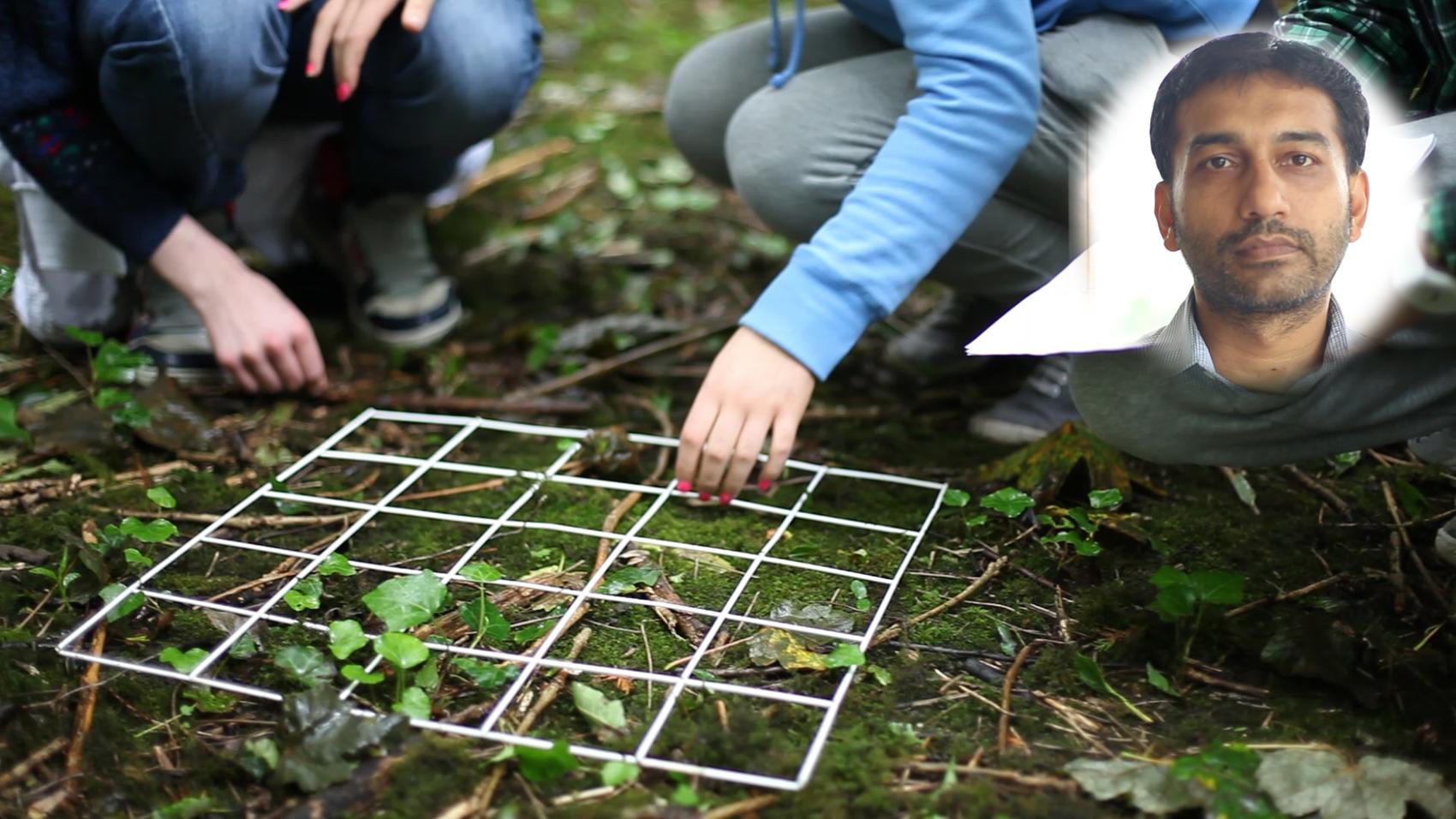
Founder & CEO Alok Gupta talks about Sustainability Consulting course, what is Sustainability Consulting and other details about a Career in Sustainability Consulting.


Sustainability Consulting

Alok Gupta | Founder & CEO | Envecologic


What is Sustainability Consulting?


There are many nuances of a Career in Sustainability Consulting. Internet is brimming with pages on How to get into Sustainability Consulting, while one should first understand What is a Career in Sustainability Consulting. The internet is a great source of information on Sustainability Consulting, but it is second best to learning about the same from a real professional.

Founder & CEO Alok Gupta invested 1 year & 7 months in Sustainability Consulting. Founder & CEO Alok Gupta describes Sustainability Consulting as:

Sustainability consultancy entails providing innovative and smart strategies to businesses on how to make their products sustainable (usually in an ecological sense) for example, providing advice on engineering challenges to meet modern-day building standards and norms such as the LEED Green Building Rating System. Sustainability consultants might also advise a business on how to achieve carbon neutrality.


How Founder & CEO Alok Gupta got into Sustainability Consulting?


After completing my education, I joined Boston Strategies International, a US-based company, where I served as Energy Economist & Country Representative. In December 2012, I started my own venture, Envecologic, which focuses on education & training, research and advisory services in the areas of environmental sustainability.


Founder & CEO Alok Gupta's Talk on Sustainability Consulting


Session Image
The Journey of Sustainability Consulting


What Is Sustainability Consulting

Sustainability Consulting

### Sustainability Consulting Image
What is
Sustainability consulting is a professional service that helps organizations develop and implement strategies to operate in environmentally, socially, and economically responsible ways. Consultants assess current practices, identify improvement opportunities, and guide clients toward sustainable solutions that align with regulatory requirements, stakeholder expectations, and long-term business goals.

Concept
Sustainability consulting plays a crucial role in helping organizations navigate the complex landscape of environmental regulations and societal expectations. For professionals in this field, the work is both impactful and rewarding, as it directly contributes to reducing environmental footprints and fostering corporate responsibility. One major benefit is the opportunity to drive meaningful change by influencing business practices toward sustainability. Another advantage is the growing demand for expertise in this area, which offers strong career prospects and job security. Additionally, sustainability consultants often enjoy the satisfaction of working on diverse projects that require creative problem-solving and collaboration across industries, making the role both dynamic and intellectually stimulating.

Real World Example
A sustainability consultant might work with a large manufacturing company aiming to reduce its carbon emissions and improve energy efficiency. The consultant would begin by conducting a thorough assessment of the company’s operations, identifying areas where waste can be minimized and resources conserved. They might recommend implementing renewable energy sources, optimizing supply chains, and adopting greener production methods. Throughout the process, the consultant collaborates with various departments to ensure that changes are practical and aligned with the company’s goals. By the end of the engagement, the company not only achieves measurable reductions in environmental impact but also enhances its brand reputation and compliance with evolving regulations, demonstrating the tangible value of sustainability consulting.

Education


Environmental Economics

### Environmental Economics Image
What is
Environmental Economics is a branch of economics that studies how economic activities impact the environment and how environmental policies can be designed to address issues like pollution, resource depletion, and climate change. It provides analytical tools to balance economic growth with environmental sustainability, making it essential for sustainability consulting professionals.

Concept
Understanding Environmental Economics is crucial for anyone pursuing a career in Sustainability Consulting because it equips professionals with the ability to analyze and interpret the economic implications of environmental decisions. This knowledge enables consultants to evaluate the costs and benefits of sustainability initiatives, design effective environmental policies, and communicate the financial rationale behind sustainable practices to stakeholders. Mastery of this subject allows consultants to bridge the gap between environmental goals and business objectives, ensuring that recommendations are both ecologically sound and economically viable. Over the long term, expertise in Environmental Economics enhances career prospects by positioning professionals as strategic advisors who can navigate complex regulatory landscapes and drive meaningful change within organizations.

Real World Example
Consider a sustainability consultant working with a manufacturing company aiming to reduce its carbon footprint. By applying principles from Environmental Economics, the consultant assesses the external costs of the company’s emissions and quantifies the economic benefits of adopting cleaner technologies. This analysis helps the consultant recommend investments in energy-efficient equipment that not only lower emissions but also reduce operational costs over time. The consultant uses cost-benefit analysis to demonstrate the long-term financial savings and potential regulatory incentives, making a compelling case to company leadership. Through this approach, the consultant ensures that environmental improvements align with the company’s economic interests, facilitating informed decision-making and sustainable business growth.

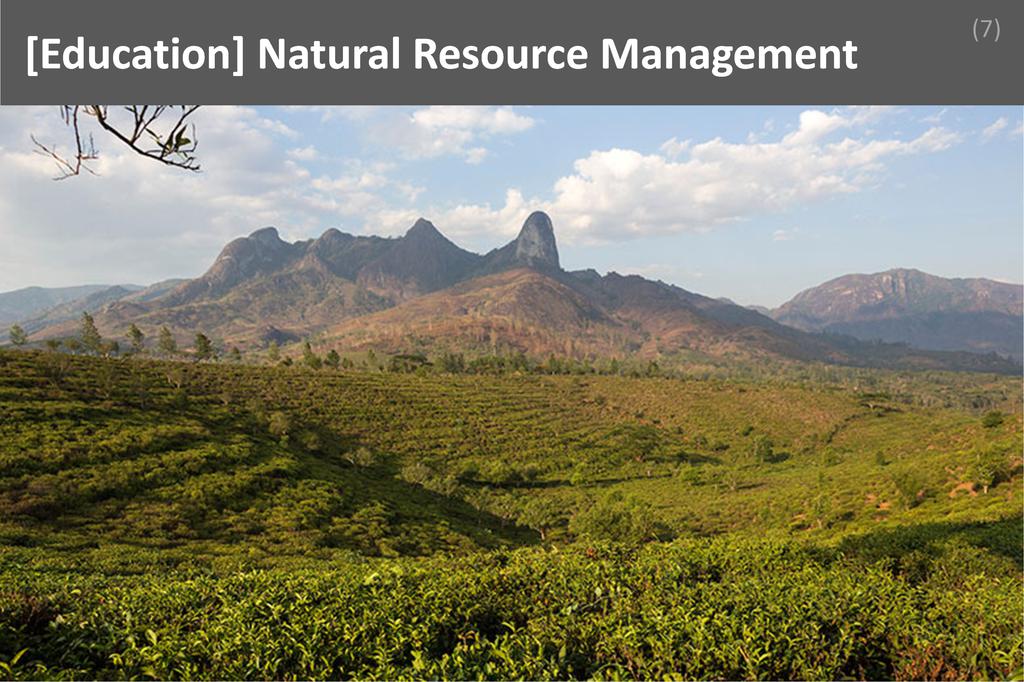
Natural Resource Management

### Natural Resource Management Image
What is
Natural Resource Management is the strategic process of overseeing and utilizing natural assets—such as water, soil, minerals, forests, and biodiversity—in a way that ensures their sustainability and health for current and future generations. It is a cornerstone of sustainability consulting, bridging ecological science with practical, responsible resource use.

Concept
Understanding Natural Resource Management is essential for anyone entering or advancing in sustainability consulting because it provides the scientific and ethical framework for advising organizations on responsible resource use. Mastery of this subject enables professionals to assess environmental impacts, recommend sustainable alternatives, and ensure compliance with environmental regulations. It also equips consultants to anticipate and mitigate risks associated with resource depletion, climate change, and ecosystem degradation. Over the long term, this expertise fosters credibility and trust with clients, supports the development of innovative sustainability strategies, and positions professionals as leaders in the evolving field of environmental stewardship. Ultimately, it forms the backbone of effective sustainability consulting by aligning business objectives with planetary health.

Real World Example
Imagine a sustainability consultant working with a manufacturing company aiming to reduce its environmental footprint. Drawing on their knowledge of Natural Resource Management, the consultant conducts a comprehensive audit of the company’s water and energy use, raw material sourcing, and waste generation. By analyzing these resource flows, the consultant identifies inefficiencies and recommends actionable strategies such as adopting closed-loop water systems, sourcing materials from certified sustainable suppliers, and implementing waste-to-energy technologies. Throughout the process, the consultant ensures that all proposed changes align with both regulatory requirements and best practices in resource conservation. This practical application not only helps the company achieve its sustainability goals but also demonstrates the consultant’s value in translating theory into impactful, real-world solutions.

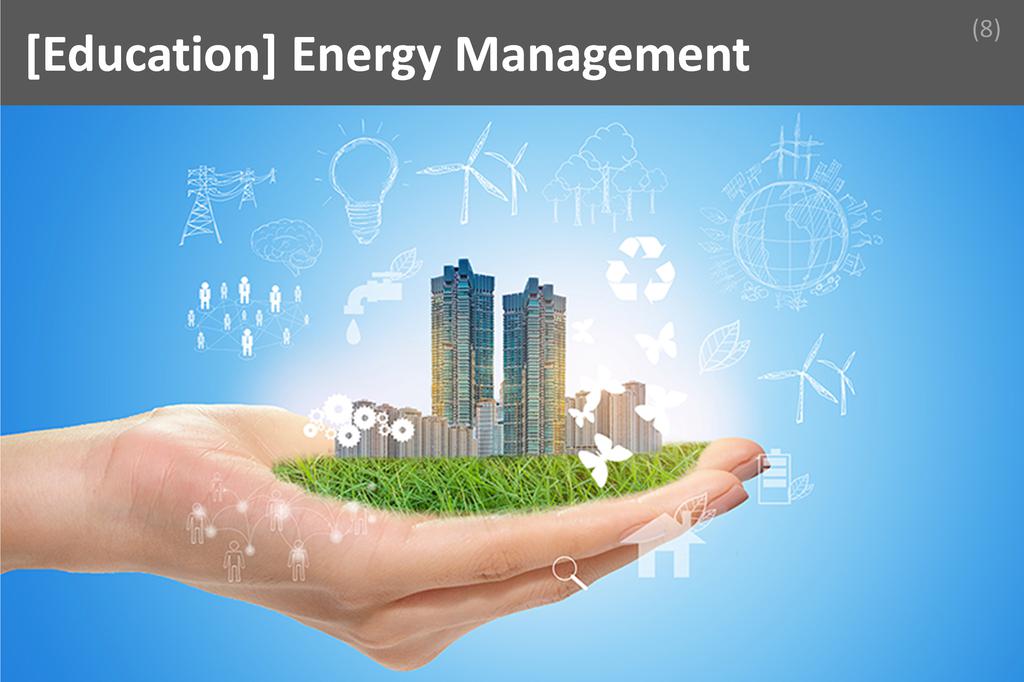
Energy Management

### Energy Management Image
What is
Energy Management is the systematic process of monitoring, controlling, and optimizing energy production and consumption within an organization or system. It involves implementing strategies to reduce energy use, increase efficiency, and minimize environmental impact. In Sustainability Consulting, it is a core discipline bridging technical expertise and sustainable business practices.

Concept
Understanding Energy Management is essential for anyone pursuing a career in Sustainability Consulting because it underpins the ability to assess and improve a client’s environmental performance. Mastery of this subject allows professionals to identify inefficiencies, recommend cost-saving measures, and support organizations in meeting regulatory requirements and sustainability goals. It also provides a framework for integrating renewable energy solutions and reducing greenhouse gas emissions, which are increasingly important in today’s business landscape. Over the long term, expertise in Energy Management enhances a consultant’s credibility, expands their service offerings, and ensures they can adapt to evolving industry standards and client expectations, making them invaluable assets to both their clients and their organizations.

Real World Example
A Sustainability Consultant working with a manufacturing company might begin by conducting an energy audit to analyze the facility’s current energy consumption patterns. Drawing on their knowledge of Energy Management, the consultant identifies outdated equipment and inefficient processes contributing to excessive energy use. They then develop a tailored action plan that includes upgrading to energy-efficient machinery, optimizing production schedules, and implementing real-time energy monitoring systems. By guiding the company through these changes, the consultant not only helps reduce operational costs but also supports the company’s broader sustainability objectives, such as lowering carbon emissions and improving compliance with environmental regulations. This practical application demonstrates how theoretical expertise in Energy Management translates into tangible business and environmental benefits.

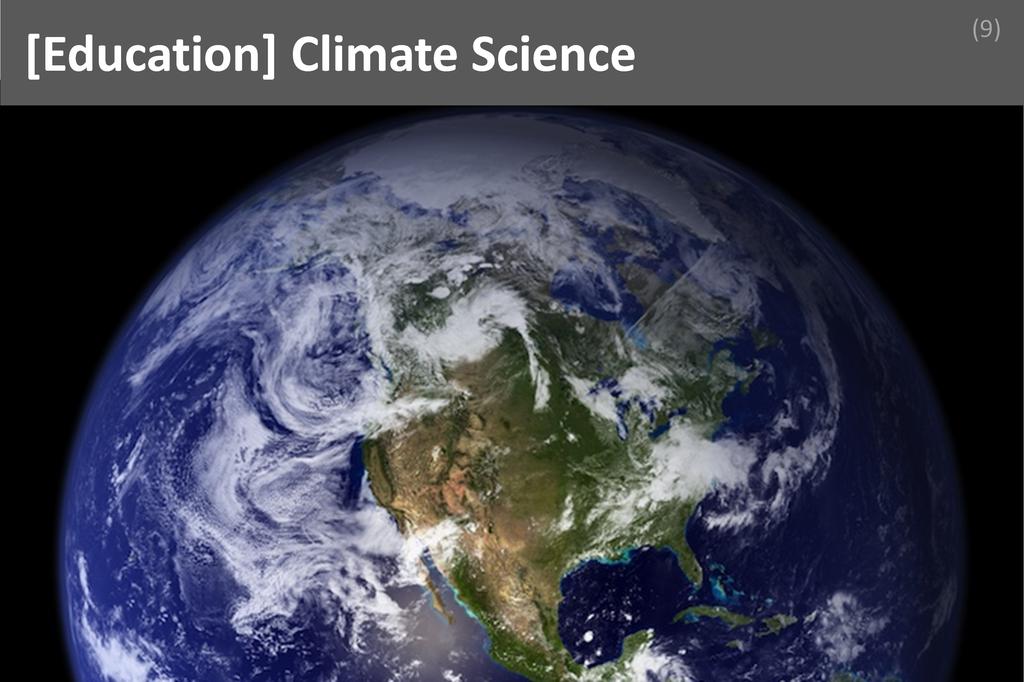
Climate Science

### Climate Science Image
What is
Climate Science is the interdisciplinary study of Earth’s climate system, encompassing the atmosphere, oceans, land surfaces, and ice. It investigates natural and human-driven processes that influence climate patterns and changes. For Sustainability Consulting, Climate Science provides essential insights for evaluating environmental impacts and developing effective, science-based sustainability strategies.

Concept
A deep understanding of Climate Science is indispensable for anyone pursuing a career in Sustainability Consulting. This field equips professionals with the ability to interpret climate data, assess risks, and anticipate the effects of environmental changes on organizations and communities. Mastery of climate principles enables consultants to craft informed recommendations that address both regulatory requirements and stakeholder expectations. Over time, this expertise enhances credibility, fosters innovation in sustainability solutions, and positions professionals as trusted advisors in a rapidly evolving landscape. As climate-related challenges intensify, consultants with a strong foundation in Climate Science are better prepared to guide clients through complex decisions, ensuring long-term resilience and competitive advantage.

Real World Example
Consider a Sustainability Consultant tasked with helping a manufacturing company reduce its carbon footprint. Drawing on their knowledge of Climate Science, the consultant analyzes the company’s greenhouse gas emissions, identifies key sources, and evaluates potential reduction strategies. They interpret climate models to forecast future regulatory risks and assess the potential impacts of climate change on supply chains and operations. By translating scientific findings into actionable business strategies, the consultant recommends targeted interventions such as energy efficiency upgrades and renewable energy adoption. This application of Climate Science not only helps the company meet sustainability goals but also strengthens its market position and prepares it for future climate-related challenges.

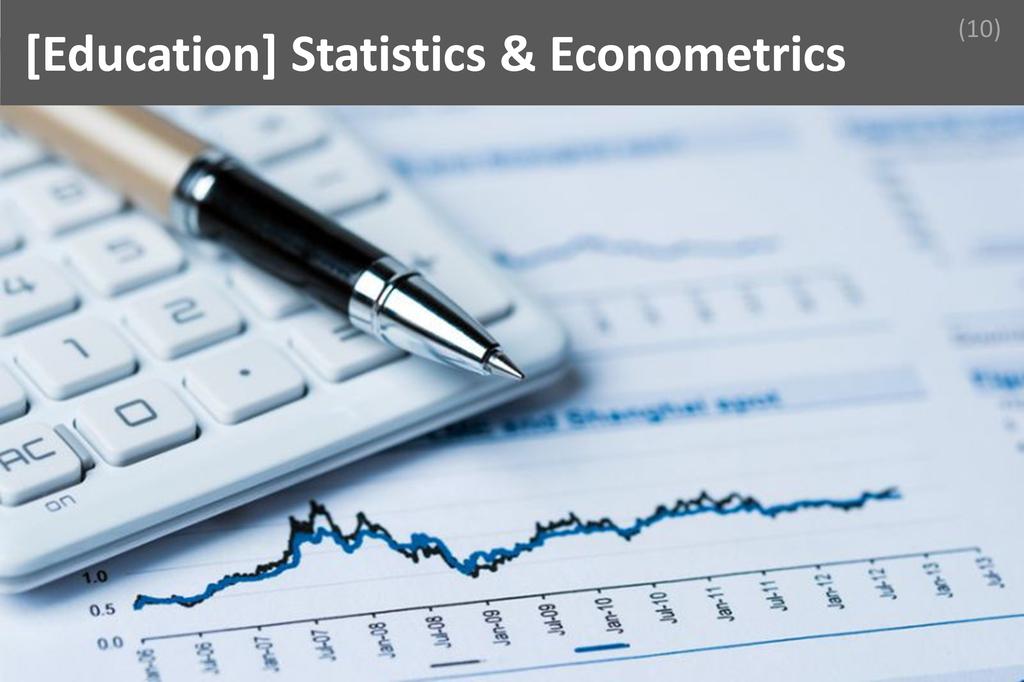
Statistics & Econometrics

### Statistics & Econometrics Image
What is
Statistics & Econometrics is the study of collecting, analyzing, and interpreting quantitative data to uncover patterns, relationships, and trends, particularly within economic and social systems. In Sustainability Consulting, this discipline provides the analytical foundation for evaluating environmental impacts, measuring progress, and supporting evidence-based recommendations for sustainable business practices.

Concept
A solid grasp of Statistics & Econometrics is essential for sustainability consultants because it enables them to rigorously assess environmental data, identify causal relationships, and forecast the outcomes of proposed interventions. This knowledge allows professionals to move beyond intuition, grounding their recommendations in robust, data-driven analysis. By mastering these concepts, consultants can credibly evaluate the effectiveness of sustainability initiatives, quantify risks and benefits, and communicate findings to stakeholders with clarity and authority. Over the long term, proficiency in Statistics & Econometrics enhances a consultant’s ability to adapt to evolving regulatory standards, emerging technologies, and complex datasets, ensuring their expertise remains relevant and valuable in a rapidly changing field.

Real World Example
Consider a sustainability consultant tasked with helping a manufacturing company reduce its carbon footprint. The consultant gathers data on energy consumption, production volumes, and emissions over several years. Using econometric models, they analyze how changes in production processes impact emissions, controlling for external factors like seasonal demand. Their statistical analysis reveals which interventions yield the greatest reductions in carbon output per unit produced. The consultant then presents these findings to company leadership, supporting their recommendations with clear, quantitative evidence. This approach not only guides the company toward the most effective sustainability strategies but also provides a transparent basis for reporting progress to regulators and investors.

Carbon Management

### Carbon Management Image
What is
Carbon Management is the strategic process of measuring, reducing, and monitoring greenhouse gas emissions within organizations, projects, or communities. It encompasses policies, technologies, and practices aimed at minimizing carbon footprints. In Sustainability Consulting, Carbon Management is a core discipline, bridging environmental science, regulatory compliance, and business strategy to drive sustainable transformation.

Concept
Understanding Carbon Management is essential for anyone entering or advancing in Sustainability Consulting. This knowledge enables professionals to assess environmental impacts, develop emission reduction strategies, and guide organizations through complex regulatory landscapes. Mastery of Carbon Management forms the backbone of credible sustainability advice, as clients increasingly demand robust, science-based solutions to climate change. Consultants equipped with this expertise can identify cost-saving opportunities, enhance corporate reputation, and future-proof businesses against evolving environmental standards. Over the long term, proficiency in Carbon Management not only opens doors to diverse projects and leadership roles but also ensures consultants remain relevant as global priorities shift toward decarbonization and net-zero commitments.

Real World Example
Imagine a Sustainability Consultant working with a manufacturing company aiming to reduce its carbon footprint. The consultant begins by conducting a comprehensive greenhouse gas inventory, identifying emission hotspots across operations and supply chains. Drawing on their Carbon Management expertise, they recommend energy efficiency upgrades, renewable energy sourcing, and process optimizations. The consultant also helps the company set science-based targets and develop transparent reporting mechanisms aligned with international standards. Throughout the engagement, the consultant translates complex carbon data into actionable insights, enabling the client to make informed decisions, comply with regulations, and communicate progress to stakeholders. This practical application of Carbon Management theory directly supports the client’s sustainability goals and competitive positioning.

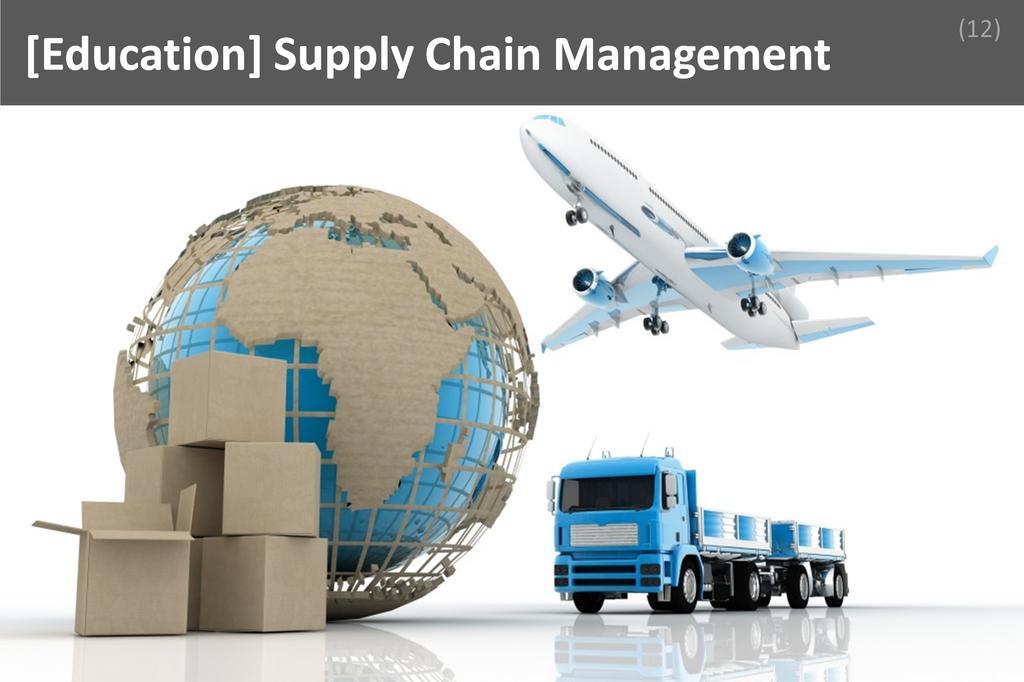
Supply Chain Management

### Supply Chain Management Image
What is
Supply Chain Management is the coordination and oversight of all activities involved in sourcing, producing, and delivering goods or services from origin to end consumer. It integrates logistics, procurement, operations, and information flow. In Sustainability Consulting, understanding supply chains is essential for evaluating environmental and social impacts across business operations.

Concept
A deep understanding of Supply Chain Management is vital for sustainability consultants because it enables them to identify inefficiencies, risks, and opportunities for improvement throughout a company’s value chain. This knowledge forms the backbone of sustainable business strategies, allowing professionals to recommend actionable solutions that reduce waste, lower emissions, and promote ethical sourcing. Mastery of these concepts also enhances a consultant’s credibility and effectiveness when engaging with stakeholders, from suppliers to executives. Over the long term, expertise in supply chain management opens doors to leadership roles and specialized projects, as organizations increasingly prioritize sustainability in their operations and reporting. This foundational knowledge ensures consultants remain relevant and impactful as sustainability expectations evolve.

Real World Example
Consider a sustainability consultant working with a global apparel brand aiming to reduce its carbon footprint. By applying their understanding of supply chain management, the consultant maps the entire supply chain, from raw material sourcing to final product delivery. They identify that a significant portion of emissions originates from textile production in overseas factories. Using this insight, the consultant collaborates with suppliers to implement energy-efficient technologies and shift to renewable energy sources. They also advise on optimizing transportation routes to minimize fuel consumption. Through these targeted interventions, the consultant helps the brand achieve measurable sustainability goals, demonstrating how theoretical supply chain knowledge translates into practical, impactful solutions in daily consulting work.

Skills


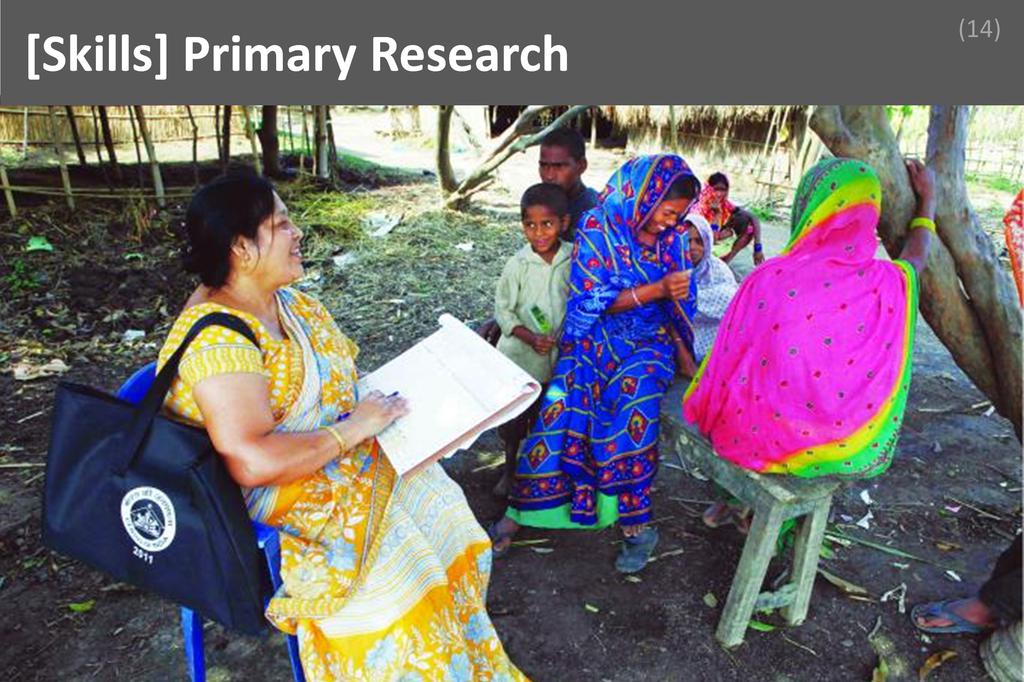
Primary Research

### Primary Research Image
What is
Primary research is the process of gathering original data directly from sources through methods such as interviews, surveys, field observations, and experiments. In sustainability consulting, it enables professionals to obtain accurate, context-specific information that cannot be found in existing reports or databases, forming the foundation for tailored, effective solutions.

Concept
Mastering primary research significantly enhances a sustainability consultant’s effectiveness by ensuring recommendations are grounded in real-world evidence rather than assumptions or outdated data. Clients and employers highly value this skill because it leads to more credible, actionable insights that address unique challenges and opportunities within their organizations. To cultivate this skill, professionals should practice designing research instruments, conducting interviews, and analyzing qualitative and quantitative data. Over time, experience in diverse projects and continuous learning about new research methodologies will further refine their ability to extract meaningful information, ultimately making them indispensable advisors in the sustainability field.

Real World Example
Imagine a sustainability consultant tasked with helping a manufacturing company reduce its water usage. Existing industry reports provide general benchmarks, but the consultant conducts primary research by interviewing plant managers, observing daily operations, and measuring water flow at various stages of production. This hands-on approach uncovers specific inefficiencies, such as leaks in certain pipes and excessive water use during equipment cleaning. By relying on primary research, the consultant delivers tailored recommendations that directly address the company’s unique circumstances, resulting in measurable water savings and a stronger case for further sustainability investments. This scenario highlights how primary research enables consultants to move beyond generic advice and create real, lasting impact for their clients.

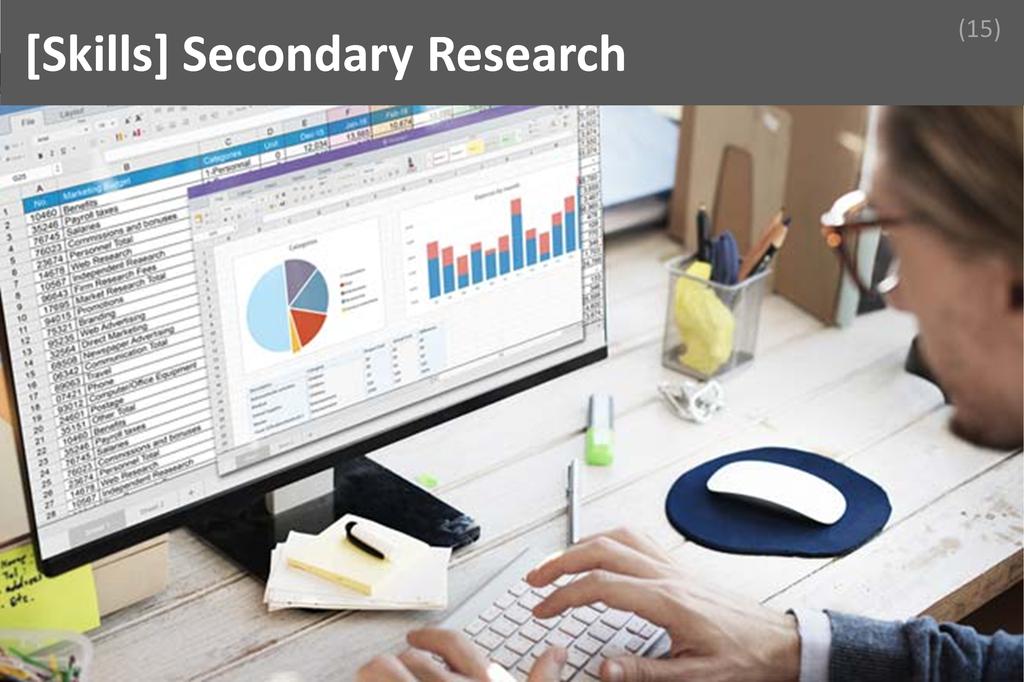
Secondary Research

### Secondary Research Image
What is
Secondary research is the process of gathering, analyzing, and synthesizing information from existing sources such as reports, academic studies, industry publications, and government data. In sustainability consulting, it enables professionals to build a strong foundation of knowledge, benchmark best practices, and inform strategic recommendations for clients seeking sustainable solutions.

Concept
Mastering secondary research significantly enhances a sustainability consultant’s effectiveness by enabling them to quickly access credible data, identify emerging trends, and understand regulatory landscapes. Clients and employers highly value this skill because it ensures that recommendations are evidence-based and aligned with industry standards. Over time, professionals can cultivate this skill by regularly engaging with reputable sources, critically evaluating information, and staying updated on sustainability developments. Practicing efficient search techniques and developing an analytical mindset also contribute to stronger research capabilities. As consultants deepen their expertise, their ability to distill complex information into actionable insights becomes a key differentiator in delivering value to organizations committed to sustainable practices.

Real World Example
Imagine a sustainability consultant tasked with helping a manufacturing client reduce its carbon footprint. The consultant begins by conducting secondary research to review the latest carbon reduction technologies, analyze case studies from similar industries, and examine relevant environmental regulations. By synthesizing this information, the consultant identifies proven strategies and potential pitfalls, enabling the client to make informed decisions. The consultant’s ability to reference credible sources and benchmark against industry leaders not only builds trust but also ensures that the proposed solutions are both innovative and compliant. In this scenario, secondary research is the backbone of the consultant’s approach, driving successful outcomes for the client and reinforcing the consultant’s role as a knowledgeable advisor.

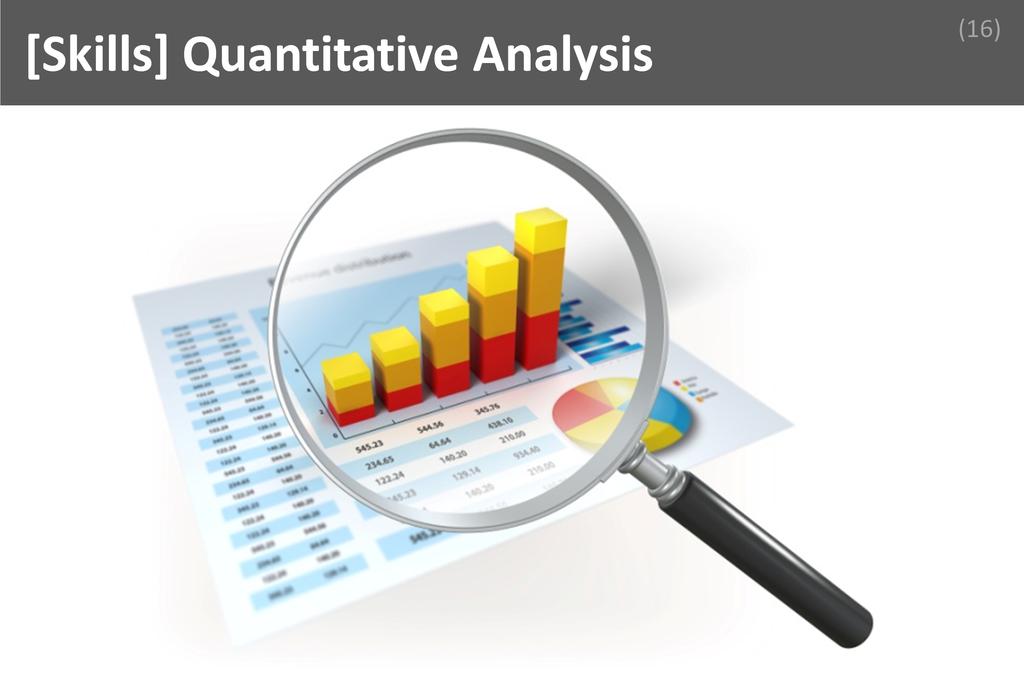
Quantitative Analysis

### Quantitative Analysis Image
What is
Quantitative Analysis refers to the systematic use of mathematical, statistical, and computational techniques to collect, interpret, and present numerical data. In Sustainability Consulting, it enables professionals to measure environmental impacts, assess resource efficiency, and support evidence-based recommendations, making it a cornerstone for credible and actionable sustainability strategies.

Concept
Mastering Quantitative Analysis significantly enhances a sustainability consultant’s ability to deliver precise, data-driven insights that inform decision-making. Clients and employers highly value this skill because it transforms complex environmental and operational data into clear, actionable findings that drive measurable improvements. By leveraging quantitative methods, consultants can benchmark performance, forecast outcomes, and justify investments in sustainability initiatives. Developing this skill involves formal education in statistics and data analysis, hands-on experience with sustainability metrics, and continuous learning through real-world projects. Over time, professionals refine their analytical abilities by working with diverse datasets, adopting new analytical tools, and staying updated on emerging sustainability standards and reporting frameworks.

Real World Example
Imagine a sustainability consultant tasked with helping a manufacturing company reduce its carbon footprint. The consultant begins by gathering detailed energy consumption and emissions data across all production sites. Using quantitative analysis, they identify patterns, calculate emission intensities, and model the impact of various reduction strategies. By presenting clear, data-backed projections, the consultant demonstrates how specific operational changes—such as upgrading equipment or optimizing logistics—can achieve targeted emission reductions while maintaining profitability. This rigorous, quantitative approach not only builds trust with the client but also ensures that recommendations are both practical and aligned with industry benchmarks, ultimately leading to successful implementation and measurable sustainability outcomes.

Analytical

### Analytical Image
What is
Analytical is the ability to systematically examine complex information, identify patterns, interpret data, and draw logical conclusions. In Sustainability Consulting, this skill enables professionals to assess environmental impacts, evaluate sustainability metrics, and develop evidence-based recommendations. Analytical thinking transforms raw data into actionable insights, forming the foundation for effective, sustainable solutions.

Concept
Analytical skills are indispensable in Sustainability Consulting because they empower professionals to dissect multifaceted environmental challenges, interpret regulatory requirements, and assess the effectiveness of sustainability initiatives. Clients and employers highly value this skill as it ensures recommendations are grounded in data and objective analysis rather than assumptions. By leveraging analytical thinking, consultants can identify root causes of sustainability issues, forecast potential outcomes, and design tailored strategies that maximize positive impact. Cultivating this skill involves continuous learning, such as engaging with case studies, practicing data analysis, and seeking feedback on problem-solving approaches. Over time, exposure to diverse projects and collaboration with multidisciplinary teams further sharpens analytical abilities, making consultants more adept at delivering robust, credible solutions.

Real World Example
Imagine a Sustainability Consultant tasked with helping a manufacturing company reduce its carbon footprint. The consultant gathers data on energy consumption, waste generation, and supply chain logistics. By applying analytical skills, they identify inefficiencies in production processes and pinpoint the most significant sources of emissions. Through careful data interpretation, the consultant recommends targeted interventions, such as upgrading equipment and optimizing transportation routes. Their analytical approach not only uncovers hidden opportunities for improvement but also provides the client with clear, quantifiable benefits. This scenario demonstrates how analytical thinking is crucial for diagnosing problems, designing effective solutions, and ultimately driving measurable progress in sustainability initiatives.

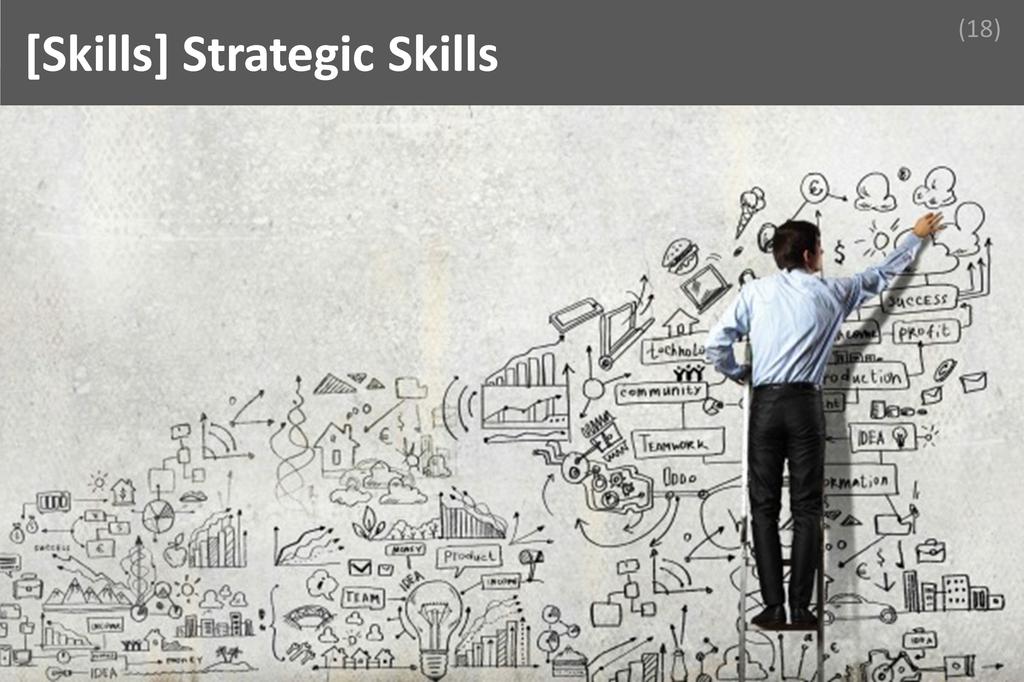
Strategy

### Strategy Image
What is
Strategy is the deliberate process of setting long-term goals, analyzing internal and external environments, and designing actionable plans to achieve desired outcomes. In sustainability consulting, strategy enables professionals to navigate complex challenges, align stakeholder interests, and create impactful solutions that balance environmental, social, and economic priorities for lasting positive change.

Concept
Mastering strategy significantly enhances a sustainability consultant’s effectiveness by enabling them to anticipate challenges, prioritize initiatives, and deliver tailored solutions that drive measurable results. Clients and employers highly value this skill because it ensures that sustainability efforts are not only visionary but also practical and achievable within organizational constraints. Strategic thinkers can identify opportunities for innovation, manage risks, and adapt to evolving regulations or market trends. To cultivate this skill, professionals should engage in continuous learning, seek mentorship from experienced strategists, and practice scenario planning. Over time, exposure to diverse projects and industries helps refine their ability to synthesize information, make informed decisions, and communicate clear, actionable roadmaps for sustainable transformation.

Real World Example
Imagine a sustainability consultant working with a multinational corporation aiming to achieve net-zero emissions by 2040. The consultant must develop a comprehensive strategy that considers the company’s global operations, supply chain complexities, and regulatory environments across different regions. By conducting a thorough assessment, the consultant identifies key emission hotspots and evaluates various reduction pathways. Through strategic planning, they prioritize high-impact initiatives, such as transitioning to renewable energy and optimizing logistics, while aligning these actions with the company’s business objectives and stakeholder expectations. The consultant’s strategic approach not only ensures the feasibility and scalability of the plan but also secures executive buy-in and positions the company as an industry leader in sustainability.

Applicability

### Applicability Image
What is
Applicability is the ability to translate theoretical knowledge, frameworks, and best practices into practical, context-specific solutions that address real-world challenges. In sustainability consulting, this skill ensures that recommendations are not only grounded in sound principles but also tailored to the unique needs, constraints, and opportunities of each client or project.

Concept
Applicability directly enhances a sustainability consultant’s effectiveness by ensuring that strategies and solutions are relevant and actionable. Clients and employers highly value this skill because it bridges the gap between abstract sustainability concepts and tangible business outcomes. A consultant who demonstrates applicability can interpret complex regulations, adapt global standards to local contexts, and design initiatives that align with organizational goals. Cultivating this skill involves continuous learning, staying updated on industry trends, and gaining hands-on experience across diverse sectors. Over time, professionals can refine their judgment by reflecting on past projects, seeking feedback, and engaging in cross-disciplinary collaboration, all of which help them recognize which approaches work best in different situations.

Real World Example
Imagine a sustainability consultant working with a manufacturing company aiming to reduce its carbon footprint. The consultant must assess which carbon reduction strategies are feasible given the company’s budget, operations, and supply chain. Instead of recommending generic solutions, the consultant applies their knowledge of industry best practices and regulatory requirements to design a customized action plan. By evaluating the company’s specific energy usage patterns and local resource availability, the consultant proposes targeted interventions, such as switching to renewable energy sources and optimizing production processes. This tailored approach not only ensures compliance but also delivers measurable environmental and financial benefits, demonstrating the consultant’s strong applicability skill in action.

Positives


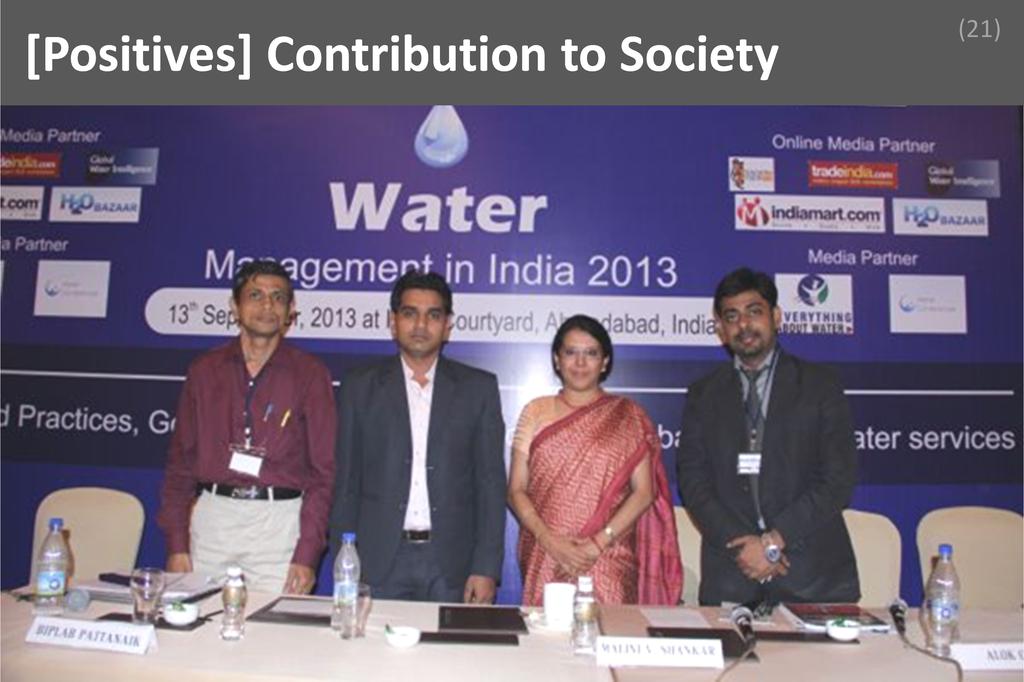
Contribution to Society

### Contribution to Society Image
What is
Contribution to society means actively working to improve the well-being of communities, the environment, and future generations through meaningful actions and decisions. In sustainability consulting, this involves guiding organizations toward environmentally responsible practices, reducing negative impacts, and fostering positive change that benefits both people and the planet. This focus on societal betterment is central to the profession, shaping its purpose and direction.

Concept
The opportunity to contribute to society is a powerful motivator in sustainability consulting, elevating the work beyond routine tasks. Professionals in this field find deep satisfaction in knowing their efforts help address urgent global challenges such as climate change, resource depletion, and social inequality. This sense of purpose not only enhances job satisfaction but also drives personal and professional growth, as consultants are constantly learning and adapting to create meaningful solutions. Each day, they witness the tangible results of their work, whether it’s helping a company reduce its carbon footprint or supporting a community in adopting sustainable practices. This daily experience of making a difference reinforces their commitment and passion for the field.

Real World Example
Imagine a sustainability consultant working with a local municipality to develop a comprehensive waste reduction program. Through research, collaboration, and innovative planning, the consultant helps the community implement recycling initiatives, composting systems, and educational campaigns. Over time, the town sees a significant decrease in landfill waste and increased community engagement in environmental stewardship. The consultant not only witnesses the positive environmental outcomes but also hears stories from residents about how these changes have improved their quality of life. This direct feedback and visible transformation provide a profound sense of fulfillment, illustrating how contributing to society is both a daily reality and a lasting legacy in sustainability consulting.

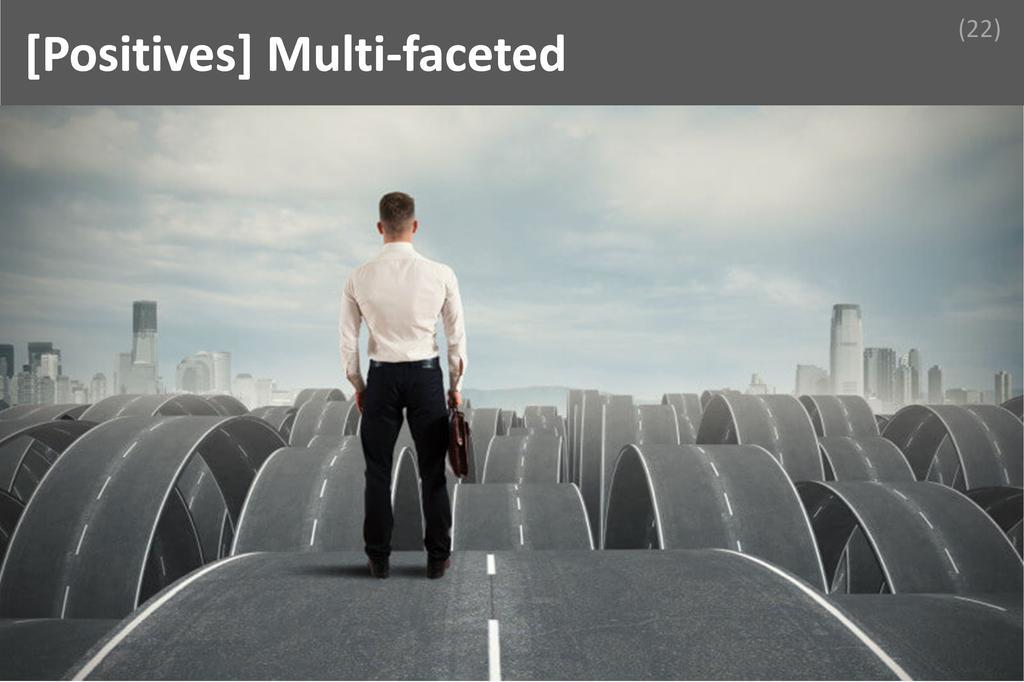
Multi-faceted

### Multi-faceted Image
What is
Multi-faceted means possessing many different aspects, skills, or areas of expertise, allowing a person to adapt and contribute in diverse ways. In sustainability consulting, being multi-faceted enables professionals to address complex environmental, social, and economic challenges by integrating knowledge from various disciplines, fostering creative solutions, and driving meaningful change.

Concept
The multi-faceted nature of sustainability consulting is a key driver of job satisfaction and professional growth. Every project presents new challenges that require consultants to draw upon a wide range of skills, from technical analysis and stakeholder engagement to policy interpretation and creative problem-solving. This constant variety keeps the work intellectually stimulating and prevents monotony, while also encouraging continuous learning and development. Professionals find themselves growing not only as experts in sustainability but also as adaptable leaders and communicators. The ability to make a tangible impact across multiple domains—environmental, social, and economic—provides a deep sense of purpose and fulfillment, making each day both meaningful and dynamic.

Real World Example
Imagine a sustainability consultant working with a city government to develop a climate action plan. One day, they analyze energy data to identify efficiency opportunities; the next, they facilitate workshops with local businesses and residents to gather input and build consensus. Later, they translate complex scientific findings into accessible recommendations for policymakers. This multi-faceted role allows the consultant to blend technical expertise, communication skills, and creative thinking, resulting in a comprehensive strategy that benefits the entire community. The consultant experiences firsthand how their diverse abilities contribute to real-world progress, making their work both impactful and personally rewarding.

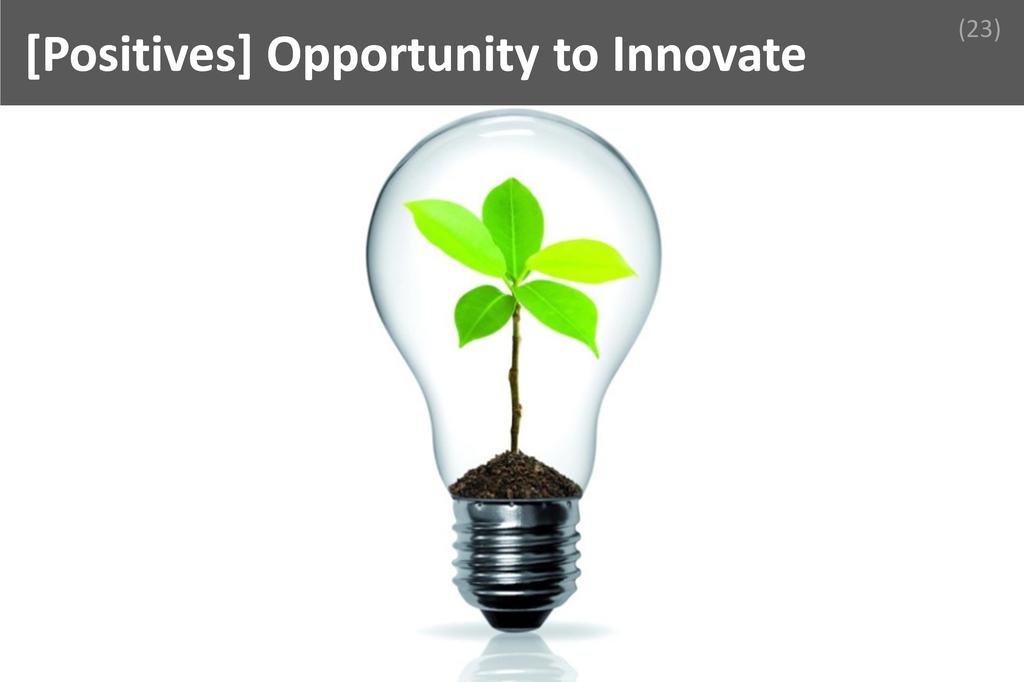
Opportunity to Innovate

### Opportunity to Innovate Image
What is
Opportunity to Innovate refers to the freedom and encouragement to develop creative solutions, implement new ideas, and challenge conventional approaches in addressing complex sustainability challenges. In sustainability consulting, this means professionals are empowered to design unique strategies, leverage emerging technologies, and drive meaningful change for organizations and communities.

Concept
The chance to innovate is a powerful motivator for those drawn to sustainability consulting. It transforms routine problem-solving into a dynamic, intellectually stimulating experience where every project presents a new puzzle to solve. This constant engagement with fresh ideas and evolving challenges fosters a sense of ownership and pride in one’s work. Professionals find their roles deeply satisfying because they are not only helping clients meet regulatory requirements but also shaping the future of sustainable business practices. The ability to see tangible results from their innovative efforts, such as reduced environmental impact or improved resource efficiency, further enhances their sense of accomplishment and professional growth. Each day brings new opportunities to learn, adapt, and make a real difference.

Real World Example
Imagine a sustainability consultant working with a manufacturing company seeking to reduce its carbon footprint. Rather than relying solely on standard solutions, the consultant researches and pilots a novel waste-to-energy technology tailored to the company’s specific processes. Through collaboration with engineers and stakeholders, the consultant refines the approach, ultimately helping the company achieve significant emissions reductions while cutting operational costs. This experience not only delivers measurable environmental and financial benefits but also provides the consultant with a profound sense of fulfillment. By pioneering a new solution, the consultant demonstrates the transformative power of innovation, inspiring colleagues and clients alike to pursue even greater sustainability ambitions.

Exciting Profession

### Exciting Profession Image
What is
An "Exciting Profession" is a career that offers dynamic challenges, continuous learning, and the opportunity to make a meaningful impact. It keeps professionals engaged through diverse projects, innovative problem-solving, and collaboration with passionate individuals. In sustainability consulting, this excitement fuels motivation and drives positive change for organizations and the environment.

Concept
The excitement inherent in sustainability consulting transforms daily work into a source of inspiration and fulfillment. Professionals are constantly exposed to new industries, emerging technologies, and evolving regulations, ensuring that no two days are ever the same. This dynamic environment fosters creativity and adaptability, which are essential for personal and professional growth. The sense of purpose that comes from helping organizations reduce their environmental footprint and achieve sustainability goals adds a deeper level of satisfaction. As consultants witness the tangible results of their efforts, they experience a unique blend of intellectual stimulation and emotional reward, making their career journey both meaningful and motivating.

Real World Example
Imagine a sustainability consultant working with a major city to develop a comprehensive climate action plan. Each day brings new challenges, from analyzing energy usage data to collaborating with city officials and community leaders. The consultant must stay ahead of the latest green technologies and policy trends, ensuring their recommendations are both innovative and practical. As the project progresses, the consultant sees their ideas take shape in real-world initiatives, such as expanded public transportation and green building incentives. The excitement of navigating complex problems and witnessing the city’s transformation firsthand provides a profound sense of accomplishment, reinforcing the value and thrill of their chosen profession.

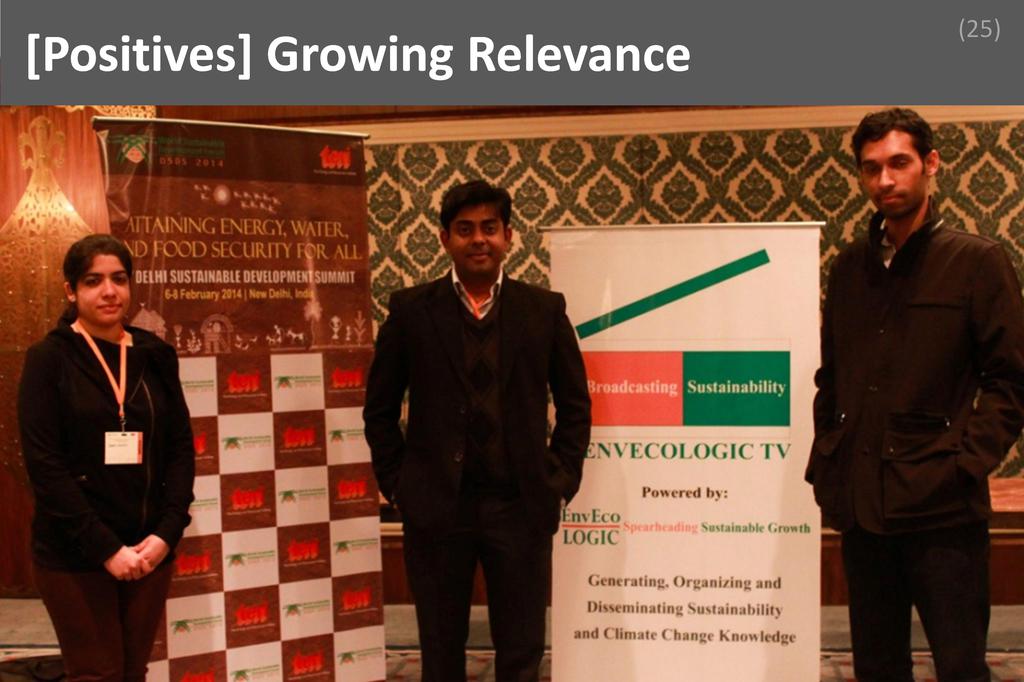
Growing Relevance

### Growing Relevance Image
What is
Growing Relevance refers to the increasing importance and demand for sustainability expertise as organizations, governments, and communities recognize the urgent need to address environmental and social challenges. This trend means that sustainability consultants are becoming more essential, their insights more valued, and their influence on decision-making processes is steadily expanding across industries.

Concept
The growing relevance of sustainability consulting transforms the profession into a dynamic and future-proof career path. As the world shifts toward sustainable practices, consultants find themselves at the forefront of meaningful change, shaping policies and strategies that have lasting impact. This heightened demand not only ensures strong job security and diverse opportunities but also brings a deep sense of purpose. Professionals experience the satisfaction of knowing their work is vital to global progress, and their expertise is sought after by organizations eager to adapt and thrive. Each day, sustainability consultants witness the tangible results of their efforts, reinforcing their motivation and commitment to making a difference.

Real World Example
Imagine a sustainability consultant working with a major corporation to reduce its carbon footprint. As new regulations and public expectations intensify, the consultant’s recommendations become central to the company’s strategy. Leadership relies on their expertise to navigate complex challenges, and employees look to them for guidance on sustainable practices. The consultant sees their ideas implemented across operations, resulting in measurable environmental improvements and positive recognition for the company. This experience highlights the growing relevance of their role, providing a profound sense of accomplishment and reinforcing the value of their contributions in driving real-world progress.

Challenges


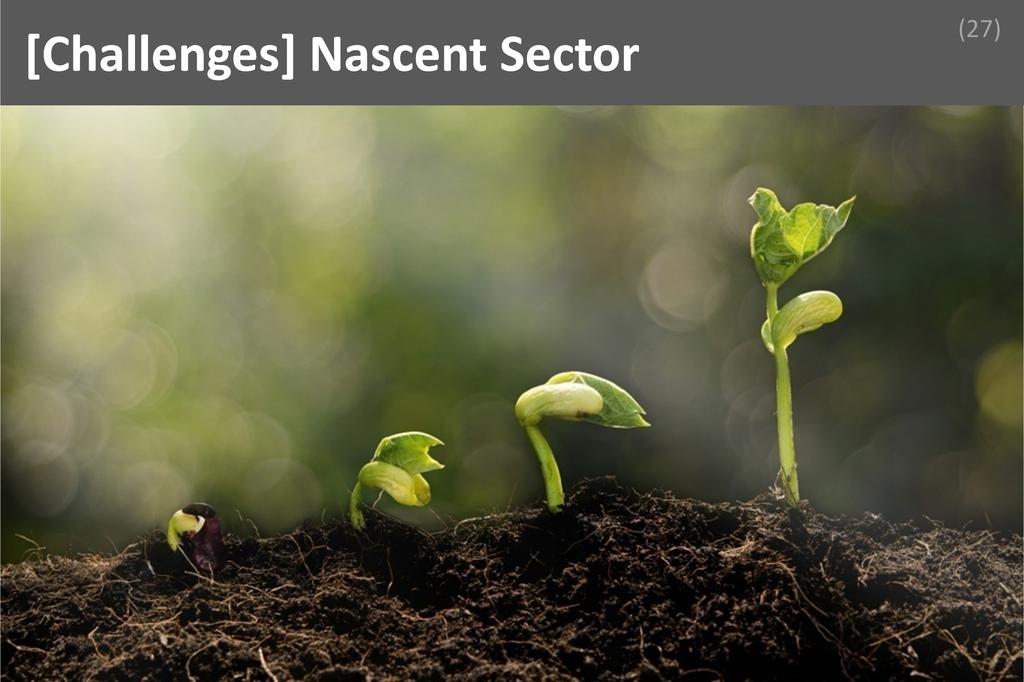
Nascent Sector

### Nascent Sector Image
What is
A "Nascent Sector" in Sustainability Consulting refers to an industry or market segment that is still emerging, with evolving standards, limited precedents, and unclear best practices. This environment is demanding because professionals must navigate ambiguity, rapidly changing expectations, and a lack of established frameworks, requiring adaptability and innovative problem-solving.

Concept
Working in a nascent sector means that sustainability consultants often face uncertainty in client expectations, shifting regulatory landscapes, and the absence of tried-and-tested methodologies. This can lead to frequent changes in project scope, the need for continuous learning, and the pressure to justify recommendations without robust historical data. Such conditions demand resilience, as professionals must remain flexible and proactive, often pioneering new approaches and advocating for their value. Successful consultants manage this constraint by cultivating a mindset open to experimentation, building strong networks for knowledge sharing, and maintaining transparent communication with clients about the evolving nature of the field. By embracing ambiguity and positioning themselves as thought leaders, they turn the sector’s immaturity into an opportunity for growth and differentiation.

Real World Example
Consider a sustainability consultant tasked with developing a carbon reduction strategy for a company in a newly regulated industry, such as cryptocurrency mining. With few established guidelines and minimal sector-specific data, the consultant faces significant ambiguity. By leveraging cross-sector knowledge, engaging with emerging industry groups, and collaborating closely with the client to set realistic expectations, the consultant crafts a tailored approach that balances innovation with practicality. Through regular updates and transparent reporting on both progress and challenges, the consultant builds trust and demonstrates value, ultimately helping the client achieve measurable sustainability improvements despite the sector’s early-stage complexities. This proactive and adaptive approach exemplifies how professionals can thrive in a nascent sector.

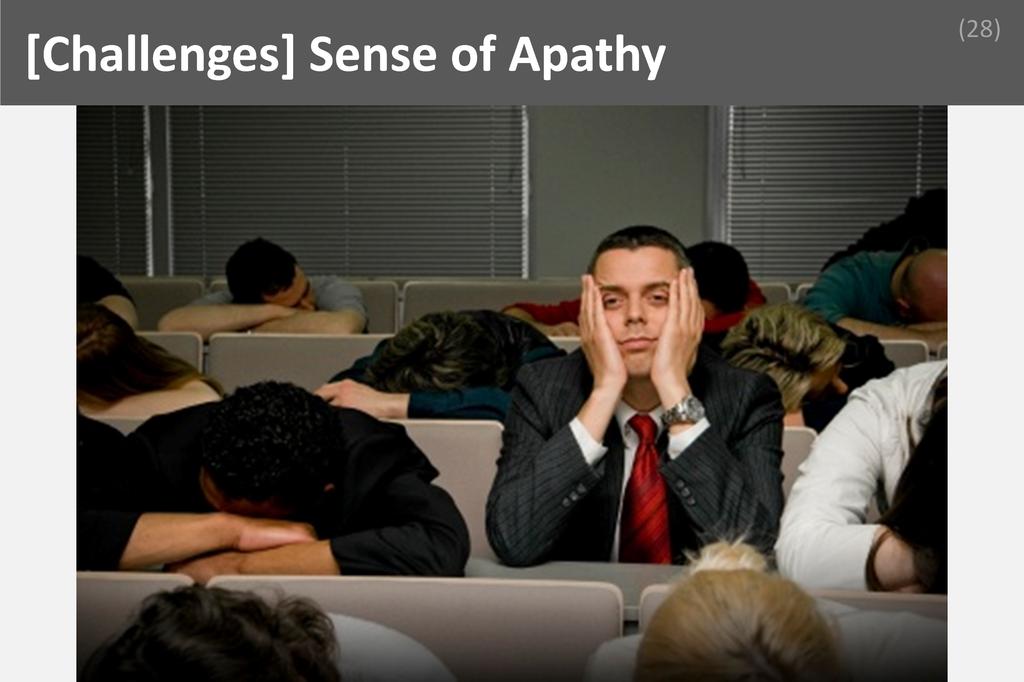
Sense of Apathy

### Sense of Apathy Image
What is
A sense of apathy in sustainability consulting refers to the emotional fatigue and disengagement professionals experience when their efforts to drive environmental or social change are met with indifference, resistance, or slow progress. This challenge is demanding because it can erode motivation, diminish creativity, and undermine the long-term effectiveness of sustainability initiatives.

Concept
The sense of apathy can seep into daily work, making routine tasks feel futile and diminishing the drive to advocate for meaningful change. Professionals may encounter stakeholders who are indifferent or even hostile to sustainability goals, leading to frustration and self-doubt. This emotional toll requires resilience, as consultants must continually reframe setbacks and maintain their commitment despite slow or invisible progress. Successful professionals manage this constraint by focusing on incremental wins, seeking out supportive networks, and reminding themselves of the broader impact of their work. They cultivate patience and adaptability, recognizing that systemic change is gradual, and that their expertise is vital even when immediate results are not apparent.

Real World Example
Consider a sustainability consultant working with a manufacturing company resistant to adopting greener practices due to perceived costs and operational disruptions. Initially, the consultant faces dismissive attitudes and minimal engagement from leadership. Instead of succumbing to apathy, the consultant identifies a small pilot project that demonstrates both environmental and financial benefits. By carefully tracking and communicating these results, the consultant gradually earns trust and builds momentum for broader initiatives. Over time, the company’s leadership becomes more receptive, and the consultant’s perseverance leads to the adoption of more ambitious sustainability goals. This scenario illustrates how resilience, strategic communication, and a focus on achievable milestones can help overcome the sense of apathy and drive meaningful progress.

Long Working Hours

### Long Working Hours Image
What is
Long working hours in Sustainability Consulting refer to consistently extended workdays, often exceeding standard business hours, due to tight project deadlines, complex stakeholder engagement, and the evolving nature of sustainability regulations. This demand is intensified by the need to deliver high-quality, data-driven solutions while balancing multiple client expectations and rapidly changing industry requirements.

Concept
The challenge of long working hours can lead to fatigue, decreased productivity, and difficulty maintaining work-life balance. Professionals often face back-to-back meetings, urgent client requests, and the pressure to stay updated on new sustainability frameworks. This environment requires significant resilience, adaptability, and time management skills. Successful consultants manage these demands by setting clear boundaries, prioritizing tasks, and leveraging teamwork to distribute workloads efficiently. They also recognize the importance of regular breaks and self-care to sustain their energy and focus. By cultivating strong organizational habits and open communication with both clients and colleagues, they can navigate periods of intense work without compromising their well-being or the quality of their deliverables.

Real World Example
Consider a sustainability consultant tasked with leading a major corporate carbon reduction project, requiring coordination across global teams and tight reporting deadlines. Facing twelve-hour workdays, she proactively schedules focused work blocks, delegates research tasks to junior team members, and communicates transparently with clients about realistic timelines. She also ensures to disconnect after hours and uses brief mindfulness exercises to recharge during the day. By balancing assertive time management with collaborative teamwork, she not only meets project milestones but also maintains her personal well-being. Her approach demonstrates that, even in high-pressure environments, it is possible to deliver impactful results without succumbing to burnout.

A Day Of


Sustainability Consulting

What is
The hum of city life is just beginning to stir as sustainability consultants step into their day, fueled by a sense of purpose that goes far beyond spreadsheets and slide decks. In this fast-paced, ever-evolving field, each workday is a blend of analytical rigor, creative problem-solving, and passionate advocacy for a greener future. The environment is dynamic—one moment spent decoding complex emissions data, the next facilitating spirited discussions with clients determined to make a difference. The pace is relentless but rewarding, driven by the knowledge that every decision and recommendation can ripple out to create real, measurable change in the world.

Concept
As dawn breaks, sustainability consultants often begin their day by reviewing the latest industry news, regulatory updates, and client correspondence over a strong cup of coffee. This quiet window is crucial for organizing priorities, scanning for urgent developments in environmental policy, and preparing for the day’s meetings. Consultants may revisit project dashboards, double-checking data sets and refining presentation materials to ensure they are ready to address client questions with confidence and clarity.

Real World Example
By mid-morning, the tempo accelerates as consultants immerse themselves in the heart of their work: collaborating with clients to assess sustainability challenges and opportunities. This is the most intense part of the day, often spent leading workshops, conducting stakeholder interviews, or analyzing carbon footprints and supply chain impacts. The work demands both technical expertise and the ability to translate complex findings into actionable strategies, all while fostering trust and engagement among diverse client teams.

The afternoon ushers in a series of collaborative sessions, where consultants meet with colleagues and client representatives to align on project milestones and next steps. These meetings are a blend of brainstorming, troubleshooting, and progress tracking, as teams work together to refine sustainability roadmaps or develop new initiatives. Consultants may also spend this time drafting reports, synthesizing feedback, and ensuring that every recommendation is both ambitious and achievable within the client’s unique context.

As the day winds down, sustainability consultants shift their focus to reflection and forward planning. This is the moment to document key insights, update project management tools, and respond to any outstanding emails or client queries. Many use this quieter period to conduct additional research, explore emerging best practices, or map out priorities for the next day. The sense of accomplishment is palpable, fueled by the knowledge that each task completed brings clients—and the planet—one step closer to a more sustainable future.


Install the LifePage App to:


  1. (for Free) Watch Founder & CEO Alok Gupta’s full Sustainability Consulting Career Talk

  2. ₹ Do a Self Assessment on Sustainability Consulting to calculate your Dream Index, which is defined as:

    According to Alok Gupta your chances of success in Sustainability Consulting is __%

  3. Access your personalized Dream Index Report which will have all your Dream Indices sorted in descending order.

Career Counselling 2.0


<?php echo $altimage; ?>


<?php echo $altimage; ?>


How to get into

Sustainability Consulting?


If you are want to get into Sustainability Consulting, start by investing in a Career Plan.

The 14 hour process, guided by a LifePage Career Advisor, will help you introspect and check whether your interest in Sustainability Consulting is merely an infatuation or is it truly something you wish to do for the rest of your life.

Next, your Career Advisor will help you document how you can get into Sustainability Consulting, what education and skills you need to succeed in Sustainability Consulting, and what positives and challenges you will face in Sustainability Consulting.

Finally, you will get a Career Plan stating which Courses, Certifications, Trainings and other Items you need to do in the next 7 years to become world’s best in Sustainability Consulting.


LifePage Career Plan

14 hour personalized guidance program


Your LifePage Career Advisor facilitates your guided introspection so that you systematically explore various Career options to arrive at a well thought out Career choice.

Next: your Advisor helps you figure out how you will get into your chosen Career and how will you develop the skills needed for success in your Chosen Career.

LifePage Plan will not stop at saying "to become an Architect study Architecture". It will guide you on which Certifications, Trainings and Other items you need to do along with your Architecture education to become the world's best Architect.


Links for this Talk


Founder & CEO Alok Gupta's LifePage:


Career Counselling 2.0
[LifePage]
https://www.lifepage.in/page/alokgupta


LifePage Career Talk on Sustainability Consulting


Career Counselling 2.0
[Career]
https://www.lifepage.in/careers/sustainability-consulting


Career Counselling 2.0
[Full Talk]
https://lifepage.app.link/20180118-0004


Career Counselling 2.0
[Trailer]
https://www.youtube.com/watch?v=h9pehAHDTcc


(Sustainability Consulting, Alok Gupta, Envecologic, Consulting, Strategy, Sustainability, Nature, Environment Economics, Resource Economics)


Similar Talks


Career in Wildlife Biology
Wildlife Biology
Suniti Bushan Datta
Wildlife Biologist | Varied Assignments
[ 16 years & 9 months Experience ]

Wildlife biology is the study of wild animals and how they interact with their natural surroundings.

"After completing my graduation, I worked as a wild life guide in South India.Then I did my masters in Wildlife Science from Wildlife Institute of India. I have been working as a Wildlife Biologist since 2002."


Career Counselling 2.0 Career Counselling 2.0 Career Counselling 2.0 Career Counselling 2.0 Career Counselling 2.0


Career in Wildlife Conservation & Science
Wildlife Conservation & Science
Dr Yadvendradev Jhala
Scientist G & Senior Professor | Wildlife Institute of India
[ 25 years & 9 months Experience ]

Wildlife conservation is the practice of protecting wild plant and animal species and their habitat. Wildlife plays an important role in balancing the environment and provides stability to different natural processes of nature.

"I have done B Sc in Zoology and M Sc in Animal Physiology from University of Bombay. I then did Wildlife Conservation and Management Training Program at the Conservation and Research Center, Smithsonian Institution, USA. Post that I did Ph D in Wildlife Science from Virginia Polytechnic Institute and State University. I have also been a Post-doctoral Research Fellow at the National Zoological Park, Smithsonian Institution, USA. I have been a Lecturer of Zoology at St Xavier's College. I have also been a FAO Consultant in Sri Lanka for training Park Managers in Wildlife Science and Management. I am Scientist G and Senior professor at Wildlife Institute of India."


Career Counselling 2.0 Career Counselling 2.0 Career Counselling 2.0 Career Counselling 2.0 Career Counselling 2.0


Career in Wildlife Research
Wildlife Research
Roshan Puranik
Ecological & Wildlife Researcher | Global Tiger Forum
[ 7 years Experience ]

Wildlife Research covers all major aspects of the ecology, management and conservation of wild animals in natural and modified habitats. A wide variety of wildlife is used in research (including mammals, birds, reptiles, fishes, amphibians and invertebrates) in studies aimed at understanding species behaviour and ecology.

"I have Graduated in Pharmacy from PES College, Bangalore. Then done my masters in Wildlife Management from Kuvempu University, Karnataka . I have been working in the research field for the past 4 years. I have studied about Tigers for almost 3 years now. I did my Masters in Pharmacy. Work as a Research Associate at Global Tiger Forum."


Career Counselling 2.0 Career Counselling 2.0 Career Counselling 2.0 Career Counselling 2.0 Career Counselling 2.0


Career in Landscape Ecology
Landscape Ecology
Gautam Talukdar
Scientist | Wildlife Institute Of India
[ 19 years & 7 months Experience ]

Landscape ecology is the science of studying and improving relationships between ecological processes in the environment and particular ecosystems. This is done within a variety of landscape scales, development spatial patterns, and organizational levels of research and policy

"I did my graduation from Dukhane College, Maharashtra. Then did my post graduation in Botany from the Institute of India. Finally did my PhD from Indian Institute of Remote Sensing. I am working as a Scientist in Wildlife Institute of India since 1999."


Career Counselling 2.0 Career Counselling 2.0 Career Counselling 2.0 Career Counselling 2.0 Career Counselling 2.0


Career in Wildlife Biology
Wildlife Biology
Suresh Kumar
Scientist (E) | Wildlife Institute of India
[ 23 years & 10 months Experience ]

A wildlife biologist is someone who studies and/or manages wild animals and their habitats. Wildlife biology as an academic subject or profession is usually narrowly defined as applying to terrestrial vertebrates.

"I have done Bachelors in Chemistry, Botany & Zoology. I then did a Masters in Wildlife Science and Ph D in Olive Ridley Sea Turtle from Wildlife Institute of India. I am also researching on Amur Falcon. I am working at Wildlife Institute of India since 1995 and am a Scientist (E) there."


Career Counselling 2.0 Career Counselling 2.0 Career Counselling 2.0 Career Counselling 2.0 Career Counselling 2.0


Career in Ecological Research
Ecological Research
Naveen Chandra Joshi
Project Scientist | Wildlife Institute Of India
[ 2 years Experience ]

Ecological research is the branch of biology that deals with the relations of organisms to one another and to their physical surroundings.

"I did my schooling from Kendriya Vidyalaya , Haridwar. After that I did my post graduation in Zoology from HNB Garhwal University, Srinagar. Then I did my PhD from Gurukula Kangri University, Haridwar. I am working as a Project Scientist in Wildlife Institute of India since 2015."


Career Counselling 2.0 Career Counselling 2.0 Career Counselling 2.0 Career Counselling 2.0 Career Counselling 2.0


Career in Marine Biology
Marine Biology
Anant Pande
Project Scientist | Wildlife Institute of India
[ 9 years & 7 months Experience ]

Marine biology is the study of marine organisms, their behaviors and interactions with the environment. Marine biologists study biological oceanography and the associated fields of chemical, physical, and geological oceanography to understand marine organisms.

"After completing B Sc in Zoology with specialization in Fishery Biology and M Sc in Zoology with specialization in Oceanography, I started working as a Project Assistant at National Institute of Oceanography. I was also selected as a student participant in Indian Antarctic Expedition. I am Project Scientist at Wildlife Institute of India."


Career Counselling 2.0 Career Counselling 2.0 Career Counselling 2.0 Career Counselling 2.0 Career Counselling 2.0


Career in Wildlife Biology
Wildlife Biology
Dr S P Goyal
Scientist G | Wildlife Institute of India
[ 32 years & 7 months Experience ]

Wildlife Biologists are scientists that observe and study the behaviors of animals. They frequently observe the features of certain wildlife and determine the creatures' role in specific ecosystems and/or how they interact with human beings. In addition, they will often perform various experiments to either increase our knowledge about a certain species or see how humans influence the ecosystem in question.

"After completing my B Sc, M Sc in Zoology and Ph D in Zoology, I started my research career in Thar Desert on Black Buck, Indian Gazelle and Great Indian Bustard. I worked there for quite some time and later joined Wildlife Institute of India (WII) in 1986. I worked there for 28 years and retired from the post of Scientist G. I am a Professor at WII."


Career Counselling 2.0 Career Counselling 2.0 Career Counselling 2.0 Career Counselling 2.0 Career Counselling 2.0


Career in Wildlife Conservation
Wildlife Conservation
Disha Ramanan
Research Assistant & Content Writer | Various Assignments
[ 7 years & 1 month Experience ]

Wildlife conservation is the practice of protecting wild plant, animal species and their habitat. Wildlife plays an important role in balancing the ecosystem and provides stability to different natural processes of nature. The goal of wildlife conservation is to ensure that nature will be around for future generations to enjoy and also to recognize the importance of wildlife and wilderness for humans and other species alike.

"After my education, I started working on Wildlife Conservation. I have worked on many wildlife research projects in many states like in Assam, Uttarakhand , Madhya Pradesh, Karnataka and Kerala."


Career Counselling 2.0 Career Counselling 2.0 Career Counselling 2.0 Career Counselling 2.0 Career Counselling 2.0


Career in Evolutionary Biology
Evolutionary Biology
Vishnupriya Kolipakam
Scientist C | Wildlife Institute of India
[ 5 years & 7 months Experience ]

Evolutionary biology is the subfield of biology that studies the evolutionary processes that produced the diversity of life on Earth, starting from a single common ancestor. These processes include natural selection, common descent, and speciation.

"I have done B Sc in Biotechnology) from Bharathiar University and M Sc in Bioscience from University of Leads, UK. I then did Ph D in Evolutionary Biology from Maxplanck Institute, Germany & Netherlands. I am a population geneticist with a strong interest in Evolutionary Biology, Molecular Anthropology and Conservation Genetics. For my PhD from Max Planck Institute (Nijmegen), I looked at incorporating information on genes, language and culture in a consilient framework towards a holistic approach to understanding pre-history. I used population genetic modelling, coalescent simulations, forward simulation techniques and phylogenetics to understand the pre-history of Polynesian and Dravidian Societies. My research interests are largely interdisciplinary, working at the interface of evolutionary biology, anthropology and conservation biology. I worked on the mitochondrial DNA stratigraphy of Islands of Southeast Asia (University of Leeds, United Kingdom), population genetics of northeastern hill tribes, and molecular ecology of large carnivores(National Centre for Biological Sciences , Bangalore), and the anthropological and evolutionary nature of perceptions of human wildlife conflict in semi-arid areas of India, (Centre for Ecological Sciences, Indian Institute of Science). I have been associated with the Monitoring Tigers, Co-Predators, Prey and their Habitat project here at the Wildlife Institute. My role was to lead the genetic component of the project, wherein we used molecular techniques to understand the genetic diversity of large carnivores across the country. I continue to contribute to this aspect of the project. I am currently associated with projects investigating the population genetic structure of large carnivores, characterization of genetic diversity of Asiatic lions, and population genetic characteristics and phylogeography of the Gangetic river dolphin. My interest lies in exploring the evolutionary trajectories of biological systems, adaptive functions and their consequences, and the use of this information in making scientifically sound conservation interventions. I am specialized in Evolutionary Biology, Population Genetics, Phylogenetics, and Molecular Anthropology. I am Scientist C and Faculty at Wildlife Institute of India."


Career Counselling 2.0 Career Counselling 2.0 Career Counselling 2.0 Career Counselling 2.0 Career Counselling 2.0


Career in Conservation Genetics
Conservation Genetics
Shweta Singh
Senior Research Fellow | Wildlife Institute of India
[ 5 years & 8 months Experience ]

Conservation genetics is an interdisciplinary subfield of Population Genetics that aims to understand the dynamics of genes in populations principally to avoid extinction. Therefore, it applies genetic methods to the conservation and restoration of biodiversity.

"After completing my B Sc & M Sc in Zoology from Dayalbagh Educational Institute, Agra, I joined Wildlife Institute of India (WII) in 2013 in All India Tiger Monitoring Project. I am working in Genetic Connectivity of Large Carnivores and I am a Senior Research Fellow at WII."


Career Counselling 2.0 Career Counselling 2.0 Career Counselling 2.0 Career Counselling 2.0 Career Counselling 2.0


Career in Wildlife Crime
Wildlife Crime
Abdullah A Sadique
Wildlife Inspector | Bangladesh Forest Department
[ 6 years & 10 months Experience ]

Wildlife crime is an area of study typically defined from a legalistic perspective as an act in contravention of laws protecting wildlife. These crimes occur both within and across national borders and may include trafficking in wildlife or wildlife products.

"After completing my masters I started working as Wildlife Inspector to safeguard the wildlife and biodiversity. I am currently working in Bangladesh Forest Department."


Career Counselling 2.0 Career Counselling 2.0 Career Counselling 2.0 Career Counselling 2.0 Career Counselling 2.0


Career in Ecotoxicology
Ecotoxicology
Anju Baroth
Scientist C | Wildlife Institute of India
[ 11 years & 9 months Experience ]

Ecotoxicology is the study of the effects of toxic chemicals on biological organisms, especially at the population, community, ecosystem, and biosphere levels. Ecotoxicology is a multidisciplinary field, which integrates toxicology and ecology.

"I did B Sc in Botany, Zoology & Chemistry and M Sc in Environmental Science from University of Rajasthan. I then did a Ph D in Environmental Toxicology. I joined General Electric as Toxicity Expert and worked for 2 years. I then moved to General Elastic Plastics as Life Cycle and Sustainability Expert and worked for 5 years. I am an Ecotoxicologist and Scientist C at Wildlife Institute of India."


Career Counselling 2.0 Career Counselling 2.0 Career Counselling 2.0 Career Counselling 2.0 Career Counselling 2.0


Career in Conservation Genetics
Conservation Genetics
Dr S K Gupta
Scientist E | Wildlife Institute of India
[ 16 years & 7 months Experience ]

Conservation genetics is an interdisciplinary subfield of Population Genetics that aims to understand the dynamics of genes in populations principally to avoid extinction. Therefore, it applies genetic methods to the conservation and restoration of biodiversity.

"After completing B Sc in Botany, Zoology & Chemistry, I did Masters in Biotechnology from Meerut. Post that, I did Ph D in Wildlife Science from Saurashtra University. After that, I then worked as a Scientist at Dr Surapaneni Genomic Solutions for 2 years. I joined Wildlife Institute of India in 2008 as a Scientist C and am now I am a Scientist E."


Career Counselling 2.0 Career Counselling 2.0 Career Counselling 2.0 Career Counselling 2.0 Career Counselling 2.0


Career in Ecological Conservation
Ecological Conservation
Dr Harshwanti Bisht
Deputy Director | Directorate of Higher Education
[ 41 years Experience ]

Ecological Conservation is the management of nature and of Earth's biodiversity with the aim of protecting species, their habitats, and ecosystems from excessive rates of extinction and the erosion of biotic interactions.

"I am a mountaineer. In 1981, I along with two other women became the first three women to summit the main peak of Nanda Devi (7,816 m). I was also a member of the Indian expedition to Mount Everest in 1984 and was awarded the Arjuna Award and Directorate of Higher Education, Government of UP Gold Medal. I am the Founder of Save Gangotri Project. I was awarded the Sir Edmund Hillary Medal for my philanthropic achievements and work to improve conditions in the Gangotri area of Uttarakhand, at the headwaters of the Ganges over the past 25 years. I am Deputy Director (Higher education) & Joint Director (RUSA) and actively working for the eco-conservation of Gangotri in Garhwal Himalaya."


Career Counselling 2.0 Career Counselling 2.0 Career Counselling 2.0 Career Counselling 2.0 Career Counselling 2.0


Career in Biodiversity Conservation
Biodiversity Conservation
Ruchi Badola
Scientist G & Senior Professor | Wildlife Institute of India
[ 25 years & 7 months Experience ]

Conservation biology is the management of nature and of Earth's biodiversity with the aim of protecting species, their habitats, and ecosystems from excessive rates of extinction and the erosion of biotic interactions.

"After completing B A & M A in Economics, I did Ph D in Economics from Jiwaji University. After that, I joined Wildlife Institute of India in 1993 and have been there for 25 years now. I am Scientist G & Senior Professor there."


Career Counselling 2.0 Career Counselling 2.0 Career Counselling 2.0 Career Counselling 2.0 Career Counselling 2.0


Career in High Altitude Ecology
High Altitude Ecology
S Sathyakumar
Scientist G | Wildlife Institute of India
[ 30 years & 7 months Experience ]

Ecology & Conservation is the branch of ecology and evolutionary biology that deals with the preservation and management of biodiversity and natural resources. It's goal is to find ways to conserve species, habitats, landscapes, and ecosystems as quickly, as efficiently, and as economically as possible.

"After completing B Sc in Zoology and M Sc in Wildlife Biology, I joined Wildlife Institute of India in 1988 as a Research Fellow. I then decided to pursue Ph D in Wildlife Science. I have experience of studying animals in Himachal Pradesh, J&K, and Sikkim & Trans-Himalayan region of Ladakh. I am a Scientist G at WII."


Career Counselling 2.0 Career Counselling 2.0 Career Counselling 2.0 Career Counselling 2.0 Career Counselling 2.0


Career in Natural Resource Management
Natural Resource Management
K Ramesh
Scientist | Wildlife Institute of India
[ 23 years & 7 months Experience ]

Natural resource management refers to the management of natural resources such as land, water, soil, plants and animals, with a particular focus on how management affects the quality of life for both present and future generations.

"I have a Master's degree in Wildlife Biology from AVC College (Bharathidasan University), Tamil Nadu and a Ph D degree in Forest Ecology and Environment from Wildlife Institute of India (a Research Center of Forest Research Institute University, Dehradun). I have been working with WII since 1995; earlier as Research Fellow and joined the faculty in 2008. Prior to joining the faculty, I was with the World Pheasant Association-UK as a Post Doctoral Fellow for four years (2005-2008), undertaking a collaborative research project with WII on pheasants and partridges in northwest India. My professional interests include Landscape Ecology, Remote Sensing and GIS, Quantitative Methods, Species Distribution Models, Biostatistics, Radio-Telemetry, Wildlife Population Estimation and Monitoring. I have research and conservation experiences on birds and mammals of the Western Himalaya, Shivalik-Terai Landscape and Central India. Presently involved in diversity of projects that include Reintroduction and Monitoring of Tiger Population in Panna Tiger Reserve (Madhya Pradesh), Conservation Breeding and Reintroduction of Western Tragopan in Himachal Pradesh, Application of Wireless Sensor Networks for Forest and People Protection, Integration UAV (Drone) for wildlife research and management, and Climate Change Effects on Riverine Forests and Indicator Species along the Ganges. I have been a member of IUCN/SSC/Galliformes Specialist Group, International Association for Landscape Ecology, International Society for Restoration Ecology, etc. In addition to Gold Medal for my Graduation as well as Post-Graduation Courses, I received prestigious Distinguished Foreign Scholar Award by the US Regional Association of the International Association for Landscape Ecology and NASA-MSU Professional Enhancement Award by National Aeronautics and Space Administration, and Michigan State University, USA. I have traveled widely and am interested in sports."


Career Counselling 2.0 Career Counselling 2.0 Career Counselling 2.0 Career Counselling 2.0 Career Counselling 2.0


Career in Plant Ecology & Conservation
Plant Ecology & Conservation
Dr G S Rawat
Dean | Wildlife Institute of India
[ 34 years & 9 months Experience ]

Plant ecology is a subdiscipline of ecology which studies the distribution and abundance of plants, the effects of environmental factors upon the abundance of plants, and the interactions among and between plants and other organisms. Conservation is the preservation or efficient use of resources in an efficient or ethical manner.

"I did Bachelors and Masters in Botany from Kumaon University, Nainital. I also did Ph D in Taxonomy & Ethnobotany from the same college. I taught Plant Ecology and Taxonomy at Kumaon University. I also served at Botanical Survey of India for some time. I joined Wildlife Institute of India in 1986 as a Professor and have held various positions at the Institute since then. I am Dean at Wildlife Institute of India."


Career Counselling 2.0 Career Counselling 2.0 Career Counselling 2.0 Career Counselling 2.0 Career Counselling 2.0


Career in Ecology & Conservation
Ecology & Conservation
Raman Kumar
Ecologist | Nature Science Initiative
[ 17 years & 10 months Experience ]

Ecology is the branch of biology which studies the interactions among organisms and their environment. Objects of study include interactions of organisms with each other and with abiotic components of their environment.

"After completing my graduation from HNB Garhwal University, I did post graduation from FRI, Dehradun. After that, I did my PhD from Manipal University. In 2001, I started working as an ecologist and since then I have been working for various institutions and projects."


Career Counselling 2.0 Career Counselling 2.0 Career Counselling 2.0 Career Counselling 2.0 Career Counselling 2.0


Career in Sustainability & LCA
Sustainability & LCA
Anju Baroth
Lead Engineer | General Electric
[ 9 years Experience ]

Sustainability is the process of change, in which the exploitation of resources, the direction of investments, the orientation of technological development and institutional change are all in harmony and enhance both current and future potential to meet human needs and aspirations. Life-cycle assessment is a technique to assess environmental impacts associated with all the stages of a product's life from raw material extraction through materials processing, manufacture, distribution, use, repair and maintenance, and disposal or recycling.

"I did B Sc in Botany, Zoology & Chemistry and M Sc in Environmental Science from University of Rajasthan. I then did a Ph D in Environmental Toxicology. I joined General Electric as Toxicity Expert and worked for 2 years. I then moved to General Elastic Plastics as Life Cycle and Sustainability Expert and worked for 5 years. I am an Ecotoxicologist and Scientist C at Wildlife Institute of India."


Career Counselling 2.0 Career Counselling 2.0 Career Counselling 2.0 Career Counselling 2.0 Career Counselling 2.0


[Install the LifePage App to access all Talks]


<?php echo $altimage; ?>


<?php echo $altimage; ?>


&mbsp;


Career Counselling 2.0 | Home   Home  
Career Counselling 2.0 | Abroad   Abroad  
Career Counselling 2.0 | Plan   Plan  
Career Counselling 2.0 | Talks   Talks  
Career Counselling 2.0 | Philosophy   Philosophy  
Career Counselling 2.0 | Seminar   Seminar  
Career Counselling 2.0 | Workshop   Workshop  
Career Counselling 2.0 | Pages   Pages  
Career Counselling 2.0 | Advisors   Advisors  
Career Counselling 2.0 | Discuss   Discuss  
Career Counselling 2.0 | Meet   Meet  
Career Counselling 2.0 | Advisor   Advisor  
Career Counselling 2.0 | Story   Story  
Career Counselling 2.0 | Fine Print   Fine Print  
Career Counselling 2.0 | Links   Links  
Career Counselling 2.0 | Blog   Blog  
Career Counselling 2.0 | Testimonials   Testimonials  
Career Counselling 2.0 | Follow   Follow  
 
[ Site Visits ]


Career Counselling 2.0