Career Counselling 2.0 HomeHomeCareer Counselling 2.0 AbroadAbroadCareer Counselling 2.0 PlanPlanCareer Counselling 2.0 | TalksTalksCareer Counselling 2.0 PhilosophyPhilosophyCareer Counselling 2.0 SeminarSeminarCareer Counselling 2.0 PagesPagesCareer Counselling 2.0 AdvisorsAdvisorsCareer Counselling 2.0 TestimonialsTestimonials

Research

Research Consultant Rajan Gupta talks about Research course, what is Research and other details about a Career in Research.


Research

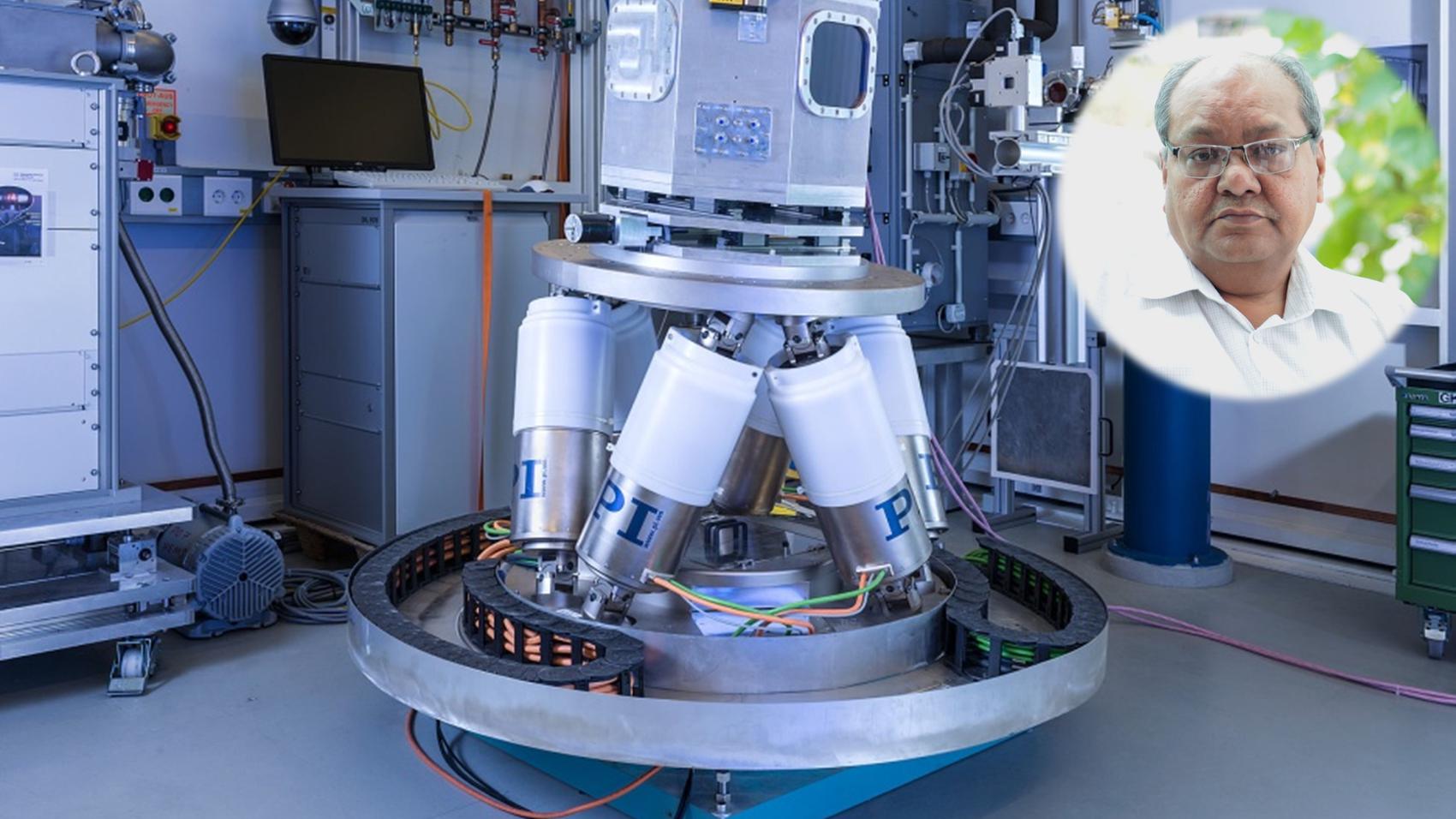
Rajan Gupta | Research Consultant | Various Assignments


What is Research?


A Career in Research is very interesting. Unfortunately, it is very difficult to find information about What Research actually is. Most pages on the internet just talk about How to get into Research. The most authoritative source of information on Research is someone with real experience in it.

Research Consultant Rajan Gupta invested 3 years in Research. Here is how Research Consultant Rajan Gupta detailed Research:

Research is systematic investigation into and study of materials and sources in order to establish facts and reach new conclusions.


How Research Consultant Rajan Gupta got into Research?


I did B Sc Computer Science and MCA from University of Delhi. After that i did Post Graduate Program in Management from IMT, Gaziabad and executive Program in Business Analysis and business Intelligence from IIM, Ranchi and then Ph D in information System and Security from Delhi University. I am a Certified Management consultant from Consultant development Centre and i cleared Certified Analytics Professional exam which is held by INFORMS. I started his career as Research Analyst at Samsung Research Lab, Noida and Worked as Junior Research Fellow & Senior Research Fellow with University of Delhi.


Research Consultant Rajan Gupta's Talk on Research


Session Image
The Journey of Research


What Is Research


Research

### Research Image
What is
Research is a systematic process of investigating, studying, and analyzing information to discover new knowledge, validate existing theories, or solve specific problems. It involves careful planning, data collection, and interpretation to draw meaningful conclusions. Research is fundamental across disciplines, driving innovation, progress, and informed decision-making in various fields.

Concept
Research plays a pivotal role in advancing knowledge, shaping industries, and addressing societal challenges. For professionals in Research, it offers the opportunity to contribute original insights, influence policy, and drive technological or scientific breakthroughs. One major benefit is the ability to solve complex problems by generating evidence-based solutions. Another is the professional growth that comes from developing critical thinking, analytical, and communication skills. Additionally, research fosters collaboration, enabling professionals to work with experts across disciplines and cultures, which broadens perspectives and enhances the quality of outcomes. The impact of research extends beyond academia, affecting healthcare, technology, education, and public policy, making it a cornerstone of progress and innovation.

Real World Example
A professional researcher in the field of medical science might investigate the effectiveness of a new drug for treating a chronic disease. This process begins with a thorough review of existing literature to identify gaps in knowledge. The researcher then designs and conducts experiments, collects and analyzes data, and interprets the results to determine the drug’s efficacy and safety. Throughout the project, the researcher collaborates with clinicians, statisticians, and regulatory bodies to ensure rigorous standards are met. The findings are then published in scientific journals and presented at conferences, contributing to the broader medical community’s understanding and potentially influencing treatment guidelines. This example illustrates how research directly impacts patient care and advances medical science.

Education


Field Knowledge

### Field Knowledge Image
What is
Field Knowledge refers to the comprehensive understanding of theories, methodologies, terminology, and current developments specific to a particular academic or professional discipline. It forms the essential background that enables researchers to contextualize their work, critically evaluate information, and contribute meaningfully to their chosen field within the broader landscape of research.

Concept
Developing strong Field Knowledge is crucial for anyone preparing for or working in research because it serves as the intellectual foundation upon which all further inquiry is built. Mastery of this subject allows professionals to identify gaps in existing literature, formulate relevant research questions, and select appropriate methodologies. It also enables effective communication with peers and stakeholders, fostering collaboration and innovation. Over the long term, robust Field Knowledge enhances credibility, supports career advancement, and ensures that researchers remain adaptable as their field evolves. By continuously updating and deepening their understanding, professionals maintain their relevance and are better equipped to make significant contributions to both academic and practical advancements.

Real World Example
Consider a biomedical researcher investigating a novel treatment for a chronic disease. Their Field Knowledge allows them to interpret previous studies, understand the mechanisms of disease progression, and select the most promising experimental approaches. During daily operations, this expertise guides their decisions on experimental design, data analysis, and interpretation of results. When unexpected findings arise, their deep understanding of the field helps them troubleshoot issues and adapt their hypotheses accordingly. Furthermore, when presenting their work to colleagues or at conferences, their command of Field Knowledge ensures they can answer questions confidently and place their research within the context of ongoing scientific discussions, thereby advancing both their own work and the field as a whole.

Skills


Qualitative & Quantitative Skills

### Qualitative & Quantitative Skills Image
What is
Qualitative and quantitative skills refer to the ability to gather, analyze, and interpret both non-numerical and numerical data. These skills enable research professionals to understand complex phenomena, identify patterns, and draw meaningful conclusions, forming the backbone of evidence-based decision-making and robust, credible research outcomes across diverse fields.

Concept
Mastering qualitative and quantitative skills significantly enhances a research professional’s effectiveness by enabling comprehensive data analysis and interpretation. Employers and clients highly value these skills because they ensure research findings are both reliable and actionable, supporting informed decisions and strategic planning. To cultivate these skills, individuals should engage in continuous learning through formal education, hands-on research projects, and staying updated with evolving methodologies and analytical tools. Regularly practicing data collection, statistical analysis, and critical evaluation of sources helps sharpen these abilities over time. By integrating both qualitative insights and quantitative evidence, researchers can present well-rounded arguments and solutions, making their work more persuasive and impactful in academic, corporate, or policy-making environments.

Real World Example
Imagine a research professional tasked with evaluating the effectiveness of a new educational program. To address this, they conduct interviews and focus groups with students and teachers, gathering qualitative insights into experiences and perceptions. Simultaneously, they collect and analyze test scores and attendance records, applying quantitative methods to measure academic improvement. By synthesizing these two streams of data, the researcher uncovers not only statistical trends but also the underlying reasons for success or challenges within the program. This comprehensive approach enables them to provide actionable recommendations to stakeholders, demonstrating how qualitative and quantitative skills are indispensable for delivering thorough, credible, and impactful research outcomes.

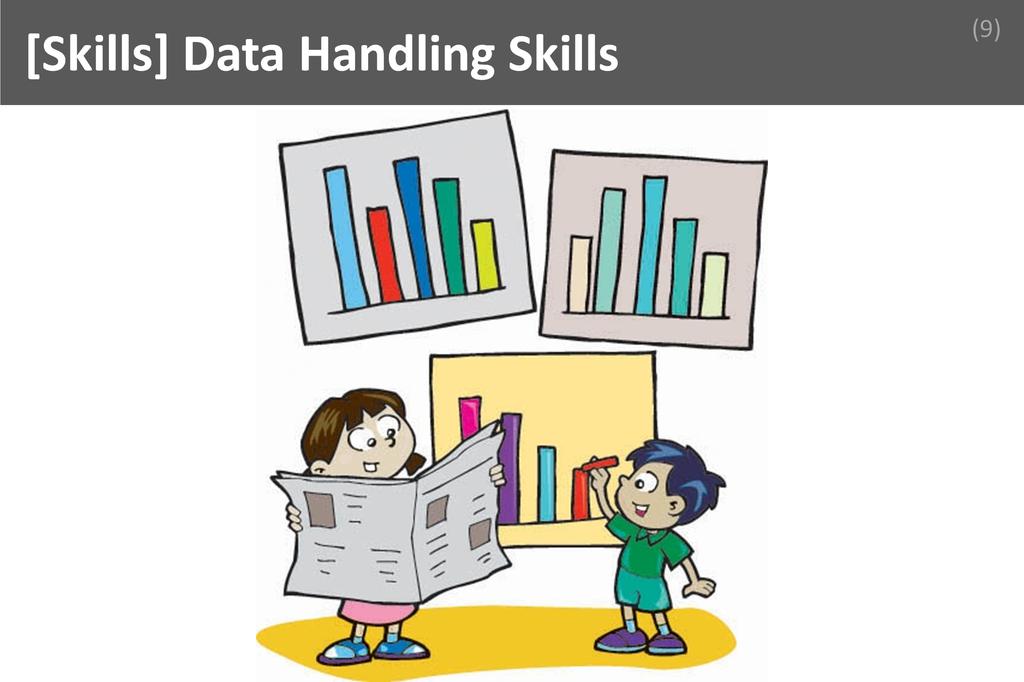
Data Handling Skills

### Data Handling Skills Image
What is
Data handling skills refer to the ability to collect, organize, process, analyze, and interpret data accurately and efficiently, ensuring its integrity and relevance throughout the research process. This competency enables research professionals to draw meaningful conclusions, support evidence-based decisions, and maintain the credibility of their findings in any investigative context.

Concept
Mastering data handling skills significantly enhances a researcher's performance by enabling them to manage large volumes of complex information with precision and reliability. Employers and clients highly value this skill because it ensures that research outcomes are based on accurate, well-organized data, which is crucial for making informed decisions and driving innovation. Researchers who excel in data handling can identify trends, spot anomalies, and present their findings clearly, making their work more impactful and trustworthy. Cultivating this skill involves continuous learning, hands-on experience with data management tools, and a commitment to best practices in data security and ethics. Over time, consistent practice and staying updated with technological advancements help professionals refine their abilities and adapt to evolving research demands.

Real World Example
Imagine a research professional working on a clinical trial who encounters inconsistencies in patient data that could compromise the study’s validity. By leveraging strong data handling skills, the researcher systematically reviews the datasets, identifies the source of discrepancies, and implements corrective measures to ensure data accuracy. This careful approach not only salvages the integrity of the trial but also enables the team to draw reliable conclusions about the treatment’s effectiveness. The ability to manage and rectify data issues promptly demonstrates the critical role of data handling skills in overcoming challenges, maintaining research standards, and ultimately achieving successful project outcomes.

Reading & Writing Skills

### Reading & Writing Skills Image
What is
Reading & Writing Skills refer to the ability to comprehend complex texts, synthesize information, and communicate ideas clearly and effectively through written language. In research, these skills enable professionals to analyze existing literature, document findings, and share insights, forming the foundation for credible and impactful scholarly work.

Concept
Strong reading and writing skills are indispensable for research professionals because they allow for the thorough understanding of existing studies, accurate interpretation of data, and clear articulation of new findings. Employers and clients value these abilities as they ensure research outputs are credible, well-documented, and accessible to both technical and non-technical audiences. Mastery of these skills enhances collaboration, supports grant writing, and facilitates publication in reputable journals. To cultivate these abilities, researchers should engage in regular reading of academic literature, practice writing research papers and reports, seek feedback from peers, and participate in workshops or courses focused on academic communication. Over time, consistent practice and exposure to high-quality writing help refine these essential skills.

Real World Example
Imagine a research professional tasked with investigating a sudden spike in waterborne diseases in a community. To address the issue, they must review existing scientific literature on similar outbreaks, interpret complex epidemiological data, and synthesize their findings into a comprehensive report. Their reading skills enable them to quickly identify relevant studies and extract key information, while their writing skills allow them to present their analysis clearly to public health officials and stakeholders. By effectively communicating their recommendations, the researcher helps guide timely interventions, demonstrating how strong reading and writing skills are critical in solving real-world problems and achieving research success.

Public Speaking Skills

### Public Speaking Skills Image
What is
Public Speaking Skills refer to the ability to clearly, confidently, and effectively communicate ideas, findings, or arguments to an audience, whether in person or virtually. For research professionals, this skill is crucial for presenting complex information, defending methodologies, and engaging diverse audiences, making it a cornerstone of impactful scientific communication.

Concept
Mastering public speaking significantly enhances a researcher's ability to share discoveries, secure funding, and foster collaborations. Clients and employers highly value this skill because it ensures that research outcomes are communicated persuasively and understandably, which is vital for influencing decisions and driving innovation. Over time, researchers can cultivate public speaking skills by actively seeking opportunities to present at conferences, participating in workshops, and soliciting feedback from peers. Regular practice, combined with learning from experienced speakers, helps build confidence and adaptability. As researchers refine their delivery and tailor their messages to different audiences, they become more effective advocates for their work, ultimately increasing their professional impact and advancing their careers.

Real World Example
Imagine a research professional tasked with presenting the results of a groundbreaking study to a panel of potential investors. The data is complex, and the stakes are high, as funding for future projects depends on the panel’s understanding and enthusiasm. By leveraging strong public speaking skills, the researcher translates intricate findings into clear, compelling narratives, addresses questions with poise, and adapts explanations based on the audience’s expertise. This effective communication not only secures the necessary funding but also establishes the researcher’s reputation as a credible and engaging expert. In this scenario, public speaking skills are the key to transforming technical knowledge into tangible career success.

Positives


Grants & Funding

### Grants & Funding Image
What is
Grants & Funding refers to financial support provided by governments, institutions, or private organizations to researchers for conducting studies, experiments, and projects. This essential resource empowers researchers to pursue innovative ideas, access advanced equipment, collaborate with experts, and contribute meaningful discoveries to their fields, driving scientific and societal progress.

Concept
The availability of grants and funding transforms research from a theoretical pursuit into a dynamic, impactful career. Securing funding not only validates a researcher’s ideas but also provides the means to bring those ideas to life. This financial support enables researchers to build teams, access cutting-edge technology, and travel for conferences or fieldwork, all of which enhance professional growth and satisfaction. The process of applying for and managing grants fosters valuable skills in project management, communication, and leadership. Every day, researchers experience the excitement of working on projects that are fully resourced, knowing their work is recognized and supported by the broader scientific community. This sense of empowerment and validation fuels motivation and drives continuous innovation.

Real World Example
Imagine a biomedical researcher who secures a prestigious grant to investigate a promising new therapy for a rare disease. With this funding, she is able to assemble a talented team, purchase specialized laboratory equipment, and collaborate with international experts. The grant not only covers the costs of experiments but also supports travel to global conferences, where she shares her findings and learns from others. As her research progresses, the tangible impact of the funding becomes clear: breakthroughs are made, papers are published, and patients’ lives are improved. The experience of turning a visionary idea into real-world change, made possible by grants and funding, brings immense professional fulfillment and pride.

Patent Your Work

### Patent Your Work Image
What is
"Patent Your Work" refers to the process by which researchers legally protect their original inventions, discoveries, or innovations, granting them exclusive rights to use, produce, and commercialize their creations for a set period. This process not only safeguards intellectual property but also recognizes and rewards the ingenuity and dedication of researchers. By securing patents, professionals in research gain formal acknowledgment for their contributions, which can lead to increased credibility, career advancement, and opportunities for collaboration and funding. The ability to patent work transforms abstract ideas into tangible assets, making the pursuit of research not only intellectually stimulating but also professionally and personally rewarding.

Concept
The opportunity to patent one’s work is a cornerstone of a fulfilling research career. It empowers researchers to see their ideas transition from the laboratory to real-world applications, providing a sense of accomplishment and purpose. Patents serve as a testament to a researcher's creativity and expertise, often leading to recognition within the scientific community and beyond. This recognition can open doors to new collaborations, funding opportunities, and leadership roles, fueling further innovation and professional growth. On a daily basis, knowing that their discoveries can be protected and potentially commercialized motivates researchers to push boundaries and tackle complex problems, fostering a culture of innovation and continuous learning. The process of patenting also instills a sense of ownership and pride, making each breakthrough more meaningful and impactful.

Real World Example
Imagine a biomedical researcher who, after years of dedicated work, develops a novel drug delivery system that significantly improves patient outcomes. By patenting this innovation, the researcher not only ensures that their intellectual property is protected but also attracts interest from pharmaceutical companies eager to license the technology. This recognition leads to new funding for further research, invitations to speak at international conferences, and the satisfaction of seeing their work make a tangible difference in healthcare. The experience of patenting their work validates the researcher’s efforts, fuels their passion for discovery, and inspires them to continue pursuing groundbreaking solutions that can change lives.

Working Remotely

### Working Remotely Image
What is
Working remotely means performing your professional responsibilities from a location outside of a traditional office, often from home or any place with internet access. In research, this flexibility allows individuals to design their own work environments, manage their schedules, and collaborate globally, all while maintaining productivity and creativity.

Concept
The ability to work remotely is a transformative benefit for those in research careers. It empowers professionals to structure their days around peak productivity, leading to deeper focus and more innovative thinking. This autonomy fosters a sense of trust and respect between researchers and their organizations, which directly enhances job satisfaction. Remote work also enables researchers to collaborate with colleagues and experts from around the world, breaking down geographical barriers and opening doors to diverse perspectives. The daily experience of working remotely means less time spent commuting and more time dedicated to meaningful inquiry, personal growth, and professional development. Ultimately, this flexibility supports a healthier work-life balance, which is essential for sustained creativity and long-term career fulfillment.

Real World Example
Imagine a data scientist working on a groundbreaking climate change project. From her home office, she seamlessly connects with international collaborators, sharing data and insights in real time. Without the constraints of a daily commute, she starts her mornings reviewing the latest research, then spends afternoons analyzing data and writing reports. The freedom to set her own schedule allows her to take breaks for inspiration walks or family time, returning to her work refreshed and focused. This remote arrangement not only boosts her productivity but also nurtures her passion for discovery, as she feels trusted and empowered to contribute her best ideas from anywhere in the world.

Fame & Recognition

### Fame & Recognition Image
What is
Fame & Recognition in research refers to the widespread acknowledgment and respect a researcher receives from peers, institutions, and the broader public for their contributions to knowledge and innovation. This recognition validates their hard work, elevates their professional standing, and inspires others, creating a lasting legacy within the scientific and academic communities.

Concept
The pursuit of Fame & Recognition in research brings a profound sense of accomplishment and motivation. When researchers see their work cited, discussed, or implemented, it affirms the value of their efforts and encourages them to push boundaries further. This acknowledgment often leads to new opportunities, such as invitations to speak at conferences, collaborations with esteemed colleagues, and increased funding prospects. The daily experience of being recognized—whether through published papers, awards, or positive feedback—boosts job satisfaction and personal pride. It also fosters a supportive environment where innovation thrives, as researchers are motivated not only by curiosity but also by the prospect of making a meaningful impact and being celebrated for their achievements.

Real World Example
Imagine a researcher who has spent years developing a groundbreaking method for early disease detection. After publishing their findings, the scientific community takes notice, and their work is featured in prominent journals and media outlets. Invitations to present at international conferences soon follow, and colleagues from around the world reach out to collaborate. The recognition they receive not only validates their dedication but also opens doors to new research opportunities and funding. Each day, as they witness their method being adopted in hospitals and referenced in academic discussions, the researcher experiences a deep sense of fulfillment, knowing their contributions are making a tangible difference and earning them lasting respect in their field.

Awards

### Awards Image
What is
Awards in research are formal recognitions given to individuals or teams for outstanding achievements, innovative discoveries, or significant contributions to their field. These honors can come from academic institutions, professional societies, or industry organizations, and they serve as public acknowledgment of excellence, dedication, and impact within the research community.

Concept
Receiving awards in research is a powerful motivator that elevates both personal and professional fulfillment. Such recognition validates the countless hours of effort, creativity, and perseverance invested in advancing knowledge. Awards not only enhance a researcher's reputation but also open doors to new collaborations, funding opportunities, and leadership roles. The sense of accomplishment that comes with being honored by peers fosters greater confidence and encourages continued pursuit of excellence. On a daily basis, professionals in research are inspired by the possibility of their work being recognized, which fuels their passion and commitment to making meaningful contributions to their field.

Real World Example
Imagine a scientist who has spent years developing a groundbreaking method for early disease detection. After presenting their findings at a major international conference, they are awarded a prestigious prize by a leading scientific society. This recognition brings immense pride and validation, not only for the scientist but also for their entire research team. The award attracts attention from other experts, leading to new partnerships and increased funding for future projects. The scientist feels a renewed sense of purpose and motivation, knowing their hard work has made a tangible difference and has been celebrated by the global research community. This experience exemplifies how awards can transform a research career, providing both personal satisfaction and professional advancement.

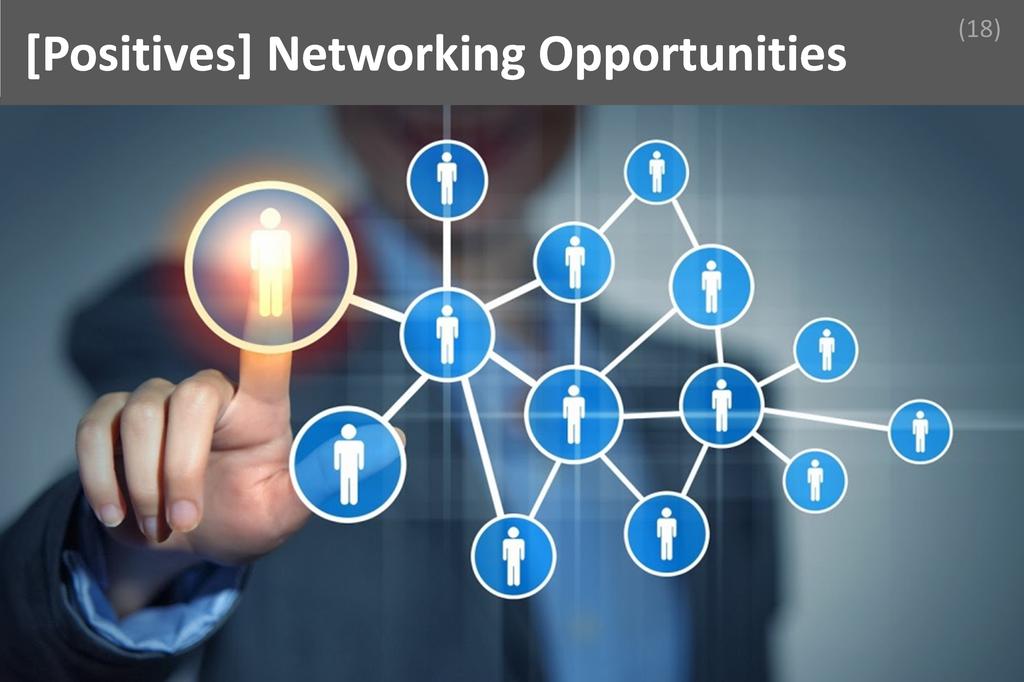
Networking Opportunities

### Networking Opportunities Image
What is
Networking opportunities refer to the chance to connect, collaborate, and build relationships with peers, mentors, and experts within and beyond one’s field. In research, these connections foster the exchange of ideas, open doors to collaborations, and provide access to resources, guidance, and support, greatly enhancing professional growth.

Concept
The significance of networking opportunities in research cannot be overstated. Engaging with a diverse community of professionals leads to the sharing of knowledge, exposure to new methodologies, and the possibility of interdisciplinary projects. These interactions often spark innovative ideas and solutions that might not emerge in isolation. Networking also provides emotional and professional support, making the research journey less solitary and more collaborative. As researchers attend conferences, participate in seminars, or join collaborative projects, they continuously expand their professional circles. This ongoing engagement not only increases job satisfaction but also accelerates career advancement, as many opportunities for funding, publication, and employment arise through personal connections and recommendations.

Real World Example
Imagine a young researcher attending an international conference for the first time. During a coffee break, she strikes up a conversation with a senior scientist from another country who shares her research interests. This chance meeting leads to a collaborative project that combines their expertise, resulting in a groundbreaking publication. Through this partnership, she gains access to new resources, learns advanced techniques, and is introduced to a wider network of professionals. The experience not only boosts her confidence but also opens doors to future collaborations and job opportunities. This scenario highlights how networking opportunities in research can transform a career, foster innovation, and create lasting professional relationships.

Challenges


Uncertainties

### Uncertainties Image
What is
Uncertainties in research refer to the unpredictable variables, ambiguous outcomes, and incomplete information that often arise during the investigative process. This challenge is demanding because it can disrupt planned methodologies, delay progress, and create doubt about results, requiring researchers to adapt continuously and make decisions with limited clarity.

Concept
The presence of uncertainties can significantly affect the daily workflow of research professionals by introducing unexpected setbacks, shifting priorities, and complicating data interpretation. These challenges demand a high level of resilience, as researchers must persist despite ambiguous results and frequent changes in direction. Successful professionals manage uncertainties by cultivating adaptability, maintaining open communication with colleagues, and embracing iterative approaches to problem-solving. They also focus on incremental progress, allowing for flexibility in their plans and expectations. By fostering a mindset that views setbacks as opportunities for learning rather than failures, researchers can navigate uncertainties more effectively and maintain motivation throughout the research process.

Real World Example
Consider a biomedical researcher investigating a novel treatment for a rare disease. During the study, unexpected side effects emerge, and initial data contradicts the working hypothesis. Instead of abandoning the project, the researcher consults with interdisciplinary teams, revises experimental protocols, and seeks alternative explanations for the results. Through persistent troubleshooting and openness to new ideas, the researcher uncovers a previously unknown mechanism of action, which not only addresses the uncertainties but also leads to a breakthrough publication. This scenario illustrates how embracing uncertainty, rather than resisting it, can transform obstacles into opportunities for innovation and discovery in the research field.

Giving Time

### Giving Time Image
What is
"Giving Time" in research refers to the sustained commitment of hours, days, or even years required to pursue meaningful scientific inquiry, often without immediate results. This demand arises from the iterative nature of research, where progress is slow, setbacks are common, and outcomes are uncertain, testing patience and perseverance.

Concept
The challenge of giving time deeply influences the daily routines of research professionals. Long hours spent on experiments, data analysis, and literature review can lead to fatigue and frustration, especially when progress appears minimal. This ongoing demand requires significant resilience, as researchers must maintain motivation despite setbacks and delays. Successful professionals manage this constraint by setting realistic goals, celebrating incremental achievements, and fostering a supportive work environment. They also prioritize tasks, delegate when possible, and practice self-care to prevent burnout. By embracing the process and focusing on long-term impact rather than immediate rewards, researchers are able to sustain their commitment and continue making valuable contributions to their fields.

Real World Example
Consider a biomedical researcher working on a novel therapy for a chronic disease. Despite years of effort, early experiments yield inconclusive results, and funding pressures mount. Instead of succumbing to discouragement, the researcher breaks the project into manageable phases, seeking feedback from colleagues and adjusting methodologies as needed. Regularly scheduled progress reviews help maintain perspective, while small milestones—such as publishing preliminary findings or securing pilot data—provide motivation. By balancing persistence with adaptability, the researcher not only advances the project but also maintains personal well-being, ultimately contributing to a breakthrough that benefits both science and society. This approach exemplifies how giving time, when managed thoughtfully, leads to meaningful progress in research.

Requires Patience

### Requires Patience Image
What is
"Requires Patience" in research refers to the necessity for sustained perseverance and composure when progress is slow, results are delayed, or setbacks occur. Research often involves lengthy experiments, repeated failures, and unpredictable outcomes, making patience essential for maintaining motivation and focus throughout the investigative process.

Concept
The demand for patience in research can significantly affect daily work by introducing periods of uncertainty, frustration, and self-doubt. Experiments may take weeks or months to yield results, and even then, outcomes may not align with expectations. This ongoing uncertainty requires resilience, as professionals must remain committed despite slow progress. Successful researchers manage this challenge by setting incremental goals, celebrating small achievements, and maintaining a long-term perspective. They cultivate a supportive network of colleagues and mentors, which helps to normalize setbacks and share coping strategies. By embracing the iterative nature of research and focusing on learning rather than immediate success, professionals can sustain their motivation and continue making meaningful contributions.

Real World Example
Consider a biomedical researcher investigating a new treatment for a chronic disease. After months of meticulous laboratory work, the initial experiments fail to produce the anticipated results. Instead of becoming discouraged, the researcher reviews the data, consults with peers, and refines the experimental approach. This process repeats several times, each iteration bringing minor improvements and new insights. Through patience and persistence, the researcher eventually uncovers a promising lead that advances the project. By accepting setbacks as part of the journey and remaining focused on the broader objective, the researcher transforms frustration into progress, demonstrating how patience is not only a necessity but a catalyst for innovation in research.

A Day Of


Research

What is
The hum of fluorescent lights and the quiet tap of keyboards set the stage for a research professional’s day—a world where curiosity meets rigor, and every hour is a blend of solitary focus and collaborative discovery. In this environment, time is measured not just by the clock, but by the progress of ideas, the thrill of new findings, and the steady march toward answers that could change everything. The pace is dynamic, shifting from contemplative analysis to lively debate, all within the walls of labs, libraries, or digital workspaces. For those who thrive on questions and the pursuit of knowledge, each day is a tapestry woven from data, dialogue, and the relentless drive to uncover what’s next.

Concept
As the day begins, the research professional settles into a familiar workspace, coffee in hand, and opens up the latest journals and data reports. This early hour is reserved for reviewing recent publications, scanning emails for updates from collaborators, and organizing the day’s priorities. The quiet of the morning offers a rare window for deep concentration, allowing for thoughtful reflection on ongoing projects and the formulation of new hypotheses. Notes are made, to-do lists are refined, and the groundwork is laid for a productive day ahead.

Real World Example
By mid-morning, the tempo quickens as attention shifts to the core work of research: gathering data, running experiments, or conducting interviews. This is the most intellectually demanding part of the day, requiring sharp focus and meticulous attention to detail. Whether it’s coding survey responses, calibrating lab equipment, or analyzing statistical outputs, the research professional is fully immersed in the pursuit of answers. Unexpected challenges may arise, demanding quick problem-solving and adaptability, but these moments are where breakthroughs often begin.

The afternoon ushers in a more interactive phase, as researchers convene for team meetings, brainstorming sessions, or project updates. Ideas are exchanged, findings are debated, and feedback is both given and received. This collaborative energy fuels progress, as colleagues challenge assumptions and refine methodologies together. The focus may shift to drafting sections of a paper, troubleshooting technical issues, or aligning on next steps for a grant proposal. The synergy of the group propels individual efforts forward, transforming solitary insights into collective achievements.

As the day winds down, the research professional turns to synthesizing the day’s findings, updating documentation, and preparing for tomorrow’s challenges. Data is organized, notes are compiled, and progress is logged in project management tools. There’s a final check-in with collaborators to resolve outstanding questions or share late-breaking results. With a sense of accomplishment, the day concludes with a review of upcoming deadlines and a plan for the next phase of inquiry, ensuring that the momentum built today carries seamlessly into tomorrow’s work.


Install the LifePage App to:


  1. (for Free) Watch Research Consultant Rajan Gupta’s full Research Career Talk

  2. ₹ Do a Self Assessment on Research to calculate your Dream Index, which is defined as:

    According to Rajan Gupta your chances of success in Research is __%

  3. Access your personalized Dream Index Report which will have all your Dream Indices sorted in descending order.

Career Counselling 2.0


<?php echo $altimage; ?>


<?php echo $altimage; ?>


How to get into

Research?


If you are want to get into Research, start by investing in a Career Plan.

The 14 hour process, guided by a LifePage Career Advisor, will help you introspect and check whether your interest in Research is merely an infatuation or is it truly something you wish to do for the rest of your life.

Next, your Career Advisor will help you document how you can get into Research, what education and skills you need to succeed in Research, and what positives and challenges you will face in Research.

Finally, you will get a Career Plan stating which Courses, Certifications, Trainings and other Items you need to do in the next 7 years to become world’s best in Research.


LifePage Career Plan

14 hour personalized guidance program


Your LifePage Career Advisor facilitates your guided introspection so that you systematically explore various Career options to arrive at a well thought out Career choice.

Next: your Advisor helps you figure out how you will get into your chosen Career and how will you develop the skills needed for success in your Chosen Career.

LifePage Plan will not stop at saying "to become an Architect study Architecture". It will guide you on which Certifications, Trainings and Other items you need to do along with your Architecture education to become the world's best Architect.


Links for this Talk


Research Consultant Rajan Gupta's LifePage:


Career Counselling 2.0
[LifePage]
https://www.lifepage.in/page/rajangupta


LifePage Career Talk on Research


Career Counselling 2.0
[Career]
https://www.lifepage.in/careers/research


Career Counselling 2.0
[Full Talk]
https://lifepage.app.link/20180810-0003


Career Counselling 2.0
[Trailer]
https://www.youtube.com/watch?v=6ST9PBL7nx4


(Research, Rajan Gupta, Various Assignments, Research Consultant, Data Research, Findings, Systematic Collection and Analysis)


Similar Talks


Career in Space Research
Space Research
Ranganath Navalgund
Director | Space Application Center (ISRO)
[ 40 years Experience ]

Space research is scientific study carried out using scientific equipment in outer space. It includes the use of space technology for a broad spectrum of research disciplines, including Earth Science, Materials Science, Biology, Medicine, and Physics. The term includes scientific payloads everywhere from deep space to low Earth orbit, and is frequently defined to include research in the upper atmosphere using sounding rockets and high-altitude balloons. Space science and space exploration involve the study of outer space itself, which is only part of the broader field of space research. Major Space Research Agencies in the World.

"After completing my graduation, I went to Indian Institute of Technology, Bombay to do Postgraduate degree in Physics. Subsequently I joined Tata Institute of Fundamental Research University, Bombay for my Ph D. Immediately after that I joined the Space Application Research Center, Ahemdabad. That is how I got into Space Research. As Director of two major centres of the Indian Space Research Organisation, I successfully led teams engaged in the development of communication and navigation payloads, state-of-the-art electro-optical and microwave sensors, data acquisition and processing systems, setting up international ground stations to receive IRS data in several countries, international collaborative research efforts and have contributed in a major way towards growth and development of remote sensing application programmes, in India. During this period of thirty five years of scientific and professional career, I have authored more than 100 scientific publications including 78 papers in peer reviewed journals, proceedings and technical reports."


Career Counselling 2.0 Career Counselling 2.0 Career Counselling 2.0 Career Counselling 2.0 Career Counselling 2.0


Career in Space Technology
Space Technology
A.S. Kiran Kumar
Former Chairman | ISRO
[ 44 years Experience ]

Space technology is technology developed by space science or the aerospace industry for use in spaceflight, satellites, or space exploration. Space technology includes spacecraft, satellites, space stations, and support infrastructure, equipment, and procedures.

"After completing my M Tech in Physical Engineering, in 1975 I joining Space Applications Centre, Ahmedabad working on Space borne Electro-optical imaging instruments. I remained at the institution ever since and was the Director of the Electro-optical Systems Group since April 2012 and later served as the Chairman of Indian Space Research Organisation Jan 2015 to Jan 2018. I represented Indian Space Research Organization at many international forums such as the World Meteorological Organisation and Indo-US Joint Working Group on Civil Space Cooperation and held the Chair of the ISRO Committee on Earth Observation Satellites."


Career Counselling 2.0 Career Counselling 2.0 Career Counselling 2.0 Career Counselling 2.0 Career Counselling 2.0


Career in Engineering Research
Engineering Research
Dr G P Kapoor
Dean | DIT University
[ 4 years & 4 months Experience ]

Teaching and Research in natural objects is all about, how you perceive the natural object and simulate it into the machines.

"I have done teaching and research in different capacities at IIT Kanpur for 36 years. I have also served as the chairman of AIEEE examinations."


Career Counselling 2.0 Career Counselling 2.0 Career Counselling 2.0 Career Counselling 2.0 Career Counselling 2.0


Career in Stem Cell Research
Stem Cell Research
Dr Rajneesh Verma
Progaram Specific Researcher | CIRA, Kyoto University - Japan
[ 4 years & 11 months Experience ]

Stem cells are biological cells that can differentiate into other types of cells and can divide to produce more of the same type of stem cells. They are found in multicellular organisms. Stem cells are a class of undifferentiated cells that are able to differentiate into specialized cell types. Commonly, stem cells come from two main sources: Embryos formed during the blastocyst phase of embryological development (embryonic stem cells) and adult tissue (adult stem cells).

"I m Reproductive Bio-technologist and a stem cell Scientist from Monash University, Melbourne (Australia). In 2011, I was the First one in the world to generate Induced pluripotent Stem Cells (iPSC) of wild cats namely, Snow Leopard, Bengal Tiger, Jaguar and Serval. Having worked on various projects in the field of stem cells, in 2017, I joined CIRA, Kyoto (Koji Eto group) as a Program Researcher."


Career Counselling 2.0 Career Counselling 2.0 Career Counselling 2.0 Career Counselling 2.0 Career Counselling 2.0


Career in Astrophysics
Astrophysics
R C Kapoor
Professor | Indian Institute of Astrophysics
[ 48 years Experience ]

Astrophysics is a branch of space science that applies the laws of physics and chemistry to explain the birth, life and death of stars, planets, galaxies, nebulae and other objects in the universe. It has two sibling sciences, astronomy and cosmology, and the lines between them blur.

"My inclination towards astronomy led to my graduation and then post graduation in Astrophysics. In 1971, I started my career and joined Observatory (now Aryabhatta Research Institute of Observational Sciences, ARIES) at Nainital in observational astronomy. Then, in 1974 until 2010, I was with the Indian Institute of Astrophysics (IIA), Bangalore where I worked on various topics in relativistic astrophysics black holes, white holes, quasars and pulsars etc. His association with the institution continues. In 1980, I completed my Ph D from Agra University. I actively participate in popularization of astronomy and have also published research papers in peer-reviewed international journals and presented papers in national and international conferences. I have also published on the physical-chemical nature of bhasmas in the Indian Systems of Medicine."


Career Counselling 2.0 Career Counselling 2.0 Career Counselling 2.0 Career Counselling 2.0 Career Counselling 2.0


Career in R & D in SCADA & IOT
R & D in SCADA & IOT
Dr Sandeep Sharma
Project Lead | Converteam EDC Pvt Ltd
[ 14 years & 2 months Experience ]

Research and development refers to innovative activities undertaken by corporations or governments in developing new services or products, or improving existing services or products.

"I have done B Sc and M Sc in Electronic Sciences. Post that I did Ph D in Theoretical Investigation of Transient Analysis of First Order and Second Order Loads powered by PV Generators from Department of Electronic Science, Delhi University. I have worked with various organisations like Converteam EDC Pvt. Ltd & Saora Informatics India Pvt. Ltd as Manager and Project Lead. I have been a Faculty with Maharaja Agrasen College, Manav Rachna College of Engineering. I am Head & Associate Professor with Department of Electronics & Communication Engineering at DIT University."


Career Counselling 2.0 Career Counselling 2.0 Career Counselling 2.0 Career Counselling 2.0 Career Counselling 2.0


Career in Teaching & Research
Teaching & Research
Dr Kuldeep Kumar Raina
Vice Chancellor | DIT University
[ 32 years Experience ]

A teacher (or an educator) is a person who helps others to acquire knowledge, competences or values. Research comprises "creative and systematic work undertaken to increase the stock of knowledge, including knowledge of humans, culture and society, and the use of this stock of knowledge to devise new applications." It is used to establish or confirm facts, reaffirm the results of previous work, solve new or existing problems, support theorems, or develop new theories.

"I joined Thapar University (formerly Thapar Institute of Engineering & Technology), Patiala in February 1986 and worked there for few years. My contributions to the teaching and research have brought me recognition nationally and internationally through various awards & fellowships. I became full Professor of Materials Science in 1999. I have published over 200 research papers in peer review International/national journals and about 50 Invited lectures delivered in International conferences. In 2014 I joined DIT University as the Vice Chancellor and serving there since then. I have also served as the Vice-President of Electron Microscope Society of India, Council Member MRSI and ILCS, member of several international and national scientific societies like International Liquid Crystal Society, International Disordered Materials Research Society, Materials Research Society of Singapore/India, etc. I am also the member of Governing Council of Select Universities and an expert peer team member of NAAC."


Career Counselling 2.0 Career Counselling 2.0 Career Counselling 2.0 Career Counselling 2.0 Career Counselling 2.0


Career in Communication Research
Communication Research
Dr B S Jassal
Scientist F | DRDO
[ 37 years & 3 months Experience ]

Communication Research focuses on areas to better understand and develop communication networks, particularly in the wireless domain.

"I have done my B Sc, M SC & Ph D in Radiowave Propagation from DAV PG College, Dehradun. I retired from DRDO as Scientist grade F after 38 years of service. After serving as a Dean for 10 years, I am now a Visiting professor at Graphic ERA University where I teach and do Research."


Career Counselling 2.0 Career Counselling 2.0 Career Counselling 2.0 Career Counselling 2.0 Career Counselling 2.0


Career in Teaching Educational Research
Teaching Educational Research
Dr Vishal Sood
Associate Professor | Himachal Pradesh University, Shimla
[ 16 years Experience ]

Educational research means that research which is done in the field of education. The purpose of educational research is to determine various aspects dimensions, processes, concerning the creation of new knowledge to test the accuracy of current knowledge, the direction of development and future plans.

"After doing my B Sc from SD College Baijnath, I did B Ed and M Ed followed by MA, M Phil and Ph D in Sociology and then did PG Diploma in Marketing Management & Computer Software from Himachal Pradesh University, Shimla. Post that I did a PG Diploma in Higher Education from IGNOU. I am Associate Professor at Himachal Pradesh University, Shimla."


Career Counselling 2.0 Career Counselling 2.0 Career Counselling 2.0 Career Counselling 2.0 Career Counselling 2.0


Career in Research in Chemistry
Research in Chemistry
Dr Ajay Singh
Dean & HoD Chemistry | Uttaranchal College of Applied & Life Sciences
[ 19 years & 1 month Experience ]

Chemistry is a branch of science that involves the study of the composition, structure and properties of matter. Often known as the central science, it is a creative discipline chiefly concerned with atomic and molecular structure and its change, for instance through chemical reactions.

"After completing my B Sc & M Sc in Chemistry, I went on to do a PG Diploma in Pulp & Paper Technology. I also have a Ph D in Polymer Chemistry. I have taught at Thapar Group of Institutions & Dolphin Institute. I joined Uttaranchal University in 2008 as Assistant Professor & HOD Chemistry and am now Dean & HOD Chemistry at Uttaranchal College of Applied and Life Sciences."


Career Counselling 2.0 Career Counselling 2.0 Career Counselling 2.0 Career Counselling 2.0 Career Counselling 2.0


Career in Policy Research
Policy Research
Udisha Saklani
Policy Consultant | National University Of Singapore
[ 3 years & 4 months Experience ]

The study of public policy includes the analysis of both the process of policymaking and the contents of policy. Policy analysis includes substantive area research, program evaluation and impact studies, and policy design.

"I did my Schooling from Welham Girls' School, Dehradun and my Graduation in Maths (Hons) from St Stephens College, Delhi University. I then did my Masters in Public Policy from National University of Singapore. Currently, I work as a a Policy Researcher at the Institute of Water Policy, National University of Singapore."


Career Counselling 2.0 Career Counselling 2.0 Career Counselling 2.0 Career Counselling 2.0


Career in Astronomy Popularization
Astronomy Popularization
R C Kapoor
Astronomer | Various Assignments
[ 48 years & 1 month Experience ]

Astronomy is such a fascinating subject that attracts not only students but also layman and amateurs. Curiosity to understand the subjects is very common in all age groups. Historically, Astronomy is one of the oldest sciences concerned with the study of planets, stars, galaxies & other celestial objects and phenomena. From time immemorial the night sky has fascinated many cultures in the past including the Indians, Babylonians, Egyptians, Chinese & the Greeks and it continues to fascinate us even today.

"My inclination towards astronomy led to my graduation and then post graduation in Astrophysics. In 1971, I started my career and joined Observatory (now Aryabhatta Research Institute of Observational Sciences, ARIES) at Nainital in observational astronomy. Then, in 1974 until 2010, I was with the Indian Institute of Astrophysics (IIA), Bangalore where I worked on various topics in relativistic astrophysics - black holes, white holes, quasars and pulsars etc. His association with the institution continues. In 1980, I completed my Ph D from Agra University. I actively participate in popularization of astronomy and have also published research papers in peer-reviewed international journals and presented papers in national and international conferences. I have also published on the physical-chemical nature of bhasmas in the Indian Systems of Medicine."


Career Counselling 2.0 Career Counselling 2.0 Career Counselling 2.0 Career Counselling 2.0 Career Counselling 2.0


Career in Materials Research
Materials Research
Dr. Arun Kumar Shah
Assistant Director | DRDO
[ 30 years Experience ]

Materials science is an interdisciplinary field concerned with the understanding and application of the properties of matter. Materials scientists study the connections between the underlying structure of a material, its properties, its processing methods and its performance in applications.

"After doing my schooling from Dehradun and Jhansi, I did B Tech in Metallurgy at IIT Roorkee and then M Tech from IIT Kanpur. I did my Ph D in Metallurgy from IIT Bombay and PG Diploma in Metallurgy from Germany. I also attended the National Defence College in Delhi. I worked in DRDO for 30 years in Materials Research and Building Technology."


Career Counselling 2.0 Career Counselling 2.0 Career Counselling 2.0 Career Counselling 2.0 Career Counselling 2.0


Career in Public Policy Research
Public Policy Research
Abhishek Jain
Senior Program Lead | Council on Energy, Environment and Water
[ 5 years Experience ]

Public policy analysis is a large, sprawling intellectual enterprise involving numerous academic disciplines, private research organizations, and governmental agencies each sharing a common concern with the formulation, implementation, or consequences of public policy decisions.

"I did B Tech in Mechanical Engineering from IIT Roorkee and M Phil in Engineering for Sustainable Development from University of Cambridge. I have worked with Nestle as Energy & Project Engineer. In 2014, I joined Council on Energy, Environment & Water and currently working as Senior Program Lead."


Career Counselling 2.0 Career Counselling 2.0 Career Counselling 2.0 Career Counselling 2.0 Career Counselling 2.0


[Install the LifePage App to access all Talks]


<?php echo $altimage; ?>


<?php echo $altimage; ?>


&mbsp;


Career Counselling 2.0 | Home   Home  
Career Counselling 2.0 | Abroad   Abroad  
Career Counselling 2.0 | Plan   Plan  
Career Counselling 2.0 | Talks   Talks  
Career Counselling 2.0 | Philosophy   Philosophy  
Career Counselling 2.0 | Seminar   Seminar  
Career Counselling 2.0 | Workshop   Workshop  
Career Counselling 2.0 | Pages   Pages  
Career Counselling 2.0 | Advisors   Advisors  
Career Counselling 2.0 | Discuss   Discuss  
Career Counselling 2.0 | Meet   Meet  
Career Counselling 2.0 | Advisor   Advisor  
Career Counselling 2.0 | Story   Story  
Career Counselling 2.0 | Fine Print   Fine Print  
Career Counselling 2.0 | Links   Links  
Career Counselling 2.0 | Blog   Blog  
Career Counselling 2.0 | Testimonials   Testimonials  
Career Counselling 2.0 | Follow   Follow  
 
[ Site Visits ]


Career Counselling 2.0