The Journey of Engineering Research
What Is Engineering Research
Engineering Research

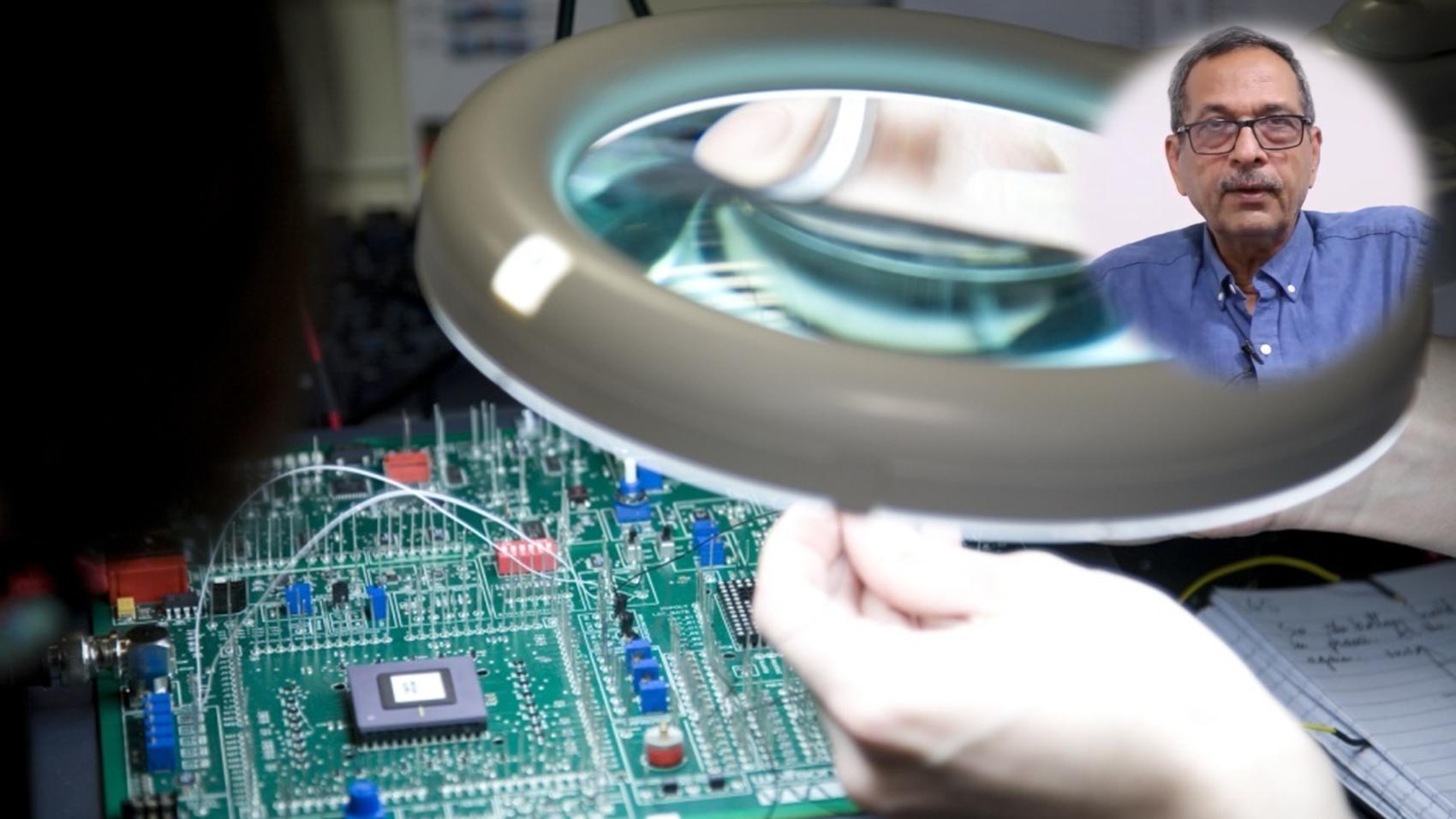
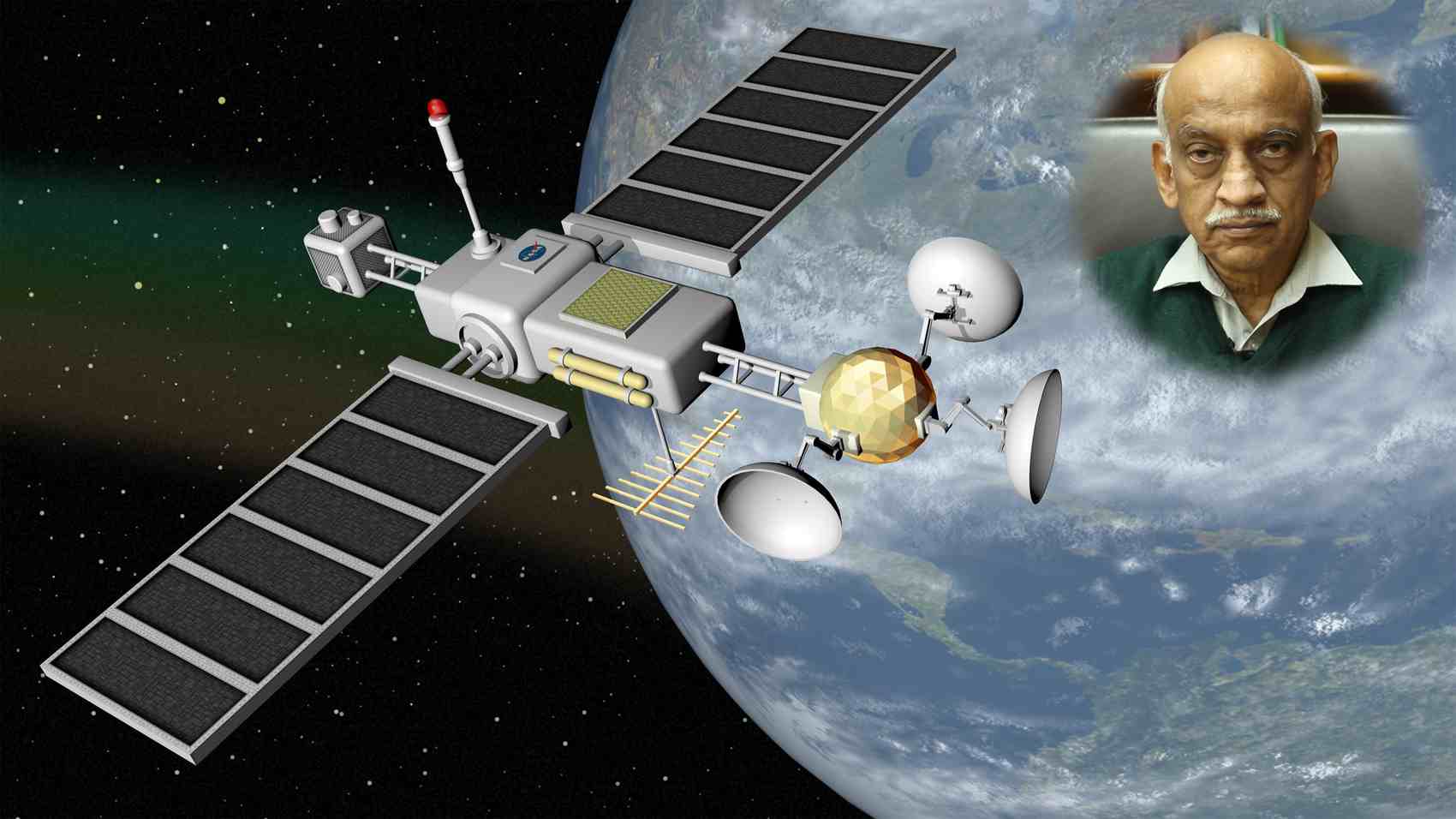
Engineering research is the systematic investigation and study of materials, processes, systems, or technologies to develop new knowledge, solve complex problems, and create innovative solutions within the field of engineering. It combines scientific principles with practical applications to advance technology and improve the quality of life.
Engineering research is crucial because it drives technological advancement, fosters innovation, and addresses pressing societal challenges. Professionals in this field contribute to the development of safer infrastructure, more efficient energy systems, and smarter devices. Their work leads to improved products and processes, which can enhance productivity and sustainability. Additionally, engineering research supports economic growth by enabling new industries and job opportunities. It also provides professionals with opportunities for intellectual growth, collaboration, and leadership in cutting-edge projects. By pushing the boundaries of what is possible, engineering research not only benefits the engineering community but also has a profound impact on society as a whole.
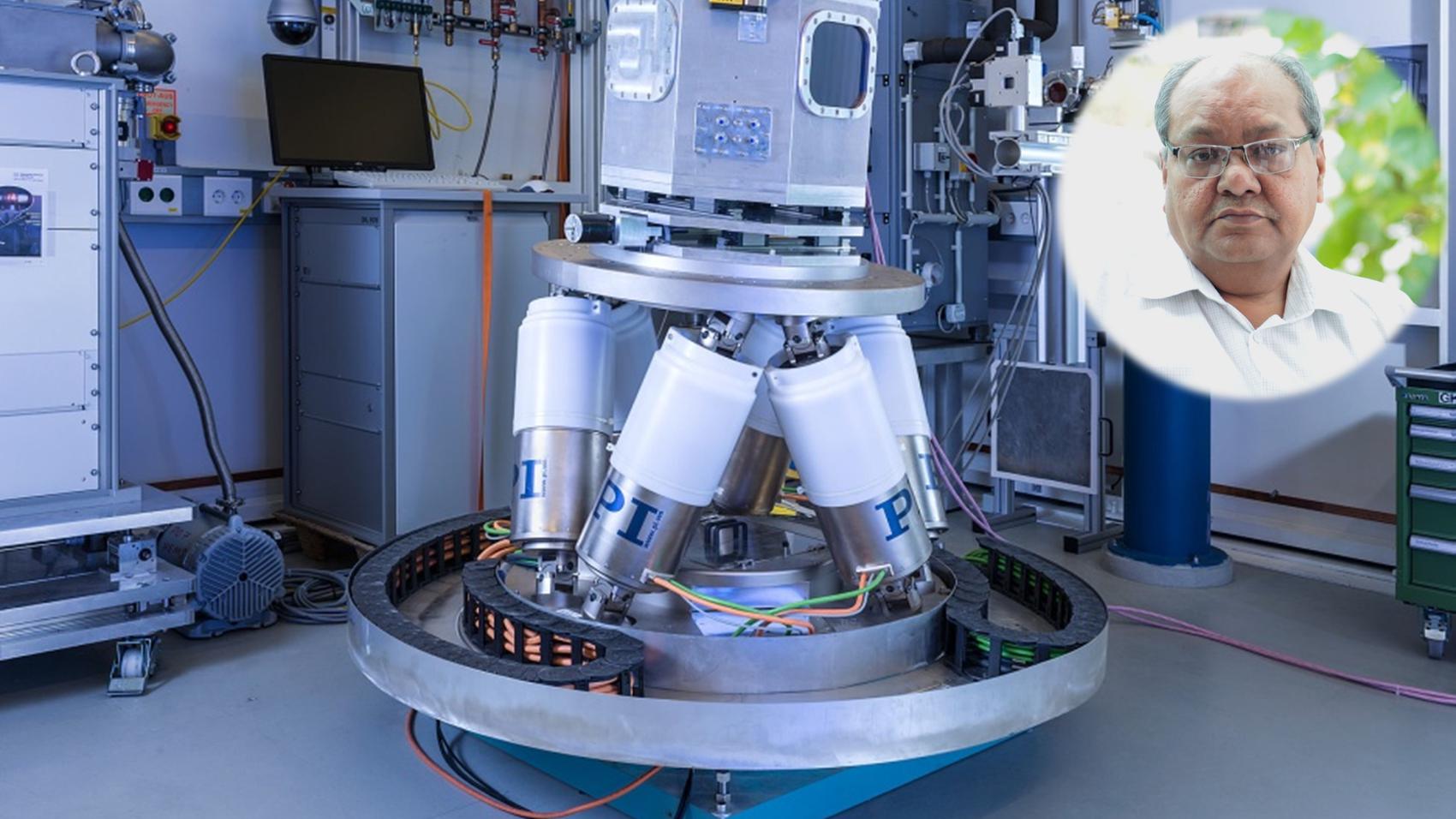
A team of engineering researchers at a university might focus on developing advanced materials for use in aerospace applications. They conduct experiments to test the strength, durability, and weight of new composite materials under various conditions. By analyzing their findings, they identify materials that can withstand extreme temperatures and pressures, making them suitable for spacecraft or aircraft components. Their research leads to the creation of lighter, more fuel-efficient vehicles, which reduces costs and environmental impact. The results are published in scientific journals and shared with industry partners, who then use these innovations to improve their products. This example illustrates how engineering research translates scientific inquiry into practical solutions that shape the future of technology.
Education
Physics

Physics is the scientific study of matter, energy, and the fundamental forces that govern their interactions. It seeks to understand the underlying principles of the universe, from the smallest particles to the largest cosmic structures. In Engineering Research, physics provides the essential framework for analyzing, modeling, and solving complex technical problems.
A solid grasp of physics is indispensable for anyone pursuing a career in engineering research. Physics underpins nearly every engineering discipline, offering the theoretical foundation for understanding how and why materials, systems, and devices behave as they do. Mastery of concepts such as mechanics, thermodynamics, electromagnetism, and quantum theory enables professionals to innovate, troubleshoot, and optimize engineering solutions. This foundational knowledge not only facilitates effective problem-solving but also fosters the ability to adapt to new technologies and interdisciplinary challenges. Over the long term, engineers with a strong background in physics are better equipped to contribute to cutting-edge research, drive technological advancements, and maintain a competitive edge in a rapidly evolving field.
Consider an engineering researcher developing a new type of energy-efficient motor. Their daily work involves applying principles of electromagnetism to design the motor’s coils and magnetic circuits, ensuring optimal energy conversion and minimal losses. By leveraging their understanding of physics, they can model the magnetic fields, predict heat generation, and select appropriate materials to enhance performance. When unexpected inefficiencies arise, their theoretical knowledge allows them to analyze the system, identify the root causes, and implement effective solutions. This practical application of physics not only streamlines the research process but also leads to innovative designs that meet real-world demands for efficiency and sustainability.
Maths

Maths, or mathematics, is the systematic study of numbers, quantities, shapes, and patterns, using logical reasoning and abstract thinking. It encompasses various branches such as algebra, calculus, and statistics. In Engineering Research, maths is fundamental, providing the language and tools necessary to model, analyze, and solve complex technical problems.
A strong grasp of maths is indispensable for anyone pursuing or advancing in Engineering Research. Mathematical concepts underpin the design, analysis, and optimization of engineering systems, enabling professionals to interpret data, validate hypotheses, and develop innovative solutions. Mastery of maths fosters critical thinking and problem-solving skills, which are essential for tackling the multifaceted challenges encountered in research environments. Over the course of a career, proficiency in maths not only enhances technical competence but also opens doors to interdisciplinary collaboration and leadership opportunities. As engineering continues to evolve with advancements in technology and data analytics, the ability to apply mathematical reasoning remains a key differentiator for researchers striving to make impactful contributions.
Consider an engineering researcher developing a new material for aerospace applications. Each day, they rely on their mathematical knowledge to model the material’s behavior under varying stress and temperature conditions. Using differential equations, they predict how the material will deform or fail, and apply statistical methods to analyze experimental data for reliability and consistency. Their understanding of linear algebra helps them interpret simulation results and optimize the material’s composition for maximum performance. By integrating these mathematical techniques, the researcher can efficiently iterate designs, validate theoretical predictions, and communicate findings with clarity, ultimately accelerating the innovation process and ensuring the safety and effectiveness of the final product.
Curiosity Towards Nature

Curiosity Towards Nature is the innate or cultivated desire to observe, question, and understand the natural world’s phenomena, patterns, and underlying principles. In Engineering Research, this curiosity drives the exploration of scientific concepts, fuels innovation, and forms the foundation for developing new technologies by connecting natural observations with engineering solutions.
Developing curiosity towards nature is essential for anyone pursuing or advancing in Engineering Research. This mindset encourages professionals to look beyond established knowledge, fostering a habit of inquiry that leads to deeper understanding and creative problem-solving. By continuously questioning how and why natural systems work, researchers can identify gaps in current technologies and propose novel solutions inspired by nature’s efficiency and resilience. Over time, this approach not only enhances technical expertise but also cultivates adaptability and lifelong learning—traits highly valued in the rapidly evolving field of engineering. Ultimately, a strong curiosity towards nature ensures that professionals remain at the forefront of innovation, contributing meaningfully to both scientific advancement and societal progress.
Imagine an engineering researcher working on sustainable water filtration systems. Drawing on their curiosity towards nature, they study how certain plants and natural materials purify water in wetlands. By observing these natural processes, the researcher identifies unique filtration mechanisms and adapts them into a new, efficient filtration device. Throughout their daily work, they continually reference natural models, test hypotheses inspired by biological systems, and refine their designs based on both experimental data and ongoing observations of nature. This approach not only leads to more effective engineering solutions but also demonstrates how a deep curiosity towards natural phenomena directly informs and enhances practical research outcomes.
Programming

Programming is the process of designing, writing, testing, and maintaining code that instructs computers to perform specific tasks. In Engineering Research, programming serves as a crucial tool for automating experiments, analyzing data, and simulating complex systems, making it an essential component of both academic study and professional practice.
Understanding programming is vital for anyone in Engineering Research because it enables the automation of repetitive tasks, efficient data analysis, and the modeling of intricate systems that would be impossible to handle manually. Mastery of programming languages and computational thinking forms the backbone of modern engineering solutions, allowing researchers to innovate and solve problems more effectively. As technology continues to advance, programming skills become increasingly valuable, opening doors to interdisciplinary collaboration and enhancing career prospects. Professionals who are proficient in programming can adapt to new tools and methodologies, ensuring their research remains relevant and impactful in a rapidly evolving field.
Consider a researcher developing a new material with unique thermal properties. By applying their programming knowledge, they create custom scripts to process large datasets from laboratory experiments, automate the control of testing equipment, and run simulations predicting material behavior under various conditions. This integration of programming streamlines their workflow, reduces the potential for human error, and accelerates the pace of discovery. The ability to write and modify code allows the researcher to tailor computational tools to their specific needs, facilitating deeper insights and more robust results. In this way, programming transforms theoretical understanding into practical, real-world advancements in engineering research.
Algorithms

Algorithms are precise, step-by-step procedures or sets of rules designed to solve specific problems or perform computations. In engineering research, algorithms form the backbone of data analysis, simulation, and automation, enabling researchers to systematically approach complex challenges and develop innovative solutions across various engineering disciplines.
Understanding algorithms is essential for anyone pursuing a career in engineering research because they underpin nearly every aspect of computational problem-solving. Mastery of algorithms allows professionals to design efficient solutions, optimize processes, and analyze large datasets, which are common tasks in research environments. This foundational knowledge not only enhances technical proficiency but also fosters critical thinking and adaptability, qualities highly valued in both academia and industry. Over the long term, expertise in algorithms opens doors to advanced research opportunities, interdisciplinary collaboration, and leadership roles, as it demonstrates a capacity to tackle complex engineering problems with rigor and creativity.
Consider a researcher working on optimizing energy consumption in smart grids. Each day, they collect vast amounts of data from sensors distributed across the network. By applying their knowledge of algorithms, the researcher develops models that predict peak usage times and identify inefficiencies. They implement machine learning algorithms to analyze patterns and automate decision-making processes, resulting in more reliable and cost-effective energy distribution. This practical application of algorithms not only improves system performance but also contributes to sustainable engineering solutions, showcasing the direct impact of algorithmic expertise in real-world engineering research scenarios.
Skills
Logical Thinking

Logical thinking is the disciplined process of analyzing information, identifying relationships, and drawing reasoned conclusions based on evidence and structured reasoning. In engineering research, it enables professionals to systematically approach complex problems, design experiments, interpret data accurately, and develop innovative solutions, making it indispensable for effective and reliable outcomes.
Logical thinking directly enhances performance in engineering research by enabling professionals to break down intricate challenges into manageable components, identify root causes, and devise effective solutions. Clients and employers highly value this skill because it leads to consistent, reproducible results and minimizes costly errors. Logical thinkers are adept at troubleshooting, optimizing processes, and justifying their decisions with clear, evidence-based reasoning. To cultivate logical thinking, individuals should engage in activities that challenge their reasoning abilities, such as solving puzzles, analyzing case studies, and participating in peer reviews. Over time, consistent practice, reflection on past decisions, and seeking feedback from mentors help reinforce and refine this essential skill, ensuring continued growth and adaptability in the ever-evolving field of engineering research.
Imagine an engineering researcher tasked with improving the efficiency of a renewable energy system that is underperforming. By applying logical thinking, the researcher systematically examines each component of the system, collects relevant data, and identifies patterns that point to a malfunctioning inverter. Instead of making assumptions or relying on trial and error, the researcher formulates hypotheses, tests them methodically, and confirms the root cause through careful analysis. This logical approach not only resolves the immediate issue but also uncovers opportunities for further optimization. The ability to think logically ensures that the solution is robust, evidence-based, and can be confidently presented to stakeholders, ultimately contributing to the project's overall success.
Communication

Communication is the process of effectively exchanging information, ideas, and knowledge through speaking, writing, and other mediums to ensure mutual understanding. In engineering research, communication enables professionals to share findings, collaborate with multidisciplinary teams, and articulate complex concepts clearly, making it a fundamental skill for advancing projects and achieving impactful results.
Strong communication skills directly enhance an engineering researcher’s performance by enabling clear articulation of technical concepts, facilitating collaboration, and ensuring that research findings are understood by both technical and non-technical audiences. Clients and employers highly value this skill because it bridges the gap between complex research and practical application, ensuring that innovations are implemented effectively. Over time, communication can be cultivated through regular practice in writing reports, presenting at conferences, and engaging in discussions with peers. Seeking feedback, participating in workshops, and observing skilled communicators also contribute to continuous improvement. As researchers become more adept at conveying their ideas, they build stronger professional relationships and increase the impact of their work.
Imagine an engineering researcher working on a novel energy storage solution who encounters a critical technical challenge. By clearly communicating the issue and proposed hypotheses to a multidisciplinary team, the researcher enables productive brainstorming and knowledge sharing. Through effective dialogue, the team quickly identifies a potential solution by integrating expertise from materials science and electrical engineering. The researcher then presents the refined approach to stakeholders, ensuring that everyone understands the technical details and the broader implications. This clear and concise communication not only resolves the immediate problem but also fosters trust and collaboration, ultimately leading to the successful advancement of the project and recognition of the researcher’s contributions.
Reading and Writing Skills

Reading and writing skills encompass the ability to comprehend complex technical literature, synthesize information, and communicate findings clearly and effectively through written documents. In engineering research, these skills enable professionals to stay informed about advancements, document methodologies, and share results, forming the foundation for collaboration and innovation.
Strong reading and writing skills directly enhance an engineering researcher's ability to interpret scientific papers, understand technical standards, and produce clear reports or publications. Employers and clients value these abilities because they ensure accurate communication of research outcomes, facilitate knowledge transfer, and support grant applications or patent filings. To cultivate these skills, professionals should engage in regular reading of peer-reviewed journals, practice writing technical documents, and seek feedback from mentors or colleagues. Over time, this consistent effort leads to greater proficiency, enabling researchers to articulate complex ideas succinctly and contribute more effectively to their teams and the broader scientific community.
Imagine an engineering researcher tasked with developing a novel material for renewable energy applications. To begin, they must thoroughly review existing literature to identify gaps and avoid duplicating previous work. As the project progresses, they meticulously document experimental procedures and results, ensuring reproducibility. When unexpected results arise, the researcher consults recent studies, drawing insights from others’ findings. Ultimately, they prepare a comprehensive report and submit a manuscript to a scientific journal. Throughout this process, their reading and writing skills are indispensable, enabling them to absorb critical information, communicate discoveries, and contribute meaningfully to the advancement of their field.
Problem Solving Skills

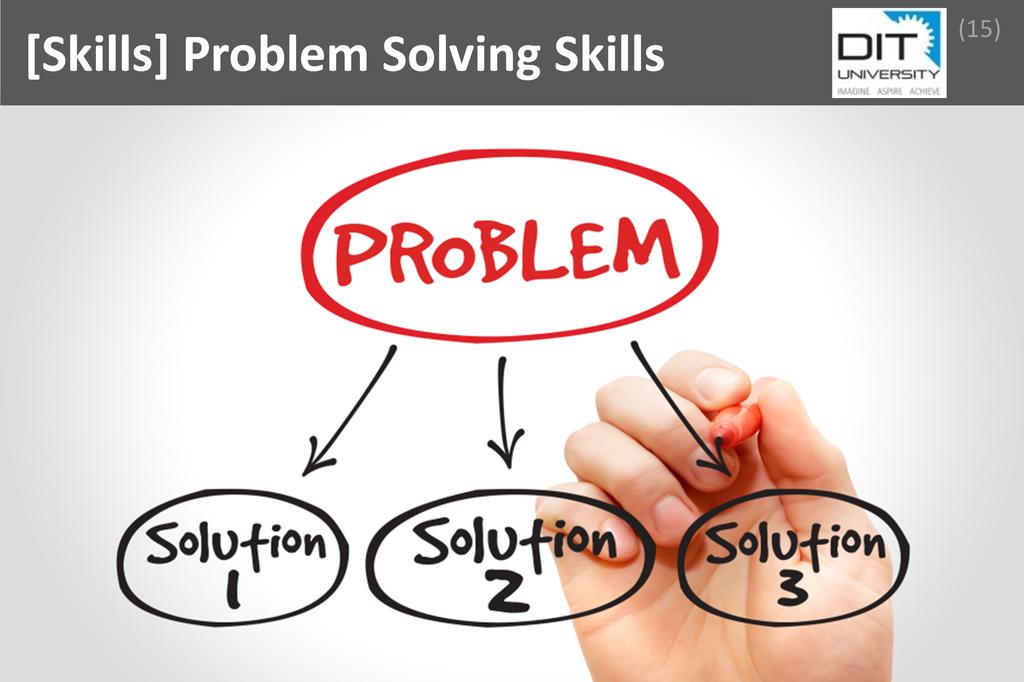
Problem Solving Skills refer to the ability to identify complex issues, analyze underlying causes, generate effective solutions, and implement them efficiently. In engineering research, this skill is indispensable because it enables professionals to tackle technical challenges, innovate new approaches, and drive progress in their field by overcoming obstacles methodically.
Problem Solving Skills are fundamental to engineering research as they empower professionals to navigate uncertainty, address unexpected setbacks, and optimize experimental outcomes. Employers and clients highly value this skill because it ensures that projects move forward despite technical hurdles, leading to reliable and innovative results. Researchers who excel in problem solving can adapt to evolving project requirements, troubleshoot equipment or process failures, and propose creative alternatives when standard methods fall short. Cultivating this skill involves continuous learning, seeking feedback, and engaging in collaborative brainstorming. Over time, exposure to diverse challenges and reflective practice sharpens one’s ability to dissect problems, evaluate options, and implement solutions that advance both individual projects and broader organizational goals.
Consider a scenario where an engineering researcher is developing a new material with specific thermal properties, but repeated experiments yield inconsistent results. Instead of following the same protocol, the researcher systematically analyzes each step, identifies a flaw in the measurement process, and devises a new calibration method. By applying strong problem solving skills, the researcher not only resolves the immediate inconsistency but also improves the overall experimental design, ensuring more reliable data in future studies. This approach not only saves valuable time and resources but also demonstrates the researcher’s capacity to turn setbacks into opportunities for innovation, ultimately contributing to the success of the research project and the reputation of the organization.
Positives
Independent Work Environment

An independent work environment is a professional setting where individuals have the autonomy to make decisions, manage their own schedules, and direct their projects with minimal supervision. In engineering research, this environment empowers professionals to explore innovative ideas, take intellectual risks, and develop unique solutions, fostering creativity and personal growth.
The independent work environment in engineering research is a cornerstone of job satisfaction and professional development. When researchers are trusted to guide their own projects, they feel a sense of ownership and pride in their work. This autonomy encourages them to pursue novel approaches, deepening their expertise and fueling their passion for discovery. Daily, professionals benefit from the freedom to set their own pace, choose research directions aligned with their interests, and solve problems creatively. This level of independence not only enhances motivation but also cultivates resilience and adaptability, essential traits for long-term career growth. Ultimately, the ability to work independently transforms routine tasks into meaningful challenges, making each day both engaging and rewarding.
Imagine a materials engineer working in a research lab, tasked with developing a new composite for aerospace applications. Given the independence to design experiments, select materials, and interpret results, the engineer is able to follow their curiosity and test unconventional hypotheses. Without rigid oversight, they experiment with novel fabrication techniques, leading to a breakthrough that improves material strength and reduces weight. The freedom to make decisions and learn from both successes and failures not only accelerates innovation but also instills a deep sense of accomplishment. This experience exemplifies how an independent work environment allows engineering researchers to thrive, turning ambitious ideas into tangible advancements that shape the future.
Self Satisfaction

Self satisfaction is the deep sense of fulfillment and contentment that arises from achieving personal goals, overcoming challenges, and making meaningful contributions through one’s own efforts. In engineering research, self satisfaction fuels motivation, fosters resilience, and enhances overall well-being, making the pursuit of knowledge and innovation a truly rewarding professional journey.
The presence of self satisfaction in engineering research is a powerful driver of both personal and professional growth. When researchers feel genuinely fulfilled by their work, they are more likely to remain passionate, committed, and innovative in their pursuits. This intrinsic motivation leads to higher levels of job satisfaction, as individuals see the tangible results of their creativity and problem-solving skills. Each breakthrough, no matter how small, reinforces a sense of accomplishment and purpose. Over time, this positive feedback loop encourages continuous learning and resilience in the face of setbacks. Ultimately, self satisfaction not only enriches the daily experience of engineering researchers but also inspires them to push boundaries and contribute meaningfully to technological advancement.
Imagine an engineering researcher who has spent months developing a novel material designed to improve energy efficiency. After countless experiments, setbacks, and late nights in the lab, the researcher finally achieves a breakthrough: the material performs beyond expectations in real-world tests. In that moment, the researcher experiences profound self satisfaction, knowing their perseverance and expertise have led to a meaningful innovation. This feeling is not just about external recognition or accolades; it is the internal reward of having solved a complex problem and contributed something valuable to society. This sense of fulfillment becomes a lasting source of motivation, encouraging the researcher to tackle new challenges with renewed enthusiasm and confidence.
Serve Society

"Serve Society" in engineering research means using scientific knowledge and innovative solutions to address real-world challenges, improve quality of life, and create technologies that benefit communities. This principle drives professionals to develop sustainable, accessible, and impactful advancements, ensuring their work contributes to the greater good and fosters positive societal change.
The opportunity to serve society is a powerful motivator for those in engineering research, as it transforms daily tasks into meaningful contributions. Knowing that their work can solve pressing issues, such as clean energy, healthcare, or infrastructure, gives researchers a deep sense of purpose and fulfillment. This intrinsic motivation not only boosts job satisfaction but also encourages continuous learning and professional growth. By witnessing the tangible effects of their innovations on communities, engineering researchers experience a unique connection between their expertise and societal progress, making their careers both impactful and rewarding on a personal and professional level.
Imagine an engineering researcher developing affordable water purification systems for rural communities lacking access to clean water. Through rigorous experimentation and collaboration, the researcher creates a solution that is both cost-effective and easy to maintain. When the system is implemented, entire villages gain reliable access to safe drinking water, drastically reducing waterborne diseases and improving overall health. The researcher visits the community, witnessing firsthand the gratitude and positive transformation brought about by their work. This direct impact on people’s lives not only validates the researcher’s efforts but also reinforces the profound satisfaction that comes from serving society through engineering research.
Development of Science

Development of Science refers to the continuous advancement and expansion of scientific knowledge through systematic research, experimentation, and innovation. In engineering research, this process drives the discovery of new principles, technologies, and solutions that address real-world challenges. It fosters intellectual growth and propels society forward by enabling transformative progress.
The development of science is a cornerstone of engineering research, making the profession deeply rewarding. By contributing to scientific advancement, engineers not only solve complex problems but also shape the future of technology and society. This ongoing pursuit of knowledge brings a sense of purpose and fulfillment, as professionals witness the tangible impact of their work on everyday life. The excitement of exploring uncharted territories and the satisfaction of seeing theoretical concepts become practical solutions enhance job satisfaction and personal growth. Every day, researchers experience the thrill of discovery, collaborate with like-minded innovators, and contribute to a legacy of progress that benefits generations to come.
Imagine an engineering researcher working on sustainable energy solutions. Through rigorous experimentation and collaboration, they develop a new material that significantly increases solar panel efficiency. This breakthrough not only advances scientific understanding but also paves the way for cleaner, more accessible energy worldwide. The researcher experiences immense satisfaction knowing their work directly contributes to solving global energy challenges and improving quality of life. Each day, they witness the real-world impact of their scientific contributions, from academic recognition to the adoption of their innovations in industry. This daily engagement with the development of science fuels their passion and reaffirms the profound value of their career in engineering research.
Respect and Recognition

Respect and Recognition in engineering research refers to the esteem, appreciation, and acknowledgment professionals receive from peers, institutions, and society for their expertise, contributions, and innovations. This validation not only affirms their technical skills and dedication but also highlights the meaningful impact their work has on advancing technology and solving real-world problems.
The presence of respect and recognition in engineering research profoundly enhances job satisfaction and personal fulfillment. When researchers see their efforts valued by colleagues, industry leaders, and the broader community, it fuels motivation and a sense of purpose. This positive feedback loop encourages continuous learning, creativity, and collaboration, fostering an environment where innovation thrives. Recognition often leads to new opportunities for career advancement, invitations to speak at conferences, and participation in groundbreaking projects. Daily, professionals experience this benefit through peer reviews, awards, and the visible application of their work in society, reinforcing their commitment to excellence and inspiring them to push the boundaries of what is possible.
Imagine a materials engineer who develops a new, sustainable composite that significantly reduces the carbon footprint of construction projects. After publishing her findings, she is invited to present at international conferences and her work is cited by other researchers and adopted by major companies. Her peers commend her ingenuity and dedication, while industry leaders seek her expertise for future collaborations. This recognition not only validates her years of hard work but also inspires her to pursue even more ambitious projects. The respect she receives from her professional community and the tangible impact of her research on society provide a deep sense of accomplishment and drive her continued passion for engineering research.
Challenges
Commitment

Commitment in Engineering Research is the sustained dedication to long-term, complex projects that often involve uncertainty, setbacks, and evolving goals. It demands consistent effort, adaptability, and perseverance, as researchers must balance rigorous experimentation, continuous learning, and collaboration while maintaining motivation despite slow progress and frequent obstacles inherent to innovative work.
The challenge of commitment in engineering research can lead to fatigue, frustration, and even burnout, as professionals often invest years in projects with uncertain outcomes. This ongoing pressure requires significant resilience, as setbacks and failed experiments are common. Successful researchers manage this by setting incremental goals, celebrating small achievements, and maintaining a strong sense of purpose. They build supportive networks with colleagues, seek mentorship, and regularly reflect on their progress to stay motivated. By focusing on the broader impact of their work and maintaining flexibility in their approach, they transform commitment from a burden into a driving force that sustains their passion and productivity throughout the research journey.
Consider a materials engineer working on the development of a new biodegradable polymer. The project spans several years, with numerous failed prototypes and unexpected technical hurdles. Despite these setbacks, the engineer remains committed by breaking the project into manageable phases and seeking feedback from peers. Regular discussions with collaborators help refine the research direction, while celebrating incremental successes—such as improved material properties or successful small-scale tests—keeps motivation high. By maintaining a clear vision of the environmental benefits the new polymer could bring, the engineer overcomes moments of doubt and fatigue. This steadfast commitment ultimately leads to a breakthrough, demonstrating how perseverance and strategic management of commitment can yield significant advancements in engineering research.
Perseverence

Perseverence in Engineering Research is the sustained commitment to pursuing solutions despite repeated setbacks, prolonged uncertainty, and complex technical obstacles. It is demanding because progress is often slow, failures are frequent, and outcomes are unpredictable, requiring researchers to maintain motivation and focus over extended periods without immediate rewards.
The challenge of perseverence deeply influences the daily routine of engineering researchers. Long hours spent troubleshooting experiments, analyzing inconclusive data, or revising failed prototypes can lead to frustration and self-doubt. This environment demands exceptional resilience, as professionals must continually adapt, learn from mistakes, and maintain enthusiasm for their work. Successful researchers often manage this constraint by setting incremental goals, seeking support from colleagues, and celebrating small victories. They cultivate a mindset that views setbacks as learning opportunities rather than defeats, allowing them to sustain momentum and creativity. By fostering a supportive research culture and maintaining a clear sense of purpose, professionals can navigate the emotional and intellectual demands of perseverence more effectively.
Consider a materials engineer developing a new composite for aerospace applications. After months of testing, each prototype fails to meet the required strength-to-weight ratio. Instead of abandoning the project, the engineer systematically analyzes each failure, consults with peers, and refines the fabrication process. Despite repeated disappointments, the engineer remains committed, drawing motivation from incremental improvements and feedback from collaborators. Eventually, a breakthrough occurs when a minor adjustment in the curing process yields a material that surpasses performance targets. This outcome is not the result of a single insight, but of persistent effort, adaptability, and the ability to remain focused through adversity—demonstrating how perseverence is both a challenge and a key to success in engineering research.
Optimism

In Engineering Research, optimism refers to the tendency to overestimate the feasibility, speed, or success of projects and experiments. This mindset can lead to unrealistic expectations, underestimation of risks, and disappointment when outcomes fall short, making it a demanding challenge that requires careful management and self-awareness.
The challenge of optimism in engineering research can subtly undermine daily work by encouraging professionals to set overly ambitious goals or underestimate the complexity of technical problems. This can result in missed deadlines, resource misallocation, and frustration when progress does not match expectations. Resilience becomes essential, as setbacks are inevitable in research. Successful professionals manage this constraint by grounding their optimism in data, seeking peer feedback, and regularly reassessing project milestones. They cultivate a balance between hopeful ambition and practical realism, allowing them to adapt plans when necessary and maintain motivation without losing sight of potential obstacles. This approach helps transform optimism from a liability into a driving force for innovation, tempered by the realities of research.
Consider a research engineer developing a novel sensor technology. Initially, she is optimistic about achieving rapid breakthroughs, setting aggressive timelines for prototype completion. As unforeseen technical challenges arise, she recognizes the gap between her expectations and reality. Instead of becoming discouraged, she consults with colleagues, revises her project plan, and incorporates more rigorous testing phases. By acknowledging her initial over-optimism and adjusting her approach, she maintains momentum while ensuring the project remains feasible. This adaptability not only helps her meet revised goals but also fosters a more accurate understanding of the research process, ultimately leading to a successful prototype and valuable lessons for future projects.
Sacrifice

Sacrifice in Engineering Research refers to the conscious decision to forego personal time, comfort, or alternative opportunities in pursuit of scientific advancement. This often means long hours, missed social events, and delayed gratification, making it a demanding aspect due to the persistent tension between professional dedication and personal well-being.
The challenge of sacrifice permeates daily work in engineering research, often manifesting as extended lab hours, tight deadlines, and the need to prioritize experiments over personal commitments. This ongoing demand can lead to fatigue, stress, and even burnout, requiring significant resilience to maintain motivation and productivity. Successful professionals manage this constraint by setting clear boundaries, seeking support from mentors and peers, and regularly reassessing their goals to ensure alignment with personal values. They also cultivate time management skills and practice self-care, allowing them to sustain their passion for research without compromising their well-being. By acknowledging the inevitability of sacrifice and proactively addressing its effects, they are able to navigate the pressures of their field more effectively.
Consider a senior researcher leading a multidisciplinary engineering project with a looming grant deadline. Faced with the need to work late nights and weekends, she recognizes the risk of burnout and openly communicates her workload to her team and family. She schedules brief daily breaks, delegates tasks where possible, and sets aside one evening each week for personal time, even during peak periods. By maintaining transparency about her commitments and prioritizing essential tasks, she manages to meet the project deadline without sacrificing her health or relationships. Her approach demonstrates that while sacrifice is an inherent part of engineering research, it can be managed through conscious planning, open communication, and a commitment to personal boundaries.
Problem Simplification

Problem Simplification in Engineering Research refers to the process of reducing complex, multifaceted engineering challenges into manageable, solvable components without losing essential details. This is demanding because oversimplification can strip away critical variables, while insufficient simplification can render problems intractable, making it difficult to achieve meaningful, actionable research outcomes.
The difficulty of problem simplification permeates daily work in engineering research, often forcing professionals to walk a fine line between clarity and completeness. If a problem is oversimplified, the resulting solutions may lack real-world applicability, leading to wasted resources and missed opportunities for innovation. Conversely, failing to simplify enough can result in overwhelming complexity, stalling progress and causing frustration. This challenge demands resilience, as researchers must repeatedly revisit and refine their problem definitions, often in the face of ambiguous data and shifting project goals. Successful professionals manage this constraint by cultivating a deep understanding of both the technical landscape and the broader context, seeking feedback from peers, and iteratively testing their assumptions to ensure that simplification enhances rather than diminishes the value of their work.
Consider a researcher developing a new algorithm for optimizing energy consumption in smart grids. The real-world system involves countless variables, from fluctuating demand to unpredictable weather patterns and diverse user behaviors. Initially, the researcher attempts to model every possible factor, quickly becoming overwhelmed by the sheer complexity. Recognizing the need for simplification, they focus on the most influential variables, such as peak demand periods and historical consumption data, while acknowledging and documenting the limitations of their model. By validating their approach with real-world data and collaborating with domain experts, the researcher ensures that the simplified model remains robust and relevant, ultimately delivering actionable insights that can be scaled and refined as more data becomes available.
A Day Of
Engineering Research
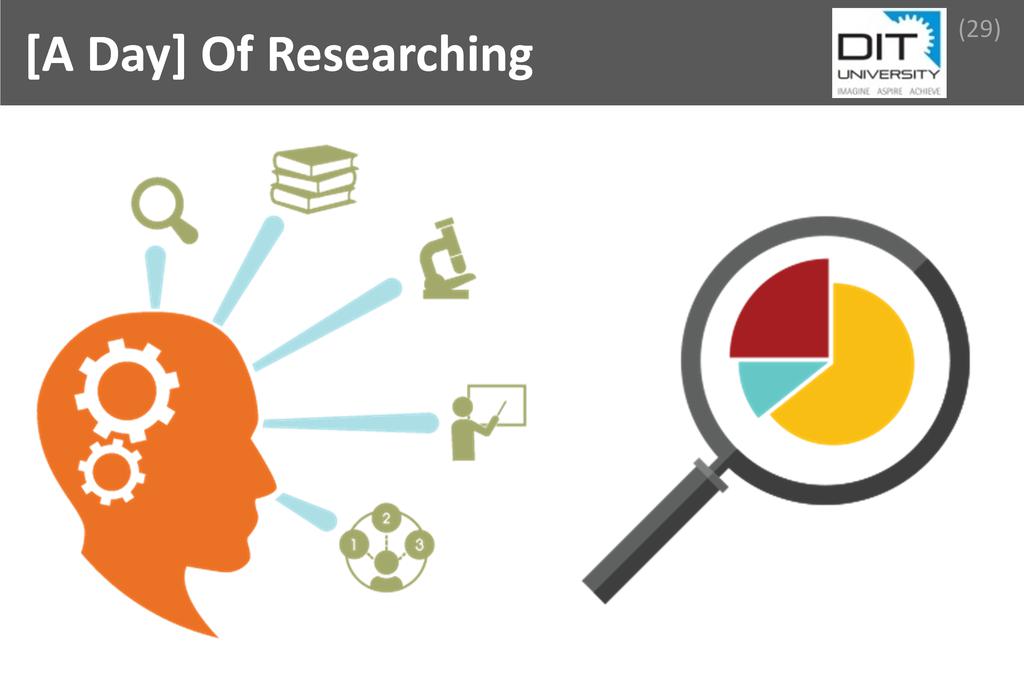
The hum of computers and the soft clatter of keyboards set the rhythm for a day in the life of an engineering research professional. Here, curiosity is the compass, and every hour is a blend of focused experimentation, collaborative problem-solving, and the relentless pursuit of discovery. The environment is a dynamic crossroads where theory meets application, and the pace is dictated by both the urgency of innovation and the patience required for meticulous analysis. Each day unfolds as a carefully orchestrated sequence of preparation, deep technical work, teamwork, and reflection, all within the ever-evolving landscape of modern engineering challenges.
As dawn breaks, the lab or office is still and contemplative. The day begins with a quiet review of ongoing experiments, calibration of instruments, and a scan through the latest academic journals or technical reports. This early hour is reserved for setting intentions, troubleshooting any overnight data anomalies, and mapping out the priorities that will shape the day. With a fresh cup of coffee in hand, the engineering researcher revisits notes from the previous day, ensuring that every variable is accounted for before diving into the heart of the work.
By mid-morning, the energy shifts as the core activities take center stage. This is the most intellectually demanding part of the day, where hypotheses are tested, simulations are run, and data is meticulously gathered. Whether it’s configuring a new prototype, running computational models, or conducting hands-on experiments, the focus is razor-sharp. The researcher is fully immersed, troubleshooting unexpected results, adjusting parameters on the fly, and documenting every step. The lab buzzes with activity as colleagues occasionally confer over results, but the primary drive is the pursuit of answers to complex engineering questions.
The afternoon brings a collaborative spirit as researchers gather for project meetings, brainstorming sessions, or cross-disciplinary discussions. Ideas are exchanged, progress is assessed, and strategies are refined in light of the morning’s findings. This is also the time for executing practical tasks that require teamwork, such as assembling new apparatus, integrating feedback from collaborators, or preparing presentations for stakeholders. The environment is lively and interactive, with a shared sense of purpose fueling the collective effort to push the boundaries of what’s possible.
As the day winds down, the focus shifts to synthesizing results and planning for tomorrow. The late afternoon is dedicated to analyzing data, updating research logs, and drafting reports or papers that capture the day’s progress. Administrative tasks, such as responding to emails or coordinating with external partners, are handled with an eye toward efficiency. Before leaving, the researcher reviews the next steps, sets up experiments for overnight runs if needed, and ensures that the workspace is ready for another day of discovery. The sense of accomplishment is palpable, tempered by the anticipation of new challenges on the horizon. |