Career Counselling 2.0 HomeHomeCareer Counselling 2.0 AbroadAbroadCareer Counselling 2.0 PlanPlanCareer Counselling 2.0 | TalksTalksCareer Counselling 2.0 PhilosophyPhilosophyCareer Counselling 2.0 SeminarSeminarCareer Counselling 2.0 PagesPagesCareer Counselling 2.0 AdvisorsAdvisorsCareer Counselling 2.0 TestimonialsTestimonials

Teaching & Research

Vice Chancellor Dr Kuldeep Kumar Raina talks about Teaching & Research course, what is Teaching & Research and other details about a Career in Teaching & Research.


Teaching & Research

Dr Kuldeep Kumar Raina | Vice Chancellor | DIT University


What is Teaching & Research?


Teaching & Research is a great Career option. One should first understand What a Career in Teaching & Research entails before investing time and effort to figure out How to start a Career in Teaching & Research. Just like you would normally not trust a non Doctor with names of medicines, you should also not trust opinions about Teaching & Research from non professionals.

Vice Chancellor Dr Kuldeep Kumar Raina has worked in Teaching & Research for 32 years. Vice Chancellor Dr Kuldeep Kumar Raina outlines Teaching & Research as:

A teacher (or an educator) is a person who helps others to acquire knowledge, competences or values. Research comprises "creative and systematic work undertaken to increase the stock of knowledge, including knowledge of humans, culture and society, and the use of this stock of knowledge to devise new applications." It is used to establish or confirm facts, reaffirm the results of previous work, solve new or existing problems, support theorems, or develop new theories.


How Vice Chancellor Dr Kuldeep Kumar Raina got into Teaching & Research?


I joined Thapar University (formerly Thapar Institute of Engineering & Technology), Patiala in February 1986 and worked there for few years. My contributions to the teaching and research have brought me recognition nationally and internationally through various awards & fellowships. I became full Professor of Materials Science in 1999. I have published over 200 research papers in peer review International/national journals and about 50 Invited lectures delivered in International conferences. In 2014 I joined DIT University as the Vice Chancellor and serving there since then. I have also served as the Vice-President of Electron Microscope Society of India, Council Member MRSI and ILCS, member of several international and national scientific societies like International Liquid Crystal Society, International Disordered Materials Research Society, Materials Research Society of Singapore/India, etc. I am also the member of Governing Council of Select Universities and an expert peer team member of NAAC.


Vice Chancellor Dr Kuldeep Kumar Raina's Talk on Teaching & Research


Session Image
The Journey of Teaching & Research


What Is Teaching & Research


Teaching & Research

### Teaching & Research Image
What is
Teaching & Research is a career path that combines the instruction of students with the pursuit of new knowledge. Professionals in this field educate learners while conducting original research, contributing to their discipline’s advancement and integrating discoveries into their teaching to enrich the educational experience.

Concept
Teaching & Research plays a crucial role in shaping both education and innovation. Professionals in this field not only impart knowledge but also drive progress in their disciplines by exploring new ideas and solving complex problems. This dual focus enhances the quality of education, as research findings are directly incorporated into curricula, keeping content current and relevant. Engaging in both teaching and research fosters critical thinking and creativity, benefiting both educators and students. Additionally, it provides opportunities for professional growth, collaboration, and recognition within academic and scientific communities. The synergy between teaching and research ensures that learning environments remain dynamic, evidence-based, and responsive to societal needs.

Real World Example
A university professor in biology exemplifies the Teaching & Research career by balancing classroom instruction with laboratory research. During the academic year, the professor teaches undergraduate and graduate courses, integrating recent research findings into lectures and assignments. Simultaneously, they lead a research team investigating genetic factors in disease resistance, securing grants and publishing results in scientific journals. Students often participate in the research, gaining hands-on experience and contributing to ongoing projects. This approach not only advances scientific understanding but also provides students with practical skills and exposure to the research process, preparing them for future careers in science and academia. The professor’s dual role ensures that teaching is informed by the latest discoveries, creating a vibrant and engaging learning environment.

Education


Clarity of Concept

### Clarity of Concept Image
What is
Clarity of Concept refers to the precise and unambiguous understanding of ideas, theories, or principles, enabling individuals to articulate, apply, and build upon them effectively. In Teaching & Research, it underpins the ability to communicate complex information clearly, ensuring both educators and learners grasp essential knowledge without confusion or misinterpretation.

Concept
Developing clarity of concept is crucial for anyone pursuing a career in Teaching & Research because it forms the bedrock of effective knowledge transfer and scholarly inquiry. When professionals possess a clear grasp of fundamental concepts, they can design curricula, conduct research, and mentor students with greater confidence and accuracy. This clarity prevents the propagation of misconceptions and fosters a culture of critical thinking and intellectual rigor. Over time, professionals who consistently demonstrate clarity of concept are better equipped to innovate, collaborate across disciplines, and contribute meaningfully to their fields. Their ability to distill and convey complex ideas not only enhances their own expertise but also elevates the learning and research outcomes of those they teach or supervise.

Real World Example
Consider a university lecturer preparing to teach a new module on quantum mechanics. Before stepping into the classroom, the lecturer reviews foundational concepts, ensuring they can explain intricate topics like wave-particle duality in simple, relatable terms. During lectures, students ask probing questions that require the lecturer to clarify subtle distinctions between similar theories. By drawing on their clear conceptual understanding, the lecturer addresses these queries with precise explanations, using analogies and real-world examples to bridge gaps in student comprehension. This approach not only deepens students’ understanding but also models effective reasoning and communication skills. In research settings, the same clarity allows the lecturer to design experiments and interpret data without ambiguity, leading to more robust and credible findings.

Technological Innovation

### Technological Innovation Image
What is
Technological innovation refers to the process of developing, implementing, and disseminating new or significantly improved technologies, products, or processes. In the context of Teaching & Research, it encompasses the adoption and integration of novel tools, methodologies, and digital resources that enhance learning, discovery, and knowledge dissemination.

Concept
Understanding technological innovation is essential for educators and researchers because it enables them to stay current with rapidly evolving tools and methodologies. Mastery of this subject ensures that professionals can effectively incorporate new technologies into their teaching strategies and research designs, fostering more engaging learning environments and producing impactful research outcomes. This foundational knowledge empowers individuals to critically assess emerging technologies, adapt to changes, and lead initiatives that drive institutional progress. Over the long term, proficiency in technological innovation enhances career resilience, opens opportunities for interdisciplinary collaboration, and positions professionals as leaders who can shape the future of education and research through informed decision-making and creative problem-solving.

Real World Example
Consider a university lecturer who integrates artificial intelligence-driven assessment tools into their curriculum. By understanding the principles of technological innovation, the lecturer evaluates the effectiveness, ethical implications, and pedagogical value of these tools before implementation. This theoretical grounding allows them to select technologies that genuinely enhance student learning and streamline administrative tasks. In their research, the lecturer leverages data analytics platforms to analyze large datasets, drawing novel insights that would be unattainable with traditional methods. Through these daily practices, the educator not only improves classroom outcomes but also contributes to the advancement of their field, demonstrating how a deep understanding of technological innovation translates into tangible benefits in both teaching and research contexts.

Teaching Methodology

### Teaching Methodology Image
What is
Teaching Methodology refers to the systematic principles, strategies, and techniques educators use to facilitate learning and foster student engagement. It encompasses the theoretical frameworks and practical approaches that guide instructional design, classroom management, and assessment. In Teaching & Research, it forms a critical component of both academic expertise and professional practice.

Concept
Understanding Teaching Methodology is essential for anyone preparing for or working in Teaching & Research because it provides the foundation for effective instruction and meaningful learning experiences. Mastery of this subject enables professionals to select appropriate pedagogical approaches, adapt to diverse learning needs, and evaluate educational outcomes critically. It also supports the development of reflective practice, allowing educators to continuously improve their teaching based on evidence and feedback. In the long term, a strong grasp of teaching methodology enhances professional credibility, opens opportunities for leadership roles, and contributes to the advancement of educational research and innovation. Ultimately, it empowers educators to make informed decisions that positively impact student achievement and institutional success.

Real World Example
Consider a university lecturer who is designing a new course for undergraduate students. Drawing on their knowledge of teaching methodology, the lecturer analyzes the learning objectives, student backgrounds, and subject complexity to choose a blend of collaborative learning and problem-based instruction. During class, they facilitate group discussions, encourage peer feedback, and use formative assessments to monitor progress. When students struggle with a particular concept, the lecturer adapts their approach by incorporating visual aids and real-life examples, demonstrating flexibility rooted in methodological understanding. This deliberate application of teaching methodology not only enhances student engagement and comprehension but also provides valuable data for future curriculum improvements and research publications.

User Needs

### User Needs Image
What is
User Needs refers to the identification and understanding of the specific requirements, preferences, and challenges faced by the intended audience or stakeholders. In Teaching & Research, this concept ensures that educational strategies, research projects, and resources are tailored to effectively address the expectations and goals of students, colleagues, and the broader academic community.

Concept
Grasping the concept of User Needs is essential for anyone in Teaching & Research because it directly influences the relevance and impact of their work. By thoroughly understanding what learners, collaborators, or research participants require, professionals can design curricula, conduct studies, and develop resources that are meaningful and effective. This foundational knowledge fosters stronger engagement, improves learning outcomes, and enhances the credibility of research findings. Over time, consistently addressing User Needs builds a reputation for responsiveness and adaptability, which is highly valued in academic and research environments. It also encourages continuous professional growth, as practitioners remain attuned to evolving expectations and are better equipped to innovate in their fields.

Real World Example
Consider a university lecturer who is developing a new course module. By applying their understanding of User Needs, the lecturer surveys students to identify gaps in their prior knowledge and preferred learning styles. The lecturer then adapts the course content, incorporating interactive activities and real-world case studies that resonate with the students’ interests and academic goals. During the semester, the lecturer gathers ongoing feedback and adjusts teaching methods to ensure the material remains accessible and engaging. This approach not only improves student satisfaction and performance but also demonstrates the lecturer’s commitment to responsive and effective teaching, ultimately contributing to a more dynamic and supportive learning environment.

Skills


Knowledge Transformation

### Knowledge Transformation Image
What is
Knowledge Transformation is the process of converting complex information, theories, or research findings into accessible, meaningful, and actionable insights tailored for diverse audiences. In Teaching & Research, this skill enables professionals to bridge the gap between raw data or advanced concepts and practical understanding, fostering deeper learning and innovation.

Concept
Mastering Knowledge Transformation significantly enhances a professional’s effectiveness in both teaching and research environments. By translating intricate material into clear explanations, educators can engage students with varying backgrounds, while researchers can communicate findings to stakeholders beyond their immediate field. Employers and clients highly value this skill because it ensures that knowledge is not only generated but also disseminated and applied effectively, driving organizational and societal progress. Cultivating this ability involves continuous practice in simplifying content, seeking feedback from diverse audiences, and staying updated with pedagogical strategies and communication techniques. Over time, professionals who prioritize Knowledge Transformation become indispensable as they empower others to understand, apply, and build upon new knowledge.

Real World Example
Consider a university lecturer who has recently completed a complex research project on climate change modeling. The findings are highly technical, filled with advanced statistical analyses and specialized terminology. To make an impact, the lecturer must present these results to undergraduate students, policymakers, and community leaders. Relying on Knowledge Transformation, the lecturer distills the core insights, uses relatable analogies, and adapts the presentation style for each audience. This approach not only helps students grasp challenging concepts but also enables policymakers to make informed decisions and encourages community leaders to advocate for evidence-based initiatives. Through effective Knowledge Transformation, the lecturer ensures that valuable research transcends academic boundaries and drives real-world change.

Hand Holding

### Hand Holding Image
What is
Hand Holding is the attentive guidance and support provided to learners or colleagues, ensuring they understand processes, overcome challenges, and build confidence. In Teaching & Research, it involves patiently mentoring others through complex concepts or tasks, fostering growth, and enabling independent problem-solving. This skill is vital for nurturing talent and achieving collective goals.

Concept
Hand Holding directly enhances performance by creating a supportive environment where individuals feel comfortable asking questions and expressing uncertainties. This leads to deeper understanding, higher engagement, and improved outcomes in both teaching and research settings. Clients and employers value professionals who can guide others effectively, as it reduces errors, accelerates learning, and builds trust within teams. Cultivating this skill requires patience, empathy, and active listening, which can be developed through experience, reflective practice, and seeking feedback. Over time, professionals who consistently offer thoughtful guidance become indispensable mentors, contributing to a culture of collaboration and continuous improvement.

Real World Example
Imagine a research supervisor working with a new graduate student struggling to design an experiment. Instead of simply providing instructions, the supervisor practices Hand Holding by walking the student through each step, clarifying concepts, and encouraging questions. As challenges arise, the supervisor offers reassurance and constructive feedback, helping the student navigate setbacks without losing confidence. Through this process, the student not only completes the experiment successfully but also gains valuable skills and independence. The supervisor’s commitment to Hand Holding ensures the student’s growth and fosters a positive, productive research environment, ultimately leading to successful project outcomes and a stronger mentor-mentee relationship.

Motivation

### Motivation Image
What is
Motivation is the internal drive that energizes, directs, and sustains behavior toward achieving goals, even in the face of obstacles. For professionals in Teaching & Research, motivation is the force that fuels curiosity, persistence, and innovation, enabling them to inspire students, pursue knowledge, and contribute meaningfully to their fields.

Concept
Motivation directly enhances performance in Teaching & Research by fostering resilience, creativity, and a proactive approach to challenges. Employers and academic institutions highly value motivated individuals because they consistently seek improvement, adapt to evolving demands, and inspire those around them. Motivated educators engage students more effectively, while motivated researchers push the boundaries of knowledge. Cultivating motivation involves setting clear goals, seeking feedback, and maintaining a passion for learning. Over time, professionals can strengthen their motivation by celebrating achievements, connecting with like-minded peers, and aligning their work with personal values and interests. This ongoing process ensures sustained enthusiasm and commitment, which are essential for long-term success in both teaching and research environments.

Real World Example
Imagine a university lecturer who is also leading a research project on innovative teaching methods. Midway through the semester, the lecturer faces dwindling student engagement and a series of failed experiments. Instead of becoming discouraged, the lecturer draws on their motivation to re-evaluate teaching strategies and research approaches. They seek out new resources, collaborate with colleagues, and introduce interactive activities to re-engage students. Simultaneously, they adjust their research methodology, learning from setbacks rather than abandoning the project. Through sustained motivation, the lecturer not only revitalizes the classroom environment but also achieves a breakthrough in their research, ultimately publishing findings that benefit both students and the academic community.

Bend of Mind

### Bend of Mind Image
What is
"Bend of Mind" refers to an individual’s natural inclination and adaptability toward critical thinking, curiosity, and openness to new ideas. It encompasses the ability to approach problems creatively, embrace diverse perspectives, and remain flexible in thought. For Teaching & Research professionals, this mindset is crucial for innovation and effective knowledge dissemination.

Concept
A strong bend of mind enhances a professional’s ability to analyze complex concepts, adapt to evolving educational paradigms, and foster an environment of inquiry. Employers and academic institutions highly value this skill because it drives original research, encourages collaborative learning, and supports continuous improvement. Cultivating a bend of mind involves actively seeking new knowledge, engaging in reflective practice, and embracing feedback. Over time, professionals can strengthen this skill by participating in interdisciplinary projects, attending seminars, and remaining open to constructive criticism. This ongoing development not only improves individual performance but also contributes to the advancement of the broader academic community.

Real World Example
Imagine a university lecturer faced with declining student engagement in a core subject. Instead of adhering strictly to traditional teaching methods, the lecturer draws upon their bend of mind to experiment with interactive learning techniques and integrate real-world case studies. By remaining open to student feedback and collaborating with colleagues from different departments, the lecturer revitalizes the curriculum and significantly boosts student participation and comprehension. This scenario demonstrates how a flexible and inquisitive mindset enables Teaching & Research professionals to identify challenges, innovate solutions, and achieve meaningful outcomes in their field.

Thinking Beyond Boundaries

### Thinking Beyond Boundaries Image
What is
Thinking Beyond Boundaries is the ability to transcend conventional frameworks, integrate diverse perspectives, and creatively approach challenges. For Teaching & Research professionals, this means not being confined by traditional methods or established knowledge, but instead seeking innovative solutions, fostering interdisciplinary collaboration, and inspiring transformative learning and discovery within their fields.

Concept
Thinking Beyond Boundaries enhances a professional’s ability to generate novel ideas, adapt to evolving educational landscapes, and address complex research questions. Employers and academic institutions highly value this skill because it leads to breakthroughs, drives institutional progress, and prepares students for a rapidly changing world. Cultivating this ability involves actively engaging with new disciplines, questioning assumptions, and seeking feedback from diverse sources. Over time, professionals can develop this mindset by participating in cross-disciplinary projects, attending conferences outside their primary field, and fostering a culture of curiosity and open-mindedness in their classrooms and research teams. This ongoing commitment to intellectual exploration ensures that their work remains relevant, impactful, and innovative.

Real World Example
Consider a university lecturer and researcher facing declining student engagement in a core science course. Instead of relying solely on traditional lectures, they draw inspiration from the arts and technology, integrating interactive simulations and storytelling techniques into their curriculum. By collaborating with colleagues from the computer science and drama departments, they create a dynamic, interdisciplinary learning experience that revitalizes student interest and improves comprehension. This approach not only addresses the immediate challenge but also sets a precedent for innovative teaching methods within the institution. The professional’s willingness to think beyond boundaries leads to measurable improvements in student outcomes and garners recognition from both peers and administration, illustrating the transformative power of this essential skill.

Experience

### Experience Image
What is
Experience is the accumulation of practical knowledge, skills, and insights gained over time through direct involvement in teaching, research, and related professional activities. For Teaching & Research professionals, experience serves as a foundation for effective decision-making, problem-solving, and innovation, enabling them to navigate complex educational and scientific challenges with confidence and competence.

Concept
Experience directly enhances performance in Teaching & Research by allowing professionals to draw on lessons learned from past successes and setbacks. This depth of understanding enables them to design more effective curricula, conduct rigorous research, and mentor students or colleagues with greater empathy and insight. Employers and academic institutions highly value experience because it signals reliability, adaptability, and the ability to handle unforeseen challenges. Cultivating experience requires a commitment to continuous learning, active participation in diverse projects, and reflection on outcomes. Over time, professionals who seek feedback, embrace new methodologies, and remain engaged in their fields steadily build a reservoir of experience that distinguishes them as leaders and innovators.

Real World Example
Imagine a university lecturer who is tasked with revamping a core course that has consistently received poor student feedback. Drawing on years of classroom experience, the lecturer identifies the root causes of student disengagement, such as outdated materials and lack of interactive activities. Leveraging insights gained from previous curriculum redesigns and research on effective teaching strategies, the lecturer introduces new content, incorporates technology, and fosters collaborative learning. As a result, student participation and satisfaction improve significantly. In this scenario, the lecturer’s accumulated experience not only guides the problem-solving process but also ensures the successful implementation of changes that benefit both students and the institution.

Disrupting the Innovation

### Disrupting the Innovation Image
What is
Disrupting the Innovation means intentionally challenging established methods, questioning traditional assumptions, and introducing novel approaches to teaching and research. It involves a proactive mindset that seeks to transform stagnant practices, foster creativity, and drive progress. For educators and researchers, this skill is crucial for staying relevant and impactful in a rapidly evolving landscape.

Concept
Mastering the art of disrupting the innovation directly enhances a professional’s ability to adapt to new educational technologies, respond to emerging research trends, and inspire students or colleagues. Clients and employers highly value this skill because it leads to improved learning outcomes, more effective research methodologies, and a competitive edge in academic or institutional settings. Cultivating this skill requires continuous learning, openness to feedback, and a willingness to experiment with unconventional ideas. Over time, professionals can develop this capability by engaging in interdisciplinary collaborations, attending innovation-focused workshops, and reflecting on both successes and failures to refine their approach.

Real World Example
Imagine a university lecturer who notices that traditional lectures are failing to engage students in a large introductory course. By disrupting the innovation, the lecturer replaces passive lectures with interactive, technology-driven modules that incorporate real-world problem-solving and peer collaboration. This shift not only revitalizes student interest but also leads to higher retention and deeper understanding of the material. The lecturer’s willingness to challenge the status quo and implement innovative teaching strategies demonstrates the power of this skill in overcoming critical engagement issues and achieving measurable success in educational outcomes.

Positives


Noblest Profession

### Noblest Profession Image
What is
The term "Noblest Profession" refers to a vocation characterized by selfless service, moral integrity, and a commitment to uplifting others through knowledge and guidance. It embodies the idea of shaping minds, nurturing curiosity, and fostering growth in individuals and society. This distinction elevates teaching and research beyond mere occupations, making them profoundly meaningful. By embracing the noblest profession, educators and researchers find purpose in their daily work, knowing they contribute to the betterment of humanity. This sense of higher calling infuses their roles with dignity and respect, inspiring them to strive for excellence and to make a lasting difference in the lives of their students and the broader community.

Concept
The recognition of teaching and research as the noblest profession brings a deep sense of fulfillment and pride to those who choose this path. This positive aspect matters because it transforms routine tasks into meaningful contributions, making every lesson taught or discovery made feel significant. The knowledge that their work shapes future generations and advances society boosts job satisfaction, motivating professionals to continually grow and innovate. Each day, educators and researchers witness the impact of their efforts, whether through a student’s breakthrough moment or a new insight that pushes the boundaries of understanding. This ongoing experience of making a difference fosters resilience, passion, and a lifelong commitment to learning and service.

Real World Example
Consider a university professor who mentors undergraduate students in both classroom and laboratory settings. One day, a student who once struggled with self-doubt presents a research project that impresses not only peers but also visiting scholars. The professor sees firsthand how guidance, encouragement, and shared knowledge have transformed this student’s confidence and abilities. In that moment, the professor feels the profound fulfillment of the noblest profession—knowing their dedication has empowered another person to reach new heights. This experience reaffirms the value of their work, reminding them that every effort invested in teaching and research has the power to change lives and inspire future leaders.

Continuous Learning

### Continuous Learning Image
What is
Continuous Learning is the ongoing process of acquiring new knowledge, skills, and insights throughout one’s professional life, driven by curiosity and the need to adapt to evolving information. In teaching and research, this mindset ensures that professionals remain intellectually engaged, innovative, and responsive to the latest developments in their fields, fostering personal and professional growth.

Concept
The culture of continuous learning is a cornerstone of satisfaction and advancement in teaching and research careers. It transforms daily work into an ever-evolving journey, where each lesson or experiment offers fresh perspectives and challenges. This dynamic environment keeps professionals motivated, as they are constantly exposed to new ideas and methodologies. The opportunity to learn from colleagues, students, and the broader academic community creates a vibrant exchange of knowledge, fueling creativity and problem-solving. As a result, educators and researchers not only stay relevant in their disciplines but also experience a sense of accomplishment and purpose, knowing their expertise is always expanding and their contributions remain impactful.

Real World Example
Imagine a university lecturer who specializes in environmental science. While preparing a new course module, she encounters recent breakthroughs in climate modeling. Driven by curiosity, she delves into the latest research papers, attends webinars, and collaborates with colleagues from different departments. This process not only enriches her own understanding but also enables her to bring cutting-edge knowledge into the classroom, inspiring her students with real-world relevance. The lecturer’s commitment to continuous learning not only enhances her teaching but also opens new avenues for research, collaboration, and professional recognition. Through this ongoing journey, she experiences the profound fulfillment that comes from staying at the forefront of discovery and sharing that excitement with others.

Creating Impactful Knowledge

### Creating Impactful Knowledge Image
What is
Creating Impactful Knowledge means generating new insights, discoveries, or understanding that significantly influence individuals, communities, or entire fields. In teaching and research, this involves not only advancing academic knowledge but also shaping minds, solving real-world problems, and inspiring others to think critically and creatively. This process enriches both society and the profession.

Concept
The ability to create impactful knowledge is a cornerstone of fulfillment in teaching and research careers. It transforms daily work into a meaningful pursuit, as professionals witness their ideas spark curiosity, drive innovation, and address pressing societal challenges. This ongoing contribution to the collective understanding of the world fosters a deep sense of purpose and pride. The opportunity to see one’s research influence policy, inspire students, or lead to technological advancements makes each day engaging and dynamic. As professionals share their discoveries and mentor others, they experience personal growth, intellectual stimulation, and the satisfaction of leaving a lasting legacy in their field.

Real World Example
Imagine a university professor who researches sustainable agriculture. Through years of dedicated study, she develops a new farming technique that increases crop yields while reducing environmental impact. She shares her findings in the classroom, inspiring students to pursue similar research, and collaborates with local farmers to implement her methods. As she observes improved harvests and healthier ecosystems, she feels immense pride knowing her work has made a tangible difference. Her research not only advances scientific understanding but also directly benefits communities and shapes future generations of scholars. This daily experience of creating impactful knowledge brings her both professional fulfillment and personal joy.

Making Things Simpler

### Making Things Simpler Image
What is
Making Things Simpler means breaking down complex ideas, theories, or problems into clear, understandable concepts that others can grasp easily. In teaching and research, this skill transforms challenging material into accessible knowledge, empowering learners and colleagues. It fosters deeper understanding, encourages curiosity, and bridges gaps between expertise and comprehension for everyone involved.

Concept
The ability to make things simpler is a cornerstone of satisfaction and growth in teaching and research careers. When educators and researchers clarify difficult topics, they witness firsthand the spark of understanding in students and peers. This not only boosts their confidence but also reinforces their own mastery of the subject. Simplifying information encourages collaboration, as colleagues can engage more meaningfully with shared ideas. It also leads to more effective communication, reducing misunderstandings and fostering a positive learning environment. Each day, professionals in this field experience the joy of helping others overcome intellectual barriers, making their work both impactful and personally rewarding.

Real World Example
Imagine a university lecturer preparing to teach quantum mechanics to undergraduate students. Recognizing the subject’s complexity, the lecturer spends hours distilling intricate equations and abstract concepts into relatable analogies and step-by-step explanations. During class, students who once felt intimidated begin to ask questions and participate actively. Their newfound confidence and enthusiasm are clear signs that the lecturer’s efforts to make things simpler have paid off. This transformation not only benefits the students but also gives the lecturer a profound sense of accomplishment, knowing they have opened doors to understanding and inspired a new generation of thinkers.

Challenges


Good Quality Assurance

### Good Quality Assurance Image
What is
Good Quality Assurance in Teaching & Research refers to the continuous process of maintaining and enhancing the standards of educational delivery and scholarly output. It involves systematic evaluation, transparent documentation, and consistent improvement to ensure credibility, relevance, and impact. Achieving this is demanding due to evolving expectations, diverse stakeholders, and resource constraints.

Concept
The challenge of good quality assurance permeates daily work by requiring educators and researchers to balance rigorous standards with creativity and flexibility. This constant scrutiny can lead to increased administrative workload, pressure to document every process, and the need to adapt swiftly to new policies or assessment criteria. Such demands test resilience, as professionals must remain committed to excellence while navigating bureaucratic hurdles and limited resources. Successful individuals manage this by fostering a culture of continuous improvement, seeking feedback, and integrating quality assurance practices into their routine activities. They view quality assurance not as a burden but as an opportunity for growth, using it to refine their teaching methods and research approaches, ultimately enhancing both student learning and scholarly contributions.

Real World Example
Consider a university lecturer who also leads a research group. Faced with new institutional quality assurance protocols, she initially finds the additional documentation and regular peer reviews overwhelming. Instead of viewing these requirements as mere compliance, she integrates reflective teaching journals and collaborative research debriefs into her workflow. By involving her students and research team in quality discussions, she creates a shared sense of responsibility for maintaining high standards. Over time, this approach not only streamlines the quality assurance process but also fosters a more engaged and motivated learning environment. Her proactive attitude transforms a potential obstacle into a catalyst for professional development and improved outcomes for both her teaching and research endeavors.

Knowledge Updation

### Knowledge Updation Image
What is
Knowledge Updation in Teaching & Research refers to the continuous process of acquiring, assimilating, and integrating the latest advancements, theories, and methodologies relevant to one’s field. This is demanding because the pace of innovation is relentless, requiring professionals to constantly adapt, rethink established practices, and maintain credibility in a rapidly evolving landscape.

Concept
The challenge of keeping up with new knowledge can significantly impact daily routines, often leading to information overload and increased pressure to stay current. This ongoing demand requires resilience, as professionals must balance teaching, research, and administrative responsibilities while dedicating time to learning. Successful individuals manage this constraint by cultivating habits of lifelong learning, leveraging academic networks, and prioritizing critical developments over peripheral trends. They often integrate new insights into their teaching and research, ensuring relevance and fostering innovation. By embracing change and maintaining intellectual curiosity, these professionals not only mitigate the stress associated with knowledge updation but also enhance their effectiveness and reputation in their fields.

Real World Example
Consider a university lecturer in computer science who faces the rapid evolution of programming languages and artificial intelligence techniques. To manage this, she regularly attends international conferences, subscribes to leading journals, and collaborates with industry partners on research projects. By integrating the latest findings into her curriculum and research, she ensures her students receive up-to-date education and her work remains impactful. This proactive approach not only keeps her knowledge current but also inspires her students and colleagues to value continuous learning. Through disciplined time management and a passion for discovery, she transforms the challenge of knowledge updation into an opportunity for professional growth and academic excellence.

A Day Of


Teaching & Research

What is
The hum of anticipation fills the air long before the first student steps into the lecture hall or the lab lights flicker on. For teaching and research professionals, each day unfolds as a dynamic blend of intellectual challenge, mentorship, and discovery. The pace is brisk yet purposeful, driven by the dual commitments of nurturing minds and advancing knowledge. Whether navigating the quiet focus of early preparation or the lively exchange of ideas in classrooms and research meetings, these professionals move seamlessly between roles—educator, investigator, collaborator, and planner—crafting a workday that is as varied as it is rewarding.

Concept
As dawn breaks, the day begins with a period of focused solitude. This is the time to review lecture notes, update slides, and scan the latest research articles over a cup of coffee. The early morning offers a rare window for uninterrupted reflection, allowing for the fine-tuning of lesson plans and the organization of research data. It’s a moment to set intentions, prioritize tasks, and ensure that both teaching materials and experimental protocols are ready for the day ahead.

Real World Example
Mid-morning marks the heart of the day, where the energy shifts from preparation to action. Classrooms come alive with discussion, debate, and the exchange of ideas as lectures unfold and students pose challenging questions. For those in the lab, this is when experiments are set in motion, data is collected, and hypotheses are put to the test. The atmosphere is vibrant and demanding, requiring quick thinking, adaptability, and a deep engagement with both students and research objectives.

Afternoons are often reserved for collaboration and the execution of ongoing projects. Meetings with research teams, graduate students, or academic committees fill the schedule, fostering an environment of shared inquiry and problem-solving. This is the time to troubleshoot experiments, review student progress, and strategize on grant proposals or upcoming publications. The collaborative spirit is palpable, as ideas are refined and collective goals are advanced through dialogue and teamwork.

As the day winds down, attention turns to wrapping up administrative duties and setting the stage for tomorrow’s challenges. Grading assignments, responding to emails, and updating research logs demand careful attention to detail. There is also space for quiet reflection—reviewing what worked well, identifying areas for improvement, and sketching out plans for future classes or experiments. The evening brings a sense of closure, but also the anticipation of another day filled with discovery and growth.


Install the LifePage App to:


  1. (for Free) Watch Vice Chancellor Dr Kuldeep Kumar Raina’s full Teaching & Research Career Talk

  2. ₹ Do a Self Assessment on Teaching & Research to calculate your Dream Index, which is defined as:

    According to Dr Kuldeep Kumar Raina your chances of success in Teaching & Research is __%

  3. Access your personalized Dream Index Report which will have all your Dream Indices sorted in descending order.

Career Counselling 2.0


<?php echo $altimage; ?>


<?php echo $altimage; ?>


How to get into

Teaching & Research?


If you are want to get into Teaching & Research, start by investing in a Career Plan.

The 14 hour process, guided by a LifePage Career Advisor, will help you introspect and check whether your interest in Teaching & Research is merely an infatuation or is it truly something you wish to do for the rest of your life.

Next, your Career Advisor will help you document how you can get into Teaching & Research, what education and skills you need to succeed in Teaching & Research, and what positives and challenges you will face in Teaching & Research.

Finally, you will get a Career Plan stating which Courses, Certifications, Trainings and other Items you need to do in the next 7 years to become world’s best in Teaching & Research.


LifePage Career Plan

14 hour personalized guidance program


Your LifePage Career Advisor facilitates your guided introspection so that you systematically explore various Career options to arrive at a well thought out Career choice.

Next: your Advisor helps you figure out how you will get into your chosen Career and how will you develop the skills needed for success in your Chosen Career.

LifePage Plan will not stop at saying "to become an Architect study Architecture". It will guide you on which Certifications, Trainings and Other items you need to do along with your Architecture education to become the world's best Architect.


Links for this Talk


Vice Chancellor Dr Kuldeep Kumar Raina's LifePage:


Career Counselling 2.0
[LifePage]
https://www.lifepage.in/page/drkuldeepkumarraina


LifePage Career Talk on Teaching & Research


Career Counselling 2.0
[Career]
https://www.lifepage.in/careers/teaching-and-research


Career Counselling 2.0
[Full Talk]
https://lifepage.app.link/20180303-0001


Career Counselling 2.0
[Trailer]
https://www.youtube.com/watch?v=k0IXJUQPtzU


(Teaching & Research, Kuldeep Kumar Raina, DIT University, Teacher, Professor, Vice Chancellor, Teaching, Researcher)


Similar Talks


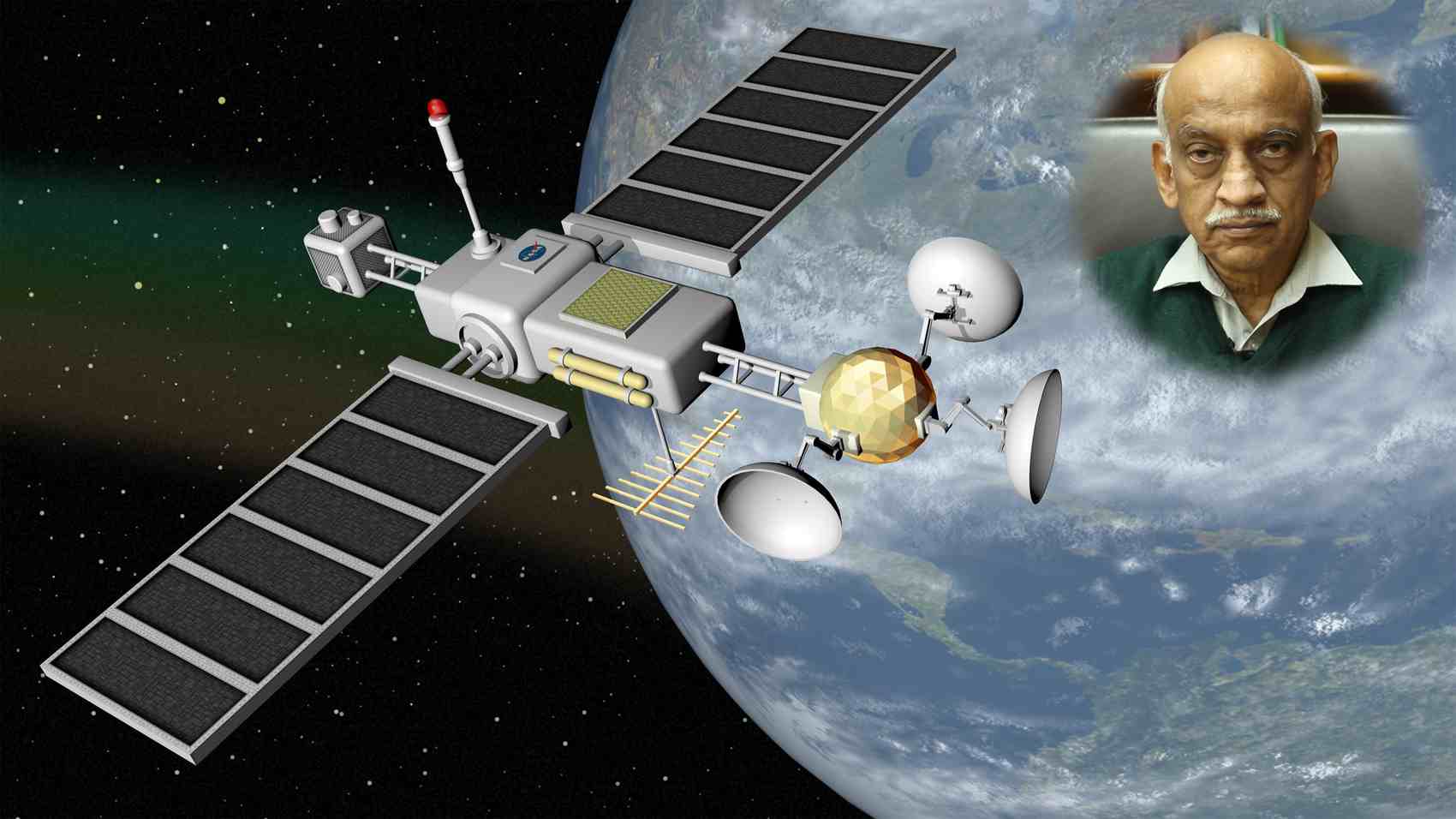
Career in Space Research
Space Research
Ranganath Navalgund
Director | Space Application Center (ISRO)
[ 40 years Experience ]

Space research is scientific study carried out using scientific equipment in outer space. It includes the use of space technology for a broad spectrum of research disciplines, including Earth Science, Materials Science, Biology, Medicine, and Physics. The term includes scientific payloads everywhere from deep space to low Earth orbit, and is frequently defined to include research in the upper atmosphere using sounding rockets and high-altitude balloons. Space science and space exploration involve the study of outer space itself, which is only part of the broader field of space research. Major Space Research Agencies in the World.

"After completing my graduation, I went to Indian Institute of Technology, Bombay to do Postgraduate degree in Physics. Subsequently I joined Tata Institute of Fundamental Research University, Bombay for my Ph D. Immediately after that I joined the Space Application Research Center, Ahemdabad. That is how I got into Space Research. As Director of two major centres of the Indian Space Research Organisation, I successfully led teams engaged in the development of communication and navigation payloads, state-of-the-art electro-optical and microwave sensors, data acquisition and processing systems, setting up international ground stations to receive IRS data in several countries, international collaborative research efforts and have contributed in a major way towards growth and development of remote sensing application programmes, in India. During this period of thirty five years of scientific and professional career, I have authored more than 100 scientific publications including 78 papers in peer reviewed journals, proceedings and technical reports."


Career Counselling 2.0 Career Counselling 2.0 Career Counselling 2.0 Career Counselling 2.0 Career Counselling 2.0


Career in Space Technology
Space Technology
A.S. Kiran Kumar
Former Chairman | ISRO
[ 44 years Experience ]

Space technology is technology developed by space science or the aerospace industry for use in spaceflight, satellites, or space exploration. Space technology includes spacecraft, satellites, space stations, and support infrastructure, equipment, and procedures.

"After completing my M Tech in Physical Engineering, in 1975 I joining Space Applications Centre, Ahmedabad working on Space borne Electro-optical imaging instruments. I remained at the institution ever since and was the Director of the Electro-optical Systems Group since April 2012 and later served as the Chairman of Indian Space Research Organisation Jan 2015 to Jan 2018. I represented Indian Space Research Organization at many international forums such as the World Meteorological Organisation and Indo-US Joint Working Group on Civil Space Cooperation and held the Chair of the ISRO Committee on Earth Observation Satellites."


Career Counselling 2.0 Career Counselling 2.0 Career Counselling 2.0 Career Counselling 2.0 Career Counselling 2.0


Career in Engineering Research
Engineering Research
Dr G P Kapoor
Dean | DIT University
[ 4 years & 4 months Experience ]

Teaching and Research in natural objects is all about, how you perceive the natural object and simulate it into the machines.

"I have done teaching and research in different capacities at IIT Kanpur for 36 years. I have also served as the chairman of AIEEE examinations."


Career Counselling 2.0 Career Counselling 2.0 Career Counselling 2.0 Career Counselling 2.0 Career Counselling 2.0


Career in Stem Cell Research
Stem Cell Research
Dr Rajneesh Verma
Progaram Specific Researcher | CIRA, Kyoto University - Japan
[ 4 years & 11 months Experience ]

Stem cells are biological cells that can differentiate into other types of cells and can divide to produce more of the same type of stem cells. They are found in multicellular organisms. Stem cells are a class of undifferentiated cells that are able to differentiate into specialized cell types. Commonly, stem cells come from two main sources: Embryos formed during the blastocyst phase of embryological development (embryonic stem cells) and adult tissue (adult stem cells).

"I m Reproductive Bio-technologist and a stem cell Scientist from Monash University, Melbourne (Australia). In 2011, I was the First one in the world to generate Induced pluripotent Stem Cells (iPSC) of wild cats namely, Snow Leopard, Bengal Tiger, Jaguar and Serval. Having worked on various projects in the field of stem cells, in 2017, I joined CIRA, Kyoto (Koji Eto group) as a Program Researcher."


Career Counselling 2.0 Career Counselling 2.0 Career Counselling 2.0 Career Counselling 2.0 Career Counselling 2.0


Career in Astrophysics
Astrophysics
R C Kapoor
Professor | Indian Institute of Astrophysics
[ 48 years Experience ]

Astrophysics is a branch of space science that applies the laws of physics and chemistry to explain the birth, life and death of stars, planets, galaxies, nebulae and other objects in the universe. It has two sibling sciences, astronomy and cosmology, and the lines between them blur.

"My inclination towards astronomy led to my graduation and then post graduation in Astrophysics. In 1971, I started my career and joined Observatory (now Aryabhatta Research Institute of Observational Sciences, ARIES) at Nainital in observational astronomy. Then, in 1974 until 2010, I was with the Indian Institute of Astrophysics (IIA), Bangalore where I worked on various topics in relativistic astrophysics black holes, white holes, quasars and pulsars etc. His association with the institution continues. In 1980, I completed my Ph D from Agra University. I actively participate in popularization of astronomy and have also published research papers in peer-reviewed international journals and presented papers in national and international conferences. I have also published on the physical-chemical nature of bhasmas in the Indian Systems of Medicine."


Career Counselling 2.0 Career Counselling 2.0 Career Counselling 2.0 Career Counselling 2.0 Career Counselling 2.0


Career in R & D in SCADA & IOT
R & D in SCADA & IOT
Dr Sandeep Sharma
Project Lead | Converteam EDC Pvt Ltd
[ 14 years & 2 months Experience ]

Research and development refers to innovative activities undertaken by corporations or governments in developing new services or products, or improving existing services or products.

"I have done B Sc and M Sc in Electronic Sciences. Post that I did Ph D in Theoretical Investigation of Transient Analysis of First Order and Second Order Loads powered by PV Generators from Department of Electronic Science, Delhi University. I have worked with various organisations like Converteam EDC Pvt. Ltd & Saora Informatics India Pvt. Ltd as Manager and Project Lead. I have been a Faculty with Maharaja Agrasen College, Manav Rachna College of Engineering. I am Head & Associate Professor with Department of Electronics & Communication Engineering at DIT University."


Career Counselling 2.0 Career Counselling 2.0 Career Counselling 2.0 Career Counselling 2.0 Career Counselling 2.0


Career in Communication Research
Communication Research
Dr B S Jassal
Scientist F | DRDO
[ 37 years & 3 months Experience ]

Communication Research focuses on areas to better understand and develop communication networks, particularly in the wireless domain.

"I have done my B Sc, M SC & Ph D in Radiowave Propagation from DAV PG College, Dehradun. I retired from DRDO as Scientist grade F after 38 years of service. After serving as a Dean for 10 years, I am now a Visiting professor at Graphic ERA University where I teach and do Research."


Career Counselling 2.0 Career Counselling 2.0 Career Counselling 2.0 Career Counselling 2.0 Career Counselling 2.0


Career in Teaching Educational Research
Teaching Educational Research
Dr Vishal Sood
Associate Professor | Himachal Pradesh University, Shimla
[ 16 years Experience ]

Educational research means that research which is done in the field of education. The purpose of educational research is to determine various aspects dimensions, processes, concerning the creation of new knowledge to test the accuracy of current knowledge, the direction of development and future plans.

"After doing my B Sc from SD College Baijnath, I did B Ed and M Ed followed by MA, M Phil and Ph D in Sociology and then did PG Diploma in Marketing Management & Computer Software from Himachal Pradesh University, Shimla. Post that I did a PG Diploma in Higher Education from IGNOU. I am Associate Professor at Himachal Pradesh University, Shimla."


Career Counselling 2.0 Career Counselling 2.0 Career Counselling 2.0 Career Counselling 2.0 Career Counselling 2.0


Career in Research
Research
Rajan Gupta
Research Consultant | Various Assignments
[ 3 years Experience ]

Research is systematic investigation into and study of materials and sources in order to establish facts and reach new conclusions.

"I did B Sc Computer Science and MCA from University of Delhi. After that i did Post Graduate Program in Management from IMT, Gaziabad and executive Program in Business Analysis and business Intelligence from IIM, Ranchi and then Ph D in information System and Security from Delhi University. I am a Certified Management consultant from Consultant development Centre and i cleared Certified Analytics Professional exam which is held by INFORMS. I started his career as Research Analyst at Samsung Research Lab, Noida and Worked as Junior Research Fellow & Senior Research Fellow with University of Delhi."


Career Counselling 2.0 Career Counselling 2.0 Career Counselling 2.0 Career Counselling 2.0 Career Counselling 2.0


Career in Research in Chemistry
Research in Chemistry
Dr Ajay Singh
Dean & HoD Chemistry | Uttaranchal College of Applied & Life Sciences
[ 19 years & 1 month Experience ]

Chemistry is a branch of science that involves the study of the composition, structure and properties of matter. Often known as the central science, it is a creative discipline chiefly concerned with atomic and molecular structure and its change, for instance through chemical reactions.

"After completing my B Sc & M Sc in Chemistry, I went on to do a PG Diploma in Pulp & Paper Technology. I also have a Ph D in Polymer Chemistry. I have taught at Thapar Group of Institutions & Dolphin Institute. I joined Uttaranchal University in 2008 as Assistant Professor & HOD Chemistry and am now Dean & HOD Chemistry at Uttaranchal College of Applied and Life Sciences."


Career Counselling 2.0 Career Counselling 2.0 Career Counselling 2.0 Career Counselling 2.0 Career Counselling 2.0


Career in Policy Research
Policy Research
Udisha Saklani
Policy Consultant | National University Of Singapore
[ 3 years & 4 months Experience ]

The study of public policy includes the analysis of both the process of policymaking and the contents of policy. Policy analysis includes substantive area research, program evaluation and impact studies, and policy design.

"I did my Schooling from Welham Girls' School, Dehradun and my Graduation in Maths (Hons) from St Stephens College, Delhi University. I then did my Masters in Public Policy from National University of Singapore. Currently, I work as a a Policy Researcher at the Institute of Water Policy, National University of Singapore."


Career Counselling 2.0 Career Counselling 2.0 Career Counselling 2.0 Career Counselling 2.0


Career in Astronomy Popularization
Astronomy Popularization
R C Kapoor
Astronomer | Various Assignments
[ 48 years & 1 month Experience ]

Astronomy is such a fascinating subject that attracts not only students but also layman and amateurs. Curiosity to understand the subjects is very common in all age groups. Historically, Astronomy is one of the oldest sciences concerned with the study of planets, stars, galaxies & other celestial objects and phenomena. From time immemorial the night sky has fascinated many cultures in the past including the Indians, Babylonians, Egyptians, Chinese & the Greeks and it continues to fascinate us even today.

"My inclination towards astronomy led to my graduation and then post graduation in Astrophysics. In 1971, I started my career and joined Observatory (now Aryabhatta Research Institute of Observational Sciences, ARIES) at Nainital in observational astronomy. Then, in 1974 until 2010, I was with the Indian Institute of Astrophysics (IIA), Bangalore where I worked on various topics in relativistic astrophysics - black holes, white holes, quasars and pulsars etc. His association with the institution continues. In 1980, I completed my Ph D from Agra University. I actively participate in popularization of astronomy and have also published research papers in peer-reviewed international journals and presented papers in national and international conferences. I have also published on the physical-chemical nature of bhasmas in the Indian Systems of Medicine."


Career Counselling 2.0 Career Counselling 2.0 Career Counselling 2.0 Career Counselling 2.0 Career Counselling 2.0


Career in Materials Research
Materials Research
Dr. Arun Kumar Shah
Assistant Director | DRDO
[ 30 years Experience ]

Materials science is an interdisciplinary field concerned with the understanding and application of the properties of matter. Materials scientists study the connections between the underlying structure of a material, its properties, its processing methods and its performance in applications.

"After doing my schooling from Dehradun and Jhansi, I did B Tech in Metallurgy at IIT Roorkee and then M Tech from IIT Kanpur. I did my Ph D in Metallurgy from IIT Bombay and PG Diploma in Metallurgy from Germany. I also attended the National Defence College in Delhi. I worked in DRDO for 30 years in Materials Research and Building Technology."


Career Counselling 2.0 Career Counselling 2.0 Career Counselling 2.0 Career Counselling 2.0 Career Counselling 2.0


Career in Public Policy Research
Public Policy Research
Abhishek Jain
Senior Program Lead | Council on Energy, Environment and Water
[ 5 years Experience ]

Public policy analysis is a large, sprawling intellectual enterprise involving numerous academic disciplines, private research organizations, and governmental agencies each sharing a common concern with the formulation, implementation, or consequences of public policy decisions.

"I did B Tech in Mechanical Engineering from IIT Roorkee and M Phil in Engineering for Sustainable Development from University of Cambridge. I have worked with Nestle as Energy & Project Engineer. In 2014, I joined Council on Energy, Environment & Water and currently working as Senior Program Lead."


Career Counselling 2.0 Career Counselling 2.0 Career Counselling 2.0 Career Counselling 2.0 Career Counselling 2.0


[Install the LifePage App to access all Talks]


<?php echo $altimage; ?>


<?php echo $altimage; ?>


&mbsp;


Career Counselling 2.0 | Home   Home  
Career Counselling 2.0 | Abroad   Abroad  
Career Counselling 2.0 | Plan   Plan  
Career Counselling 2.0 | Talks   Talks  
Career Counselling 2.0 | Philosophy   Philosophy  
Career Counselling 2.0 | Seminar   Seminar  
Career Counselling 2.0 | Workshop   Workshop  
Career Counselling 2.0 | Pages   Pages  
Career Counselling 2.0 | Advisors   Advisors  
Career Counselling 2.0 | Discuss   Discuss  
Career Counselling 2.0 | Meet   Meet  
Career Counselling 2.0 | Advisor   Advisor  
Career Counselling 2.0 | Story   Story  
Career Counselling 2.0 | Fine Print   Fine Print  
Career Counselling 2.0 | Links   Links  
Career Counselling 2.0 | Blog   Blog  
Career Counselling 2.0 | Testimonials   Testimonials  
Career Counselling 2.0 | Follow   Follow  
 
[ Site Visits ]


Career Counselling 2.0