The Journey of Restauranteering
What Is Restauranteering
Restauranteering

Restauranteering is the art and science of managing, operating, and innovating within the restaurant industry. It encompasses everything from menu development and customer service to financial management and marketing, requiring a blend of creativity, leadership, and business acumen to create successful dining experiences and profitable restaurant ventures.
Restauranteering plays a crucial role in shaping the hospitality landscape by setting standards for quality, efficiency, and customer satisfaction. Professionals in this field drive the success of restaurants by fostering memorable dining experiences, ensuring operational excellence, and adapting to evolving consumer trends. One major benefit is the opportunity to express creativity through cuisine and ambiance. Another is the potential for strong community connections, as restaurants often become local gathering spots. Additionally, restauranteering offers significant career growth and entrepreneurial opportunities, allowing individuals to build their own brands or manage large teams in established organizations. The impact of restauranteering extends beyond the dining room, influencing food culture, employment, and local economies.
A restauranteer might begin by identifying a gap in the local dining scene, such as a lack of authentic Mediterranean cuisine. They would research market trends, develop a unique menu, and design an inviting atmosphere that reflects the region’s culture. Through careful hiring and staff training, they ensure excellent service and consistency. The restauranteer manages supplier relationships, controls costs, and implements marketing strategies to attract and retain customers. By monitoring guest feedback and adapting to seasonal changes, they continuously refine the dining experience. Over time, their efforts result in a thriving restaurant that becomes a beloved community fixture, demonstrating how restauranteering blends creativity, business management, and hospitality to achieve lasting success.
Education
Reading Books

Reading Books refers to the active process of engaging with written texts to extract information, gain insights, and develop critical thinking skills. In the context of Restauranteering, it encompasses reading industry literature, cookbooks, management guides, and regulatory materials, forming a crucial part of the academic and professional knowledge required for success in the field.
Understanding how to effectively read books is vital for anyone preparing for or working in Restauranteering because it provides access to a wealth of industry knowledge, best practices, and innovative ideas. By reading books, professionals can stay updated on culinary trends, food safety regulations, and management strategies that are essential for running a successful restaurant. This foundational skill not only aids in personal and professional development but also fosters adaptability in a rapidly changing industry. Over time, the habit of reading books cultivates a mindset of continuous learning, enabling restauranteurs to anticipate challenges, inspire their teams, and deliver exceptional dining experiences. Ultimately, mastering this skill ensures long-term career growth and resilience in the competitive world of Restauranteering.
Imagine a restaurant manager who regularly reads books on customer service, leadership, and culinary innovation. When faced with a sudden drop in customer satisfaction, the manager draws upon strategies learned from these books to retrain staff, redesign the menu, and implement new service protocols. This theoretical understanding, gained through reading, allows the manager to make informed decisions that improve the restaurant’s reputation and profitability. By integrating insights from various texts into daily operations, the manager not only resolves immediate issues but also fosters a culture of excellence and learning within the team. This practical application of reading books demonstrates its direct impact on operational success and professional advancement in Restauranteering.
On Job Training

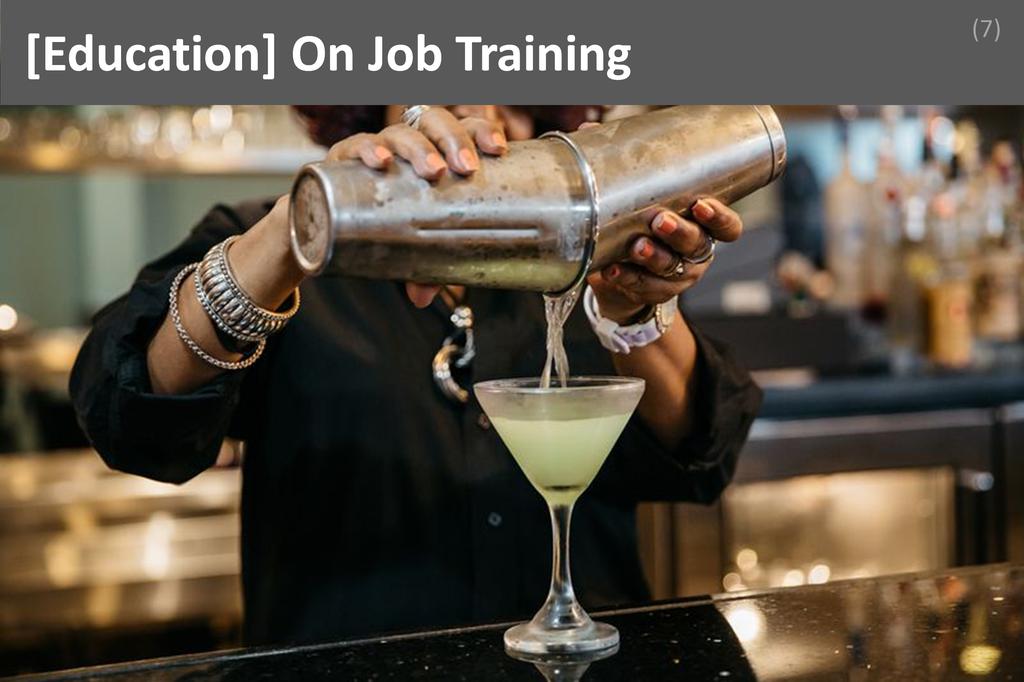
On Job Training is a hands-on learning method where employees acquire practical skills and knowledge directly within their work environment. In Restauranteering, it bridges the gap between theoretical instruction and real-world application, ensuring that staff can perform tasks efficiently while adapting to the dynamic demands of the hospitality industry.
Understanding On Job Training is essential for anyone entering or advancing in Restauranteering because it cultivates the ability to learn and adapt in real time. This approach not only accelerates skill acquisition but also fosters a culture of continuous improvement and teamwork. By engaging in On Job Training, professionals develop a deeper understanding of operational standards, customer service expectations, and safety protocols. Over time, this foundational knowledge enhances job performance, increases confidence, and opens pathways for career progression. Mastery of On Job Training principles also equips individuals to mentor others, creating a positive cycle of learning and professional growth within the restaurant environment.
Consider a new line cook joining a busy restaurant kitchen. Although they may have completed culinary school, their true learning begins as they shadow an experienced chef during service. Through On Job Training, the cook observes and practices essential techniques, such as timing dishes, maintaining food safety, and communicating with the team under pressure. This immersive experience allows them to internalize the restaurant’s unique workflow and standards, quickly becoming a valuable contributor. By applying their theoretical understanding in a real-world setting, the cook not only hones their technical abilities but also gains the confidence and adaptability required to thrive in the fast-paced world of Restauranteering.
Skills
Good IQ

Good IQ refers to the capacity for logical reasoning, quick learning, effective problem-solving, and the ability to adapt to new information or situations. In Restauranteering, it enables professionals to make sound decisions, analyze complex challenges, and respond swiftly to dynamic environments, making it a cornerstone of operational and strategic success.
A strong IQ empowers restauranteering professionals to quickly assess situations, identify patterns, and devise effective solutions, which is crucial in a fast-paced industry where unexpected challenges are common. Employers and clients highly value this skill because it translates into fewer mistakes, more efficient operations, and innovative approaches to customer service and business growth. Cultivating Good IQ involves engaging in continuous learning, seeking out new experiences, and practicing analytical thinking both inside and outside the workplace. Over time, exposure to diverse problems and the habit of reflecting on outcomes help sharpen cognitive abilities, making professionals more adept at handling the complexities of modern restaurant management.
Imagine a restaurant manager faced with a sudden staff shortage during a fully booked evening. Relying on Good IQ, the manager quickly analyzes the situation, reallocates tasks based on each team member’s strengths, and streamlines the menu to ensure timely service. By thinking several steps ahead, the manager anticipates potential bottlenecks and communicates clearly with both staff and guests, maintaining high service standards despite the setback. This ability to rapidly process information, adapt strategies, and implement solutions not only salvages the evening but also reinforces the restaurant’s reputation for reliability and professionalism, demonstrating the tangible value of Good IQ in real-world restauranteering scenarios.
Interpersonal

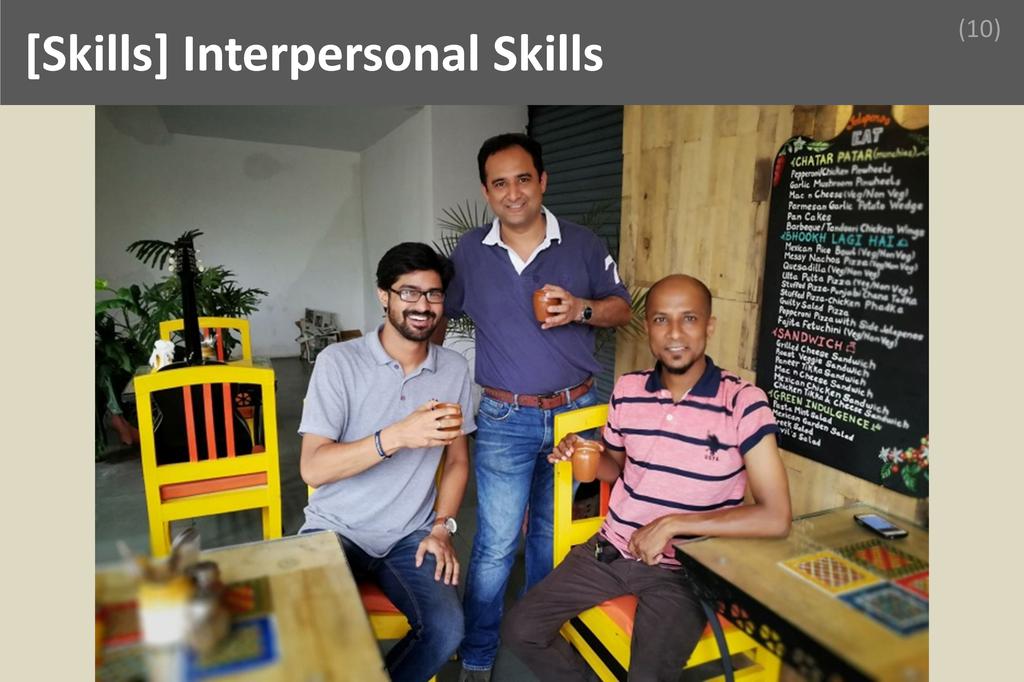
Interpersonal refers to the ability to effectively communicate, empathize, and build positive relationships with others through verbal and nonverbal means. In restauranteering, this skill is crucial for fostering teamwork, understanding customer needs, resolving conflicts, and creating a welcoming atmosphere. It underpins every successful interaction between staff, management, and guests.
Interpersonal skills directly enhance performance in restauranteering by enabling professionals to collaborate smoothly with colleagues, address customer concerns with empathy, and maintain a harmonious work environment. Employers and clients highly value this skill because it leads to better service, increased customer satisfaction, and a positive reputation for the establishment. Cultivating interpersonal skills involves active listening, practicing clear communication, and seeking feedback from peers and supervisors. Over time, professionals can refine their abilities by observing experienced colleagues, participating in team-building activities, and reflecting on their own interactions to identify areas for improvement. Consistent effort in developing interpersonal skills not only benefits individual careers but also contributes to the overall success of the restaurant.
Imagine a busy dinner service when a customer becomes upset due to a delayed order. A restauranteering professional with strong interpersonal skills approaches the table, listens attentively to the guest’s concerns, and responds with genuine empathy. By calmly explaining the situation, offering a sincere apology, and providing a complimentary appetizer, the professional diffuses the tension and restores the guest’s trust. This approach not only resolves the immediate issue but also demonstrates to the team how effective communication and empathy can turn a potentially negative experience into a positive one. The guest leaves satisfied, likely to return, and the restaurant’s reputation for excellent service is reinforced, all thanks to the power of interpersonal skills.
Multitasking

Multitasking is the ability to efficiently manage and execute multiple tasks or responsibilities simultaneously, maintaining quality and accuracy under pressure. In restauranteering, this skill is indispensable, as professionals must juggle diverse duties such as customer service, food preparation, and team coordination, ensuring seamless operations and exceptional guest experiences.
Mastering multitasking directly enhances performance in restauranteering by enabling professionals to handle high-pressure environments with composure and efficiency. Employers and clients value this skill because it ensures smooth service flow, minimizes delays, and helps maintain high standards even during peak hours. Cultivating multitasking involves practice, prioritization, and learning to quickly shift focus between tasks without losing attention to detail. Over time, experience and feedback help refine this ability, allowing individuals to anticipate needs, delegate effectively, and remain organized. As multitasking improves, professionals become more adaptable and reliable, making them indispensable assets to any restaurant team and increasing their potential for career advancement.
Imagine a restaurant manager during a busy dinner rush. Orders are coming in rapidly, a staff member calls in sick, and a customer has a special dietary request. The manager must simultaneously coordinate with the kitchen, reassign staff roles, and address the customer’s needs—all without compromising service quality. By effectively multitasking, the manager ensures that orders are delivered promptly, staff remain motivated and organized, and the customer’s request is handled with care. This ability to juggle multiple priorities not only resolves immediate challenges but also maintains the restaurant’s reputation for excellent service, demonstrating how essential multitasking is for success in restauranteering.
Space Management

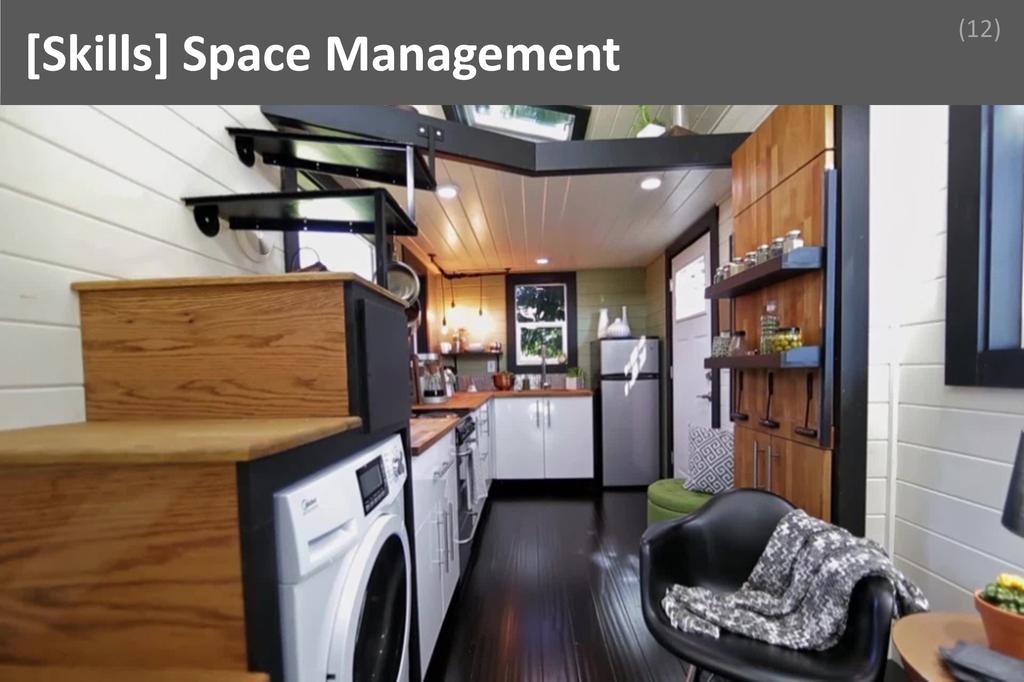
Space Management is the strategic organization and utilization of physical areas within a restaurant to maximize efficiency, safety, and guest satisfaction. It involves planning layouts, optimizing traffic flow, and ensuring every square foot serves a purpose. For restauranteering professionals, mastering this skill is crucial for operational excellence and delivering memorable dining experiences.
Space Management directly impacts a restaurant’s performance by reducing bottlenecks, improving staff productivity, and enhancing the overall guest experience. Employers and clients value this skill because it leads to higher table turnover, increased revenue, and safer, more comfortable environments for both guests and staff. Cultivating this ability requires a keen eye for detail, ongoing observation of how spaces are used, and a willingness to adapt layouts based on feedback and changing needs. Over time, professionals can refine their approach by studying successful restaurant designs, seeking mentorship, and staying updated on industry trends that influence spatial dynamics.
Imagine a busy Saturday night when a sudden influx of reservations threatens to overwhelm a restaurant’s dining area. A skilled restauranteering professional quickly assesses the available space, rearranges tables to accommodate larger parties without sacrificing walkways, and coordinates with the kitchen to stagger seating times. By effectively managing the floor plan, they prevent overcrowding, maintain smooth service, and ensure guests feel comfortable rather than cramped. This decisive application of Space Management not only averts chaos but also maximizes revenue and leaves a positive impression on both guests and staff, showcasing the critical importance of this core skill in real-world scenarios.
Leadership

Leadership is the ability to inspire, guide, and influence individuals or teams toward achieving common goals, while fostering a positive environment and making effective decisions. In restauranteering, leadership is indispensable because it ensures smooth operations, motivates staff, and drives the establishment toward excellence in service, quality, and customer satisfaction.
Strong leadership directly enhances performance in restauranteering by creating a cohesive team that communicates well and works efficiently under pressure. Employers and clients highly value this skill because it translates to consistent service, reduced staff turnover, and a positive dining experience for guests. Cultivating leadership involves self-awareness, ongoing learning, and practical experience. Aspiring leaders can seek mentorship, participate in management training, and actively solicit feedback from peers and supervisors. Over time, these efforts build confidence and the ability to make sound decisions, manage conflicts, and adapt to the fast-paced, ever-changing demands of the restaurant industry. By consistently demonstrating reliability and vision, a professional can earn trust and inspire others to perform at their best.
Imagine a busy Friday night when a sudden staff shortage threatens to overwhelm the kitchen and front-of-house teams. A restaurant manager with strong leadership skills quickly assesses the situation, reallocates responsibilities, and communicates clearly with both staff and guests. By remaining calm and supportive, the manager boosts morale and encourages teamwork, ensuring that service standards are maintained despite the challenge. The staff feels empowered to step up, and customers appreciate the transparency and professionalism. This scenario highlights how effective leadership not only resolves immediate crises but also fosters a resilient, motivated team capable of delivering exceptional service even under pressure.
Positives
Confidence

Confidence is the assured belief in one’s abilities, decisions, and value, enabling individuals to act decisively and handle challenges with poise. In restauranteering, confidence empowers professionals to lead teams, interact with guests, and make critical decisions under pressure, ultimately fostering a positive environment and driving the success of the establishment.
Confidence is a cornerstone of success in restauranteering because it transforms daily challenges into opportunities for growth. When professionals trust their skills and judgment, they are more likely to take initiative, innovate, and resolve conflicts effectively. This self-assurance not only enhances job satisfaction but also inspires trust among colleagues and customers. Confident restauranteurs are better equipped to handle the fast-paced, unpredictable nature of the industry, turning setbacks into learning experiences. Their positive outlook and resilience motivate teams, improve service quality, and contribute to a thriving workplace culture. As a result, confidence becomes a catalyst for career advancement, personal fulfillment, and the overall success of the restaurant.
Imagine a restaurant manager facing an unexpected rush during a busy evening. With confidence, they calmly delegate tasks, reassure staff, and personally greet anxious guests, turning a potentially chaotic situation into a memorable dining experience. Their composed leadership not only keeps the team focused but also reassures customers, who feel valued and cared for. After the rush, the manager’s confidence in their team’s abilities leads to genuine praise and constructive feedback, further boosting morale. This scenario highlights how confidence enables professionals to navigate high-pressure moments, foster teamwork, and create lasting positive impressions, making restauranteering a deeply rewarding career.
Networking

Networking is the process of building and nurturing professional relationships with colleagues, suppliers, customers, and industry peers to exchange information, support, and opportunities. In restauranteering, networking fosters collaboration, learning, and growth by connecting individuals with diverse backgrounds and expertise, ultimately enhancing both personal and business success within the industry.
The power of networking in restauranteering lies in its ability to open doors to new opportunities and foster a sense of community. By connecting with others, professionals gain access to valuable insights, mentorship, and resources that can accelerate their career progression. Networking often leads to collaborations, partnerships, and referrals, which are essential for business growth and innovation. The daily interactions with suppliers, fellow restaurateurs, and guests create a dynamic environment where ideas are exchanged and support is readily available. This constant flow of communication and shared experiences not only boosts job satisfaction but also helps individuals stay motivated and inspired, knowing they are part of a vibrant and supportive network.
Imagine a restaurant manager attending a local food festival, where they meet other industry professionals and suppliers. Through engaging conversations, they discover a new local farm offering high-quality produce and connect with a chef who shares innovative menu ideas. These new relationships lead to a partnership with the farm, resulting in fresher ingredients for the restaurant, and a collaboration with the chef on a special event that attracts new customers. The manager feels a deep sense of fulfillment, knowing that networking has directly contributed to the restaurant’s success and their own professional growth. This experience highlights how meaningful connections can transform everyday challenges into exciting opportunities in restauranteering.
High Income

High income refers to earning a substantial financial reward that exceeds the average compensation in most industries, providing individuals with the means to enjoy a comfortable lifestyle, invest in their future, and support their families. In restauranteering, high income is a testament to both business acumen and culinary excellence, reflecting the value and impact of the profession. This financial success not only acknowledges the hard work and creativity required but also serves as a motivating force, inspiring professionals to innovate and excel in a competitive industry.
The allure of high income in restauranteering goes far beyond just a healthy bank balance. It empowers professionals to reinvest in their businesses, upgrade facilities, and attract top talent, all of which contribute to sustained growth and innovation. High earnings also provide a sense of security and freedom, allowing restauranteurs to pursue new culinary ventures or expand their brand with confidence. This financial stability enhances job satisfaction, as it validates the long hours and dedication poured into the craft. On a daily basis, professionals experience the tangible rewards of their efforts, from the ability to offer competitive wages to staff to the satisfaction of seeing their vision flourish and their reputation grow.
Imagine a restauranteur who, after years of honing their skills and building a loyal customer base, sees their establishment consistently filled with satisfied guests. The financial rewards begin to reflect the restaurant’s popularity, enabling the owner to pay off business loans, invest in state-of-the-art kitchen equipment, and even open a second location. This high income not only brings personal fulfillment and pride but also creates opportunities for staff advancement and community engagement. The restauranteur’s success story becomes an inspiration to others, demonstrating how dedication and passion in the industry can lead to both professional and financial triumphs, making every challenge along the way worthwhile.
Challenges
Hiring, Recruiting The Right People

Hiring and recruiting the right people in restauranteering means finding individuals who possess the necessary skills, attitude, and cultural fit to deliver excellent service and maintain operational efficiency. This is demanding due to high turnover rates, unpredictable schedules, and the need for staff to consistently meet both customer expectations and business standards.
The challenge of hiring and recruiting the right people can disrupt daily operations, leading to understaffed shifts, inconsistent service, and increased stress for existing team members. This ongoing difficulty requires resilience, as managers must constantly adapt to staffing gaps and maintain morale. Successful professionals address this by fostering a positive work environment, investing in staff development, and building a strong employer brand that attracts quality candidates. They also develop robust onboarding processes and maintain a network of potential hires, ensuring they can respond quickly to staffing needs. By prioritizing communication and recognizing employee contributions, they create a workplace where talented individuals want to stay, reducing turnover and stabilizing the team.
Consider a restaurant manager who faces frequent staff shortages during peak seasons. Instead of relying solely on traditional job postings, she builds relationships with local culinary schools and participates in community events to identify passionate candidates. She implements a thorough interview process focused on cultural fit and provides comprehensive training to new hires. By offering flexible scheduling and recognizing employee achievements, she fosters loyalty and reduces turnover. Over time, her proactive approach results in a reliable, motivated team that delivers consistent service, even during the busiest periods. This not only improves customer satisfaction but also eases the daily pressures of staffing, allowing her to focus on growing the business.
Training & Development

Training & Development in Restauranteering refers to the ongoing process of equipping staff with the necessary skills, knowledge, and behaviors to deliver exceptional service and adapt to evolving industry standards. This is demanding due to high staff turnover, diverse roles, time constraints, and the need for consistent quality in a fast-paced environment.
The challenge of Training & Development in restauranteering directly impacts daily operations by creating inconsistencies in service, increasing the likelihood of errors, and placing additional stress on both new and experienced staff. This environment requires resilience, as professionals must constantly adapt to shifting teams and evolving customer expectations. Successful restauranteurs address this by fostering a culture of continuous learning, leveraging mentorship, and integrating training into daily routines rather than treating it as a separate, one-time event. They prioritize clear communication and hands-on learning, ensuring that staff feel supported and empowered to ask questions and improve. By embedding development into the fabric of their operations, these professionals maintain high standards and adapt quickly to challenges.
Consider a restaurant manager who faces frequent turnover among waitstaff, leading to gaps in service quality and team cohesion. Recognizing this, the manager implements a shadowing program where new hires learn directly from experienced team members during live shifts. Instead of relying solely on formal training sessions, the manager encourages ongoing feedback and celebrates small milestones in skill development. Over time, this approach not only accelerates the learning curve for new staff but also strengthens relationships within the team. As a result, the restaurant experiences fewer service disruptions, higher morale, and improved customer satisfaction, demonstrating how proactive and integrated Training & Development can overcome one of the industry’s most persistent challenges.
Fierce Competition

Fierce Competition in restauranteering refers to the relentless rivalry among dining establishments vying for customers, market share, and reputation. This challenge is demanding because it requires constant innovation, exceptional service, and adaptability to shifting trends, all while maintaining profitability and standing out in a saturated marketplace filled with diverse culinary options.
The pressure of fierce competition permeates every aspect of daily operations in the restaurant industry. Professionals must consistently deliver high-quality food and memorable experiences to retain loyal customers and attract new ones. This environment demands resilience, as setbacks such as negative reviews or new competitors can quickly impact business. Successful restauranteurs manage this constraint by fostering a strong team culture, investing in staff training, and staying attuned to customer preferences. They also embrace adaptability, regularly refreshing menus, and leveraging technology to streamline service. By focusing on unique value propositions and building genuine community connections, these professionals turn competitive pressures into opportunities for growth and innovation, ensuring their establishments remain relevant and appealing.
Consider a neighborhood bistro facing the arrival of several trendy new eateries nearby. Rather than lowering prices or mimicking competitors, the owner chooses to emphasize the restaurant’s unique farm-to-table philosophy and personal relationships with local producers. She organizes seasonal tasting events and invites loyal patrons to exclusive preview nights, deepening customer engagement. By sharing stories behind each dish and highlighting the restaurant’s commitment to sustainability, she differentiates her establishment in a crowded market. This approach not only retains existing customers but also attracts new diners seeking authenticity and connection, demonstrating how strategic focus and genuine hospitality can overcome the challenge of fierce competition in restauranteering.
Magnitude Of Investments

Magnitude Of Investments in Restauranteering refers to the substantial financial resources required to launch, operate, and sustain a restaurant business. This includes costs for equipment, staff, ingredients, rent, marketing, and compliance. The scale of these investments is demanding because it involves high risk, significant capital, and long-term financial commitment.
The sheer size of required investments impacts daily operations by placing constant pressure on cash flow, decision-making, and resource allocation. Professionals must balance quality and cost, often making difficult choices about menu offerings, staffing, and upgrades. This challenge demands resilience because setbacks or miscalculations can threaten the business’s survival. Successful restauranteurs navigate this constraint by meticulously planning budgets, seeking diverse funding sources, and continuously monitoring financial performance. They also prioritize investments that yield the highest returns, such as staff training or customer experience enhancements, and remain agile to adapt to market shifts. By fostering strong relationships with suppliers and leveraging technology for efficiency, they manage costs while maintaining service standards.
Consider a chef who dreams of opening a farm-to-table bistro in a competitive urban market. Faced with the daunting magnitude of investments, she carefully crafts a business plan, securing a mix of personal savings, small business loans, and local investor support. Instead of overextending on lavish décor, she focuses her budget on kitchen equipment and sourcing high-quality local ingredients. She negotiates favorable terms with suppliers and implements a reservation system to optimize staffing and reduce waste. By starting with a limited menu and gradually expanding as revenue grows, she manages risk while building a loyal customer base. Her strategic approach allows her to overcome the financial barriers and establish a thriving restaurant.
A Day Of
Restauranteering
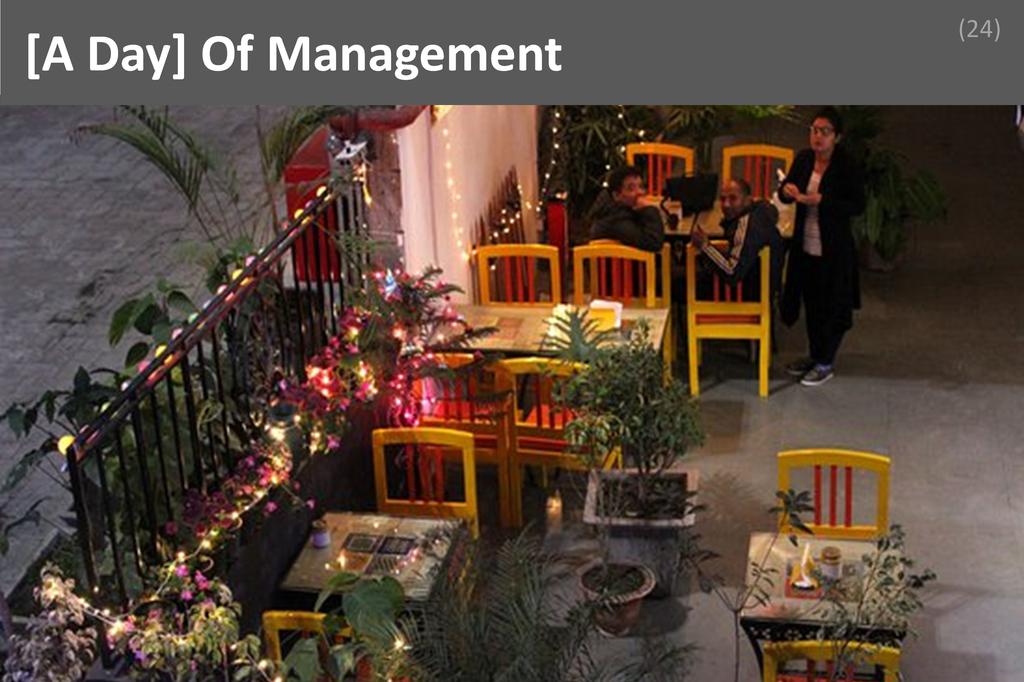
The hum of anticipation fills the air long before the first customer steps through the door. In the world of Restauranteering, every day is a high-stakes performance where precision, creativity, and adaptability are tested from dawn until well after dusk. The pace is relentless, the environment a whirlwind of clattering pans, ringing phones, and the constant buzz of collaboration. Here, success is measured not just in satisfied guests, but in the seamless orchestration of countless moving parts—each day a fresh opportunity to blend hospitality, business acumen, and culinary artistry into an unforgettable experience.
As the city slowly wakes, the Restauranteering professional is already on site, moving through the quiet dining room with purpose. The early hours are dedicated to reviewing reservations, checking inventory, and ensuring that every station is prepped for the day ahead. This is the time for a quick walk-through of the kitchen and front-of-house, making mental notes of any maintenance issues or supply shortages. A brief huddle with the team sets the tone, outlining daily specials, anticipated challenges, and service goals, ensuring everyone is aligned before the first orders come in.
By mid-morning, the tempo accelerates as the restaurant transitions into full operational mode. The Restauranteering professional is everywhere at once—overseeing the kitchen, greeting early guests, and troubleshooting unexpected hiccups. The lunch rush demands quick thinking and seamless coordination, as orders fly in and the dining room fills with energy. This is the heart of the day, where guest satisfaction hinges on the ability to manage both the visible and invisible aspects of service, from plate presentation to the subtle art of reading a table’s mood.
As the lunch crowd thins, focus shifts to collaborative tasks that keep the business running smoothly. The afternoon is often reserved for staff meetings, vendor calls, and hands-on training sessions. The Restauranteering professional might review sales reports, discuss menu adjustments with the chef, or brainstorm marketing ideas with the management team. This is a crucial window for addressing operational challenges, refining processes, and ensuring that everyone is equipped for the next wave of guests.
As evening approaches, the pace slows just enough to allow for reflection and preparation. The Restauranteering professional oversees closing procedures, reviews the day’s performance metrics, and addresses any lingering issues from earlier shifts. Administrative tasks, such as updating schedules, responding to emails, and researching industry trends, take center stage. With an eye on tomorrow, the day concludes with strategic planning—anticipating reservations, adjusting staffing, and setting new goals to ensure that the next day’s performance is even stronger than the last. |