Career Counselling 2.0 HomeHomeCareer Counselling 2.0 AbroadAbroadCareer Counselling 2.0 PlanPlanCareer Counselling 2.0 | TalksTalksCareer Counselling 2.0 PhilosophyPhilosophyCareer Counselling 2.0 SeminarSeminarCareer Counselling 2.0 PagesPagesCareer Counselling 2.0 AdvisorsAdvisorsCareer Counselling 2.0 TestimonialsTestimonials

Teaching Mathematics

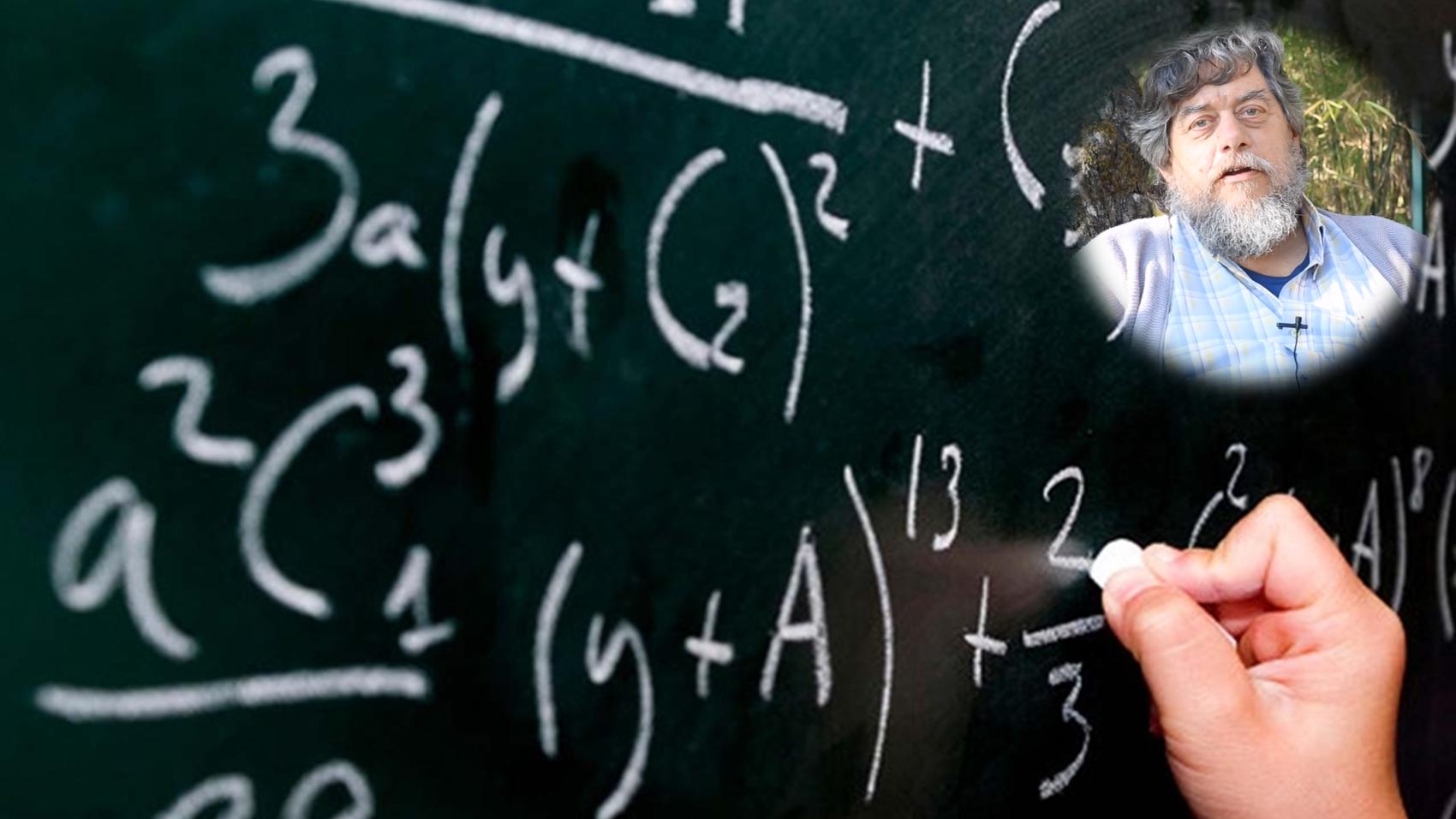
Maths Teacher Dana M Crider talks about Teaching Mathematics course, what is Teaching Mathematics and other details about a Career in Teaching Mathematics.


Teaching Mathematics

Dana M Crider | Maths Teacher | Woodstock School


What is Teaching Mathematics?


There are many nuances of a Career in Teaching Mathematics. Understanding Why one wants to choose a Career in Teaching Mathematics is phenomenally more important than figuring out How to get into Teaching Mathematics. The most authoritative source of information on Teaching Mathematics is someone with real experience in it.

Maths Teacher Dana M Crider has 33 years & 4 months of professional experience in Teaching Mathematics. According to Maths Teacher Dana M Crider, Teaching Mathematics is:

Mathematics education is the practice of teaching and learning mathematics, along with the associated scholarly research. Methods for quality math instruction include using visuals, making connections, using formative assessments, and teaching strategic thinking.


How Maths Teacher Dana M Crider got into Teaching Mathematics?


I did my Schooling from Semi Urban Education, South Central Pennsylvania in 1969 and Graduation from Messiah College, Pennsylvania in 1996. Following which I came to India and became a Mathematics Teacher at Woodstock School in Mussoorie. I simultaneously started an NGO in year 2005 which is now known as KEEN (Keeping the Environment Ecologically Natural).


Maths Teacher Dana M Crider's Talk on Teaching Mathematics


Session Image
The Journey of Teaching Mathematics


What Is Teaching Mathematics


Teaching Mathematics

What is
Teaching Mathematics is the practice of instructing students in mathematical concepts, problem-solving, and logical reasoning. It involves designing lessons, explaining abstract ideas, and fostering mathematical thinking. Teachers use various methods and tools to help learners understand and apply mathematics in academic, professional, and everyday contexts.

Concept
Teaching Mathematics plays a crucial role in shaping critical thinking and analytical skills among students. It empowers learners to approach problems logically and make informed decisions in various aspects of life. For professionals, this career offers the opportunity to inspire curiosity and confidence in mathematics, contribute to educational development, and enjoy intellectual fulfillment. Teachers often witness the direct impact of their work as students gain competence and enthusiasm for mathematics. Additionally, teaching mathematics supports the development of essential skills that are valuable in numerous fields, making it a highly respected and rewarding profession.

Real World Example
A high school mathematics teacher might design a lesson on quadratic equations, guiding students through real-life applications such as calculating the trajectory of a basketball. The teacher explains the underlying concepts, demonstrates problem-solving techniques, and encourages students to work collaboratively on practice problems. Throughout the lesson, the teacher adapts explanations to different learning styles, uses technology to visualize graphs, and provides feedback to help students overcome challenges. By connecting mathematical theory to practical scenarios, the teacher not only enhances understanding but also motivates students to appreciate the relevance of mathematics in everyday life and future careers.

Education


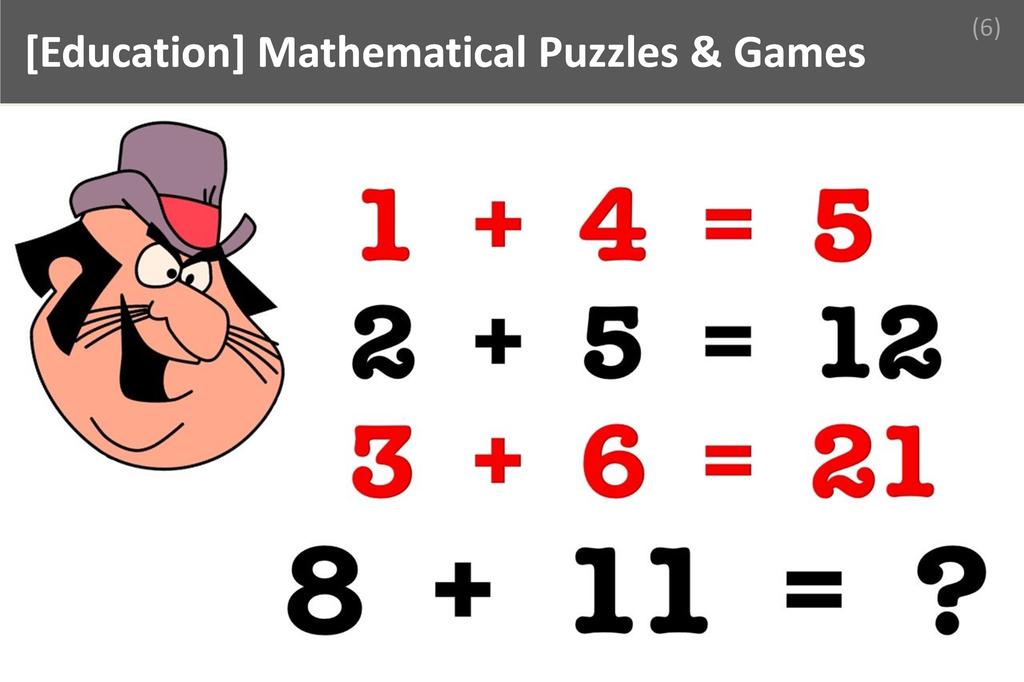
Mathematical Puzzles & Games

### Mathematical Puzzles & Games Image
What is
Mathematical Puzzles & Games refers to structured recreational activities or problems that require logical reasoning, pattern recognition, and creative problem-solving using mathematical concepts. In the context of Teaching Mathematics, these activities serve as engaging tools to illustrate abstract ideas, foster critical thinking, and make learning mathematics more interactive and enjoyable for students.

Concept
Understanding mathematical puzzles and games is essential for mathematics educators because it bridges the gap between theoretical knowledge and practical application. By integrating these activities into lessons, teachers can demystify complex concepts, making them accessible and relatable. This approach not only enhances student engagement but also cultivates a classroom environment where curiosity and exploration are encouraged. Over time, educators who master the use of puzzles and games develop a versatile teaching toolkit that adapts to diverse learning styles and abilities. This skill set is highly valued in educational settings, as it promotes deeper comprehension, retention, and a positive attitude toward mathematics, ultimately contributing to long-term professional growth and effectiveness.

Real World Example
Imagine a mathematics teacher introducing the concept of prime numbers to a middle school class. Instead of relying solely on textbook definitions, the teacher presents a puzzle where students must identify hidden prime numbers within a grid, turning the lesson into an interactive game. As students collaborate and compete to solve the puzzle, they naturally engage with the properties of prime numbers, discuss strategies, and reinforce their understanding through hands-on experience. The teacher’s expertise in mathematical puzzles and games transforms a potentially dry topic into a dynamic learning experience, demonstrating how theoretical knowledge can be applied to create meaningful and memorable educational moments in the classroom.

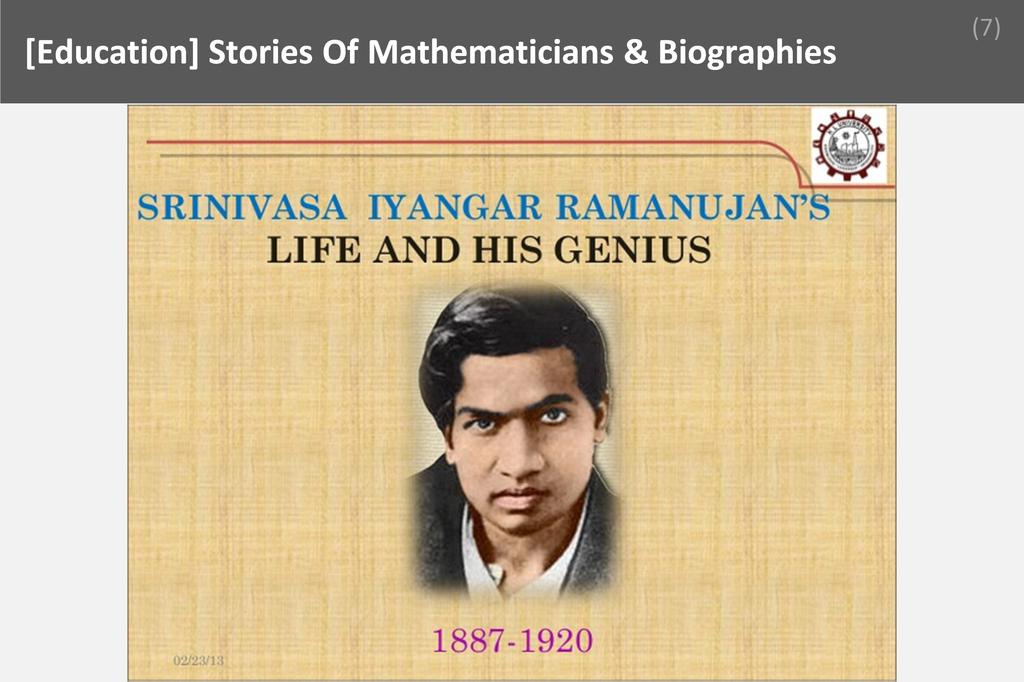
Stories of Mathematicians & Biographies

### Stories of Mathematicians & Biographies Image
What is
Stories of Mathematicians & Biographies refers to the exploration of the lives, achievements, and personal journeys of influential figures in mathematics. This subject highlights the historical, cultural, and social contexts in which mathematical ideas developed, providing essential background knowledge for educators to enrich their teaching and inspire students.

Concept
Understanding the stories and biographies of mathematicians is vital for anyone preparing to teach mathematics because it humanizes the subject and connects abstract concepts to real-life experiences. By learning about the challenges, breakthroughs, and diverse backgrounds of mathematicians, educators can foster a more inclusive and engaging classroom environment. This knowledge helps teachers present mathematics as a dynamic and evolving field, rather than a static collection of facts and formulas. Over time, this approach not only deepens students’ appreciation for mathematics but also encourages critical thinking and perseverance. For professionals, mastering these narratives enhances their ability to motivate students, address misconceptions, and promote a growth mindset, all of which are crucial for long-term success in mathematics education.

Real World Example
Imagine a mathematics teacher introducing the concept of zero to a class. Instead of presenting it solely as an abstract idea, the teacher shares the story of Brahmagupta, the ancient Indian mathematician who formalized the use of zero. By discussing the historical context and the initial resistance to this concept, the teacher makes the lesson more relatable and memorable. Students become curious about the development of mathematical ideas and the people behind them, which fosters deeper engagement. The teacher’s ability to weave biographical stories into lessons not only clarifies complex topics but also inspires students to see themselves as potential contributors to the field, demonstrating the practical value of understanding mathematicians’ stories in daily teaching practice.

Skills


Thinking Outside the Box

### Thinking Outside the Box Image
What is
Thinking outside the box means approaching problems and situations from new, creative, and unconventional perspectives, rather than relying solely on traditional methods. In the context of teaching mathematics, this skill enables educators to design engaging lessons, address diverse learning needs, and foster deeper understanding, making it indispensable for effective instruction.

Concept
Thinking outside the box directly enhances a mathematics teacher’s effectiveness by enabling them to present concepts in innovative ways, adapt to various learning styles, and overcome obstacles that may hinder student comprehension. Employers and clients value this skill because it leads to improved student outcomes, higher engagement, and a more dynamic classroom environment. Teachers can cultivate this ability by seeking inspiration from interdisciplinary approaches, collaborating with colleagues, and reflecting on their teaching practices. Regularly experimenting with new instructional strategies and remaining open to feedback also help educators refine their creative problem-solving abilities, ensuring they remain adaptable and resourceful in the ever-evolving educational landscape.

Real World Example
Imagine a mathematics teacher faced with a class struggling to grasp the concept of fractions. Traditional explanations and textbook exercises have failed to yield results, and students remain disengaged. By thinking outside the box, the teacher decides to incorporate real-world applications, such as cooking recipes and hands-on activities using measuring cups. This approach not only makes the abstract concept tangible but also sparks students’ curiosity and participation. As a result, students begin to understand fractions more intuitively, and their confidence grows. The teacher’s willingness to break away from conventional methods and tailor instruction to the students’ interests and experiences demonstrates how thinking outside the box can transform challenges into opportunities for success.

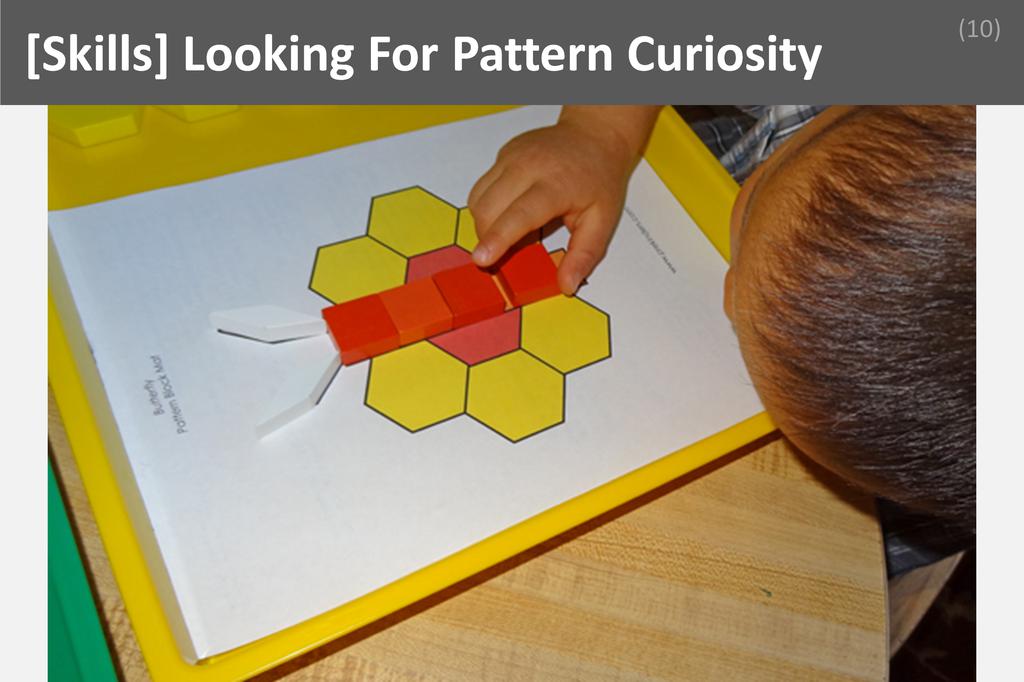
Looking for Pattern Curiosity

### Looking for Pattern Curiosity Image
What is
Looking for Pattern Curiosity is the innate drive to seek, recognize, and question recurring structures, relationships, or trends within mathematical concepts and problems. For a Teaching Mathematics professional, this curiosity is fundamental because it fuels deeper understanding, inspires innovative teaching methods, and helps students connect abstract ideas to real-world applications, fostering lasting mathematical literacy.

Concept
The ability to look for patterns enhances a mathematics teacher’s effectiveness by enabling them to break down complex topics into understandable segments, identify student misconceptions, and create engaging learning experiences. Employers and clients value this skill because it leads to higher student achievement and a more dynamic classroom environment. Cultivating pattern curiosity involves consistently exploring mathematical relationships, reflecting on teaching practices, and encouraging open-ended inquiry both personally and with students. Over time, teachers can develop this skill by staying curious themselves, collaborating with peers, and integrating pattern-seeking activities into their lessons, which not only sharpens their own abilities but also models this critical thinking approach for their students.

Real World Example
Imagine a mathematics teacher noticing that several students struggle with factoring quadratic equations. Instead of reteaching the standard method, the teacher’s pattern curiosity prompts them to analyze student work for common errors and underlying misconceptions. They observe that students who excel at recognizing number patterns tend to factor more successfully. Drawing on this insight, the teacher designs activities that help all students practice identifying numerical and algebraic patterns, connecting these patterns to the factoring process. As a result, students begin to see factoring not as a rote procedure, but as a logical extension of patterns they already understand. This approach not only resolves the immediate issue but also empowers students to approach future mathematical challenges with curiosity and confidence.

Positives


Developing Interest in Maths

### Developing Interest in Maths Image
What is
Developing Interest in Maths means nurturing curiosity, enthusiasm, and a genuine appreciation for mathematical concepts among students. It involves inspiring learners to see the beauty, relevance, and logic in mathematics, transforming it from a subject of anxiety into one of discovery and excitement. This process enriches the teaching profession by fostering deeper engagement and understanding.

Concept
The ability to develop interest in maths is a cornerstone of a fulfilling career in teaching mathematics. When educators spark curiosity and enjoyment in their students, they witness firsthand the transformation of attitudes and abilities. This positive shift not only leads to improved student performance but also creates a vibrant classroom atmosphere where learning thrives. Teachers who successfully cultivate mathematical interest often experience heightened job satisfaction, as they see the tangible results of their efforts reflected in students’ confidence and achievements. This ongoing cycle of inspiration and growth fuels professional development, making each day in the classroom a rewarding journey. The impact extends beyond academics, as students carry their newfound appreciation for maths into other areas of life, further validating the teacher’s role.

Real World Example
Imagine a mathematics teacher introducing geometry through real-world problems, such as designing a playground. Initially, students may feel intimidated or disinterested. However, as the teacher connects abstract concepts to tangible outcomes, students begin to ask questions, share ideas, and collaborate enthusiastically. The classroom buzzes with excitement as learners realize the practical value and creative potential of mathematics. The teacher observes students who once struggled now eagerly participating and expressing pride in their solutions. This transformation, sparked by developing interest in maths, brings immense fulfillment to the educator. Witnessing students’ growth and newfound confidence reaffirms the teacher’s passion for the profession and highlights the profound impact of inspiring mathematical curiosity.

Self Satisfaction

### Self Satisfaction Image
What is
Self satisfaction is the deep sense of fulfillment and contentment that arises from achieving personal and professional goals, knowing one’s efforts have made a meaningful difference. In teaching mathematics, this feeling is amplified as educators witness students grasp complex concepts, grow in confidence, and develop critical thinking skills, all thanks to their guidance.

Concept
Self satisfaction is a cornerstone of a rewarding teaching career, especially in mathematics. This positive aspect matters because it fuels intrinsic motivation, making daily challenges feel purposeful rather than burdensome. When teachers see students overcome mathematical hurdles, their sense of accomplishment grows, reinforcing their passion for the subject and their profession. This ongoing fulfillment helps educators remain resilient, creative, and committed to continuous improvement. As a result, job satisfaction increases, professional growth accelerates, and teachers are more likely to inspire their students. The daily experience of making a tangible difference in students’ lives becomes a powerful source of pride and joy, making the teaching journey both meaningful and sustainable.

Real World Example
Imagine a mathematics teacher working with a student who has always struggled with algebra. Through patient explanation, encouragement, and tailored exercises, the teacher helps the student finally understand how to solve equations. The student’s face lights up with newfound confidence, and their grades begin to improve. Witnessing this transformation, the teacher feels a profound sense of self satisfaction, knowing their dedication and expertise have directly impacted the student’s academic journey. This moment of realization not only validates the teacher’s efforts but also reinforces their commitment to helping others. Such experiences create lasting memories and serve as a constant reminder of the unique rewards found in teaching mathematics.

Challenges


To Engage Students

### To Engage Students Image
What is
To engage students in teaching mathematics means capturing and maintaining their interest, motivation, and active participation during lessons. This is demanding because mathematics often appears abstract or intimidating, leading to disengagement. Teachers must constantly innovate to make concepts relatable and foster a positive learning environment that encourages curiosity and persistence.

Concept
The challenge of engaging students in mathematics affects daily teaching by requiring educators to invest significant time and energy in lesson planning, adapting instructional methods, and responding to diverse learning needs. This ongoing effort can be emotionally taxing, demanding resilience as teachers face fluctuating levels of student enthusiasm and understanding. Successful professionals overcome this by building strong relationships with students, connecting mathematical concepts to real-life contexts, and employing varied teaching techniques. They remain flexible, reflective, and open to feedback, continuously refining their approach to spark interest and sustain engagement. By fostering a supportive classroom culture and celebrating small achievements, they help students build confidence and a positive attitude toward mathematics.

Real World Example
Consider a mathematics teacher working with a group of students who view algebra as irrelevant and difficult. Recognizing their disengagement, the teacher designs a project where students use algebraic equations to plan a school event budget. By relating abstract concepts to a tangible, meaningful task, the teacher captures students’ attention and demonstrates the practical value of mathematics. Throughout the project, the teacher encourages collaboration, provides real-time feedback, and celebrates creative solutions. As a result, students become more invested in the learning process, participate actively, and develop a deeper understanding of algebra. This scenario illustrates how thoughtful, context-driven instruction can transform disengagement into enthusiasm and achievement in mathematics.

Adapting to Different Styles of Learning

### Adapting to Different Styles of Learning Image
What is
Adapting to different styles of learning in Teaching Mathematics means recognizing and responding to the diverse ways students grasp mathematical concepts, such as visual, auditory, or kinesthetic preferences. This is demanding because it requires teachers to constantly modify instructional methods, ensuring every student can access and understand complex material effectively.

Concept
The challenge of adapting to different learning styles significantly shapes the daily responsibilities of mathematics teachers. It requires them to design lessons that are flexible and inclusive, often necessitating additional preparation and creativity. This ongoing demand can be exhausting, as teachers must remain attentive to individual needs while maintaining curriculum standards. Resilience is essential, as setbacks are common when certain approaches fail to reach all learners. Successful professionals manage this constraint by cultivating a repertoire of teaching strategies, seeking feedback, and fostering an open classroom environment where students feel comfortable expressing their learning preferences. By reflecting on their practice and collaborating with colleagues, teachers can continuously refine their approach, ensuring that each student receives the support necessary to thrive in mathematics.

Real World Example
Consider a mathematics teacher working with a diverse group of students, some of whom excel with visual aids while others prefer hands-on activities. Recognizing this, the teacher introduces geometric concepts using diagrams and interactive digital tools for visual learners, while simultaneously organizing group activities involving physical models for kinesthetic learners. Throughout the lesson, the teacher encourages students to explain their reasoning, allowing auditory learners to process information through discussion. By observing student engagement and soliciting feedback, the teacher adjusts future lessons to better align with the class’s evolving needs. This adaptive approach not only improves comprehension but also fosters a more inclusive and supportive learning environment, demonstrating how thoughtful adaptation can overcome the challenge of diverse learning styles in mathematics education.

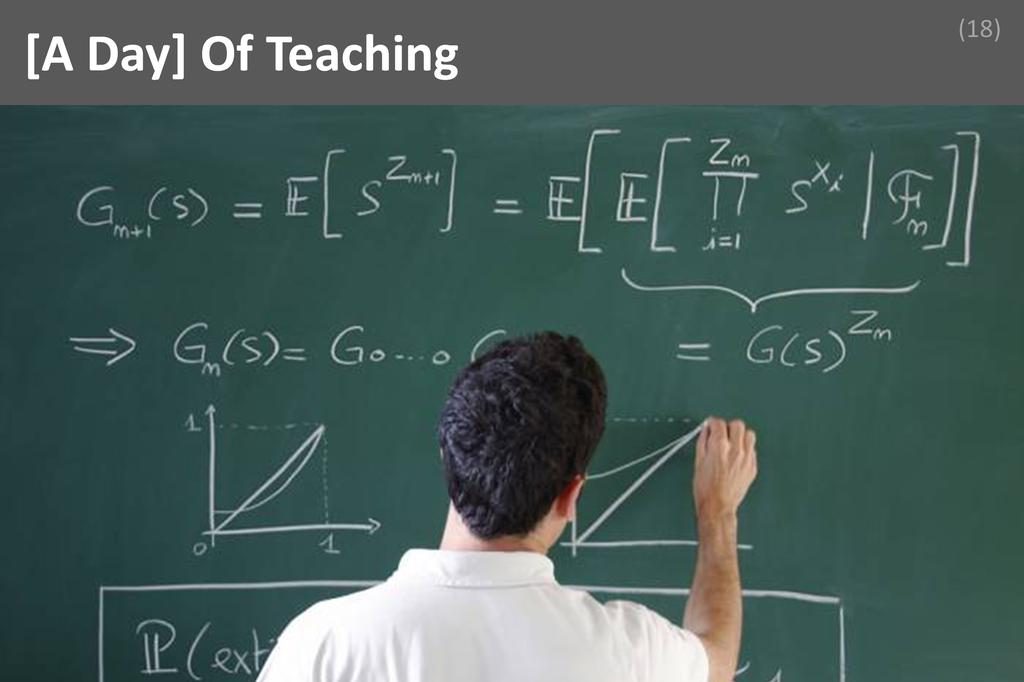
A Day Of


Teaching Maths

### Teaching Maths Image
What is
The hum of anticipation fills the air as the sun rises over a campus or school, signaling the start of another day for a mathematics educator. Far from a routine shuffle between chalkboards and textbooks, each day unfolds as a dynamic blend of preparation, lively interaction, and thoughtful reflection. The pace is brisk, the environment charged with curiosity and challenge, and the nature of the work demands both precision and creativity. For those who teach mathematics, every day is an opportunity to ignite understanding, foster problem-solving skills, and inspire a new generation to see the world through the lens of numbers and logic.

Concept
As the building slowly comes to life, the mathematics teacher arrives early, savoring the calm before the day’s bustle. This is a sacred time for reviewing lesson plans, organizing materials, and making last-minute adjustments to activities based on student progress or feedback from the previous day. The teacher might scan through student homework, identify common misconceptions, and tweak examples or explanations to better address areas of confusion. With a fresh cup of coffee and a stack of notes, the morning is spent ensuring that every detail is in place to make complex concepts accessible and engaging.

Real World Example
The heart of the day begins as students file into the classroom, their energy and questions setting the tone. The mathematics teacher orchestrates a lively session, guiding students through new topics with a mix of direct instruction, interactive problem-solving, and collaborative group work. Whiteboards fill with equations, hands shoot up with questions, and the room buzzes with the excitement of discovery. The teacher moves between desks, offering encouragement, clarifying doubts, and challenging students to think critically. This is the most intense and rewarding part of the day, where teaching transforms from theory to practice and every moment is an opportunity to spark understanding.

After lunch, the focus shifts to collaboration and practical application. The mathematics teacher might meet with colleagues to discuss curriculum updates, share teaching strategies, or analyze student data to identify trends and tailor instruction. There could be time set aside for supervising math clubs, coaching students for competitions, or working one-on-one with those who need extra help. The afternoon is also a chance to integrate technology, design hands-on activities, or connect mathematical concepts to real-world scenarios, ensuring that learning remains relevant and engaging.

As the day winds down, the mathematics teacher returns to a quieter workspace to reflect on what worked well and what could be improved. Grading assignments, responding to parent emails, and updating lesson plans for the next day fill the late afternoon hours. There is often time set aside for professional development, whether it’s reading the latest research, experimenting with new teaching tools, or collaborating with peers online. With the classroom empty and the sun setting, the teacher leaves with a sense of accomplishment, already thinking ahead to new ways to inspire and challenge students tomorrow.


Install the LifePage App to:


  1. (for Free) Watch Maths Teacher Dana M Crider’s full Teaching Mathematics Career Talk

  2. ₹ Do a Self Assessment on Teaching Mathematics to calculate your Dream Index, which is defined as:

    According to Dana M Crider your chances of success in Teaching Mathematics is __%

  3. Access your personalized Dream Index Report which will have all your Dream Indices sorted in descending order.

Career Counselling 2.0


<?php echo $altimage; ?>


<?php echo $altimage; ?>


How to get into

Teaching Mathematics?


If you are want to get into Teaching Mathematics, start by investing in a Career Plan.

The 14 hour process, guided by a LifePage Career Advisor, will help you introspect and check whether your interest in Teaching Mathematics is merely an infatuation or is it truly something you wish to do for the rest of your life.

Next, your Career Advisor will help you document how you can get into Teaching Mathematics, what education and skills you need to succeed in Teaching Mathematics, and what positives and challenges you will face in Teaching Mathematics.

Finally, you will get a Career Plan stating which Courses, Certifications, Trainings and other Items you need to do in the next 7 years to become world’s best in Teaching Mathematics.


LifePage Career Plan

14 hour personalized guidance program


Your LifePage Career Advisor facilitates your guided introspection so that you systematically explore various Career options to arrive at a well thought out Career choice.

Next: your Advisor helps you figure out how you will get into your chosen Career and how will you develop the skills needed for success in your Chosen Career.

LifePage Plan will not stop at saying "to become an Architect study Architecture". It will guide you on which Certifications, Trainings and Other items you need to do along with your Architecture education to become the world's best Architect.


Links for this Talk


Maths Teacher Dana M Crider's LifePage:


Career Counselling 2.0
[LifePage]
https://www.lifepage.in/page/danamcrider


LifePage Career Talk on Teaching Mathematics


Career Counselling 2.0
[Career]
https://www.lifepage.in/careers/teaching-mathematics


Career Counselling 2.0
[Full Talk]
https://lifepage.app.link/20171128-0003


Career Counselling 2.0
[Trailer]
https://www.youtube.com/watch?v=qfZi9F1tivY


(Teaching Maths, Dana M Crider, Woodstock School, Teaching, Mathematics, School Teacher)


Similar Talks


Career in Teaching
Teaching
Deepa Sethy
Maths Teacher | Maths Coaching Institute, Dehradun
[ 15 years Experience ]

Teaching and learning are casually tightly bound activities, so questioning, "What is learning?", might lead us to have a closer look at what precisely are the components of teaching and their underlying principles. This observation can help make learning more efficient.

"I started my career in a computer start-up company, where I led a development team to setup Web portals. Later I moved on to teaching Mathematics."


Career Counselling 2.0 Career Counselling 2.0 Career Counselling 2.0 Career Counselling 2.0 Career Counselling 2.0


Career in Teaching
Teaching
J P Bhattrai
Teacher | Choice Coaching Center, Dehradun
[ 8 years Experience ]

Teaching and learning are casually tightly bound activities, so questioning, "What is learning?", might lead us to have a closer look at what precisely are the components of teaching and their underlying principles. This observation can help make learning more efficient.

"I have been teaching for competitive exams since January 2009 and in my view, teaching is a challenging and a rewarding profession. I teach preparation classes for competitive exams, such as banking, SSC, CDS, railways and various others. The reason I enjoy my profession is because seeing my students become successful in their chosen career path makes me very happy. "


Career Counselling 2.0 Career Counselling 2.0 Career Counselling 2.0 Career Counselling 2.0 Career Counselling 2.0


Career in Teaching Science
Teaching Science
Surbhi Nagar
Science Teacher | Kaushalya World School, Noida
[ 5 years & 1 month Experience ]

Teaching science is a pedagogical approach in Science classroom whereby teaching and learning is approached with a same rhythm as Science itself. It gives us the basic knowledge of sciences like day to day activities linked with science, human body, nature etc.

"After completing my BEd from GGSIPU, Delhi, I cleared my CTET in 2011 and started teaching science. I am currently teaching science as a Trained Graduate Teacher in Kaushalya World School."


Career Counselling 2.0 Career Counselling 2.0 Career Counselling 2.0 Career Counselling 2.0 Career Counselling 2.0


Career in Teaching Physics
Teaching Physics
Dr S K Gupta
Dean & Professor | DIT University
[ 40 years & 10 months Experience ]

Physics is the natural science that studies matter and its motion and behavior through space and time and that studies the related entities of energy and force.

"I did B Sc from K K Degree College (Kanpur University) in 1969. After that I did M Sc and Ph D in molecular electronics from IIT Roorkee. I have vast experience in research. I have worked as a Senior Research Scientist at ICI Labs, Runcorn, England for almost 2 years. After that, I joined University of Wales, Bangor United Kingdom as Research Officer for 3 years. Then I did CPhys (Chartered Physicist) (designated) from Institute of Physics (IOP) London. I have also worked as an Associate Professor in the department of physics at H N B Garhwal University. I have severed at J B Institute of Technology, TULAs Institute and Doon Institute of Engineering Technology, Rishikesh as Director. I have been working as Professor of Physics and Dean Research and consultancy at DIT University since 2013. I have a total 40 years of experience at Post Graduate and Graduate level including 8 years at the Engineering Institutions."


Career Counselling 2.0 Career Counselling 2.0 Career Counselling 2.0 Career Counselling 2.0 Career Counselling 2.0


Career in Teaching Biology
Teaching Biology
Dr Kavita Goplani
PGT Biology | Modern Delhi Public School, Faridabad
[ 14 years Experience ]

Teaching is the process of attending to people's needs, experiences, and feelings, and making specific interventions to help them learn things. Science education is the field concerned with sharing science content and process with individuals not traditionally considered part of the scientific community. The learners may be children, college students, or adults within the public; the field of science education includes work in science content. A biology teacher's passion for the topic should always be evident, to the degree that students will want to learn more about this life science.

"After doing my schooling from Dr Radha Krishnan Girls Higher Secondary School Bhopal, I did my B Sc in Biology from Govt Girls College, Bhopal. Thereafter, I did my M Sc in Botany from Govt Motilal Vigyan Mahavidyalaya College, Bhopal & Ph D in Microbiology from Awadh University, Faizabad. In 1999, I started my career as a Professor with Sadhu Vaswani College, Bairagarh, Bhopal and later worked with various other colleges in Bhopal. After completing my B Ed, I started working as a PGT Biology for Modern Delhi public school, Faridabad. I have more than 18 years of experience in Teaching."


Career Counselling 2.0 Career Counselling 2.0 Career Counselling 2.0 Career Counselling 2.0 Career Counselling 2.0


Career in Teaching Mathematics
Teaching Mathematics
Renuka Barara Chhabra
Teacher | Various Assignments
[ 0 years & 7 months Experience ]

Mathematics education is the practice of teaching and learning mathematics, along with the associated scholarly research. The teaching of mathematical results, definitions and concepts by repetition and memorization typically without meaning or supported by mathematical reasoning. In traditional education, rote learning is used to teach multiplication tables, definitions, formulas, and other aspects of mathematics.

"After completing my BA, MA & B Ed from Delhi University, I did my PGD in Management & PR from Madras University. I also did certification in MS Office from APTECH & Leader Certification for Professional Development of Teachers from Cambridge. I am also a certified IELTS Trainer from British Council. Later in 1991, I started my career in education sector and worked in various profiles like Teacher, Education Officer and Principal. In 2006, I started working as a Teacher Trainer, Personality Development & Soft Skills Trainer for education and corporate sectors. In 2017, I started teaching Mathematics and I am also assisting underprivileged Children to Develop Language and Numerical Skills in Delhi."


Career Counselling 2.0 Career Counselling 2.0 Career Counselling 2.0 Career Counselling 2.0 Career Counselling 2.0


Career in Teaching Physics
Teaching Physics
Dr Parveen Kumar
Assistant Professor | DIT University
[ 4 years & 11 months Experience ]

Physics is the natural science that studies matter and its motion and behavior through space and time and that studies the related entities of energy and force.

"I have done Bsc and M Sc from MD University, Rohtak. I also did B Ed and MBA in Human Resources from the same college. I then did Ph D from Thappar University, Patiala. I taught at GVM Girls College for some time. I am Assistant Professor at DIT University."


Career Counselling 2.0 Career Counselling 2.0 Career Counselling 2.0 Career Counselling 2.0 Career Counselling 2.0


Career in Teaching & Research in Chemistry
Teaching & Research in Chemistry
Dr A K Gupta
Associate Professor & Head | SGRR PG College
[ 40 years & 9 months Experience ]

Teaching and Research in Chemistry comprises of three words teaching, research and chemistry so first of all what is teaching so teaching is the art and science of helping others to grow in their knowledge and understanding. It is holding the hand of a young one and saying it's going to be OK. Teaching is being careful that you acknowledge every student ever. On the other hand research is a careful and detailed study into a specific problem, concern, or issue using the scientific method. It's the adult form of the science fair projects back in elementary school, where you try and learn something by performing an experiment. Chemistry is the branch of science concerned with the substances of which matter is composed, the investigation of their properties and reactions, and the use of such reactions to form new substances.

"After completing my B Sc, I did M Sc & Ph D in Chemistry from DAV College, Dehradun. I joined SGRR PG College as a Faculty in 1978. I have a Research experience of nearly 40 years. I have been the Head of Department since 2006 and I am also the Dean of Student Welfare at SGRR PG College."


Career Counselling 2.0 Career Counselling 2.0 Career Counselling 2.0 Career Counselling 2.0 Career Counselling 2.0


Career in Teaching Biology
Teaching Biology
Girija Gopalakrishnan
Teacher | Kasiga International School
[ 38 years Experience ]

Teaching Biology involves introducing students to all manner of significant processes, from the human body to the natural world. Biology is one of the central branches of scientific knowledge, and is relevant to topics including medicine, genetics, zoology, ecology, and public policy.

"After doing B Sc in Life Sciences & Chemistry from MKP College, I did M Sc in Botany from DAV College. I have also done B Ed and Ph D in Microbial Ecology from North Eastern Hill University, Shillong. I write travelogues, blogs and books. I teach Biology, English and Environment Awareness."


Career Counselling 2.0 Career Counselling 2.0 Career Counselling 2.0 Career Counselling 2.0 Career Counselling 2.0


Career in Teaching Biology
Teaching Biology
Pankajdhyani
PGT | Various Schools
[ 13 years & 11 months Experience ]

Biology teachers, typically referred to as science teachers, are highly skilled in the sciences, specifically biology. A biology teacher goes beyond the basics of biology to impart specific wisdom to students. A biology teacher will have to have an in-depth knowledge of the subject to be able to answer questions from students and teach content contained in school standards.

"After completing my BEd, I started teaching Biology from different schools. I also did my masters in Botany and joined government of Uttarakhand as the PGT Biology. I have been teaching Biology from more than 10 years."


Career Counselling 2.0 Career Counselling 2.0 Career Counselling 2.0 Career Counselling 2.0 Career Counselling 2.0


Career in Teaching Physics
Teaching Physics
Sunita Bisht
Teacher | SGRR Public School
[ 16 years Experience ]

Physics is the natural science that studies matter, its motion, and behavior through space and time, and that studies the related entities of energy and force. Teaching physics involves crafting a learning environment where students are able to explore and understand how the physical world works, and to connect complex scientific concepts to their daily lives.

"I have done B Sc & M Sc from HNB Garhwal University. I joined SGRR Public School, Dehradun in 2003. While I was teaching, I completed B Ed from IGNOU. I also hold a Diploma in Computer Applications. I am a Physics Teacher at SGRR Public School."


Career Counselling 2.0 Career Counselling 2.0 Career Counselling 2.0 Career Counselling 2.0 Career Counselling 2.0


[Install the LifePage App to access all Talks]


<?php echo $altimage; ?>


<?php echo $altimage; ?>


&mbsp;


Career Counselling 2.0 | Home   Home  
Career Counselling 2.0 | Abroad   Abroad  
Career Counselling 2.0 | Plan   Plan  
Career Counselling 2.0 | Talks   Talks  
Career Counselling 2.0 | Philosophy   Philosophy  
Career Counselling 2.0 | Seminar   Seminar  
Career Counselling 2.0 | Workshop   Workshop  
Career Counselling 2.0 | Pages   Pages  
Career Counselling 2.0 | Advisors   Advisors  
Career Counselling 2.0 | Discuss   Discuss  
Career Counselling 2.0 | Meet   Meet  
Career Counselling 2.0 | Advisor   Advisor  
Career Counselling 2.0 | Story   Story  
Career Counselling 2.0 | Fine Print   Fine Print  
Career Counselling 2.0 | Links   Links  
Career Counselling 2.0 | Blog   Blog  
Career Counselling 2.0 | Testimonials   Testimonials  
Career Counselling 2.0 | Follow   Follow  
 
[ Site Visits ]


Career Counselling 2.0