The Journey of Teaching Physics
What Is Teaching Physics
Teaching Physics

Teaching Physics is the practice of educating students about the fundamental principles of physics, including concepts such as motion, energy, forces, and matter. It involves designing lessons, conducting experiments, and fostering critical thinking to help learners understand and apply scientific knowledge in real-world contexts.
Teaching Physics plays a crucial role in shaping scientifically literate individuals who can analyze and solve complex problems. For professionals, it offers the chance to inspire curiosity and a love for science in students, while also contributing to the development of future scientists, engineers, and informed citizens. The career provides intellectual fulfillment through continuous learning, the satisfaction of making a tangible difference in students’ lives, and the opportunity to engage with cutting-edge scientific advancements. By translating abstract theories into accessible knowledge, physics teachers help bridge the gap between science and society, empowering students to think critically and innovate.
A high school physics teacher might introduce the concept of Newton’s laws of motion by guiding students through hands-on experiments, such as building simple machines or analyzing the trajectory of a ball. The teacher explains the underlying principles, encourages students to make predictions, and helps them interpret their results. Through interactive discussions and problem-solving exercises, the teacher connects classroom learning to everyday phenomena, such as car safety features or sports techniques. This approach not only deepens students’ understanding of physics but also demonstrates its relevance, fostering both academic growth and practical application skills that students can carry into their future studies and careers.
Education
Fundamentals of Physics
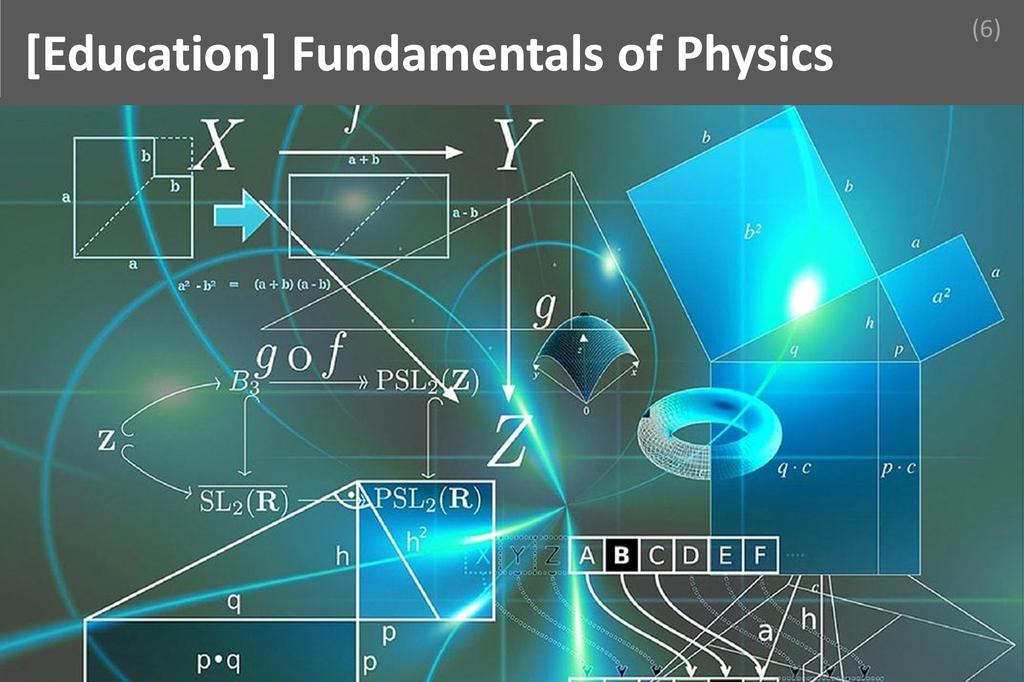
Fundamentals of Physics encompasses the essential principles, laws, and concepts that form the basis of the physical sciences, including mechanics, thermodynamics, electromagnetism, optics, and modern physics. For those teaching physics, mastery of these fundamentals is crucial, as they underpin all advanced topics and effective instructional strategies in the classroom.
A deep understanding of the Fundamentals of Physics is indispensable for anyone preparing to teach the subject. This foundational knowledge enables educators to explain complex phenomena with clarity, address students’ misconceptions, and foster critical thinking. Mastery of core concepts such as Newton’s laws, energy conservation, and wave behavior allows teachers to build coherent lesson plans and adapt explanations to diverse learning styles. Over the course of a teaching career, a strong grasp of these fundamentals supports ongoing professional development, facilitates engagement with new scientific discoveries, and enhances the ability to integrate interdisciplinary approaches. Ultimately, this expertise not only benefits students’ learning outcomes but also establishes the educator’s credibility and confidence in the classroom.
Consider a high school physics teacher preparing a lesson on projectile motion. Drawing upon their understanding of the Fundamentals of Physics, the teacher can break down the motion into horizontal and vertical components, use equations of motion to predict trajectories, and design experiments that allow students to observe these principles in action. When students ask why a ball thrown at an angle follows a curved path, the teacher can confidently explain the interplay of gravity and initial velocity, referencing Newton’s laws and kinematic equations. This theoretical grounding enables the teacher to answer spontaneous questions, correct misconceptions, and connect classroom activities to real-world phenomena, thereby making physics both accessible and engaging for students.
Basics of Electronics
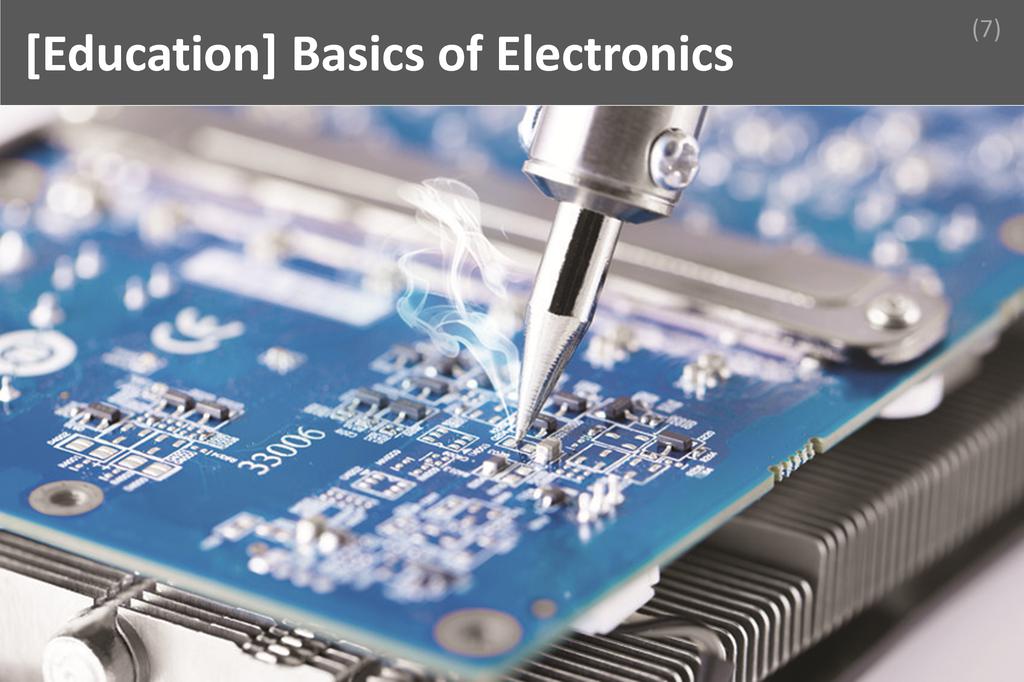
Basics of Electronics refers to the fundamental principles governing the behavior and interaction of electrical components such as resistors, capacitors, diodes, and transistors. This field explores how electrical circuits function, enabling the design and analysis of devices. For teaching physics, it provides essential context for explaining electricity and magnetism concepts.
Understanding the basics of electronics is crucial for anyone teaching physics because it bridges theoretical physics with practical applications. Mastery of this subject allows educators to confidently explain how abstract principles like current, voltage, and resistance manifest in real-world devices. This foundational knowledge is indispensable for designing laboratory experiments, troubleshooting equipment, and guiding students through hands-on learning. Over the long term, proficiency in electronics enhances a teacher’s ability to adapt to evolving technologies and educational tools, ensuring their instruction remains relevant and engaging. It also opens opportunities for interdisciplinary collaboration, curriculum development, and mentoring students interested in engineering or applied sciences, thereby enriching both personal career growth and the educational experience of learners.
Consider a physics teacher preparing a classroom demonstration on Ohm’s Law. By drawing on their understanding of basic electronics, the teacher assembles a simple circuit using a battery, resistor, and ammeter. During the lesson, they not only explain the theoretical relationship between voltage, current, and resistance but also guide students in measuring these quantities directly. When a student observes an unexpected reading, the teacher diagnoses a loose connection, illustrating practical troubleshooting skills. This hands-on approach, grounded in electronics fundamentals, helps students connect abstract concepts to tangible outcomes. It also fosters critical thinking and problem-solving abilities, demonstrating the real-world relevance of physics and electronics in everyday technology and scientific inquiry.
Concepts of Physical Chemistry

Concepts of Physical Chemistry encompass the fundamental principles that describe the physical behavior of chemical systems, including thermodynamics, kinetics, quantum mechanics, and molecular structure. For those teaching physics, these concepts bridge the gap between physics and chemistry, providing essential insights into matter’s behavior at atomic and molecular levels, crucial for comprehensive science education.
A solid grasp of physical chemistry is indispensable for anyone preparing to teach physics, as it deepens understanding of the physical laws governing chemical phenomena. Mastery of these concepts enables educators to explain complex topics such as energy transformations, reaction mechanisms, and the molecular basis of physical properties. This foundational knowledge not only enhances the educator’s confidence and credibility but also enriches classroom discussions, making abstract ideas more accessible to students. Over the long term, proficiency in physical chemistry supports interdisciplinary teaching, fosters critical thinking, and opens pathways for professional growth in both academic and research settings, ensuring educators remain versatile and well-equipped to address evolving curricular demands.
Consider a physics teacher explaining the principles of heat engines and entropy. Drawing on their knowledge of physical chemistry, the teacher can illustrate how molecular motion and energy distribution underpin macroscopic thermodynamic laws. By connecting the kinetic theory of gases with the concept of entropy, the teacher helps students visualize how microscopic particle behavior leads to observable phenomena like temperature changes and energy efficiency. This integrated approach not only clarifies challenging concepts but also demonstrates the interconnectedness of scientific disciplines, fostering a deeper appreciation for the subject. Such real-world application of physical chemistry concepts enhances student engagement and supports the development of well-rounded scientific literacy.
Mathematical Physics
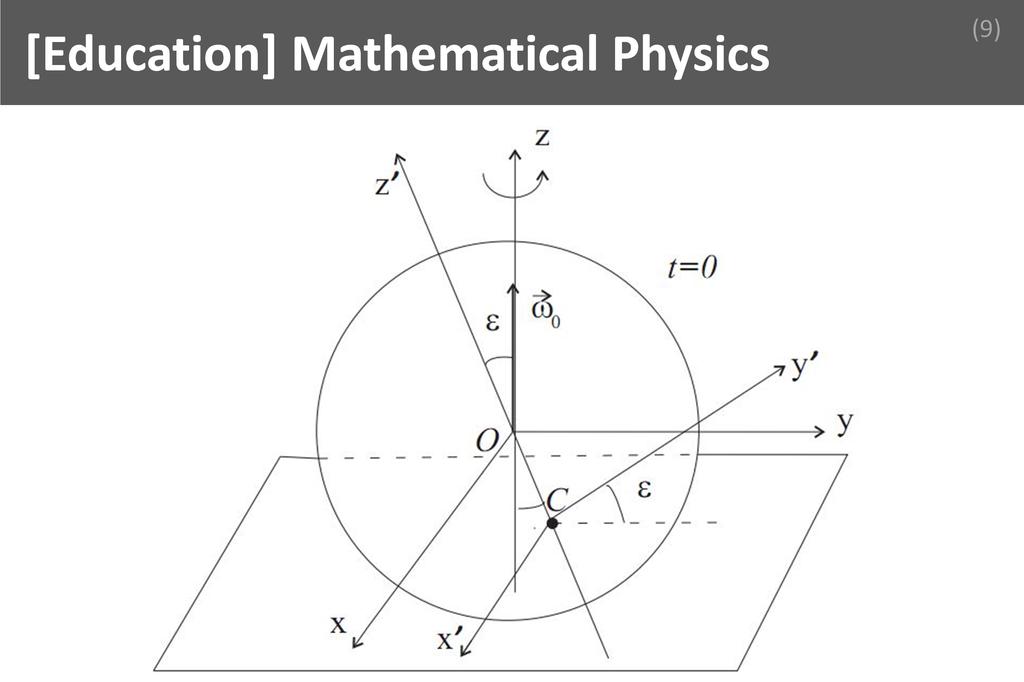
Mathematical Physics is the discipline that applies advanced mathematical methods to solve problems in physics, providing a rigorous framework for formulating and analyzing physical theories. For those teaching physics, it bridges abstract mathematical concepts and real-world physical phenomena, ensuring clarity, precision, and depth in both understanding and instruction.
A solid grasp of Mathematical Physics is essential for anyone preparing to teach physics because it underpins the logical structure of the subject. Mastery of this field enables educators to explain complex physical phenomena with clarity and confidence, using precise mathematical language. It allows teachers to derive equations, justify assumptions, and connect theoretical models to experimental results, fostering a deeper comprehension among students. Over the long term, proficiency in Mathematical Physics enhances a teacher’s ability to adapt to curriculum changes, engage with advanced topics, and mentor students in research or problem-solving. This expertise also opens opportunities for interdisciplinary collaboration and professional development, ensuring that educators remain at the forefront of scientific education.
Consider a high school physics teacher introducing the concept of wave interference. Using their background in Mathematical Physics, the teacher can derive the mathematical conditions for constructive and destructive interference, rather than relying solely on qualitative explanations. By guiding students through the derivation of the interference equation using principles from trigonometry and calculus, the teacher not only clarifies the underlying physics but also demonstrates the power of mathematical reasoning in predicting experimental outcomes. This approach helps students appreciate the unity between mathematics and physics, encourages analytical thinking, and prepares them for more advanced studies. The teacher’s expertise in Mathematical Physics thus transforms abstract concepts into tangible understanding, enriching the learning experience.
Skills
Clarity of Concept
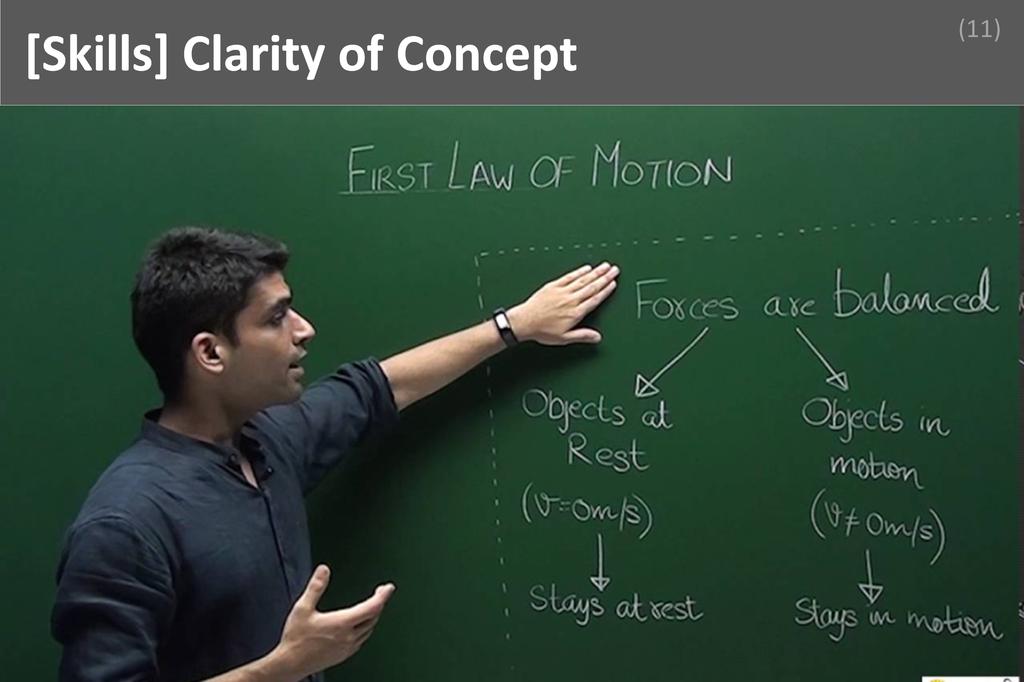
Clarity of Concept is the ability to understand, internalize, and communicate complex ideas in a simple, precise, and accurate manner. For a Teaching Physics professional, it means grasping fundamental principles deeply and expressing them in ways that students can easily comprehend, fostering genuine understanding and curiosity.
Clarity of Concept directly enhances a physics teacher’s effectiveness by enabling them to break down intricate theories into digestible explanations, making abstract phenomena accessible to learners at all levels. Employers and educational institutions highly value this skill because it leads to better student outcomes, higher engagement, and improved academic performance. Teachers with clear conceptual understanding can adapt their instruction to diverse learning styles, anticipate misconceptions, and provide meaningful feedback. Cultivating this skill involves continuous study, reflection on teaching practices, seeking feedback from peers and students, and staying updated with advances in both physics and pedagogy. Over time, deliberate practice and a commitment to lifelong learning help educators refine their ability to convey concepts with clarity and confidence.
Imagine a physics teacher faced with a classroom struggling to grasp the concept of electromagnetic induction. Instead of relying solely on textbook definitions, the teacher draws on their clarity of concept to design a hands-on demonstration using simple materials. By guiding students through the process of generating electricity with a moving magnet and coil, the teacher connects theoretical principles to observable outcomes. As students witness the phenomenon firsthand, the teacher articulates the underlying physics in straightforward language, addresses misconceptions as they arise, and encourages questions. This approach not only resolves confusion but also inspires enthusiasm, illustrating how clarity of concept empowers educators to transform challenging topics into memorable learning experiences.
Effective Teaching
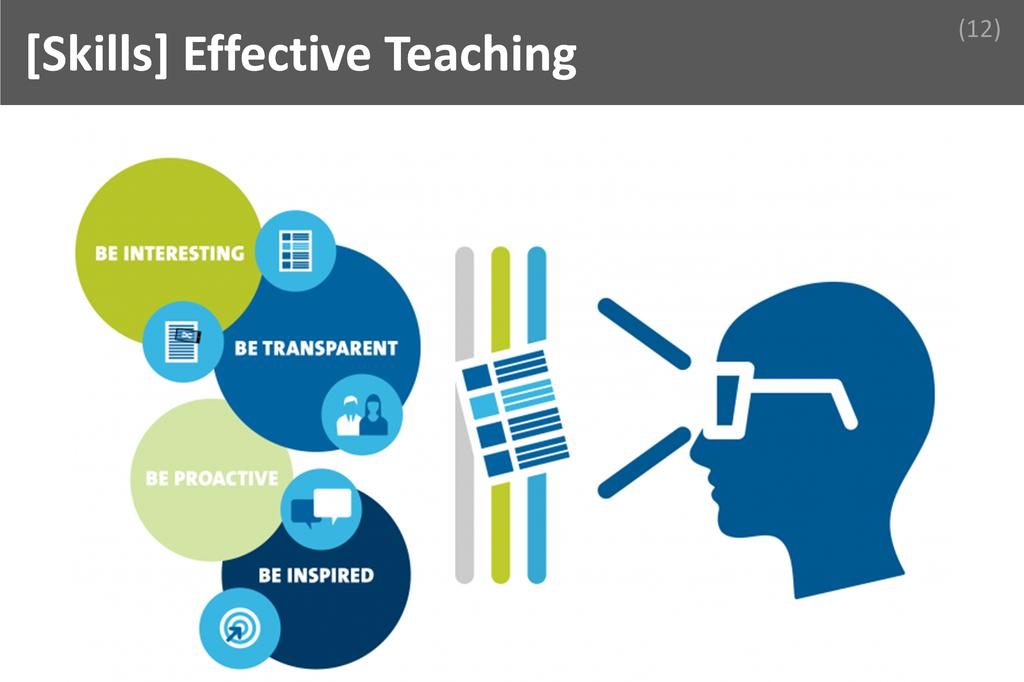
Effective Teaching is the ability to communicate complex concepts clearly, foster student engagement, adapt instructional methods to diverse learning needs, and assess understanding to guide progress. In Teaching Physics, this skill ensures that abstract theories and mathematical principles become accessible, meaningful, and relevant, forming the foundation of successful learning experiences.
Mastering Effective Teaching directly enhances a physics educator’s ability to inspire curiosity, promote critical thinking, and ensure students grasp challenging material. Employers and educational institutions highly value this skill because it leads to improved student outcomes, higher retention rates, and a positive reputation for the program. To cultivate Effective Teaching, professionals should seek ongoing professional development, reflect on their teaching practices, and remain receptive to feedback from students and colleagues. Engaging with current educational research, experimenting with innovative instructional strategies, and participating in collaborative learning communities also contribute to continuous growth. Over time, these efforts help educators refine their approach, making them more responsive and impactful in the classroom.
Imagine a physics teacher faced with a class struggling to understand the concept of electromagnetic induction. By drawing on Effective Teaching, the educator assesses students’ misconceptions through targeted questions and adapts the lesson by incorporating hands-on experiments and real-world analogies. This approach not only clarifies the topic but also reignites student interest and confidence. As a result, students demonstrate improved comprehension in subsequent assessments, and the teacher receives positive feedback from both learners and colleagues. This scenario highlights how Effective Teaching enables a physics educator to identify learning barriers, adjust methods in real time, and ultimately achieve successful educational outcomes.
Communication Skills

Communication skills refer to the ability to convey information clearly, listen actively, interpret feedback, and adapt messages to different audiences using verbal, nonverbal, and written methods. In the context of teaching physics, these skills enable educators to make complex scientific concepts accessible, foster engagement, and support effective learning outcomes.
Strong communication skills directly enhance a physics teacher’s ability to explain abstract theories, guide problem-solving, and respond to student questions with clarity. Employers and educational institutions value these abilities because they lead to higher student comprehension, improved classroom dynamics, and better academic performance. Cultivating communication skills involves continuous practice, such as seeking feedback from students, participating in professional development workshops, and reflecting on teaching methods. Over time, teachers who invest in honing their communication become more adept at tailoring explanations, using analogies, and creating an inclusive environment where students feel comfortable expressing confusion or curiosity. This ongoing development not only benefits students but also contributes to the teacher’s professional growth and reputation.
Imagine a physics teacher introducing the concept of electromagnetic induction to a class that is struggling to grasp the underlying principles. Recognizing the confusion, the teacher draws on their communication skills by breaking down the topic into simpler components, using everyday analogies, and encouraging students to ask questions without hesitation. By actively listening to students’ concerns and rephrasing explanations based on their feedback, the teacher transforms a challenging lesson into an interactive discussion. As a result, students begin to connect theoretical ideas with real-world applications, leading to a noticeable improvement in their understanding and enthusiasm. This scenario highlights how effective communication can bridge gaps in comprehension and foster a positive learning environment.
Class Control

Class Control is the ability to effectively manage student behavior, maintain a focused learning environment, and ensure smooth lesson progression. In Teaching Physics, this skill enables educators to minimize disruptions, foster engagement, and create a space where complex concepts can be explored safely and productively. It is foundational for successful instruction.
Mastering Class Control significantly enhances a physics teacher’s effectiveness by allowing lessons to proceed without frequent interruptions, ensuring that all students have the opportunity to participate and learn. Employers and clients highly value this skill because it leads to better academic outcomes, improved classroom morale, and a positive reputation for the institution. Teachers can develop Class Control through consistent practice, reflective observation, and professional development. Over time, strategies such as clear communication, establishing routines, and building respectful relationships with students help educators refine their approach. As teachers gain experience, they become adept at anticipating potential disruptions and responding with confidence, which further strengthens their classroom management abilities.
Imagine a physics teacher introducing the concept of electromagnetic induction to a diverse group of high school students. Early in the lesson, a few students begin chatting and distracting others, threatening to derail the learning process. Drawing on strong Class Control, the teacher calmly addresses the behavior, re-establishes expectations, and redirects attention to a hands-on demonstration. By maintaining composure and reinforcing the importance of the topic, the teacher quickly regains the class’s focus. As a result, students become engaged in the experiment, ask insightful questions, and grasp the challenging concept. This scenario highlights how effective Class Control not only resolves immediate disruptions but also creates an environment where meaningful learning can occur.
Positives
Scope of Learning

Scope of Learning refers to the continuous opportunity to expand knowledge, acquire new skills, and deepen understanding within a field, driven by curiosity and evolving advancements. In teaching physics, this means educators are constantly engaging with fresh concepts, innovative experiments, and emerging research, making the profession intellectually stimulating and ever-evolving.
The expansive scope of learning in teaching physics ensures that educators never face stagnation in their careers. Each day brings new questions from inquisitive students, novel scientific discoveries, and the challenge of translating complex theories into accessible lessons. This dynamic environment fosters personal and professional growth, keeping teachers intellectually engaged and motivated. The ongoing process of learning not only enhances their expertise but also boosts job satisfaction, as they witness their own development alongside their students’. Teachers experience a sense of accomplishment when they master new topics or teaching methods, and this continual evolution helps prevent burnout, making the profession both sustainable and deeply rewarding.
Imagine a physics teacher preparing a lesson on quantum mechanics, an area rapidly advancing with new research. To ensure the lesson is current and engaging, the teacher delves into recent scientific papers and explores interactive simulations. During class, a student asks about quantum computing, prompting the teacher to investigate further and incorporate this cutting-edge topic into future lessons. This process of learning, adapting, and sharing newfound knowledge not only enriches the classroom experience but also fuels the teacher’s passion for the subject. The teacher feels invigorated by the challenge and inspired by the opportunity to grow, exemplifying how the scope of learning transforms daily teaching into a journey of continuous discovery.
Scope for Improvement

"Scope for Improvement" refers to the ongoing opportunities for personal and professional growth, skill enhancement, and the continuous refinement of teaching methods and subject knowledge. In the context of teaching physics, it means that educators can always find new ways to engage students, deepen their understanding, and stay updated with scientific advancements. This dynamic environment encourages teachers to evolve, adapt, and innovate, making the profession both challenging and deeply fulfilling. The presence of scope for improvement ensures that teaching physics is never stagnant, but instead offers a journey of lifelong learning and self-betterment, which is a significant positive aspect of this career.
The scope for improvement in teaching physics is a powerful motivator that transforms the profession into a vibrant and evolving journey. Teachers are constantly exposed to new research, educational technologies, and innovative pedagogical strategies, which keeps their work intellectually stimulating. This ongoing development not only enhances their expertise but also boosts job satisfaction, as they witness their own growth alongside their students’ progress. The ability to refine lessons, experiment with different teaching approaches, and respond to diverse learning needs creates a sense of accomplishment and purpose. Every day, physics teachers experience the benefit of improvement by overcoming challenges, celebrating small victories in student understanding, and knowing that their efforts directly contribute to shaping curious, analytical minds.
Imagine a physics teacher who notices that students struggle with the concept of electromagnetism. Instead of repeating the same lesson, the teacher seeks feedback, researches new teaching tools, and collaborates with colleagues to design interactive experiments. Over time, the teacher refines the approach, incorporating simulations and hands-on activities that make the topic more accessible. As students begin to grasp the concept and show enthusiasm, the teacher feels a profound sense of achievement. This experience highlights the rewarding nature of having scope for improvement, as it allows the teacher to grow professionally, adapt to students’ needs, and witness the tangible impact of their evolving teaching methods on student learning and engagement.
Research Opportunity

Research Opportunity refers to the chance for educators to engage in original investigations, explore new scientific questions, and contribute to the advancement of knowledge within their field. In teaching physics, this means teachers can actively participate in experiments, collaborate on projects, and stay at the forefront of scientific discovery, enriching their professional lives.
The presence of research opportunities in a teaching physics career significantly enhances both personal and professional fulfillment. Engaging in research allows educators to remain intellectually stimulated, continuously learning and evolving alongside their subject. This ongoing engagement with new ideas and discoveries not only deepens their understanding but also translates into more dynamic and inspiring classroom experiences for students. Teachers who participate in research often feel a stronger sense of purpose, as they contribute to the broader scientific community and help shape the future of physics. This sense of involvement and progress fosters job satisfaction, encourages innovation in teaching methods, and supports ongoing professional growth, making the career both meaningful and exciting on a daily basis.
Imagine a high school physics teacher who collaborates with a local university on a project investigating renewable energy sources. Through this partnership, the teacher gains access to advanced laboratory equipment and works alongside university researchers, developing new experiments to bring back to their classroom. This experience not only enhances the teacher’s own knowledge and skills but also allows them to share cutting-edge scientific developments with their students. The excitement of contributing to real-world research invigorates their teaching, inspires students to pursue scientific inquiry, and strengthens the teacher’s connection to the broader scientific community. This ongoing cycle of discovery and sharing exemplifies the profound impact that research opportunities can have in a teaching physics career.
Respected Profession

A "Respected Profession" is a career path that garners admiration, trust, and high regard from society due to its positive influence, ethical standards, and significant contributions to individual and communal growth. In teaching physics, this respect elevates the profession, fostering a sense of pride and responsibility among educators and inspiring students.
The respect associated with teaching physics deeply enhances job satisfaction and personal fulfillment. Teachers are often seen as role models, shaping not only students’ academic abilities but also their critical thinking and curiosity about the world. This societal esteem translates into meaningful daily interactions, where teachers feel valued by students, parents, and colleagues. Such recognition encourages professional growth, motivates teachers to continually improve their methods, and creates a supportive environment for innovation in the classroom. The knowledge that their work is appreciated and impactful drives teachers to invest wholeheartedly in their students’ success, making the profession both rewarding and sustainable over time.
Consider a physics teacher who is approached by a former student at a community event. The student expresses gratitude, sharing how the teacher’s passion for physics inspired them to pursue a career in engineering. The teacher is publicly acknowledged by parents and peers for their dedication and positive influence. This moment of recognition reinforces the teacher’s sense of purpose and pride, reminding them that their daily efforts are not only noticed but deeply valued. Such experiences exemplify how being part of a respected profession brings lasting fulfillment, motivating teachers to continue making a difference in the lives of their students and the broader community.
Interaction with People

Interaction with people refers to the dynamic exchange of ideas, knowledge, and emotions between individuals, fostering communication, collaboration, and mutual understanding. In teaching physics, this interaction is central, as it enables educators to connect with students, inspire curiosity, and adapt their teaching to meet diverse learning needs, creating a vibrant educational environment.
The opportunity to interact with people is a cornerstone of job satisfaction in teaching physics. Engaging with students allows teachers to witness firsthand the spark of understanding and curiosity that comes with learning complex concepts. This daily exchange not only keeps the subject matter fresh and exciting but also encourages personal and professional growth. Teachers develop strong communication skills, empathy, and adaptability as they respond to students’ questions and challenges. The collaborative atmosphere fosters a sense of community, making educators feel valued and connected. Ultimately, these interactions transform the classroom into a space where both teachers and students thrive, making the profession deeply rewarding and meaningful.
Imagine a physics teacher guiding a group of students through a challenging experiment on electromagnetism. As the lesson unfolds, students ask probing questions, share their observations, and collaborate to solve problems. The teacher responds with encouragement, clarifies misconceptions, and adapts explanations to different learning styles. This lively exchange not only helps students grasp difficult concepts but also energizes the teacher, who feels a profound sense of accomplishment and connection. The shared excitement over a successful experiment creates lasting memories and reinforces the teacher’s passion for the subject. Through these daily interactions, the teacher experiences the true joy and fulfillment that comes from engaging with people in the pursuit of knowledge.
Challenges
Diversity in Students

Diversity in Students, within the context of Teaching Physics, refers to the wide range of backgrounds, abilities, learning styles, cultural perspectives, and prior knowledge that students bring to the classroom. This diversity is demanding because it requires educators to adapt their teaching methods to ensure equitable understanding and engagement for all learners.
The challenge of student diversity significantly shapes the daily experience of teaching physics. Educators must constantly assess and adjust their instructional approaches to accommodate varying levels of preparedness, language proficiencies, and cultural expectations. This ongoing adaptation can be mentally and emotionally taxing, demanding resilience and creativity from teachers. Successful professionals address these challenges by fostering inclusive environments, differentiating instruction, and employing a variety of teaching strategies to reach every student. They remain flexible, seek feedback, and continuously refine their practices to ensure that all students, regardless of background, can access and appreciate the subject matter. By embracing diversity as an asset rather than a barrier, effective teachers turn potential obstacles into opportunities for richer classroom interactions and deeper learning.
Consider a physics teacher in a multicultural urban high school, where students range from recent immigrants with limited English proficiency to native speakers with strong science backgrounds. The teacher notices that some students struggle with physics terminology while others grasp concepts quickly. To address this, the teacher incorporates visual aids, hands-on experiments, and peer collaboration into lessons. She encourages students to explain concepts in their own words and supports group work that leverages diverse strengths. Over time, students become more engaged and confident, and achievement gaps begin to narrow. Through persistent adaptation and a commitment to inclusivity, the teacher successfully transforms diversity from a challenge into a catalyst for collective growth and understanding in physics.
Creating Interest in Students

Creating Interest in Students in the context of Teaching Physics means sparking and maintaining genuine curiosity and engagement among learners who may initially find the subject abstract, complex, or irrelevant. This is demanding because physics often involves challenging concepts and mathematical reasoning that can seem disconnected from students’ everyday experiences and aspirations.
The struggle to create interest in students can make daily teaching feel like an uphill battle, as disengaged learners are less likely to participate, ask questions, or retain information. This challenge requires resilience because repeated attempts to connect with students may not yield immediate results, and teachers must continually adapt their approaches. Successful professionals overcome this by relating physics concepts to real-life phenomena, incorporating hands-on experiments, and fostering a classroom environment where curiosity is encouraged and mistakes are seen as learning opportunities. They also remain patient and persistent, understanding that building interest is a gradual process that benefits from enthusiasm, creativity, and empathy toward students’ perspectives.
Consider a physics teacher faced with a class that views the subject as dull and overly theoretical. Recognizing this, the teacher introduces a project where students design and build simple roller coasters using everyday materials, applying principles of energy, motion, and gravity. Throughout the project, the teacher encourages students to predict outcomes, test their designs, and reflect on the physics involved. As students see their ideas come to life and connect abstract concepts to tangible results, their interest grows noticeably. The teacher’s willingness to innovate and relate physics to engaging, hands-on activities transforms the classroom atmosphere, demonstrating how thoughtful strategies can overcome the challenge of creating interest in students.
A Day Of
Teaching Physics
The hum of fluorescent lights and the faint scent of dry-erase markers signal the start of another day where curiosity and discovery take center stage. For a teaching physics professional, each workday is a dynamic blend of preparation, performance, and reflection, set against the backdrop of bustling hallways and the quiet anticipation of students eager—or sometimes reluctant—to unravel the mysteries of the universe. The pace is brisk, the environment ever-changing, and the nature of the work demands both intellectual rigor and creative adaptability. From the first cup of coffee to the last review of tomorrow’s lesson plan, the day is a carefully orchestrated dance between theory and practice, all in service of igniting a passion for physics in the next generation.
As the sun rises, the physics classroom is still and silent, offering a rare moment of calm before the day’s energy unfolds. This is the time for a teaching physics professional to review lesson plans, fine-tune demonstrations, and check that all lab equipment is in working order. Whether it’s double-checking the alignment of lasers for an optics experiment or ensuring that handouts are ready for distribution, these early hours are crucial for setting the stage. There’s also a quick scan of emails and messages from students or colleagues, addressing any last-minute questions or adjustments that might impact the day’s schedule.
By mid-morning, the classroom comes alive with the buzz of students settling in, notebooks open and eyes bright with anticipation—or perhaps a touch of apprehension. This is the heart of the day, where the teaching physics professional steps into the role of both educator and performer. Complex concepts like electromagnetism or quantum mechanics are brought to life through interactive lectures, hands-on demonstrations, and lively discussions. The challenge is to make abstract ideas tangible, sparking those “aha” moments that transform confusion into understanding. Every question from a student is an opportunity to deepen engagement, and every experiment is a chance to connect theory with real-world phenomena.
The afternoon shifts focus from theory to practice, as students gather in small groups for laboratory sessions or collaborative projects. The teaching physics professional circulates among the benches, guiding experiments, troubleshooting equipment, and encouraging scientific inquiry. There’s a palpable sense of teamwork as students test hypotheses and analyze results, often leading to unexpected discoveries. Between classes, there may be departmental meetings to discuss curriculum updates, share teaching strategies, or coordinate upcoming events like science fairs or guest lectures. These collaborative moments are essential for professional growth and maintaining a vibrant academic community.
As the day winds down, the classroom empties and the pace slows, allowing time for reflection and forward planning. The teaching physics professional reviews student work, provides feedback, and records grades, ensuring that each learner’s progress is carefully tracked. There’s also time to delve into current research, update lesson materials, or explore new teaching technologies that could enhance future classes. Planning for the next day’s lessons involves synthesizing what worked well and identifying areas for improvement, all while keeping an eye on upcoming deadlines and long-term goals. The day ends much as it began—in quiet contemplation—ready to inspire and challenge students anew tomorrow. |


 Home
Home Abroad
 Plan
Plan Philosophy
 Seminar
 Pages
Pages Advisors
 Testimonials














 Workshop
 Discuss
 Meet
Meet
 Advisor
 Story
Story
 Fine Print
 Links
Links
 Blog
Blog
 Follow
