Career Counselling 2.0 HomeHomeCareer Counselling 2.0 AbroadAbroadCareer Counselling 2.0 PlanPlanCareer Counselling 2.0 | TalksTalksCareer Counselling 2.0 PhilosophyPhilosophyCareer Counselling 2.0 SeminarSeminarCareer Counselling 2.0 PagesPagesCareer Counselling 2.0 AdvisorsAdvisorsCareer Counselling 2.0 TestimonialsTestimonials

Teaching Mathematics

Teacher Renuka Barara Chhabra talks about Teaching Mathematics course, what is Teaching Mathematics and other details about a Career in Teaching Mathematics.


Teaching Mathematics

Renuka Barara Chhabra | Teacher | Various Assignments


What is Teaching Mathematics?


Teaching Mathematics is a great Career option. Understanding Why one wants to choose a Career in Teaching Mathematics is phenomenally more important than figuring out How to get into Teaching Mathematics. The most authoritative source of information on Teaching Mathematics is someone with real experience in it.

With 0 years & 7 months of professional experience, Teacher Renuka Barara Chhabra understands Teaching Mathematics. Teacher Renuka Barara Chhabra outlines Teaching Mathematics as:

Mathematics education is the practice of teaching and learning mathematics, along with the associated scholarly research. The teaching of mathematical results, definitions and concepts by repetition and memorization typically without meaning or supported by mathematical reasoning. In traditional education, rote learning is used to teach multiplication tables, definitions, formulas, and other aspects of mathematics.


How Teacher Renuka Barara Chhabra got into Teaching Mathematics?


After completing my BA, MA & B Ed from Delhi University, I did my PGD in Management & PR from Madras University. I also did certification in MS Office from APTECH & Leader Certification for Professional Development of Teachers from Cambridge. I am also a certified IELTS Trainer from British Council. Later in 1991, I started my career in education sector and worked in various profiles like Teacher, Education Officer and Principal. In 2006, I started working as a Teacher Trainer, Personality Development & Soft Skills Trainer for education and corporate sectors. In 2017, I started teaching Mathematics and I am also assisting underprivileged Children to Develop Language and Numerical Skills in Delhi.


Teacher Renuka Barara Chhabra's Talk on Teaching Mathematics


Session Image
The Journey of Teaching Mathematics


What Is Teaching Mathematics


Teaching Mathematics

### Teaching Mathematics Image
What is
Teaching Mathematics is the practice of imparting mathematical knowledge, skills, and problem-solving abilities to students at various educational levels. It involves designing lessons, explaining concepts, fostering critical thinking, and assessing understanding, all with the goal of helping learners develop mathematical competence and confidence for academic and real-world applications.

Concept
Teaching Mathematics plays a crucial role in shaping how students perceive and engage with the world. Mathematics educators not only help learners master essential concepts but also cultivate logical reasoning and analytical skills that are valuable across disciplines. For professionals in this field, the impact is profound, as they influence future generations’ abilities to solve problems and make informed decisions. The career offers the satisfaction of witnessing student growth, the opportunity to continuously learn and innovate, and the chance to contribute to society by preparing students for diverse careers that rely on mathematical literacy. Ultimately, teaching mathematics empowers both educators and students to approach challenges with confidence and creativity.

Real World Example
A high school mathematics teacher might design a lesson on quadratic equations, starting with real-life scenarios such as calculating the trajectory of a basketball. The teacher guides students through the process of modeling the situation mathematically, solving equations, and interpreting results. Throughout the lesson, the teacher encourages students to ask questions, collaborate, and apply different problem-solving strategies. By connecting abstract concepts to tangible experiences, the teacher helps students see the relevance of mathematics in everyday life. This approach not only deepens understanding but also builds students’ confidence and interest in pursuing further studies or careers that require strong mathematical skills.

Education


Numerical Calculations

### Numerical Calculations Image
What is
Numerical Calculations refer to the process of performing arithmetic operations such as addition, subtraction, multiplication, and division, often involving whole numbers, fractions, decimals, and percentages. In Teaching Mathematics, mastery of numerical calculations is essential, as it underpins both the instruction and comprehension of more advanced mathematical concepts and problem-solving strategies.

Concept
A deep understanding of numerical calculations is crucial for anyone preparing to teach mathematics, as it forms the bedrock upon which all other mathematical knowledge is built. Teachers must not only be proficient in performing calculations themselves but also be able to explain the underlying principles clearly to students with varying levels of ability. This foundational skill enables educators to diagnose student misconceptions, design effective lesson plans, and foster mathematical confidence in learners. Over the course of a teaching career, strong numerical calculation skills support ongoing professional development, facilitate the integration of new curriculum standards, and enhance the teacher’s ability to adapt to technological advancements in education. Ultimately, this expertise ensures that students receive accurate, clear, and engaging instruction in mathematics.

Real World Example
Consider a mathematics teacher working with a class of middle school students on the topic of fractions. During a lesson, a student asks why multiplying two fractions results in a smaller number. Drawing on their understanding of numerical calculations, the teacher demonstrates the process step by step, using visual aids and real-life examples such as dividing a pizza. The teacher carefully explains each calculation, checks for errors, and encourages students to practice similar problems. By confidently navigating these calculations and addressing student questions, the teacher not only clarifies the concept but also models effective problem-solving strategies. This daily application of numerical calculation skills ensures that students build a solid mathematical foundation and develop critical thinking abilities.

Trigonometry & Geometry

### Trigonometry & Geometry Image
What is
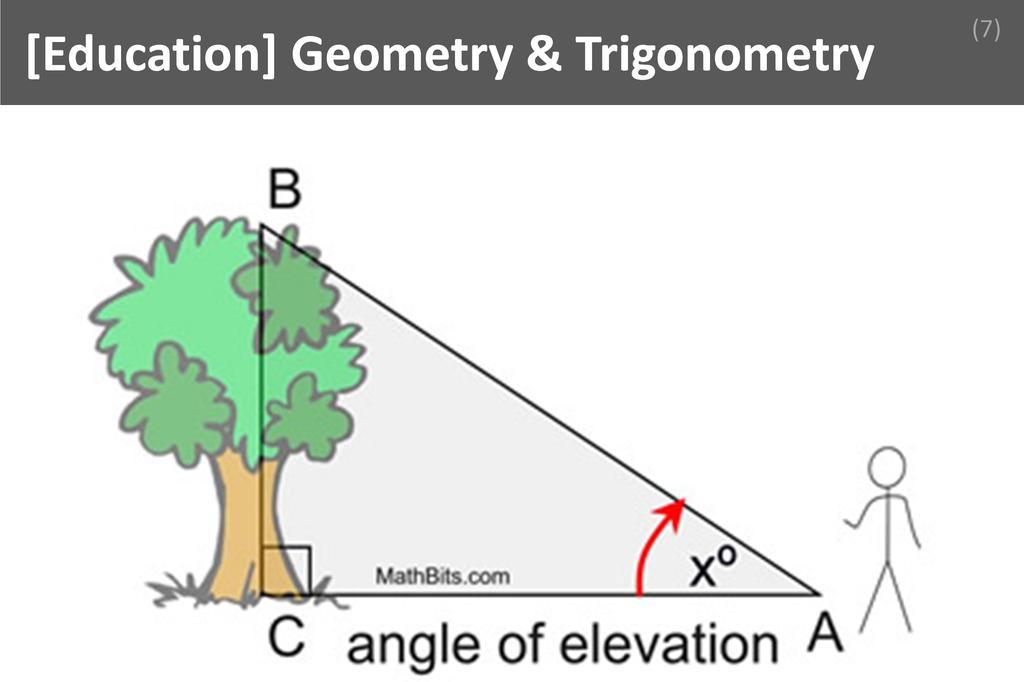
Trigonometry and geometry are branches of mathematics focused on the properties, relationships, and measurements of shapes, angles, and spaces. Trigonometry deals with the study of triangles and the relationships between their sides and angles, while geometry explores the properties and dimensions of various figures. Both are essential for teaching mathematics.

Concept
A deep understanding of trigonometry and geometry is crucial for anyone preparing to teach mathematics, as these subjects form the backbone of mathematical reasoning and spatial awareness. Mastery of these areas enables educators to explain complex concepts clearly, foster critical thinking, and guide students through problem-solving processes. Trigonometry and geometry are foundational for advanced topics in mathematics, such as calculus and physics, making them indispensable for a comprehensive mathematics curriculum. For professionals, proficiency in these subjects enhances their credibility, supports curriculum development, and opens opportunities for career advancement. Over time, this expertise allows educators to adapt to evolving educational standards and methodologies, ensuring their teaching remains relevant and effective.

Real World Example
Consider a mathematics teacher preparing a lesson on the properties of right triangles. Drawing from their knowledge of trigonometry and geometry, the teacher demonstrates how to calculate unknown side lengths using the Pythagorean theorem and trigonometric ratios. During class, students are encouraged to solve real-life problems, such as determining the height of a tree using angle measurements and distance from the base. The teacher’s ability to connect abstract mathematical principles to tangible examples not only deepens student understanding but also illustrates the practical applications of trigonometry and geometry. This daily integration of theory and practice exemplifies how essential these subjects are in effective mathematics instruction.

Commercial Math

### Commercial Math Image
What is
Commercial Math is a branch of mathematics focused on real-world financial and business applications, including topics like profit and loss, interest calculations, taxation, and discounts. For those preparing to teach mathematics, it bridges abstract mathematical concepts with practical, everyday scenarios, making it an essential component of both academic and professional expertise.

Concept
Understanding Commercial Math is vital for anyone pursuing a career in teaching mathematics because it connects theoretical knowledge with practical application. By mastering concepts such as percentages, interest rates, and financial transactions, educators are better equipped to demonstrate the relevance of mathematics in daily life. This foundational knowledge not only enhances classroom instruction but also prepares teachers to address diverse student needs, making lessons more engaging and relatable. Over the long term, proficiency in Commercial Math supports professional growth by enabling teachers to design curriculum that reflects real-world challenges, thus fostering critical thinking and problem-solving skills among students. Ultimately, it ensures that future generations appreciate the value of mathematics beyond textbooks.

Real World Example
Consider a mathematics teacher preparing a lesson on simple and compound interest. Drawing from their understanding of Commercial Math, the teacher creates scenarios where students calculate the interest earned on savings accounts or the cost of loans. During class discussions, the teacher explains how these calculations influence everyday decisions, such as choosing between different bank offers or understanding credit card statements. By relating mathematical formulas to familiar financial situations, the teacher not only clarifies abstract concepts but also equips students with practical skills for managing personal finances. This approach demonstrates the teacher’s ability to translate theoretical knowledge into meaningful, real-life learning experiences, reinforcing the importance of Commercial Math in education.

Formulas

### Formulas Image
What is
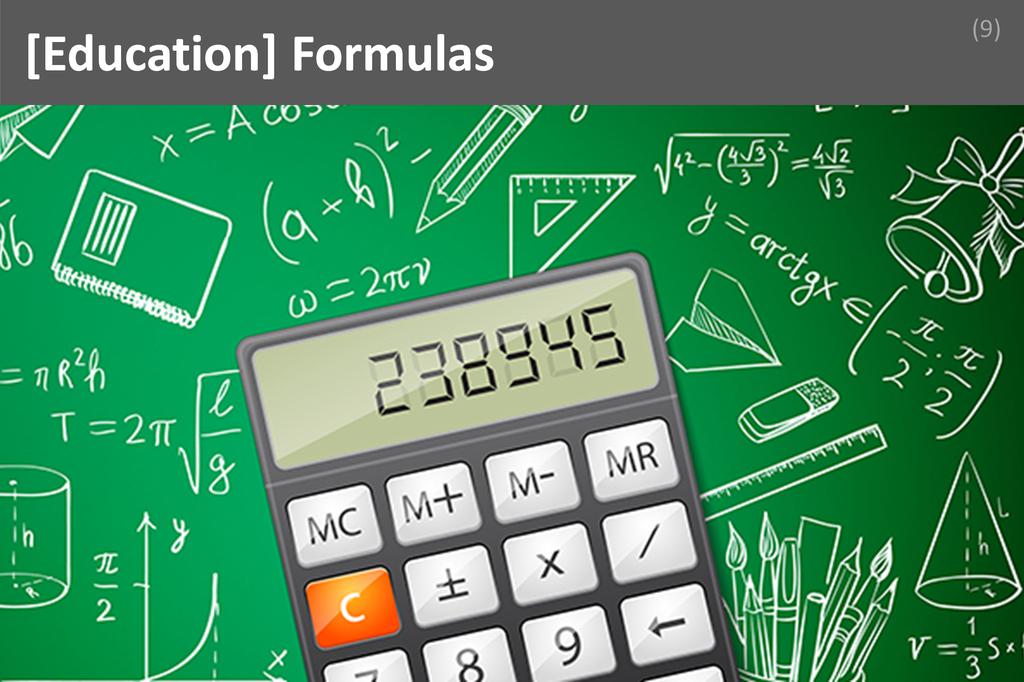
Formulas are concise mathematical expressions that represent relationships between variables and constants, enabling the calculation of unknown values. In the context of Teaching Mathematics, understanding formulas is essential, as they form the backbone of mathematical problem-solving, instruction, and curriculum development across various educational levels and mathematical disciplines.

Concept
A thorough grasp of formulas is indispensable for anyone preparing to teach mathematics. Formulas serve as the building blocks for explaining complex concepts, solving equations, and modeling real-world situations. Mastery of formulas allows educators to break down abstract ideas into manageable steps, fostering student comprehension and engagement. Furthermore, a strong command of formulas equips teachers to design effective lesson plans, assess student understanding, and adapt instruction to diverse learning needs. Over the course of a teaching career, this foundational knowledge supports professional growth, enhances instructional quality, and ensures educators remain confident and competent in addressing curriculum changes or advanced mathematical topics.

Real World Example
Consider a mathematics teacher preparing a lesson on the area of geometric shapes. The teacher introduces the formula for the area of a triangle, A = ½ × base × height, and demonstrates its application using real-life examples, such as calculating the area of a classroom bulletin board. By guiding students through substituting values into the formula and interpreting the results, the teacher not only reinforces the procedural steps but also illustrates the formula’s practical relevance. This approach helps students see the connection between abstract mathematical concepts and everyday problem-solving, while also enabling the teacher to assess understanding and address misconceptions as they arise.

Skills


Logical Thinking

### Logical Thinking Image
What is
Logical thinking is the ability to analyze information, identify patterns, make connections, and draw reasoned conclusions based on evidence and structured reasoning. In teaching mathematics, logical thinking enables educators to break down complex concepts, guide students through problem-solving processes, and foster a deeper understanding of mathematical principles.

Concept
Logical thinking directly enhances a mathematics teacher’s effectiveness by enabling clear explanations, structured lesson planning, and the ability to anticipate and address student misconceptions. Clients and employers highly value this skill because it leads to improved student outcomes, higher engagement, and a classroom environment that encourages critical thinking. Teachers with strong logical thinking skills can adapt their instruction to diverse learning needs, ensuring that all students grasp foundational concepts before progressing. This skill can be cultivated through continuous practice in problem-solving, engaging in professional development, and reflecting on teaching strategies. Over time, regularly analyzing student responses and adjusting instructional methods helps educators refine their logical thinking and apply it more effectively in the classroom.

Real World Example
Imagine a mathematics teacher faced with a class struggling to understand the concept of algebraic equations. By employing logical thinking, the teacher systematically breaks down the problem, identifies where students are getting confused, and reconstructs the lesson using simpler, relatable examples. The teacher asks guiding questions that lead students to recognize patterns and relationships within the equations, helping them build their own logical connections. Through this process, the teacher not only resolves the immediate confusion but also models logical reasoning for the students, empowering them to approach future problems with greater confidence and independence. This scenario highlights how logical thinking is essential for diagnosing learning obstacles and facilitating meaningful mathematical understanding.

Abstract Thinking

### Abstract Thinking Image
What is
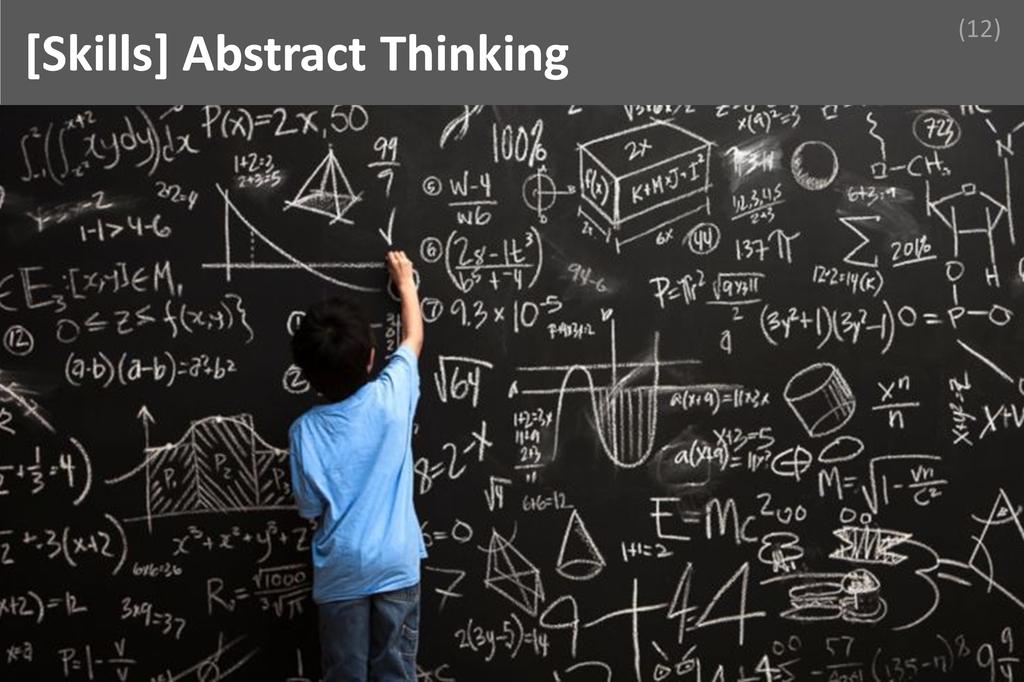
Abstract thinking is the ability to understand concepts that are not tied to concrete physical objects or specific experiences. It involves recognizing patterns, making connections, and manipulating ideas mentally. In teaching mathematics, abstract thinking enables educators to grasp complex theories, explain underlying principles, and foster deeper understanding in students.

Concept
Abstract thinking significantly enhances a mathematics teacher’s effectiveness by enabling them to present concepts in ways that transcend rote memorization. This skill allows educators to identify underlying structures within mathematical problems, making it easier to explain advanced topics and adapt lessons to various learning styles. Employers and clients value teachers who can nurture students’ analytical abilities, as this leads to improved problem-solving skills and academic performance. Cultivating abstract thinking involves engaging with challenging mathematical problems, reflecting on different solution strategies, and participating in professional development that emphasizes conceptual understanding. Over time, consistent practice and exposure to diverse mathematical ideas help teachers refine their abstract reasoning, making them more versatile and impactful in the classroom.

Real World Example
Imagine a mathematics teacher faced with a class struggling to grasp the concept of algebraic variables. Instead of relying solely on concrete examples, the teacher employs abstract thinking to illustrate how variables represent unknown quantities and can stand for any number. By guiding students to see variables as placeholders within patterns and relationships, the teacher helps them move beyond memorizing procedures to understanding the logic behind algebra. This approach not only resolves confusion but also empowers students to tackle more complex problems with confidence. The teacher’s ability to think abstractly transforms a challenging topic into an accessible and meaningful learning experience, demonstrating the critical role of this skill in educational success.

Creative Application

### Creative Application Image
What is
Creative Application is the ability to generate original ideas, adapt concepts, and implement innovative strategies to solve problems or enhance understanding. In the context of Teaching Mathematics, it empowers educators to present complex topics in engaging ways, tailor instruction to diverse learners, and foster a dynamic classroom environment that encourages exploration and critical thinking.

Concept
The skill of Creative Application directly elevates a mathematics teacher’s effectiveness by enabling them to design lessons that resonate with students’ varied learning styles. Employers and clients highly value this skill because it leads to improved student engagement, deeper comprehension, and higher achievement. Teachers who apply creativity can transform abstract mathematical concepts into relatable, real-world scenarios, making learning both accessible and enjoyable. Cultivating this skill involves staying curious, seeking inspiration from interdisciplinary sources, experimenting with new teaching methods, and reflecting on what works best for different groups of students. Over time, consistent practice and openness to feedback help educators refine their creative approaches, ensuring their teaching remains fresh and impactful.

Real World Example
Imagine a mathematics teacher faced with a class struggling to grasp the concept of fractions. Instead of relying solely on textbook explanations, the teacher employs Creative Application by organizing a hands-on activity using everyday objects like pizza slices or measuring cups. Students physically manipulate these items to visualize and compare fractions, transforming an abstract idea into a tangible experience. This inventive approach not only clarifies the concept but also sparks enthusiasm and participation among students who previously felt disconnected from the material. By creatively adapting the lesson to meet students’ needs, the teacher successfully bridges the gap between theory and practice, demonstrating the profound impact of Creative Application in overcoming learning barriers and achieving educational success.

Tech Savvy

### Tech Savvy Image
What is
Tech Savvy refers to the ability to confidently use, adapt to, and integrate digital tools, platforms, and emerging technologies to enhance productivity and problem-solving. In Teaching Mathematics, being tech savvy enables educators to create engaging lessons, analyze student progress, and access innovative resources, making learning more effective and accessible.

Concept
Being tech savvy directly elevates a mathematics teacher’s effectiveness by allowing them to incorporate interactive software, virtual manipulatives, and online assessment tools into their lessons. This not only makes abstract concepts more tangible for students but also streamlines administrative tasks such as grading and progress tracking. Employers and clients highly value this skill because it demonstrates adaptability, a commitment to continuous improvement, and the ability to meet students where they are—often in digital spaces. To cultivate tech savvy, educators should regularly explore new educational technologies, participate in professional development workshops, and collaborate with peers to share best practices. Over time, consistent experimentation and reflection help teachers stay current and confident in their technological abilities.

Real World Example
Imagine a mathematics teacher faced with a sudden shift to remote learning due to unforeseen circumstances. Relying on their tech savvy, the teacher quickly transitions to using a virtual classroom platform, integrates interactive whiteboards, and employs online quizzes to maintain student engagement and monitor understanding. When some students struggle with a particular algebraic concept, the teacher identifies and shares targeted instructional videos and interactive simulations, providing personalized support. By leveraging technology, the teacher not only ensures continuity in instruction but also maintains high levels of student participation and achievement, turning a potential disruption into an opportunity for innovative teaching and learning.

Positives


Growth

### Growth Image
What is
Growth is the continuous process of developing skills, expanding knowledge, and evolving both personally and professionally through new experiences and challenges. In teaching mathematics, growth means not only mastering mathematical concepts but also refining teaching methods, adapting to diverse learners, and embracing lifelong learning. This dynamic progression enriches the profession by fostering adaptability, resilience, and a passion for discovery, making every day an opportunity to become a better educator and mentor.

Concept
The emphasis on growth in teaching mathematics transforms the classroom into a vibrant environment where both teachers and students are encouraged to reach their full potential. For educators, this ongoing development leads to greater job satisfaction as they witness their own progress and the achievements of their students. The daily challenges of explaining complex ideas, addressing varied learning styles, and staying updated with new educational strategies keep the work engaging and meaningful. As teachers grow, they become more confident and effective, which in turn inspires students to embrace challenges and develop a love for learning. This reciprocal process creates a fulfilling cycle of improvement and motivation that sustains a long and rewarding career.

Real World Example
Consider a mathematics teacher who initially struggled to engage students with abstract algebraic concepts. Through professional development workshops and collaboration with colleagues, the teacher learns innovative ways to present material, such as using real-world applications and interactive activities. Over time, the teacher notices a marked improvement in student participation and understanding. This transformation not only boosts the students’ confidence and performance but also gives the teacher a profound sense of accomplishment. The experience of overcoming challenges, learning new techniques, and witnessing tangible results exemplifies the powerful impact of growth. It reinforces the teacher’s passion for the profession and highlights the endless opportunities for personal and professional advancement in teaching mathematics.

Monetary Benefits

### Monetary Benefits Image
What is
Monetary benefits refer to the financial rewards and compensation received for professional work, including salary, bonuses, allowances, and retirement benefits. In the context of teaching mathematics, these financial incentives not only provide economic stability but also recognize the value and expertise that educators bring to shaping future generations.

Concept
Monetary benefits play a crucial role in making a career in teaching mathematics both attractive and sustainable. Competitive salaries and comprehensive benefits packages help educators feel valued and secure, allowing them to focus on their passion for teaching without financial stress. This sense of stability directly enhances job satisfaction, motivating teachers to invest in their professional growth and deliver high-quality education. As mathematics teachers see their financial needs being met, they are more likely to remain committed to their roles, pursue advanced qualifications, and contribute positively to their institutions. The daily reassurance of fair compensation empowers educators to dedicate themselves fully to their students, fostering a thriving learning environment.

Real World Example
Consider a mathematics teacher who has recently completed a master’s degree and secured a position at a reputable school. With a competitive salary, annual performance bonuses, and a robust retirement plan, this teacher experiences the tangible rewards of their hard work and expertise. The financial security allows them to invest in further professional development, attend educational conferences, and even support their family’s aspirations. Each payday serves as a reminder of the value placed on their skills and dedication. This ongoing recognition through monetary benefits not only boosts their morale but also inspires them to innovate in the classroom, knowing their efforts are both appreciated and rewarded.

Become A Teacher Trainer

### Become A Teacher Trainer Image
What is
To "Become A Teacher Trainer" means to take on the role of mentoring, guiding, and developing fellow educators in effective mathematics instruction. This involves sharing expertise, modeling best practices, and fostering professional growth among peers. By empowering other teachers, you amplify your impact on student learning and the educational community.

Concept
Embracing the opportunity to become a teacher trainer in mathematics transforms your career into a platform for widespread influence. Not only do you shape the learning experiences of your own students, but you also enhance the skills and confidence of other teachers. This collaborative environment fosters continuous professional growth, deepens your own understanding of mathematical pedagogy, and keeps you at the forefront of educational innovation. The daily experience of supporting colleagues, witnessing their progress, and knowing your guidance ripples through countless classrooms brings immense job satisfaction. It also opens doors to leadership roles, recognition, and a sense of purpose that extends far beyond your individual classroom.

Real World Example
Imagine a seasoned mathematics teacher who has recently become a teacher trainer within their school district. Each week, they lead workshops where they introduce new teaching strategies, demonstrate engaging lesson plans, and offer personalized feedback to fellow educators. One day, a colleague shares how a technique learned in training helped a struggling student finally grasp a challenging concept. The teacher trainer feels a profound sense of fulfillment, knowing their mentorship directly contributed to both a teacher’s professional growth and a student’s academic breakthrough. This experience reinforces the value of their role and motivates them to continue inspiring excellence in mathematics education.

Challenges


Tough Competition

### Tough Competition Image
What is
Tough competition in Teaching Mathematics refers to the intense rivalry among educators for limited positions, recognition, and advancement opportunities. This challenge arises from a growing pool of highly qualified candidates, evolving educational standards, and the constant demand for innovative teaching methods, making it demanding to stand out and succeed.

Concept
The presence of tough competition in the field of Teaching Mathematics can create a high-pressure environment where educators must consistently demonstrate excellence in both subject knowledge and pedagogical skills. This pressure can lead to increased stress, as teachers strive to meet expectations from students, parents, and administrators while also seeking professional growth. Resilience becomes essential, as setbacks and rejections are common. Successful professionals manage this constraint by continuously updating their skills, embracing new teaching technologies, and actively participating in professional development. They also build strong networks with colleagues and seek mentorship, which helps them stay informed about best practices and emerging trends. By maintaining a growth mindset and adapting to changes, they turn competition into motivation for self-improvement rather than a source of discouragement.

Real World Example
Consider a mathematics teacher at a competitive urban high school where several educators vie for leadership roles and recognition. Despite the crowded field, this teacher distinguishes herself by integrating technology into her lessons, such as using interactive math software and online collaboration tools. She regularly attends workshops and pursues advanced certifications, which keeps her methods fresh and effective. When a new curriculum initiative is announced, she volunteers to pilot the program, demonstrating her commitment to innovation. Her proactive approach not only enhances her students’ learning experiences but also earns her respect among peers and administrators. By embracing competition as an opportunity to grow and contribute, she successfully navigates the challenges and advances in her career.

Parents Psychology

### Parents Psychology Image
What is
In the context of Teaching Mathematics, "Parents Psychology" refers to the attitudes, beliefs, anxieties, and expectations that parents hold regarding their child's mathematical learning. This challenge is demanding because parents’ perspectives can significantly influence students’ motivation, confidence, and performance, often creating additional pressures for both teachers and learners.

Concept
The influence of Parents Psychology can permeate a mathematics teacher’s daily work, shaping classroom dynamics and affecting student engagement. Teachers may encounter parents who are anxious about mathematics, skeptical of teaching methods, or hold unrealistic expectations for their children’s achievement. This environment requires resilience, as educators must balance parental concerns with pedagogical integrity and student well-being. Successful professionals manage this constraint by fostering open communication, providing clear explanations of teaching approaches, and involving parents as partners in the learning process. By building trust and demonstrating the value of modern mathematical instruction, teachers can alleviate parental anxieties and create a more supportive atmosphere for students.

Real World Example
Consider a mathematics teacher who notices a student’s declining performance and learns that the student’s parents are highly anxious about math, frequently expressing their worries at home. The teacher arranges a meeting with the parents to discuss their concerns, patiently explains the curriculum, and shares evidence of the student’s progress. By offering practical strategies for supporting learning at home and reassuring the parents about the teaching methods, the teacher helps to reduce parental anxiety. As a result, the student feels less pressure, becomes more engaged in class, and gradually improves. This scenario illustrates how proactive communication and empathy can transform Parents Psychology from a barrier into a source of support.

A Day Of


Teaching Mathematics

What is
In the world of teaching mathematics, each day unfolds with a unique blend of anticipation, challenge, and discovery. The rhythm of the classroom pulses with the energy of curious minds, the quiet intensity of problem-solving, and the satisfaction of seeing abstract concepts click into place. Far from a static desk job, a mathematics educator’s day is a dynamic journey—one that moves from solitary preparation to lively classroom exchanges, collaborative planning, and thoughtful reflection. The environment is both structured and spontaneous, demanding adaptability, creativity, and a deep commitment to student growth.

Concept
As the sun rises, a mathematics teacher arrives early, greeted by the stillness of empty halls and the promise of a new day. This quiet window is devoted to reviewing lesson plans, organizing materials, and fine-tuning examples or activities tailored to the day’s objectives. The teacher might scan through student homework, noting common errors to address, or update the whiteboard with key formulas and thought-provoking questions. This preparatory time is essential, laying the groundwork for a smooth and engaging classroom experience.

Real World Example
By mid-morning, the classroom comes alive with the buzz of students settling in, ready to tackle mathematical challenges. This is the heart of the day, where the teacher leads interactive lessons, facilitates group problem-solving, and adapts explanations on the fly to meet diverse learning needs. Questions fly, hands shoot up, and the teacher moves between desks, offering encouragement and clarifying concepts. Whether introducing a new theorem or guiding students through complex calculations, this period is marked by intense focus, lively discussion, and the rewarding moments when understanding dawns on a student’s face.

After lunch, the pace shifts toward collaboration and practical application. The teacher might meet with colleagues to discuss curriculum alignment, share teaching strategies, or analyze student assessment data. There could be time set aside for supervising math clubs, coaching students for competitions, or overseeing hands-on activities that connect mathematical theory to real-world scenarios. This phase is about teamwork, mentorship, and reinforcing the day’s lessons through creative, applied learning experiences.

As the school day winds down, the mathematics teacher turns to reflection and preparation for tomorrow. Grading assignments and providing feedback become the focus, along with recording progress and identifying areas where students may need extra support. The teacher might research new instructional techniques, update lesson plans, or respond to parent emails. This wrap-up period is both a time to celebrate small victories and to strategize for continued student success, ensuring that each new day builds on the last with renewed purpose and insight.


Install the LifePage App to:


  1. (for Free) Watch Teacher Renuka Barara Chhabra’s full Teaching Mathematics Career Talk

  2. ₹ Do a Self Assessment on Teaching Mathematics to calculate your Dream Index, which is defined as:

    According to Renuka Barara Chhabra your chances of success in Teaching Mathematics is __%

  3. Access your personalized Dream Index Report which will have all your Dream Indices sorted in descending order.

Career Counselling 2.0


<?php echo $altimage; ?>


<?php echo $altimage; ?>


How to get into

Teaching Mathematics?


If you are want to get into Teaching Mathematics, start by investing in a Career Plan.

The 14 hour process, guided by a LifePage Career Advisor, will help you introspect and check whether your interest in Teaching Mathematics is merely an infatuation or is it truly something you wish to do for the rest of your life.

Next, your Career Advisor will help you document how you can get into Teaching Mathematics, what education and skills you need to succeed in Teaching Mathematics, and what positives and challenges you will face in Teaching Mathematics.

Finally, you will get a Career Plan stating which Courses, Certifications, Trainings and other Items you need to do in the next 7 years to become world’s best in Teaching Mathematics.


LifePage Career Plan

14 hour personalized guidance program


Your LifePage Career Advisor facilitates your guided introspection so that you systematically explore various Career options to arrive at a well thought out Career choice.

Next: your Advisor helps you figure out how you will get into your chosen Career and how will you develop the skills needed for success in your Chosen Career.

LifePage Plan will not stop at saying "to become an Architect study Architecture". It will guide you on which Certifications, Trainings and Other items you need to do along with your Architecture education to become the world's best Architect.


Links for this Talk


Teacher Renuka Barara Chhabra's LifePage:


Career Counselling 2.0
[LifePage]
https://www.lifepage.in/page/renukabararachhabra


LifePage Career Talk on Teaching Mathematics


Career Counselling 2.0
[Career]
https://www.lifepage.in/careers/teaching-mathematics-1


Career Counselling 2.0
[Full Talk]
https://lifepage.app.link/20171228-0004


Career Counselling 2.0
[Trailer]
https://www.youtube.com/watch?v=mngm3MV0ejY


(Teaching Mathematics, Renuka Barara Chhabra, Teacher, Math Trainer, Calculations, Mathematicians, Contemporary Education, Education, Numerical Skills)


Similar Talks


Career in Teaching
Teaching
Deepa Sethy
Maths Teacher | Maths Coaching Institute, Dehradun
[ 15 years Experience ]

Teaching and learning are casually tightly bound activities, so questioning, "What is learning?", might lead us to have a closer look at what precisely are the components of teaching and their underlying principles. This observation can help make learning more efficient.

"I started my career in a computer start-up company, where I led a development team to setup Web portals. Later I moved on to teaching Mathematics."


Career Counselling 2.0 Career Counselling 2.0 Career Counselling 2.0 Career Counselling 2.0 Career Counselling 2.0


Career in Teaching
Teaching
J P Bhattrai
Teacher | Choice Coaching Center, Dehradun
[ 8 years Experience ]

Teaching and learning are casually tightly bound activities, so questioning, "What is learning?", might lead us to have a closer look at what precisely are the components of teaching and their underlying principles. This observation can help make learning more efficient.

"I have been teaching for competitive exams since January 2009 and in my view, teaching is a challenging and a rewarding profession. I teach preparation classes for competitive exams, such as banking, SSC, CDS, railways and various others. The reason I enjoy my profession is because seeing my students become successful in their chosen career path makes me very happy. "


Career Counselling 2.0 Career Counselling 2.0 Career Counselling 2.0 Career Counselling 2.0 Career Counselling 2.0


Career in Teaching Science
Teaching Science
Surbhi Nagar
Science Teacher | Kaushalya World School, Noida
[ 5 years & 1 month Experience ]

Teaching science is a pedagogical approach in Science classroom whereby teaching and learning is approached with a same rhythm as Science itself. It gives us the basic knowledge of sciences like day to day activities linked with science, human body, nature etc.

"After completing my BEd from GGSIPU, Delhi, I cleared my CTET in 2011 and started teaching science. I am currently teaching science as a Trained Graduate Teacher in Kaushalya World School."


Career Counselling 2.0 Career Counselling 2.0 Career Counselling 2.0 Career Counselling 2.0 Career Counselling 2.0


Career in Teaching Mathematics
Teaching Mathematics
Dana M Crider
Maths Teacher | Woodstock School
[ 33 years & 4 months Experience ]

Mathematics education is the practice of teaching and learning mathematics, along with the associated scholarly research. Methods for quality math instruction include using visuals, making connections, using formative assessments, and teaching strategic thinking.

"I did my Schooling from Semi Urban Education, South Central Pennsylvania in 1969 and Graduation from Messiah College, Pennsylvania in 1996. Following which I came to India and became a Mathematics Teacher at Woodstock School in Mussoorie. I simultaneously started an NGO in year 2005 which is now known as KEEN (Keeping the Environment Ecologically Natural)."


Career Counselling 2.0 Career Counselling 2.0 Career Counselling 2.0 Career Counselling 2.0 Career Counselling 2.0


Career in Teaching Physics
Teaching Physics
Dr S K Gupta
Dean & Professor | DIT University
[ 40 years & 10 months Experience ]

Physics is the natural science that studies matter and its motion and behavior through space and time and that studies the related entities of energy and force.

"I did B Sc from K K Degree College (Kanpur University) in 1969. After that I did M Sc and Ph D in molecular electronics from IIT Roorkee. I have vast experience in research. I have worked as a Senior Research Scientist at ICI Labs, Runcorn, England for almost 2 years. After that, I joined University of Wales, Bangor United Kingdom as Research Officer for 3 years. Then I did CPhys (Chartered Physicist) (designated) from Institute of Physics (IOP) London. I have also worked as an Associate Professor in the department of physics at H N B Garhwal University. I have severed at J B Institute of Technology, TULAs Institute and Doon Institute of Engineering Technology, Rishikesh as Director. I have been working as Professor of Physics and Dean Research and consultancy at DIT University since 2013. I have a total 40 years of experience at Post Graduate and Graduate level including 8 years at the Engineering Institutions."


Career Counselling 2.0 Career Counselling 2.0 Career Counselling 2.0 Career Counselling 2.0 Career Counselling 2.0


Career in Teaching Biology
Teaching Biology
Dr Kavita Goplani
PGT Biology | Modern Delhi Public School, Faridabad
[ 14 years Experience ]

Teaching is the process of attending to people's needs, experiences, and feelings, and making specific interventions to help them learn things. Science education is the field concerned with sharing science content and process with individuals not traditionally considered part of the scientific community. The learners may be children, college students, or adults within the public; the field of science education includes work in science content. A biology teacher's passion for the topic should always be evident, to the degree that students will want to learn more about this life science.

"After doing my schooling from Dr Radha Krishnan Girls Higher Secondary School Bhopal, I did my B Sc in Biology from Govt Girls College, Bhopal. Thereafter, I did my M Sc in Botany from Govt Motilal Vigyan Mahavidyalaya College, Bhopal & Ph D in Microbiology from Awadh University, Faizabad. In 1999, I started my career as a Professor with Sadhu Vaswani College, Bairagarh, Bhopal and later worked with various other colleges in Bhopal. After completing my B Ed, I started working as a PGT Biology for Modern Delhi public school, Faridabad. I have more than 18 years of experience in Teaching."


Career Counselling 2.0 Career Counselling 2.0 Career Counselling 2.0 Career Counselling 2.0 Career Counselling 2.0


Career in Teaching Physics
Teaching Physics
Dr Parveen Kumar
Assistant Professor | DIT University
[ 4 years & 11 months Experience ]

Physics is the natural science that studies matter and its motion and behavior through space and time and that studies the related entities of energy and force.

"I have done Bsc and M Sc from MD University, Rohtak. I also did B Ed and MBA in Human Resources from the same college. I then did Ph D from Thappar University, Patiala. I taught at GVM Girls College for some time. I am Assistant Professor at DIT University."


Career Counselling 2.0 Career Counselling 2.0 Career Counselling 2.0 Career Counselling 2.0 Career Counselling 2.0


Career in Teaching & Research in Chemistry
Teaching & Research in Chemistry
Dr A K Gupta
Associate Professor & Head | SGRR PG College
[ 40 years & 9 months Experience ]

Teaching and Research in Chemistry comprises of three words teaching, research and chemistry so first of all what is teaching so teaching is the art and science of helping others to grow in their knowledge and understanding. It is holding the hand of a young one and saying it's going to be OK. Teaching is being careful that you acknowledge every student ever. On the other hand research is a careful and detailed study into a specific problem, concern, or issue using the scientific method. It's the adult form of the science fair projects back in elementary school, where you try and learn something by performing an experiment. Chemistry is the branch of science concerned with the substances of which matter is composed, the investigation of their properties and reactions, and the use of such reactions to form new substances.

"After completing my B Sc, I did M Sc & Ph D in Chemistry from DAV College, Dehradun. I joined SGRR PG College as a Faculty in 1978. I have a Research experience of nearly 40 years. I have been the Head of Department since 2006 and I am also the Dean of Student Welfare at SGRR PG College."


Career Counselling 2.0 Career Counselling 2.0 Career Counselling 2.0 Career Counselling 2.0 Career Counselling 2.0


Career in Teaching Biology
Teaching Biology
Girija Gopalakrishnan
Teacher | Kasiga International School
[ 38 years Experience ]

Teaching Biology involves introducing students to all manner of significant processes, from the human body to the natural world. Biology is one of the central branches of scientific knowledge, and is relevant to topics including medicine, genetics, zoology, ecology, and public policy.

"After doing B Sc in Life Sciences & Chemistry from MKP College, I did M Sc in Botany from DAV College. I have also done B Ed and Ph D in Microbial Ecology from North Eastern Hill University, Shillong. I write travelogues, blogs and books. I teach Biology, English and Environment Awareness."


Career Counselling 2.0 Career Counselling 2.0 Career Counselling 2.0 Career Counselling 2.0 Career Counselling 2.0


Career in Teaching Biology
Teaching Biology
Pankajdhyani
PGT | Various Schools
[ 13 years & 11 months Experience ]

Biology teachers, typically referred to as science teachers, are highly skilled in the sciences, specifically biology. A biology teacher goes beyond the basics of biology to impart specific wisdom to students. A biology teacher will have to have an in-depth knowledge of the subject to be able to answer questions from students and teach content contained in school standards.

"After completing my BEd, I started teaching Biology from different schools. I also did my masters in Botany and joined government of Uttarakhand as the PGT Biology. I have been teaching Biology from more than 10 years."


Career Counselling 2.0 Career Counselling 2.0 Career Counselling 2.0 Career Counselling 2.0 Career Counselling 2.0


Career in Teaching Physics
Teaching Physics
Sunita Bisht
Teacher | SGRR Public School
[ 16 years Experience ]

Physics is the natural science that studies matter, its motion, and behavior through space and time, and that studies the related entities of energy and force. Teaching physics involves crafting a learning environment where students are able to explore and understand how the physical world works, and to connect complex scientific concepts to their daily lives.

"I have done B Sc & M Sc from HNB Garhwal University. I joined SGRR Public School, Dehradun in 2003. While I was teaching, I completed B Ed from IGNOU. I also hold a Diploma in Computer Applications. I am a Physics Teacher at SGRR Public School."


Career Counselling 2.0 Career Counselling 2.0 Career Counselling 2.0 Career Counselling 2.0 Career Counselling 2.0


[Install the LifePage App to access all Talks]


<?php echo $altimage; ?>


<?php echo $altimage; ?>


&mbsp;


Career Counselling 2.0 | Home   Home  
Career Counselling 2.0 | Abroad   Abroad  
Career Counselling 2.0 | Plan   Plan  
Career Counselling 2.0 | Talks   Talks  
Career Counselling 2.0 | Philosophy   Philosophy  
Career Counselling 2.0 | Seminar   Seminar  
Career Counselling 2.0 | Workshop   Workshop  
Career Counselling 2.0 | Pages   Pages  
Career Counselling 2.0 | Advisors   Advisors  
Career Counselling 2.0 | Discuss   Discuss  
Career Counselling 2.0 | Meet   Meet  
Career Counselling 2.0 | Advisor   Advisor  
Career Counselling 2.0 | Story   Story  
Career Counselling 2.0 | Fine Print   Fine Print  
Career Counselling 2.0 | Links   Links  
Career Counselling 2.0 | Blog   Blog  
Career Counselling 2.0 | Testimonials   Testimonials  
Career Counselling 2.0 | Follow   Follow  
 
[ Site Visits ]


Career Counselling 2.0