The Journey of Acting
What Is Acting
Acting

Acting is the art of performing fictional or real-life characters in theater, film, television, or other media. Actors use voice, movement, and emotion to bring stories to life, engaging audiences and conveying messages. This creative profession requires imagination, empathy, and technical skill to portray diverse roles convincingly.
Acting plays a vital role in society by reflecting human experiences, challenging perspectives, and fostering empathy. For professionals, acting provides a platform to express creativity, develop emotional intelligence, and collaborate with others. The craft encourages personal growth as actors explore different personalities and situations, often gaining deeper self-awareness. Additionally, acting can lead to public recognition and influence, allowing performers to inspire audiences and advocate for important causes. The profession also offers opportunities for lifelong learning, as actors continually refine their skills and adapt to new roles, genres, and technologies. Ultimately, acting enriches both the performer and the audience, making it a meaningful and impactful career choice.
A professional actor preparing for a stage production of a classic play might spend weeks researching the historical context, memorizing lines, and working with a director to understand the character’s motivations. During rehearsals, the actor experiments with different vocal tones, gestures, and emotional expressions to create a believable and compelling performance. On opening night, the actor draws on this preparation to connect with the audience, responding to their energy and delivering a nuanced portrayal that brings the story to life. Through this process, the actor not only entertains but also provokes thought and emotion, demonstrating the transformative power of acting in a real-world setting.
Education
Literature

Literature encompasses written works, especially those considered to have artistic or intellectual value, such as novels, plays, poetry, and essays. In the context of acting, literature forms the backbone of scripts and performances, offering actors a deep well of language, themes, and character studies essential for their craft and professional growth.
Understanding literature is vital for actors because it provides the context and depth necessary to bring characters and stories to life. By studying literature, actors gain insight into different eras, cultures, and human experiences, which enhances their interpretive skills and emotional range. This foundational knowledge allows actors to analyze scripts more effectively, understand subtext, and make informed creative choices. Over the long term, a strong grasp of literature enriches an actor’s versatility, enabling them to tackle a wide variety of roles and genres with authenticity. It also fosters critical thinking and empathy, both of which are crucial for building believable, compelling performances and sustaining a successful career in the performing arts.
Consider an actor preparing for a role in a Shakespearean play. Their understanding of literature enables them to interpret the complex language, recognize historical and cultural references, and appreciate the play’s underlying themes. During rehearsals, this knowledge helps the actor collaborate with the director and fellow cast members to explore character motivations and relationships more deeply. When performing, the actor draws upon their literary background to deliver lines with appropriate emotion and nuance, ensuring the audience connects with the story. This daily application of literary theory not only elevates the performance but also demonstrates the actor’s professionalism and commitment to their craft, setting them apart in a competitive industry.
Film Literature
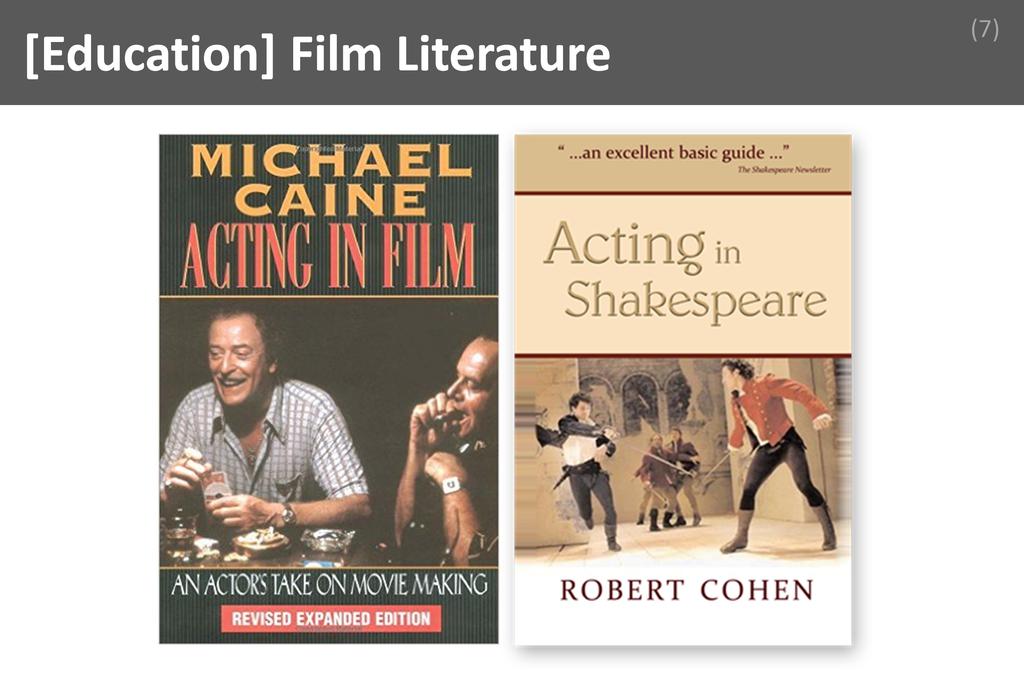
Film Literature refers to the study and analysis of films as narrative texts, exploring their themes, structures, genres, and cultural significance. It examines how stories are told through cinematic techniques and how films reflect or shape society. For actors, it forms a crucial part of both academic study and professional development.
Understanding Film Literature is essential for actors because it provides a deep appreciation of storytelling, character development, and the broader context in which films are created. By studying film as literature, actors gain insight into script interpretation, genre conventions, and the historical or cultural influences that shape a narrative. This knowledge allows actors to make informed choices about their performances, ensuring authenticity and depth in their portrayals. Over time, a strong grasp of Film Literature enhances an actor’s ability to collaborate with directors, writers, and other creatives, making them more versatile and adaptable in a competitive industry. Ultimately, it lays the groundwork for lifelong learning and professional growth, enabling actors to evolve with the art form.
Consider an actor preparing for a role in a film adaptation of a classic novel. Drawing on their understanding of Film Literature, the actor analyzes the source material, the screenplay, and previous adaptations to identify recurring themes and character motivations. This theoretical foundation helps the actor recognize subtle narrative cues and interpret the director’s vision more effectively. During rehearsals, the actor uses this knowledge to ask insightful questions about character arcs and thematic elements, contributing meaningfully to creative discussions. As filming progresses, the actor’s familiarity with cinematic storytelling enables them to adjust their performance to suit the film’s tone and style, resulting in a more nuanced and compelling portrayal that resonates with audiences and critics alike.
Marketing

Marketing is the strategic process of identifying, creating, communicating, and delivering value to an audience to satisfy needs and build lasting relationships. In the context of Acting, marketing encompasses promoting oneself, understanding audience dynamics, and positioning one’s talents effectively within the entertainment industry’s competitive landscape.
Understanding marketing is essential for anyone pursuing a career in Acting because it empowers professionals to actively shape their public image and reach their target audience. Actors must not only hone their craft but also learn how to present themselves to casting directors, agents, and fans. Mastery of marketing concepts enables actors to create compelling personal brands, leverage social media, and network strategically. This foundational knowledge helps actors stand out in a crowded field, secure more auditions, and build a loyal following. Over the long term, effective marketing skills can lead to greater career stability, more diverse opportunities, and the ability to navigate industry changes with confidence and adaptability.
Consider an actor preparing for the release of an independent film in which they play a leading role. Drawing on their marketing knowledge, the actor develops a social media campaign to generate buzz, sharing behind-the-scenes content and engaging directly with potential viewers. They collaborate with the film’s publicist to schedule interviews and participate in local events, ensuring their presence is felt both online and offline. By understanding their target audience and tailoring their messaging, the actor not only increases interest in the film but also enhances their own visibility and reputation. This proactive approach demonstrates how marketing theory translates into practical actions that drive both project success and personal career growth.
Skills
Observation

Observation is the attentive and conscious act of noticing details in people, environments, and situations, including subtle gestures, vocal nuances, and emotional shifts. For an acting professional, observation is the foundation for authentic character portrayal, enabling them to mirror real-life behaviors and emotions, thus creating believable and compelling performances.
Observation enhances an actor’s ability to embody diverse characters by allowing them to internalize and replicate the intricacies of human behavior. Directors and casting agents highly value actors who can bring depth and realism to their roles, as this elevates the overall quality of a production. To cultivate this skill, actors must practice mindful awareness in everyday life, paying attention to how people move, speak, and react in various situations. Regularly journaling these observations or participating in exercises that focus on sensory awareness can further sharpen this ability. Over time, consistent practice transforms observation from a passive act into an active tool, empowering actors to deliver nuanced and memorable performances that resonate with audiences.
Imagine an actor preparing for a role as a grieving parent. Instead of relying solely on imagination, the actor spends time observing people in real-life situations of loss, noting their body language, speech patterns, and emotional responses. During rehearsal, the actor recalls these observations, allowing them to portray grief with authenticity and subtlety. When a pivotal scene requires a spontaneous emotional reaction, the actor draws upon these real-life details, delivering a performance that moves both the director and the audience. In this scenario, keen observation not only informs the actor’s choices but also ensures the portrayal is respectful, genuine, and deeply impactful, ultimately contributing to the success of the production.
Commitment
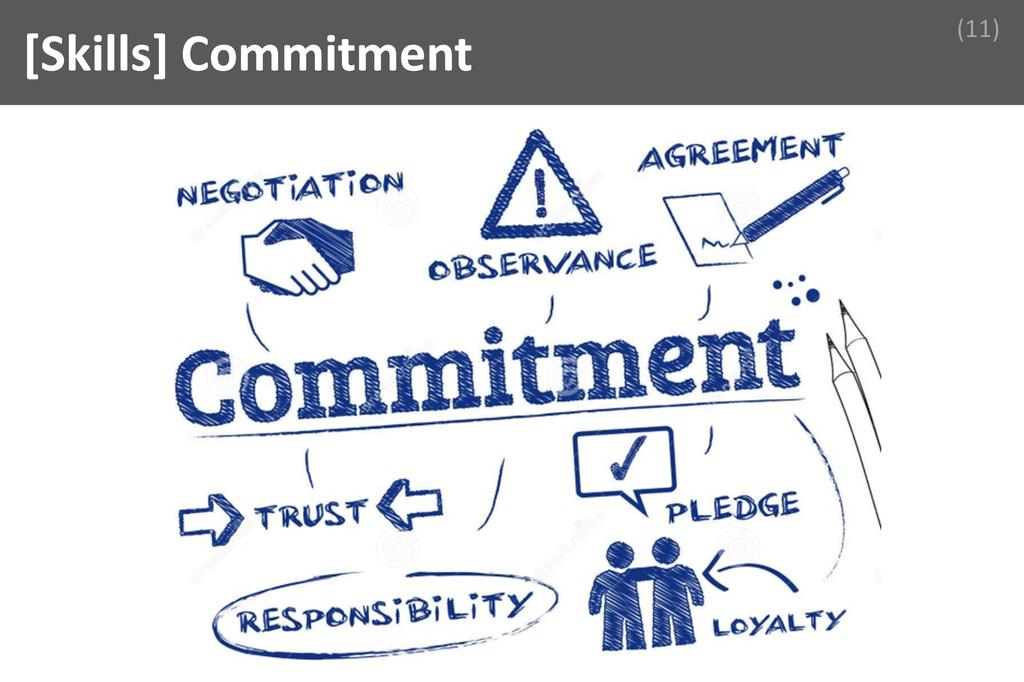
Commitment is the unwavering dedication to a goal or craft, marked by consistent effort, resilience, and a willingness to persevere through challenges. In acting, commitment means fully embracing roles, investing time in preparation, and maintaining focus throughout rehearsals and performances. It is the foundation for authentic, compelling artistry.
Commitment directly enhances an actor’s performance by fostering reliability, depth, and authenticity in every role undertaken. Directors and casting agents value committed actors because they bring consistency, professionalism, and a strong work ethic to every project, ensuring that productions run smoothly and creatively. Cultivating commitment involves setting clear goals, embracing continuous learning, and developing resilience to handle rejection and setbacks. Over time, actors can strengthen their commitment by seeking feedback, reflecting on their growth, and staying passionate about their craft. This dedication not only improves individual performances but also builds a reputation for dependability and excellence, opening doors to more challenging and rewarding opportunities.
Imagine an actor cast in a demanding stage production who, midway through rehearsals, faces personal setbacks and grueling schedules. Instead of withdrawing or giving a half-hearted performance, the actor draws on their commitment, doubling down on preparation and collaborating closely with the director and cast. By prioritizing the needs of the production and maintaining a positive attitude, the actor overcomes fatigue and personal obstacles, ultimately delivering a powerful, memorable performance on opening night. Their commitment not only elevates their own work but also inspires the entire team, contributing to the show’s critical and commercial success. This scenario highlights how commitment can be the decisive factor in overcoming adversity and achieving excellence in acting.
Oration
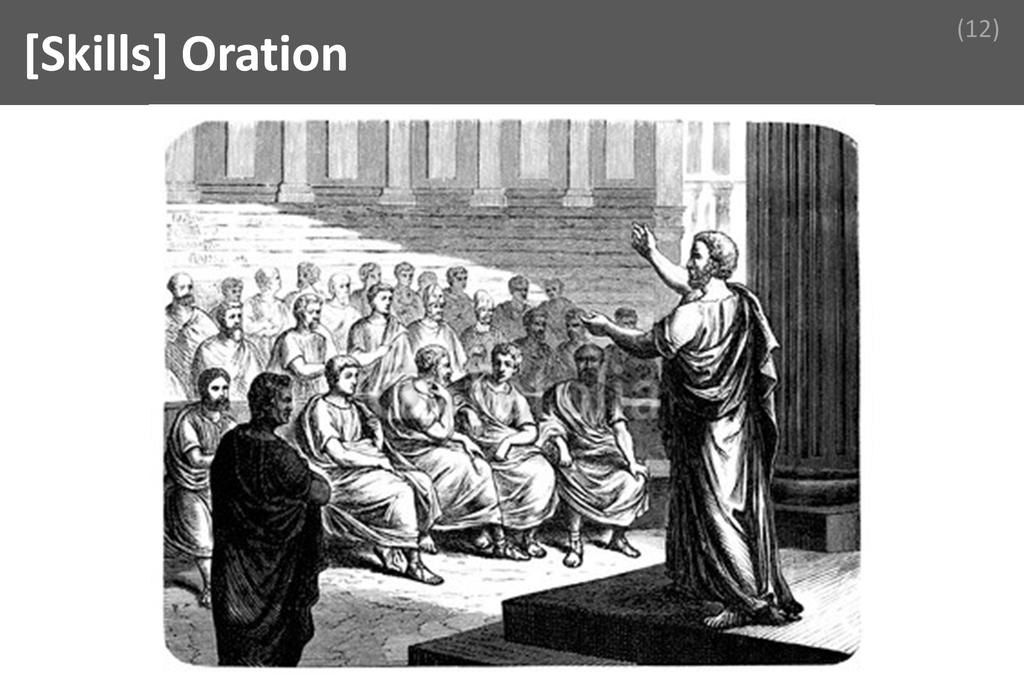
Oration is the art of effective public speaking, involving clear articulation, expressive delivery, and persuasive communication. In acting, oration encompasses the ability to project one’s voice, convey emotion, and engage an audience through spoken word. It is a foundational skill that transforms written scripts into compelling, believable performances.
Mastering oration directly enhances an actor’s ability to inhabit a character and communicate with authenticity. Strong oration allows actors to deliver lines with clarity and emotional depth, ensuring that every word resonates with the audience. Directors and casting agents highly value this skill because it guarantees that performances are both impactful and memorable, regardless of the setting. Actors can cultivate oration through vocal exercises, speech training, and regular practice in front of live audiences. Over time, this consistent effort builds confidence, refines diction, and strengthens the ability to adapt delivery to different roles and genres, making the actor more versatile and employable.
Imagine an actor performing in a live theater production where the sound system unexpectedly fails during a pivotal scene. Relying on their oration skills, the actor projects their voice to reach the entire audience, maintaining the emotional intensity and clarity of the performance. Their ability to adapt and communicate effectively ensures the scene’s impact is not lost, preserving the integrity of the production. This demonstration of oration not only saves the moment but also impresses both the audience and the production team, highlighting the actor’s professionalism and command of their craft. Such moments underscore how essential oration is in overcoming challenges and achieving success in acting.
Adaptiveness
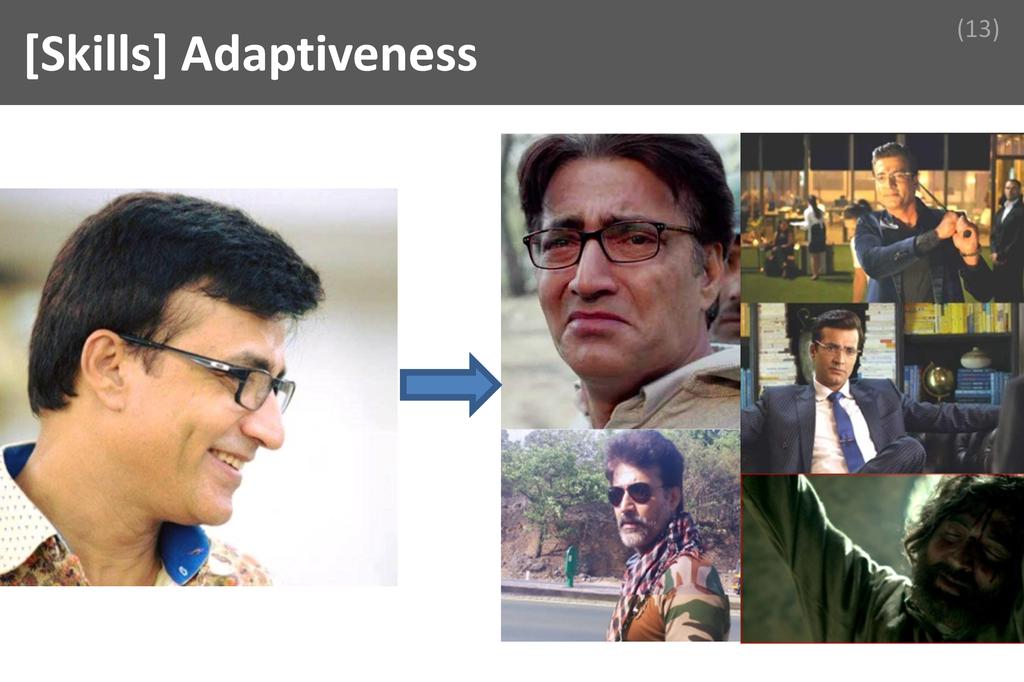
Adaptiveness is the ability to quickly adjust thoughts, behaviors, and strategies in response to changing circumstances, unexpected challenges, or new information. For an acting professional, adaptiveness is crucial because the industry is dynamic, with shifting roles, evolving scripts, and diverse creative visions requiring actors to remain flexible and responsive at all times.
Adaptiveness directly enhances an actor’s performance by allowing them to respond authentically to direction changes, unexpected script modifications, or new interpretations from fellow cast members. Directors and casting agents highly value this skill because it ensures that an actor can handle the unpredictable nature of live performances and film sets, where last-minute adjustments are common. Cultivating adaptiveness involves embracing feedback, practicing improvisation, and seeking varied roles that push comfort zones. Over time, actors who actively expose themselves to different genres, acting techniques, and collaborative environments become more adept at navigating uncertainty, making them reliable and versatile assets in any production.
Imagine an actor preparing for a live theater performance when, moments before going on stage, they learn that a key scene has been rewritten due to unforeseen circumstances. Instead of panicking, the actor draws on their adaptiveness, quickly internalizing the new lines and adjusting their emotional delivery to fit the revised narrative. During the performance, they remain attentive to cues from fellow actors, seamlessly integrating the changes and maintaining the flow of the story. Their ability to adapt not only prevents disruption but also impresses the director and audience, demonstrating professionalism and resilience under pressure. This scenario highlights how adaptiveness can turn potential setbacks into opportunities for success in the acting profession.
Self Discipline
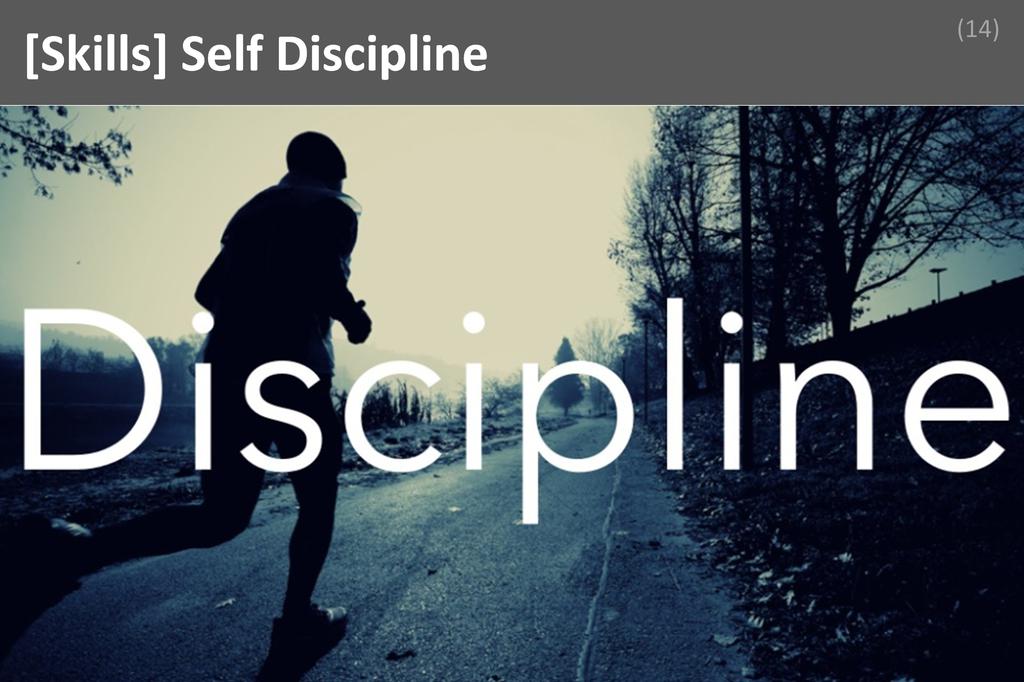
Self discipline is the ability to control one’s impulses, emotions, and behaviors to achieve long-term goals, even in the face of distractions or temptations. In acting, self discipline is crucial because it enables professionals to consistently hone their craft, meet demanding schedules, and maintain focus during challenging projects.
Self discipline directly enhances an actor’s performance by fostering reliability, consistency, and resilience. Directors and casting agents highly value actors who arrive prepared, memorize lines thoroughly, and maintain professionalism on set. This skill allows actors to manage their time effectively, balance auditions with rehearsals, and persist through rejection or criticism. Cultivating self discipline involves setting clear goals, practicing routines, and reflecting on progress regularly. Over time, actors who commit to disciplined habits build a reputation for dependability and dedication, making them more attractive to employers and collaborators. By prioritizing self discipline, actors can navigate the unpredictable nature of the industry and sustain long-term career growth.
Imagine an actor cast in a demanding stage production with a tight rehearsal schedule and complex choreography. Despite feeling exhausted after long days, the actor relies on self discipline to review scripts, practice movements, and maintain vocal exercises each evening. When unexpected changes arise, such as a last-minute script rewrite, the actor’s disciplined approach allows them to adapt quickly and deliver a strong performance. Their commitment not only impresses the director but also inspires fellow cast members, contributing to the overall success of the production. In this scenario, self discipline is the driving force that helps the actor overcome fatigue, manage stress, and achieve excellence under pressure.
Quick Learner

A quick learner is someone who can rapidly absorb, process, and apply new information, skills, or concepts with minimal guidance. In acting, this ability is crucial because performers must often adapt to new scripts, characters, and directions on short notice, ensuring seamless integration into diverse roles and productions.
Being a quick learner directly enhances an actor’s performance by enabling them to swiftly understand and embody new characters, memorize lines efficiently, and adapt to last-minute script changes or directorial adjustments. Directors and casting agents highly value this skill because it reduces rehearsal time and ensures smoother production processes. To cultivate this ability, actors can regularly challenge themselves with unfamiliar material, participate in improvisational exercises, and seek feedback to accelerate their learning curve. Over time, consistent exposure to varied roles and genres sharpens their adaptability, making them more versatile and reliable in high-pressure environments. This ongoing development not only boosts confidence but also increases an actor’s appeal to potential employers seeking talent that can handle the unpredictable nature of the industry.
Imagine an actor cast in a stage production who, just days before opening night, is asked to take on a completely different role due to another performer’s sudden illness. With limited time to prepare, the actor must quickly learn new lines, understand the character’s motivations, and master the blocking for each scene. Drawing on their quick learning ability, they absorb the script overnight, rehearse intensively, and seek guidance from the director and fellow cast members. Their capacity to rapidly adapt and deliver a convincing performance not only saves the production but also earns them recognition for professionalism and versatility. This scenario highlights how being a quick learner can turn a potential crisis into an opportunity for career growth and success.
Fitness & Endurance

Fitness & Endurance refers to the physical and mental capacity to sustain energy, strength, and focus over extended periods of demanding activity. In acting, this skill enables performers to maintain high levels of performance, adapt to physically challenging roles, and endure long rehearsals or shoots without compromising quality or authenticity.
Fitness & Endurance directly enhances an actor’s ability to deliver consistent, compelling performances, especially during physically demanding scenes or lengthy production schedules. Directors and casting agents value actors who can handle the rigors of multiple takes, quick costume changes, and emotionally intense sequences without fatigue. Cultivating this skill involves regular physical exercise, vocal training, and mental conditioning, which together build stamina and resilience. Over time, actors who prioritize fitness and endurance find themselves more adaptable and reliable, able to meet the unpredictable demands of the industry. This dedication not only improves their craft but also makes them more attractive to employers seeking professionals who can handle the pressures of live theater or film production.
Imagine an actor cast in a physically demanding stage production that requires performing complex choreography, delivering powerful monologues, and maintaining high energy for two hours each night. During a particularly grueling week with back-to-back performances and rehearsals, the actor’s fitness and endurance become crucial. While others struggle with fatigue and loss of focus, this actor’s preparation allows them to stay sharp, recover quickly, and consistently deliver a captivating performance. Their stamina not only impresses the director but also ensures the audience experiences the show at its best every night. In this scenario, fitness and endurance are the foundation that supports both the actor’s personal success and the overall quality of the production.
Networking

Networking is the process of building and maintaining professional relationships that foster opportunities, collaboration, and mutual support within a specific industry. For an acting professional, networking is a vital tool that opens doors to auditions, mentorship, and industry insights, helping actors stay informed, connected, and visible in a highly competitive field.
Networking directly enhances an actor’s career by expanding their access to auditions, agents, casting directors, and fellow performers. Employers and clients value actors who are well-connected because it often means they are informed, adaptable, and resourceful. Cultivating networking skills involves attending industry events, participating in workshops, and engaging with peers both online and offline. Over time, consistent and genuine interaction helps actors build trust and credibility, making them more likely to be recommended for roles or projects. By nurturing these relationships, actors not only gain access to opportunities but also receive valuable feedback and support, which can be crucial for personal and professional growth in the entertainment industry.
Imagine an actor who has just moved to a new city and is struggling to find auditions. By attending local theater events and introducing themselves to directors and other actors, they gradually build a network of contacts. One day, a fellow actor they met at a workshop informs them about an upcoming audition for a major production. Thanks to this connection, the actor secures an audition slot that was not widely advertised. Their performance impresses the casting director, leading to a significant role. In this scenario, networking was the key factor that provided access to a hidden opportunity and ultimately propelled the actor’s career forward.
Patience & Optimism
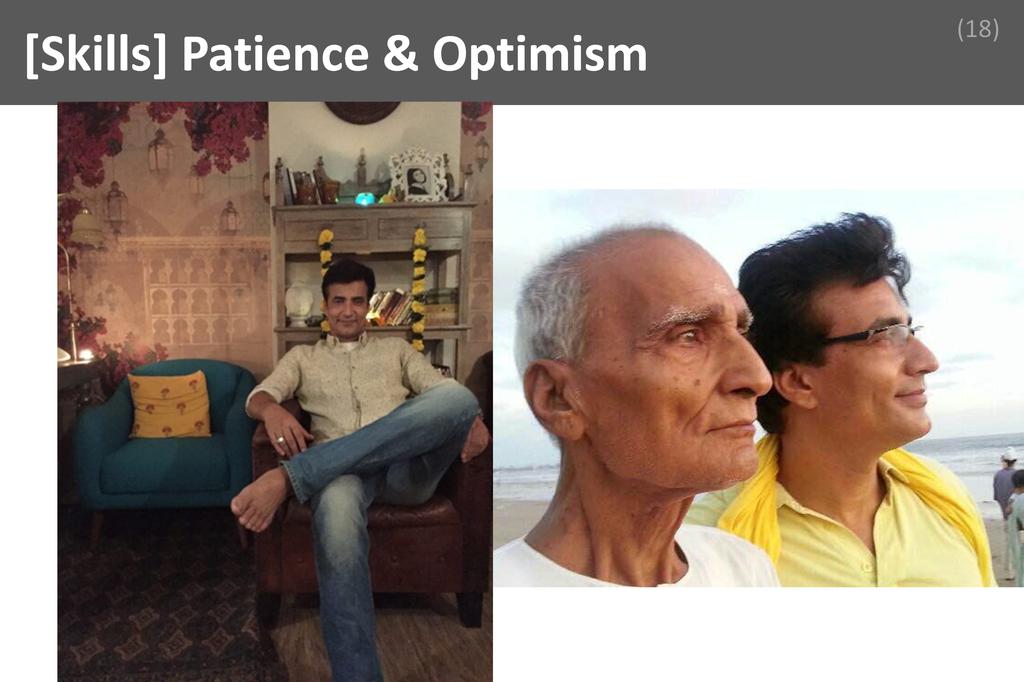
Patience & Optimism is the ability to remain calm and persistent in the face of setbacks, while maintaining a hopeful and positive outlook about future opportunities. In acting, this mindset helps professionals navigate the unpredictable nature of auditions, rejections, and long waits, fueling resilience and sustained motivation throughout their careers.
Patience & Optimism directly enhances an actor’s performance by allowing them to handle rejection gracefully, learn from feedback, and continue honing their craft without becoming discouraged. Directors, casting agents, and producers value actors who remain positive and composed under pressure, as these qualities foster a collaborative and supportive working environment. Cultivating this skill involves practicing mindfulness, setting realistic expectations, and celebrating small victories along the way. Over time, actors who consistently nurture patience and optimism build emotional endurance, which not only improves their artistic output but also makes them reliable and inspiring colleagues on set or stage.
Imagine an actor who auditions for multiple roles over several months without landing a part. Instead of giving in to frustration or self-doubt, they choose to view each audition as a learning experience, refining their technique and expanding their network. When a major casting opportunity finally arises, their accumulated experience and unwavering optimism shine through, impressing the casting director. Their patience pays off as they secure the role, demonstrating that resilience and a positive attitude can turn prolonged challenges into breakthrough moments, ultimately shaping a successful and fulfilling acting career.
Diplomacy

Diplomacy is the art of navigating complex social situations with tact, sensitivity, and respect, ensuring clear communication and positive relationships. In acting, diplomacy enables professionals to collaborate harmoniously with directors, cast, and crew, resolve conflicts, and maintain a constructive atmosphere, all of which are crucial for creative success and career longevity.
Diplomacy directly enhances an actor’s performance by fostering trust and open communication within the team, allowing for honest feedback and creative exchange. Directors and producers highly value actors who can handle criticism gracefully, adapt to changes, and mediate disputes without escalating tensions. This skill can be cultivated through active listening, empathy, and practicing restraint in emotionally charged situations. Over time, actors who consistently demonstrate diplomacy become known for their professionalism and reliability, making them more likely to be recommended for future projects. By prioritizing respectful dialogue and understanding different perspectives, actors not only improve their working relationships but also contribute to a more positive and productive set environment.
Imagine an actor on set who disagrees with the director’s interpretation of a pivotal scene. Instead of openly challenging the director or expressing frustration, the actor approaches the conversation with diplomacy. They listen carefully to the director’s vision, express their own perspective thoughtfully, and seek common ground. By maintaining a respectful tone and focusing on the shared goal of creating a compelling performance, the actor helps prevent conflict and fosters mutual respect. This diplomatic approach not only resolves the immediate creative disagreement but also strengthens the professional relationship, ensuring smoother collaboration throughout the project and enhancing the actor’s reputation as a team player.
Due Diligence

Due diligence is the careful and thorough investigation, preparation, and assessment of all relevant information before making decisions or taking action. In acting, it means researching roles, understanding scripts, and preparing meticulously to ensure authentic performances. This skill helps actors avoid mistakes, seize opportunities, and build trust with collaborators and audiences.
Due diligence directly enhances an actor’s performance by ensuring they fully understand the character, context, and nuances of a role. Directors and casting agents value actors who demonstrate this skill because it leads to more convincing, reliable, and professional work on set. Cultivating due diligence involves consistently researching scripts, studying character backgrounds, and seeking feedback from peers and mentors. Over time, actors who practice due diligence become known for their reliability and depth, making them more attractive to employers and collaborators. This ongoing commitment to preparation not only improves individual performances but also contributes to a positive reputation within the industry, opening doors to more challenging and rewarding opportunities.
Imagine an actor cast in a historical drama who is unfamiliar with the era’s customs and language. By practicing due diligence, the actor researches the period, consults historians, and studies relevant literature to accurately portray the character. During rehearsals, this preparation becomes evident as the actor delivers lines with authentic accents and mannerisms, impressing the director and fellow cast members. When a last-minute script change introduces a complex historical reference, the actor’s prior research allows them to adapt seamlessly, maintaining the integrity of the performance. This dedication not only elevates the production’s quality but also establishes the actor as a dependable and resourceful professional, leading to further career opportunities.
Positives
Popularity

Popularity is the widespread recognition, admiration, and affection an individual receives from the public, peers, and industry professionals. In acting, popularity means being known and appreciated for one’s talent, personality, and contributions to the craft. This recognition elevates an actor’s profile, opening doors to new opportunities and meaningful connections.
Popularity is a driving force that transforms an acting career from ordinary to extraordinary. When actors achieve popularity, they gain access to more significant roles, endorsements, and collaborations, which can accelerate their professional growth. The admiration and support from fans and colleagues provide daily motivation, boosting self-confidence and job satisfaction. Popularity also fosters a sense of belonging within the entertainment community, making actors feel valued and respected. This positive feedback loop encourages them to continually hone their craft, knowing their work resonates with audiences. Ultimately, popularity not only enhances career prospects but also enriches the personal fulfillment actors derive from their profession.
Imagine an actor who has just starred in a breakthrough television series. As their popularity soars, they are greeted by enthusiastic fans wherever they go, receive heartfelt messages on social media, and are invited to exclusive industry events. This recognition leads to offers for exciting new projects and collaborations with renowned directors. The actor feels a deep sense of accomplishment and joy, knowing their work has touched so many lives. Each day, the positive energy from their growing fanbase inspires them to push creative boundaries and embrace new challenges, making their journey in acting both rewarding and meaningful.
Monetary Potential

Monetary Potential refers to the capacity for significant financial gain and upward earning mobility within a profession, based on talent, demand, and opportunity. In acting, this means the possibility to earn substantial income through diverse projects, endorsements, and royalties, making it a highly attractive and rewarding career choice for many.
The monetary potential in acting is a powerful motivator that drives individuals to pursue excellence and creativity in their craft. Knowing that their talent can translate into lucrative contracts, recurring roles, and long-term financial security, actors often feel a heightened sense of purpose and ambition. This financial incentive not only boosts job satisfaction but also encourages continuous growth and professional development. As actors see their earnings increase with experience and recognition, they gain confidence and motivation to take on challenging roles, invest in their skills, and expand their networks. The daily experience of financial reward reinforces their commitment and passion, making the journey in acting both fulfilling and sustainable.
Consider an actor who lands a breakthrough role in a popular television series. As the show gains popularity, the actor’s salary increases with each season, and opportunities for endorsements and public appearances begin to emerge. The financial rewards allow the actor to invest in personal growth, support loved ones, and pursue creative projects that might not have been possible otherwise. This tangible impact of monetary potential not only validates the actor’s hard work but also provides a sense of stability and freedom. The ability to turn passion into prosperity becomes a daily reality, inspiring the actor to continue striving for excellence and to embrace new opportunities with enthusiasm.
Sense of Satisfaction
A sense of satisfaction is the deep feeling of fulfillment and contentment that arises when personal goals, values, or creative ambitions are achieved. In acting, this sense is cultivated through the successful portrayal of characters, meaningful audience connections, and the realization of artistic vision, making the profession profoundly rewarding and motivating.
The sense of satisfaction in acting is a powerful driver of both personal and professional growth. When actors feel fulfilled by their work, they are more likely to remain passionate, resilient, and committed to their craft. This positive emotion fuels creativity, encourages continuous learning, and helps performers navigate the inevitable challenges and uncertainties of the industry. Experiencing satisfaction from a well-executed performance or a heartfelt audience response can transform everyday work into a source of joy and pride. Over time, this ongoing fulfillment not only boosts job satisfaction but also fosters a sense of purpose, making the demanding journey of an acting career more sustainable and meaningful.
Imagine an actor who has spent months preparing for a challenging stage role, investing countless hours into understanding the character’s motivations and perfecting every nuance. On opening night, the actor delivers a powerful performance that moves the audience to laughter and tears. As the curtain falls and the applause erupts, the actor feels an overwhelming sense of satisfaction, knowing their dedication and passion have touched others. This moment of fulfillment reinforces their love for the craft and validates the hard work, inspiring them to continue growing as an artist. The memory of this experience becomes a source of motivation, reminding them why they chose acting as their life’s pursuit.
Challenges
Lack of Privacy

Lack of privacy in acting refers to the persistent public scrutiny and exposure that actors experience, both on and off the stage or screen. This challenge is demanding because it blurs the boundaries between personal and professional life, making it difficult for actors to maintain autonomy, emotional well-being, and authentic relationships.
The lack of privacy can infiltrate every aspect of an actor’s daily routine, from being recognized in public spaces to having personal details dissected by the media and fans. This constant attention can lead to stress, anxiety, and a sense of vulnerability, requiring significant emotional resilience. Successful professionals often set clear boundaries, communicate openly with loved ones, and seek support from trusted advisors or mental health professionals. They may also limit their social media presence or carefully curate what they share, ensuring that some aspects of their lives remain protected. By developing coping mechanisms and prioritizing self-care, actors can navigate the challenges of public exposure while preserving their sense of self and well-being.
Consider an actor who, after gaining sudden fame from a breakout role, finds their personal life under intense media scrutiny. Paparazzi follow them, and rumors circulate online, causing distress and impacting relationships. To manage this, the actor works with a publicist to address misinformation and sets firm boundaries with the press. They also designate private time with family and friends, away from the public eye, and engage in regular therapy to process the emotional toll. By proactively managing their public image and prioritizing personal well-being, the actor successfully maintains a healthy balance between their professional obligations and private life, demonstrating resilience in the face of constant attention.
Uncertainty

Uncertainty in acting refers to the persistent unpredictability surrounding job security, casting decisions, and career progression. Actors often face irregular work, last-minute changes, and ambiguous feedback, making it difficult to plan or feel secure. This constant instability is demanding because it tests emotional resilience and challenges one’s sense of professional identity.
The challenge of uncertainty permeates an actor’s daily life, influencing everything from financial planning to emotional well-being. Auditions may yield no feedback, roles can be lost unexpectedly, and even booked jobs might be canceled without warning. This environment demands resilience, as actors must continually adapt and maintain motivation despite setbacks. Successful professionals manage this constraint by cultivating a strong support network, developing parallel skills, and focusing on personal growth rather than solely on external validation. They learn to embrace the unpredictable nature of the industry, using each experience as an opportunity to refine their craft and build inner confidence, which helps them weather the inevitable ups and downs of their careers.
Consider an actor who, after months of auditioning, lands a promising role in a television pilot. Despite initial excitement, the project is shelved unexpectedly, leaving the actor without work and facing renewed uncertainty. Instead of succumbing to disappointment, the actor channels energy into independent theater projects and ongoing training. By staying active in the creative community and seeking new opportunities, the actor maintains momentum and visibility. This proactive approach not only helps manage the emotional impact of uncertainty but also leads to unexpected collaborations and skill development, ultimately strengthening the actor’s resilience and adaptability in a volatile industry.
Competition
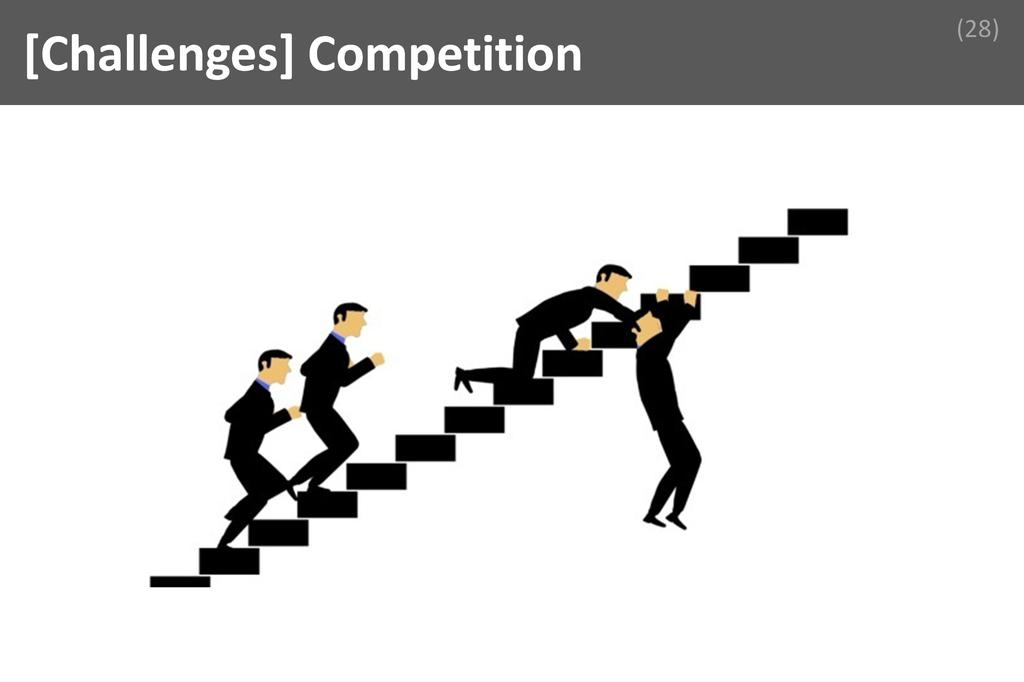
Competition in acting refers to the constant presence of numerous talented individuals vying for limited roles and opportunities within the industry. This environment is demanding because it requires actors to consistently prove their abilities, adapt to changing expectations, and stand out among peers, often facing frequent rejection and uncertainty.
The relentless nature of competition in acting can make daily work emotionally taxing, as actors must regularly audition, face rejection, and maintain motivation despite setbacks. This environment demands resilience, as self-doubt and comparison to others can undermine confidence. Successful professionals manage this constraint by focusing on personal growth, honing their craft, and building strong networks. They understand that persistence and adaptability are essential, viewing each audition as a learning opportunity rather than a final judgment. By developing a unique personal brand and maintaining a positive mindset, actors can navigate the competitive landscape more effectively, turning challenges into opportunities for self-improvement and career advancement.
Consider an actor who, after facing multiple rejections for a coveted television role, chooses to refine their audition technique and seek feedback from industry mentors. Instead of becoming discouraged, they dedicate time to workshops and independent projects, expanding their skill set and visibility. Eventually, their persistence pays off when a casting director, impressed by their growth and professionalism, offers them a significant role in a new production. This scenario illustrates how embracing competition as a catalyst for development, rather than a barrier, enables actors to transform setbacks into stepping stones, ultimately achieving success through resilience and continuous improvement.
A Day Of
Acting
When the curtain rises on an actor’s day, the spotlight isn’t always on a grand stage or a bustling film set. Instead, the rhythm of an acting professional’s work pulses with early-morning anticipation, mid-day adrenaline, and late-night reflection. Each day is a blend of creative preparation, intense collaboration, and the relentless pursuit of authenticity—whether under the glare of studio lights or in the quiet solitude of rehearsal. The environment is ever-changing, sometimes chaotic, always demanding, and fueled by the passion to bring stories to life. For actors, every day is a performance, both on and off the stage.
As dawn breaks, the actor’s day begins with a quiet ritual of preparation. This early hour is often spent reviewing scripts, memorizing lines, and diving deep into character study. Over a cup of coffee, the actor might revisit notes from the director or reflect on feedback from previous rehearsals, using this time to internalize motivations and emotional beats. The solitude of the morning offers a rare chance to mentally inhabit the role, warming up with vocal exercises and gentle stretches to ensure both mind and body are ready for the demands ahead.
By mid-morning, the pace accelerates as actors gather on set or in rehearsal spaces. This is the heart of the day, where the real magic happens—blocking scenes, running lines with scene partners, and experimenting with delivery under the watchful eyes of directors and coaches. The energy is electric, with actors feeding off each other’s performances, adjusting to new directions, and pushing emotional boundaries. Whether it’s a tense dramatic exchange or a lighthearted comedic moment, this phase is marked by intense focus, creativity, and a willingness to take risks in pursuit of a truthful performance.
Afternoons are dedicated to bringing the morning’s work to life. This might mean filming takes on set, performing in front of a live audience, or participating in technical run-throughs with lighting and sound crews. Collaboration is key, as actors interact closely with costume designers, makeup artists, and stage managers to ensure every detail aligns with the director’s vision. The atmosphere is a blend of concentration and camaraderie, with quick costume changes, last-minute script tweaks, and the collective drive to deliver a seamless performance.
As the day winds down, actors shift gears to reflect on their work and prepare for what’s next. This time is often spent reviewing footage or notes, jotting down thoughts about what worked and what could be improved. Administrative tasks like responding to emails, updating audition calendars, or researching upcoming roles fill the quieter moments. The evening offers a chance to decompress, but the mind of an actor rarely rests—there’s always another script to read, another character to explore, and another story waiting to be told tomorrow. |


 Home
Home Abroad
 Plan
Plan Philosophy
 Seminar
 Pages
Pages Advisors
 Testimonials


















 Workshop
 Discuss
 Meet
Meet
 Advisor
 Story
Story
 Fine Print
 Links
Links
 Blog
Blog
 Follow
