The Journey of Theatre Acting
What Is Theatre Acting
Theatre Acting

Theatre acting is the art of performing live on stage before an audience, embodying characters in scripted plays or improvisational pieces. It involves interpreting scripts, expressing emotions, and collaborating with other performers to bring stories to life, relying on voice, movement, and presence to engage and move viewers.
Theatre acting holds a significant place in the arts, offering both performers and audiences a unique, immediate connection. For professionals, it fosters creativity, emotional intelligence, and adaptability, as each performance is a new experience shaped by audience reactions and fellow actors. One major benefit is the development of strong communication skills, as actors must project their voices and convey complex emotions clearly. Another is the sense of community and collaboration, since theatre is inherently a team effort, requiring trust and cooperation among cast and crew. Additionally, theatre acting provides opportunities for personal growth, as actors explore diverse roles and perspectives, deepening their empathy and understanding of the human condition.
A professional theatre actor might be cast in a local production of a classic play, such as Shakespeare’s "Hamlet." Over several weeks, the actor attends rehearsals, working closely with the director and fellow cast members to interpret the script and develop their character. During live performances, the actor must adapt to the energy of the audience, adjusting timing and delivery to maintain engagement. If something unexpected happens on stage, such as a missed cue or technical issue, the actor relies on improvisational skills and teamwork to keep the performance seamless. This real-time interaction and problem-solving highlight the dynamic and collaborative nature of theatre acting, making each show a unique experience.
Education
Reading Books

Reading books refers to the active engagement with written texts, including plays, novels, biographies, and theoretical works, to gain knowledge, inspiration, and understanding. In theatre acting, reading books is essential for interpreting scripts, developing characters, and expanding one’s artistic and cultural awareness, forming a critical part of both academic study and professional practice.
Developing the skill of reading books is vital for anyone pursuing theatre acting because it provides the foundation for script analysis, character development, and contextual understanding. By immersing themselves in a variety of texts, actors learn to interpret subtext, recognize themes, and appreciate different writing styles and historical contexts. This depth of knowledge enhances their ability to bring authenticity and nuance to performances. Furthermore, a habit of reading broadens an actor’s vocabulary, emotional intelligence, and empathy, all of which are essential for portraying diverse characters convincingly. Over the long term, actors who are avid readers remain adaptable, informed, and creatively inspired, which supports sustained professional growth and opens doors to a wider range of roles and collaborative opportunities.
Consider an actor preparing for a role in a classic Shakespearean play. Their process begins with thoroughly reading the script to understand the language, plot, and character motivations. Beyond the script, they might read historical texts about the Elizabethan era, scholarly analyses of the play, and biographies of Shakespeare to deepen their interpretation. This comprehensive reading allows the actor to grasp the nuances of the character and the societal influences at play, informing their choices in rehearsal and performance. By applying their theoretical understanding of reading books, the actor can deliver a performance that is both authentic and resonant, demonstrating the direct impact of this foundational skill in their daily professional life.
Human Behavior

Human behavior refers to the range of actions, reactions, and interactions exhibited by individuals or groups in response to internal and external stimuli. In theatre acting, understanding human behavior is essential, as it allows actors to authentically portray characters, motivations, and relationships, forming a critical part of their academic and professional toolkit.
A deep understanding of human behavior is vital for theatre actors because it enables them to create believable and compelling characters. By studying psychological theories, social dynamics, and emotional responses, actors gain insight into why people act the way they do. This knowledge forms the foundation for interpreting scripts, developing character backstories, and delivering nuanced performances. Over time, mastering human behavior enhances an actor’s adaptability, empathy, and ability to connect with audiences. It also supports collaborative work with directors and fellow actors, as a shared understanding of motivation and intention leads to more cohesive and powerful storytelling. Ultimately, this expertise contributes to an actor’s longevity and versatility in the competitive world of theatre.
Imagine an actor preparing for the role of a grieving parent in a dramatic play. Drawing on their understanding of human behavior, the actor researches common emotional responses to loss, observes real-life interactions, and reflects on psychological coping mechanisms. During rehearsals, they use this knowledge to inform their body language, tone of voice, and timing, ensuring their portrayal resonates with authenticity. When interacting with other characters on stage, the actor anticipates subtle shifts in emotion and motivation, adjusting their performance to reflect genuine human reactions. This application of behavioral theory not only deepens the character’s realism but also fosters a more immersive and emotionally impactful experience for the audience.
Techniques
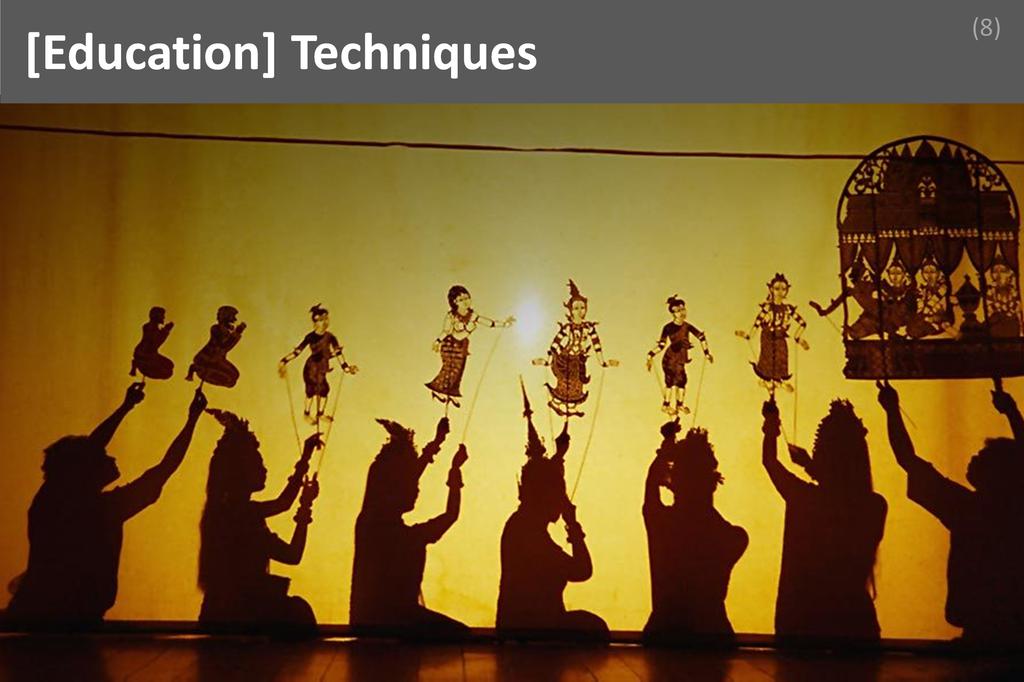
Techniques in theatre acting refer to the structured methods, practices, and tools actors use to create believable characters, convey emotions, and engage audiences. These approaches, rooted in both tradition and innovation, form a crucial part of the academic and professional knowledge that aspiring and established actors must master for effective performance.
Understanding techniques is essential for anyone pursuing a career in theatre acting because it provides the foundation upon which all performance skills are built. Mastery of techniques enables actors to approach roles with confidence, adapt to different styles of theatre, and collaborate effectively with directors and fellow cast members. By internalizing a range of techniques, actors can consistently deliver compelling performances, navigate the demands of live theatre, and respond creatively to the unique challenges of each production. Over the long term, a deep knowledge of techniques not only enhances an actor’s versatility and employability but also fosters continuous artistic growth, ensuring sustained relevance and success in a competitive industry.
Consider an actor preparing for a demanding role in a Shakespearean tragedy. Drawing on their understanding of techniques such as voice modulation, physicality, and emotional recall, the actor spends rehearsal time experimenting with different ways to express the character’s inner turmoil. During live performances, these techniques allow the actor to project their voice clearly to the back of the theatre, maintain authentic emotional intensity, and respond dynamically to the energy of the audience. By applying their theoretical knowledge in practical settings, the actor is able to deliver a nuanced, memorable performance that resonates with both the director’s vision and the audience’s expectations, demonstrating the indispensable value of mastering techniques in everyday theatrical practice.
Languages

Languages refer to structured systems of communication, encompassing spoken, written, and non-verbal forms, used to convey meaning between individuals or groups. In the context of Theatre Acting, languages include not only the words actors speak but also the dialects, accents, and physical expressions essential for authentic character portrayal and storytelling.
Understanding languages is fundamental for theatre actors because it enables them to interpret scripts accurately, embody diverse characters, and connect with audiences from various backgrounds. Mastery of languages allows actors to adapt to different roles, whether performing in classical works, contemporary plays, or multicultural productions. This knowledge extends beyond mere pronunciation or memorization; it involves grasping cultural nuances, idiomatic expressions, and emotional undertones embedded in language. Over time, proficiency in multiple languages or dialects broadens an actor’s casting opportunities and enhances their versatility. It also fosters collaboration within international ensembles and opens doors to global theatre circuits, making language skills a long-term asset for professional growth and creative expression.
Consider an actor cast in a production of Shakespeare’s “Othello,” where the character must speak in Early Modern English and adopt an Italian accent. The actor’s understanding of languages enables them to navigate the script’s archaic vocabulary, interpret the emotional subtext, and deliver lines with authentic pronunciation. During rehearsals, the actor collaborates with a dialect coach to refine their accent and studies the cultural context to ensure their performance resonates with both historical accuracy and contemporary audiences. This theoretical foundation in languages empowers the actor to move seamlessly between different linguistic styles, enhancing the believability of their character and contributing to the overall success of the production.
You Tube Tutorials

You Tube Tutorials are instructional videos available on the YouTube platform, designed to teach viewers specific skills or concepts. In the context of Theatre Acting, these tutorials provide accessible, visual learning resources that supplement traditional training, offering insights into acting techniques, stagecraft, audition preparation, and industry trends essential for academic and professional growth.
Understanding and utilizing You Tube Tutorials is vital for anyone preparing for or working in Theatre Acting because these resources offer immediate access to a diverse range of expert knowledge and practical demonstrations. They allow actors to observe and learn from professionals worldwide, bridging gaps that may exist in formal education or local training opportunities. By engaging with tutorials, actors can refine their craft, stay updated on evolving industry practices, and develop a habit of self-directed learning. This continuous exposure to new methods and perspectives not only enhances performance skills but also fosters adaptability and resilience, qualities that are crucial for long-term success in the competitive field of theatre. Mastery of this resource ensures that actors remain relevant and proactive in their professional development.
Consider a theatre actor preparing for a challenging audition that requires mastering a specific dialect and stage movement. By leveraging their understanding of You Tube Tutorials, the actor searches for reputable channels featuring dialect coaches and movement specialists. They watch, pause, and practice along with the videos, gaining practical tips and feedback through the comment sections or by comparing their performance to the demonstrations. This process allows the actor to efficiently acquire new skills outside of scheduled rehearsals or classes, ensuring they are well-prepared for the audition. The ability to independently seek out and apply knowledge from You Tube Tutorials becomes an integral part of their daily routine, supporting continuous improvement and professional growth.
Current Affairs

Current Affairs refers to the ongoing events, developments, and issues shaping society, politics, culture, and the world at large. For theatre actors, understanding current affairs is essential as it informs their awareness of societal contexts, enhances their interpretative skills, and enriches the authenticity of their performances in both contemporary and classical works.
For theatre actors, a strong grasp of current affairs is vital because it deepens their understanding of the world they portray on stage. Theatre often reflects or critiques societal issues, and actors must be attuned to the cultural and political climate to deliver authentic, relevant performances. This knowledge allows actors to connect more meaningfully with their audiences, as they can draw parallels between the themes of a play and the realities faced by society today. Furthermore, being well-versed in current affairs helps actors engage thoughtfully in discussions, interviews, and collaborations, enhancing their professional reputation. Over time, this awareness fosters adaptability and empathy, qualities that are invaluable for sustained success and growth in the dynamic field of theatre.
Imagine an actor preparing for a role in a modern adaptation of a classic play that addresses themes of social justice and inequality. By staying informed about current events, such as recent protests or policy changes, the actor can infuse their performance with nuanced understanding and emotional depth that resonates with contemporary audiences. During rehearsals, the actor might draw on real-world examples to shape their character’s motivations and reactions, making the portrayal more authentic and impactful. Additionally, when participating in post-show discussions or media interviews, the actor can articulate the play’s relevance to current societal issues, demonstrating both insight and professionalism. This application of current affairs knowledge not only elevates the performance but also strengthens the actor’s connection with the community.
Skills
Observation

Observation is the conscious act of attentively perceiving people, environments, and situations to gather nuanced details about behavior, emotion, and interaction. In theatre acting, observation enables performers to authentically embody characters, respond truthfully to scene partners, and create believable worlds on stage, making it indispensable in an actor’s toolkit.
Observation directly enhances an actor’s performance by allowing them to notice subtle gestures, vocal inflections, and emotional shifts in real life, which they can then incorporate into their portrayals. Directors and casting professionals highly value actors who demonstrate this skill, as it leads to more layered, realistic, and compelling performances. Cultivating observation involves mindful engagement with everyday life, studying people in various contexts, and reflecting on the motivations behind their actions. Over time, actors who consistently practice observation become adept at quickly adapting to new roles, responding authentically in improvisational moments, and delivering performances that resonate deeply with audiences and collaborators alike.
Imagine an actor preparing for a role as a grieving parent. During rehearsals, the director notices the performance feels unconvincing. Drawing on their observation skills, the actor recalls witnessing a friend’s subtle behaviors during a period of loss—such as the way their hands trembled or how they avoided eye contact. By integrating these observed details into their performance, the actor brings a new level of authenticity and emotional depth to the character. This not only resolves the director’s concerns but also creates a powerful connection with the audience, demonstrating how keen observation can transform a challenging moment into a breakthrough success on stage.
Story Telling
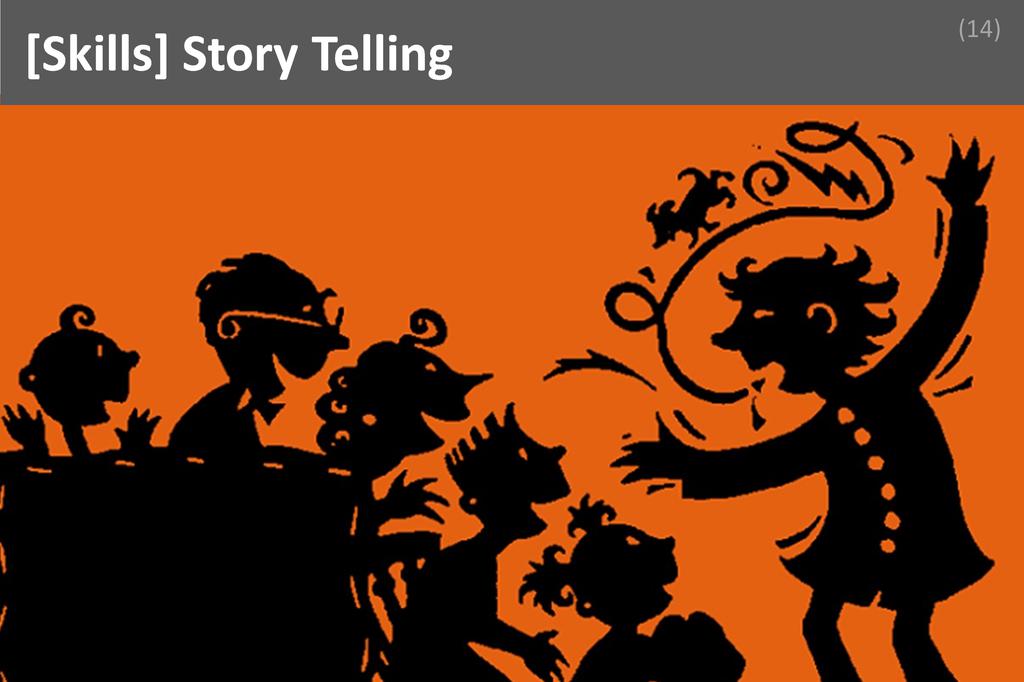
Story Telling is the art of conveying a narrative with emotional depth, clarity, and authenticity, engaging audiences through voice, movement, and expression. In theatre acting, it transforms scripts into lived experiences, allowing actors to connect with viewers, evoke empathy, and bring characters and plots vividly to life on stage.
Mastering Story Telling elevates an actor’s performance by infusing each role with genuine emotion and purpose. This skill enables actors to interpret scripts beyond words, creating memorable and believable characters that resonate with audiences. Directors and casting agents consistently seek actors who can captivate viewers and communicate complex themes through their performances. To cultivate this skill, actors must practice active listening, observe human behavior, and continually refine their craft through workshops, rehearsals, and feedback. Over time, these efforts help actors internalize stories, making their portrayals more compelling and nuanced. Ultimately, strong Story Telling distinguishes exceptional theatre actors and opens doors to more challenging and rewarding roles.
Imagine a theatre production facing disengaged audiences during early rehearsals. The lead actor recognizes that simply reciting lines is not enough; the emotional journey of the character is not reaching the viewers. Drawing on Story Telling skills, the actor delves deeper into the character’s motivations and backstory, adjusting tone, body language, and pacing to reflect the character’s inner struggles and triumphs. As a result, the performance becomes more authentic and moving, capturing the audience’s attention and transforming the energy in the theatre. This shift not only revitalizes the production but also demonstrates the actor’s ability to solve critical issues through the power of Story Telling.
Communication

Communication is the process of exchanging information, ideas, emotions, and intentions through verbal and nonverbal means, including speech, body language, facial expressions, and tone. In theatre acting, communication enables performers to connect authentically with their audience, fellow actors, and directors, making it a fundamental skill for compelling storytelling.
Effective communication enhances a theatre actor’s ability to convey character motivations, emotions, and narrative clarity, directly impacting the audience’s engagement and understanding. Directors and casting professionals highly value actors who communicate well, as they can interpret scripts accurately, collaborate seamlessly with cast and crew, and adapt to feedback. To cultivate this skill, actors must practice active listening, participate in improvisational exercises, and seek constructive criticism. Over time, consistent rehearsal, vocal training, and mindful observation of experienced performers help actors refine their expressive abilities. As communication skills grow, actors become more versatile and reliable, making them indispensable members of any production.
Imagine a theatre actor rehearsing a pivotal scene where tension between characters is crucial to the plot. During rehearsal, the actor notices a fellow performer struggling to deliver their lines with the intended emotional weight. Drawing on strong communication skills, the actor initiates a supportive conversation, clarifying the scene’s objectives and sharing personal insights about the characters’ relationship. By openly discussing their interpretations and listening to each other’s perspectives, both actors adjust their performances, resulting in a more authentic and powerful exchange on stage. This collaborative approach not only resolves the immediate issue but also strengthens the overall production, demonstrating how essential communication is to achieving success in theatre acting.
Clarity In Speech

Clarity in speech is the ability to articulate words distinctly, project the voice effectively, and convey meaning with precision and confidence. In theatre acting, this skill ensures that every line is understood by the audience, regardless of their distance from the stage, and that the actor’s intentions are unmistakably communicated.
Clarity in speech directly enhances an actor’s performance by making dialogue accessible and emotionally resonant for the audience. Directors and casting professionals highly value this skill because it guarantees that the script’s message is delivered without ambiguity, maintaining the integrity of the production. Actors with clear speech can adapt to various roles and performance spaces, from intimate black box theatres to grand auditoriums, ensuring their voices carry and their words are understood. Developing this skill involves regular vocal exercises, breath control techniques, and practicing enunciation. Over time, actors refine their clarity through feedback from coaches and peers, as well as by performing in diverse settings, which helps them adjust their delivery to suit different acoustics and audience sizes.
Imagine an actor performing in a large theatre during a pivotal scene where their character reveals a crucial secret. The audience sits in anticipation, but the acoustics of the venue are challenging, and background noise threatens to drown out the dialogue. By relying on their well-honed clarity in speech, the actor projects their voice and articulates each word with precision, ensuring that every member of the audience, even those in the back row, grasps the emotional weight and narrative importance of the moment. This mastery not only preserves the impact of the scene but also earns the respect of the director and fellow cast members, demonstrating the indispensable value of clear speech in theatre acting.
Physically Fit

Physically fit refers to possessing strength, endurance, flexibility, and overall bodily health, enabling sustained physical activity and resilience. In theatre acting, being physically fit is crucial because it allows performers to meet the demanding requirements of live performance, maintain energy, execute choreography, and embody characters with authenticity and precision.
Physical fitness directly enhances an actor’s stage presence, stamina, and ability to perform complex movements or stunts. Directors and producers value actors who are physically fit because they can handle rigorous rehearsal schedules, adapt to physically challenging roles, and reduce the risk of injury. A physically fit actor can also project confidence and control, which translates into more compelling performances. Cultivating this skill involves regular exercise, such as strength training, cardiovascular workouts, and flexibility routines like yoga or pilates. Over time, consistent physical conditioning not only improves an actor’s health but also expands the range of roles they can convincingly portray, making them more versatile and reliable in the eyes of employers.
Imagine a theatre production where the lead actor must perform an intense, fast-paced fight sequence followed by a lengthy monologue. The actor’s physical fitness becomes essential, enabling them to execute the choreography safely and convincingly without becoming winded or losing focus. Their stamina allows them to maintain vocal projection and emotional intensity throughout the scene, ensuring the audience remains engaged. When a last-minute change requires the actor to repeat the sequence multiple times during rehearsals, their physical conditioning prevents fatigue and injury, allowing them to deliver consistent performances. In this scenario, being physically fit not only solves the immediate challenge but also elevates the overall quality of the production.
Lighting

Lighting in theatre refers to the strategic use of light to illuminate the stage, enhance mood, focus attention, and support storytelling. For a theatre actor, understanding lighting is crucial because it shapes visibility, atmosphere, and emotional impact, making it an indispensable element in delivering a compelling and effective performance.
Mastering lighting as a theatre actor directly elevates onstage presence and performance quality. Actors who understand how lighting affects their appearance, movements, and expressions can adjust their positioning and gestures to remain visible and impactful. Directors and producers highly value actors who are aware of lighting cues, as this awareness ensures smoother technical coordination and more polished productions. Cultivating this skill involves observing lighting setups during rehearsals, seeking feedback from lighting designers, and experimenting with different stage positions. Over time, actors who consistently engage with the technical aspects of lighting become more adaptable and reliable, making them assets to any production and increasing their employability in the competitive theatre industry.
Imagine an actor performing a pivotal monologue during a dramatic scene. Suddenly, a lighting cue changes, casting unexpected shadows that obscure the actor’s face from the audience. Drawing on their knowledge of lighting, the actor subtly shifts position to step back into the spotlight, ensuring their expressions remain visible and the emotional intensity of the moment is preserved. This quick adaptation not only salvages the scene but also demonstrates professionalism and technical awareness. The director and lighting technician notice the actor’s responsiveness, reinforcing their trust in the actor’s abilities and contributing to the overall success of the production. This scenario highlights how essential lighting knowledge is in overcoming challenges and achieving excellence in theatre acting.
Multi faceted personality

A multi faceted personality refers to the ability to embody diverse traits, emotions, and perspectives, adapting seamlessly to various roles and situations. In theatre acting, this skill enables performers to convincingly portray a wide range of characters, making each performance authentic and engaging. It is a cornerstone of versatility and depth.
A multi faceted personality directly enhances an actor’s performance by allowing them to shift between different emotional states, character backgrounds, and dramatic styles with ease. Directors and casting agents highly value this skill because it ensures that an actor can handle complex roles and unexpected changes in scripts or direction. Cultivating a multi faceted personality involves continuous self-exploration, studying diverse characters, and engaging in exercises that challenge one’s emotional and psychological range. Over time, actors who actively seek varied experiences, both on and off stage, develop a richer palette of responses and interpretations, making them more adaptable and compelling in any theatrical setting.
Imagine a theatre actor cast in a play where they must portray two drastically different characters: a stern, authoritative parent in one scene and a vulnerable, comedic friend in another. During a live performance, an unexpected technical issue forces the actor to improvise and switch roles out of sequence. Drawing on their multi faceted personality, the actor seamlessly transitions between the contrasting characters, maintaining believability and emotional truth. Their ability to embody multiple personas not only salvages the performance but also captivates the audience, demonstrating resilience and creative agility. This scenario highlights how a multi faceted personality is not just a desirable trait but a vital asset in overcoming challenges and achieving success in theatre acting.
Positives
Personality Development

Personality development is the ongoing process of enhancing one’s character, communication skills, emotional intelligence, confidence, and adaptability. In theatre acting, this growth is vital because it enables performers to connect deeply with diverse roles, collaborate effectively with others, and respond creatively to challenges, enriching both their craft and personal lives.
Theatre acting offers a unique environment where personality development flourishes. Actors are constantly challenged to step outside their comfort zones, embrace vulnerability, and express a wide range of emotions. This process not only sharpens their artistic abilities but also builds resilience, empathy, and self-awareness. As actors grow personally, they find greater satisfaction in their work, feeling more confident and fulfilled both on and off stage. The collaborative nature of theatre fosters strong interpersonal skills, making each rehearsal and performance an opportunity for meaningful growth. Over time, these benefits translate into increased job satisfaction, stronger professional relationships, and a greater sense of purpose, all of which are essential for long-term success and happiness in the field.
Imagine a theatre actor preparing for a challenging role that requires portraying a character vastly different from themselves. Through research, rehearsal, and feedback, the actor learns to understand and embody new perspectives, pushing past personal limitations and insecurities. This journey not only enhances their performance but also transforms their outlook on life, making them more open-minded and adaptable. As the production progresses, the actor notices improved communication with cast members, greater confidence during auditions, and a deeper sense of empathy in everyday interactions. The experience becomes a turning point, demonstrating how personality development through theatre acting can lead to profound personal and professional fulfillment.
Adaptability

Adaptability is the ability to adjust quickly and effectively to new situations, challenges, or changes in one’s environment, while maintaining a positive and productive attitude. In theatre acting, adaptability allows performers to embrace unexpected developments, collaborate seamlessly with others, and continually refine their craft, making every experience unique and enriching.
Adaptability is a cornerstone of success and satisfaction in theatre acting because the nature of live performance is inherently unpredictable. Actors often face last-minute script changes, technical glitches, or shifts in cast dynamics. Being adaptable empowers them to respond with creativity and confidence, turning potential setbacks into opportunities for growth. This flexibility not only enhances the quality of each performance but also fosters a sense of resilience and accomplishment. Professionals who embrace adaptability find themselves more open to learning, more capable of handling pressure, and more likely to thrive in diverse roles and settings. The daily practice of adapting to new challenges keeps the work fresh and engaging, fueling both personal and professional development.
Imagine an actor preparing for a highly anticipated opening night when, just hours before curtain, a fellow cast member falls ill. The director asks the actor to step into a new role with minimal rehearsal. Drawing on their adaptability, the actor quickly learns the lines, adjusts to new blocking, and collaborates with the ensemble to ensure a seamless performance. The exhilaration of rising to the occasion, coupled with the support of the team, transforms what could have been a stressful situation into a memorable triumph. This experience not only strengthens the actor’s confidence but also deepens their love for the craft, highlighting the profound rewards of adaptability in theatre acting.
Meeting New People

Meeting new people means regularly connecting with individuals from diverse backgrounds, cultures, and experiences, both within and outside the theatre community. In theatre acting, this constant interaction fosters creativity, broadens perspectives, and builds lasting relationships. It creates a vibrant, collaborative environment where learning and personal growth are part of everyday life.
Theatre acting thrives on collaboration, and meeting new people is at the heart of this dynamic profession. Every production brings together a unique blend of actors, directors, designers, and crew members, each contributing their own talents and viewpoints. This continual influx of fresh faces and ideas keeps the work environment stimulating and ever-changing, preventing monotony and encouraging adaptability. Actors often find inspiration in the stories and experiences shared by new colleagues, which can lead to deeper performances and personal growth. The friendships and professional networks formed through these connections often open doors to future opportunities, making the journey in theatre both professionally and personally rewarding. Daily, actors experience the joy of building new relationships, which enriches their craft and enhances job satisfaction.
Imagine a theatre actor joining a new production for the first time. On the first day of rehearsal, they are introduced to a cast and crew from various walks of life, each bringing their own stories and perspectives. As rehearsals progress, the actor bonds with a fellow cast member from a different country, learning about their culture and approach to performance. This exchange not only sparks creative ideas for their roles but also leads to a genuine friendship that extends beyond the stage. Through these interactions, the actor feels a sense of belonging and excitement, realizing that every new project is an opportunity to grow, connect, and be inspired by the people they meet.
Self Satisfaction

Self satisfaction is the deep sense of fulfillment and contentment that arises from achieving personal goals, expressing one’s authentic self, and making a meaningful impact through one’s efforts. In theatre acting, self satisfaction is a powerful motivator, fueling creativity and resilience while helping actors navigate the challenges and triumphs of their craft.
Theatre acting is a demanding profession that requires vulnerability, dedication, and constant growth. Self satisfaction plays a crucial role in sustaining an actor’s passion and commitment. When actors feel genuinely fulfilled by their performances and the connections they forge with audiences, their confidence and motivation soar. This inner reward often outweighs external recognition, making the journey itself deeply meaningful. Experiencing self satisfaction daily helps actors embrace challenges as opportunities for growth, fosters a positive mindset, and encourages continuous learning. As a result, theatre professionals are more likely to persevere through setbacks, take creative risks, and find joy in their work, ultimately leading to greater job satisfaction and personal development.
Imagine a theatre actor who has spent weeks preparing for a challenging role, immersing themselves in the character’s emotions and story. On opening night, as the curtain falls and the audience erupts in applause, the actor feels a profound sense of self satisfaction—not just from the external praise, but from knowing they gave their all and truly connected with the audience. This feeling lingers long after the performance, inspiring the actor to continue honing their craft and embrace new roles with enthusiasm. The knowledge that their hard work and authenticity have touched others becomes a wellspring of motivation, making every rehearsal, performance, and challenge along the way deeply rewarding.
Challenges
Mental Fitness

Mental Fitness in Theatre Acting refers to the sustained ability to manage emotional intensity, adapt to shifting roles, and maintain psychological well-being amid high-pressure environments. Actors must consistently access vulnerability, handle rejection, and perform under scrutiny, making mental resilience and emotional regulation essential yet exceptionally demanding aspects of their professional lives.
The challenge of mental fitness in theatre acting permeates daily routines, affecting focus, creativity, and interpersonal relationships. Actors often face unpredictable schedules, intense rehearsals, and the emotional toll of embodying complex characters. This constant demand for emotional availability and adaptability can lead to stress, burnout, or self-doubt. Resilience becomes crucial, as professionals must recover quickly from setbacks such as casting rejections or harsh criticism. Successful actors develop coping mechanisms, such as mindfulness practices, regular self-reflection, and seeking support from peers or mentors. By prioritizing self-care and establishing boundaries, they sustain their passion and performance quality, transforming mental fitness from a vulnerability into a source of strength.
Consider an actor preparing for a demanding lead role in a psychologically intense play. During rehearsals, the emotional weight of the character begins to affect their mood and energy outside the theatre. Recognizing the strain, the actor commits to daily meditation and schedules regular check-ins with a trusted director. They also carve out time for restorative activities, such as exercise and connecting with friends, to maintain balance. By actively addressing their mental fitness, the actor not only delivers a compelling performance but also preserves their well-being, demonstrating how proactive self-care and support networks can empower theatre professionals to thrive amid the unique pressures of their craft.
Discipline

Discipline in theatre acting is the unwavering commitment to consistent practice, punctuality, and adherence to the rigorous demands of rehearsal and performance schedules. It requires actors to maintain focus, respect for the craft, and self-control, even when motivation wanes or external distractions arise, making it a demanding necessity.
The challenge of discipline permeates every aspect of a theatre actor’s daily routine, from memorizing lines and attending rehearsals to maintaining physical and vocal health. Without discipline, performances can suffer, and collaborative efforts may falter, leading to missed opportunities and strained relationships within the ensemble. This difficulty demands resilience because the repetitive nature of preparation can be mentally and physically exhausting, especially during long production runs or when balancing multiple roles. Successful professionals manage this constraint by establishing structured routines, setting personal goals, and fostering a sense of accountability to themselves and their peers. They also cultivate intrinsic motivation, reminding themselves of their passion for the craft and the collective responsibility to deliver a compelling performance.
Consider an actor cast in a demanding lead role for a classic play with a grueling rehearsal schedule. Despite feeling fatigued after consecutive late-night rehearsals, the actor arrives early each day, prepared and focused. They dedicate time outside of scheduled rehearsals to review lines, refine character choices, and practice vocal exercises. When tempted to skip a session or relax their standards, they recall the trust placed in them by the director and fellow cast members. By maintaining this disciplined approach, the actor not only delivers a memorable performance but also inspires the ensemble, reinforcing a culture of professionalism and commitment that elevates the entire production.
Fiancial Struggle

Fiancial Struggle in theatre acting refers to the persistent challenge of earning a stable and sufficient income due to irregular work, low pay, and intense competition. This struggle is demanding because it creates uncertainty, affects mental well-being, and often forces actors to juggle multiple jobs or make personal sacrifices to sustain their careers.
The reality of fiancial struggle deeply influences the daily lives of theatre actors, often dictating their choices both on and off the stage. The unpredictability of auditions, short-term contracts, and modest compensation can lead to stress and anxiety, making it difficult to plan for the future or invest in professional growth. This environment demands resilience, adaptability, and resourcefulness, as actors must constantly seek new opportunities while managing living expenses. Successful professionals often navigate these constraints by diversifying their skills, taking on supplementary work such as teaching or freelance projects, and building supportive networks within the industry. By maintaining a strong sense of purpose and flexibility, they find ways to sustain their passion for theatre despite ongoing financial uncertainty.
Consider the journey of a theatre actor who, despite facing months without a major role, chooses to teach acting workshops and participate in community theatre to supplement their income. Instead of viewing these activities as distractions, they embrace them as opportunities to hone their craft, expand their professional network, and remain engaged with the art form they love. Through careful budgeting and a willingness to adapt, this actor not only manages to cover essential expenses but also continues to grow artistically. Their perseverance and proactive approach enable them to weather periods of financial instability, ultimately positioning them for greater opportunities when they arise.
Work Life Balance

Work Life Balance in Theatre Acting refers to the ongoing effort to maintain personal well-being, relationships, and outside interests while meeting the intense demands of rehearsals, performances, and unpredictable schedules. The profession’s irregular hours, emotional investment, and physical exhaustion make achieving equilibrium particularly challenging for theatre actors compared to many other careers.
The struggle for work life balance in theatre acting often leads to fatigue, strained relationships, and limited time for self-care. Actors may find themselves rehearsing late into the night, performing on weekends, and sacrificing social events or family time. This relentless pace requires significant resilience, as the emotional highs and lows of the craft can spill into personal life. Successful professionals recognize the importance of setting boundaries, prioritizing rest, and nurturing supportive networks. They develop routines that allow for recovery and personal fulfillment, such as carving out time for hobbies or maintaining connections outside the theatre. By being intentional about their schedules and communicating openly with loved ones, actors can better manage the demands of their profession while preserving their well-being.
Consider an actor cast in a demanding lead role during a months-long production. She faces nightly performances, daytime rehearsals, and promotional events, all while caring for a young child at home. To maintain balance, she collaborates with her partner to coordinate childcare and designates specific mornings for family activities, ensuring quality time together. She also commits to a brief daily mindfulness routine to decompress after performances. By openly communicating her needs to both her family and the theatre company, she negotiates occasional evenings off and receives support from colleagues. Through proactive planning and self-care, she successfully navigates the intense period, demonstrating that work life balance, though challenging, is achievable in theatre acting.
A Day Of
Theatre Acting
The curtain may not rise until evening, but for a theatre acting professional, the day begins long before the audience takes their seats. Life backstage is a whirlwind of preparation, collaboration, and transformation, where every hour pulses with creative energy and the relentless pursuit of perfection. The pace is brisk, the environment charged with anticipation, and the nature of the work demands both discipline and spontaneity. Each day is a blend of routine and surprise, as actors navigate the delicate balance between personal artistry and the collective heartbeat of the ensemble.
As dawn breaks, the actor’s day starts in solitude, often with a steaming cup of coffee and a well-worn script. This is a sacred time for quiet reflection, line memorization, and character study. Away from the bustle of the theatre, actors revisit notes from the director, rehearse monologues, and mentally map out emotional beats. The early morning hours are devoted to internalizing the nuances of their role, ensuring that every gesture and inflection is rooted in intention before stepping into the collaborative fray.
By mid-morning, the rehearsal space comes alive with energy as the cast and crew gather for the day’s core work. This is the heart of the actor’s day, where scenes are blocked, lines are tested, and chemistry is forged through repetition and improvisation. Under the director’s watchful eye, actors dive into emotionally charged moments, experiment with movement, and respond to real-time feedback. The room buzzes with the sounds of laughter, debate, and the occasional burst of applause as the ensemble pushes the boundaries of the script, striving to bring the story to life with authenticity and vigor.
Afternoons are dedicated to the practical magic that transforms words on a page into a living performance. Actors work closely with stage managers, costume designers, and lighting technicians to integrate technical elements into their performances. Costume fittings, prop handling, and scene transitions are rehearsed until they become second nature. This phase is marked by problem-solving and teamwork, as everyone works in concert to ensure that every cue is seamless and every detail supports the world of the play.
As the day winds down, actors gather for final notes from the director and reflect on the day’s progress. This is a time for thoughtful discussion, jotting down adjustments, and addressing any lingering questions about character or staging. Administrative tasks, such as updating rehearsal reports or reviewing tomorrow’s schedule, are handled with care. Before heading home, actors often spend a few quiet moments visualizing the next day’s work, ensuring that the momentum built today will carry forward into tomorrow’s performance. The theatre may empty out, but the actor’s mind remains alive with possibilities, always reaching for that next level of artistry. |


 Home
Home Abroad
 Plan
Plan Philosophy
 Seminar
 Pages
Pages Advisors
 Testimonials


















 Workshop
 Discuss
 Meet
Meet
 Advisor
 Story
Story
 Fine Print
 Links
Links
 Blog
Blog
 Follow
