The Journey of Theatre Acting
What Is Theatre Acting
Theatre Acting

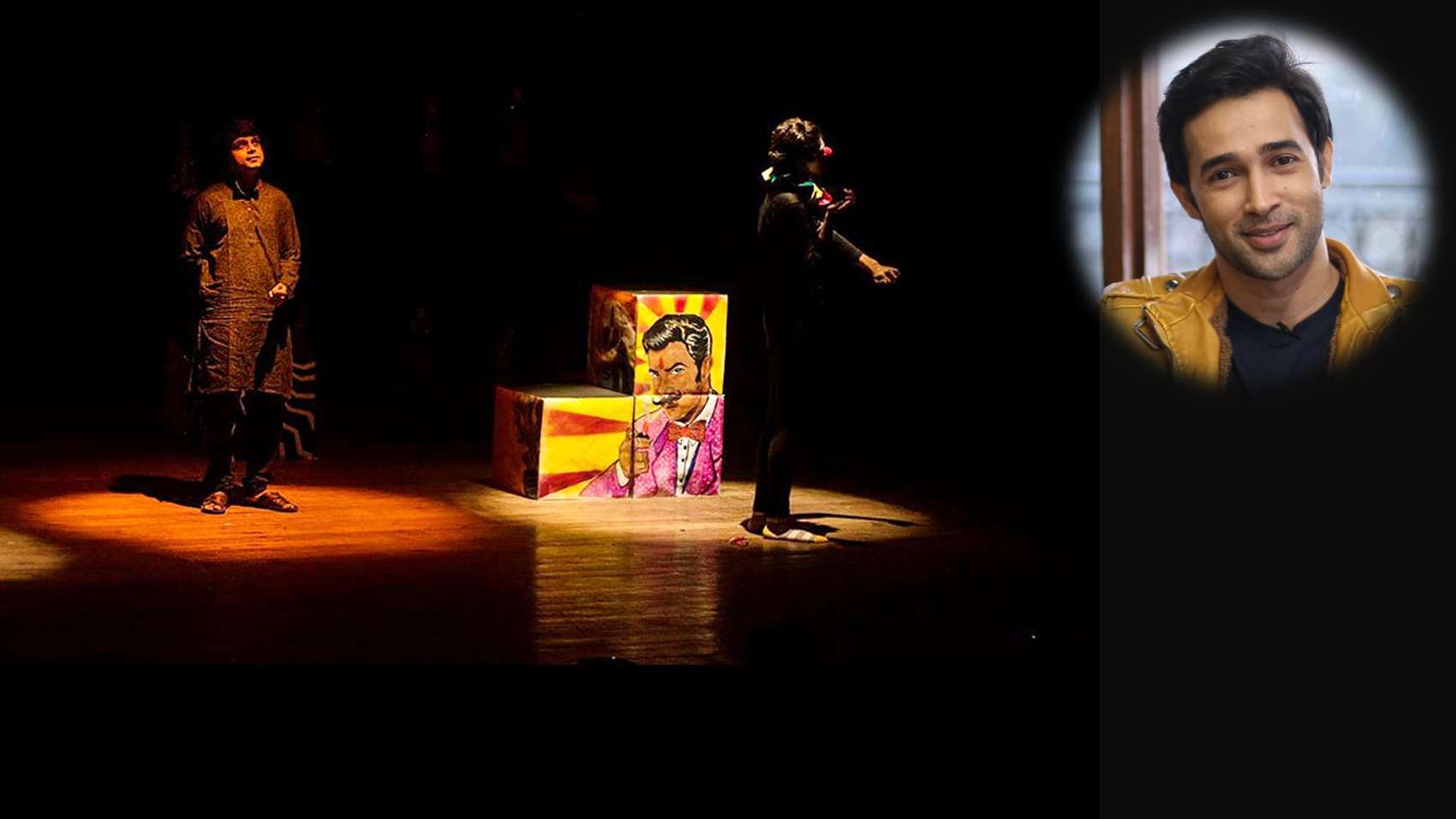
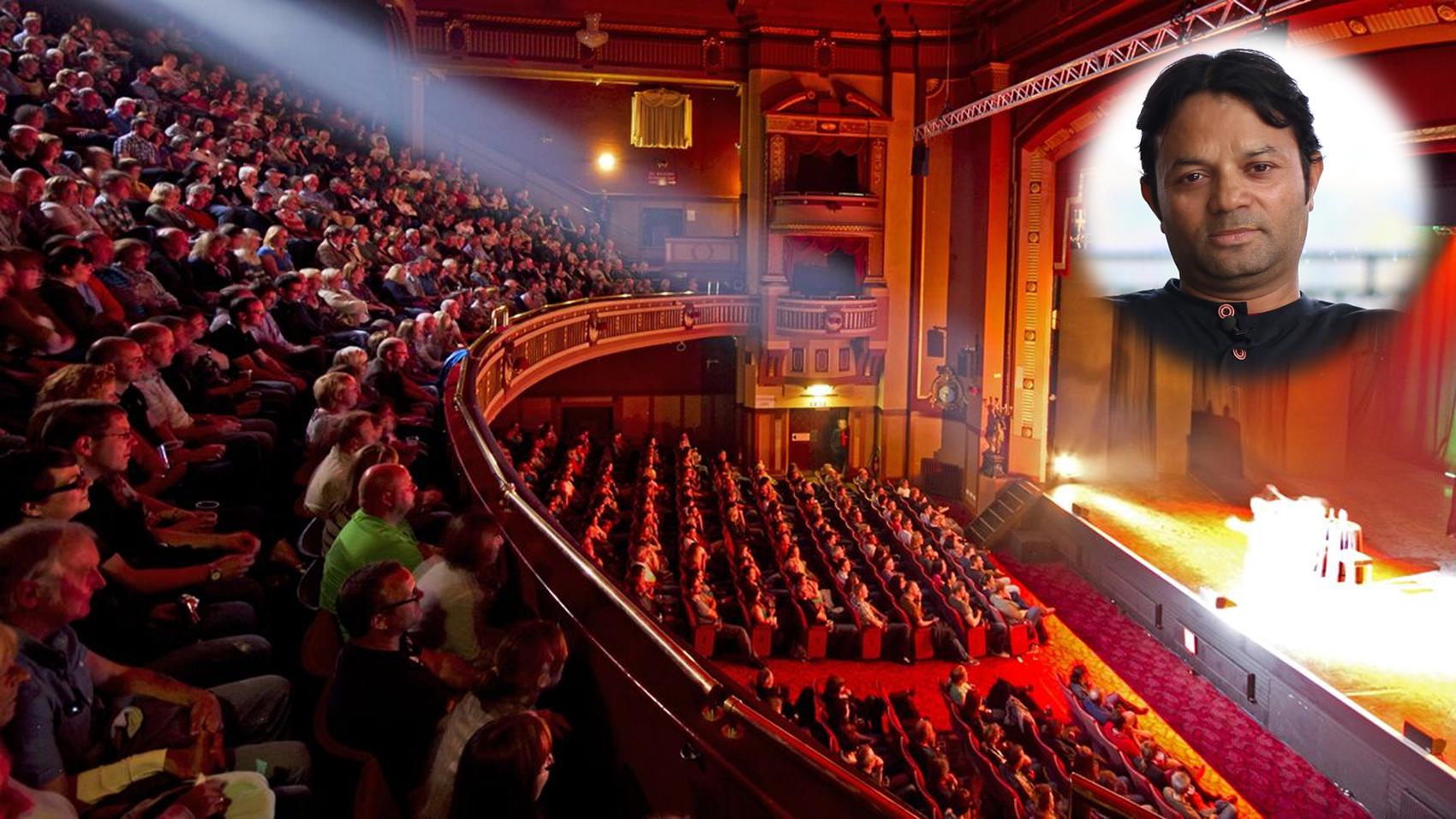
Theatre acting is the art and craft of performing live on stage before an audience, embodying characters, interpreting scripts, and conveying stories through voice, movement, and emotion. It requires collaboration, creativity, and adaptability, as actors bring written works to life in real time, engaging and connecting with viewers directly.
Theatre acting holds a significant place in the performing arts, offering both cultural enrichment and personal growth. For professionals, it provides a platform to hone their craft, develop emotional intelligence, and build confidence through live performance. The collaborative nature of theatre fosters strong communication and teamwork skills, as actors work closely with directors, crew, and fellow performers. Additionally, the immediacy of audience feedback allows actors to refine their techniques and adapt quickly, enhancing their versatility. Theatre acting also contributes to society by sparking conversations, challenging perspectives, and inspiring empathy, making it a powerful medium for storytelling and social change.
A professional theatre actor may be cast in a contemporary play at a regional theatre. During rehearsals, the actor studies the script, researches the character’s background, and collaborates with the director to shape the portrayal. On opening night, the actor performs live, responding to the energy of the audience and adjusting their delivery as needed. Throughout the run, the actor maintains consistency while remaining open to subtle changes in interpretation, ensuring each performance feels fresh and authentic. This process not only showcases the actor’s skill but also demonstrates the dynamic, ever-evolving nature of theatre acting, where every show is a unique experience shaped by the interplay between performer and audience.
Education
Reading Books

Reading books refers to the active engagement with written texts, including plays, novels, biographies, and theoretical works, to gain knowledge, insight, and inspiration. In the context of theatre acting, it encompasses the study of scripts, dramatic literature, and related materials, forming a crucial part of both academic learning and professional development.
Understanding and practicing reading books is essential for anyone pursuing a career in theatre acting. This skill allows actors to deeply analyze scripts, comprehend character motivations, and appreciate the historical and cultural contexts of various works. By regularly reading a wide range of literature, actors expand their vocabulary, improve their interpretive abilities, and develop empathy for diverse perspectives. This foundational knowledge not only enhances performance quality but also equips actors to collaborate effectively with directors, playwrights, and fellow performers. Over time, a strong reading habit fosters lifelong learning, adaptability, and creative growth, all of which are vital for sustained success and versatility in the ever-evolving world of theatre.
Consider a theatre actor preparing for a role in a classic Shakespearean play. Before rehearsals begin, the actor dedicates time to reading the script thoroughly, as well as supplementary materials such as critical essays and historical analyses. Through this process, the actor uncovers nuanced meanings in the text, understands the social and political climate of the era, and gains insight into the playwright’s intentions. This deep engagement with reading enables the actor to make informed choices about their character’s motivations, speech patterns, and physicality during rehearsals. Ultimately, the actor’s commitment to reading books translates into a more authentic and compelling performance on stage, resonating with both the audience and the creative team.
Psychology

Psychology is the scientific study of the mind, behavior, and emotions, exploring how individuals think, feel, and act in various situations. In the context of Theatre Acting, psychology provides essential insights into human motivation and interpersonal dynamics, forming a crucial part of the academic and professional toolkit for actors seeking authentic performances.
Understanding psychology is vital for theatre actors because it allows them to delve deeply into the motivations, fears, and desires of the characters they portray. By grasping psychological theories and concepts, actors can create more nuanced and believable characters, making their performances resonate with audiences on a profound level. This foundational knowledge helps actors interpret scripts more effectively, collaborate with directors and fellow cast members, and adapt to a wide range of roles. Over the long term, a solid grounding in psychology enhances an actor’s versatility and emotional intelligence, both of which are highly valued in the industry. It also supports personal growth, resilience, and the ability to handle the emotional demands of a career in theatre.
Imagine an actor preparing for the role of a character experiencing grief and loss. Drawing on their understanding of psychology, the actor researches the stages of grief and studies how people process trauma differently. During rehearsals, they use this knowledge to inform their body language, tone of voice, and emotional responses, ensuring their portrayal is both authentic and respectful. This psychological insight not only enriches the performance but also helps the actor maintain emotional boundaries, preventing personal distress from blending with the character’s pain. By applying psychological principles, the actor delivers a compelling and credible performance that deeply connects with the audience, demonstrating the practical value of psychology in daily theatrical practice.
Languages

Languages encompass the systems of communication, both spoken and written, that enable individuals to convey ideas, emotions, and narratives. In the context of Theatre Acting, languages include not only verbal dialogue but also non-verbal cues, dialects, and accents, forming a crucial part of an actor’s academic and professional toolkit.
Understanding languages is essential for theatre actors because it allows them to authentically portray characters from diverse backgrounds and historical periods. Mastery of language equips actors with the ability to interpret scripts accurately, deliver lines convincingly, and connect with audiences on a deeper emotional level. It also enables them to adapt to various performance styles, whether classical or contemporary, and to collaborate effectively with directors, playwrights, and fellow actors. Over time, proficiency in multiple languages or dialects can open doors to international opportunities, broaden an actor’s repertoire, and enhance their versatility. Ultimately, a strong foundation in languages supports career longevity and artistic growth within the competitive world of theatre.
Consider an actor cast in a production of Shakespeare’s "Othello," where the script demands mastery of Early Modern English and a nuanced understanding of the play’s cultural context. The actor draws upon their knowledge of language to interpret complex metaphors, deliver poetic lines with clarity, and adopt the appropriate accent for their character. During rehearsals, they collaborate with a dialect coach to refine their pronunciation and intonation, ensuring authenticity in every performance. This linguistic preparation not only helps the actor inhabit their role convincingly but also allows them to engage the audience, making the centuries-old text accessible and emotionally resonant. Their command of language becomes a bridge between the playwright’s intent and the audience’s experience.
General Knowledge

General Knowledge refers to a broad awareness of facts, ideas, events, cultures, and social norms that span across various fields and disciplines. In the context of Theatre Acting, it forms the essential backdrop against which actors interpret scripts, understand characters, and engage with diverse audiences, enriching both performance and collaboration.
For theatre actors, general knowledge is indispensable because it enables them to comprehend the historical, cultural, and social contexts of the plays they perform. This foundational understanding allows actors to portray characters authentically, adapt to different genres, and connect meaningfully with their audience. Mastery of general knowledge also fosters adaptability, as actors often encounter scripts set in unfamiliar times or places. Over the course of a career, this broad awareness supports professional growth, enhances creative choices, and opens opportunities for collaboration with directors, playwrights, and fellow actors. Ultimately, a strong grasp of general knowledge empowers theatre professionals to deliver nuanced performances and remain relevant in a dynamic, ever-evolving industry.
Imagine an actor cast in a play set during the French Revolution. Their general knowledge about the era’s political upheaval, social customs, and historical figures enables them to interpret the script with depth and accuracy. During rehearsals, the actor draws upon this background to ask insightful questions, suggest authentic gestures, and embody the mindset of someone living in that turbulent period. This understanding not only informs their performance but also facilitates meaningful discussions with the director and cast, ensuring the production’s historical integrity. By applying their theoretical grasp of general knowledge, the actor elevates the authenticity of the play, resonates more deeply with the audience, and contributes to the overall success of the theatrical production.
Understanding Body Language

Understanding Body Language refers to the ability to interpret and utilize nonverbal cues such as gestures, posture, facial expressions, and movement to convey emotions, intentions, and character traits. In Theatre Acting, this skill is essential, as it complements spoken dialogue and enhances the authenticity and depth of a performance, making it a critical academic and professional competency.
Mastering the interpretation and application of body language is vital for theatre actors because much of human communication is nonverbal. Actors must convincingly portray a wide range of emotions and intentions, often without words, relying on their physical presence to connect with audiences. This foundational knowledge allows professionals to create believable characters, adapt to different roles, and respond authentically to fellow performers on stage. Over the long term, a deep understanding of body language enhances an actor’s versatility, employability, and ability to engage audiences, ensuring sustained success in a competitive industry. It also fosters collaboration and effective communication within the cast and crew, contributing to the overall quality of theatrical productions.
Imagine an actor portraying a character who is secretly anxious during a tense dinner scene. Rather than relying solely on dialogue, the actor subtly fidgets with their napkin, avoids direct eye contact, and maintains a rigid posture. These nonverbal cues, rooted in a strong understanding of body language, communicate the character’s inner turmoil to the audience, even if the script does not explicitly state it. During rehearsals, the actor collaborates with the director to refine these physical choices, ensuring they align with the character’s motivations and the scene’s emotional tone. This practical application of body language theory not only enriches the performance but also helps fellow actors respond more authentically, elevating the entire production.
Skills
Observation

Observation is the attentive and conscious act of noticing details in people, environments, and situations, using all senses to gather information. In theatre acting, observation allows performers to authentically replicate behaviors, emotions, and interactions, forming the foundation for believable characters and compelling storytelling. It is indispensable for nuanced, truthful performances.
Observation enhances an actor’s ability to embody diverse characters and respond authentically on stage. By closely studying real-life behaviors, gestures, and speech patterns, actors can create performances that resonate with audiences and critics alike. Directors and casting professionals value actors who demonstrate acute observation, as it leads to richer, more layered portrayals. Cultivating this skill involves mindful practice, such as watching people in everyday settings, analyzing performances, and reflecting on personal experiences. Over time, actors who consistently hone their observational abilities become more adaptable and insightful, able to quickly interpret scripts and respond to fellow performers. This ongoing development not only improves individual performances but also elevates the overall quality of a production.
Imagine an actor preparing to play a character who is experiencing grief for the first time. Rather than relying solely on imagination, the actor spends time observing people in real-life situations of loss, noting subtle changes in posture, tone of voice, and facial expressions. During rehearsals, the actor draws upon these observations to deliver a performance that feels genuine and deeply moving. When a scene unexpectedly shifts during a live performance, the actor’s keen observation allows them to pick up on a fellow performer’s improvised cues, seamlessly adjusting their own actions and dialogue. This responsiveness not only resolves the immediate challenge but also enhances the authenticity and emotional impact of the scene, demonstrating the critical value of observation in theatre acting.
Good Speech

Good Speech is the clear, expressive, and accurate use of spoken language, encompassing articulation, pronunciation, projection, rhythm, and emotional nuance. In theatre acting, it enables performers to communicate meaning, emotion, and character intentions effectively, ensuring that every word reaches and resonates with the audience, regardless of venue size.
Mastering Good Speech directly enhances an actor’s performance by making dialogue intelligible and emotionally compelling. Directors and casting agents consistently seek actors who can deliver lines with clarity and authenticity, as this skill ensures the audience remains engaged and the story is conveyed without distraction. Good Speech also allows actors to adapt to various roles, accents, and performance spaces, making them more versatile and employable. Developing this skill involves regular vocal exercises, breath control training, and practicing diction, often under the guidance of voice coaches. Over time, actors refine their vocal abilities through rehearsal, feedback, and live performance, gradually building confidence and consistency in their speech delivery.
Imagine an actor performing in a large, acoustically challenging theatre during a pivotal scene. The emotional climax relies on the audience understanding every word and nuance. Mid-performance, the actor notices the audience straining to hear. Drawing on their training in Good Speech, the actor adjusts their projection and articulation without sacrificing emotional depth. Their voice carries clearly to the back rows, restoring the audience’s engagement and preserving the scene’s impact. After the show, the director commends the actor’s ability to adapt and maintain clarity under pressure, highlighting how Good Speech not only solved a critical issue but also elevated the entire production’s effectiveness.
Artistic

Artistic refers to the innate or developed ability to creatively interpret, express, and communicate ideas, emotions, and stories through imaginative and original means. In theatre acting, being artistic enables performers to bring depth, authenticity, and unique flair to their roles, captivating audiences and elevating the overall production.
Artistic skill directly enhances a theatre actor’s performance by allowing them to infuse characters with originality, emotional nuance, and compelling presence. Directors and casting agents highly value actors who demonstrate artistic sensibility, as it often leads to more memorable and impactful portrayals. Cultivating this skill involves continuous exploration of different acting techniques, engaging with diverse artistic influences, and embracing feedback from peers and mentors. Regular participation in workshops, improvisational exercises, and creative collaborations further sharpens an actor’s artistic instincts. Over time, this ongoing development enables actors to adapt to various roles and styles, making them versatile and sought-after professionals in the competitive world of theatre.
Imagine an actor cast in a classic play where the character’s motivations are ambiguous and open to interpretation. During rehearsals, the director struggles to convey the emotional complexity required for a pivotal scene. Drawing on their artistic skill, the actor experiments with subtle gestures, vocal inflections, and innovative stage movement to embody the character’s internal conflict. Their creative approach not only clarifies the character’s intentions but also inspires fellow cast members to elevate their own performances. As a result, the scene resonates powerfully with the audience, earning critical acclaim and demonstrating how artistic ability can transform challenges into standout moments on stage.
Creative

Creative is the ability to generate original ideas, think outside conventional boundaries, and approach situations with imagination and innovation. In theatre acting, this skill enables performers to interpret scripts uniquely, bring depth to characters, and adapt to unexpected changes on stage, making performances engaging and memorable for audiences.
Creativity directly enhances a theatre actor’s performance by allowing them to infuse roles with authenticity and inventiveness, making each portrayal distinct and compelling. Directors and casting agents highly value creative actors because they can breathe new life into familiar stories and adapt to the dynamic nature of live theatre. Cultivating creativity involves continuous practice, such as experimenting with different acting techniques, collaborating with diverse artists, and seeking inspiration from various art forms. Over time, actors can expand their creative capacity by embracing challenges, reflecting on their work, and remaining open to feedback, all of which foster a mindset that thrives on innovation and adaptability.
Imagine a theatre actor preparing for a pivotal scene when a fellow cast member forgets their lines during a live performance. Relying on their creative skill, the actor improvises dialogue that stays true to the character and storyline, seamlessly guiding the scene back on track. This quick thinking not only prevents the disruption from being noticed by the audience but also demonstrates the actor’s ability to adapt and maintain the integrity of the performance. Such moments highlight how creativity is not just about artistic expression but also about problem-solving and resilience under pressure, ultimately contributing to the overall success of the production.
Fast Learner

A fast learner is someone who quickly grasps new concepts, adapts to changing situations, and efficiently applies acquired knowledge or skills. In theatre acting, this ability is crucial because actors must rapidly internalize scripts, adjust to directorial feedback, and adapt to new roles or staging, ensuring seamless performances under tight deadlines.
Being a fast learner directly enhances an actor’s performance by enabling them to absorb scripts, blocking, and character nuances swiftly, which is especially vital during short rehearsal periods or last-minute changes. Directors and producers highly value actors who can quickly adapt, as it minimizes delays and ensures the production stays on schedule. Cultivating this skill involves practicing active listening, maintaining a flexible mindset, and consistently seeking feedback. Over time, actors can improve their learning agility by embracing new challenges, engaging in diverse roles, and reflecting on their experiences to identify areas for faster adaptation. This ongoing development not only boosts individual confidence but also makes actors more reliable and versatile in the eyes of employers.
Imagine an actor cast as an understudy who is informed just hours before a performance that they must step into the lead role due to the main actor’s sudden illness. With limited time, the actor must quickly memorize lines, understand stage movements, and embody the character’s emotional journey. Drawing on their fast learning ability, the actor reviews the script, consults with the director, and rehearses key scenes with the cast, all within a compressed timeframe. Their capacity to absorb and apply information rapidly allows the show to proceed without interruption, impressing both the audience and production team. This scenario highlights how being a fast learner can turn a potential crisis into a moment of professional triumph.
Positives
Fame

Fame is the widespread recognition and admiration received from the public and peers due to exceptional talent, achievements, or contributions in a particular field. In theatre acting, fame elevates an individual’s status, opening doors to new opportunities, fostering connections, and inspiring others through their visible success and influence.
Fame in theatre acting is a powerful motivator and a source of immense satisfaction. When actors achieve recognition, their work resonates beyond the stage, allowing them to connect deeply with audiences and industry professionals alike. This visibility often leads to more prominent roles, invitations to prestigious events, and collaborations with renowned artists. The admiration and respect garnered from fame can boost an actor’s confidence, fueling their passion and creativity. Daily, professionals experience the uplifting energy of audience applause, media attention, and the knowledge that their performances leave a lasting impression. Fame not only validates their hard work but also provides a platform to advocate for causes, mentor aspiring actors, and shape the future of theatre.
Consider a theatre actor who, after years of dedication, lands a leading role in a critically acclaimed production. As the show gains popularity, their name becomes synonymous with excellence in the theatre community. Each night, the actor is greeted by enthusiastic audiences, and their performances are celebrated in reviews and interviews. Invitations to participate in high-profile projects and panel discussions start pouring in, and young actors seek their guidance and mentorship. This newfound fame brings a sense of accomplishment and purpose, as the actor realizes their influence extends far beyond the stage. The recognition and admiration they receive reaffirm their choice of career, making every challenge worthwhile.
Self Satisfaction

Self satisfaction is the deep sense of fulfillment and contentment that arises from achieving personal goals, expressing one’s true self, and making a meaningful impact through one’s work. In theatre acting, this feeling is cultivated through creative expression, personal growth, and the ability to connect with audiences on an emotional level. Self satisfaction in this profession is not just about external validation, but about the internal joy and pride that comes from mastering a role, overcoming challenges, and contributing to the collective magic of live performance. This intrinsic reward fuels passion and resilience, making the journey in theatre acting profoundly enriching.
Theatre acting is a demanding yet exhilarating profession, and self satisfaction stands at its core as a driving force for sustained motivation and happiness. When actors experience self satisfaction, they are more likely to feel a genuine sense of purpose and pride in their craft. This positive aspect matters because it nurtures mental well-being, encourages continuous learning, and fosters a supportive community among peers. The daily experience of self satisfaction helps actors navigate the inevitable setbacks and uncertainties of the industry, turning challenges into opportunities for growth. As actors witness their own progress and the impact of their performances on audiences, their confidence and enthusiasm flourish, leading to greater job satisfaction and long-term career fulfillment.
Imagine a theatre actor who has spent weeks preparing for a challenging role, immersing themselves in character study, rehearsals, and emotional exploration. On opening night, as the curtain rises and the performance unfolds, the actor feels a profound connection with the audience, sensing their engagement and emotional response. After the final bow, the actor reflects on the journey—the hard work, the vulnerability, and the creative risks taken. In that moment, a wave of self satisfaction washes over them, not because of applause or external praise, but because they know they have given their best and grown as an artist. This inner fulfillment becomes a cherished reward, inspiring them to continue pursuing their passion in theatre acting.
Personality Development

Personality development is the ongoing process of enhancing one’s character, communication skills, emotional intelligence, confidence, and adaptability through self-awareness and conscious effort. In theatre acting, this growth is vital as it enables actors to connect authentically with diverse roles, audiences, and colleagues, enriching both their craft and personal lives.
Theatre acting is a profession that thrives on the dynamic interplay of emotions, ideas, and human connection. The continuous process of personality development empowers actors to become more empathetic, resilient, and expressive individuals. This growth not only enhances their performances on stage but also fosters a deep sense of self-assurance and adaptability in everyday life. As actors navigate various characters and situations, they develop a heightened understanding of themselves and others, which leads to greater job satisfaction and personal fulfillment. The daily challenges and collaborative nature of theatre ensure that professionals are constantly learning, evolving, and experiencing the rewarding impact of their own transformation.
Imagine a theatre actor preparing for a challenging role that requires embodying a character vastly different from their own personality. Through research, rehearsal, and collaboration with the director and fellow cast members, the actor gradually overcomes initial self-doubt and discovers new facets of their emotional range. This journey not only results in a compelling stage performance but also instills a newfound confidence and empathy that extends beyond the theatre. The actor finds themselves communicating more effectively, handling criticism with grace, and embracing new opportunities with enthusiasm. This real-world experience highlights how personality development in theatre acting becomes a source of lasting personal and professional fulfillment.
Meeting New People

Meeting new people refers to the ongoing experience of connecting with individuals from diverse backgrounds, cultures, and perspectives throughout one’s career. In theatre acting, this means constantly engaging with new cast members, directors, crew, and audiences, fostering a dynamic environment that encourages collaboration, learning, and personal growth.
Theatre acting thrives on collaboration, and meeting new people is at the heart of this creative process. Each production introduces actors to fresh faces, unique stories, and different working styles, making every project a new adventure. This continual exposure to diverse individuals not only broadens an actor’s perspective but also enhances their adaptability and empathy—qualities essential for authentic performances. The excitement of forming new connections keeps the work environment vibrant and stimulating, preventing monotony and fueling artistic inspiration. For many theatre professionals, these relationships become sources of mentorship, friendship, and creative partnership, significantly boosting job satisfaction and opening doors to future opportunities. The daily experience of connecting with others transforms the workplace into a community, making every day on the job both meaningful and memorable.
Imagine a theatre actor joining a new production in a city they have never visited before. On the first day of rehearsal, they are introduced to a cast and crew from various walks of life, each bringing their own stories and talents to the table. As rehearsals progress, the actor forms bonds with fellow performers, learns from the director’s unique vision, and discovers new techniques from the stage manager. These relationships not only enrich the actor’s craft but also create a sense of belonging in an unfamiliar place. By the time opening night arrives, the actor has built a supportive network, transforming what could have been a daunting experience into a deeply rewarding journey of connection and growth.
Challenges
Physical & Mental Fitness

Physical and mental fitness in theatre acting refers to the sustained stamina, strength, emotional resilience, and psychological well-being required to perform demanding roles. Actors must maintain peak physical condition and mental clarity to endure long rehearsals, live performances, and the emotional intensity of embodying diverse characters, making this profession exceptionally taxing.
The demands of physical and mental fitness in theatre acting permeate every aspect of daily work. Grueling rehearsal schedules, late-night performances, and the emotional vulnerability required on stage can lead to exhaustion, stress, and even burnout. This challenge requires remarkable resilience, as actors must consistently deliver high-energy performances while managing nerves, stage fright, and personal well-being. Successful professionals often prioritize regular exercise, balanced nutrition, and mindfulness practices to maintain their stamina and focus. They also seek support from peers, directors, and mental health professionals, fostering a culture of openness about the pressures of the job. By establishing healthy routines and boundaries, actors can sustain their passion and creativity without compromising their health.
Consider an actor preparing for a physically demanding role in a Shakespearean tragedy, which requires not only mastering complex dialogue but also executing choreographed fight scenes. Recognizing the toll this takes, the actor commits to a daily regimen of vocal warm-ups, strength training, and meditation. During the production run, they schedule time for rest and reflection, openly communicating with the director about their limits and seeking feedback to improve their performance without overextending themselves. By integrating self-care and professional discipline, the actor delivers a powerful, consistent performance throughout the season, demonstrating how proactive management of physical and mental fitness can lead to both personal well-being and artistic excellence.
Initial Struggle

Initial Struggle in Theatre Acting refers to the demanding period when aspiring actors face limited opportunities, frequent rejections, and intense competition. This phase tests emotional endurance and adaptability, as performers must persistently audition, often with little recognition or financial reward, while striving to establish their presence in the industry.
The initial struggle in theatre acting can deeply affect daily work by creating uncertainty, self-doubt, and financial instability. Actors may juggle multiple jobs, attend numerous auditions, and cope with repeated rejection, which can erode confidence and motivation. This environment demands exceptional resilience, as the path to recognition is rarely straightforward. Successful professionals manage these constraints by cultivating a strong support network, maintaining disciplined routines, and continuously honing their craft. They view setbacks as learning opportunities and remain adaptable, seeking feedback and embracing incremental progress. By focusing on personal growth and perseverance, actors gradually build the experience and connections necessary to move beyond the initial struggle and establish a sustainable career.
Consider the journey of a young actor who moves to a new city to pursue theatre. Despite months of unsuccessful auditions and working part-time jobs to make ends meet, she remains committed to her passion. She attends workshops, volunteers backstage, and networks with local theatre groups. Over time, her dedication is noticed by a director who offers her a small but significant role. This opportunity allows her to showcase her talent, leading to further auditions and more substantial roles. Through persistence, adaptability, and a willingness to learn from each experience, she transforms the initial struggle into a foundation for long-term success in theatre acting.
Adapting To Different Situations

Adapting to different situations in theatre acting means quickly adjusting to changes in scripts, directors’ visions, cast dynamics, venues, or even unexpected technical issues. This is demanding because it requires actors to remain flexible, emotionally present, and responsive, often under pressure and in front of a live audience, without compromising performance quality.
The need to adapt swiftly can disrupt an actor’s preparation and sense of security, making each performance unpredictable. This challenge tests an actor’s resilience, as they must remain calm and resourceful when faced with last-minute script changes, altered blocking, or unforeseen technical glitches. Successful theatre professionals develop strong improvisational skills, maintain open communication with cast and crew, and cultivate a mindset that embraces uncertainty as part of the creative process. By focusing on the present moment and trusting their training, actors can transform these disruptions into opportunities for growth, ensuring that the integrity of the performance is maintained regardless of the circumstances.
Consider an actor performing in a touring production who arrives at a new venue only to discover that the stage is much smaller than anticipated, requiring immediate changes to movement and positioning. Instead of panicking, the actor collaborates with the director and fellow cast members to rework blocking and adapt their performance style to suit the intimate space. By staying flexible and drawing on their rehearsal experience, the actor maintains character authenticity and audience engagement, turning a potential setback into a memorable and dynamic performance. This ability to adapt not only preserves the quality of the show but also demonstrates the actor’s professionalism and commitment to their craft.
A Day Of
Theatre Acting
The world of theatre acting thrums with a unique energy, where every day is a blend of anticipation, creativity, and relentless dedication. Unlike the predictable rhythm of a desk job, a theatre actor’s workday is a dynamic journey through rehearsal halls, backstage corridors, and the bright glare of stage lights. The pace is both exhilarating and demanding, shaped by the pulse of live performance and the constant pursuit of artistic excellence. From the quiet moments of preparation to the electric charge of ensemble collaboration, each hour is a testament to the passion and discipline that define the life of a theatre professional.
As dawn breaks, the day begins in solitude. Theatre actors often start their mornings reviewing scripts, annotating lines, and mentally rehearsing scenes over a cup of coffee. This quiet time is essential for internalizing dialogue, exploring character motivations, and setting personal goals for the day’s rehearsals. Some may also engage in gentle vocal warm-ups or physical stretches, ensuring their bodies and voices are ready for the demands ahead. The early hours are a sanctuary for focus and reflection, laying the groundwork for the creative challenges to come.
By mid-morning, the rehearsal space comes alive with activity. Actors gather with directors, stage managers, and fellow cast members to dive into the heart of the production. This is the most intense and interactive part of the day, filled with blocking scenes, experimenting with emotional delivery, and responding to real-time feedback. The air is charged with collaboration and discovery as actors push the boundaries of their roles, refine timing, and build chemistry with the ensemble. Mistakes are embraced as opportunities, and every moment is a step closer to a seamless performance.
The afternoon shifts focus to collaboration and execution. Actors participate in production meetings, where they discuss notes from the morning’s rehearsal and address any challenges with the creative team. This phase often includes working with costume designers, choreographers, or dialect coaches to integrate technical elements into their performances. Practical tasks such as costume fittings, prop handling, or run-throughs with lighting and sound cues are woven into the schedule. The emphasis is on teamwork and adaptability, ensuring that every detail aligns for the upcoming show.
As the day winds down, actors transition to wrap-up and planning. This period is dedicated to reflecting on the day’s progress, jotting down insights, and reviewing director’s notes. Administrative tasks such as responding to emails, updating schedules, or preparing audition materials may also take place. Many actors use this time to research their characters further or memorize new lines for the next day’s rehearsal. The evening closes with a sense of accomplishment and anticipation, as each actor looks ahead to the next opportunity to bring their craft to life. |


 Home
Home Abroad
 Plan
Plan Philosophy
 Seminar
 Pages
Pages Advisors
 Testimonials















 Workshop
 Discuss
 Meet
Meet
 Advisor
 Story
Story
 Fine Print
 Links
Links
 Blog
Blog
 Follow
