The Journey of Theatre Acting
What Is Theatre Acting
Theatre Acting

Theatre acting is the art of performing live on stage before an audience, embodying characters through voice, movement, and emotion. It involves interpreting scripts, collaborating with directors and fellow actors, and adapting to the unique dynamics of each performance, creating a shared, immediate experience between performers and viewers.
Theatre acting plays a vital role in cultural expression and personal development. It allows actors to connect deeply with audiences, fostering empathy and understanding through storytelling. For professionals, theatre acting hones communication and improvisational skills, enhances emotional intelligence, and builds confidence. The collaborative nature of theatre encourages teamwork and adaptability, essential qualities in any profession. Additionally, the immediacy of live performance provides instant feedback, helping actors refine their craft and grow artistically. Theatre acting also contributes to the preservation and evolution of cultural narratives, making it a meaningful and impactful career path for those passionate about the performing arts.
A professional theatre actor may join a regional theatre company to perform in a classic Shakespearean play. During rehearsals, the actor works closely with the director and cast to interpret the character’s motivations and relationships. On opening night, the actor must deliver lines with precision and emotion, responding to the energy of the live audience and adapting to any unexpected occurrences on stage. Each performance offers a unique experience, requiring the actor to remain present and engaged. Through this process, the actor not only entertains but also provokes thought and emotion in the audience, demonstrating the transformative power of theatre acting in real time.
Education
Theatre

Theatre is a collaborative art form that combines live performance, storytelling, design, and direction to create experiences for an audience. It encompasses various genres, styles, and traditions, serving as both entertainment and a reflection of society. For theatre actors, understanding theatre is essential for academic study and professional practice.
A deep understanding of theatre is crucial for anyone pursuing a career in theatre acting because it provides the historical, cultural, and technical context necessary for meaningful performance. Mastery of theatre’s core concepts—such as dramatic structure, character development, and stagecraft—enables actors to interpret scripts with insight and authenticity. This foundational knowledge also fosters collaboration with directors, designers, and fellow actors, ensuring cohesive and compelling productions. Over time, a strong grasp of theatre’s principles supports career growth by equipping professionals to adapt to diverse roles, genres, and performance environments. It also enhances critical thinking and creative problem-solving, skills that are invaluable both on stage and in broader professional settings.
Consider an actor preparing for a role in a contemporary adaptation of a Shakespearean play. Their theoretical understanding of theatre allows them to analyze the script’s language, recognize the play’s historical context, and appreciate the director’s vision. During rehearsals, the actor draws on knowledge of stage movement, vocal projection, and audience engagement, all rooted in their study of theatre. This comprehensive approach enables the actor to make informed choices about character motivation and interaction, contributing to a performance that resonates with both modern and traditional audiences. By applying their theoretical foundation daily, the actor not only elevates their own work but also enhances the overall quality of the production.
Reading Plays & Books

Reading Plays & Books refers to the critical and analytical engagement with dramatic texts, scripts, and related literature to understand narrative structure, character development, themes, and historical context. In Theatre Acting, this skill is essential for interpreting roles, grasping playwright intentions, and contributing meaningfully to collaborative creative processes.
A deep understanding of reading plays and books is vital for anyone pursuing theatre acting because it forms the intellectual backbone of the craft. Actors must interpret scripts beyond surface-level dialogue, uncovering subtext, motivations, and emotional arcs that drive authentic performances. This skill enables actors to make informed choices, collaborate effectively with directors and fellow cast members, and adapt to various genres and styles. Over time, proficiency in reading plays and books enhances an actor’s versatility, enriches their creative toolkit, and opens doors to more complex and rewarding roles. It also fosters a lifelong appreciation for dramatic literature, ensuring continued professional growth and adaptability in a competitive industry.
Consider an actor cast in a modern adaptation of a Shakespearean play. Before rehearsals begin, the actor immerses themselves in the original text and supplementary literature to decode archaic language, historical references, and character motivations. By thoroughly reading and analyzing the play, the actor identifies subtle cues about their character’s relationships and emotional journey. During rehearsals, this theoretical understanding allows the actor to propose nuanced interpretations, respond thoughtfully to directorial feedback, and collaborate seamlessly with the ensemble. Their preparation not only elevates their individual performance but also contributes to a more cohesive and compelling production, demonstrating the practical value of mastering the reading of plays and books in everyday theatrical work.
Sociology

Sociology is the scientific study of society, social relationships, institutions, and patterns of behavior among groups of people. It explores how individuals interact within cultural, economic, and political contexts. For Theatre Acting, sociology provides essential insights into character motivations, social dynamics, and the broader societal issues that influence dramatic narratives and performances.
Understanding sociology is vital for theatre actors because it equips them with the analytical tools to interpret characters and stories within their social contexts. By grasping concepts such as social roles, class structures, cultural norms, and group dynamics, actors can create more authentic and nuanced portrayals. This foundational knowledge allows professionals to connect deeply with their characters, making performances more believable and resonant for audiences. Over the long term, a sociological perspective enhances an actor’s adaptability, enabling them to tackle diverse roles and scripts that reflect a wide range of human experiences. It also fosters empathy and cultural awareness, both of which are invaluable for building collaborative relationships within the theatre community and engaging meaningfully with contemporary social issues through their art.
Imagine an actor preparing for a role as a factory worker in a play set during the Industrial Revolution. Drawing on their understanding of sociology, the actor researches the historical context, class struggles, and working conditions of the era. This knowledge informs their interpretation of the character’s motivations, speech patterns, and interactions with others on stage. During rehearsals, the actor collaborates with the director and fellow cast members to accurately depict the social hierarchies and collective behaviors typical of that time. By applying sociological theory, the actor not only brings depth and realism to their performance but also helps the audience grasp the broader societal themes embedded in the play.
Psychology

Psychology is the scientific study of the mind, behavior, and emotions, exploring how individuals think, feel, and act in various situations. For theatre actors, psychology provides essential insights into human motivation and interpersonal dynamics, forming a crucial part of the academic and professional toolkit required to portray authentic characters on stage.
Understanding psychology is vital for theatre actors because it allows them to delve deeply into the motivations, fears, and desires of the characters they portray. By grasping psychological theories and concepts, actors can create more nuanced and believable performances, moving beyond surface-level interpretations. This foundational knowledge helps actors empathize with their roles, anticipate character reactions, and adapt to different emotional states with authenticity. Over the course of a career, a strong grounding in psychology not only enhances an actor’s craft but also improves their ability to collaborate effectively with directors, fellow actors, and audiences. The long-term professional benefits include greater versatility, resilience under pressure, and the capacity to tackle a diverse range of roles with confidence and depth.
Imagine an actor preparing to play a character experiencing profound grief. Drawing on their understanding of psychology, the actor researches the stages of grief and studies how people process loss differently. During rehearsals, they use this knowledge to inform their body language, vocal tone, and emotional responses, ensuring their portrayal is both sensitive and realistic. When interacting with other characters on stage, the actor anticipates how grief might influence their character’s relationships and decisions, adjusting their performance accordingly. This application of psychological theory not only enriches the character’s authenticity but also deepens the audience’s emotional engagement, demonstrating how psychological insight is woven into the daily practice of theatre acting.
Skills
Professional Theatre Training

Professional Theatre Training refers to a structured, immersive process through which aspiring actors learn the foundational techniques, methodologies, and disciplines of stage performance under the guidance of experienced instructors. This training encompasses voice, movement, character development, and script analysis, equipping actors with the essential tools to perform convincingly and adapt to diverse theatrical styles.
Professional Theatre Training is indispensable because it transforms raw talent into refined skill. Through rigorous practice and feedback, actors develop stage presence, emotional authenticity, and adaptability—qualities that elevate their performances. Employers and directors highly value trained actors for their reliability, discipline, and ability to collaborate effectively within an ensemble. Cultivating this skill involves ongoing participation in workshops, masterclasses, and productions, as well as continuous self-reflection and adaptation to new techniques. Over time, actors who commit to professional training build a robust foundation that enables them to tackle challenging roles and thrive in competitive auditions.
Imagine an actor cast in a demanding Shakespearean production who encounters difficulty mastering the complex language and emotional depth required for the role. Drawing on their professional theatre training, the actor applies voice modulation techniques, script analysis skills, and physicality exercises learned during their education. This allows them to interpret the text authentically, project their voice clearly in a large theatre, and embody the character’s motivations convincingly. As a result, the actor not only overcomes initial challenges but also delivers a compelling performance that resonates with the audience and garners praise from both the director and peers. This scenario highlights how professional theatre training equips actors to meet high expectations and succeed in demanding theatrical environments.
Communication

Communication is the process of effectively exchanging ideas, emotions, and information through verbal, nonverbal, and written means. In theatre acting, communication is the foundation for building authentic characters, engaging audiences, and collaborating with fellow cast and crew members. It enables actors to convey stories and emotions convincingly on stage.
Strong communication skills directly enhance an actor’s performance by allowing them to interpret scripts with depth, respond authentically to scene partners, and connect with audiences on an emotional level. Directors and producers highly value actors who communicate clearly, as it streamlines rehearsals and fosters a collaborative environment. Effective communication also helps actors receive and implement feedback, resolve misunderstandings, and adapt to changes during live performances. To cultivate this skill, actors can participate in improvisation exercises, study body language, and practice active listening. Over time, consistent engagement in workshops, rehearsals, and real-world performances helps actors refine their ability to communicate both on and off the stage, making them more versatile and reliable professionals.
Imagine a theatre production where a last-minute script change occurs just before opening night. An actor with strong communication skills quickly clarifies the new lines and intentions with the director, discusses the adjustments with fellow cast members, and ensures everyone is aligned on stage cues. During the performance, the actor uses clear verbal and nonverbal cues to guide the ensemble through the revised scene, maintaining the flow and emotional impact of the play. This ability to communicate effectively under pressure not only prevents confusion but also demonstrates professionalism and leadership, ultimately contributing to the success of the production and the satisfaction of the audience.
Improvisation

Improvisation is the spontaneous creation or adaptation of dialogue, action, or emotion in response to unexpected situations during a performance. It requires quick thinking, creativity, and adaptability, allowing actors to stay in character and maintain the flow of a scene, even when unforeseen challenges arise on stage.
Improvisation directly enhances an actor’s performance by fostering flexibility and authenticity. When actors can think on their feet, they bring a sense of realism and energy to their roles, making scenes more engaging for audiences. Directors and producers highly value this skill because it ensures that live performances remain seamless, even if lines are forgotten or technical issues occur. To cultivate improvisational ability, actors often participate in specialized workshops, practice unscripted scenes, and engage in exercises that encourage spontaneity. Over time, consistent practice helps actors build confidence, sharpen their instincts, and develop a deeper connection with their fellow performers, all of which contribute to a more dynamic and resilient stage presence.
Imagine an actor performing in a live play when a fellow cast member accidentally skips an important line that sets up the next scene. Instead of freezing or breaking character, the actor quickly improvises new dialogue that subtly reintroduces the missing information, allowing the story to progress smoothly. This quick thinking not only prevents confusion among the cast and audience but also demonstrates professionalism and mastery of the craft. By relying on improvisation, the actor transforms a potential disruption into an opportunity to showcase adaptability, ensuring the performance remains cohesive and compelling. This ability to respond effectively under pressure is a hallmark of a successful theatre professional.
Observation

Observation is the focused and intentional act of noticing details, behaviors, emotions, and interactions in people and environments. In theatre acting, it enables performers to authentically replicate real-life nuances, enrich character portrayals, and respond truthfully on stage. Observation forms the foundation for believable and compelling performances.
The skill of observation directly enhances an actor’s ability to create authentic characters and respond dynamically to fellow performers. Directors and casting agents highly value actors who can notice subtle cues, adapt to changes, and bring depth to their roles. Through careful observation, actors can pick up on mannerisms, speech patterns, and emotional shifts, which they can then integrate into their performances. This not only improves the realism of their work but also fosters stronger ensemble dynamics. Cultivating observation involves regular practice, such as watching people in everyday situations, studying films and plays, and reflecting on personal experiences. Over time, this conscious attention to detail becomes second nature, allowing actors to deliver more nuanced and memorable performances.
Imagine an actor rehearsing a scene where their character must comfort a grieving friend. By drawing on their observation skills, the actor recalls how people in real life offer support—perhaps noticing the way someone gently touches a shoulder, maintains eye contact, or listens in silence. During rehearsal, the actor applies these observed behaviors, making their performance deeply empathetic and believable. If a fellow actor unexpectedly changes their delivery, the observant actor can instantly adjust their response, maintaining the emotional truth of the moment. This ability to notice and adapt not only resolves potential disruptions but also elevates the entire scene, showcasing the indispensable value of observation in theatre acting.
Creativity

Creativity is the ability to generate original ideas, approaches, or solutions by thinking beyond conventional boundaries and combining imagination with practical execution. In theatre acting, creativity enables performers to interpret scripts uniquely, bring characters to life with depth, and adapt to the dynamic nature of live performance, making each portrayal compelling and memorable.
Creativity directly enhances a theatre actor’s performance by allowing them to infuse roles with authenticity, spontaneity, and emotional resonance. Directors and audiences alike value actors who can offer fresh interpretations and adapt to unexpected changes during rehearsals or live shows. Employers seek creative actors because they elevate productions, making stories more engaging and believable. To cultivate creativity, actors can immerse themselves in diverse artistic experiences, collaborate with peers, and continually challenge themselves with new roles and genres. Regular improvisation exercises, script analysis, and exposure to different cultural narratives also help expand creative thinking. Over time, this ongoing commitment to creative growth not only refines an actor’s craft but also increases their versatility and appeal in a competitive industry.
Imagine a theatre actor preparing for a pivotal scene when, moments before going on stage, a key prop goes missing. Rather than panic, the actor draws on their creativity to improvise, using available objects and adjusting their performance to maintain the scene’s emotional impact. This quick thinking not only preserves the flow of the play but also impresses the director and audience with the actor’s ability to adapt seamlessly. Such a scenario highlights how creativity is not just about artistic expression but also about problem-solving under pressure. By relying on their creative instincts, the actor transforms a potential setback into a memorable moment, demonstrating professionalism and resourcefulness that are highly valued in theatre.
Teamwork

Teamwork is the collaborative effort of a group to achieve a common goal by sharing responsibilities, communicating effectively, and supporting one another. In theatre acting, teamwork is indispensable because every production relies on the seamless integration of actors, directors, crew, and designers to create a cohesive and compelling performance.
Teamwork directly enhances a theatre actor’s performance by fostering trust, open communication, and adaptability among cast and crew. Employers and directors highly value this skill because a harmonious ensemble can respond to challenges, improvise when necessary, and maintain the integrity of the production. Actors who excel at teamwork contribute to a positive rehearsal environment, making it easier to resolve conflicts and incorporate creative feedback. Cultivating teamwork involves actively listening to others, respecting diverse perspectives, and practicing empathy. Over time, actors can develop this skill by participating in group exercises, engaging in ensemble-based workshops, and reflecting on collaborative experiences. The ability to work well with others not only improves individual performance but also elevates the entire production.
Imagine a live theatre performance where an actor forgets a crucial line during a pivotal scene. Instead of allowing the moment to falter, the other actors on stage quickly adjust, improvising dialogue and cues to guide the scene back on track without breaking character. The backstage crew discreetly signals the prompter, and the lighting technician subtly alters the focus to support the improvisation. This seamless recovery is only possible because the entire team trusts one another and communicates effectively, demonstrating the power of teamwork. By relying on their collective skills and mutual support, the cast and crew ensure the audience remains immersed in the story, turning a potential disaster into a testament to their professionalism and unity.
Interpersonal

Interpersonal refers to the ability to effectively communicate, collaborate, and build relationships with others through empathy, active listening, and mutual respect. In theatre acting, this skill is crucial for fostering trust, understanding, and cohesion among cast and crew, enabling seamless collaboration and authentic performances on stage.
Interpersonal skills directly enhance a theatre actor’s performance by promoting open communication, adaptability, and emotional intelligence within the ensemble. Directors and producers highly value actors who can work harmoniously with others, resolve conflicts diplomatically, and contribute positively to the rehearsal environment. These qualities create a supportive atmosphere where creativity flourishes and performances reach their full potential. Actors can cultivate interpersonal skills by engaging in group workshops, seeking feedback, and practicing empathy both on and off stage. Over time, consistent effort in understanding others’ perspectives and responding thoughtfully helps actors build stronger professional relationships, making them indispensable members of any production.
Imagine a theatre production where two lead actors have differing interpretations of a pivotal scene, leading to tension and stalled rehearsals. An actor with strong interpersonal skills steps in, actively listens to both viewpoints, and facilitates a respectful dialogue. By empathizing with each colleague’s perspective and encouraging compromise, this actor helps the group reach a creative consensus. The scene is ultimately performed with renewed energy and cohesion, impressing both the director and the audience. This scenario highlights how interpersonal skills not only resolve conflicts but also elevate the overall quality of the production, demonstrating their critical role in achieving success in theatre acting.
Positives
Social Impact

Social Impact refers to the meaningful influence that actions, projects, or professions have on individuals, communities, and society at large, fostering positive change, awareness, and empathy. In theatre acting, social impact is achieved by telling stories that challenge perspectives, inspire dialogue, and encourage audiences to reflect on important social issues, ultimately enriching the cultural fabric of society.
The social impact of theatre acting is a profound source of fulfillment for professionals in this field. Knowing that their performances can spark conversations, shift attitudes, and even inspire action gives actors a sense of purpose that transcends personal achievement. This connection to a larger cause enhances job satisfaction, as actors witness firsthand the transformative power of their craft. Every rehearsal and performance becomes an opportunity to reach hearts and minds, making the daily work deeply meaningful. The sense of contributing to societal growth and understanding also fosters personal growth, as actors continually learn from the stories they embody and the audiences they engage. This ongoing exchange of ideas and emotions creates a vibrant, supportive environment where both artists and communities thrive.
Imagine an actor performing in a play that addresses mental health stigma. Through their portrayal of a character struggling with depression, the actor brings authenticity and vulnerability to the stage, resonating with audience members who may have faced similar challenges. After the show, a young audience member approaches the actor, expressing gratitude for seeing their own experiences reflected and feeling less alone. The actor realizes that their work has not only entertained but also provided comfort and validation to someone in need. This moment exemplifies the powerful social impact of theatre acting, as it bridges gaps in understanding and fosters empathy, leaving both the performer and the audience changed for the better.
Continuos Learning
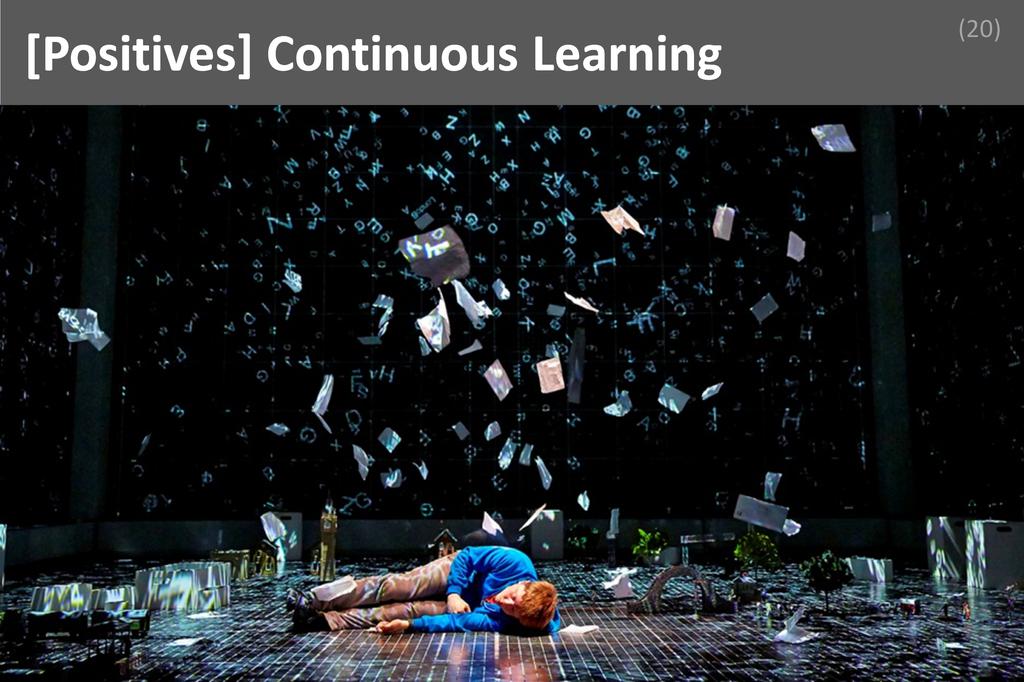
Continuous learning is the ongoing process of acquiring new knowledge, skills, and insights throughout one’s career, rather than relying solely on initial training or education. In theatre acting, this approach fosters adaptability, creativity, and growth, enabling actors to evolve with each role and production, and to remain relevant in a dynamic industry.
Theatre acting thrives on the principle of continuous learning, making it a uniquely rewarding profession. Actors are constantly exposed to new scripts, characters, and performance styles, which demand ongoing development and self-improvement. This perpetual growth not only keeps the work intellectually stimulating but also fuels personal and artistic satisfaction. As actors embrace new challenges, they expand their emotional range and technical abilities, leading to greater confidence and versatility on stage. The sense of progress and discovery that comes from continuous learning enhances job satisfaction, as each project becomes an opportunity to refine one’s craft and connect more deeply with audiences. Ultimately, this commitment to lifelong learning ensures that theatre actors remain passionate, engaged, and inspired throughout their careers.
Imagine an actor who has spent years performing in contemporary dramas suddenly being cast in a Shakespearean tragedy. To meet the demands of this new role, they immerse themselves in Elizabethan language, study historical context, and experiment with classical acting techniques. Through this process, the actor not only masters unfamiliar material but also discovers new facets of their own talent. The challenge of adapting to a different genre invigorates their passion for the craft and deepens their appreciation for the art form. This real-world experience exemplifies how continuous learning in theatre acting leads to personal fulfillment, professional growth, and a lifelong love of the stage.
Culturally Rich

“Culturally Rich” refers to the deep immersion in diverse traditions, histories, languages, and artistic expressions that theatre acting offers. This environment exposes actors to a mosaic of human experiences, beliefs, and values, fostering empathy, understanding, and creativity. It transforms the profession into a vibrant tapestry of learning and personal growth, enhancing every performance.
The culturally rich nature of theatre acting is a profound source of inspiration and fulfillment. Actors are constantly challenged to step into different worlds, embodying characters from various backgrounds and eras. This exposure not only broadens their artistic horizons but also deepens their understanding of humanity. The daily collaboration with colleagues from different cultures and the exploration of global narratives make each project unique and intellectually stimulating. Such diversity fuels creativity, encourages open-mindedness, and cultivates a sense of belonging within a global artistic community. As a result, theatre professionals often find greater job satisfaction, personal growth, and a continuous sense of discovery, making their careers both meaningful and dynamic.
Imagine a theatre actor cast in a production of “A Raisin in the Sun,” a play rooted in African American culture and history. Through rehearsals, the actor collaborates with cast members who share personal stories and cultural insights, enriching the portrayal of their character. The process involves learning about the historical context, dialects, and traditions depicted in the play. As opening night approaches, the actor feels a profound connection to the material and the audience, recognizing the importance of representing these stories authentically. This experience not only enhances their craft but also instills a deep sense of pride and fulfillment, knowing they are part of something culturally significant and transformative.
Associated with live shows
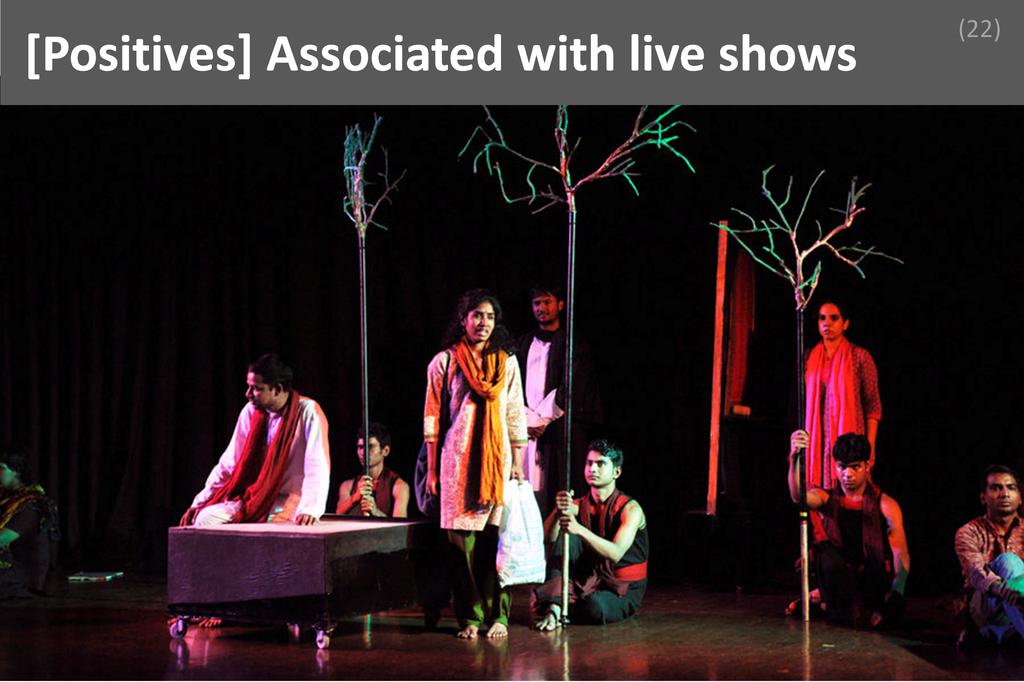
"Associated with live shows" means that theatre actors perform directly in front of an audience, experiencing the energy, reactions, and atmosphere of a live event. This dynamic environment fosters immediate connection, spontaneity, and authenticity, making each performance unique. It is a defining element that enriches the profession and elevates the actor’s craft.
Being associated with live shows is a cornerstone of theatre acting, offering a sense of immediacy and connection that is rarely found in other performing arts. The thrill of performing live brings a heightened sense of purpose and excitement, as actors feed off the audience’s energy and reactions in real time. This interaction not only sharpens their skills but also fosters a deep sense of accomplishment and belonging. The unpredictability of live performances encourages adaptability, quick thinking, and resilience, all of which are invaluable for personal and professional growth. Every show becomes a new opportunity to engage, inspire, and move people, making the daily experience of theatre acting both challenging and profoundly rewarding.
Imagine a theatre actor stepping onto the stage on opening night, heart pounding as the lights dim and the audience falls silent. As the performance unfolds, the actor senses the crowd’s laughter, gasps, and applause, feeling an electric connection that fuels their passion and performance. In a pivotal scene, a subtle change in the audience’s mood prompts the actor to adjust their delivery, creating a more powerful and authentic moment. After the curtain call, the actor is filled with a deep sense of fulfillment, knowing they have touched lives and created a memorable experience. This immediate feedback and shared energy are the essence of being associated with live shows, making theatre acting truly extraordinary.
Challenges
Sustainability

Sustainability in Theatre Acting refers to the ongoing ability of actors to maintain their careers artistically, financially, and emotionally over time. This challenge is demanding because the industry is marked by instability, irregular income, intense competition, and the constant need for self-renewal, making long-term career viability a persistent concern for professionals.
The difficulty of sustaining a career in theatre acting permeates daily life, as actors often juggle multiple jobs, unpredictable schedules, and the emotional toll of frequent auditions and rejections. This environment requires immense resilience, adaptability, and resourcefulness. Successful professionals manage these constraints by diversifying their skills, seeking opportunities in related fields such as teaching or directing, and building supportive networks within the industry. They also prioritize self-care and continuous learning, allowing them to adapt to changing trends and demands. By embracing flexibility and maintaining a proactive approach to career development, actors can navigate the uncertainties inherent in their profession and foster a more sustainable path forward.
Consider an actor who, after several years of fluctuating roles and income, decides to supplement their stage work by teaching acting workshops and collaborating on independent productions. By leveraging their expertise in education and networking with local theatre groups, they create a more stable income stream and expand their professional reach. This approach not only provides financial security but also keeps them artistically engaged and connected to the community. Through adaptability and diversification, the actor successfully manages the challenge of sustainability, demonstrating that a multifaceted approach can lead to a fulfilling and enduring career in theatre acting.
Lack of Awareness

Lack of Awareness in Theatre Acting refers to the limited public understanding and appreciation of the craft, its demands, and its value. This challenge is demanding because it leads to underestimation of actors’ skills, reduced opportunities, and minimal recognition, making it harder for professionals to sustain and advance their careers.
Theatre actors often find themselves working tirelessly in environments where their efforts go unnoticed by the broader public and even by industry stakeholders. This lack of recognition can result in fewer auditions, limited funding, and diminished morale. The constant need to prove the legitimacy and importance of their work requires significant resilience. Successful professionals address this by actively engaging in community outreach, networking with industry peers, and leveraging social media to showcase their talents and educate audiences. By building relationships with local organizations and participating in public events, they gradually increase visibility and foster appreciation for theatre. This proactive approach not only helps to mitigate the effects of lack of awareness but also empowers actors to create new opportunities for themselves and their peers.
Consider a theatre actor who notices that their local community rarely attends live performances, largely due to unfamiliarity with the art form. Instead of becoming discouraged, the actor collaborates with fellow performers to organize interactive workshops and open rehearsals at community centers. They share behind-the-scenes insights and invite the public to experience the creative process firsthand. Over time, these efforts spark curiosity and draw new audiences to their shows. By demystifying theatre and making it accessible, the actor not only raises awareness but also builds a supportive local following. This initiative demonstrates how persistence and creative outreach can transform a lack of awareness into genuine engagement and appreciation.
Lack of Thatre Education
Lack of Thatre Education in theatre acting refers to the absence of formal training, structured learning, or academic grounding in theatrical techniques, history, and performance theory. This challenge is demanding because it can limit an actor’s technical skills, confidence, and understanding of the craft, making professional growth and collaboration more difficult.
The absence of formal theatre education can make daily work in acting more challenging, as professionals may struggle with script analysis, stage presence, or adapting to different directing styles. This gap often requires greater resilience, as actors must learn on the job, seek feedback, and continuously self-improve. Successful professionals manage this constraint by embracing mentorship, participating in workshops, and dedicating themselves to self-study. They observe peers, read plays, and watch performances to absorb techniques and industry standards. By cultivating adaptability and a willingness to learn, these actors turn their lack of formal education into a driving force for personal and artistic growth, demonstrating that passion and persistence can bridge educational gaps.
Consider an actor who began their career without attending drama school or receiving structured theatre education. Early in their journey, they faced difficulties understanding stage directions and struggled with character development. Instead of being discouraged, they sought out community theatre opportunities, volunteered for backstage roles, and asked experienced actors for guidance. Through consistent observation, practice, and informal mentorship, they gradually built a repertoire of skills. Over time, their dedication paid off as they landed more significant roles and earned the respect of their peers. This real-world example illustrates how determination and proactive learning can help overcome the lack of formal theatre education, ultimately leading to a successful and fulfilling career in acting.
A Day Of
Theatre Acting
The world behind the velvet curtain is a whirlwind of energy, anticipation, and relentless creativity. For a theatre acting professional, each day is a carefully choreographed dance between preparation, collaboration, and performance, set against the backdrop of echoing rehearsal halls and the quiet hum of backstage corridors. The pace is brisk, the environment ever-changing, and the nature of the work demands both emotional vulnerability and razor-sharp discipline. From the first light of dawn to the final curtain call, a theatre actor’s day is a testament to passion, resilience, and the pursuit of artistic excellence.
As the city stirs awake, the theatre actor’s day begins in solitude, often with a steaming cup of coffee and a well-worn script. This early morning phase is dedicated to personal preparation—reviewing lines, exploring character motivations, and mentally rehearsing scenes. Actors might spend this time vocalizing warm-ups, stretching, or simply visualizing the emotional arc of their role. It’s a sacred, introspective hour that sets the tone for the demanding day ahead, allowing the performer to reconnect with their character and ground themselves before stepping into the collaborative chaos of the theatre.
By mid-morning, the actor steps into the heart of the day: the rehearsal room. Here, the energy shifts from quiet contemplation to dynamic interaction. Under the guidance of the director, actors dive into scene work, blocking, and improvisation, often repeating moments until every gesture and inflection feels authentic. The space buzzes with creative exchange as cast members challenge each other, experiment with new interpretations, and respond to real-time feedback. This is the crucible where characters are forged, relationships are tested, and the raw material of the script is transformed into living, breathing theatre.
Afternoons are devoted to refining the morning’s work and integrating the technical elements that bring a production to life. Actors might participate in costume fittings, work with stage managers on timing and cues, or collaborate with designers to understand how lighting and sound will shape their performance. This phase is marked by teamwork and adaptability, as the actor navigates notes from the director, adjusts to new staging, and ensures that every detail aligns with the ensemble’s vision. The focus is on cohesion and execution, blending individual artistry with the collective effort required to mount a successful show.
As the day winds down, the actor transitions into a period of reflection and planning. This is the time to review director’s notes, jot down insights from the day’s rehearsals, and address any lingering challenges with lines or blocking. Administrative tasks—such as responding to emails, updating schedules, or researching character backgrounds—are handled with the same attention to detail as the creative work. With an eye on tomorrow’s goals, the actor leaves the theatre with a sense of accomplishment and a renewed commitment to the craft, ready to do it all again when the sun rises. |


 Home
Home Abroad
 Plan
Plan Philosophy
 Seminar
 Pages
Pages Advisors
 Testimonials














 Workshop
 Discuss
 Meet
Meet
 Advisor
 Story
Story
 Fine Print
 Links
Links
 Blog
Blog
 Follow
