The Journey of Acting
What Is Acting
Acting

Acting is the art of performing roles in theater, film, television, or other media by adopting characters’ personalities, emotions, and behaviors. Actors use voice, movement, and expression to convey stories, ideas, and emotions, engaging audiences and bringing scripts to life through believable and compelling performances.
Acting holds a significant place in society and culture, as it allows stories to be told in ways that resonate emotionally and intellectually with audiences. For professionals, acting offers opportunities for creative expression, personal growth, and collaboration with others in the industry. It helps actors develop empathy by stepping into different characters’ lives, enhances communication skills through constant practice, and builds resilience as they navigate auditions, rejections, and successes. The impact of acting extends beyond entertainment, fostering cultural understanding and inspiring audiences to reflect on diverse perspectives and experiences.
A professional actor working on a television drama series spends weeks studying the script, researching the character’s background, and rehearsing scenes with fellow cast members. During filming, the actor draws on training and personal experiences to authentically portray complex emotions, adapting to the director’s feedback and the dynamics of each scene. The actor’s commitment to the role helps create a believable character that resonates with viewers, contributing to the overall success of the show. Through this process, the actor not only hones their craft but also collaborates closely with writers, directors, and crew, demonstrating the multifaceted nature of acting in a real-world professional environment.
Education
Literature

Literature encompasses written works, especially those considered to have artistic or intellectual value, such as novels, plays, poetry, and essays. In the context of acting, literature forms the backbone of scripts and performances, providing the narratives, characters, and themes that actors bring to life on stage or screen.
A deep understanding of literature is essential for anyone pursuing a career in acting because it equips professionals with the ability to interpret scripts, analyze characters, and appreciate the nuances of storytelling. Literature exposes actors to a wide range of human experiences, emotions, and historical contexts, all of which are crucial for authentic performance. By studying literature, actors develop critical thinking and empathy, enabling them to inhabit diverse roles convincingly. This foundational knowledge not only enhances their craft but also opens doors to more complex and challenging roles throughout their careers. Over time, a strong literary background helps actors adapt to various genres and styles, making them more versatile and sought-after in the industry.
Consider an actor preparing for a role in a classic Shakespearean play. Their understanding of literature allows them to analyze the text, grasp the underlying themes, and interpret the archaic language with confidence. During rehearsals, this literary insight helps the actor collaborate effectively with the director and fellow cast members, ensuring that the performance remains true to the original work while resonating with a modern audience. By drawing on their knowledge of literary devices, historical context, and character development, the actor can deliver a nuanced and compelling portrayal that elevates the entire production. This daily application of literary theory transforms a script into a living, breathing performance that captivates audiences.
Film Literature

Film Literature is the study of cinematic works as texts, analyzing narrative structures, themes, character development, visual language, and cultural contexts. It bridges film theory and storytelling, providing actors with critical insight into scripts and performances. For actors, understanding Film Literature is essential for interpreting roles and contributing meaningfully to productions.
A deep understanding of Film Literature is vital for actors because it equips them with the analytical tools needed to interpret scripts beyond surface-level dialogue. By studying film as literature, actors learn to recognize subtext, symbolism, and the intentions behind a writer’s choices. This foundational knowledge allows them to make informed decisions about their character’s motivations and relationships within the story. Over time, this expertise enhances an actor’s ability to collaborate with directors and writers, adapt to various genres, and bring authenticity to their performances. Mastery of Film Literature also fosters a lifelong appreciation for the art form, encouraging continuous professional growth and adaptability in an ever-evolving industry.
Consider an actor preparing for a role in a period drama. By applying their understanding of Film Literature, the actor analyzes the script’s historical context, narrative structure, and character arcs. This theoretical background helps them identify subtle cues about their character’s social status, motivations, and relationships, which may not be explicitly stated in the dialogue. During rehearsals, the actor uses this insight to ask informed questions, collaborate effectively with the director, and make nuanced performance choices that align with the film’s themes and visual style. Ultimately, their grasp of Film Literature enables them to deliver a more layered and compelling portrayal, elevating the overall quality of the production.
Languages

Languages refer to structured systems of communication, including spoken, written, and non-verbal forms, used by individuals and communities to convey meaning. In the context of Acting, understanding languages encompasses not only fluency in different tongues but also mastery of dialects, accents, and the nuances of verbal and non-verbal expression essential for authentic performance.
A deep understanding of languages is crucial for actors because it enables them to convincingly portray characters from diverse backgrounds and eras. Mastery of language allows actors to interpret scripts accurately, deliver lines with emotional authenticity, and connect with audiences across cultural boundaries. This foundational knowledge supports the development of believable characters and enhances storytelling by ensuring that dialogue, tone, and body language align with the character’s identity and context. Over the long term, proficiency in multiple languages or dialects can open doors to international roles, broaden an actor’s appeal, and increase their versatility in an increasingly globalized industry. Ultimately, language skills are not just tools for communication but are integral to the craft and career longevity of any professional actor.
Consider an actor cast in a historical drama set in 19th-century France. To deliver a convincing performance, the actor must not only memorize lines in French but also adopt the appropriate accent, intonation, and body language reflective of that era and culture. Their understanding of the French language, including idiomatic expressions and subtle emotional cues, allows them to interact authentically with other characters and immerse the audience in the story’s setting. During rehearsals and live performances, the actor’s language skills help them respond naturally to improvisations, maintain character integrity, and build rapport with both cast members and viewers. This practical application of language knowledge transforms a scripted role into a living, breathing character on stage or screen.
Social Media Marketing

Social Media Marketing is the strategic use of social platforms like Instagram, Twitter, and TikTok to promote personal brands, engage audiences, and distribute content. For actors, it is an essential academic and professional skill, enabling them to build visibility, connect with fans, and attract industry opportunities in a competitive field.
Understanding social media marketing is crucial for anyone pursuing a career in acting because it empowers individuals to take control of their public image and career trajectory. In today’s entertainment industry, casting directors and producers often consider an actor’s online presence and engagement when making decisions. Mastery of social media marketing allows actors to showcase their talents, network with industry professionals, and cultivate a loyal fanbase. This foundational knowledge not only increases visibility but also opens doors to collaborations, sponsorships, and independent projects. Over the long term, actors who skillfully manage their social media can sustain relevance, adapt to industry trends, and create new opportunities beyond traditional auditions, making it a vital component of professional success.
Consider an actor preparing for the release of an independent film. By leveraging their understanding of social media marketing, they create a content calendar, share behind-the-scenes footage, and engage with followers through interactive Q&A sessions. They use targeted hashtags and collaborate with other cast members to amplify reach. As a result, the film garners attention from both fans and industry insiders, leading to increased ticket sales and media coverage. The actor’s proactive approach not only boosts the project’s success but also enhances their personal brand, attracting new followers and potential casting opportunities. This scenario demonstrates how theoretical knowledge of social media marketing translates into tangible career advancement in the acting profession.
Skills
Theatre Experience

Theatre Experience refers to the practical knowledge and skills gained through participating in live stage productions, including rehearsals, performances, and collaboration with directors and fellow actors. It encompasses understanding stagecraft, audience engagement, script interpretation, and adaptability, forming a foundational element in an actor’s professional development and artistic growth.
Theatre Experience directly enhances an actor’s performance by fostering discipline, emotional range, and the ability to respond authentically in real time. Clients and employers highly value this skill because it demonstrates an actor’s commitment, resilience, and versatility, all of which are crucial in high-pressure environments. Theatre-trained actors often display strong improvisational abilities and a deep understanding of character development, making them reliable and dynamic performers. Cultivating this skill involves consistent participation in stage productions, seeking feedback from directors and peers, and embracing diverse roles that challenge one’s abilities. Over time, this hands-on practice builds confidence, sharpens instincts, and equips actors with the tools needed to excel in both live and recorded mediums.
Imagine an actor cast in a demanding lead role for a live televised performance. During the broadcast, an unexpected technical issue disrupts the scene, threatening to break the flow of the production. Drawing on their Theatre Experience, the actor remains composed, improvises dialogue, and seamlessly guides fellow performers back on track, ensuring the story continues without the audience noticing the mishap. This ability to adapt under pressure, maintain character, and support the ensemble is a direct result of extensive stage experience. The production’s success, despite unforeseen challenges, highlights how Theatre Experience empowers actors to navigate unpredictability and deliver compelling performances in any setting.
Sharp Memory

Sharp Memory refers to the ability to quickly and accurately recall information, experiences, and details with clarity and precision. In acting, this skill enables professionals to internalize scripts, remember cues, and embody characters consistently. It is a foundational asset that supports adaptability, creativity, and reliability on stage or screen.
A sharp memory directly enhances an actor’s performance by allowing them to deliver lines flawlessly, respond authentically to scene partners, and maintain continuity across multiple takes or performances. Directors and casting agents highly value this skill because it minimizes errors, reduces rehearsal time, and ensures a smoother production process. Actors can cultivate sharp memory through regular script study, repetition, mental exercises, and mindfulness techniques. Over time, consistent practice with memorization and active listening strengthens neural pathways, making it easier to absorb and retain complex material. This ongoing development not only boosts confidence but also increases an actor’s versatility and employability in a competitive industry.
Imagine an actor performing in a live theater production where, moments before going on stage, a fellow cast member falls ill and the director asks them to cover an additional role. Relying on their sharp memory, the actor quickly reviews the new lines and blocking, recalling previous rehearsals and script readings. During the performance, they seamlessly deliver both their original and new lines, adapting to unexpected changes without hesitation. Their ability to remember cues, character motivations, and stage directions ensures the show continues smoothly, impressing both the audience and the production team. This scenario highlights how sharp memory can be the difference between a disrupted performance and a triumphant, professional response to unforeseen challenges.
Command over Voice

Command over voice refers to an actor’s ability to control pitch, tone, volume, pace, and clarity, adapting their vocal delivery to suit different characters, emotions, and settings. This skill enables actors to convey meaning, evoke emotion, and maintain audience engagement, making it a fundamental aspect of professional performance.
Mastery of voice allows actors to bring scripts to life, transforming written words into compelling performances that resonate with audiences. Directors and casting agents highly value this skill because it demonstrates versatility and professionalism, ensuring that an actor can meet the demands of diverse roles and challenging scripts. Developing command over voice involves regular vocal exercises, breath control techniques, and ongoing practice with varied material. Actors often work with vocal coaches to refine articulation, projection, and emotional expression, gradually building confidence and adaptability. Over time, this dedication leads to a more dynamic range, enabling actors to tackle complex roles and deliver memorable performances that stand out in auditions and on stage or screen.
Imagine an actor performing in a live theater production where a sudden technical malfunction causes the microphones to fail. In this high-pressure moment, the actor’s command over voice becomes crucial. By projecting their voice clearly and adjusting their tone and volume, the actor ensures that every audience member, even those seated at the back, can hear and understand the dialogue. This quick adaptation not only saves the performance but also demonstrates professionalism and reliability. The actor’s ability to maintain character and emotional intensity, despite the unexpected challenge, highlights the importance of vocal mastery in overcoming obstacles and delivering a successful performance.
Public Relations

Public Relations is the strategic management of communication between an individual or organization and the public to build a positive reputation and foster beneficial relationships. For an acting professional, public relations is crucial because it shapes public perception, manages media interactions, and helps maintain a favorable image within the entertainment industry.
Mastering public relations directly enhances an actor’s career by ensuring their public image aligns with their professional goals and values. Clients and employers highly value actors who can navigate interviews, handle publicity, and respond gracefully to both praise and criticism. Effective public relations skills help actors build trust with fans, attract media attention, and secure more opportunities. Cultivating this skill involves consistent practice in communication, staying informed about industry trends, and seeking feedback from mentors or publicists. Over time, actors who invest in their public relations abilities become more resilient to negative press and are better equipped to leverage positive exposure, making them more appealing to casting directors and producers.
Imagine an actor who is suddenly thrust into the spotlight after landing a major role, only to face a wave of negative rumors online. By relying on strong public relations skills, the actor works closely with their publicist to craft thoughtful statements, participate in strategic interviews, and engage positively with fans on social media. This proactive approach helps clarify misunderstandings, shifts the narrative, and restores public confidence. As a result, the actor not only preserves their reputation but also demonstrates professionalism and resilience, which impresses both current employers and future collaborators. In this way, public relations becomes a vital tool for overcoming challenges and achieving long-term success in the acting industry.
Physical Fitness

Physical fitness is the state of having a healthy body capable of performing a wide range of physical activities with strength, endurance, flexibility, and coordination. In acting, physical fitness enables performers to meet the demanding requirements of roles, maintain energy on set, and embody characters authentically, making it indispensable.
Physical fitness directly enhances an actor’s performance by allowing them to execute complex movements, maintain stamina during long rehearsals or shoots, and adapt to physically demanding roles. Directors and casting agents value actors who are physically fit because they can handle action sequences, stage combat, and dynamic choreography without risk of injury or fatigue. Cultivating this skill involves regular exercise, balanced nutrition, and consistent practice in movement-based disciplines such as dance, stage combat, or yoga. Over time, actors who prioritize their physical fitness not only improve their health but also expand the range of roles they can convincingly portray, making them more versatile and reliable professionals in the industry.
Imagine an actor cast in a physically intense stage production where the character must perform multiple fight scenes and quick costume changes throughout a two-hour show. During a live performance, a technical issue causes a delay, requiring the cast to improvise and extend a physically demanding sequence. Thanks to their high level of physical fitness, the actor maintains energy, focus, and precise movement, ensuring the scene remains believable and engaging for the audience. Their stamina and agility allow them to adapt seamlessly, preventing injury and supporting the entire cast through the unexpected challenge. This scenario highlights how physical fitness can be the key to overcoming obstacles and delivering a memorable, professional performance.
Self Discipline

Self discipline is the ability to control one’s impulses, emotions, and behaviors to achieve long-term goals, even in the face of distractions or temptations. For actors, self discipline is a foundational skill that enables consistent practice, preparation, and professionalism, making it indispensable for building a sustainable and successful career.
Self discipline directly enhances an actor’s performance by ensuring they dedicate time to rehearsals, memorize lines thoroughly, and maintain focus during demanding shoots or live performances. Clients and employers highly value actors who demonstrate reliability, punctuality, and a strong work ethic, as these qualities contribute to smooth productions and positive working environments. Cultivating self discipline involves setting clear goals, adhering to routines, and consistently pushing oneself to improve, even when motivation wanes. Over time, actors who practice self discipline develop resilience and adaptability, allowing them to handle the unpredictable nature of the industry and meet the high expectations set by directors and casting agents.
Consider an actor preparing for a leading role in a stage production with a tight rehearsal schedule and complex choreography. Despite feeling exhausted after long days, the actor relies on self discipline to review scripts, practice movements, and maintain vocal exercises each night. When a last-minute script change occurs just before opening night, the actor’s disciplined habits allow them to quickly adapt, memorize new lines, and deliver a flawless performance. This commitment not only impresses the director and fellow cast members but also ensures the production’s success, highlighting how self discipline can be the decisive factor in overcoming challenges and achieving excellence in acting.
Dedication & Focus

Dedication & Focus is the unwavering commitment to mastering one’s craft and the ability to concentrate fully on the task at hand, even amid distractions or setbacks. For an acting professional, this skill ensures consistent growth, resilience, and the capacity to deliver authentic, compelling performances under pressure.
Dedication & Focus directly enhances an actor’s ability to inhabit roles, memorize scripts, and respond authentically to direction. Employers and casting directors value this skill because it signals reliability, professionalism, and the likelihood of delivering strong performances regardless of challenges. Cultivating dedication and focus involves setting clear goals, maintaining a disciplined routine, and practicing mindfulness to remain present during rehearsals and performances. Over time, actors who consistently apply themselves develop a reputation for dependability and excellence, making them more attractive to collaborators and increasing their opportunities for meaningful roles. By prioritizing continuous learning and self-improvement, actors can ensure that their dedication and focus remain sharp throughout their careers.
Imagine an actor cast in a demanding stage production who must learn a lengthy monologue in a short period while balancing other commitments. By channeling dedication and focus, the actor sets aside daily practice time, eliminates distractions, and immerses themselves in the character’s mindset. Despite fatigue and external pressures, their commitment allows them to internalize the lines and deliver a powerful, emotionally resonant performance on opening night. The director and audience notice the authenticity and depth of the portrayal, leading to critical acclaim and further opportunities. This scenario highlights how dedication and focus enable actors to overcome obstacles and achieve success in high-stakes situations.
Positives
Name, Fame & Money

"Name, Fame & Money" refers to the recognition, admiration, and financial rewards that come with success in the acting profession. It encompasses the public acknowledgment of an actor’s talent, the widespread popularity they achieve, and the lucrative earnings that follow. This trio elevates the profession’s appeal and personal fulfillment.
The allure of name, fame, and money is a powerful motivator for many aspiring actors. Achieving recognition and admiration from audiences and peers brings a deep sense of accomplishment and validation. The financial rewards provide stability and open doors to new opportunities, allowing actors to focus on their craft without the burden of financial insecurity. The daily experience of being celebrated for one’s work, receiving fan messages, and being sought after for new projects creates a dynamic and exciting professional life. This positive aspect not only boosts job satisfaction but also encourages continuous growth, as actors strive to maintain their status and further their careers in an ever-evolving industry.
Imagine an actor who lands a breakthrough role in a popular television series. Almost overnight, their name becomes a household word, and their social media following skyrockets. Invitations to prestigious events and interviews pour in, and lucrative endorsement deals follow. The actor feels immense pride seeing their work appreciated by millions and enjoys the financial freedom to pursue personal passions and support loved ones. Each day brings new opportunities and connections, reinforcing the sense that their dedication and talent have truly paid off. This tangible experience of name, fame, and money transforms their career into a source of joy, inspiration, and lasting impact.
Travelling

Travelling, in the context of acting, refers to the frequent movement to various locations—both domestic and international—for film shoots, stage performances, auditions, and promotional events. This dynamic aspect exposes actors to new cultures, environments, and experiences, enriching their personal and professional lives while expanding their creative horizons.
The opportunity to travel is a significant advantage in an acting career because it transforms routine work into an ongoing adventure. Each new location brings fresh inspiration, challenges, and learning experiences that foster personal growth and artistic development. Travelling allows actors to immerse themselves in diverse cultures, which can deeply inform their performances and broaden their perspectives. This constant change of scenery keeps the profession exciting and prevents monotony, making every project feel unique. The connections made with people from different backgrounds also enhance networking opportunities and open doors to international collaborations. Ultimately, the ability to travel for work increases job satisfaction, as actors experience the world in ways few other professions allow, making their journey both professionally and personally rewarding.
Imagine an actor cast in a film that requires shooting in several countries across Europe and Asia. As the production moves from the bustling streets of Paris to the tranquil landscapes of rural Japan, the actor not only adapts to different filming environments but also absorbs the local culture, cuisine, and traditions. These experiences influence their portrayal of the character, adding authenticity and depth. Off set, the actor forms friendships with local crew members and fellow cast, gaining insights into new ways of life. This journey becomes more than just a job—it is a transformative adventure that leaves lasting memories and shapes the actor’s worldview, making the career in acting truly fulfilling.
Becoming a Role Model
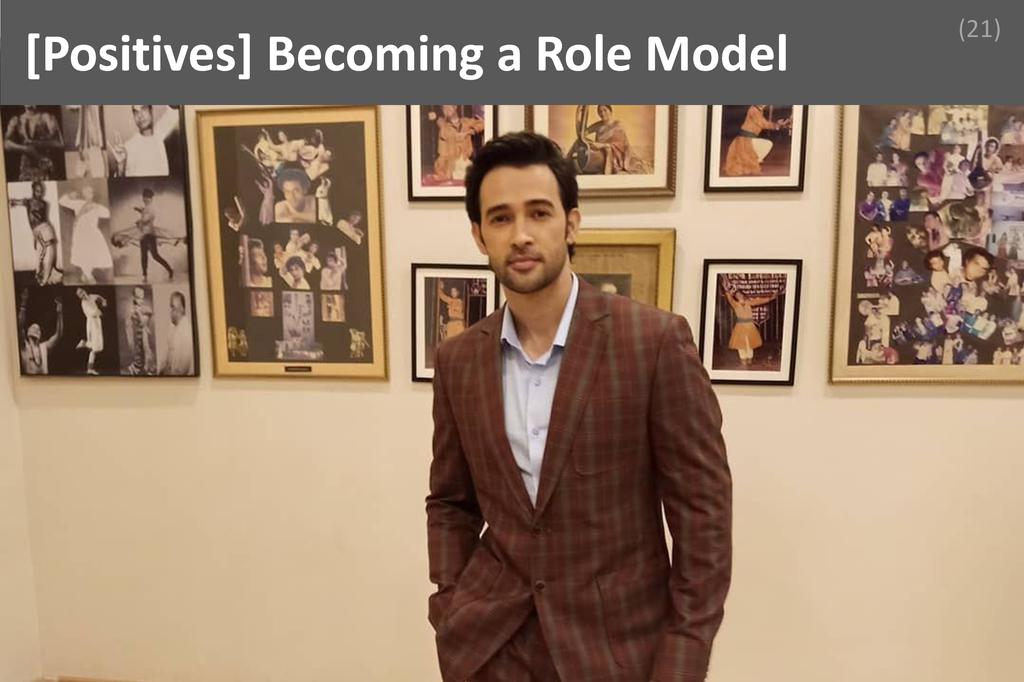
Becoming a role model means inspiring others through your actions, choices, and achievements, serving as a positive example for people to follow. In acting, this involves demonstrating dedication, resilience, and authenticity both on and off the screen, encouraging audiences and aspiring actors to pursue their dreams and values.
The opportunity to become a role model is a powerful motivator for many actors, as it allows them to influence lives beyond entertainment. Knowing that their performances and personal conduct can inspire confidence, empathy, and ambition in others brings a deep sense of purpose to their work. This recognition often leads to greater job satisfaction, as actors see tangible evidence of their positive impact in fan interactions and public feedback. The sense of responsibility to uphold high standards encourages continuous personal and professional growth, making each day on set or stage more meaningful. By embodying admirable qualities, actors not only elevate their craft but also contribute to a culture of inspiration and hope, reinforcing the importance of their role in society.
Imagine a young actor who lands a prominent role in a television series that addresses important social issues. As the show gains popularity, the actor receives messages from viewers who share how the character’s journey helped them overcome personal struggles or inspired them to pursue their passions. During public appearances and interviews, the actor is approached by aspiring performers who express gratitude for the encouragement and representation they provide. This ongoing feedback reinforces the actor’s sense of purpose, motivating them to continue growing both professionally and personally. The daily realization that their work has a meaningful impact on others’ lives transforms their career into a source of fulfillment and pride, making the challenges of the profession worthwhile.
Challenges
Initial Struggles

Initial struggles in acting refer to the early-phase hardships actors face, such as frequent rejections, financial instability, limited opportunities, and self-doubt. These challenges are demanding because the industry is highly competitive, subjective, and unpredictable, requiring aspiring professionals to persist despite setbacks and uncertainty about future success.
The difficulty of initial struggles in acting can permeate daily life, affecting motivation, self-esteem, and even basic financial security. Constant auditions with little feedback, sporadic work, and the pressure to stand out in a crowded field can lead to frustration and burnout. Resilience becomes essential, as actors must learn to separate personal worth from professional setbacks and maintain their passion for the craft. Successful professionals often manage these constraints by building supportive networks, continuously honing their skills, and embracing each audition as a learning opportunity rather than a final judgment. By focusing on personal growth and incremental progress, actors can navigate the uncertainty and gradually establish themselves in the industry.
Consider the journey of an aspiring actor who, after moving to a major city, faced months of unsuccessful auditions and part-time jobs to make ends meet. Instead of succumbing to discouragement, this actor sought feedback from casting directors, attended workshops to improve their technique, and connected with peers for support and collaboration. Over time, these efforts led to small roles in independent productions, which gradually built their confidence and visibility. By treating each setback as a stepping stone rather than a defeat, the actor transformed initial struggles into valuable learning experiences, ultimately securing more substantial roles and establishing a foothold in the competitive world of acting.
Criticism

Criticism in acting refers to the evaluation, feedback, or judgment actors receive from directors, peers, critics, and audiences regarding their performances. It is demanding because it often targets personal expression and creative choices, making it emotionally taxing and potentially undermining confidence, yet it remains an inevitable aspect of the profession.
Criticism can deeply affect an actor’s daily work by influencing self-esteem, motivation, and creative risk-taking. The constant scrutiny and subjective opinions can lead to self-doubt or anxiety, making resilience essential for sustained growth. Successful professionals learn to distinguish between constructive feedback and unhelpful negativity, using the former to refine their craft while letting go of the latter. They develop a thick skin, maintain a strong sense of self, and seek support from trusted mentors or colleagues. By focusing on continuous improvement and remembering their passion for the art, actors can transform criticism into a valuable tool for personal and professional development rather than a source of discouragement.
Consider an actor who, after a major stage debut, receives mixed reviews from critics—some praising their emotional depth, others questioning their interpretation. Initially, the negative comments sting and cause self-doubt. However, the actor chooses to discuss the feedback with their director and acting coach, identifying specific areas for growth without losing sight of their strengths. By channeling the constructive elements of the criticism into their rehearsal process, the actor gradually improves their performance. Over time, they learn to view criticism as an opportunity for learning rather than a personal attack, ultimately emerging more confident and skilled in their craft.
Media & Rumors

Media & Rumors in acting refer to the widespread dissemination of unverified stories, gossip, and speculation about actors’ personal and professional lives. This environment is demanding because it can distort public perception, impact reputations, and create emotional stress, making it difficult for actors to maintain privacy and professional focus.
The constant presence of media scrutiny and rumors can intrude on an actor’s daily life, affecting both their work on set and their interactions with colleagues and fans. This challenge requires significant emotional resilience, as negative or false narratives can quickly overshadow achievements and disrupt concentration. Successful professionals often develop strong support networks, maintain clear boundaries between their personal and public personas, and work closely with publicists or managers to address misinformation. By focusing on their craft and communicating transparently when necessary, they can minimize the impact of rumors and maintain control over their narrative, allowing them to continue performing at a high level despite external pressures.
Consider an actor who becomes the subject of a false rumor about a feud with a co-star during a major film production. Instead of reacting impulsively or fueling speculation, the actor chooses to address the situation calmly in a scheduled interview, clarifying the facts and expressing respect for their colleague. Behind the scenes, they maintain professionalism on set, ensuring that their work remains unaffected by external noise. By handling the situation with composure and transparency, the actor not only dispels the rumor but also reinforces their reputation for integrity and reliability, demonstrating how effective management of media and rumors can protect both career and personal well-being.
Maintenance of Lifestyle

Maintenance of Lifestyle in acting refers to the ongoing effort required to sustain a stable and fulfilling standard of living despite the profession’s unpredictable income, irregular work schedules, and frequent periods of unemployment. This challenge is demanding because it requires constant adaptation, financial planning, and emotional resilience to navigate uncertainty.
The difficulty of maintaining a consistent lifestyle in acting can lead to stress, anxiety, and burnout, as professionals often face fluctuating income and job insecurity. Daily routines may be disrupted by last-minute auditions or extended periods without work, making it hard to plan finances or personal commitments. This environment demands resilience, adaptability, and resourcefulness. Successful actors often diversify their income streams, such as teaching, voice work, or commercial gigs, to create financial stability. They also develop strong support networks and practice disciplined budgeting to weather lean periods. By embracing flexibility and proactively managing their careers, these professionals are able to maintain a sense of normalcy and well-being despite the inherent instability of the industry.
Consider an actor who, after landing a prominent television role, experiences a sudden end to the show due to network changes. Instead of succumbing to uncertainty, the actor leverages their skills by teaching acting workshops, taking on voiceover projects, and participating in local theater productions. They maintain a strict budget, setting aside savings during prosperous periods to cover leaner times. By staying active in the industry and continuously seeking new opportunities, the actor not only sustains their lifestyle but also expands their professional network and skill set. This proactive approach allows them to navigate the unpredictable nature of acting while preserving both financial stability and personal fulfillment.
A Day Of
Acting
The world of acting is a whirlwind of adrenaline, creativity, and constant adaptation. Far from the static image of memorizing lines in solitude, a typical day for an acting professional is a dynamic blend of preparation, performance, and collaboration. Each hour brings new challenges, whether it’s transforming into a character under the bright lights of a rehearsal studio or navigating the unpredictable rhythms of auditions and callbacks. The pace is relentless, the environment ever-changing, and the nature of the work demands both emotional vulnerability and razor-sharp focus. For actors, every day is a fresh script, and the only constant is the drive to bring stories to life.
As dawn breaks, the actor’s day begins with quiet rituals that set the tone for the hours ahead. This early morning period is often spent reviewing scripts, internalizing lines, and exploring the emotional landscape of a character. Whether sipping coffee in a sunlit kitchen or stretching in a small home studio, the actor uses this time to warm up both body and mind. Vocal exercises, breathing techniques, and gentle movement help shake off sleep and prepare for the demands of the stage or camera. This is a sacred window for self-reflection and focus, where the seeds of the day’s performance are sown.
By mid-morning, the pace accelerates as actors dive into the heart of their craft. This is when auditions, rehearsals, or on-set work typically take center stage. The atmosphere is charged with anticipation and energy, as actors step into character, respond to direction, and interact with fellow performers. Whether facing the scrutiny of a casting panel or collaborating with a director in a rehearsal hall, this is the most intense and interactive part of the day. Every gesture, inflection, and emotion is honed and tested, with the actor drawing on both preparation and spontaneity to deliver a compelling performance.
The afternoon ushers in a period of deeper collaboration and execution. Actors regroup with directors, coaches, and castmates to refine scenes, troubleshoot challenges, and experiment with new interpretations. This is a time for practical adjustments—blocking movements, perfecting timing, and integrating feedback from earlier sessions. The environment buzzes with creative problem-solving, as everyone works together to elevate the material. For many actors, these hours are a blend of hard work and camaraderie, where the magic of storytelling is forged through teamwork and persistence.
As the day winds down, actors shift gears to wrap up their work and prepare for what lies ahead. This late afternoon or evening phase is devoted to reviewing notes from directors, reflecting on the day’s progress, and making adjustments to scripts or character choices. Administrative tasks—responding to emails, updating resumes, or scheduling future auditions—also find their place here. Many actors use this quieter time to research upcoming roles, watch relevant films or performances, and set intentions for the next day. It’s a moment to recharge, celebrate small victories, and ensure that when the curtain rises again, they’re ready to step into the spotlight. |


 Home
Home Abroad
 Plan
Plan Philosophy
 Seminar
 Pages
Pages Advisors
 Testimonials

















 Workshop
 Discuss
 Meet
Meet
 Advisor
 Story
Story
 Fine Print
 Links
Links
 Blog
Blog
 Follow
