The Journey of Acting
What Is Acting
Acting
Acting is the art of performing roles in theater, film, television, or other media by embodying characters and conveying their emotions, intentions, and stories. Actors use voice, movement, and expression to bring scripts to life, engaging audiences and creating believable, compelling portrayals of fictional or real-life individuals.
Acting holds significant cultural and personal value, shaping the way stories are told and experienced across societies. For professionals, acting fosters creativity, empathy, and communication skills, enabling them to connect deeply with audiences and collaborators. The career offers the benefit of personal growth through self-exploration, the opportunity to influence social perspectives by portraying diverse narratives, and the satisfaction of artistic expression. Actors often find fulfillment in the collaborative nature of their work, building strong relationships with directors, writers, and fellow performers. Additionally, acting can open doors to a wide range of opportunities within the entertainment industry, from stage and screen to voice work and beyond, making it a dynamic and ever-evolving profession.
A professional actor preparing for a stage production spends weeks studying the script, researching the character’s background, and rehearsing scenes with the cast. Through this process, the actor learns to interpret the character’s motivations and emotions, experimenting with different vocal tones and physical gestures. During live performances, the actor adapts to audience reactions and unexpected changes, maintaining authenticity and energy throughout each show. This dedication to the craft not only brings the story to life for the audience but also allows the actor to grow artistically and professionally, demonstrating the transformative power of acting in a real-world setting.
Education
Disciplined
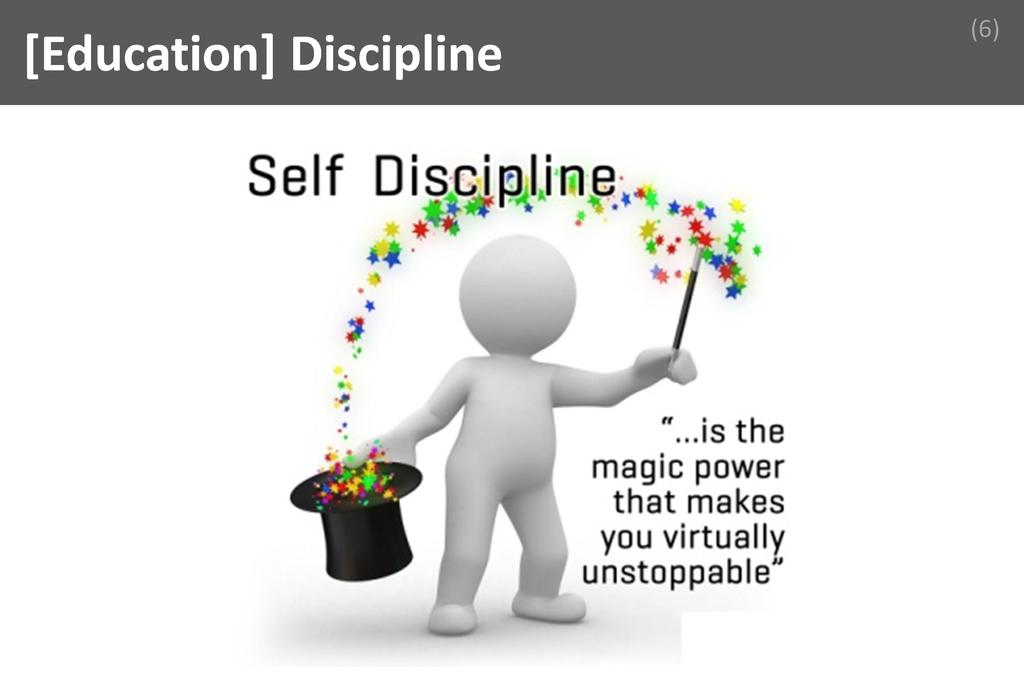
Disciplined refers to the consistent practice of self-control, focus, and adherence to routines or standards, especially when pursuing long-term goals. In Acting, being disciplined means maintaining rigorous rehearsal schedules, learning lines, refining techniques, and upholding professional commitments, all of which are essential for academic growth and career advancement in the field.
Understanding and embodying discipline is crucial for anyone pursuing a career in Acting. The profession demands more than raw talent; it requires a steadfast commitment to continuous improvement, punctuality, and reliability. Actors must often balance auditions, rehearsals, performances, and personal development, all of which require a disciplined approach to time management and self-motivation. Developing this trait early on forms the backbone of a successful career, as it enables actors to consistently deliver high-quality performances, adapt to the demands of different roles, and build a reputation for professionalism. Over time, disciplined actors are more likely to secure recurring opportunities, develop lasting industry relationships, and achieve long-term career sustainability.
Consider an actor preparing for a demanding stage production. Each day, they arrive early for rehearsals, dedicate time to memorizing lines, and practice their movements and expressions outside of scheduled sessions. Even when faced with fatigue or distractions, they maintain their focus and adhere to the director’s feedback. This disciplined approach ensures they are fully prepared for opening night, able to perform consistently under pressure, and ready to adapt to any last-minute changes. Their reliability and commitment not only enhance their individual performance but also contribute to the overall success of the production, earning them respect from peers and directors alike.
Deep Observation
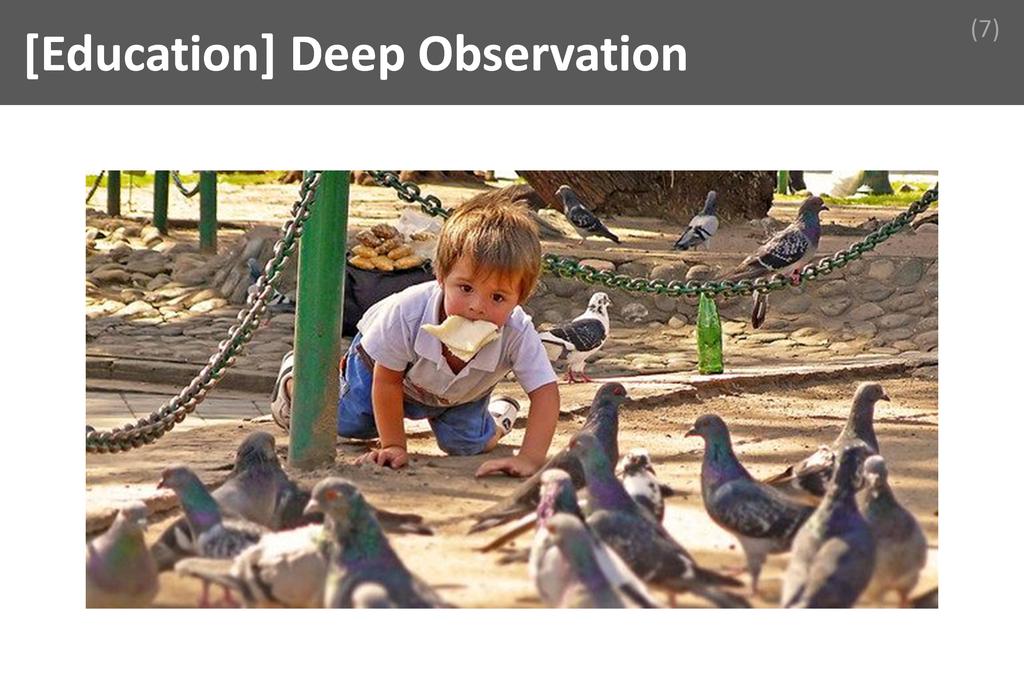
Deep Observation is the intentional, focused practice of perceiving and analyzing subtle details in people, environments, and interactions. In Acting, it involves noticing gestures, expressions, and behaviors that reveal underlying emotions and motivations. This skill is essential academically and professionally, forming a cornerstone of effective character study and authentic performance.
Understanding Deep Observation is vital for actors because it enables them to create believable and nuanced characters. By training themselves to notice the smallest details in human behavior, actors can draw from real-life observations to inform their performances. This foundational knowledge allows professionals to move beyond surface-level imitation, fostering empathy and authenticity in their work. Over time, mastering Deep Observation enhances an actor’s adaptability, making it easier to inhabit diverse roles and respond truthfully in unscripted moments. This skill also supports collaboration, as actors become more attuned to their scene partners and the dynamics of a performance space. Ultimately, Deep Observation is a lifelong asset, continually enriching an actor’s craft and professional growth.
Imagine an actor preparing for a role as a hospital nurse. Drawing on their understanding of Deep Observation, they spend time in a real hospital, quietly watching how nurses interact with patients, handle stress, and communicate nonverbally. The actor notices the subtle ways nurses comfort anxious patients, the efficient yet gentle movements they use when adjusting equipment, and the fleeting expressions of fatigue or concern that cross their faces. Later, during rehearsal, the actor incorporates these observed details into their performance, lending authenticity and depth to the character. This process not only helps the actor portray the role convincingly but also allows audiences to connect more deeply with the story being told.
Good Reader
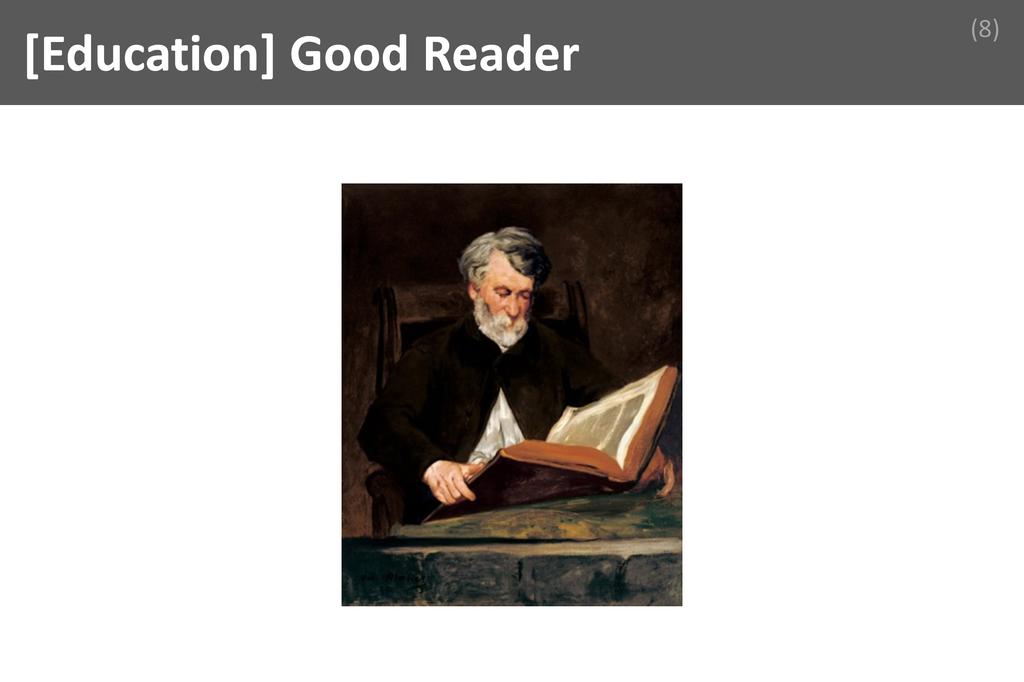
A "Good Reader" is someone who actively engages with texts, comprehends nuanced meanings, interprets subtext, and analyzes character motivations and themes. In Acting, this skill is essential for script analysis, character development, and effective communication, forming a critical component of both academic study and professional practice in the field.
Understanding what it means to be a Good Reader is vital for anyone pursuing a career in Acting because it underpins the ability to interpret scripts with depth and authenticity. Actors must move beyond surface-level reading to uncover the intentions, emotions, and relationships embedded within the text. This foundational skill enables professionals to make informed choices about their performances, collaborate effectively with directors and fellow actors, and adapt to a variety of genres and styles. Over time, mastering this competency leads to more compelling performances, greater versatility, and increased opportunities within the industry. It also fosters a lifelong habit of critical thinking and empathy, both of which are invaluable for sustained success in the performing arts.
Consider an actor preparing for a stage production of a classic play. By applying their skills as a Good Reader, the actor delves into the script, identifying subtle cues about their character’s background, desires, and relationships with others. This careful reading allows the actor to make nuanced choices in rehearsal, such as adjusting tone, body language, and timing to reflect the character’s true intentions. When unexpected changes arise during live performances, the actor’s deep understanding of the text enables them to adapt seamlessly, maintaining the integrity of the story. This daily application of Good Reader skills not only enhances the actor’s individual performance but also elevates the overall quality of the production.
Body Language

Body language refers to the nonverbal signals and physical behaviors—such as posture, gestures, facial expressions, and eye movements—that communicate emotions, intentions, and reactions. In acting, understanding body language is essential, as it enriches character portrayal and enhances storytelling, forming a critical component of both academic study and professional practice.
Learning body language is vital for actors because it allows them to convey complex emotions and intentions without relying solely on dialogue. Mastery of this subject forms the foundation for authentic character development and believable performances. By understanding how subtle shifts in movement or expression can alter meaning, actors gain the tools to create nuanced, multidimensional characters. This knowledge not only improves audition success but also increases versatility across genres and mediums. Over time, proficiency in body language enables actors to collaborate more effectively with directors and fellow performers, adapt to different roles with ease, and sustain a long, dynamic career in the performing arts.
Imagine an actor preparing for a scene in which their character is experiencing intense fear but must remain outwardly calm. Drawing on their understanding of body language, the actor might subtly tense their shoulders, avoid direct eye contact, and keep their hands tightly clasped, all while maintaining a composed facial expression. These physical cues communicate the character’s internal struggle to the audience, even in the absence of explicit dialogue. During rehearsals, the actor refines these choices based on feedback from the director, ensuring the performance remains authentic and compelling. This daily application of body language theory transforms a simple scene into a powerful moment, demonstrating the actor’s skill and deepening the audience’s emotional engagement.
Skills
Confidence

Confidence is the assured belief in one’s abilities, judgment, and worth, enabling individuals to face challenges and uncertainties without hesitation. In acting, confidence empowers performers to fully inhabit their roles, take creative risks, and engage audiences authentically. It is a foundational trait that supports resilience, adaptability, and consistent performance quality.
Confidence directly enhances an actor’s performance by allowing them to express emotions freely, make bold choices, and recover gracefully from mistakes. Directors and casting agents highly value confident actors because they bring energy, reliability, and presence to auditions and productions. Confidence also fosters trust among cast and crew, creating a collaborative environment. Cultivating confidence involves continuous practice, seeking constructive feedback, and embracing both successes and failures as learning opportunities. Over time, actors can build confidence through training, performing in diverse roles, and developing a strong sense of self-awareness. This ongoing process not only improves technical skills but also nurtures the inner assurance needed to thrive in the competitive world of acting.
Imagine an actor auditioning for a lead role in a major production. During the audition, they forget a line but, instead of panicking, they confidently improvise, staying in character and maintaining the scene’s emotional intensity. The casting panel is impressed not only by the actor’s talent but also by their composure and quick thinking under pressure. This display of confidence distinguishes the actor from others, demonstrating their readiness for the demands of a live performance. Ultimately, the actor secures the role, proving that confidence can turn a potentially negative situation into a memorable success and open doors to new opportunities in their career.
Commitment

Commitment is the unwavering dedication to a goal, profession, or craft, demonstrated through consistent effort, perseverance, and resilience, even in the face of challenges or setbacks. In acting, commitment is the foundation that drives an actor to fully inhabit roles, pursue continuous improvement, and maintain professionalism throughout their career.
Commitment directly enhances an actor’s performance by fostering deep character immersion, reliability during rehearsals, and a willingness to push creative boundaries. Directors and casting agents highly value actors who display commitment, as it ensures that projects run smoothly and that performances are authentic and compelling. Cultivating commitment involves setting clear personal goals, embracing feedback, and maintaining a disciplined routine. Over time, actors who consistently show up prepared, invest in their craft, and persist through rejection or criticism build a reputation for dependability. This not only opens doors to more opportunities but also inspires trust among peers and collaborators, making commitment a cornerstone of long-term success in the acting industry.
Imagine an actor cast in a demanding stage production who faces the sudden challenge of learning a new role just days before opening night due to another actor’s illness. Relying on their commitment, the actor dedicates long hours to memorizing lines, understanding the character, and rehearsing with the ensemble. Despite exhaustion and pressure, their determination ensures a seamless performance, earning the respect of the director and fellow cast members. This unwavering commitment not only saves the production but also highlights the actor’s professionalism and reliability, leading to future opportunities and reinforcing their reputation as a dedicated and indispensable member of the acting community.
Sensibility & Emotions

Sensibility & Emotions refers to the ability to perceive, understand, and express a wide range of feelings with authenticity and depth. In acting, this skill enables professionals to connect with their characters, convey genuine emotions, and engage audiences, making performances believable and impactful. It is foundational to compelling storytelling.
Sensibility & Emotions directly enhances an actor’s performance by allowing them to inhabit their roles with sincerity and nuance. Directors and casting agents highly value this skill because it brings scripts to life, fosters audience empathy, and elevates the overall production. Cultivating this ability involves self-reflection, emotional awareness, and continuous practice through exercises such as improvisation, scene study, and observation of human behavior. Over time, actors learn to access and control their emotional responses, adapting them to fit different characters and situations. This ongoing development not only improves versatility but also builds resilience, enabling actors to handle the emotional demands of their profession while maintaining authenticity in every performance.
Imagine an actor cast in a dramatic film where their character must confront the loss of a loved one. During a pivotal scene, the director asks for a raw, heartfelt reaction. Drawing on their sensibility and emotional depth, the actor taps into personal experiences and empathetic understanding to portray genuine grief. Their performance resonates so powerfully that both the crew and audience are moved, elevating the scene’s impact. This ability to access and channel real emotions not only solves the challenge of delivering a convincing performance but also distinguishes the actor as a true professional, capable of transforming written words into unforgettable cinematic moments.
Pronunciation Of Words

Pronunciation of words refers to the precise and accurate articulation of sounds, syllables, and intonation patterns when speaking. In acting, it is the ability to deliver lines clearly and authentically, ensuring the intended meaning and emotion are conveyed to the audience. This skill is fundamental for effective communication on stage or screen.
Mastering pronunciation directly enhances an actor’s performance by making dialogue understandable and believable. Directors, casting agents, and audiences all value actors who can deliver lines with clarity, as it ensures the story is communicated without distraction or confusion. Proper pronunciation also allows actors to adopt different accents and dialects, expanding their versatility and employability. To cultivate this skill, actors often engage in vocal exercises, work with dialect coaches, and practice reading scripts aloud. Over time, consistent attention to pronunciation helps actors adapt to various roles, genres, and performance settings, making them more competitive and respected in the industry.
Imagine an actor cast in a period drama where the script features archaic language and complex vocabulary. During rehearsals, the director notices that some lines are not resonating with the audience due to unclear pronunciation. The actor dedicates extra time to practicing each word, focusing on enunciation and rhythm. As a result, the actor’s delivery becomes crisp and expressive, allowing the audience to fully grasp the story’s nuances. This improvement not only elevates the overall production but also earns the actor praise from the director and peers, demonstrating how mastering pronunciation can resolve critical communication issues and contribute to a successful performance.
Curiosity to Learn More

Curiosity to Learn More is the persistent drive to seek new knowledge, experiences, and understanding beyond what is already known. In acting, this quality fuels an artist’s desire to explore characters, stories, and techniques deeply, allowing them to grow, adapt, and remain relevant in a constantly evolving industry.
Curiosity to Learn More directly enhances an actor’s performance by encouraging them to delve into diverse roles, research backgrounds, and experiment with new methods. Employers and directors value actors who are eager to expand their range, as this openness leads to more authentic and compelling portrayals. Cultivating this skill involves actively seeking feedback, attending workshops, and embracing unfamiliar genres or styles. Over time, actors who nurture their curiosity become more versatile and resilient, able to adapt to the unique demands of each project. This ongoing commitment to learning not only sharpens their craft but also signals professionalism and dedication, making them more attractive to casting agents and collaborators.
Imagine an actor cast in a historical drama set in a culture unfamiliar to them. Rather than relying solely on the script, their curiosity drives them to research the era, study the customs, and even learn basic phrases in the relevant language. This deep dive allows the actor to embody the character with authenticity and nuance, impressing both the director and the audience. When unexpected challenges arise on set, such as improvising dialogue or adapting to last-minute script changes, their well-developed curiosity enables them to respond creatively and confidently. Ultimately, this commitment to learning transforms a challenging role into a standout performance, opening doors to future opportunities.
Positives
Happiness

Happiness is a deep sense of contentment, joy, and fulfillment that arises from engaging in meaningful activities, achieving personal goals, and connecting with others. In acting, happiness stems from creative expression, emotional connection, and the thrill of storytelling, which together foster a positive and enriching professional experience.
Happiness is a cornerstone of a rewarding acting career because it fuels passion, resilience, and creativity. When actors feel genuinely happy in their work, they are more likely to embrace challenges, persist through setbacks, and deliver authentic performances. This sense of well-being enhances job satisfaction, making each project feel purposeful and exciting. Happiness also fosters a collaborative spirit, encouraging actors to support one another and build strong professional relationships. Over time, this positive outlook contributes to personal growth, increased confidence, and a lasting love for the craft. Every day, actors who experience happiness in their work are energized by the opportunity to inspire audiences and bring stories to life.
Imagine an actor stepping onto the stage for opening night, heart pounding with anticipation. As the performance unfolds, the actor becomes fully immersed in the character, responding to the audience’s laughter and applause. In that moment, happiness radiates through every gesture and word, creating a powerful sense of fulfillment. After the curtain falls, the actor feels a profound joy from having touched the hearts of others and collaborated with a passionate team. This happiness lingers long after the performance, motivating the actor to continue pursuing their craft with enthusiasm and dedication. Such experiences remind professionals in acting why they chose this path and reinforce the deep satisfaction that comes from sharing their art with the world.
Reward & Recognition
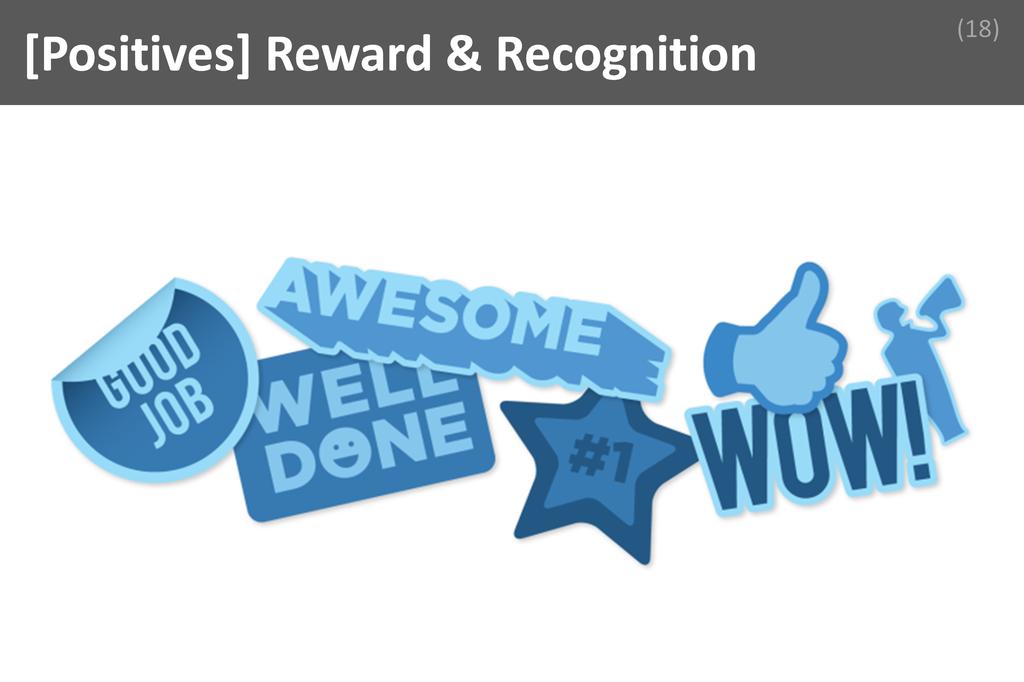
Reward & Recognition in acting refers to the acknowledgment, appreciation, and tangible or intangible benefits that performers receive for their talent, dedication, and hard work. This can include applause, awards, positive reviews, and public admiration. Such recognition not only validates an actor’s efforts but also fuels their passion and commitment to the craft.
The presence of reward and recognition in acting is a powerful motivator that elevates the entire experience of being a performer. When actors are celebrated for their performances, it instills a deep sense of accomplishment and pride. This positive reinforcement encourages them to continually refine their skills and take on new challenges. The public and professional acknowledgment they receive can open doors to new opportunities, foster a supportive community, and enhance their reputation within the industry. On a daily basis, even small gestures like a director’s praise or audience applause can significantly boost an actor’s morale, making the demanding nature of the profession feel worthwhile and deeply satisfying.
Imagine an actor who has spent months preparing for a challenging role, investing countless hours into perfecting every nuance of their character. On opening night, their performance captivates the audience, resulting in a standing ovation. The next day, glowing reviews appear in local newspapers, and colleagues express heartfelt admiration backstage. This outpouring of recognition not only validates the actor’s hard work but also inspires them to pursue even greater artistic heights. The sense of reward they experience becomes a cherished memory, reinforcing their love for the craft and motivating them to continue striving for excellence in every future performance.
Learn Different Shades Of Life

To "Learn Different Shades Of Life" means to deeply understand, embody, and portray the vast spectrum of human emotions, experiences, and perspectives through the craft of acting. This process enriches actors by allowing them to step into diverse roles, fostering empathy, personal growth, and a profound connection to the world around them.
Embracing the different shades of life is a cornerstone of acting that transforms the profession into a journey of continuous discovery. Actors are constantly challenged to explore new characters, backgrounds, and emotional landscapes, which keeps their work fresh and engaging. This variety not only prevents monotony but also encourages personal and artistic growth, as each role offers unique lessons and insights. The ability to understand and portray a wide range of human experiences leads to greater job satisfaction, as actors witness the impact of their performances on audiences. Every day, professionals in this field find themselves learning something new about humanity, which fuels their passion and deepens their commitment to the craft.
Consider an actor preparing for a role as a refugee fleeing conflict. Through research, conversations, and immersive rehearsal, the actor gains insight into fear, resilience, and hope—emotions and realities they may never have personally faced. This transformative process not only enhances their performance but also broadens their understanding of life’s complexities. After the performance, the actor receives heartfelt messages from audience members who have lived similar experiences, expressing gratitude for the authentic portrayal. This moment of connection and empathy is deeply fulfilling, reminding the actor that their work has the power to bridge divides and illuminate the many shades of life that make us human.
Celebrity Status

Celebrity Status is the widespread public recognition and admiration that an individual attains through their achievements, visibility, and influence in the entertainment industry. It means being known and celebrated by large audiences, often beyond one’s immediate professional circle. This status elevates an actor’s profile, opening doors to unique opportunities and experiences. Celebrity Status contributes positively to the acting profession by amplifying an actor’s reach, enabling them to inspire, influence, and connect with millions. It brings validation for their craft, fosters a sense of accomplishment, and often leads to greater creative freedom. The recognition and admiration associated with celebrity status can be deeply motivating, fueling an actor’s passion and commitment to their art.
The allure of Celebrity Status is a powerful motivator for many aspiring actors, as it transforms their work into something that resonates far beyond the stage or screen. This recognition not only boosts self-esteem but also provides tangible benefits, such as increased career opportunities, higher earning potential, and the ability to choose meaningful projects. The daily experience of being recognized and appreciated by fans can make the challenges of the profession feel worthwhile, reinforcing a sense of purpose and belonging. Celebrity Status also allows actors to use their influence for positive change, whether by supporting charitable causes or raising awareness about important issues. Ultimately, this visibility and admiration can lead to lasting professional growth and personal fulfillment.
Imagine an actor who has just starred in a critically acclaimed film. As their performance garners attention, they begin to experience the full impact of Celebrity Status. Fans approach them with heartfelt stories about how the film touched their lives, and social media buzzes with admiration for their talent. Invitations to prestigious events and interviews start pouring in, and the actor finds themselves in a position to choose projects that align with their values and artistic vision. This newfound recognition not only validates their hard work but also empowers them to make a difference, both within the industry and in the broader community. The daily interactions with fans and the respect from peers create a deep sense of fulfillment, making the journey in acting truly rewarding.
Challenges
Struggling Life

"Struggling Life" in acting refers to the persistent hardships faced by professionals who contend with financial instability, unpredictable job opportunities, and constant rejection. This demanding reality tests emotional endurance, as actors must continuously audition, network, and hone their craft, often without immediate reward or recognition, making perseverance essential.
The struggle inherent in an acting career can deeply affect daily routines, leading to stress, self-doubt, and uncertainty about the future. Actors often juggle multiple jobs to support themselves while dedicating time to auditions and training. This lifestyle requires immense resilience, as setbacks and rejection are frequent. Successful professionals manage these challenges by cultivating a strong support network, maintaining a disciplined routine, and focusing on personal growth rather than external validation. They learn to view rejection as part of the process, using each experience as an opportunity to improve. By staying adaptable and persistent, actors can navigate the instability of the profession and gradually build a sustainable career.
Consider the journey of an actor who, after years of minor roles and countless auditions, faced mounting bills and wavering confidence. Instead of giving up, they sought mentorship from experienced colleagues and invested time in community theater to refine their skills. By embracing every opportunity, no matter how small, and maintaining a positive outlook, they gradually built a reputation for reliability and talent. Eventually, this persistence led to a breakthrough role, demonstrating that overcoming the struggles of an acting career often requires unwavering dedication, adaptability, and the willingness to learn from every experience, no matter how challenging.
Hectic Schedule

A hectic schedule in acting refers to the relentless pace of auditions, rehearsals, performances, travel, and promotional events, often with little notice or downtime. This demanding routine requires actors to constantly adapt, memorize scripts, and maintain peak performance, making it both physically and mentally exhausting over extended periods.
The relentless nature of a hectic schedule in acting can lead to fatigue, stress, and difficulty maintaining personal relationships. Daily work is often unpredictable, with long hours and last-minute changes, demanding exceptional resilience and adaptability. Successful professionals manage these constraints by prioritizing self-care, setting boundaries, and developing strong organizational skills. They learn to maximize brief periods of rest, maintain healthy routines, and seek support from colleagues and mentors. By embracing flexibility and staying focused on their goals, actors can navigate the pressures of a demanding schedule while preserving their well-being and sustaining their passion for the craft.
Consider an actor working on a television series while simultaneously auditioning for film roles and attending industry events. Despite back-to-back shooting days and frequent travel, they maintain a structured daily routine, allocating time for script study, exercise, and rest. By communicating clearly with their management team and setting realistic expectations, they avoid overcommitting and ensure they have moments to recharge. This approach allows them to deliver consistent performances, remain professional on set, and nurture their creative energy, demonstrating that with discipline and strategic planning, it is possible to thrive even amid the most hectic schedules in the acting profession.
Less Time for Family

Less Time for Family in acting refers to the frequent and prolonged absences from home due to unpredictable schedules, long rehearsals, and location shoots. This challenge is demanding because it disrupts personal routines, strains relationships, and often requires actors to prioritize work commitments over family events and daily interactions.
The challenge of less time for family deeply affects an actor’s daily life, often leading to missed milestones, emotional distance, and difficulty maintaining strong family bonds. The unpredictable nature of auditions, rehearsals, and filming schedules means actors must constantly adapt, which can be emotionally taxing. This situation demands significant resilience, as actors must balance their passion for the craft with the needs of loved ones. Successful professionals often manage this constraint by setting clear boundaries when possible, maximizing quality time during breaks, and leveraging technology to stay connected. They also communicate openly with family members about the demands of their career, fostering understanding and support that helps sustain both personal and professional fulfillment.
Consider an actor who frequently travels for film shoots, sometimes spending weeks away from home. To manage the strain on family relationships, she schedules daily video calls with her children and partner, sharing moments from her day and listening to theirs. When she returns home, she dedicates uninterrupted time to family activities, ensuring her presence is felt and valued. By being transparent about her work commitments and involving her family in her journey, she builds a support system that helps everyone cope with her absences. This approach allows her to pursue her career ambitions while maintaining strong, meaningful connections with her loved ones.
Uncertainty
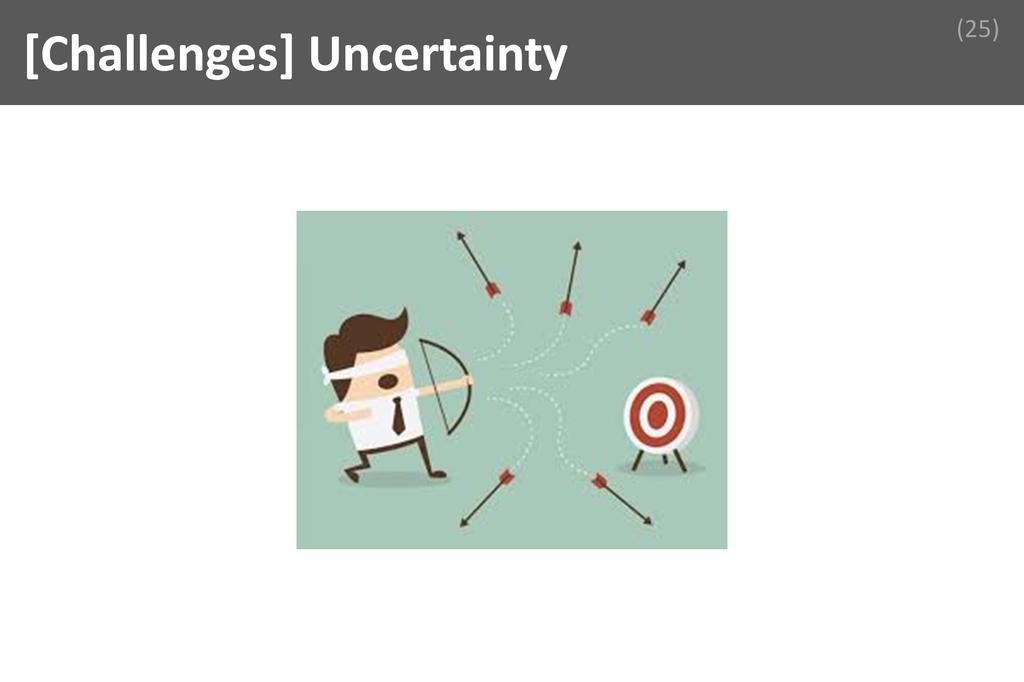
Uncertainty in acting refers to the unpredictable nature of job opportunities, casting decisions, and career progression. Actors often face irregular work, ambiguous feedback, and shifting industry trends, making it difficult to plan ahead. This constant unpredictability demands emotional strength and adaptability, as outcomes are rarely guaranteed or within one’s control.
The persistent uncertainty in acting can lead to stress, self-doubt, and financial instability, affecting both professional and personal life. Each audition or role may feel like a turning point, yet outcomes are often influenced by factors beyond talent or preparation. This environment requires actors to develop resilience, maintain self-confidence, and cultivate a strong support network. Successful professionals manage uncertainty by focusing on continuous skill development, embracing flexibility, and setting personal goals that are independent of external validation. They often diversify their creative pursuits, such as teaching, writing, or producing, to create stability and maintain motivation. By accepting uncertainty as an inherent part of the profession, actors can shift their mindset from fear to opportunity, allowing them to navigate challenges with greater composure and persistence.
Consider an actor who, after months of auditions without landing a significant role, chooses to channel their energy into creating a short film with fellow artists. While waiting for callbacks, they use this project to hone their craft, expand their portfolio, and build new industry connections. This proactive approach not only alleviates the anxiety of waiting but also demonstrates initiative and versatility to casting directors. When a new opportunity arises, the actor is better prepared and more confident, having stayed engaged and productive during uncertain times. By embracing the unpredictable nature of the industry and focusing on what they can control, the actor transforms uncertainty into a catalyst for growth and creative fulfillment.
A Day Of
Acting
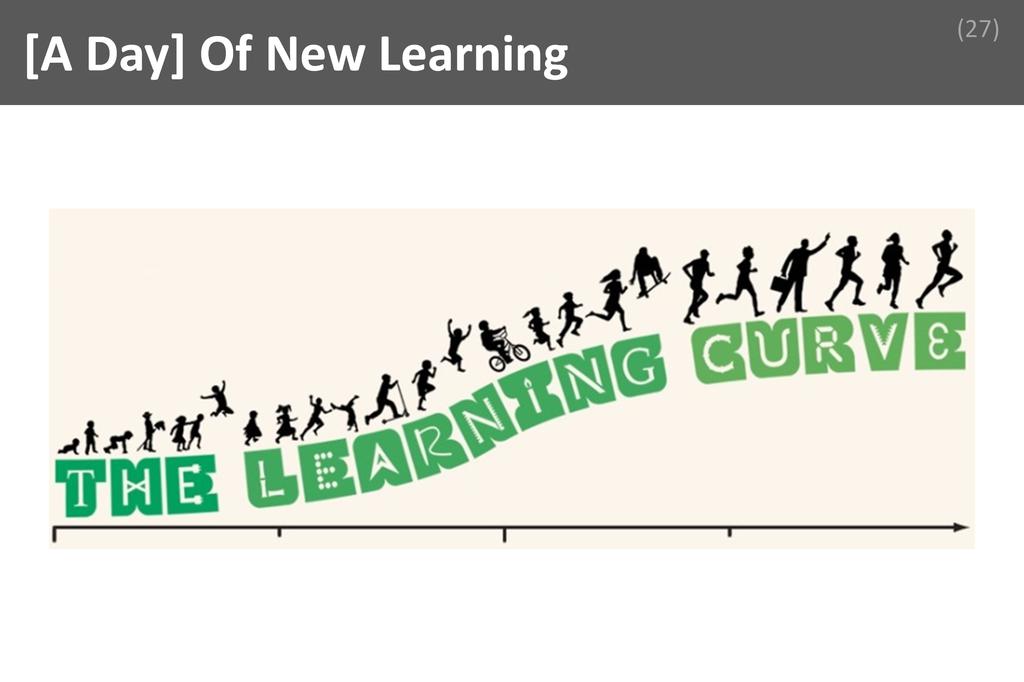
The world of acting is a whirlwind of emotion, preparation, and performance, where no two days are ever quite the same. From the moment the sun rises, an actor’s day is shaped by the demands of the script, the energy of the cast and crew, and the unpredictable magic of live or recorded performance. Whether on set, on stage, or in rehearsal, the pace is relentless, the environment is charged with creative tension, and every moment is an opportunity to inhabit a new character or refine a familiar role. This is a profession where the boundaries between work and passion blur, and where each day is a fresh canvas for storytelling.
As dawn breaks, the actor’s day begins with a quiet ritual of preparation. In the early morning calm, there is time to review the day’s script pages, memorize lines, and mentally step into character. This is also when vocal and physical warm-ups take place, ensuring that the body and voice are ready for the demands ahead. Whether sipping coffee in a dressing room or stretching in a home studio, this phase is all about focus, grounding, and setting the tone for a day that will require both emotional depth and physical stamina.
By mid-morning, the energy shifts as actors gather with directors, fellow cast members, and crew for rehearsal. This is the heart of the day, where scenes are blocked, lines are delivered, and performances are shaped through feedback and experimentation. The rehearsal space buzzes with collaboration, as actors explore their characters’ motivations, adjust to the director’s vision, and respond to the nuances of their scene partners. It’s an intense, immersive process that demands concentration, adaptability, and a willingness to take creative risks.
The afternoon is when preparation meets execution. On a film or television set, this is the time for shooting scenes, often repeating takes to capture the perfect moment. For stage actors, it might mean a matinee performance or a technical run-through. The atmosphere is electric, with makeup artists, costume designers, and stagehands working in tandem to support the actors as they bring the script to life. Every gesture, expression, and line delivery is scrutinized, making this phase both exhilarating and exhausting.
As the day winds down, actors regroup for notes from the director, reflecting on what worked and what needs refinement. There is time to decompress, remove costumes and makeup, and jot down thoughts about the day’s work. Administrative tasks like responding to emails, updating schedules, or researching upcoming roles often fill the late afternoon. Before heading home, many actors take a moment to review the next day’s script pages, ensuring they are ready to dive back into the creative fray when the sun rises again. |


 Home
Home Abroad
 Plan
Plan Philosophy
 Seminar
 Pages
Pages Advisors
 Testimonials


















 Workshop
 Discuss
 Meet
Meet
 Advisor
 Story
Story
 Fine Print
 Links
Links
 Blog
Blog
 Follow
