The Journey of Bharatnatyam Dancing
What Is Bharatnatyam Dancing
Bharatnatyam Dancing

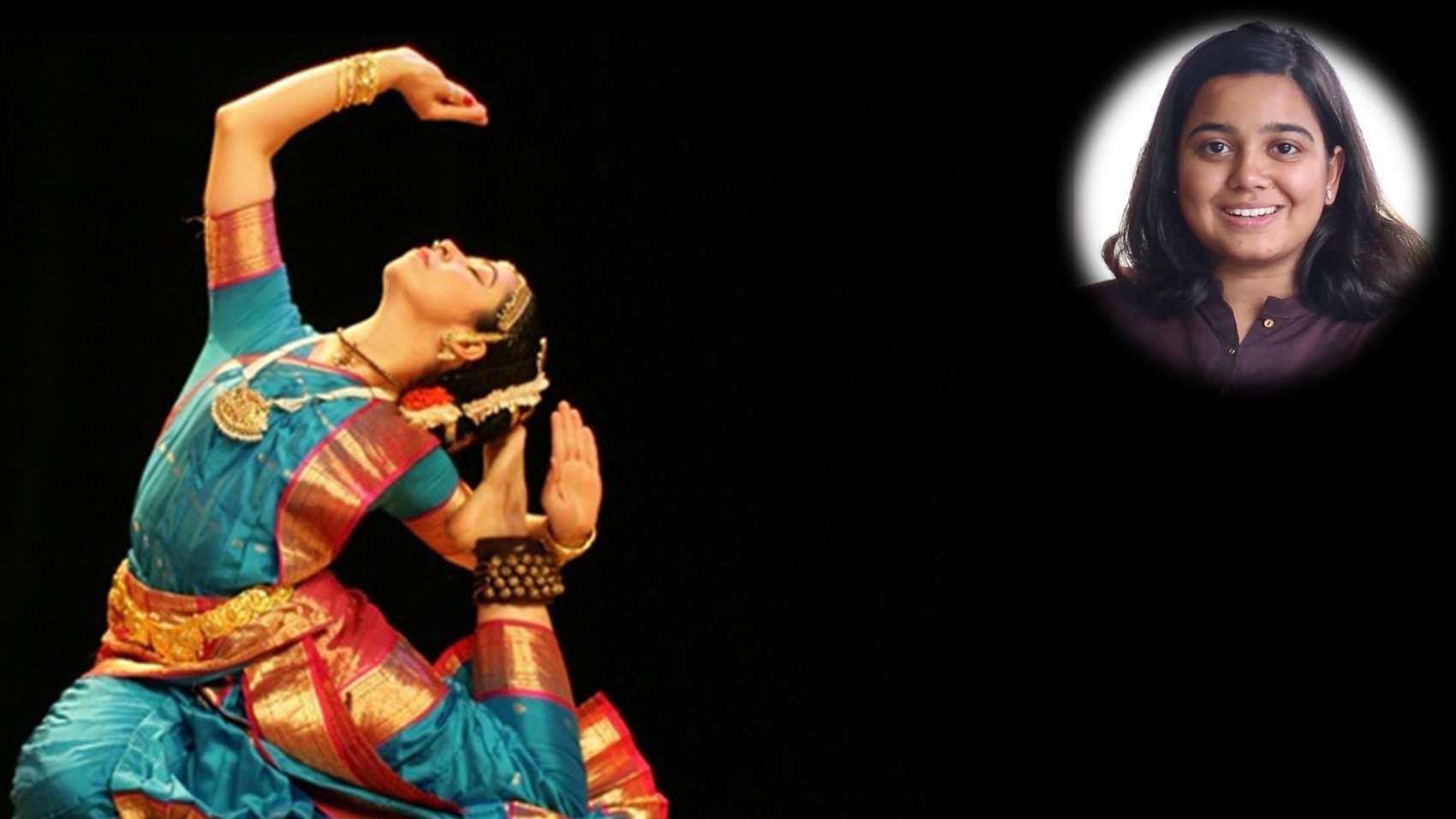
Bharatnatyam Dancing is a classical Indian dance form originating from Tamil Nadu, characterized by intricate footwork, expressive gestures, and storytelling through movement. It combines rhythm, music, and drama, allowing dancers to convey emotions and narratives. Traditionally performed in temples, it is now celebrated on global stages for its artistic depth.
Bharatnatyam Dancing holds significant cultural and artistic value, serving as a bridge between ancient traditions and contemporary expression. For professionals, it offers a platform to preserve heritage while engaging modern audiences. The discipline required in mastering Bharatnatyam fosters physical fitness, mental focus, and emotional resilience. Dancers benefit from enhanced body coordination and flexibility, which contribute to overall well-being. The art form also nurtures creativity, as performers interpret stories and emotions through movement and expression. Additionally, Bharatnatyam provides opportunities for cultural ambassadorship, enabling dancers to represent Indian heritage internationally and connect with diverse communities. This multifaceted impact makes Bharatnatyam a rewarding and influential career path for dedicated artists.
A professional Bharatnatyam dancer might spend months preparing for a major cultural festival, meticulously rehearsing choreography, perfecting expressions, and collaborating with musicians. On stage, the dancer uses precise footwork and hand gestures to narrate mythological stories, captivating the audience with both technical skill and emotional depth. After the performance, the dancer may conduct workshops for aspiring students, sharing knowledge and inspiring the next generation. Through these activities, the dancer not only hones personal artistry but also contributes to the preservation and evolution of Bharatnatyam. This real-world engagement demonstrates how professionals in this field blend performance, teaching, and cultural advocacy in their daily lives.
Education
10th Pass

"10th Pass" refers to the successful completion of secondary education, typically marked by passing the 10th standard or grade in the Indian education system. For aspiring Bharatnatyam dancers, this academic milestone ensures a basic level of literacy, numeracy, and general knowledge, which is essential for both personal and professional growth.
Understanding the significance of being 10th Pass is crucial for anyone pursuing a career in Bharatnatyam Dancing. This educational foundation equips dancers with essential skills such as reading, writing, and effective communication, which are necessary for interpreting dance theory, understanding historical texts, and following instructions during training. It also fosters discipline and time management, qualities that are indispensable in the rigorous practice schedules of classical dance. Furthermore, many dance institutions and academies require a minimum educational qualification for enrollment or teaching positions, making the 10th Pass certificate a gateway to advanced learning and professional opportunities. Over time, this foundational education supports dancers in managing their careers, promoting their art, and engaging with a wider audience.
Consider a Bharatnatyam dancer who is preparing for a stage performance that involves narrating mythological stories through dance. Their 10th Pass education enables them to read and comprehend scripts, research the historical context of the stories, and write notes or summaries for their choreography. When collaborating with musicians or costume designers, the dancer uses their communication skills to convey artistic ideas clearly and professionally. Additionally, if the dancer is teaching students, their foundational education helps them explain complex dance concepts in simple terms and maintain accurate attendance or progress records. In all these daily tasks, the theoretical understanding gained from being 10th Pass directly enhances their effectiveness and professionalism in the field of Bharatnatyam Dancing.
Languages

Languages refer to systems of communication, including spoken, written, and symbolic forms, that enable individuals to express ideas, emotions, and cultural narratives. In the context of Bharatnatyam Dancing, understanding languages encompasses proficiency in regional languages, Sanskrit, and the symbolic vocabulary of dance, which are essential for interpreting and conveying traditional compositions.
For a Bharatnatyam dancer, mastering languages is crucial because the art form is deeply rooted in storytelling, poetry, and ancient texts. Many classical compositions are written in Tamil, Telugu, Sanskrit, or Kannada, and a dancer’s ability to understand these languages directly impacts their interpretation and emotional expression. Knowledge of languages allows dancers to grasp the nuances of lyrics, comprehend the context of mythological stories, and accurately portray characters and emotions. This foundational skill not only enhances performance quality but also enables dancers to teach, choreograph, and communicate effectively with audiences and students. Over time, linguistic proficiency opens doors to research, collaboration, and participation in global cultural dialogues, ensuring a sustainable and respected career in Bharatnatyam.
Consider a Bharatnatyam dancer preparing for a performance based on a traditional varnam composed in Telugu. The dancer studies the lyrics to understand the storyline, emotional undertones, and cultural references embedded in the piece. By translating and internalizing the meaning, the dancer can accurately depict the emotions and intentions of the character through abhinaya, or expressive gestures. During rehearsals, the dancer discusses interpretations with musicians and teachers, ensuring that every movement aligns with the narrative conveyed by the language. This deep engagement with languages not only enriches the performance but also allows the dancer to connect authentically with audiences who may or may not understand the original language, bridging cultural gaps through expressive storytelling.
Guru Guidance

Guru Guidance refers to the mentorship, instruction, and philosophical direction provided by a guru, or master teacher, in the art of Bharatnatyam. It encompasses not only technical training but also the transmission of tradition, discipline, and values, forming a crucial component of both academic study and professional practice in Bharatnatyam Dancing.
Understanding Guru Guidance is essential for anyone aspiring to excel in Bharatnatyam Dancing because it forms the bedrock of authentic learning and artistic growth. The guru imparts not just dance techniques but also the cultural, historical, and spiritual context that shapes the dancer’s identity. This mentorship ensures that students internalize the nuances of expression, rhythm, and storytelling unique to Bharatnatyam. Over time, this foundational relationship fosters discipline, resilience, and a deep respect for tradition, all of which are indispensable for a sustainable and respected career. Professionals who embrace Guru Guidance are better equipped to innovate responsibly, teach future generations, and contribute meaningfully to the preservation and evolution of the art form.
Consider a professional Bharatnatyam dancer preparing for a major performance. Drawing on their theoretical understanding of Guru Guidance, they consult their guru not only for feedback on choreography but also for insights into the emotional depth and cultural symbolism of the piece. During rehearsals, the dancer applies corrections and philosophical advice imparted by the guru, refining their technique and deepening their interpretative skills. This ongoing guidance helps the dancer navigate challenges, maintain artistic integrity, and deliver a performance that resonates with authenticity and tradition. In daily practice, the dancer’s adherence to the guru’s teachings ensures continuous growth and alignment with the core values of Bharatnatyam.
Sense of Rhythm

Sense of Rhythm refers to the innate or developed ability to perceive, internalize, and reproduce patterns of beats, tempo, and timing within music or movement. In Bharatnatyam Dancing, it is a crucial academic and professional skill, enabling dancers to synchronize their movements precisely with the accompanying music and traditional rhythmic cycles.
Understanding Sense of Rhythm is essential for anyone aspiring to excel in Bharatnatyam Dancing, as it forms the backbone of every performance. Mastery of rhythm allows dancers to interpret complex talas, maintain synchronization with musicians, and execute intricate footwork with precision. This foundational knowledge is not only vital for solo performances but also for group choreography, where collective timing is critical. Over time, a strong sense of rhythm enhances a dancer’s versatility, enabling them to adapt to various compositions and improvisational segments. Professionally, it distinguishes accomplished dancers, making them more sought after for performances, teaching roles, and collaborations, thus ensuring long-term career growth and artistic fulfillment.
Consider a professional Bharatnatyam dancer preparing for a live stage performance accompanied by a live orchestra. As the mridangam player sets a complex tala, the dancer must draw upon their theoretical understanding of Sense of Rhythm to align each adavu and mudra with the precise beats. During the performance, the dancer listens intently to subtle changes in tempo, adjusting their movements in real time to maintain harmony with the musicians. This synchronization not only enhances the aesthetic appeal of the performance but also demonstrates the dancer’s technical mastery. Such daily application of rhythmic knowledge ensures seamless execution, audience engagement, and professional credibility in the field of Bharatnatyam.
History - Singing & Dancing

History - Singing & Dancing refers to the study of the origins, evolution, and cultural significance of vocal and dance traditions, particularly within Indian classical arts. For Bharatnatyam dancers, this subject provides essential context, connecting the dance form to its historical roots, musical influences, and the broader tapestry of performing arts.
Understanding History - Singing & Dancing is crucial for anyone pursuing Bharatnatyam, as it forms the backbone of both artistic expression and technical mastery. This knowledge enables dancers to appreciate the intricate relationship between music and movement, recognize the evolution of styles, and interpret compositions with authenticity. By studying the historical context, dancers gain insights into the intentions of composers and choreographers, allowing them to convey deeper emotions and narratives. Professionally, this foundation fosters credibility and respect within the dance community, supports informed teaching, and enhances the ability to innovate while honoring tradition. Over time, mastery of this subject empowers dancers to contribute meaningfully to the preservation and evolution of Bharatnatyam.
Consider a Bharatnatyam dancer preparing for a performance based on a traditional varnam. Drawing upon their understanding of History - Singing & Dancing, the dancer researches the origins of the piece, the composer’s background, and the musical structure. This knowledge informs their choreography, ensuring that each gesture and expression aligns with the historical and lyrical context. During rehearsals, the dancer collaborates effectively with musicians, discussing nuances in rhythm and melody that are rooted in historical practices. On stage, this depth of understanding allows the dancer to present a performance that resonates with authenticity and emotional depth, engaging the audience and honoring the art’s rich heritage.
Skills
Passion & Dedication

Passion & Dedication is the unwavering enthusiasm and persistent commitment to mastering one’s craft, even in the face of challenges or setbacks. In Bharatnatyam, this quality fuels the dancer’s journey, driving continuous learning, artistic growth, and resilience, making it indispensable for anyone aspiring to excel in this classical art form.
Passion & Dedication elevates a Bharatnatyam dancer’s performance by inspiring relentless practice, attention to detail, and a deep connection with the art’s cultural roots. Clients and employers value this quality because it ensures reliability, consistent improvement, and the ability to deliver emotionally resonant performances. Cultivating this skill involves immersing oneself in the history and philosophy of Bharatnatyam, seeking mentorship, and setting personal goals that go beyond technical mastery. Over time, the dancer’s devotion transforms routine practice into a meaningful pursuit, allowing them to overcome fatigue, criticism, or plateaus in progress. This enduring commitment not only refines technique but also shapes a dancer’s unique artistic voice, making them stand out in the competitive world of classical dance.
Imagine a Bharatnatyam dancer preparing for a prestigious national competition. During rehearsals, she faces a recurring injury and struggles to perfect a complex sequence. Rather than giving in to frustration or self-doubt, her passion for the art motivates her to seek guidance from her guru and adapt her practice routine. Her dedication drives her to invest extra hours in physiotherapy and mindful rehearsal, ensuring she maintains both her health and performance quality. On the day of the competition, her perseverance pays off as she delivers a flawless, emotionally charged performance that captivates the judges and audience. This scenario highlights how passion and dedication empower a dancer to overcome obstacles and achieve excellence, even under pressure.
Discipline

Discipline is the consistent practice of self-control, adherence to routines, and commitment to personal and professional standards, even in the face of challenges or distractions. In Bharatnatyam Dancing, discipline forms the backbone of a dancer’s journey, enabling them to master intricate techniques, maintain physical fitness, and uphold the art’s rich traditions.
Discipline directly enhances a Bharatnatyam dancer’s performance by fostering regular practice, precise execution of movements, and the ability to internalize complex choreography. Clients and employers highly value disciplined dancers because they are reliable, punctual, and capable of delivering consistent, high-quality performances. Over time, discipline can be cultivated through setting clear goals, maintaining structured practice schedules, and seeking feedback from mentors. By embracing discipline, dancers not only improve their technical skills but also develop the mental resilience necessary to handle the physical and emotional demands of this classical art form. This unwavering commitment often distinguishes accomplished professionals from amateurs in the competitive world of Bharatnatyam.
Imagine a Bharatnatyam dancer preparing for a prestigious national competition. In the weeks leading up to the event, she faces fatigue, minor injuries, and the temptation to cut corners during rehearsals. However, her strong sense of discipline keeps her focused. She adheres to her daily practice routine, carefully follows her teacher’s corrections, and manages her time to balance rest and training. On the day of the competition, her disciplined preparation pays off—her performance is flawless, her stamina unwavering, and her expressions deeply moving. The judges recognize her mastery, and she earns top honors. In this scenario, discipline is the key factor that enables her to overcome obstacles and achieve success.
Respecting Elders

Respecting elders means acknowledging the wisdom, experience, and guidance of senior artists, teachers, and mentors, treating them with humility, gratitude, and deference. In Bharatnatyam, this core value fosters a deep connection to tradition and lineage, ensuring that knowledge is passed down authentically and with reverence for its origins.
Respecting elders directly enhances a Bharatnatyam dancer’s performance by opening doors to invaluable mentorship, nuanced feedback, and authentic learning. Clients and employers deeply value this quality because it reflects discipline, cultural sensitivity, and a willingness to learn—traits essential for representing the art form with integrity. Cultivating this skill involves actively listening to seniors, seeking their advice, and demonstrating gratitude for their contributions. Over time, this attitude builds strong relationships within the dance community, encourages collaborative growth, and helps dancers navigate challenges with the support of experienced mentors. By consistently honoring elders, dancers not only uphold tradition but also position themselves as trustworthy and respectful professionals, which is highly regarded in both performance and teaching environments.
Imagine a Bharatnatyam dancer preparing for a prestigious performance who encounters a technical challenge in a complex choreography. Instead of struggling alone, the dancer approaches her guru with humility, seeking guidance and demonstrating respect for the guru’s expertise. The guru, recognizing the dancer’s sincerity and reverence, shares nuanced corrections and historical context that illuminate the choreography’s deeper meaning. By respecting her elder, the dancer not only resolves her technical issue but also gains a richer understanding of the piece, leading to a more authentic and moving performance. This approach earns her the admiration of her peers and organizers, highlighting how respect for elders can be pivotal in achieving both artistic excellence and professional success.
Physically Fit

Physically fit refers to possessing strength, flexibility, stamina, balance, and overall bodily health, enabling sustained physical activity and resilience against fatigue or injury. In Bharatnatyam dancing, physical fitness is crucial because the art form demands intricate footwork, expressive gestures, and dynamic movements, all performed with precision and grace for extended periods.
Physical fitness directly enhances a Bharatnatyam dancer’s performance by allowing them to execute complex sequences with energy and control, maintain expressive postures, and recover quickly between routines. Clients and employers highly value this skill because it ensures reliability, reduces the risk of injury, and upholds the high standards expected in professional performances. To cultivate physical fitness, dancers engage in regular conditioning routines, including strength training, flexibility exercises, and cardiovascular workouts. Consistent practice, proper nutrition, and adequate rest also play vital roles in building and maintaining the necessary endurance and agility. Over time, a disciplined approach to physical well-being not only improves technical ability but also supports the demanding rehearsal and performance schedules typical in a successful Bharatnatyam career.
Imagine a Bharatnatyam dancer preparing for a prestigious festival where they must perform multiple elaborate pieces back-to-back. During rehearsals, the dancer’s physical fitness allows them to maintain energy and precision throughout each routine, even as fatigue sets in. When a sudden technical issue extends the performance unexpectedly, the dancer’s stamina and strength enable them to adapt and continue performing at a high level, impressing both the audience and event organizers. Their ability to recover quickly between pieces and maintain expressive clarity under pressure showcases the importance of being physically fit, ultimately leading to critical acclaim and future opportunities in their career.
Expressions

Expressions, known as "Abhinaya" in Bharatnatyam, refer to the dancer’s ability to convey emotions, stories, and moods through facial movements, gestures, and body language. This skill bridges the gap between choreography and storytelling, allowing the dancer to communicate complex narratives and evoke emotional responses from the audience, making performances memorable.
Mastering expressions in Bharatnatyam directly enhances the dancer’s ability to connect with the audience, transforming technical movements into compelling stories. Clients and employers highly value this skill because it distinguishes a technically proficient dancer from a truly captivating performer. Expressions breathe life into traditional pieces, ensuring cultural authenticity and emotional resonance. Dancers can cultivate this skill through dedicated practice, observing seasoned performers, and studying classical literature and mythology to understand the nuances of each character. Regular feedback from mentors and participation in workshops focused on Abhinaya also help refine expressive abilities. Over time, consistent effort and self-awareness enable dancers to develop a versatile emotional range, making their performances more impactful and sought after in both solo and group settings.
Imagine a Bharatnatyam dancer preparing for a prestigious competition where the theme revolves around the mythological story of Sita’s abduction. During the performance, a technical glitch causes the music to stop abruptly. Instead of halting, the dancer relies on her mastery of expressions to continue portraying Sita’s fear, despair, and hope through her face and gestures alone. The audience, captivated by the emotional intensity, remains engaged despite the absence of music. The judges, impressed by her ability to maintain the narrative and emotional depth under pressure, award her top marks for Abhinaya. This scenario highlights how expressions can turn a potential setback into a moment of triumph, showcasing the dancer’s professionalism and artistry.
Innovative & Creative

Being "Innovative & Creative" means possessing the ability to generate original ideas, adapt traditional concepts, and express oneself uniquely while solving problems or creating art. In Bharatnatyam Dancing, this skill allows artists to reinterpret classical pieces, infuse personal style, and keep the ancient dance form relevant and engaging for modern audiences.
In Bharatnatyam, innovation and creativity elevate a dancer’s performance by enabling them to craft unique choreographies, experiment with new themes, and reinterpret traditional stories. Audiences and employers highly value dancers who can bring fresh perspectives while respecting the classical roots of the art. This skill also helps dancers stand out in competitions and performances, making their work memorable. Cultivating innovation and creativity involves continuous learning, exposure to various art forms, and regular practice in improvisation. Dancers can also seek inspiration from literature, music, and contemporary issues, integrating these elements into their performances to create meaningful and original pieces that resonate with diverse audiences.
Imagine a Bharatnatyam dancer preparing for a prestigious cultural festival where the theme is “Unity in Diversity.” Instead of performing a standard repertoire, the dancer decides to choreograph a piece that blends traditional Bharatnatyam movements with folk dance elements from different Indian regions. This creative approach not only honors the classical form but also celebrates the festival’s theme in a novel way. The dancer’s innovative choreography captivates the audience and judges, earning praise for both technical mastery and originality. By relying on their innovative and creative abilities, the dancer successfully addresses the challenge of standing out in a competitive environment while staying true to the essence of Bharatnatyam.
Positives
Language Is Not a Barrier

"Language Is Not a Barrier" means that communication and expression in Bharatnatyam transcend spoken or written language, allowing dancers from any linguistic background to participate and excel. This inclusivity fosters a universal connection, enabling artists to share stories, emotions, and traditions with diverse audiences, regardless of their native tongue.
The absence of a language barrier in Bharatnatyam dancing is a profound advantage because it opens doors for individuals from all regions and cultures to engage with the art form. Dancers are not limited by their ability to speak a particular language; instead, they communicate through movement, rhythm, and expression. This universality enhances job satisfaction, as performers can reach and move audiences worldwide, building bridges across cultures. The freedom from linguistic constraints also encourages creativity and personal growth, as dancers focus on perfecting their art rather than worrying about language proficiency. Every day, professionals in this field experience the joy of connecting with students, peers, and spectators from varied backgrounds, making their work both meaningful and impactful.
Imagine a Bharatnatyam dancer who grew up speaking Marathi, performing a traditional piece in front of an audience in Tamil Nadu, where Tamil is the primary language. Despite not sharing a common spoken language, the dancer’s expressive gestures, intricate footwork, and emotive storytelling captivate the audience. The viewers understand the narrative and feel the emotions conveyed through the performance, responding with appreciation and applause. This experience is deeply fulfilling for the dancer, who realizes that their art can transcend linguistic boundaries and touch hearts universally. Such moments reinforce the dancer’s passion and commitment to their craft, highlighting the unique power of Bharatnatyam to unite people beyond words.
Anyone Can Dance

"Anyone Can Dance" means that Bharatnatyam welcomes individuals from all backgrounds, ages, and abilities, breaking barriers of tradition, gender, and experience. This philosophy celebrates inclusivity, allowing every person to express themselves through movement and storytelling. It transforms dance into a universal language, making the art form accessible and empowering for everyone.
The belief that anyone can dance infuses Bharatnatyam with a unique sense of community and belonging. Dancers and teachers find immense satisfaction in seeing students of all kinds discover their potential and passion for the art. This inclusivity fosters a supportive environment where creativity flourishes and personal growth is celebrated. As professionals witness diverse learners mastering complex rhythms and expressions, they are reminded daily of the transformative power of dance. This ongoing inspiration not only boosts job satisfaction but also encourages continuous learning and innovation, ensuring that the tradition remains vibrant and relevant. The joy of nurturing talent, regardless of background, makes every day in this career deeply meaningful.
Imagine a Bharatnatyam teacher welcoming a group of students ranging from young children to adults, some with no prior dance experience and others overcoming physical challenges. As the classes progress, each student finds their own rhythm and voice within the dance. The teacher observes a shy teenager gradually gaining confidence, an older adult rediscovering joy in movement, and a differently-abled student mastering intricate footwork. Witnessing these breakthroughs, the professional feels a profound sense of fulfillment, knowing that the art of Bharatnatyam has become a source of empowerment and joy for all. This daily experience reaffirms the belief that truly, anyone can dance.
Lively & Cheerful Profession

A "Lively & Cheerful Profession" is a career that radiates energy, enthusiasm, and joy, creating an environment where positivity thrives and every day feels vibrant. In Bharatnatyam dancing, this means that the art form itself, along with its community and performances, fosters a sense of happiness and spirited engagement. This atmosphere not only uplifts the dancer but also inspires audiences and students, making the profession deeply rewarding. The constant interplay of music, movement, and expression ensures that monotony never sets in, and each day brings new opportunities for creative fulfillment and emotional connection.
The lively and cheerful nature of Bharatnatyam dancing significantly enhances job satisfaction and personal growth. Dancers are immersed in an environment where creativity and joy are at the forefront, making their work feel less like a routine and more like a celebration. This positive atmosphere encourages dancers to push their boundaries, explore new choreographies, and connect deeply with their audience. The daily experience of sharing joy through movement and storytelling not only boosts morale but also fosters a strong sense of community among dancers and students. As a result, professionals in this field often find themselves more motivated, resilient, and passionate about their craft, leading to long-term career fulfillment and continuous personal development.
Imagine a Bharatnatyam dancer preparing for a school workshop, surrounded by eager students and the rhythmic sounds of classical music. As she demonstrates intricate footwork and expressive gestures, the room fills with laughter, curiosity, and applause. The dancer feels a surge of happiness watching her students light up with excitement, their enthusiasm mirroring her own passion for the art. This lively and cheerful environment transforms the session into more than just a lesson—it becomes a shared celebration of culture and creativity. The dancer leaves the workshop energized and grateful, knowing that her profession allows her to spread joy and inspiration every single day.
Physical & Mental Stability

Physical and mental stability refers to the harmonious balance of bodily strength, flexibility, and endurance, combined with emotional resilience, focus, and inner calm. In Bharatnatyam dancing, this stability enables performers to execute intricate movements with precision while maintaining composure and clarity of mind, fostering both artistic expression and personal well-being.
The pursuit of physical and mental stability in Bharatnatyam dancing transforms the profession into a deeply rewarding journey. Dancers develop robust physical health through rigorous training, which enhances stamina and prevents injuries. Simultaneously, the meditative aspects of practice cultivate mental clarity and emotional balance, allowing dancers to manage stress and remain centered. This dual stability not only elevates performance quality but also instills a profound sense of confidence and satisfaction. As dancers experience growth in both body and mind, they find greater joy in their art, build lasting resilience, and inspire others through their unwavering presence. The daily practice of nurturing stability becomes a source of fulfillment, making every rehearsal and performance a celebration of holistic well-being.
Imagine a dedicated Bharatnatyam dancer preparing for a major stage performance. In the weeks leading up to the event, she commits to her daily practice, focusing on perfecting her posture, gestures, and expressions. Through disciplined routines, she strengthens her muscles and hones her flexibility, while also engaging in mindful breathing and visualization techniques to calm her mind. On the day of the performance, she steps onto the stage with unwavering poise, her body and mind working in seamless harmony. The stability she has cultivated allows her to express the intricate emotions of the dance with grace and confidence, captivating the audience. This moment of artistic triumph is a direct result of her dedication to physical and mental stability, leaving her with a deep sense of accomplishment and inner peace.
Respect & Recognition

Respect & Recognition refers to the admiration, appreciation, and acknowledgment received from peers, audiences, and society for one’s dedication, skill, and contribution. In Bharatnatyam dancing, this means being valued for artistic excellence, cultural preservation, and inspiring others, which fosters a sense of pride and motivates continued growth and commitment.
The respect and recognition earned in Bharatnatyam dancing are deeply fulfilling, as they validate the years of rigorous training and personal sacrifice that dancers invest in their craft. This positive aspect enhances job satisfaction by making dancers feel seen and valued, not just as performers but as cultural ambassadors. The acknowledgment from audiences, students, and fellow artists creates a supportive environment that encourages continuous learning and artistic exploration. As dancers gain recognition, new opportunities for performances, collaborations, and teaching arise, fueling professional growth. The daily experience of being respected and celebrated for their artistry instills confidence and a profound sense of purpose, making the journey in Bharatnatyam both meaningful and rewarding.
Imagine a Bharatnatyam dancer who has spent months preparing for a prestigious cultural festival. After a mesmerizing performance, the audience rises in a standing ovation, and respected gurus personally commend her expressive storytelling and technical mastery. Later, young students approach her, expressing how inspired they feel to pursue dance themselves. This moment of collective appreciation and admiration is deeply moving, reinforcing her identity as an artist and mentor. The recognition she receives not only boosts her confidence but also opens doors to new teaching opportunities and invitations to perform at other esteemed venues. Such experiences exemplify how respect and recognition become a powerful source of motivation and fulfillment in a Bharatnatyam dancer’s career.
Spreading Indian Culture

Spreading Indian Culture means sharing, preserving, and celebrating the rich traditions, values, stories, and artistic expressions that define India’s heritage with diverse audiences. In Bharatnatyam dancing, this involves conveying ancient myths, classical music, and intricate movements, fostering cultural appreciation and understanding while keeping these traditions alive for future generations.
The opportunity to spread Indian culture is a deeply rewarding aspect of a career in Bharatnatyam dancing. Dancers become cultural ambassadors, bridging generations and communities through their art. This sense of purpose enhances job satisfaction, as performers witness firsthand the impact of their work on audiences who may be experiencing Indian culture for the first time. The pride in representing centuries-old traditions fuels personal growth and professional motivation. Every performance, workshop, or class becomes a platform for cultural exchange, allowing dancers to connect with others on a profound level. This ongoing engagement with heritage not only enriches the dancer’s own identity but also opens doors to new opportunities, collaborations, and recognition within the global arts community.
Imagine a Bharatnatyam dancer invited to perform at an international arts festival. As she takes the stage, the audience is a diverse mix of people from around the world, many unfamiliar with Indian traditions. Through her expressive storytelling, intricate footwork, and evocative gestures, she brings to life ancient tales from Indian mythology. After the performance, audience members approach her with curiosity and admiration, eager to learn more about the dance form and its cultural roots. The dancer feels a profound sense of fulfillment, knowing she has sparked interest and appreciation for Indian culture far from home. This experience reaffirms her commitment to her art and the vital role she plays in cultural preservation and exchange.
Challenges
Adverse Weather Conditions

Adverse weather conditions in Bharatnatyam Dancing refer to extreme heat, humidity, rain, or cold that can disrupt rehearsals, performances, and travel. These environmental factors challenge dancers’ physical endurance, costume maintenance, and stage safety, making it demanding to maintain performance quality and health during both indoor and outdoor events.
Adverse weather conditions can significantly disrupt a Bharatnatyam dancer’s routine, affecting everything from rehearsal schedules to the safety of performance venues. High humidity and heat can lead to dehydration and fatigue, while rain or cold can make outdoor stages slippery and hazardous. Such unpredictability demands resilience, adaptability, and proactive planning. Successful professionals often adjust their practice times, ensure proper hydration, and use protective coverings for costumes and instruments. They may also collaborate closely with organizers to secure suitable venues or implement safety measures. By remaining flexible and prioritizing health and safety, dancers can continue to deliver high-quality performances despite environmental challenges, turning potential setbacks into opportunities for growth and professionalism.
Consider a Bharatnatyam dancer scheduled to perform at an open-air cultural festival during the monsoon season. On the day of the event, heavy rain threatens to cancel the performance. Instead of succumbing to disappointment, the dancer works with organizers to move the event to a sheltered area, quickly adapting choreography to fit the new space. She ensures her costume and makeup are protected from moisture and leads her team in a brief warm-up to prevent muscle stiffness caused by the damp, cool air. Through adaptability, quick thinking, and a positive attitude, she not only overcomes the adverse weather but also delivers a memorable performance, earning admiration for her professionalism and resilience.
Competition

Competition in Bharatnatyam Dancing refers to the constant comparison and rivalry among dancers striving for limited opportunities, recognition, and advancement. It is demanding because it requires not only technical excellence and creativity but also the ability to stand out in a field filled with equally passionate and talented artists.
The pressure of competition in Bharatnatyam Dancing can influence every aspect of a dancer’s daily routine, from rigorous practice schedules to the pursuit of performance slots and accolades. This environment can lead to stress, self-doubt, and even burnout, making resilience an essential quality. Successful professionals address this challenge by focusing on personal growth and artistic integrity rather than external validation. They cultivate a supportive network, seek constructive feedback, and continuously refine their skills. By embracing a mindset of lifelong learning and collaboration, rather than rivalry, they transform competition into motivation, using it as a catalyst for self-improvement and creative exploration.
Consider a Bharatnatyam dancer who, after facing repeated rejections from prestigious festivals, chooses to channel her energy into mastering new choreographies and deepening her understanding of the art form. Instead of viewing her peers as adversaries, she collaborates with them to organize community performances and workshops. Through this approach, she not only enhances her own abilities but also builds a reputation for generosity and leadership within the dance community. Over time, her persistence and positive attitude attract new opportunities, demonstrating how embracing competition as a source of inspiration rather than intimidation can lead to both personal fulfillment and professional success.
Connecting With Audience

Connecting with the audience in Bharatnatyam dancing means establishing an emotional and intellectual bond through expressive storytelling, intricate gestures, and rhythmic movement. This is demanding because it requires translating complex cultural narratives and subtle emotions to diverse viewers, many of whom may not share the dancer’s background or artistic vocabulary.
The challenge of connecting with the audience can lead to feelings of isolation or frustration for Bharatnatyam dancers, especially when their nuanced expressions or stories are misunderstood or overlooked. This difficulty can affect motivation and performance quality, making each show a test of resilience. Successful professionals address this by continuously refining their abhinaya, or expressive techniques, and adapting their performances to suit different audiences. They invest time in understanding their viewers’ perspectives, sometimes offering brief explanations or interactive segments to bridge cultural gaps. By remaining patient and open to feedback, they gradually build the ability to engage a wider audience, turning each performance into an opportunity for deeper connection and mutual appreciation.
Consider a Bharatnatyam dancer performing at an international arts festival, where the audience is unfamiliar with Indian classical dance. Initially, the subtle gestures and mythological references seem lost on the viewers. Recognizing this, the dancer introduces each piece with a short, relatable story, and emphasizes universal emotions like love, longing, or joy through her expressions. As the performance progresses, the audience becomes visibly more engaged, responding to the dancer’s energy and storytelling. By the end, the connection is palpable, with the audience applauding enthusiastically and expressing curiosity about the dance form. This scenario illustrates how adaptability, empathy, and clear communication can help a Bharatnatyam dancer bridge cultural divides and truly connect with their audience.
A Day Of
Bharatnatyam Dancing
The day of a Bharatnatyam dancing professional unfolds with a rhythm as intricate as the art form itself. From the first light of dawn to the hush of evening, every moment is infused with discipline, creativity, and an unwavering commitment to tradition. The studio becomes both sanctuary and stage, echoing with the sounds of ankle bells and the soft thud of bare feet on polished floors. Amidst the swirl of silk costumes and the scent of incense, the dancer navigates a world where ancient storytelling meets relentless physical training, and where each gesture is a bridge between past and present. This is not a life confined to the desk; it is a dynamic journey that demands both body and soul.
As the city stirs awake, the Bharatnatyam dancer begins the day with a quiet ritual of stretching and meditation, centering the mind and body for the hours ahead. The early morning is devoted to personal practice, revisiting foundational adavus and perfecting subtle expressions in front of the mirror. This sacred time is not just about warming up muscles but also about reconnecting with the spiritual roots of the dance, setting intentions, and reviewing choreography for upcoming performances or classes.
By mid-morning, the studio buzzes with energy as the dancer transitions into the heart of the day. This is when the most demanding work takes place, whether it’s conducting group classes for eager students or rehearsing complex pieces for an upcoming recital. The air is filled with rhythmic claps and the melodic strains of Carnatic music, as the dancer demonstrates intricate footwork, corrects postures, and encourages students to embody the stories they tell. The focus is sharp, the pace relentless, and every movement is scrutinized for precision and grace.
The afternoon brings a shift from solitary practice to collaboration, as the dancer meets with musicians, costume designers, or fellow performers to fine-tune upcoming productions. This is the time for creative brainstorming, costume fittings, and run-throughs on stage, where every detail from lighting cues to facial expressions is meticulously coordinated. The dancer might also participate in outreach programs, sharing the art form with schools or cultural organizations, ensuring that the legacy of Bharatnatyam continues to inspire new audiences.
As evening descends, the tempo slows and the dancer turns to reflection and preparation for the next day. This is when notes are reviewed, feedback from students or collaborators is considered, and administrative tasks such as scheduling, responding to inquiries, and updating social media are handled. The dancer may spend time researching new compositions or planning future workshops, always seeking ways to deepen their craft and expand their reach. With the studio lights dimmed and the day’s echoes fading, the dancer finds a moment of stillness, ready to begin the cycle anew tomorrow. |


 Home
Home Abroad
 Plan
Plan Philosophy
 Seminar
 Pages
Pages Advisors
 Testimonials













 Workshop
 Discuss
 Meet
Meet
 Advisor
 Story
Story
 Fine Print
 Links
Links
 Blog
Blog
 Follow
