The Journey of Kathak Dancing
What Is Kathak Dancing
Kathak Dancing

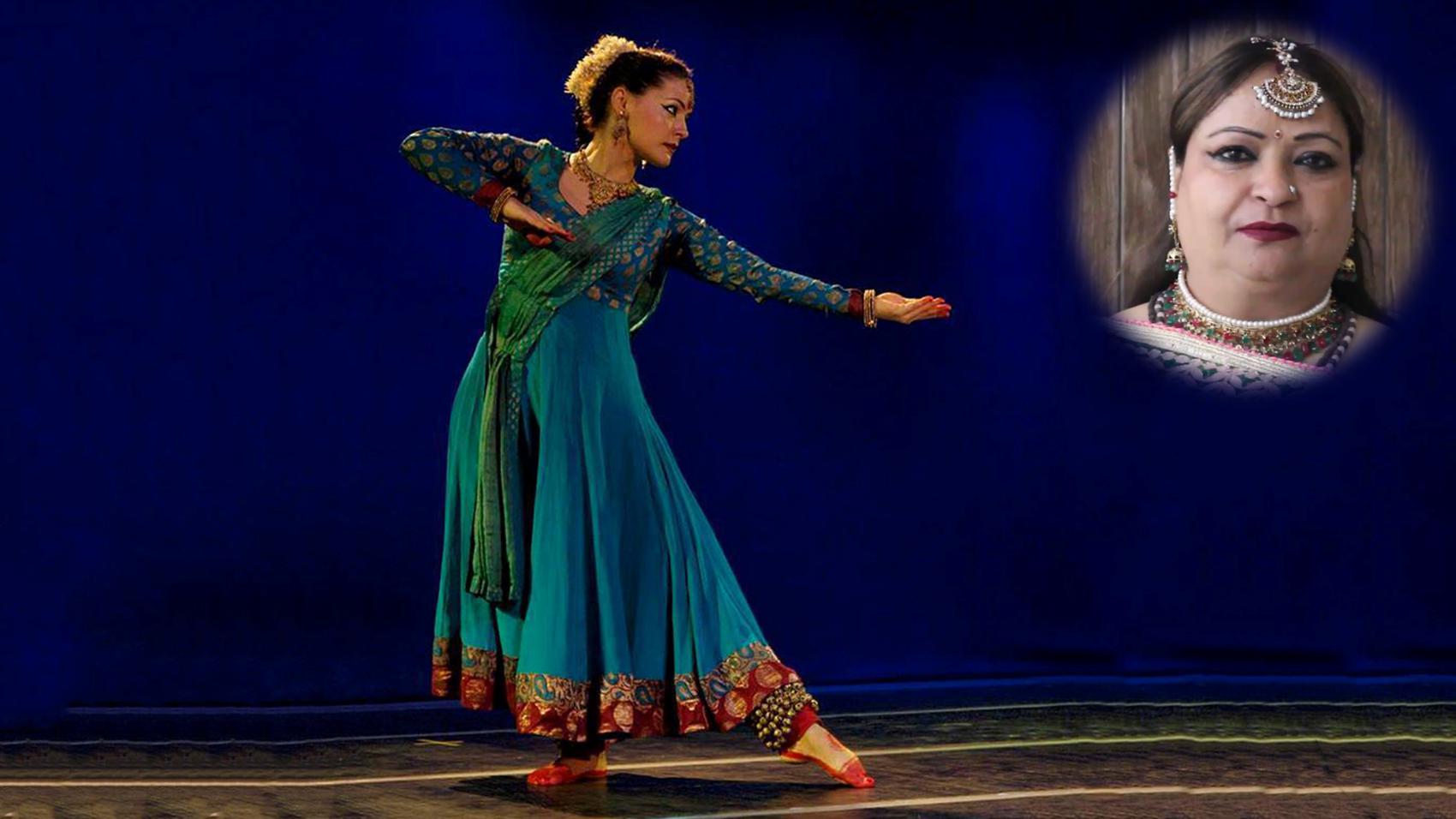
Kathak Dancing is a classical Indian dance form originating from northern India, characterized by intricate footwork, expressive gestures, and rhythmic spins. It combines storytelling, music, and movement to convey narratives, often drawing from ancient epics and folklore. Kathak is both a performance art and a means of cultural expression.
Kathak Dancing holds significant cultural and artistic value, serving as a bridge between tradition and contemporary performance. For professionals, it offers a platform to showcase creativity, discipline, and storytelling abilities. Practicing Kathak enhances physical fitness through rigorous training, fosters emotional expression by connecting dancers with their inner narratives, and builds a sense of cultural identity and pride. The dance form also opens opportunities for teaching, choreography, and international performances, allowing artists to share their heritage globally. Engaging in Kathak cultivates perseverance, stage presence, and a deep appreciation for Indian classical arts, making it a rewarding and impactful career choice.
A professional Kathak dancer may spend years mastering the art under the guidance of a guru, eventually performing at prestigious festivals and cultural events. In a typical scenario, the dancer collaborates with musicians to create a live performance that weaves together rhythmic footwork, expressive facial movements, and intricate hand gestures to narrate a mythological story. Beyond the stage, the dancer might teach Kathak to students, conduct workshops, and participate in cultural exchange programs, thereby promoting the dance form both locally and internationally. Through these activities, the dancer not only preserves the tradition but also inspires new generations to appreciate and pursue Kathak Dancing as a meaningful career.
Education
Rhythm

Rhythm is the patterned flow of sound and movement through time, marked by regular beats, accents, and tempo. In Kathak Dancing, rhythm forms the backbone of every performance, guiding footwork, gestures, and expressions. Mastery of rhythm is essential for both academic study and professional excellence in Kathak.
Understanding rhythm is crucial for anyone aspiring to excel in Kathak Dancing. Rhythm provides the structural framework upon which all Kathak compositions are built, from basic steps to complex improvisations. Professionals rely on their knowledge of rhythm to synchronize with accompanying musicians, maintain the integrity of traditional compositions, and innovate within the art form. A deep grasp of rhythm allows dancers to communicate stories more effectively, respond to live music, and adapt to various performance settings. Over time, this expertise enhances a dancer’s versatility, confidence, and reputation, opening doors to teaching, choreography, and international collaborations. Thus, rhythm is not just a technical requirement but a lifelong asset for career growth and artistic expression in Kathak.
A professional Kathak dancer preparing for a stage performance begins by listening closely to the tabla and reciting the chosen taal, or rhythmic cycle, aloud. During rehearsal, the dancer aligns intricate footwork and spins with the beats, ensuring every movement lands precisely on the correct matra, or count. If the musician improvises, the dancer’s understanding of rhythm allows seamless adaptation, maintaining harmony between dance and music. In live shows, this skill enables the dancer to confidently execute complex sequences, recover gracefully from unexpected changes, and captivate the audience with both technical precision and expressive storytelling. Mastery of rhythm thus transforms theoretical knowledge into compelling, dynamic performances.
Guru

A Guru is a revered teacher or spiritual guide who imparts not only technical skills but also the philosophical and cultural essence of Kathak Dancing. In academic and professional contexts, understanding the Guru’s role is essential, as it shapes the dancer’s discipline, artistry, and ethical grounding, forming the core of traditional training.
Understanding the concept of Guru is vital for anyone pursuing Kathak Dancing, as it transcends mere instruction and enters the realm of holistic mentorship. The Guru imparts knowledge, discipline, and values, ensuring that the art form is preserved and passed down authentically. For professionals, this relationship forms the bedrock of their artistic identity, influencing their approach to practice, performance, and teaching. The Guru’s guidance fosters a deep respect for tradition and encourages lifelong learning, which is crucial for career longevity. Embracing the Guru-shishya (teacher-student) tradition also opens doors to professional networks, performance opportunities, and recognition within the Kathak community, making it an indispensable aspect of a dancer’s journey.
Consider a professional Kathak dancer preparing for a major performance. Drawing on their theoretical understanding of Guru, the dancer seeks feedback and blessings from their Guru before taking the stage. This interaction is not merely a formality; it is a reaffirmation of the values, techniques, and artistic nuances instilled during years of training. The dancer internalizes corrections and advice, ensuring their performance aligns with the traditional standards upheld by their Guru. In daily practice, the dancer recalls specific teachings, stories, and demonstrations from their Guru, using them to refine their movements and expressions. This ongoing relationship exemplifies how the concept of Guru is actively woven into the professional life of a Kathak artist.
Footwork

Footwork in Kathak refers to the precise, rhythmic movements and patterns executed by the dancer’s feet, often synchronized with intricate beats and musical cycles. It is a fundamental aspect of Kathak, forming the basis for both solo and group performances, and is essential in both academic study and professional practice.
Understanding footwork is crucial for anyone aspiring to excel in Kathak dancing, as it forms the bedrock upon which all other skills are built. Mastery of footwork enables dancers to maintain rhythm, express complex emotions, and execute advanced choreography with confidence. For professionals, strong footwork is not only a marker of technical proficiency but also a key to artistic expression and innovation. It allows dancers to interpret classical compositions authentically and to experiment with contemporary styles while maintaining the integrity of the tradition. Over the long term, expertise in footwork enhances a dancer’s reputation, opens opportunities for teaching and choreography, and ensures sustained career growth within the competitive field of classical dance.
A professional Kathak dancer preparing for a stage performance begins each rehearsal by practicing intricate footwork patterns, known as tatkar, to ensure clarity and precision. During the performance, the dancer’s ability to synchronize foot movements with the tabla’s rhythmic cycles captivates the audience and demonstrates mastery of the art form. When improvising or responding to live music, the dancer relies on a deep theoretical understanding of footwork to adapt seamlessly, maintaining both the aesthetic and technical standards expected in professional settings. This daily application of footwork knowledge not only elevates the quality of the performance but also reinforces the dancer’s credibility and artistry within the Kathak community.
Hand Movements

Hand Movements, known as "mudras" or "hastas" in Kathak, refer to the precise positioning, gestures, and transitions of the hands and fingers. These movements are integral to expressing emotions, storytelling, and rhythm in Kathak. Mastery of hand movements is essential for both academic study and professional performance in Kathak dancing.
Understanding hand movements is crucial for anyone aspiring to excel in Kathak, as these gestures form the language through which stories and emotions are conveyed. Mastery of hand movements allows dancers to communicate complex narratives without words, making performances more engaging and authentic. For professionals, a deep knowledge of hand movements ensures technical accuracy and artistic expression, both of which are highly valued in the field. This expertise also supports teaching, choreography, and research, as it provides a strong foundation for interpreting classical texts and innovating within the tradition. Over time, proficiency in hand movements enhances a dancer’s versatility, reputation, and ability to connect with diverse audiences, contributing to a sustainable and respected career in Kathak.
Consider a Kathak dancer preparing for a stage performance depicting a scene from Indian mythology. During rehearsals, the dancer applies their theoretical understanding of hand movements to accurately portray different characters and emotions. For instance, when enacting a goddess, the dancer uses specific mudras to symbolize power and grace, while switching to softer gestures to express compassion or sorrow. This nuanced use of hand movements not only brings the narrative to life but also ensures that the audience, regardless of their familiarity with Kathak, can follow the story and feel its emotional depth. Such daily application of hand movement theory is essential for delivering compelling and authentic performances.
Gesture & Expression
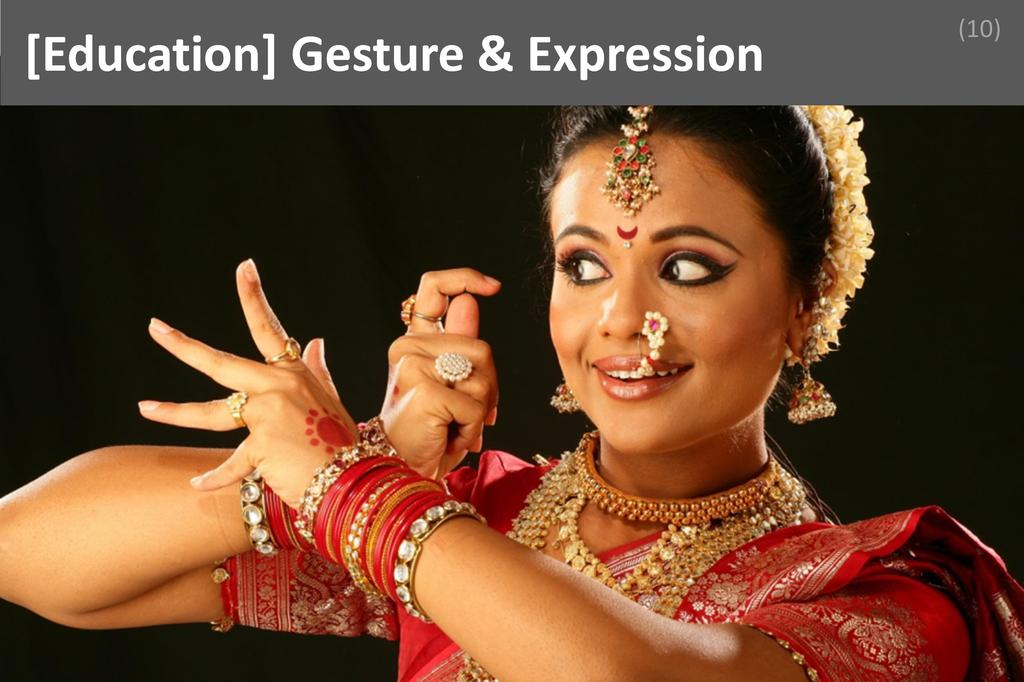
Gesture & Expression refers to the deliberate use of body movements, facial expressions, and hand gestures to convey emotions, stories, and themes in Kathak Dancing. This concept is central to both the academic study and professional practice of Kathak, as it transforms technical movements into meaningful, communicative art.
Understanding Gesture & Expression is essential for anyone aspiring to excel in Kathak Dancing. Mastery of these elements allows dancers to communicate complex narratives and emotions, elevating their performance beyond mere physical movement. This knowledge forms the bedrock of a dancer’s professional skill set, enabling them to connect deeply with audiences and judges alike. Over time, proficiency in Gesture & Expression enhances a dancer’s versatility, making them more adaptable to various choreographies and performance contexts. It also opens doors to teaching, choreography, and collaborative projects, as expressive clarity is highly valued in the broader dance community. Ultimately, this expertise ensures a sustainable and impactful career in Kathak, where storytelling and emotional resonance are paramount.
Consider a Kathak dancer preparing for a stage performance depicting a scene from the Mahabharata. The dancer must use precise hand gestures to symbolize different characters and employ subtle facial expressions to convey shifting emotions such as sorrow, anger, or joy. During rehearsals, the dancer draws on their theoretical understanding of Gesture & Expression to refine each movement, ensuring that every gesture is clear and every emotion is authentic. On stage, this mastery allows the dancer to captivate the audience, making the narrative accessible even to those unfamiliar with the story. This daily application of Gesture & Expression not only enhances the performance but also reinforces the dancer’s reputation as a skilled and expressive artist.
Workshops

Workshops are structured, interactive sessions designed to teach, refine, and explore specific skills or concepts within a limited timeframe. In the context of Kathak Dancing, workshops serve as immersive learning environments where dancers can deepen their technique, learn new repertoires, and engage with experts, enhancing both academic and professional growth.
Understanding workshops is essential for anyone pursuing a career in Kathak Dancing because these sessions provide opportunities for continuous learning and skill enhancement beyond regular classes. Workshops often introduce dancers to new styles, advanced techniques, and innovative choreography, fostering adaptability and creativity. They also facilitate networking with renowned gurus and peers, which can lead to mentorship and collaborative opportunities. For professionals, participating in or conducting workshops demonstrates a commitment to lifelong learning and professional development, which is highly valued in the performing arts community. Over time, this engagement not only sharpens artistic abilities but also builds a strong reputation, opening doors to teaching, performing, and choreographing at national and international platforms.
Consider a Kathak dancer who regularly attends and organizes workshops. During a typical day, she might apply her workshop experience by incorporating advanced footwork patterns learned from a recent masterclass into her own choreography. When teaching her students, she draws upon innovative teaching methods and exercises introduced in previous workshops, making her classes more engaging and effective. Additionally, her exposure to diverse interpretations of Kathak during workshops enables her to adapt her performances for different audiences and venues. This practical application of workshop knowledge not only enhances her personal artistry but also elevates the learning experience for her students, ensuring that both she and her community remain at the forefront of Kathak Dancing.
Skills
Practice

Practice is the consistent and deliberate repetition of movements, techniques, and routines with the goal of mastering and refining skills over time. In the context of Kathak Dancing, practice forms the foundation upon which artistry, precision, and expression are built, enabling dancers to perform with confidence and grace on any stage.
The skill of practice directly enhances a Kathak dancer’s performance by ingraining complex footwork, intricate hand gestures, and expressive storytelling into muscle memory. Clients and employers highly value dancers who demonstrate dedication to practice, as it ensures reliability, technical excellence, and the ability to adapt to new choreography or performance demands. Cultivating this skill requires discipline, patience, and a structured routine, often involving daily sessions under the guidance of a guru or mentor. Over time, consistent practice not only polishes technique but also fosters creativity and improvisational ability, making the dancer more versatile and resilient in the face of challenges.
Imagine a Kathak dancer preparing for a prestigious national competition. During rehearsals, she struggles with a particularly challenging tihaai sequence that demands perfect synchronization of rhythm and movement. Instead of avoiding the difficulty, she dedicates extra hours each day to practicing the sequence, breaking it down into smaller parts and gradually increasing speed and complexity. Through persistent practice, she overcomes her initial struggles, eventually performing the tihaai flawlessly. On the day of the competition, her mastery of the sequence impresses the judges and audience alike, earning her top honors. This scenario highlights how the commitment to practice enables Kathak dancers to conquer obstacles and achieve excellence in their careers.
Respect Your Profession

Respecting your profession means valuing the art form, upholding its traditions, and approaching every aspect of your work with dedication, integrity, and pride. For a Kathak dancer, this mindset fosters discipline, continuous learning, and a deep connection to the cultural heritage, making it a foundational skill for long-term success.
Embracing respect for your profession as a Kathak dancer elevates your commitment to practice, punctuality, and performance quality. This attitude ensures you treat rehearsals, performances, and even minor roles with equal seriousness, which directly enhances your artistry and reliability. Clients and employers notice and appreciate dancers who honor their craft, as it signals professionalism and trustworthiness. Over time, this skill can be cultivated by seeking mentorship, studying the history and nuances of Kathak, and reflecting on the responsibility of representing a classical tradition. Regular self-assessment and a willingness to learn from feedback further reinforce this respect, gradually shaping a dancer into a respected and sought-after professional.
Imagine a Kathak dancer preparing for a prestigious festival performance. During rehearsals, the dancer notices that some group members are less attentive, risking the overall quality of the piece. Drawing on a deep respect for the profession, the dancer diplomatically addresses the issue, reminding the group of their shared responsibility to the art form and audience. By demonstrating commitment and encouraging others to do the same, the dancer not only helps elevate the performance but also earns the admiration of peers and organizers. This respect-driven approach transforms a potential setback into an opportunity for collective growth and success, highlighting the profound impact of valuing one’s profession in Kathak dancing.
Confidence & Positive Thinking
Confidence & Positive Thinking refers to the unwavering belief in one’s abilities and the optimistic mindset that embraces challenges as opportunities for growth. In Kathak Dancing, this core skill empowers artists to perform with conviction, adapt to new choreography, and recover gracefully from mistakes, enhancing both artistry and stage presence.
Confidence & Positive Thinking directly elevates a Kathak dancer’s performance by fostering self-assurance, resilience, and adaptability. Audiences, clients, and employers are drawn to dancers who radiate positivity and assurance, as these qualities translate into captivating performances and effective teaching. Over time, this skill can be cultivated through regular practice, constructive self-reflection, and embracing feedback as a tool for improvement. Dancers who actively nurture a positive mindset are better equipped to handle setbacks, learn from criticism, and maintain motivation during rigorous training. This ongoing development not only refines technical skills but also builds the emotional strength necessary for a sustainable and successful career in Kathak.
Imagine a Kathak dancer preparing for a major solo performance when, moments before stepping on stage, she learns that a key musical cue has changed unexpectedly. Instead of succumbing to anxiety, she draws upon her confidence and positive thinking, trusting her training and improvisational skills. She adapts her routine seamlessly, maintaining poise and engaging the audience with expressive storytelling. After the performance, her ability to handle the situation with grace impresses both the organizers and her peers, reinforcing her reputation as a reliable and inspiring artist. This scenario highlights how confidence and a positive outlook can transform potential setbacks into opportunities for growth and recognition in the world of Kathak Dancing.
Down to Earth

"Down to Earth" refers to being humble, approachable, and grounded, regardless of one’s achievements or recognition. In Kathak Dancing, this quality allows professionals to remain open to learning, accept constructive feedback, and connect authentically with peers, students, and audiences. It fosters genuine growth and lasting relationships.
Being down to earth enhances a Kathak dancer’s performance by encouraging continuous improvement and adaptability. Audiences and employers appreciate dancers who are approachable and receptive, as this attitude creates a positive environment during rehearsals, workshops, and performances. Humility allows dancers to accept guidance from gurus and collaborate effectively with fellow artists, which is vital in a tradition-rich art form like Kathak. To cultivate this skill, dancers should regularly reflect on their journey, seek feedback, and remember the roots and cultural significance of Kathak. Over time, practicing gratitude and maintaining respect for all contributors in the dance community helps reinforce a grounded mindset, making the dancer not only skilled but also respected and trusted.
Imagine a Kathak dancer preparing for a major performance who encounters unexpected technical difficulties during a rehearsal. Instead of reacting with frustration or blaming others, the dancer remains calm and approachable, working collaboratively with the technical team and fellow performers to find solutions. By staying down to earth, the dancer listens to suggestions from junior members and values everyone’s input, which leads to a creative workaround that saves the show. This attitude not only resolves the immediate crisis but also strengthens the team’s trust and respect for the dancer, highlighting how humility and groundedness can turn challenges into opportunities for collective success.
Team Work

Team Work is the collaborative effort of a group to achieve a common goal or complete a task in the most effective and efficient way. In Kathak Dancing, it involves synchronizing movements, sharing creative ideas, and supporting fellow dancers to deliver seamless performances. This skill is indispensable for any Kathak dancer, as it ensures harmony on stage and fosters a positive environment for artistic growth. Team Work enables dancers to blend individual strengths, overcome challenges, and create captivating group choreographies that highlight the essence of Kathak as a collective art form.
The ability to work well within a team directly enhances a Kathak dancer’s performance by ensuring precise coordination, mutual understanding, and a unified stage presence. Clients and employers highly value this skill because it guarantees that group pieces are executed flawlessly, reflecting professionalism and reliability. Team Work also helps in managing complex routines, adapting to last-minute changes, and maintaining morale during demanding rehearsals. To cultivate this skill, dancers should actively participate in group practices, communicate openly with peers, and be receptive to feedback. Over time, consistent collaboration and a willingness to support others help dancers internalize the principles of Team Work, making them indispensable members of any ensemble.
Imagine a Kathak troupe preparing for a major cultural festival when, just days before the event, one dancer falls ill. The group must quickly reorganize the choreography to fill the gap and maintain the integrity of the performance. Through effective Team Work, the dancers come together to redistribute roles, rehearse new formations, and support each other emotionally and technically. By communicating openly and trusting each other’s abilities, they adapt seamlessly to the changes. On the day of the performance, their collective effort results in a flawless presentation, earning praise from the audience and organizers. This scenario highlights how Team Work enables Kathak dancers to overcome unexpected challenges and achieve success as a cohesive unit.
Patience

Patience is the ability to calmly endure challenges, delays, or difficulties without frustration, maintaining a steady and positive attitude throughout the process. In the context of Kathak Dancing, patience is crucial because mastering intricate footwork, complex rhythms, and expressive storytelling requires consistent practice and resilience over extended periods.
Patience directly enhances a Kathak dancer’s performance by allowing them to focus on gradual improvement rather than immediate perfection. This skill enables dancers to embrace the repetitive nature of practice, refine subtle nuances, and recover gracefully from mistakes. Clients and employers value patience because it reflects a dancer’s commitment to excellence and their ability to handle the demanding learning curve of classical dance. Cultivating patience involves setting realistic expectations, celebrating small milestones, and maintaining motivation during setbacks. Over time, dancers who nurture patience become more adaptable, persistent, and capable of achieving artistic mastery, making them reliable and inspiring members of any dance ensemble or teaching faculty.
Imagine a Kathak dancer preparing for a prestigious solo performance. During rehearsals, they struggle with a particularly challenging tihaai, a rhythmic pattern that must be executed flawlessly. Despite repeated attempts, the sequence remains imperfect. Instead of succumbing to frustration, the dancer draws upon their patience, breaking down the movement, practicing slowly, and seeking feedback from their guru. Over several weeks, their persistence pays off as the tihaai becomes second nature. On the day of the performance, the dancer executes the sequence with confidence and grace, earning admiration from the audience and respect from peers. This scenario highlights how patience enables a Kathak dancer to overcome obstacles and achieve success through steady, determined effort.
Workout & Healthy Lifestyle

Workout & Healthy Lifestyle refers to a consistent routine of physical exercise, balanced nutrition, adequate rest, and mindful habits that support overall well-being. For a Kathak dancer, this approach is crucial as it enhances stamina, flexibility, and mental focus, forming the foundation for sustained, expressive, and injury-free performances.
In Kathak dancing, maintaining a workout and healthy lifestyle directly translates to improved endurance, agility, and control, all of which are vital for executing intricate footwork and expressive gestures. Employers and clients highly value dancers who demonstrate physical resilience and reliability, as these qualities ensure consistent, high-quality performances and reduce the risk of missed shows due to injury or fatigue. Cultivating this skill involves integrating regular strength and flexibility training, mindful eating, and stress management into daily life. Over time, these habits not only enhance physical capabilities but also foster discipline and mental clarity, both of which are indispensable in mastering complex choreography and adapting to the demands of a professional dance career.
Imagine a Kathak dancer preparing for a prestigious festival performance that requires multiple rehearsals and back-to-back shows. During this intense period, the dancer relies on her established workout routine and healthy lifestyle to maintain energy levels and prevent injuries. By prioritizing proper nutrition, hydration, and rest, she recovers quickly between rehearsals and remains mentally focused. When a fellow performer struggles with fatigue and muscle strain, her own resilience stands out, allowing her to step in and cover additional sequences seamlessly. This not only ensures the success of the performance but also earns her recognition from organizers and peers, demonstrating how a commitment to fitness and well-being can be a decisive factor in a dancer’s professional achievements.
Positives
Endless Learning

Endless Learning is the continuous process of acquiring new knowledge, skills, and insights without ever reaching a final endpoint. In Kathak Dancing, this means dancers are always discovering fresh techniques, exploring deeper expressions, and understanding richer cultural contexts. This ongoing journey keeps the art form vibrant and the artist’s passion alive, fostering personal and professional growth.
The beauty of Endless Learning in Kathak Dancing lies in its ability to keep the profession ever-evolving and deeply satisfying. Dancers are constantly challenged to refine their movements, master intricate rhythms, and interpret stories in innovative ways. This perpetual growth prevents stagnation and keeps motivation high, as there is always something new to strive for. The process of learning never truly ends, which means every day brings fresh opportunities for improvement and inspiration. This dynamic environment not only enhances artistic skills but also builds resilience, adaptability, and a lifelong love for the craft, making Kathak Dancing a uniquely rewarding career.
Imagine a seasoned Kathak dancer who, after years of performing, attends a workshop with a renowned guru. During the session, she learns a rare composition and new footwork patterns she had never encountered before. The excitement of mastering these unfamiliar elements reignites her enthusiasm, reminding her that there is always more to explore in Kathak. She returns to her practice with renewed energy, eager to incorporate these discoveries into her performances and share them with her students. This experience highlights how Endless Learning continually enriches her journey, making every stage of her career meaningful and inspiring.
Getting Different Perspective
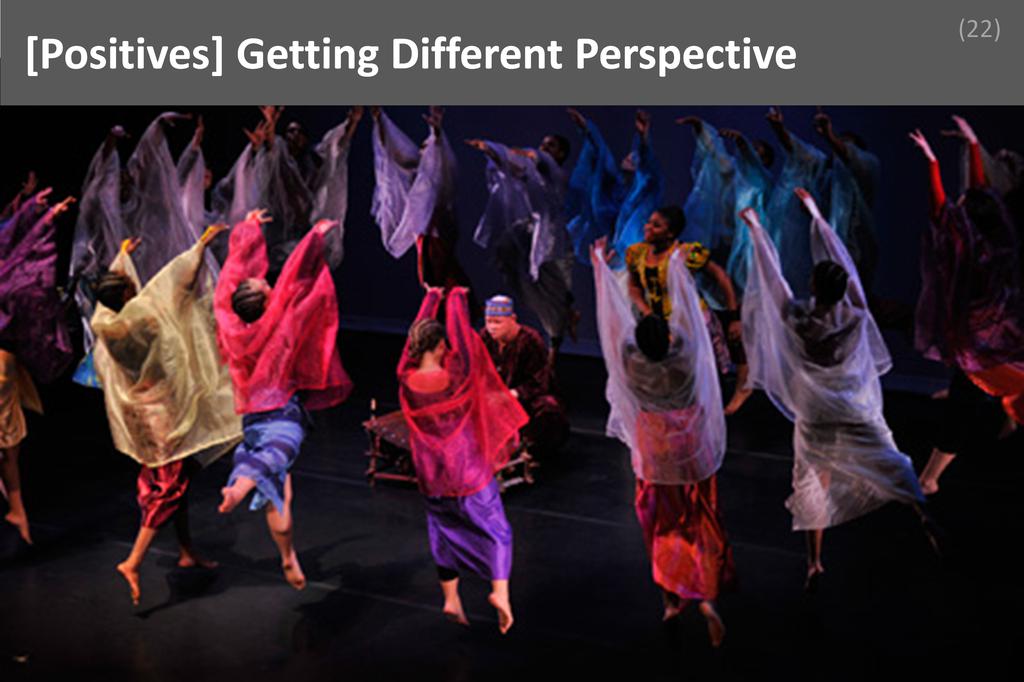
Getting Different Perspective means embracing new ways of seeing, interpreting, and understanding the world, people, and art forms beyond one’s own experiences. In Kathak dancing, this involves learning from diverse traditions, collaborating with artists from various backgrounds, and interpreting stories through multiple cultural lenses, enriching both personal growth and artistic expression.
The ability to gain different perspectives is a transformative benefit for Kathak dancers. It allows them to approach their craft with openness and curiosity, constantly learning from peers, teachers, and audiences. This exposure to varied viewpoints fosters creativity, adaptability, and empathy, making each performance more meaningful. Dancers who embrace different perspectives often find deeper satisfaction in their work, as they are not limited by a singular approach or tradition. Instead, they grow artistically and personally, discovering new dimensions in every movement and narrative. This ongoing process of learning and adaptation keeps the profession dynamic and fulfilling, ensuring that dancers remain inspired and motivated throughout their careers.
Imagine a Kathak dancer collaborating with musicians from a different cultural background for a fusion performance. As rehearsals progress, the dancer is introduced to unfamiliar rhythms and storytelling methods. By engaging with these new elements, she gains a fresh perspective on her own technique and the stories she tells through dance. This experience not only challenges her to adapt and innovate but also deepens her appreciation for the universality of artistic expression. The final performance becomes a celebration of diversity, where the dancer feels a profound sense of accomplishment and connection, having grown both as an artist and as an individual through the power of different perspectives.
Meeting New People

Meeting new people means engaging with individuals from diverse backgrounds, cultures, and experiences, often forming connections that extend beyond professional boundaries. In Kathak dancing, this involves interacting with fellow dancers, teachers, students, and audiences, creating a vibrant community. These interactions foster collaboration, inspiration, and personal growth, enriching the artistic journey.
The opportunity to meet new people is a cornerstone of a fulfilling career in Kathak dancing. Every rehearsal, performance, and workshop brings together individuals united by a passion for the art form. This constant exchange of ideas and experiences not only enhances technical skills but also broadens cultural understanding. Dancers often find themselves inspired by the stories and perspectives of others, leading to creative collaborations and lifelong friendships. The supportive network that develops within the Kathak community boosts morale and motivation, making the profession more enjoyable and meaningful. Daily interactions with new faces ensure that learning never stops, and each encounter can spark fresh enthusiasm and innovative approaches to dance.
Imagine a Kathak dancer attending an international dance festival for the first time. Surrounded by artists from around the world, she participates in workshops, shares her own techniques, and learns new styles. Through conversations and shared experiences, she forms bonds with dancers from different countries, exchanging cultural insights and artistic philosophies. These new relationships not only enhance her understanding of Kathak but also open doors to future collaborations and performances abroad. The sense of belonging to a global community leaves her feeling inspired and valued, reinforcing her passion for dance and reminding her of the profound impact that meeting new people can have on both her career and personal growth.
Self Satisfaction

Self satisfaction is the profound sense of fulfillment and contentment that arises from achieving personal goals, expressing creativity, and staying true to one’s values. In Kathak dancing, self satisfaction emerges when artists master intricate movements, convey deep emotions, and witness their growth, fostering a positive and motivating environment within the profession.
Self satisfaction is a cornerstone of a rewarding career in Kathak dancing because it nurtures intrinsic motivation and resilience. When dancers feel genuinely fulfilled by their progress and performances, they are more likely to remain passionate and committed to their art. This sense of accomplishment fuels continuous learning and personal growth, making each practice session and stage appearance meaningful. The daily experience of self satisfaction helps dancers overcome challenges, embrace constructive feedback, and maintain a positive outlook, even during demanding rehearsals or performances. As a result, Kathak professionals often find themselves thriving, not just artistically but also emotionally, as their work aligns with their inner sense of purpose and joy.
Imagine a Kathak dancer who has spent months perfecting a complex footwork sequence for an upcoming solo performance. On the day of the show, she executes the routine flawlessly, feeling every beat resonate through her body and soul. As the audience applauds, she experiences a wave of self satisfaction, knowing that her dedication and perseverance have paid off. This moment of fulfillment is not just about external recognition, but about the deep personal pride she feels in her growth and artistry. Such experiences reinforce her love for Kathak, motivating her to continue exploring new creative heights and inspiring others through her passion.
Discipline

Discipline is the consistent practice of self-control, dedication, and adherence to a set of principles or routines, enabling individuals to achieve their goals with focus and perseverance. In Kathak dancing, discipline shapes every aspect of a dancer’s journey, fostering growth, mastery, and resilience. It transforms raw talent into refined artistry, ensuring continuous improvement and excellence. Discipline is not just about following rules; it is about embracing a mindset that values hard work, patience, and the pursuit of perfection. This unwavering commitment is essential in Kathak, where intricate footwork, expressive storytelling, and precise movements demand regular practice and mindful repetition. Ultimately, discipline becomes the foundation upon which a successful Kathak career is built.
The presence of discipline in Kathak dancing elevates the entire professional experience, making it deeply rewarding and fulfilling. Discipline instills a sense of purpose and direction, allowing dancers to set clear goals and steadily work towards them. This structured approach leads to noticeable progress, which boosts confidence and job satisfaction. As dancers witness their own growth, from mastering complex rhythms to perfecting graceful spins, they experience a profound sense of achievement. Discipline also fosters resilience, helping professionals overcome setbacks and persist through challenges. In daily practice, discipline ensures that each session is productive, focused, and meaningful, creating a positive cycle of improvement and motivation. Over time, this dedication not only enhances technical skills but also nurtures creativity and self-expression, making every performance a testament to the dancer’s commitment.
Imagine a Kathak dancer preparing for a prestigious stage performance. Months before the event, she commits to a rigorous practice schedule, waking up early each day to rehearse her footwork, expressions, and choreography. Despite moments of fatigue or frustration, her disciplined routine keeps her motivated and on track. As the performance day approaches, she notices significant improvements in her stamina, precision, and confidence. On stage, her disciplined preparation shines through in every movement, captivating the audience and earning her heartfelt applause. The fulfillment she feels is not just from the applause, but from knowing that her unwavering discipline transformed her hard work into a beautiful, memorable performance. This experience reinforces her belief in the power of discipline and its lasting impact on her career.
Challenges
Work Life Balance

Work Life Balance in Kathak Dancing refers to the ongoing effort to harmonize the rigorous demands of dance training, performances, and teaching with personal responsibilities, family commitments, and self-care. The discipline’s physical intensity, irregular schedules, and emotional investment make achieving equilibrium particularly challenging for dedicated Kathak professionals.
The struggle to maintain work life balance in Kathak Dancing often leads to fatigue, stress, and reduced personal time, impacting both performance quality and personal relationships. The unpredictable hours of rehearsals, travel for shows, and the need for continuous practice require immense resilience and adaptability. Successful Kathak dancers address these challenges by setting clear boundaries, prioritizing essential commitments, and cultivating a strong support network. They learn to delegate tasks when possible and practice mindfulness to remain present in both their professional and personal spheres. By consciously allocating time for rest and recreation, they sustain their passion for dance while nurturing their well-being and relationships, ultimately leading to a more fulfilling and sustainable career.
Consider the journey of a Kathak dancer who balances a demanding performance schedule with teaching responsibilities and family life. She organizes her day by dedicating mornings to personal practice and choreography, afternoons to teaching students, and evenings to family time. When performance seasons intensify, she communicates openly with her family about her commitments and seeks their support, while also ensuring she schedules downtime after major events. By maintaining a flexible yet structured routine, she preserves her physical health and emotional energy. This approach allows her to excel artistically, fulfill her teaching duties, and remain connected with loved ones, demonstrating that with intentional planning and open communication, work life balance in Kathak Dancing is achievable.
Difficult Students & Parents

In Kathak Dancing, "Difficult Students & Parents" refers to individuals who challenge teaching methods, resist discipline, or have unrealistic expectations about progress and performance. This is demanding because it disrupts the learning environment, strains teacher-student relationships, and requires constant adaptation to maintain harmony and uphold the integrity of traditional Kathak instruction.
Dealing with difficult students and parents can significantly affect a Kathak teacher’s daily routine, often leading to emotional exhaustion and reduced teaching effectiveness. The constant need to address complaints, manage disruptive behavior, or clarify misunderstandings can detract from lesson quality and group cohesion. This challenge demands resilience, patience, and strong communication skills. Successful professionals approach these situations by setting clear expectations from the outset, fostering open dialogue, and maintaining consistent discipline. They also invest time in understanding individual concerns, adapting their teaching style when necessary, and seeking support from peers or mentors. By balancing empathy with firmness, they create a respectful environment that encourages growth while minimizing disruptions.
Consider a Kathak teacher who encounters a student frequently interrupting classes and a parent who insists on rapid progress, disregarding the traditional pace of learning. Instead of reacting defensively, the teacher arranges a private meeting to listen to their concerns and explains the importance of foundational practice in Kathak. She shares examples of renowned dancers who benefited from patience and discipline, helping both student and parent appreciate the value of the process. By maintaining a calm demeanor and reinforcing classroom expectations, she gradually earns their trust. Over time, the student becomes more engaged and the parent more supportive, illustrating how empathy, communication, and consistency can transform a challenging situation into a positive learning experience.
Finding a Guru

Finding a Guru in Kathak Dancing refers to the arduous process of seeking a knowledgeable, experienced, and compatible mentor who can impart the art’s nuanced techniques and traditions. This challenge is demanding because Kathak’s oral and practical transmission relies deeply on the Guru-shishya (teacher-disciple) relationship, which is both rare and sacred.
The difficulty of finding a Guru in Kathak Dancing can significantly affect a professional’s daily practice and artistic growth. Without a guiding mentor, dancers may struggle to access authentic knowledge, receive critical feedback, or develop a personal style rooted in tradition. This challenge requires resilience, as dancers must often face repeated rejections, travel long distances, or wait patiently for the right opportunity. Successful professionals overcome this constraint by remaining persistent, building networks within the Kathak community, and demonstrating humility and dedication. They may also supplement their learning through workshops, observing performances, and self-study until a suitable Guru is found, ensuring their passion for Kathak remains undiminished despite the obstacles.
Consider the journey of a young Kathak dancer from a small town who aspires to learn from a renowned Guru based in a distant city. Despite limited resources and initial refusals, she attends every available workshop, participates in local performances, and consistently reaches out to established artists for guidance. Her unwavering commitment eventually catches the attention of a respected Guru, who recognizes her dedication and agrees to mentor her. Through perseverance and adaptability, she not only secures a Guru but also builds a supportive network, illustrating how determination and proactive engagement can help overcome the formidable challenge of finding a Guru in Kathak Dancing.
Establishment Difficulties

Establishment Difficulties in Kathak Dancing refer to the struggle dancers face in gaining recognition, building a sustainable career, and securing opportunities within a competitive and tradition-bound field. This challenge is demanding because it requires not only artistic excellence but also persistent networking, self-promotion, and adaptation to evolving cultural landscapes.
The challenge of establishment difficulties can deeply affect a Kathak dancer’s daily work, often leading to uncertainty about future performances, financial instability, and a constant need to prove one’s worth. This environment demands resilience, as dancers must balance rigorous practice with the ongoing pursuit of visibility and credibility. Successful professionals manage this constraint by cultivating strong relationships within the dance community, seeking mentorship, and leveraging digital platforms to showcase their talent. They remain adaptable, embracing both traditional and contemporary opportunities, and consistently invest in their personal and artistic growth. Through perseverance and strategic self-promotion, they gradually carve out a space for themselves, turning initial setbacks into stepping stones for long-term success.
Consider the journey of a Kathak dancer who, after years of dedicated training, struggled to secure solo performances and recognition in established festivals. Facing repeated rejections, she began organizing her own small recitals and sharing her performances online, gradually building a loyal audience. By collaborating with musicians and other dancers, she expanded her network and gained valuable exposure. Over time, her persistence paid off as she was invited to perform at larger venues and participate in prestigious workshops. Through unwavering commitment and creative outreach, she overcame establishment difficulties, transforming obstacles into opportunities for artistic and professional growth.
A Day Of
Kathak Dancing
The rhythmic echo of ankle bells fills the air long before the city stirs awake, signaling the start of another day for a Kathak dancing professional. Each sunrise brings a blend of discipline, artistry, and relentless practice, where tradition meets personal expression in a whirl of movement and music. The day unfolds not behind a desk, but across polished studio floors and vibrant stages, driven by a passion that demands both physical endurance and creative devotion. In this world, every hour pulses with the energy of centuries-old storytelling, intricate footwork, and the constant pursuit of perfection.
As dawn breaks, the Kathak dancer begins with a quiet ritual of stretching and meditation, grounding both body and mind for the day ahead. This early morning phase is dedicated to revisiting foundational movements, practicing tatkar (footwork), and reciting bols (rhythmic syllables) to internalize the complex patterns that define Kathak. The solitude of the studio at this hour allows for deep focus, setting an intentional pace and reconnecting with the roots of the dance form before the demands of the day accelerate.
By mid-morning, the studio comes alive with the sounds of tabla and harmonium as the dancer dives into the heart of their craft. This is the most intense period of the day, filled with rigorous rehearsals, choreography refinement, and expressive storytelling through abhinaya (facial expressions). Whether preparing for an upcoming performance or perfecting a new piece, the dancer collaborates closely with musicians and sometimes fellow dancers, pushing the boundaries of technique and emotion. The hours fly by in a blur of sweat, rhythm, and creative breakthroughs.
Afternoons are often reserved for sharing knowledge and nurturing the next generation of Kathak artists. The dancer transitions into the role of mentor, leading classes or workshops for students of varying skill levels. This phase is marked by patient instruction, demonstration of complex sequences, and constructive feedback. Collaborative practice sessions may also occur, where dancers work together to synchronize group pieces or experiment with innovative interpretations, fostering a sense of community and collective growth within the art form.
As evening approaches, the pace shifts from physical exertion to thoughtful reflection and organization. The dancer reviews video recordings of rehearsals, takes notes on areas for improvement, and responds to emails regarding upcoming performances or teaching opportunities. Administrative tasks such as updating schedules, coordinating with event organizers, and planning future choreography fill the final hours. This wrap-up phase ensures that each day’s progress is documented and that the next day’s goals are clearly set, allowing the dancer to close the studio doors with a sense of accomplishment and anticipation for what lies ahead. |


 Home
Home Abroad
 Plan
Plan Philosophy
 Seminar
 Pages
Pages Advisors
 Testimonials












 Workshop
 Discuss
 Meet
Meet
 Advisor
 Story
Story
 Fine Print
 Links
Links
 Blog
Blog
 Follow
