The Journey of Dancing
What Is Dancing
Dancing

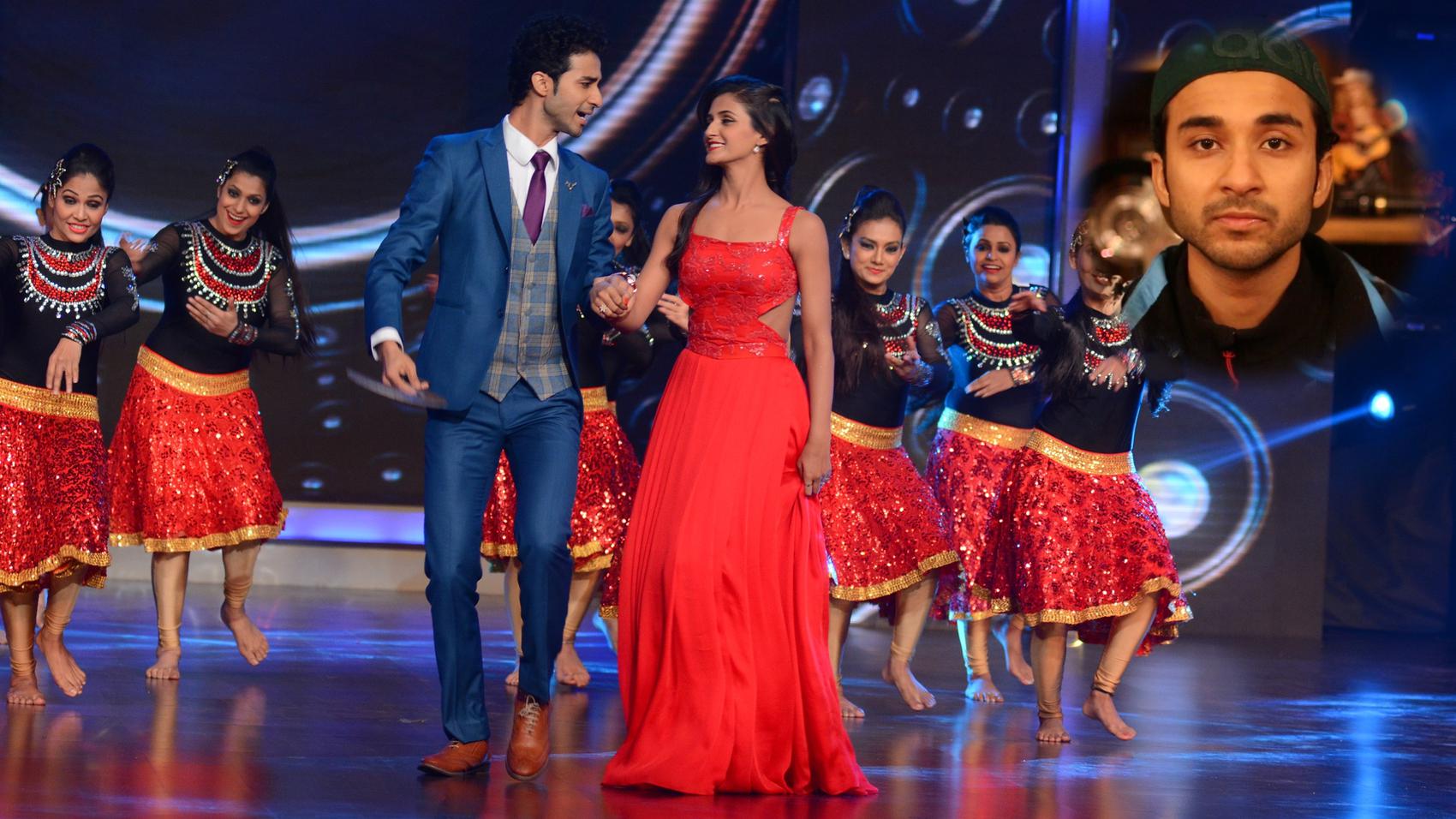
Dancing is the art of moving the body rhythmically, usually to music, as a form of expression, social interaction, or performance. It encompasses a wide range of styles and techniques, allowing individuals to convey emotions, tell stories, and entertain audiences through choreographed or improvised movements.
Dancing holds significant importance both culturally and professionally. For those pursuing a career in dancing, it offers a platform to express creativity, connect with audiences, and contribute to the performing arts. The impact of dancing extends beyond entertainment; it fosters discipline, teamwork, and resilience among professionals. One major benefit is the enhancement of physical fitness, as dancers develop strength, flexibility, and coordination. Another benefit is the opportunity for personal growth, as dancers continually learn new techniques and challenge themselves artistically. Additionally, dancing can provide a sense of community and belonging, as dancers often collaborate closely with others, building lasting relationships within the industry.
A professional dancer working in a contemporary dance company might spend hours each day rehearsing intricate choreography for an upcoming performance. They collaborate with choreographers and fellow dancers to perfect timing, expression, and movement. During live shows, the dancer uses their training and creativity to convey the intended emotion and narrative to the audience. Their performance not only entertains but also communicates powerful themes and stories, leaving a lasting impression on viewers. Offstage, the dancer may teach classes, mentor aspiring dancers, or participate in workshops, further utilizing their skills and passion for dance to inspire others and contribute to the growth of the art form.
Education
Classical Dance

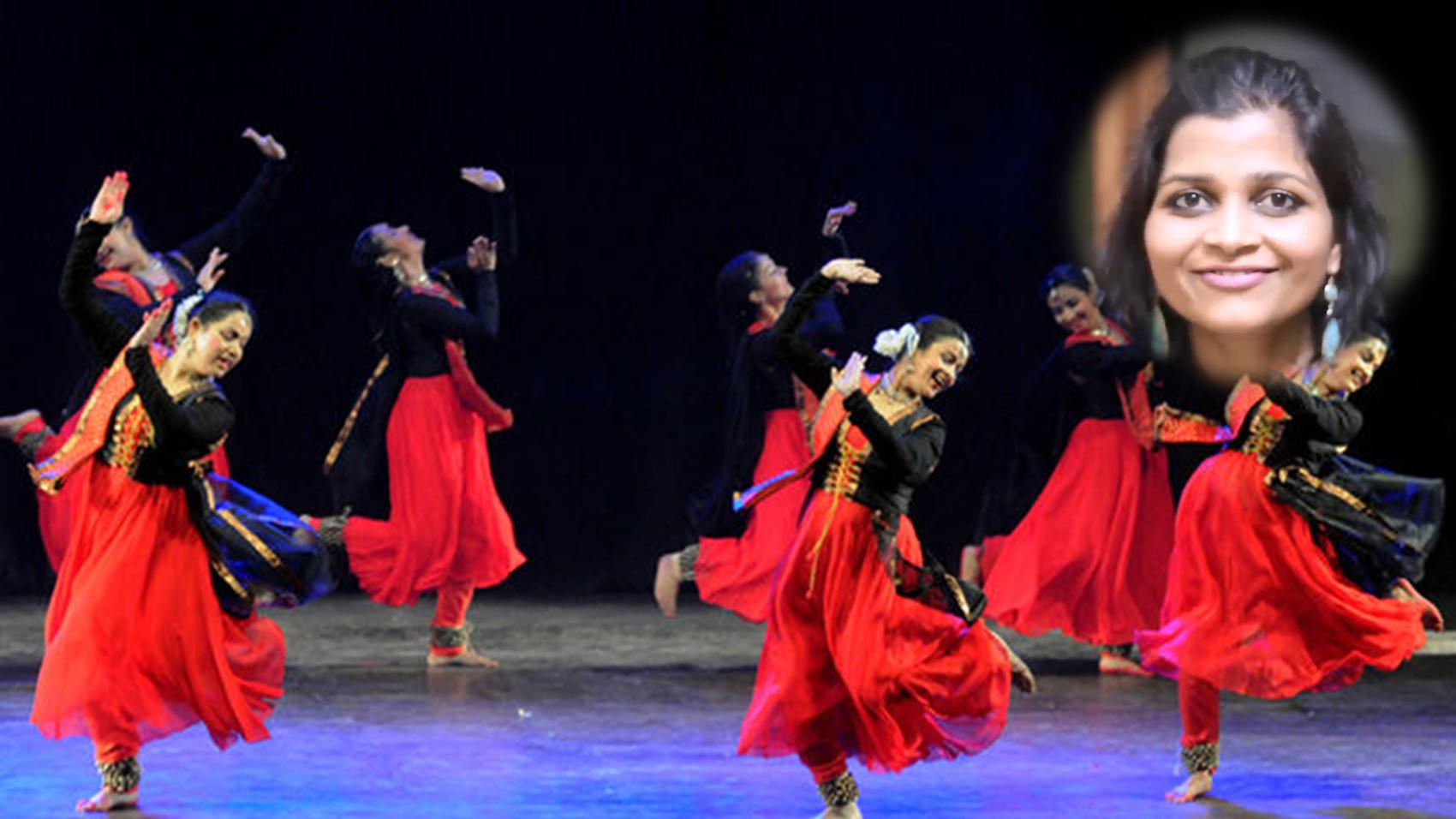
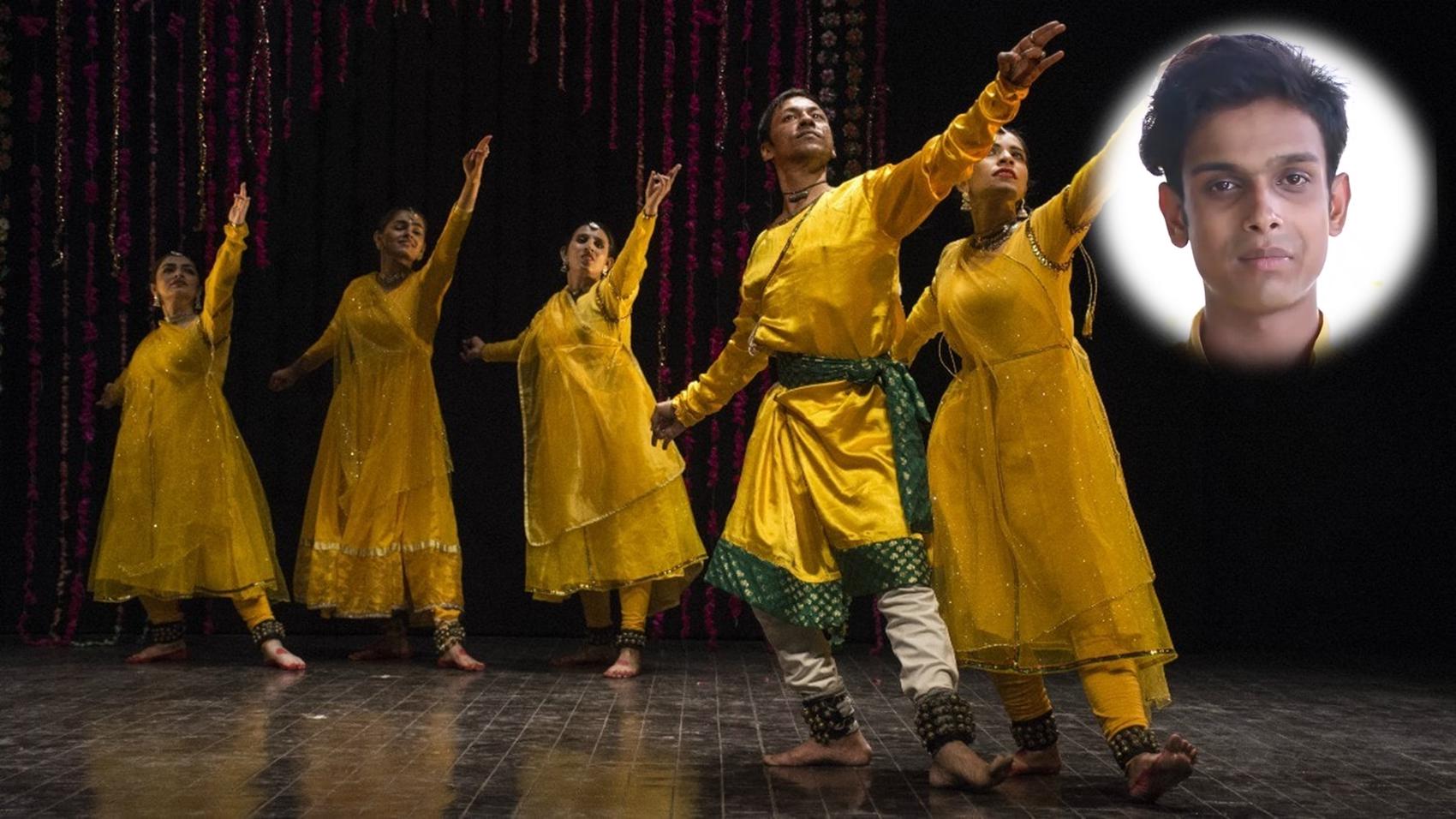
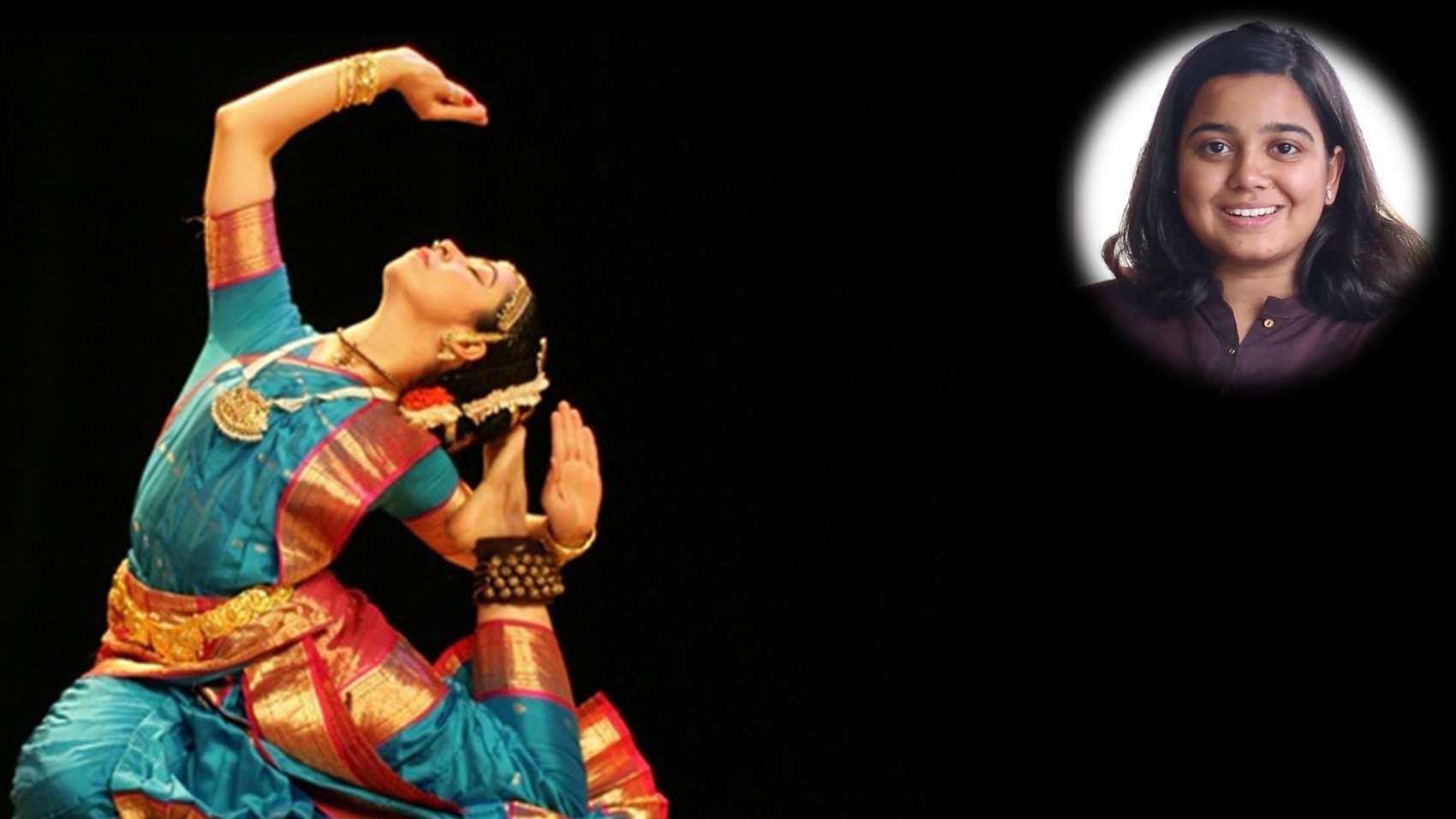
Classical Dance refers to traditional dance forms that have evolved over centuries, characterized by structured techniques, codified movements, and deep cultural roots. These dances, such as ballet, Bharatanatyam, or Kathak, are foundational in dance education, providing essential technical, expressive, and historical knowledge for anyone pursuing a career in Dancing.
Understanding Classical Dance is vital for dancers because it establishes the technical and expressive groundwork necessary for all forms of movement. Mastery of classical techniques enhances body control, balance, and discipline, which are transferable to contemporary, modern, or even experimental dance styles. Classical Dance also offers insight into the historical and cultural evolution of dance, fostering a deeper appreciation and respect for the art form. For professionals, this knowledge not only improves performance quality but also opens doors to teaching, choreography, and cross-cultural collaborations. Over time, a strong foundation in Classical Dance ensures adaptability, artistic growth, and credibility within the global dance community.
Consider a professional dancer rehearsing for a contemporary stage production that incorporates elements of both modern and classical styles. Their background in Classical Dance enables them to execute complex sequences with precision, maintain proper posture, and convey nuanced emotions through movement. When collaborating with choreographers, their understanding of classical forms allows them to interpret instructions accurately and contribute creative ideas rooted in tradition. During performances, the dancer’s classical training shines through in their fluid transitions, expressive gestures, and technical excellence, elevating the overall quality of the production. This daily application of classical principles not only enhances their individual artistry but also enriches the collective performance of the ensemble.
Styles of Dance

Styles of Dance refers to the diverse categories and forms of movement within the art of dance, such as ballet, hip-hop, jazz, contemporary, ballroom, and more. Understanding these styles is essential in both academic study and professional practice, as it underpins technique, performance, choreography, and cultural appreciation in the field of Dancing.
A comprehensive grasp of Styles of Dance is crucial for anyone pursuing a career in Dancing. This knowledge enables dancers to adapt to various genres, collaborate effectively with choreographers, and meet the demands of different performance settings. Mastery of multiple styles enhances versatility, making dancers more marketable and opening doors to a wider range of opportunities, from stage performances to teaching and choreography. Furthermore, understanding the historical and cultural contexts of each style enriches artistic expression and fosters respect for the traditions that shape the dance world. Over time, this foundational knowledge supports ongoing professional growth, allowing dancers to evolve with industry trends and maintain relevance in a competitive field.
Consider a professional dancer working with a touring musical theater company. Each production may require proficiency in different dance styles, such as tap for one show and contemporary for another. Drawing on their theoretical understanding of Styles of Dance, the dancer quickly adapts their technique and performance quality to suit the specific demands of each genre. This adaptability not only ensures a seamless integration into diverse casts and choreographies but also demonstrates professionalism and artistic range. By applying their knowledge daily, the dancer maintains high performance standards, contributes creatively to rehearsals, and builds a reputation as a versatile and reliable artist within the industry.
Guidance of Guru

Guidance of Guru refers to the mentorship, instruction, and wisdom imparted by a master or teacher in the art of dance. It encompasses not only technical training but also the transmission of values, discipline, and cultural context, forming an essential pillar in both academic study and professional practice within the field of Dancing.
Understanding the Guidance of Guru is vital for anyone pursuing a career in Dancing because it bridges the gap between theoretical knowledge and practical mastery. The Guru not only imparts dance techniques but also instills discipline, respect for tradition, and a deep understanding of the art’s cultural roots. This mentorship shapes a dancer’s character, work ethic, and artistic sensibilities, ensuring that the knowledge passed down is authentic and holistic. Over time, this foundational relationship fosters continuous growth, adaptability, and resilience, qualities that are indispensable for long-term success in the highly competitive and evolving world of dance. Embracing the Guidance of Guru thus becomes a lifelong asset, enriching both personal and professional journeys.
Consider a professional dancer preparing for a major classical performance. Drawing upon the Guidance of Guru, the dancer not only perfects intricate movements but also seeks their mentor’s insights on emotional expression and stage presence. During rehearsals, the Guru provides nuanced corrections, shares stories about the origins of the dance, and encourages the dancer to internalize the spirit of the tradition. When challenges arise, such as performance anxiety or creative blocks, the dancer relies on the Guru’s advice to regain focus and confidence. This ongoing relationship ensures that the dancer’s performance is not just technically sound but also deeply expressive and culturally resonant, reflecting the holistic impact of the Guru’s guidance in daily professional practice.
Skills
Body Language

Body language is the nonverbal communication expressed through posture, gestures, facial expressions, and movement. In dancing, it serves as a vital tool for conveying emotion, intention, and storytelling without words. Mastery of body language allows dancers to connect with audiences and partners, elevating their performances beyond technical execution.
The ability to use body language effectively transforms a dancer’s performance from technically correct to emotionally compelling. Audiences and employers alike are drawn to dancers who can communicate feelings, narratives, and energy through their movements. This skill enhances stage presence, making performances memorable and impactful. Dancers can cultivate body language awareness through focused practice, observation of accomplished performers, and feedback from instructors. Over time, integrating expressive gestures, nuanced facial expressions, and intentional posture becomes second nature, allowing dancers to adapt to various styles and choreographies. Employers and clients value dancers who can embody a character or mood, as this versatility is essential for both solo and ensemble work, as well as for commercial and artistic projects.
Imagine a dancer performing in a contemporary piece where the choreography depicts a journey through loss and hope. During a critical moment, the music softens and the choreography calls for subtlety rather than grand movements. The dancer relies on body language—slumped shoulders, trembling hands, and a downcast gaze—to convey vulnerability and sorrow. As the music builds, their posture gradually straightens, and their facial expression shifts to determination, signaling the transition to hope. The audience, captivated by these nonverbal cues, feels the emotional arc of the story. In this scenario, the dancer’s command of body language bridges the gap between choreography and storytelling, ensuring the performance resonates deeply and achieves its intended impact.
Foot Work

Foot Work refers to the precise and controlled movement, placement, and coordination of the feet during dance routines. It is fundamental for maintaining rhythm, balance, and fluidity, enabling dancers to execute complex steps and transitions seamlessly. Mastery of Foot Work underpins technical proficiency and artistic expression in every dance style.
Strong Foot Work elevates a dancer’s overall performance by enhancing agility, timing, and spatial awareness. Clients and employers value this skill because it ensures routines are executed with accuracy and flair, reducing the risk of errors or injuries. Dancers with refined Foot Work can adapt quickly to choreography changes and perform confidently on various surfaces. Cultivating this skill requires consistent practice, focused drills, and feedback from experienced instructors. Over time, dancers develop muscle memory and intuitive control, allowing them to tackle increasingly challenging routines and stand out in auditions or performances. Commitment to improving Foot Work signals professionalism and dedication, qualities highly sought after in the competitive world of dance.
Imagine a professional dancer preparing for a live televised performance where the stage surface is unexpectedly slick. In this high-pressure situation, the dancer relies on their advanced Foot Work to maintain balance and execute intricate steps without slipping or missing cues. By adjusting weight distribution and modifying foot placement in real time, the dancer delivers a flawless routine, impressing both the audience and the production team. This adaptability not only prevents potential mishaps but also showcases the dancer’s technical mastery and composure under pressure. The ability to rely on well-honed Foot Work in unpredictable circumstances often distinguishes top professionals from their peers and leads to continued career opportunities.
Stage Coverage

Stage coverage refers to a dancer’s ability to utilize the entire performance space effectively, ensuring movement is dynamic, balanced, and visually engaging from every audience perspective. This skill allows dancers to create a fuller, more immersive experience, maximizing the impact of choreography and enhancing the overall storytelling within a performance.
Mastering stage coverage elevates a dancer’s performance by making routines appear more expansive and captivating. Audiences and judges are drawn to dancers who confidently command the stage, as it demonstrates professionalism and spatial awareness. Employers and clients value this skill because it ensures that every seat in the house receives an engaging show, which is crucial for both live and recorded performances. Dancers can cultivate stage coverage through spatial awareness exercises, rehearsing with floor markings, and receiving feedback from instructors or peers. Over time, consistent practice and conscious effort to move beyond comfort zones help dancers internalize the dimensions of various stages, allowing them to adapt quickly and perform with assurance in any venue.
Imagine a professional dancer performing in a large theater during a high-stakes competition. Midway through the routine, a technical issue causes a spotlight to malfunction, leaving part of the stage in shadow. Relying on strong stage coverage skills, the dancer instinctively adjusts their movement patterns, redistributing choreography to the well-lit areas without breaking character or losing energy. This adaptability not only maintains the visual appeal for the judges and audience but also showcases the dancer’s professionalism and quick thinking. The performance remains seamless and engaging, ultimately impressing the judges and securing a top placement, all because the dancer could confidently and creatively command the stage under pressure.
Expression, Rhythm & Beat

Expression, Rhythm & Beat refers to a dancer’s ability to convey emotion, interpret music’s timing, and synchronize movements with the underlying pulse of a piece. This skill allows dancers to connect with audiences, embody the music, and deliver performances that are both technically precise and emotionally compelling, forming the heart of dance artistry.
Mastering Expression, Rhythm & Beat elevates a dancer’s performance by transforming mechanical movements into captivating storytelling. Clients and employers highly value this skill because it distinguishes memorable dancers from those who merely execute choreography. Dancers who excel in this area can adapt to various musical styles, collaborate effectively with choreographers, and engage audiences on a deeper level. Cultivating this skill involves consistent practice with diverse music genres, attentive listening, and experimenting with expressive movement. Feedback from instructors and peers, along with self-reflection, helps dancers refine their sense of timing and emotional delivery. Over time, this dedication leads to a natural, intuitive connection between movement and music, making performances more impactful and authentic.
Imagine a professional dancer preparing for a live audition where the music is revealed only moments before performing. The dancer listens intently, quickly internalizing the rhythm and beat, and allows the music’s mood to guide their expressions and movements. By skillfully interpreting the tempo and emotional tone, the dancer crafts a performance that resonates with the judges, standing out among competitors who focus solely on technical execution. In this high-pressure scenario, the dancer’s mastery of Expression, Rhythm & Beat enables them to adapt instantly, communicate the music’s story, and leave a lasting impression, ultimately securing the opportunity and demonstrating the indispensable value of this core skill in a successful dance career.
Presentation Skills

Presentation skills refer to the ability to effectively communicate, engage, and connect with an audience through verbal and non-verbal means, including body language, facial expressions, and stage presence. In dancing, these skills are crucial for conveying emotion, storytelling, and captivating audiences, making performances memorable and impactful.
Mastering presentation skills directly elevates a dancer’s performance by enhancing their ability to express emotion, intention, and narrative through movement. Audiences and employers alike are drawn to dancers who can command attention and evoke feelings, as this transforms technical routines into unforgettable experiences. Clients and directors often seek dancers who can not only execute choreography flawlessly but also bring it to life with charisma and authenticity. To cultivate presentation skills, dancers should practice performing in front of varied audiences, seek constructive feedback, and study accomplished performers to observe how they connect with viewers. Over time, consistent practice, self-reflection, and openness to critique help dancers develop a compelling stage presence that distinguishes them in auditions, competitions, and professional engagements.
Imagine a professional dancer preparing for a high-stakes audition where technical ability alone will not secure the role. During the audition, the dancer notices the panel seems disengaged after several performances. Drawing on strong presentation skills, the dancer amplifies their facial expressions, adjusts posture to project confidence, and makes deliberate eye contact with the judges. By fully embodying the character and story behind the choreography, the dancer captures the panel’s attention and leaves a lasting impression. This ability to adapt and connect with the audience in real time not only helps the dancer stand out but also demonstrates to potential employers that they possess the essential qualities needed to elevate any production.
Practice

Practice is the deliberate, consistent repetition of movements, techniques, and routines with the goal of refining skills, building muscle memory, and achieving mastery. In the world of dancing, practice is the foundation upon which all progress is built, enabling dancers to perfect their craft and deliver outstanding performances. It is an indispensable part of a dancer’s toolkit, ensuring that each movement becomes second nature and that confidence grows with every session. Without regular practice, even the most talented dancers would struggle to maintain their abilities or adapt to new styles and choreography. Ultimately, practice transforms potential into excellence and is the key to sustained success in a dancing career.
The skill of practice directly enhances a dancer’s technical precision, stamina, and artistic expression. Through repeated rehearsal, dancers internalize complex choreography, improve their timing, and develop the physical strength necessary for demanding routines. Clients and employers highly value dancers who demonstrate a strong commitment to practice because it reflects discipline, reliability, and a willingness to grow. A dancer who practices consistently is more adaptable to changes, learns new routines quickly, and performs with greater confidence on stage or in auditions. Cultivating this skill requires setting aside dedicated time each day, seeking feedback from instructors, and maintaining a mindset focused on continuous improvement. Over time, these habits foster resilience and elevate a dancer’s professional reputation.
Imagine a professional dancer preparing for a high-stakes audition with a renowned dance company. The choreography is intricate and includes challenging lifts and rapid transitions. Initially, the dancer struggles with certain sequences, risking mistakes that could jeopardize their chances. By committing to daily, focused practice, the dancer isolates problem areas, repeats them until they become fluid, and gradually integrates them into the full routine. As the audition day approaches, the dancer’s confidence grows, and their movements become seamless. On the day of the audition, the dancer delivers a flawless performance, impressing the judges and securing a coveted spot in the company. This scenario highlights how dedicated practice can turn obstacles into opportunities for success.
Positives
Stress Busting

Stress busting refers to the process of actively reducing or eliminating mental and physical tension through engaging activities, leading to relaxation and emotional balance. In the world of dancing, stress busting is a vital benefit, as it enables dancers to channel their energy, release anxieties, and maintain a positive mindset, which enhances both personal well-being and professional performance.
The stress-busting nature of dancing is a powerful advantage that elevates the profession beyond just physical movement or artistic expression. When dancers immerse themselves in rhythm and movement, their minds are freed from daily worries, allowing them to experience a sense of liberation and joy. This emotional release not only boosts job satisfaction but also fosters creativity and resilience, essential traits for career growth. The daily practice of dance becomes a therapeutic ritual, helping professionals manage the pressures of rehearsals, performances, and competition. As a result, dancers often find themselves more motivated, focused, and connected to their passion, which translates into a more fulfilling and sustainable career.
Imagine a professional dancer preparing for a major performance after a long, stressful day filled with tight schedules and high expectations. As the music begins and their body moves in harmony with the rhythm, the weight of stress gradually lifts. Each step, spin, and leap becomes a form of emotional release, transforming tension into expressive movement. By the end of the session, the dancer feels rejuvenated, their mind clear and spirit uplifted. This daily experience of stress busting not only enhances their performance on stage but also enriches their overall quality of life, making the pursuit of a dancing career deeply rewarding and emotionally sustaining.
Mental & Physical Fitness

Mental and physical fitness refers to the harmonious development of both the mind and body, encompassing emotional resilience, cognitive sharpness, physical strength, flexibility, and endurance. In the world of dance, this dual fitness is essential, as it empowers dancers to perform with energy, creativity, and focus, while maintaining overall well-being.
The pursuit of mental and physical fitness is a cornerstone of a rewarding dance career. Dancers who prioritize both aspects experience heightened job satisfaction, as their bodies become more agile and resilient, and their minds remain sharp and adaptable. This holistic fitness allows them to tackle challenging routines, recover from setbacks, and express themselves more fully through movement. The daily discipline of training not only improves their technical abilities but also fosters a sense of accomplishment and self-confidence. As dancers grow in both strength and mental clarity, they find themselves better equipped to handle the demands of the profession, collaborate with others, and continually push their creative boundaries, making every day on the job both fulfilling and inspiring.
Imagine a professional dancer preparing for a demanding stage performance. Through months of rigorous physical training, their body becomes strong and flexible, capable of executing complex choreography with grace. Simultaneously, mindfulness practices and mental conditioning help them manage performance anxiety and stay focused under pressure. On the night of the show, this blend of mental and physical fitness allows the dancer to move confidently and expressively, captivating the audience with every step. After the performance, the dancer feels a profound sense of fulfillment, knowing that their dedication to both mind and body not only elevated their art but also contributed to their personal growth and happiness.
Medium of Expression

A "Medium of Expression" is a channel or method through which individuals convey emotions, ideas, and stories without relying solely on words. In dancing, this means using movement, rhythm, and physicality to communicate feelings and narratives. This unique form of expression enriches the profession by allowing dancers to connect deeply with themselves and their audiences.
The ability to use dance as a medium of expression is a profound advantage for professionals in this field. It transforms each performance into a personal and creative journey, making the work deeply meaningful. Dancers often find immense satisfaction in translating their inner thoughts and emotions into movement, which not only enhances their artistic growth but also fosters a sense of fulfillment. This expressive freedom encourages continuous learning and innovation, as dancers explore new ways to communicate through their bodies. The daily experience of expressing oneself through dance nurtures confidence, resilience, and a strong sense of identity, making the profession not just a job, but a lifelong passion.
Imagine a contemporary dancer preparing for a solo performance inspired by a personal life event. Through hours of rehearsal, she crafts movements that reflect her emotions—joy, sorrow, hope—transforming her story into a visual and emotional experience for the audience. On stage, as the music swells, she feels a powerful connection to her own narrative and to those watching. The applause at the end is not just for technical skill, but for the authenticity and vulnerability she shared. This moment exemplifies how dance, as a medium of expression, allows professionals to experience profound fulfillment by communicating what words cannot, leaving a lasting impact on both themselves and their audiences.
Attractive Form of Art

"Attractive Form of Art" refers to the visually captivating and emotionally engaging nature of dance, where movement, expression, and creativity combine to create a powerful sensory experience. This quality draws audiences in, evokes emotions, and allows dancers to communicate stories and ideas beyond words, making dance universally appealing and impactful.
The attractive form of art inherent in dancing is a major source of fulfillment for professionals in this field. It transforms daily practice and performance into moments of creative expression and connection with audiences. Dancers experience a deep sense of pride and accomplishment knowing their art captivates and inspires others. This constant feedback loop of appreciation and admiration not only boosts self-confidence but also motivates dancers to refine their craft. The visual and emotional appeal of dance opens doors to diverse opportunities, from stage performances to teaching and choreography, fostering personal and professional growth. Ultimately, the ability to create beauty and meaning through movement makes a career in dance uniquely rewarding and sustaining.
Imagine a professional dancer preparing for a major performance. As the curtain rises and the music begins, every movement is carefully crafted to convey emotion and tell a story. The audience is visibly moved, their attention fixed on the dancer’s graceful form and expressive gestures. After the performance, the dancer receives heartfelt applause and messages from audience members who were touched by the artistry. This experience reinforces the dancer’s sense of purpose and joy, knowing that their work as an artist has made a meaningful impact. The daily opportunity to create such moments of beauty and connection is a testament to the powerful and attractive nature of dance as an art form.
Challenges
Unfair Judgements

Unfair judgements in dancing refer to biased, subjective, or uninformed evaluations that do not accurately reflect a dancer’s skill, artistry, or effort. This challenge is demanding because it undermines confidence, affects career opportunities, and can discourage dancers from pursuing their passion or expressing their unique style.
Unfair judgements can deeply affect a dancer’s daily work by creating a sense of insecurity and self-doubt, especially when feedback feels inconsistent or prejudiced. This environment demands significant resilience, as dancers must continually perform under scrutiny while maintaining their motivation and self-worth. Successful professionals learn to separate constructive criticism from bias, focusing on personal growth and the joy of dance rather than external validation. They often seek feedback from trusted mentors, build supportive networks, and remind themselves of their achievements to counteract negativity. By developing a strong sense of self and purpose, dancers can navigate unfair assessments and continue to progress in their careers despite external challenges.
Consider a contemporary dancer who consistently receives lower scores from a particular judge, despite positive feedback from audiences and other judges. Rather than internalizing this negativity, the dancer chooses to focus on feedback that is specific and actionable, seeking guidance from coaches and peers to refine their technique. Over time, the dancer’s persistence and commitment to improvement lead to recognition in other competitions and opportunities to perform internationally. By refusing to let unfair judgements define their worth, the dancer not only advances their career but also becomes a role model for others facing similar obstacles, demonstrating that resilience and self-belief are crucial in overcoming bias in the dance world.
Improper Guidance

Improper Guidance in dancing refers to receiving inaccurate, outdated, or unsuitable advice from instructors, mentors, or peers. This challenge is demanding because it can hinder technical growth, foster unhealthy habits, and create confusion, making it difficult for dancers to progress confidently and achieve their artistic or professional goals.
Improper guidance can significantly disrupt a dancer’s daily routine, leading to frustration, stagnation, and even physical injury if incorrect techniques are practiced repeatedly. This challenge requires resilience, as dancers must discern between helpful and harmful advice while maintaining motivation. Successful professionals often seek multiple perspectives, engage in continuous learning, and remain open to constructive feedback. They develop self-awareness and critical thinking to evaluate the quality of instruction they receive. By building a network of trusted mentors and peers, dancers can cross-reference advice, ensuring their development is based on sound principles. This proactive approach helps them adapt, recover from setbacks, and continue growing despite the presence of misleading or inadequate guidance.
Consider a contemporary dancer who, early in their career, was taught improper alignment techniques that led to recurring injuries and limited performance quality. Recognizing the stagnation, the dancer sought out workshops, observed other professionals, and consulted with physiotherapists and experienced instructors. Through this process, the dancer identified the flaws in their training and gradually corrected their technique. By embracing a mindset of lifelong learning and actively seeking diverse sources of knowledge, the dancer not only overcame the effects of improper guidance but also developed a more robust, adaptable approach to their craft. This experience ultimately enhanced their confidence, performance, and ability to mentor others effectively.
Lack of Interest in Students

Lack of Interest in Students in the context of Dancing refers to a noticeable disengagement or apathy among learners, where students show minimal enthusiasm, participation, or motivation during dance classes. This challenge is demanding because it hinders progress, disrupts group dynamics, and can diminish the overall energy and effectiveness of the learning environment.
When students display a lack of interest, dance professionals often face daily frustrations, such as low class participation, slower skill development, and a less vibrant classroom atmosphere. This challenge requires resilience because it can be emotionally taxing to continually motivate unenthusiastic students while maintaining personal passion for teaching. Successful dance professionals manage this constraint by adapting their teaching methods, incorporating diverse music and movement styles, and fostering a supportive, inclusive environment. They actively seek to understand the root causes of disinterest, whether it stems from external pressures, lack of confidence, or mismatched expectations, and tailor their approach to re-engage students. By remaining patient, creative, and empathetic, they gradually rebuild enthusiasm and commitment within the group.
Consider a dance instructor working with a group of teenagers who initially show little interest in learning traditional dance forms. Recognizing the waning enthusiasm, the instructor decides to integrate popular music and contemporary dance elements into the curriculum, making the sessions more relatable and enjoyable. She also encourages students to contribute their own ideas for choreography, giving them a sense of ownership and creative input. Over time, the students become more engaged, participate actively, and even start practicing outside of class. By being flexible and responsive to her students’ interests, the instructor successfully transforms a disengaged group into a motivated and cohesive class, demonstrating how adaptability and empathy can overcome the challenge of lack of interest.
A Day Of
Dancing
The world of a professional dancer is a whirlwind of movement, music, and meticulous discipline, where every day pulses with energy from the moment the sun rises. Far from the confines of a traditional desk job, a dancer’s workday unfolds across studios, stages, and rehearsal halls, demanding both physical stamina and creative focus. The rhythm of the day is set not by the ticking of a clock, but by the beat of choreography, the camaraderie of fellow performers, and the relentless pursuit of artistic excellence. Each hour brings new challenges and opportunities, blending sweat, artistry, and teamwork into a career that is as exhilarating as it is demanding.
As dawn breaks, a dancer’s day begins with a quiet but purposeful routine. The early morning hours are dedicated to warming up the body and mind, often starting with gentle stretching, yoga, or Pilates to awaken muscles and prevent injury. This is also a time for mental preparation, reviewing choreography notes, visualizing routines, and setting personal goals for the day. The studio is calm, filled with the soft sounds of music and the rhythmic breathing of dancers as they ready themselves for the demanding hours ahead.
By mid-morning, the studio comes alive with the collective energy of the company. This is the heart of the dancer’s day, where intensive rehearsals take center stage. Under the guidance of choreographers and directors, dancers work through complex sequences, perfecting timing, expression, and synchronization with their peers. Corrections are given and absorbed in real time, and the atmosphere is charged with focus and determination. Whether preparing for an upcoming performance or mastering new choreography, this period is both physically taxing and creatively fulfilling, pushing dancers to their limits and beyond.
The afternoon shifts toward collaboration and execution, as dancers participate in group rehearsals, costume fittings, or technical run-throughs with lighting and stage crews. This is when the artistry of dance intersects with the practicalities of production, requiring clear communication and adaptability. Dancers may also mentor younger colleagues, share feedback, or work on partnering skills, reinforcing the sense of community that defines the profession. The pace remains brisk, with everyone working toward the shared goal of delivering a seamless performance.
As the day winds down, dancers transition into a period of cool down and reflection. Gentle stretching and relaxation techniques help prevent soreness and injury, while notes are made on what went well and what needs improvement. Administrative tasks such as responding to emails, updating schedules, and reviewing upcoming commitments are handled with the same discipline as the physical work. Before leaving the studio, dancers often take a moment to visualize the next day’s goals, ensuring they are mentally and physically prepared to do it all again. The day ends not with exhaustion, but with a sense of accomplishment and anticipation for what tomorrow will bring. |


 Home
Home Abroad
 Plan
Plan Philosophy
 Seminar
 Pages
Pages Advisors
 Testimonials














 Workshop
 Discuss
 Meet
Meet
 Advisor
 Story
Story
 Fine Print
 Links
Links
 Blog
Blog
 Follow
