The Journey of Dancing
What Is Dancing
Dancing

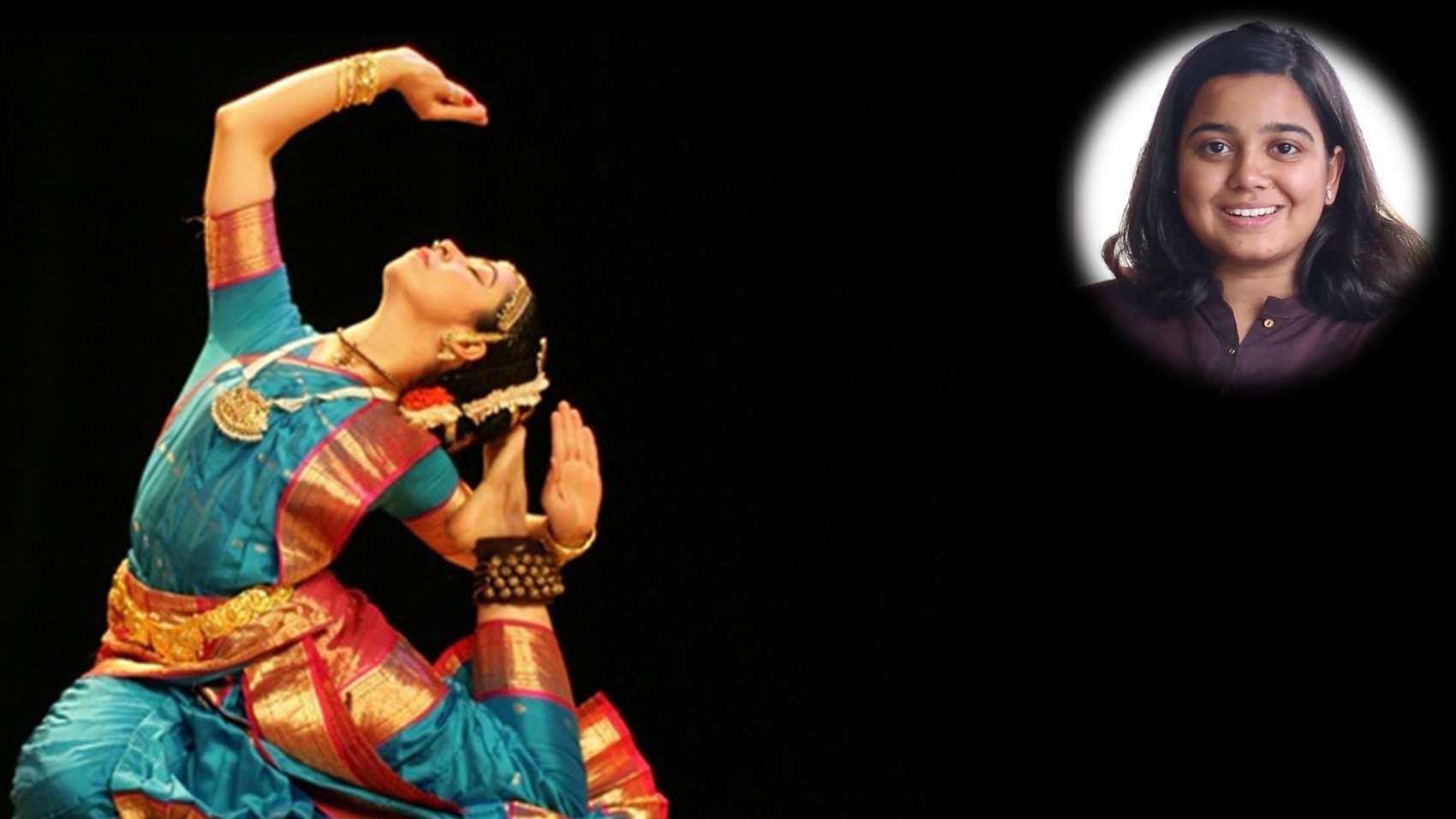
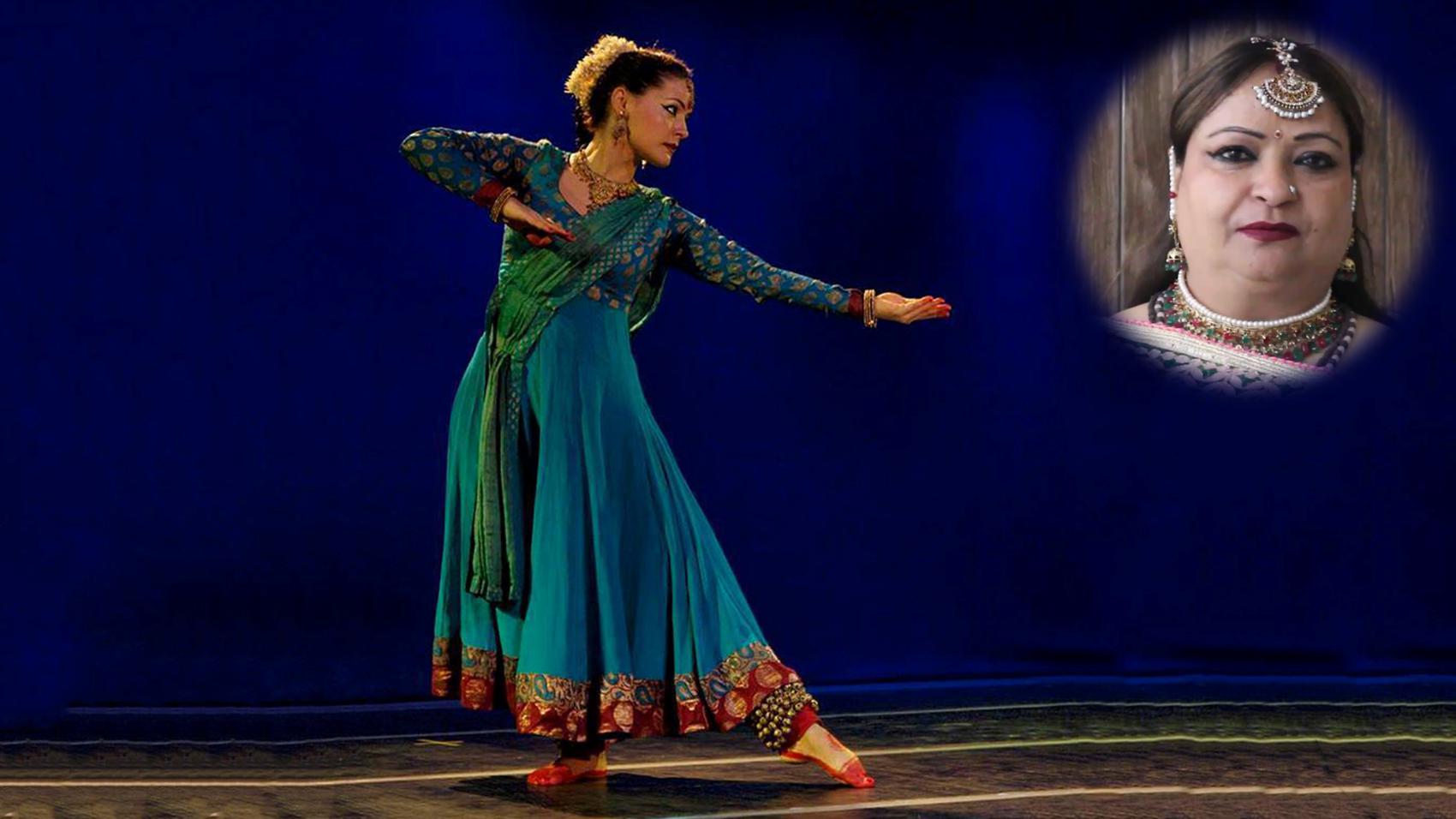
Dancing is the expressive movement of the body, often set to music, that communicates emotions, tells stories, or entertains audiences. It encompasses a wide range of styles and techniques, from classical ballet to contemporary, hip-hop, and cultural dances, and is both an art form and a physical discipline.
Dancing holds significant importance for professionals, shaping both their personal and professional lives. It fosters creativity, allowing dancers to interpret music and emotion through movement, which can be deeply fulfilling. The physical demands of dancing enhance strength, flexibility, and endurance, contributing to overall health and well-being. Additionally, dancing cultivates discipline and perseverance, as mastering techniques and routines requires dedication and consistent practice. For many, dancing also provides a sense of community and connection, as collaboration with other dancers and choreographers is essential. The ability to inspire and move audiences emotionally is another profound benefit, making dancing a powerful medium for communication and artistic expression.
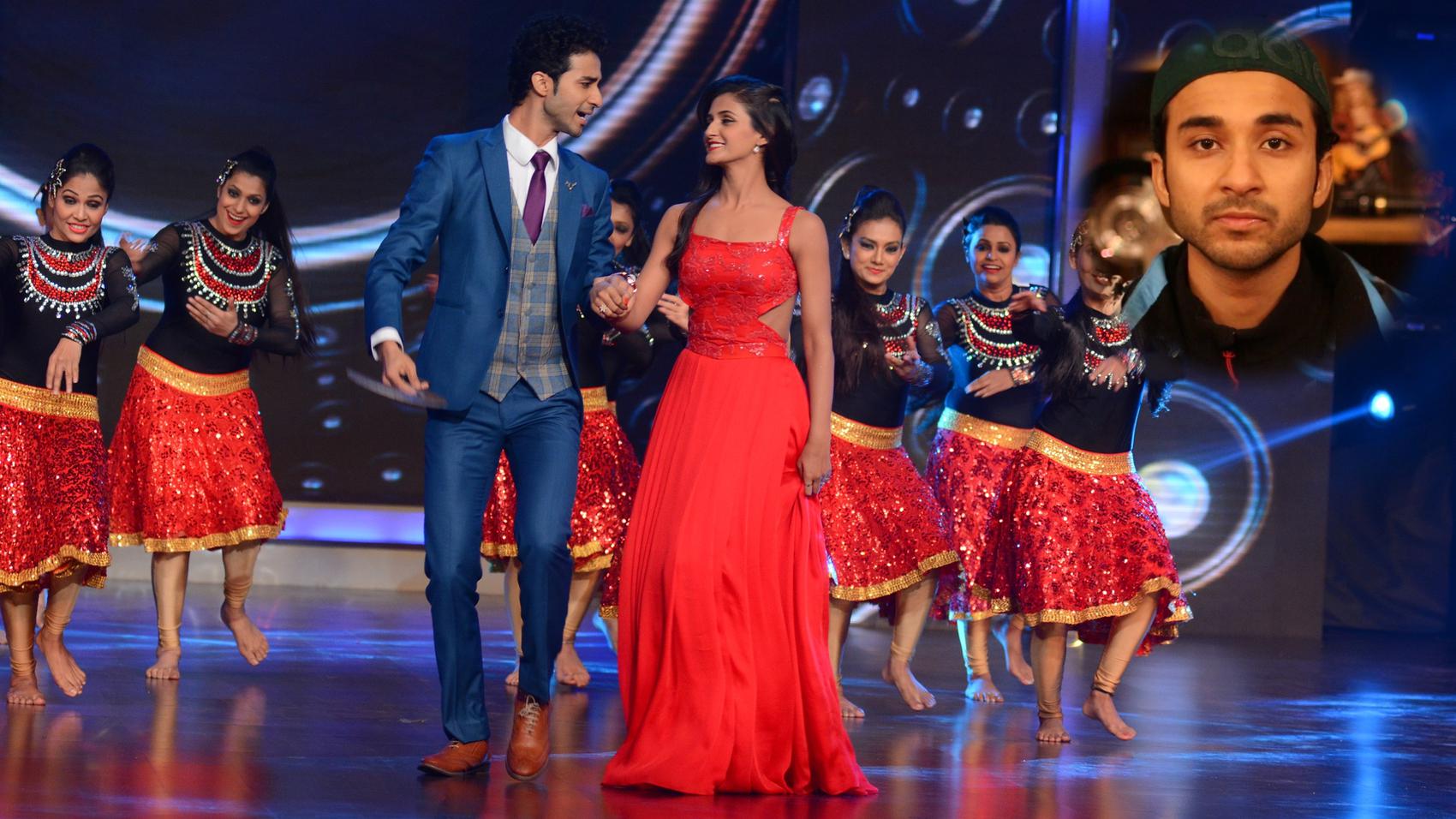
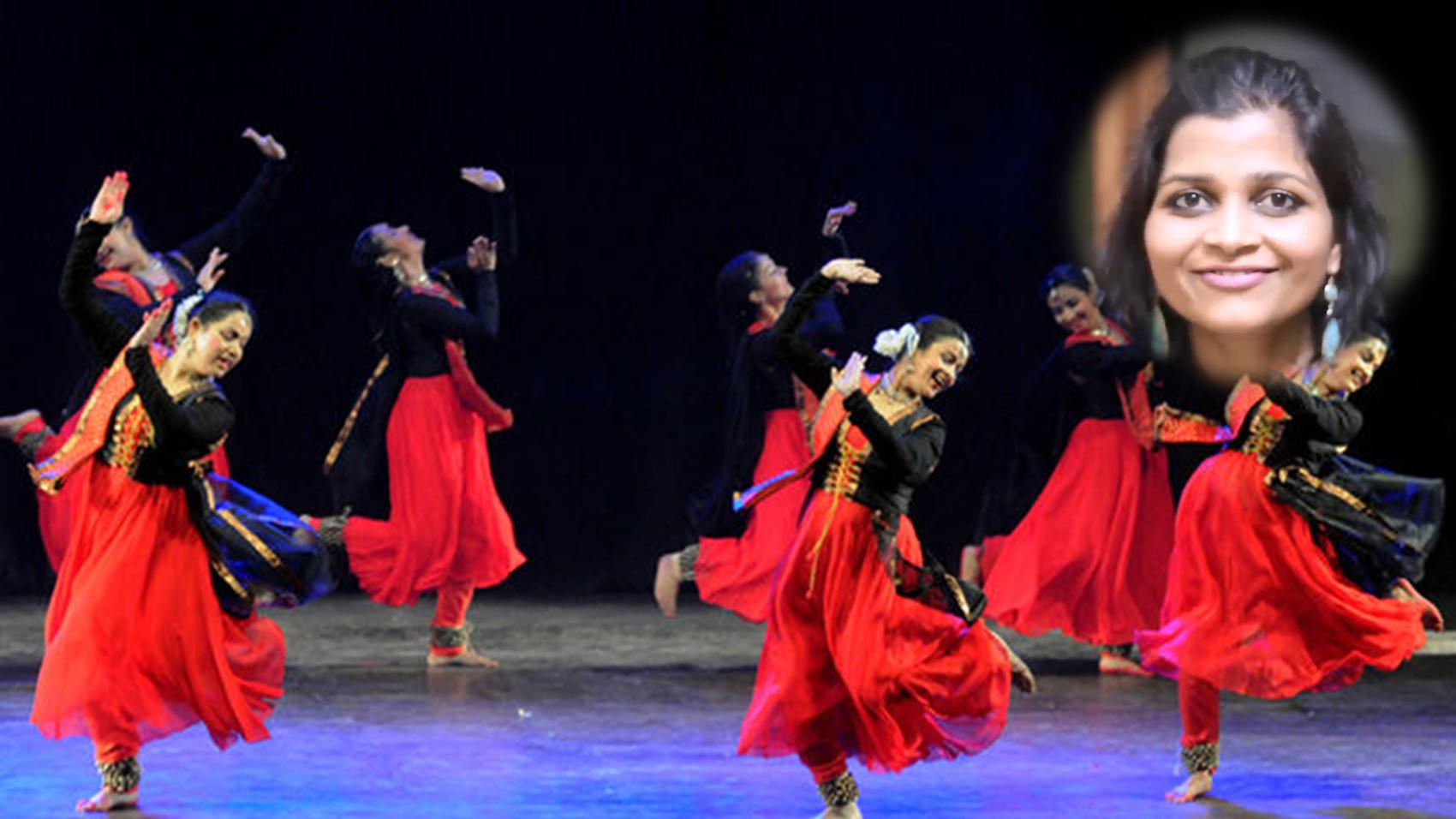
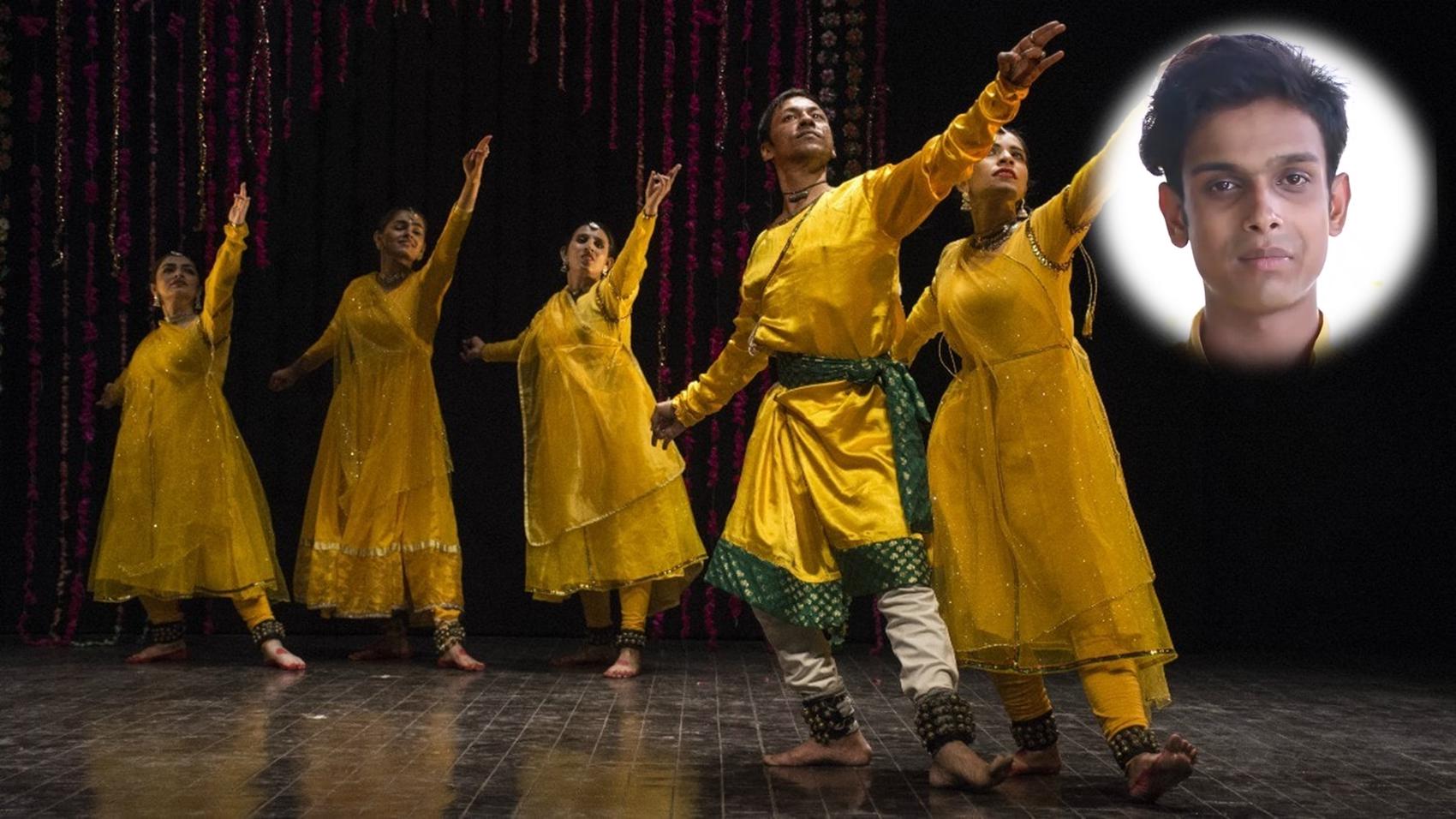
A professional dancer working in a contemporary dance company spends hours each day rehearsing intricate choreography, refining movements, and collaborating with fellow dancers and choreographers. During a live performance, the dancer interprets the choreographer’s vision, using precise technique and expressive gestures to convey a story or emotion to the audience. This process involves not only physical skill but also emotional intelligence, as the dancer must connect with both the music and the viewers. Through this dedication, the dancer brings the art of movement to life, captivating audiences and contributing to the cultural landscape. This real-world application of dancing demonstrates its blend of artistry, athleticism, and communication.
Education
History of Dance

History of Dance is the study of the origins, evolution, and cultural significance of dance forms across different societies and eras. It explores how dance reflects social, political, and artistic movements, providing context for styles and techniques. This knowledge is essential for dancers seeking depth and authenticity in their craft.
Understanding the History of Dance is vital for anyone pursuing a career in dancing because it offers a comprehensive perspective on the art form’s roots and transformations. By studying historical contexts, dancers gain insight into the motivations and meanings behind various styles, which enhances their interpretative skills and performance authenticity. This foundational knowledge fosters a deeper appreciation for tradition and innovation, allowing professionals to connect with audiences on a more profound level. Over time, this expertise supports creative growth, informs choreography, and strengthens teaching abilities. It also enables dancers to contribute thoughtfully to discussions about cultural appropriation, preservation, and evolution within the dance community, ensuring their work remains relevant and respectful of its origins.
Imagine a professional dancer preparing for a contemporary performance that draws inspiration from traditional African dance. By applying their understanding of the History of Dance, the dancer researches the cultural and historical background of the movements, ensuring their interpretation is respectful and accurate. This knowledge informs their choreography, helping them avoid misrepresentation and instead celebrate the dance’s origins. During rehearsals, the dancer shares insights with the ensemble, fostering a collaborative environment rooted in cultural awareness. When presenting the piece to an audience, the dancer can articulate the historical significance behind the movements, enriching the audience’s experience and appreciation. This daily integration of historical knowledge elevates both the performance and the dancer’s professional credibility.
Dance Styles or Forms

Dance styles or forms refer to the distinct categories and techniques of movement that define various traditions, genres, and cultural expressions within dance. This concept encompasses everything from ballet and hip-hop to folk and contemporary dance, serving as a fundamental framework in both academic study and professional practice in the field of dancing.
Understanding dance styles or forms is essential for anyone pursuing a career in dancing because it provides the foundational vocabulary and technical skills necessary to perform, teach, and choreograph effectively. Mastery of multiple styles allows dancers to adapt to diverse performance opportunities, collaborate with artists from different backgrounds, and meet the demands of a rapidly evolving industry. This knowledge not only enhances artistic versatility but also deepens cultural appreciation and historical awareness, which are highly valued in both educational and professional settings. Over time, a strong grasp of dance styles or forms can open doors to specialized roles, such as teaching, choreography, or artistic direction, and ensures continued growth and relevance in a competitive field.
Consider a professional dancer working in a contemporary dance company that frequently collaborates with international artists. During rehearsals for a new production, the choreographer incorporates elements from traditional African dance, classical ballet, and modern jazz. The dancer’s theoretical understanding of these styles allows them to quickly adapt their technique, embody the unique qualities of each form, and contribute creatively to the choreography. Their ability to recognize and execute the distinct movements, rhythms, and expressions of each style not only enhances the overall performance but also demonstrates their versatility and professionalism. This daily application of dance styles or forms is crucial for delivering authentic, dynamic performances and for building a sustainable, successful career in dance.
Contemporary Awareness

Contemporary Awareness refers to an informed understanding of current trends, issues, and cultural movements shaping the world today. In the context of dancing, it encompasses knowledge of modern dance styles, social influences, and global events, forming a crucial part of both academic study and professional practice within the dance industry.
Developing contemporary awareness is essential for dancers because it enables them to remain relevant and innovative in a rapidly evolving field. By staying attuned to societal changes, emerging artistic movements, and technological advancements, dancers can adapt their techniques and performances to resonate with modern audiences. This awareness also helps professionals collaborate effectively with diverse artists and engage with global dance communities. Over time, a strong grasp of contemporary awareness fosters creative growth, enhances employability, and positions dancers as thought leaders who can contribute meaningfully to the evolution of their art form. Ultimately, it forms a foundational knowledge base that supports both artistic expression and professional longevity in the dance world.
Imagine a professional dancer preparing for a collaborative performance that addresses current social issues such as climate change or cultural identity. Drawing on their contemporary awareness, the dancer researches recent events, explores how other artists have interpreted similar themes, and incorporates relevant movements or multimedia elements into their choreography. During rehearsals, they engage in discussions with choreographers and fellow dancers about the significance of the chosen topic, ensuring the performance authentically reflects contemporary concerns. By applying their theoretical understanding in this way, the dancer not only creates a performance that resonates with audiences but also demonstrates their ability to connect dance with the world’s ongoing conversations, thereby enhancing both artistic impact and professional reputation.
Physiology

Physiology is the scientific study of how living organisms function, focusing on the physical and chemical processes that occur within the body. In the context of dancing, physiology provides essential insights into how muscles, bones, and organs interact, supporting movement, endurance, and overall performance, making it a crucial academic foundation.
Understanding physiology is vital for dancers because it equips them with knowledge about how their bodies work, adapt, and respond to physical demands. This understanding helps dancers optimize their training, prevent injuries, and enhance recovery by recognizing the limits and capabilities of their bodies. Mastery of physiological principles allows dancers to develop effective warm-up and cool-down routines, manage fatigue, and maintain peak physical condition throughout their careers. Over time, this knowledge not only improves performance but also extends career longevity by promoting safer practices and informed decision-making regarding nutrition, rest, and rehabilitation. For professionals, a strong grasp of physiology is foundational, supporting both artistic expression and physical health in a demanding and competitive field.
Consider a professional dancer preparing for a rigorous rehearsal schedule. By applying their understanding of physiology, the dancer structures their warm-up to gradually increase heart rate and blood flow to specific muscle groups, reducing the risk of strains. During practice, they monitor signs of muscle fatigue and adjust intensity to avoid overuse injuries. If soreness or minor injuries occur, their knowledge of physiological recovery processes guides them in choosing appropriate rest periods, hydration strategies, and rehabilitation exercises. This informed approach not only enhances daily performance but also ensures long-term physical well-being, allowing the dancer to sustain a high level of artistry and technical skill throughout their career.
Skills
Passion and Dedication

Passion and dedication is the unwavering enthusiasm and persistent commitment to a craft, driving individuals to continually improve, overcome obstacles, and pursue excellence. In dancing, this quality fuels the desire to master techniques, express creativity, and endure the physical and emotional demands of the art, making it indispensable for long-term success.
Passion and dedication directly enhance a dancer’s performance by fostering resilience, motivation, and a willingness to push beyond comfort zones. Employers and clients value dancers who exhibit these traits because they consistently deliver high-quality work, adapt to challenging routines, and inspire others within a team. Cultivating passion and dedication involves setting personal goals, seeking inspiration from mentors, and embracing both successes and setbacks as opportunities for growth. Over time, dancers who nurture this skill develop a deeper connection to their art, maintain focus during rigorous training, and sustain the drive needed to excel in auditions, performances, and collaborations.
Imagine a dancer preparing for a major competition who suffers a minor injury just weeks before the event. Instead of withdrawing, the dancer relies on passion and dedication to adapt their training regimen, work closely with a physical therapist, and rehearse tirelessly within their new limitations. This commitment not only allows them to recover and perform but also demonstrates to judges and peers their resilience and love for the craft. Ultimately, their passionate dedication transforms a potential setback into a powerful performance, earning respect and opening new opportunities in their career.
Creativity

Creativity is the ability to generate original ideas, approaches, or interpretations by combining imagination, intuition, and experience. In the context of dancing, creativity empowers professionals to craft unique movements, adapt to new styles, and express emotions in innovative ways, making performances memorable and resonant with audiences.
Creativity directly enhances a dancer’s performance by allowing them to infuse routines with personal flair and originality, setting them apart in auditions and competitions. Clients and employers highly value dancers who bring fresh perspectives and inventive choreography, as this keeps performances engaging and relevant. To cultivate creativity, dancers can explore diverse dance genres, collaborate with others, and regularly challenge themselves with improvisational exercises. Over time, exposure to different artistic influences and a willingness to experiment help dancers develop a distinctive voice. This ongoing process not only improves technical skills but also builds confidence in taking creative risks, which is essential for career longevity and success in the ever-evolving world of dance.
Imagine a professional dancer preparing for a high-profile performance when, days before the show, a key prop becomes unavailable. Rather than panic, the dancer taps into their creativity to reimagine the choreography, seamlessly integrating new movements and formations that compensate for the missing element. By doing so, they not only solve the immediate problem but also elevate the routine with unexpected originality. The audience and organizers are impressed by the innovative adaptation, and the dancer’s reputation for resourcefulness and artistic vision grows. This scenario highlights how creativity enables dancers to navigate challenges, deliver captivating performances, and seize opportunities for professional growth.
Observation

Observation is the focused act of attentively noticing details, patterns, and nuances in movement, space, and expression, both in oneself and others. In dancing, observation enables professionals to learn choreography accurately, adapt to group dynamics, and refine their technique, making it a foundational skill for growth and excellence in the field.
Observation directly enhances a dancer’s performance by allowing them to internalize choreography, understand the subtleties of style, and respond to cues from instructors or fellow performers. Clients and employers highly value dancers who are observant because they quickly pick up routines, avoid repeated mistakes, and contribute to a cohesive group performance. Cultivating this skill involves actively watching experienced dancers, analyzing video recordings, and seeking feedback from mentors. Over time, dancers who consistently practice observation become more adaptable, precise, and expressive, which not only improves their technical abilities but also their ability to connect with audiences and collaborators. This ongoing process of attentive learning and self-assessment sets apart truly exceptional dancers in any professional setting.
Imagine a dancer preparing for a live group performance where last-minute changes are made to the choreography. By keenly observing the choreographer’s demonstrations and the adjustments made by fellow dancers, the professional quickly adapts their movements to fit the new formation. During the performance, they continue to observe subtle cues from the lead dancer and the music’s rhythm, ensuring seamless synchronization with the group. Their sharp observation prevents missteps and helps maintain the visual harmony of the ensemble, impressing both the audience and the director. In this scenario, the dancer’s ability to observe and react in real time is crucial for overcoming challenges and delivering a polished, successful performance.
Practice

Practice is the deliberate and consistent repetition of movements, techniques, and routines with the intention of refining skills, building muscle memory, and achieving mastery. For a dancing professional, practice is the foundation upon which artistry and technical excellence are built, enabling continuous improvement and adaptability in a highly competitive field.
The skill of practice directly enhances a dancer’s performance by ingraining choreography, improving physical conditioning, and fostering confidence on stage. Clients and employers value dancers who demonstrate a strong commitment to practice because it signals reliability, discipline, and a readiness to deliver exceptional performances. Through regular, focused sessions, dancers can identify weaknesses, set measurable goals, and track progress over time. Cultivating this skill requires dedication, self-motivation, and a willingness to embrace feedback. By making practice a daily habit, dancers not only perfect their craft but also develop resilience and adaptability, qualities that are essential for long-term success in the dynamic world of dance.
Imagine a professional dancer preparing for a high-profile audition where the choreography is both technically demanding and emotionally expressive. Despite initial struggles with a complex sequence, the dancer dedicates extra hours each day to practice, breaking down the routine into manageable sections and refining each movement. Through persistent repetition and mindful correction, the dancer overcomes technical challenges and internalizes the choreography. On audition day, this rigorous practice pays off, allowing the dancer to perform with precision and confidence, ultimately impressing the judges and securing the role. In this scenario, practice is not just a routine but a transformative process that turns obstacles into opportunities for achievement.
Patience

Patience is the ability to calmly endure delays, obstacles, or frustration without becoming anxious or upset, maintaining steady focus and perseverance toward a goal. In dancing, patience allows professionals to master complex routines, refine techniques, and recover from setbacks, making it an indispensable part of a dancer’s skillset.
Patience directly enhances a dancer’s performance by allowing for consistent, incremental improvement. Mastering choreography, building strength, and achieving fluidity in movement all require time and repeated effort. Clients and employers value patience because it leads to reliability, resilience, and a positive attitude during rehearsals and performances. Dancers who demonstrate patience are more likely to handle constructive criticism well, collaborate effectively with others, and persist through challenging learning curves. Cultivating patience involves setting realistic goals, embracing the learning process, and practicing mindfulness to manage frustration. Over time, dancers who nurture this skill become more adaptable and better equipped to handle the demands of a dynamic and competitive industry.
Imagine a professional dancer preparing for a major audition where the choreography is particularly intricate and physically demanding. Despite hours of practice, certain sequences remain elusive, causing frustration and self-doubt. Instead of giving in to impatience, the dancer chooses to break down the routine into manageable sections, focusing on gradual improvement each day. By patiently working through each challenge, seeking feedback, and allowing time for muscle memory to develop, the dancer eventually masters the routine. On audition day, this patience pays off, resulting in a confident and polished performance that impresses the judges and secures the coveted role. This scenario highlights how patience enables dancers to overcome obstacles and achieve long-term success.
Physical Fitness

Physical fitness is the condition of having strong muscles, flexibility, endurance, balance, and cardiovascular health, enabling the body to perform demanding physical tasks efficiently and safely. For a dancing professional, physical fitness forms the foundation for mastering complex movements, preventing injuries, and sustaining energy throughout rigorous rehearsals and performances.
Physical fitness directly enhances a dancer’s ability to execute intricate choreography with precision, grace, and stamina. Employers and clients highly value dancers who demonstrate robust fitness because it translates to reliability, fewer injuries, and the ability to handle demanding schedules. A physically fit dancer can adapt quickly to new routines, maintain high performance during extended shows, and recover faster from physical exertion. Developing this skill requires consistent training, including strength conditioning, flexibility exercises, cardiovascular workouts, and proper nutrition. Over time, dedication to these practices not only improves a dancer’s technical abilities but also builds resilience, allowing them to meet the evolving demands of the profession and stand out in auditions or performances.
Imagine a professional dancer preparing for a high-profile stage production that involves multiple back-to-back performances, each with complex lifts and rapid sequences. During one rehearsal, a fellow dancer is injured, and the choreographer asks for someone to step in and cover additional parts. Thanks to their superior physical fitness, this dancer is able to quickly learn the new choreography, execute challenging lifts, and maintain energy throughout the extended rehearsal. Their endurance and strength allow them to perform consistently without risking injury or fatigue, ensuring the show goes on seamlessly. This scenario highlights how physical fitness not only solves immediate challenges but also positions a dancer as a dependable and versatile member of any production.
Positive Attitude

A positive attitude is a mindset characterized by optimism, resilience, and an openness to learning from both success and failure. It involves maintaining enthusiasm, embracing challenges, and encouraging oneself and others. For a dancing professional, this outlook is crucial for overcoming setbacks, fostering creativity, and building strong relationships within the dance community.
A positive attitude directly enhances a dancer’s performance by fueling motivation, perseverance, and adaptability, especially during rigorous training or after facing rejection. Clients and employers highly value dancers who radiate positivity, as it contributes to a supportive environment, inspires fellow performers, and reassures audiences. This skill can be cultivated by practicing self-reflection, setting realistic goals, and celebrating small achievements. Regularly seeking feedback and viewing criticism as an opportunity for growth also strengthens a positive outlook. Over time, dancers who consistently nurture this mindset become more resilient, collaborative, and open to creative exploration, making them indispensable members of any dance ensemble or production.
Imagine a dancer preparing for a major audition who, despite months of practice, suffers a minor injury days before the event. Instead of succumbing to disappointment, the dancer maintains a positive attitude, focusing on recovery and adapting their routine to accommodate the injury. This optimism not only helps them heal faster but also impresses the audition panel with their determination and adaptability. By staying upbeat and solution-oriented, the dancer turns a potential setback into an opportunity to showcase resilience and professionalism, ultimately securing a place in the production and earning the respect of peers and choreographers alike.
Team Work

Team work is the collaborative effort of a group to achieve a common goal by sharing responsibilities, communicating effectively, and supporting one another. In dancing, team work is fundamental because it ensures synchronization, trust, and cohesion among performers, allowing them to deliver seamless routines and adapt to the dynamic nature of performances.
Team work significantly enhances a dancer’s performance by fostering unity and mutual understanding within a group. When dancers work well together, they can anticipate each other’s movements, maintain rhythm, and execute complex choreography with precision. Clients and employers highly value this skill because it leads to polished, professional presentations and minimizes the risk of errors during live shows. To cultivate team work, dancers should actively participate in group rehearsals, communicate openly with peers, and be receptive to feedback. Over time, these practices build trust and rapport, enabling dancers to function as a cohesive unit. Consistent collaboration and a willingness to support others are key to developing strong team work skills that stand out in the competitive dance industry.
Imagine a dance troupe preparing for a high-stakes competition when, during a final rehearsal, one member suffers an injury. The group must quickly reorganize the choreography to accommodate the missing dancer. Through effective team work, the dancers communicate openly, redistribute roles, and support each other emotionally and technically. They rehearse the revised routine together, ensuring everyone is comfortable with the changes and that the performance remains seamless. On the day of the competition, their ability to adapt as a team not only saves the routine but also impresses the judges with their professionalism and unity. This scenario highlights how essential team work is for overcoming unexpected challenges and achieving collective success in the world of dance.
Positives
Form of Expression

Form of Expression is the unique ability to communicate thoughts, emotions, and stories through movement, gestures, and rhythm, allowing individuals to convey what words cannot. In dancing, this form of expression transforms physical motion into a powerful language, enriching both the performer and the audience with deeper understanding and connection.
The opportunity to express oneself through dance is a profound source of fulfillment for professionals in this field. It allows dancers to channel their emotions, creativity, and individuality into every performance, making each routine a personal statement. This ongoing process of self-expression not only nurtures artistic growth but also fosters a sense of authenticity and purpose. As dancers continually explore new ways to interpret music and themes, they experience a dynamic and evolving career. The daily act of expressing oneself through movement brings immense satisfaction, helping dancers stay motivated and passionate about their craft. This intrinsic reward often leads to greater resilience, adaptability, and a lifelong love for the art form.
Imagine a professional dancer preparing for a contemporary solo performance. As the music begins, she draws from her own life experiences—joy, heartbreak, hope—and channels these emotions into every step and gesture. The audience feels her vulnerability and strength, connecting with her story on a deeply personal level. After the performance, she receives heartfelt feedback from viewers who were moved by her authenticity. This moment reaffirms her belief in the power of dance as a form of expression, reminding her why she chose this path. The ability to touch others and communicate without words gives her a sense of accomplishment and joy that extends far beyond technical mastery.
Vast Career Opportunities

Vast Career Opportunities refers to the wide range of professional paths, roles, and industries available to individuals within a particular field. In dancing, this means artists can explore performance, choreography, teaching, therapy, production, and more. This diversity allows dancers to find unique niches, adapt to changing interests, and sustain long, fulfilling careers.
The presence of vast career opportunities in dancing is a powerful motivator and source of satisfaction for professionals. Knowing that their skills can lead to various roles—whether on stage, in studios, or behind the scenes—gives dancers the freedom to shape their own journeys. This flexibility encourages continuous learning and personal growth, as dancers can transition between performing, teaching, or even working in dance therapy or administration. The dynamic nature of the field means that every day brings new challenges and possibilities, keeping the work engaging and preventing stagnation. As a result, dancers often feel empowered and inspired, knowing that their passion can evolve into multiple rewarding careers over time.
Consider a professional dancer who begins her career performing with a renowned contemporary dance company. As she gains experience, she discovers a passion for choreography and starts creating original pieces for local productions. Later, she pursues certification in dance therapy, using movement to help individuals heal and express themselves. Eventually, she opens her own dance studio, mentoring the next generation of artists. Throughout her journey, the vast career opportunities in dancing allow her to continually reinvent herself, find new sources of fulfillment, and make a lasting impact on her community. This ever-expanding horizon keeps her career vibrant, meaningful, and deeply rewarding.
Global Stage

The "Global Stage" in dancing refers to the opportunity for dancers to perform, compete, and collaborate internationally, reaching audiences and peers from diverse cultures and backgrounds. This exposure allows dancers to share their art worldwide, learn from global influences, and gain recognition beyond their local or national boundaries.
The global stage is a transformative aspect of a dancing career because it opens doors to unparalleled growth and inspiration. Dancers who perform internationally are constantly exposed to new styles, techniques, and artistic perspectives, which enrich their own craft. This worldwide exposure not only elevates their professional profile but also fosters a sense of accomplishment and pride. The chance to connect with audiences and fellow artists from different countries brings a deeper appreciation for cultural diversity and artistic exchange. Every day, dancers experience the excitement of preparing for international events, collaborating with global choreographers, and building a network that spans continents. This dynamic environment keeps their passion alive and ensures that their career remains vibrant and fulfilling.
Imagine a contemporary dancer who is invited to perform at a renowned festival in Europe. As she steps onto the stage, she realizes that her audience includes people from dozens of countries, each bringing their own appreciation and interpretation of her art. After her performance, she participates in workshops with dancers from Asia, Africa, and the Americas, exchanging ideas and learning new techniques. The feedback and encouragement she receives from this diverse community inspire her to push her creative boundaries further. This experience not only boosts her confidence but also expands her professional network, opening up future opportunities for collaboration and growth. The global stage transforms her passion into a truly international journey, making her career in dancing deeply rewarding.
Always Physically Fit

"Always Physically Fit" means maintaining a high level of strength, flexibility, endurance, and overall health through regular movement and exercise. In the world of dancing, this state of fitness is not just a requirement but a continuous benefit, enabling dancers to perform demanding routines, prevent injuries, and sustain their passion for movement. Being physically fit empowers dancers to express themselves fully, adapt to various styles, and meet the physical challenges of their art form with confidence and resilience. This ongoing commitment to fitness enhances their capabilities and allows them to enjoy a vibrant, energetic lifestyle both on and off the stage.
The advantage of always being physically fit in a dancing career extends far beyond the studio or stage. Physical fitness fuels a dancer’s creativity, stamina, and technical precision, making it possible to master complex choreography and deliver captivating performances. This level of fitness also supports mental well-being, as regular movement releases endorphins and reduces stress. Dancers who are physically fit experience fewer injuries, recover more quickly, and can enjoy longer, more successful careers. The daily discipline of maintaining fitness fosters a sense of accomplishment and pride, which directly boosts job satisfaction. As dancers see their bodies grow stronger and more capable, they gain confidence that translates into every aspect of their professional and personal lives.
Imagine a professional dancer preparing for a demanding national tour. Each day begins with a rigorous warm-up, followed by hours of rehearsals and performances that test the limits of strength and endurance. Thanks to a consistent fitness routine, this dancer moves with agility and power, executing challenging lifts and intricate footwork with apparent ease. When unexpected changes in choreography arise, their flexibility and stamina allow them to adapt quickly and perform at their best. After a long day, instead of feeling exhausted or strained, the dancer feels invigorated and proud, knowing their dedication to physical fitness has made these achievements possible. This daily experience of vitality and capability is a deeply fulfilling reward of the dancing profession.
Respect & Recognition

Respect and recognition refer to the admiration, appreciation, and acknowledgment dancers receive from audiences, peers, and the broader community for their talent, dedication, and artistic expression. In the world of dance, this validation not only affirms a dancer’s hard work but also elevates their sense of purpose and belonging.
The presence of respect and recognition in a dancing career is a powerful motivator that fuels passion and perseverance. When dancers are celebrated for their performances and contributions, it enhances their self-esteem and encourages continuous improvement. This positive feedback loop leads to greater job satisfaction, as dancers feel valued and understood by those around them. Recognition can open doors to new opportunities, collaborations, and leadership roles within the dance community. On a daily basis, dancers experience this benefit through applause, supportive feedback, and the admiration of their peers, which reinforces their commitment to their craft and inspires them to reach new heights.
Imagine a professional dancer who has spent months perfecting a challenging routine for a major performance. On the night of the show, the audience rises in a standing ovation, and fellow dancers express heartfelt admiration backstage. Later, the dancer receives messages from aspiring artists who were inspired by the performance. This outpouring of respect and recognition not only validates the dancer’s hard work but also instills a deep sense of pride and fulfillment. The experience becomes a cherished memory, motivating the dancer to continue pursuing excellence and to share their passion with others, knowing that their efforts truly make a difference.
Challenges
Uncertainties

Uncertainties in dancing refer to the unpredictable elements that can affect a dancer’s career, such as fluctuating job opportunities, changing industry trends, physical injuries, and subjective evaluations. This challenge is demanding because it requires dancers to constantly adapt, remain motivated, and maintain confidence despite a lack of guaranteed stability or clear outcomes.
The presence of uncertainties in a dancer’s daily work can lead to stress, self-doubt, and difficulty in long-term planning. Dancers must often cope with irregular schedules, last-minute auditions, and the possibility of rejection, all of which test their emotional resilience. To manage these challenges, successful professionals focus on continuous skill development, maintain strong support networks, and cultivate adaptability. They embrace flexibility in their career paths, seek feedback to improve, and prioritize self-care to sustain their physical and mental well-being. By accepting that unpredictability is inherent in the field, they learn to view uncertainties as opportunities for growth rather than insurmountable obstacles.
Consider a professional dancer who, after months of rigorous training for a major production, faces an unexpected cancellation due to funding issues. Instead of succumbing to disappointment, the dancer channels energy into teaching workshops, collaborating with local artists, and auditioning for new projects. By diversifying their activities and remaining open to alternative opportunities, the dancer not only sustains their career but also expands their skill set and professional network. This proactive approach demonstrates how embracing uncertainty can lead to personal growth and unforeseen successes, ultimately strengthening resilience and adaptability in the ever-changing world of dance.
Luck

In the context of Dancing, "Luck" refers to the unpredictable factors that influence a dancer’s opportunities and recognition, such as being noticed by the right person, landing auditions, or avoiding injury. This randomness makes career progression uncertain and demanding, as talent and hard work do not always guarantee success.
The influence of luck in dancing can shape a professional’s daily experience, often determining which auditions lead to roles or which performances attract influential attention. This unpredictability can be discouraging, requiring dancers to develop resilience and adaptability. Successful professionals understand that while luck is uncontrollable, their response is not. They focus on consistent preparation, networking, and maintaining a positive mindset, ensuring they are always ready when opportunity arises. By embracing the uncertainty and viewing setbacks as learning experiences, dancers can sustain motivation and continue to grow, regardless of external circumstances. This approach allows them to maximize their chances and remain persistent, even when outcomes seem dictated by chance.
Consider a dancer who auditions for a prestigious company but is not selected, despite strong preparation and skill. Instead of feeling defeated, she continues to train, attends workshops, and builds relationships within the industry. Months later, a choreographer she met at a workshop remembers her dedication and invites her to join a new project. This opportunity, seemingly a stroke of luck, is actually the result of her perseverance and proactive engagement. By staying visible and prepared, she transforms unpredictable circumstances into career advancement, demonstrating how professionals can navigate the challenge of luck through resilience and strategic action.
Struggling

Struggling in dancing refers to the persistent experience of setbacks, slow progress, and self-doubt that dancers face while mastering techniques or advancing their careers. This challenge is demanding because it tests both physical endurance and emotional resilience, often requiring dancers to confront frustration, fatigue, and the pressure to perform consistently.
The difficulty of struggling can permeate every aspect of a dancer’s daily routine, from rehearsals to performances. It often leads to mental fatigue, diminished motivation, and even physical injury if not managed properly. This ongoing challenge demands resilience, as dancers must continually push through plateaus and criticism while maintaining their passion for the art. Successful professionals navigate this constraint by fostering a growth mindset, seeking constructive feedback, and prioritizing self-care. They learn to view setbacks as opportunities for improvement rather than failures, and they build supportive networks with peers and mentors. Through consistent practice, reflection, and adaptability, dancers gradually transform moments of struggle into stepping stones for artistic and personal growth.
Consider a professional ballet dancer preparing for a lead role who repeatedly fails to execute a challenging sequence during rehearsals. Despite mounting frustration and the fear of disappointing the choreographer, the dancer chooses to break down the sequence into smaller parts, focusing on incremental progress each day. She consults with her instructor, incorporates targeted strength training, and practices mindfulness to manage anxiety. Over time, her persistence pays off as she masters the sequence and delivers a compelling performance. This experience not only enhances her technical skills but also deepens her confidence and resilience, illustrating how embracing and managing struggle can lead to significant breakthroughs in a dancer’s career.
A Day Of
Dancing
The world of a professional dancer is a whirlwind of movement, music, and meticulous discipline, where the rhythm of the day pulses as intensely as the beats on the studio floor. Far from the static confines of a desk, each day unfolds in a dynamic blend of physical exertion, creative collaboration, and relentless pursuit of perfection. Whether preparing for a stage performance, teaching a class, or rehearsing with a troupe, dancers navigate a landscape where passion and precision intertwine, and every hour brings new challenges and opportunities to express artistry through motion.
As dawn breaks, a dancer’s day begins with a quiet focus on the body and mind. Early mornings are dedicated to gentle stretching, mindful breathing, and a nourishing breakfast to fuel the hours ahead. This is a sacred time for self-care, injury prevention, and mental centering, often accompanied by reviewing choreography notes or visualizing the day’s routines. The studio, still hushed and sunlit, becomes a sanctuary where muscles are awakened and intentions are set, laying the groundwork for a demanding day.
By mid-morning, the studio comes alive with energy as dancers dive into the heart of their craft. This is the most physically demanding part of the day, filled with rigorous rehearsals, technique drills, and repeated run-throughs of choreography. Under the watchful eye of instructors or choreographers, every movement is refined and synchronized, pushing the boundaries of endurance and artistry. The air is thick with concentration and camaraderie as dancers sweat, leap, and spin, transforming individual effort into collective expression.
Afternoons are often reserved for collaborative work, whether it’s group rehearsals, costume fittings, or staging sessions with lighting and sound technicians. This phase is about bringing all the elements together, fine-tuning transitions, and ensuring seamless coordination among dancers and crew. Constructive feedback flows freely, and creative ideas are exchanged as everyone works toward a shared vision. The studio buzzes with activity, blending the technical with the artistic to prepare for upcoming performances or competitions.
As the day winds down, dancers shift their focus to recovery and reflection. Cool-down stretches and relaxation techniques help soothe tired muscles and prevent injury. The evening is also a time for administrative tasks such as updating rehearsal logs, responding to emails, and reviewing feedback from the day’s sessions. Many dancers use this quieter period to set goals for tomorrow, schedule private practice, or research new techniques and trends in the dance world. With the studio lights dimming, there’s a sense of accomplishment and anticipation, knowing that tomorrow will bring another opportunity to move, create, and inspire. |


 Home
Home Abroad
 Plan
Plan Philosophy
 Seminar
 Pages
Pages Advisors
 Testimonials













 Workshop
 Discuss
 Meet
Meet
 Advisor
 Story
Story
 Fine Print
 Links
Links
 Blog
Blog
 Follow
