The Journey of Dancing
What Is Dancing
Dancing
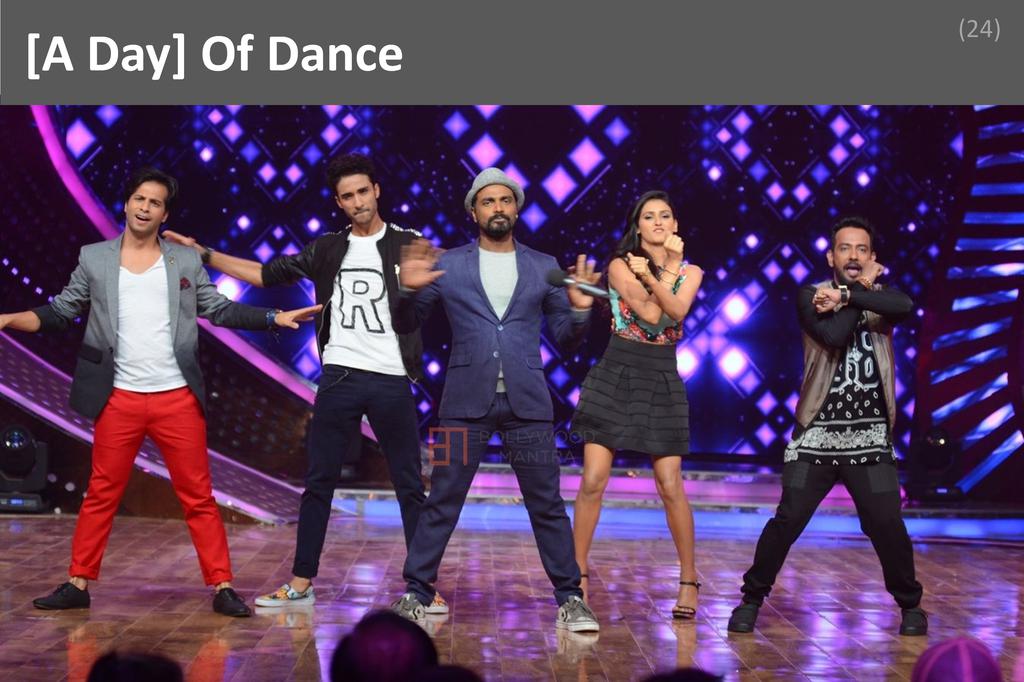
Dancing is the art of moving the body rhythmically, often to music, as a form of expression, social interaction, or performance. It encompasses a wide range of styles and traditions, requiring physical skill, creativity, and emotional connection, and is practiced both recreationally and professionally around the world.
Dancing holds significant importance for professionals, as it serves as both a creative outlet and a career path. It fosters physical fitness, enhances coordination, and builds endurance, which are essential for sustained performance. The discipline and dedication required in dance translate into strong work ethics and time management skills. Additionally, dancing offers emotional benefits by allowing individuals to express themselves and connect with audiences on a deep level. It also provides opportunities for cultural exchange and personal growth, as dancers often collaborate with others and explore diverse styles. The profession can be highly rewarding, offering recognition, travel, and the satisfaction of inspiring others through movement.
A professional dancer working in a contemporary dance company typically spends hours each day rehearsing choreography, refining technique, and collaborating with choreographers and fellow dancers. During a live performance, the dancer interprets the music and narrative through movement, conveying emotion and storytelling to the audience. This requires not only technical mastery but also the ability to adapt to different styles and respond to the energy of the crowd. Outside of performances, the dancer may teach classes, participate in workshops, or audition for new roles, continually developing their craft. Through these activities, the dancer uses their skills to entertain, educate, and inspire, demonstrating the dynamic and multifaceted nature of a career in dancing.
Education
Dance Forms
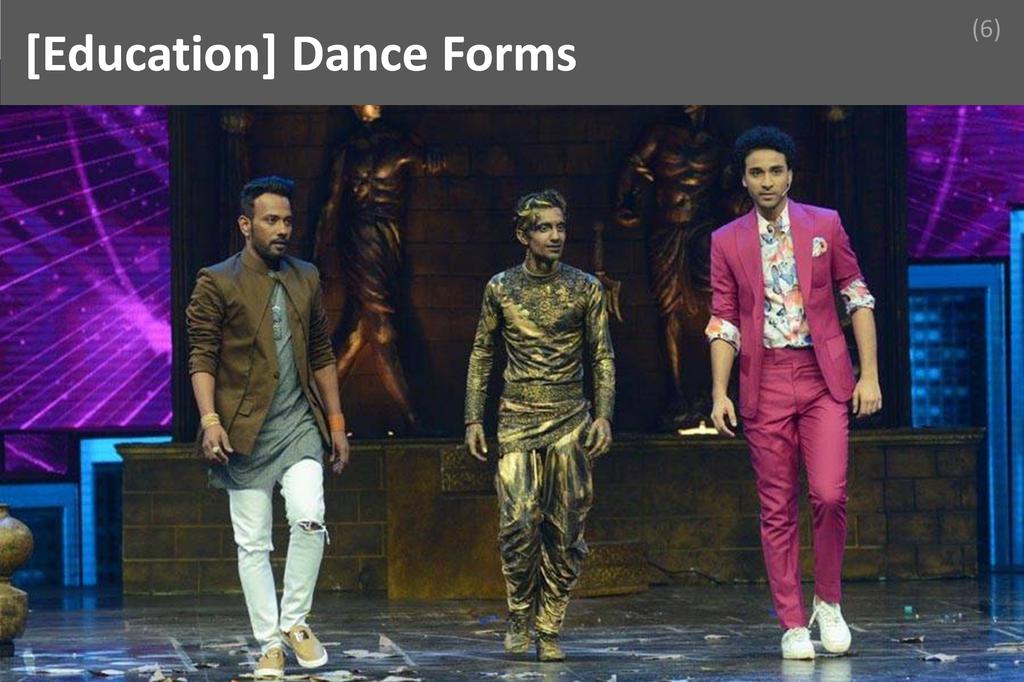
Dance Forms refers to the distinct styles, structures, and traditions that define various genres of dance, such as ballet, hip-hop, contemporary, and folk. Understanding Dance Forms is essential in both academic study and professional practice, as it provides the framework for technique, expression, and cultural appreciation within the field of Dancing.
A deep understanding of Dance Forms is vital for anyone pursuing a career in Dancing because it establishes the technical and expressive foundation upon which all movement is built. Mastery of different forms allows dancers to adapt to diverse choreographic demands and collaborate effectively with peers from various backgrounds. This knowledge also fosters creativity, as dancers can blend or innovate upon established forms to create new works. Over time, familiarity with Dance Forms enhances a dancer’s versatility, employability, and ability to teach or choreograph, ensuring long-term professional growth and relevance in an ever-evolving artistic landscape.
Consider a professional dancer rehearsing for a multidisciplinary stage production that incorporates elements of classical ballet, jazz, and traditional African dance. Their theoretical understanding of Dance Forms enables them to transition seamlessly between styles, respecting the unique techniques and cultural contexts of each. During rehearsals, the dancer draws upon their knowledge to execute precise ballet footwork, embody the rhythmic isolations of jazz, and honor the grounded movements characteristic of African dance. This versatility not only impresses choreographers but also enriches the performance, demonstrating the dancer’s technical proficiency and cultural sensitivity. Such adaptability is a direct result of a strong foundation in Dance Forms, proving its daily value in professional practice.
Basic Dance Styles
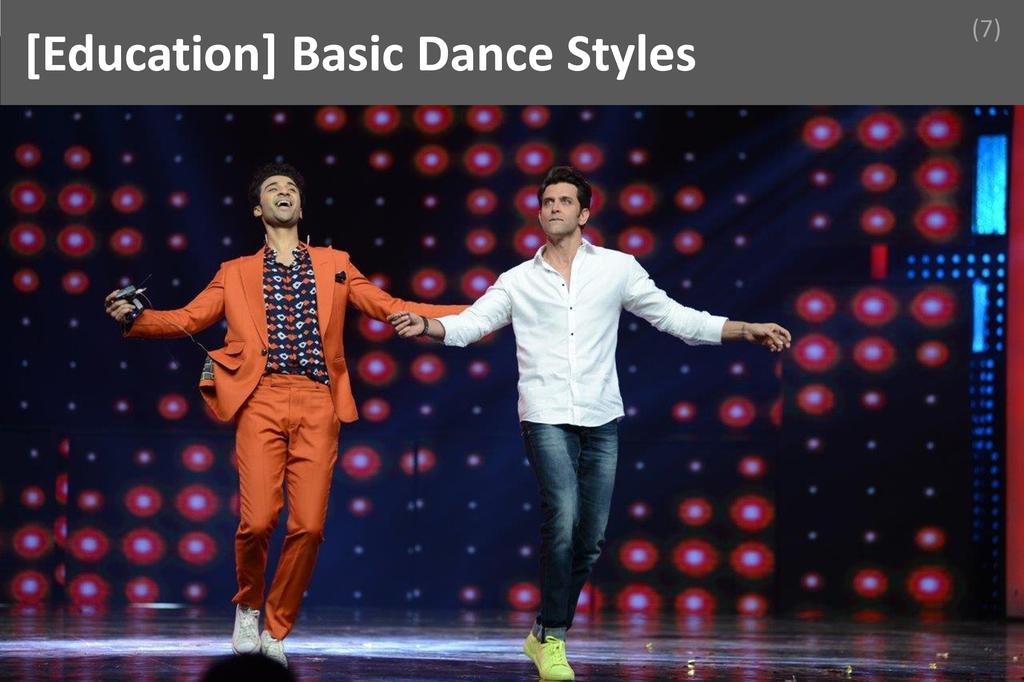
Basic Dance Styles refers to the fundamental categories and techniques that form the foundation of dance, such as ballet, jazz, hip-hop, contemporary, and ballroom. Understanding these styles is essential in both academic study and professional practice, as they provide the technical and expressive groundwork for any dancer’s development.
Learning basic dance styles is crucial for anyone pursuing a career in dance because it equips individuals with a versatile skill set and a deep understanding of movement vocabulary. Mastery of these foundational styles allows dancers to adapt to various genres, collaborate effectively with choreographers, and audition for a wide range of roles. This knowledge also fosters creativity, as dancers can blend elements from different styles to develop their unique artistic voice. Over time, a strong grasp of basic dance styles enhances employability, supports lifelong learning, and ensures that professionals remain competitive and relevant in the ever-evolving dance industry.
Consider a professional dancer working in a contemporary dance company. During rehearsals, the choreographer introduces a new piece that fuses elements of jazz and ballet. The dancer draws upon their theoretical and practical understanding of both styles to execute the choreography with precision and artistry. Their familiarity with the basic postures, footwork, and body alignment from ballet, combined with the rhythmic dynamics and expressiveness of jazz, enables them to interpret the choreography authentically. This ability not only impresses the choreographer but also ensures the dancer can quickly adapt to stylistic changes, contribute creatively to the rehearsal process, and deliver a compelling performance on stage.
History of Dance Forms
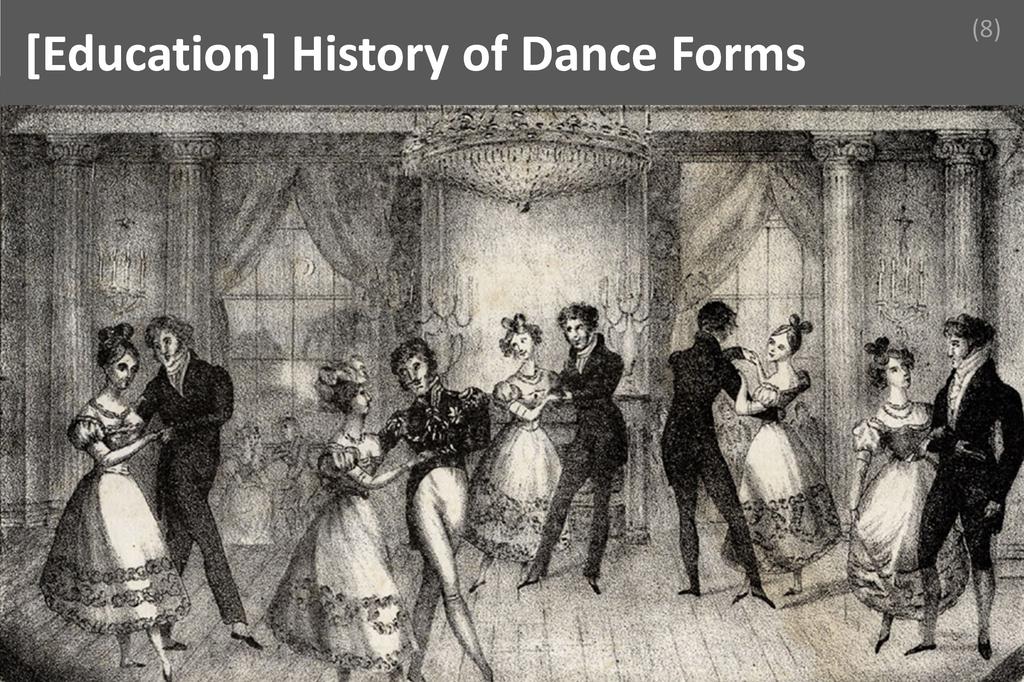
History of Dance Forms is the study of the origins, evolution, and cultural significance of various dance styles across different periods and societies. This subject provides essential context for understanding how dance reflects and influences social, political, and artistic movements, making it a crucial component of comprehensive dance education and professional practice.
A deep understanding of the history of dance forms is vital for anyone pursuing a career in dancing because it connects practitioners to the roots and evolution of their art. This knowledge allows dancers to appreciate the cultural and historical contexts behind each movement, style, and choreography, fostering a more authentic and respectful approach to performance. By mastering historical perspectives, professionals can innovate responsibly, drawing inspiration from the past while contributing to the future of dance. Furthermore, this foundation enhances communication with peers, choreographers, and audiences, as dancers can articulate the significance of their work. Over time, such expertise not only enriches artistic expression but also opens doors to roles in teaching, choreography, and dance research, ensuring a well-rounded and sustainable career.
Consider a professional dancer preparing for a contemporary performance that incorporates elements from traditional African dance. Their understanding of the history of dance forms enables them to recognize the origins and meanings behind specific movements, rhythms, and gestures. This awareness informs their rehearsal process, ensuring that their interpretation is both technically accurate and culturally sensitive. During collaboration with choreographers and fellow dancers, they can provide valuable insights into the historical context, enriching the creative process and fostering mutual respect. When engaging with audiences, the dancer can articulate the significance of the dance’s heritage, deepening the viewers’ appreciation and understanding. In this way, historical knowledge directly enhances both the quality and integrity of daily professional practice.
Skills
Practice
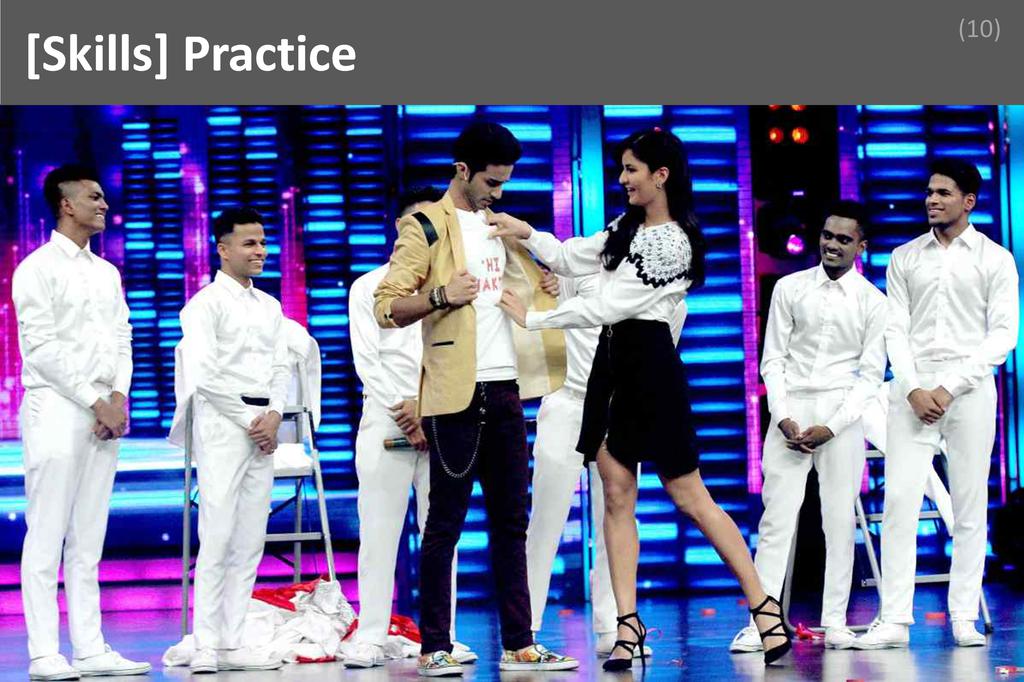
Practice is the deliberate and consistent repetition of movements, techniques, and routines with the goal of achieving mastery and improvement. In dancing, practice serves as the foundation for building muscle memory, refining skills, and enhancing performance quality. It transforms raw talent into polished artistry and is indispensable for professional growth.
The skill of practice directly elevates a dancer’s technical precision, stamina, and expressive ability. Through regular practice, dancers internalize choreography, correct mistakes, and develop the confidence needed for live performances. Clients and employers highly value dancers who demonstrate a strong commitment to practice because it signals reliability, discipline, and a drive for excellence. Cultivating this skill involves setting structured routines, seeking feedback, and maintaining a growth mindset. Over time, consistent practice not only sharpens physical abilities but also fosters adaptability, allowing dancers to quickly learn new styles or routines. This dedication to ongoing improvement is what distinguishes exceptional dancers from the rest and ensures long-term career success.
Imagine a professional dancer preparing for a high-profile audition where the choreography is both technically demanding and emotionally expressive. Despite initial struggles with certain sequences, the dancer dedicates extra hours to focused practice, breaking down challenging sections and repeating them until they become second nature. By recording rehearsals and seeking input from mentors, the dancer identifies subtle areas for improvement and incorporates feedback into daily routines. On audition day, the dancer’s performance is seamless and captivating, impressing the judges with both technical mastery and expressive depth. This success is a direct result of disciplined practice, demonstrating how essential this skill is for overcoming obstacles and achieving professional milestones in the world of dance.
Rhythm
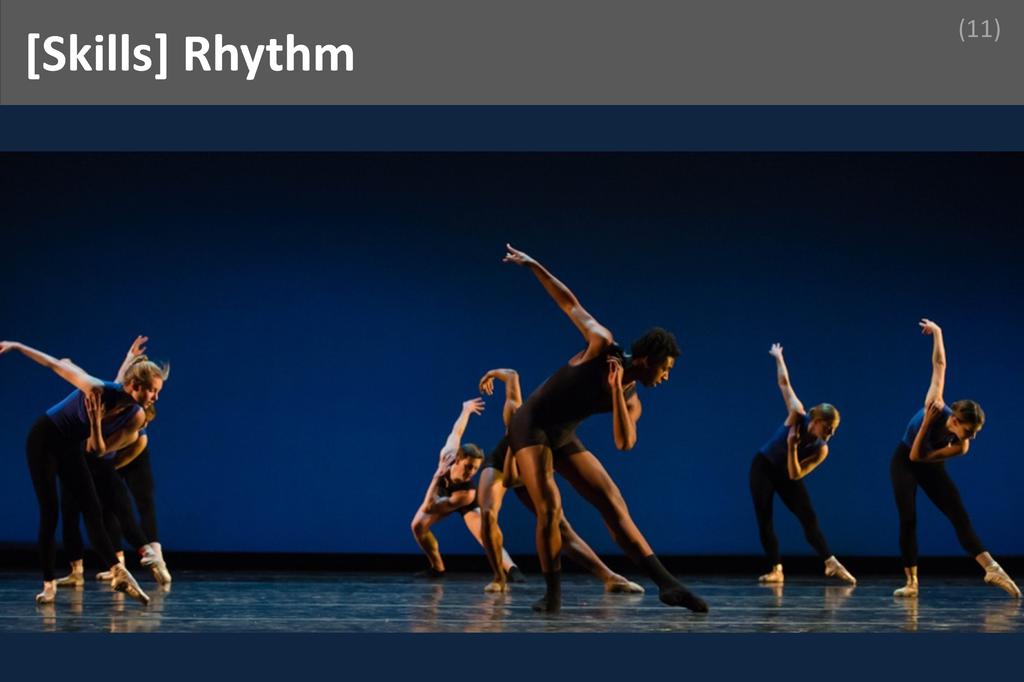
Rhythm is the consistent pattern of movement or sound that creates a sense of timing and flow in dance. It involves synchronizing steps, gestures, and expressions with musical beats, allowing dancers to interpret and embody music. Mastery of rhythm enables dancers to communicate emotion, energy, and story through movement.
Rhythm is fundamental to a dancer’s performance because it ensures movements are aligned with the music, creating a seamless and engaging experience for the audience. Clients and employers highly value dancers who possess strong rhythmic skills, as it reflects professionalism, adaptability, and the ability to collaborate with musicians or other performers. Dancers can cultivate rhythm through regular practice, listening attentively to various musical genres, and participating in exercises that emphasize timing and coordination. Over time, developing an intuitive sense of rhythm enhances a dancer’s versatility, allowing them to excel in different styles and settings. This skill also fosters confidence, making it easier to improvise or recover gracefully from unexpected changes during live performances.
Imagine a professional dancer preparing for a live show where the music unexpectedly changes tempo during a critical routine. By relying on their well-developed sense of rhythm, the dancer quickly adapts their movements to match the new beat, maintaining synchronization with the music and fellow performers. This ability not only prevents the performance from falling apart but also impresses the audience and choreographer with the dancer’s composure and skill. The dancer’s rhythmic awareness transforms a potential mishap into a memorable highlight, showcasing their professionalism and reinforcing the importance of rhythm as a core competency in a successful dance career.
Musicality
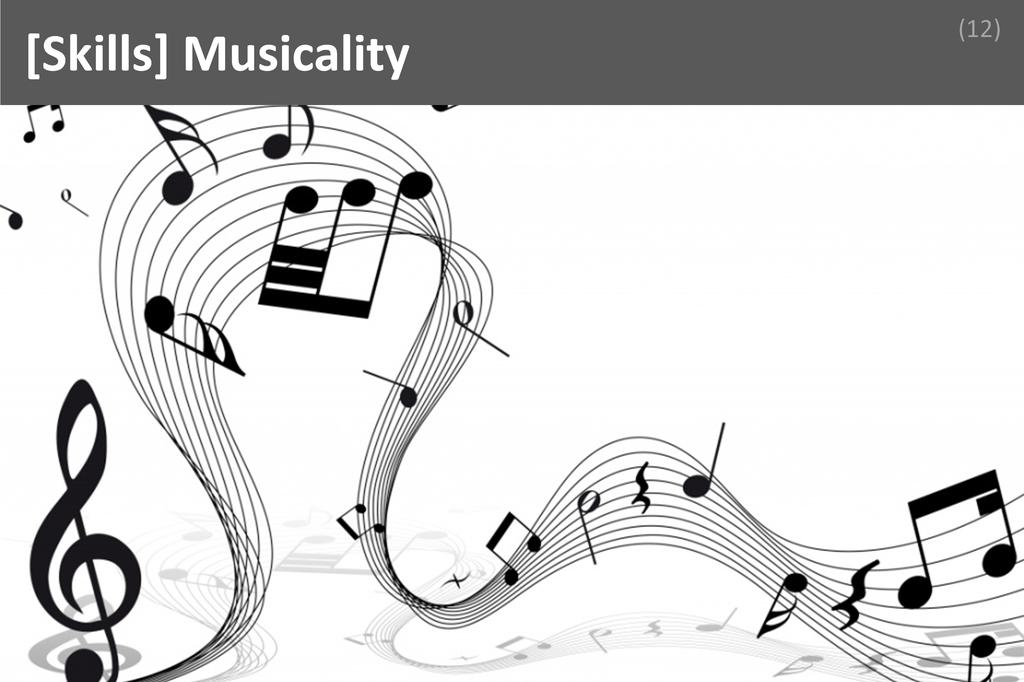
Musicality is the dancer’s ability to perceive, interpret, and express the nuances of music through movement, embodying rhythm, melody, and emotion with precision and artistry. It bridges the gap between choreography and music, allowing dancers to synchronize their bodies with sound, creating performances that resonate deeply with audiences.
Musicality elevates a dancer’s performance by enabling seamless synchronization with music, enhancing both technical execution and emotional expression. Clients and employers highly value dancers who display strong musicality, as it ensures performances are engaging, cohesive, and memorable. A dancer with refined musicality can adapt to various musical styles, interpret subtle changes in tempo or mood, and bring choreography to life with authenticity. Cultivating this skill requires attentive listening, regular practice with diverse music genres, and mindful observation of how movement aligns with musical phrasing. Over time, dancers develop an intuitive connection to music, allowing them to anticipate shifts and respond creatively, which sets them apart in auditions, rehearsals, and live performances.
Imagine a professional dancer preparing for a live performance where the music unexpectedly changes tempo mid-routine. Relying on their musicality, the dancer quickly adapts their movements to match the new rhythm, maintaining synchronization with the music and the ensemble. This ability not only prevents disruption but also showcases their versatility and professionalism. The audience remains captivated, unaware of the challenge, while the choreographer and fellow performers appreciate the dancer’s quick thinking and sensitivity to musical cues. In this scenario, musicality transforms a potential setback into a seamless, impressive moment, highlighting its critical role in achieving success and maintaining the integrity of the performance.
Individuality
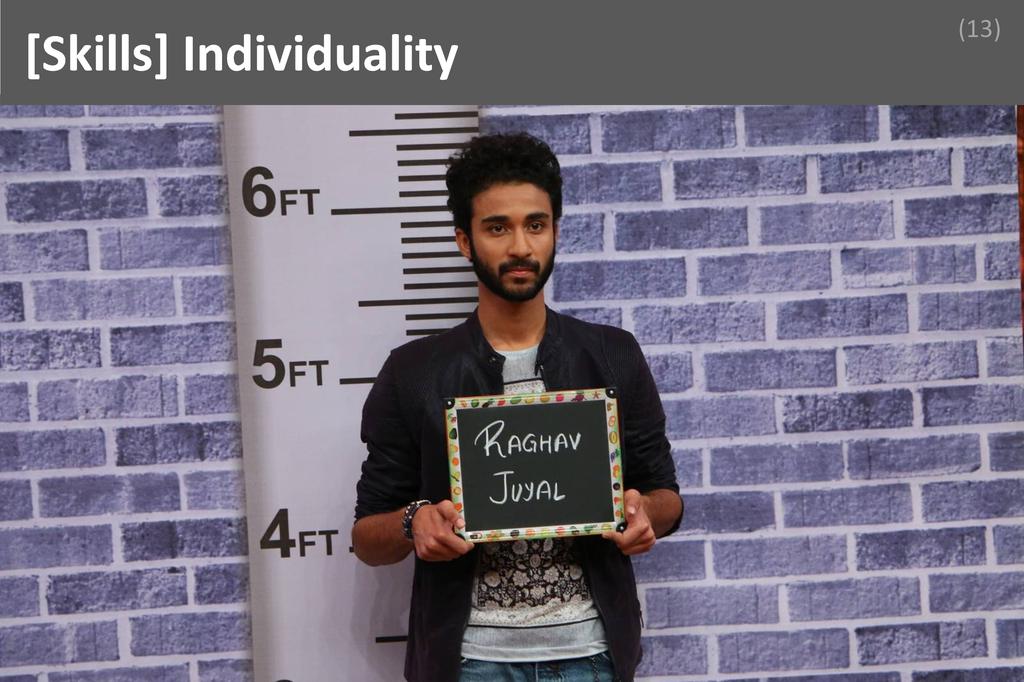
Individuality is the unique combination of personal style, expression, and interpretation that distinguishes one dancer from another. It encompasses the ability to infuse performances with one’s own creative voice, making each movement authentic and memorable. In a dancer’s toolkit, individuality transforms technical skill into compelling artistry that resonates with audiences.
Individuality elevates a dancer’s performance by allowing them to stand out in auditions, competitions, and professional engagements. Clients and employers seek dancers who bring something fresh and distinctive to the stage, as this quality enhances the overall impact of a production. Cultivating individuality requires self-awareness, experimentation with different styles, and the courage to take creative risks. Over time, dancers can develop their unique voice by drawing inspiration from diverse influences, reflecting on personal experiences, and consistently pushing beyond comfort zones. This ongoing process not only improves technical proficiency but also deepens emotional connection with the audience, making performances more engaging and memorable.
Imagine a dancer auditioning for a contemporary dance company where hundreds of technically proficient performers are competing for a single spot. During the audition, the dancer chooses to interpret the choreography with subtle nuances, drawing from their own life experiences to convey genuine emotion. Their movements, though technically accurate, are infused with a personal flair that captivates the judges. While others may execute the routine flawlessly, it is the dancer’s individuality that leaves a lasting impression and ultimately secures them the role. In this scenario, individuality becomes the decisive factor, demonstrating its power to solve the critical challenge of standing out in a highly competitive environment.
Good Listener
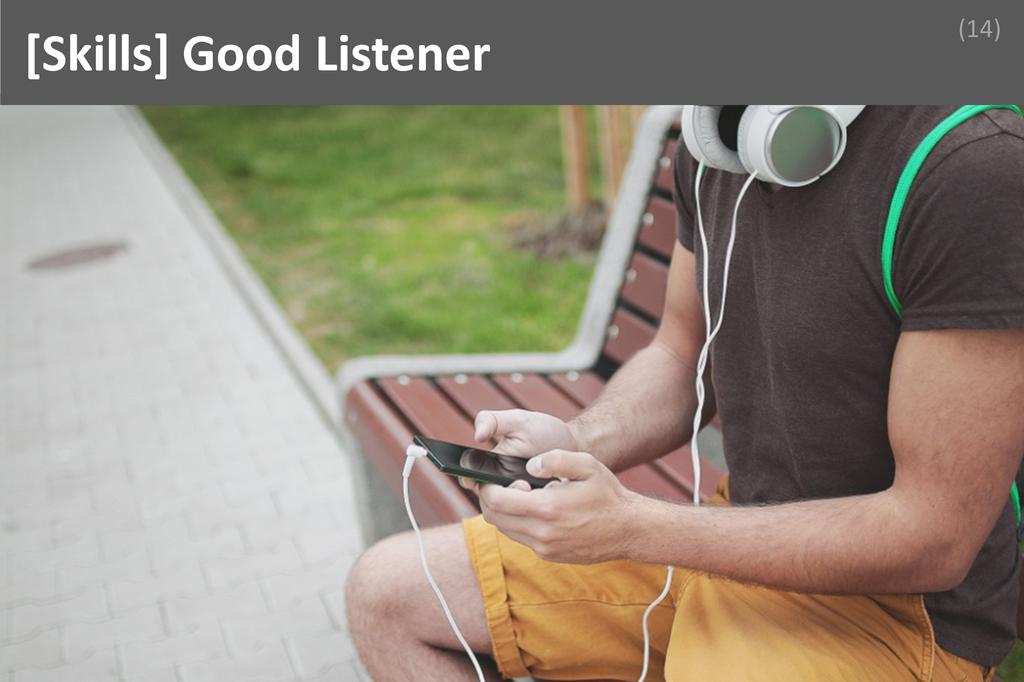
A good listener is someone who attentively receives, processes, and understands both verbal and nonverbal communication, responding thoughtfully and empathetically. In dancing, being a good listener means tuning in to instructors, partners, music, and even the energy of the room. This skill ensures clear communication, fosters trust, and enhances collaborative creativity.
Being a good listener in dancing directly improves performance by allowing dancers to accurately interpret instructions, feedback, and cues from choreographers or partners. Employers and clients value this skill because it leads to smoother rehearsals, fewer misunderstandings, and a more harmonious working environment. Dancers who listen well can adapt quickly to changes, incorporate corrections efficiently, and build stronger connections with their peers. Cultivating this skill involves practicing mindfulness, maintaining eye contact, and resisting the urge to interrupt. Over time, dancers who prioritize listening become more receptive to subtle details in music, movement, and group dynamics, ultimately elevating their artistry and professionalism.
Imagine a dancer preparing for a live performance with a new partner. During rehearsal, the choreographer gives last-minute changes to the routine. The dancer, being a good listener, pays close attention to the instructions and observes the partner’s body language for nonverbal cues. When the music starts, the dancer seamlessly integrates the new steps and adjusts to the partner’s timing, ensuring the performance flows smoothly. By actively listening, the dancer avoids confusion, builds trust with the partner, and impresses the choreographer with adaptability. This scenario highlights how being a good listener can turn a potentially stressful situation into a successful and memorable performance.
Positives
Body Fitness
Body fitness is the harmonious development of strength, flexibility, endurance, balance, and coordination, resulting in optimal physical health and performance. In dancing, body fitness is essential because it enables dancers to execute complex movements with precision, reduces the risk of injury, and enhances overall artistic expression, making it a cornerstone of the profession.
The pursuit of body fitness in a dancing career brings profound advantages that extend beyond physical appearance. Dancers experience increased energy, resilience, and confidence, which directly contribute to their job satisfaction and professional growth. Maintaining peak physical condition allows dancers to take on more challenging roles, perform for longer periods, and recover quickly from demanding routines. This ongoing commitment to fitness fosters a sense of accomplishment and pride, as dancers witness their bodies becoming more capable and expressive. The daily discipline of training and conditioning not only sharpens their technical skills but also instills a mindset of perseverance and self-care, qualities that are invaluable in both their careers and personal lives.
Consider a professional dancer preparing for a high-profile stage production. Each day, she dedicates time to strength training, stretching, and cardiovascular exercises, ensuring her body is ready for the rigorous choreography ahead. As rehearsals intensify, her enhanced stamina and flexibility allow her to master intricate sequences without fatigue or injury. She feels a deep sense of fulfillment as her body responds fluidly to the music, translating emotion into movement with grace and power. The audience’s applause becomes a testament not only to her artistic talent but also to the physical dedication that underpins her performance. Through body fitness, she experiences the joy of reaching new heights in her craft, inspiring both herself and those who watch her dance.
Mental Fitness
Mental fitness is the ability to maintain emotional balance, focus, resilience, and adaptability in the face of challenges, while effectively managing stress and nurturing a positive mindset. In dancing, mental fitness empowers professionals to handle the pressures of performance, learn complex routines, and stay motivated through both successes and setbacks.
The cultivation of mental fitness is a cornerstone of a fulfilling dance career. Dancers constantly face demanding rehearsals, high expectations, and the need for creative expression. Mental fitness enables them to stay focused under pressure, recover quickly from mistakes, and embrace constructive feedback. This resilience not only enhances their performance but also fosters a sense of personal growth and accomplishment. As dancers strengthen their mental fitness, they experience greater job satisfaction, as they are better equipped to navigate the emotional highs and lows of the profession. The daily practice of mindfulness, visualization, and positive self-talk becomes second nature, allowing dancers to thrive both on and off the stage, and to inspire those around them with their unwavering dedication.
Imagine a professional dancer preparing for a major audition. Despite feeling nervous, she draws on her mental fitness skills, using deep breathing and visualization techniques to calm her mind and focus on her routine. During the audition, she makes a minor mistake, but instead of panicking, she quickly regains her composure, adapts, and finishes with confidence. Afterward, she reflects on the experience, recognizing her growth and resilience. This ability to manage stress, recover from setbacks, and maintain a positive outlook not only enhances her performance but also deepens her love for dancing. Through mental fitness, she finds fulfillment and motivation to continue pursuing her passion.
Vent for Emotions

"Vent for Emotions" refers to the powerful ability to express, release, and process feelings through physical movement and artistic performance. In dancing, this means channeling joy, sorrow, frustration, or excitement into choreography and motion, transforming raw emotion into creative energy. This process enriches both personal well-being and artistic expression, making the profession deeply fulfilling.
The opportunity to vent emotions is a cornerstone of satisfaction in a dancing career. Dancers often face intense schedules, physical demands, and emotional highs and lows. Having a healthy outlet for these emotions not only prevents burnout but also enhances creativity and authenticity in performance. This emotional release fosters resilience, allowing dancers to grow both personally and professionally. Each rehearsal or performance becomes a therapeutic experience, where dancers can process their feelings and connect with audiences on a profound level. This daily benefit cultivates a sense of purpose and joy, making the challenges of the profession more manageable and the rewards even greater.
Imagine a professional dancer preparing for a major performance after a particularly challenging week. As the music begins, she channels her stress and anxiety into every leap and turn, letting her body tell the story of her struggles. The stage becomes her sanctuary, where each movement helps her process and release pent-up emotions. By the end of the performance, she feels a sense of relief and accomplishment, having transformed her inner turmoil into something beautiful and meaningful. This experience not only uplifts her spirit but also resonates with the audience, who sense the authenticity and passion behind every step. Through dancing, she finds healing and fulfillment, illustrating the profound impact of venting emotions in this art form.
Challenges
Societal Pressure
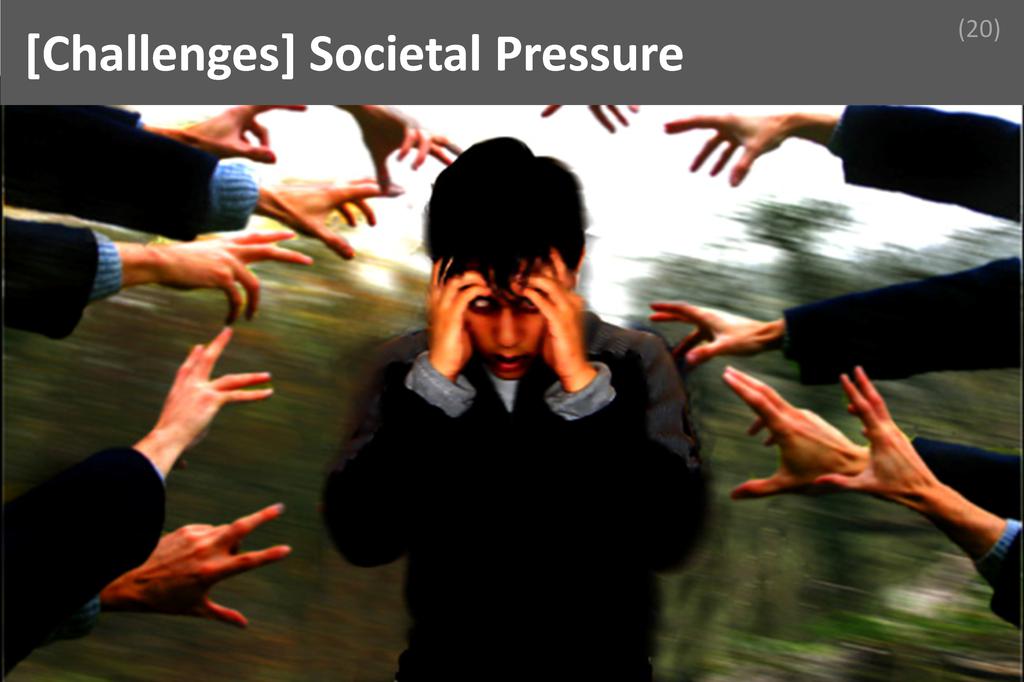
Societal pressure in dancing refers to the external expectations, judgments, and stereotypes imposed by family, peers, and the broader community regarding the legitimacy, value, or appropriateness of pursuing dance as a profession. This pressure is demanding because it challenges dancers’ self-worth, career choices, and personal identity, often leading to internal conflict.
Societal pressure can deeply affect a dancer’s daily work by instilling self-doubt, anxiety, and a constant need for validation. It may manifest as discouragement from loved ones, skepticism about career stability, or cultural biases against dance as a viable profession. This environment demands resilience, as dancers must continually reaffirm their passion and commitment despite external negativity. Successful professionals manage this constraint by building strong support networks, seeking mentorship, and focusing on personal growth and artistic fulfillment. They learn to separate their self-worth from societal approval, channeling criticism into motivation and using their achievements to challenge prevailing stereotypes. Over time, this approach not only sustains their careers but also contributes to shifting perceptions within their communities.
Consider a professional dancer who faces skepticism from family members who view dance as an unstable and unconventional career. Despite repeated suggestions to pursue a more “respectable” profession, the dancer remains steadfast, seeking encouragement from fellow artists and mentors who understand the unique challenges of the field. By participating in high-profile performances and sharing their journey through social media, the dancer gradually earns recognition and respect, both within and outside their immediate circle. This visibility helps to challenge misconceptions, inspiring younger dancers and demonstrating that success in dance is possible. Through perseverance and strategic self-advocacy, the dancer not only overcomes societal pressure but also becomes a role model for others facing similar obstacles.
Body Pains
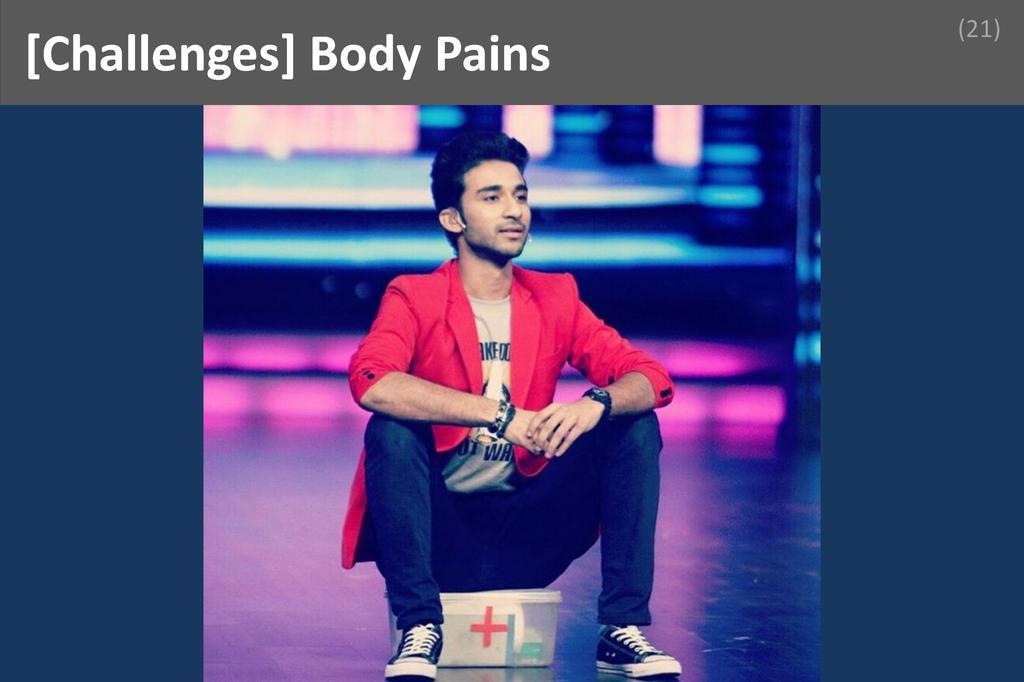
Body pains in dancing refer to the persistent aches, soreness, and discomfort that arise from repetitive movements, intense rehearsals, and physically demanding routines. These pains challenge dancers’ endurance, flexibility, and mental focus, making the profession especially demanding due to the constant strain placed on muscles, joints, and ligaments.
Body pains can significantly affect a dancer’s daily work by limiting mobility, reducing performance quality, and increasing the risk of long-term injuries. The physical discomfort often requires dancers to summon remarkable resilience, as they must balance the need for rest with the demands of ongoing practice and performance schedules. Successful professionals manage these challenges through disciplined self-care routines, including proper warm-ups, stretching, and cool-downs. They also prioritize adequate rest, nutrition, and hydration to support recovery. Many dancers seek guidance from physiotherapists or sports medicine experts to address persistent issues, while mental strategies such as mindfulness and stress management help them cope with pain and maintain motivation. This holistic approach enables dancers to sustain their careers despite the physical toll.
Consider a professional ballet dancer preparing for a major production who begins experiencing chronic lower back pain due to the repetitive nature of lifts and jumps. Rather than ignoring the discomfort, the dancer consults a physiotherapist who prescribes targeted exercises and adjustments to technique. The dancer incorporates these recommendations into daily practice, modifies rehearsal intensity when necessary, and uses ice and heat therapy to manage inflammation. By listening to their body and communicating openly with choreographers and colleagues, the dancer is able to continue performing at a high level while minimizing the risk of further injury. This proactive and adaptive approach exemplifies how dancers can successfully navigate the ongoing challenge of body pains in their profession.
Peer Pressure
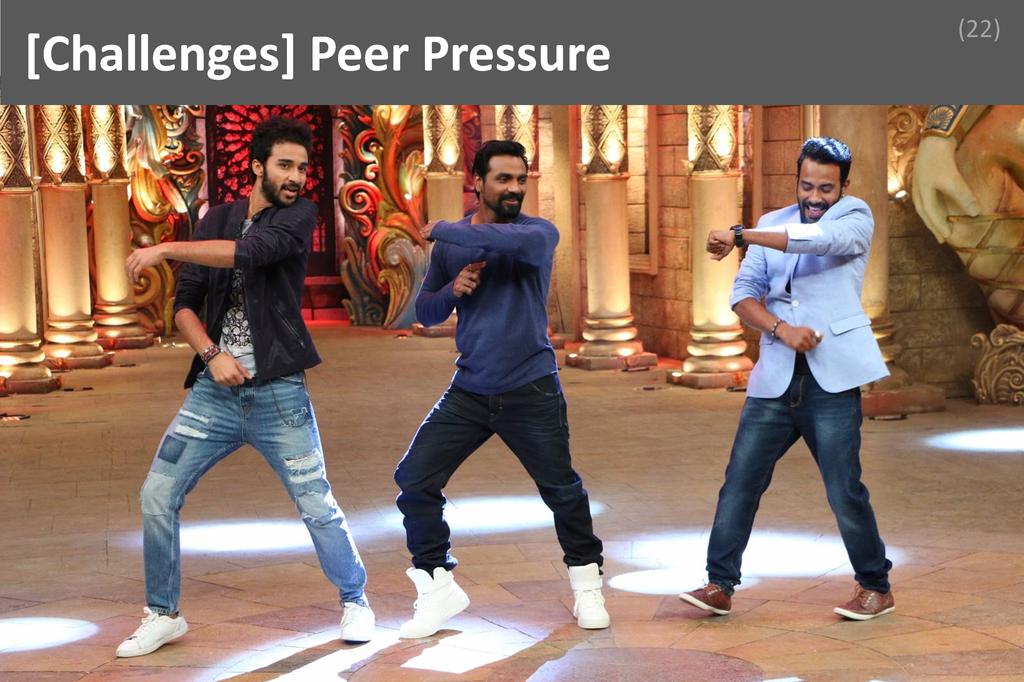
Peer pressure in dancing refers to the subtle or overt influence from colleagues, instructors, or the dance community that encourages conformity to certain styles, techniques, or behaviors. This pressure is demanding because it can challenge a dancer’s individuality, creative expression, and personal values, often leading to internal conflict and stress.
Peer pressure can significantly affect a dancer’s daily work by creating an environment where comparison and competition are constant. Dancers may feel compelled to adopt popular trends, overextend themselves physically, or compromise their artistic vision to fit in. This challenge demands resilience because it tests a dancer’s confidence and self-awareness, requiring them to stay true to their unique style and goals. Successful professionals manage peer pressure by fostering a strong sense of self, seeking mentorship, and focusing on personal growth rather than external validation. They learn to appreciate feedback without losing their individuality, and they build supportive networks that encourage authenticity over conformity.
Consider a professional dancer who joins a prestigious company known for its contemporary style, while their background is rooted in classical ballet. Initially, the dancer feels immense pressure from peers to abandon their classical technique in favor of the company’s signature moves. Instead of suppressing their strengths, the dancer openly communicates with the choreographer about integrating elements of ballet into their performances. Over time, their unique blend of styles is not only accepted but celebrated, inspiring others to embrace their own backgrounds. By confidently navigating peer pressure, the dancer maintains artistic integrity and contributes to a more inclusive and innovative dance environment.
A Day Of
Dancing
The world of a professional dancer is a whirlwind of movement, discipline, and artistry that begins long before the curtain rises and lingers well after the final bow. Each day is a carefully choreographed blend of physical rigor and creative expression, set against the backdrop of mirrored studios, echoing music, and the constant pursuit of perfection. The pace is relentless, the environment charged with energy and anticipation, and every moment is an opportunity to push boundaries, refine technique, and connect with both fellow artists and audiences. For those who live to dance, the workday is less about clocking in and more about immersing themselves in a passion that demands both heart and stamina.
As dawn breaks, a dancer’s day begins with gentle stretches and mindful warm-ups, often at home or in a quiet corner of the studio. This early morning ritual is essential for easing stiff muscles awake and centering the mind for the demanding hours ahead. Many dancers use this time to review choreography, visualize upcoming routines, and mentally rehearse challenging sequences, setting a focused tone for the day. Nutrition and hydration are also prioritized, fueling the body for the physical feats to come.
By mid-morning, the studio comes alive with the rhythmic sounds of feet on hardwood and the guidance of instructors. This is the heart of the dancer’s day, where technique classes push bodies to their limits and rehearsals demand unwavering concentration. Whether perfecting a classical ballet variation or learning new contemporary choreography, dancers work intensely, correcting posture, refining movements, and syncing with the ensemble. The atmosphere is both competitive and supportive, as everyone strives for individual excellence while contributing to the collective artistry.
Afternoons are devoted to collaborative sessions with choreographers, directors, and fellow dancers. This is when creative ideas are exchanged, new pieces are developed, and existing works are polished. Costuming, lighting, and stage cues are discussed, and run-throughs are performed to ensure every detail aligns for upcoming shows. The energy in the studio shifts from technical precision to creative exploration, as dancers experiment with interpretation and expression, bringing fresh life to each movement.
As the day winds down, dancers transition into cool-down routines to prevent injury and aid recovery. This is also the time for administrative tasks such as logging rehearsal notes, responding to emails, and scheduling future sessions. Many take a few quiet moments to reflect on the day’s progress, jotting down insights or areas for improvement. With the body finally at rest, attention turns to planning for the next day—reviewing schedules, preparing gear, and setting new goals—ensuring that tomorrow’s performance will be even stronger than today’s. |


 Home
Home Abroad
 Plan
Plan Philosophy
 Seminar
 Pages
Pages Advisors
 Testimonials












 Workshop
 Discuss
 Meet
Meet
 Advisor
 Story
Story
 Fine Print
 Links
Links
 Blog
Blog
 Follow
