The Journey of Brand Management
What Is Brand Management
Brand Management

Brand management is the strategic process of creating, maintaining, and enhancing a brand’s image, reputation, and value in the marketplace. It involves shaping consumer perceptions, building brand equity, and ensuring consistent messaging across all channels to foster loyalty and drive business growth.
Brand management plays a crucial role in shaping how a company or product is perceived by its target audience. For professionals in this field, effective brand management can lead to increased customer loyalty, higher market share, and long-term profitability. By carefully crafting a brand’s identity and consistently delivering on its promises, brand managers help organizations stand out in competitive markets. They also safeguard the brand’s reputation during crises and adapt strategies to changing consumer preferences. The major benefits include stronger customer relationships, enhanced brand recognition, and the ability to command premium pricing due to perceived value.
A brand manager at a global beverage company might oversee the launch of a new product line. They would conduct market research to understand consumer preferences, develop a compelling brand story, and coordinate with marketing, design, and sales teams to ensure a unified message. Throughout the campaign, the brand manager would monitor consumer feedback and adjust strategies to maintain positive brand perception. By analyzing sales data and customer responses, they refine future campaigns to strengthen the brand’s market position. This hands-on approach ensures that every touchpoint with the consumer reinforces the brand’s values and differentiates it from competitors.
Education
Different Sectors
"Different Sectors" refers to the various segments of the economy, such as consumer goods, technology, healthcare, finance, and more, each with unique market dynamics, customer behaviors, and regulatory environments. In Brand Management, understanding these sectors is essential for tailoring strategies, positioning brands effectively, and navigating industry-specific challenges and opportunities.
A deep understanding of different sectors is crucial for anyone in Brand Management because each sector operates under distinct market forces, consumer expectations, and competitive landscapes. By learning about these sectors, professionals gain the ability to adapt branding strategies to fit the unique characteristics and demands of each industry. This foundational knowledge enables brand managers to anticipate trends, identify growth opportunities, and mitigate risks specific to their sector. Over the course of a career, this expertise allows professionals to transition between industries more smoothly, develop more nuanced marketing campaigns, and build brands that resonate authentically with target audiences. Ultimately, mastering sector-specific insights enhances strategic decision-making and long-term brand success.
Consider a brand manager working for a global beverage company who is tasked with launching a new product in both the healthcare and hospitality sectors. Drawing on their understanding of different sectors, the manager recognizes that healthcare clients prioritize safety, compliance, and health benefits, while hospitality clients value experience, presentation, and customer satisfaction. The manager tailors messaging, packaging, and promotional strategies to align with each sector’s priorities, ensuring regulatory requirements are met in healthcare and emphasizing experiential value in hospitality. This sector-specific approach not only increases the likelihood of successful product adoption but also strengthens the brand’s reputation for understanding and meeting the unique needs of diverse markets.
Target Market

A target market is a specific group of consumers identified as the most likely audience for a particular product or service. In Brand Management, understanding the target market is essential, as it guides strategic decisions, marketing efforts, and product development, forming a core component of both academic study and professional practice.
Understanding the target market is fundamental for anyone in Brand Management because it shapes every aspect of brand strategy, from messaging to product positioning. Mastery of this concept enables professionals to allocate resources efficiently, create relevant campaigns, and foster brand loyalty among the right audience. It also helps in anticipating market trends and adapting to consumer needs, ensuring the brand remains competitive and resilient. Over the course of a career, this knowledge not only enhances decision-making but also supports the development of innovative solutions that resonate with consumers. Ultimately, a deep comprehension of target markets is a key driver of long-term brand success and professional advancement in the field.
Consider a Brand Manager working for a sports apparel company launching a new line of eco-friendly running shoes. By leveraging their understanding of the target market, the manager identifies environmentally conscious, health-oriented young adults as the primary audience. This insight informs the development of marketing messages that highlight sustainability and performance, the selection of advertising channels popular with this demographic, and the design of in-store experiences that appeal to their values. Throughout the campaign, the manager monitors feedback and adjusts strategies to better engage this group, ensuring the brand’s efforts are both efficient and effective. This daily application of target market knowledge directly contributes to the product’s market success and the brand’s reputation.
Competition

Competition refers to the dynamic environment in which brands and businesses vie for consumer attention, market share, and profitability by offering superior products, services, or experiences. In Brand Management, understanding competition is essential, as it shapes strategic decisions, positioning, and differentiation, forming a core component of both academic study and professional practice.
Grasping the intricacies of competition is crucial for anyone aspiring to excel in Brand Management. This knowledge enables professionals to analyze market landscapes, identify direct and indirect rivals, and anticipate shifts in consumer preferences. By understanding competitive forces, brand managers can craft strategies that highlight their brand’s unique value, ensuring relevance and resilience in crowded markets. Mastery of competition also fosters innovation, as it encourages continuous improvement and adaptation in response to rival activities. Over the long term, this expertise supports sustainable brand growth, sharpens decision-making skills, and enhances a professional’s ability to navigate complex business environments, making it an indispensable asset for career advancement in the field.
Imagine a brand manager at a beverage company noticing a competitor launching a new health-focused drink. Drawing on their understanding of competition, the manager conducts a thorough market analysis to assess the potential impact on their own brand’s market share. They evaluate the competitor’s strengths, weaknesses, and marketing tactics, then collaborate with product development and marketing teams to refine their own offerings and messaging. By leveraging insights into consumer trends and competitor positioning, the manager ensures their brand remains relevant and appealing. This proactive approach not only safeguards the brand’s standing but also demonstrates how theoretical knowledge of competition directly informs practical, day-to-day decision-making in Brand Management.
Marketing

Marketing is the strategic process of identifying, anticipating, and satisfying customer needs profitably through the creation, communication, and delivery of value. It encompasses market research, product development, pricing, promotion, and distribution. In Brand Management, marketing knowledge is essential, forming a core part of both academic study and professional expertise.
A deep understanding of marketing is indispensable for anyone pursuing a career in Brand Management. Marketing provides the theoretical and practical framework for analyzing consumer behavior, segmenting markets, and positioning brands effectively. This knowledge enables professionals to craft compelling brand messages, select appropriate channels, and measure campaign effectiveness. Mastery of marketing principles ensures that brand managers can make informed decisions that align with organizational goals and market realities. Over time, this expertise supports career advancement by equipping professionals with the skills to adapt to evolving consumer trends, manage brand equity, and drive business growth. Ultimately, marketing serves as the foundation upon which successful brand strategies are built, making it a critical area of study and practice.
Consider a brand manager at a consumer electronics company preparing to launch a new smartphone. Drawing on their marketing knowledge, they analyze market research to identify target customer segments and understand their preferences. They then collaborate with product development to ensure features align with consumer needs and use marketing insights to set competitive pricing. The manager develops an integrated marketing campaign, selecting channels that best reach the intended audience and crafting messages that resonate with their values. Throughout the launch, they monitor campaign performance using marketing metrics, adjusting tactics as needed to maximize impact. This practical application of marketing theory ensures the product launch is strategically sound and positioned for success in a competitive marketplace.
Brand Knowledge

Brand Knowledge refers to the collective perceptions, associations, and information that consumers hold about a brand, encompassing both brand awareness and brand image. In Brand Management, it serves as a cornerstone concept, bridging academic theories of consumer behavior with practical strategies for building, maintaining, and evolving a brand’s market presence and reputation.
Understanding Brand Knowledge is essential for anyone aspiring to excel in Brand Management because it underpins every strategic decision related to positioning, messaging, and customer engagement. Mastery of this subject enables professionals to decode how consumers perceive their brand, identify gaps between intended and actual brand image, and craft initiatives that strengthen brand equity. This foundational knowledge empowers brand managers to anticipate market trends, respond to competitive threats, and foster lasting customer loyalty. Over the course of a career, a deep grasp of Brand Knowledge not only enhances the effectiveness of marketing campaigns but also supports data-driven decision-making, cross-functional collaboration, and the ability to adapt brand strategies in a rapidly changing marketplace.
Consider a brand manager at a global beverage company launching a new product line. By leveraging their understanding of Brand Knowledge, the manager conducts market research to assess existing consumer perceptions and identifies key associations that differentiate their brand from competitors. This insight guides the development of targeted messaging and visual identity elements that reinforce positive brand attributes while addressing any misconceptions. During campaign rollouts, the manager monitors consumer feedback and brand sentiment, using this data to refine communication strategies and ensure alignment with the desired brand image. Through this ongoing process, the manager not only strengthens the brand’s market position but also builds a resilient foundation for future growth and innovation.
Skills
Creativity
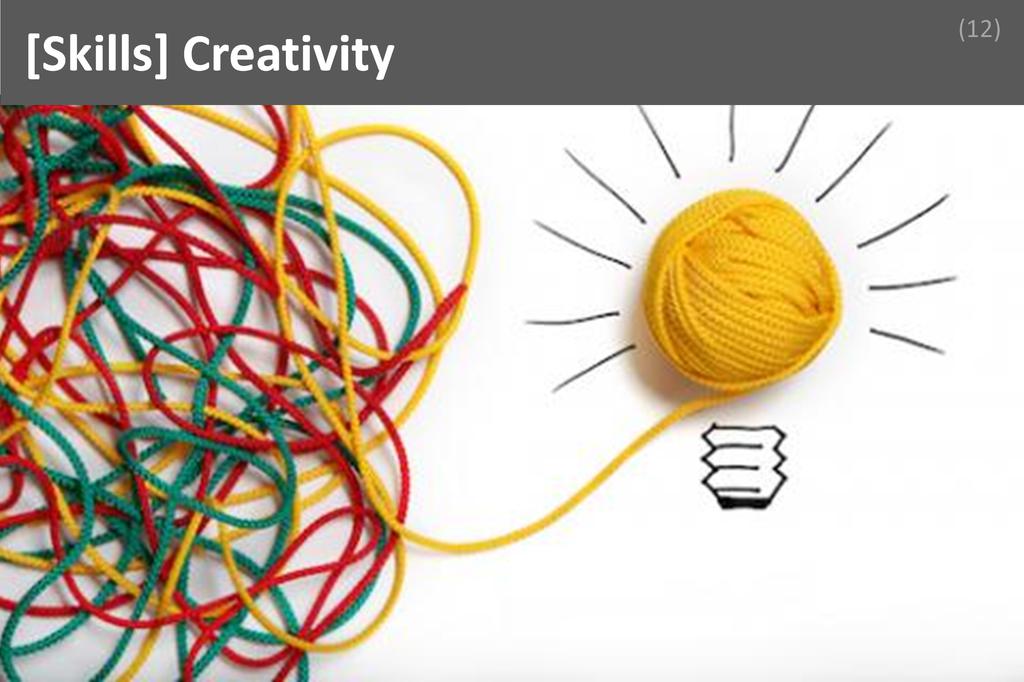
Creativity is the ability to generate original ideas, approaches, or solutions by thinking beyond conventional boundaries and combining existing concepts in novel ways. In brand management, creativity empowers professionals to craft compelling brand stories, differentiate products in crowded markets, and develop innovative campaigns that resonate with target audiences.
Creativity directly enhances a brand manager’s performance by enabling them to devise unique strategies that capture consumer attention and foster brand loyalty. Employers and clients highly value this skill because it leads to memorable branding, effective problem-solving, and adaptability in rapidly changing markets. Cultivating creativity involves staying curious, seeking inspiration from diverse sources, and embracing experimentation. Over time, regularly brainstorming with cross-functional teams, analyzing successful campaigns, and reflecting on feedback can help professionals refine their creative thinking. By nurturing this skill, brand managers can consistently deliver fresh ideas that drive engagement and set their brands apart from competitors.
Imagine a brand manager faced with declining engagement for a well-established product. Instead of relying on traditional advertising, they tap into their creativity to launch an interactive social media campaign that invites customers to share personal stories related to the brand. This approach not only revitalizes interest but also generates authentic user-generated content, strengthening the brand’s community and emotional connection with its audience. By thinking creatively, the manager transforms a challenging situation into an opportunity for renewed growth and loyalty, demonstrating how essential creativity is in overcoming obstacles and achieving lasting success in brand management.
Discipline

Discipline is the consistent ability to control one’s actions, emotions, and impulses to achieve long-term goals, even in the face of distractions or setbacks. In brand management, discipline ensures that strategies are executed methodically, deadlines are met, and brand integrity is maintained across all channels, fostering trust and reliability.
Discipline directly enhances performance in brand management by ensuring that every aspect of a campaign or brand strategy is executed with precision and consistency. Clients and employers highly value this trait because it translates into reliability, accountability, and the ability to deliver on promises, even under pressure. A disciplined brand manager is less likely to overlook details, miss deadlines, or deviate from the established brand voice, which is crucial for building and maintaining a strong brand identity. Cultivating discipline involves setting clear goals, establishing routines, and regularly reflecting on progress. Over time, practicing self-control, prioritizing tasks, and learning from setbacks help professionals strengthen their discipline, making them more effective and trustworthy in their roles.
Imagine a brand manager overseeing a major product launch with multiple teams and tight deadlines. Unexpectedly, a key supplier delays delivery, threatening the entire campaign timeline. Instead of panicking or cutting corners, the brand manager relies on discipline to methodically reassess the project plan, communicate transparently with stakeholders, and coordinate contingency measures. By sticking to established processes and maintaining focus, the manager ensures that quality standards are upheld and the launch proceeds as smoothly as possible. This disciplined approach not only salvages the campaign but also reinforces the brand’s reputation for reliability and professionalism, demonstrating to both the team and clients the critical value of discipline in overcoming challenges.
Decision Making

Decision Making is the process of evaluating information, weighing alternatives, and selecting the most effective course of action to achieve desired outcomes. In Brand Management, this skill is crucial because professionals must constantly choose strategies, allocate resources, and respond to market changes, ensuring the brand remains competitive and relevant.
Strong decision making directly enhances a brand manager’s effectiveness by enabling swift, confident responses to challenges and opportunities. Clients and employers highly value this skill because it leads to consistent brand growth, risk mitigation, and the ability to capitalize on emerging trends. To cultivate decision making, professionals should seek diverse experiences, analyze past outcomes, and stay informed about industry trends. Regularly reflecting on successes and failures helps refine judgment, while mentorship and collaboration with experienced colleagues provide valuable perspectives. Over time, these practices build the confidence and analytical ability required to make sound decisions that drive brand success.
Imagine a brand manager facing a sudden dip in product sales due to a competitor’s aggressive marketing campaign. The manager must quickly analyze sales data, customer feedback, and market conditions to decide whether to adjust pricing, launch a new promotion, or reposition the brand message. By carefully weighing the potential impact of each option and consulting with the marketing and sales teams, the manager selects a targeted digital campaign that highlights unique product features. This timely and well-informed decision not only recaptures market share but also strengthens the brand’s reputation for innovation and responsiveness, demonstrating the critical role of decision making in overcoming challenges and achieving business objectives.
Communication
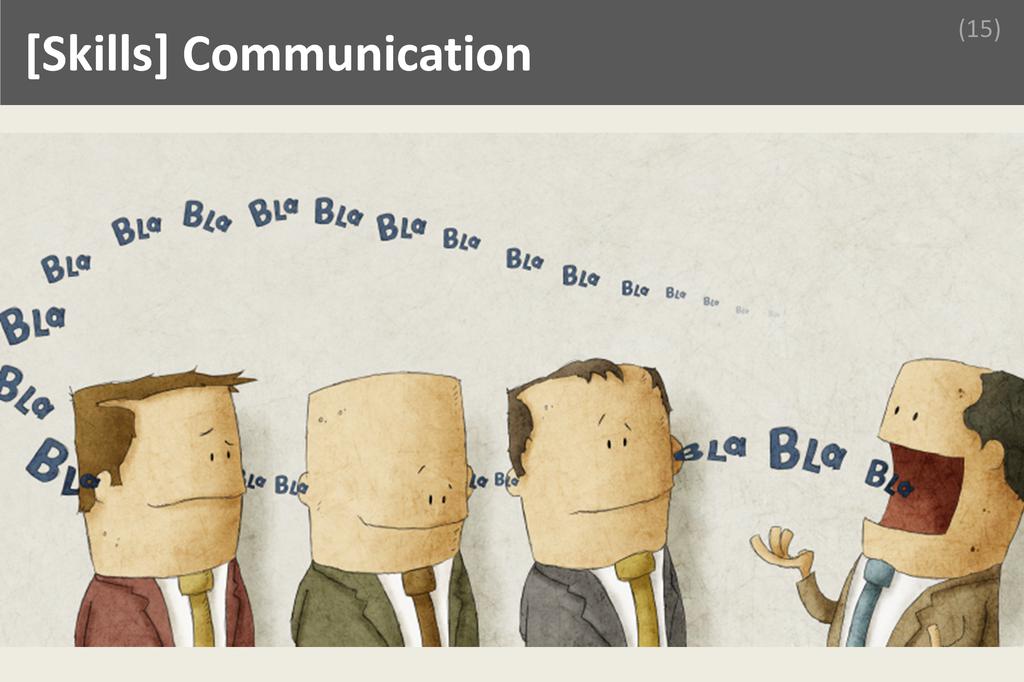
Communication is the process of effectively exchanging information, ideas, and emotions through verbal, non-verbal, and written means to ensure mutual understanding. In Brand Management, communication is the cornerstone that connects teams, aligns strategies, and conveys brand values to both internal stakeholders and external audiences, driving consistent brand perception and loyalty.
Strong communication skills enable brand managers to articulate brand vision, coordinate cross-functional teams, and foster productive relationships with clients, partners, and consumers. Employers and clients highly value this skill because it ensures that messaging remains clear, consistent, and persuasive across all channels, which is vital for building trust and brand equity. To cultivate communication skills, professionals should actively seek feedback, engage in public speaking, refine their writing, and practice active listening. Over time, these efforts help brand managers adapt their messaging to diverse audiences, resolve conflicts diplomatically, and inspire confidence in their leadership, all of which are crucial for achieving brand objectives and driving business growth.
Imagine a brand manager facing a sudden public relations crisis due to negative feedback about a product launch. The manager must quickly gather accurate information, coordinate with the product and customer service teams, and craft a transparent, empathetic response for the public. By leveraging strong communication skills, the manager ensures that all internal teams are aligned on the messaging and that the external statement addresses customer concerns while reinforcing brand values. This approach not only helps to mitigate reputational damage but also demonstrates accountability and builds trust with consumers, ultimately turning a challenging situation into an opportunity to strengthen the brand’s relationship with its audience.
Networking
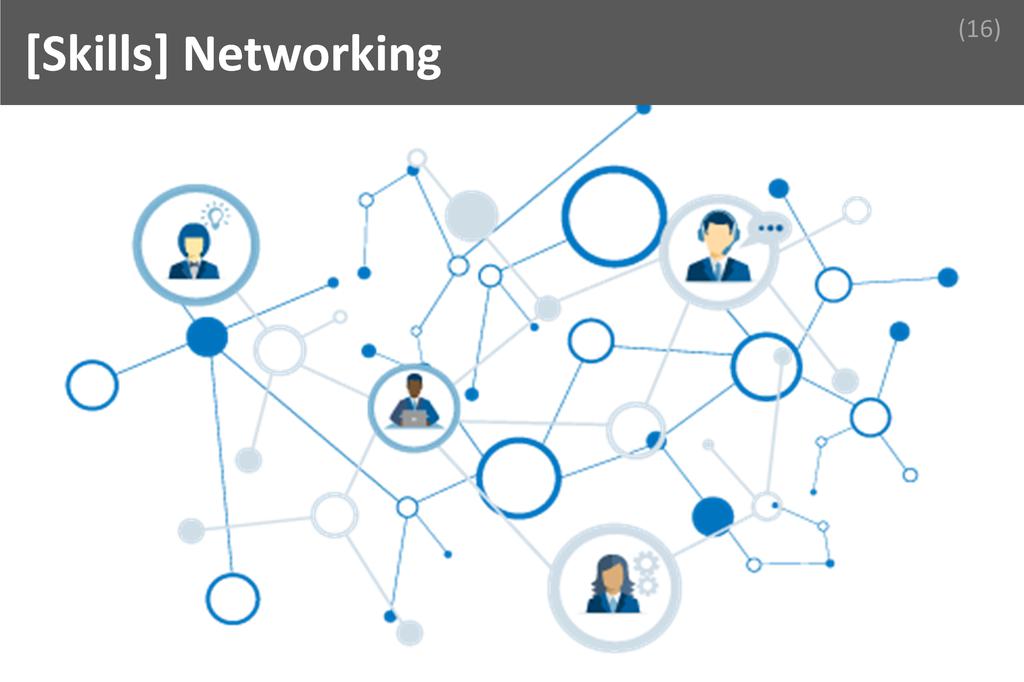
Networking is the process of building and maintaining mutually beneficial relationships with individuals, groups, and organizations to exchange information, resources, and opportunities. For a Brand Management professional, networking is a vital tool that enables access to industry insights, fosters collaborations, and opens doors to partnerships that drive brand growth and innovation.
Networking directly enhances a brand manager’s performance by expanding their access to market intelligence, creative resources, and strategic alliances. Clients and employers highly value this skill because it leads to new business opportunities, strengthens brand positioning, and facilitates smoother problem-solving through trusted connections. Over time, networking can be cultivated by consistently engaging with peers at industry events, maintaining active communication with contacts, and offering value to others without immediate expectations. By nurturing these relationships, brand managers can stay ahead of trends, anticipate challenges, and leverage collective expertise to deliver superior results for their brands.
Imagine a brand manager facing a sudden supply chain disruption that threatens the timely launch of a new product. Drawing on their well-established network, the manager quickly contacts industry peers and suppliers for recommendations and alternative solutions. Through these connections, they identify a reliable backup supplier and negotiate favorable terms, ensuring the product launch proceeds as planned. This swift resolution not only saves the campaign but also strengthens the brand’s reputation for reliability. The manager’s ability to leverage their network in a crisis demonstrates how essential networking is for overcoming obstacles and achieving success in brand management.
Team Work

Team Work is the collaborative effort of a group to achieve a common goal or complete a task in the most effective and efficient way. In Brand Management, Team Work enables professionals to integrate diverse perspectives, skills, and expertise, ensuring that brand strategies are well-rounded, innovative, and aligned with organizational objectives.
Team Work directly enhances performance in Brand Management by fostering open communication, creativity, and mutual support among colleagues. Clients and employers highly value this skill because successful brand campaigns often require input from marketing, design, sales, and research teams. When professionals work well together, they can anticipate challenges, adapt strategies, and deliver cohesive brand experiences. Cultivating Team Work involves actively listening to others, respecting different viewpoints, and contributing constructively to group discussions. Over time, professionals can strengthen this skill by seeking feedback, participating in cross-functional projects, and reflecting on both successes and setbacks within team settings. This ongoing development not only improves individual effectiveness but also drives collective achievement.
Imagine a Brand Manager facing a sudden negative social media trend affecting their company’s reputation. Instead of acting alone, the manager brings together the digital marketing, public relations, and customer service teams to quickly assess the situation. Through open dialogue, each team shares insights: marketing analyzes sentiment data, PR drafts a response strategy, and customer service prepares to address concerns directly with customers. By pooling their expertise and working collaboratively, the group develops a unified response that addresses the issue transparently and restores public trust. This scenario highlights how Team Work enables swift, effective problem-solving and ensures that the brand’s message remains consistent and credible across all channels.
Multi Tasking

Multi Tasking is the ability to efficiently manage and execute multiple tasks, projects, or responsibilities simultaneously without compromising quality or deadlines. In Brand Management, this skill enables professionals to juggle diverse activities such as campaign planning, stakeholder communication, market analysis, and crisis response, ensuring seamless brand performance and growth.
Multi Tasking directly enhances a brand manager’s effectiveness by allowing them to handle overlapping projects, shifting priorities, and urgent requests without losing focus or momentum. Clients and employers highly value this skill because it ensures that brand initiatives progress smoothly, even when unexpected challenges arise. To cultivate Multi Tasking, professionals should practice prioritizing tasks, using organizational tools, and setting clear goals. Over time, experience and reflection help refine the ability to switch between activities efficiently, maintain attention to detail, and avoid burnout. Regularly reviewing workflows and seeking feedback also supports continuous improvement, making Multi Tasking a sustainable and impactful part of a brand manager’s skill set.
Imagine a brand manager overseeing a product launch while simultaneously managing a social media crisis and preparing a quarterly report for senior leadership. In this high-pressure situation, the professional must allocate time to coordinate with the creative team, respond promptly to negative online feedback, and analyze sales data for the report. By effectively Multi Tasking, the manager ensures that the product launch stays on schedule, the brand’s reputation is protected, and leadership receives timely insights. This ability to balance urgent and important tasks not only resolves immediate issues but also demonstrates reliability and strategic thinking, ultimately contributing to the brand’s long-term success.
Positives
Challenging Profession

A "Challenging Profession" is a career path that consistently presents complex problems, dynamic environments, and high expectations, requiring individuals to adapt, innovate, and grow. In brand management, this means navigating shifting markets, evolving consumer preferences, and fierce competition. These challenges foster continuous learning, resilience, and creative thinking, making the profession deeply rewarding.
The challenging nature of brand management is a major positive aspect because it keeps professionals engaged and motivated. Facing new obstacles every day pushes individuals to expand their skills, think strategically, and develop innovative solutions. This constant stimulation prevents monotony and encourages a growth mindset, leading to higher job satisfaction. As brand managers overcome hurdles and witness the tangible impact of their decisions, they gain a profound sense of accomplishment. The dynamic environment also accelerates career development, as professionals quickly build expertise and confidence. Ultimately, the demanding aspects of the role transform into opportunities for personal and professional growth, making every achievement more meaningful.
Imagine a brand manager tasked with revitalizing a legacy product that has lost market relevance. The challenge involves analyzing consumer data, identifying new trends, and orchestrating a bold rebranding campaign under tight deadlines. Every day brings unexpected hurdles, from supply chain issues to shifting customer expectations. Through perseverance and creative problem-solving, the manager leads the team to launch a refreshed product that resonates with a new audience. The campaign’s success not only boosts sales but also reinvigorates the brand’s image. Experiencing this journey firsthand, the brand manager feels a deep sense of fulfillment, knowing that overcoming such a challenging professional landscape has led to tangible, lasting impact.
Creative Work
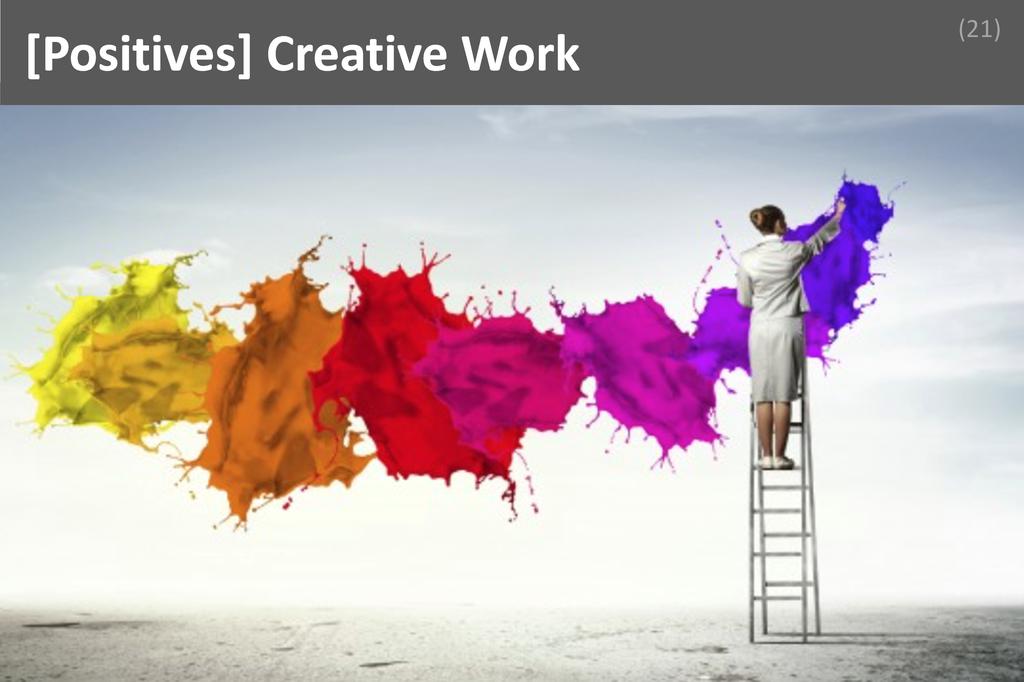
Creative work is the process of generating original ideas, developing innovative solutions, and expressing concepts in unique ways to engage and inspire audiences. In brand management, creative work is essential because it shapes how a brand is perceived, differentiates it from competitors, and forges emotional connections with consumers. This positive aspect allows brand managers to continuously explore new approaches, experiment with messaging, and craft compelling narratives that resonate with target audiences. By integrating creativity into every aspect of their role, brand managers not only drive brand growth but also experience the satisfaction of seeing their ideas come to life in impactful campaigns and strategies.
The creative nature of brand management is a significant driver of job satisfaction and professional growth. Engaging in creative work allows brand managers to break free from routine tasks and immerse themselves in dynamic problem-solving, idea generation, and storytelling. This constant challenge keeps the work fresh and exciting, fostering a sense of accomplishment as innovative campaigns and strategies take shape. Creative work also encourages collaboration with diverse teams, from designers to marketers, which broadens perspectives and enhances learning. As professionals see their creative ideas influence consumer perceptions and drive business success, they gain confidence and motivation to push boundaries further. Ultimately, the opportunity to express creativity daily makes brand management a deeply fulfilling and inspiring career path.
Imagine a brand manager tasked with revitalizing a legacy product that has lost relevance among younger consumers. Drawing on creative skills, the manager collaborates with a team to reimagine the product’s image, developing a fresh visual identity and a bold social media campaign. Through brainstorming sessions, innovative storytelling, and the use of emerging digital platforms, the team crafts a campaign that captures the attention of a new generation. As the campaign launches and positive feedback pours in, the brand manager experiences firsthand the rewarding impact of creative work. The sense of pride in transforming perceptions and driving renewed interest in the brand underscores how creativity is at the heart of meaningful, impactful brand management.
Create Brands

"Create Brands" means developing and shaping a unique identity, voice, and presence for a product, service, or organization in the marketplace. It involves crafting the story, values, and visual elements that distinguish a brand, making it memorable and meaningful to consumers. This process is central to brand management, fueling creativity and strategic thinking.
The opportunity to create brands is a major driver of fulfillment in brand management because it allows professionals to leave a lasting mark on the world. Building a brand from the ground up or revitalizing an existing one provides a sense of ownership and accomplishment that few other roles can offer. This creative process challenges individuals to blend market insights, consumer psychology, and artistic vision, resulting in dynamic and influential brand identities. The daily experience of shaping how people perceive and connect with a brand fosters continuous learning and innovation. As brands grow and succeed, professionals see tangible results from their efforts, which boosts job satisfaction and opens doors for career advancement and personal growth.
Imagine a brand manager tasked with launching a new eco-friendly skincare line. From the earliest brainstorming sessions, they collaborate with designers, marketers, and product developers to define the brand’s mission, visual style, and messaging. They carefully select colors, packaging, and language that reflect sustainability and appeal to conscious consumers. As the brand launches and gains traction, the manager witnesses customers engaging with the story and values they helped create. Seeing positive reviews, growing sales, and a loyal community form around the brand brings immense pride and motivation. This real-world impact exemplifies how the ability to create brands transforms daily work into a deeply rewarding and influential career.
Flexibility

Flexibility in brand management refers to the ability to adapt strategies, work environments, and creative approaches in response to changing market trends, consumer behaviors, and business needs. This dynamic quality empowers professionals to innovate, collaborate across teams, and tailor their work schedules, fostering both personal growth and organizational success.
Flexibility is a cornerstone of job satisfaction in brand management because it allows professionals to respond swiftly to new challenges and opportunities. The ever-evolving landscape of branding means that no two days are the same, keeping the work engaging and stimulating. This adaptability encourages continuous learning and creative problem-solving, which are essential for career growth. Professionals often have the autonomy to experiment with fresh ideas, adjust campaigns in real time, and balance their workload according to priorities. This sense of control and variety not only reduces burnout but also enhances motivation, making brand management a fulfilling and sustainable career choice.
Imagine a brand manager working for a global consumer goods company. One morning, they notice a sudden shift in social media sentiment due to a trending topic. Thanks to the flexibility inherent in their role, they quickly assemble a cross-functional team, brainstorm a timely campaign, and adjust the brand’s messaging to align with the new trend. By the afternoon, the updated campaign is live, resonating with audiences and driving engagement. This ability to pivot and make impactful decisions on the fly not only delivers tangible results for the company but also provides the brand manager with a deep sense of accomplishment and professional pride.
Challenges
Deadline Oriented

In Brand Management, being "Deadline Oriented" means consistently delivering campaigns, product launches, and strategic initiatives within strict timeframes. This is demanding because brand managers must coordinate multiple stakeholders, manage creative processes, and respond to market changes, all while ensuring that quality and brand integrity are never compromised by time pressures.
The challenge of being deadline oriented in brand management permeates daily work, often resulting in high-pressure environments where multitasking and rapid decision-making are essential. Tight deadlines can lead to stress, rushed creative processes, and potential miscommunication among teams. This environment demands resilience, adaptability, and a proactive mindset. Successful professionals manage this constraint by prioritizing tasks, setting realistic timelines, and maintaining open communication with cross-functional teams. They anticipate potential roadblocks and build in contingency plans, ensuring that deadlines are met without sacrificing the quality or consistency of the brand message. By fostering a culture of collaboration and transparency, they turn deadline pressure into a driving force for innovation and efficiency.
Consider a brand manager tasked with launching a new product in time for a major industry event. With only six weeks to coordinate market research, creative development, and promotional materials, the manager faces a daunting timeline. By immediately assembling a cross-functional team, setting clear milestones, and holding daily check-ins, the manager keeps everyone aligned and motivated. When a last-minute regulatory issue threatens to delay the launch, the manager quickly reallocates resources and negotiates expedited approvals. Through strategic planning, decisive action, and effective communication, the manager not only meets the deadline but also delivers a cohesive campaign that resonates with the target audience, demonstrating how deadline orientation can be transformed from a challenge into a catalyst for success.
Competiton

Competiton in Brand Management refers to the ongoing struggle to differentiate a brand in a crowded marketplace where multiple brands vie for consumer attention, loyalty, and market share. This challenge is demanding because it requires constant innovation, strategic positioning, and adaptability to shifting consumer preferences and aggressive rival tactics.
The pressure of competion permeates every aspect of a brand manager’s daily responsibilities, from crafting compelling campaigns to responding swiftly to market trends and competitor moves. This environment demands resilience, as setbacks and rapid changes are inevitable. Successful professionals manage this constraint by fostering a culture of continuous learning, leveraging data-driven insights, and maintaining a clear, authentic brand identity. They stay vigilant, monitoring competitors while focusing on their brand’s unique strengths. By building strong cross-functional teams and nurturing creative thinking, they can pivot strategies quickly and seize emerging opportunities. Ultimately, resilience and adaptability become essential traits, enabling brand managers to turn competitive pressures into catalysts for growth and innovation.
Consider a brand manager at a mid-sized beverage company facing intense competion from established global brands. When a rival launches a new product targeting health-conscious consumers, the manager quickly assembles a team to analyze market data and consumer feedback. Recognizing an opportunity, they reposition their own product line to emphasize natural ingredients and sustainability, launching a targeted digital campaign that resonates with their core audience. By acting swiftly and authentically, the brand manager not only retains existing customers but also attracts new ones who value transparency and wellness. This proactive approach transforms a competitive threat into a platform for differentiation and growth, demonstrating how strategic agility can overcome the challenge of competion.
Breaking Barriers

In Brand Management, "Breaking Barriers" refers to overcoming entrenched perceptions, organizational silos, and market resistance that hinder brand growth and innovation. This challenge is demanding because it requires persistent effort to shift mindsets, align diverse stakeholders, and introduce new ideas in environments often resistant to change.
The challenge of breaking barriers in brand management can significantly affect daily operations by slowing decision-making, stifling creativity, and creating friction among cross-functional teams. Professionals must constantly advocate for their vision, often facing skepticism or pushback from colleagues and leadership. This environment demands resilience, adaptability, and strong communication skills. Successful brand managers navigate these constraints by building trust, fostering collaboration, and demonstrating the value of their ideas through data and small wins. They remain patient yet persistent, leveraging emotional intelligence to understand concerns and address them proactively. By cultivating allies and celebrating incremental progress, they gradually shift organizational culture and open pathways for innovation.
Consider a brand manager at a legacy consumer goods company tasked with repositioning a traditional product for a younger demographic. Initially, internal teams resist the proposed changes, fearing alienation of loyal customers and disruption of established processes. The brand manager listens to concerns, organizes workshops to share market insights, and pilots a limited campaign targeting the new audience. By tracking and sharing positive results, the manager demonstrates the potential for growth without sacrificing the brand’s heritage. Over time, skepticism turns into support, and the company adopts a refreshed brand strategy. This scenario illustrates how perseverance, strategic communication, and evidence-based advocacy can help professionals break through barriers and drive meaningful brand evolution.
A Day Of
Brand Management
Brand management is a high-energy balancing act where creativity meets strategy, and no two days ever look quite the same. The pace is brisk, the environment is dynamic, and the stakes are high as every decision can shape how the world perceives a brand. From the first sip of coffee to the final email of the day, brand managers are constantly toggling between big-picture vision and meticulous detail, orchestrating campaigns, analyzing data, and collaborating with diverse teams. It’s a role that demands adaptability, quick thinking, and a relentless drive to keep the brand’s voice clear and compelling in a crowded marketplace.
The day begins with a quiet moment of focus, reviewing overnight reports and scanning industry news to gauge the latest trends and competitor moves. This early morning window is dedicated to aligning on priorities, checking campaign dashboards, and responding to urgent emails from cross-functional partners or agency contacts. It’s a time for setting intentions, updating to-do lists, and ensuring that the brand’s messaging remains consistent and relevant as the day’s activities ramp up.
By mid-morning, the tempo accelerates as the core of the day unfolds. Brand managers dive into brainstorming sessions with creative teams, dissecting campaign concepts, refining messaging, and reviewing visual assets. This is when the most critical decisions are made—whether it’s approving a new ad storyboard, fine-tuning a social media rollout, or aligning with product managers on upcoming launches. The energy is palpable as ideas are debated, feedback is exchanged, and the brand’s narrative is shaped in real time.
Afternoons are a whirlwind of collaboration and execution. Brand managers move between meetings with sales, digital, and PR teams, ensuring that everyone is aligned on campaign objectives and timelines. This phase often involves troubleshooting unexpected challenges, coordinating with external partners, and monitoring the progress of ongoing initiatives. The focus shifts from ideation to action, as plans are put into motion and deliverables are tracked to keep projects on schedule.
As the day winds down, attention turns to reviewing campaign analytics, compiling performance reports, and documenting key learnings. Brand managers use this time to reflect on what worked, identify areas for improvement, and update senior leadership on progress. The final stretch is also about preparing for tomorrow—drafting briefs, scheduling meetings, and setting new goals to ensure the brand continues to evolve and thrive in an ever-changing landscape. |


 Home
Home Abroad
 Plan
Plan Philosophy
 Seminar
 Pages
Pages Advisors
 Testimonials















 Workshop
 Discuss
 Meet
Meet
 Advisor
 Story
Story
 Fine Print
 Links
Links
 Blog
Blog
 Follow
