The Journey of Brand Management
What Is Brand Management
Brand Management

Brand management is the process of developing, maintaining, and improving a brand’s image, reputation, and value in the marketplace. It involves strategic planning, marketing, and communication to ensure a brand remains relevant, competitive, and appealing to its target audience, ultimately driving business growth and customer loyalty.
Brand management plays a crucial role in shaping how a company or product is perceived by consumers, which directly influences purchasing decisions and long-term loyalty. For professionals in this field, effective brand management means building a strong, consistent identity that stands out in a crowded market. This discipline helps organizations differentiate themselves from competitors, foster emotional connections with customers, and command premium pricing. Additionally, strong brand management can enhance internal morale by aligning employees with the brand’s values and mission, leading to greater engagement and productivity. Ultimately, the benefits of brand management include increased market share, improved customer retention, and the ability to weather market fluctuations more effectively.
A professional in brand management working for a global athletic apparel company might oversee a campaign to launch a new line of eco-friendly sportswear. This involves collaborating with designers, marketers, and sustainability experts to ensure the product aligns with the brand’s commitment to innovation and environmental responsibility. The brand manager would analyze market trends, coordinate messaging across advertising channels, and monitor customer feedback to refine the campaign. By maintaining a consistent and authentic brand narrative, the manager helps build trust and excitement among consumers, resulting in strong sales and positive brand associations. This real-world scenario demonstrates how brand management integrates strategy, creativity, and analytics to achieve business objectives.
Education
Media Buying
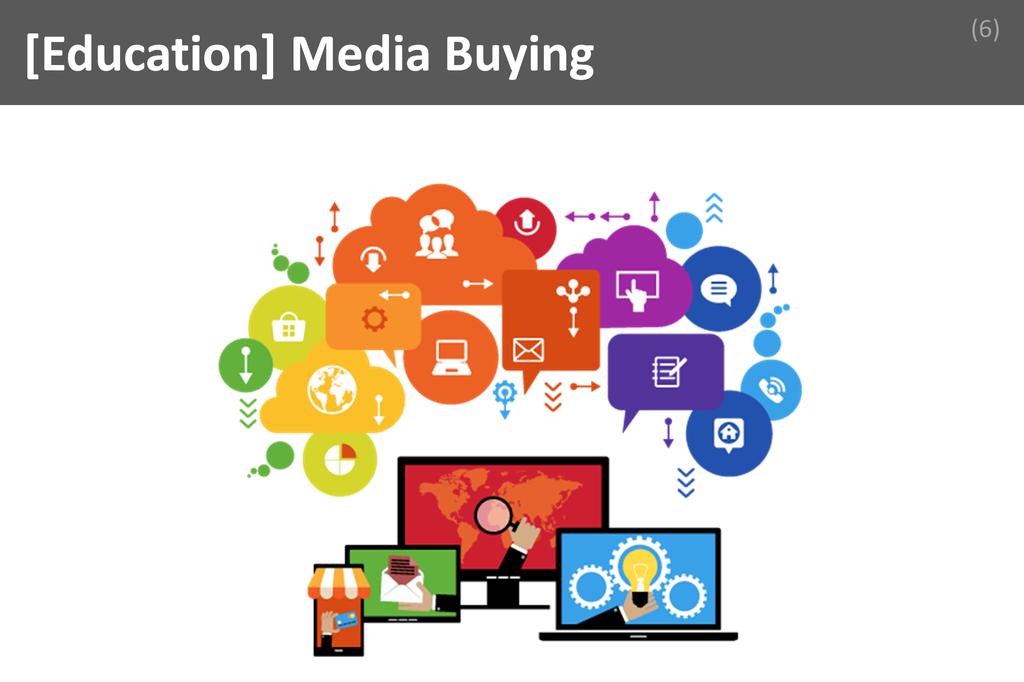
Media buying is the strategic process of purchasing advertising space across various channels, such as television, radio, digital platforms, and print, to reach a target audience effectively. In brand management, understanding media buying is essential, as it bridges marketing strategy with execution, ensuring campaigns achieve maximum impact and return on investment.
A solid grasp of media buying is indispensable for anyone pursuing or advancing a career in brand management. This knowledge empowers professionals to make informed decisions about where, when, and how to allocate advertising budgets for optimal brand exposure. By mastering media buying, brand managers can negotiate better rates, select the most effective channels, and measure campaign performance accurately. This expertise not only enhances the efficiency of marketing initiatives but also strengthens a brand’s competitive position in the marketplace. Over time, proficiency in media buying contributes to career growth, as it demonstrates a comprehensive understanding of how to translate brand objectives into actionable, results-driven campaigns.
Consider a brand manager at a consumer electronics company launching a new product. Drawing on their knowledge of media buying, they analyze audience data to determine which platforms—such as social media, streaming services, or traditional television—will best reach their target demographic. They negotiate with media vendors to secure prime advertising slots within budget constraints, ensuring the campaign achieves maximum visibility. Throughout the campaign, they monitor performance metrics and adjust media placements as needed to optimize results. By applying their theoretical understanding of media buying, the brand manager not only maximizes the impact of the advertising spend but also ensures the brand message resonates with the intended audience, driving both awareness and sales.
Media Planning
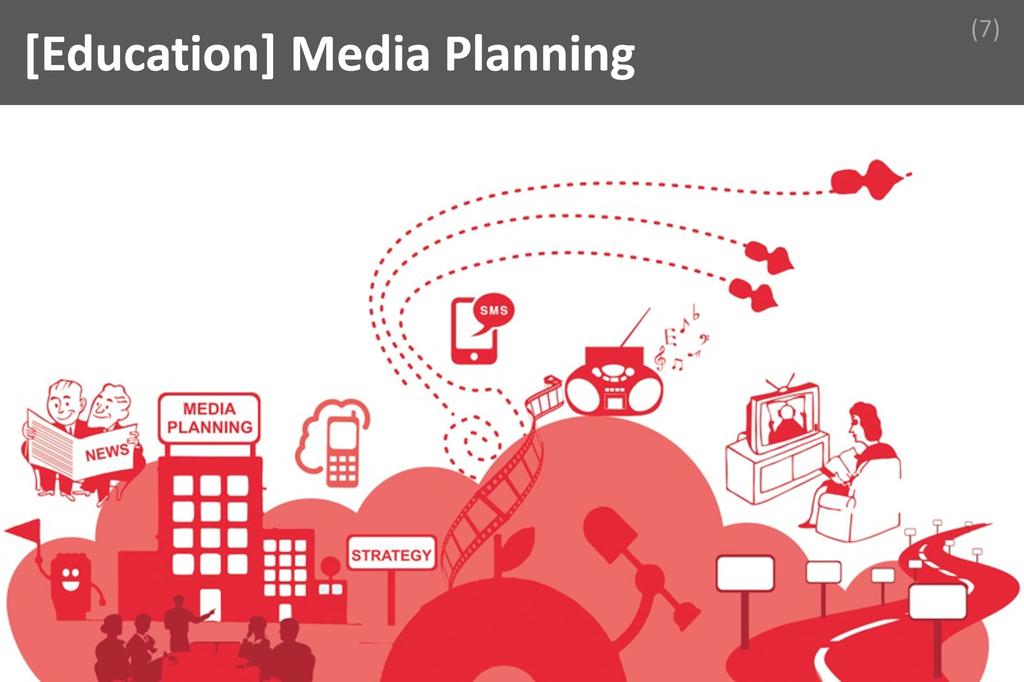
Media planning is the strategic process of selecting, scheduling, and optimizing various media channels to deliver advertising messages to target audiences effectively and efficiently. It is a critical discipline within marketing and communications, forming an essential component of the academic and professional toolkit required for successful brand management.
Understanding media planning is vital for anyone in brand management because it directly influences how a brand communicates with its audience and achieves its marketing objectives. Mastery of this subject ensures that brand managers can allocate budgets wisely, select the most impactful media channels, and synchronize campaigns for maximum reach and engagement. This foundational knowledge empowers professionals to make data-driven decisions, adapt to changing media landscapes, and measure campaign effectiveness. Over the long term, expertise in media planning enhances a brand manager’s ability to build strong brand equity, foster customer loyalty, and drive sustained business growth in a competitive marketplace.
Consider a brand manager at a consumer electronics company launching a new smartphone. Drawing on their knowledge of media planning, they analyze audience demographics, media consumption habits, and campaign objectives to craft a comprehensive media strategy. They decide to allocate a significant portion of the budget to digital platforms, targeting tech-savvy millennials through social media and influencer partnerships, while also investing in traditional media like television during prime time to reach a broader audience. Throughout the campaign, the brand manager monitors performance metrics, adjusting placements and messaging to optimize results. This practical application of media planning theory ensures the campaign delivers maximum impact, efficiently reaches the intended audience, and supports the overall brand strategy.
Data Analytics

Data Analytics is the systematic process of examining raw data to uncover patterns, draw conclusions, and support decision-making. In Brand Management, it bridges the gap between intuition and evidence-based strategy, forming a crucial part of both academic study and professional expertise by enabling informed, data-driven brand decisions.
Understanding Data Analytics is essential for anyone pursuing or advancing a career in Brand Management because it empowers professionals to interpret market trends, consumer behaviors, and campaign effectiveness with precision. Mastery of this subject allows brand managers to move beyond guesswork, using quantitative insights to shape brand positioning, optimize marketing investments, and anticipate shifts in consumer sentiment. Over time, proficiency in Data Analytics not only enhances strategic thinking but also increases credibility within cross-functional teams and with stakeholders. As the business landscape becomes more data-centric, those skilled in analytics are better equipped to adapt, innovate, and drive sustained brand growth, making this knowledge a long-term asset in a competitive field.
Imagine a brand manager overseeing a new product launch. By leveraging their understanding of Data Analytics, they collect and analyze data from social media engagement, website traffic, and sales figures to assess the campaign’s performance in real time. This analysis reveals which messages resonate most with target audiences and identifies geographic regions with higher conversion rates. Armed with these insights, the brand manager can quickly adjust marketing tactics, allocate resources more effectively, and report measurable results to senior leadership. This practical application of Data Analytics not only optimizes the current campaign but also builds a foundation of knowledge for future brand initiatives, demonstrating the tangible value of analytics in daily brand management operations.
Market Research

Market Research is the systematic process of gathering, analyzing, and interpreting information about a market, including data on consumers, competitors, and industry trends. In Brand Management, it is a critical academic and professional discipline, providing the insights necessary to make informed strategic decisions and build strong, competitive brands.
Understanding market research is essential for anyone pursuing a career in Brand Management because it equips professionals with the ability to identify consumer needs, monitor competitor activity, and anticipate market shifts. Mastery of this subject ensures that brand managers can develop strategies grounded in real data rather than assumptions, reducing risk and increasing the likelihood of success. Over time, this knowledge fosters a proactive approach to brand positioning, innovation, and communication, enabling professionals to adapt to changing environments and maintain brand relevance. The analytical skills gained through market research also enhance decision-making capabilities, making brand managers valuable assets to their organizations and opening doors to advanced leadership roles.
Imagine a brand manager at a consumer electronics company preparing to launch a new product line. By applying their expertise in market research, they conduct surveys and focus groups to understand customer preferences and pain points. They analyze competitor offerings and pricing strategies to identify gaps in the market. This research informs the development of product features, messaging, and promotional tactics that resonate with the target audience. During the launch, the brand manager monitors sales data and customer feedback, adjusting marketing efforts in real time to maximize impact. Through this ongoing application of market research principles, the brand manager ensures that the brand remains competitive and responsive to consumer needs.
Demographics
Demographics refers to the statistical study of populations, focusing on characteristics such as age, gender, income, education, ethnicity, and occupation. In Brand Management, understanding demographics is essential for segmenting markets, targeting audiences, and tailoring brand strategies, making it a core component of both academic study and professional expertise.
A deep understanding of demographics is crucial for anyone pursuing a career in Brand Management because it enables professionals to identify and analyze the characteristics of their target audience. This knowledge forms the foundation for developing effective marketing strategies, product positioning, and communication plans. By mastering demographic analysis, brand managers can anticipate market trends, adapt to consumer needs, and make informed decisions that drive brand growth. Over the long term, this expertise enhances a professional’s ability to build strong, resonant brands and maintain a competitive edge in an ever-evolving marketplace. Ultimately, proficiency in demographics supports both strategic planning and tactical execution, ensuring sustained career success.
Imagine a brand manager working for a beverage company who is planning to launch a new product. By analyzing demographic data, the manager discovers that younger consumers in urban areas are increasingly seeking healthier drink options. Using this insight, the manager tailors the product’s branding, packaging, and advertising to appeal specifically to this demographic segment. They choose vibrant colors, modern design elements, and digital marketing channels popular with younger audiences. Throughout the campaign, the manager continuously monitors demographic shifts and feedback, adjusting strategies as needed to maximize engagement and sales. This practical application of demographic knowledge ensures the brand remains relevant and competitive in a dynamic market environment.
Designing

Designing is the creative and strategic process of conceptualizing, planning, and executing visual and experiential elements to communicate ideas, solve problems, and influence perception. In Brand Management, designing bridges the gap between a brand’s identity and its audience, making it a crucial academic and professional discipline for effective brand communication and positioning.
Understanding designing is essential for anyone in Brand Management because it empowers professionals to shape how a brand is perceived both visually and emotionally. Mastery of design principles ensures that every touchpoint, from logos to packaging and digital presence, consistently reflects the brand’s values and message. This foundational knowledge helps brand managers collaborate effectively with creative teams, make informed decisions about visual assets, and maintain brand coherence across all channels. Over the long term, proficiency in designing enhances a brand manager’s ability to adapt to market trends, foster innovation, and build lasting brand equity, making them invaluable assets to their organizations.
Imagine a brand manager overseeing the launch of a new product line. Drawing on their understanding of designing, they work closely with graphic designers to ensure that the packaging, advertising materials, and digital content align with the brand’s established identity. They evaluate color schemes, typography, and imagery to guarantee consistency and appeal to the target audience. By applying design theory, the brand manager can articulate feedback that enhances visual storytelling, ensuring the product stands out on shelves and resonates with consumers. This hands-on application of design knowledge not only streamlines collaboration but also strengthens the brand’s market presence and consumer trust.
Budget Planning

Budget Planning is the systematic process of estimating, allocating, and managing financial resources to achieve specific objectives within a defined period. In Brand Management, it is a critical academic and professional discipline, ensuring that marketing initiatives align with financial constraints and strategic goals, while maximizing return on investment and brand growth.
Understanding Budget Planning is essential for anyone pursuing or advancing a career in Brand Management. This knowledge empowers professionals to make informed decisions about resource allocation, campaign prioritization, and risk management. By mastering budget planning, brand managers can justify expenditures, forecast financial outcomes, and adapt strategies to changing market conditions. It also fosters accountability and transparency, which are highly valued in organizational settings. Over the long term, proficiency in budget planning enhances a professional’s ability to lead cross-functional teams, negotiate with stakeholders, and drive sustainable brand success. Ultimately, this expertise forms a cornerstone of strategic thinking and operational excellence in the competitive landscape of brand management.
Imagine a brand manager at a consumer goods company preparing to launch a new product line. Drawing on their knowledge of budget planning, they begin by forecasting the total costs required for product development, advertising, and promotional events. They then allocate funds to each activity based on projected impact and organizational priorities. Throughout the campaign, the manager monitors actual spending against the planned budget, making real-time adjustments to ensure financial discipline without compromising campaign effectiveness. When unexpected expenses arise, such as increased media rates or supply chain disruptions, the manager uses their budget planning skills to reallocate resources and maintain overall financial health. This practical application ensures the brand’s initiatives remain on track and deliver measurable results.
Campaign Management
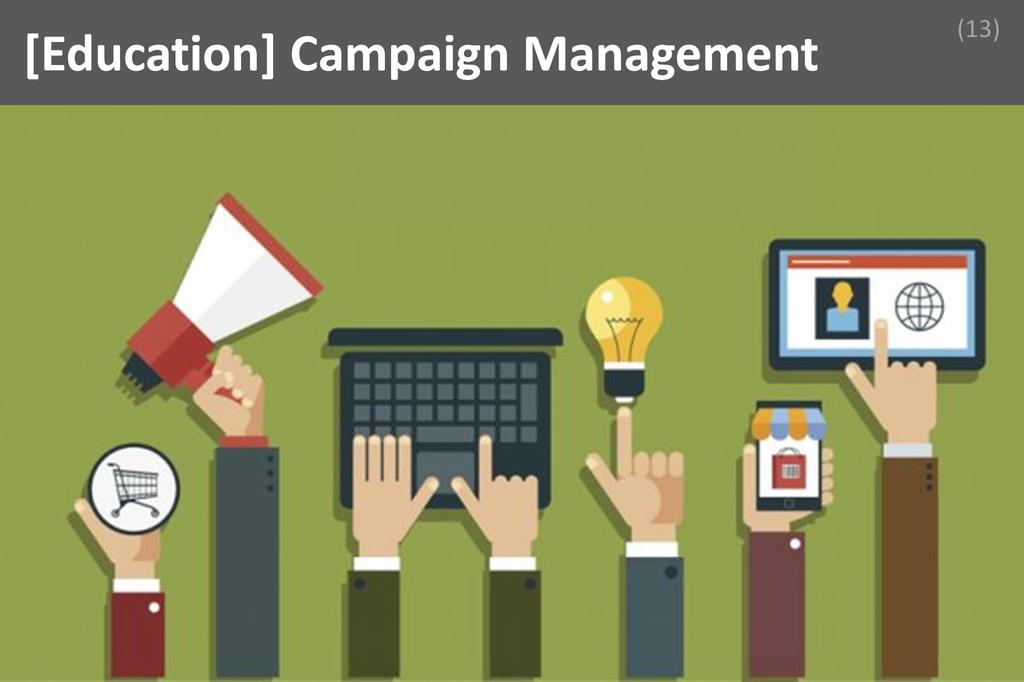
Campaign Management is the strategic process of planning, executing, monitoring, and analyzing marketing initiatives designed to achieve specific business objectives. It encompasses coordinating resources, messaging, channels, and timelines to maximize impact. In Brand Management, campaign management is a core competency, bridging creative vision with measurable outcomes and ensuring brand consistency across all touchpoints.
Understanding campaign management is essential for anyone pursuing a career in Brand Management because it equips professionals with the ability to translate brand strategy into actionable marketing activities. Mastery of this subject ensures that brand managers can effectively allocate budgets, select appropriate channels, and measure campaign performance against key objectives. This knowledge forms the backbone of successful brand stewardship, enabling professionals to respond to market trends, optimize ongoing campaigns, and drive sustained brand growth. Over the long term, expertise in campaign management enhances a brand manager’s ability to lead cross-functional teams, make data-driven decisions, and deliver consistent brand messaging, all of which are critical for career advancement and organizational success.
Imagine a brand manager at a consumer electronics company launching a new product line. Drawing on their campaign management expertise, they develop a comprehensive plan that aligns with the brand’s positioning and target audience. They coordinate with creative, digital, and sales teams to ensure messaging is consistent across advertising, social media, and in-store promotions. Throughout the campaign, they monitor key performance indicators such as engagement rates and sales conversions, making real-time adjustments to optimize results. By applying their theoretical understanding of campaign management, the brand manager not only achieves the campaign’s objectives but also strengthens the brand’s market presence and builds valuable insights for future initiatives.
Brands

Brands are distinctive identities created by organizations to represent their products, services, or companies, encompassing names, symbols, values, and perceptions held by consumers. In both academic and professional contexts, understanding brands is essential for brand management, as it underpins strategies for differentiation, customer loyalty, and long-term business success.
A deep understanding of brands is crucial for anyone pursuing a career in brand management because it forms the bedrock upon which all branding strategies are built. Mastery of this subject enables professionals to craft compelling brand narratives, foster emotional connections with consumers, and maintain consistency across all touchpoints. This knowledge empowers brand managers to navigate competitive markets, respond to evolving consumer expectations, and drive sustainable growth. Over time, expertise in branding not only enhances a professional’s ability to build and protect brand equity but also opens doors to leadership roles, as organizations increasingly recognize the strategic value of strong brands in achieving business objectives and securing market positions.
Consider a brand manager at a global beverage company launching a new product. Drawing on their theoretical understanding of brands, they analyze market research to identify unique attributes that will resonate with target consumers. They then collaborate with design, marketing, and communications teams to ensure the product’s visual identity, messaging, and customer experience align with the overarching brand values. Throughout the campaign, the manager monitors consumer feedback and market trends, making adjustments to maintain brand consistency and relevance. By applying their foundational knowledge of what constitutes a brand, the manager successfully differentiates the new product, strengthens customer loyalty, and contributes to the company’s long-term brand equity.
General Awareness

General Awareness refers to a broad understanding of current events, societal trends, economic developments, and cultural shifts that influence the world. In Brand Management, it encompasses staying informed about market dynamics, consumer behavior, and competitive landscapes. This knowledge is essential for making informed decisions and crafting relevant, impactful brand strategies.
Developing strong general awareness is crucial for anyone pursuing a career in Brand Management because it enables professionals to anticipate market changes, understand consumer needs, and respond proactively to emerging trends. This subject forms the bedrock of strategic thinking, allowing brand managers to align their messaging and campaigns with the prevailing sentiments and expectations of their target audience. Over time, a well-developed sense of general awareness helps professionals build credibility, make data-driven decisions, and foster innovation within their organizations. It also ensures that brand managers remain adaptable and resilient in the face of rapid industry changes, ultimately contributing to sustained brand growth and long-term career success.
Imagine a brand manager working for a global beverage company who notices a growing public interest in health and wellness through news articles, social media trends, and government policy updates. Drawing on their general awareness, the manager proposes a new marketing campaign that highlights the brand’s low-sugar and organic product lines. By integrating this timely understanding of consumer concerns into their strategy, the manager not only positions the brand as responsive and relevant but also gains a competitive edge in the marketplace. This practical application of general awareness ensures that the brand’s messaging resonates with current consumer values, leading to increased engagement and loyalty.
Skills
Communication
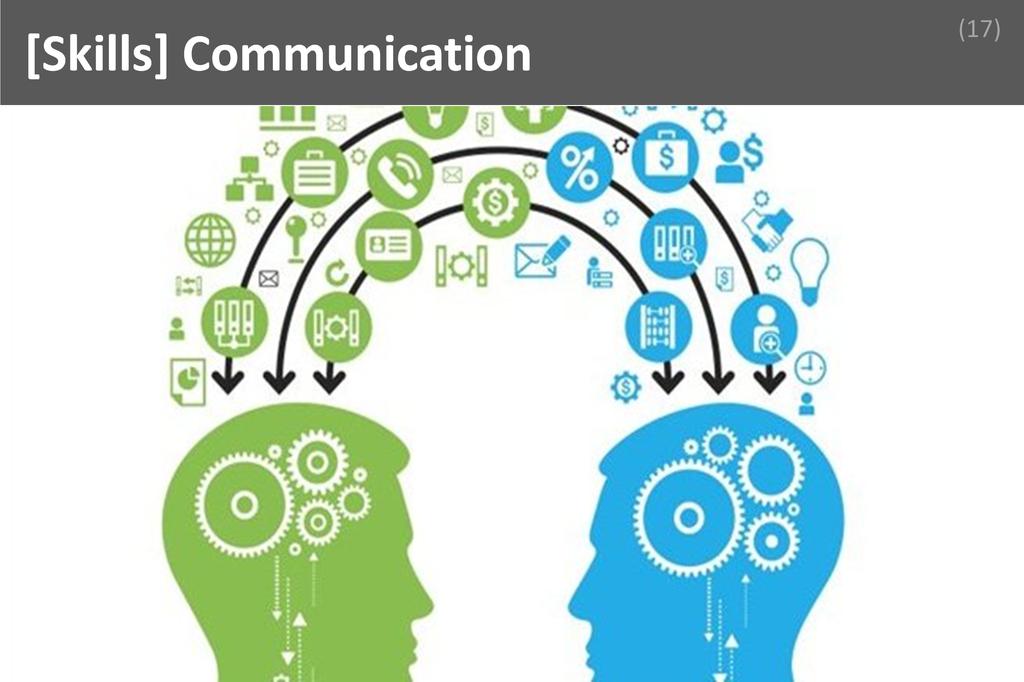
Communication is the process of exchanging information, ideas, and emotions through verbal, nonverbal, and written means to achieve mutual understanding. In Brand Management, communication is the foundation for building relationships, conveying brand values, and ensuring consistency across all touchpoints. It enables professionals to align teams, engage audiences, and drive brand success.
Strong communication skills empower brand managers to articulate vision, strategy, and expectations clearly to both internal teams and external stakeholders. This clarity reduces misunderstandings, accelerates project timelines, and fosters collaboration, which are all highly valued by clients and employers seeking reliable brand representation. Effective communicators can inspire trust and loyalty, both within organizations and among consumers. To cultivate this skill, professionals should seek feedback, practice active listening, and engage in diverse forms of expression, such as presentations, written reports, and digital content. Over time, consistent effort and self-reflection help refine the ability to adapt messaging for different audiences and situations, making communication an indispensable asset in brand management.
Imagine a brand manager facing a sudden public relations crisis due to a product recall. The professional must quickly coordinate with the product team, legal advisors, and customer service representatives to gather accurate information. Using strong communication skills, the manager crafts a transparent and empathetic message for customers, addressing concerns and outlining steps being taken to resolve the issue. Simultaneously, the manager updates internal teams to ensure everyone delivers consistent responses. By communicating clearly and promptly, the brand manager not only mitigates reputational damage but also reinforces consumer trust, demonstrating how essential communication is in navigating high-pressure situations and safeguarding the brand’s integrity.
Story Telling
Story Telling is the art of crafting and conveying narratives that connect emotionally with audiences, using relatable characters, compelling plots, and clear messages to inspire action or change perception. In Brand Management, it transforms abstract brand values into memorable experiences, making brands more relatable, trustworthy, and distinctive in crowded markets.
Mastering Story Telling elevates a Brand Manager’s ability to engage audiences, differentiate products, and foster brand loyalty. Clients and employers highly value this skill because it translates complex ideas into accessible, memorable messages that resonate with target markets and drive business results. Story Telling also helps unify internal teams around a shared vision, ensuring consistency across campaigns. To cultivate this skill, professionals should study successful brand narratives, practice writing and presenting stories, and seek feedback to refine their approach. Over time, exposure to diverse storytelling formats and continuous learning from audience responses further sharpens the ability to craft impactful narratives that align with evolving brand goals.
Imagine a Brand Manager facing declining customer engagement for a heritage food brand. Instead of relying solely on product features, the manager crafts a story highlighting the brand’s century-old recipes, the family traditions behind them, and the emotional connections customers have shared over generations. This narrative is woven into advertising, social media, and packaging, inviting customers to become part of the brand’s ongoing story. As a result, the campaign rekindles interest, boosts sales, and strengthens customer loyalty. By using Story Telling, the Brand Manager not only solves the engagement issue but also revitalizes the brand’s identity, demonstrating the transformative power of narrative in brand management.
Creativity

Creativity is the ability to generate original ideas, approaches, or solutions by thinking beyond conventional boundaries and combining concepts in novel ways. In brand management, creativity empowers professionals to craft compelling brand stories, design memorable campaigns, and differentiate products in crowded markets, making it a vital component of their toolkit.
Creativity directly enhances a brand manager’s performance by enabling them to develop unique strategies that capture attention and foster emotional connections with consumers. Clients and employers highly value this skill because it drives innovation, helps brands stand out, and adapts to rapidly changing market trends. Cultivating creativity involves staying curious, seeking inspiration from diverse sources, and embracing experimentation. Over time, regularly engaging in brainstorming sessions, collaborating with multidisciplinary teams, and reflecting on both successes and failures can help professionals refine their creative thinking. By nurturing this skill, brand managers are better equipped to anticipate consumer needs, respond to challenges with agility, and deliver campaigns that resonate and endure.
Imagine a brand manager facing declining engagement for a well-established beverage brand. Traditional marketing tactics have lost their impact, and competitors are gaining ground with innovative campaigns. Drawing on creativity, the brand manager devises an interactive social media challenge that encourages user-generated content, leveraging current trends and influencer partnerships. This fresh approach not only revitalizes the brand’s image but also fosters a sense of community among consumers. The campaign’s originality captures widespread attention, leading to increased brand visibility and a significant boost in sales. In this scenario, creativity is the driving force behind identifying a novel solution, executing it effectively, and achieving measurable business success.
Negotiation Skills

Negotiation skills refer to the ability to communicate, persuade, and reach mutually beneficial agreements between parties with differing interests. In brand management, these skills enable professionals to secure favorable terms, resolve conflicts, and build strong partnerships. Effective negotiation is crucial for aligning stakeholders and achieving brand objectives in a competitive market.
Negotiation skills directly enhance a brand manager’s performance by empowering them to secure better deals with vendors, agencies, and partners, which can lead to cost savings and improved brand positioning. Clients and employers highly value this skill because it demonstrates the ability to protect the brand’s interests while fostering positive relationships. Brand managers can cultivate negotiation skills through continuous learning, such as attending workshops, studying negotiation strategies, and seeking feedback from experienced colleagues. Regularly engaging in real-world negotiations and reflecting on outcomes also helps refine these abilities. Over time, strong negotiation skills contribute to a brand manager’s reputation as a reliable and effective leader who can navigate complex business environments and drive successful outcomes.
Imagine a brand manager tasked with launching a new product in collaboration with a popular influencer. The influencer’s team demands a high fee and extensive creative control, which could strain the campaign’s budget and dilute the brand’s message. The brand manager leverages negotiation skills to find common ground, proposing a partnership structure that balances the influencer’s creative input with the brand’s guidelines and budget constraints. Through clear communication and a willingness to compromise, the brand manager secures a deal that satisfies both parties. This not only ensures the campaign’s success but also establishes a foundation for future collaborations, demonstrating how negotiation skills are vital in overcoming challenges and achieving strategic goals in brand management.
Logical Thinking
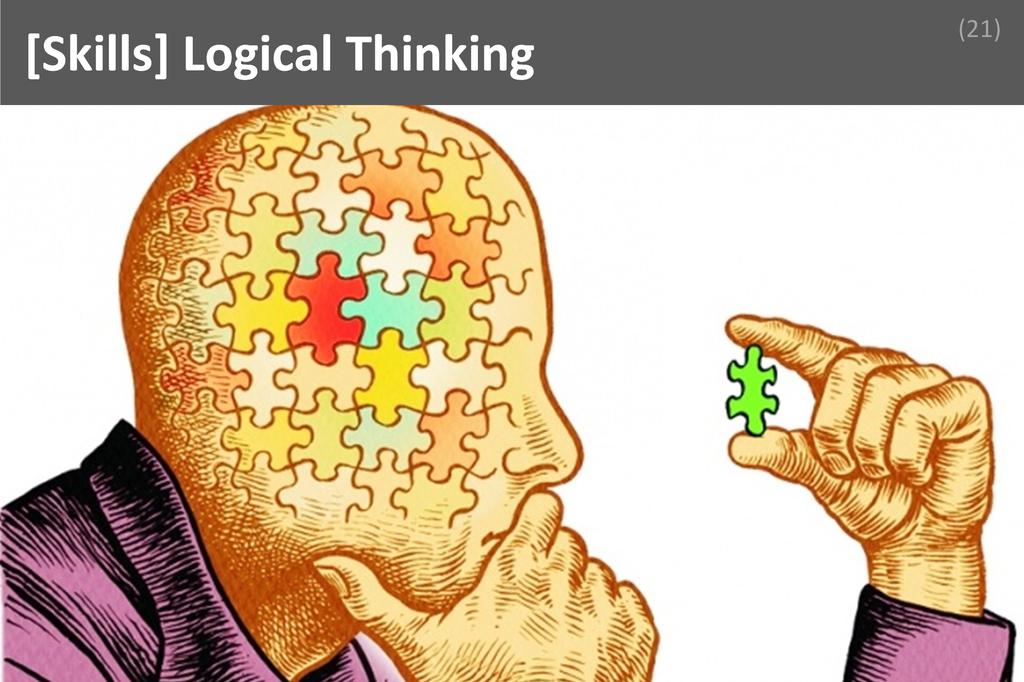
Logical thinking is the ability to analyze information objectively, identify patterns, and draw reasoned conclusions based on evidence and structured reasoning. In brand management, this skill enables professionals to make sound decisions, solve complex problems, and develop strategies that align with business objectives, ensuring consistent and effective brand growth.
Logical thinking directly enhances a brand manager’s ability to assess market data, interpret consumer insights, and devise actionable strategies. Clients and employers value this skill because it leads to clear, rational decision-making and minimizes costly errors. Logical thinkers can break down complex challenges, prioritize initiatives, and anticipate potential outcomes, which is crucial in a fast-paced, competitive environment. To cultivate logical thinking, professionals should engage in activities that challenge their reasoning abilities, such as analyzing case studies, participating in strategic discussions, and seeking feedback on their decision-making processes. Over time, consistent practice and reflection help sharpen this skill, making it an indispensable asset in brand management.
Imagine a brand manager facing declining sales for a flagship product. Instead of reacting impulsively, they gather sales data, customer feedback, and competitor activity reports. By logically analyzing the information, they identify that a recent competitor campaign has shifted consumer perception. The manager then develops a targeted repositioning strategy, reallocates marketing resources, and communicates a refreshed brand message. This logical approach not only addresses the immediate sales issue but also strengthens the brand’s market position. The ability to dissect the problem, consider all variables, and implement a reasoned solution demonstrates how logical thinking is vital for overcoming challenges and achieving long-term success in brand management.
Open Mindedness
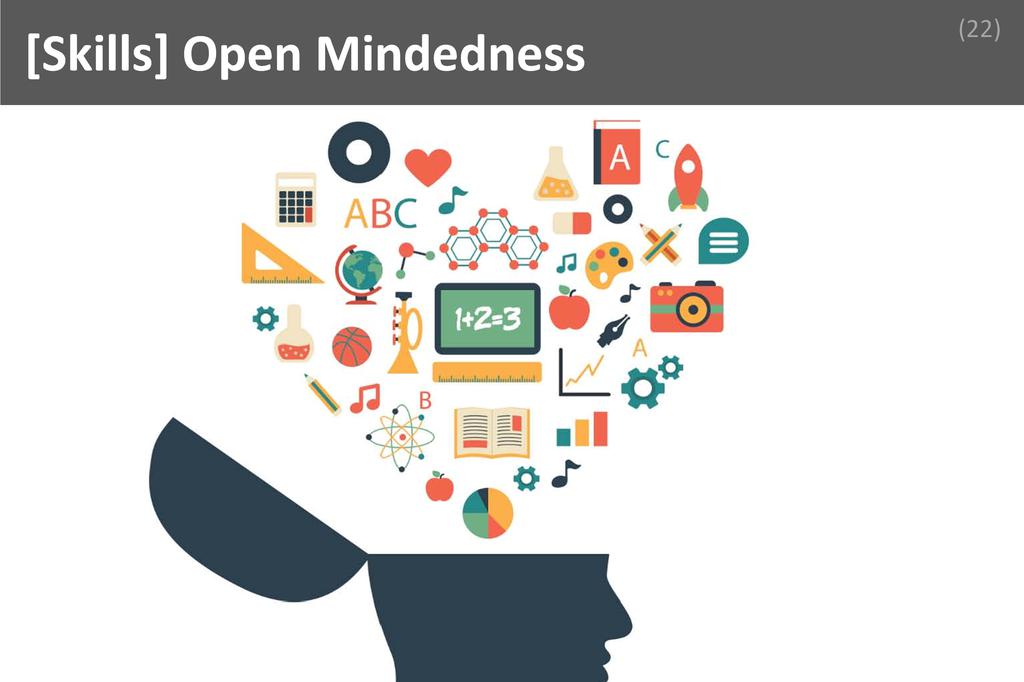
Open mindedness is the willingness to consider new ideas, perspectives, and approaches without prejudice or immediate judgment. It involves embracing diversity of thought, being receptive to feedback, and adapting to change. In brand management, open mindedness enables professionals to innovate, respond to market shifts, and connect authentically with diverse audiences.
Open mindedness directly enhances a brand manager’s performance by fostering creativity, adaptability, and resilience in the face of evolving consumer trends and competitive landscapes. Clients and employers highly value this trait because it leads to more inclusive campaigns, effective problem-solving, and the ability to pivot strategies when necessary. Cultivating open mindedness involves actively seeking out different viewpoints, engaging in continuous learning, and reflecting on one’s own biases. Over time, this mindset helps brand managers build stronger relationships with stakeholders, anticipate market needs, and drive sustained brand growth. By remaining curious and receptive, professionals can unlock innovative solutions and maintain relevance in a rapidly changing industry.
Imagine a brand manager overseeing a global product launch who encounters unexpected backlash from a key regional market due to cultural misalignment in the campaign messaging. Instead of dismissing the criticism, the manager practices open mindedness by engaging with local teams, listening to consumer feedback, and researching cultural nuances. This approach leads to a collaborative revision of the campaign, incorporating authentic local insights and voices. As a result, the revised campaign not only resolves the issue but also resonates more deeply with the target audience, strengthening the brand’s reputation and market position. This scenario illustrates how open mindedness can turn challenges into opportunities for growth and connection.
Networking
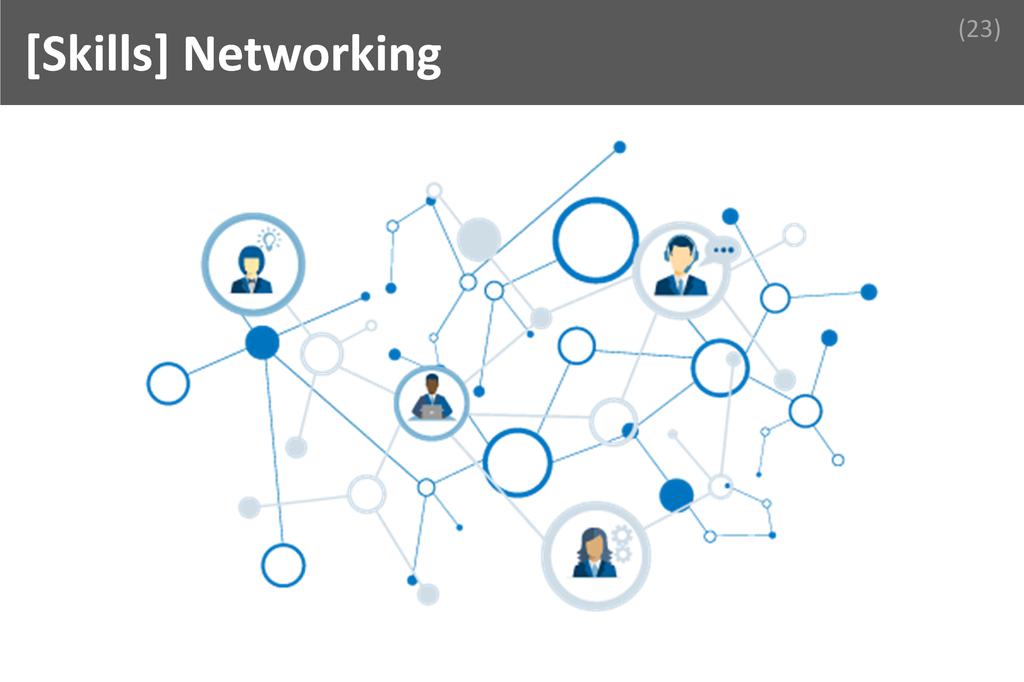
Networking is the process of building and nurturing professional relationships to exchange information, support, and opportunities. In Brand Management, networking enables professionals to connect with industry peers, clients, and influencers, fostering collaboration and knowledge sharing. This core skill helps brand managers stay informed, access resources, and drive brand growth through meaningful connections.
Networking directly enhances a brand manager’s performance by opening doors to new partnerships, market insights, and creative collaborations. Employers and clients value this skill because it demonstrates initiative, resourcefulness, and the ability to leverage relationships for the brand’s benefit. Effective networking can lead to valuable endorsements, early access to trends, and strategic alliances that strengthen a brand’s market position. To cultivate networking skills, professionals should consistently engage in industry events, participate in online communities, and maintain genuine communication with contacts. Over time, these efforts build a robust network that can be relied upon for advice, support, and opportunities, making networking an indispensable asset in the brand management field.
Imagine a brand manager facing a sudden product recall due to a supply chain issue. With a well-established network, the manager quickly contacts a trusted industry peer who recommends a reliable alternative supplier. Simultaneously, the manager reaches out to a public relations expert from their network to craft a transparent communication strategy for customers. By leveraging these connections, the brand manager not only resolves the immediate crisis but also minimizes reputational damage and maintains customer trust. This scenario highlights how networking provides access to timely solutions and expert guidance, proving invaluable in overcoming challenges and achieving brand success.
Enthusiasm
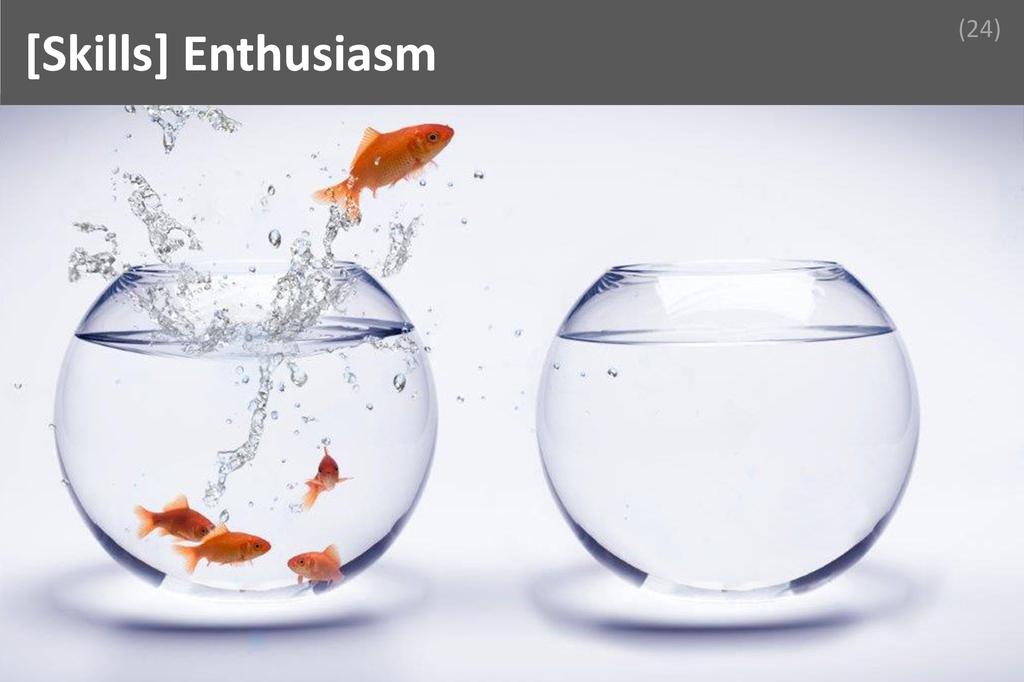
Enthusiasm is a genuine, energetic passion for one’s work, characterized by a positive attitude, eagerness to learn, and a willingness to go the extra mile. In Brand Management, enthusiasm fuels creativity, inspires teams, and fosters resilience, making it a vital trait for driving brand growth and navigating industry challenges.
Enthusiasm directly enhances performance in Brand Management by infusing energy into campaigns, motivating colleagues, and building stronger relationships with clients. Employers and clients value enthusiastic professionals because their passion is contagious, often leading to higher engagement, innovative solutions, and a positive brand image. To cultivate enthusiasm, one should stay curious about industry trends, celebrate small wins, and seek out projects that align with personal interests. Over time, consistently focusing on the aspects of the job that spark excitement helps maintain a high level of enthusiasm, even during challenging periods. This mindset not only improves individual performance but also elevates the entire team’s morale and productivity.
Imagine a Brand Manager facing a sudden crisis: a negative social media trend threatens the reputation of a flagship product. Instead of reacting with panic or resignation, the manager approaches the situation with visible enthusiasm, rallying the team and brainstorming creative solutions. Their positive energy reassures stakeholders and inspires colleagues to contribute ideas, resulting in a swift, innovative campaign that not only addresses the issue but also strengthens the brand’s public perception. In this scenario, the manager’s enthusiasm transforms a potential setback into an opportunity for growth, demonstrating how this core skill can be pivotal in achieving success under pressure.
Adaptability

Adaptability is the ability to adjust quickly and effectively to new conditions, challenges, or opportunities, while maintaining productivity and a positive attitude. In Brand Management, adaptability enables professionals to respond to shifting market trends, evolving consumer preferences, and unexpected disruptions, ensuring that brand strategies remain relevant and effective.
Adaptability directly enhances a brand manager’s performance by enabling swift responses to market changes, competitor actions, and internal shifts within an organization. Clients and employers highly value this skill because it ensures that brand initiatives can pivot when necessary, minimizing risk and maximizing opportunity. Cultivating adaptability involves embracing continuous learning, seeking feedback, and staying informed about industry trends. Over time, professionals can develop this skill by exposing themselves to diverse projects, collaborating with cross-functional teams, and reflecting on past experiences to identify areas for growth. By fostering adaptability, brand managers become more resilient, innovative, and capable of leading brands through uncertainty.
Imagine a brand manager overseeing a product launch when a sudden social media controversy shifts public sentiment overnight. Instead of rigidly sticking to the original campaign, the adaptable professional quickly assesses the situation, consults with stakeholders, and revises messaging to address concerns transparently. By monitoring real-time feedback and adjusting the campaign’s tone and content, the brand manager not only mitigates potential backlash but also demonstrates the brand’s responsiveness and values. This ability to pivot under pressure not only preserves the brand’s reputation but can also turn a potential crisis into an opportunity for deeper customer engagement and trust.
Positives
Non Monotonous Job

A "Non Monotonous Job" is a role characterized by diverse tasks, dynamic challenges, and ever-changing responsibilities that prevent routine or repetitive work. In brand management, this means professionals are constantly adapting to new market trends, consumer behaviors, and creative campaigns, which keeps the work environment stimulating and engaging. This variety not only sustains interest but also encourages continuous learning and innovation, making the profession both exciting and deeply fulfilling.
The non monotonous nature of brand management is a significant advantage because it ensures that each day brings fresh opportunities and challenges. This constant change prevents boredom and burnout, fostering a sense of excitement and anticipation for what lies ahead. Professionals in this field often find themselves brainstorming creative campaigns one day, analyzing market data the next, and collaborating with cross-functional teams on product launches soon after. This dynamic environment nurtures personal and professional growth, as individuals are pushed to develop new skills and adapt quickly. The result is higher job satisfaction, as brand managers feel their contributions are meaningful and their roles are essential to the company’s success.
Imagine a brand manager starting their week by leading a creative workshop to develop a new advertising concept. Midweek, they shift focus to analyzing consumer feedback from a recent product launch, identifying insights that will shape future strategies. By Friday, they are presenting a campaign proposal to senior leadership, incorporating both creative ideas and data-driven recommendations. Throughout the week, their tasks are never the same, and each day brings a new set of challenges and achievements. This variety not only keeps the workday interesting but also allows the brand manager to see the tangible impact of their efforts, reinforcing a strong sense of purpose and fulfillment in their career.
Brand Creation

Brand Creation is the strategic process of developing a unique identity, voice, and visual presence for a product, service, or organization, shaping how it is perceived by the world. It involves crafting a compelling narrative, designing visual elements, and establishing values that set the brand apart in the marketplace. This process is a cornerstone of brand management because it empowers professionals to shape the very essence of what a company stands for. By building a brand from the ground up, brand managers directly influence customer perceptions, loyalty, and emotional connections, making their work both impactful and deeply rewarding.
The opportunity to create a brand is one of the most exhilarating aspects of a career in brand management. It allows professionals to blend creativity with strategic thinking, transforming abstract ideas into a living, breathing identity that resonates with audiences. This creative ownership fosters a profound sense of accomplishment and pride, as brand managers witness their vision come to life and make a tangible difference in the marketplace. The process of brand creation also drives professional growth, as it challenges individuals to innovate, collaborate, and adapt to evolving consumer needs. Each day, brand managers experience the excitement of shaping perceptions, influencing trends, and building lasting relationships with customers, all of which contribute to high job satisfaction and a dynamic career trajectory.
Imagine a brand manager tasked with launching a new line of eco-friendly skincare products. From the outset, they immerse themselves in market research, uncovering what sustainability means to their target audience. They collaborate with designers to develop a fresh visual identity, select packaging that reflects environmental values, and craft messaging that authentically communicates the brand’s mission. As the products hit the shelves and positive feedback pours in from customers who feel genuinely connected to the brand’s story, the brand manager experiences firsthand the fulfillment of seeing their creative vision embraced by the public. This journey, from concept to consumer impact, highlights the deeply rewarding nature of brand creation in brand management.
Growth

Growth is the continuous process of learning, adapting, and expanding one’s skills, knowledge, and influence within a professional context. In brand management, growth means not only advancing in your career but also evolving personally and professionally as you navigate dynamic markets, shifting consumer behaviors, and innovative strategies. This ongoing development fuels motivation and achievement.
The emphasis on growth in brand management is a powerful driver of job satisfaction and long-term career fulfillment. Professionals in this field are constantly challenged to think creatively, analyze data, and respond to market trends, which keeps their work engaging and intellectually stimulating. The opportunity to lead projects, collaborate with diverse teams, and see the tangible results of their strategies fosters a sense of accomplishment. As brand managers grow, they gain confidence, expand their professional networks, and become more influential within their organizations. This continual evolution not only enhances their expertise but also opens doors to new opportunities, making each day on the job both rewarding and exciting.
Imagine a brand manager who is tasked with revitalizing a legacy product that has seen declining sales. Through market research, creative brainstorming, and cross-functional teamwork, they develop a fresh campaign that resonates with a new audience. As the campaign launches, the manager tracks its success and learns from both the wins and setbacks. Over time, sales rebound and the brand’s reputation improves, directly reflecting the manager’s growth in strategic thinking, leadership, and adaptability. This experience not only boosts their confidence but also equips them with new skills and insights, making them even more effective in future projects and reinforcing the deeply fulfilling nature of growth in brand management.
Always Updated

"Always Updated" means consistently staying informed about the latest trends, technologies, consumer behaviors, and market shifts that influence brand perception and strategy. In brand management, this constant state of learning and adaptation ensures professionals remain relevant, innovative, and effective. It fosters a dynamic environment where growth and creativity thrive, driving ongoing professional development.
The "Always Updated" nature of brand management is a powerful driver of both personal and professional fulfillment. It ensures that no two days are ever the same, as new challenges and opportunities continually arise. This dynamic environment keeps professionals intellectually stimulated and engaged, preventing stagnation and routine. By staying ahead of industry trends and consumer expectations, brand managers can proactively shape strategies that resonate with audiences and deliver measurable results. This ongoing evolution not only enhances job satisfaction but also accelerates career growth, as those who adapt quickly are often recognized and rewarded. The sense of being at the forefront of change empowers brand managers to make meaningful contributions, fostering a deep sense of accomplishment and pride in their work.
Imagine a brand manager at a leading tech company who notices a sudden surge in interest around sustainable packaging through social listening tools and industry reports. By being always updated, she quickly assembles her team to brainstorm innovative packaging solutions that align with this emerging trend. Within weeks, her brand launches a new eco-friendly packaging initiative, gaining positive media coverage and enthusiastic customer feedback. This swift, informed response not only strengthens the brand’s market position but also gives the manager a profound sense of achievement. She experiences firsthand how staying updated allows her to lead impactful change, reinforcing her passion for the ever-evolving world of brand management.
Monetary Benefits

Monetary benefits refer to the financial rewards and compensation professionals receive for their work, including salary, bonuses, incentives, and other direct financial gains. In brand management, these benefits serve as a tangible acknowledgment of expertise, performance, and the value brought to a company’s growth and reputation, making the profession highly attractive.
The allure of substantial monetary benefits is a significant motivator for individuals considering a career in brand management. Competitive salaries and performance-based bonuses not only recognize the strategic importance of brand managers but also foster a sense of accomplishment and motivation. This financial recognition often translates into higher job satisfaction, as professionals feel their contributions are valued and rewarded. The prospect of financial growth encourages continuous learning, innovation, and dedication, which are essential in a dynamic field like brand management. On a daily basis, brand managers experience the positive impact of monetary benefits through regular compensation, performance incentives, and opportunities for advancement, all of which contribute to a fulfilling and prosperous career journey.
Imagine a brand manager at a leading consumer goods company who successfully launches a new product line that quickly gains market traction. As a result of this achievement, the company not only rewards her with a generous annual bonus but also offers a salary increase and stock options. This financial recognition directly reflects the value she has added to the organization and reinforces her commitment to excellence. The tangible rewards allow her to invest in personal goals, such as further education or home ownership, while also boosting her confidence and professional satisfaction. This scenario highlights how monetary benefits can transform hard work and strategic thinking into meaningful, life-enhancing rewards for brand management professionals.
Travelling

Travelling, in the context of brand management, refers to the frequent movement across cities, countries, or continents to engage with diverse markets, collaborate with global teams, attend industry events, and immerse oneself in local cultures. This dynamic exposure enriches professional insight, fosters creativity, and strengthens a brand’s global resonance and adaptability.
The opportunity to travel is a defining and invigorating aspect of a career in brand management. It opens doors to firsthand market research, allowing professionals to experience consumer behaviors, cultural nuances, and emerging trends in real time. This exposure not only sharpens strategic thinking but also fuels personal growth, as each journey brings new perspectives and challenges. Travelling for work often leads to building a global network, deepening relationships with colleagues and partners from various backgrounds. These experiences make daily tasks more engaging and meaningful, as brand managers see the tangible impact of their work in diverse settings. The excitement of exploring new places and cultures keeps motivation high, making the profession both rewarding and transformative.
Imagine a brand manager responsible for launching a new product line across Southeast Asia. She travels to Singapore, Bangkok, and Jakarta, meeting with local marketing teams, visiting retail stores, and attending consumer focus groups. Each city offers unique insights into customer preferences and cultural expectations, which she incorporates into the campaign strategy. While navigating bustling markets and sampling regional flavors, she builds strong relationships with local partners and gains a deep appreciation for the region’s diversity. This immersive experience not only ensures the product’s success but also leaves her feeling inspired and connected to a global community, highlighting the profound personal and professional fulfillment that travelling brings to brand management.
Challenges
Work Life Balance

Work Life Balance in Brand Management refers to the ongoing effort to allocate time and energy between demanding professional responsibilities—such as campaign launches, stakeholder meetings, and market analysis—and personal life. The field’s fast pace, high expectations, and constant connectivity make achieving equilibrium particularly challenging for brand managers.
The struggle for work life balance in brand management often leads to extended work hours, blurred boundaries between personal and professional time, and increased stress. This environment demands resilience, as professionals must juggle tight deadlines, creative expectations, and cross-functional collaboration. Those who succeed typically set clear boundaries, prioritize tasks, and communicate transparently with their teams. They also leverage technology to streamline workflows and delegate responsibilities when possible. By cultivating strong organizational skills and practicing self-care, brand managers can maintain their performance without sacrificing personal well-being. Ultimately, the ability to adapt and proactively manage workload is essential for sustaining both career growth and personal satisfaction in this dynamic field.
Consider a brand manager overseeing a major product launch while also caring for a young family. To manage the intense workload, she establishes a strict work schedule, setting clear expectations with her team about availability after hours. She uses project management tools to track progress and delegates tasks to trusted colleagues, ensuring no single person is overwhelmed. By reserving evenings for family and personal time, she prevents burnout and maintains her creativity and focus at work. Through open communication with both her employer and loved ones, she successfully navigates the demands of her role, demonstrating that with intentional planning and support, work life balance in brand management is achievable.
Mental Pressure

Mental pressure in Brand Management refers to the persistent psychological strain experienced when balancing high expectations, tight deadlines, and the need for creative innovation. This pressure is amplified by constant market changes, stakeholder demands, and the responsibility to maintain a brand’s reputation, making the role both intellectually and emotionally demanding.
The mental pressure inherent in Brand Management can manifest as anxiety, fatigue, and decreased motivation, impacting decision-making and creativity. Daily work often involves juggling multiple campaigns, responding to crises, and meeting ambitious targets, all under public scrutiny. This environment requires resilience, adaptability, and emotional intelligence. Successful professionals manage these demands by setting realistic goals, prioritizing tasks, and cultivating strong support networks within their teams. They also practice self-care and mindfulness to maintain mental clarity and prevent burnout. By acknowledging the inevitability of pressure and proactively developing coping mechanisms, brand managers can sustain high performance and foster a positive work environment, even in the face of constant challenges.
Consider a brand manager overseeing a major product launch when unexpected negative feedback surfaces online. Instead of succumbing to stress, the professional quickly assembles the team, analyzes the feedback, and develops a transparent communication strategy. By delegating tasks and encouraging open dialogue, the manager ensures everyone feels supported and focused. Simultaneously, the manager practices mindfulness techniques to stay calm and make clear-headed decisions. This approach not only addresses the immediate crisis but also strengthens team cohesion and trust. Through effective stress management and leadership, the brand manager turns a potentially overwhelming situation into an opportunity for growth and learning, demonstrating how mental pressure can be navigated successfully in high-stakes environments.
Deadline Oriented

In Brand Management, being "Deadline Oriented" means consistently delivering campaigns, product launches, and strategic initiatives within strict timeframes. This is demanding because brand managers must coordinate cross-functional teams, manage multiple projects simultaneously, and respond to market changes swiftly, all while maintaining high standards and ensuring brand consistency under pressure.
The pressure of being deadline oriented in Brand Management permeates daily work, often resulting in long hours, rapid decision-making, and the need to juggle competing priorities. This environment demands resilience, as missed deadlines can impact brand reputation, market opportunities, and stakeholder trust. Successful professionals manage this constraint by mastering time management, prioritizing tasks, and fostering open communication with teams. They anticipate potential bottlenecks and proactively address them, ensuring that everyone involved understands the timeline and their responsibilities. By maintaining flexibility and staying focused on objectives, brand managers can adapt to unexpected changes without compromising quality or missing critical deadlines.
Consider a brand manager tasked with launching a new product ahead of a major industry event. With only six weeks to coordinate creative assets, align with sales, and secure approvals, the manager faces tight deadlines and high stakes. By setting clear milestones, holding regular check-ins with team members, and swiftly addressing issues as they arise, the manager keeps the project on track. When a last-minute change in packaging design threatens the timeline, the manager negotiates expedited reviews and reallocates resources to meet the deadline. Through proactive planning, decisive action, and effective communication, the brand manager ensures the product launches successfully, demonstrating the ability to thrive in a deadline-oriented environment.
Sedentary Lifestyle

A sedentary lifestyle in Brand Management refers to prolonged periods of sitting and minimal physical movement, often due to back-to-back meetings, digital campaign monitoring, and strategic planning sessions. This demanding routine can lead to physical discomfort, decreased energy, and reduced creativity, ultimately impacting both personal well-being and professional performance.
The sedentary nature of brand management can subtly erode physical health and mental sharpness over time. Extended hours at a desk, constant screen exposure, and the pressure to deliver creative solutions can result in fatigue, musculoskeletal issues, and even burnout. This challenge demands resilience because professionals must maintain high energy and creativity despite physical stagnation. Successful brand managers recognize the importance of integrating movement into their routines, such as scheduling brief walks between meetings, using standing desks, or practicing mindfulness exercises. By prioritizing their well-being, they sustain productivity and foster a healthier work environment, demonstrating that managing a sedentary lifestyle is essential for long-term success in this dynamic field.
Consider a brand manager overseeing a major product launch, whose days are filled with virtual meetings, data analysis, and creative brainstorming. Aware of the risks of a sedentary lifestyle, she sets reminders to stand and stretch every hour, and uses a standing desk for part of her workday. She also organizes walking meetings with colleagues when possible, turning routine discussions into opportunities for movement. By consciously integrating these habits, she not only alleviates physical discomfort but also notices improved focus and creativity. Her proactive approach enables her to manage the demands of her role effectively, setting a positive example for her team and reinforcing the value of balancing professional responsibilities with personal health.
A Day Of
Brand Management
Brand management is a fast-paced, ever-evolving world where no two days are quite the same. The hum of creativity and strategy fills the air as brand managers juggle market trends, campaign launches, and cross-functional collaboration, all while keeping a sharp eye on the brand’s reputation and growth. Each day is a balancing act between analytical rigor and creative flair, demanding quick thinking, adaptability, and a relentless drive to stay ahead in a competitive landscape. From the first sip of coffee to the final email sent, a brand manager’s day is a dynamic blend of planning, execution, and innovation.
The day begins with a quiet moment of focus, reviewing overnight industry news, campaign analytics, and social media chatter to gauge the brand’s current standing. This early morning window is crucial for setting priorities, scanning competitor moves, and refining the day’s objectives. With a fresh perspective, the brand manager updates their to-do list, responds to urgent emails, and prepares for the meetings ahead, ensuring they are armed with the latest insights and ready to tackle any surprises.
Mid-morning brings the heart of the action, as the brand manager dives into campaign development sessions and strategy meetings. This is when creative concepts are pitched, marketing plans are scrutinized, and cross-departmental teams come together to align on messaging, budgets, and timelines. The energy is high as ideas are debated and refined, with the brand manager orchestrating the conversation to ensure every detail supports the overarching brand vision. Decisions made during this window set the tone for upcoming launches and ongoing projects.
The afternoon is dedicated to turning plans into reality. Brand managers coordinate with designers, digital marketers, and external agencies to oversee the rollout of campaigns and content. They troubleshoot unexpected challenges, approve creative assets, and monitor real-time performance metrics to ensure everything stays on track. This period is marked by constant communication, quick pivots, and hands-on involvement, as the brand manager ensures that every touchpoint reflects the brand’s promise and resonates with the target audience.
As the day winds down, the focus shifts to reviewing results, documenting progress, and planning for tomorrow. The brand manager analyzes campaign data, drafts reports, and notes key learnings to share with leadership. They also carve out time to research emerging trends, brainstorm future initiatives, and update project timelines. With a final scan of emails and a quick check-in with the team, the brand manager closes the day with a clear sense of accomplishment and a roadmap for what’s next, always looking for new ways to elevate the brand. |


 Home
Home Abroad
 Plan
Plan Philosophy
 Seminar
 Pages
Pages Advisors
 Testimonials















 Workshop
 Discuss
 Meet
Meet
 Advisor
 Story
Story
 Fine Print
 Links
Links
 Blog
Blog
 Follow
