The Journey of Advertising
What Is Advertising
Advertising
Advertising is the strategic process of creating and delivering persuasive messages to promote products, services, or ideas to a target audience. It involves various media channels and creative techniques to capture attention, influence perceptions, and drive consumer actions, ultimately aiming to achieve specific business or organizational objectives.
Advertising plays a crucial role in shaping consumer behavior and driving business growth. For professionals in the field, it offers the opportunity to blend creativity with analytical skills, constantly adapting to new trends and technologies. The impact of advertising extends beyond sales, as it helps build brand awareness, fosters customer loyalty, and differentiates products in competitive markets. Professionals benefit from the dynamic nature of the industry, the ability to influence public perception, and the satisfaction of seeing tangible results from their campaigns. Additionally, advertising careers often provide opportunities for collaboration, innovation, and personal growth, making it a rewarding field for those who thrive in fast-paced, ever-evolving environments.
A professional in advertising might work with a technology company launching a new smartphone. The advertiser collaborates with designers, copywriters, and market researchers to develop a compelling campaign that highlights the phone’s unique features. They select appropriate media channels, such as social media, television, and online platforms, to reach the target demographic. Throughout the campaign, the advertiser monitors consumer engagement and adjusts strategies based on real-time data. By analyzing feedback and sales figures, they refine messaging and placement to maximize impact. This hands-on approach demonstrates how advertising professionals use their expertise to create buzz, drive sales, and establish a strong market presence for their clients or employers.
Education
Classic and Contemporary Literature
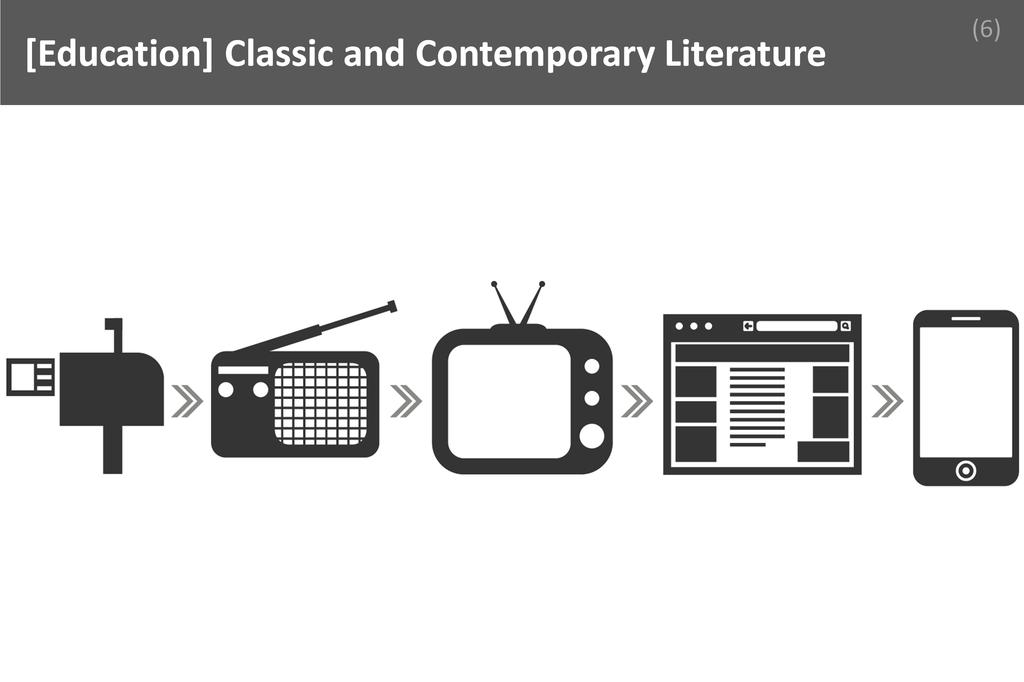
Classic and Contemporary Literature encompasses influential written works from past eras through to the present day, spanning genres, cultures, and styles. In the context of Advertising, this body of literature provides a rich source of narrative techniques, cultural references, and rhetorical strategies essential for crafting compelling messages and understanding audience perspectives.
A deep understanding of Classic and Contemporary Literature is vital for advertising professionals because it cultivates critical thinking, empathy, and creativity. Exposure to diverse literary voices and storytelling methods sharpens one’s ability to analyze and interpret human behavior, motivations, and cultural trends. This knowledge base enables advertisers to create resonant campaigns that connect with audiences on an emotional and intellectual level. Furthermore, familiarity with literary allusions and archetypes enhances the ability to craft memorable brand stories and slogans. Over the long term, this foundation supports adaptability, as professionals can draw upon a wide range of narrative strategies and cultural insights to meet evolving market demands and communicate effectively across different media and demographics.
Imagine an advertising copywriter tasked with developing a campaign for a new product aimed at a broad, multicultural audience. Drawing on their knowledge of Classic and Contemporary Literature, the copywriter weaves universal themes such as transformation and resilience—found in works from Homer’s epics to modern novels—into the campaign narrative. By referencing familiar literary motifs and adapting storytelling techniques from both classic and modern sources, the copywriter creates advertisements that evoke shared emotions and values, making the product more relatable and memorable. This literary awareness also helps the team avoid cultural missteps and ensures that the campaign resonates authentically with diverse audiences, ultimately enhancing the brand’s reputation and market reach.
General Awareness
General Awareness refers to a broad understanding of current events, social trends, cultural norms, economic developments, and political happenings. In Advertising, it encompasses knowledge beyond textbooks, enabling professionals to connect with diverse audiences. This awareness forms a crucial part of the academic and professional toolkit, fostering informed decision-making and creative strategy.
Developing strong General Awareness is essential for anyone pursuing a career in Advertising because it allows professionals to craft messages that resonate with the public mood, cultural context, and societal values. By staying informed about global and local events, advertising professionals can anticipate shifts in consumer behavior and adapt campaigns accordingly. This foundational knowledge helps in identifying emerging trends, understanding competitors, and avoiding cultural missteps that could harm a brand’s reputation. Over the long term, a well-developed sense of General Awareness supports career growth by enabling professionals to engage in meaningful conversations with clients, contribute innovative ideas, and maintain relevance in a rapidly changing industry. Ultimately, it empowers advertising professionals to create impactful, timely, and culturally sensitive campaigns.
Imagine an advertising executive tasked with launching a new product during a major international sporting event. Their strong General Awareness allows them to recognize the heightened public interest in themes of teamwork, national pride, and healthy competition. Drawing on this understanding, they design a campaign that aligns the product with these values, using relevant imagery and language that resonates with the audience’s current mindset. Additionally, their awareness of recent social movements ensures the campaign avoids controversial topics and instead promotes inclusivity and positivity. By applying their theoretical knowledge of General Awareness, the executive not only enhances the campaign’s effectiveness but also strengthens the brand’s reputation and connection with its target market.
Marketing

Marketing is the strategic process of identifying, anticipating, and satisfying customer needs through the creation, communication, and delivery of value. It encompasses research, product development, pricing, promotion, and distribution. In both academic and professional contexts, marketing provides the essential framework upon which effective advertising strategies are built and executed.
Understanding marketing is crucial for anyone preparing for or working in advertising because it forms the backbone of all promotional activities. Marketing knowledge enables professionals to grasp consumer behavior, segment audiences, and position products effectively. This foundational expertise ensures that advertising campaigns are not only creative but also strategically aligned with business objectives and market demands. Over the course of a career, a solid grounding in marketing empowers advertising professionals to adapt to changing trends, leverage data-driven insights, and contribute meaningfully to organizational growth. Mastery of marketing principles also enhances collaboration with other departments, such as sales and product development, fostering a holistic approach to achieving business success.
Consider an advertising professional tasked with launching a new beverage brand. Drawing on their marketing knowledge, they begin by analyzing market research to identify target demographics and understand consumer preferences. This insight guides the development of a compelling campaign message and the selection of appropriate media channels. Throughout the campaign, the professional monitors consumer responses and adjusts strategies to maximize engagement and sales. By applying marketing theory—such as segmentation, positioning, and the marketing mix—they ensure that every advertising decision is informed by a deep understanding of the market landscape. This integration of marketing principles into daily operations leads to more effective campaigns and measurable business results.
Software Tools
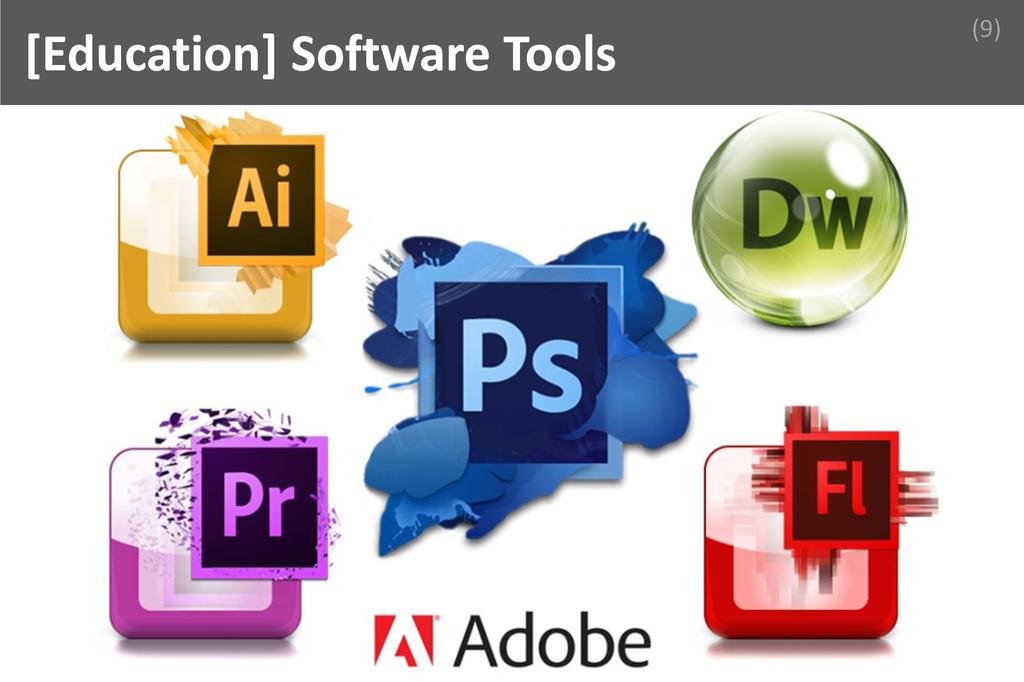
Software tools refer to digital applications and platforms designed to facilitate specific tasks, streamline workflows, and enhance productivity. In the context of Advertising, software tools encompass everything from graphic design programs and analytics dashboards to project management systems. Mastery of these tools is essential for both academic study and professional practice in the field.
Understanding software tools is crucial for anyone pursuing a career in Advertising because these tools form the backbone of modern campaign creation, execution, and analysis. Proficiency enables professionals to efficiently design visuals, manage projects, analyze data, and collaborate with teams across various locations. As advertising increasingly relies on digital channels, the ability to adapt to new software becomes a key differentiator in the job market. Over time, mastering these tools not only increases productivity but also fosters innovation, allowing professionals to experiment with emerging technologies and stay ahead of industry trends. This foundational knowledge ensures long-term career growth and adaptability in a rapidly evolving landscape.
Consider an advertising professional tasked with launching a multi-platform campaign for a new product. Their day begins by using project management software to assign tasks and set deadlines for the creative team. Next, they employ graphic design software to review and edit promotional materials, ensuring brand consistency. Throughout the campaign, they utilize analytics tools to monitor audience engagement and adjust strategies in real time. By integrating these software tools seamlessly into their workflow, the professional not only enhances efficiency but also delivers more impactful results for clients. This practical application of theoretical knowledge demonstrates how essential software tools are to achieving success in the advertising industry.
Industry Knowledge

Industry Knowledge refers to a comprehensive understanding of the trends, key players, regulations, technologies, and market dynamics specific to a particular sector. In Advertising, it forms a crucial component of both academic study and professional expertise, enabling practitioners to create relevant, effective campaigns tailored to the unique characteristics of their target industry.
Developing strong Industry Knowledge is essential for anyone preparing for or working in Advertising because it underpins the ability to craft messages that resonate with specific audiences. This knowledge allows professionals to anticipate market shifts, understand client needs, and recognize competitive landscapes, all of which are critical for strategic planning and campaign success. By mastering the nuances of different industries, advertising professionals can position themselves as trusted advisors to clients, offering insights that go beyond surface-level creativity. Over time, this expertise leads to more effective campaigns, stronger client relationships, and greater career advancement opportunities, as employers and clients alike value those who can demonstrate a deep understanding of the sectors they serve.
Consider an advertising account manager working with a client in the automotive industry. By leveraging their Industry Knowledge, the manager understands the latest trends in electric vehicles, consumer concerns about sustainability, and the competitive moves of rival brands. This insight enables them to guide the creative team in developing a campaign that highlights the client’s eco-friendly innovations, addresses regulatory requirements, and differentiates the brand from competitors. During client meetings, the manager confidently discusses market data and industry forecasts, building trust and credibility. Their ability to connect theoretical knowledge with practical application ensures that the campaign not only captures attention but also aligns with broader industry developments, ultimately driving better results for the client.
Skills
Creative Writing
Creative Writing is the art of expressing ideas, emotions, and stories in original, imaginative, and engaging ways, using language that captivates and persuades audiences. In advertising, creative writing transforms ordinary messages into compelling narratives, enabling professionals to connect with consumers, differentiate brands, and inspire action in a crowded marketplace.
Mastering creative writing enables advertising professionals to craft memorable campaigns, slogans, and brand stories that resonate with target audiences. Clients and employers value this skill because it drives engagement, builds brand loyalty, and ultimately boosts sales. Creative writing allows for the translation of complex product features into relatable benefits, making messages more accessible and persuasive. To cultivate this skill, individuals should read widely, practice writing regularly, and seek feedback from peers and mentors. Over time, exposure to diverse writing styles and constructive critique sharpens one’s ability to generate fresh ideas and adapt tone and style to suit different brands and audiences, making creative writing an indispensable asset in the advertising industry.
Imagine an advertising professional tasked with reviving a declining beverage brand. Market research reveals that consumers see the product as outdated and uninspiring. Relying on creative writing, the professional develops a campaign centered around nostalgia and shared experiences, weaving a narrative that positions the beverage as a timeless companion for meaningful moments. The campaign’s storytelling approach rekindles emotional connections with the audience, resulting in increased brand engagement and a significant boost in sales. This scenario demonstrates how creative writing not only solves a critical branding issue but also elevates the brand’s image, proving its essential role in achieving advertising success.
Empathy
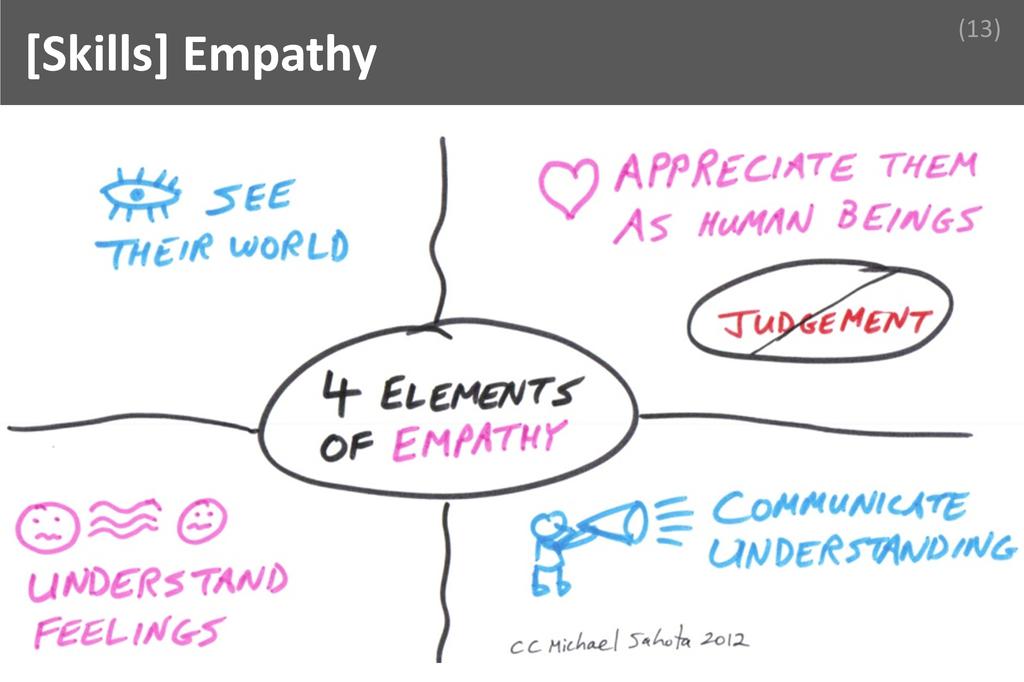
Empathy is the ability to understand and share the feelings, perspectives, and experiences of others, allowing for deeper connections and more effective communication. In advertising, empathy enables professionals to truly grasp the needs, desires, and motivations of both clients and target audiences, shaping campaigns that resonate on a personal level.
Empathy directly enhances an advertising professional’s performance by fostering genuine connections with clients and audiences, leading to campaigns that are not only creative but also relevant and impactful. Employers and clients highly value this skill because it results in messaging that feels authentic, builds trust, and drives engagement. Cultivating empathy involves actively listening to others, seeking diverse viewpoints, and reflecting on feedback to better understand different perspectives. Over time, consistently practicing these habits helps professionals anticipate needs, resolve conflicts, and create advertising strategies that truly speak to people’s emotions and experiences, setting them apart in a competitive industry.
Imagine an advertising professional working on a campaign for a healthcare product aimed at elderly consumers. During initial research, the team’s ideas focus heavily on technology and innovation, missing the mark with the intended audience. By applying empathy, the professional spends time listening to seniors’ concerns and daily challenges, discovering that simplicity, trust, and reassurance matter most to them. This insight leads to a campaign that emphasizes clear communication, relatable stories, and a comforting tone. As a result, the campaign resonates deeply with the target audience, increases engagement, and achieves the client’s goals. Empathy enabled the professional to bridge the gap between creative vision and real-world needs, ensuring the campaign’s success.
Language Skills
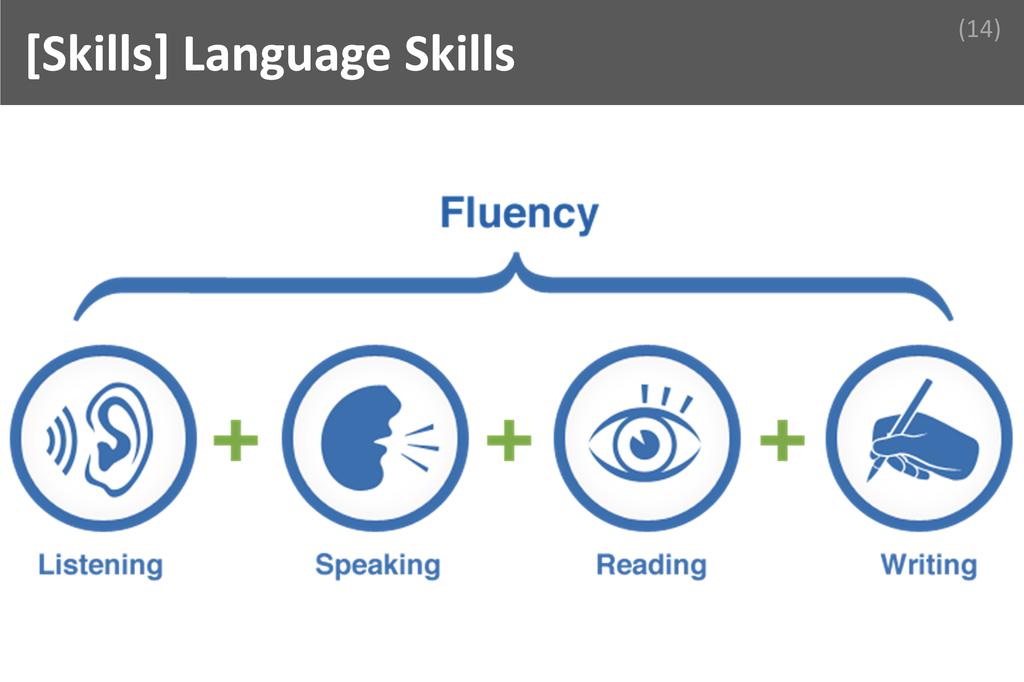
Language skills refer to the ability to effectively read, write, speak, and listen in one or more languages, enabling clear communication and nuanced understanding. In advertising, these skills are crucial for crafting compelling messages, interpreting client needs, and engaging diverse audiences, making them indispensable for successful campaigns and brand storytelling.
Strong language skills directly enhance an advertising professional’s ability to create persuasive copy, deliver impactful presentations, and negotiate with clients or partners. Employers and clients highly value these abilities because they ensure that messages are not only creative but also clear, targeted, and culturally appropriate. Effective communicators can bridge gaps between creative ideas and client expectations, reducing misunderstandings and revisions. To cultivate language skills, professionals should engage in continuous reading, writing, and active listening, seek feedback on their communication, and expose themselves to varied linguistic styles and cultural contexts. Over time, this consistent practice sharpens their ability to adapt tone, style, and vocabulary to suit different brands and audiences, ultimately driving campaign success.
Imagine an advertising professional tasked with launching a global campaign for a new product. During the process, they notice that the initial slogan, while catchy in English, could be misinterpreted or even offensive in another target market’s language. Drawing on their language skills, they research local idioms and cultural nuances, then adapt the slogan to resonate positively with the new audience. This careful attention to language not only prevents a potential public relations issue but also strengthens the campaign’s impact and reach. By ensuring the message is both clear and culturally sensitive, the professional demonstrates how language skills are vital in navigating complex, multilingual advertising landscapes and achieving successful outcomes.
Communication
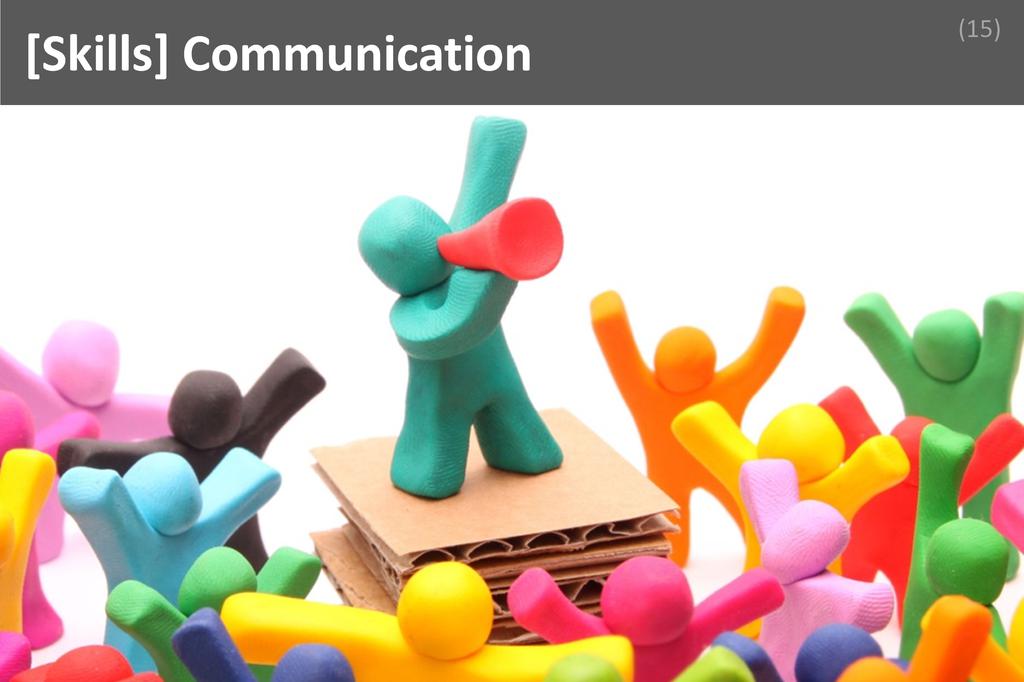
Communication is the clear and effective exchange of ideas, information, and emotions through verbal, nonverbal, and written means. In advertising, it enables professionals to convey messages persuasively, collaborate with teams, and understand client needs. Mastery of communication ensures campaigns resonate with audiences and achieve strategic objectives.
Strong communication skills are indispensable in advertising because they facilitate seamless collaboration among creative teams, account managers, and clients. Effective communicators can translate complex concepts into compelling messages that captivate target audiences. Clients and employers highly value this skill, as it minimizes misunderstandings, accelerates project timelines, and fosters trust. To cultivate communication skills, professionals should seek feedback, practice active listening, and engage in public speaking or writing exercises. Over time, consistent effort in refining both verbal and written communication leads to greater confidence and adaptability, enabling advertising professionals to navigate challenging conversations, pitch ideas persuasively, and build lasting relationships within the industry.
Imagine an advertising professional managing a high-stakes campaign for a major client. Midway through the project, the client expresses dissatisfaction with the creative direction, threatening the campaign’s success. The professional relies on strong communication skills to listen attentively, clarify the client’s concerns, and articulate the creative team’s rationale. By facilitating an open, respectful dialogue, the professional bridges the gap between client expectations and the agency’s vision. This collaborative approach not only resolves the immediate conflict but also strengthens the client relationship, ensuring the campaign moves forward with renewed alignment and enthusiasm. In this scenario, effective communication proves vital in overcoming obstacles and achieving a successful outcome.
SWOT
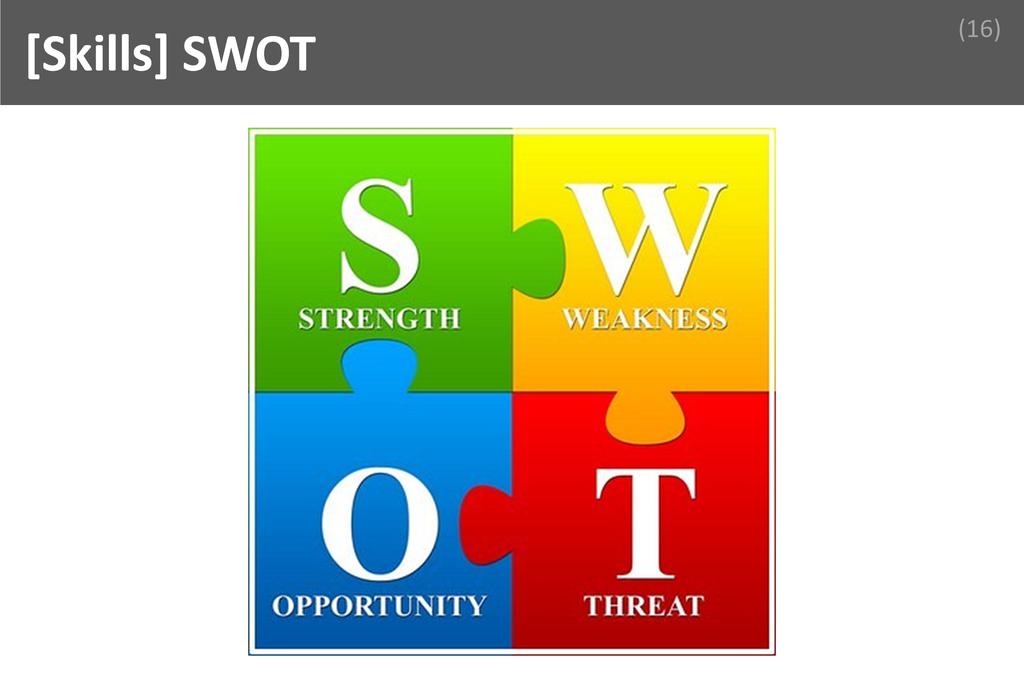
SWOT stands for Strengths, Weaknesses, Opportunities, and Threats. It is a strategic analysis tool that helps professionals evaluate internal and external factors affecting a project or organization. In advertising, SWOT enables practitioners to craft campaigns that leverage strengths, address weaknesses, seize opportunities, and mitigate threats, ensuring competitive advantage and effective communication.
Mastering SWOT analysis directly enhances an advertising professional’s ability to create targeted, impactful campaigns. By systematically assessing a brand’s position, practitioners can identify unique selling points, anticipate market shifts, and preempt competitor moves. Clients and employers highly value this skill because it leads to data-driven decisions, reduces risk, and maximizes return on investment. Cultivating SWOT expertise involves regular practice, staying updated on industry trends, and seeking feedback from peers and mentors. Over time, professionals refine their analytical thinking, become adept at synthesizing information, and develop a strategic mindset that is indispensable in the fast-paced world of advertising.
Imagine an advertising agency tasked with launching a new beverage brand in a saturated market. The lead strategist conducts a SWOT analysis, uncovering the brand’s strength in sustainable packaging, a weakness in limited distribution, opportunities in health-conscious consumer trends, and threats from established competitors. By leveraging these insights, the team crafts a campaign highlighting eco-friendly attributes and partners with health-focused retailers to expand reach. This targeted approach not only differentiates the brand but also addresses potential pitfalls, demonstrating how effective use of SWOT can turn challenges into opportunities and drive campaign success.
Positives
Monetary Potential

Monetary potential refers to the capacity for individuals to earn substantial financial rewards and achieve significant income growth within their chosen profession. In advertising, this potential is realized through competitive salaries, lucrative commissions, performance bonuses, and opportunities for rapid advancement. It positively shapes the profession by motivating creativity, innovation, and ambition.
The monetary potential in advertising is a powerful motivator that elevates both personal and professional satisfaction. Knowing that hard work, creativity, and strategic thinking can directly translate into financial rewards inspires professionals to push boundaries and deliver exceptional results. This tangible connection between effort and earnings fosters a dynamic work environment where ambition is celebrated and rewarded. As advertising professionals see their income grow with their achievements, they gain a sense of validation and security, which encourages long-term commitment to the field. The prospect of financial advancement not only attracts top talent but also drives continuous learning and development, ensuring that individuals remain engaged and passionate about their work.
Consider a young account executive who joins an advertising agency with a modest starting salary but quickly proves their value by securing a major client. As a result, they receive a substantial commission and a performance bonus, significantly boosting their annual income. This financial recognition not only rewards their dedication but also motivates them to pursue even greater challenges. Over time, as they consistently deliver successful campaigns, their reputation grows, leading to promotions and higher compensation. The direct link between their contributions and monetary rewards creates a fulfilling cycle of achievement and financial growth, illustrating how the monetary potential in advertising can transform both careers and lives.
Diversity in Specialization
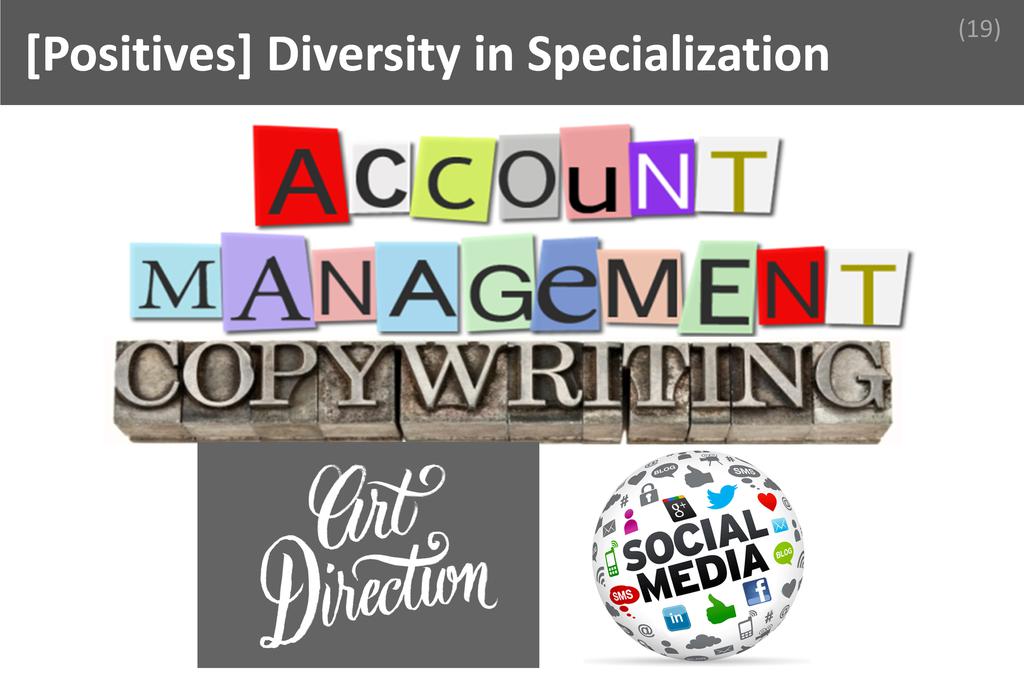
Diversity in Specialization refers to the wide range of unique skills, backgrounds, and expertise that professionals bring to the advertising industry, encompassing creative, analytical, strategic, and technical roles. This diversity fosters a collaborative environment where different perspectives merge, driving innovation and enabling agencies to craft compelling, effective campaigns for diverse audiences.
The presence of diverse specializations in advertising transforms the workplace into a vibrant ecosystem where creativity and strategy thrive. Professionals are constantly exposed to new ideas and approaches, which not only keeps the work dynamic but also encourages personal and professional growth. This environment allows individuals to learn from each other, develop new skills, and find their unique niche within the industry. The ability to collaborate with experts from various fields leads to more innovative solutions and successful campaigns, which in turn enhances job satisfaction. Every day, advertising professionals experience the excitement of tackling challenges from multiple angles, knowing that their unique contributions are valued and that there is always an opportunity to evolve and advance in their careers.
Imagine a mid-level copywriter working at a bustling advertising agency. On any given day, she collaborates with graphic designers, data analysts, social media strategists, and account managers. Each team member brings a different area of expertise to the table, allowing her to see how her words fit into the broader campaign strategy. When launching a new product, she draws inspiration from the designers’ visual concepts and adapts her messaging based on insights from the analytics team. This daily interaction with specialists from various backgrounds not only sharpens her own skills but also makes her feel part of something bigger. The sense of shared purpose and the opportunity to learn from others make her work deeply fulfilling and continually inspiring.
Chisels Creative Skills

"Chisels Creative Skills" refers to the ongoing process of refining, sharpening, and expanding one’s imaginative abilities and artistic thinking through practical challenges and innovative problem-solving. In advertising, this means constantly pushing boundaries, developing fresh ideas, and transforming concepts into compelling campaigns that capture attention and drive results. This dynamic environment ensures that creative skills are not only utilized but continually honed, making every project an opportunity for personal and professional growth. The profession thrives on originality, and those who pursue advertising find themselves in a space where creativity is both the tool and the outcome, leading to a deeply rewarding career journey.
The ability to chisel creative skills in advertising is a significant advantage because it transforms everyday work into a platform for artistic evolution and intellectual stimulation. Professionals in this field are encouraged to think differently, experiment with new approaches, and challenge conventional norms, which keeps their work engaging and meaningful. This constant creative exercise leads to a sense of accomplishment and pride, as each campaign becomes a testament to their ingenuity. Over time, this not only boosts job satisfaction but also accelerates career growth, as individuals who consistently deliver innovative solutions become highly valued within their organizations. The daily practice of creativity ensures that advertising professionals remain adaptable, inspired, and ahead of industry trends.
Imagine a copywriter tasked with launching a new product in a saturated market. Instead of relying on traditional messaging, they brainstorm unique angles, collaborate with designers to craft visually arresting ads, and experiment with storytelling techniques that resonate emotionally with the audience. Through this process, the copywriter’s creative skills are sharpened as they navigate challenges, receive feedback, and refine their ideas. The campaign’s success, marked by increased engagement and brand recognition, brings a profound sense of fulfillment. This real-world scenario highlights how advertising professionals experience the tangible rewards of chiseling their creative skills, turning everyday challenges into opportunities for artistic and professional triumph.
Flexi Timings

Flexi Timings refers to the ability for professionals to choose their own working hours, rather than adhering to a strict nine-to-five schedule. In advertising, this flexibility allows individuals to work when they are most creative and productive, accommodating personal commitments and fostering a healthier work-life balance. This approach empowers professionals to manage their time effectively, leading to increased motivation and job satisfaction. By embracing Flexi Timings, advertising agencies acknowledge that inspiration and innovation do not always occur within traditional office hours, thus creating an environment where creativity can truly flourish.
The positive impact of Flexi Timings in advertising is profound. Professionals in this field often juggle multiple projects, tight deadlines, and the need for original ideas. Having the freedom to set their own schedules means they can work during their peak creative hours, whether that’s early in the morning or late at night. This autonomy not only reduces stress but also encourages a sense of ownership and responsibility over their work. As a result, job satisfaction increases, burnout decreases, and productivity soars. Flexi Timings also make it easier to maintain a healthy balance between personal life and professional commitments, which is essential for sustained growth and long-term career fulfillment in such a dynamic industry.
Imagine a copywriter working on a major campaign for a global brand. Instead of being confined to a rigid office schedule, she starts her day later to attend her child’s school event, then spends the afternoon brainstorming ideas in a local café. Inspiration strikes in the evening, so she logs in from home to craft compelling headlines and taglines. By having the freedom to work when she feels most inspired and energized, she delivers her best creative work without sacrificing important moments in her personal life. This flexibility not only enhances her productivity and creativity but also deepens her passion for her career in advertising, making each day both fulfilling and rewarding.
Increased Visibility
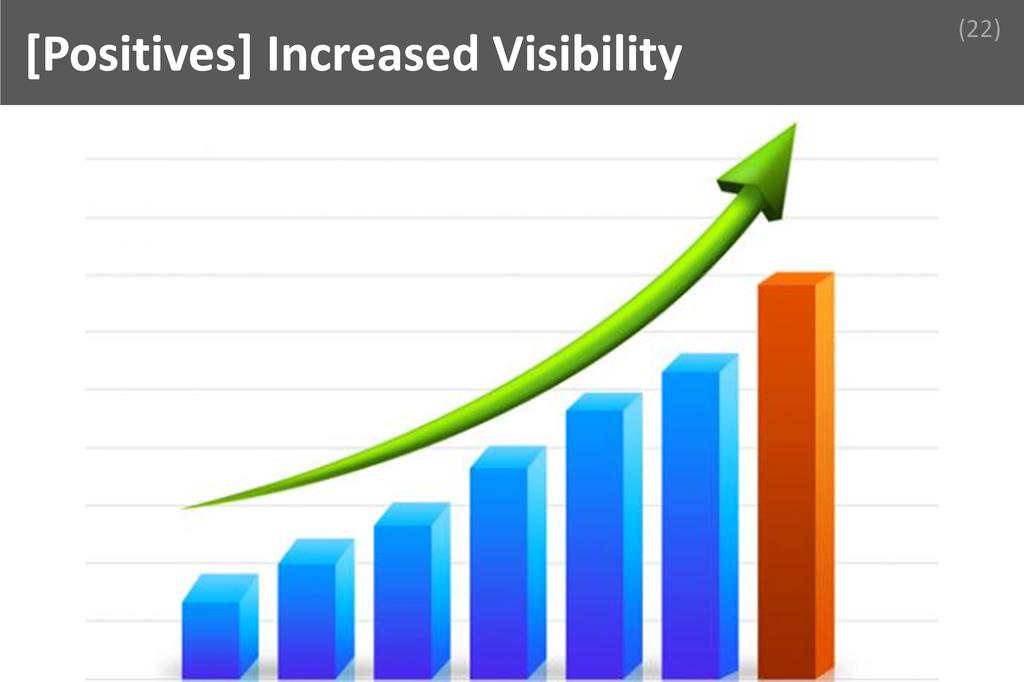
Increased Visibility refers to the heightened recognition and awareness that advertising professionals gain for themselves, their work, and the brands they represent. This visibility extends across industries, audiences, and media platforms, allowing their creative efforts and strategic decisions to be seen, acknowledged, and celebrated by a broad and diverse public. This positive aspect fuels motivation and pride, as advertising professionals witness the tangible impact of their campaigns in shaping perceptions and driving engagement. Increased Visibility not only elevates the profile of the brands they work with but also enhances their own professional reputation, opening doors to new opportunities, collaborations, and career advancement. The sense of accomplishment that comes from widespread recognition is a powerful driver of satisfaction in this dynamic field.
The advantage of Increased Visibility in advertising is profound, as it transforms everyday work into a platform for influence and recognition. When professionals see their campaigns featured on billboards, digital platforms, or television, it validates their creativity and strategic thinking. This public acknowledgment boosts confidence and fosters a sense of pride, making the demanding nature of the industry more rewarding. Increased Visibility also accelerates career growth by attracting attention from industry leaders, potential clients, and collaborators who are drawn to visible, impactful work. This recognition can lead to new projects, promotions, or invitations to speak at industry events. Ultimately, the daily experience of seeing one’s work in the public eye creates a motivating feedback loop, inspiring advertising professionals to continually innovate and excel.
Imagine a creative director who leads a campaign for a new product launch. After months of brainstorming, designing, and refining, the campaign goes live and quickly gains traction, appearing on social media feeds, city billboards, and national television. The director receives messages from friends, family, and industry peers who recognize the campaign’s unique style and effectiveness. This widespread exposure not only elevates the brand but also highlights the director’s creative vision and leadership. As a result, the director is approached by other brands seeking similar success and is invited to share insights at a major advertising conference. The experience of seeing their work celebrated and discussed publicly brings a deep sense of fulfillment, reinforcing the value of Increased Visibility in their career.
Help Decision Management
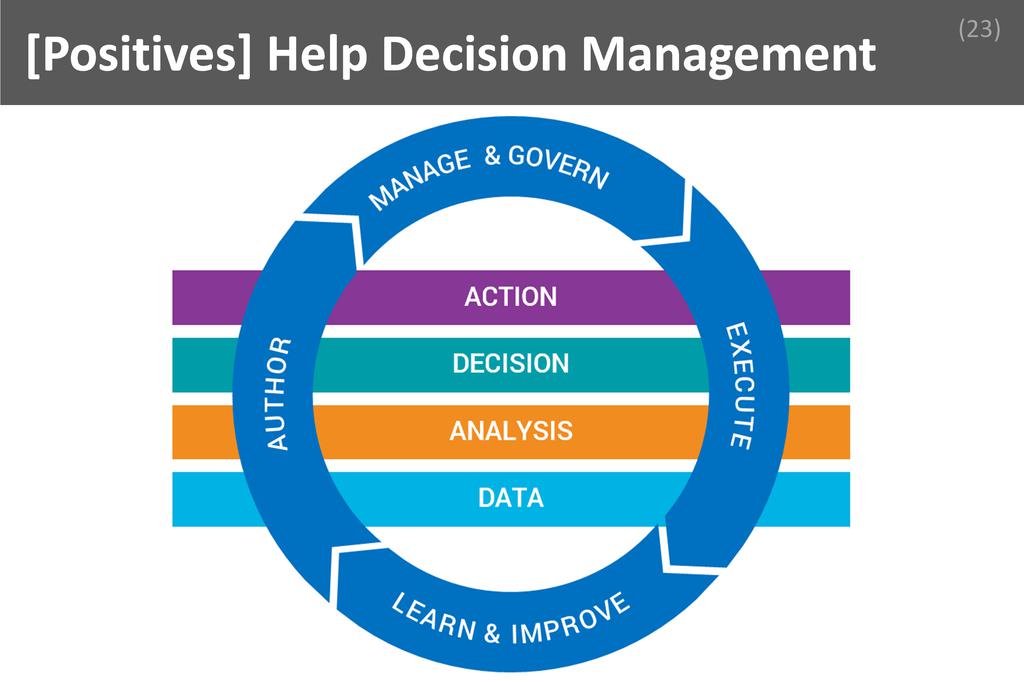
Help Decision Management refers to the process of guiding clients, brands, or consumers toward informed choices by analyzing data, understanding needs, and presenting creative solutions. In advertising, this means empowering others to make confident decisions that drive success, foster trust, and create meaningful connections between brands and their audiences.
The ability to help others make effective decisions is a cornerstone of a rewarding career in advertising. Professionals in this field are constantly relied upon for their expertise in interpreting market trends, consumer behavior, and campaign performance. This responsibility not only elevates their role within organizations but also provides a deep sense of purpose and accomplishment. Every day, advertising professionals witness the tangible results of their guidance, whether it’s a client’s brand gaining recognition or a campaign exceeding expectations. This ongoing impact fuels personal growth, sharpens strategic thinking, and reinforces the value of their contributions, making the profession both dynamic and deeply satisfying.
Imagine an advertising strategist working with a startup eager to launch its first major campaign. The client is overwhelmed by choices, from selecting the right platforms to crafting the perfect message. By leveraging research, experience, and creative insight, the strategist helps the client navigate these decisions, recommending a targeted digital campaign that aligns with the brand’s goals. As the campaign unfolds and delivers impressive engagement, the client’s confidence grows, and the strategist experiences firsthand the fulfillment of having guided a partner toward success. This collaborative journey not only strengthens professional relationships but also highlights the profound impact of Help Decision Management in shaping positive outcomes.
Challenges
Scarcity of Skilled Manpower
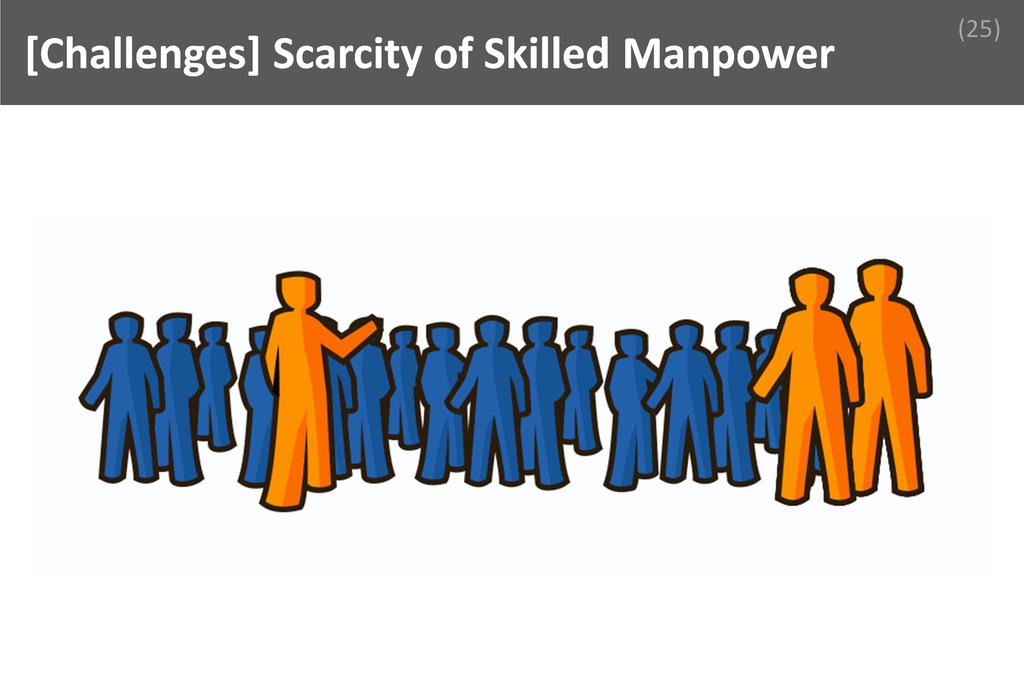
Scarcity of skilled manpower in advertising refers to the persistent shortage of professionals with the creative, technical, and strategic expertise required to deliver impactful campaigns. This challenge is demanding because it limits agencies’ ability to innovate, meet client expectations, and maintain competitive advantage in a fast-evolving, high-pressure industry.
The scarcity of skilled manpower in advertising often leads to increased workloads, project delays, and compromised creative quality. Professionals must juggle multiple roles, stretching their capabilities and time management skills. This environment demands resilience, adaptability, and a willingness to learn on the job. Successful professionals navigate this constraint by fostering collaborative cultures, investing in ongoing training, and leveraging technology to streamline processes. They also prioritize mentorship and knowledge sharing, ensuring that less experienced team members quickly gain the skills needed to contribute effectively. By embracing flexibility and continuous learning, advertising professionals can maintain high standards and deliver results despite limited resources.
Consider a mid-sized advertising agency tasked with launching a nationwide campaign but facing a shortage of experienced digital strategists. The creative director recognizes the gap and initiates a cross-training program, pairing junior staff with senior team members for hands-on learning. Simultaneously, the agency partners with freelance experts to fill immediate skill gaps while encouraging in-house talent to attend industry webinars and workshops. Through this proactive approach, the team not only delivers the campaign on time but also upskills its workforce, reducing future dependency on external talent. This scenario illustrates how resourcefulness, mentorship, and a commitment to professional development can help overcome the scarcity of skilled manpower in advertising.
Innate Pre Qualifications
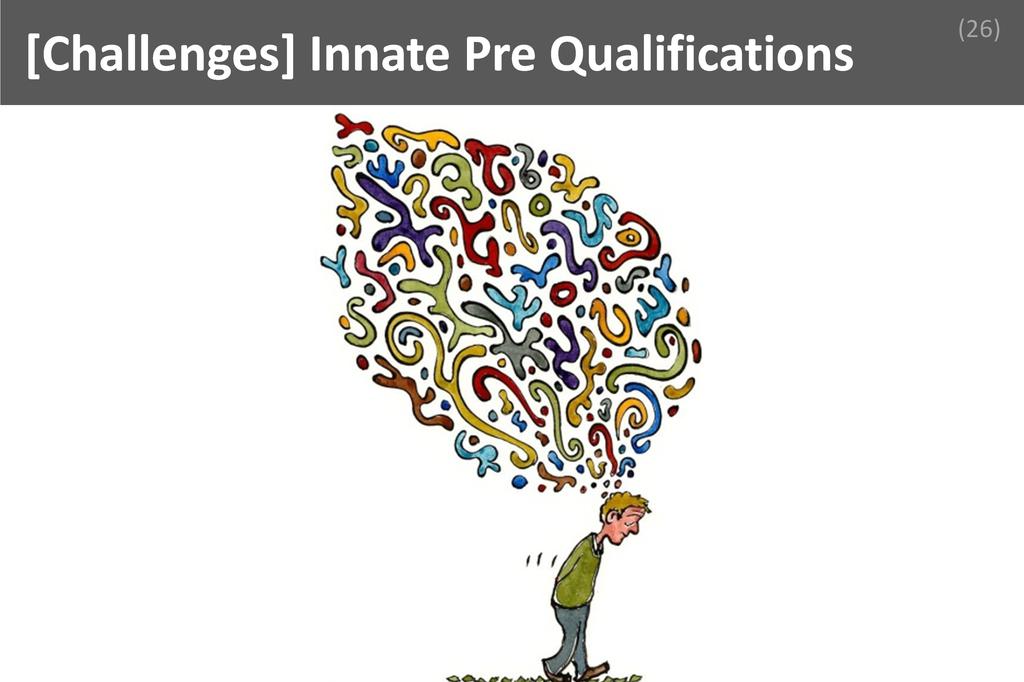
Innate Pre Qualifications in Advertising refer to the implicit expectations or inherent traits—such as creativity, charisma, or cultural fit—that are presumed necessary for success in the field. These unwritten prerequisites make it challenging for professionals who may not naturally embody them, often leading to overlooked potential and limited opportunities.
The pressure of Innate Pre Qualifications can shape daily interactions, team dynamics, and even career advancement in advertising. Professionals who do not fit the perceived mold may struggle to have their ideas heard or to be considered for key projects. This environment demands resilience, as individuals must continually prove their value beyond surface-level traits. Successful professionals address this challenge by actively seeking feedback, building diverse networks, and demonstrating their unique strengths through consistent performance. They focus on developing skills that complement their innate qualities, leveraging mentorship and collaboration to bridge perceived gaps. By doing so, they gradually shift perceptions and carve out their own space within the industry, proving that success is not limited to those who fit a predetermined profile.
Consider a copywriter who enters an agency known for its outgoing, extroverted culture, yet she is naturally introverted and prefers thoughtful, research-driven work. Initially, she feels sidelined during brainstorming sessions dominated by louder voices. Recognizing this, she begins preparing detailed campaign concepts ahead of meetings, sharing her insights through well-crafted presentations and follow-up emails. Over time, her colleagues and managers come to value her thorough approach and unique perspective, leading to her involvement in high-profile projects. By embracing her authentic style and finding ways to communicate her strengths, she not only overcomes the barrier of Innate Pre Qualifications but also enriches the creative process for her team.
Plagiarism
Plagiarism in advertising is the unauthorized use or close imitation of another creator’s ideas, slogans, visuals, or campaigns, presenting them as original work. This challenge is demanding because the industry thrives on creativity and originality, making it essential to maintain integrity and avoid legal or reputational consequences.
Plagiarism can undermine the credibility of both individuals and agencies, leading to lost trust, legal disputes, and damaged client relationships. Daily work becomes more complex as professionals must constantly verify the originality of their concepts while staying inspired by industry trends. This ongoing vigilance requires resilience, as the pressure to deliver fresh ideas can tempt shortcuts. Successful professionals manage this constraint by fostering a culture of transparency, using plagiarism detection tools, and encouraging open collaboration. They also prioritize continuous learning about intellectual property rights, ensuring their creative process is both innovative and ethical. By doing so, they not only protect their work but also build a reputation for reliability and authenticity in a highly competitive field.
Consider an advertising copywriter tasked with developing a new campaign for a beverage brand. During brainstorming, the team notices that one proposed slogan closely resembles a competitor’s recent tagline. Instead of proceeding, the copywriter raises the issue, prompting a review of existing campaigns. The team then collaborates to reshape their concept, ensuring it is distinct and original. By proactively addressing potential plagiarism, the copywriter not only avoids legal complications but also strengthens the agency’s reputation for ethical practices. This scenario highlights how awareness, teamwork, and a commitment to originality enable advertising professionals to navigate the challenge of plagiarism while delivering impactful, authentic campaigns.
Market Research

Market research in advertising is the systematic process of gathering, analyzing, and interpreting data about target audiences, competitors, and market trends to inform campaign strategies. It is demanding because it requires accuracy, adaptability, and the ability to translate complex data into actionable insights that drive effective and relevant advertising decisions.
The challenge of market research permeates every aspect of an advertising professional’s daily work. Inaccurate or incomplete research can lead to misguided campaigns, wasted budgets, and missed opportunities, making the stakes exceptionally high. The constant evolution of consumer preferences and media channels means that professionals must remain vigilant, adaptable, and resilient in the face of uncertainty. Successful advertisers overcome these constraints by cultivating analytical skills, staying updated with the latest research tools, and fostering a mindset of continuous learning. They also collaborate closely with cross-functional teams to ensure that insights are both comprehensive and actionable, transforming raw data into creative strategies that resonate with audiences and achieve measurable results.
Consider an advertising strategist tasked with launching a new beverage brand in a saturated market. Initial market research revealed conflicting consumer preferences and unclear competitive positioning, threatening the campaign’s success. Instead of relying solely on traditional surveys, the strategist integrated social listening tools and real-time analytics to capture emerging trends and sentiments. By synthesizing these diverse data sources, they identified a niche audience segment with unmet needs and tailored the campaign messaging accordingly. The result was a highly targeted launch that outperformed expectations, demonstrating how adaptability, resourcefulness, and a commitment to ongoing research can turn a daunting market research challenge into a strategic advantage.
Moral Judgements
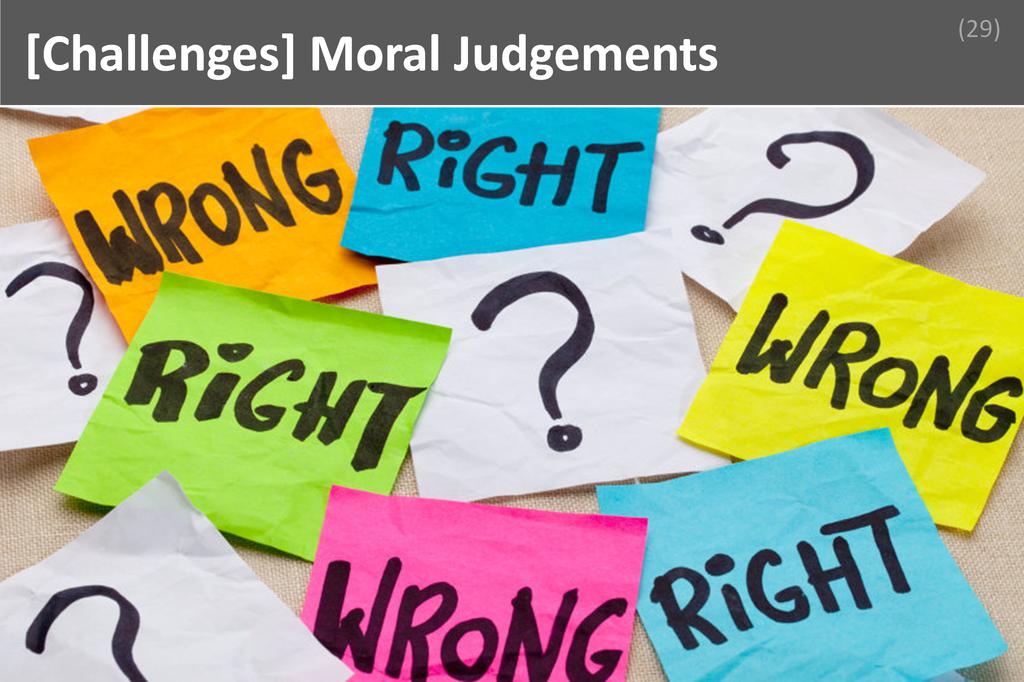
Moral judgements in advertising refer to the ethical evaluations and criticisms professionals face regarding the truthfulness, fairness, and societal impact of their campaigns. This challenge is demanding because advertising often walks a fine line between persuasion and manipulation, making practitioners vulnerable to public scrutiny and internal ethical dilemmas.
The pressure of moral judgements can permeate every stage of an advertising professional’s daily work, from conceptualizing campaigns to selecting messaging and imagery. This scrutiny can lead to second-guessing creative decisions, strained client relationships, and even public backlash. Navigating these challenges requires resilience, as professionals must balance commercial objectives with ethical considerations. Successful advertisers often cultivate a strong personal and organizational code of ethics, seek diverse perspectives, and remain transparent about their intentions. They engage in open dialogue with stakeholders and are willing to revise or withdraw content that crosses ethical boundaries. By fostering a culture of accountability and continuous learning, they manage to uphold integrity while still delivering impactful campaigns.
Consider a creative director tasked with launching a new beverage campaign that initially relied on exaggerated health claims. Recognizing the potential for misleading consumers and the risk of public criticism, the director initiated a candid discussion with the client about the importance of honest messaging. Together, they reworked the campaign to focus on genuine product benefits and responsible consumption. When the revised campaign launched, it received positive feedback for its transparency and authenticity, strengthening the brand’s reputation. The director’s proactive approach not only protected the company from ethical missteps but also demonstrated how moral judgements can be navigated thoughtfully, resulting in both commercial success and public trust.
A Day Of
Advertisement

The world of advertising never truly sleeps. From the moment the city stirs, the hum of creative energy pulses through agencies and home offices alike, setting a relentless pace that blends strategy, artistry, and quick thinking. Each day is a whirlwind of brainstorming sessions, client calls, and campaign launches, where deadlines loom and ideas must be both fresh and effective. In this high-octane environment, advertising professionals juggle multiple projects, collaborate with diverse teams, and pivot rapidly to keep up with shifting trends and client demands. The work is fast, dynamic, and always evolving—no two days are ever quite the same.
As the sun rises, advertising professionals dive into their inboxes, scanning overnight emails from clients and colleagues across time zones. The early morning is reserved for reviewing campaign analytics, checking in on live ads, and prepping for the day’s meetings. This is a crucial window for catching up on industry news, gathering inspiration, and organizing priorities. With a fresh cup of coffee in hand, practitioners sketch out ideas, refine briefs, and ensure all creative assets are ready for the day’s demands.
Mid-morning marks the heart of the action, as teams gather—virtually or in person—for brainstorming sessions and client presentations. This is when the real magic happens: concepts are pitched, feedback is exchanged, and strategies are fine-tuned. The energy is palpable as copywriters, designers, and account managers bounce ideas off one another, striving to craft campaigns that are both innovative and on-brand. Client calls often dominate this period, requiring quick thinking and persuasive communication to align visions and secure approvals.
The afternoon is all about execution. With creative directions set, professionals shift gears to oversee production, coordinate with vendors, and manage timelines. This is when assets are finalized, media buys are placed, and social content is scheduled. Collaboration continues as teams troubleshoot last-minute changes, ensure brand consistency, and monitor campaign performance in real time. The pace remains brisk, with a focus on delivering high-quality work that meets tight deadlines.
As the day winds down, advertising professionals turn their attention to reporting and planning. They review campaign metrics, compile performance reports, and document key learnings to share with clients and internal teams. Administrative tasks are wrapped up, and calendars are updated with tomorrow’s priorities. This is also a time for reflection—what worked, what didn’t, and how to adapt for even greater impact. With a final glance at the day’s achievements, practitioners set the stage for another fast-paced, creative day ahead. |


 Home
Home Abroad
 Plan
Plan Philosophy
 Seminar
 Pages
Pages Advisors
 Testimonials















 Workshop
 Discuss
 Meet
Meet
 Advisor
 Story
Story
 Fine Print
 Links
Links
 Blog
Blog
 Follow
