The Journey of Customer Journey Designing
What Is Customer Journey Designing
Customer Journey Designing

Customer Journey Designing is the strategic process of mapping, analyzing, and optimizing every interaction a customer has with a brand across all touchpoints. It aims to create seamless, engaging experiences that meet customer needs, foster loyalty, and drive business growth by understanding and improving the entire customer lifecycle.
Customer Journey Designing plays a crucial role in shaping how businesses connect with their customers. For professionals in this field, it offers the opportunity to influence both customer satisfaction and business outcomes by crafting thoughtful, data-driven experiences. The impact is seen in increased customer retention, as well-designed journeys encourage repeat business and brand advocacy. Additionally, it enables organizations to identify pain points and streamline processes, leading to greater operational efficiency. Finally, Customer Journey Designing provides valuable insights into customer behavior, allowing companies to tailor their offerings and communications, resulting in more personalized and effective engagement.
A professional in Customer Journey Designing at a retail company might begin by analyzing customer feedback and purchase data to identify common frustrations during the online shopping process. They could then map out each step, from browsing products to completing a purchase, highlighting moments where customers abandon their carts. By collaborating with web developers and marketing teams, the designer implements changes such as simplifying navigation, adding personalized product recommendations, and improving checkout speed. After launching these improvements, they monitor customer satisfaction scores and sales data to measure the impact, continuously refining the journey to ensure a smooth, enjoyable experience that keeps customers coming back.
Education
Consumer Research

Consumer Research is the systematic process of gathering, analyzing, and interpreting information about consumers’ needs, preferences, behaviors, and motivations. It provides insights into how and why people make purchasing decisions. In Customer Journey Designing, it forms a critical academic and professional foundation, guiding the creation of meaningful, user-centered experiences.
Understanding Consumer Research is essential for anyone involved in Customer Journey Designing because it equips professionals with the ability to see the world through the customer’s eyes. By mastering this subject, designers can identify pain points, motivations, and expectations at each stage of the customer journey. This knowledge ensures that every touchpoint is crafted to resonate with real consumer needs, rather than assumptions. Over time, this expertise leads to more effective strategies, higher customer satisfaction, and improved business outcomes. Additionally, proficiency in Consumer Research fosters adaptability, allowing professionals to respond to evolving market trends and consumer behaviors, which is invaluable for long-term career growth and relevance in a rapidly changing landscape.
Imagine a Customer Journey Designer at a retail company tasked with improving the online shopping experience. Drawing on their knowledge of Consumer Research, they conduct interviews and analyze purchase data to uncover that customers often abandon their carts due to confusing checkout processes. By applying these insights, the designer collaborates with developers and marketers to streamline the checkout flow, clarify payment options, and introduce helpful prompts. As a result, the company sees a measurable decrease in cart abandonment rates and an increase in completed purchases. This scenario illustrates how theoretical understanding of Consumer Research directly informs practical decisions, leading to tangible improvements in the customer journey and overall business performance.
Design Capabilities

Design Capabilities refer to the collective skills, tools, methodologies, and creative thinking required to conceptualize, develop, and implement effective design solutions. In Customer Journey Designing, these capabilities form the backbone of creating seamless, engaging, and user-centered experiences, bridging academic theory with practical application in professional environments.
Understanding Design Capabilities is essential for anyone aspiring to excel in Customer Journey Designing because it equips professionals with the ability to analyze, ideate, and execute solutions that directly impact customer satisfaction and business outcomes. Mastery of these capabilities ensures a holistic approach to problem-solving, allowing designers to anticipate user needs, align with organizational goals, and adapt to evolving market trends. Over time, this foundational knowledge fosters innovation, enhances collaboration across multidisciplinary teams, and positions professionals as valuable assets within their organizations. By continuously developing their design capabilities, individuals not only improve their immediate project outcomes but also build a resilient career path that can adapt to new challenges and opportunities in the dynamic field of customer experience.
Consider a Customer Journey Designer at a retail company tasked with improving the online shopping experience. Drawing on their design capabilities, the professional conducts user research to identify pain points, synthesizes findings into actionable insights, and collaborates with developers and marketers to prototype new features. Throughout the process, they apply design thinking methodologies to ensure solutions are both feasible and desirable, iteratively testing and refining ideas based on real user feedback. By leveraging their comprehensive understanding of design capabilities, the designer successfully launches a streamlined checkout process that reduces cart abandonment rates and increases customer satisfaction. This scenario demonstrates how theoretical knowledge is translated into practical, measurable improvements in the customer journey.
Marketing

Marketing is the strategic process of identifying, anticipating, and satisfying customer needs through the creation, communication, and delivery of value. It encompasses market research, branding, promotion, and relationship management. In Customer Journey Designing, marketing knowledge is essential for understanding customer motivations, behaviors, and expectations at every touchpoint.
A solid grasp of marketing is indispensable for anyone involved in Customer Journey Designing because it provides the analytical and strategic framework necessary to map and optimize every stage of the customer experience. Marketing principles help professionals interpret customer data, segment audiences, and craft personalized interactions that foster loyalty and drive conversions. By understanding how customers perceive value and make decisions, journey designers can align business objectives with customer expectations, ensuring each touchpoint resonates authentically. Over time, this expertise not only enhances the effectiveness of journey mapping but also positions professionals as key contributors to organizational growth, innovation, and customer-centric transformation, making them invaluable assets in an increasingly competitive marketplace.
Consider a Customer Journey Designer working for an e-commerce company aiming to boost customer retention. Drawing on their marketing knowledge, the designer analyzes customer data to identify pain points in the post-purchase phase. Recognizing that customers value timely updates and personalized offers, the designer collaborates with marketing teams to implement automated email campaigns that provide order tracking information and tailored product recommendations. By applying marketing theories such as segmentation and value proposition, the designer ensures that communications are relevant and engaging, ultimately enhancing customer satisfaction and encouraging repeat purchases. This practical integration of marketing insights into journey design demonstrates how theoretical understanding translates into tangible business outcomes.
Customer Service

Customer service refers to the support, assistance, and guidance provided to customers before, during, and after their interactions with a product or service. It encompasses communication, problem-solving, and relationship-building skills, forming a critical component of both academic study and professional practice in Customer Journey Designing.
Understanding customer service is essential for anyone involved in Customer Journey Designing because it directly influences how customers perceive and interact with a brand. Mastery of customer service principles enables professionals to anticipate customer needs, resolve issues efficiently, and foster positive emotional connections throughout the customer journey. This knowledge forms the backbone of designing seamless, satisfying experiences that encourage loyalty and advocacy. Over time, professionals who excel in customer service are better equipped to identify pain points, innovate solutions, and adapt to evolving customer expectations. This not only enhances their value within organizations but also positions them for long-term career growth in roles that demand empathy, strategic thinking, and a deep understanding of customer behavior.
Imagine a Customer Journey Designer working for an e-commerce company who notices a spike in customer complaints about the checkout process. Drawing on their understanding of customer service, the designer reviews customer feedback, maps the journey, and identifies friction points causing frustration. They collaborate with the customer support team to gather insights on common issues and then redesign the checkout flow to be more intuitive and responsive. By integrating customer service principles—such as clear communication, proactive assistance, and empathy—the designer ensures that the new process addresses customer concerns and reduces barriers to purchase. This practical application not only improves customer satisfaction but also demonstrates how theoretical knowledge of customer service translates into tangible business outcomes.
Skills
Problem Solving

Problem Solving is the ability to identify challenges, analyze their root causes, generate effective solutions, and implement them efficiently. In Customer Journey Designing, this skill enables professionals to navigate complex customer interactions, resolve pain points, and continuously optimize experiences, ensuring that every touchpoint aligns with both business objectives and customer needs.
Problem Solving directly enhances performance in Customer Journey Designing by enabling professionals to address unforeseen obstacles, adapt to changing customer behaviors, and refine processes for better outcomes. Clients and employers highly value this skill because it leads to innovative solutions that improve customer satisfaction and drive business growth. Cultivating Problem Solving involves actively seeking feedback, staying curious about customer motivations, and practicing analytical thinking. Over time, exposure to diverse projects and collaboration with cross-functional teams further sharpens this ability, allowing designers to anticipate issues before they arise and respond proactively to evolving challenges.
Imagine a Customer Journey Designer tasked with improving the onboarding process for a digital banking app. After launch, user data reveals a significant drop-off during account verification. The designer investigates by mapping the journey, conducting user interviews, and analyzing technical logs. They discover that the verification step is confusing and time-consuming due to unclear instructions and slow response times. Applying Problem Solving, the designer collaborates with developers to streamline the process, rewrites instructions for clarity, and introduces real-time support. As a result, user completion rates increase, and customer feedback becomes overwhelmingly positive, demonstrating how effective Problem Solving can transform a critical touchpoint and contribute to overall business success.
Original Thinking

Original Thinking is the ability to generate novel ideas, approaches, or solutions by combining creativity, insight, and critical analysis. It involves moving beyond conventional methods to address challenges in unique ways. In Customer Journey Designing, Original Thinking empowers professionals to craft experiences that stand out, resonate with users, and drive meaningful engagement.
Original Thinking significantly enhances performance in Customer Journey Designing by enabling professionals to identify unmet needs, anticipate emerging trends, and design innovative touchpoints that delight customers. Clients and employers highly value this skill because it leads to differentiated experiences that foster loyalty and competitive advantage. To cultivate Original Thinking, individuals should embrace curiosity, seek diverse perspectives, and regularly challenge assumptions. Engaging in brainstorming sessions, exploring unrelated industries for inspiration, and reflecting on feedback can further nurture this ability. Over time, consistently applying Original Thinking not only elevates the quality of customer journeys but also positions professionals as forward-thinking leaders in their field.
Imagine a Customer Journey Designer tasked with improving the onboarding process for a financial app that users find confusing and impersonal. Instead of simply streamlining existing steps, the designer employs Original Thinking by introducing an interactive, story-driven onboarding experience that adapts to each user’s financial goals. This approach transforms a mundane process into a personalized journey, increasing user engagement and satisfaction. By leveraging data insights and creative storytelling, the designer addresses both functional and emotional needs, resulting in higher retention rates and positive client feedback. This scenario illustrates how Original Thinking can turn a common challenge into an opportunity for innovation and measurable success.
Resource Intelligence

Resource Intelligence is the ability to identify, allocate, and optimize available assets—such as time, technology, people, and information—to achieve desired outcomes efficiently and effectively. In Customer Journey Designing, this skill ensures that every touchpoint is thoughtfully crafted within realistic constraints, maximizing value for both the business and the customer.
Resource Intelligence directly enhances performance by enabling professionals to deliver impactful customer experiences without overextending budgets or timelines. Clients and employers highly value this skill because it leads to sustainable solutions that are both innovative and practical. By understanding how to leverage existing resources and recognizing when to seek new ones, a Customer Journey Designer can consistently meet objectives and adapt to changing circumstances. Cultivating Resource Intelligence involves continuous learning, cross-functional collaboration, and reflective practice. Over time, professionals can refine their ability to assess resource availability, anticipate bottlenecks, and make strategic decisions that align with organizational goals and customer needs.
Imagine a Customer Journey Designer tasked with revamping the onboarding process for a digital banking app. Midway through the project, budget constraints threaten to halt the integration of a new AI-driven chatbot. Relying on Resource Intelligence, the designer evaluates existing assets and discovers that the current customer support team can be trained to handle onboarding queries using a streamlined script. By reallocating training resources and leveraging internal expertise, the designer maintains a seamless onboarding experience without exceeding budget limitations. This approach not only solves the immediate issue but also demonstrates adaptability and strategic thinking, ultimately earning client trust and ensuring project success.
Imagination

Imagination is the ability to form new ideas, concepts, or images not present to the senses, enabling individuals to envision possibilities beyond current realities. In Customer Journey Designing, imagination empowers professionals to anticipate customer needs, create innovative touchpoints, and craft experiences that resonate emotionally, setting brands apart in competitive markets.
Imagination directly enhances performance in customer journey design by allowing professionals to visualize the entire customer experience from multiple perspectives, foresee potential obstacles, and invent creative solutions that delight users. Clients and employers highly value this skill because it leads to unique, memorable journeys that foster loyalty and drive business growth. To cultivate imagination, one should regularly expose themselves to diverse experiences, seek inspiration from unrelated fields, and practice creative thinking exercises. Over time, consistently challenging assumptions and exploring “what if” scenarios helps strengthen imaginative capacity, making it a reliable asset in designing journeys that truly stand out.
Imagine a company facing declining engagement with its online onboarding process. A customer journey designer, drawing on their imagination, envisions the process as an interactive story rather than a standard form. They conceptualize a gamified experience where users unlock achievements as they progress, transforming a mundane task into an engaging adventure. By mapping out emotional highs and lows, the designer introduces surprise rewards and personalized messages at key moments. This imaginative approach not only resolves the engagement issue but also leaves a lasting positive impression on new customers, demonstrating how imagination can turn a critical challenge into an opportunity for differentiation and success.
Visual Expression
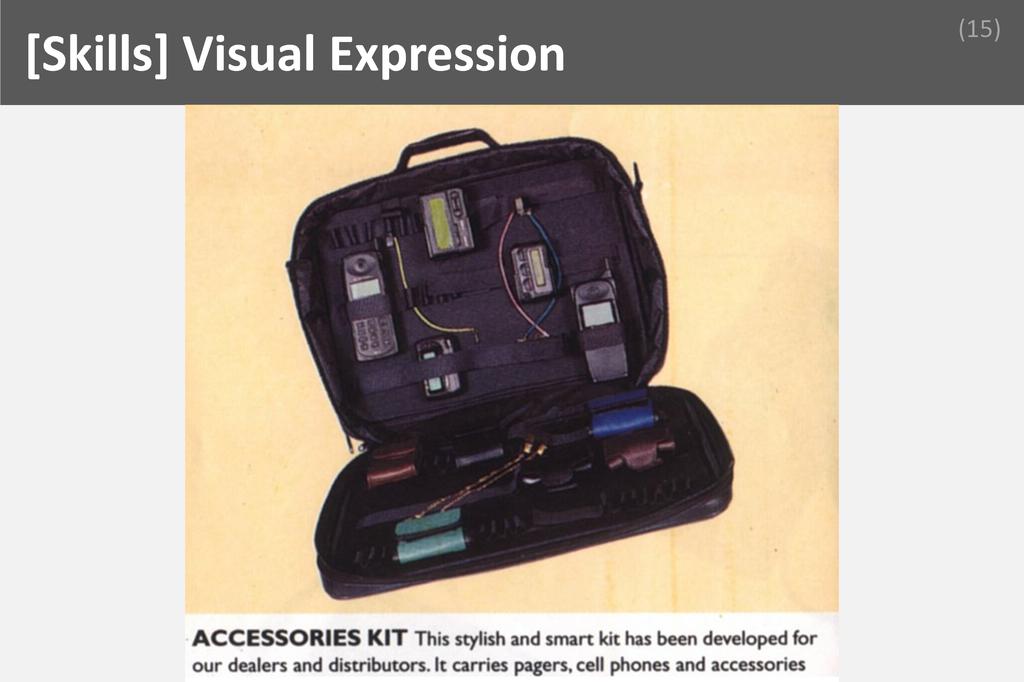
Visual Expression is the ability to communicate ideas, concepts, and emotions through visual elements such as diagrams, sketches, wireframes, and digital graphics. In Customer Journey Designing, it enables professionals to translate complex customer interactions into clear, engaging visuals that reveal patterns, pain points, and opportunities for improvement within the customer experience.
Mastering Visual Expression directly enhances a Customer Journey Designer’s effectiveness by making abstract processes tangible and accessible. Clients and employers highly value this skill because it accelerates understanding, fosters collaboration, and ensures alignment among stakeholders with varying backgrounds. Visual Expression bridges the gap between data and actionable insights, allowing teams to quickly identify issues and brainstorm solutions. To cultivate this skill, professionals should practice sketching journey maps, experiment with digital design tools, and seek feedback on their visual work. Over time, exposure to diverse visual styles and real-world projects sharpens one’s ability to select the most impactful visual formats, ensuring that every journey map or storyboard communicates its message with clarity and precision.
Imagine a Customer Journey Designer tasked with improving the onboarding process for a financial services app. The team struggles to pinpoint where users abandon the process. By leveraging Visual Expression, the designer creates a detailed journey map that visually traces each user interaction, highlighting emotional highs and lows with color-coded cues. This visual representation immediately reveals a confusing step that causes frustration and drop-offs. The clarity provided by the journey map enables the team to focus their efforts on redesigning that specific step, resulting in a smoother onboarding experience and higher user retention. In this scenario, Visual Expression transforms complex data into actionable insights, driving both problem-solving and measurable business success.
Agility

Agility is the ability to quickly adapt to changing circumstances, embrace new information, and respond effectively to evolving challenges. In Customer Journey Designing, agility empowers professionals to pivot strategies, integrate feedback, and continuously improve experiences, ensuring that customer needs are met even as markets, technologies, and expectations shift rapidly.
Agility enhances performance in Customer Journey Designing by enabling professionals to respond swiftly to customer feedback, market trends, and technological advancements. Clients and employers highly value this skill because it ensures that customer experiences remain relevant and competitive in dynamic environments. An agile designer can identify pain points, experiment with solutions, and implement improvements without delay, minimizing disruption and maximizing satisfaction. Cultivating agility involves fostering a growth mindset, staying informed about industry changes, and practicing iterative design methods. Regularly seeking feedback, collaborating across teams, and embracing change as an opportunity rather than a setback are key habits that help professionals develop and sustain agility over the course of their careers.
Imagine a Customer Journey Designer working for an e-commerce company that suddenly faces a surge in customer complaints about the checkout process. Instead of sticking to the original project timeline, the designer quickly gathers data, consults with stakeholders, and prototypes a streamlined solution within days. By rapidly testing and implementing the new design, the company sees a significant drop in cart abandonment rates and an increase in customer satisfaction. This scenario highlights how agility allows the professional to address urgent issues, adapt to real-time feedback, and deliver impactful results, ultimately strengthening the company’s reputation and customer loyalty.
Positives
Ever New Fields

"Ever New Fields" refers to the constant emergence of novel industries, technologies, and customer behaviors that continually reshape the landscape of customer journey designing. This dynamic environment ensures that professionals are always learning, adapting, and innovating, making the field both intellectually stimulating and perpetually relevant in a rapidly changing world.
The presence of ever new fields in customer journey designing means that no two days are ever quite the same. Professionals are continually exposed to fresh challenges and opportunities, which keeps their work engaging and prevents stagnation. This ongoing evolution fosters a culture of curiosity and lifelong learning, allowing individuals to expand their expertise and remain at the forefront of industry trends. As new markets and technologies emerge, customer journey designers are among the first to explore and shape these spaces, giving them a sense of purpose and influence. The excitement of navigating uncharted territory not only boosts job satisfaction but also accelerates personal and professional growth, making every project a chance to make a meaningful impact.
Imagine a customer journey designer working for a retail company as it ventures into the world of augmented reality shopping experiences. With the rise of this new technology, the designer must quickly learn about AR interfaces, understand evolving customer expectations, and craft seamless journeys that blend physical and digital touchpoints. Each day brings new discoveries, from collaborating with developers to testing prototypes with real users. The thrill of pioneering solutions in a previously unexplored field energizes the designer, who sees firsthand how their creativity shapes the future of shopping. This experience exemplifies how ever new fields make the profession both exciting and deeply rewarding, as professionals continuously break new ground and redefine what’s possible.
Gratifying

Gratifying describes the deep sense of fulfillment and satisfaction that arises from creating meaningful, positive outcomes for others. In the context of Customer Journey Designing, it refers to the rewarding feeling professionals experience when their work genuinely improves customer experiences, fosters loyalty, and drives business success through thoughtful, human-centered solutions.
The gratifying nature of Customer Journey Designing is a powerful motivator that elevates both personal and professional satisfaction. When designers witness the tangible impact of their efforts—such as increased customer happiness, smoother interactions, and stronger brand loyalty—they feel a sense of purpose and accomplishment. This emotional reward not only boosts morale but also encourages continuous learning and innovation. The daily experience of making a real difference in people’s lives transforms routine tasks into meaningful contributions, fostering a positive work environment and supporting long-term career growth. As professionals see their strategies come to life and deliver value, their passion for the field deepens, making each challenge more engaging and every success more rewarding.
Imagine a Customer Journey Designer who spends weeks analyzing feedback and mapping out a new onboarding process for a digital service. After launch, customer support tickets drop significantly, and users begin sharing positive stories about how easy and enjoyable the experience has become. The designer receives messages from both customers and colleagues, expressing appreciation for the improvements. Witnessing firsthand how their thoughtful design choices have reduced frustration and created delight, the professional feels a profound sense of gratification. This moment of recognition and the visible impact of their work reinforce their commitment to the craft, making the challenges and effort invested feel truly worthwhile.
Being Unique

Being unique means embracing your individual perspective, creativity, and approach, allowing you to stand out from the crowd by offering fresh insights and innovative solutions. In customer journey designing, this uniqueness enables professionals to craft experiences that are not only effective but also memorable, setting brands apart in a competitive marketplace. By leveraging their distinct qualities, designers can connect with diverse audiences and address challenges in ways that conventional thinking might overlook. This personal touch transforms routine interactions into meaningful engagements, making the role both impactful and deeply satisfying.
The value of being unique in customer journey designing lies in the ability to see beyond standard templates and create tailored experiences that resonate with customers on a personal level. This distinctiveness fosters a sense of ownership and pride, as professionals witness their original ideas come to life and make a tangible difference. It also encourages continuous learning and growth, since each project presents new opportunities to innovate and refine one’s approach. The daily experience of applying one’s unique strengths leads to higher job satisfaction, as designers feel genuinely valued for their contributions. Ultimately, this positive aspect not only enhances individual careers but also drives the evolution of customer experience as a whole.
Imagine a customer journey designer tasked with improving the onboarding process for a financial app. Drawing on their unique background in behavioral psychology, they introduce interactive tutorials and personalized messaging that address users’ anxieties about managing money. As feedback pours in, users express appreciation for the empathetic and engaging approach, noting how it made them feel understood and supported. The designer’s distinctive perspective not only solves a business challenge but also creates a lasting emotional connection with customers. This experience reinforces the designer’s sense of purpose and fulfillment, demonstrating how being unique can transform both professional success and the lives of those they serve.
Being Specialized

Being specialized means possessing deep, focused expertise in a specific area, honed through dedicated learning, hands-on experience, and continuous improvement. In customer journey designing, this specialization allows professionals to understand complex customer behaviors, anticipate needs, and craft seamless experiences that drive loyalty and satisfaction. Such expertise is highly valued and sought after.
Specialization in customer journey designing transforms a professional’s daily work into a purposeful and impactful endeavor. With advanced knowledge and skills, specialists can confidently tackle intricate challenges, propose innovative solutions, and deliver measurable results for both customers and organizations. This level of mastery not only sets them apart in a competitive job market but also fosters a sense of pride and accomplishment. As specialists, they become trusted advisors, often consulted for their insights and strategic vision. This recognition leads to greater job satisfaction, opportunities for career advancement, and the ability to shape meaningful customer experiences. Every day, specialists witness the tangible effects of their expertise, knowing their unique contributions drive business success and customer happiness.
Imagine a customer journey designer at a leading e-commerce company who has specialized in post-purchase engagement. Drawing on deep knowledge of customer psychology and digital touchpoints, they identify a gap in the company’s follow-up communications. By designing a tailored post-purchase email sequence and integrating personalized recommendations, the specialist not only increases repeat purchases but also receives enthusiastic feedback from both customers and colleagues. Leadership recognizes their unique expertise, inviting them to lead a workshop for the broader team. This experience reinforces the value of being specialized, as the professional sees firsthand how their focused skills directly enhance customer satisfaction, drive business results, and earn respect within the organization.
Wide Opportunities

Wide Opportunities refers to the vast range of roles, industries, and career paths available to professionals in customer journey designing. It encompasses the ability to work across sectors, collaborate with diverse teams, and continually learn new skills. This breadth of possibilities empowers individuals to shape their careers dynamically and creatively.
The presence of wide opportunities in customer journey designing is a significant driver of job satisfaction and professional growth. With the freedom to explore various industries, from retail to technology to healthcare, professionals can align their work with personal interests and values. The dynamic nature of this field means that no two projects are the same, fostering continuous learning and adaptability. This variety keeps daily work engaging and prevents stagnation, while the chance to collaborate with multidisciplinary teams broadens perspectives and enhances problem-solving skills. Ultimately, wide opportunities enable professionals to carve out unique career trajectories, pursue leadership roles, or specialize in emerging areas, making the journey both rewarding and sustainable.
Imagine a customer journey designer who begins their career in the e-commerce sector, optimizing online shopping experiences. Over time, they leverage their skills to transition into the healthcare industry, where they design patient engagement journeys for a hospital network. Each new role presents fresh challenges and learning opportunities, from understanding different customer needs to mastering new technologies. This professional finds fulfillment in the ability to pivot between industries, collaborate with experts from various backgrounds, and see the tangible impact of their work on diverse audiences. The wide opportunities available not only keep their career exciting but also allow them to grow in expertise and confidence, making each day both meaningful and inspiring.
Flexible Work Formats

Flexible Work Formats refer to adaptable work arrangements that allow professionals to choose when, where, and how they perform their tasks, including options like remote work, flexible hours, and hybrid schedules. In Customer Journey Designing, this flexibility empowers individuals to tailor their work environment and routines to maximize creativity, productivity, and personal well-being.
The ability to work flexibly is a transformative benefit in Customer Journey Designing, as it enables professionals to harmonize their personal and professional lives. This freedom fosters greater job satisfaction, reduces burnout, and encourages innovative thinking by allowing designers to work during their most productive hours. Flexible arrangements also make it easier to collaborate with global teams and respond to customer needs across different time zones. As a result, professionals feel more valued and trusted, which boosts morale and motivates them to deliver exceptional results. Every day, they experience the autonomy to structure their workflow, leading to a more balanced and fulfilling career.
Imagine a Customer Journey Designer who thrives in the early morning, using those quiet hours at home to brainstorm and map out new user experiences. Later in the day, they join virtual meetings with colleagues from around the world, seamlessly integrating feedback and insights. On some days, they choose to work from a co-working space or a local café, drawing inspiration from different environments. This flexibility not only enhances their creativity and productivity but also allows them to attend to personal commitments without compromising their professional responsibilities. The result is a dynamic, satisfying work life where personal growth and professional excellence go hand in hand.
Challenges
Sharing Your Vision

Sharing your vision in Customer Journey Designing means clearly communicating your strategic ideas, goals, and user experience concepts to diverse stakeholders. This is demanding because it requires translating complex, often abstract insights into compelling narratives that resonate with teams, clients, and decision-makers who may have differing priorities or levels of understanding.
The challenge of sharing your vision can create misunderstandings, misaligned objectives, and resistance to change, which can slow down project progress and dilute the intended customer experience. This difficulty demands resilience because professionals must persistently advocate for their ideas, adapt their communication style, and remain open to feedback. Successful practitioners overcome this by building trust, using storytelling techniques, and leveraging visual aids or prototypes to make their vision tangible. They also foster collaborative environments where stakeholders feel heard, which helps bridge gaps in understanding and encourages buy-in. By consistently refining their message and demonstrating the value of their vision through small wins, they gradually align teams and drive projects forward.
Consider a Customer Journey Designer tasked with overhauling a retail brand’s online experience. Initially, key stakeholders are skeptical about the proposed changes, fearing disruption to established processes. The designer organizes interactive workshops where stakeholders experience the journey from a customer’s perspective, using journey maps and mockups to illustrate pain points and opportunities. Through open dialogue and real-time feedback, the designer addresses concerns and adapts the vision to incorporate valuable input. Over time, stakeholders begin to see the benefits, leading to enthusiastic support and smoother implementation. By patiently guiding the team through the vision and demonstrating its impact, the designer successfully navigates the challenge of sharing their vision and achieves meaningful transformation.
Structured Environment

A structured environment in Customer Journey Designing refers to a workplace with rigid processes, predefined workflows, and strict adherence to established protocols. This setting limits creative freedom and flexibility, making it challenging to introduce innovative solutions or adapt quickly to evolving customer needs, thus demanding adaptability and strategic thinking from professionals.
The constraints of a structured environment can make daily work feel restrictive, as professionals must operate within fixed guidelines and limited autonomy. This often leads to frustration when trying to implement new ideas or respond to unique customer insights. Navigating such rigidity requires resilience, as it demands patience and the ability to find opportunities for improvement within existing frameworks. Successful professionals manage this by building strong relationships with stakeholders, advocating for incremental changes, and demonstrating the value of their suggestions through data and small wins. By aligning their initiatives with organizational goals and communicating effectively, they gradually earn trust and create space for innovation, even within a highly structured setting.
Consider a customer journey designer at a large financial institution, where compliance and standardized processes dominate every project. Faced with resistance to change, the designer identifies a recurring pain point in the onboarding process. Instead of proposing a complete overhaul, they collect data on customer drop-off rates and present a targeted solution that fits within current protocols. By collaborating closely with compliance teams and demonstrating how the change improves both customer satisfaction and regulatory adherence, the designer gains approval for a pilot program. The success of this initiative not only addresses the immediate issue but also builds credibility, paving the way for further enhancements within the structured environment.
Attachment to your Creation

Attachment to your Creation in Customer Journey Designing refers to the emotional investment professionals develop toward their crafted experiences, touchpoints, and solutions. This attachment becomes demanding because it can cloud objectivity, making it difficult to accept feedback, adapt to evolving customer needs, or let go of ideas that no longer serve the journey’s goals.
This challenge often manifests in daily work as resistance to change, defensiveness during feedback sessions, or reluctance to iterate on established designs. Such attachment can hinder innovation and slow down the process of optimizing customer experiences. Overcoming this difficulty requires resilience, as professionals must continuously detach personal ego from their work and remain open to constructive criticism. Successful customer journey designers cultivate a mindset that values outcomes over ownership, focusing on the journey’s effectiveness rather than personal preference. They regularly seek diverse perspectives, embrace data-driven decision-making, and remind themselves that the ultimate goal is to serve the customer, not to preserve their original ideas.
Consider a customer journey designer who has spent weeks developing a new onboarding process for a digital product. After launch, user feedback reveals unexpected friction points, and stakeholders suggest significant changes. Initially, the designer feels disheartened, having invested considerable effort and creativity. However, by consciously shifting focus from personal attachment to the project’s objectives, the designer actively participates in feedback sessions, analyzes user data, and collaborates with the team to iterate the journey. This openness not only improves the onboarding experience but also strengthens the designer’s professional growth, demonstrating that letting go of attachment can lead to better outcomes for both customers and creators.
A Day Of
Customer Journey Designing
The hum of anticipation fills the air as a Customer Journey Designing professional steps into their day—a day that promises a blend of creativity, analysis, and collaboration. The environment is dynamic, often shifting between virtual brainstorming sessions and deep dives into customer data, all while keeping the end-user’s experience at the heart of every decision. Each hour pulses with the challenge of mapping seamless interactions, troubleshooting pain points, and crafting journeys that feel intuitive and memorable. In this role, no two days are ever quite the same, but the rhythm of discovery, design, and delivery remains constant, driving both personal satisfaction and measurable business impact.
The day begins with a quiet review of dashboards and customer feedback channels, setting the stage for what’s ahead. This early morning window is dedicated to scanning through overnight data, recent support tickets, and social media mentions to spot emerging trends or recurring friction points. With a fresh cup of coffee in hand, the Customer Journey Designer updates journey maps, annotates new insights, and prioritizes which touchpoints need attention. This focused solitude allows for strategic thinking and ensures that the rest of the day is anchored in real, actionable customer intelligence.
As the morning unfolds, the pace accelerates with immersive workshop sessions. Here, the Customer Journey Designer joins forces with cross-functional teams—product managers, UX designers, marketers, and customer support leads—to dissect specific stages of the customer journey. These sessions are lively and interactive, filled with whiteboard sketches, empathy mapping, and spirited debates about user motivations and pain points. The goal is to align on solutions that not only address immediate issues but also elevate the overall experience, ensuring that every stakeholder’s perspective is woven into the journey’s fabric.
Afternoons are reserved for translating morning insights into tangible outcomes. The Customer Journey Designer shifts gears into execution mode, building prototypes, drafting new communication flows, or collaborating with developers to implement changes. This period is marked by hands-on work, whether it’s refining wireframes, testing new onboarding sequences, or preparing A/B tests to validate hypotheses. Regular check-ins with project teams keep momentum high, and any roadblocks are tackled head-on to keep initiatives moving forward.
As the day winds down, attention turns to reflection and preparation for tomorrow. The Customer Journey Designer reviews the day’s progress, documents key learnings, and updates project trackers. There’s time set aside for researching emerging customer experience trends or exploring new tools that could enhance future journeys. Before logging off, priorities for the next day are outlined, ensuring a smooth transition and a clear focus. This closing ritual not only brings closure to the day’s work but also fuels continuous improvement, keeping the customer journey ever-evolving and ahead of expectations. |


 Home
Home Abroad
 Plan
Plan Philosophy
 Seminar
 Pages
Pages Advisors
 Testimonials













 Workshop
 Discuss
 Meet
Meet
 Advisor
 Story
Story
 Fine Print
 Links
Links
 Blog
Blog
 Follow
