Career Counselling 2.0 HomeHomeCareer Counselling 2.0 AbroadAbroadCareer Counselling 2.0 PlanPlanCareer Counselling 2.0 | TalksTalksCareer Counselling 2.0 PhilosophyPhilosophyCareer Counselling 2.0 SeminarSeminarCareer Counselling 2.0 PagesPagesCareer Counselling 2.0 AdvisorsAdvisorsCareer Counselling 2.0 TestimonialsTestimonials

Civil Law

Advocate and Consultant Ashish Chakravarty talks about Civil Law course, what is Civil Law and other details about a Career in Civil Law.


Civil Law

Ashish Chakravarty | Advocate and Consultant | District Court, Dehradun


What is Civil Law?


There are many nuances of a Career in Civil Law. Unfortunately, it is very difficult to find information about What Civil Law actually is. Most pages on the internet just talk about How to get into Civil Law. The most authoritative source of information on Civil Law is someone with real experience in it.

Advocate and Consultant Ashish Chakravarty has worked in Civil Law for 11 years. Advocate and Consultant Ashish Chakravarty describes Civil Law as:

Civil Law is the system of law concerned with private relations between members of a community rather than criminal, military, or religious affairs.


How Advocate and Consultant Ashish Chakravarty got into Civil Law?


After completing LLM from Kurukshetra University, I started practicing at District Court, Dehradun since 2006.


Advocate and Consultant Ashish Chakravarty's Talk on Civil Law


Session Image
The Journey of Civil Law


What Is Civil Law


Civil Law

What is
Civil law is a branch of law that deals with disputes between individuals, organizations, or both, where compensation may be awarded to the victim. It covers areas such as contracts, property, family, and torts, focusing on resolving non-criminal conflicts through legal processes and remedies.

Concept
Civil law plays a crucial role in maintaining social order by providing a structured framework for resolving private disputes. For professionals in this field, it offers the opportunity to advocate for clients’ rights, negotiate settlements, and ensure fair outcomes. One major benefit is the ability to help individuals and businesses protect their interests through legal agreements. Another advantage is the intellectual challenge of interpreting statutes and precedents to craft persuasive arguments. Additionally, civil law professionals contribute to societal stability by upholding justice and fostering trust in legal institutions, making their work both impactful and rewarding.

Real World Example
A civil law professional, such as a civil litigation attorney, might represent a client in a contract dispute. Suppose a business owner claims a supplier failed to deliver goods as promised, resulting in financial loss. The attorney would gather evidence, interpret the contract terms, and attempt to negotiate a settlement. If negotiations fail, the case may proceed to court, where the attorney presents arguments and evidence before a judge. Through this process, the civil law professional helps resolve the dispute, potentially securing compensation for the client and clarifying contractual obligations for both parties. This example illustrates how civil law is applied to protect rights and ensure accountability in everyday business relationships.

Education


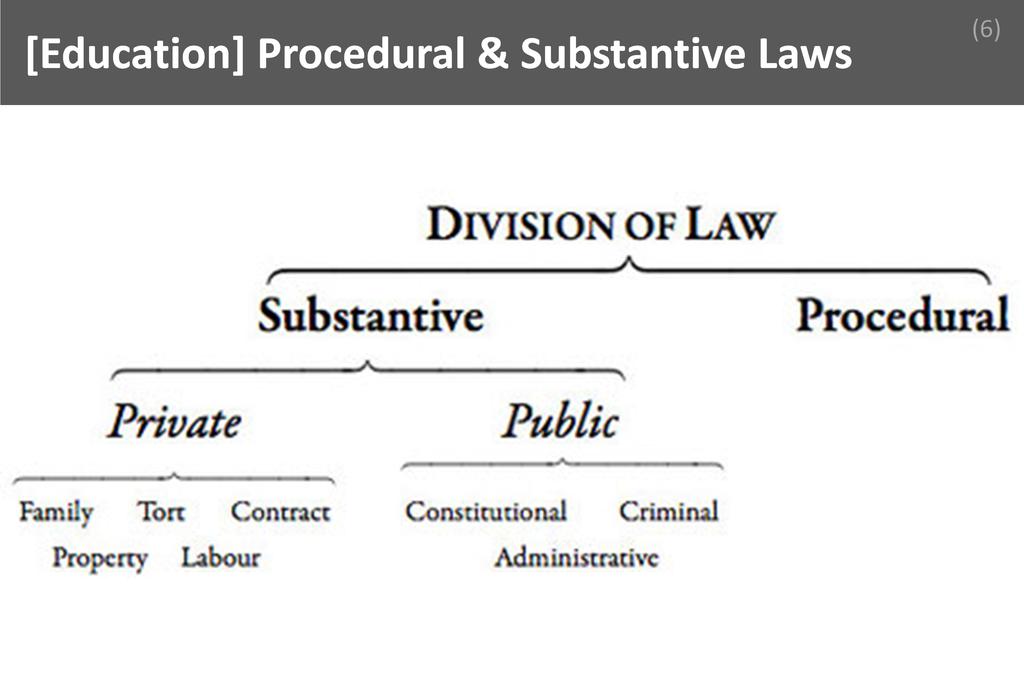
Procedural & Substantive Laws

### Procedural & Substantive Laws Image
What is
Procedural laws outline the methods and processes for enforcing legal rights and obligations, while substantive laws define the actual rights and duties of individuals. Together, they form the backbone of civil law, shaping both academic study and professional practice by guiding how legal disputes are resolved and justice is administered.

Concept
A deep understanding of procedural and substantive laws is essential for anyone preparing for or working in civil law. These concepts provide the framework for analyzing legal issues, constructing arguments, and ensuring fair outcomes in civil disputes. Mastery of substantive law enables professionals to identify the rights and obligations at stake, while procedural law knowledge ensures that these rights are asserted and defended correctly within the legal system. This dual expertise not only enhances analytical and advocacy skills but also builds credibility with clients, colleagues, and the courts. Over the long term, proficiency in both areas supports career advancement, as it is fundamental to effective legal practice, strategic case management, and the consistent delivery of justice.

Real World Example
Consider a civil lawyer representing a client in a breach of contract case. The lawyer must first apply substantive law to determine whether a valid contract existed, what terms were breached, and what remedies are available. Simultaneously, the lawyer must navigate procedural law by filing the correct documents within statutory deadlines, adhering to rules of evidence, and following court protocols during hearings. This interplay ensures that the client’s rights are not only recognized but also effectively enforced. By integrating their knowledge of both procedural and substantive laws, the lawyer maximizes the client’s chances of a favorable outcome while maintaining the integrity of the legal process.

Land Laws

### Land Laws Image
What is
Land Laws refer to the body of legal rules and principles governing the ownership, use, transfer, and regulation of land and immovable property. In Civil Law, understanding Land Laws is essential, as it forms a core component of both academic study and practical legal work, influencing property rights, transactions, and dispute resolution.

Concept
A thorough grasp of Land Laws is indispensable for anyone preparing for or working in Civil Law. This subject underpins the legal framework that regulates property rights, land transactions, and the resolution of disputes involving real estate. Mastery of Land Laws equips professionals with the ability to interpret and draft property documents, advise clients on land acquisition or sale, and navigate complex regulatory requirements. Over the course of a legal career, this knowledge ensures that practitioners can protect client interests, prevent costly litigation, and contribute to the fair administration of justice. Furthermore, expertise in Land Laws enhances credibility and opens opportunities in specialized fields such as property law, real estate development, and urban planning.

Real World Example
Consider a civil lawyer representing a client in a dispute over the boundary of a residential property. The lawyer’s understanding of Land Laws enables them to interpret land records, survey maps, and title deeds accurately. By applying their knowledge, the lawyer can identify legal flaws in the opposing party’s claim, gather supporting evidence, and present a compelling argument in court. This expertise also allows the lawyer to negotiate settlements or draft agreements that clearly define property boundaries, thereby preventing future disputes. In daily practice, such application of Land Laws ensures that property transactions are legally sound and that clients’ rights are effectively safeguarded.

Hindu Laws

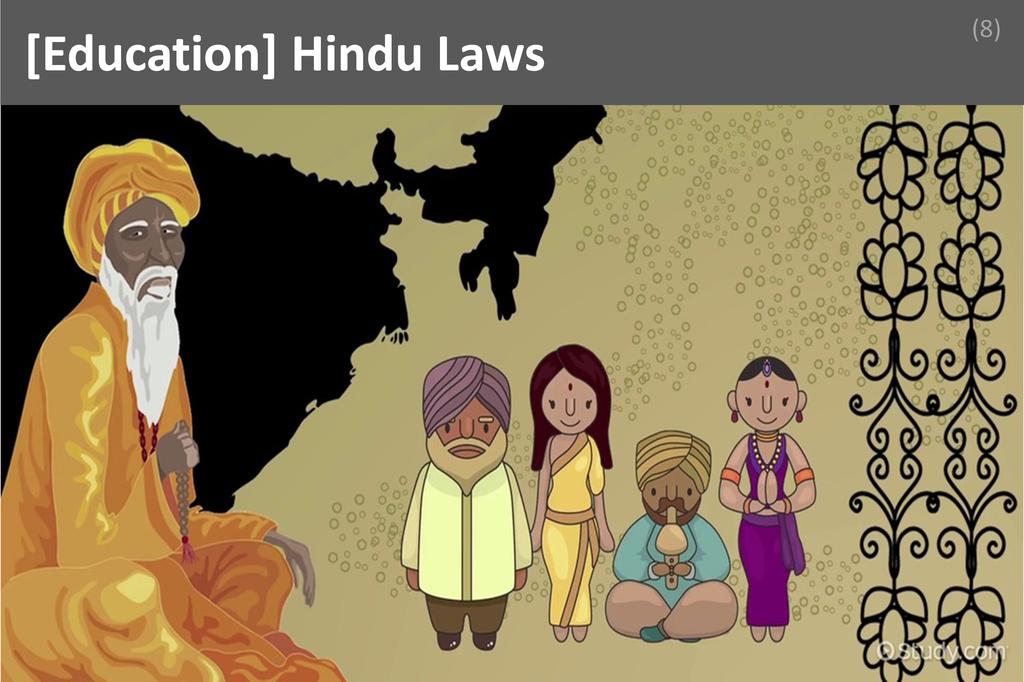
### Hindu Laws Image
What is
Hindu Laws refer to the body of personal laws that govern matters such as marriage, divorce, inheritance, adoption, and succession among Hindus in India. These laws are rooted in ancient scriptures and have evolved through legislative reforms, forming a crucial part of the civil law framework for those dealing with family and personal matters.

Concept
Understanding Hindu Laws is essential for anyone preparing for or working in Civil Law, especially in jurisdictions where personal laws are applied based on religion. Mastery of these laws equips professionals with the ability to interpret and apply statutes and precedents in cases involving family disputes, property division, and succession. This foundational knowledge not only enhances legal reasoning but also ensures compliance with statutory requirements and ethical considerations. Over the long term, expertise in Hindu Laws broadens a civil law professional’s scope, enabling them to handle a diverse range of cases and serve a wider client base. It also fosters cultural sensitivity and a nuanced approach to dispute resolution, which are invaluable assets in legal practice.

Real World Example
Consider a civil lawyer handling a dispute over ancestral property among siblings belonging to a Hindu family. The lawyer must apply the principles of Hindu Succession Act to determine the rightful heirs and the share each is entitled to. This requires a thorough understanding of the definitions of coparcenary, the distinction between self-acquired and ancestral property, and the rights of female heirs as per recent amendments. By leveraging their knowledge of Hindu Laws, the lawyer can guide the parties toward an equitable settlement or represent them effectively in court, ensuring that the outcome aligns with both statutory provisions and the clients’ cultural expectations. This scenario highlights the practical necessity of mastering Hindu Laws in civil legal practice.

Matrimonial Laws

### Matrimonial Laws Image
What is
Matrimonial Laws refer to the body of legal statutes, regulations, and case law governing marriage, divorce, separation, maintenance, and related familial rights and obligations. In Civil Law, these laws form a crucial subset, shaping the legal framework for resolving personal and family disputes, and are essential for both academic study and professional practice.

Concept
Understanding Matrimonial Laws is vital for anyone preparing for or working in Civil Law because it addresses some of the most sensitive and complex issues individuals face. Mastery of this subject equips professionals with the ability to interpret and apply statutes and precedents concerning marriage, divorce, child custody, and property division. This knowledge not only forms the foundation for advising clients and representing them in court but also ensures compliance with evolving legal standards and societal expectations. Over the long term, expertise in matrimonial matters enhances a civil law professional’s versatility, credibility, and ability to handle a wide range of cases, making them indispensable in both private practice and public service roles.

Real World Example
Consider a civil law practitioner approached by a client seeking a divorce and concerned about child custody and asset division. The lawyer’s theoretical understanding of Matrimonial Laws enables them to assess the client’s situation, explain their rights and obligations, and outline possible legal outcomes. During negotiations or court proceedings, the practitioner applies knowledge of relevant statutes and case law to advocate for fair custody arrangements and equitable distribution of property. This expertise also allows the lawyer to anticipate potential complications, such as jurisdictional issues or enforcement of maintenance orders, ensuring comprehensive and effective representation. In this way, a solid grasp of Matrimonial Laws directly informs daily decision-making and client advocacy in civil law practice.

Other Laws

### Other Laws Image
What is
"Other Laws" refers to statutes, regulations, and legal principles outside the core Civil Code, such as special laws on property, obligations, contracts, family relations, and procedural rules. In Civil Law, understanding these supplementary laws is essential, as they interact with and sometimes modify or clarify Civil Code provisions.

Concept
A deep understanding of Other Laws is crucial for anyone preparing for or working in Civil Law because legal issues rarely arise in isolation. Civil Law professionals must navigate a complex legal landscape where special statutes and regulations frequently intersect with the Civil Code. Mastery of Other Laws ensures that practitioners can provide comprehensive legal advice, anticipate potential legal conflicts, and craft effective solutions for clients. This knowledge also enhances analytical skills, enabling professionals to interpret and apply the law holistically. Over the long term, expertise in Other Laws distinguishes competent practitioners, supports career advancement, and builds credibility with clients, colleagues, and the courts.

Real World Example
Consider a civil law attorney handling a property dispute involving a condominium unit. While the Civil Code provides general rules on property ownership, the attorney must also apply the Condominium Act, a special law governing condominium corporations, rights of unit owners, and management regulations. By integrating knowledge from both the Civil Code and the Condominium Act, the attorney can accurately advise the client on their rights and obligations, draft compliant contracts, and represent the client effectively in negotiations or litigation. This scenario demonstrates how theoretical understanding of Other Laws translates into practical competence, ensuring that legal solutions are both comprehensive and legally sound.

Behavioural Psychology

### Behavioural Psychology Image
What is
Behavioural Psychology is the scientific study of observable actions and the processes that drive them, focusing on how individuals learn, respond, and adapt to their environment. In Civil Law, understanding behavioural psychology is essential for interpreting actions, motivations, and reactions, making it a crucial component of both academic study and professional practice.

Concept
For anyone preparing for or working in Civil Law, mastering behavioural psychology is vital because it provides deep insights into human motivation, decision-making, and interpersonal dynamics. Civil law cases often hinge on understanding why people act as they do, whether in contract disputes, torts, or family law matters. By grasping behavioural psychology, legal professionals can better anticipate client needs, interpret witness statements, and negotiate settlements more effectively. This knowledge forms a foundational base that enhances communication, empathy, and analytical skills, all of which are indispensable in legal practice. Over the long term, professionals who understand behavioural psychology are better equipped to build trust, resolve conflicts, and achieve fair outcomes, giving them a significant advantage in their careers.

Real World Example
Imagine a civil lawyer mediating a dispute between two business partners. By applying principles from behavioural psychology, the lawyer observes not just the words spoken, but also non-verbal cues such as body language, tone, and emotional responses. Recognizing signs of defensiveness or anxiety, the lawyer adapts their approach to foster a sense of safety and openness, encouraging honest dialogue. This nuanced understanding helps the lawyer identify underlying interests and motivations that may not be explicitly stated. As a result, the lawyer can guide the negotiation toward a resolution that addresses both parties’ true concerns, ultimately achieving a more satisfactory and lasting agreement. This scenario demonstrates how behavioural psychology directly enhances effectiveness in civil law practice.

Skills


Perceptive

### Perceptive Image
What is
Perceptive refers to the ability to notice and understand subtle details, underlying motives, and nuanced information that others might overlook. In civil law, being perceptive enables professionals to interpret complex legal documents, anticipate opposing arguments, and recognize the unspoken needs or concerns of clients, making it a vital skill for effective advocacy.

Concept
A perceptive civil law professional can identify hidden issues in contracts, detect inconsistencies in testimonies, and foresee potential legal challenges before they arise. Clients and employers highly value this skill because it leads to more thorough case preparation, stronger negotiation positions, and better risk management. Cultivating perceptiveness involves active listening, continuous learning, and reflective practice. Engaging in regular case reviews, seeking feedback from mentors, and staying updated on legal trends can sharpen one’s ability to notice patterns and subtle cues. Over time, this skill becomes second nature, allowing civil law practitioners to deliver more comprehensive and strategic legal solutions that inspire trust and confidence.

Real World Example
Imagine a civil law attorney reviewing a client’s business contract. While the document appears standard, the attorney’s perceptive nature leads them to notice a vaguely worded clause regarding intellectual property rights. Recognizing its potential for future disputes, the attorney investigates further, consults with the client about their business goals, and negotiates a clearer, more favorable provision. This attention to detail not only prevents costly litigation down the line but also strengthens the client’s trust in the attorney’s expertise. In this scenario, being perceptive transforms a routine review into a proactive safeguard, demonstrating how the skill directly contributes to successful outcomes in civil law practice.

Quick Witted

### Quick Witted Image
What is
Quick witted means possessing the mental agility to think, respond, and adapt rapidly and intelligently in dynamic situations. In civil law, this skill enables professionals to analyze complex information, anticipate challenges, and craft effective solutions on the spot. It is indispensable for navigating negotiations, court proceedings, and client consultations.

Concept
Quick wittedness directly enhances a civil law professional’s ability to respond to unexpected developments, whether in the courtroom or during negotiations. Clients and employers value this skill because it ensures that their interests are protected even when circumstances change suddenly. A quick witted lawyer can spot weaknesses in opposing arguments, propose creative solutions, and maintain composure under pressure. Cultivating this skill involves staying informed about legal developments, practicing active listening, and engaging in exercises that challenge one’s reasoning and adaptability. Over time, exposure to diverse cases and scenarios helps sharpen this ability, making it an invaluable asset in the fast-paced world of civil law.

Real World Example
Imagine a civil law attorney representing a client in a high-stakes contract dispute. During a crucial hearing, the opposing counsel introduces an unexpected piece of evidence that could undermine the client’s position. Relying on quick wittedness, the attorney immediately identifies a procedural flaw in how the evidence was obtained and articulates a compelling objection. The judge, persuaded by the attorney’s rapid and well-reasoned response, rules the evidence inadmissible. This swift thinking not only protects the client’s interests but also demonstrates the attorney’s competence and reliability. In such moments, being quick witted can make the difference between success and failure in civil law practice.

Command over Language

### Command over Language Image
What is
Command over language refers to the ability to use language precisely, clearly, and persuasively, both in writing and speaking, to convey complex ideas and arguments effectively. In civil law, this skill is indispensable, as it enables professionals to interpret statutes, draft documents, and advocate for clients with accuracy and confidence.

Concept
A strong command over language directly enhances a civil law professional’s performance by ensuring that legal documents, contracts, and arguments are unambiguous and compelling. Clients and employers highly value this skill because it minimizes misunderstandings, reduces the risk of costly errors, and strengthens the credibility of legal advice. To cultivate this skill, individuals should engage in continuous reading of legal texts, practice drafting various legal documents, and seek constructive feedback from mentors or peers. Over time, consistent exposure to legal language and deliberate practice in both written and oral communication help professionals refine their ability to articulate complex legal concepts with clarity and precision.

Real World Example
Imagine a civil law attorney tasked with drafting a settlement agreement in a complex property dispute. The opposing parties have conflicting interpretations of a key clause. By leveraging their command over language, the attorney carefully revises the clause to eliminate ambiguity, ensuring that the agreement reflects the true intent of both parties. This precise use of language not only resolves the dispute amicably but also prevents future litigation arising from misinterpretation. The attorney’s skill in articulating terms clearly and persuasively reassures the clients and demonstrates professionalism, ultimately leading to a successful resolution and enhanced reputation within the legal community.

Persuasion

### Persuasion Image
What is
Persuasion is the ability to influence others’ thoughts, decisions, or actions through logical reasoning, emotional appeal, and effective communication. In civil law, persuasion is vital because professionals must convince judges, opposing parties, or clients of their interpretation of facts, legal arguments, or the merits of a case to achieve favorable outcomes.

Concept
Persuasion directly enhances a civil law professional’s effectiveness by enabling them to present compelling arguments, negotiate settlements, and advocate for their clients’ interests with clarity and conviction. Clients and employers value this skill because it often determines the success of legal proceedings, negotiations, or dispute resolutions. Cultivating persuasion involves continuous practice in articulating arguments, understanding opposing viewpoints, and refining communication techniques. Engaging in mock trials, seeking feedback from mentors, and studying successful legal arguments can help professionals hone their persuasive abilities over time. As this skill develops, professionals become more adept at navigating complex legal scenarios and achieving results that align with their clients’ objectives.

Real World Example
Imagine a civil law attorney representing a client in a contract dispute where the opposing party refuses to settle. The attorney carefully analyzes the facts and crafts a narrative that highlights the fairness and practicality of their client’s position. During mediation, the attorney uses persuasive language, appeals to the mediator’s sense of justice, and addresses the concerns of the opposing party. By presenting the case in a logical and emotionally resonant manner, the attorney successfully convinces both the mediator and the other side to agree to a favorable settlement. This scenario demonstrates how persuasion can be the decisive factor in resolving disputes efficiently and achieving the best possible outcome for a client.

Persistence and Resilience

### Persistence and Resilience Image
What is
Persistence and resilience refer to the unwavering determination to continue striving toward goals despite setbacks, obstacles, or repeated failures, and the ability to recover quickly from difficulties. In civil law, these qualities empower professionals to navigate complex legal challenges, adapt to changing circumstances, and maintain focus on achieving just outcomes.

Concept
Persistence and resilience are vital in civil law because cases often involve lengthy procedures, unexpected complications, and adversarial negotiations. Professionals who demonstrate these qualities are better equipped to handle setbacks, such as unfavorable rulings or difficult clients, and to keep working toward positive resolutions. Clients and employers value this skill because it ensures that their interests are represented with unwavering dedication, even when the path forward is uncertain or arduous. Cultivating persistence and resilience involves embracing challenges as learning opportunities, seeking feedback, and maintaining a positive outlook. Over time, consistent effort, reflection, and support from mentors or colleagues help strengthen these attributes, making legal professionals more effective and reliable in their roles.

Real World Example
Imagine a civil law attorney representing a client in a complex property dispute that drags on for several years due to procedural delays and repeated appeals from the opposing party. Throughout the process, the attorney faces multiple setbacks, including unfavorable interim decisions and mounting pressure from the client to resolve the matter quickly. Instead of becoming discouraged, the attorney demonstrates persistence by meticulously preparing each new argument, researching evolving case law, and filing necessary motions without losing momentum. Resilience is shown in the attorney’s ability to remain composed and focused, reassuring the client and adapting strategies as new challenges arise. Ultimately, this steadfast approach leads to a favorable settlement, highlighting how persistence and resilience are indispensable for success in civil law.

Positives


Intellectually Stimulating

### Intellectually Stimulating Image
What is
"Intellectually stimulating" describes work that consistently challenges the mind, encourages critical thinking, and requires creative problem-solving. In civil law, this means engaging with complex legal principles, analyzing intricate cases, and interpreting evolving statutes. This intellectual engagement fosters growth, sharpens reasoning skills, and keeps professionals motivated by offering new puzzles to solve every day.

Concept
The intellectually stimulating nature of civil law is a cornerstone of its appeal. Legal professionals thrive on the constant mental engagement, as each case presents unique facts, legal questions, and strategic considerations. This dynamic environment prevents monotony and encourages continuous learning, which is essential for personal and professional growth. The satisfaction of unraveling complex legal issues and crafting persuasive arguments leads to a deep sense of accomplishment. Over time, this ongoing intellectual challenge not only enhances expertise but also builds confidence and adaptability. For many, the joy of mastering new legal concepts and applying them creatively to real-world problems is what makes a career in civil law truly rewarding.

Real World Example
Imagine a civil lawyer tasked with representing a client in a high-stakes contract dispute involving multiple parties and ambiguous terms. The lawyer must meticulously analyze the contract, research relevant case law, and anticipate opposing arguments. Each step demands careful reasoning and innovative thinking to build a compelling case. As the proceedings unfold, the lawyer collaborates with colleagues, debates legal interpretations, and adapts strategies in response to new developments. The process is mentally invigorating, as it requires synthesizing information, making quick decisions, and presenting arguments persuasively. By the end of the case, the lawyer experiences a profound sense of fulfillment, knowing their intellectual efforts directly influenced the outcome.

Battle of wits

### Battle of wits Image
What is
A "battle of wits" is the intellectual contest between individuals who use reasoning, strategy, and sharp thinking to outmaneuver each other. In civil law, this dynamic drives lawyers to craft compelling arguments, anticipate opponents’ moves, and creatively interpret statutes, making the profession both intellectually stimulating and personally rewarding.

Concept
The battle of wits is a cornerstone of civil law, infusing each case with excitement and challenge. This intellectual engagement transforms routine legal work into a dynamic arena where professionals constantly sharpen their analytical skills and legal acumen. The need to anticipate opposing arguments and devise innovative solutions fosters continuous learning and personal growth. As civil law practitioners navigate complex disputes, they experience a sense of accomplishment from outthinking their counterparts and achieving favorable outcomes for their clients. This ongoing mental stimulation not only boosts job satisfaction but also cultivates resilience, adaptability, and confidence, making every day in the profession uniquely rewarding and motivating.

Real World Example
Imagine a civil lawyer representing a client in a high-stakes contract dispute. The opposing counsel presents a seemingly airtight argument, citing obscure case law. Drawing on their experience and quick thinking, the civil lawyer identifies a subtle flaw in the opposition’s logic and introduces a precedent that shifts the interpretation in their client’s favor. The courtroom becomes a stage for intellectual sparring, where each side must think several steps ahead. When the judge rules in favor of their client, the lawyer feels a profound sense of fulfillment, knowing their strategic insight and mental agility made the difference. This moment exemplifies how the battle of wits transforms legal practice into a deeply satisfying and intellectually rich career.

Helping

### Helping Image
What is
Helping, in the context of civil law, means providing guidance, support, and advocacy to individuals or groups seeking justice, resolution, or protection of their rights. It involves using legal expertise to empower clients, resolve disputes, and ensure fair treatment, ultimately making a positive difference in people’s lives and society as a whole.

Concept
The act of helping is at the heart of civil law, making it a deeply rewarding career path. Civil law professionals often witness firsthand how their efforts can transform lives, whether by resolving family disputes, securing compensation for wrongs, or protecting vulnerable individuals. This daily engagement with meaningful work fosters a strong sense of purpose and fulfillment, which significantly boosts job satisfaction. The opportunity to help others also encourages continuous personal and professional growth, as lawyers develop empathy, resilience, and problem-solving skills. Knowing that their work directly contributes to justice and fairness motivates civil law practitioners to strive for excellence and remain committed to their clients and communities.

Real World Example
Imagine a civil lawyer representing a tenant facing unjust eviction. Through careful legal guidance and advocacy, the lawyer helps the tenant understand their rights, gathers evidence, and presents a compelling case in court. When the judge rules in favor of the tenant, allowing them to remain in their home, the lawyer experiences the profound satisfaction of having made a tangible difference in someone’s life. This scenario highlights how the simple act of helping—standing up for someone in need—can bring about real change, reinforce the lawyer’s sense of purpose, and inspire continued dedication to the profession.

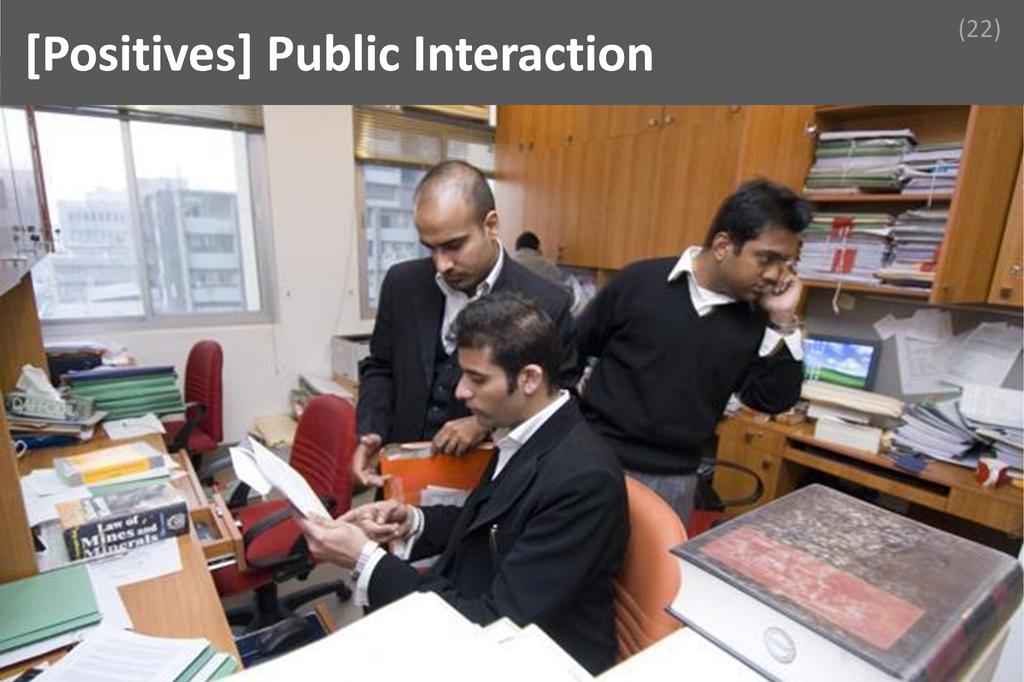
Public Interaction

### Public Interaction Image
What is
Public Interaction refers to the ongoing engagement, communication, and collaboration between civil law professionals and individuals, communities, or organizations seeking legal guidance or resolution. This dynamic exchange fosters understanding, trust, and empowerment, allowing legal professionals to directly impact lives while gaining insight into societal needs and perspectives, ultimately enriching their practice.

Concept
The opportunity for meaningful public interaction is a cornerstone of a fulfilling career in civil law. By working closely with clients from diverse backgrounds, civil law professionals witness firsthand the difference their expertise makes in resolving disputes, protecting rights, and shaping fair outcomes. This daily engagement cultivates empathy, sharpens communication skills, and deepens a sense of purpose. The constant exposure to real-world challenges not only enhances professional growth but also builds lasting relationships within the community. As a result, civil law practitioners often experience heightened job satisfaction, knowing their work has tangible, positive effects on individuals and society as a whole.

Real World Example
Imagine a civil law attorney guiding a family through a complex property dispute. Through patient listening and clear explanation, the attorney helps the family understand their rights and options, easing their anxiety and empowering them to make informed decisions. By mediating discussions between the parties, the attorney fosters a respectful dialogue that leads to a fair settlement. In this scenario, the attorney’s public interaction not only resolves a legal issue but also restores harmony and trust within the community. The gratitude expressed by the family and the sense of justice achieved highlight the profound personal and professional fulfillment that comes from engaging directly with the public in civil law.

Financially Rewarding

### Financially Rewarding Image
What is
"Financially Rewarding" refers to the substantial and consistent monetary compensation that professionals receive for their expertise, time, and dedication. In civil law, this means lawyers and legal experts are well-compensated for resolving disputes, negotiating settlements, and providing legal counsel. This financial security enhances their quality of life and professional satisfaction, motivating continued excellence.

Concept
The financial rewards in civil law are a significant motivator for many professionals, offering both stability and the means to pursue personal and professional goals. High earning potential allows civil law practitioners to invest in further education, support their families, and enjoy a comfortable lifestyle. This aspect also fosters a sense of accomplishment, as their expertise and hard work are tangibly recognized. The promise of financial growth encourages lawyers to continually improve their skills and take on challenging cases, knowing their efforts will be justly compensated. Daily, this benefit translates into greater job satisfaction, reduced financial stress, and the freedom to make meaningful career choices without being constrained by monetary concerns.

Real World Example
Consider a civil lawyer who specializes in contract disputes. After months of diligent work on a complex case, she successfully negotiates a favorable settlement for her client. The outcome not only brings justice to her client but also results in a substantial fee for her services. This financial reward allows her to pay off student loans, invest in professional development courses, and take a well-deserved vacation with her family. The tangible benefits of her hard work reinforce her passion for the field and inspire her to continue striving for excellence. Each successful case becomes a testament to how a career in civil law can be both professionally and financially fulfilling.

Challenges


Hard work

### Hard work Image
What is
Hard work in Civil Law refers to the sustained intellectual and emotional effort required to analyze complex legal issues, draft precise documents, and meet tight deadlines while balancing client expectations and ethical obligations. This demanding environment requires unwavering attention to detail, adaptability, and a commitment to continuous learning and professional growth.

Concept
The relentless nature of hard work in Civil Law often leads to long hours, high stress, and the constant pressure to deliver accurate and timely results. This environment can cause fatigue and burnout if not managed properly, making resilience a crucial trait for professionals in the field. Successful civil law practitioners develop effective time management skills, prioritize tasks, and seek support from colleagues or mentors to share the workload and gain perspective. They also recognize the importance of setting boundaries and maintaining a healthy work-life balance. By embracing these strategies, professionals can sustain their performance, uphold the quality of their work, and continue to grow in their careers despite the demanding nature of the field.

Real World Example
Consider a civil law attorney handling a complex property dispute involving multiple parties and intricate legal documentation. Faced with tight court deadlines and high client expectations, the attorney organizes their workload by breaking down the case into manageable tasks and delegating research to junior associates. They regularly consult with colleagues to discuss legal strategies and ensure accuracy in filings. Despite the pressure, the attorney maintains a disciplined schedule, setting aside time for rest and personal commitments. By leveraging teamwork, strategic planning, and self-care, the attorney not only meets all deadlines but also achieves a favorable outcome for the client, demonstrating how hard work can be managed successfully in the demanding world of civil law.

Continuous Updates

### Continuous Updates Image
What is
Continuous Updates in Civil Law refer to the ongoing and frequent changes in statutes, regulations, case law, and procedural rules that legal professionals must monitor and understand. This is demanding because it requires constant vigilance, rapid adaptation, and a commitment to lifelong learning to ensure compliance and provide accurate legal advice.

Concept
The challenge of continuous updates in Civil Law significantly affects daily work by demanding that professionals allocate time and resources to stay informed about new developments. This can disrupt established workflows, increase the risk of oversight, and create pressure to adapt quickly to changes that may impact ongoing cases or legal strategies. Resilience is essential, as the pace of change can be overwhelming and mistakes may have serious consequences. Successful professionals manage this constraint by cultivating habits of regular legal research, subscribing to reputable legal update services, and participating in ongoing education. They also foster collaborative environments where knowledge is shared, ensuring that teams remain collectively informed and prepared to respond to new legal requirements.

Real World Example
Consider a civil law attorney specializing in property disputes who faces a sudden amendment to local zoning regulations. Rather than being caught off guard, the attorney has established a routine of reviewing legislative updates every morning and participates in a professional network that discusses recent changes. When the amendment is announced, the attorney quickly analyzes its implications, consults with colleagues, and updates clients on how their cases may be affected. By proactively integrating continuous learning and collaboration into daily practice, the attorney not only ensures compliance but also builds trust with clients, demonstrating adaptability and expertise in a rapidly evolving legal landscape.

Gestation Period

### Gestation Period Image
What is
In Civil Law, the "Gestation Period" refers to the often lengthy and uncertain interval between initiating legal proceedings and reaching a resolution or judgment. This period is demanding because it tests patience, prolongs uncertainty for clients and lawyers, and can strain resources, morale, and professional relationships throughout the process.

Concept
The gestation period in civil law cases can significantly disrupt daily workflow, as professionals must balance ongoing case management with client expectations and administrative demands. This prolonged uncertainty requires resilience, as outcomes remain unpredictable and progress can be slow. Lawyers must maintain client trust, manage stress, and stay organized despite delays. Successful professionals navigate this constraint by setting realistic timelines, maintaining transparent communication with clients, and proactively managing documentation and evidence. They also use the waiting period to strengthen their case, anticipate potential challenges, and foster professional growth. By embracing patience and adaptability, civil law practitioners turn the gestation period into an opportunity for thorough preparation and strategic planning, ultimately enhancing their effectiveness and client satisfaction.

Real World Example
Consider a civil law attorney representing a client in a complex property dispute. The case faces multiple adjournments and procedural delays, extending the gestation period far beyond initial expectations. Instead of succumbing to frustration, the attorney keeps the client informed about each development and explains the reasons for delays. During this time, the attorney meticulously reviews evidence, consults with experts, and refines legal arguments. By maintaining open communication and demonstrating diligence, the attorney reassures the client and strengthens the case. When the matter finally proceeds to court, the thorough preparation pays off, resulting in a favorable outcome. This scenario illustrates how proactive management and resilience can transform the challenge of the gestation period into a strategic advantage.

Objectivity

### Objectivity Image
What is
Objectivity in Civil Law refers to the ability to assess facts, evidence, and legal arguments without personal bias, emotion, or external influence. This impartial approach is demanding because legal professionals must set aside personal beliefs and sympathies, ensuring that decisions and advice are grounded solely in law and factual evidence.

Concept
The challenge of maintaining objectivity permeates every aspect of a civil law professional’s daily work. Emotional cases, persuasive clients, and complex social dynamics can all tempt practitioners to stray from impartial analysis. This difficulty requires significant resilience, as professionals must continually check their own biases and withstand external pressures. Successful civil law practitioners develop habits of critical self-reflection and seek peer feedback to maintain their objectivity. They invest in ongoing education to stay current with legal standards and ethical guidelines, which helps them separate personal feelings from professional judgment. By fostering a culture of transparency and accountability, they create an environment where objectivity is not only valued but actively practiced, allowing them to deliver fair and reliable legal services.

Real World Example
Consider a civil law attorney representing a client in a contentious property dispute between family members. The attorney personally empathizes with one party’s emotional distress but recognizes the need to remain impartial. By focusing strictly on the legal merits and documentary evidence, the attorney resists the urge to let sympathy influence their strategy or advice. They consult with colleagues to review the facts and ensure their recommendations align with legal principles rather than personal sentiment. Through this disciplined approach, the attorney successfully advocates for a fair resolution, demonstrating that objectivity, though challenging, is achievable with conscious effort and professional integrity.

A Day Of


Uncertainty

### Uncertainty Image
What is
The hum of fluorescent lights and the shuffle of case files set the tempo for a civil law professional’s day—a rhythm defined by precision, negotiation, and relentless attention to detail. In this world, every hour is a careful balance between solitary analysis and dynamic collaboration, where the stakes are measured not in headlines, but in the quiet victories of contracts honored, disputes resolved, and rights protected. The environment is one of controlled urgency, where the clock is both an adversary and an ally, and where each day unfolds as a tapestry of legal reasoning, client advocacy, and strategic foresight.

Concept
As dawn breaks, the civil law practitioner arrives at the office, greeted by the stillness that precedes the day’s bustle. This early hour is reserved for reviewing the day’s docket, scanning through emails, and revisiting case notes with fresh eyes. There is a deliberate calm as statutes, precedents, and client correspondence are examined, ensuring that every argument and document is meticulously prepared. This time is essential for setting priorities, identifying potential challenges, and crafting the legal strategies that will shape the hours ahead.

Real World Example
By mid-morning, the pace accelerates as the heart of the day begins. The civil law professional moves from the solitude of their office to the interactive world of client meetings, negotiations, or court hearings. Whether advocating for a client in a contractual dispute, mediating between parties, or presenting arguments before a judge, this is the most intense and demanding phase. The practitioner must think on their feet, communicate with clarity, and adapt strategies in real time, all while maintaining composure and professionalism under pressure.

The afternoon brings a shift toward collaboration and execution. The practitioner reconvenes with colleagues to discuss ongoing cases, share insights, and delegate tasks. Drafting legal documents, such as pleadings, motions, or settlement agreements, becomes the focus, often requiring input from multiple team members. This period is marked by a blend of focused writing and dynamic discussion, as the team works to ensure that every document is both legally sound and tailored to the client’s objectives.

As the day winds down, the civil law professional turns to wrap-up tasks that are vital for sustained success. This includes updating case files, responding to outstanding correspondence, and conducting targeted legal research to address unresolved questions. There is also time for reflection on the day’s outcomes and for mapping out the next steps for each case. By organizing priorities and setting a clear agenda for tomorrow, the practitioner ensures that the cycle of preparation, advocacy, and execution continues seamlessly, ready to meet the challenges of another day beyond the desk.


Install the LifePage App to:


  1. (for Free) Watch Advocate and Consultant Ashish Chakravarty’s full Civil Law Career Talk

  2. ₹ Do a Self Assessment on Civil Law to calculate your Dream Index, which is defined as:

    According to Ashish Chakravarty your chances of success in Civil Law is __%

  3. Access your personalized Dream Index Report which will have all your Dream Indices sorted in descending order.

Career Counselling 2.0


<?php echo $altimage; ?>


<?php echo $altimage; ?>


How to get into

Civil Law?


If you are want to get into Civil Law, start by investing in a Career Plan.

The 14 hour process, guided by a LifePage Career Advisor, will help you introspect and check whether your interest in Civil Law is merely an infatuation or is it truly something you wish to do for the rest of your life.

Next, your Career Advisor will help you document how you can get into Civil Law, what education and skills you need to succeed in Civil Law, and what positives and challenges you will face in Civil Law.

Finally, you will get a Career Plan stating which Courses, Certifications, Trainings and other Items you need to do in the next 7 years to become world’s best in Civil Law.


LifePage Career Plan

14 hour personalized guidance program


Your LifePage Career Advisor facilitates your guided introspection so that you systematically explore various Career options to arrive at a well thought out Career choice.

Next: your Advisor helps you figure out how you will get into your chosen Career and how will you develop the skills needed for success in your Chosen Career.

LifePage Plan will not stop at saying "to become an Architect study Architecture". It will guide you on which Certifications, Trainings and Other items you need to do along with your Architecture education to become the world's best Architect.


Links for this Talk


Advocate and Consultant Ashish Chakravarty's LifePage:


Career Counselling 2.0
[LifePage]
https://www.lifepage.in/page/ashishchakravarty


LifePage Career Talk on Civil Law


Career Counselling 2.0
[Career]
https://www.lifepage.in/careers/civil-law


Career Counselling 2.0
[Full Talk]
https://lifepage.app.link/20170105-0003


Career Counselling 2.0
[Trailer]
https://www.youtube.com/watch?v=nGTl8GufHqE


(Civil Law, Ashish Chakravarty, District Court, Dehradun, Law, Advocate, Law Practice, Non Criminal Law, Roman Law, Justinian Code, Civilian Affairs)


Similar Talks



Career in Criminal Law
Criminal Law
Atul Singh Pundir
Advocate | District Court, Dehradun
[ 14 years & 1 month Experience ]

Criminal Law is a system of law concerned with the punishment of offenders. In other words we can say Criminal law is the body of law that relates to crime.

"After running my business for 4 years I decided to practice law because my entire family is practicing law so as I also decided to do and I have been practicing law since 2002."


Career Counselling 2.0 Career Counselling 2.0 Career Counselling 2.0 Career Counselling 2.0 Career Counselling 2.0


Career in Corporate Law
Corporate Law
Simar Pannu
Corporate Lawyer | Clifford Chance OSC Services
[ 0 years & 11 months Experience ]

Corporate law (also known as business law or enterprise law or company law) is the body of law that applies to the rights, relations, and conduct of persons, companies, organizations and businesses.

"I am a professionally qualified corporate lawyer. I went to the Army Institute of Law and did BA LLB from there. After that, I worked with an international law firm called Clifford Chance OSC Services which is based out of London and worked there for a year."


Career Counselling 2.0 Career Counselling 2.0 Career Counselling 2.0 Career Counselling 2.0 Career Counselling 2.0


Career in Law
Law
Ajay Majithia
Advocate | Supreme Court of India
[ 28 years Experience ]

Law is a system of rules that are created and enforced through social or governmental institutions to regulate behavior. Law is a system that regulates and ensures that individuals or a community adhere to the will of the state. State-enforced laws can be made by a collective legislature or by a single legislator, resulting in statutes, by the executive through decrees and regulations, or established by judges through precedent, normally in common law jurisdictions. Private individuals can create legally binding contracts, including arbitration agreements that may elect to accept alternative arbitration to the normal court process. The formation of laws themselves may be influenced by a constitution, written or tacit, and the rights encoded therein. A lawyer's responsibilities as a representative of clients, an officer of the legal system and a public citizen are usually harmonious. Thus, when an opposing party is well represented, a lawyer can be a zealous advocate on behalf of a client and at the same time assume that justice is being done.

"After doing my schooling from Govt Model School Chandigarh, I did my LLB from Symbiosis Law School, Pune. I started my practice at the Trial Port of Gurugram & Faridabad and later, started practicing at Supreme Court & Delhi High court, New Delhi. My core interest took me to Civil & Commercial Litigation along with other areas of Law. I was a Central Government Counsel for the High Court of Delhi from 1997 to 2002."


Career Counselling 2.0 Career Counselling 2.0 Career Counselling 2.0 Career Counselling 2.0 Career Counselling 2.0


Career in Civil Law
Civil Law
Minakshi Singh
Advocate | Delhi High Court
[ 32 years & 9 months Experience ]

Civil law is a body of rules that defines and protects the private rights of citizens, offers legal remedies that may be sought in a dispute, and covers areas of law such as contracts, torts, property and family law. It is the system of law concerned with private relations between members of community rather than criminal, military or religious affairs.

"After doing my schooling from Presentation Convent Delhi, I did my BA in Political science from IP College and LLB from Faculty of Law, Delhi University. I am practicing as a Lawyer at Delhi High Court since 1985."


Career Counselling 2.0 Career Counselling 2.0 Career Counselling 2.0 Career Counselling 2.0 Career Counselling 2.0


Career in Juvenile Justice
Juvenile Justice
Dr Kiran Purohit
Juvenile Judge | Janpad, Chamoli
[ 7 years & 9 months Experience ]

Juvenile justice is the area of criminal law applicable to persons not old enough to be held responsible for criminal acts. In most states, the age for criminal culpability is set at 18 years. Juvenile law is mainly governed by state law and most states have enacted a juvenile code.

"I did my MSC, Mass Communication and LLB from HNGBU. After which I established my own NGO called SNDMS. I have been a Juvenile Judge in Chamoli District since 2011"


Career Counselling 2.0 Career Counselling 2.0 Career Counselling 2.0 Career Counselling 2.0 Career Counselling 2.0


Career in Law
Law
Akhil Prasad
Director, Country Counsil India & Company Secretary | Boeing India
[ 25 years & 10 months Experience ]

Law is a system of rules that are created and enforced through social or governmental institutions to regulate behavior. Law is a system that regulates and ensures that individuals or a community adhere to the will of the state. State-enforced laws can be made by a collective legislature or by a single legislator, resulting in statutes, by the executive through decrees and regulations, or established by judges through precedent, normally in common law jurisdictions. Private individuals can create legally binding contracts, including arbitration agreements that may elect to accept alternative arbitration to the normal court process. The formation of laws themselves may be influenced by a constitution, written or tacit, and the rights encoded therein. The law shapes politics, economics, history and society in various ways and serves as a mediator of relations between people.

"I did Company Secretary Course in India and UK and Certification in Business Administration from IE University, Madrid. I started my career as a Company Secretary with Modi Xerox in 1995 and later I have worked with several organizations Walt Disney, General Motors, Fidelity, Electrolux Kelvinator Limited and International Bar Association. I am also a qualified Solicitor in England & Wales. I have two Ph Ds one in Investor Protection and other in Media Piracy. I have been working with Boeing India as Director, Country Council India and Company Secretary since 2013. . I have joined Boeing to provide legal, regulatory, compliance and corporate affairs services to Boeing and its subsidiaries in India."


Career Counselling 2.0 Career Counselling 2.0 Career Counselling 2.0 Career Counselling 2.0 Career Counselling 2.0


Career in Judging
Judging
Mara Teresa Torres
Civil Judge | Judiciary Power, Concepción, Tucumán
[ 15 years & 2 months Experience ]

Being a judge is one of the most important functions that human beings can have, why? Because being a judge implies giving each person his own, as the Romans used to say, specifically Ulpiano. The judge is the director of the process, modernly is no longer an arbitrator and neither has a neutral position, is no longer the stone judge who was in antiquity but instead the judge has to have empathy, has to put him or herself in place of each part and try to solve their problems. The solution of the problems is the first function of the judge because we take into account that justice is the last step to which citizens arrive to solve their problems, then the importance of the function of the judge.

"I graduated from the University Santo Tomas de Aquino, a catholic university in Tucumn. I practiced law for 19 years, as an independent consultant. I also worked as an advisor for diferent companies and state agencies. This is one of the posibilities one gets by having a law degree. I also practiced teaching for 30 years. After 17 years of practicing law i was designated judge of Collections and constraints in the Judiciary Power of Tucumn, especificly in the Judial Center in Concepcin. In my profession as a lawyer and then as a Judge i was able to represent the Magistracy, by being a member of the advisory council of the Magistracy, which is the agency whose main function is to select the judges who are going to join the judiciary. I was also a member of the judicial school that allows lawyers to prepare for the judicial function. I have integrated the association of magistrates among other functions that I have had."


Career Counselling 2.0 Career Counselling 2.0 Career Counselling 2.0 Career Counselling 2.0


Career in Intellectual Property Rights
Intellectual Property Rights
Surbhi Kapoor
Lawyer | Delhi High Court
[ 4 years & 4 months Experience ]

Intellectual property (IP) is a category of property that includes intangible creations of the human intellect, and primarily encompasses copyrights, patents, and trademarks. It also includes other types of rights, such as trade secrets, publicity rights, moral rights, and rights against unfair competition.

"I graduated in Geography Honours and did masters in English Literature. I decided to pursue Law and did LLB from HNB Garhwal University followed by an LLM from UTU, Dehradun. I have been practising law since 2014 and am a Lawyer with Delhi High Court."


Career Counselling 2.0 Career Counselling 2.0 Career Counselling 2.0 Career Counselling 2.0 Career Counselling 2.0


Career in Criminal & Immigration Law
Criminal & Immigration Law
Sohrab Inder Singh
CEO | Majha Legal Services
[ 4 years Experience ]

Criminal Law is a system of law concerned with the punishment of offenders. Immigration law refers to the rules established by the federal government for determining who is allowed to enter the country, and for how long. It also governs the naturalization process for those who desire to become U.S. citizens.

"I did my schooling from SRA Public School. After that did my BA in LLB from GNDU, Jalandhar. After graduation I started working as a CEO in Majha Legal Services. I have been working there since 2013 and have been practicing Criminal & Immigration law in Amritsar, Chandigarh and Delhi."


Career Counselling 2.0 Career Counselling 2.0 Career Counselling 2.0 Career Counselling 2.0 Career Counselling 2.0


Career in Environmental Law
Environmental Law
Richa Tyagi
Senior Program Officer | WWF, India
[ 3 years & 11 months Experience ]

Environmental law, also known as environmental and natural resources law, is a collective term describing the network of treaties, statutes, regulations, common and customary laws addressing the effects of human activity on the natural environment. The core environmental law regimes address environmental pollution. A related but distinct set of regulatory regimes, now strongly influenced by environmental legal principles, focus on the management of specific natural resources, such as forests, minerals, or fisheries.

"After completing a degree in Law, I interned with WWF India for two months. While working with them, I realised this was a field where I wanted to work for the rest of my life. Even since I have been working with WWF India as an Environmental Lawyer."


Career Counselling 2.0 Career Counselling 2.0 Career Counselling 2.0 Career Counselling 2.0 Career Counselling 2.0


Career in Law
Law
Prasouk Jain
Founder & Managing Partner | LPJ & Partners
[ 6 years Experience ]

Law is a system of rules that are created and enforced through social or governmental institutions to regulate behavior. Law as a system helps regulate and ensure that a community show respect, and equality amongst themselves.

"After completing my Schooling from DPS Noida, I did my BBA from Symbiosis and did my LLB from there as well. I am the Founding and Managing Partner at LPJ & Partners."


Career Counselling 2.0 Career Counselling 2.0 Career Counselling 2.0 Career Counselling 2.0 Career Counselling 2.0


Career in Law
Law
Rakesh Badhwar
Advocate | Chaman Lal & Associates
[ 18 years Experience ]

Law is a system of rules that are created and enforced through social or governmental institutions to regulate behavior. Law is a system that regulates and ensures that individuals or a community adhere to the will of the state.

"I have done LLB from Symbiosis Law School, Pune. I started practicing in Pune itself. I also used to practice in vacations with my father who is also a Lawyer in Patiala. I am practising law since 2000. I am an Advocate with Chaman Lal & Associates."


Career Counselling 2.0 Career Counselling 2.0 Career Counselling 2.0 Career Counselling 2.0


Career in Intellectual Property Law
Intellectual Property Law
Pranav Khanna
Patent Attorney | K & S Partners
[ 4 years & 6 months Experience ]

Intellectual property refers to creations of the intellect for which a monopoly is assigned to designated owners by law. Intellectual property rights are the rights granted to the creators of IP, and include trademarks, copyright, patents, industrial design rights, and in some jurisdictions trade secrets.

"I have done my schooling from St Josephs Academy, Dehradun. I then did B Tech in Mechanical from College of Engineering, Roorkee. I have qualified Indian Patent Agent examination and I am a registered Patent Agent. I am Patent Attorney at K & S Partners."


Career Counselling 2.0 Career Counselling 2.0 Career Counselling 2.0 Career Counselling 2.0 Career Counselling 2.0


Career in Law
Law
Pablo Macias
Lawyer | Various Assignments
[ 10 years & 2 months Experience ]

Law is a system of rules that are created and enforced through social or governmental institutions to regulate behavior.

"My name is Pedro Macias, I am a lawyer, I am 36 years old. I graduated from law school in 2007, I practice the profession as a free lancer working in a studio and I also teach in an institution as a professor. As a lawyer, I work in different branches of law, but what I especially like is the right for the consumer, which is a branch that is growing and it is innovating to put into practice and apply the new legislation to protect consumers and users of goods and services. They can be very vulnerable and for that it is necessary to defend them."


Career Counselling 2.0 Career Counselling 2.0 Career Counselling 2.0 Career Counselling 2.0


Career in Banking Law
Banking Law
Nishant Chaturvedi
Advocate | Droiet Law Chamber
[ 8 years Experience ]

Banking law is the broad term for laws that govern how banks and other financial institutions conduct business. Lawyers perform a wide variety of functions that relate to creating, following and enforcing regulations.

"I did BA LLB from Amity Law College after which I started working at High Court, Delhi. After working for 2 years I came to Dehradun and since 2012, I am working as an advocate in Dehradun Court"


Career Counselling 2.0 Career Counselling 2.0 Career Counselling 2.0 Career Counselling 2.0


Career in Litigation Law
Litigation Law
Karan Lamba
Lawyer | Various Legal Assignments
[ 5 years Experience ]

Litigation law refers to the rules and practices involved in resolving disputes in the court system. The term is often associated with tort cases, but litigation can come about in all kinds of cases, from contested divorces, to eviction proceedings.

"After completing my Schooling from St Joseph's Academy, Dehradun, I did my Graduation in BMS from Mithibai College, Mumbai. I did Law from Faculty of Law, Delhi. I have been working as a Freelance Lawyer since 2013."


Career Counselling 2.0 Career Counselling 2.0 Career Counselling 2.0 Career Counselling 2.0 Career Counselling 2.0


Career in Penal Judging
Penal Judging
Elena Grellet
Penal Judge | Judicial Power of Tucumán
[ 0 years Experience ]

The Penal Judge is the one who has to make decisions in order to pacify a society that has been injured by a crime. What is being pursued by the penalty or the sanction is precisely to pacify the society. After the commission of a crime are always injured parts and the decision of a judge tends to resolve this conflict.

"I am Argentine, I studied and graduated a lawyer in the National University of Tucumán (UNT) in my native province and I have a specialization in criminal law, among other specialization. I practiced the profession independently, later I entered the Judicial Power of my province, the Judicial Power of Tucumán, and since entering, more than 20 years ago, I have occupied different positions. I have been a criminal prosecutor, always in the criminal forum, and for many years I was a correctional judge, the judge who judges misdemeanors (traffic accidents, robberies, etc) and for more than ten years I have held a position in a criminal chamber as judge of criminal chamber to judge serious crimes."


Career Counselling 2.0 Career Counselling 2.0 Career Counselling 2.0 Career Counselling 2.0


Career in Paralegal
Paralegal
Ritu Jhingan
Legal Secretary | R S Gill & Associates
[ 18 years & 4 months Experience ]

A paralegal is an individual, qualified by education, training or work experience, who is employed or retained by a lawyer, law office, corporation, governmental agency, or other entity and who performs specifically delegated substantive legal work for which a lawyer is responsible.

"I did BA in Humanities from Delhi University. I worked with UN for 3 years. I am working as a Legal Secretary with R S Gill & Associates since last 17 years."


Career Counselling 2.0 Career Counselling 2.0 Career Counselling 2.0 Career Counselling 2.0 Career Counselling 2.0


Career in Corporate Law
Corporate Law
Dev Aditya
Legal Consultant | Various London Law Firms
[ 8 years & 2 months Experience ]

Corporate law (also known as business law or enterprise law or sometimes company law) is the body of law governing the rights, relations, and conduct of persons, companies, organizations and businesses. The term refers to the legal practice of law relating to corporations, or to the theory of corporations. Corporate law often describes the law relating to matters which derive directly from the life-cycle of a corporation. It thus encompasses the formation, funding, governance, and death of a corporation.

"I have worked for two magic circle firms the highest law firms in UK namely Mayer Brown LLP and BLP LLP before I joined University and continued working in my early University days. At that time Mayer Brown LLP was also the seventh largest law firm in the world. Following this I also worked for Field Fisher Waterhouse LLP. a golden circle firm. I then completed my law degrees and worked for Solacexis now CHESS solicitors and continue to consult for them today on a selective case by case basis. My main areas of proficiency are in corporate and immigration laws of the United Kingdom."


Career Counselling 2.0 Career Counselling 2.0 Career Counselling 2.0 Career Counselling 2.0 Career Counselling 2.0


Career in Consumer Law
Consumer Law
Noopur Gupta
Senior Advocate | District Consumer Forum & State Commission for Consumer Disputes
[ 19 years Experience ]

Consumer protection law or consumer law is considered as an area of law that regulates private law relationships between individual consumers and the businesses that sell those goods and services. It is a way of preventing frauds and scams from service and sales contracts, eligible fraud, bill collector regulation, pricing, utility turnoffs, consolidation, personal loans that may lead to bankruptcy.

"After doing BA from AMU, I did LLB from HNB Garhwal University. I am a writer & poet. I am the Director of Noopur Dance Academy and teach dance. I am a Senior Advocate with District Consumer Form and State Commission for Consumer Disputes."


Career Counselling 2.0 Career Counselling 2.0 Career Counselling 2.0 Career Counselling 2.0 Career Counselling 2.0


Career in In-House Counselling
In-House Counselling
Amitesh Giroti
In-House Counsel | DHFL
[ 4 years & 3 months Experience ]

In-House Counsel are hired by a corporation's law department to handle a range of legal issues affecting the company, among them employment, policy, tax and regulatory matters. More prevalently, they play a managerial role, overseeing work that's been outsourced to attorneys at independent firms. Depending on the size of the corporation and the nature of its work, in-house attorneys may be either specialists in a certain field or general commercial practitioners.

"I did my schooling from St Joseph Academy, Dehradun. After that, I did my BA LLB (Hons) from Vivekananda Institute of Professional Studies, IP University, New Delhi. I started my Career at Jus Juris Law Firm in Delhi as a Junior Associate Lawyer. I spent about two years there and learnt the basics of litigation from drafting briefs, appearing in courts to dealing with clients. Post that, I worked with Sanjeev Goyal and Associates in Delhi for 7 months. Presently, I m working as an In-House Counsel for DHFL since 2019."


Career Counselling 2.0 Career Counselling 2.0 Career Counselling 2.0 Career Counselling 2.0 Career Counselling 2.0


Career in General Law
General Law
Avnish Bhatt
Assistant Professor | ICFAI University
[ 10 years & 1 month Experience ]

General law means territorial law of a country. It consists of all persons, things, acts and events within the territory of a country which are governed by it.

"After graduating in Law, I went on to do Masters in Law from Hidayatullah National Law University. I am a Judo Player and also teach Judo. I am a Member of Amity University Sports Selection Board. I have worked as an Advocate at District Bar Association, Dehradun. I am Assistant Professor at ICFAI University."


Career Counselling 2.0 Career Counselling 2.0 Career Counselling 2.0 Career Counselling 2.0 Career Counselling 2.0


[Install the LifePage App to access all Talks]


<?php echo $altimage; ?>


<?php echo $altimage; ?>


&mbsp;


Career Counselling 2.0 | Home   Home  
Career Counselling 2.0 | Abroad   Abroad  
Career Counselling 2.0 | Plan   Plan  
Career Counselling 2.0 | Talks   Talks  
Career Counselling 2.0 | Philosophy   Philosophy  
Career Counselling 2.0 | Seminar   Seminar  
Career Counselling 2.0 | Workshop   Workshop  
Career Counselling 2.0 | Pages   Pages  
Career Counselling 2.0 | Advisors   Advisors  
Career Counselling 2.0 | Discuss   Discuss  
Career Counselling 2.0 | Meet   Meet  
Career Counselling 2.0 | Advisor   Advisor  
Career Counselling 2.0 | Story   Story  
Career Counselling 2.0 | Fine Print   Fine Print  
Career Counselling 2.0 | Links   Links  
Career Counselling 2.0 | Blog   Blog  
Career Counselling 2.0 | Testimonials   Testimonials  
Career Counselling 2.0 | Follow   Follow  
 
[ Site Visits ]


Career Counselling 2.0