Career Counselling 2.0 HomeHomeCareer Counselling 2.0 AbroadAbroadCareer Counselling 2.0 PlanPlanCareer Counselling 2.0 | TalksTalksCareer Counselling 2.0 PhilosophyPhilosophyCareer Counselling 2.0 SeminarSeminarCareer Counselling 2.0 PagesPagesCareer Counselling 2.0 AdvisorsAdvisorsCareer Counselling 2.0 TestimonialsTestimonials

Juvenile Justice

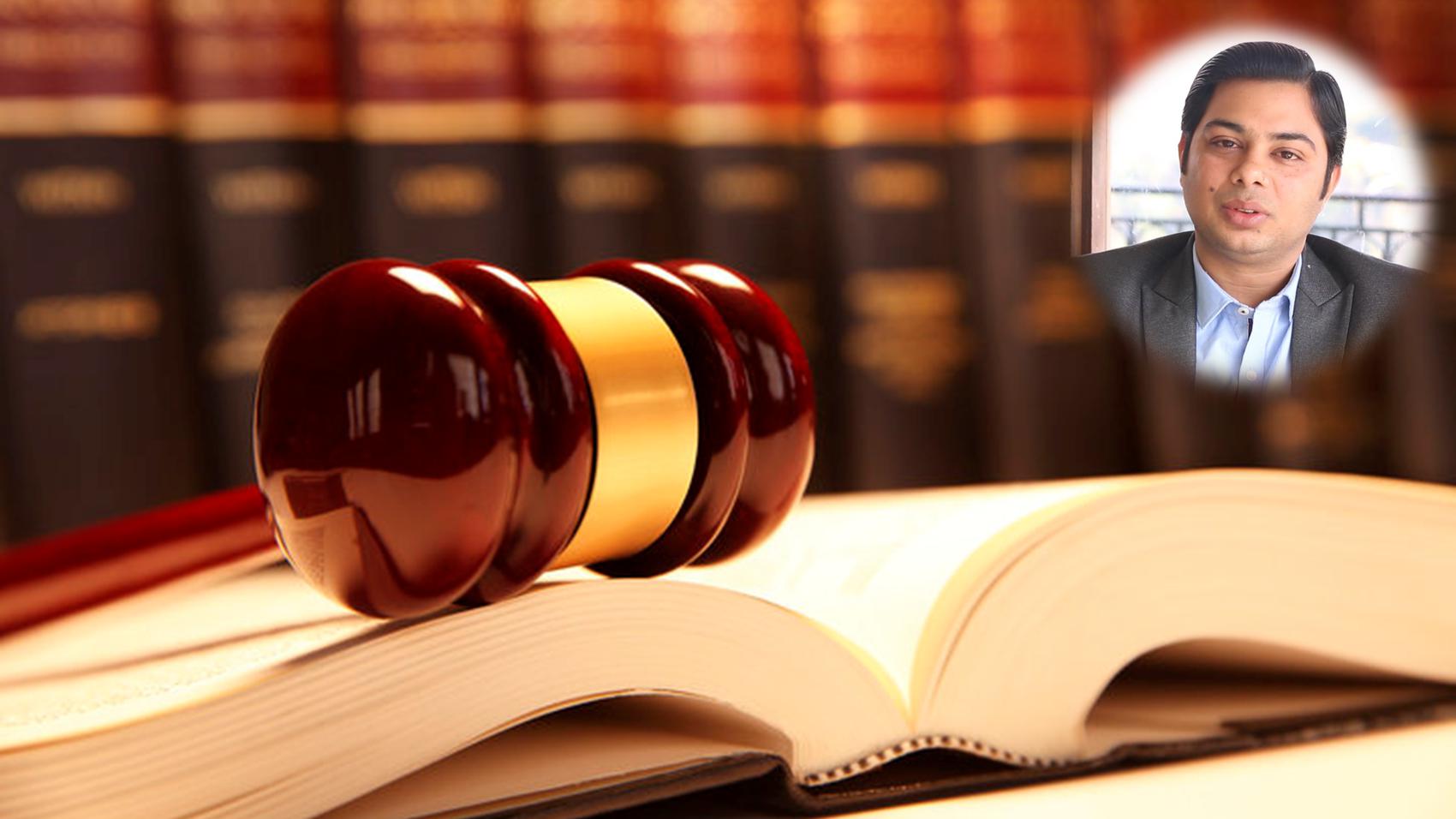
Juvenile Judge Dr Kiran Purohit talks about Juvenile Justice course, what is Juvenile Justice and other details about a Career in Juvenile Justice.


Juvenile Justice

Dr Kiran Purohit | Juvenile Judge | Janpad, Chamoli


What is Juvenile Justice?


There are many nuances of a Career in Juvenile Justice. Understanding Why one wants to choose a Career in Juvenile Justice is phenomenally more important than figuring out How to get into Juvenile Justice. The most authoritative source of information on Juvenile Justice is someone with real experience in it.

Juvenile Judge Dr Kiran Purohit has 7 years & 9 months of professional experience in Juvenile Justice. Juvenile Judge Dr Kiran Purohit defines Juvenile Justice as:

Juvenile justice is the area of criminal law applicable to persons not old enough to be held responsible for criminal acts. In most states, the age for criminal culpability is set at 18 years. Juvenile law is mainly governed by state law and most states have enacted a juvenile code.


How Juvenile Judge Dr Kiran Purohit got into Juvenile Justice?


I did my MSC, Mass Communication and LLB from HNGBU. After which I established my own NGO called SNDMS. I have been a Juvenile Judge in Chamoli District since 2011


Juvenile Judge Dr Kiran Purohit's Talk on Juvenile Justice


Session Image
The Journey of Juvenile Justice


What Is Juvenile Justice


Juvenile Justice

What is
Juvenile justice is a specialized area of the legal system focused on addressing offenses committed by individuals under the age of eighteen. It emphasizes rehabilitation, accountability, and protection, aiming to guide young offenders toward positive development while balancing public safety and the unique needs of youth.

Concept
Juvenile justice plays a crucial role in shaping the lives of young people who have encountered the legal system. For professionals in this field, it offers the opportunity to make a meaningful difference by supporting rehabilitation rather than simply imposing punishment. This approach helps reduce recidivism, fosters safer communities, and encourages personal growth among youth. By focusing on intervention and support, juvenile justice professionals can help young offenders develop the skills and mindset needed to become productive members of society. Additionally, the system’s emphasis on individualized treatment plans ensures that each youth receives appropriate guidance and resources, ultimately benefiting both the individual and the broader community.

Real World Example
A juvenile probation officer may work with a teenager who has been arrested for vandalism. Instead of sending the youth to a detention facility, the officer collaborates with counselors, educators, and the family to create a rehabilitation plan. This plan might include community service, counseling sessions, and educational support tailored to the youth’s needs. Throughout the process, the probation officer monitors progress, offers guidance, and helps the young person develop better decision-making skills. By focusing on rehabilitation and positive reinforcement, the professional not only addresses the underlying causes of the behavior but also helps the youth avoid future legal trouble, demonstrating the practical application of juvenile justice principles.

Education


Law

### Law Image
What is
Law is a system of rules created and enforced by governmental institutions to regulate behavior, maintain order, and protect rights within a society. In Juvenile Justice, law forms the backbone of policies, procedures, and ethical standards, shaping both academic study and professional practice in this specialized field.

Concept
Understanding law is essential for anyone preparing for or working in Juvenile Justice because it provides the framework within which all decisions and actions must occur. Legal knowledge ensures that professionals can interpret statutes, follow due process, and uphold the rights of minors while balancing the interests of public safety and rehabilitation. Mastery of legal principles helps practitioners navigate complex situations, avoid liability, and advocate effectively for youth. Over the long term, a strong legal foundation enhances credibility, supports ethical decision-making, and opens pathways to leadership roles within the justice system. Ultimately, law is not just a subject to study but a critical tool for making informed, responsible choices that impact young lives and communities.

Real World Example
Consider a juvenile probation officer who encounters a teenager accused of a non-violent offense. The officer’s understanding of law guides every step, from ensuring the youth’s rights are protected during questioning to interpreting court orders and recommending appropriate interventions. Knowledge of legal standards helps the officer determine whether diversion programs are available and suitable, and ensures that any action taken complies with confidentiality laws and procedural safeguards. By applying their legal expertise, the officer not only supports the youth’s rehabilitation but also maintains the integrity of the justice process, demonstrating how theoretical understanding of law is indispensable in daily operations within Juvenile Justice.

Sociology

### Sociology Image
What is
Sociology is the scientific study of society, social relationships, institutions, and patterns of behavior. It examines how individuals interact within groups, the influence of culture, and the development of social norms. For Juvenile Justice professionals, sociology provides essential insights into the social factors that shape youth behavior and justice outcomes.

Concept
Understanding sociology is vital for anyone entering or working within Juvenile Justice because it offers a framework for analyzing the root causes of juvenile delinquency. By studying social structures, cultural influences, and group dynamics, professionals gain a deeper awareness of the environments that impact young people’s choices. This foundational knowledge helps practitioners move beyond surface-level judgments and instead approach cases with empathy and context. Over the course of a career, a sociological perspective enables professionals to design more effective interventions, advocate for systemic change, and collaborate with families and communities. Ultimately, this leads to more equitable outcomes and supports the broader mission of rehabilitation and prevention within the juvenile justice system.

Real World Example
Consider a Juvenile Justice caseworker assigned to a teenager repeatedly involved in minor thefts. Drawing on their sociological training, the caseworker examines not only the individual’s actions but also the broader social context, such as family instability, peer group pressures, and neighborhood economic challenges. By understanding these interconnected factors, the caseworker avoids attributing the behavior solely to personal failings. Instead, they work to connect the youth with community resources, engage the family in support programs, and collaborate with local organizations to address underlying issues. This approach, rooted in sociological theory, leads to more holistic and sustainable solutions, demonstrating the practical value of sociology in daily Juvenile Justice operations.

Psychology

### Psychology Image
What is
Psychology is the scientific study of behavior and mental processes, exploring how individuals think, feel, and act both individually and within groups. In the context of Juvenile Justice, psychology provides essential insights into adolescent development, motivation, and decision-making, forming a critical component of the knowledge required to work effectively with youth.

Concept
Understanding psychology is vital for anyone preparing for or working in Juvenile Justice because it equips professionals with the ability to interpret and respond to the complex behaviors of young people. Adolescents in the justice system often face unique emotional, cognitive, and social challenges that influence their actions. By mastering psychological principles, professionals can better assess risk factors, identify underlying issues such as trauma or mental health disorders, and develop appropriate interventions. This foundational knowledge not only enhances daily decision-making but also supports long-term career growth by fostering empathy, critical thinking, and effective communication. Ultimately, a strong grasp of psychology enables practitioners to contribute to rehabilitation and positive outcomes for youth, rather than relying solely on punitive measures.

Real World Example
Consider a juvenile probation officer working with a teenager who repeatedly violates curfew. Instead of immediately resorting to disciplinary action, the officer draws on their understanding of adolescent psychology to explore possible underlying causes, such as family conflict or peer pressure. Through empathetic conversation and active listening, the officer identifies that the youth is struggling with anxiety and lacks positive role models. Using this psychological insight, the officer collaborates with counselors to create a tailored support plan that addresses the teen’s emotional needs and builds coping skills. This approach not only helps the youth comply with probation requirements but also fosters trust and encourages long-term behavioral change, demonstrating the practical value of psychological knowledge in daily juvenile justice work.

Social Ethics

### Social Ethics Image
What is
Social Ethics is the study of moral principles and values that govern behavior within society, focusing on issues of justice, rights, and responsibilities among individuals and groups. In Juvenile Justice, understanding Social Ethics is essential for evaluating actions, policies, and decisions that impact youth, families, and communities, ensuring fairness and integrity.

Concept
A solid grasp of Social Ethics is vital for anyone entering or working in Juvenile Justice because it provides the moral framework necessary to navigate complex situations involving vulnerable youth. Professionals must balance the needs of individuals with the welfare of society, often making difficult decisions about rehabilitation, punishment, and support. Mastery of Social Ethics ensures that these decisions are guided by principles of fairness, respect, and justice, rather than personal bias or societal prejudice. Over time, this ethical foundation fosters trust with the community, enhances professional credibility, and supports the development of policies and practices that promote positive outcomes for young people. Ultimately, understanding Social Ethics equips professionals to advocate for systemic change and uphold the highest standards of integrity in their field.

Real World Example
Consider a juvenile probation officer working with a teenager who has committed a non-violent offense. The officer must decide whether to recommend detention or an alternative community-based program. Drawing on their knowledge of Social Ethics, the officer evaluates the broader social context, the youth’s background, and the potential consequences of each option. By prioritizing rehabilitation and considering the long-term impact on the youth’s future, the officer chooses a restorative justice approach that holds the teen accountable while supporting their reintegration into society. This decision reflects an ethical commitment to fairness, the well-being of the individual, and the safety of the community, demonstrating how theoretical understanding of Social Ethics directly informs daily practice in Juvenile Justice.

Current Study

### Current Study Image
What is
Current Study refers to the ongoing examination and analysis of recent research, trends, and developments within the field of Juvenile Justice. It encompasses the latest theories, policies, and practices that shape how professionals understand and address youth behavior, legal responses, and rehabilitation efforts in contemporary society.

Concept
Understanding Current Study is essential for anyone preparing for or working in Juvenile Justice because it ensures that professionals remain informed about the latest advancements and best practices in the field. This knowledge forms the backbone of effective decision-making, allowing practitioners to adapt to evolving legal standards, social expectations, and evidence-based interventions. By engaging with Current Study, professionals develop a critical awareness of the factors influencing youth behavior and justice outcomes, which enhances their ability to advocate for fair treatment and successful rehabilitation. Over the long term, this commitment to continuous learning fosters professional growth, adaptability, and credibility, making individuals more effective in their roles and better equipped to contribute to positive systemic change.

Real World Example
Consider a juvenile probation officer who regularly reviews recent studies on restorative justice approaches as part of their commitment to Current Study. When a young client is referred for a non-violent offense, the officer draws upon their understanding of these new practices to recommend a restorative justice program rather than traditional punitive measures. By applying insights gained from the latest research, the officer is able to facilitate a process that encourages accountability, victim-offender dialogue, and community involvement. This not only aligns with contemporary best practices but also increases the likelihood of successful rehabilitation and reduced recidivism, demonstrating how theoretical knowledge from Current Study directly informs and improves daily professional operations.

Gender Issue

### Gender Issue Image
What is
A "Gender Issue" refers to the social, cultural, and institutional challenges and disparities that arise from differences in gender identity and roles. In Juvenile Justice, understanding gender issues is essential because it shapes how young people experience the system, influences policy development, and informs equitable treatment and intervention strategies for all genders.

Concept
Grasping gender issues is crucial for anyone entering or working within Juvenile Justice because it ensures that professionals recognize and address the unique needs and vulnerabilities of youth from diverse gender backgrounds. This knowledge helps practitioners avoid reinforcing stereotypes or biases, and instead fosters a more inclusive and supportive environment. By integrating gender-sensitive approaches, professionals can design interventions that are fair, effective, and responsive to the realities faced by young people. Over time, this expertise not only enhances the quality of care and rehabilitation but also contributes to systemic change, promoting justice and equity within the field. Mastery of gender issues thus becomes a cornerstone for ethical practice and long-term career advancement in Juvenile Justice.

Real World Example
Imagine a Juvenile Justice counselor working with a group of detained youth, including a transgender teenager who feels isolated and misunderstood. Drawing on their understanding of gender issues, the counselor advocates for the teen’s right to be addressed by their chosen name and pronouns, and ensures access to appropriate facilities. The counselor also educates staff and peers about gender diversity, reducing stigma and fostering a safer, more supportive environment. By applying theoretical knowledge in this way, the professional not only upholds the dignity and rights of the individual but also models best practices for colleagues, ultimately improving outcomes for all youth in the facility.

Criminology

### Criminology Image
What is
Criminology is the scientific study of crime, criminal behavior, and the societal responses to crime. It explores the causes, consequences, and prevention of criminal acts, drawing from sociology, psychology, law, and other disciplines. In Juvenile Justice, criminology provides essential insights into youth offending and effective intervention strategies.

Concept
Understanding criminology is crucial for anyone preparing for or working in Juvenile Justice because it forms the backbone of informed decision-making and effective practice. By studying criminological theories and research, professionals gain a deeper comprehension of why young people commit offenses, the social and psychological factors at play, and the impact of environment and community. This knowledge enables practitioners to design and implement interventions that are evidence-based and tailored to the unique needs of juveniles. Over the course of a career, a solid grounding in criminology supports ongoing professional development, enhances critical thinking, and fosters the ability to adapt to evolving trends and challenges in the field. Ultimately, it empowers professionals to contribute to safer communities and better outcomes for youth.

Real World Example
Consider a juvenile probation officer working with a teenager who has repeatedly engaged in vandalism. Drawing on their criminology background, the officer recognizes that the youth’s behavior may be influenced by peer pressure, family dynamics, and socioeconomic factors. Instead of relying solely on punitive measures, the officer applies criminological theories to assess the underlying causes of the behavior. They collaborate with social workers and counselors to develop a comprehensive intervention plan that addresses not only the offense but also the contributing factors. By integrating their theoretical understanding of criminology into daily practice, the officer is better equipped to guide the youth toward positive change and reduce the likelihood of reoffending.

Skills


Justice Skills

### Justice Skills Image
What is
Justice Skills refer to the ability to apply principles of fairness, equity, and impartiality when making decisions or taking actions, especially within legal or ethical frameworks. In the context of Juvenile Justice, these skills ensure that professionals treat every young person with respect, uphold their rights, and foster trust in the system.

Concept
Mastering Justice Skills directly enhances a professional’s effectiveness in Juvenile Justice by promoting fair treatment and ethical decision-making. Clients and employers highly value this skill because it builds credibility, reduces bias, and ensures that outcomes are just and defensible. Professionals with strong Justice Skills are better equipped to navigate complex cases, mediate conflicts, and advocate for vulnerable youth. Cultivating this skill involves ongoing education in legal standards, self-reflection to recognize personal biases, and practical experience in diverse situations. Over time, consistent application and feedback from mentors or colleagues help refine one’s ability to balance empathy with objectivity, leading to more positive outcomes for both individuals and the broader community.

Real World Example
Imagine a Juvenile Justice officer faced with a case involving two teenagers from different backgrounds accused of the same offense. The officer’s Justice Skills guide them to assess the facts impartially, consider each youth’s circumstances, and ensure that both receive equal access to support services and fair treatment. By resisting external pressures or stereotypes, the officer upholds the integrity of the process and models ethical behavior for colleagues. This approach not only resolves the immediate issue equitably but also reinforces the system’s commitment to justice, helping to build trust with families and the community while supporting the rehabilitation and growth of the young people involved.

Patience

### Patience Image
What is
Patience is the ability to remain calm, composed, and persistent in the face of delays, challenges, or frustration, without resorting to anger or impulsive reactions. In Juvenile Justice, patience is vital because professionals often work with youth who require time, understanding, and consistent support to change behaviors and build trust.

Concept
Patience directly enhances performance in Juvenile Justice by allowing professionals to respond thoughtfully rather than react emotionally, especially when working with youth who may test boundaries or struggle with authority. Clients and employers value patience because it fosters a safe, supportive environment where young people feel heard and respected, which is crucial for rehabilitation and positive outcomes. Cultivating patience involves self-awareness, regular reflection, and practicing empathy, as well as learning to manage stress and expectations. Over time, professionals can strengthen this skill by seeking feedback, engaging in mindfulness practices, and reminding themselves of the long-term goals of their work, which often require sustained effort and resilience.

Real World Example
Imagine a Juvenile Justice counselor working with a teenager who repeatedly misses appointments and resists participating in mandated programs. Instead of expressing frustration or giving up, the counselor exercises patience by calmly reaching out, listening to the youth’s concerns, and gently encouraging engagement. Over several weeks, the counselor’s consistent, patient approach helps the teenager feel understood and less defensive. Gradually, the youth begins to attend sessions more regularly and opens up about underlying issues. This breakthrough, made possible by the counselor’s patience, leads to meaningful progress in the youth’s rehabilitation and demonstrates how essential this skill is for achieving lasting success in Juvenile Justice.

Empathy & Compassion

### Empathy & Compassion Image
What is
Empathy and compassion are the abilities to understand and share another person’s feelings, and to respond with genuine care and concern for their well-being. In juvenile justice, these qualities enable professionals to connect with young people, recognize their struggles, and support their rehabilitation rather than simply punishing their mistakes.

Concept
Empathy and compassion are vital in juvenile justice because they foster trust and open communication between professionals and youth. When staff demonstrate genuine understanding, young people are more likely to engage in rehabilitation programs and express their needs honestly. Employers and clients value these skills because they lead to more effective interventions, reduced recidivism, and safer environments. Cultivating empathy and compassion involves active listening, self-reflection, and ongoing education about the challenges faced by at-risk youth. Over time, professionals can strengthen these skills by seeking feedback, participating in training, and consistently practicing patience and nonjudgmental support in their daily interactions.

Real World Example
Imagine a juvenile justice counselor working with a teenager who has repeatedly violated probation. Instead of reacting with frustration or punitive measures, the counselor takes time to listen to the youth’s story, recognizing the underlying trauma and family instability contributing to their behavior. By responding with empathy and compassion, the counselor builds trust and helps the teenager feel understood, which encourages honest dialogue and a willingness to participate in counseling sessions. This supportive approach allows the counselor to tailor interventions that address the root causes of the youth’s actions, ultimately leading to positive behavioral changes and a greater chance for successful reintegration into the community.

Analysis and Decision Making

### Analysis and Decision Making Image
What is
Analysis and Decision Making is the ability to systematically evaluate information, identify patterns or problems, weigh possible outcomes, and choose the most effective course of action. In Juvenile Justice, this skill ensures fair, informed, and timely responses to complex situations involving youth, families, and community safety.

Concept
Mastering Analysis and Decision Making significantly enhances a Juvenile Justice professional’s effectiveness. It enables practitioners to assess cases thoroughly, anticipate risks, and implement interventions that are both just and constructive. Employers and clients value this skill because it leads to better outcomes for youth, reduces recidivism, and fosters trust in the justice system. Cultivating this ability involves ongoing education, reflective practice, and learning from experienced colleagues. Over time, professionals refine their judgment by analyzing case studies, participating in simulations, and seeking feedback on their decisions. This continuous development ensures that decisions remain evidence-based and ethically sound, ultimately benefiting both the individuals served and the broader community.

Real World Example
Consider a Juvenile Justice officer faced with a teenager repeatedly violating probation terms. The officer must analyze the youth’s background, family dynamics, and previous interventions to determine the root causes of noncompliance. By gathering input from counselors, reviewing behavioral reports, and considering community resources, the officer weighs options such as stricter supervision, counseling, or restorative justice programs. Through careful analysis and thoughtful decision making, the officer chooses a tailored intervention that addresses the underlying issues rather than imposing a punitive response. This approach not only helps the youth get back on track but also demonstrates the critical importance of sound analysis and decision making in achieving positive outcomes within the Juvenile Justice system.

Behavioral Science

### Behavioral Science Image
What is
Behavioral Science is the systematic study of human actions, emotions, and interactions, drawing on psychology, sociology, and related fields to understand why people behave as they do. In Juvenile Justice, it equips professionals to interpret youth behavior, predict outcomes, and design interventions that foster rehabilitation and positive change.

Concept
Mastery of Behavioral Science enhances a Juvenile Justice professional’s ability to assess underlying causes of delinquent behavior, communicate effectively with youth, and implement evidence-based interventions. Clients and employers value this skill because it leads to more accurate risk assessments, improved rapport with juveniles, and better outcomes in rehabilitation and recidivism reduction. Cultivating this skill involves ongoing education, reflective practice, and engagement with current research. Professionals can also develop it by seeking mentorship, participating in interdisciplinary teams, and applying theoretical knowledge to real-world situations. Over time, these efforts build a nuanced understanding of behavioral patterns and effective strategies for intervention, making the professional more effective and trusted in their role.

Real World Example
Consider a Juvenile Justice counselor working with a teenager repeatedly involved in minor theft. Instead of focusing solely on punitive measures, the counselor applies Behavioral Science principles to uncover underlying issues such as family instability and peer influence. By understanding these behavioral drivers, the counselor collaborates with the youth to set achievable goals and introduces cognitive-behavioral techniques to address impulsivity. This approach not only helps the teenager recognize the consequences of their actions but also empowers them to make healthier choices. The counselor’s reliance on Behavioral Science transforms the intervention from a disciplinary process into a supportive, rehabilitative experience, ultimately reducing the likelihood of reoffending and fostering long-term positive change.

Positives


Awareness and Social Impact

### Awareness and Social Impact Image
What is
Awareness and Social Impact refers to the conscious understanding of societal issues and the active effort to create positive change within communities. In juvenile justice, this means recognizing the challenges faced by young people and working to address root causes, ultimately fostering safer, healthier environments for youth and society as a whole. This awareness drives professionals to advocate for fair treatment, rehabilitation, and prevention, making their work deeply meaningful and transformative. By focusing on social impact, those in the field help shape a more just and compassionate future, ensuring that every young person has the opportunity to thrive and contribute positively to their community.

Concept
The emphasis on awareness and social impact is a powerful motivator for those working in juvenile justice. Professionals in this field witness firsthand how their efforts can redirect the lives of vulnerable youth, helping them overcome adversity and avoid cycles of crime. This sense of purpose not only enhances job satisfaction but also fuels personal and professional growth, as individuals continuously learn about societal challenges and innovative solutions. Each day, juvenile justice professionals engage with diverse communities, collaborate with stakeholders, and see the tangible results of their advocacy and intervention. This ongoing connection to meaningful change reinforces their commitment and inspires them to keep striving for a more equitable society.

Real World Example
Imagine a juvenile probation officer working with a teenager who has struggled with substance abuse and minor offenses. Through dedicated mentorship, the officer helps the youth access counseling, educational support, and community programs. Over time, the teenager’s behavior improves, and they begin to excel in school and reconnect with their family. The officer not only witnesses the transformation of one young life but also sees the ripple effect on the family and neighborhood. This daily experience of making a real difference, fueled by awareness and a drive for social impact, brings a profound sense of fulfillment and reaffirms the value of a career in juvenile justice.

Rehabilitation of Children

### Rehabilitation of Children Image
What is
Rehabilitation of Children is the process of guiding young offenders toward positive behavioral change, personal growth, and social reintegration through counseling, education, and support. This approach focuses on addressing underlying issues, fostering accountability, and empowering children to make better choices, ultimately transforming lives and strengthening communities through compassionate intervention.

Concept
The emphasis on rehabilitation in juvenile justice is a profound reason why this field is so rewarding. By helping children overcome challenges and redirect their lives, professionals witness tangible progress and personal transformation. This daily engagement with growth and change fosters a deep sense of purpose and accomplishment. The opportunity to shape futures and break cycles of negative behavior not only benefits the children and their families but also enhances community safety and cohesion. For professionals, seeing the direct results of their efforts—such as improved self-esteem, educational achievements, and restored family relationships—provides ongoing motivation and job satisfaction, making every day meaningful and impactful.

Real World Example
Consider a juvenile justice counselor working with a teenager who has struggled with substance abuse and minor offenses. Through consistent mentorship, tailored therapy, and educational support, the counselor helps the youth develop coping skills, rebuild trust with family, and return to school. Over time, the teenager’s outlook shifts from hopelessness to optimism, and they begin to set goals for their future. Witnessing this transformation firsthand, the counselor experiences immense fulfillment, knowing their guidance has played a pivotal role in redirecting a young life. This real-world impact exemplifies how the rehabilitation of children is not just a professional responsibility, but a deeply rewarding journey that changes lives for the better.

Respect and Recognition

### Respect and Recognition Image
What is
Respect and recognition refer to the acknowledgment and appreciation of an individual’s efforts, character, and contributions by peers, supervisors, and the community. In juvenile justice, this means being valued for making a difference in young lives, fostering trust, and being seen as a positive force for change and rehabilitation.

Concept
Respect and recognition are powerful motivators in the juvenile justice field, fueling a sense of purpose and belonging. When professionals feel valued by their colleagues, supervisors, and the youth they serve, it enhances their commitment and passion for their work. This positive feedback loop not only boosts morale but also encourages continuous professional growth and resilience in the face of challenges. Daily, juvenile justice professionals experience this benefit through genuine gratitude from families, supportive teamwork, and public acknowledgment of their efforts to guide young people toward brighter futures. These moments of appreciation reinforce the importance of their role and inspire them to continue making a meaningful impact.

Real World Example
Imagine a juvenile probation officer who has worked tirelessly with a young person struggling to overcome past mistakes. After months of guidance, encouragement, and support, the youth successfully completes their rehabilitation program and expresses heartfelt thanks to the officer for believing in them when others did not. The officer’s supervisor also commends their dedication during a team meeting, highlighting the positive transformation achieved. This experience of respect and recognition, both from the youth and within the workplace, leaves the officer feeling deeply fulfilled and proud of their contribution. It serves as a powerful reminder of the vital role they play in shaping lives and strengthening the community.

Educating the Society

### Educating the Society Image
What is
Educating the Society means actively sharing knowledge, raising awareness, and fostering understanding about juvenile justice issues among community members, families, and stakeholders. This process empowers individuals to recognize the unique needs of youth, promotes empathy, and encourages collaborative solutions, ultimately creating a more informed and supportive environment for positive change.

Concept
The act of educating the society is a cornerstone of fulfillment in juvenile justice careers because it transforms misconceptions and reduces stigma surrounding young offenders. By enlightening the public, professionals help build a culture of prevention, early intervention, and rehabilitation rather than punishment. This ongoing dialogue not only enhances the effectiveness of programs but also strengthens community trust and support. Professionals who engage in education efforts often experience a deep sense of purpose, knowing their work extends beyond the courtroom or correctional facility. The opportunity to shape public attitudes and policies leads to personal growth and professional development, making each day on the job meaningful and impactful.

Real World Example
Imagine a juvenile probation officer who regularly visits local schools to speak with students, parents, and teachers about the realities of the juvenile justice system. During these sessions, the officer dispels myths, explains the importance of second chances, and shares success stories of youth who have turned their lives around. As a result, the community becomes more supportive of restorative practices and less judgmental toward young people in trouble. The officer witnesses firsthand how these educational efforts inspire hope, foster understanding, and encourage collective responsibility, making their role not just a job, but a vital force for positive societal transformation.

Challenges


Parent Interference

### Parent Interference Image
What is
Parent interference in Juvenile Justice refers to situations where a parent’s actions, attitudes, or involvement hinder the legal or rehabilitative processes intended for their child. This challenge is demanding because it can disrupt communication, undermine authority, and complicate efforts to support the youth’s best interests and long-term development.

Concept
Parent interference can significantly complicate the daily responsibilities of Juvenile Justice professionals. It may manifest as parents refusing to cooperate, challenging recommendations, or attempting to shield their child from accountability. Such interference can erode trust, delay interventions, and create emotionally charged environments that hinder progress. Professionals must demonstrate resilience by maintaining clear boundaries, practicing empathetic communication, and consistently focusing on the youth’s welfare. Successful navigation of this challenge often involves building rapport with families, educating parents about the juvenile justice process, and enlisting support from multidisciplinary teams. By fostering collaboration and setting firm yet compassionate expectations, professionals can mitigate the negative impact of parent interference and keep the focus on positive outcomes for the youth.

Real World Example
Consider a probation officer working with a teenager who has repeatedly violated curfew. The youth’s parent, convinced that the system is unfair, refuses to attend meetings and openly criticizes the officer’s recommendations. Recognizing the importance of parental involvement, the officer arranges a private meeting to listen to the parent’s concerns and explain the rationale behind the interventions. Through patient dialogue and reassurance, the officer addresses misconceptions and highlights the shared goal of helping the youth succeed. Gradually, the parent becomes more cooperative, attending sessions and supporting the agreed-upon plan. This collaborative approach not only reduces resistance but also strengthens the support network around the youth, demonstrating how skilled professionals can turn parent interference into partnership.

Political Interference

### Political Interference Image
What is
Political interference in Juvenile Justice refers to the undue influence of political agendas, leaders, or policies on the decision-making processes and operations of juvenile justice professionals. This challenge is demanding because it can compromise impartiality, disrupt evidence-based practices, and place professionals in ethically complex situations that test their integrity and commitment.

Concept
Political interference can significantly disrupt the daily responsibilities of juvenile justice professionals by imposing external pressures that conflict with established protocols or best practices. These pressures may manifest as directives to prioritize certain cases, alter recommendations, or expedite processes for political gain, often at the expense of fairness and the best interests of youth. Navigating this environment requires resilience, as professionals must balance their ethical obligations with the realities of political oversight. Successful practitioners manage this constraint by fostering transparent communication, documenting decisions thoroughly, and building alliances with colleagues and stakeholders who support ethical standards. By maintaining professionalism and advocating for evidence-based approaches, they can mitigate the negative effects of political interference while continuing to serve the needs of young people.

Real World Example
Consider a juvenile probation officer who is pressured by a local politician to recommend harsher penalties for a high-profile youth offender, aiming to demonstrate a tough-on-crime stance to constituents. Recognizing the ethical dilemma, the officer relies on thorough documentation of the youth’s background, risk assessments, and rehabilitation progress. By presenting clear, evidence-based recommendations and engaging supervisors in the review process, the officer ensures transparency and accountability. Through respectful dialogue, the officer communicates the long-term benefits of rehabilitation over punitive measures, ultimately persuading decision-makers to support a balanced approach. This scenario illustrates how professionalism, evidence, and collaboration can help juvenile justice professionals uphold their responsibilities despite political interference.

Criminal Threats

### Criminal Threats Image
What is
In Juvenile Justice, "Criminal Threats" refer to verbal or written threats of harm made by youth or their associates toward professionals, often as a reaction to interventions or perceived injustices. This challenge is demanding because it creates a climate of fear, disrupts trust, and complicates the rehabilitation process for both staff and youth.

Concept
Criminal threats significantly impact the daily work of juvenile justice professionals by introducing persistent stress and uncertainty into their environment. This can erode morale, hinder effective communication, and make it difficult to build the rapport necessary for positive youth outcomes. The constant possibility of threats requires professionals to demonstrate resilience, emotional intelligence, and a commitment to personal safety. Successful professionals manage this constraint by adhering to clear protocols, maintaining professional boundaries, and seeking support from colleagues and supervisors. They also invest in ongoing training to recognize early warning signs and de-escalate potentially volatile situations, ensuring that their responses are both firm and compassionate. By fostering a culture of mutual respect and open communication, they reduce the likelihood and impact of criminal threats.

Real World Example
Consider a probation officer working with a teenager who has a history of gang involvement. After enforcing a court-ordered curfew, the officer receives a threatening message from the youth’s older sibling, warning them to back off. Instead of reacting with fear or anger, the officer calmly documents the threat, informs their supervisor, and follows agency safety protocols. They continue to engage the youth with empathy, explaining the reasons behind the curfew and offering support for positive choices. By maintaining professionalism and seeking guidance from their team, the officer not only protects themselves but also models constructive conflict resolution for the youth, ultimately strengthening the trust necessary for rehabilitation.

Drugs

### Drugs Image
What is
In the context of Juvenile Justice, "Drugs" refers to the use, possession, or distribution of illegal substances by youth under supervision. This issue is demanding because it complicates rehabilitation, increases recidivism risk, and often intertwines with mental health and family challenges, making intervention and support efforts more complex.

Concept
The prevalence of drugs among youth in the juvenile justice system deeply affects daily operations. Professionals must constantly assess risk, monitor behavior, and address the underlying causes of substance use, all while maintaining safety and fostering trust. This challenge demands resilience because setbacks are common and progress can be slow. Successful professionals rely on building strong rapport with youth, collaborating with mental health and addiction specialists, and staying informed about evolving drug trends. They also emphasize consistent communication, empathy, and evidence-based interventions to help youth make healthier choices. By maintaining a balance between accountability and support, these professionals create an environment where recovery and positive change are possible, even in the face of persistent obstacles.

Real World Example
A juvenile probation officer once worked with a teenager repeatedly caught using marijuana and prescription pills. Instead of focusing solely on punitive measures, the officer took time to understand the youth’s background, discovering a history of trauma and unstable home life. By connecting the teen with a counselor specializing in adolescent addiction and involving the family in therapy sessions, the officer fostered a support network. Regular check-ins and encouragement helped the youth gradually reduce substance use. Over time, the teen’s school attendance improved, and incidents of drug use declined. This outcome was achieved through patience, collaboration, and a commitment to addressing the root causes rather than just the symptoms.

Cyber Crimes

### Cyber Crimes Image
What is
Cyber crimes in the context of Juvenile Justice refer to illegal activities conducted through digital means, such as cyberbullying, identity theft, or exploitation, involving minors. These offenses are demanding because they evolve rapidly, often outpacing legal frameworks and technological expertise, making detection, prevention, and intervention particularly complex for professionals.

Concept
The prevalence of cyber crimes significantly complicates the daily responsibilities of Juvenile Justice professionals. They must constantly adapt to new technologies and digital behaviors, which can be overwhelming given the speed at which cyber threats evolve. This challenge requires resilience, as professionals often face emotionally charged cases involving vulnerable youth and must balance legal, ethical, and technological considerations. Successful practitioners stay informed about emerging trends, collaborate with digital forensics experts, and engage in ongoing training to enhance their technical literacy. By fostering strong partnerships with schools, law enforcement, and community organizations, they create a support network that helps identify and address cyber crimes more effectively, ensuring that interventions are both timely and sensitive to the needs of young people.

Real World Example
Consider a Juvenile Justice professional who encounters a case where a teenager is both a victim and perpetrator of cyberbullying. The professional works closely with the school’s IT staff to trace the origins of harmful messages, ensuring digital evidence is preserved. Simultaneously, they provide counseling to the youth involved, addressing both the harm caused and the underlying issues leading to the behavior. By coordinating with law enforcement and mental health services, the professional ensures a holistic response that prioritizes rehabilitation over punishment. This approach not only resolves the immediate issue but also equips the young person with tools to navigate the digital world responsibly, demonstrating how proactive, multidisciplinary strategies can effectively manage the challenges posed by cyber crimes.

A Day Of


Justice

### Justice Image
What is
The day begins before the sun has fully risen, and the air inside the juvenile justice center is already thick with anticipation. Each moment is a delicate balance between structure and unpredictability, where no two days are ever quite the same. The environment pulses with a sense of urgency and hope, as professionals navigate the complex intersection of law, rehabilitation, and the raw potential of youth. Here, every decision carries weight, and every interaction can tip the scales toward a brighter future or a missed opportunity. The pace is relentless, demanding both empathy and resilience, as practitioners work tirelessly to guide young lives back onto a positive path.

Concept
As the day begins, juvenile justice professionals settle into their offices with a fresh cup of coffee and a stack of case files. The early morning hours are dedicated to reviewing overnight reports, court dockets, and updates from detention staff. This is a critical time for assessing the status of each youth in the system, identifying urgent issues, and preparing for scheduled hearings or meetings. The quiet of the morning allows for focused reflection on each case, ensuring that every detail is considered before the day’s whirlwind of activity begins.

Real World Example
By mid-morning, the center is alive with movement as practitioners head to courtrooms or meeting spaces. This is the heart of the day, filled with intense interactions—whether advocating for a youth before a judge, conducting interviews, or facilitating restorative justice sessions. The work demands quick thinking, compassion, and a firm grasp of both legal procedures and the unique circumstances of each young person. Emotions often run high, and practitioners must balance the needs of the youth, the expectations of the court, and the concerns of families, all while maintaining a steady, professional demeanor.

The afternoon brings a shift toward collaboration and execution. Juvenile justice professionals gather with colleagues from social services, education, and mental health to discuss progress, share insights, and coordinate intervention plans. These meetings are essential for aligning strategies and ensuring that each youth receives comprehensive support. Afterward, practitioners may oversee group activities, educational workshops, or community service projects, translating plans into action and reinforcing positive behaviors through hands-on engagement.

As the day winds down, the focus turns to documentation and preparation for tomorrow’s challenges. Practitioners meticulously update case notes, draft reports, and respond to emails, ensuring that every action is recorded and every communication is clear. This is also a time for reflection—reviewing what went well, identifying areas for improvement, and setting priorities for the next day. The work may continue into the early evening, but the commitment to each youth’s future remains unwavering, even as the building grows quiet and the day draws to a close.


Install the LifePage App to:


  1. (for Free) Watch Juvenile Judge Dr Kiran Purohit’s full Juvenile Justice Career Talk

  2. ₹ Do a Self Assessment on Juvenile Justice to calculate your Dream Index, which is defined as:

    According to Dr Kiran Purohit your chances of success in Juvenile Justice is __%

  3. Access your personalized Dream Index Report which will have all your Dream Indices sorted in descending order.

Career Counselling 2.0


<?php echo $altimage; ?>


<?php echo $altimage; ?>


How to get into

Juvenile Justice?


If you are want to get into Juvenile Justice, start by investing in a Career Plan.

The 14 hour process, guided by a LifePage Career Advisor, will help you introspect and check whether your interest in Juvenile Justice is merely an infatuation or is it truly something you wish to do for the rest of your life.

Next, your Career Advisor will help you document how you can get into Juvenile Justice, what education and skills you need to succeed in Juvenile Justice, and what positives and challenges you will face in Juvenile Justice.

Finally, you will get a Career Plan stating which Courses, Certifications, Trainings and other Items you need to do in the next 7 years to become world’s best in Juvenile Justice.


LifePage Career Plan

14 hour personalized guidance program


Your LifePage Career Advisor facilitates your guided introspection so that you systematically explore various Career options to arrive at a well thought out Career choice.

Next: your Advisor helps you figure out how you will get into your chosen Career and how will you develop the skills needed for success in your Chosen Career.

LifePage Plan will not stop at saying "to become an Architect study Architecture". It will guide you on which Certifications, Trainings and Other items you need to do along with your Architecture education to become the world's best Architect.


Links for this Talk


Juvenile Judge Dr Kiran Purohit's LifePage:


Career Counselling 2.0
[LifePage]
https://www.lifepage.in/page/kiranpurohit


LifePage Career Talk on Juvenile Justice


Career Counselling 2.0
[Career]
https://www.lifepage.in/careers/juvenile-justice


Career Counselling 2.0
[Full Talk]
https://lifepage.app.link/20170618-0001


Career Counselling 2.0
[Trailer]
https://www.youtube.com/watch?v=pBJdmTaft-8


(Juvenile Justice, Dr Kiran Purohit, Janpad, Chamoli, Juvenile Justice, Juvenile Judge, Child Rights, Law, Juvenile Member, Child Rehabilitation Center)


Similar Talks


Career in Criminal Law
Criminal Law
Atul Singh Pundir
Advocate | District Court, Dehradun
[ 14 years & 1 month Experience ]

Criminal Law is a system of law concerned with the punishment of offenders. In other words we can say Criminal law is the body of law that relates to crime.

"After running my business for 4 years I decided to practice law because my entire family is practicing law so as I also decided to do and I have been practicing law since 2002."


Career Counselling 2.0 Career Counselling 2.0 Career Counselling 2.0 Career Counselling 2.0 Career Counselling 2.0


Career in Corporate Law
Corporate Law
Simar Pannu
Corporate Lawyer | Clifford Chance OSC Services
[ 0 years & 11 months Experience ]

Corporate law (also known as business law or enterprise law or company law) is the body of law that applies to the rights, relations, and conduct of persons, companies, organizations and businesses.

"I am a professionally qualified corporate lawyer. I went to the Army Institute of Law and did BA LLB from there. After that, I worked with an international law firm called Clifford Chance OSC Services which is based out of London and worked there for a year."


Career Counselling 2.0 Career Counselling 2.0 Career Counselling 2.0 Career Counselling 2.0 Career Counselling 2.0


Career in Civil Law
Civil Law
Ashish Chakravarty
Advocate and Consultant | District Court, Dehradun
[ 11 years Experience ]

Civil Law is the system of law concerned with private relations between members of a community rather than criminal, military, or religious affairs.

"After completing LLM from Kurukshetra University, I started practicing at District Court, Dehradun since 2006."


Career Counselling 2.0 Career Counselling 2.0 Career Counselling 2.0 Career Counselling 2.0 Career Counselling 2.0


Career in Law
Law
Ajay Majithia
Advocate | Supreme Court of India
[ 28 years Experience ]

Law is a system of rules that are created and enforced through social or governmental institutions to regulate behavior. Law is a system that regulates and ensures that individuals or a community adhere to the will of the state. State-enforced laws can be made by a collective legislature or by a single legislator, resulting in statutes, by the executive through decrees and regulations, or established by judges through precedent, normally in common law jurisdictions. Private individuals can create legally binding contracts, including arbitration agreements that may elect to accept alternative arbitration to the normal court process. The formation of laws themselves may be influenced by a constitution, written or tacit, and the rights encoded therein. A lawyer's responsibilities as a representative of clients, an officer of the legal system and a public citizen are usually harmonious. Thus, when an opposing party is well represented, a lawyer can be a zealous advocate on behalf of a client and at the same time assume that justice is being done.

"After doing my schooling from Govt Model School Chandigarh, I did my LLB from Symbiosis Law School, Pune. I started my practice at the Trial Port of Gurugram & Faridabad and later, started practicing at Supreme Court & Delhi High court, New Delhi. My core interest took me to Civil & Commercial Litigation along with other areas of Law. I was a Central Government Counsel for the High Court of Delhi from 1997 to 2002."


Career Counselling 2.0 Career Counselling 2.0 Career Counselling 2.0 Career Counselling 2.0 Career Counselling 2.0


Career in Civil Law
Civil Law
Minakshi Singh
Advocate | Delhi High Court
[ 32 years & 9 months Experience ]

Civil law is a body of rules that defines and protects the private rights of citizens, offers legal remedies that may be sought in a dispute, and covers areas of law such as contracts, torts, property and family law. It is the system of law concerned with private relations between members of community rather than criminal, military or religious affairs.

"After doing my schooling from Presentation Convent Delhi, I did my BA in Political science from IP College and LLB from Faculty of Law, Delhi University. I am practicing as a Lawyer at Delhi High Court since 1985."


Career Counselling 2.0 Career Counselling 2.0 Career Counselling 2.0 Career Counselling 2.0 Career Counselling 2.0


Career in Law
Law
Akhil Prasad
Director, Country Counsil India & Company Secretary | Boeing India
[ 25 years & 10 months Experience ]

Law is a system of rules that are created and enforced through social or governmental institutions to regulate behavior. Law is a system that regulates and ensures that individuals or a community adhere to the will of the state. State-enforced laws can be made by a collective legislature or by a single legislator, resulting in statutes, by the executive through decrees and regulations, or established by judges through precedent, normally in common law jurisdictions. Private individuals can create legally binding contracts, including arbitration agreements that may elect to accept alternative arbitration to the normal court process. The formation of laws themselves may be influenced by a constitution, written or tacit, and the rights encoded therein. The law shapes politics, economics, history and society in various ways and serves as a mediator of relations between people.

"I did Company Secretary Course in India and UK and Certification in Business Administration from IE University, Madrid. I started my career as a Company Secretary with Modi Xerox in 1995 and later I have worked with several organizations Walt Disney, General Motors, Fidelity, Electrolux Kelvinator Limited and International Bar Association. I am also a qualified Solicitor in England & Wales. I have two Ph Ds one in Investor Protection and other in Media Piracy. I have been working with Boeing India as Director, Country Council India and Company Secretary since 2013. . I have joined Boeing to provide legal, regulatory, compliance and corporate affairs services to Boeing and its subsidiaries in India."


Career Counselling 2.0 Career Counselling 2.0 Career Counselling 2.0 Career Counselling 2.0 Career Counselling 2.0


Career in Judging
Judging
Mara Teresa Torres
Civil Judge | Judiciary Power, Concepción, Tucumán
[ 15 years & 2 months Experience ]

Being a judge is one of the most important functions that human beings can have, why? Because being a judge implies giving each person his own, as the Romans used to say, specifically Ulpiano. The judge is the director of the process, modernly is no longer an arbitrator and neither has a neutral position, is no longer the stone judge who was in antiquity but instead the judge has to have empathy, has to put him or herself in place of each part and try to solve their problems. The solution of the problems is the first function of the judge because we take into account that justice is the last step to which citizens arrive to solve their problems, then the importance of the function of the judge.

"I graduated from the University Santo Tomas de Aquino, a catholic university in Tucumn. I practiced law for 19 years, as an independent consultant. I also worked as an advisor for diferent companies and state agencies. This is one of the posibilities one gets by having a law degree. I also practiced teaching for 30 years. After 17 years of practicing law i was designated judge of Collections and constraints in the Judiciary Power of Tucumn, especificly in the Judial Center in Concepcin. In my profession as a lawyer and then as a Judge i was able to represent the Magistracy, by being a member of the advisory council of the Magistracy, which is the agency whose main function is to select the judges who are going to join the judiciary. I was also a member of the judicial school that allows lawyers to prepare for the judicial function. I have integrated the association of magistrates among other functions that I have had."


Career Counselling 2.0 Career Counselling 2.0 Career Counselling 2.0 Career Counselling 2.0


Career in Intellectual Property Rights
Intellectual Property Rights
Surbhi Kapoor
Lawyer | Delhi High Court
[ 4 years & 4 months Experience ]

Intellectual property (IP) is a category of property that includes intangible creations of the human intellect, and primarily encompasses copyrights, patents, and trademarks. It also includes other types of rights, such as trade secrets, publicity rights, moral rights, and rights against unfair competition.

"I graduated in Geography Honours and did masters in English Literature. I decided to pursue Law and did LLB from HNB Garhwal University followed by an LLM from UTU, Dehradun. I have been practising law since 2014 and am a Lawyer with Delhi High Court."


Career Counselling 2.0 Career Counselling 2.0 Career Counselling 2.0 Career Counselling 2.0 Career Counselling 2.0


Career in Criminal & Immigration Law
Criminal & Immigration Law
Sohrab Inder Singh
CEO | Majha Legal Services
[ 4 years Experience ]

Criminal Law is a system of law concerned with the punishment of offenders. Immigration law refers to the rules established by the federal government for determining who is allowed to enter the country, and for how long. It also governs the naturalization process for those who desire to become U.S. citizens.

"I did my schooling from SRA Public School. After that did my BA in LLB from GNDU, Jalandhar. After graduation I started working as a CEO in Majha Legal Services. I have been working there since 2013 and have been practicing Criminal & Immigration law in Amritsar, Chandigarh and Delhi."


Career Counselling 2.0 Career Counselling 2.0 Career Counselling 2.0 Career Counselling 2.0 Career Counselling 2.0


Career in Environmental Law
Environmental Law
Richa Tyagi
Senior Program Officer | WWF, India
[ 3 years & 11 months Experience ]

Environmental law, also known as environmental and natural resources law, is a collective term describing the network of treaties, statutes, regulations, common and customary laws addressing the effects of human activity on the natural environment. The core environmental law regimes address environmental pollution. A related but distinct set of regulatory regimes, now strongly influenced by environmental legal principles, focus on the management of specific natural resources, such as forests, minerals, or fisheries.

"After completing a degree in Law, I interned with WWF India for two months. While working with them, I realised this was a field where I wanted to work for the rest of my life. Even since I have been working with WWF India as an Environmental Lawyer."


Career Counselling 2.0 Career Counselling 2.0 Career Counselling 2.0 Career Counselling 2.0 Career Counselling 2.0


Career in Law
Law
Prasouk Jain
Founder & Managing Partner | LPJ & Partners
[ 6 years Experience ]

Law is a system of rules that are created and enforced through social or governmental institutions to regulate behavior. Law as a system helps regulate and ensure that a community show respect, and equality amongst themselves.

"After completing my Schooling from DPS Noida, I did my BBA from Symbiosis and did my LLB from there as well. I am the Founding and Managing Partner at LPJ & Partners."


Career Counselling 2.0 Career Counselling 2.0 Career Counselling 2.0 Career Counselling 2.0 Career Counselling 2.0


Career in Law
Law
Rakesh Badhwar
Advocate | Chaman Lal & Associates
[ 18 years Experience ]

Law is a system of rules that are created and enforced through social or governmental institutions to regulate behavior. Law is a system that regulates and ensures that individuals or a community adhere to the will of the state.

"I have done LLB from Symbiosis Law School, Pune. I started practicing in Pune itself. I also used to practice in vacations with my father who is also a Lawyer in Patiala. I am practising law since 2000. I am an Advocate with Chaman Lal & Associates."


Career Counselling 2.0 Career Counselling 2.0 Career Counselling 2.0 Career Counselling 2.0


Career in Intellectual Property Law
Intellectual Property Law
Pranav Khanna
Patent Attorney | K & S Partners
[ 4 years & 6 months Experience ]

Intellectual property refers to creations of the intellect for which a monopoly is assigned to designated owners by law. Intellectual property rights are the rights granted to the creators of IP, and include trademarks, copyright, patents, industrial design rights, and in some jurisdictions trade secrets.

"I have done my schooling from St Josephs Academy, Dehradun. I then did B Tech in Mechanical from College of Engineering, Roorkee. I have qualified Indian Patent Agent examination and I am a registered Patent Agent. I am Patent Attorney at K & S Partners."


Career Counselling 2.0 Career Counselling 2.0 Career Counselling 2.0 Career Counselling 2.0 Career Counselling 2.0


Career in Law
Law
Pablo Macias
Lawyer | Various Assignments
[ 10 years & 2 months Experience ]

Law is a system of rules that are created and enforced through social or governmental institutions to regulate behavior.

"My name is Pedro Macias, I am a lawyer, I am 36 years old. I graduated from law school in 2007, I practice the profession as a free lancer working in a studio and I also teach in an institution as a professor. As a lawyer, I work in different branches of law, but what I especially like is the right for the consumer, which is a branch that is growing and it is innovating to put into practice and apply the new legislation to protect consumers and users of goods and services. They can be very vulnerable and for that it is necessary to defend them."


Career Counselling 2.0 Career Counselling 2.0 Career Counselling 2.0 Career Counselling 2.0


Career in Banking Law
Banking Law
Nishant Chaturvedi
Advocate | Droiet Law Chamber
[ 8 years Experience ]

Banking law is the broad term for laws that govern how banks and other financial institutions conduct business. Lawyers perform a wide variety of functions that relate to creating, following and enforcing regulations.

"I did BA LLB from Amity Law College after which I started working at High Court, Delhi. After working for 2 years I came to Dehradun and since 2012, I am working as an advocate in Dehradun Court"


Career Counselling 2.0 Career Counselling 2.0 Career Counselling 2.0 Career Counselling 2.0


Career in Litigation Law
Litigation Law
Karan Lamba
Lawyer | Various Legal Assignments
[ 5 years Experience ]

Litigation law refers to the rules and practices involved in resolving disputes in the court system. The term is often associated with tort cases, but litigation can come about in all kinds of cases, from contested divorces, to eviction proceedings.

"After completing my Schooling from St Joseph's Academy, Dehradun, I did my Graduation in BMS from Mithibai College, Mumbai. I did Law from Faculty of Law, Delhi. I have been working as a Freelance Lawyer since 2013."


Career Counselling 2.0 Career Counselling 2.0 Career Counselling 2.0 Career Counselling 2.0 Career Counselling 2.0


Career in Penal Judging
Penal Judging
Elena Grellet
Penal Judge | Judicial Power of Tucumán
[ 0 years Experience ]

The Penal Judge is the one who has to make decisions in order to pacify a society that has been injured by a crime. What is being pursued by the penalty or the sanction is precisely to pacify the society. After the commission of a crime are always injured parts and the decision of a judge tends to resolve this conflict.

"I am Argentine, I studied and graduated a lawyer in the National University of Tucumán (UNT) in my native province and I have a specialization in criminal law, among other specialization. I practiced the profession independently, later I entered the Judicial Power of my province, the Judicial Power of Tucumán, and since entering, more than 20 years ago, I have occupied different positions. I have been a criminal prosecutor, always in the criminal forum, and for many years I was a correctional judge, the judge who judges misdemeanors (traffic accidents, robberies, etc) and for more than ten years I have held a position in a criminal chamber as judge of criminal chamber to judge serious crimes."


Career Counselling 2.0 Career Counselling 2.0 Career Counselling 2.0 Career Counselling 2.0


Career in Paralegal
Paralegal
Ritu Jhingan
Legal Secretary | R S Gill & Associates
[ 18 years & 4 months Experience ]

A paralegal is an individual, qualified by education, training or work experience, who is employed or retained by a lawyer, law office, corporation, governmental agency, or other entity and who performs specifically delegated substantive legal work for which a lawyer is responsible.

"I did BA in Humanities from Delhi University. I worked with UN for 3 years. I am working as a Legal Secretary with R S Gill & Associates since last 17 years."


Career Counselling 2.0 Career Counselling 2.0 Career Counselling 2.0 Career Counselling 2.0 Career Counselling 2.0


Career in Corporate Law
Corporate Law
Dev Aditya
Legal Consultant | Various London Law Firms
[ 8 years & 2 months Experience ]

Corporate law (also known as business law or enterprise law or sometimes company law) is the body of law governing the rights, relations, and conduct of persons, companies, organizations and businesses. The term refers to the legal practice of law relating to corporations, or to the theory of corporations. Corporate law often describes the law relating to matters which derive directly from the life-cycle of a corporation. It thus encompasses the formation, funding, governance, and death of a corporation.

"I have worked for two magic circle firms the highest law firms in UK namely Mayer Brown LLP and BLP LLP before I joined University and continued working in my early University days. At that time Mayer Brown LLP was also the seventh largest law firm in the world. Following this I also worked for Field Fisher Waterhouse LLP. a golden circle firm. I then completed my law degrees and worked for Solacexis now CHESS solicitors and continue to consult for them today on a selective case by case basis. My main areas of proficiency are in corporate and immigration laws of the United Kingdom."


Career Counselling 2.0 Career Counselling 2.0 Career Counselling 2.0 Career Counselling 2.0 Career Counselling 2.0


Career in Consumer Law
Consumer Law
Noopur Gupta
Senior Advocate | District Consumer Forum & State Commission for Consumer Disputes
[ 19 years Experience ]

Consumer protection law or consumer law is considered as an area of law that regulates private law relationships between individual consumers and the businesses that sell those goods and services. It is a way of preventing frauds and scams from service and sales contracts, eligible fraud, bill collector regulation, pricing, utility turnoffs, consolidation, personal loans that may lead to bankruptcy.

"After doing BA from AMU, I did LLB from HNB Garhwal University. I am a writer & poet. I am the Director of Noopur Dance Academy and teach dance. I am a Senior Advocate with District Consumer Form and State Commission for Consumer Disputes."


Career Counselling 2.0 Career Counselling 2.0 Career Counselling 2.0 Career Counselling 2.0 Career Counselling 2.0


Career in In-House Counselling
In-House Counselling
Amitesh Giroti
In-House Counsel | DHFL
[ 4 years & 3 months Experience ]

In-House Counsel are hired by a corporation's law department to handle a range of legal issues affecting the company, among them employment, policy, tax and regulatory matters. More prevalently, they play a managerial role, overseeing work that's been outsourced to attorneys at independent firms. Depending on the size of the corporation and the nature of its work, in-house attorneys may be either specialists in a certain field or general commercial practitioners.

"I did my schooling from St Joseph Academy, Dehradun. After that, I did my BA LLB (Hons) from Vivekananda Institute of Professional Studies, IP University, New Delhi. I started my Career at Jus Juris Law Firm in Delhi as a Junior Associate Lawyer. I spent about two years there and learnt the basics of litigation from drafting briefs, appearing in courts to dealing with clients. Post that, I worked with Sanjeev Goyal and Associates in Delhi for 7 months. Presently, I m working as an In-House Counsel for DHFL since 2019."


Career Counselling 2.0 Career Counselling 2.0 Career Counselling 2.0 Career Counselling 2.0 Career Counselling 2.0


Career in General Law
General Law
Avnish Bhatt
Assistant Professor | ICFAI University
[ 10 years & 1 month Experience ]

General law means territorial law of a country. It consists of all persons, things, acts and events within the territory of a country which are governed by it.

"After graduating in Law, I went on to do Masters in Law from Hidayatullah National Law University. I am a Judo Player and also teach Judo. I am a Member of Amity University Sports Selection Board. I have worked as an Advocate at District Bar Association, Dehradun. I am Assistant Professor at ICFAI University."


Career Counselling 2.0 Career Counselling 2.0 Career Counselling 2.0 Career Counselling 2.0 Career Counselling 2.0


[Install the LifePage App to access all Talks]


<?php echo $altimage; ?>


<?php echo $altimage; ?>


&mbsp;


Career Counselling 2.0 | Home   Home  
Career Counselling 2.0 | Abroad   Abroad  
Career Counselling 2.0 | Plan   Plan  
Career Counselling 2.0 | Talks   Talks  
Career Counselling 2.0 | Philosophy   Philosophy  
Career Counselling 2.0 | Seminar   Seminar  
Career Counselling 2.0 | Workshop   Workshop  
Career Counselling 2.0 | Pages   Pages  
Career Counselling 2.0 | Advisors   Advisors  
Career Counselling 2.0 | Discuss   Discuss  
Career Counselling 2.0 | Meet   Meet  
Career Counselling 2.0 | Advisor   Advisor  
Career Counselling 2.0 | Story   Story  
Career Counselling 2.0 | Fine Print   Fine Print  
Career Counselling 2.0 | Links   Links  
Career Counselling 2.0 | Blog   Blog  
Career Counselling 2.0 | Testimonials   Testimonials  
Career Counselling 2.0 | Follow   Follow  
 
[ Site Visits ]


Career Counselling 2.0